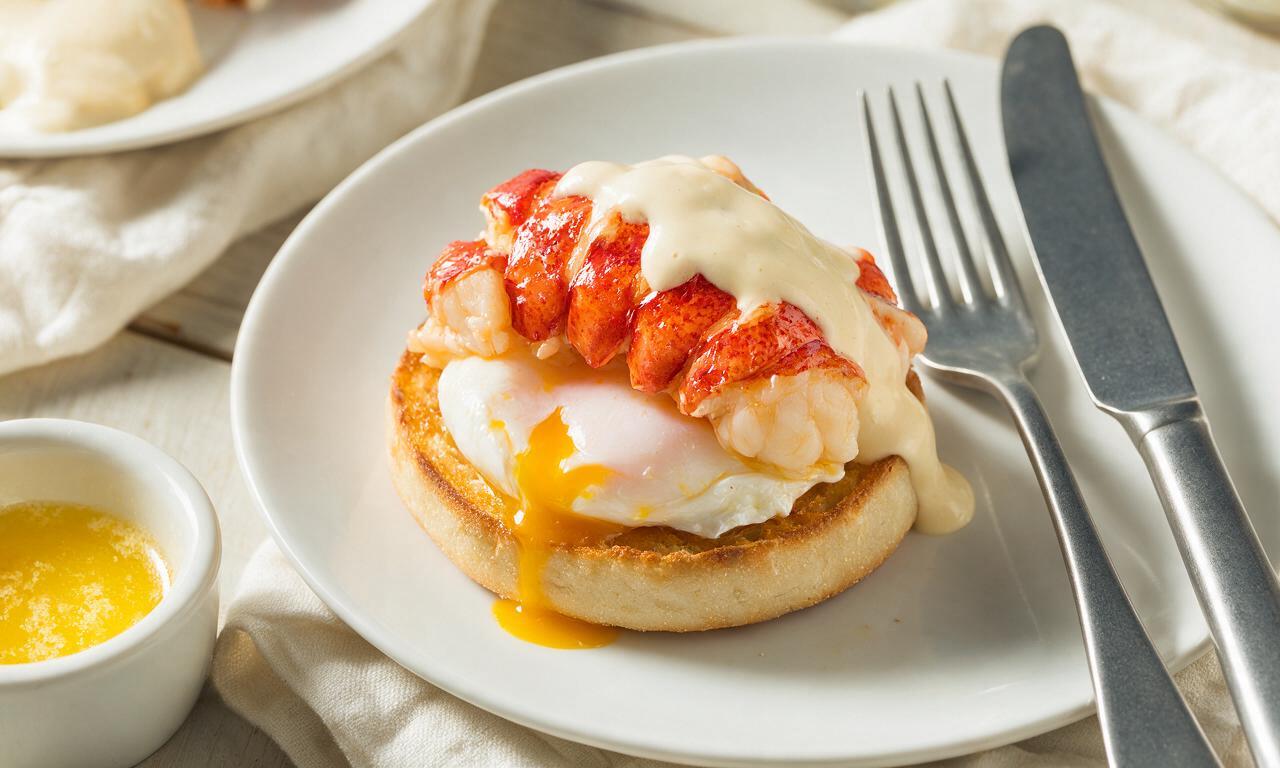
Lobster Benedict

Lobster Benedict
⏱️ cook time 40 minutes
🍽️ servings 4
⚡ Difficulty medium

intro

Indulgent New England twist on classic eggs Benedict, featuring butter-poached lobster, runny-yolk poached eggs, and rich creamy hollandaise on crisp toasted English muffins.

Ingredients

Raw cold-water lobster tails 680g (4 medium, shell-on)
Large eggs 11 count (8 whole for poaching, 3 yolks for hollandaise)
English muffins 4 whole (split into 8 equal halves)
Unsalted butter 226g (1 cup, divided: 56g for lobster poaching, 170g for hollandaise)
White distilled vinegar 15ml (1 tablespoon)
Fresh lemon juice 30ml (2 tablespoons)
Cayenne pepper 1g (1/4 teaspoon, plus extra for garnish)
Kosher salt 5g (1 teaspoon, divided)
Fresh chives 15g (1/4 cup, finely chopped)

Steps

1

Butter-poach the lobster

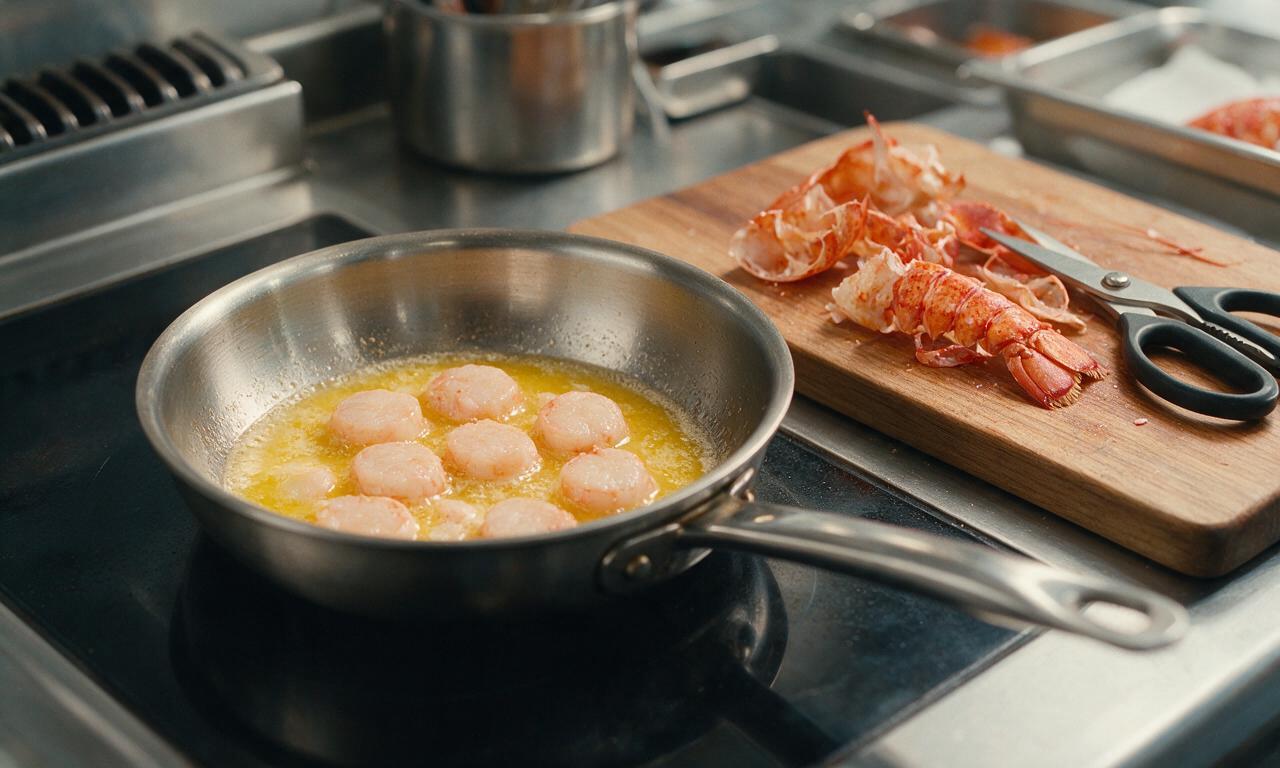
Use kitchen shears to cut through the soft underside membrane of each lobster tail, gently pull out the raw lobster meat, and discard the shells. Melt 56g (1/4 cup) unsalted butter in a small saucepan over low heat (maintain 120C/250F, no bubbling or browning), add the lobster meat, and poach for 6-7 minutes, turning once halfway, until the meat is opaque pale pink and firm to the touch. Remove lobster from butter, slice into 1cm thick medallions, and cover loosely with foil to keep warm.
Step 1
step1:Butter-poach the lobster
2

Toast English muffins

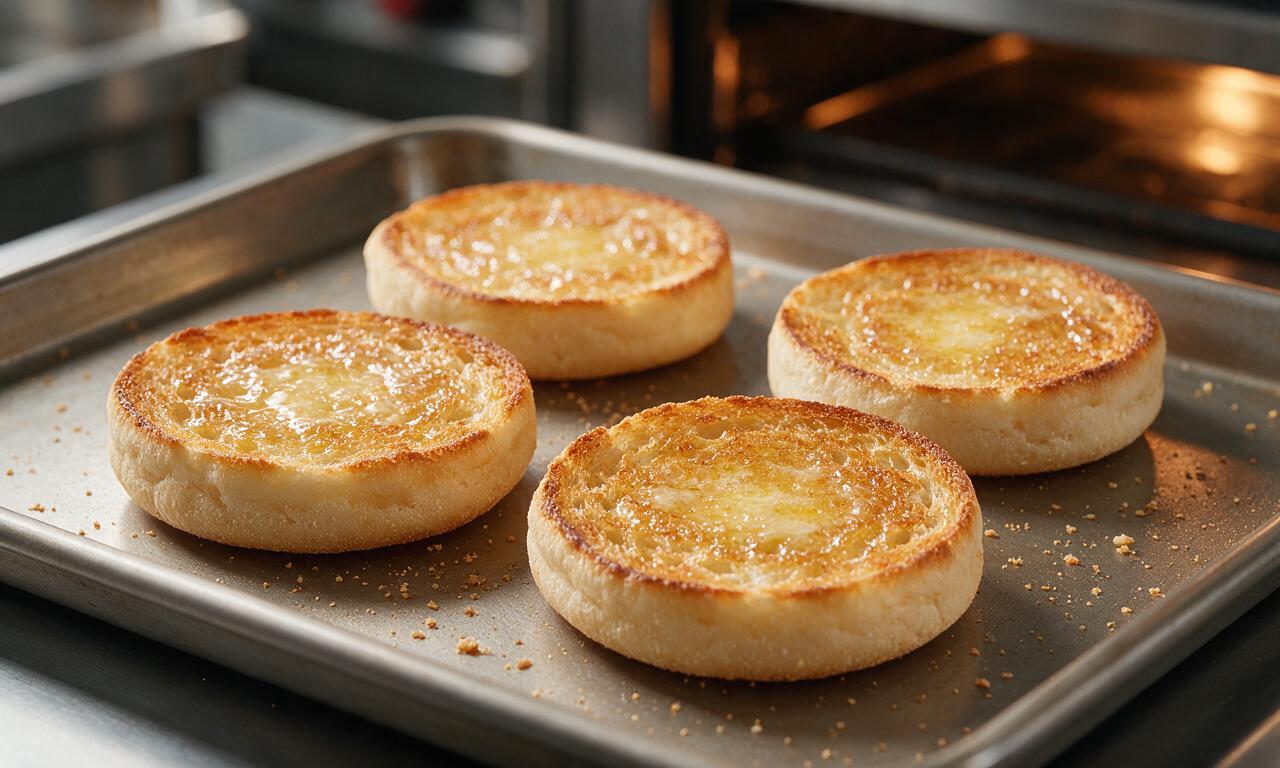
Split each English muffin horizontally into two equal halves, arranging all 8 halves cut-side up on a rimmed baking sheet. Toast under a preheated high-heat broiler, positioned 20cm (8in) from the top heating element, for 2-3 minutes until the cut surfaces are golden brown and crisp at the edges. Remove from the broiler, brush each cut side with a thin layer of the leftover butter used to poach the lobster, then arrange 2 halves per serving plate, covering loosely with foil to keep warm.
Step 2
step2:Toast English muffins
3

Poach the fresh eggs

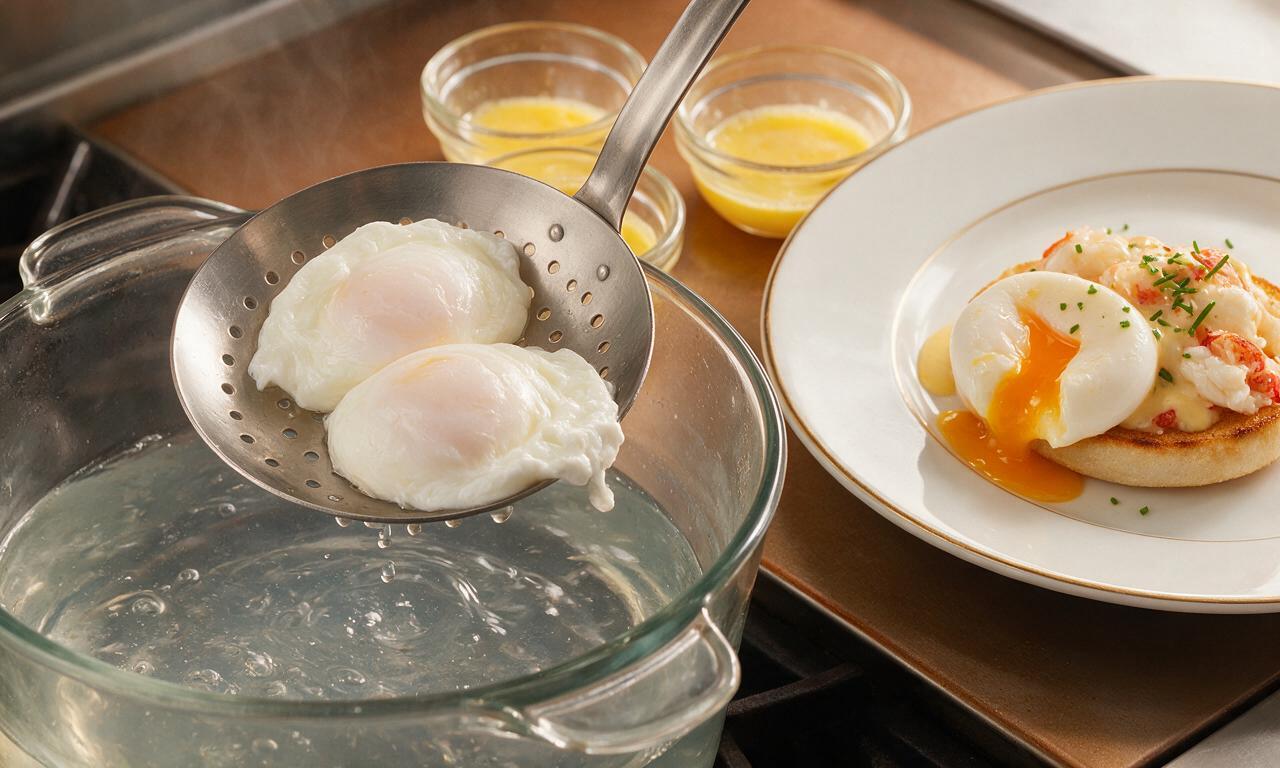
Fill a large deep saucepan with 10cm (4in) of water, bring to a gentle simmer (85C/185F, small bubbles rising from the pan base, no rolling boil) over medium-low heat, then stir in 15ml (1 tbsp) white vinegar and 3g (1/2 tsp) kosher salt. Crack each of the 8 whole eggs into separate small 60ml (1/4 cup) ramekins. Gently slide 4 eggs at a time into the simmering water, cooking for 3 minutes per batch for fully set whites and soft, runny yolks. Remove cooked eggs with a slotted spoon, drain briefly on paper towels, and trim any ragged, wispy egg white edges; keep warm while poaching the second batch.
Step 3
step3:Poach the fresh eggs
4

Whip hollandaise sauce

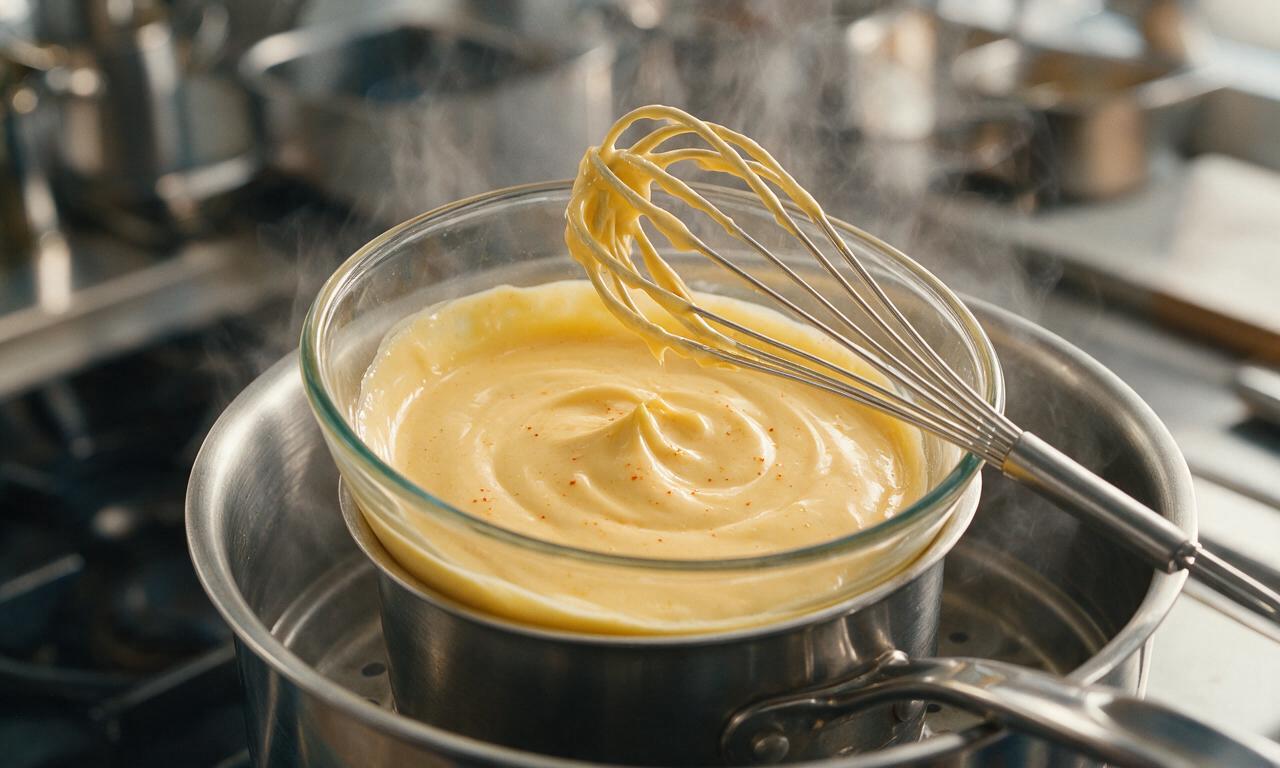
Fill a small saucepan with 2.5cm (1in) of water, bring to a bare simmer over low heat. Set a heatproof glass bowl over the pan to create a double boiler, ensuring the bowl bottom does not touch the simmering water. Add the 3 egg yolks and 15ml (1 tbsp) fresh lemon juice to the bowl, whisking constantly for 2 minutes until the yolks turn pale yellow and thicken enough to coat the back of a spoon. Slowly drizzle in the remaining 170g (3/4 cup) warm melted butter while whisking nonstop, until the sauce is smooth, thick, and creamy. Remove from heat, stir in the remaining 15ml (1 tbsp) lemon juice, 1g (1/4 tsp) cayenne pepper, and remaining 2g (1/4 tsp) kosher salt; cover to keep warm.
Step 4
step4:Whip hollandaise sauce
5

Assemble the stack layers

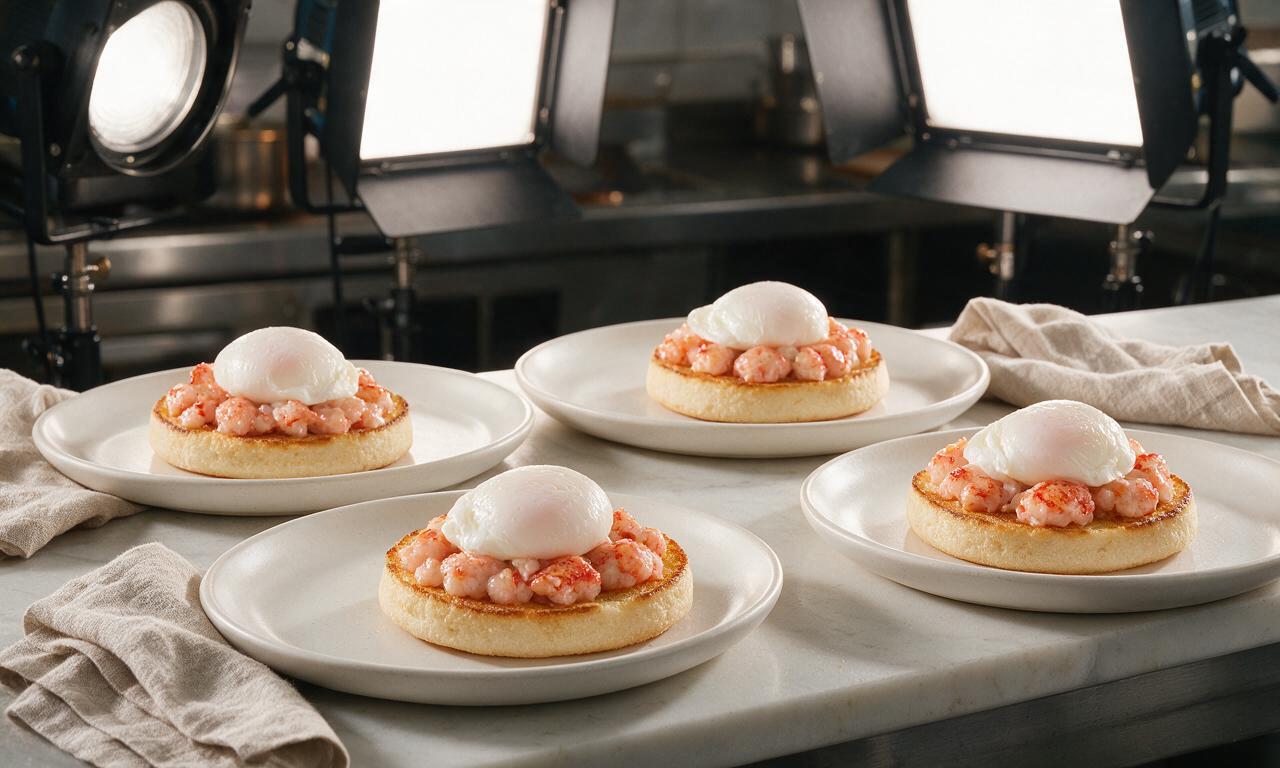
Divide the sliced butter-poached lobster medallions evenly across the 8 toasted muffin halves, arranging the lobster in a neat, even layer on each buttered muffin surface. Top each lobster-topped muffin half with one drained poached egg, adjusting the egg gently to sit centered on the stack so it does not slide off.
Step 5
step5:Assemble the stack layers
6

Sauce and garnish

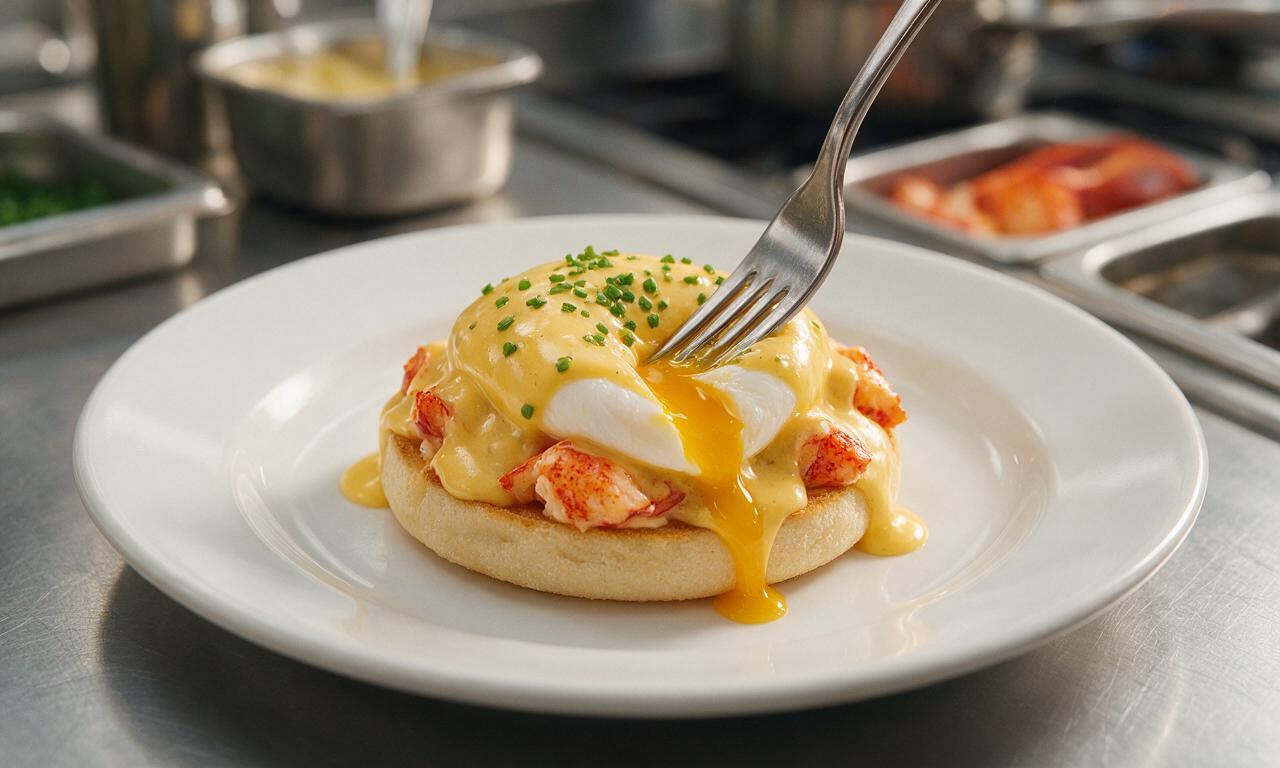
Spoon 30ml (2 tbsp) of warm hollandaise sauce over each poached egg, allowing the sauce to drip slightly down the sides of each stack. Sprinkle all servings evenly with the 15g (1/4 cup) finely chopped fresh chives and a light pinch of extra cayenne pepper for color and subtle heat. Serve immediately while all components are warm, before the hollandaise cools or egg yolks set.
Step 6
step6:Sauce and garnish

Tips

1.Do not let hollandaise get too hot while cooking, as high heat will curdle the egg yolks and break the smooth sauce; if the sauce separates, whisk in 1 teaspoon of ice-cold water to bring it back together.
2.Add vinegar to egg poaching water to help egg whites coagulate quickly and prevent wispy, spread-out eggs; never use a rolling boil, as turbulent water will break apart the delicate eggs.
3.Keep all cooked components (lobster, muffins, eggs) loosely covered with foil while prepping other elements to ensure the final dish is served warm, as cold lobster or muffins will ruin the luxurious texture.
✨ You May Also Like

Breakfast
🍜 United States

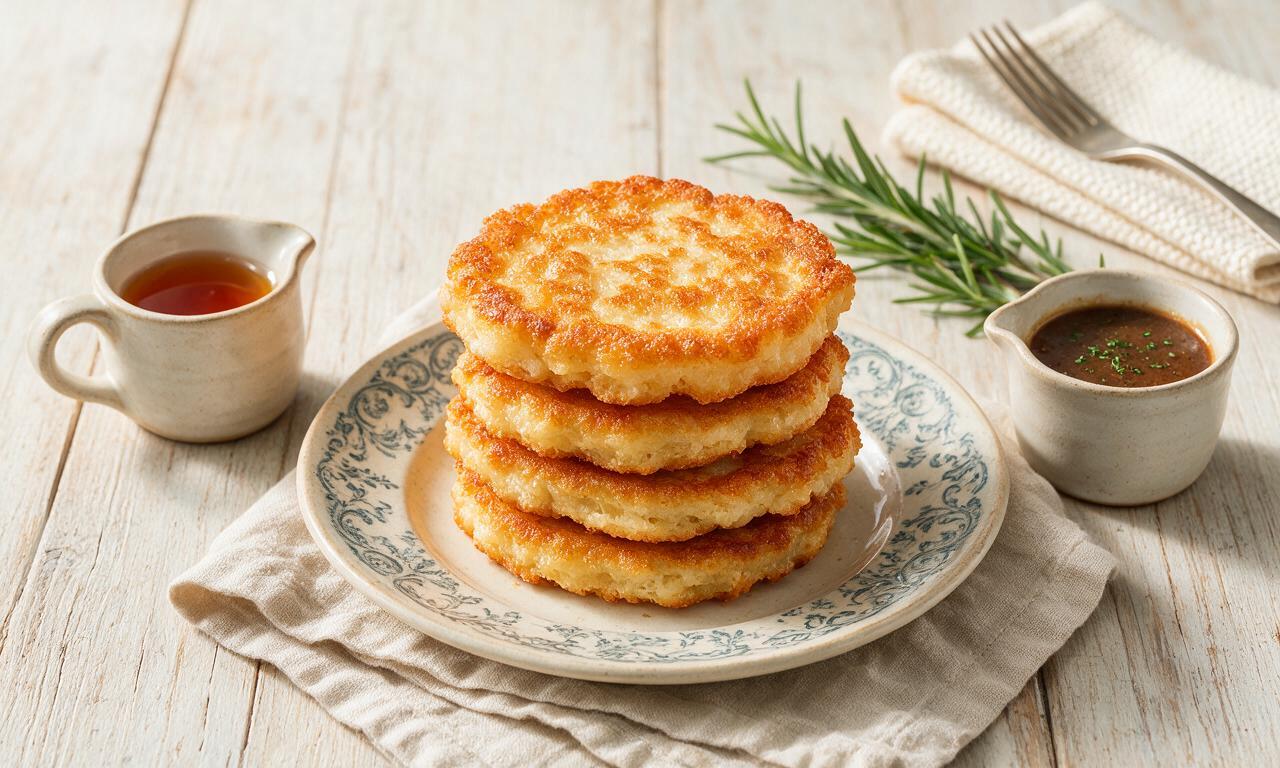
Crisp-edged, fluffy lard griddle cakes are a nostalgic homestyle staple, with rich savoriness from rendered lard, perfect topped with maple syrup or savory gravy.

⏱️ 25 minuteBreakfast ★ 4.9
Breakfast
🍜 United States

Flaky, buttery homemade buttermilk biscuits smothered in creamy, peppery pork sausage gravy: a beloved, hearty Southern American comfort food classic.

⏱️ 35 minuteBreakfast ★ 5
Breakfast
🍜 United States

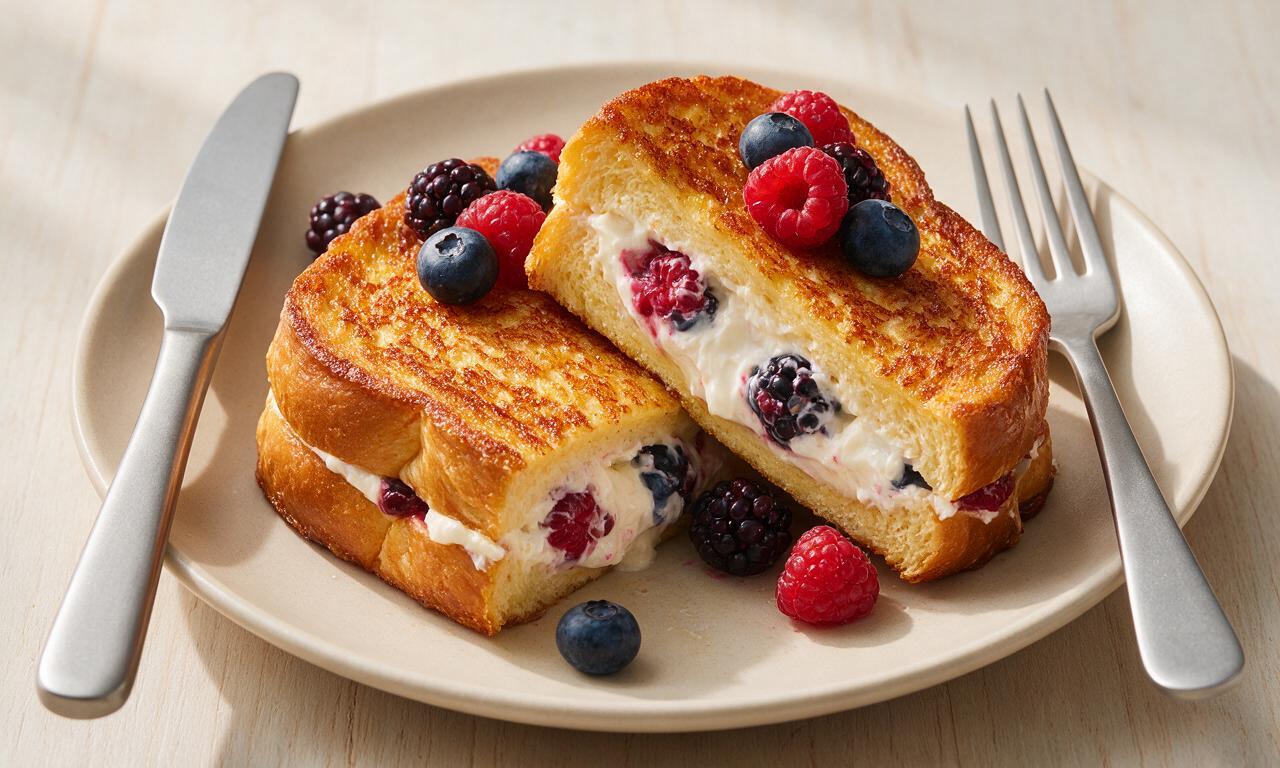
Golden, custardy brioche stuffed with sweet cream cheese and fresh berries, pan-fried to crisp perfection. An indulgent, cozy breakfast perfect for slow weekend mornings.

⏱️ 30 minuteBreakfast ★ 4.7
Breakfast
🍜 United States

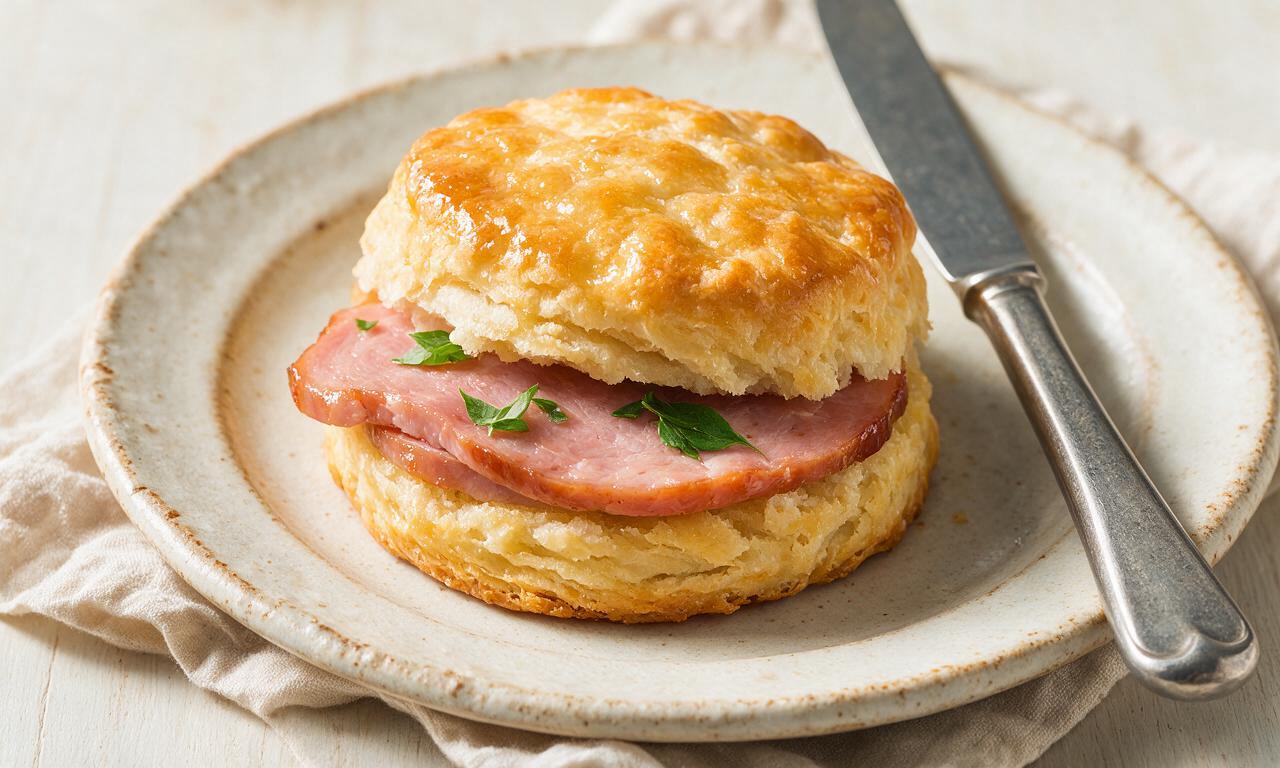
Flaky, buttery Southern-style biscuits stuffed with savory salty country ham, a portable, satisfying classic perfect for casual on-the-go meals.

⏱️ 25 minuteBreakfast ★ 4.8
Breakfast
🍜 United States

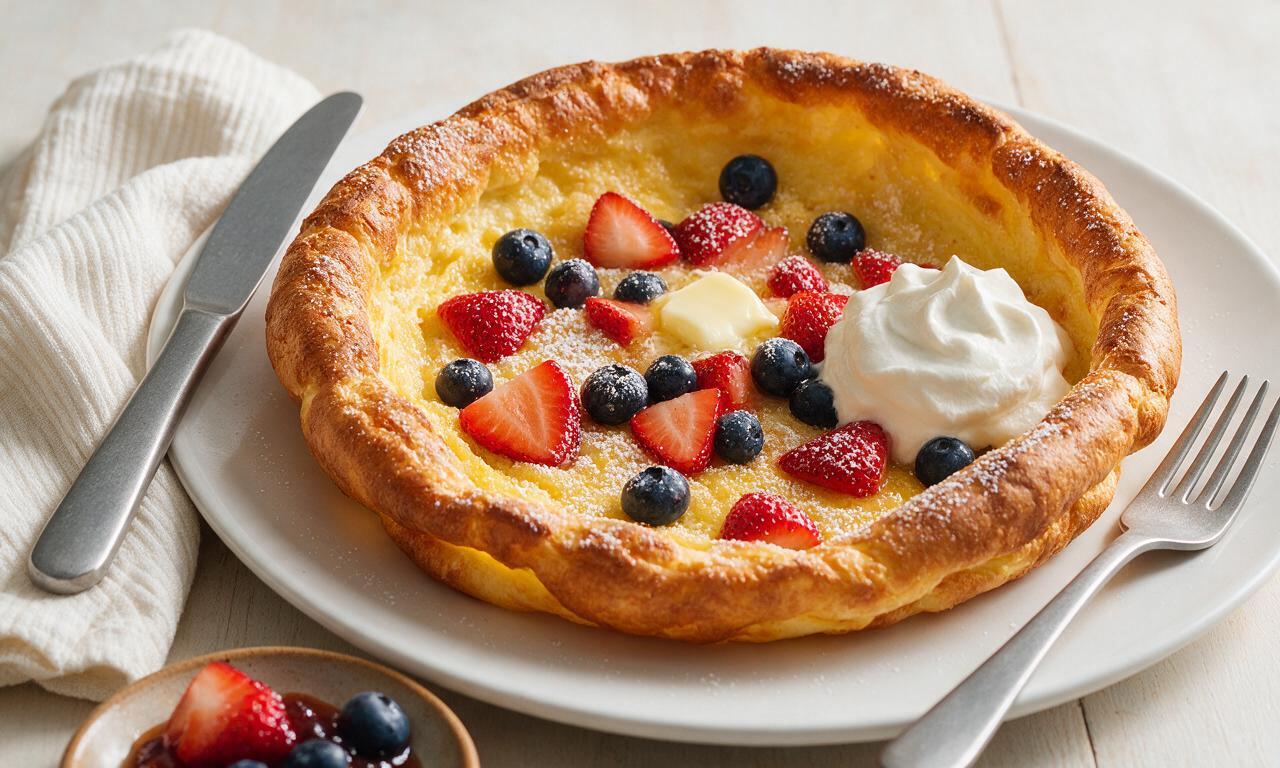
Iconic puffy baked pancake popularized in Seattle, with crisp golden edges and soft custardy center, served warm with classic sweet toppings.

⏱️ 35 minuteBreakfast ★ 4.6
Breakfast
🍜 United States

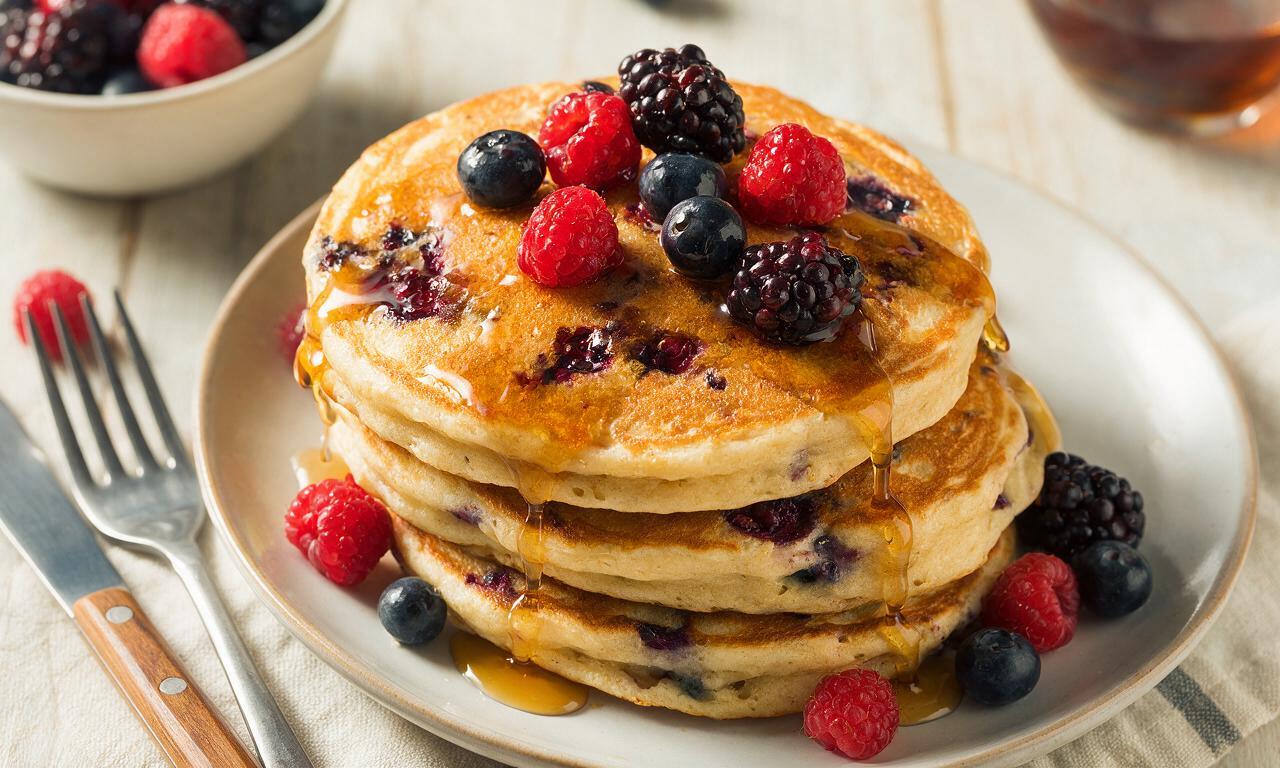
Fluffy, golden pancakes studded with juicy peak-summer mixed berries, drizzled with maple syrup for a bright, comforting, crowd-pleasing family breakfast.

⏱️ 25 minuteBreakfast ★ 4.8

Lobster Benedict:Frequently Asked Questions

1.Can I use frozen lobster tails instead of fresh for this Classic Lobster Benedict?
Frozen cold-water lobster tails work perfectly here, as long as you thaw them fully in the fridge for 24 hours first and pat them completely dry before butter poaching. Skip warm-water frozen tails if possible—they have a mushier, less sweet texture that doesn’t hold up to the dish’s rich components.
2.How do I get perfect runny-yolk poached eggs every time?
Bring 3 inches of water to a gentle, shivering simmer (not a rolling boil!) and stir in 1 tablespoon of white distilled vinegar per quart of water. Crack cold large eggs into individual ramekins, slide them slowly into the water, and cook exactly 3 minutes. Scoop out with a slotted spoon and dab dry on paper towels before assembling.
3.How do I butter-poach lobster without it turning tough and rubbery?
Cut raw cold-water lobster tail meat into 1-inch chunks, melt unsalted butter over low heat (keep it under 160°F, no bubbling!), add the lobster, and poach 4–5 minutes, stirring occasionally, until the meat is opaque and springy. High heat will overcook lobster fast, so resist the urge to turn up the stove.
4.Can I make hollandaise sauce ahead of time for brunch?
Hollandaise tastes best made right before serving, but you can hold it in a pre-warmed thermos set to 145°F for up to 1 hour, or store it in an airtight fridge container for up to 2 days. Reheat very gently over a double boiler, whisking constantly, so the emulsion doesn’t split or curdle.
5.Do I really need to toast the English muffins for this recipe?
Absolutely—always toast split English muffins until the cut sides are deeply golden and crisp, either in a toaster or skillet with a tiny pat of unsalted butter. Soft, untoasted muffins turn soggy almost instantly from runny egg yolk, lobster butter, and hollandaise, ruining the dish’s classic texture contrast.
6.Why do you add white distilled vinegar to the egg poaching water?
The mild acid in white distilled vinegar helps loose egg whites coagulate faster around the yolk, so you get a neat, compact poached egg instead of wispy white strands floating all over your pot. You only need 1 tablespoon per quart of water—this small amount won’t leave any noticeable vinegar flavor on finished eggs.
7.How much lobster should I plan per serving?
Plan for one 4–5 ounce raw cold-water lobster tail per serving, which yields roughly 3 to 3.5 ounces of tender poached meat once removed from the shell. That’s the perfect generous, indulgent portion without overshadowing the delicate poached eggs and creamy hollandaise that keep the dish balanced.
8.My hollandaise keeps curdling when I make it—how do I fix that?
If your hollandaise turns grainy or splits, immediately pull it off the heat, transfer it to a clean bowl, add 1 ice cube or a teaspoon of ice-cold water, and whisk vigorously for 10–15 seconds. That quick trick almost always brings the emulsion back to a smooth, creamy texture so you don’t have to start over.
9.Can I use a different vinegar instead of white distilled vinegar for poaching eggs?
White distilled vinegar is ideal because it has a neutral flavor that won’t discolor or add odd notes to delicate eggs. Apple cider vinegar works in a pinch but adds a faint fruity tang, while balsamic vinegar will turn eggs a grayish-brown and add too strong a flavor for this light, luxurious dish.
10.Should I use salted or unsalted butter for this recipe?
Always reach for unsalted butter for every component here—it lets you control the exact salt level of the poached lobster and hollandaise, so you don’t end up with an overly salty finished dish. If you only have salted butter, skip adding extra salt to components until you taste and adjust at the end.
11.What’s the easiest way to get raw lobster meat out of the tails?
Use sharp kitchen shears to cut straight down the center of the soft, membrane-covered underside of each cold-water lobster tail, then peel the hard top shell back to pull the raw meat out in one whole piece. Rinse quickly to remove stray shell bits or vein, then pat completely dry before poaching.
12.Can I poach eggs ahead of time to cut down on day-of brunch prep?
Absolutely! Poach your large eggs 1–2 days ahead, scoop them out of the simmering water, and submerge them in an ice bath to stop the cooking process. Store in a covered container of cold water in the fridge, then reheat for 30 seconds in gently simmering water right before assembling to keep that runny yolk.
13.What’s the best way to split English muffins for maximum crispness?
Skip cutting English muffins with a knife—poke them all the way around their equator with the tines of a fork, then pull them apart gently with your hands. That creates a rough, craggy surface that toasts up extra crunchy and holds onto lobster, runny egg, and hollandaise far better than a smooth knife-cut surface.
14.Why do my poached eggs have flat, overcooked yolks?
That almost always means your water is at a rolling, bubbling boil instead of a gentle simmer, or you’re using room-temperature eggs instead of cold large eggs straight from the fridge. Boiling water jostles eggs too much and overcooks the outer yolk fast, while cold eggs hold their neat shape as they cook.
15.Can I use whole cooked lobster instead of raw lobster tails?
Definitely! If you have access to whole live cold-water lobster, boil or steam it for 8 minutes per pound, then pick the claw, knuckle, and tail meat to use. Claw and knuckle meat is extra tender and sweet for an even more luxurious bite—just toss picked meat in a little melted unsalted butter before assembling.
16.How thick should hollandaise be for Lobster Benedict?
Your finished hollandaise should be thick enough to coat the back of a spoon in a smooth, even layer that doesn’t run off immediately, but still easily pourable. If it’s too thick, whisk in a teaspoon of warm water or lemon juice to thin; if too thin, whisk over very low double boiler heat for 30–60 seconds to set.
17.What seasonings should I add to the butter-poached lobster?
Keep seasonings simple! A tiny pinch of kosher salt and light grind of black pepper is all you need, since the sweet lobster, rich unsalted butter, and tangy hollandaise already carry so much flavor. Skip heavy seasonings like paprika, garlic, or Old Bay here—they’ll overpower the lobster’s delicate briny sweetness.
18.Why is my poached lobster chewy instead of tender?
Chewy, rubbery lobster is almost always caused by cooking it at too high a temperature, or leaving it in the butter too long. Remember, your poaching butter should never bubble or climb above 160°F, and 4–5 minutes for 1-inch chunks is all you need—meat keeps cooking a little after you pull it from the heat.
19.What order should I prep components so everything is hot when I serve?
Start by making hollandaise first and holding it warm in a thermos, then butter-poach your lobster and keep it covered in a warm (not hot!) spot, then toast your English muffins right as you start poaching your eggs. Assemble immediately after eggs are done, so every component is the perfect temperature and texture.
20.Can I add extra toppings to my Lobster Benedict, or should I keep it classic?
The classic version shines as-is, but you can add a light sprinkle of fresh chopped chives, a pinch of flaky sea salt, or a thin slice of ripe avocado if you’d like. Skip heavy add-ons like bacon, sautéed spinach, or fiery hot sauce—they’ll compete with the delicate lobster and runny yolk that make this dish special.

Comments (3)

3 days ago

OMG this lobster benedict was an absolute game changer for our anniversary brunch last weekend! I was a little nervous about nailing the poached eggs since I always mess them up and end up with wispy egg white messes, but the step-by-step timing notes were totally spot on. My husband said it was better than the $32 version we get at our fancy waterfront brunch spot downtown. SO good, we already grabbed extra lobster to make it again for my parents when they visit next week!

2 days ago

Wait, quick question—how did you get your lobster meat so tender? I tried making a lobster benedict for Mother’s Day last month and mine came out super rubbery, total bummer 😭

2 days ago

So happy this was a hit for your anniversary, Mia! And great question from Jake too - the secret is not overcooking your lobster! Simmer (don’t boil!) 1.5lb lobsters for 8-10 minutes max, then immediately shock them in an ice bath to stop the cooking process. That keeps the meat sweet and tender, no rubbery texture. Can’t wait to hear how it goes when your parents visit!

5 days ago

Really solid recipe! Total cook time was right around 40 minutes for me even though I’m usually so slow prepping ingredients, which was a total win for a lazy Sunday. I forgot to grab fresh chives at the grocery store so I skipped that garnish entirely, and it still tasted amazing. Only tiny note is I wish there was a little more guidance for getting the hollandaise thicker—mine came out a touch runny so it dripped all over my plate, oops.

3 days ago

Thanks so much for giving the recipe a try, Lindsey! Love that you rolled with it even without the chives - cooking should be flexible, no need to run to the store for one missing garnish! For thicker hollandaise, make sure you’re whisking the egg yolks constantly over very gentle double boiler heat as you drizzle in melted butter super slowly (that slow emulsification is key!). If it still feels runny, pop it back over the warm water for 10-15 seconds while whisking and it’ll thicken right up for next time!

1 week ago

Made this for a potluck brunch with my department at work last week and everyone was hounding me for the recipe before we even finished eating! I prepped the cooked lobster meat and hollandaise sauce the night before to cut down on morning chaos, and it held up perfectly when I reheated it gently right before serving. Even my super picky 10-year-old asked for seconds when we test-ran the recipe over the weekend. Total crowd pleaser, will be making this on repeat for every special brunch occasion from now on!