1.Do I have to cure lutefisk from scratch to make this baked recipe?
▾
No, you don’t! This recipe is designed for pre-rinsed, prepared lutefisk you can find at Nordic specialty markets, many Upper Midwest grocery stores, or online seafood retailers. Curing lutefisk from scratch requires careful food-grade lye handling and days of repeated soaking, so prepped lutefisk is far safer, more consistent, and cuts down prep time dramatically.
2.Why does my lutefisk turn out watery and mushy when I bake it?
▾
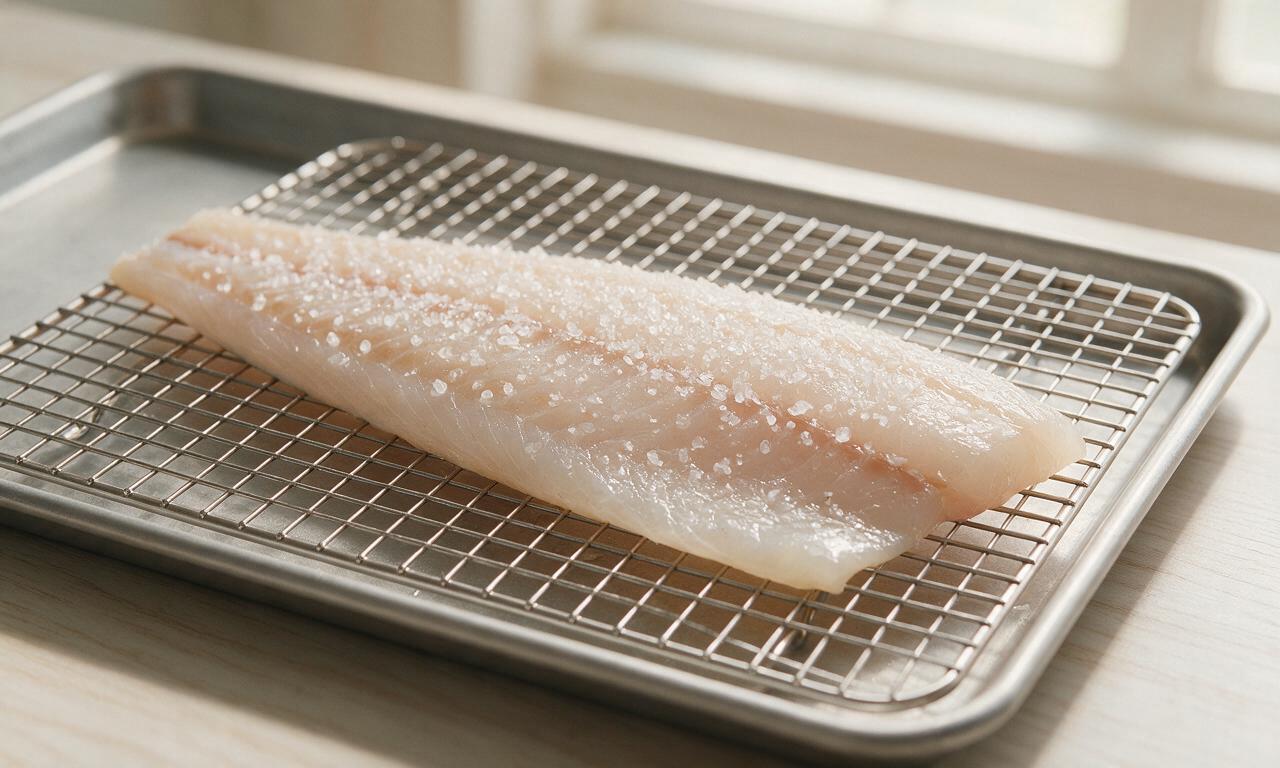
Watery, mushy lutefisk almost always comes from skipping the pre-bake salting step. Pat your lutefisk dry, sprinkle it lightly with kosher salt, and let it rest 10 minutes before baking to draw out excess surface moisture. Pat it dry again right before adding butter and popping it in the oven, and you’ll get tender, flaky, not soggy results every time.
3.What oven temperature gives the best baked lutefisk texture?
▾
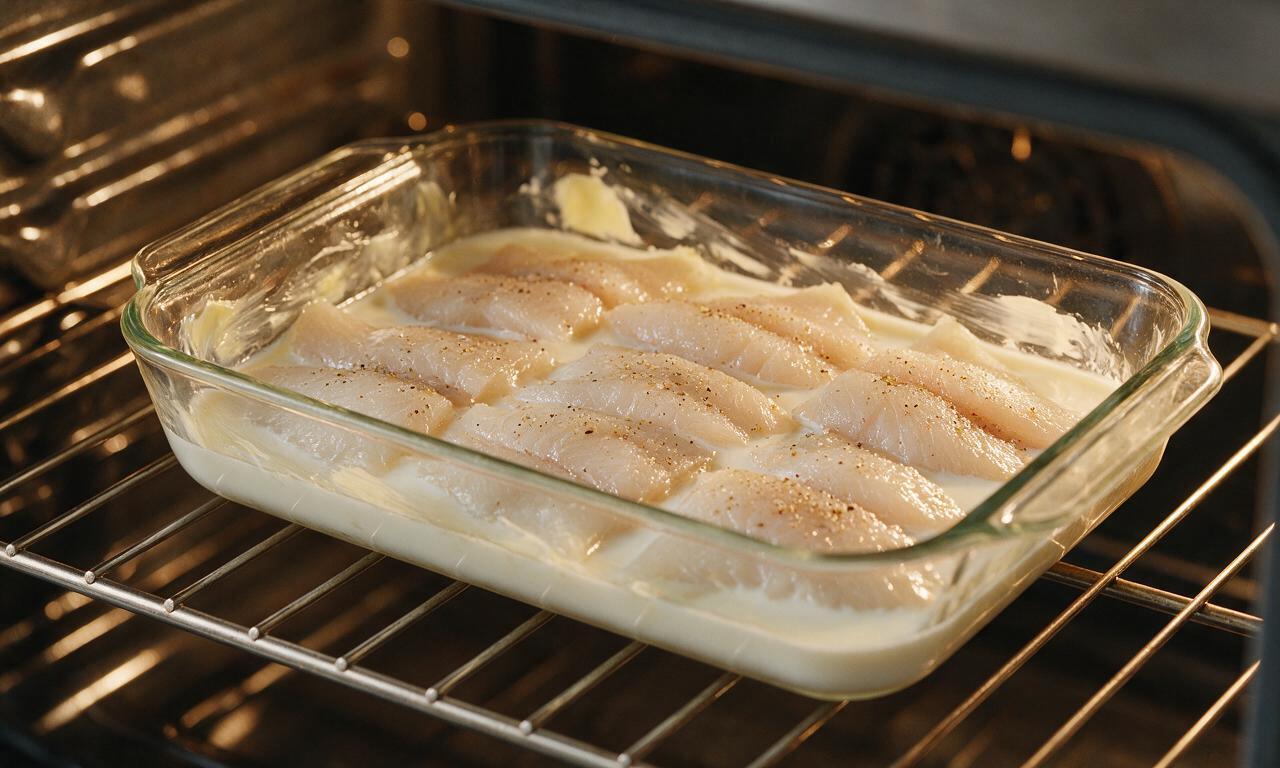
Bake your lutefisk at 375°F (190°C) for the perfect balance of tender, flaky flesh without it turning rubbery or breaking down into mush. This moderate, even heat cooks the delicate lye-cured cod gently, so it holds its soft, silky texture instead of seizing up from high heat or turning watery from too-low, slow cooking.
4.Can I use russet potatoes instead of Yukon Golds for the classic side?
▾
You can, but Yukon Golds are the ideal pick here for their naturally buttery, creamy texture and thin, tender skin that doesn’t require peeling if you don’t want to. Russets will work, but they have a starchier, fluffier texture that doesn’t pair as nicely with soft lutefisk and rich spiced butter, and they fall apart easier when boiled.
5.How do I tell when baked lutefisk is fully cooked and ready to serve?
▾
You’ll know your lutefisk is done when it turns opaque pearly white, flakes easily with a gentle fork press, and has a soft, jiggly but not gelatinous texture. It usually takes 25 to 30 minutes for a standard 1.5 to 2 pound fillet, and you’ll want to pull it right as it flaks—overcooking is the top cause of rubbery, unpleasant lutefisk.
6.Do I need to peel the skin off lutefisk before I bake it?
▾
You don’t have to, but most folks prefer to for easier serving. The skin of prepared lutefisk is soft and edible, but it can hold a faint residual bitter note if it wasn’t rinsed thoroughly at processing. If you leave it on, place the fillet skin-side down, and the flesh will lift easily off the skin after baking.
7.What causes that infamous soapy lutefisk flavor, and how do I avoid it?
▾
That soapy taste comes from lutefisk that wasn’t rinsed thoroughly enough after lye curing, or that was served completely unseasoned. Since this recipe uses pre-rinsed lutefisk, a light sprinkle of kosher salt before baking and serving with rich, spiced melted butter cuts any faint residual alkaline flavor, leaving a mild, clean cod taste.
8.Can I substitute regular fresh or frozen cod for lutefisk in this recipe?
▾
You can bake regular cod with the same method, but it won’t be traditional lutefisk. Regular cod has a firmer, denser, more pronounced fish flavor and lacks the signature soft, silky, mild texture that makes lutefisk a beloved Nordic-American holiday staple. If you use regular cod, add 5 to 7 minutes of bake time to account for its denser flesh.
9.What spices go into the traditional spiced melted butter for serving?
▾
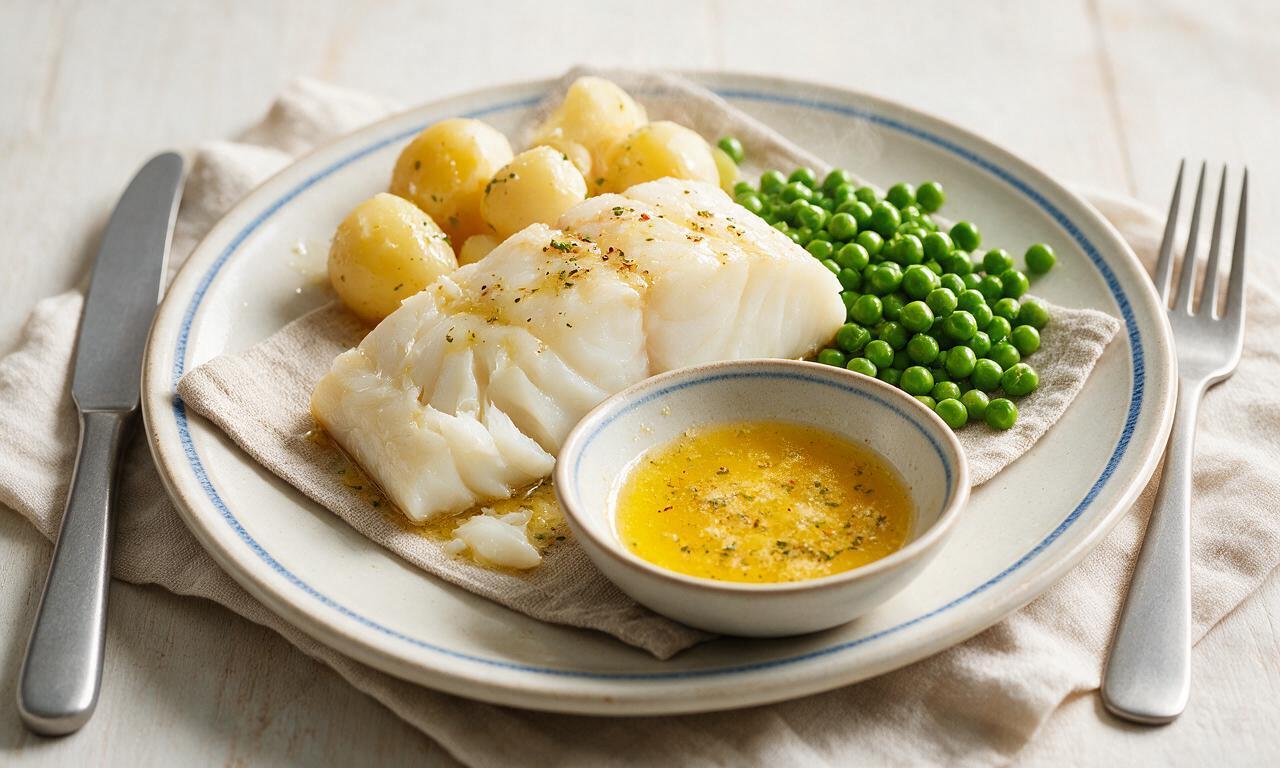
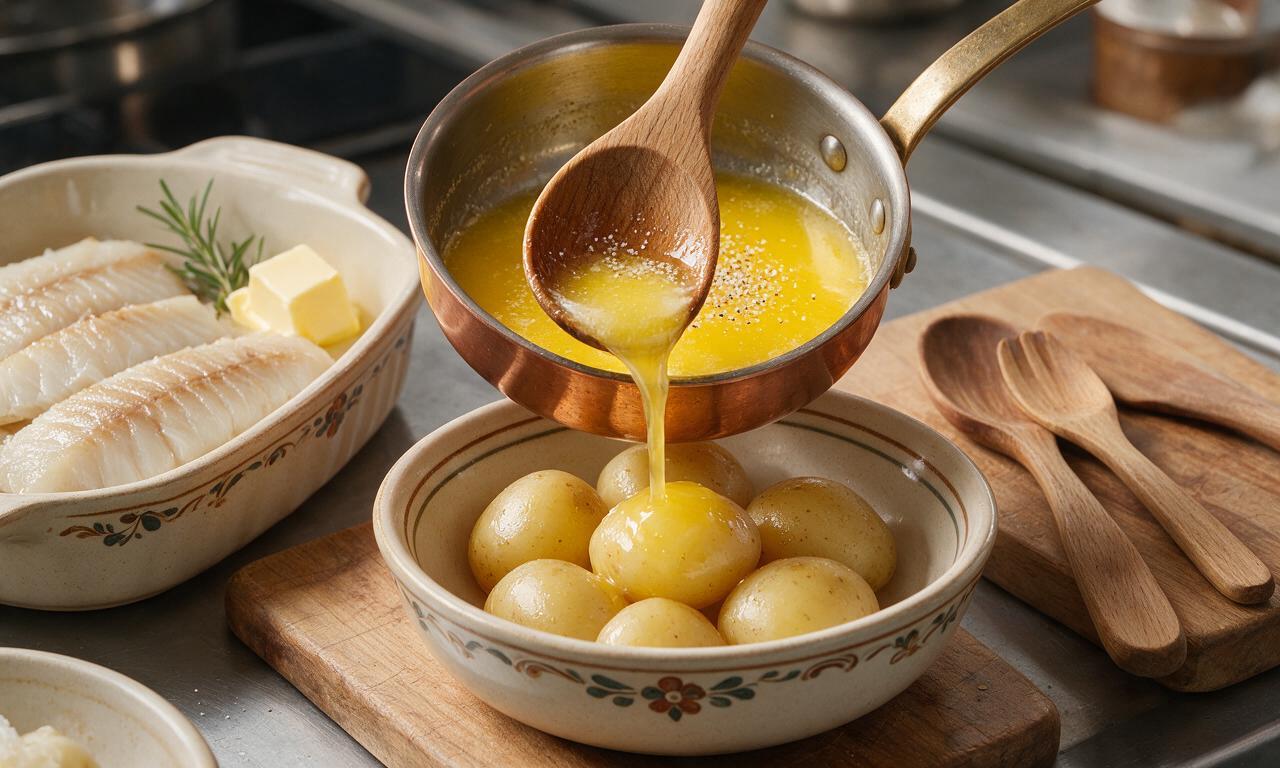
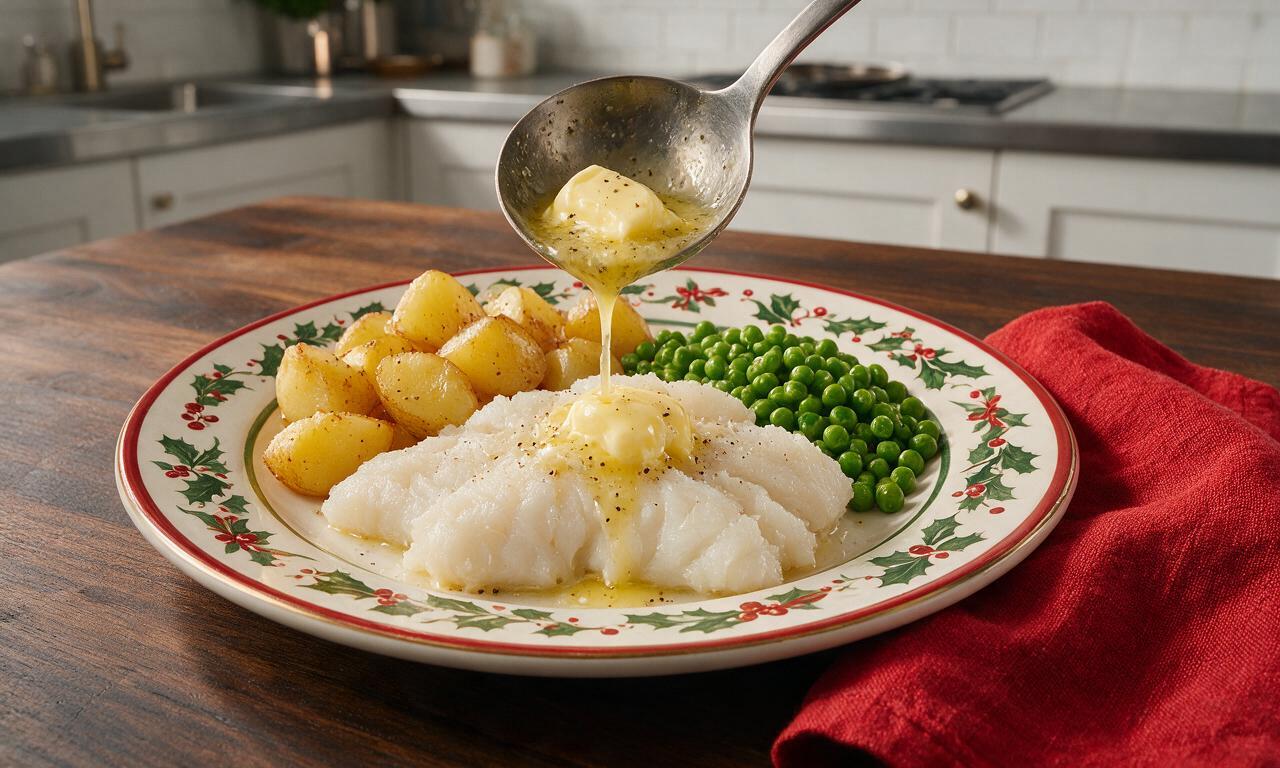
Classic spiced butter for lutefisk uses warm, gentle spices that don’t overpower the mild fish: a pinch of freshly ground white pepper, a tiny grating of nutmeg, and a light sprinkle of ground allspice are standard. Melt your unsalted butter over low heat, stir in the spices, and drizzle it generously over fish, potatoes, and peas right before serving.
10.Should I bake lutefisk covered with foil or uncovered?
▾
Bake it loosely covered with a sheet of aluminum foil for the first 20 minutes, then uncover it for the last 5 to 10 minutes of cook time. Covering traps gentle steam to keep the fish moist as it cooks, and uncovering at the end lets excess released moisture evaporate so you don’t end up with watery puddles on your serving platter.
11.Do I need to thaw frozen lutefisk completely before baking it?
▾
Yes, always thaw frozen prepared lutefisk fully in the refrigerator for 24 to 48 hours before baking, and pat it very dry with paper towels once thawed. Baking lutefisk from frozen causes it to release massive amounts of excess water as it cooks, leading to mushy, watery, unevenly cooked fish with no flaky, tender texture.
12.Can I make this baked lutefisk ahead of time for a holiday dinner?
▾
Lutefisk is best served fresh right out of the oven, but you can prep components ahead to cut down on holiday chaos. Boil your Yukon Gold potatoes a day ahead and reheat them in butter, cook your frozen green peas right before serving, and mix your spiced butter 2 to 3 days in advance. Bake the lutefisk last, right as guests sit down, for best results.
13.How much lutefisk should I plan per person for a holiday meal?
▾
Plan for 6 to 8 ounces of prepared lutefisk per person, since it is rich and served with hearty sides of buttered potatoes and peas. If you’re serving a crowd of dedicated lutefisk fans, bump that up to 10 ounces per person to account for second helpings—this nostalgic dish rarely leaves much in the way of leftovers.
14.What’s the best way to reheat leftover lutefisk without making it rubbery?
▾
Reheat leftover lutefisk gently in a 325°F oven, covered loosely with foil, for 8 to 10 minutes until just warmed through. Avoid microwaving it, as the high, uneven heat will turn the delicate fish rubbery and cause it to release excess water. Reheat leftover potatoes and peas alongside it, and serve with fresh warm spiced butter.
15.Do I need to grease my baking sheet when making baked lutefisk?
▾
Yes, lightly grease your baking sheet with a thin pat of unsalted butter, or line it with parchment paper lightly coated in butter, to keep the soft fish from sticking as it bakes. Lutefisk has a very delicate, soft texture when cooked, so it can tear easily if it sticks to the pan, ruining your nice holiday fillet presentation.
16.Why is my lutefisk rubbery instead of soft and tender?
▾
Rubbery lutefisk is almost always caused by overcooking, or baking at too high a temperature. Lye-cured cod has a very delicate protein structure that breaks down fast when overexposed to heat, so stick to the 375°F bake temp, start checking for doneness at 22 minutes, and pull it as soon as it flakes easily with a fork.
17.Can I add lots of extra seasonings to lutefisk before baking?
▾
Keep pre-bake seasonings very light, since lutefisk has a famously mild, delicate flavor that is easily overpowered. A light sprinkle of kosher salt and a tiny grind of white pepper is all you need before baking; save bolder flavors like allspice, nutmeg, or a squeeze of lemon for your melted serving butter so you don’t mask the fish’s subtle taste.
18.Should I salt the water when boiling my Yukon Gold potato side?
▾
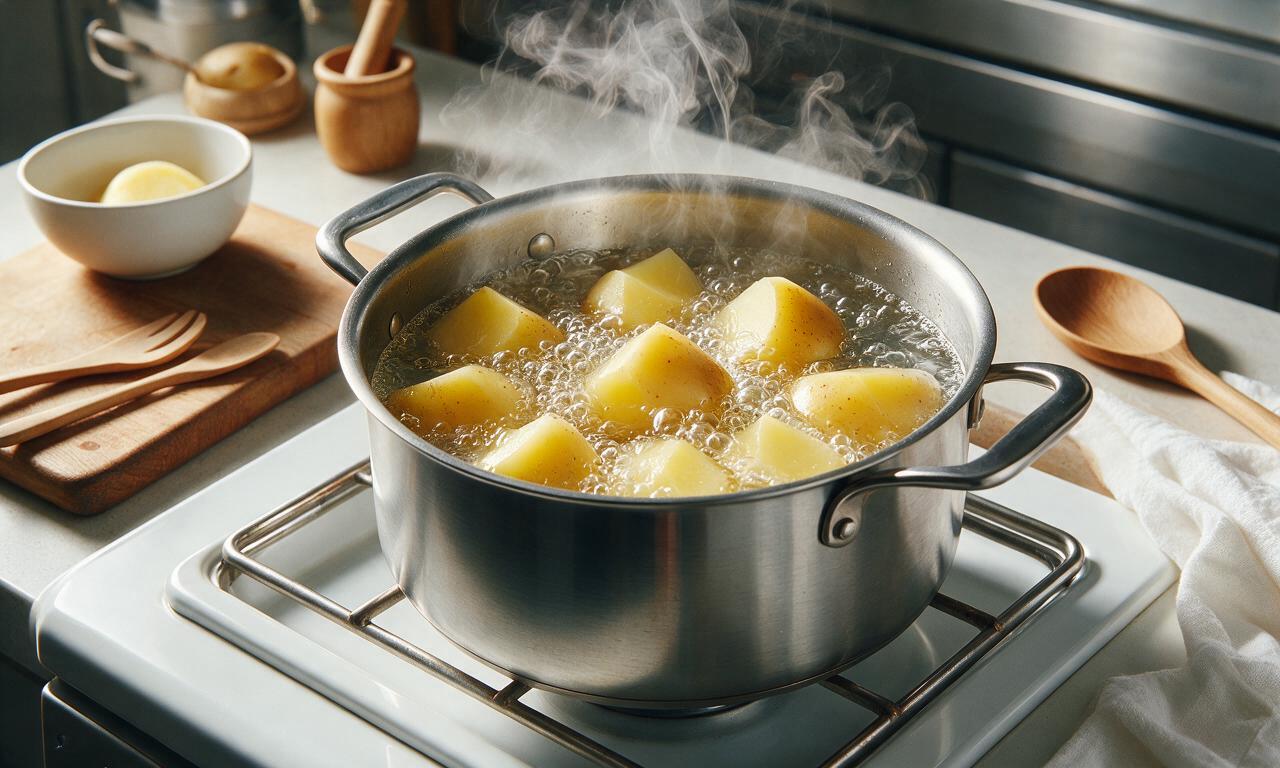
Absolutely—salt your potato water as heavily as seawater to season the spuds all the way through, instead of just salting them on the surface after cooking. Boil your Yukon Golds until fork-tender, about 15 to 20 minutes, then toss them with a few pats of unsalted butter and a light pinch of salt before serving alongside lutefisk and peas.
19.My pre-rinsed lutefisk feels slippery before baking— is that normal?
▾
A slight slippery texture is totally normal for properly prepared lutefisk, thanks to the lye curing process, but you can reduce it by giving the fillet a quick cold water rinse and patting it completely dry with paper towels before salting. Don’t scrub or soak the fillet, though—you’ll wash away delicate flavor and make the baked flesh overly soft.





OMG, I’ve been searching for a no-fuss baked lutefisk recipe that tastes exactly like my grandma used to make for our Christmas Eve family dinner, and this is IT! No weird mushy texture, the butter and white pepper seasoning is spot on. My kids even went back for seconds, which I never thought would happen with lutefisk, lmao. 10/10, will be making this every holiday from now on.
I made this for our neighborhood potluck last weekend after my husband kept raving about the lutefisk he had on a work trip to Minnesota. I was super nervous I’d mess it up, but the instructions were so easy to follow! Only thing is mine came out a little saltier than I expected—did I do something wrong when prepping the fish?
Game changer! I grew up eating boiled lutefisk that always turned slimy no matter who made it, and the baked method here is a total revelation. Served it with boiled potatoes, peas, and melted butter for our Sunday family dinner and even my picky teen ate a full serving. No slime, perfect flaky texture, SO good.
I was skeptical about making lutefisk for meal prep since I thought it wouldn’t reheat well, but this baked version holds up great! I portioned it out with roasted root veggies for 4 days of work lunches and it didn’t get mushy or rubbery at all. Only knock is I wish the recipe had a suggested cream sauce option beyond plain melted butter, but otherwise it’s a really solid, reliable recipe.
Wait, did I get a bad batch of lutefisk? I followed the recipe exactly, baked it for the full 40 minutes at the temp listed, and it came out so jiggly and gelatinous I couldn’t even serve it. My whole family made faces when they saw it, we ended up ordering pizza instead. Bummed because I was so excited to try a traditional Nordic dish!
Hosted our annual extended family holiday dinner last night and decided to switch up the usual fish course with this baked lutefisk, and I got so many compliments! Multiple cousins asked for the recipe before they left, which never happens. I served it with the classic butter sauce, a side of lingonberry jam, and buttery mashed potatoes, and every last bite was gone. Absolute hit!
This was pretty good overall, but I think I overbaked mine by a few minutes because the edges got a little tough. The listed 40 minute cook time is probably spot on for a standard oven, but mine runs hot so I should have turned it down a bit, that’s totally on me. Flavor was great though, I’ll definitely adjust the temp and check earlier next time I make it.
My great grandpa was Norwegian and I’ve been wanting to recreate the lutefisk he used to make for our summer family reunions for years, and this recipe got so close I almost cried. It smelled exactly like his kitchen when it was baking. Served it with lefse and melted butter like he did, and my mom said it was the best replica she’s ever had. Thank you so much for sharing this traditional, no-fuss recipe!
Quick question! I’m making this for my book club potluck tomorrow and I was wondering if I can prep the fish tonight and keep it in the fridge overnight to bake tomorrow, or if that will make the texture weird? I don’t want to cut it too close tomorrow after work!
I was so scared to make lutefisk because of all the jokes about how gross and slimy it is, but this baked recipe was SO good! I had never tried it before, and I was expecting some weird jiggly fish, but it was mild, flaky, and so comforting with melted butter and roasted potatoes. My roommate and I ate almost the entire pan in one sitting, no regrets.