1.Can I use skinless mahi mahi fillets instead of skin-on for this recipe?
▾
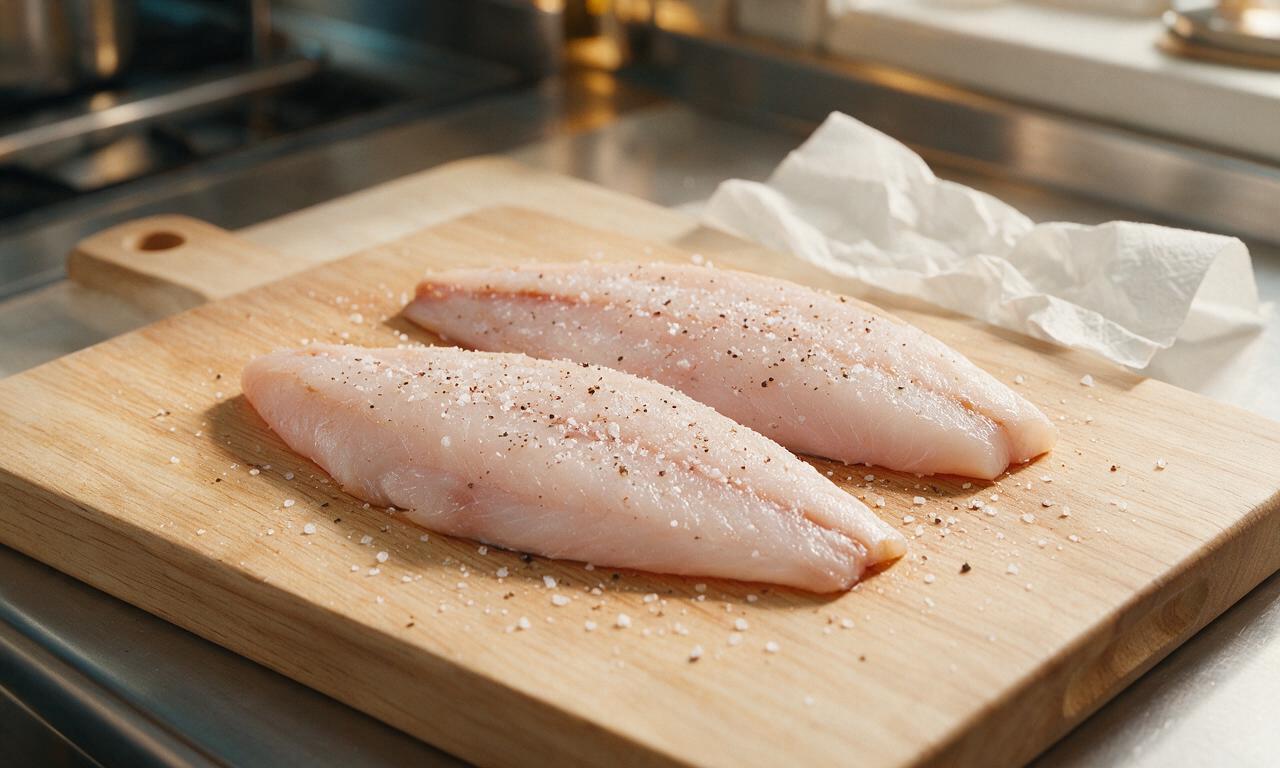
You absolutely can, though skin-on fillets deliver that signature shatteringly crisp texture and act as a natural barrier to keep fish extra moist while searing. If using skinless, pat fillets extra dry with paper towels, avoid moving them for the first 3 minutes of searing, and reduce cook time by roughly 30 seconds per side to prevent overcooking.
2.How do I know when mahi mahi is fully cooked and safe to eat?
▾
Mahi mahi is safe to eat when it reaches an internal temperature of 145°F measured at the thickest part, per FDA guidelines. You’ll also know it’s done when the flesh turns opaque white, flakes easily with a fork, and has just a faint hint of translucency in the very center that finishes cooking from residual heat as it rests 2 minutes.
3.Can I use frozen mahi mahi if I can’t find fresh fillets?
▾
Frozen mahi mahi works perfectly here as long as you thaw it properly first. Thaw fillets overnight in the fridge, then press firmly between paper towels to remove every bit of excess surface moisture before searing—this is non-negotiable to get a crisp sear instead of steamed, soggy fish. Skip hot-water quick thaws, as they make flesh mushy.
4.Why does my fish always stick to the pan when I try to sear it?
▾
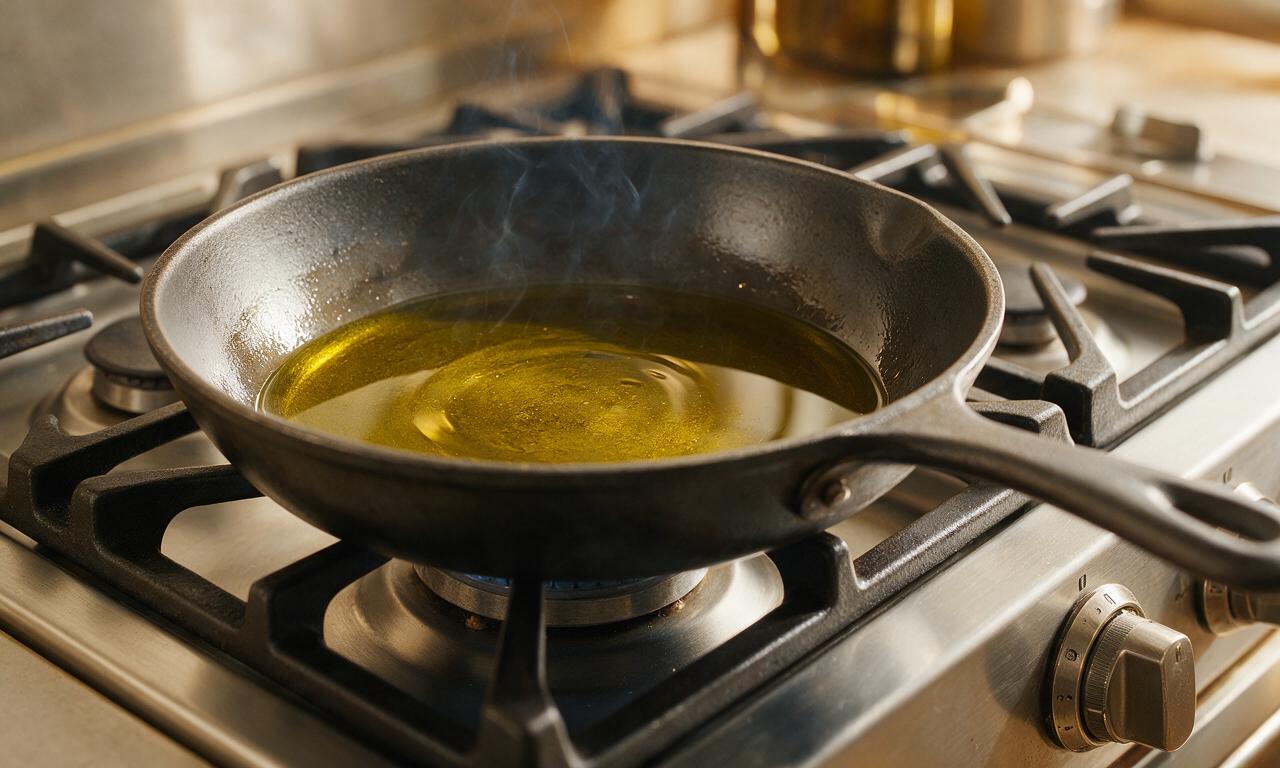
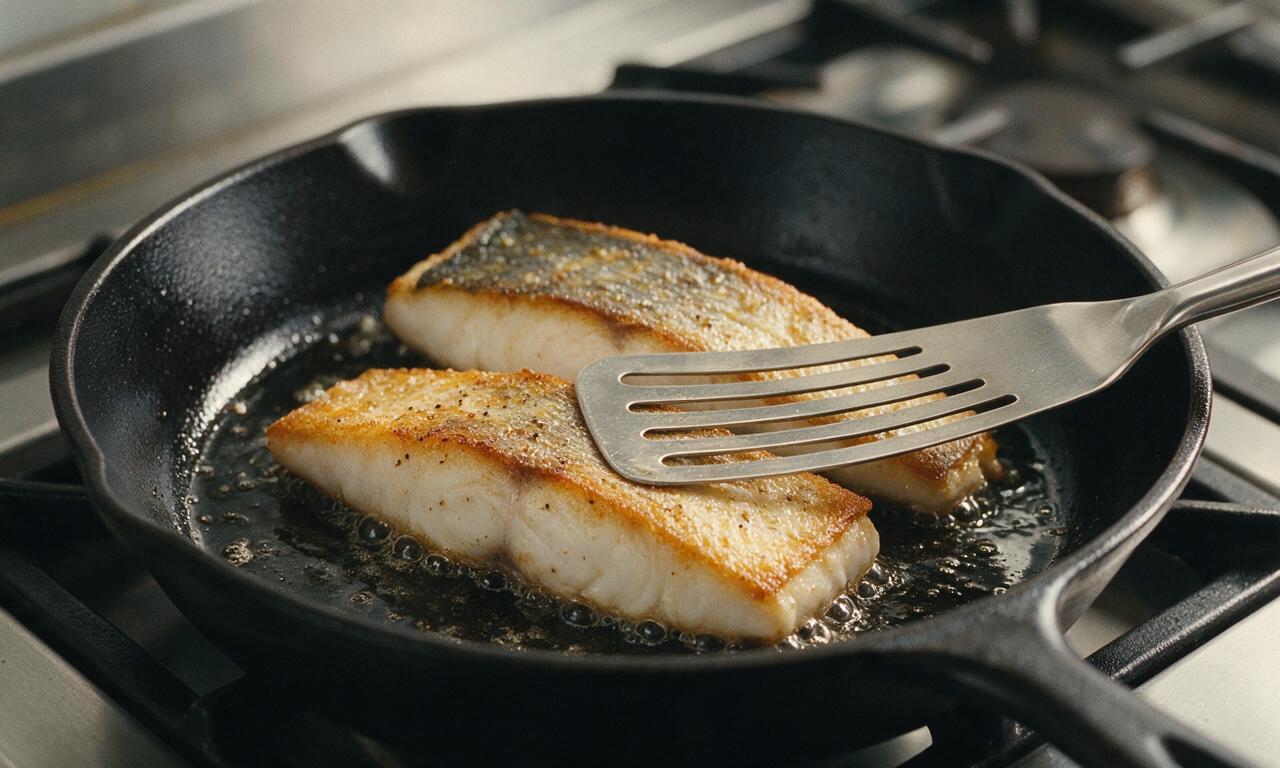
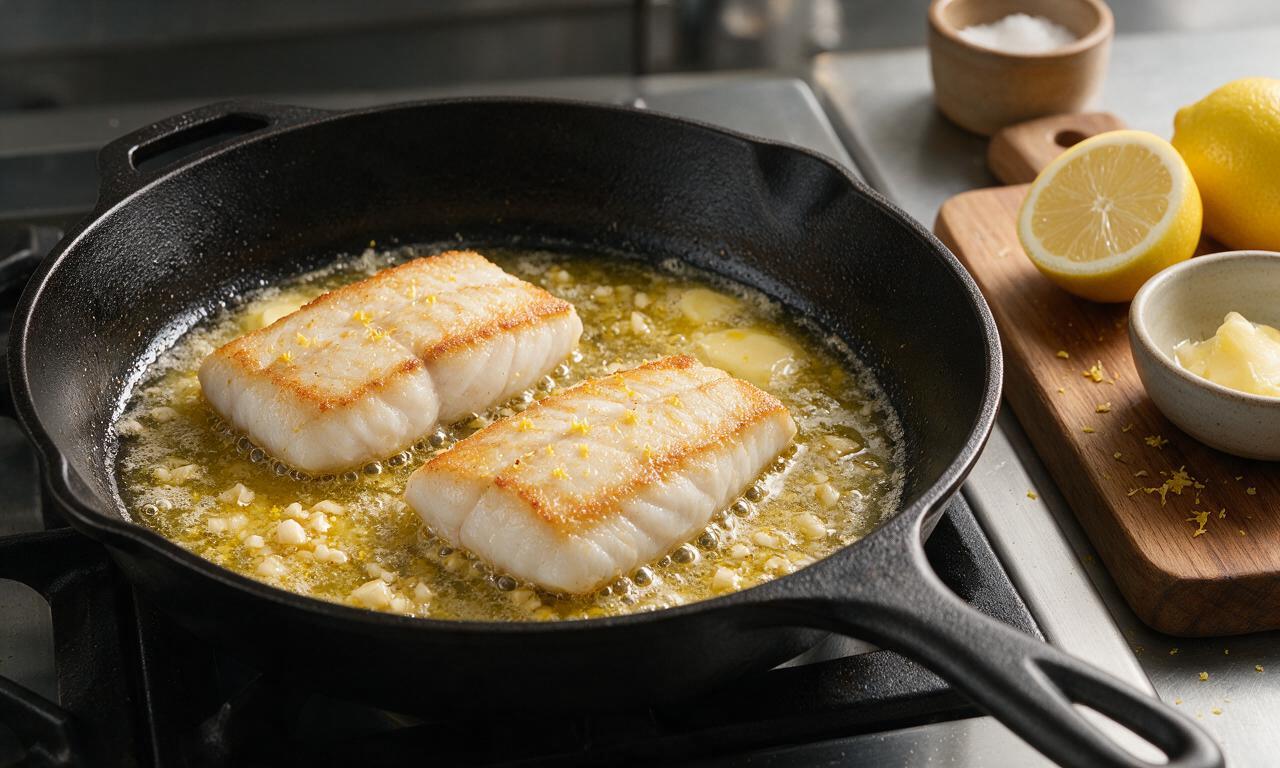
Sticking almost always comes down to three fixable issues: your pan isn’t hot enough before adding oil, the fish surface is too wet, or you’re trying to flip it too early. Heat your pan over medium-high until oil shimmers, lay dried fillets skin-side down away from you, and don’t nudge them for 3 to 4 minutes—they’ll release naturally once crisp skin forms.
5.Can I use bottled lemon juice instead of fresh lemon for this recipe?
▾
I strongly recommend fresh lemon for the brightest, most balanced flavor—bottled juice has a flat, slightly metallic aftertaste from processing and preservatives that clashes with delicate mahi mahi. If you’re in a total pinch, use 2/3 the amount of 100% unsweetened bottled lemon juice, and add a tiny pinch of lemon zest if you have any to brighten it up.
6.What side dishes pair best with this lemon garlic mahi mahi?
▾
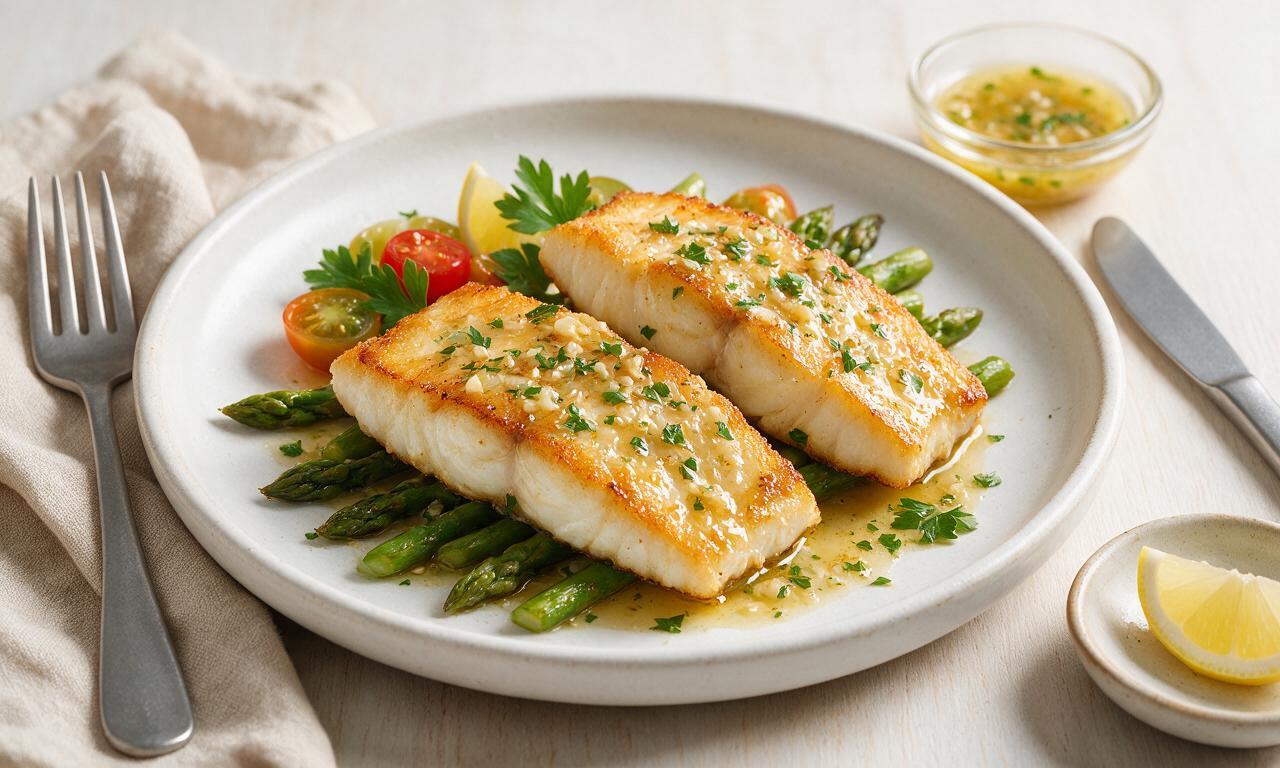
This light, bright fish pairs beautifully with quick weeknight sides like roasted asparagus, garlic butter rice, creamy mashed cauliflower, roasted baby potatoes, or a simple arugula salad tossed with lemon vinaigrette. For a heartier meal, serve it over buttered orzo tossed with a sprinkle of parmesan and fresh parsley for a 30-minute total spread.
7.How do I keep the garlic from burning when making the lemon garlic butter?
▾
Burnt garlic happens fast, so after searing the fish, turn the heat down to medium-low before adding minced garlic to the pan. Cook it for just 30 to 45 seconds, stirring constantly, until it smells fragrant and pale golden—if it turns dark brown, it’s bitter, so wipe the pan out and restart that step before adding butter and lemon juice.
8.Can I make this recipe ahead of time for weekly meal prep?
▾
Cooked mahi mahi holds up well for meal prep for up to 3 days stored in an airtight container in the fridge, though the crisp skin will soften as it chills. I don’t recommend fully searing fish ahead, but you can prep fillets by drying, portioning, and storing them on a paper-towel lined tray in the fridge, and prep garlic and lemon juice the night before.
9.Is there a dairy-free substitute for the unsalted butter in this recipe?
▾
For a dairy-free version, swap the unsalted butter for an equal amount of high-heat vegan butter, or use extra virgin olive oil and add a tablespoon of capers to the sauce to replicate that rich, briny depth butter adds. Avoid unrefined coconut oil here, as its strong coconut flavor will overpower the delicate lemon and garlic notes.
10.How thick should mahi mahi fillets be for even cooking?
▾
Aim for fillets that are 1 to 1.5 inches thick for the most even cook time—this thickness gives you enough time to build a crisp skin without overcooking outer layers before the center is done. If your fillets are thicker than 1.5 inches, after searing both sides, turn the heat to low, cover the pan, and cook 1 to 2 extra minutes until done.
11.Do I need a non-stick pan to make this recipe correctly?
▾
You don’t need a non-stick pan! A well-seasoned carbon steel or cast iron pan actually gives a better, crispier sear than most non-stick pans, as they can hold higher heat without damaging the coating. No matter what pan you use, the key steps are preheating properly, drying fish well, and not flipping too early to prevent sticking.
12.Can I add other herbs or seasonings to the lemon garlic butter?
▾
Absolutely—this recipe is a great base for extra flavor add-ins. Try tossing in a tablespoon of chopped fresh parsley, dill, or chives right after taking the pan off heat, a pinch of red pepper flakes for subtle heat, or a tablespoon of rinsed capers for a briny pop. Just avoid heavy, strong spices like cumin or smoked paprika, as they overpower the fish’s mild, sweet flavor.
13.What should I do if my mahi mahi skin won’t crisp up?
▾
Limp, non-crisp skin is always caused by trapped moisture. First, scrape any loose scales off the skin side and pat it completely dry with paper towels—you can even leave fillets skin-side up on a wire rack in the fridge for 30 minutes before cooking to air-dry skin for extra crispness. Never overcrowd the pan, as that creates steam that softens skin.
14.Can I use this same lemon garlic pan-sear method for other types of fish?
▾
This method works beautifully for other firm, mild white fish like halibut, cod, sea bass, or even skin-on salmon fillets. Adjust cook time based on fillet thickness: thinner fillets like tilapia only need 2 minutes per side, while thicker salmon or halibut cuts may need an extra minute per side to cook through. The same dry-fish, hot-pan rule applies across the board.

OMG this was SO good! I’ve been scared to cook mahi mahi at home because I always thought it would be too fancy or easy to mess up, but this took literally 20 minutes like it said! My two picky boys ate every single bite and asked for seconds, even the 7 year old who complains about any fish that isn’t fish sticks. Served it with roasted broccoli and rice for our regular Monday family dinner, total game changer. Will be adding this to our weekly rotation for sure!
Usually I throw mahi mahi on the outdoor grill, but it was pouring rain all weekend so I gave this pan-seared version a shot. Wow, the lemon garlic butter sauce is insane! I added a little extra red pepper flakes for a kick, and it turned out perfectly seared with that crispy edge I love. Way less cleanup than the grill too, which my wife appreciated. Definitely keeping this in the back pocket for rainy cookout days.
As someone who only has a tiny dorm pan and basically zero cooking skills, this was so easy to pull off! Grabbed frozen mahi mahi from the campus grocery store, thawed it quick, and had a fancy tasting dinner for way cheaper than getting takeout from the seafood place down the street. 10/10 would make again for my roommates next time we do a potluck in the common room.
So happy I found this recipe! It’s naturally gluten free which is perfect for my dietary needs, but it doesn’t taste like a 'diet food' at all. The only change I made was using ghee instead of regular butter because of my lactose sensitivity, and it turned out absolutely flawless. I meal prepped four servings on Sunday and ate it for lunches all week, it held up so well even reheated in the office microwave!
Made this last night for my wife and I after work, total weeknight win. Cook time was actually 20 minutes even with me fumbling to get the lemons zested, no fancy steps or weird ingredients required. I think next time I’ll toss in some capers like I do with my salmon, but even plain as written it’s chef’s kiss.
Brought this to our neighborhood block party potluck last weekend and everyone was hounding me for the recipe! It held up great on the serving table for a couple hours, and even people who say they 'hate fish' came back for seconds. I squeezed a little extra fresh lemon on top right before serving and it was *chef’s kiss*. So easy to make for a crowd too, I just cooked the fillets in batches in my big cast iron skillet.
I’ve cooked my fair share of fish over the years serving in the Navy, and this recipe is legit. No overcomplicating things, just simple, fresh flavors that let the mahi mahi shine. My one tip: make sure your pan is screaming hot before you lay the fillets down, that’s how you get that perfect golden sear without the fish sticking. I made this for my grandkids last weekend and they loved it too, which is saying something because they only eat chicken nuggets half the time.
Just got back from a beach trip where we had mahi mahi at a little waterfront restaurant, and I’ve been craving it ever since. This recipe tasted exactly like what we had on vacation, no fancy restaurant bill required! I served it with a side of mango salsa and coconut rice, and my husband said it was better than the restaurant version. Cannot believe how easy it was to pull off on a random Tuesday night.
Pro tip: Chop up any leftover mahi mahi and toss it in corn tortillas with a little slaw and extra lime for the best fish tacos you’ve ever had. I made this recipe on Sunday, had the fillets as written for dinner that night, and used the leftovers for tacos for lunch on Monday. So versatile! The lemon garlic flavor works so well in tacos, I was shocked. No more boring takeout fish tacos for me.