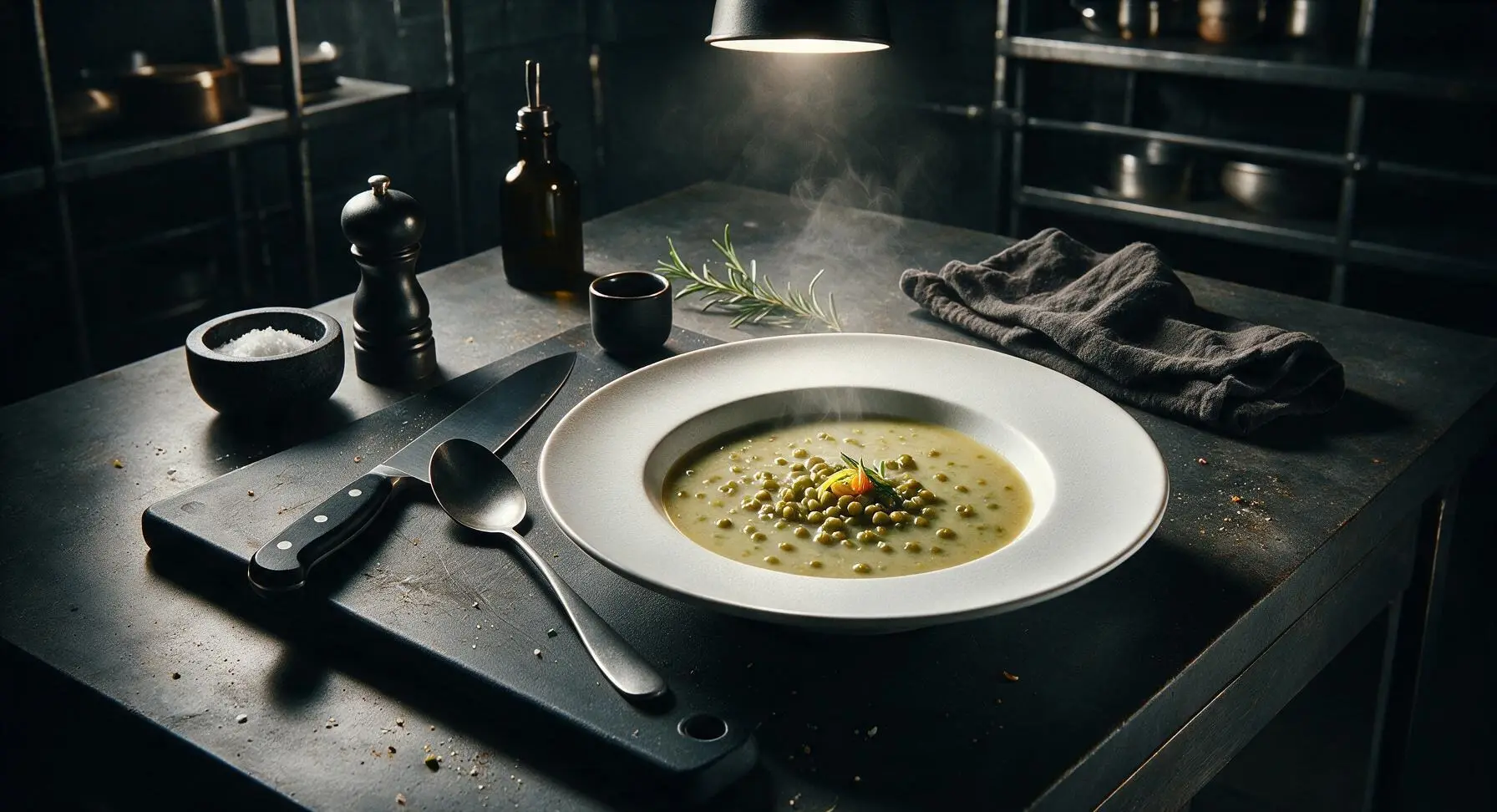
mung bean soup

title 1
mung bean soup
⏱️ cook time 40 minutes
🍽️ servings 4
⚡ Difficulty easy

intro

Light, subtly sweet, and deeply cooling, classic Cantonese mung bean soup is the ultimate summer refresher—soft creamy beans with a gentle citrus note, served warm or chilled.

Ingredients
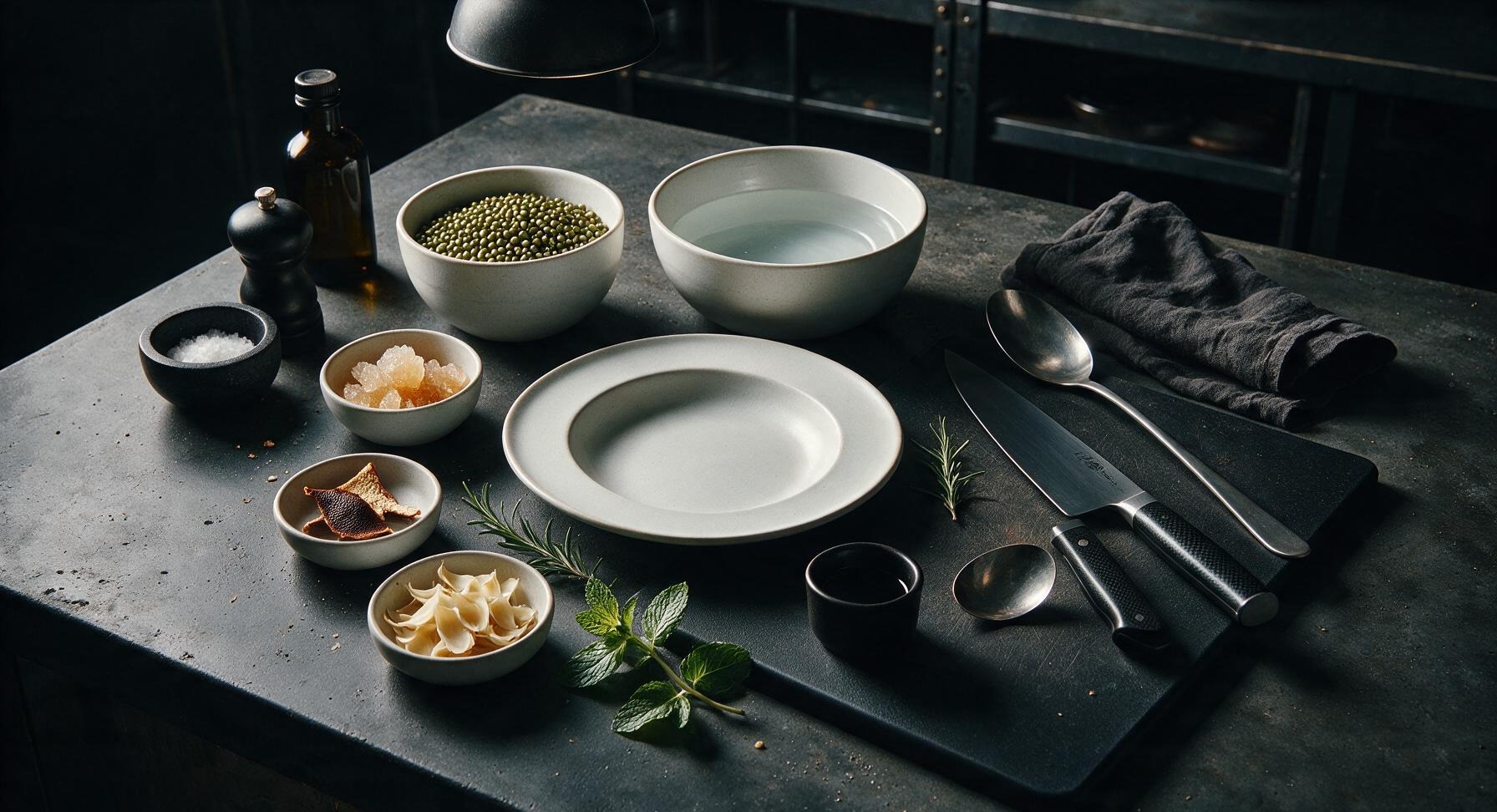
Dried mung beans 200g
Filtered water 1.5L
Yellow rock sugar 50g
Dried aged tangerine peel 5g (1 small piece)
Dried lily bulbs 15g
Fresh mint sprigs 5g (2 sprigs)

Steps

1

Rinse beans and add-ins

Place 200g dried mung beans, 15g dried lily bulbs, and 5g dried tangerine peel into the light bamboo mesh colander. Rinse under cool running tap water for 1 minute, swishing with your fingers to dislodge dust or small debris. Pick out and discard any discolored, shriveled beans or hard grit. Rinsed ingredients are ready when water runs clear through the colander, with no cloudy residue.
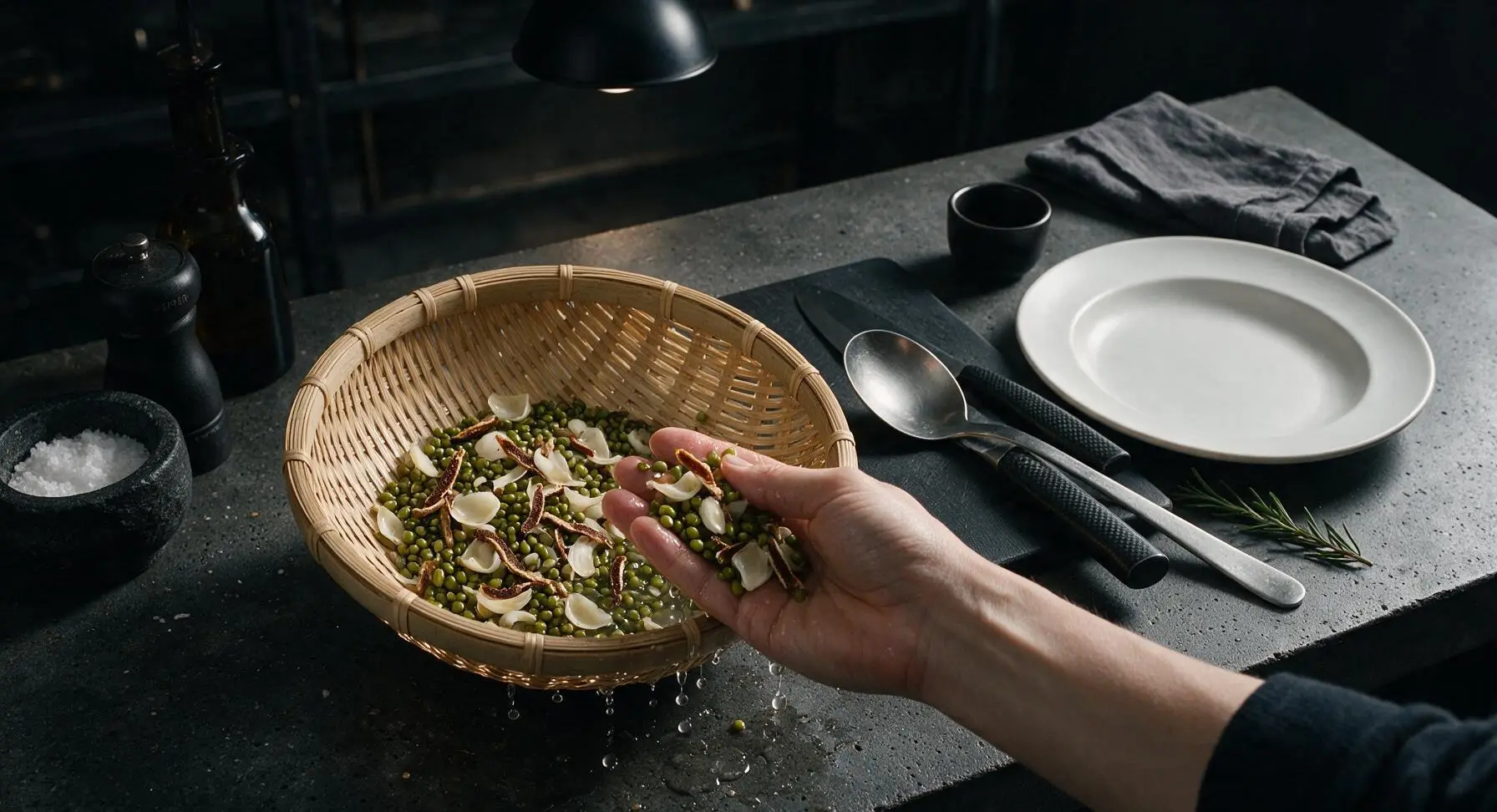
Step 1
step1:Rinse beans and add-ins
2

Soak and scrape peel

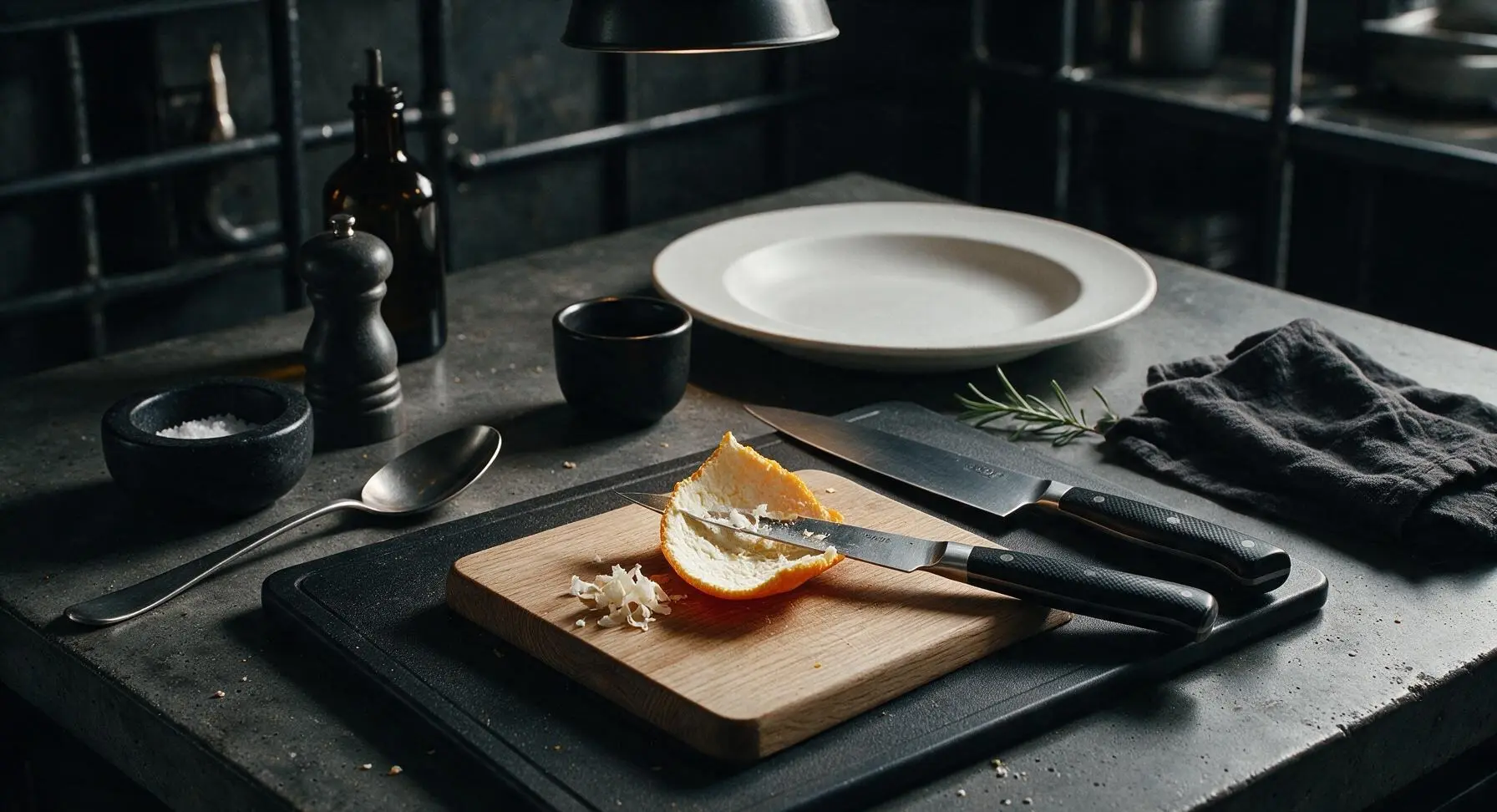
Transfer the rinsed dried tangerine peel to the small light oak cutting board. Soak in 2 tablespoons of cool water for 5 minutes to soften. Use the stainless steel paring knife to gently scrape off all soft white pith from the inside of the peel—this removes harsh bitter flavor. Leave the thin, fragrant dark orange outer peel intact, then slice into 2mm thin strips. Discard all scraped pith.
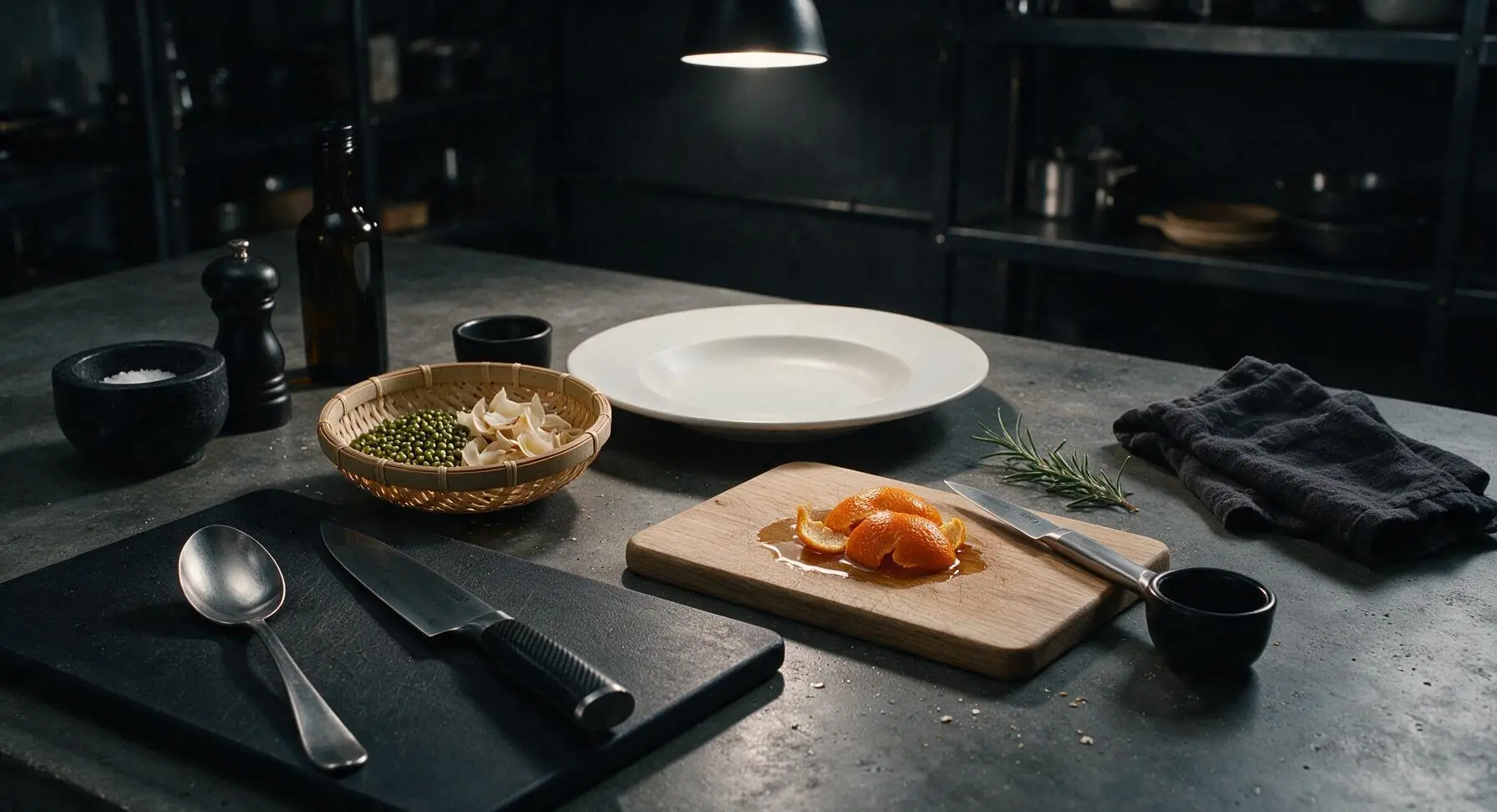
Step 2
step2:Soak and scrape peel
Step 2
step2:Soak and scrape peel
3

Add ingredients to pot

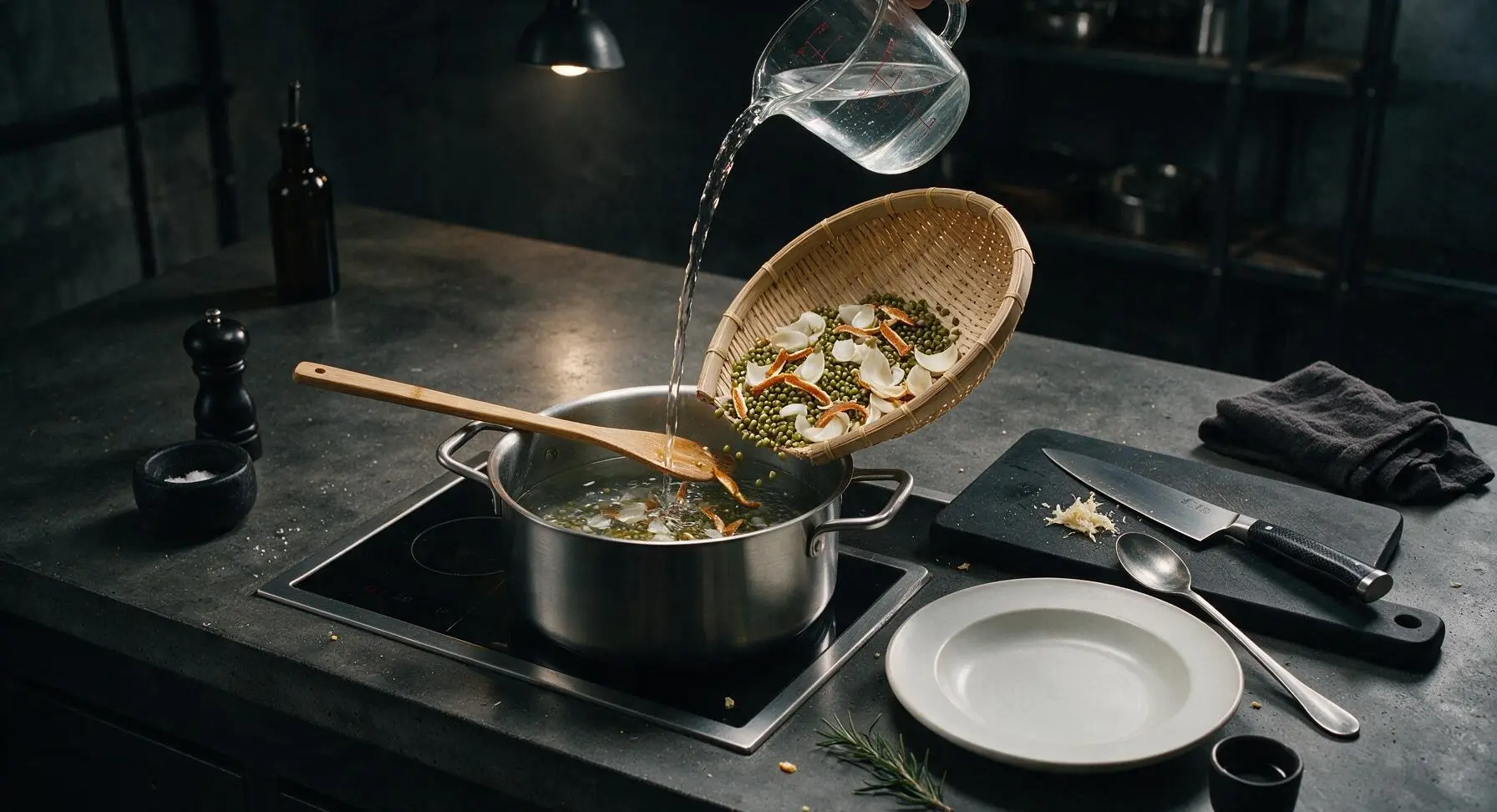
Place the 3L matte stainless steel soup pot on the center induction cooktop. Add rinsed mung beans, rinsed lily bulbs, scraped tangerine peel strips, and 1.5L filtered water from the glass measuring cup to the pot. Do not add sugar at this stage—adding sugar too early prevents beans from softening fully. Confirm the water level sits 5cm below the pot rim to avoid boil-over during cooking.
Step 3
step3:Add ingredients to pot
4

Bring to rolling boil

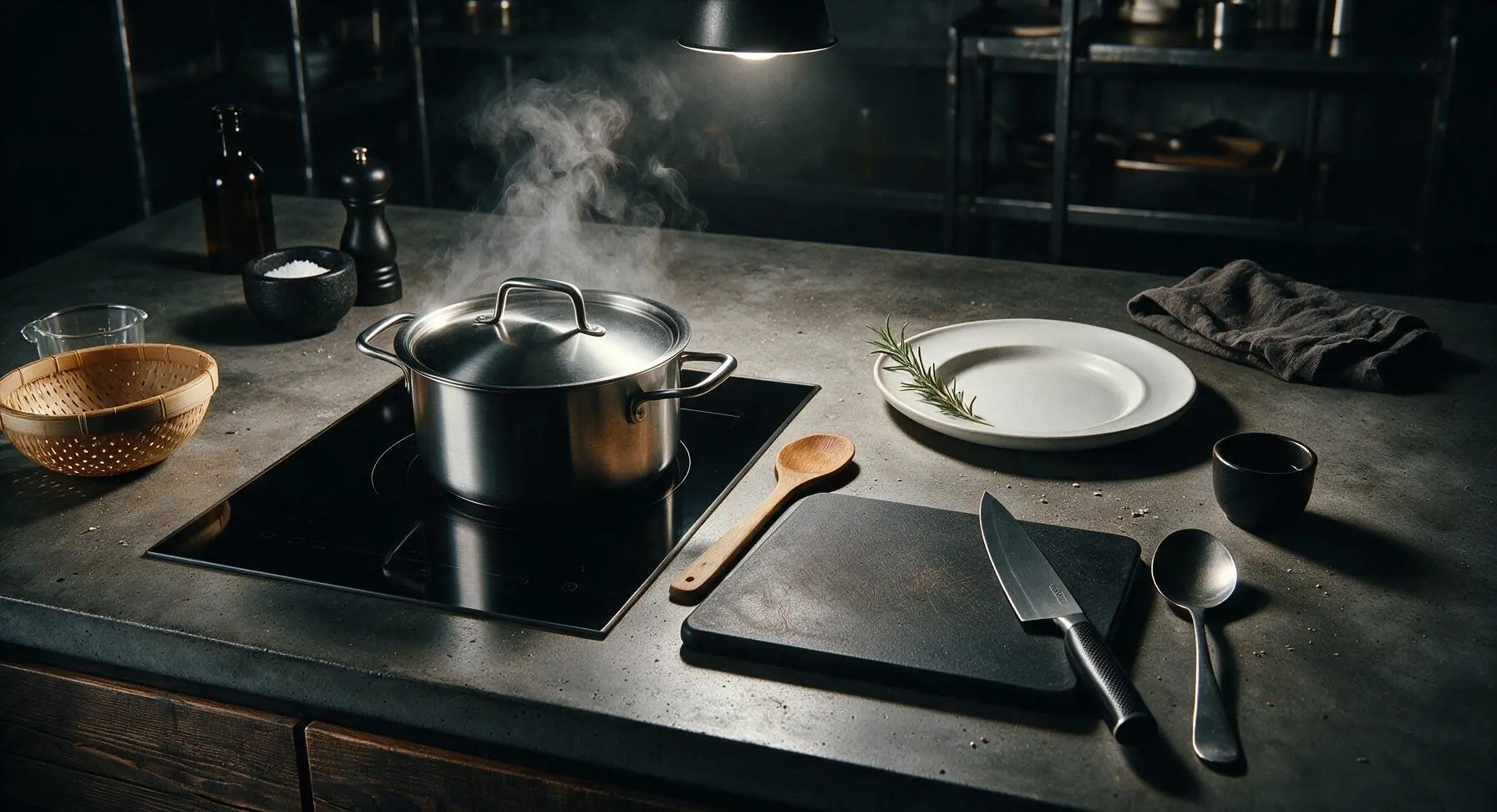
Secure the stainless steel lid on the soup pot, then heat over medium-high heat until water reaches a rolling, bubbling boil, approximately 8-10 minutes. Steam will escape from the lid edge when a full boil is reached. Do not leave the pot unattended to prevent starchy boil-over.
Step 4
step4:Bring to rolling boil
5

Simmer beans until soft

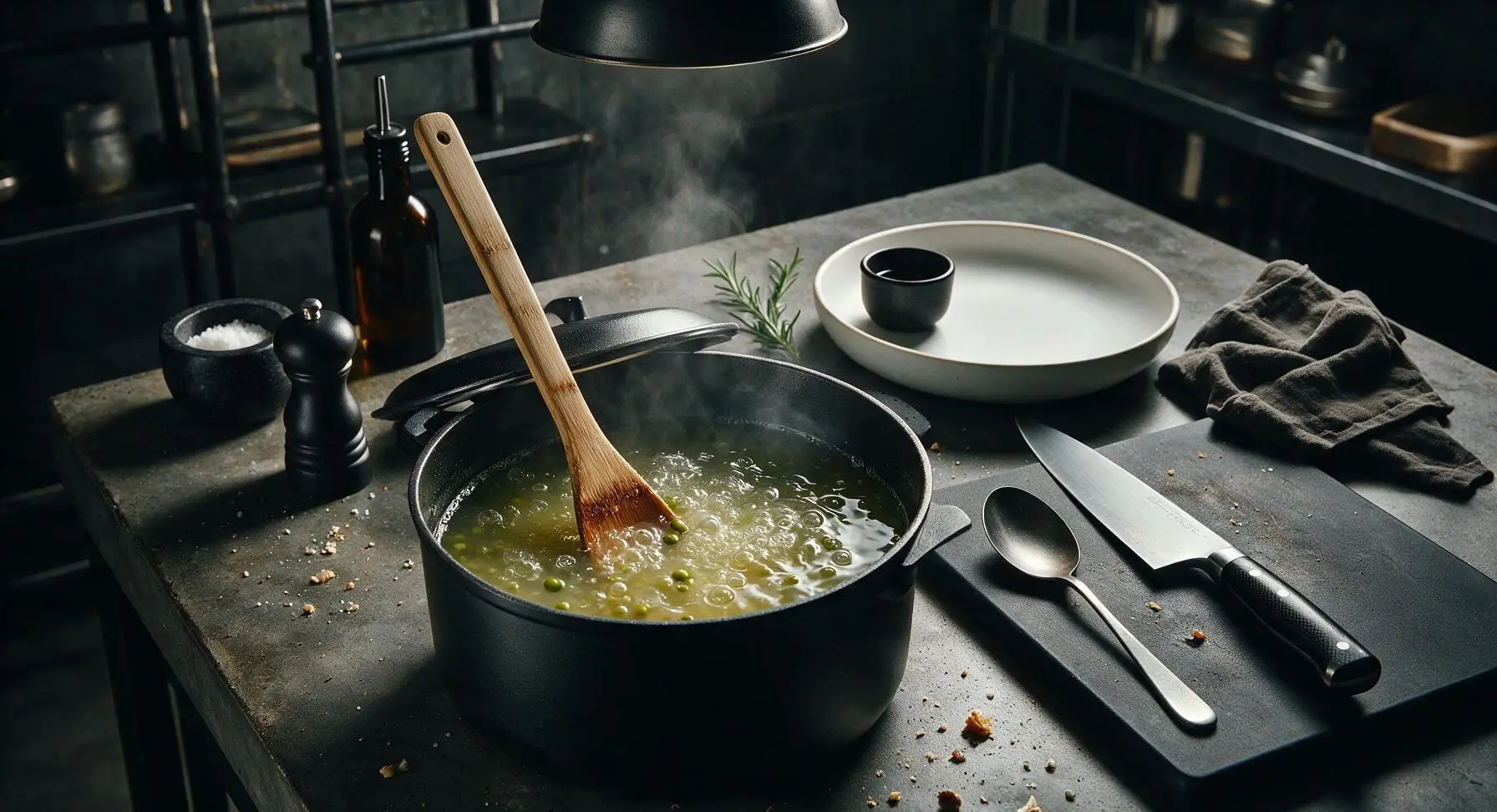
Once boiling, reduce heat to medium-low to maintain a gentle, steady simmer. Crack the pot lid 1cm open to let steam escape and prevent boil-over. Simmer for 30 minutes, stirring occasionally with the bamboo cooking spoon. Beans are fully cooked when most have split open, the liquid turns a pale translucent green-gold, and beans mash easily when pressed against the pot wall with the spoon.
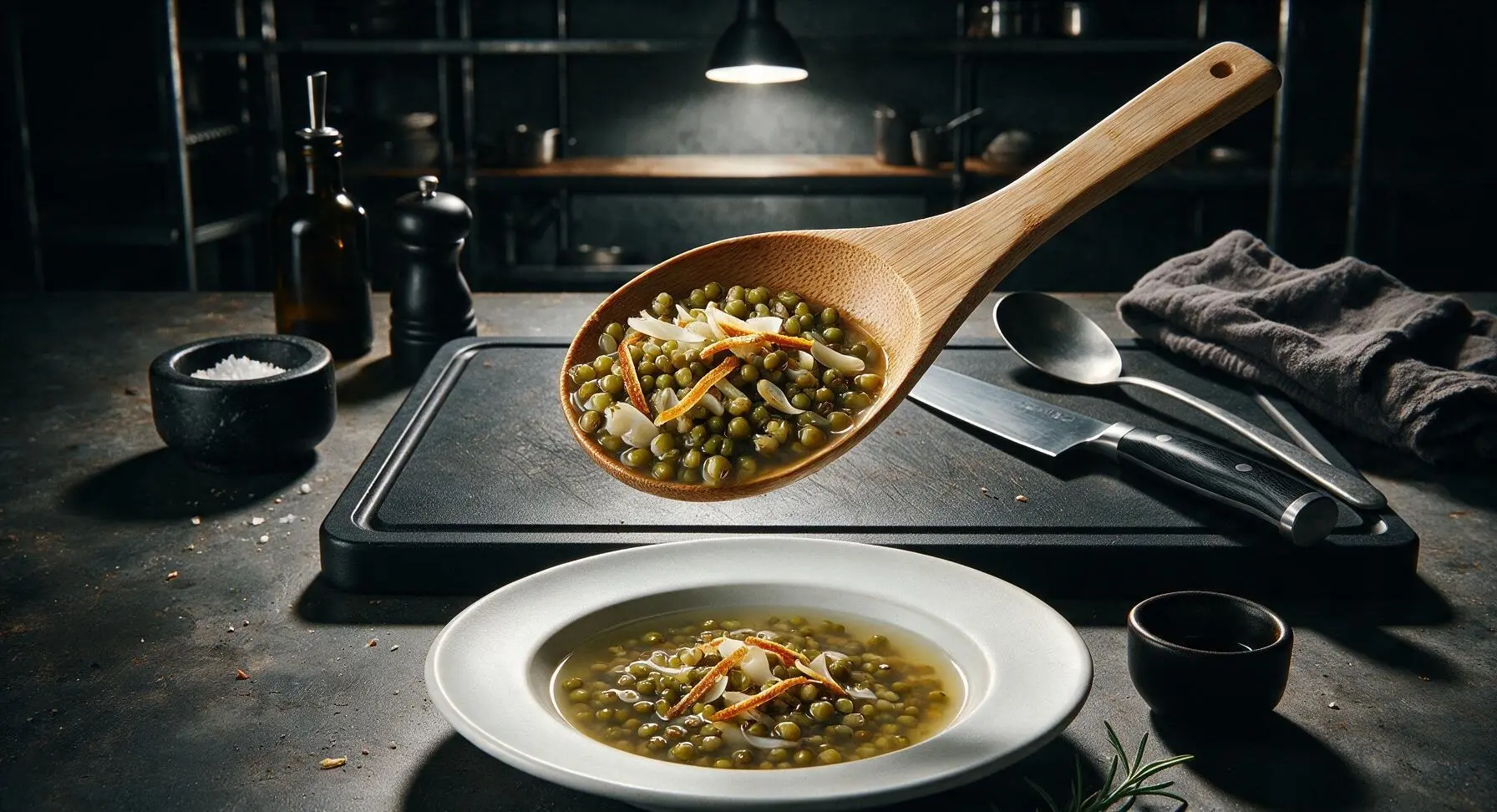
Step 5
step5:Simmer beans until soft
Step 5
step5:Simmer beans until soft
6

Stir in rock sugar

Add 50g yellow rock sugar chunks to the simmering soup, stirring gently with the bamboo cooking spoon until sugar fully dissolves, about 2 minutes. Taste and add 5-10g more sugar for a sweeter profile, noting that traditional mung bean soup is lightly sweet, not cloying. Turn off the heat once sugar is fully dissolved.
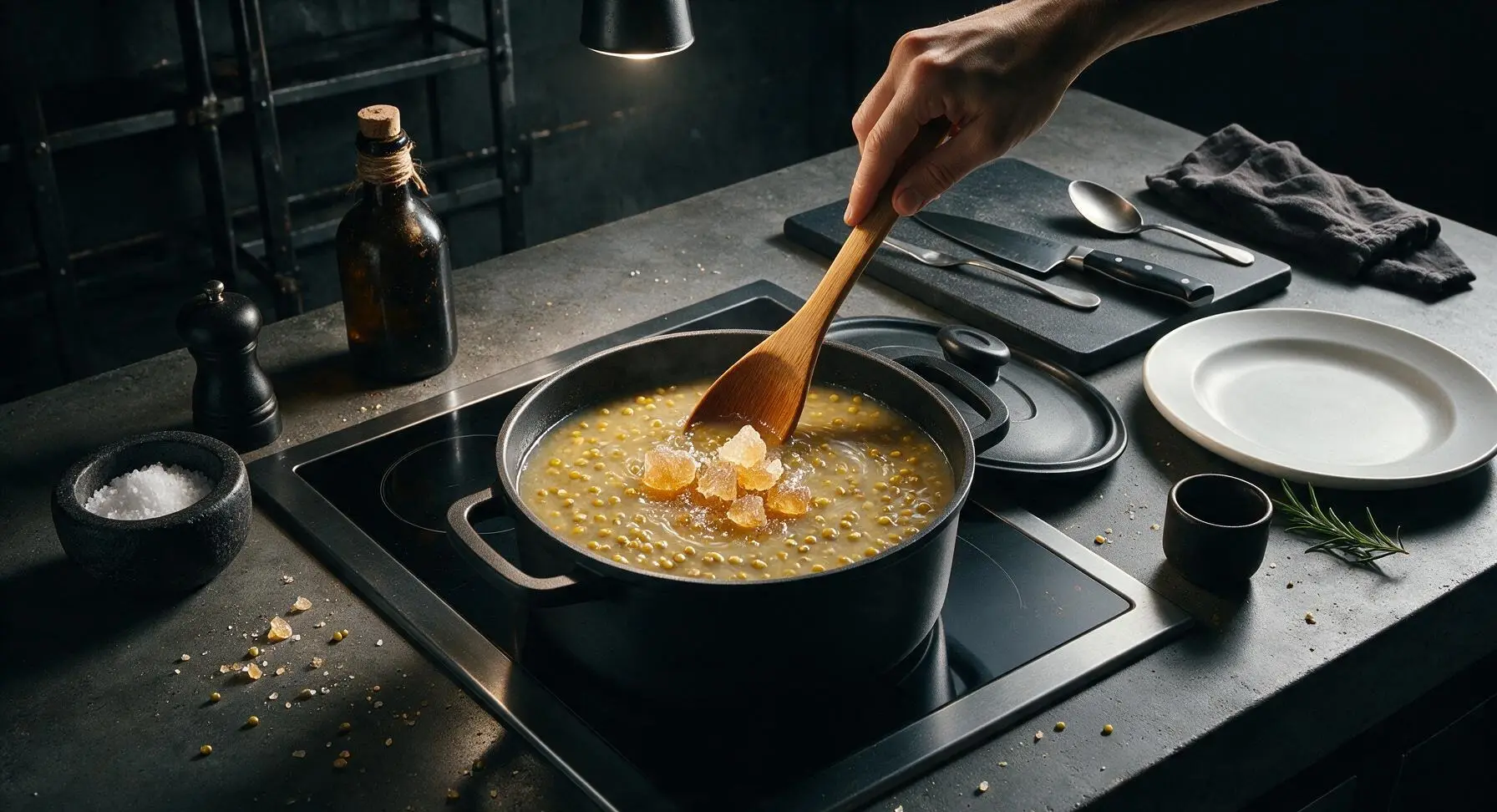
Step 6
step6:Stir in rock sugar
7

Rest and serve soup

Let the soup rest, uncovered, for 5 minutes to cool slightly. It can be served warm immediately, or chilled in the refrigerator for 2 hours for a cold summer treat. Ladle soup into pale celadon soup bowls, garnishing with a single fresh mint leaf if desired.
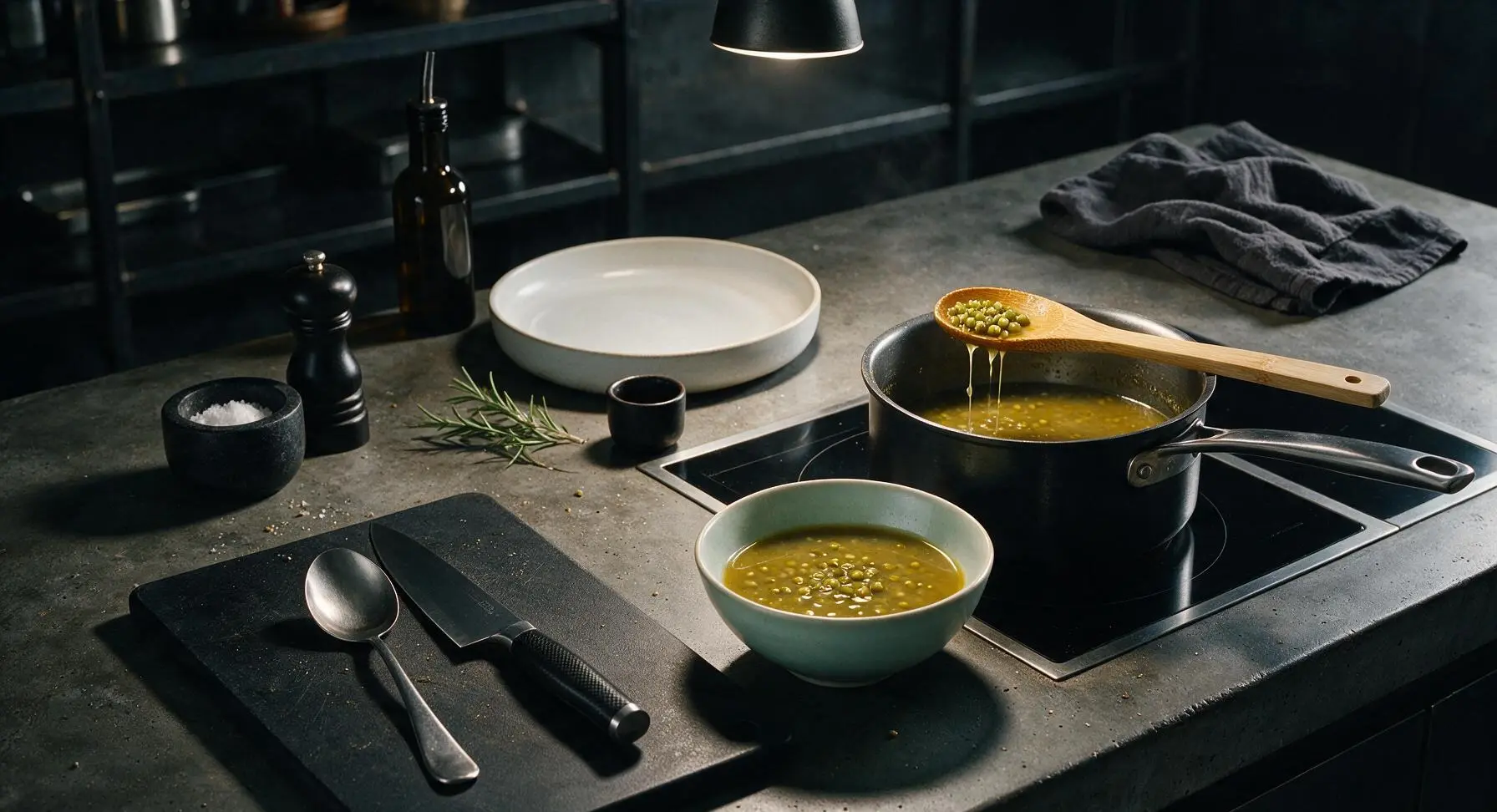
Step 7
step7:Rest and serve soup

Tips

1.Never add sugar before beans are fully soft: Sugar breaks down pectin in bean skins prematurely, leading to hard, unpleasantly firm beans that will not soften even with extended cooking. Wait until beans split easily before adding any sweetener.
2.Always scrape the white pith from dried tangerine peel: The soft inner pith has a harsh, bitter, astringent flavor that will overpower the soup, while the thin dark orange outer peel adds a bright, citrusy floral note that balances the earthy mung bean flavor.
3.Adjust consistency for serving temperature: Chilled mung bean soup thickens significantly as it cools, so add 1/4 cup extra filtered water before chilling if you plan to serve it cold. For a creamier texture, blend 1/4 of the cooked soup with an immersion blender before adding sugar, leaving most beans whole for pleasant texture.

✨ You May Also Like

Soups & Stews
🍜 Japan

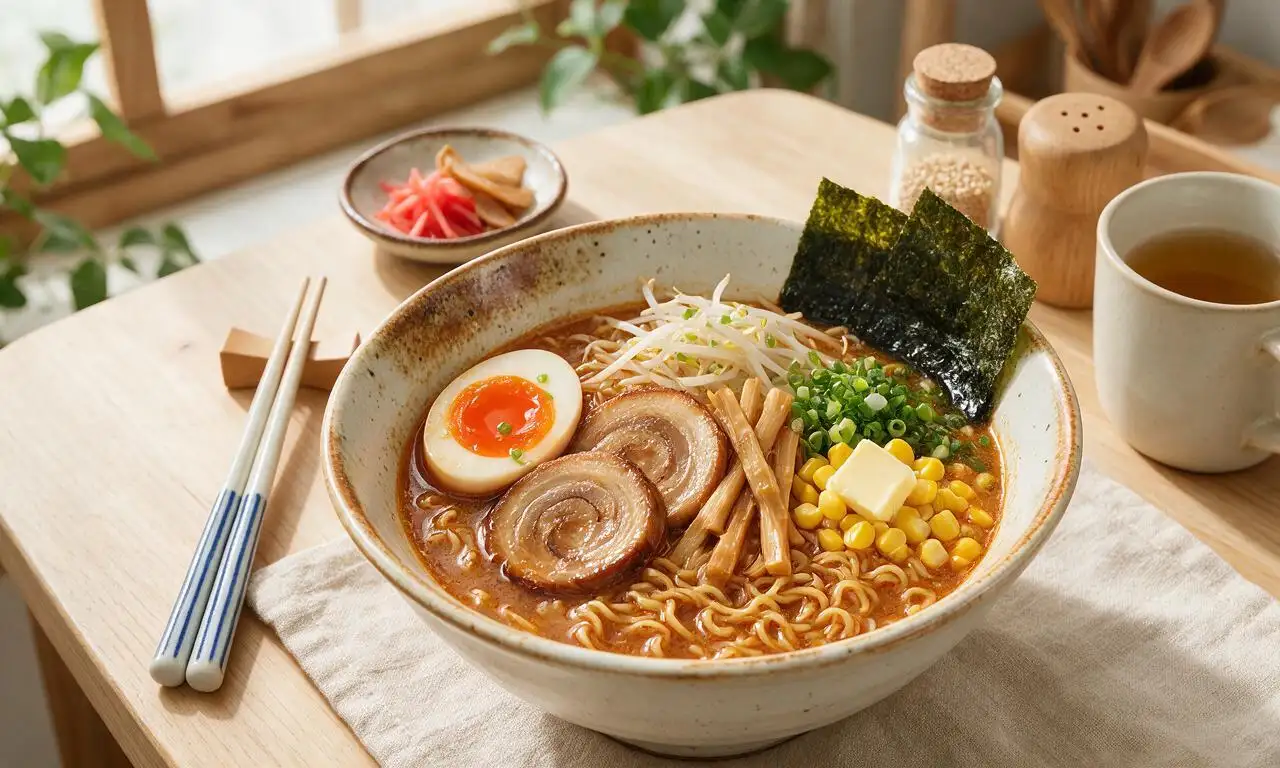
Rich, umami-dense Hokkaido-style miso ramen with chewy noodles, savory fermented broth, and classic toppings, a cozy, deeply satisfying warm meal.

⏱️ 45 minuteSoups & Stews ★ 4.5
Soups & Stews
🍜 United States

A hearty, peppery tripe and root vegetable stew with colonial Philadelphia roots, thick, warming, and packed with bold savory flavor for cold winter days.

⏱️ 2 hours 3Soups & Stews ★ 4.6
Soups & Stews
🍜 Mexico

Hearty, warming red pork posole loaded with tender hominy, slow-simmered in a rich smoky chile broth, served with zesty fresh garnishes for a deeply comforting, satisfying meal.

⏱️ 2 hours 3Soups & Stews ★ 4.7
Soups & Stews
🍜 United States

Warm, soothing classic chicken noodle soup loaded with tender chicken, soft egg noodles, and savory veggies, perfect for chasing chills and feeding the whole family.

⏱️ 40 minuteSoups & Stews ★ 4.9
Soups & Stews
🍜 France

Deeply savory caramelized onion broth topped with crusty bread and bubbly melted Gruyère, a timeless French bistro comfort food ideal for cold days.

⏱️ 1 hour 25Soups & Stews ★ 4.8
Soups & Stews
🍜 United States

Hearty, briny Maryland crab soup loaded with sweet blue crab, tender summer vegetables, and zesty Old Bay, a beloved Chesapeake Bay coastal comfort staple.

⏱️ 55 minuteSoups & Stews ★ 4.9

mung bean soup:Frequently Asked Questions

1.Do I need to soak mung beans before making this soup, and how long is ideal? ▾
You don’t strictly have to, but soaking mung beans for 2 to 4 hours (or overnight in the fridge) cuts cook time roughly in half and helps beans cook evenly, so you won’t bite into random hard, undercooked centers. If you’re short on time, skip soaking, just rinse beans well and add 15 minutes of low simmer time to the pot.
2.What does dried aged tangerine peel add, and can I skip it if I don’t have any? ▾
Aged tangerine peel adds the signature soft, warm citrus note that cuts mung beans’ earthiness and keeps the soup from tasting one-note. If you don’t have it, just skip it—don’t substitute fresh orange zest, which is sharp, bitter, and too bright to match the gentle, balanced classic flavor profile.
3.Can I use regular white granulated sugar instead of yellow rock sugar? ▾
You technically can, but yellow rock sugar delivers the mild, honeyed, non-cloying sweetness classic to Cantonese sweet soups. If you substitute white granulated sugar, start with 25% less than the recipe calls for and taste as you go—granulated sugar is sharper and can easily make the soup too sweet if added all at once.
4.How do I get that perfectly soft, creamy bean texture instead of tough, chewy beans? ▾
The key trick is to simmer on low, not a violent rolling boil, after your pot comes to an initial boil. Most importantly, don’t add sugar before beans are fully tender—sugar added too early draws moisture out of bean skins, toughening them no matter how long you keep the pot simmering.
5.Is this soup really served both warm and chilled, and which version is more traditional? ▾
It’s absolutely served both ways, depending on weather and personal preference! Warm mung bean soup is popular on milder summer days or for folks who avoid ice-cold food, while fully chilled is the go-to during sweltering heat waves. Neither is more authentic—home cooks serve it at whatever temperature feels most refreshing.
6.Do I need to skim off the tiny green mung bean skins that float to the top while cooking? ▾
You don’t have to at all! Those thin green skins are completely edible, packed with fiber, and leaving them in adds nice subtle texture to the finished soup. If you want an ultra-silky, restaurant-style smooth batch, skim floating skins off with a fine mesh spoon, but most home cooks leave them in for everyday servings.
7.How long do leftovers last, and can I freeze this mung bean soup? ▾
Stored in a sealed airtight container, leftover soup keeps for 3 to 4 days in the fridge, which makes it perfect for prepping quick summer refreshments ahead of time. It freezes well for up to 3 months—just thaw in the fridge overnight, stir, and add a splash of water if it thickens too much as it sits.
8.What do dried lily bulbs add to the soup, and can I leave them out? ▾
Dried lily bulbs add a delicate, slightly snappy, subtly floral texture that balances the soft creaminess of fully cooked mung beans. They’re a classic complementary ingredient, but if you don’t have them on hand, you can absolutely leave them out—you’ll still get that core, recognizable mung bean soup flavor with no fancy substitute needed.
9.Why does my mung bean soup sometimes taste bitter, and how do I fix that? ▾
Bitterness almost always traces back to two common mistakes: either you used old, stale mung beans that sat in your pantry for over a year and turned slightly rancid, or you left too much bitter white pith on your aged tangerine peel. For a quick fix, stir in a tiny extra pinch of rock sugar to balance the flavor.
10.What’s the ideal mung bean to water ratio for the classic soup consistency? ▾
For the classic, not-too-thick, not-too-watery Cantonese consistency, use 1 part rinsed mung beans to 8 parts water by volume. If you like a thicker, porridge-like soup, drop that to 6 parts water; if you prefer a light, sippable version for hot days, bump it up to 10 parts water, adjusting to taste as it simmers.
11.Can I add mix-ins like tapioca pearls or coconut milk to the base recipe? ▾
Absolutely! Once you nail the classic base, the recipe is super flexible for custom tweaks. Small cooked tapioca pearls, a splash of coconut milk, rinsed Job’s tears, or peeled lotus seeds are all common home cook additions. Stir in creamy add-ins right before serving so they don’t curdle from the heat.
12.Do I need to prep dried tangerine peel before adding it to the soup? ▾
Yes, a quick pre-treatment makes a huge difference in final flavor! First, rinse the peel under warm running water to brush off any stored dust, then use a small spoon to gently scrape off the thick, bitter white pith on the peel’s inner side. Soak it for 10 minutes first if it’s extra dry and brittle from long storage.
13.People say this soup is “cooling”—what does that mean in Cantonese cooking? ▾
That reference comes from traditional Cantonese food therapy, where ingredients are categorized by their energetic effect on the body, not their literal serving temperature. Mung beans are considered cooling, meaning they’re believed to help counteract sweltering summer heat and internal “heat” from spicy food, lack of sleep, or rich meals.

Comments (5)

2 hours ago

OMG this mung bean soup is SO good! I made it for our family dinner last night after my Cantonese coworker mentioned it’s perfect for cooling down in this brutal Texas heat, and my kids begged for second bowls! It was way easier than I thought too, 40 minutes total is such a win for weeknight meals. I added a little extra rock sugar like my grandma used to and it hit just right. 10/10 will be making this on repeat all summer!

30 minutes ago

Wait adding extra rock sugar is such a good call! I made mine a little too plain last time, definitely gonna try that next batch. My whole household is obsessed with this recipe too!

5 minutes ago

So happy your family loved it! The extra rock sugar tip is chef’s kiss – you can also toss in a few pandan leaves if you have them for an extra fragrant twist, no extra cook time needed!

yesterday

Really solid easy soup recipe! I made a big batch on Sunday for meal prep and it held up great all week for work lunches. Only reason I’m not giving 5 stars is I overcooked the mung beans a little so they got mushy by day 3, but that’s 100% user error lmao. Perfect light lunch when it’s 95 degrees out and you don’t want something heavy.

2 hours ago

Thanks for the honest feedback! If you’re making it for meal prep, try pulling it off the heat 2-3 minutes early and letting it cool completely before portioning – that’ll keep the beans from getting too mushy as it sits!

3 days ago

Game changer alert!!! I brought this to our neighborhood potluck last weekend and people were coming up to me all night asking for the recipe. I was worried it was too simple to impress, but no – everyone loved how light and subtly sweet it was. Even my picky brother in law who hates all “healthy” food had two cups. Will absolutely be making this for every summer get together from now on!

2 days ago

Wait I brought this to my office potluck too! It was such a nice change from all the heavy pasta and potato salads everyone usually brings. Total crowd pleaser!

2 days ago

That makes us so happy to hear! It’s such a versatile dish for potlucks because it works great served warm or chilled, too – perfect for outdoor events where food sits out for a bit.

5 days ago

As someone who can barely boil water without messing it up, I was shocked how easy this was to make! I’ve been trying to eat less takeout and this was the perfect starter recipe. It’s not too sweet, not too bland, and it made my apartment smell amazing while it was cooking. I might even try adding tapioca pearls next time for a little fun texture.

3 days ago

Oh the tapioca pearl idea is genius! I added boba to mine last week and it tasted just like the soup I get at my local dim sum spot, but way cheaper. 10/10 recommend!

1 week ago

I’ve been searching for a recipe that tastes like the mung bean soup my amah used to make when I was a kid, and this is dead on! Not overly sweet, perfectly soft beans, no weird extra ingredients. It’s such a cozy, nostalgic bowl for me, I’ve already made it three times since I found the recipe last week. Thank you so much for sharing this classic!