1.What exactly is opakapaka, and can I substitute it if I can’t find it locally?
▾
Opakapaka is Hawaiian pink snapper, a mild, sweet, firm-flaky white fish prized in coastal Hawaiian cooking for its delicate, non-fishy flavor. If you can’t source it, swap for skin-on red snapper, black sea bass, or Pacific rockfish—all have a similar texture that pairs perfectly with lemon-garlic butter; just aim for 6-oz uniform portions for even cooking.
2.Do I have to leave the skin on the opakapaka for this recipe?
▾
Leaving the skin on is highly recommended—it creates that signature shatteringly crisp, golden contrast to the tender flaky flesh, and helps the delicate fillet hold its shape while searing. If you truly dislike fish skin you can remove it, but you’ll need to be extra gentle when flipping to avoid breaking the soft flesh apart.
3.How do I get perfectly crispy opakapaka skin every time I sear it?
▾
Two non-negotiable steps make all the difference: first, pat the skin completely dry with paper towels (even a tiny bit of moisture will make the fish steam instead of crisp), and second, wait until your pan and oil are fully hot before laying fillets skin-side down. Don’t move the fillet for the first 3-4 minutes to let the skin render and set.
4.What type of pan works best for searing opakapaka?
▾
A heavy-bottomed cast iron or stainless steel skillet is ideal here, as both hold even, consistent high heat that creates a perfect golden crust without sticking. Skip thin, lightweight nonstick pans for this recipe—they rarely reach the steady high heat needed to crisp skin properly without overcooking the fish’s delicate interior.
5.How thick should my opakapaka fillets be to cook evenly?
▾
Aim for uniform 1 to 1.5-inch thick, 6-oz portions for this recipe. This thickness lets you develop a fully crisp skin without overcooking the tender interior. If your fillets have a thin, tapered tail end, tuck that edge under slightly when placing them in the pan to prevent those thinner spots from drying out or cooking too fast.
6.When should I season the opakapaka for the best flavor and texture?
▾
If you have 15-20 minutes of prep time, lightly season the flesh side with kosher salt and black pepper ahead to help the fish stay moist and take on seasoning evenly. Hold off on salting the skin until right before it hits the pan, though—early salting draws out moisture that kills crispness. If you’re short on time, season both sides right before searing.
7.How do I tell when the opakapaka is perfectly cooked, not overdone?
▾
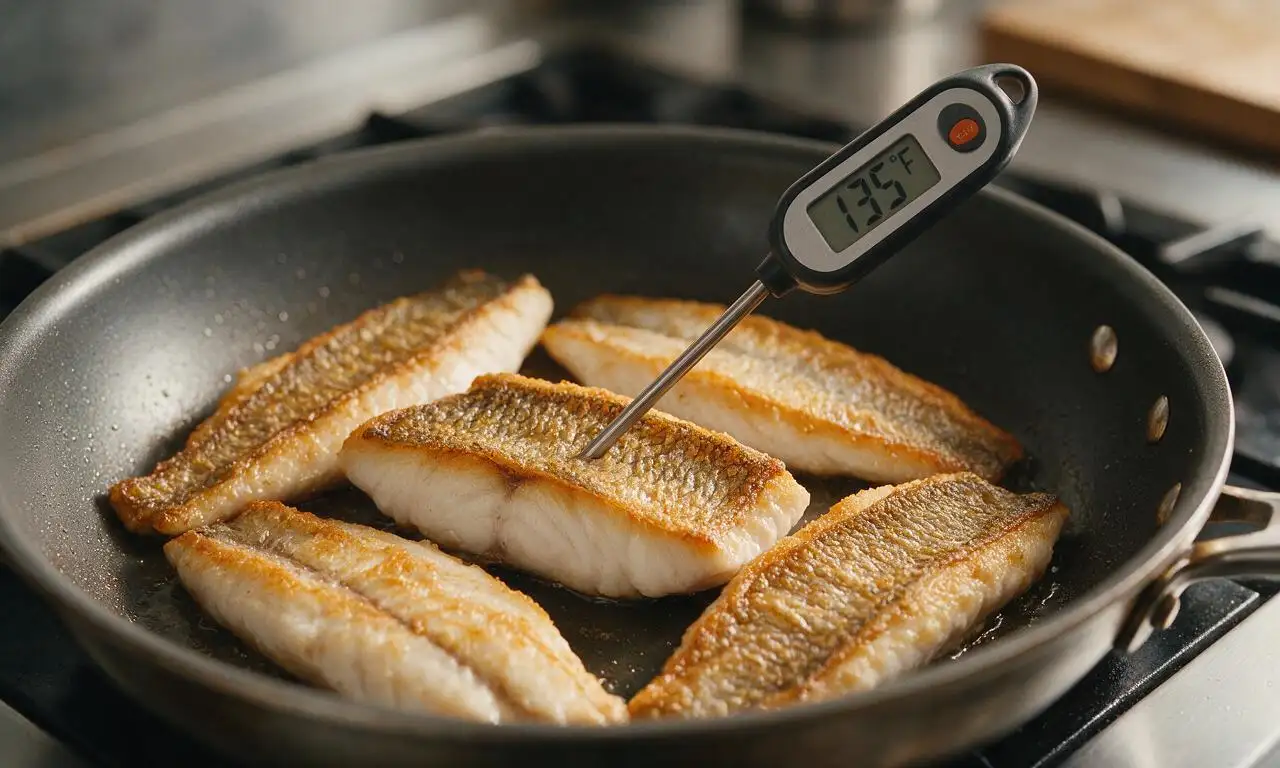
Opakapaka is done when the flesh turns opaque pearlescent white, flakes easily with a fork, and hits an internal temperature of 135°F at its thickest point. Remember it will keep cooking for 1-2 minutes after coming off the heat (that’s carryover cooking), so pull it just before it hits 140°F to keep it tender and juicy, not dry.
8.Won’t the garlic in the butter sauce burn if I cook it in the hot searing pan?
▾
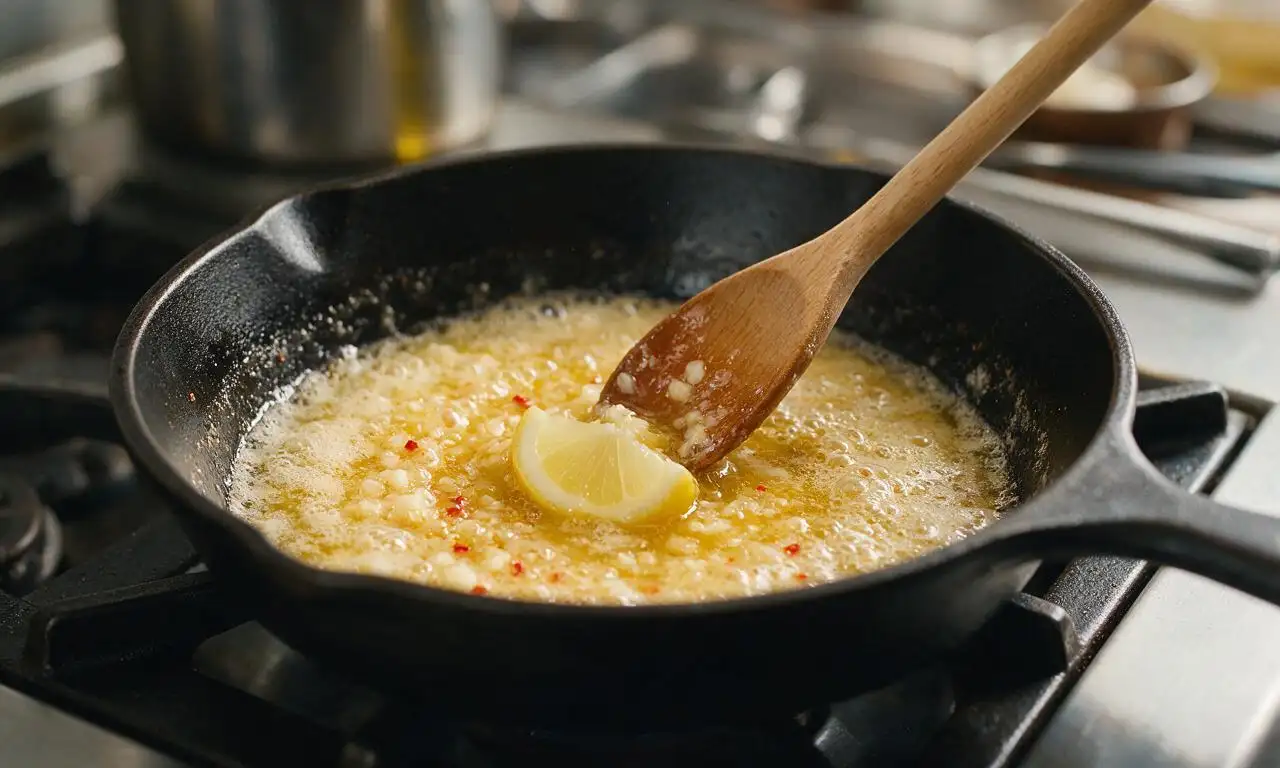
It won’t burn if you time it right! After pulling the seared fish out to rest, turn the heat down to medium-low, add your butter, then toss in the minced garlic. Cook it for just 30-45 seconds, stirring constantly, until it smells fragrant and nutty. If it turns dark brown, it’s burned and will make the sauce bitter, so stay close.
9.Can I adjust this recipe to be dairy-free?
▾
Absolutely! Swap the unsalted butter for a high-quality, neutral-flavored vegan butter, or use 3 tablespoons of extra-virgin olive oil mixed with a teaspoon of caper brine for a bright, briny dairy-free alternative. The lemon and garlic will still shine, and you’ll get that same rich, bright coating for the seared fish without any dairy products.
10.What side dishes pair best with this opakapaka recipe?
▾
This light, coastal dish pairs beautifully with simple sides that don’t overpower the fish’s delicate sweet flavor. Try roasted asparagus, garlicky sautéed spinach, coconut rice, crispy roasted baby potatoes, or a crisp arugula salad with light lemon vinaigrette. Skip heavy, creamy sauces or strongly spiced sides that will mask the fish’s subtle taste.
11.My fish stuck to the pan when I tried to flip it—what went wrong?
▾
Sticking almost always happens because you tried to flip the fish too early, or your pan wasn’t hot enough when you added the fillets. When the skin is fully crisped and rendered, it will release naturally from the pan without sticking. If it feels glued down when you nudge it with a spatula, give it another 30-60 seconds before trying again.
12.Can I use frozen opakapaka fillets for this recipe, or do I need fresh?
▾
You can absolutely use frozen fillets, as long as you thaw them properly first. Thaw them slowly in the fridge overnight, then pat them extremely dry with paper towels on all sides—frozen fish releases extra moisture as it thaws, so extra drying is non-negotiable for crisp skin—then sear exactly as you would fresh fillets.
13.How much lemon juice should I add to the butter so it’s not too tart?
▾
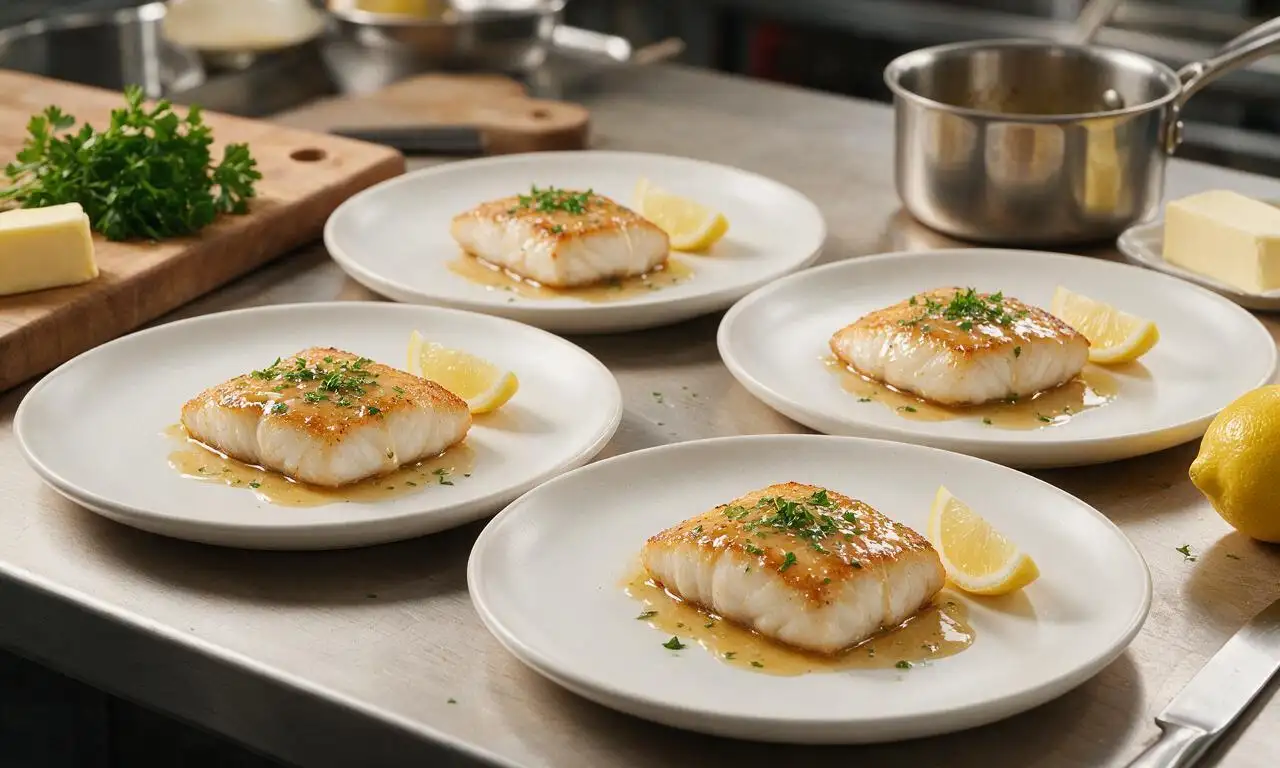
Start with 2 tablespoons of fresh lemon juice (about the yield of one medium lemon) stirred into the melted garlic butter right after you take the pan off the heat. Reserve the second lemon cut into wedges for tableside squeezing, taste the sauce, and add extra juice a half-teaspoon at a time if you want more brightness. Adding juice off heat keeps it from turning bitter, and tasting as you go prevents overpowering tartness.
14.Do I have to use extra-virgin olive oil, or can I use another cooking oil?
▾
Extra-virgin olive oil adds a subtle fruity note that pairs beautifully with the fish, but you can swap it for any high-smoke-point neutral oil if that’s what you have on hand. Avocado oil, grapeseed oil, or refined canola oil all work well—just avoid toasted sesame oil or other strongly flavored oils that will clash with the bright lemon and mild fish.
15.Do I need to let the seared opakapaka rest before serving, like I do with steak?
▾
Yes, but it only needs a short rest! Let fillets sit for 2-3 minutes after coming out of the pan, just enough time for the juices to redistribute so they don’t run all over your plate when you cut into it. That short rest window is also the perfect amount of time to whip up the lemon-garlic butter sauce in the same pan.
16.Can I add extra herbs or flavors to the lemon-garlic butter sauce?
▾
Of course—this sauce is super versatile! Try tossing in a tablespoon of chopped fresh parsley, chives, or dill right at the end, a pinch of red pepper flakes for gentle heat, a tablespoon of rinsed capers for brininess, or a teaspoon of finely grated lemon zest for extra bright citrus. Add these off heat to keep flavors fresh.
17.Is opakapaka a sustainable seafood choice to buy?
▾
When sourced from Hawaiian longline or hook-and-line fisheries (the most common commercial source in the U.S.), opakapaka is rated a sustainable, well-managed choice by the Monterey Bay Aquarium Seafood Watch. If you’re unsure, ask your fishmonger for catch location and method, or swap for a similarly rated sustainable snapper if needed.
18.Can I prep parts of this recipe ahead for fast weeknight dinners?
▾
Definitely! You can portion your fillets, pat them dry, and store them on a paper-towel lined tray in the fridge up to 12 hours ahead—this cuts down on prep time and actually helps skin dry out more for extra crispness. You can also mince garlic and squeeze lemon juice up to 2 hours ahead, so the whole dish comes together in 15 minutes at dinnertime.

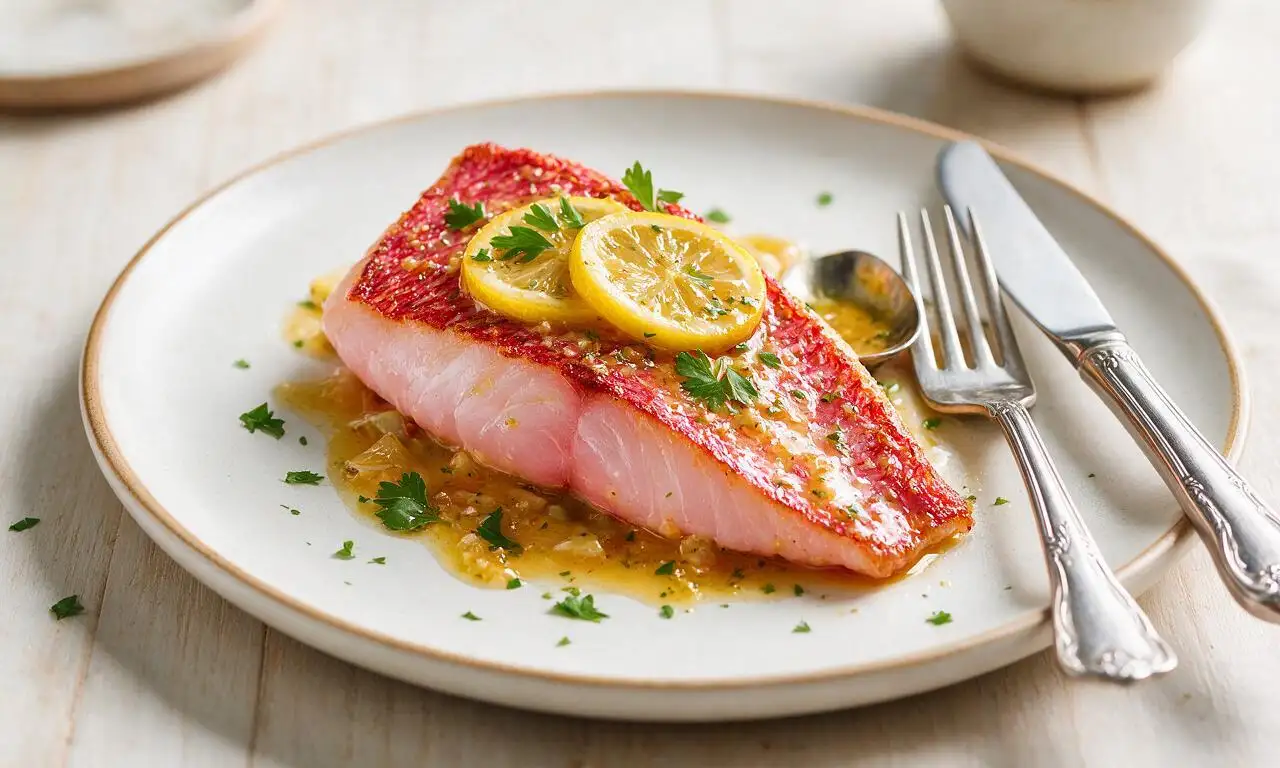
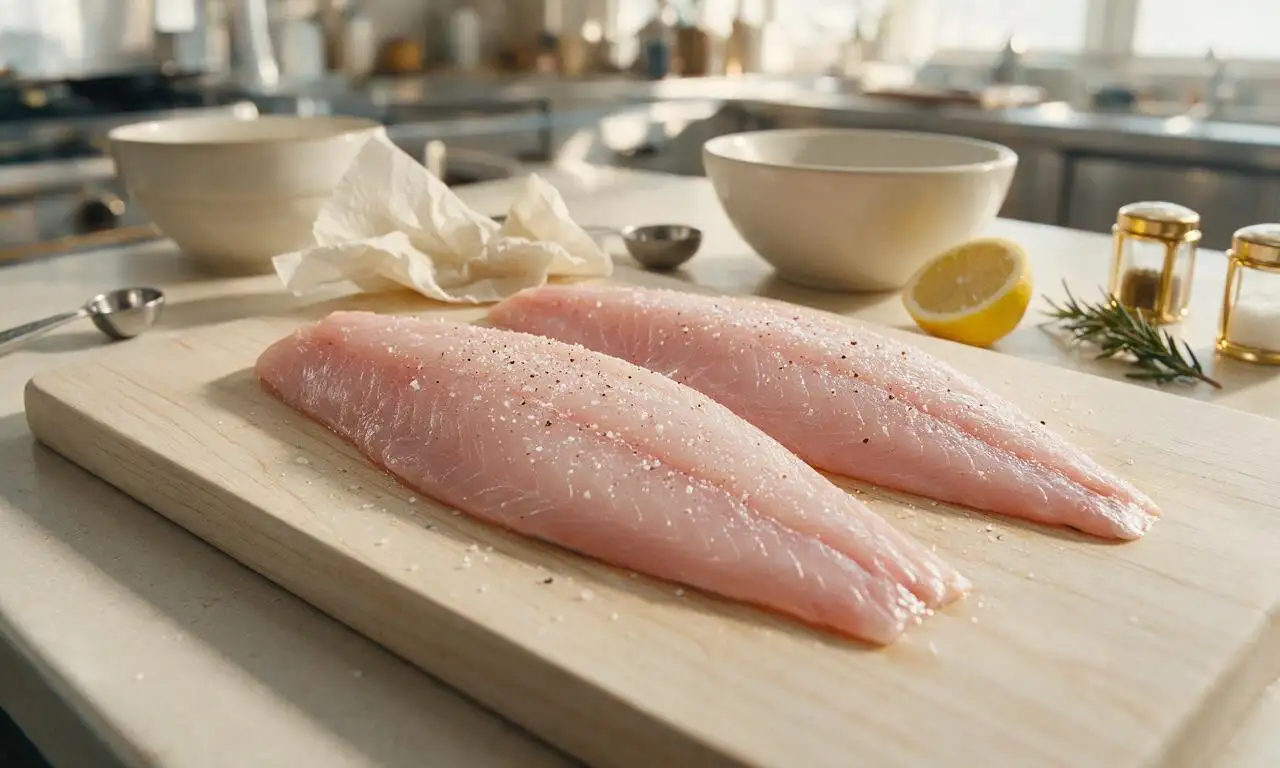
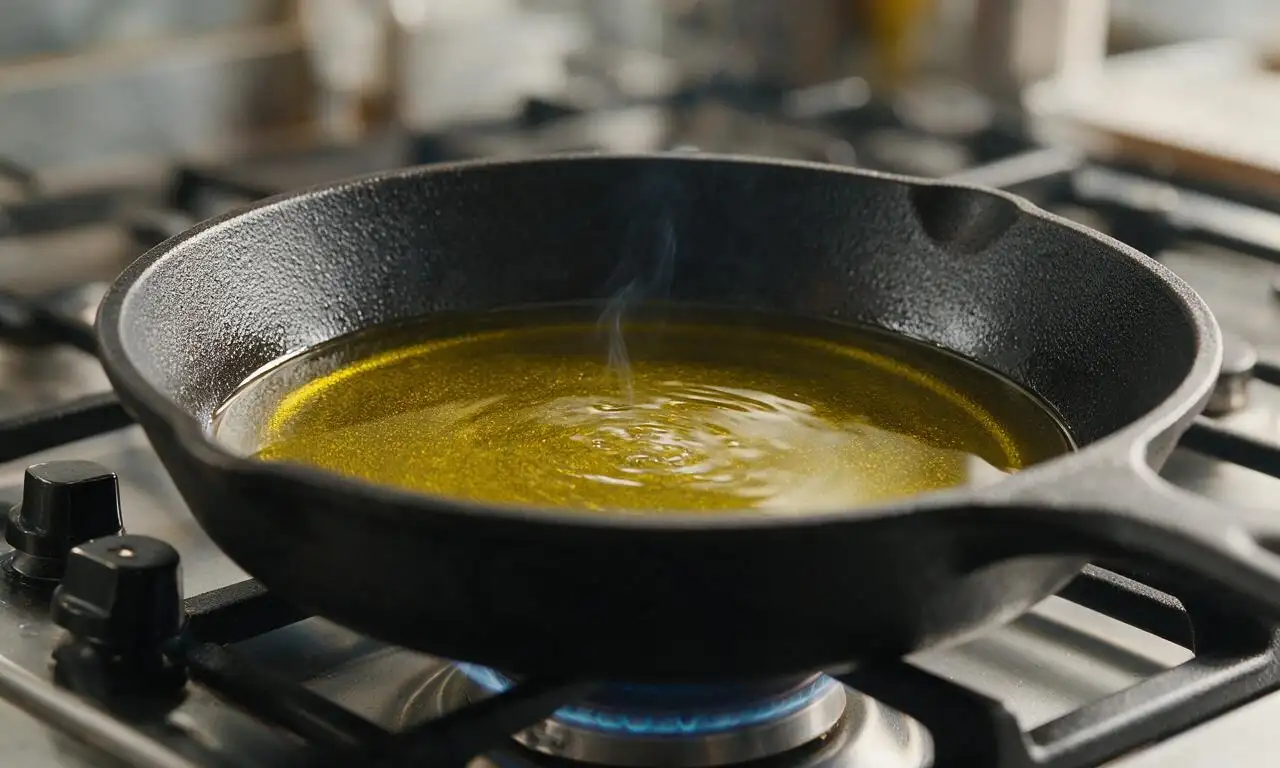
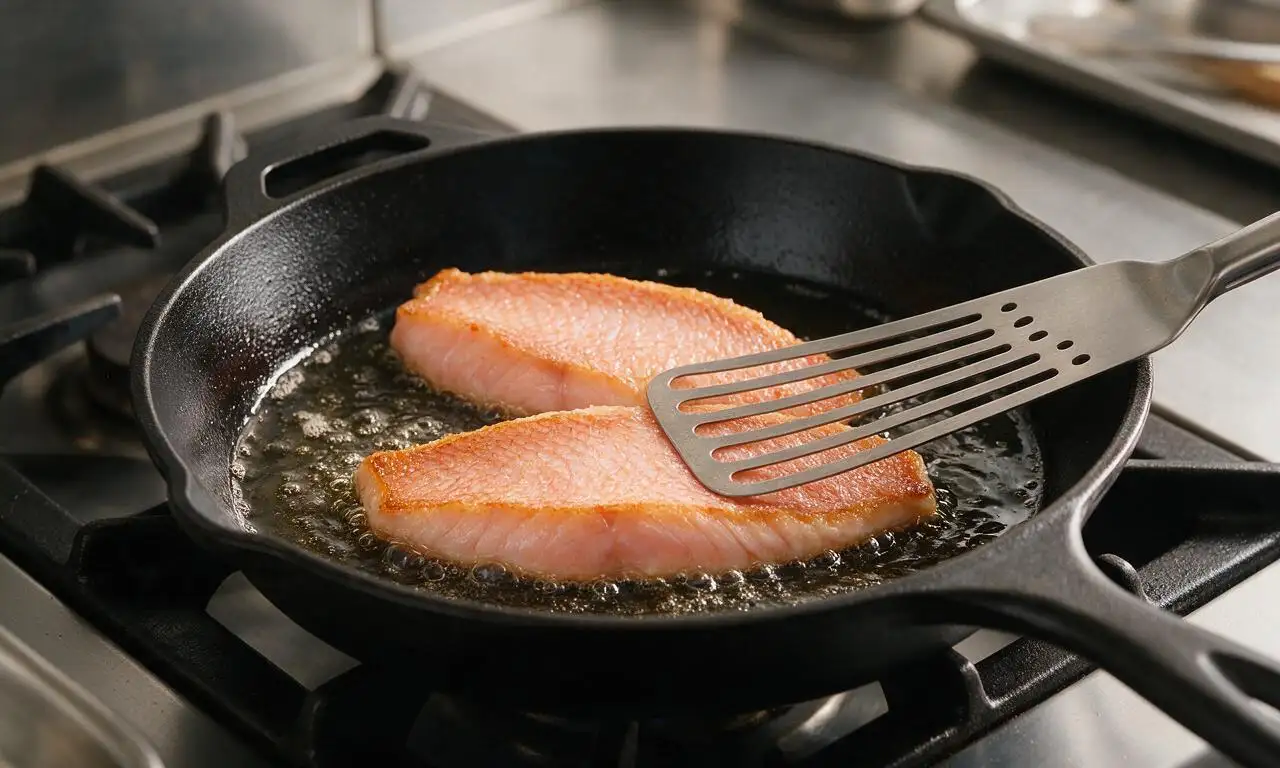
OMG this opakapaka was SO good! I made it for our Sunday family dinner last night and even my super picky 7-year-old cleaned his plate, no complaints at all. The lemon-garlic butter sauce is a total game changer, I even drizzled extra on my roasted asparagus. So easy to pull off on a weeknight too, 25 minutes is no joke!
First time cooking opakapaka ever and this recipe made me look like a pro! I was worried I’d overcook the fish but the pan-sear instructions were super straightforward. Only tweak I made was adding a tiny pinch of red pepper flakes to the butter sauce for a little kick, 10/10 would make again for our next beach potluck.
Obsessed! I made a big batch of this on Sunday for meal prep and it held up perfectly all week for lunches. The fish stayed flaky and the sauce didn’t get weird when I reheated it gently, which is always a win for seafood meal prep. Quick question though – has anyone tried this with other white fish if opakapaka isn’t available at the grocery store?