Opossum

title 1
Opossum
⏱️ cook time 3 hours (plus 12 hour overnight brine)
🍽️ servings 4
⚡ Difficulty medium

intro

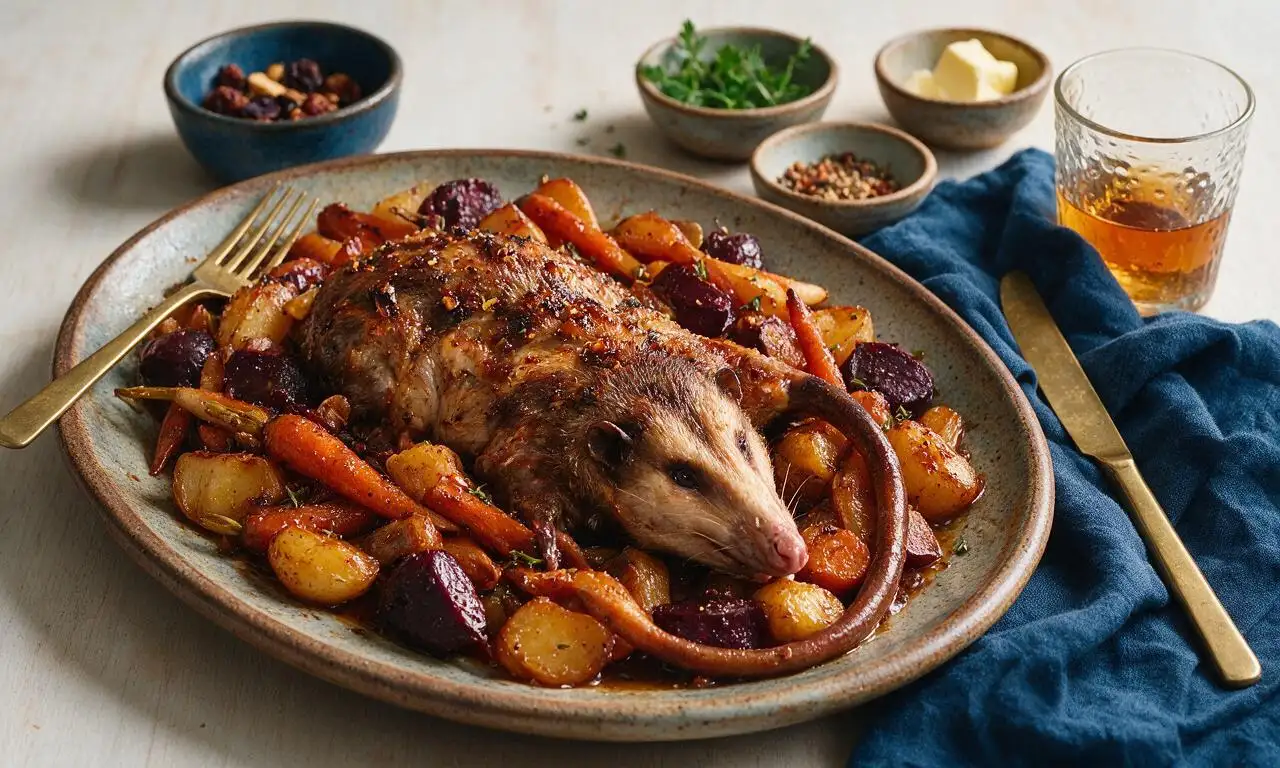
A traditional rustic Southern Appalachian dish of tender slow-roasted marinated opossum, served with caramelized root vegetables and warm, earthy seasonings.

Ingredients

Dressed whole opossum (skinned, musk glands removed, excess fat trimmed) 1800 g (4 lb)
Kosher salt 60 g (1/4 cup)
Apple cider vinegar 240 ml (1 cup)
Cold water 2 L (8.5 cups)
Yellow onion 300 g (2 large, quartered)
Carrots 225 g (3 medium, cut into 5cm chunks)
Russet potatoes 350 g (2 medium, cut into 5cm chunks)
Garlic cloves 18 g (6 cloves, crushed)
Dried sage 2 g (1 tablespoon)
Smoked paprika 7 g (1 tablespoon)
Ground black pepper 2 g (1 teaspoon)
Unsalted butter 55 g (4 tablespoons, melted)
Worcestershire sauce 30 ml (2 tablespoons)

Steps

1

Brine the opossum

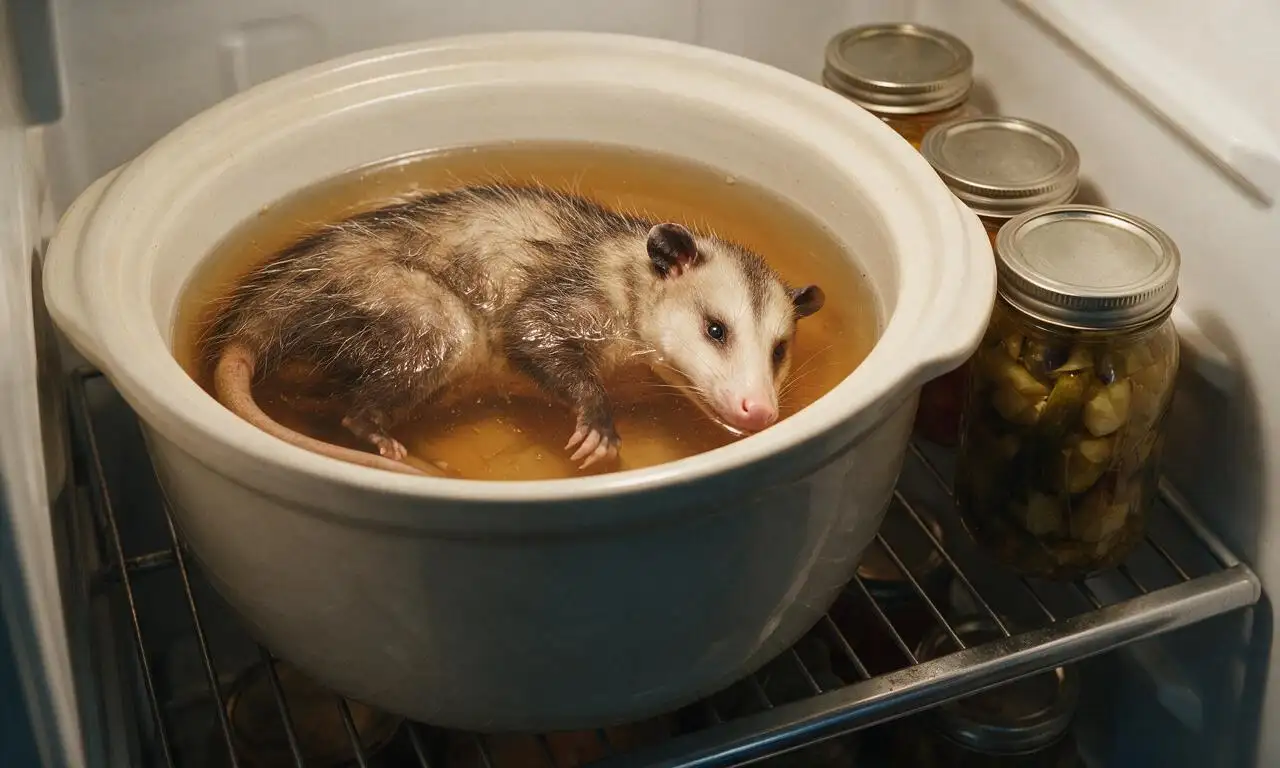
Place the cleaned, dressed opossum in a large non-reactive stock pot. Mix 2L cold water, 45g (3 tbsp) of the kosher salt, and 240ml apple cider vinegar, stirring until salt fully dissolves. Pour the brine over the opossum to fully submerge the meat, cover the pot, and refrigerate for 12 hours (overnight) to mellow gamey flavor and tenderize the meat.
Step 1
step1:Brine the opossum
2

Prep oven and vegetables

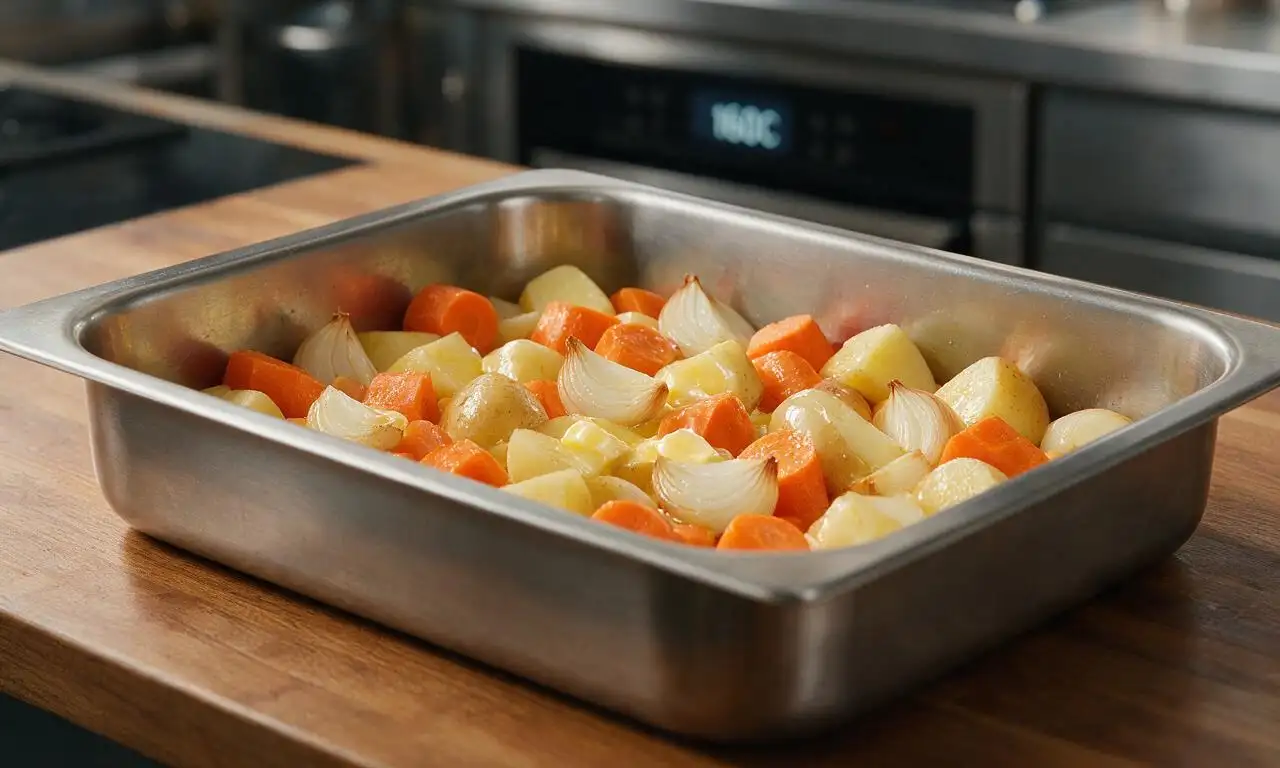
After brining, remove the opossum from the brine, pat completely dry with paper towels, and discard the used brine. Preheat your oven to 160C (325F). In a large roasting pan, toss 300g quartered yellow onion, 225g carrot chunks, 350g potato chunks, and 18g crushed garlic with 15g (1 tbsp) melted butter, 15g (1 tbsp) kosher salt, and 1g (1/2 tsp) black pepper, then spread in an even layer across the pan bottom.
Step 2
step2:Prep oven and vegetables
3

Season the opossum

In a small bowl, mix 2g dried sage, 7g smoked paprika, remaining 1g (1/2 tsp) black pepper, 30ml Worcestershire sauce, and remaining 40g (3 tbsp) melted butter to form a thick, spreadable spice paste. Rub the entire outer surface and inner cavity of the dried opossum evenly with the paste. Tuck the opossum’s legs under its body to secure, then place it breast-side up directly on top of the prepared vegetable bed in the roasting pan.
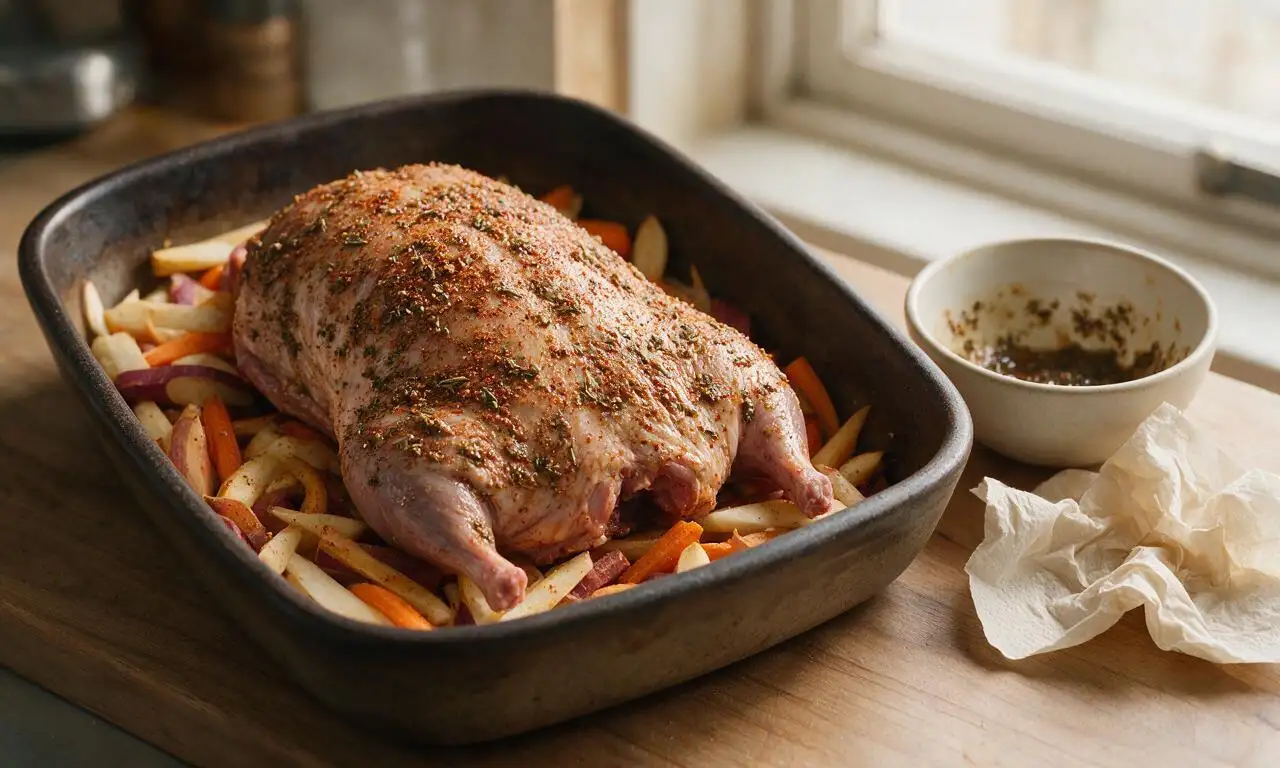
Step 3
step3:Season the opossum
4

Initial slow roast

Cover the roasting pan tightly with heavy-duty aluminum foil, crimping the edges firmly against the pan rim to create an airtight seal that traps steam. Place the pan on the middle rack of the preheated 160C (325F) oven, and roast undisturbed for 2 full hours to tenderize the meat and lock in moisture.
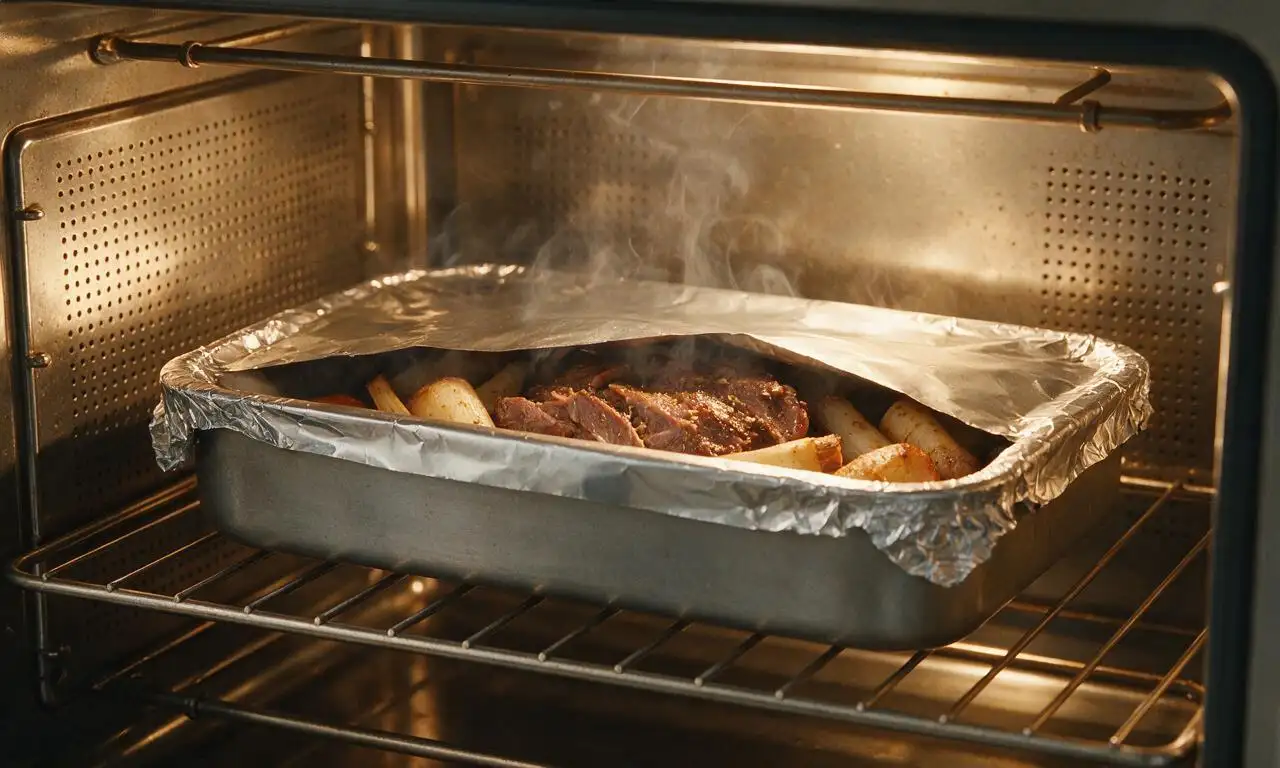
Step 4
step4:Initial slow roast
5

Crisp the opossum skin

After 2 hours of covered roasting, carefully remove the foil from the pan (watch for escaping hot steam), then turn the oven heat up to 190C (375F). Baste the entire surface of the opossum with the pan drippings collected at the bottom of the pan. Roast uncovered for an additional 45 minutes, until the skin is deep golden brown and crisp, and the thickest part of the opossum’s thigh registers 77C (170F) on an instant-read meat thermometer.
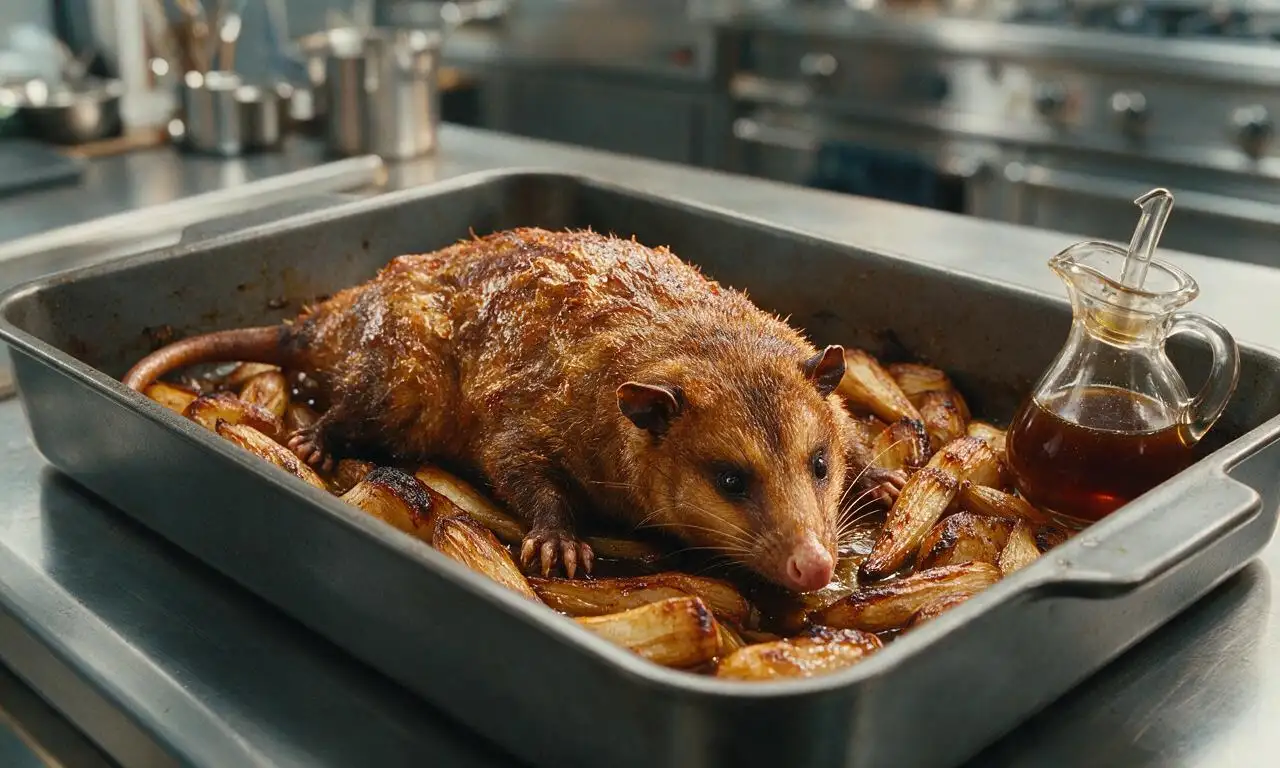
Step 5
step5:Crisp the opossum skin
6

Rest and serve

Remove the roasting pan from the oven, transfer the opossum to a wooden cutting board, and tent it loosely with a fresh sheet of aluminum foil. Let the meat rest for 15 minutes to allow internal juices to redistribute, which prevents dry meat when carved. Carve the opossum into serving pieces, arrange on a platter with the roasted root vegetables, and spoon reserved pan drippings over top before serving.
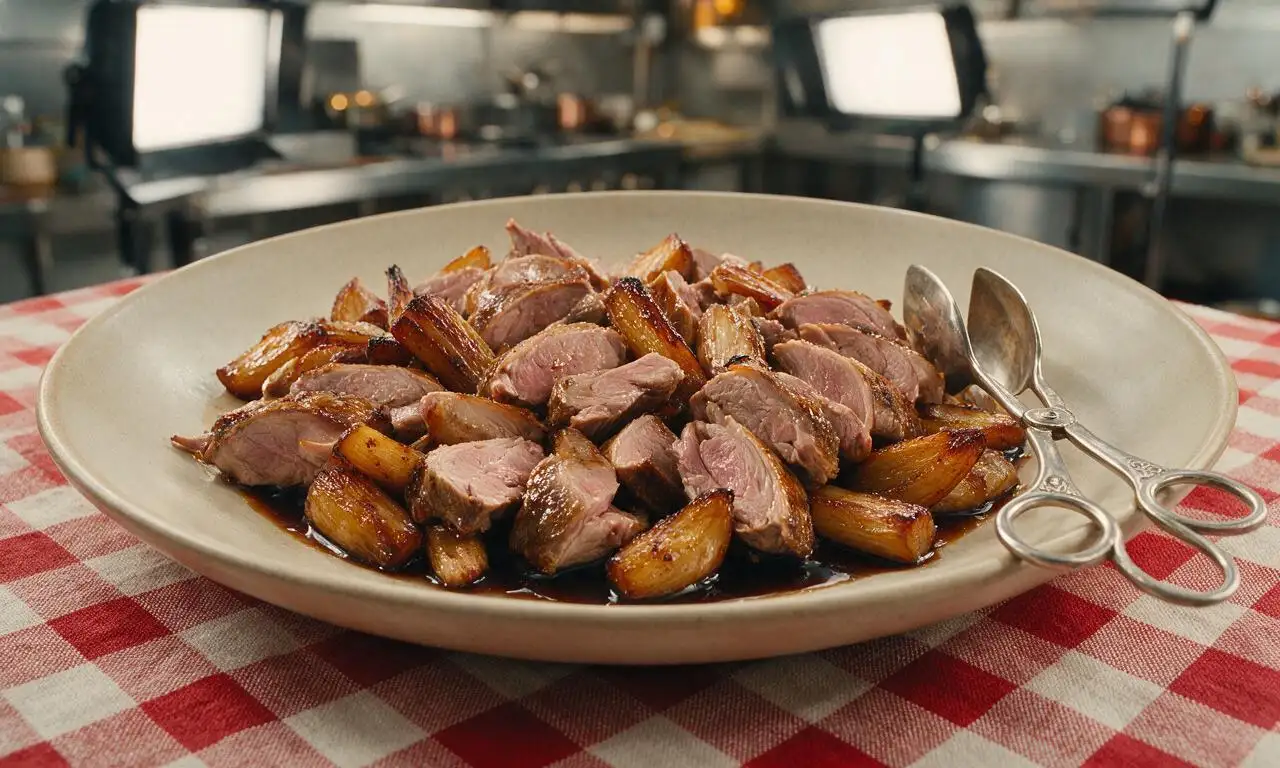
Step 6
step6:Rest and serve

Tips

1.Always confirm your opossum has had the small, bean-shaped musk glands removed from the hind legs and shoulder area before brining; these glands impart a bitter, unpleasantly gamey flavor if left intact during cooking.
2.Do not rush the brining step: the 12-hour vinegar-salt brine mellows the wild game flavor and tenderizes the otherwise lean, tough opossum meat.
3.Use an instant-read meat thermometer to check doneness instead of relying on cook time alone; opossum is safe and tender when the thickest part of the thigh reaches 77C (170F), and will turn dry and tough if overcooked.
✨ You May Also Like

Main Course
🍜 United Kingdom

A showstopping classic of tender seared beef, savory mushroom duxelles, and crisp prosciutto wrapped in flaky golden puff pastry, baked to juicy perfection.

⏱️ 2 hours 1Main Course ★ 4.7
Main Course
🍜 India

Tender charred marinated chicken simmered in a rich, spiced creamy tomato sauce, this iconic Anglo-Indian curry pairs perfectly with basmati rice or warm naan.

⏱️ 50 minuteMain Course ★ 4.6
Main Course
🍜 Thailand

Classic tangy, sweet, and savory Thai stir-fried rice noodles with shrimp, tofu, and crunchy garnishes, balancing all five core Thai flavor profiles.

⏱️ 30 minuteMain Course ★ 4.5
Main Course
🍜 United Kingdom

Crispy golden beer-battered cod and fluffy double-fried chips, served with tangy tartar sauce and malt vinegar: the timeless, beloved British pub comfort classic.

⏱️ 45 minuteMain Course ★ 4.7
Main Course
🍜 Mexico

Smoky, chile-marinated pork tacos with caramelized pineapple, fresh cilantro, and lime: a beloved classic Mexican street food perfect for casual summer gatherings.

⏱️ 1 hour 45Main Course ★ 4.8
Main Course
🍜 United States

Crunchy Fritos corn chips layered with savory beef chili and melted cheddar, topped with cool, zesty fixings for a beloved, cozy Tex-Mex comfort food.

⏱️ 35 minuteMain Course ★ 4.8

Opossum:Frequently Asked Questions

1.Where can I source a properly dressed whole opossum for this recipe? ▾
Your best bets are reputable local wild game processors, specialty Southern heritage meat suppliers, or licensed trappers in Appalachian and rural Southern regions. Always confirm the animal was skinned, fully trimmed of excess fat, and had all musk glands removed before purchase to avoid strong, off-putting gamey flavors in your final roast.
2.Why does this recipe call for soaking opossum in apple cider vinegar and salt water first? ▾
That simple vinegar brine cuts through the subtle earthy, gamey notes wild opossum can carry, tenderizes the naturally lean meat, and draws out any residual blood that can make roasted game taste harsh or bitter. Use 1 cup apple cider vinegar and ¼ cup kosher salt per gallon of cold water, and soak the dressed opossum for 8 to 12 hours in the fridge before marinating.
3.What happens if I don’t remove the opossum’s musk glands before cooking? ▾
Those small, reddish musk glands sit near the opossum’s lower back and under its front legs, and they secrete a strongly scented, musky oil that will leach into your meat and vegetables as it roasts. This leaves the entire dish with an unpleasant, skunky, gamey flavor no amount of seasoning can cover, so always confirm they are fully removed before prep.
4.Which root vegetables work best for this roast, and can I make substitutions? ▾
The classic mix uses 2-inch chunks of yellow onion (a core recipe ingredient), sweet potato, carrot, parsnip, and turnip, which caramelize beautifully during slow roasting. You can easily swap in rutabaga, celeriac, red potatoes, or whole garlic cloves if needed—just cut all veggies to a uniform size so they cook at the same rate.
5.What oven temperature and cook time yields tender, fall-off-the-bone opossum? ▾
Set your oven to a steady 300°F, which is low enough to break down the opossum’s tough connective tissue without drying out its lean meat. Place the seasoned opossum on a rack over the root vegetables in a covered roaster, and cook for 3 ½ to 4 hours, uncovering for the last 30 minutes to crisp the skin and caramelize veggie edges.
6.What does opossum taste like, and which seasonings complement it best? ▾
Opossum has a mild, rich, dark meat flavor most comparable to slow-roasted wild rabbit or dark turkey, with subtle earthy, woodsy notes. It pairs beautifully with warm, rustic seasonings like dried sage, cracked black pepper, smoked paprika, fresh thyme, and a tiny pinch of nutmeg, which highlight its character without overpowering the meat.
7.Do I really need to trim excess fat off the opossum before roasting? ▾
Yes, this step is non-negotiable for good flavor. Unlike mild, creamy pork or beef fat, opossum fat has a strong, distinctly gamey taste that doesn’t mellow with slow cooking. Trim away all thick, visible soft fat from the carcass before brining, leaving only a paper-thin layer under the skin to help keep meat moist during roasting.
8.Can I make this recipe in a slow cooker instead of using the oven? ▾
You absolutely can! After brining and seasoning the opossum, place it on top of your cut root vegetables in a 6-quart slow cooker, add ½ cup of low-sodium chicken stock to the bottom to prevent sticking, and cook on LOW for 6 to 7 hours. For crisp skin, transfer the opossum to a baking sheet and broil for 3 to 4 minutes right before serving.
9.How do I tell when the opossum is fully cooked and safe to eat? ▾
Always rely on a meat thermometer rather than guesswork for wild game. The thickest part of the opossum’s thigh, away from any bone, should reach an internal temperature of 165°F to kill any potential foodborne pathogens. At that temperature, the meat will pull easily away from the bone and be tender, not tough or rubbery.
10.Why is this dish considered a traditional Southern Appalachian staple? ▾
Opossum was a widely available, free, nutrient-dense protein source for Appalachian families through generations of economic hardship, especially in remote rural areas where store-bought meat was costly or hard to access. Slow roasting with homegrown or foraged root vegetables made it a filling, nourishing centerpiece for fall and winter community gatherings.
11.What sides pair well with this roast for a full traditional meal? ▾
Stick to bright, simple sides to cut through the roast’s rich, earthy flavor. Classic regional pairings include tangy collard greens cooked with a ham hock, crumbly homemade cornbread drizzled with honey, tangy chow-chow or pickled green tomatoes, and a spiced apple compote to balance savoriness with sweet-tart brightness.
12.How should I store leftover roasted opossum, and can I freeze it? ▾
Leftover opossum will stay fresh in an airtight container in the fridge for up to 3 days, or in the freezer for up to 3 months. Shred any leftover meat off the bone before freezing to make it easier to repurpose later—it works great stirred into game stews, added to savory pot pies, or tossed with tangy barbecue sauce for wild game sliders.

Comments (6)

1 week ago

Brought this to our neighborhood block party last weekend and people were swarming the platter! I was worried no one would want to try opossum but once the first person took a bite and yelled how good it was, the whole thing was gone in 15 minutes. The root veggies were the perfect side, no need to make anything extra. 10/10, will be adding this to my regular potluck rotation.

5 days ago

Solid recipe! I prepped all the root veggies ahead of time on Sunday so I could just pop the brined opossum in the oven after work on Monday. Cook time was spot on for me, meat pulled right off the bone. Only thing I changed was adding a little extra smoked paprika to the rub because I love that smoky kick. Great for anyone tired of the same old chicken and pork roasts for weeknight meals.

3 days ago

Tried this recipe last night and honestly? It was way easier than I thought it would be for a medium difficulty dish. The seasoning rub was chef’s kiss — that mix of garlic powder, thyme, black pepper and a little cayenne was perfect with the sweet root veggies. My only note is that my opossum was a little on the smaller side (maybe 4 lbs?) so it was done about 20 minutes earlier than the 3 hour cook time, so definitely keep a meat thermometer handy!

2 days ago

Thanks for the heads up about the smaller opossum cook time! I trapped a 3.5 lb one last weekend and was wondering if I needed to adjust the temp/time, that’s super helpful.

2 days ago

OMG y’all, I was so nervous to cook opossum for our Sunday family dinner after my husband brought one home from his last hunting trip, but this recipe was a total game changer! The 12 hour brine made the meat so tender and not gamey at all, and the roasted carrots, parsnips and potatoes soaked up all that seasoning perfectly. My kids even asked for seconds! SO good, will absolutely be making this again for our next fall potluck.

yesterday

So glad your family loved it! A quick tip: if you’re extra worried about gamey flavor, you can add a tablespoon of apple cider vinegar to the brine next time — it cuts any remaining wild taste beautifully!

yesterday

Second the apple cider vinegar trick! I made this last month for a camping trip potluck and folks were going back for thirds, no one even believed it was opossum at first lol.

yesterday

I grew up in the city and had never even considered eating opossum before I saw this recipe, but my partner is from rural Appalachia and kept talking about how good it was when he was a kid, so I decided to surprise him. Let me tell you — he teared up when he took the first bite! It tasted like a richer, more flavorful pork roast, and the veggies were so buttery and delicious. The brine step felt a little intimidating at first but it was so worth it. 100% recommend even if you’re a total wild game newbie like me!

2 hours ago

This makes my day! So many folks write off opossum as ‘trash meat’ but when it’s brined and slow roasted right, it’s such a delicious, sustainable protein. So happy you got to recreate that nostalgic meal for your partner!

2 hours ago

Aww this is so sweet! I grew up eating roasted opossum at my grandma’s Sunday suppers and it’s such an underrated meal. So glad you gave it a shot, bet your partner was over the moon!

30 minutes ago

Wait, quick question — I forgot to put the opossum in the brine last night so I only did a 4 hour brine instead of 12. Is it still going to turn out okay? I’ve got it in the oven right now and I’m panicking a little because I’m making this for my in-laws who are big wild game fans.

5 minutes ago

Don’t panic! A shorter brine will still work, you just might notice a slightly stronger wild flavor and a touch less tenderness. Baste it a little extra with the pan drippings every 30 minutes while it roasts and it’ll still be delicious — let us know how it turns out!