Organic Scrambled Eggs

title 1
Organic Scrambled Eggs
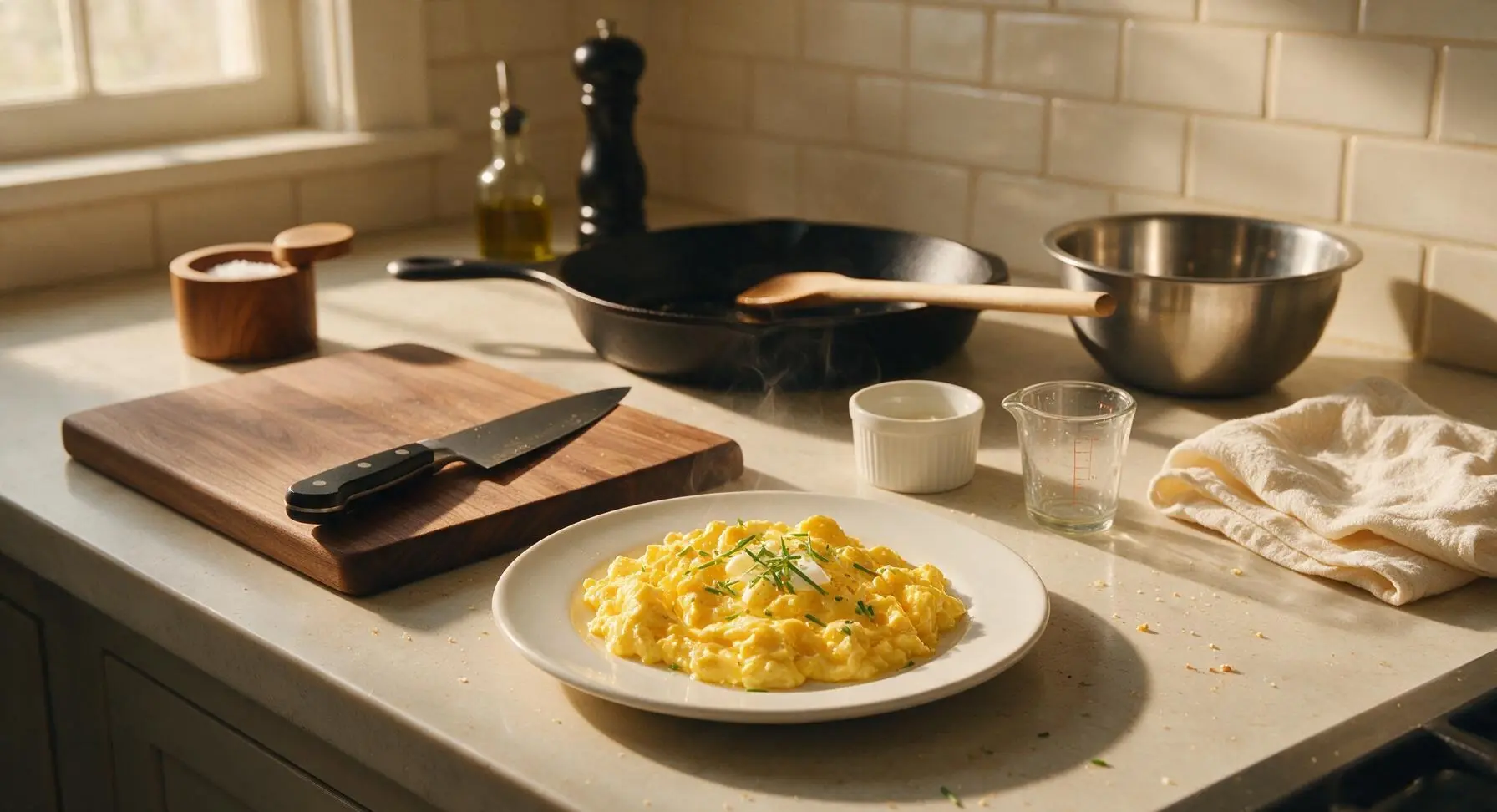
⏱️ cook time 5 minutes
🍽️ servings 2
⚡ Difficulty easy

intro

Velvety, tender organic scrambled eggs cooked low and slow for soft, melt-in-your-mouth curds, finished with fresh chives and a touch of butter—simple, nutrient-dense, and ready in 10 minutes.

Ingredients
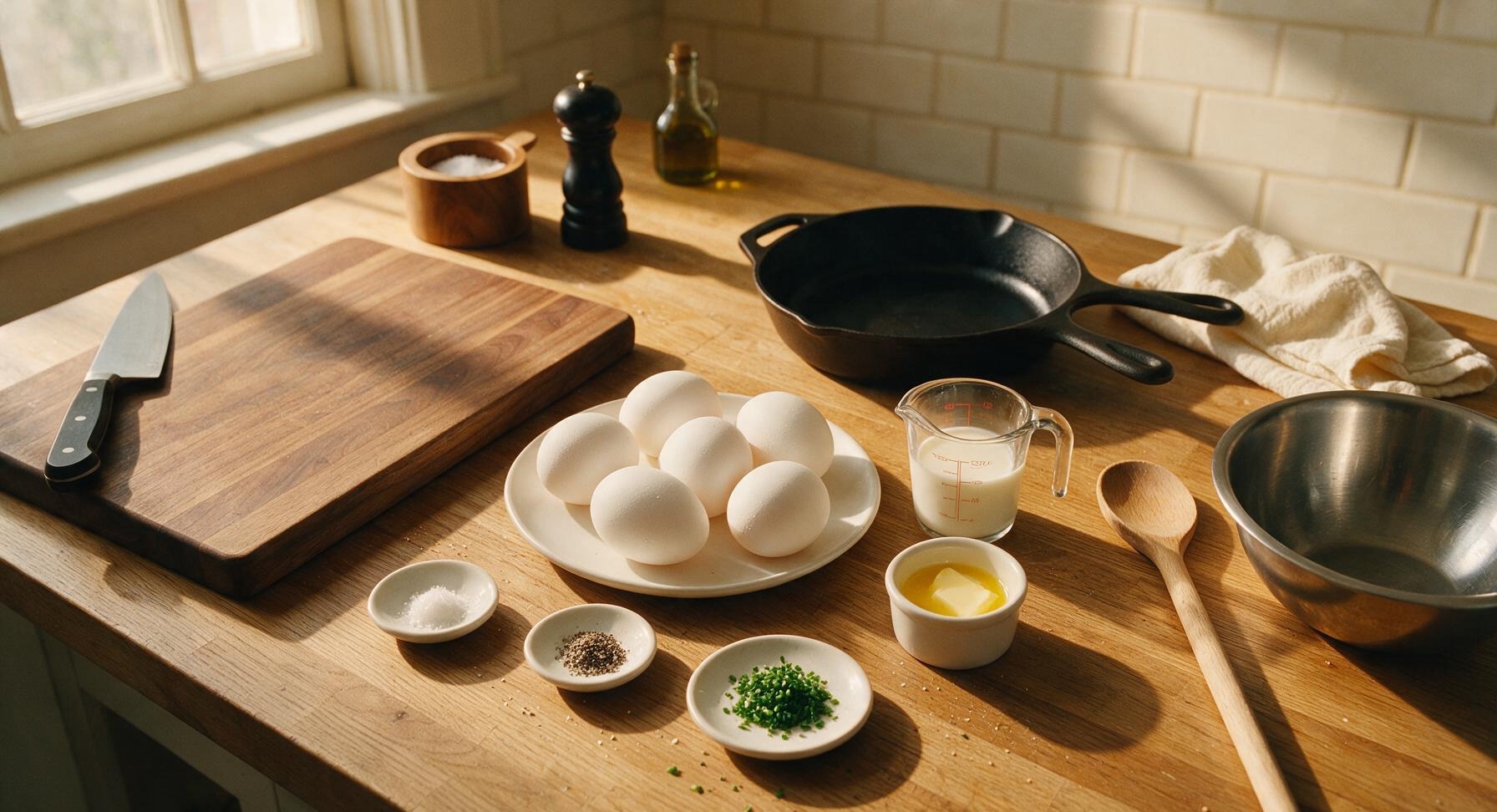
Organic large eggs 6 (about 300g)
Organic whole milk 2 tablespoons (30ml)
Organic unsalted butter 1 tablespoon (14g)
Fine sea salt 1/4 teaspoon
Freshly ground black pepper 1/8 teaspoon
Fresh organic chives 1 tablespoon (5g, finely chopped)

Steps

1

Chop fresh chives

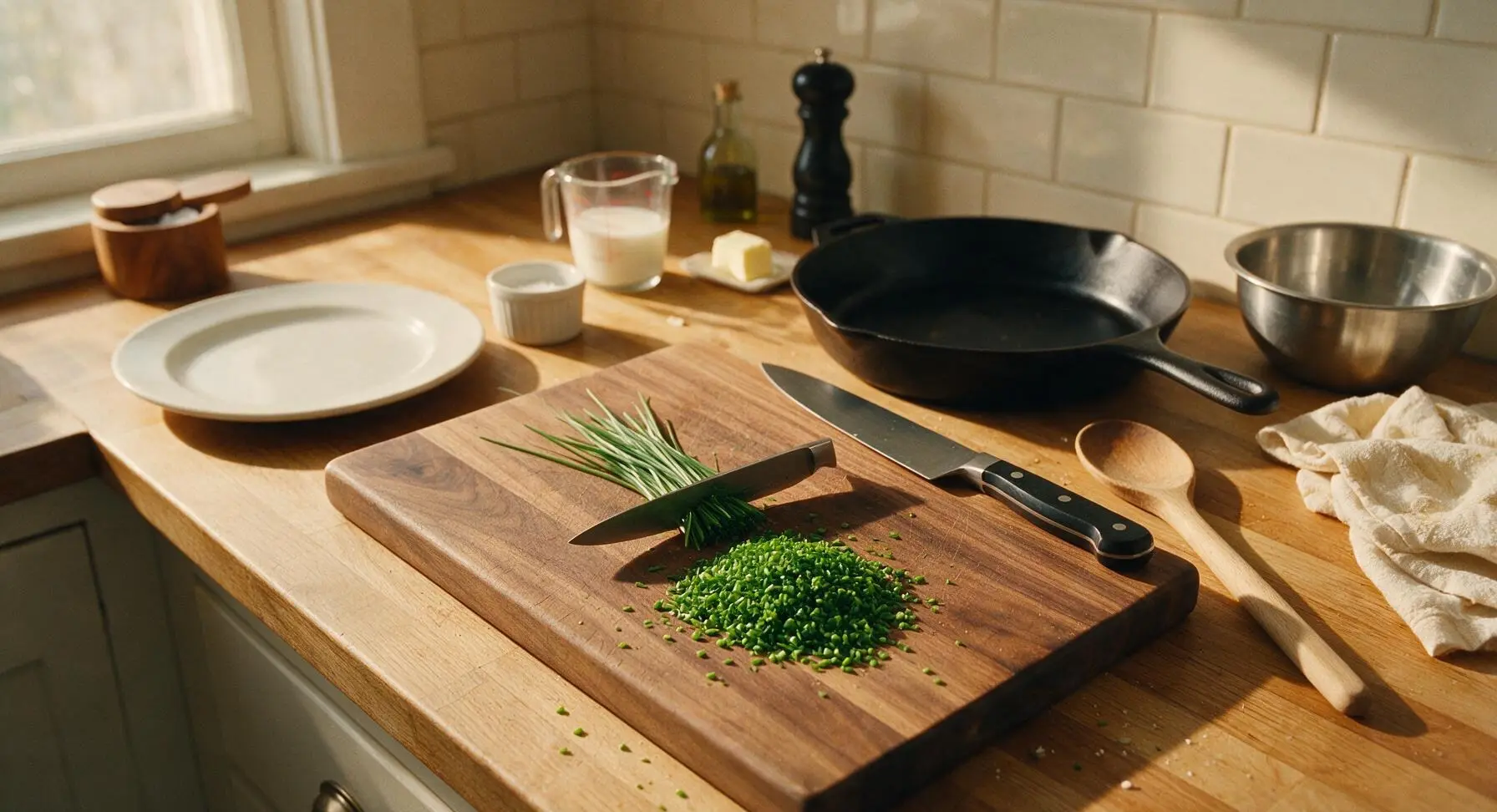
Gather the fresh chives, rinse under cool running water and pat dry with the corner of the linen towel. Place chives on the acacia wood cutting board, and use the paring knife to finely chop them into 2mm pieces, set aside 1 tablespoon of chopped chives for garnish. Discard any tough, woody stem ends. The chopped chives should be bright, uniform green with no mushy bits.
Step 1
step1:Chop fresh chives
2

Crack eggs into bowl

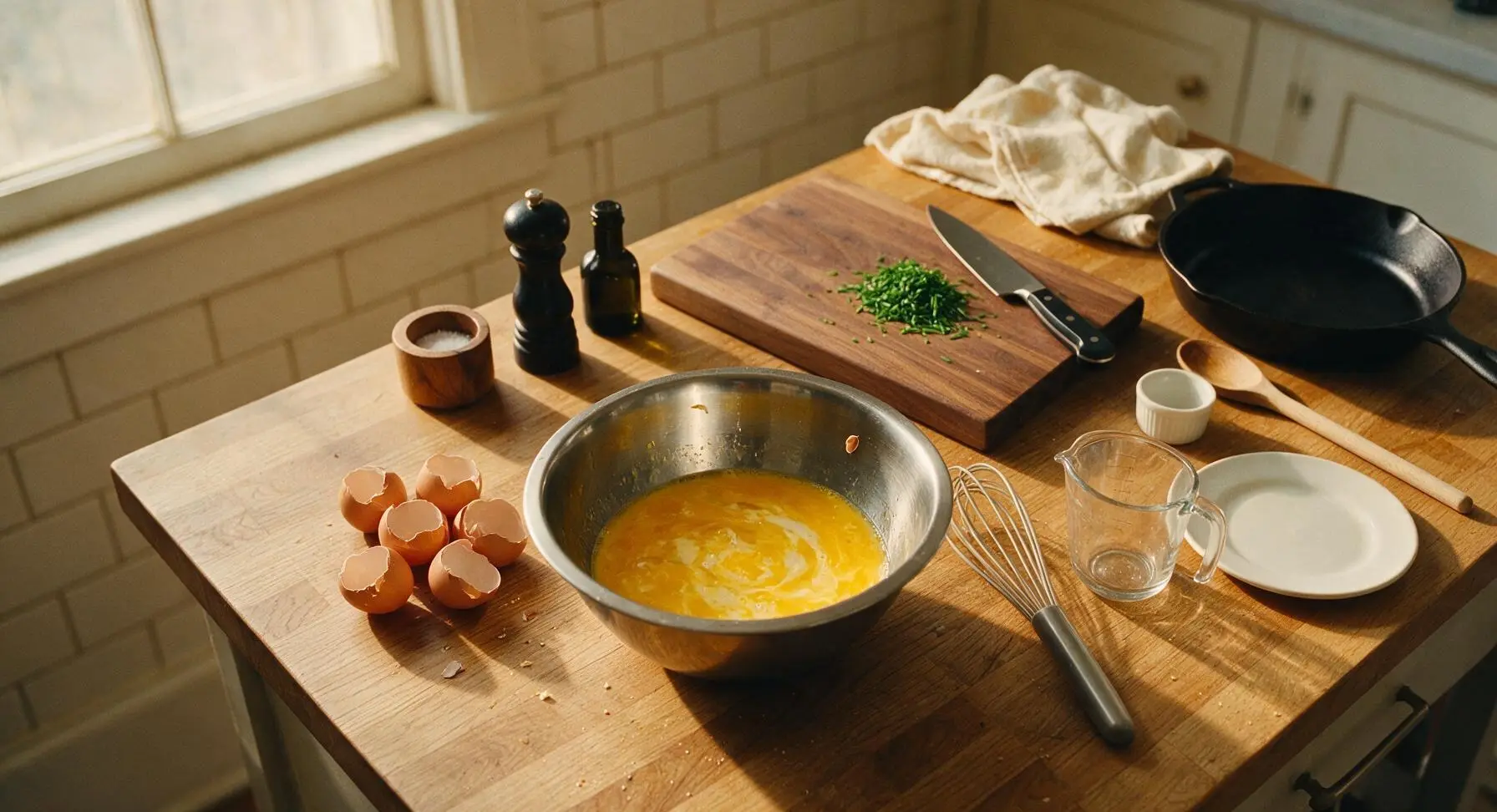
Hold each organic egg gently against the edge of the stainless steel mixing bowl, cracking the shell cleanly to avoid dropping shell fragments into the bowl. Add all 6 eggs to the bowl, then pour in 2 tablespoons of organic whole milk and 1/8 teaspoon of fine sea salt. Fish out any tiny shell fragments with the tip of the paring knife if they fall in. The egg mixture should be deep golden yellow with visible streaks of clear egg white at this stage.
Step 2
step2:Crack eggs into bowl
3

Whisk egg mixture smooth

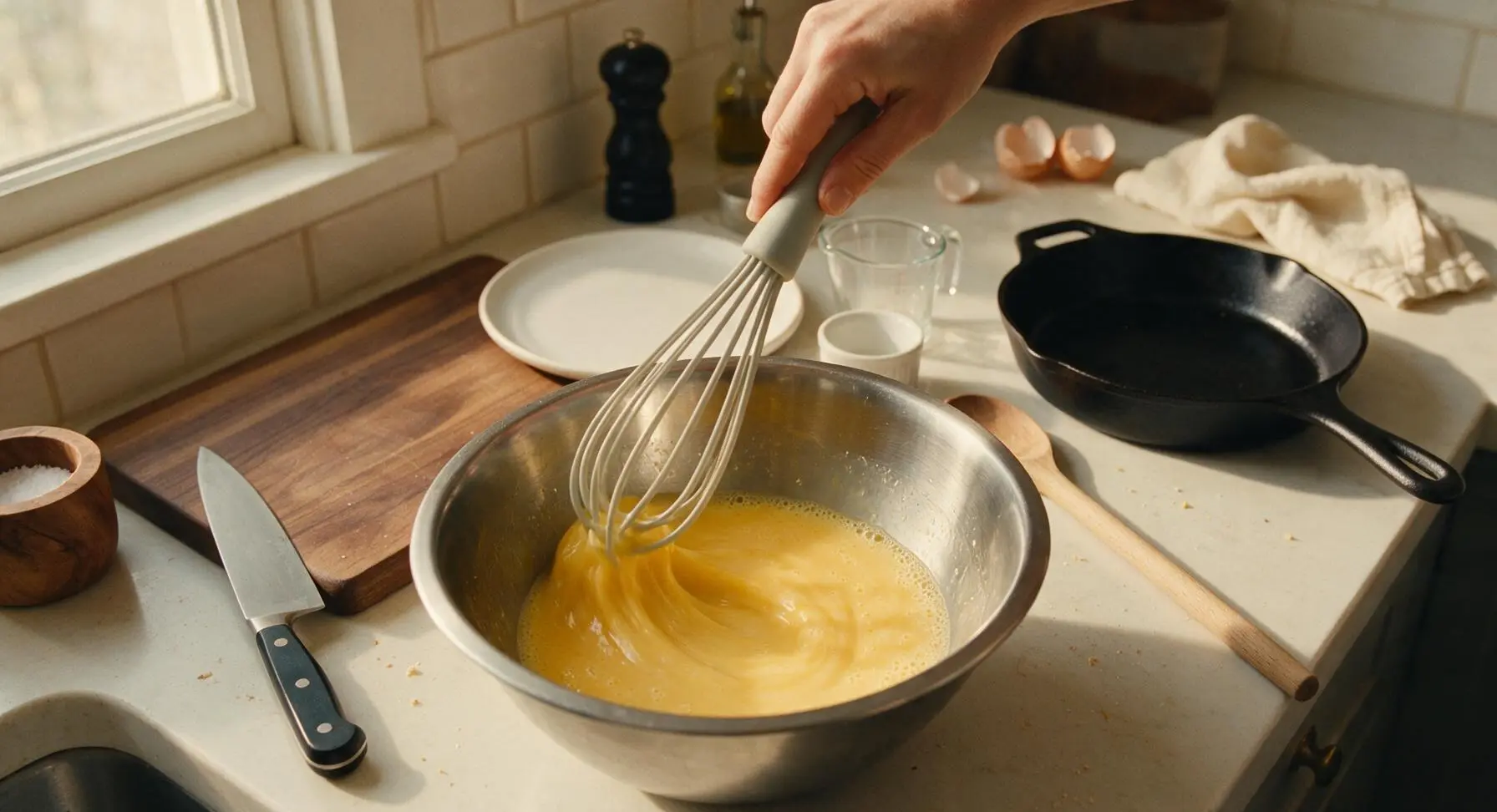
Use the pale grey silicone whisk to beat the egg mixture for 30-45 seconds, until the yolks and whites are fully combined, the mixture is a uniform pale golden yellow, and a thin layer of tiny bubbles forms across the surface. Do not over-whisk, as this will incorporate too much air and lead to watery, puffy eggs that break apart easily. The mixture should flow smoothly when you lift the whisk out of the bowl, with no visible streaks of separate egg white.
Step 3
step3:Whisk egg mixture smooth
4

Warm skillet over low heat

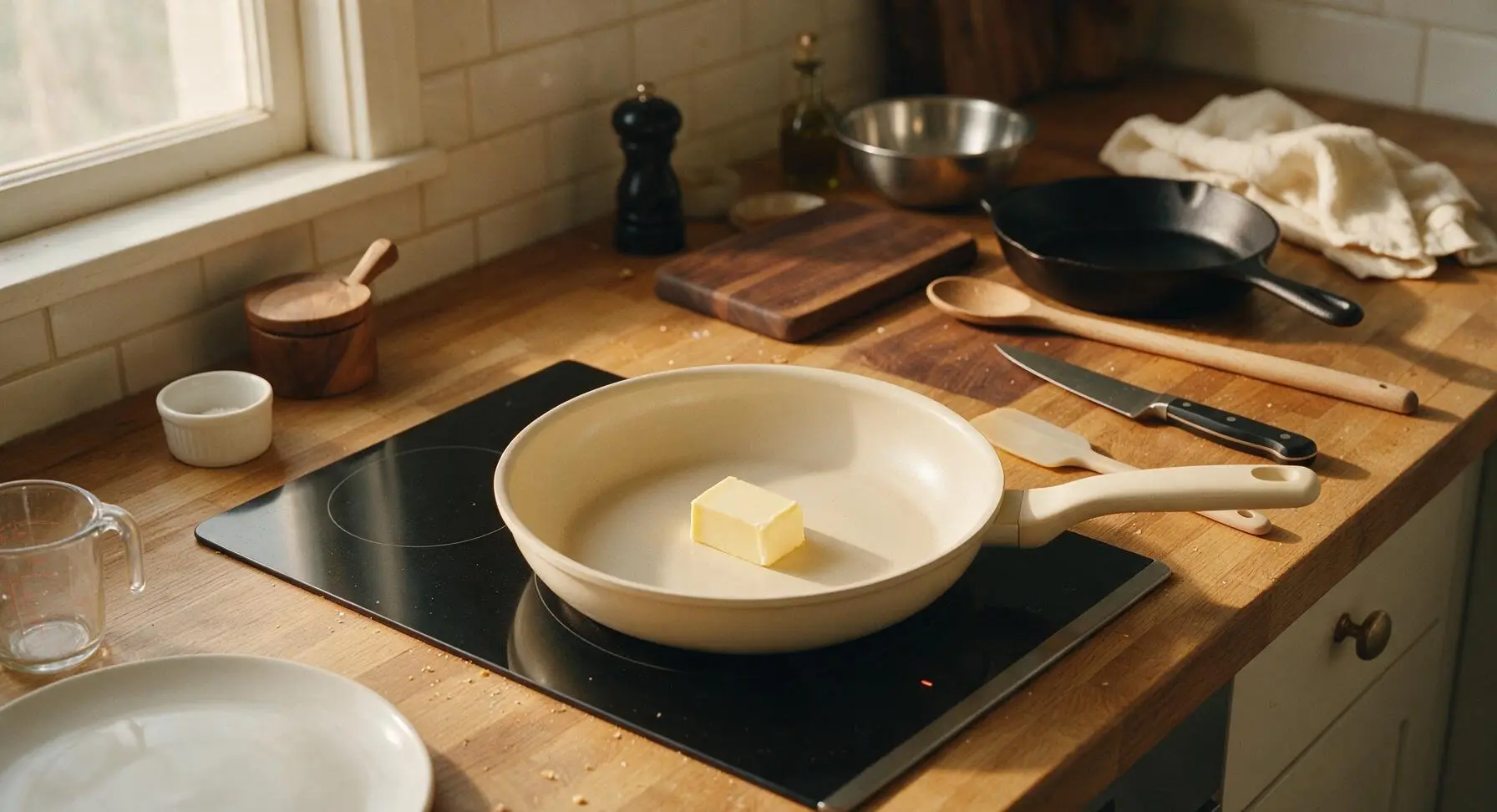
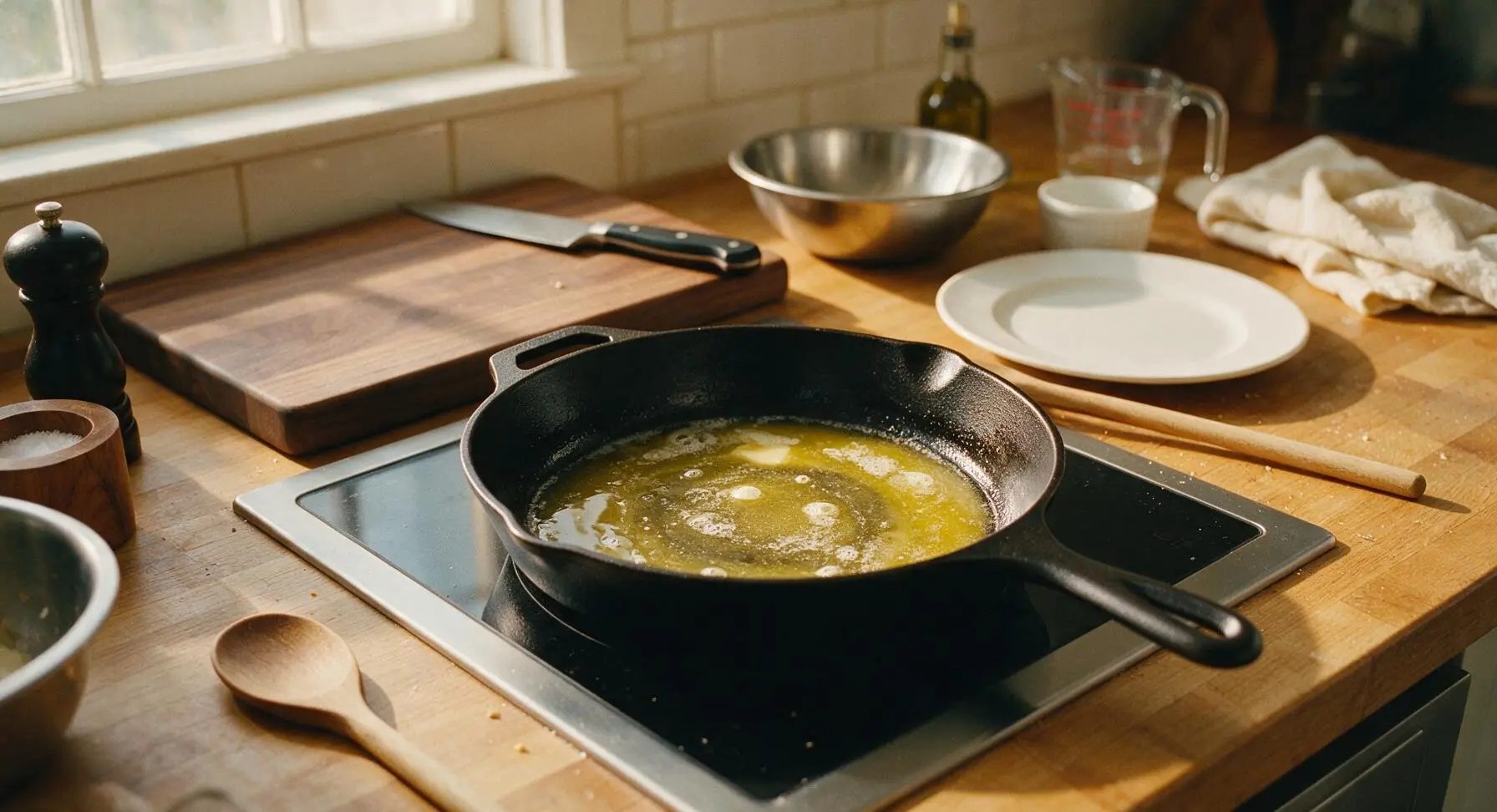
Place the 20cm ceramic non-stick skillet on the flush-mounted induction burner, set heat to the lowest setting (120°C / 250°F), and add 1 tablespoon of organic unsalted butter to the pan. Allow the butter to melt slowly over 1-2 minutes, until it foams lightly but does not turn brown or sizzle violently. If the butter starts to brown, the pan is too hot—remove it from the heat for 30 seconds before proceeding. The melted butter should coat the entire bottom of the skillet in a thin, glossy layer.
Step 4
step4:Warm skillet over low heat
Step 4
step4:Warm skillet over low heat
5

Cook eggs low and slow

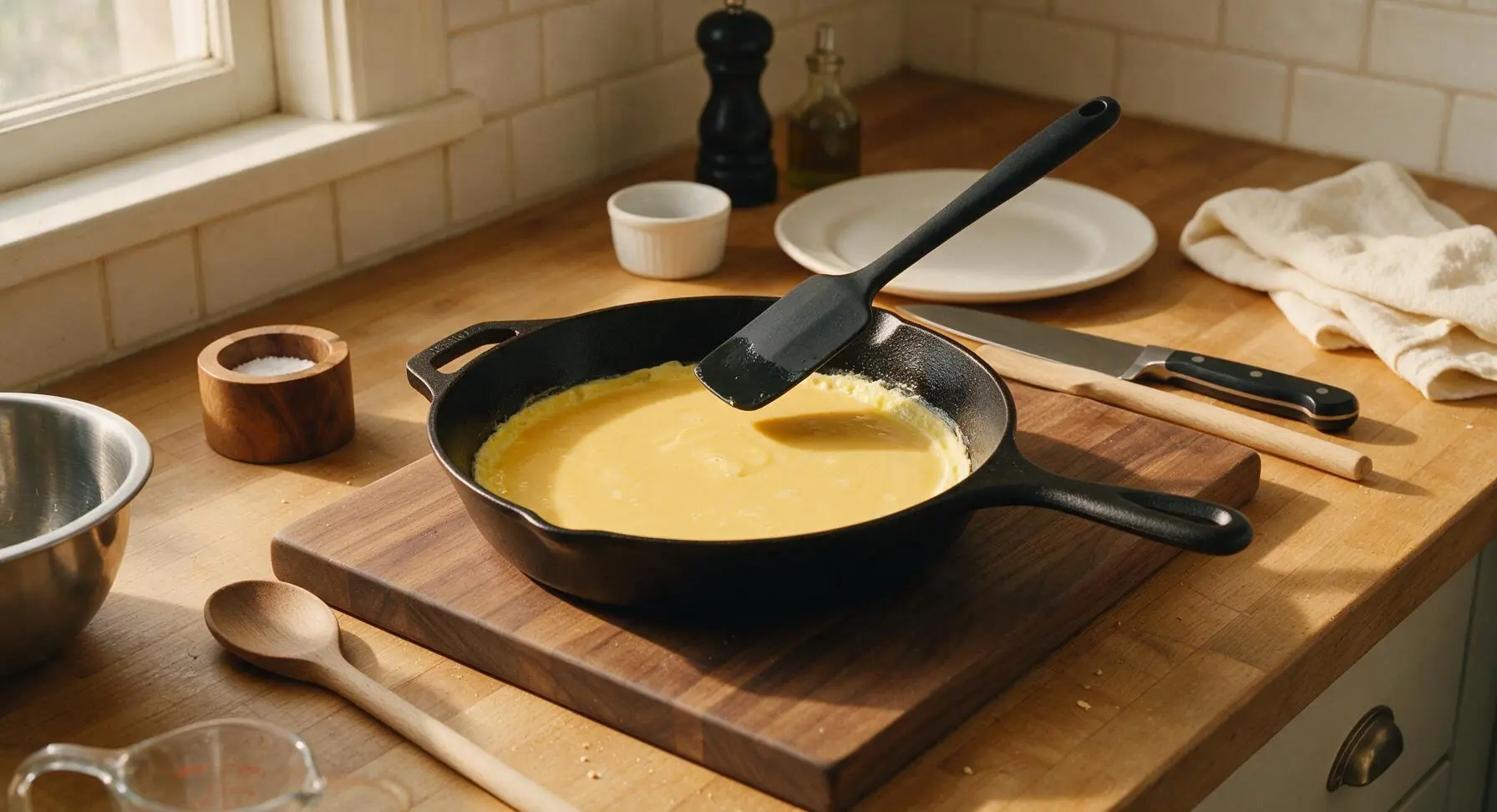
Pour the whisked egg mixture into the preheated, buttered skillet. Let the eggs sit undisturbed for 15-20 seconds, until the very edges of the mixture start to form soft, pale curds. Use the flexible silicone spatula to gently push the set curds from the edge of the pan toward the center, tilting the pan to let uncooked egg flow into the empty spaces left by the pushed curds. Repeat this slow push-and-tilt motion continuously for 3-4 minutes, never scraping hard or stirring rapidly. The eggs should form soft, large, tender curds, and remain slightly glossy and under-set when you remove them from heat—they will continue to cook from residual pan heat.
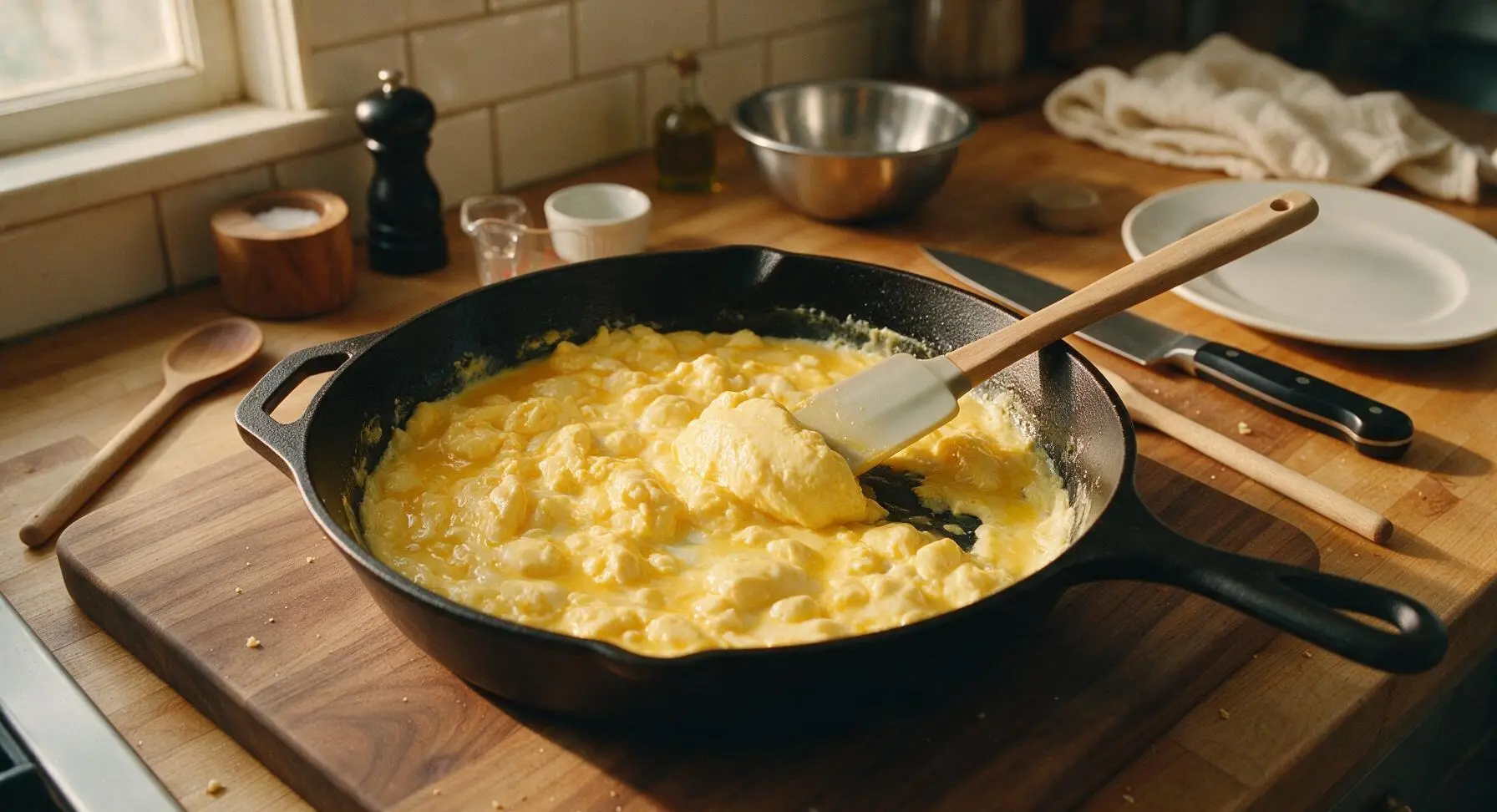
Step 5
step5:Cook eggs low and slow
Step 5
step5:Cook eggs low and slow
6

Finish eggs off heat

Once the eggs are 90% set, with only a small amount of wet, runny egg remaining in the pan, turn off the heat completely. Add the remaining 1/8 teaspoon of fine sea salt, and give the eggs one final gentle fold with the spatula to incorporate. The residual heat from the pan will cook the remaining runny egg in 30 seconds, resulting in velvety, tender curds with no rubbery texture. Do not cook the eggs until they are fully dry in the pan, as this will result in tough, overcooked eggs.
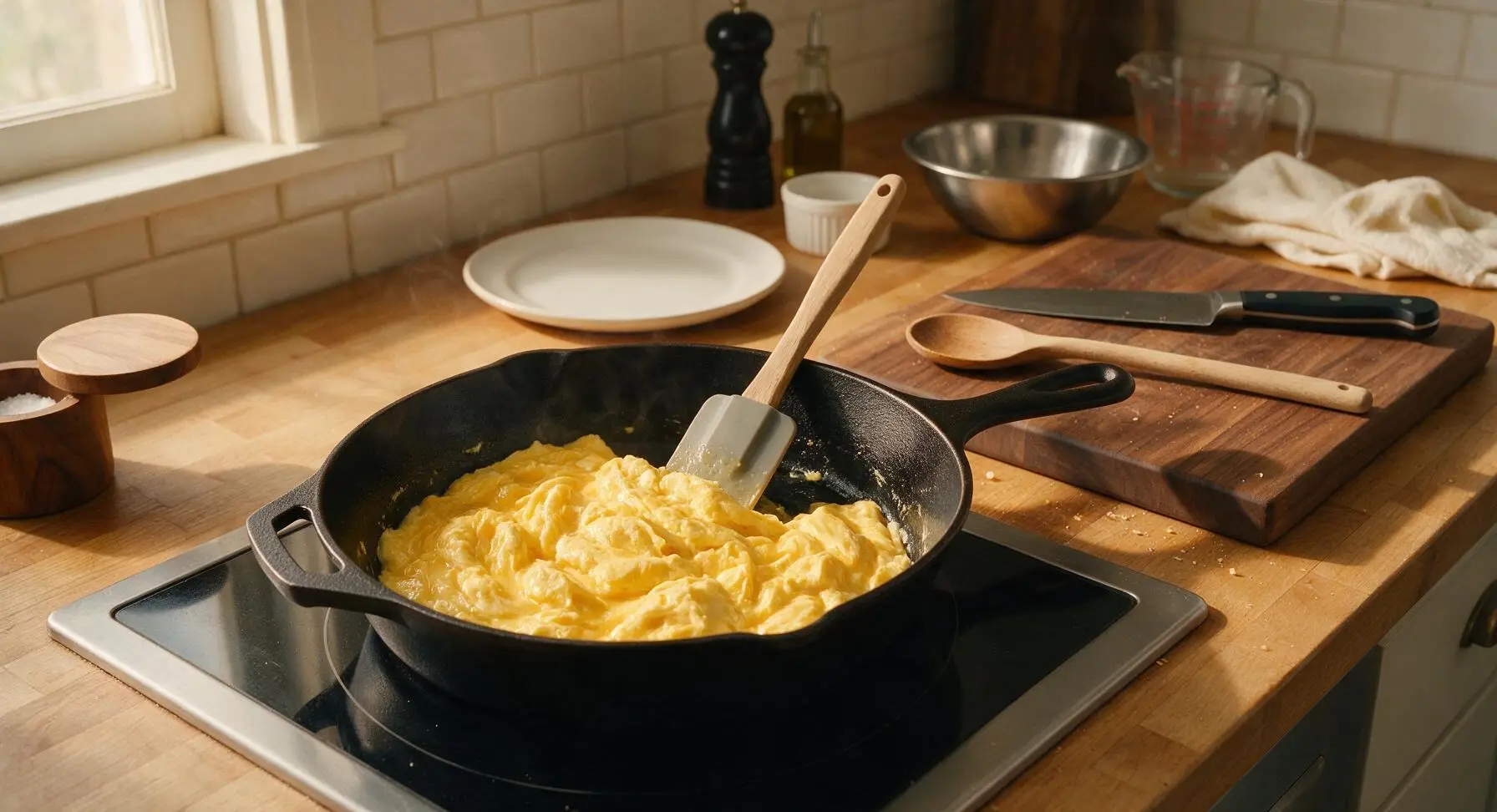
Step 6
step6:Finish eggs off heat
7

Plate and garnish eggs

Gently slide the finished scrambled eggs from the skillet onto the center of the matte off-white ceramic breakfast plate, mounding them softly rather than pressing them flat. Sprinkle the reserved 1 tablespoon of finely chopped chives evenly across the top of the eggs, followed by a light grind of fresh black pepper (about 1/8 teaspoon). Add no extra garnish that will overpower the delicate egg flavor. Serve immediately, as scrambled eggs lose their soft texture quickly as they cool.
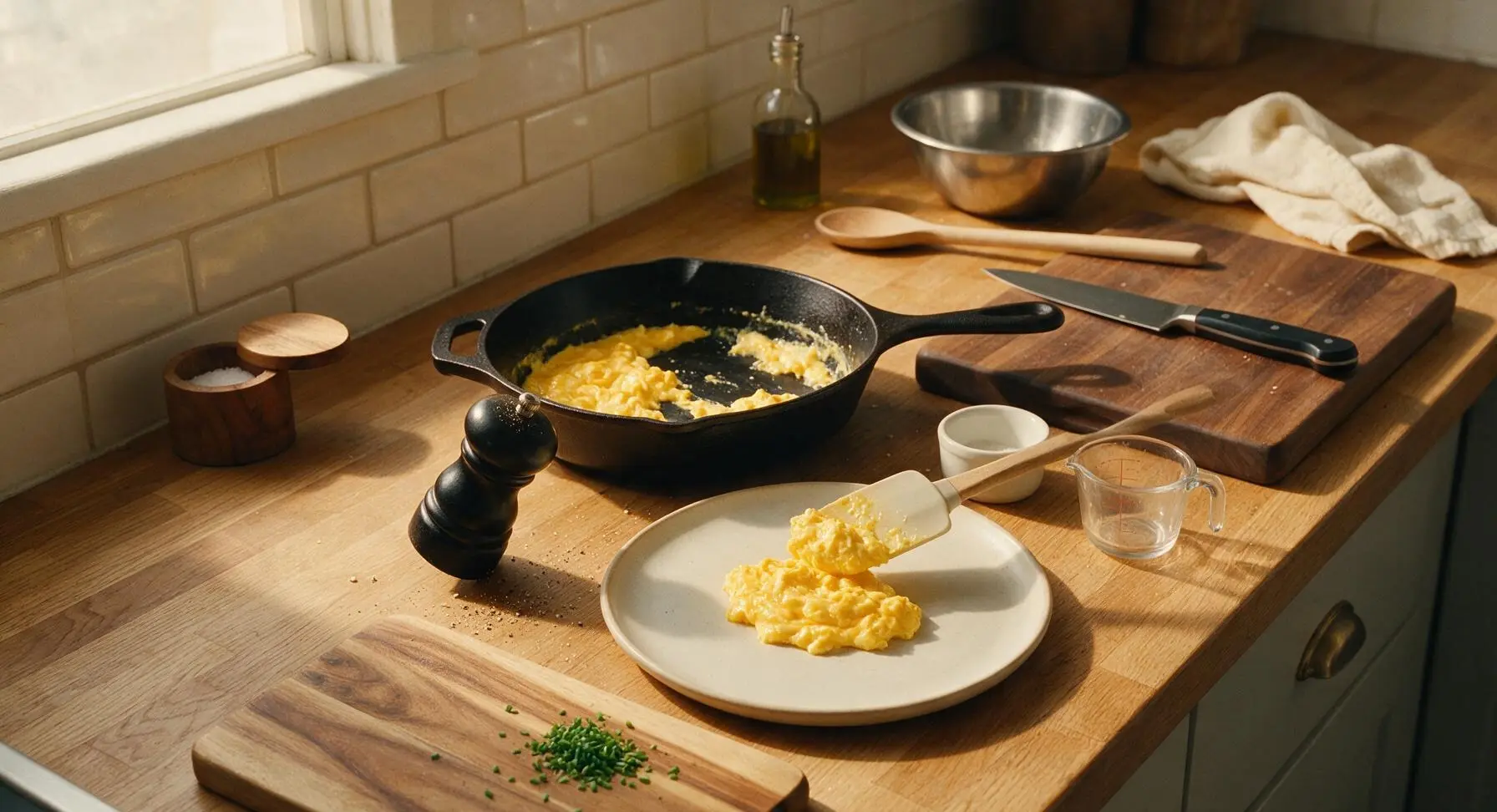
Step 7
step7:Plate and garnish eggs

Tips

1.Always cook scrambled eggs on the lowest possible heat: high heat causes egg proteins to seize and tighten quickly, resulting in rubbery, dry curds that release watery liquid (called syneresis). Low heat allows curds to form slowly for a velvety, melt-in-your-mouth texture.
2.Avoid over-whisking your eggs: beating eggs too vigorously incorporates excess air, which leads to puffy, watery curds that break apart easily instead of holding together in soft, tender folds. Whisk just until yolks and whites are fully combined, with no streaks remaining.
3.Remove eggs from heat when they look slightly underdone: eggs continue to cook for 30-60 seconds after being taken off the heat (carryover cooking), so waiting until they look fully set in the pan will guarantee overcooked, tough eggs by the time they reach your plate.
✨ You May Also Like

Breakfast
🍜 United States

Crisp-edged, fluffy lard griddle cakes are a nostalgic homestyle staple, with rich savoriness from rendered lard, perfect topped with maple syrup or savory gravy.

⏱️ 25 minuteBreakfast ★ 4.8
Breakfast
🍜 United States

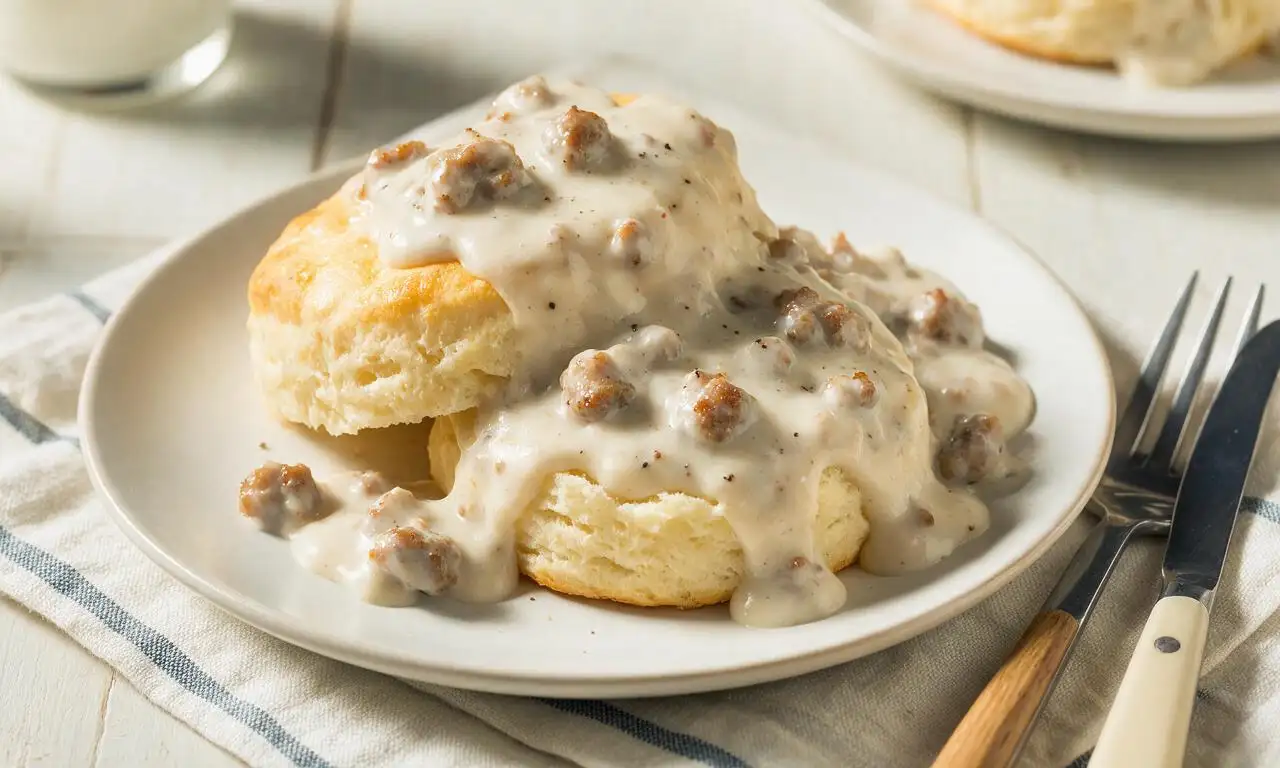
Flaky, buttery homemade buttermilk biscuits smothered in creamy, peppery pork sausage gravy: a beloved, hearty Southern American comfort food classic.

⏱️ 35 minuteBreakfast ★ 4.8
Breakfast
🍜 United States

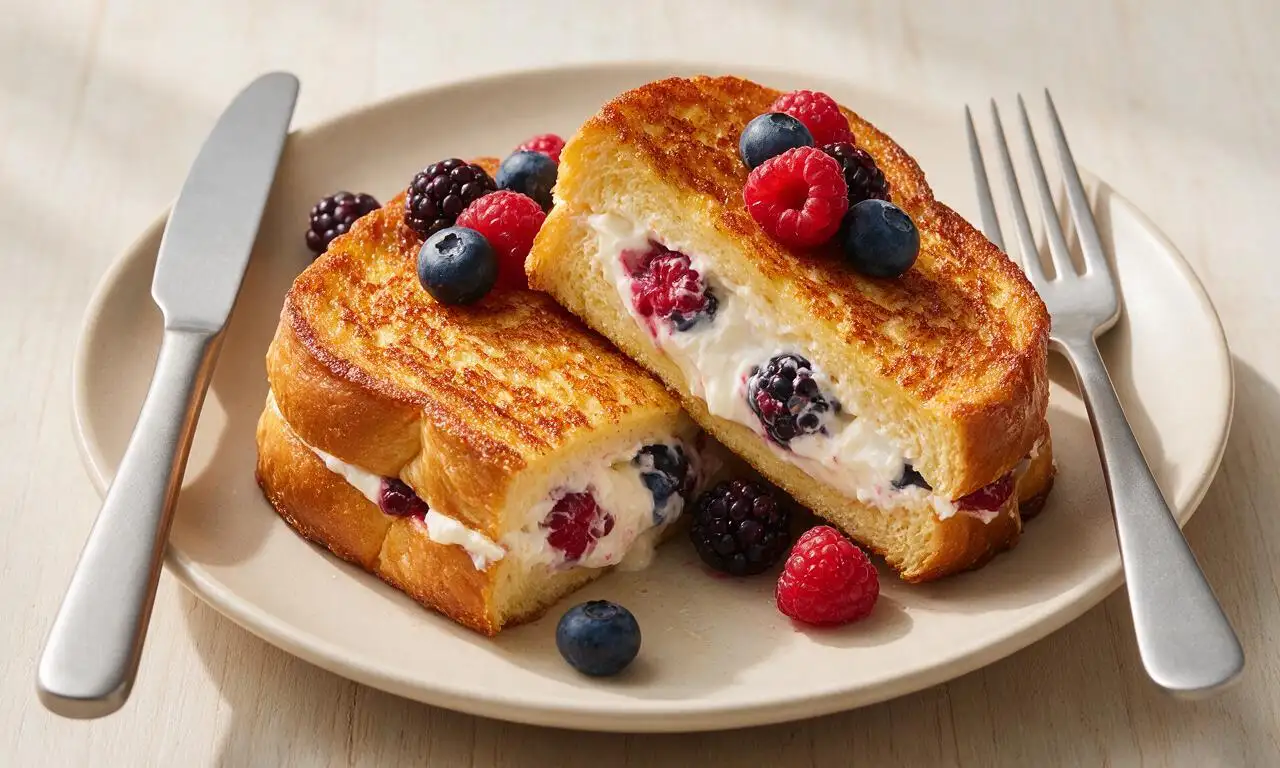
Golden, custardy brioche stuffed with sweet cream cheese and fresh berries, pan-fried to crisp perfection. An indulgent, cozy breakfast perfect for slow weekend mornings.

⏱️ 30 minuteBreakfast ★ 4.7
Breakfast
🍜 United States

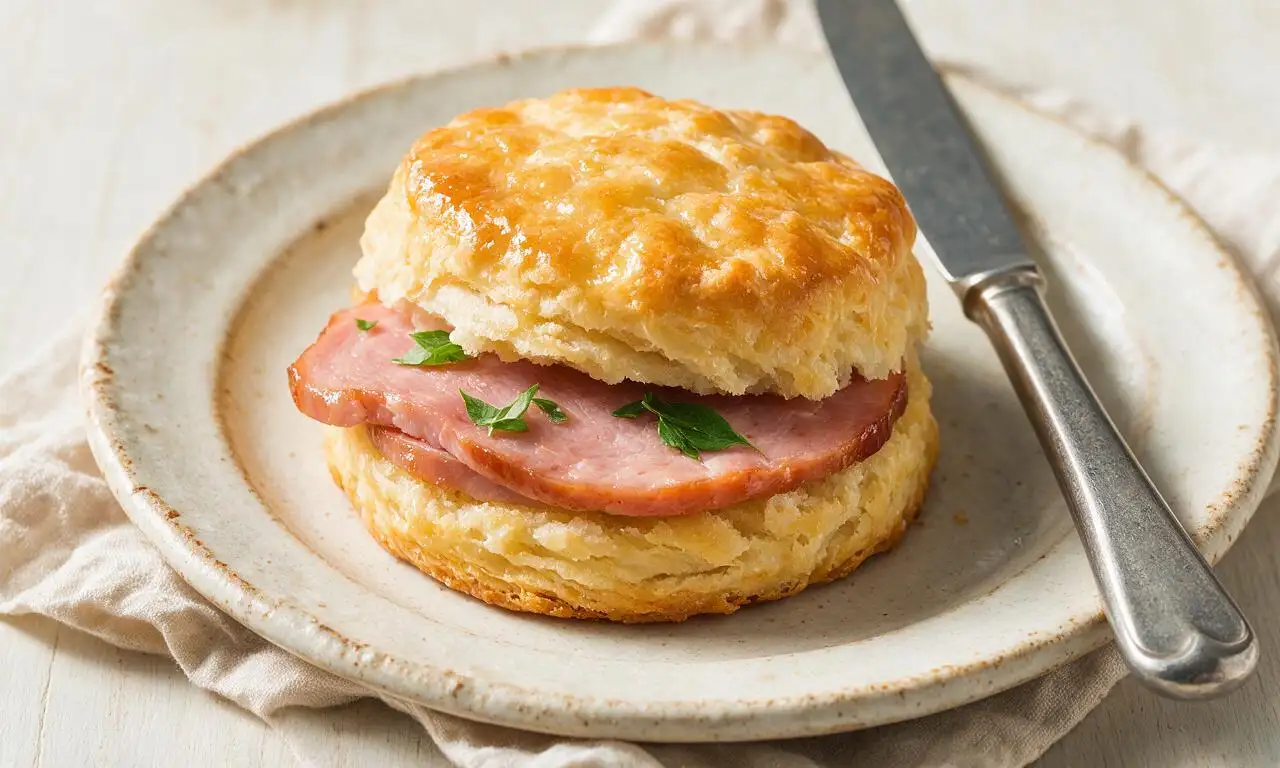
Flaky, buttery Southern-style biscuits stuffed with savory salty country ham, a portable, satisfying classic perfect for casual on-the-go meals.

⏱️ 25 minuteBreakfast ★ 4.8
Breakfast
🍜 United States

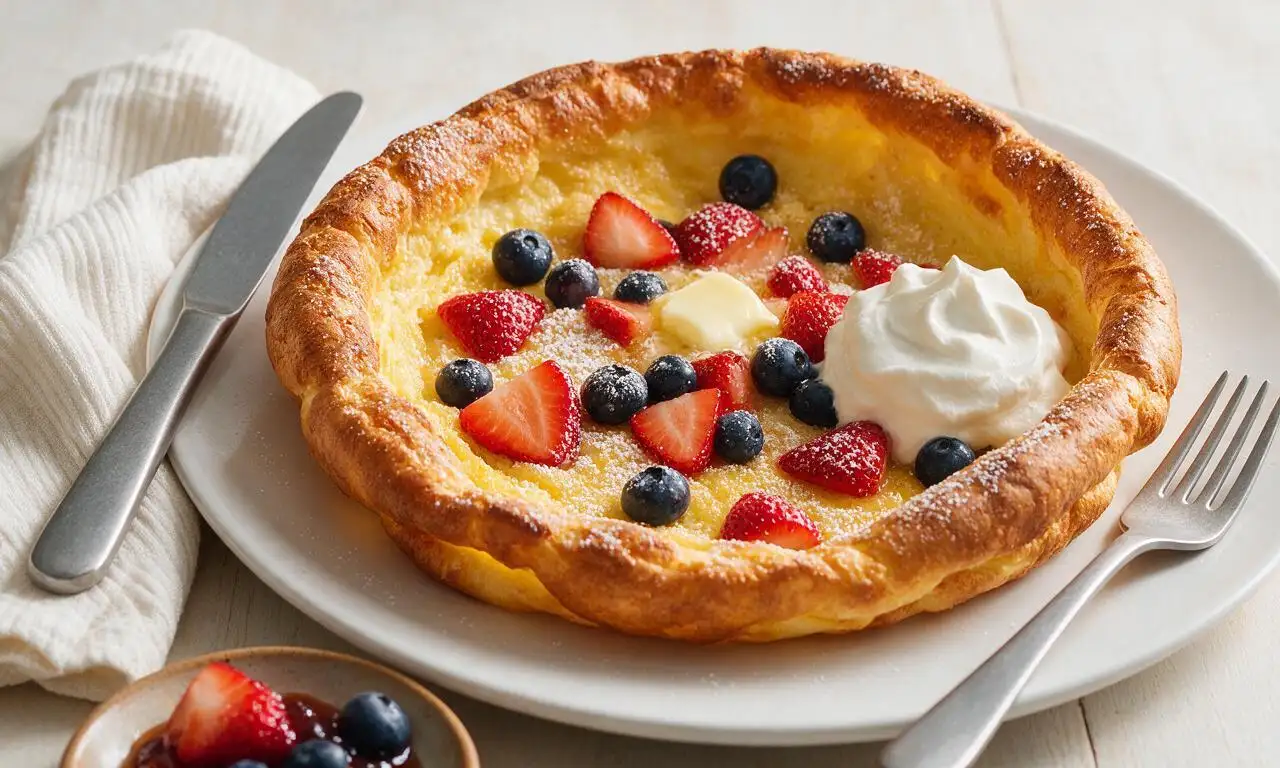
Iconic puffy baked pancake popularized in Seattle, with crisp golden edges and soft custardy center, served warm with classic sweet toppings.

⏱️ 35 minuteBreakfast ★ 4.6
Breakfast
🍜 United States

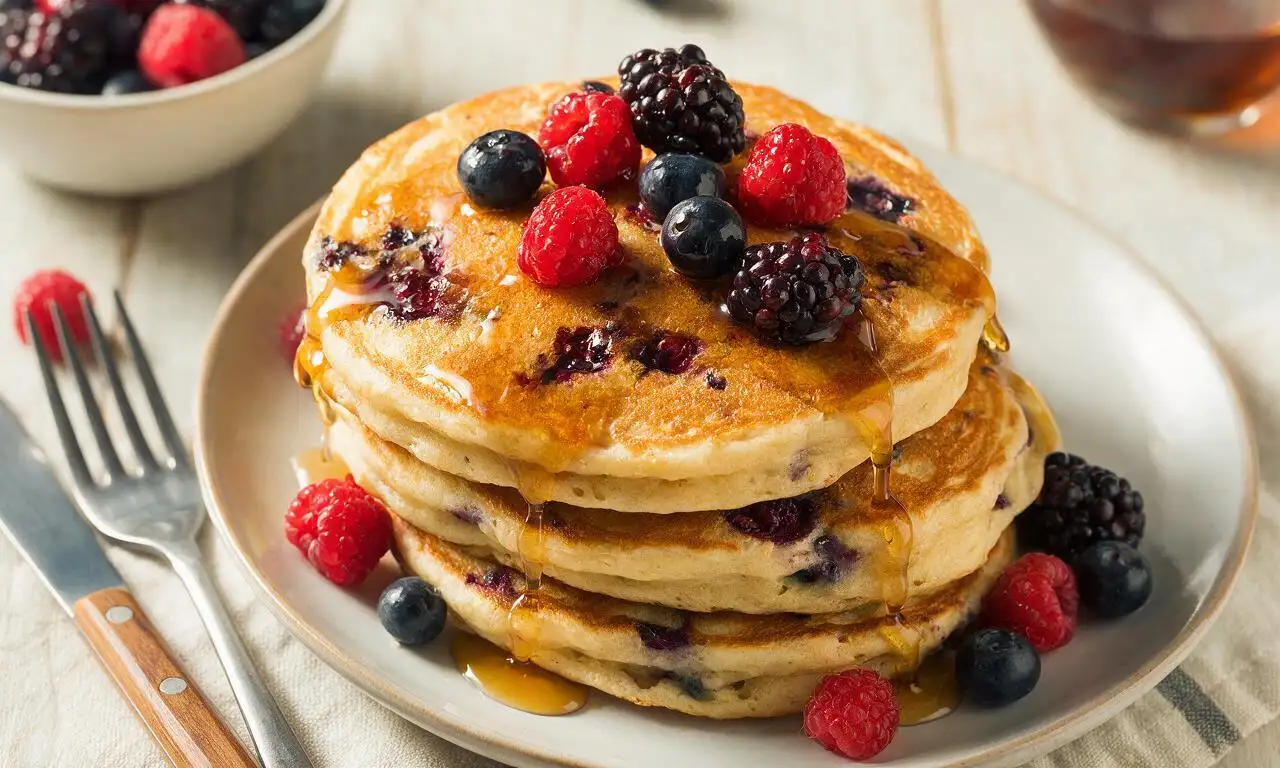
Fluffy, golden pancakes studded with juicy peak-summer mixed berries, drizzled with maple syrup for a bright, comforting, crowd-pleasing family breakfast.

⏱️ 25 minuteBreakfast ★ 4.7

Organic Scrambled Eggs:Frequently Asked Questions

1.Why do I need to use organic eggs for this recipe instead of conventional ones? ▾
Organic eggs come from hens raised without synthetic pesticides, GMO feed, or routine antibiotics, so they have richer, brighter-tasting yolks that create a creamier, more flavorful scramble. Most organic eggs also have higher levels of omega-3s and vitamin D, which boosts both the taste and nutrient density of this simple, egg-forward dish.
2.What heat setting should I use to get that soft, melt-in-your-mouth curd texture? ▾
Stick to low to medium-low heat the entire time—high heat is the number one cause of rubbery, dry scrambled eggs. Low heat lets curds form slowly and gently for that signature velvety bite. If your pan sizzles loudly the second butter hits it, turn the heat down before you add your beaten egg mixture.
3.Can I swap the whole milk for a dairy-free alternative? ▾
You absolutely can, just pick a creamy, unsweetened option for the best results. Unsweetened oat milk or shaken full-fat canned coconut milk work best, as thin options like plain almond milk can make curds watery. Skip all vanilla-flavored plant milks, as their sweet, distinct flavor will clash with the savory, buttery profile of the eggs.
4.How many eggs per person is a standard serving for this recipe? ▾
Plan for 2 to 3 large organic eggs per adult serving, which makes a generous, satisfying breakfast or light brunch portion paired with toast or fresh fruit. If you’re serving this as part of a larger spread with bacon, roasted veggies, or pastries, you can drop to 2 eggs per person to account for the other dishes.
5.Do I have to stir the eggs constantly while they cook? ▾
You don’t need to stir frantically nonstop, but you do want to gently push the eggs across the pan every 10 to 15 seconds with a heatproof silicone spatula. This lets soft, small curds form instead of one tough, flat egg patty, and ensures no part of the egg sits on hot pan surfaces long enough to overcook or brown.
6.When is the right time to add salt to the eggs for the best texture? ▾
For the tenderest curds, add a pinch of fine sea salt to your beaten egg mixture 10 to 15 minutes before cooking, if you have time. Salting early breaks down egg proteins slightly for a softer, less watery final texture. If you’re short on time, salt right as you pour eggs into the pan, just avoid salting fully cooked eggs.
7.Can I make these soft scrambled eggs ahead of time for meal prep? ▾
Soft scrambled eggs are best eaten immediately right off the heat, since their delicate curds continue to cook and turn rubbery as they sit, even when refrigerated. If you absolutely need to prep ahead, undercook them by 30 seconds, cool quickly in an ice bath, and store airtight for up to 2 days—just expect a slightly less velvety texture.
8.Why do my scrambled eggs turn out watery every time I make them? ▾
Watery eggs usually stem from one of three common mistakes: cooking on too high heat, adding too much thin liquid like skim milk or water to the egg mix, or salting the eggs too late in cooking. Stick to the measured amount of whole milk, cook low and slow, and salt early to lock in that creamy, non-watery curd texture.
9.Is it okay to add extra mix-ins like cheese or veggies to this recipe? ▾
Absolutely, just cook any veggie mix-ins like diced bell peppers, mushrooms, or spinach first and set them aside before cooking eggs, so they don’t release excess water into your curds. Add shredded cheese or pre-cooked mix-ins during the last 30 seconds of cooking, so they melt gently without making eggs tough or watery.
10.What kind of pan works best for cooking soft scrambled eggs? ▾
A heavy-bottomed nonstick skillet is the most foolproof option, since it distributes heat evenly to prevent hot spots that burn eggs, and keeps curds from sticking as you stir. If you don’t have nonstick, a well-seasoned carbon steel or cast iron pan works too—just add an extra pat of butter to create a non-stick surface first.
11.Do I really need to finish the eggs with an extra pat of butter at the end? ▾
That final pat of cold butter stirred in right as you take the pan off heat does more than add rich flavor—it stops the cooking process instantly thanks to its cold temperature, and coats curds for an extra glossy, velvety mouthfeel that makes these eggs feel restaurant-worthy. If avoiding extra dairy, swap it for a tiny splash of cold heavy cream.
12.How long should I beat the eggs before adding them to the pan? ▾
Beat the eggs just until the whites and yolks are fully combined with no streaks of clear white left—over-beating to the point where the mixture is frothy and bubbly leads to lighter, slightly tough curds instead of that dense, creamy soft scramble texture. You only need 20 to 30 seconds of gentle whisking with the milk and salt for the perfect base.
13.Can I use dried chives instead of fresh for the finishing garnish? ▾
Fresh chives have a bright, mild oniony bite that cuts through rich butter and eggs perfectly, so they’re ideal for this recipe. If you only have dried chives, use 1/3 the amount you’d use of fresh (since dried herbs are more concentrated) and sprinkle on right before serving—just note they won’t have the same crisp, fresh flavor.
14.How do I know when the eggs are done so I don’t overcook them? ▾
Pull the eggs off the heat when they form soft, moist curds that look slightly underdone in the center—they will keep cooking for 30 to 60 seconds from residual pan heat, a quirk called carryover cooking. Total cook time should be 3 to 5 minutes; if you see browned edges or dry, crumbly curds, you’ve cooked them too long.
15.Can I use salted butter instead of unsalted butter for this recipe? ▾
You can, just adjust the added sea salt to account for the salt already in the butter. Salted butter typically has about 1/4 teaspoon of salt per stick, so cut your added salt in half first, then taste right before serving to adjust if needed. Using unsalted butter gives you full control over final sodium levels, which is why it’s called for in the base recipe.
16.What are the best serving pairings for these soft scrambled eggs? ▾
These velvety eggs pair beautifully with buttery sourdough toast, crispy roasted breakfast potatoes, smoked salmon, fresh avocado slices, or a side of lightly dressed arugula. They also work wonderfully topped with a sprinkle of flaky sea salt, a dash of hot sauce, or a tiny dollop of crème fraîche for an extra luxurious weekend brunch touch.

Comments (16)

30 minutes ago

OMG, is there a trick to not having them stick to my nonstick pan? Mine came out a little stuck even on low heat, but the texture was unreal otherwise. So much better than the dry crumbly eggs I usually make!

5 minutes ago

Great question! A tiny pat of melted butter right before adding the eggs, and making sure you don’t stir too constantly at first helps prevent sticking. So glad you loved the texture otherwise!

1 week ago

Added these to my weekly meal prep rotation! They reheat way better than regular scrambled eggs in the microwave, I just add a splash of water before zapping and they stay SO soft and SO good. Perfect for quick workday breakfasts.

3 days ago

Game changer!! I brought these to our neighborhood brunch potluck last weekend and everyone was asking for the recipe. I topped mine with a little chives from my windowsill, chef’s kiss.

2 days ago

Wait the chive addition sounds incredible! Did you mix them in or just sprinkle on top?

2 days ago

Love the chive topping idea! Fresh herbs take these simple eggs from basic to fancy enough for guests, 10/10, I recommend adding them to the top right before serving.

5 minutes ago

Bro this is so easy even I can’t mess it up. 5 minutes, no fancy ingredients, just organic eggs, a little butter, salt? I’m never making sad dorm scrambled eggs again.

just now

Wait try adding a tiny bit of cream cheese when you stir them, trust me it’s next level. I’m a senior, I’ve tested every egg hack out there lmao

yesterday

Made these for my 7 year old who is the PICKIEST eater on the planet, and my kids loved them—even him! He ate the whole plate without complaining, no extra cheese required like I usually need to add. That’s a 5 star review in itself, honestly.

2 weeks ago

These are perfect for my high protein breakfast routine! I use 3 organic eggs + one egg white, no extra salt, and pair with avocado toast. So satisfying and doesn’t leave me bloated like greasy diner eggs.

1 week ago

Wait do you find the egg white makes them less creamy? I’ve been nervous to add whites because I hate rubbery eggs

1 week ago

If you’re adding extra egg whites, just be sure to pull the pan off the heat a little earlier than you think! Whites cook faster than yolks, so residual heat will finish them off without getting rubbery.

2 hours ago

Taste was great, but I wish the recipe specified exactly what low heat means on my stovetop? I have an electric range and the first batch came out a little too runny for my taste.

30 minutes ago

Thanks for the feedback! For electric stoves, low heat is usually the 2 or 3 setting (out of 10). If you prefer firmer eggs, just leave them on the heat 30-60 seconds longer before pulling them off!

5 days ago

Made these for a lazy Sunday date morning with my partner, and he thought I slaved over the stove for half an hour. Little does he know it took 5 minutes and zero fancy skills. Served with sourdough and smoked salmon, 10/10 vibe.

3 days ago

The smoked salmon pairing is such a classic! Did you put capers too? I feel like capers would make that plate perfect

3 days ago

Oh I totally forgot capers! That would’ve been chef’s kiss, I’ll definitely add them next time we do a fancy breakfast

1 week ago

As someone who cooked breakfast in diners for 30 years, I can confirm this is exactly how you make perfect soft scrambled eggs. Low and slow, don’t overstir, use good quality organic eggs. Great recipe, no notes.

2 days ago

Wait has anyone tried adding nutritional yeast to these? I’m dairy free so I can’t do butter, I used olive oil instead and it was good but I feel like I’m missing a little umami kick.

yesterday

Nutritional yeast slaps in these! I add a tablespoon right when the eggs are almost done cooking, gives that cheesy flavor without dairy. Game changer for us lactose intolerant folks

1 week ago

Made these over our camp stove last weekend on the camping trip and they were still perfect! I was worried the uneven heat would mess them up, but just keeping the pan a little higher off the flame and stirring gently worked like a charm.

5 days ago

No way, I never thought to make soft scrambled eggs camping! I always end up with burnt hard eggs when I cook over a camp stove, I’ve got to try your trick of raising the pan a little

5 days ago

That is such a clever camping hack! So cool to see this recipe works even outside a regular kitchen, thanks for sharing how you adapted it.

2 weeks ago

My teen son has been making these every single morning before school since I showed him the recipe last week. It’s the only thing he’s ever voluntarily cooked for himself, so that’s a massive win. No more frozen breakfast burritos for him, and he even made a batch for our quick brinner (breakfast for dinner!) last night with the whole family.

just now

This was the first egg recipe I didn’t completely ruin! I always end up with either runny raw eggs or dry rubbery ones, but the note about pulling them off before they look fully done was the key tip I was missing. So proud of myself lmao

just now

That’s what we love to hear! That residual heat trick is so counterintuitive at first, but once you get the hang of it you’ll never overcook eggs again. Great job on your first batch!

yesterday

Hosted a big brunch for 8 people yesterday and made a double batch of these. I was worried they’d get cold or turn rubbery while I finished the pancakes and bacon, but I kept them in a warm (not hot!) oven in a covered dish and they stayed perfect for 20 minutes.

2 hours ago

Wait what temp did you set the oven to? I cook for my family of 6 every Sunday and I always struggle with keeping eggs warm without ruining them

30 minutes ago

I set it to 200F, put a little extra butter on top so they don’t dry out, and covered with foil. Works every time!

3 days ago

Honestly? These are better than the soft scrambled eggs I paid $18 for at that fancy brunch spot downtown last month. Wild how 3 cheap organic ingredients and 5 minutes can beat restaurant food.

30 minutes ago

Added a dash of hot honey and a sprinkle of red pepper flakes on top of mine this morning, and oh my GOD it’s the perfect sweet-savory combo. I know some people think sweet on eggs is weird but don’t knock it till you try it.

5 minutes ago

Wait I am 100% the person who thinks sweet on eggs is a crime, but hot honey? That might be enough to convert me. Trying this tomorrow for breakfast