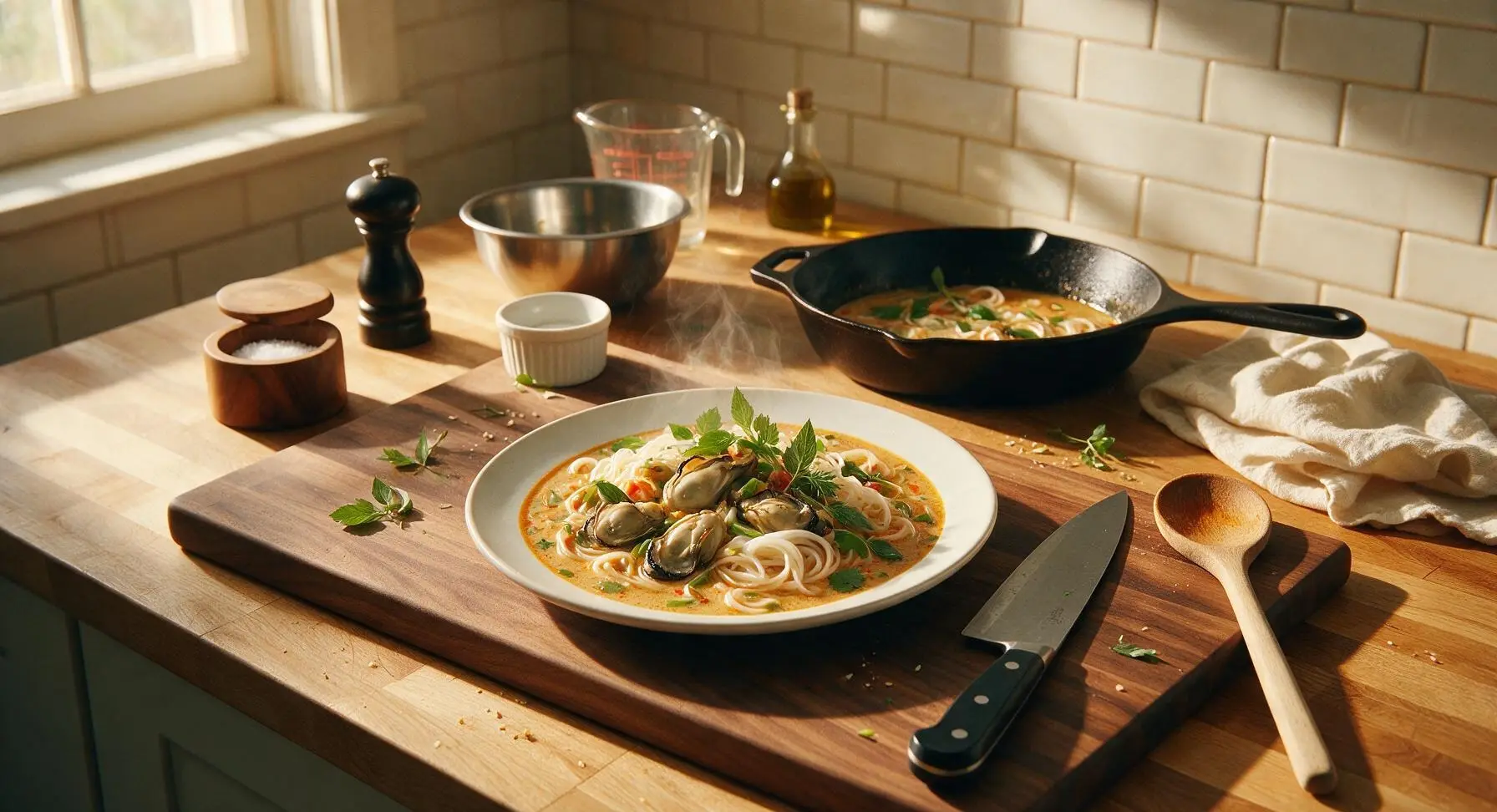
Oyster Laksan

title 1
Oyster Laksan
⏱️ cook time 15 minutes
🍽️ servings 4
⚡ Difficulty medium

intro

Creamy, aromatic coconut curry broth brimming with plump briny oysters, springy rice noodles, and bright herbs, this warming oyster laksan balances spicy, sour, and umami notes for deep comfort.

Ingredients
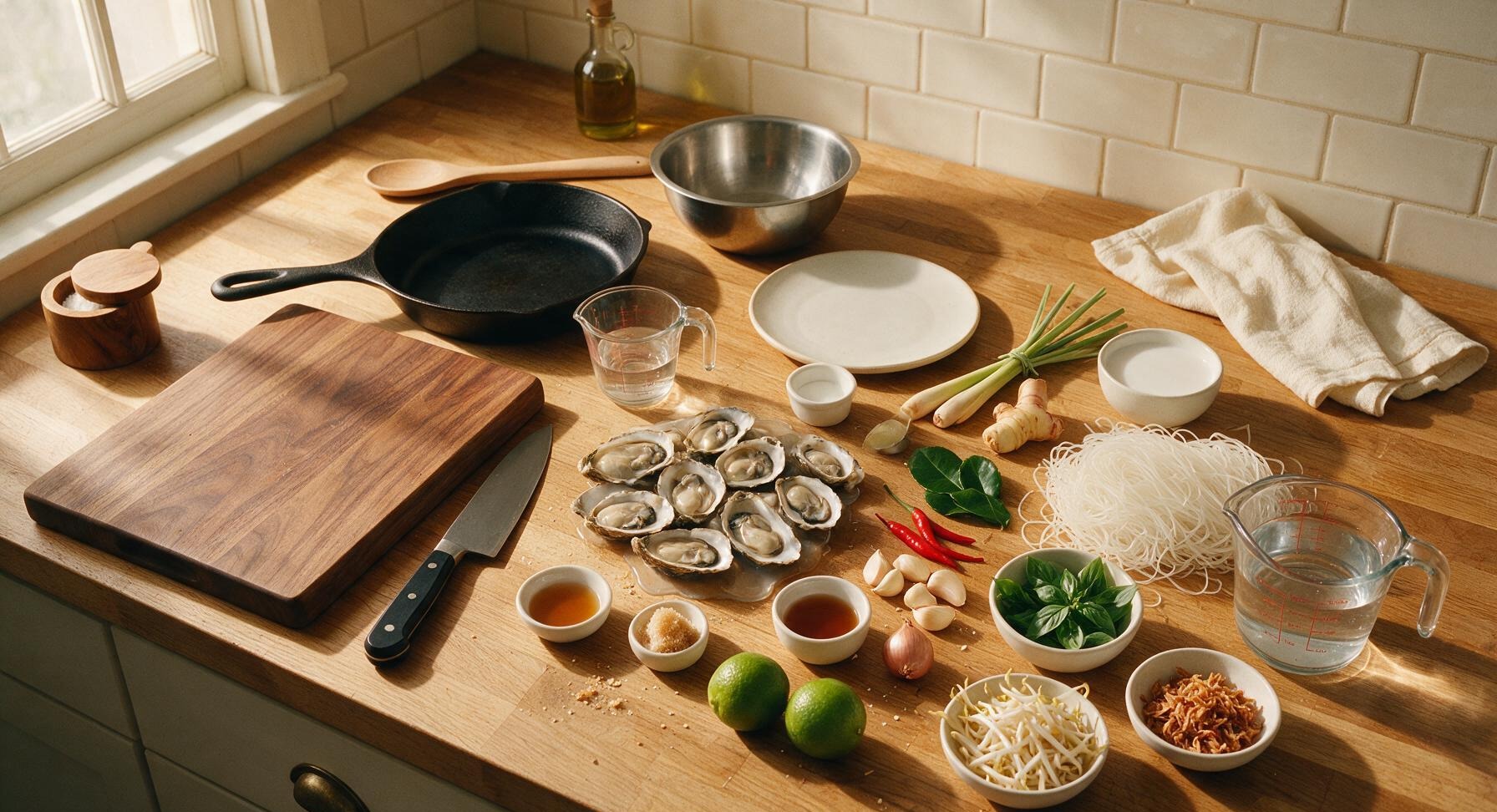
Fresh shucked oysters (with reserved liquor) 360g (approx 12 medium)
Dried thin rice noodles (bihon) 200g
Full-fat coconut milk 400ml
Lemongrass stalks 3
Fresh galangal root 2-inch piece
Kaffir lime leaves 5
Thai bird's eye chilies 4
Garlic cloves 6
Small shallot 1
Fish sauce 2 tbsp
Palm sugar (grated) 1 tbsp
Fresh limes 2
Fresh Thai basil leaves 1/2 cup
Fresh bean sprouts 100g
Crispy fried shallots 1/4 cup
Water (or low-sodium seafood stock) 750ml

Steps

1

Soak Rice Noodles

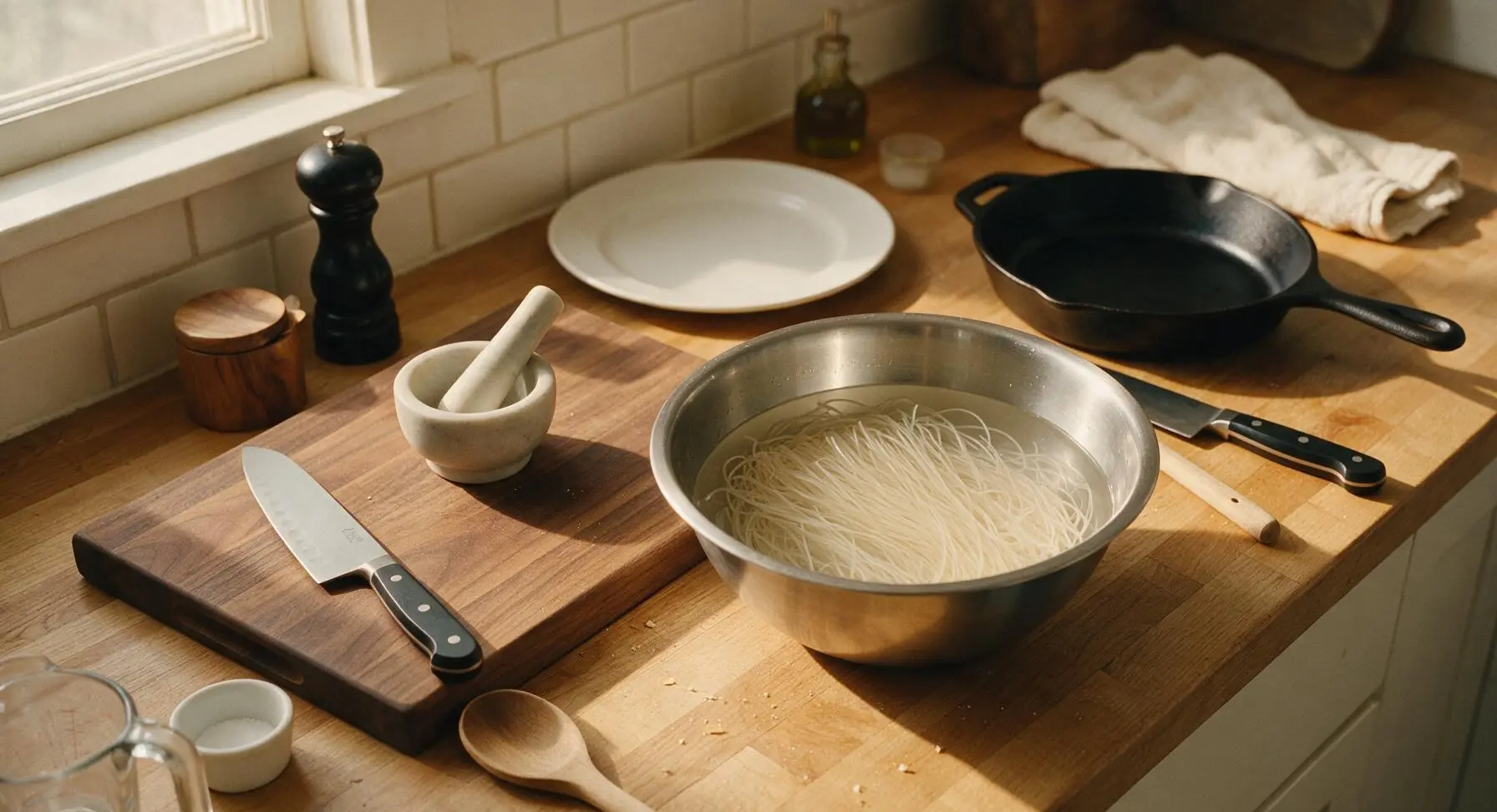
Place 200g dried thin rice noodles in the medium brushed stainless steel mixing bowl, cover completely with room temperature water, and set aside to soak for 20 minutes while you prepare the broth. Noodles are fully soaked when they are flexible and pale white, with no hard brittle core remaining when you bend a strand.
Step 1
step1:Soak Rice Noodles
2

Pound Aromatic Paste

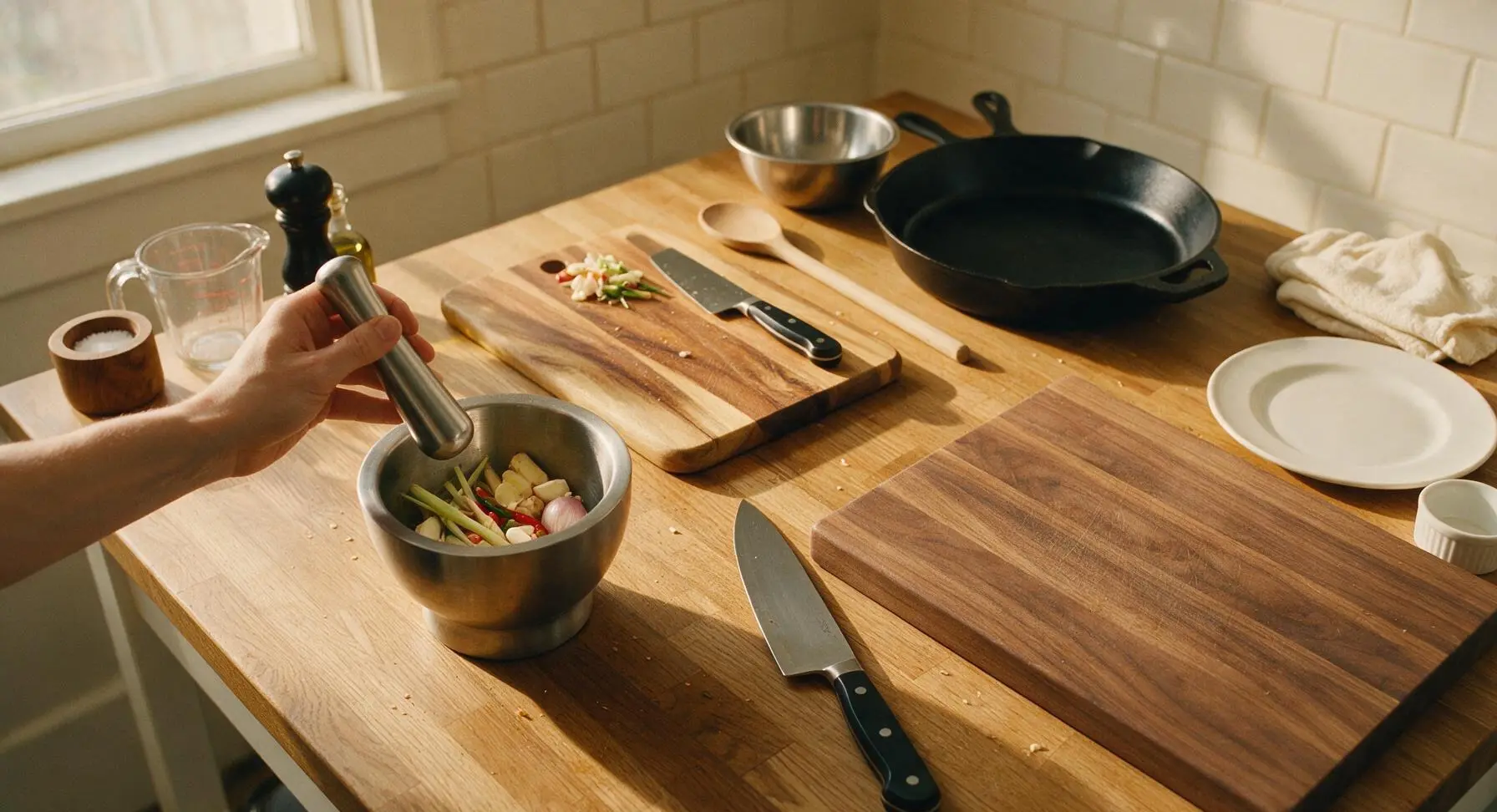
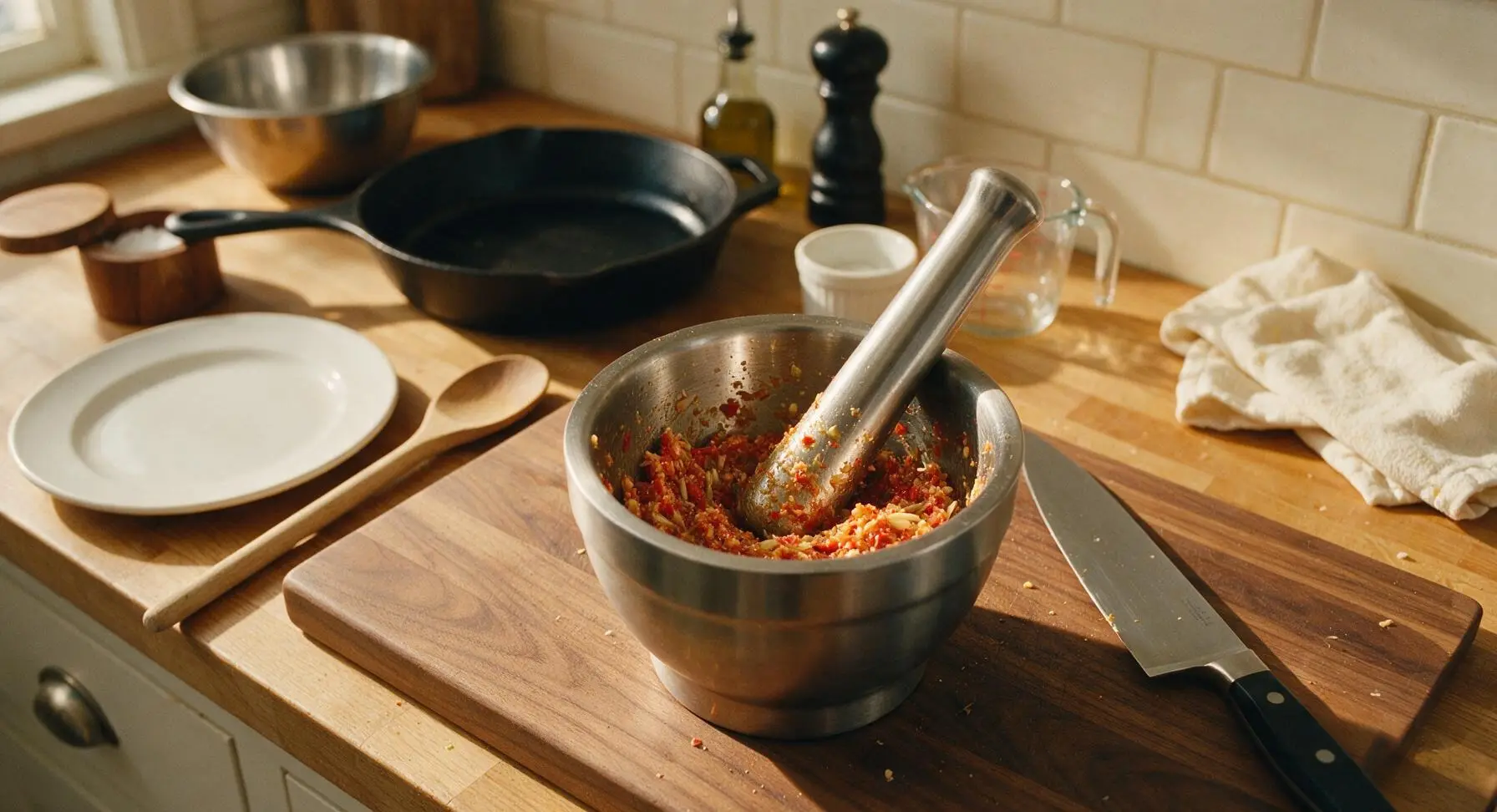
Trim the tough fibrous outer layers from 3 lemongrass stalks, reserving only the pale tender inner 3 inches, and slice thinly. Peel and slice the 2-inch galangal root, remove seeds from 4 Thai chilies (for milder heat, if desired), peel 6 garlic cloves and 1 small shallot. Add all prepped aromatics to the stainless steel mortar and pestle, and pound firmly for 4 minutes, scraping down the sides every 60 seconds, until a coarse, fragrant, evenly textured paste forms with no large fibrous chunks visible.
Step 2
step2:Pound Aromatic Paste
Step 2
step2:Pound Aromatic Paste
3

Simmer Curry Broth

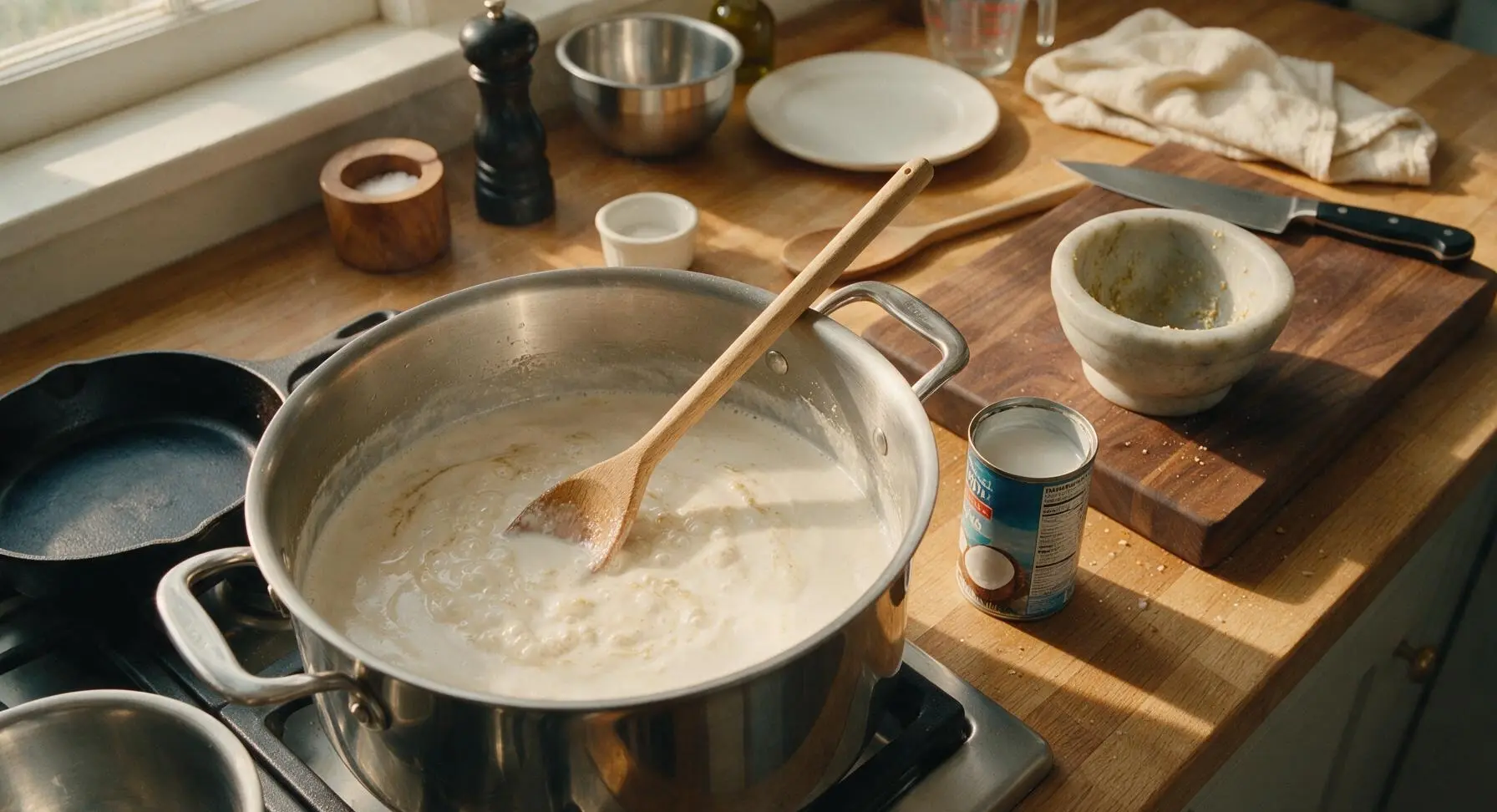
Place the 5L polished stainless steel stock pot on the stovetop over medium heat. Scoop the thick coconut cream from the top of the 400ml coconut milk can into the pot, and simmer for 2 minutes until the oil separates and the cream bubbles gently. Add the pounded aromatic paste, stir with the long beech wood spoon, and fry for 1 minute until intensely fragrant. Pour in the remaining thin coconut milk and 750ml water (or seafood stock), add 5 torn kaffir lime leaves (central tough veins removed), bring to a gentle simmer, then reduce heat to low and cook for 10 minutes.
Step 3
step3:Simmer Curry Broth
4

Season Broth Base

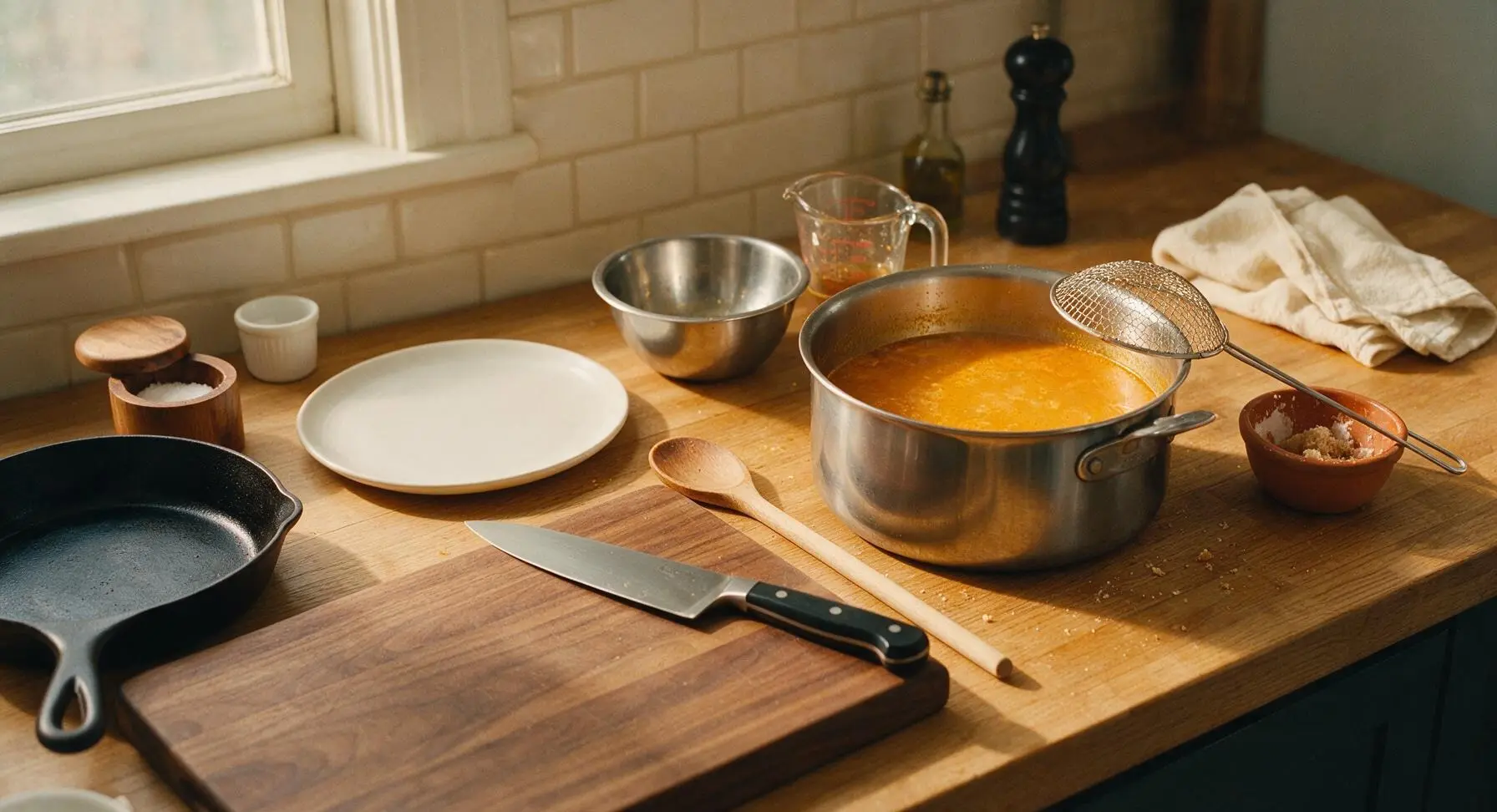
Stir 1 tablespoon grated palm sugar and 2 tablespoons fish sauce into the simmering broth, stirring until the sugar fully dissolves. Taste and adjust seasoning as needed: the broth should have a balanced profile of salty, sweet, and subtle spicy notes. Maintain a low gentle simmer, do not let the broth boil rapidly, as this will cause the coconut milk to separate and turn grainy. Skim any fine foam particles from the broth surface with the fine-mesh stainless steel skimmer for a smooth, clear broth.
Step 4
step4:Season Broth Base
5

Blanch Noodles and Sprouts

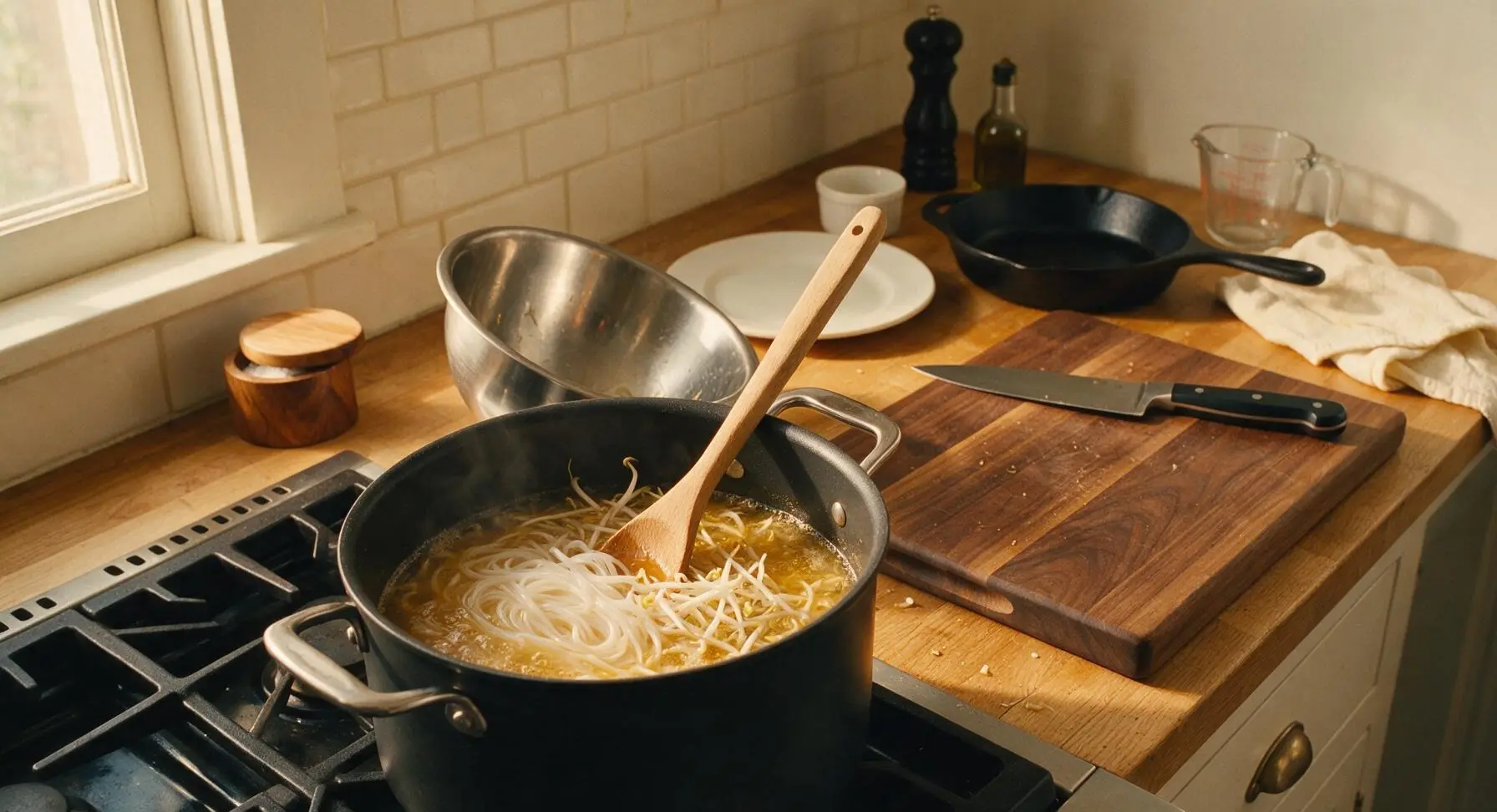
Drain the pre-soaked rice noodles thoroughly, then add them directly to the simmering broth along with 100g fresh bean sprouts. Cook for exactly 90 seconds, stirring gently with the beech wood spoon, until the noodles are tender but still have a slight springy bite (al dente). Do not overcook, as noodles will turn mushy and break apart if left in the hot broth too long.
Step 5
step5:Blanch Noodles and Sprouts
6

Add Fresh Oysters

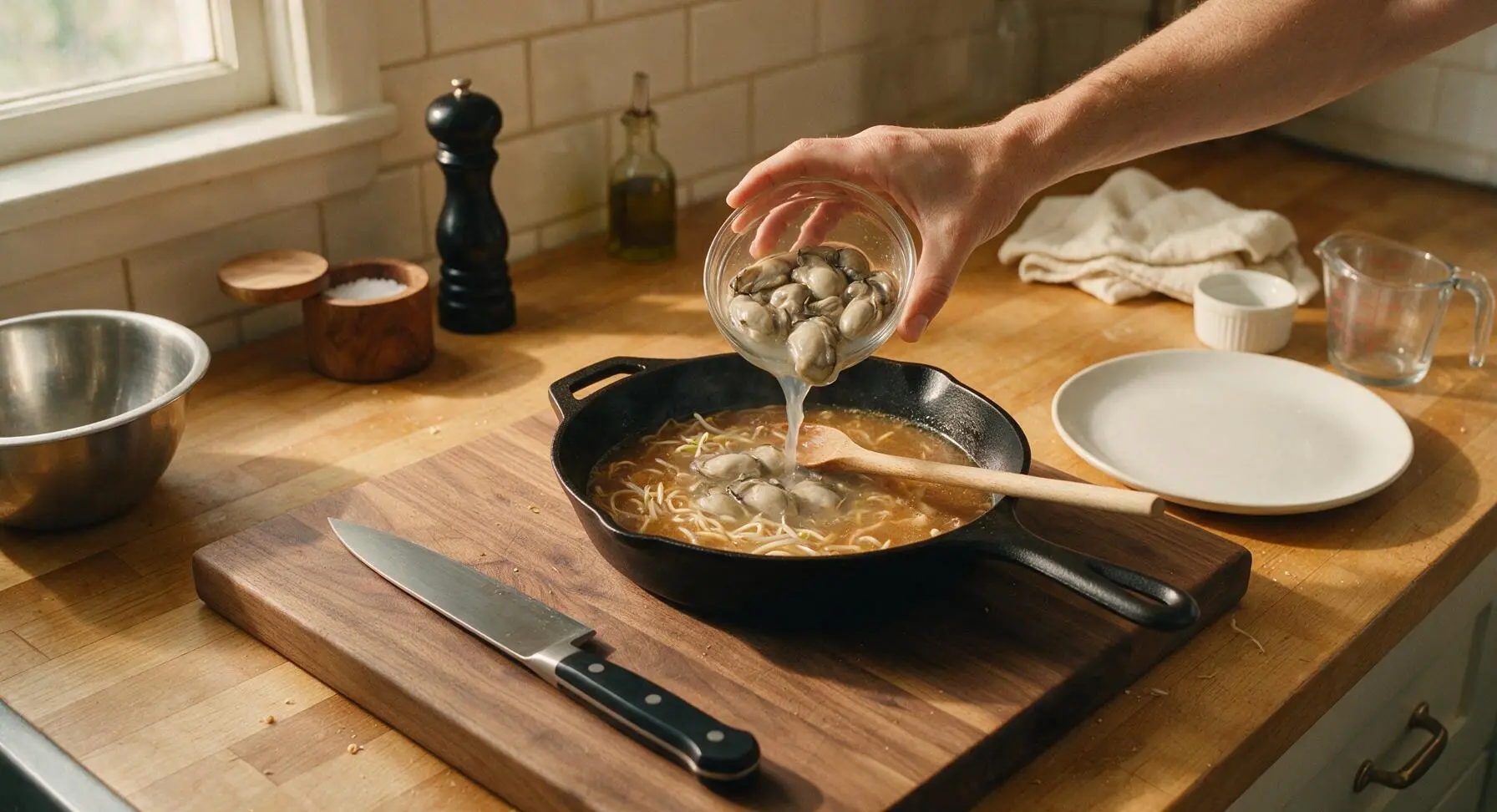
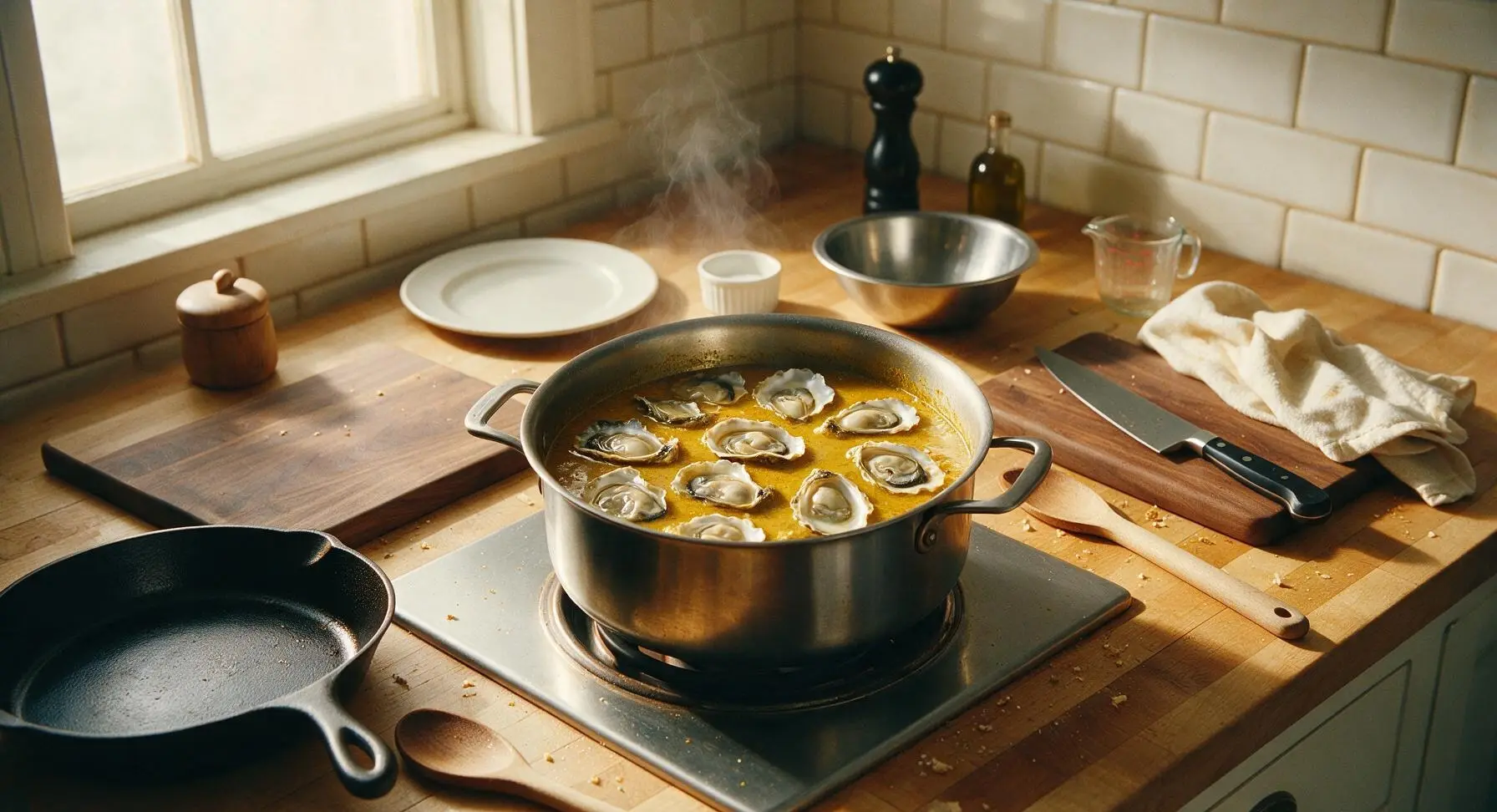
Gently add 360g shucked oysters (with their strained reserved liquor) to the simmering broth, stirring very gently once to distribute. Cook for exactly 60 seconds, until the oysters are just plump and opaque around the ruffled edges, with a slightly translucent center. Turn off the heat immediately — overcooking will make oysters rubbery, tough, and lose their briny sweet flavor.
Step 6
step6:Add Fresh Oysters
Step 6
step6:Add Fresh Oysters
7

Plate and Garnish

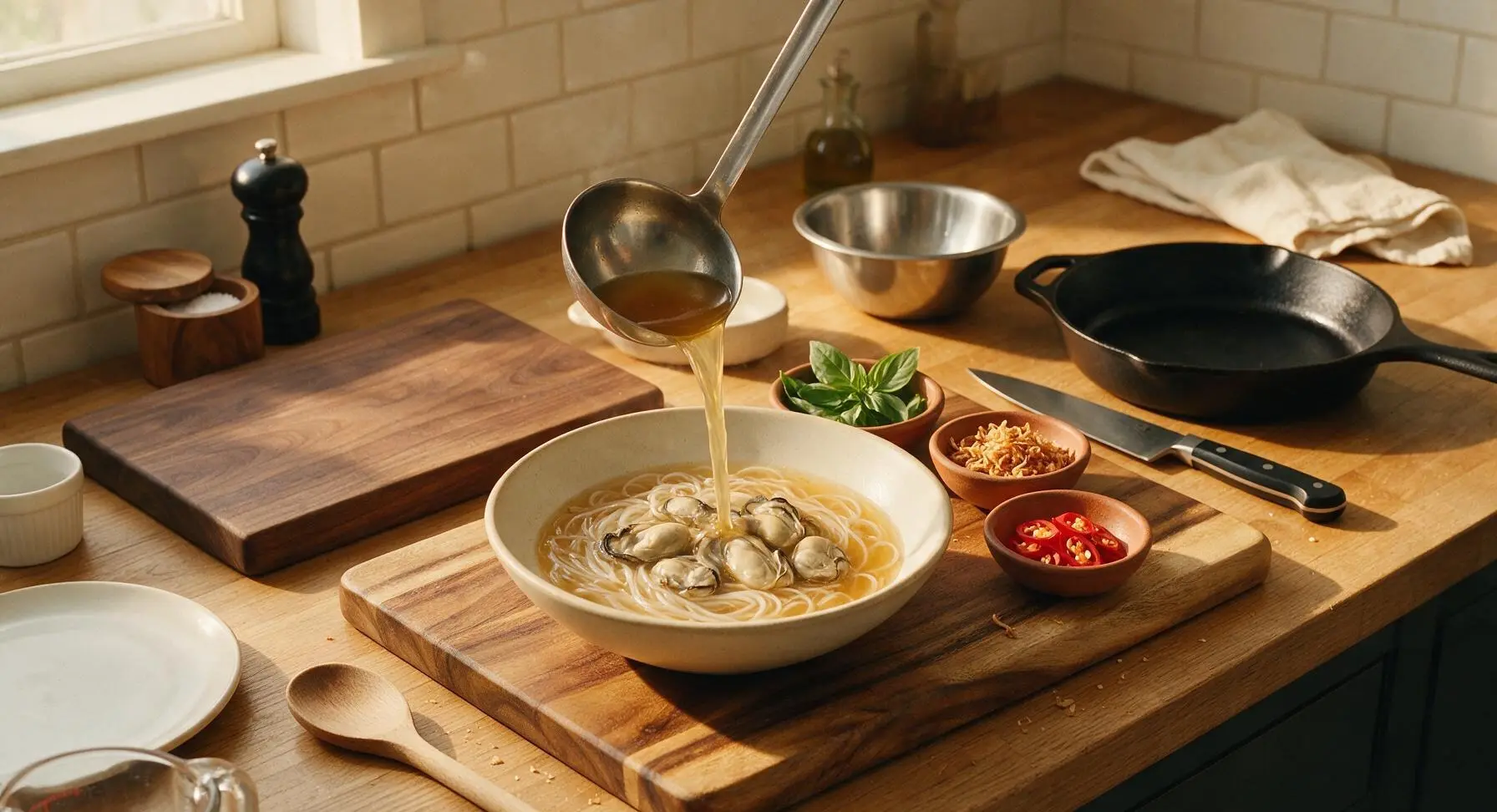
Using the long-handled stainless steel ladle, divide the noodles, oysters, and broth evenly between the 4 wide-rimmed matte cream ceramic soup bowls. Top each bowl with a small handful of fresh Thai basil leaves, a light sprinkle of crispy fried shallots, a thin slice of red Thai chili, and a lime wedge perched on the bowl rim. Serve immediately while hot, with extra chili and lime on the side if desired.
Step 7
step7:Plate and Garnish

Tips

1.Strain reserved oyster liquor through a fine sieve before adding it to the broth: it adds deep, briny umami depth that plain stock cannot match, but straining removes any tiny shell fragments that would ruin the dish texture.
2.Do not overcook oysters: they only need 60 seconds in simmering broth, as residual heat will continue to cook them after serving. Overcooked oysters shrink, turn rubbery, and lose their signature sweet, briny flavor.
3.Soak rice noodles in cold (not hot) water: hot water causes the noodle surface to gelatinize too quickly, leading to mushy, sticky noodles when added to broth. Cold water soaking creates a firm, springy texture that holds up to the creamy curry.
✨ You May Also Like

Soups & Stews
🍜 Japan

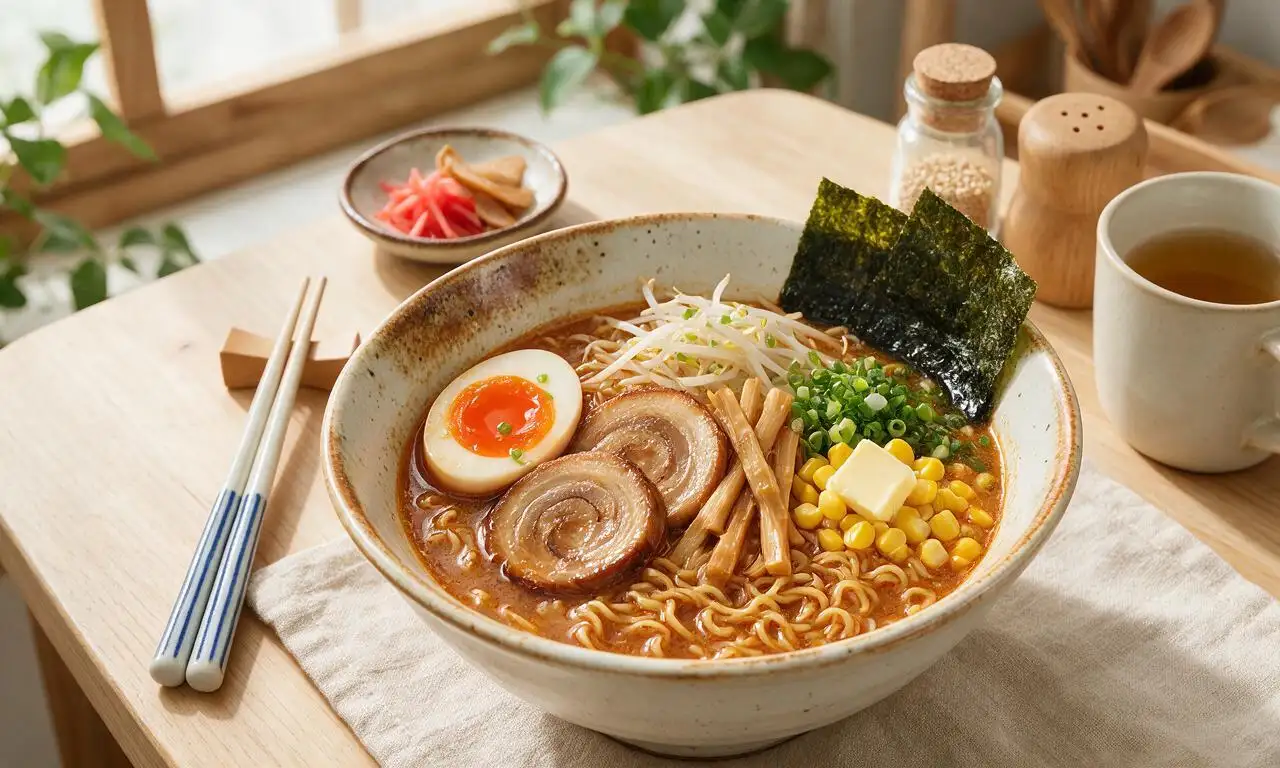
Rich, umami-dense Hokkaido-style miso ramen with chewy noodles, savory fermented broth, and classic toppings, a cozy, deeply satisfying warm meal.

⏱️ 45 minuteSoups & Stews ★ 4.5
Soups & Stews
🍜 United States

A hearty, peppery tripe and root vegetable stew with colonial Philadelphia roots, thick, warming, and packed with bold savory flavor for cold winter days.

⏱️ 2 hours 3Soups & Stews ★ 4.6
Soups & Stews
🍜 Mexico

Hearty, warming red pork posole loaded with tender hominy, slow-simmered in a rich smoky chile broth, served with zesty fresh garnishes for a deeply comforting, satisfying meal.

⏱️ 2 hours 3Soups & Stews ★ 4.7
Soups & Stews
🍜 United States

Warm, soothing classic chicken noodle soup loaded with tender chicken, soft egg noodles, and savory veggies, perfect for chasing chills and feeding the whole family.

⏱️ 40 minuteSoups & Stews ★ 4.9
Soups & Stews
🍜 France

Deeply savory caramelized onion broth topped with crusty bread and bubbly melted Gruyère, a timeless French bistro comfort food ideal for cold days.

⏱️ 1 hour 25Soups & Stews ★ 4.8
Soups & Stews
🍜 United States

Hearty, briny Maryland crab soup loaded with sweet blue crab, tender summer vegetables, and zesty Old Bay, a beloved Chesapeake Bay coastal comfort staple.

⏱️ 55 minuteSoups & Stews ★ 4.9

Oyster Laksan:Frequently Asked Questions

1.Can I use canned oysters if I can’t find fresh shucked ones for this laksan? ▾
Fresh shucked oysters are preferred for their tender, briny bite and flavorful reserved liquor that builds the broth’s umami base, but high-quality, unsmoked canned oysters work in a pinch. Reserve the canning liquid to replace fresh oyster liquor, and add the oysters in the final 30 seconds of cooking to prevent rubbery, overcooked texture.
2.Do I really need full-fat coconut milk, or can I use light coconut milk to cut calories? ▾
Full-fat coconut milk is non-negotiable for that signature rich, velvety broth that balances laksan’s bright spice and sour notes. Light coconut milk is heavily diluted with water, resulting in a thin, watery broth that lacks the lush, satisfying mouthfeel that makes this dish so cozy and well-rounded.
3.How do I prepare lemongrass properly to get the best flavor for the broth? ▾
Start by trimming off the dry, woody top two-thirds of each stalk and the tough root end. Peel away the dry outer 1 to 2 layers, then bash the pale lower stalk firmly with the flat of a knife to release its aromatic oils before adding it to the broth. Discard the stalks before serving, as they’re too fibrous to eat.
4.I can’t find fresh galangal — what’s the best substitute? ▾
Fresh galangal has a sharper, piney, less sweet profile than common ginger, so it’s not a perfect 1:1 swap, but you can use 1.5 times the amount of fresh young ginger plus a tiny pinch of ground white pepper to mimic its bright zing. Skip dried ground galangal if possible, as it tastes flat and muddy compared to fresh.
5.How long do I need to soak the dried thin bihon rice noodles before cooking? ▾
For springy, not mushy noodles, soak dried thin bihon in room temperature water for 8 to 10 minutes until they’re pliable but still firm to the bite. Don’t soak them in hot water, as this will make them turn gummy and break apart when you toss them in the hot curry broth right before serving.
6.What do I do with the reserved oyster liquor from shucking? ▾
That cloudy, briny reserved oyster liquor is liquid umami gold for your broth! Pour it slowly into your simmering curry base, leaving any tiny bits of shell grit settled at the bottom of the container behind so you don’t add unwanted crunch. It adds a deep, ocean-kissed savoriness no storebought broth can match.
7.How do I keep the oysters from turning rubbery when I cook them in the curry? ▾
Oysters cook extremely fast, so never simmer them for minutes on end. Turn off the heat once your broth is fully seasoned and at a gentle simmer, then add the shucked oysters, let them sit for 45 to 60 seconds until their edges just curl, and serve immediately. Any longer and they’ll shrink and turn tough and chewy.
8.Is this dish supposed to be spicy? I don’t handle heat very well. ▾
Traditional laksan balances spicy, sour, salty, and umami notes, but you have full control over the heat level. Seed any chilis you add to the curry base, cut the amount of chili paste in half, or leave spicy elements out entirely — the creamy coconut, lemongrass, and galangal will still deliver loads of flavor without the burn.
9.Can I make the curry broth ahead of time for meal prep? ▾
Absolutely! The coconut curry broth actually tastes better the next day, as the lemongrass and galangal flavors meld deeper. Store the cooled, strained broth in an airtight container in the fridge for up to 3 days, and only cook the noodles and add the fresh oysters right before serving to avoid soggy noodles or tough oysters.
10.What’s the best way to serve oyster laksan for a dinner party? ▾
Portion soaked, drained rice noodles into individual deep bowls, ladle the hot, simmering curry broth over top, then add the oysters to cook gently in the hot broth right at the table. Set out a platter of toppings like fresh Thai basil, lime wedges, bean sprouts, and sliced red chili so guests can customize their bowls to taste.
11.Why did my coconut milk curdle when I made the broth? ▾
Coconut milk curdles if you boil it rapidly over high heat, or if you add very acidic ingredients like lots of lime juice to it at a rolling boil. Keep the broth at a gentle, low simmer once you add the coconut milk, and stir in any sour lime juice or tamarind right at the end off heat to keep the broth smooth and creamy.
12.Can I add other seafood or proteins to this oyster laksan? ▾
Of course! Plump peeled shrimp, thin slices of firm white fish, or pan-fried tofu work beautifully alongside the oysters. Just make sure to cook firmer proteins first in the broth before adding the coconut milk, and avoid strongly flavored proteins like smoked sausage that will overpower the delicate brininess of the oysters.
13.Do I need to use storebought laksa paste, or can I make the base from scratch with the key ingredients? ▾
You don’t need pre-made laksa paste! Bruise your lemongrass, slice your galangal, and simmer those aromatics in a splash of coconut milk with a few shallots, garlic, and chilis (if using) for 10 minutes to build your own bright, fresh base. It will taste far brighter and less overly salty than most jarred storebought options.
14.How do I keep the rice noodles from sticking together after I soak them? ▾
After soaking your bihon noodles, drain them really well and toss them with a tiny drizzle of neutral oil like canola or avocado oil to keep the strands from clumping together. Don’t rinse them after soaking, though — that washes away the light starch that helps the creamy curry broth cling to every noodle strand.
15.What fresh herbs pair best as a topping for this oyster laksan? ▾
Bright, zesty fresh herbs cut through the rich coconut broth perfectly. Top each bowl with torn Thai basil, fresh cilantro leaves, and a small handful of crisp mint, plus a squeeze of fresh lime juice right before serving. Avoid heavy, woody herbs like rosemary or sage that will clash with the delicate, aromatic broth.
16.Can I freeze leftover oyster laksan for later? ▾
I don’t recommend freezing the finished dish, as the coconut milk will separate and turn grainy when thawed, rice noodles turn unpleasantly mushy, and oysters become rubbery after freezing and reheating. If you have leftovers, separate the plain broth from noodles and oysters, and freeze the strained broth alone for up to 2 months.
17.How much sour flavor should the laksan have, and what’s the best way to add it? ▾
The sour note should be bright but subtle, enough to cut through the rich coconut milk without making your mouth pucker. Add 1 to 2 tablespoons of fresh lime juice or tamarind paste right at the end of cooking, off heat, tasting as you go — you can always add more, but you can’t take it out once it’s mixed into the broth.
18.What’s the difference between this oyster laksan and other coconut curry noodle soups? ▾
Unlike heartier, heavier coconut curries, oyster laksan is balanced to highlight the delicate brininess of fresh oysters, with a light aromatic broth built from lemongrass and galangal rather than dense, warm spice blends. It leans into bright sour and oceanic umami notes instead of deep, slow-cooked spice, paired with springy thin bihon noodles instead of thicker wheat or wide rice sticks.

Comments (4)

5 days ago

OMG this oyster laksan is a total game changer for weeknight dinners! I was worried it’d be too complicated for a medium-difficulty recipe since I’ve never made laksan before, but it came together in exactly 15 minutes like the recipe said. My husband and two kids devoured the whole pot, even my picky 7 year old who turns her nose up at most seafood asked for seconds! The brininess of the oysters pairs so perfectly with that creamy, spicy coconut broth. 10/10 will be adding this to our regular meal rotation.

3 days ago

Wait did you use fresh oysters or the jarred kind? I’ve only got jarred shucked oysters in my fridge right now and wondering if those work okay!

2 days ago

Great question! Jarred shucked oysters work perfectly here—just drain them well and toss them in during the last 2 minutes of cooking so they stay plump and don’t get rubbery. Fresh shucked oysters are amazing too if you have access, but no need to make a special trip to the fish market for this recipe!

1 week ago

I brought this oyster laksan to my neighborhood potluck last weekend and people were literally coming up to me asking for the recipe before they even finished their first bowl! I did add a little extra lime juice at the end because I love that bright tang, and it was chef’s kiss. Only heads up for other cooks: the medium spice level was perfect for our crowd, but if you’re feeding people who don’t do heat you might want to dial back the chili paste a touch. SO good, can’t wait to make it again for my sister’s birthday dinner next month.

5 days ago

So stoked to hear it was a potluck hit! Love the extra lime tip—bright acid really makes all those rich coconut and umami flavors pop. Thanks for sharing the note about adjusting the chili for heat preferences too, that’s super helpful for other folks giving the recipe a try!

2 weeks ago

Meal prepped this for my work lunches this week and it held up way better than I thought it would! I was worried the oysters would get weird reheated, but if you undercook them just a tiny bit when you first make it, they’re perfect after 90 seconds in the microwave. The broth is so flavorful I found myself sipping the last of it out of the container yesterday, no shame. Only reason it’s not a 5 is I wish there was a little more veggie in the base, I’m throwing in some bok choy next time to bulk it up a bit.

2 hours ago

Finally worked up the courage to try making laksan for the first time with this recipe last night! I was nervous the oysters would make the broth too fishy for my taste (I’m super sensitive to strong seafood flavors) but it was so rich and nutty from the coconut, barely any briny overpowering taste at all. I swapped in rice noodles since that’s what I had on hand, and it worked great! My only tiny mishap was I overcooked the oysters a little my first go round so they were a touch chewy, but that’s 100% user error, not the recipe’s fault. Will absolutely be making this again!

30 minutes ago

Pro tip for the oysters! Turn the heat all the way down when you add them, they only need like 2 minutes max. I made that same chewy oyster mistake my first time too, turns out they cook way faster than you think!