
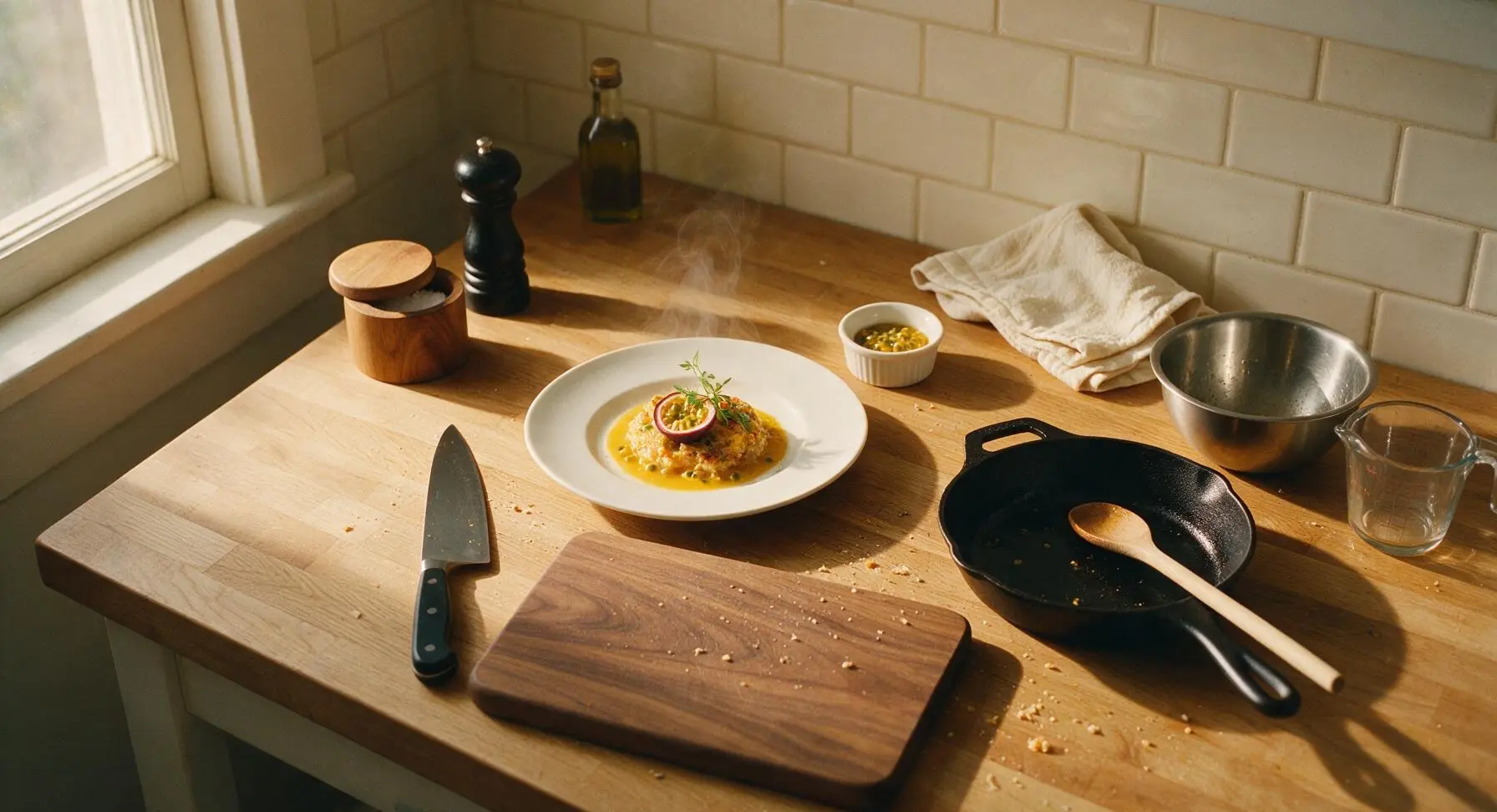
Passionfruit IPA

title 1
Passionfruit IPA
⏱️ cook time 45 minutes
🍽️ servings 10
⚡ Difficulty medium

intro

Bright, hazy homemade Passionfruit IPA balances zingy tropical tartness, citrusy hop aroma, and crisp malt backbone for a refreshing, crushable summer sip.

Ingredients
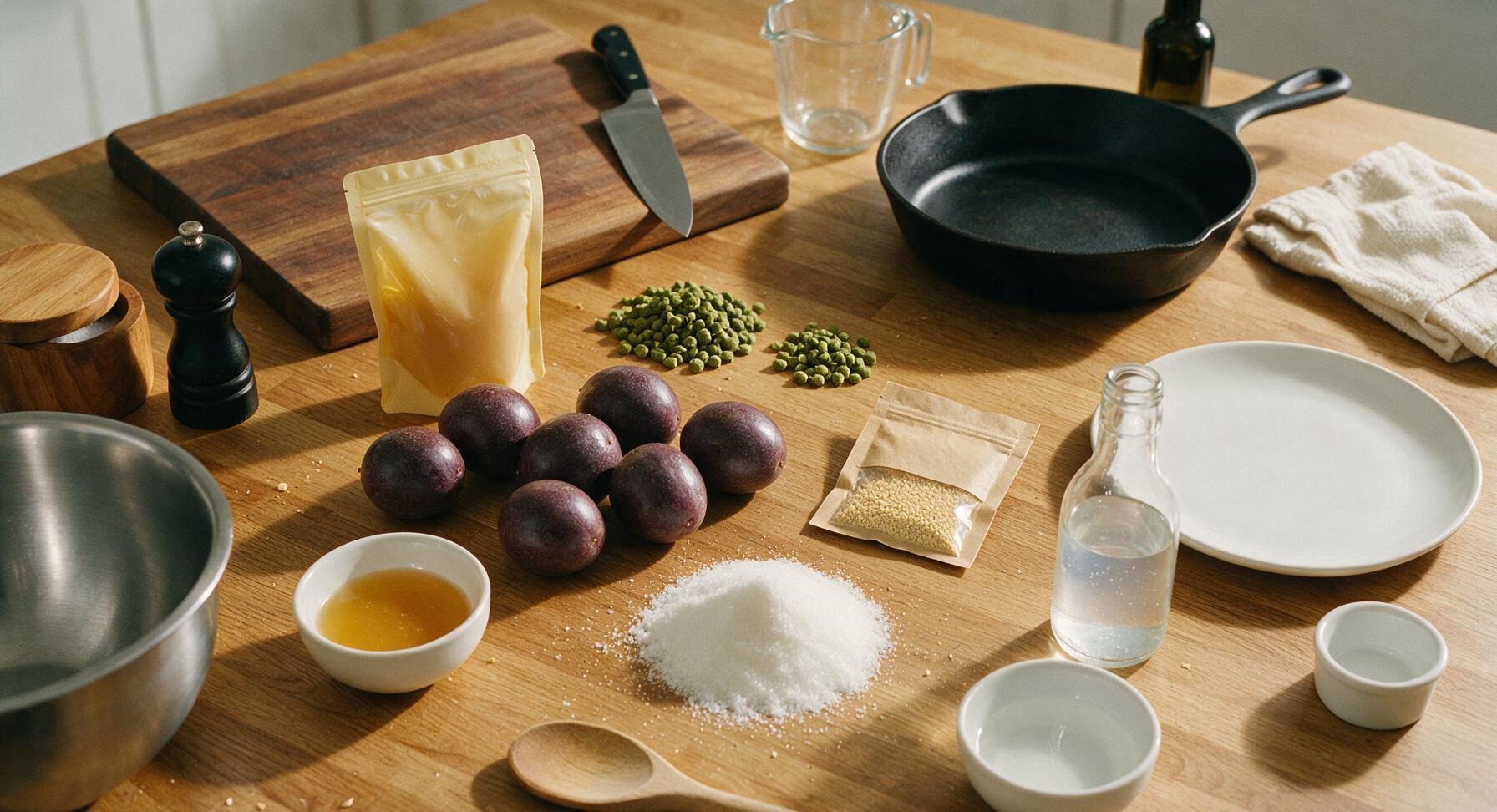
Pale liquid malt extract 1kg (2.2 lbs)
Citra hop pellets 50g, divided
Ripe purple passionfruit 8 pieces (≈600g pulp)
Dry ale yeast 1 packet (11g)
Corn sugar (for priming) 100g
No-rinse brewing sanitizer 1 tbsp, mixed with 4L water

Steps

1

Sanitize All Equipment

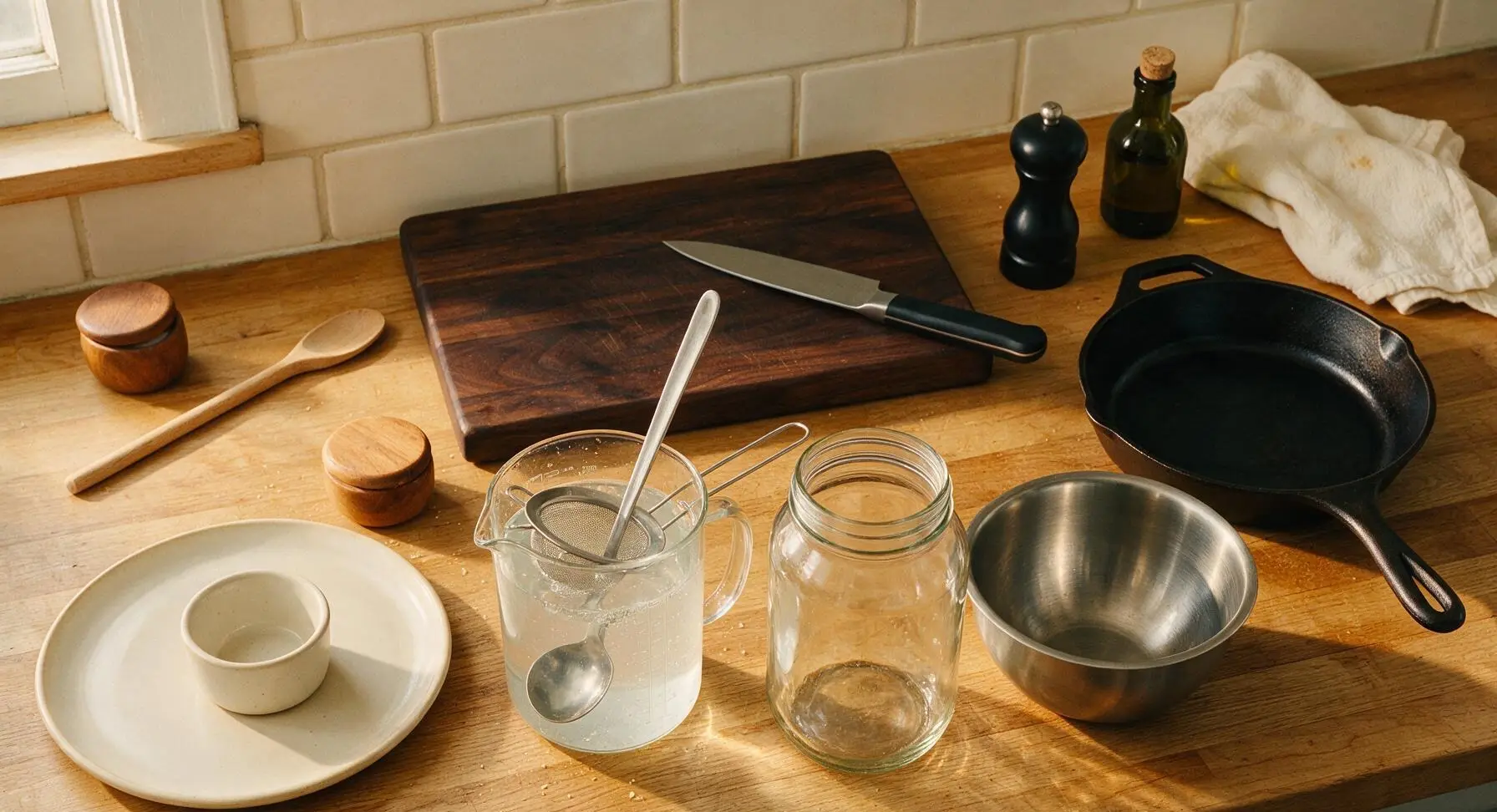
Mix 1 tablespoon no-rinse brewing sanitizer with 4L cool filtered water in the 1L borosilicate glass measuring cup. Submerge the 1-gallon fermentation jug, fine-mesh strainer, long stainless steel stirring spoon, auto-siphon, muslin hop bag, and prep bowls in the solution for 60 seconds, then set on the clean counter to air dry. Do not towel-dry equipment, as this can introduce unwanted bacteria that ruins beer flavor. Ensure all surfaces that will touch beer are fully coated in sanitizer.
Step 1
step1:Sanitize All Equipment
2

Mix the Wort Base

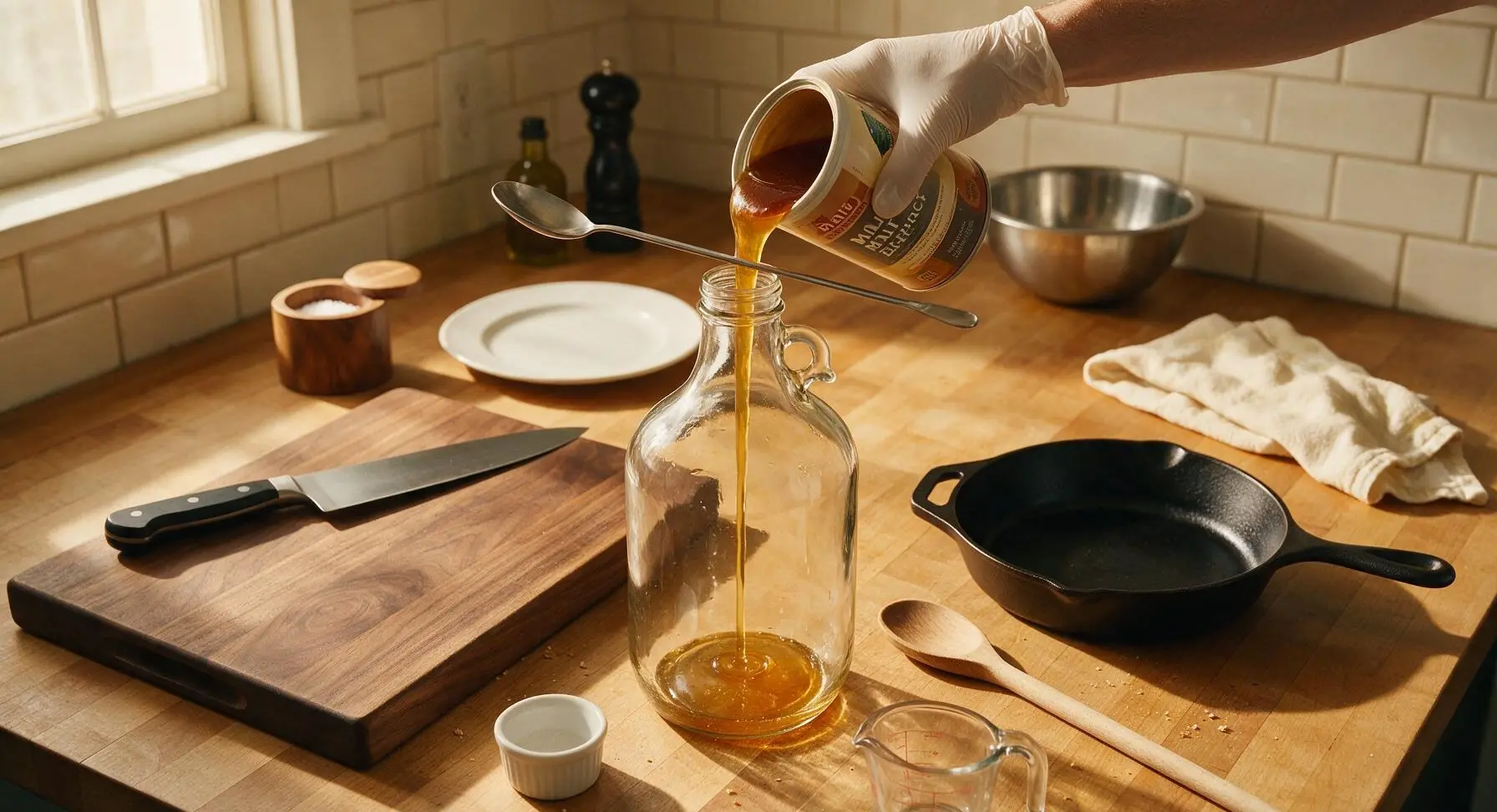
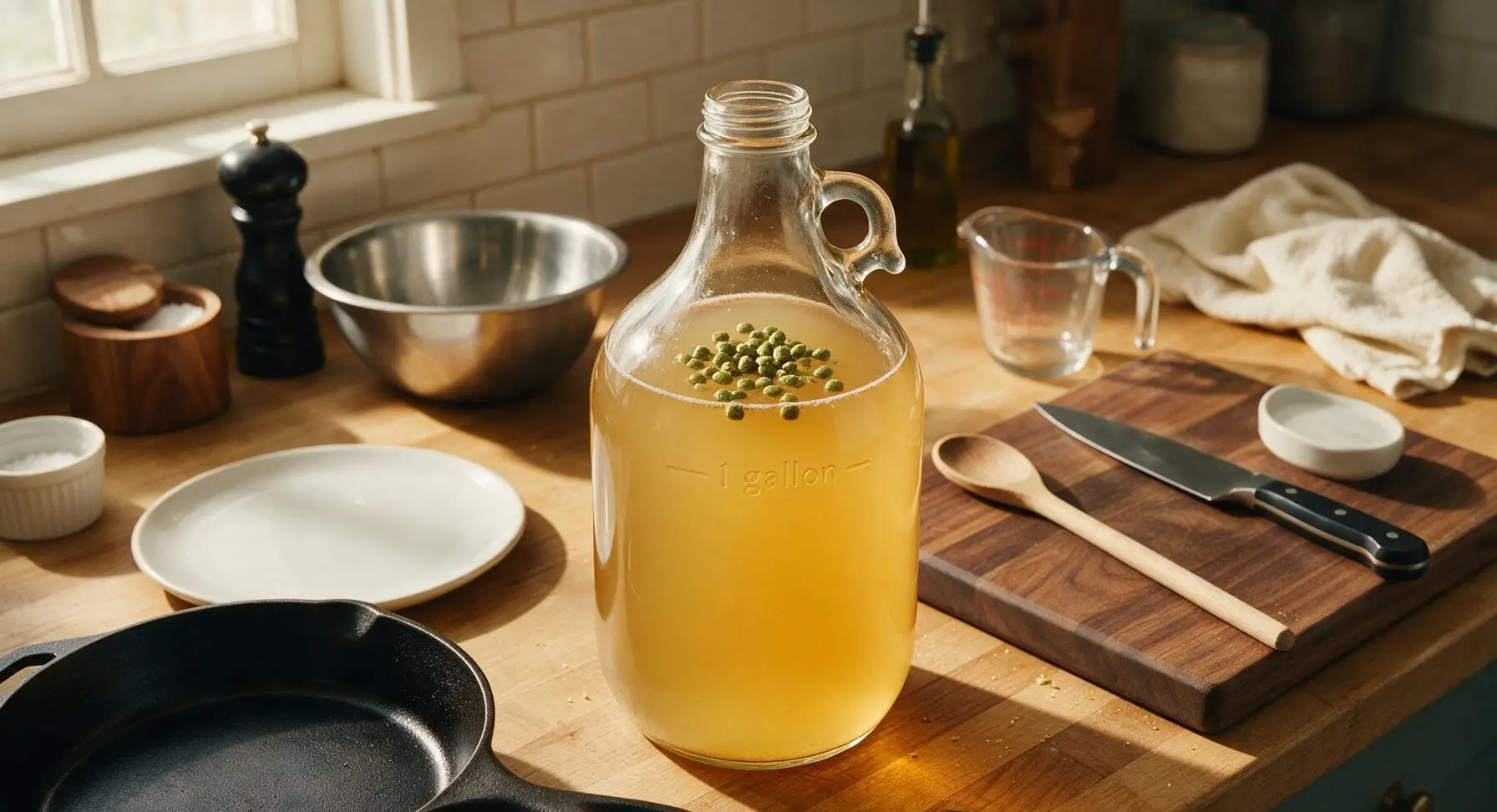
Pour 2L of cool filtered water into the sanitized 1-gallon fermentation jug, then add the full 1kg of pale liquid malt extract. Stir vigorously with the long stainless steel stirring spoon for 2 minutes until the extract is fully dissolved, then add 20g of Citra hop pellets directly to the wort and let steep for 10 minutes. Top up with additional cool filtered water to reach the 3.8L (1 gallon) etched mark on the jug. Confirm the wort temperature is between 18-21C (65-70F) before proceeding, as higher temperatures will kill the yeast.
Step 2
step2:Mix the Wort Base
Step 2
step2:Mix the Wort Base
3

Pitch the Yeast

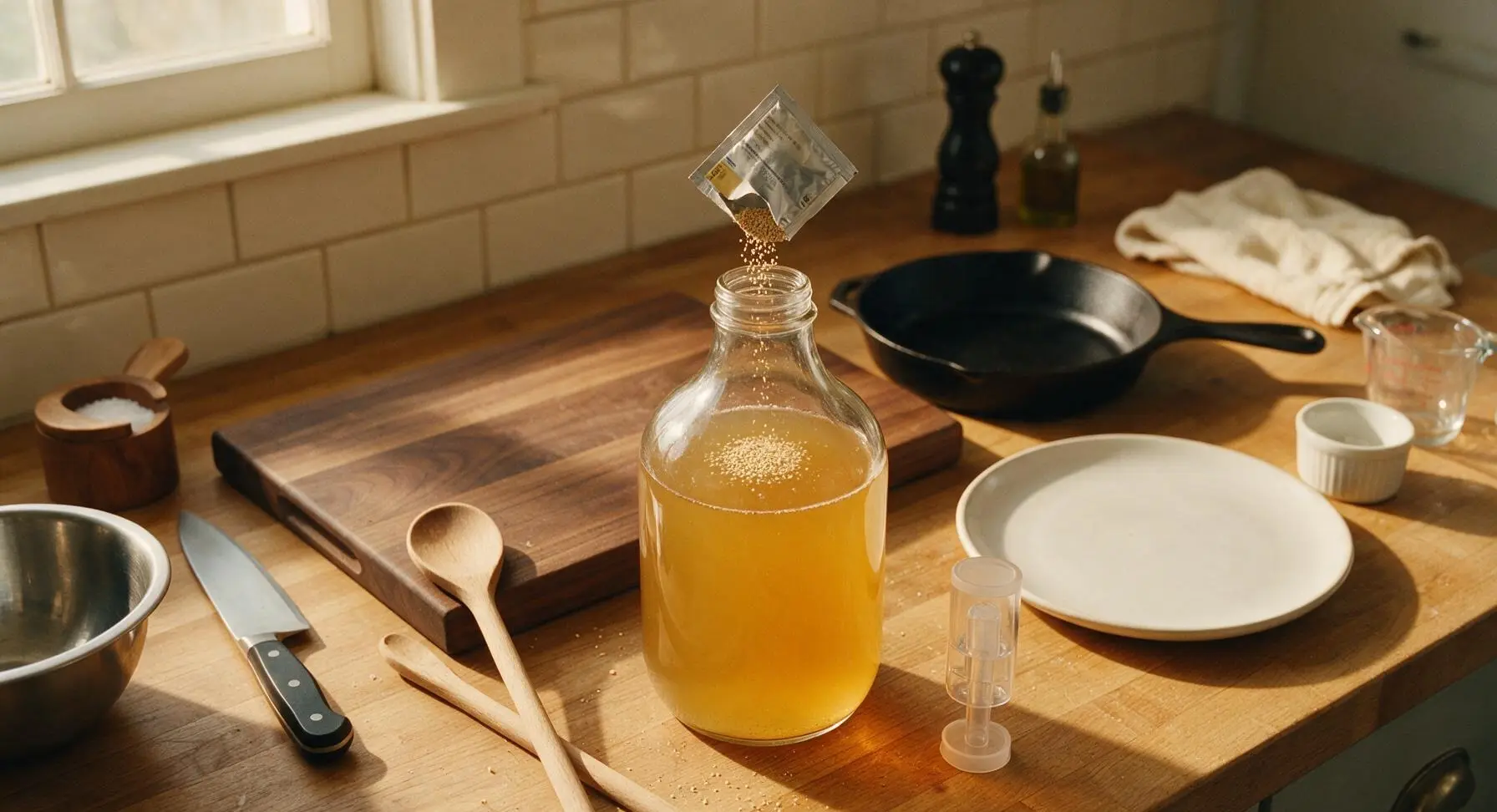
Tear open the 11g packet of dry ale yeast and sprinkle it evenly across the entire surface of the cooled wort. Do not stir the yeast in initially. Seal the jug neck with a sanitized airlock filled halfway with sanitizer solution, then move the jug to a dark, consistently 18-21C (65-70F) space for 7 days of primary fermentation. You will see steady bubbles in the airlock within 24-48 hours, a sign active fermentation is underway.
Step 3
step3:Pitch the Yeast
4

Prep Passionfruit Pulp

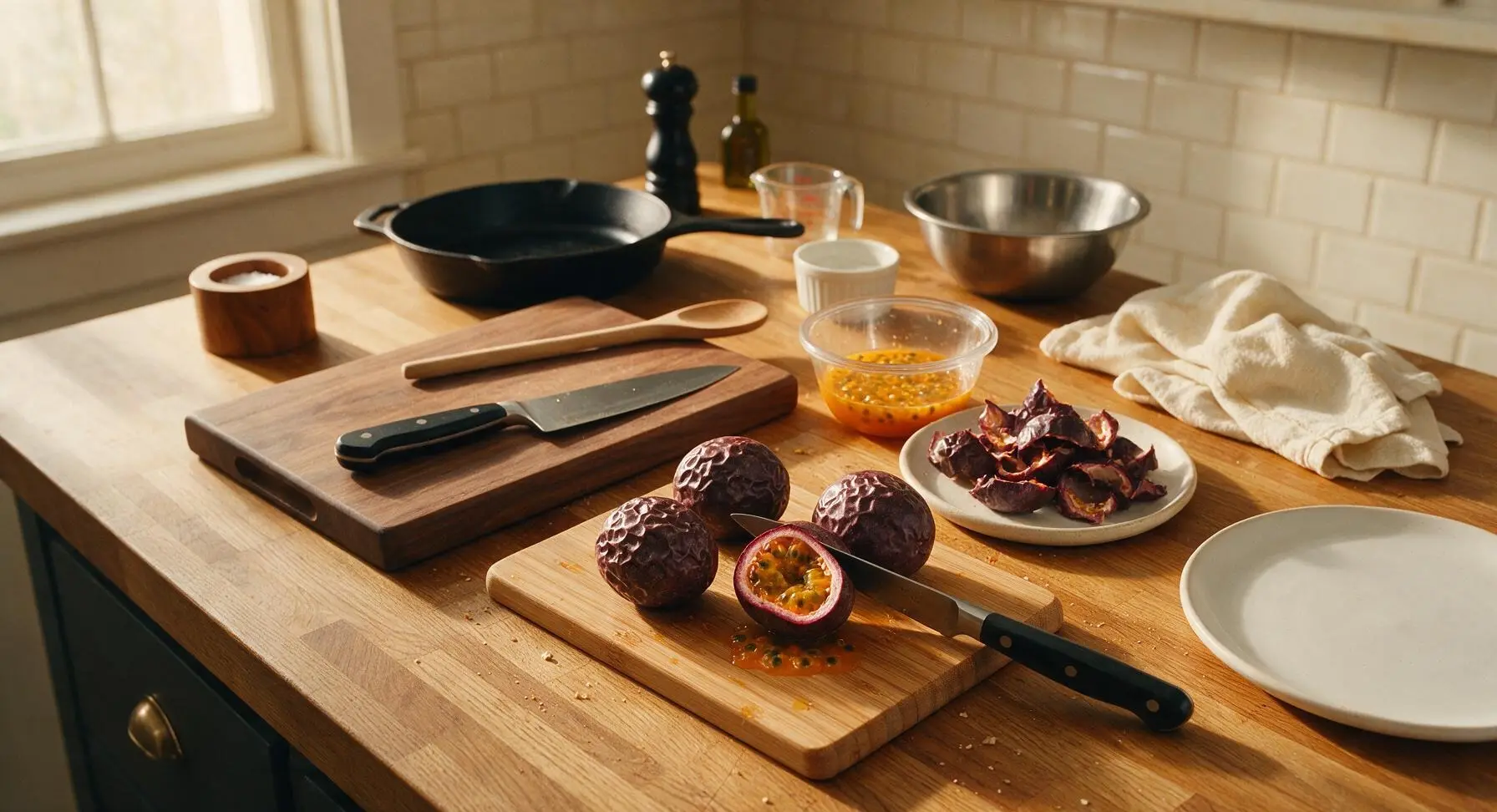
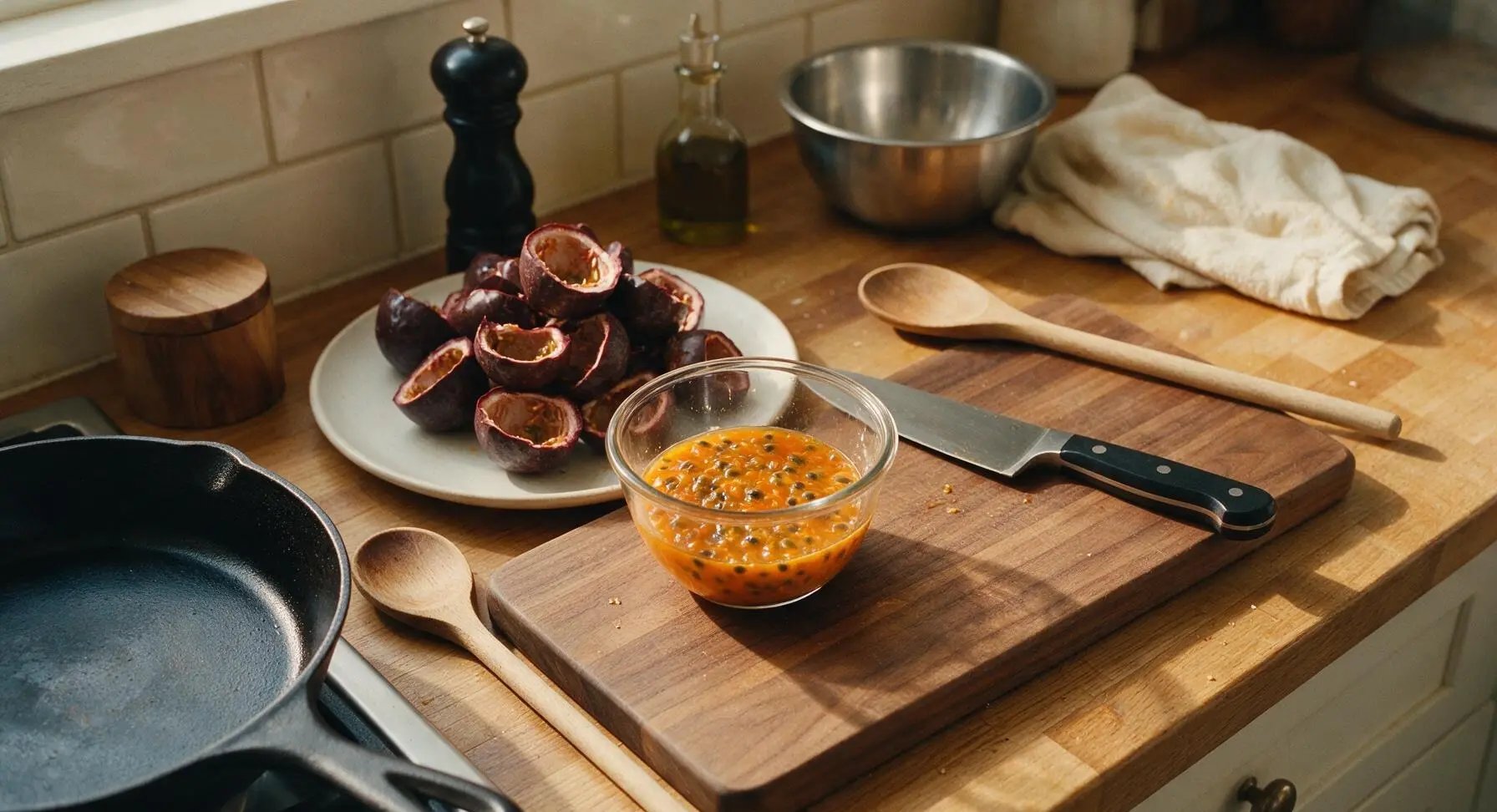
After 7 days of primary fermentation (when airlock bubbles slow to 1 every 30 seconds), rinse all 8 ripe passionfruit under cool running water. Set fruit on the small honey-toned bamboo cutting board, and use the 3-inch paring knife to slice each fruit in half across its equator. Scoop all pulp, juice, and seeds into a sanitized small clear prep bowl, piling the discarded purple outer skins on the matte white ceramic small plate. Ripe fruit will have deeply wrinkled purple skin and intensely fragrant, bright orange pulp.
Step 4
step4:Prep Passionfruit Pulp
Step 4
step4:Prep Passionfruit Pulp
5

Add Dry Hops

Measure the remaining 30g of Citra hop pellets into the sanitized unbleached muslin hop bag, pull the drawstring tight, and drop the bag into the fully fermented wort. Do not stir; the hop bag will float initially, then sink as it absorbs beer over the 3-day dry hop period. This step adds bright citrus, tropical fruit, and pine aroma without extra bitterness. Reseal the airlock and keep the jug at the same 18-21C temperature.
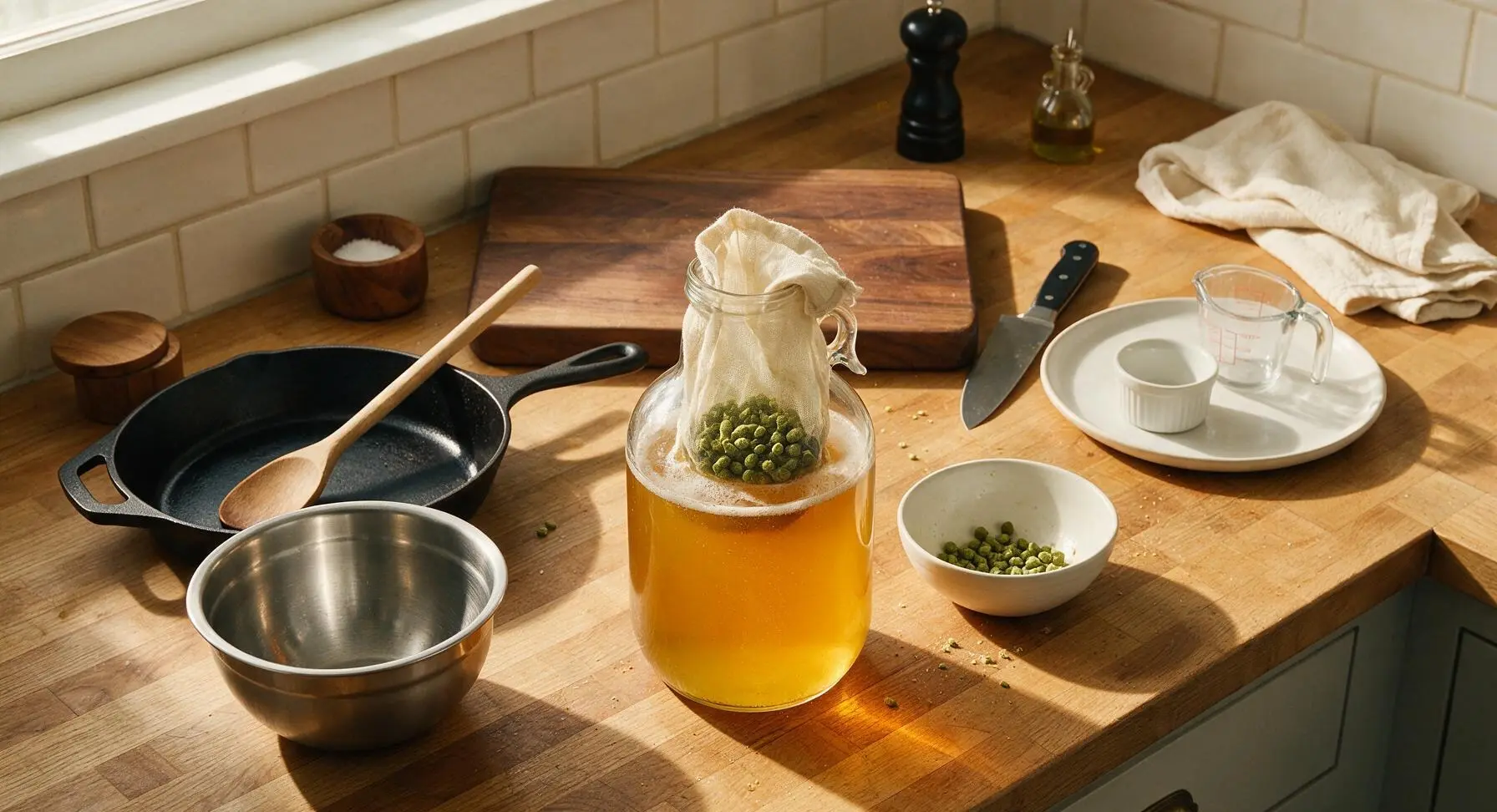
Step 5
step5:Add Dry Hops
6

Infuse Passionfruit Flavor

After 3 days of dry hopping, set the sanitized fine-mesh strainer across the neck of the fermentation jug. Pour the reserved passionfruit pulp into the strainer, pressing gently with the back of the stirring spoon to extract all bright orange juice, leaving most of the black seeds trapped in the strainer. Reseal the airlock and let the beer condition for an additional 3 days to allow passionfruit flavor to integrate and sediment to settle to the bottom of the jug.
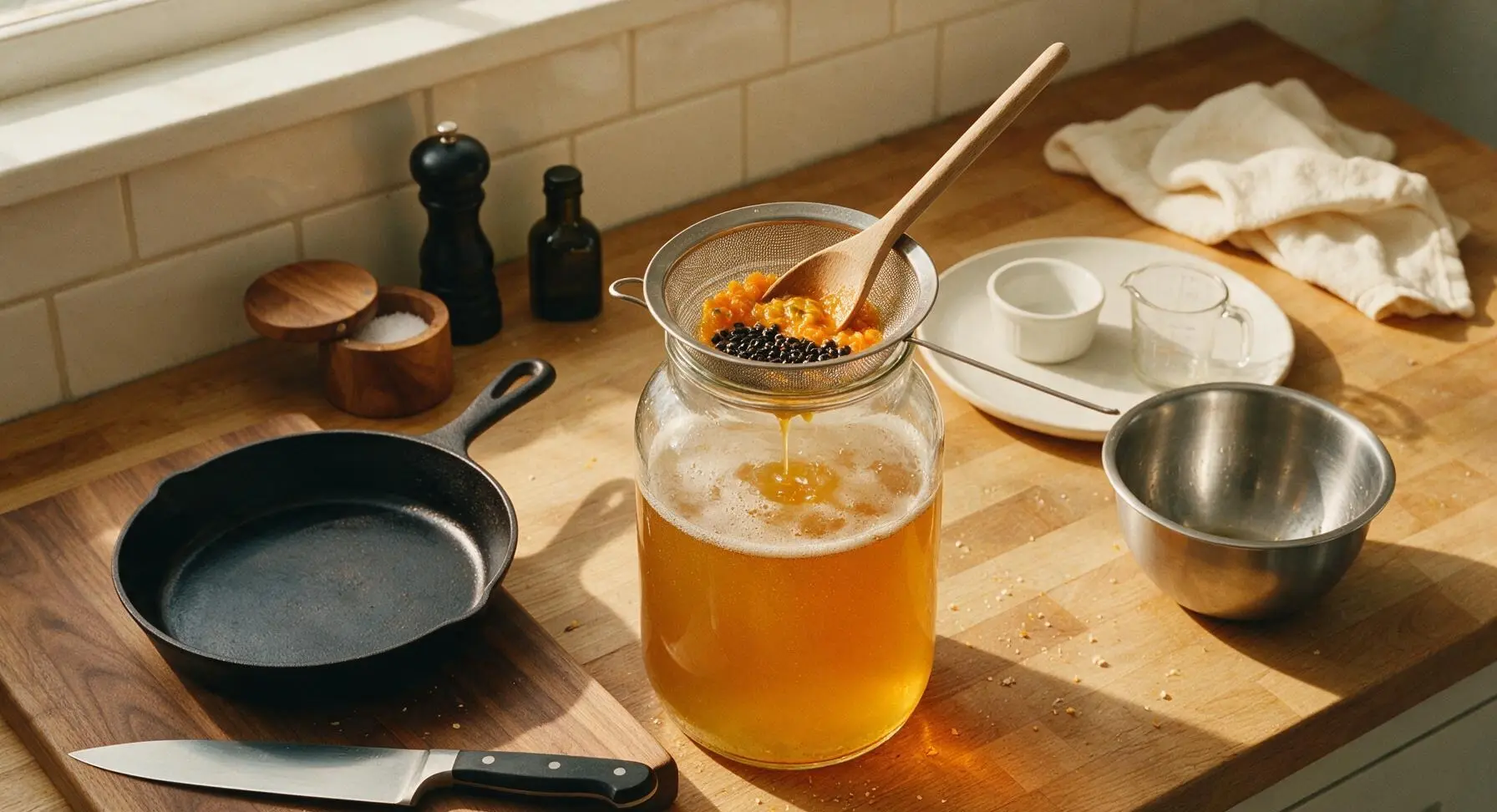
Step 6
step6:Infuse Passionfruit Flavor
7

Bottle for Carbonation

Boil 100g corn sugar with 200ml filtered water for 5 minutes to create a priming solution, then let cool completely to room temperature. Pour the solution into the bottom of a sanitized bottling vessel, then use the food-grade auto-siphon to gently transfer the finished passionfruit IPA from the fermentation jug into the vessel, stirring slowly to mix evenly with the priming sugar. Siphon beer into the sanitized amber glass bottles, leaving 2cm of headspace at the top of each bottle, then seal each cap tightly with the matte red bottle capper. Store sealed bottles in a dark, room-temperature space for 10 days to allow natural carbonation to develop.
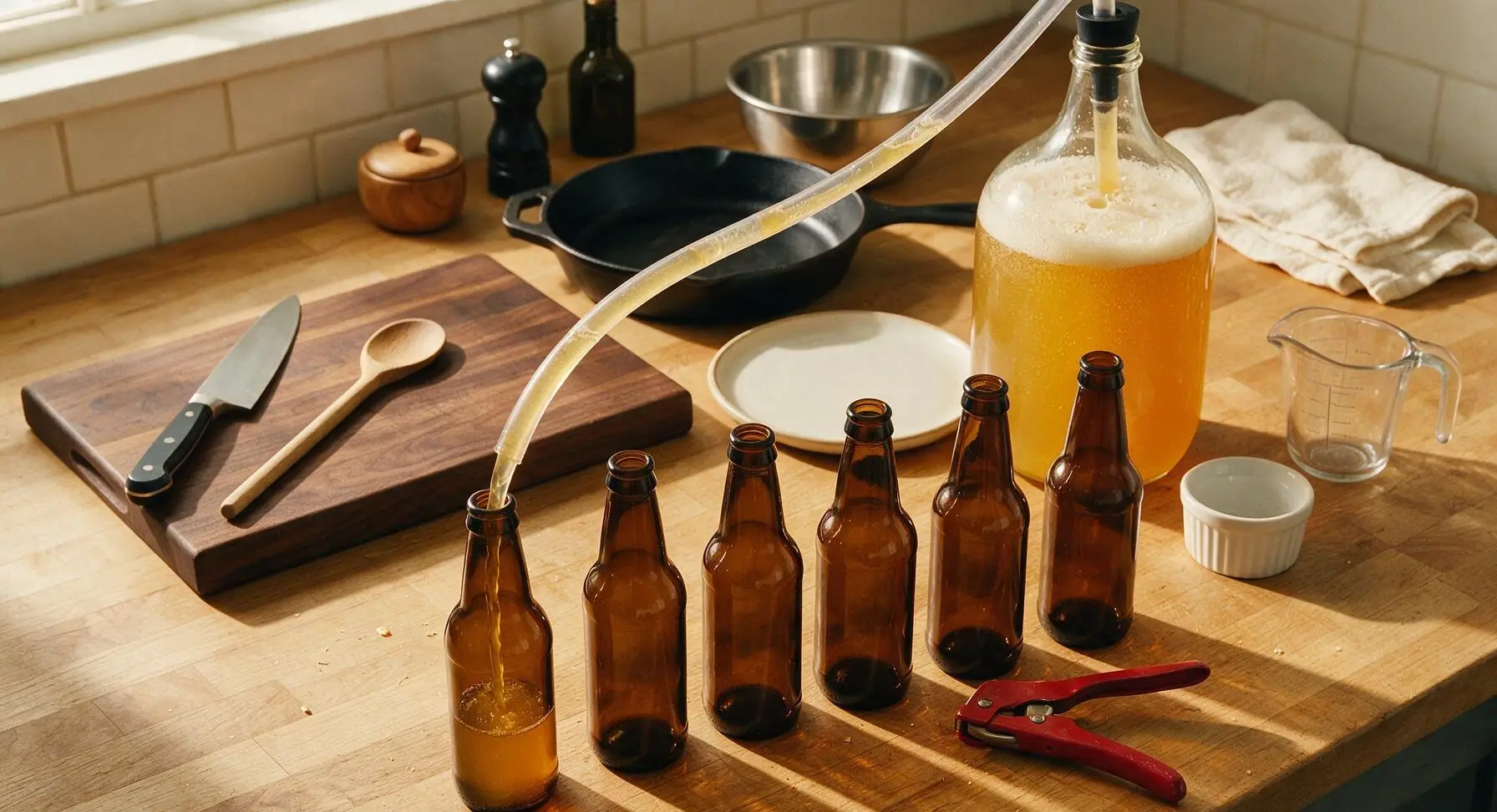
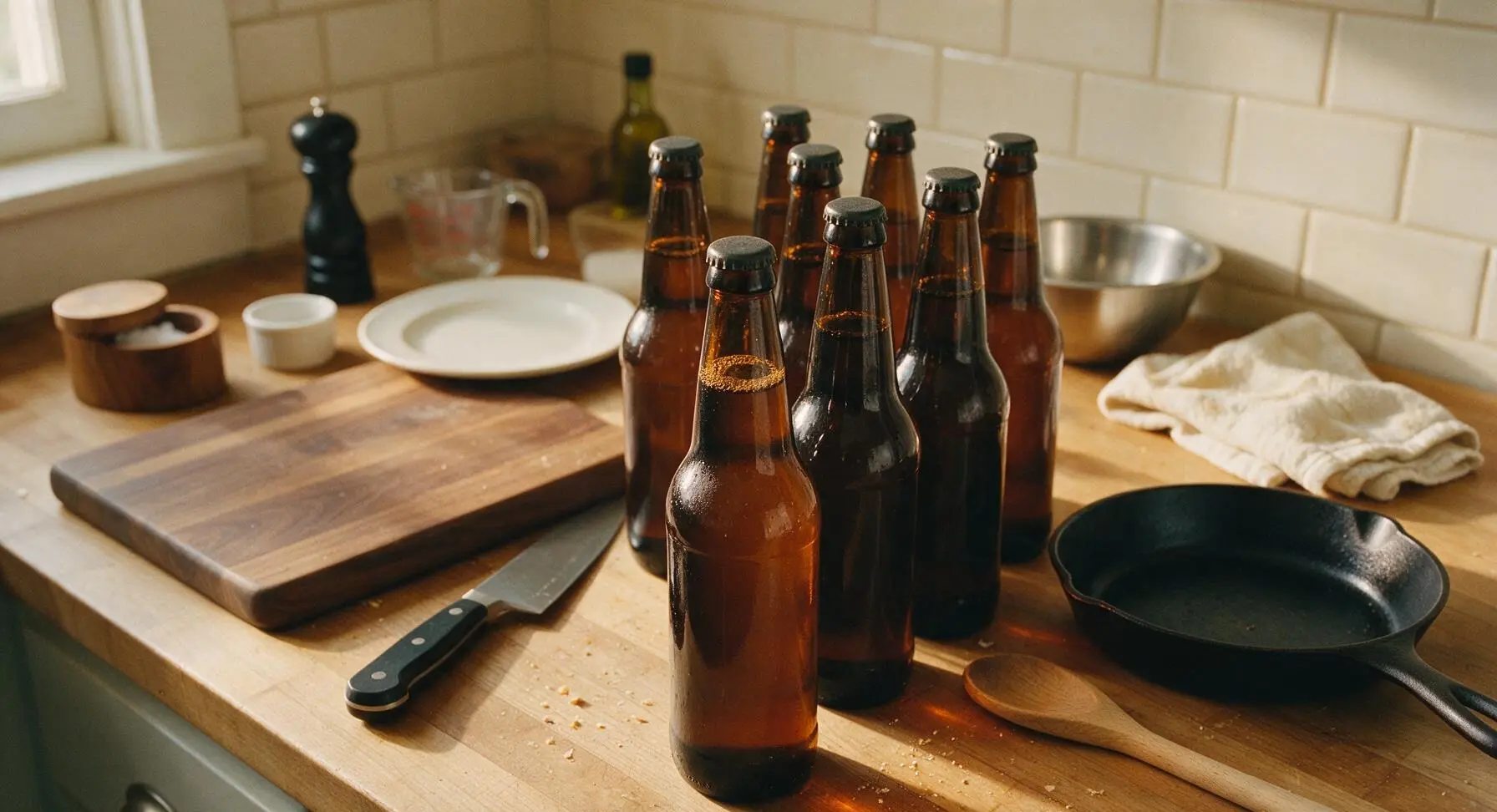
Step 7
step7:Bottle for Carbonation
Step 7
step7:Bottle for Carbonation
8

Chill and Pour

After 10 days of bottle conditioning, chill bottles for a minimum of 4 hours in the refrigerator before opening. Pour slowly into the tulip-shaped craft beer glass held at a 45-degree angle, gradually tilting the glass upright as it fills to build a 2cm thick head. Stop pouring when 5mm of beer remains in the bottle, leaving settled yeast sediment behind.
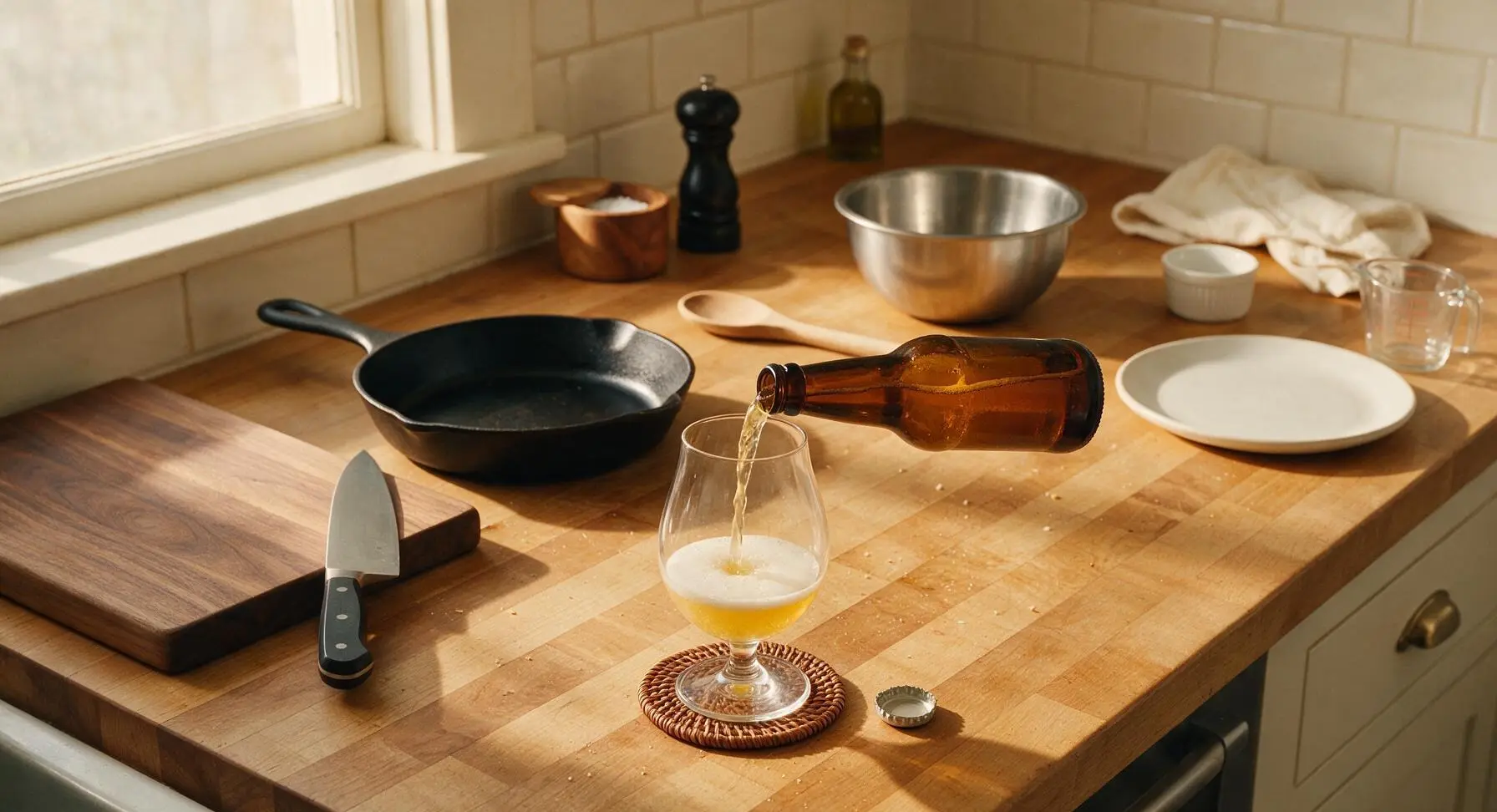
Step 8
step8:Chill and Pour

Tips

1.Use only deeply wrinkled, ripe passionfruit: Smooth-skinned unripe passionfruit has tart, bland pulp that lacks the signature sweet-tropical aroma, and will result in a flat, one-note beer.
2.Avoid stirring after pitching yeast or adding fruit: Stirring introduces unwanted oxygen that causes stale, cardboard-like off-flavors in finished beer; let ingredients infuse passively for the cleanest taste.
3.Leave the last 5mm of beer in each bottle when pouring: This small layer holds settled yeast and fine fruit sediment, so leaving it behind will keep your beer bright, clear, and free of bready, yeasty afternotes.


✨ You May Also Like

Drinks & Beverages
🍜 Mexico

A bright, balanced tequila-based cocktail with zesty fresh lime, smooth orange liqueur, and a signature salt rim, perfect for warm summer sipping.

⏱️ 5 minutesDrinks & Beverages ★ 4.9
Drinks & Beverages
🍜 United States

Thick, creamy, nostalgic classic vanilla milkshake with a rich, smooth texture, topped with whipped cream and a cherry for cool, sweet refreshment.

⏱️ 5 minutesDrinks & Beverages ★ 4.7
Drinks & Beverages
🍜 United States

A bright, golden strong ale with fruity banana-clove notes, subtle hop spice, and soft carbonation, brewed in classic Trappist Tripel tradition.

⏱️ 2 hours aDrinks & Beverages ★ 4.5
Drinks & Beverages
🍜 United States

A frothy, nostalgic American soda fountain treat pairing bubbly cold root beer with creamy vanilla ice cream, perfect for cooling down at warm weather gatherings.

⏱️ 20 minuteDrinks & Beverages ★ 4.8
Drinks & Beverages
🍜 United States

Tart, funky, effervescent American Wild Ale is a complex fruity craft beer brewed with wild yeast, delivering bright, zesty notes perfect for warm-weather sipping.

⏱️ 2 hours aDrinks & Beverages ★ 4.4
Drinks & Beverages
🍜 United States

Bright, bubbly copycat of the iconic American caramel cola, balanced with citrus and warm spice, perfect for sipping ice-cold on hot days.

⏱️ 15 minuteDrinks & Beverages ★ 4.8

Passionfruit IPA:Frequently Asked Questions

1.How ripe should my purple passionfruit be to get the best flavor for this IPA? ▾
Aim for deeply purple, slightly wrinkled fruit that gives gently when pressed—firm, smooth-skinned passionfruit tastes flat, sharp, and lacks that signature bright tropical sweetness. Scoop the raw pulp and seeds directly into secondary fermentation; don’t cook the pulp, as heat will destroy the delicate, fresh aroma that makes this beer so crushable.
2.Can I swap Citra hop pellets for a different hop variety if I can’t find them? ▾
You can, but stick to other tropical, citrus-forward hop pellets like Mosaic or Galaxy to match the intended profile. Citra is ideal here because its bold grapefruit, mango, and pineapple notes pair perfectly with passionfruit. Avoid earthy, piney hops like Cascade or Chinook, as they will clash with the bright, tart fruit character.
3.Why is pale liquid malt extract used for this recipe instead of darker malt varieties? ▾
Pale liquid malt extract creates that crisp, light, clean malt backbone the recipe is known for, letting passionfruit and Citra hop flavors shine without adding heavy roasty, toasty, or caramel notes that would weigh the beer down. Darker malts like chocolate or heavy crystal malt would make the beer too sweet or rich, ruining that refreshing, crushable summer sip quality.
4.Why do we use corn sugar for priming instead of regular table sugar? ▾
Corn sugar (dextrose) ferments completely clean with zero leftover off-flavors, so it won’t dull the bright passionfruit and hop notes when creating carbonation. Regular table sugar can leave a subtle cidery aftertaste if used for priming, and it carbonates less predictably. Stick to the measured corn sugar amount to get that perfect, crisp, lively fizz.
5.What happens if I use the wrong yeast instead of the recommended dry ale yeast? ▾
The recommended neutral dry ale yeast ferments clean at typical room temperature, letting fruit and hop flavors take center stage without adding competing notes. If you use estery Belgian or hefeweizen yeast, you’ll get clove or banana flavors that clash with passionfruit. Never use bread yeast, as it causes off-flavors, stalled fermentation, or gushing bottles.
6.Do I need fancy professional brewing equipment to make this as a first-time homebrewer? ▾
You don’t need high-end professional gear to pull this off as a first-time brewer! A basic 5-gallon food-grade fermentation bucket with an airlock, auto-siphon, bottling wand, and standard pry-off beer bottles are all you need. Just keep your fermenter in a dark, consistently 65–70°F closet away from direct sun to avoid skunky off-flavors.
7.Will the passionfruit seeds make my IPA bitter or add a weird gritty texture? ▾
Not at all! Passionfruit seeds don’t leach bitter flavors during the short secondary fermentation contact time, and most will settle to the bottom of your fermenter and bottles with the yeast sediment. You can leave them behind when pouring for a smoother mouthfeel, but a few stray seeds in your glass are totally harmless.
8.How do I keep this IPA from turning out too cloyingly sweet or overly tart? ▾
Wait to add passionfruit until primary fermentation is fully complete, so the yeast can process extra sugar from the fruit pulp instead of leaving it cloyingly sweet. Don’t add more than 2 pounds of passionfruit pulp for a 5-gallon batch, as too much fruit will crank up tartness to the point it overpowers the soft malt and bright hop notes.
9.How long will this bottled passionfruit IPA stay fresh and tasty to drink? ▾
This IPA is at its absolute best within 3 months of bottling, when the bright Citra hop aroma and fresh passionfruit zing are at their peak. Store bottles upright in a cool, dark place away from heat or sunlight to prevent skunking. It won’t spoil after 3 months, but the delicate tropical notes will fade fast, leaving a flatter, malt-heavy beer.

Comments (5)

3 days ago

OMG, this passionfruit IPA is a total game changer! I brewed a batch for my backyard cookout last weekend and everyone was begging for the recipe. The passionfruit cuts the hoppy bitterness perfectly, not too sweet at all. I was worried the medium difficulty would be too much for a casual homebrewer like me, but the 45 minute active cook time was totally manageable. 10/10, will be making this again for our next tailgate!

2 days ago

Wait, did you use fresh passionfruit or the frozen puree? I’m making this for a potluck next week and don’t want to mess it up!

yesterday

So stoked you loved it, Jake! For anyone wondering, both fresh passionfruit pulp and unsweetened frozen puree work great here — just make sure to skip any products with added sweeteners if you go the frozen route to keep that bright, tart balance with the hops.

1 week ago

SO good! I’ve tried a bunch of homemade IPA recipes and this one is easily top tier. The passionfruit aroma hits you the second you pour it, it’s like summer in a glass. My partner who usually hates fruity beers even went back for a second glass. Only note: I let mine ferment a couple extra days and it made the flavor even smoother, highly recommend.

5 days ago

Love that tip about extra fermentation time, Mia! That’s such a great call for anyone who prefers a smoother, less sharp finish — thanks for sharing your tweak with the community!

2 weeks ago

Made this for our neighborhood block party last week and it was gone in under an hour! I was nervous because I’m still pretty new to homebrewing, but the steps were super straightforward even with the medium difficulty rating. My teenagers kept sneaking sips (don’t worry, I reminded them it’s 21+ only!) and kept saying how good it smelled. Only reason I’m not giving 5 stars is I wish there was a note about how much headspace to leave in the fermenter, I had a tiny overflow mess on my counter, oops! Will absolutely be adding this to my regular rotation.

5 days ago

I really wanted to love this but I think I messed up the hop addition timing? Mine came out way more bitter than I expected, and the passionfruit flavor was super faint, almost unnoticeable. I followed the 45 minute cook time exactly, used fresh passionfruit from the grocery store, so I’m not sure where I went wrong. Any tips for next time?

3 days ago

Sorry to hear your first batch didn’t turn out as expected! A super common culprit for faint fruit flavor is adding the passionfruit too early in the boil — that can make the delicate fruit notes cook off. For less bitterness, double check you’re adding the late boil hops at the 10 minute mark instead of earlier, that’ll mellow that sharp bite. Hope your next batch turns out perfect!

2 hours ago

Just bottled my first batch of this last night and snuck a tiny taste — holy cow, this is going to be incredible once it carbos up! The passionfruit is so bright and tangy, it pairs so nicely with the citrusy hops I used (I went with Citra hops, per the recipe recommendation). Can already tell this is going to be my go-to summer brew for camping trips and lake days with friends.

30 minutes ago

Citra hops are the best call for this! I did the same thing on my last batch and the tropical flavors mixed so well with the passionfruit, people at my Memorial Day potluck thought I bought it from a fancy local brewery.

5 minutes ago

Citra hops are such a perfect pairing here, great call! Make sure to give it at least 3 days in the bottle to carbonate fully before cracking one open — it gets even better after a week of conditioning, trust me!



