1.What makes a Traditional Michigan Pasty different from other savory hand pies?
▾
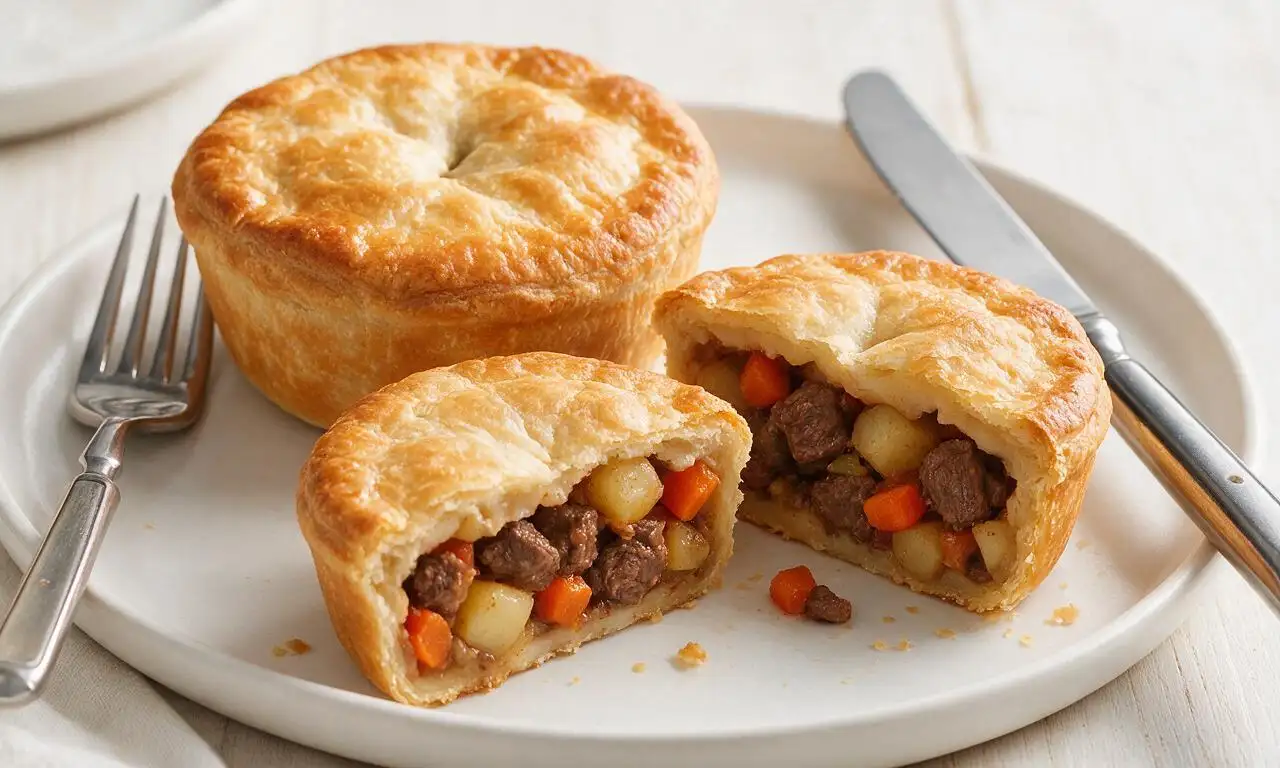
Traditional Michigan pasties trace directly to Cornish miner recipes brought to the Upper Peninsula in the 1800s. Unlike other hand pies, they have a thick, sturdy flaky crust built to hold up in a miner’s lunch pail, a simple beef and root vegetable filling, and no wet, gravy-based fillings that would leak during transport.
2.Why is cold unsalted butter required for the pasty crust?
▾
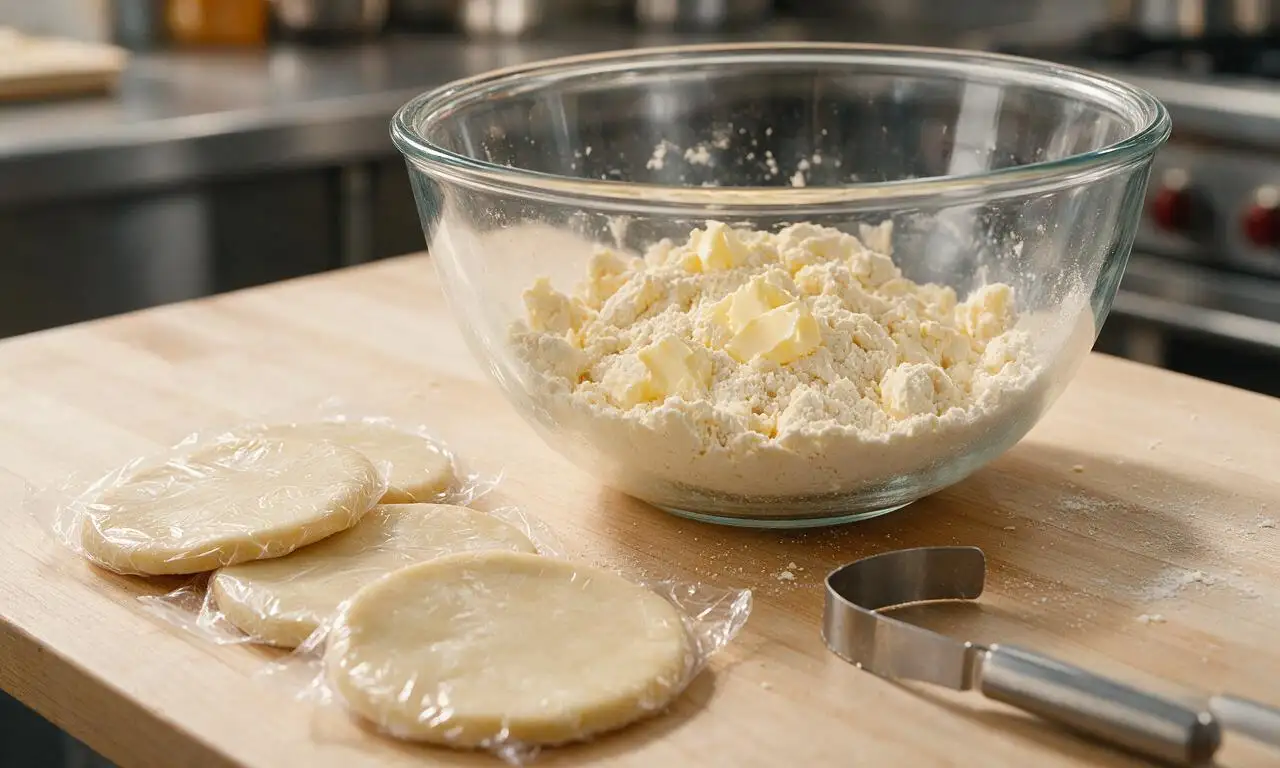
Cold butter is non-negotiable for that signature flaky pasty crust. As the cold butter melts in the hot oven, it creates tiny steam pockets that puff the crust into light, crisp layers instead of turning it dense and tough. If the butter warms to room temperature before baking, it will blend into the flour instead of forming those distinct layers.
3.Can I use store-bought pre-made pie crust instead of making it from scratch?
▾
You absolutely can for a quick weeknight version, though a homemade crust will have the sturdier, flakier texture traditional to UP pasties. Look for a refrigerated all-butter pie crust (not sweetened frozen dessert crust) and roll it slightly thicker than you would for a standard pie to prevent filling from leaking while baking.
4.What cut of beef works best for traditional pasty filling?
▾
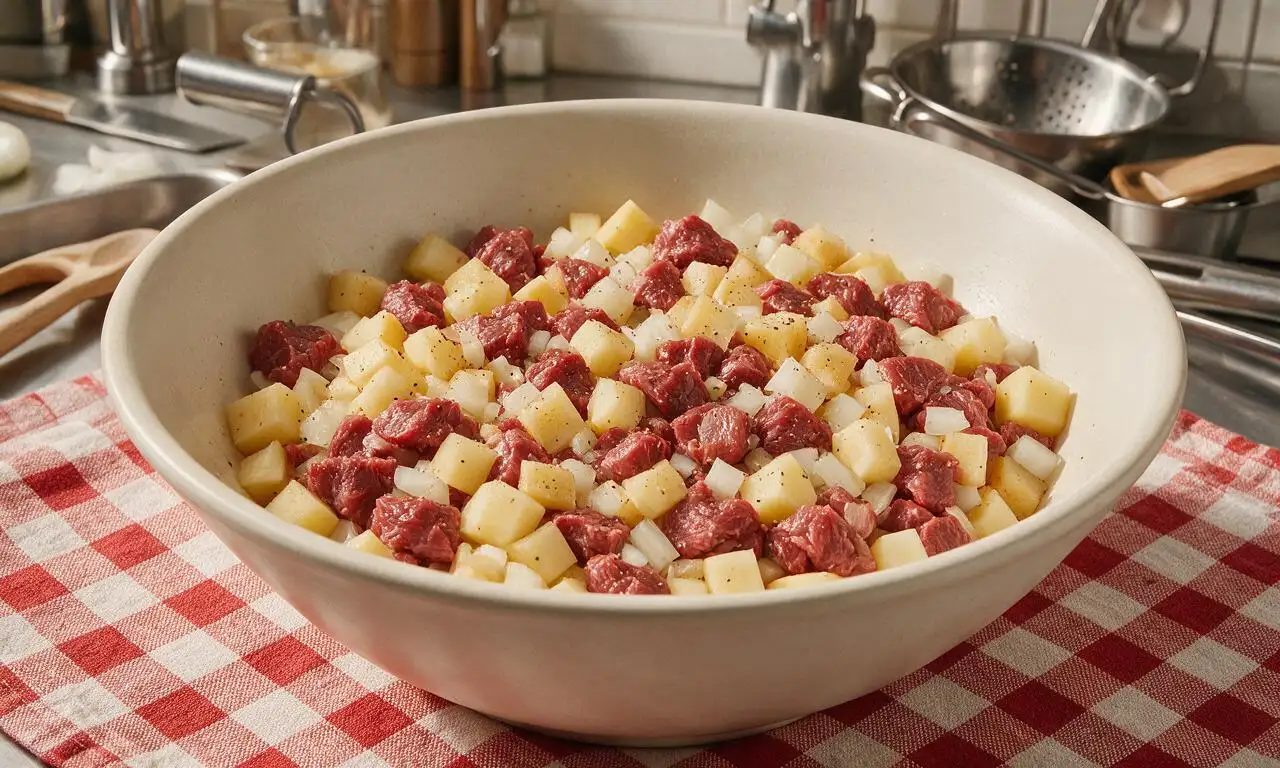
Lean, coarsely chopped round steak or chuck roast is the traditional pick, not ultra-fine extra-lean ground beef. Cut the beef into uniform ¼-inch dice that will stay tender during the long bake without releasing too much excess grease that makes the crust soggy. Skip overly fatty cuts like brisket, which leave pasties greasy and prone to leaking.
5.Why do you call for ice water when mixing the pasty dough?
▾
Ice water keeps the butter in your all-purpose flour dough perfectly cold as you mix, which is critical for creating flaky layers. Warm or room-temperature water will melt the butter before you even get the dough rolled out, leading to a tough, dense crust. I keep a cup of water with ice cubes handy, adding it one tablespoon at a time to avoid over-wetting the dough.
6.Do authentic Michigan pasties include carrots in the filling?
▾
This is a hotly debated topic across the Upper Peninsula! The most classic miner-era versions stick to potato, rutabaga, onion, and beef, but many multi-generational family recipes add small diced carrots too. There’s no wrong pick as long as you cut all root veggies into uniform ¼-inch dice so they cook evenly without turning mushy.
7.How do I prevent a soggy bottom crust on my pasties?
▾
Soggy bottom crust is usually caused by excess filling moisture or poor venting. First, don’t salt your veggie mix far ahead of time, as that draws out excess water. Cut 2-3 small slits in the top of each crimped pasty to let steam escape as they bake, and bake on a preheated sheet pan for an extra-crisp base.
8.What’s the best way to crimp pasties so they don’t leak while baking?
▾
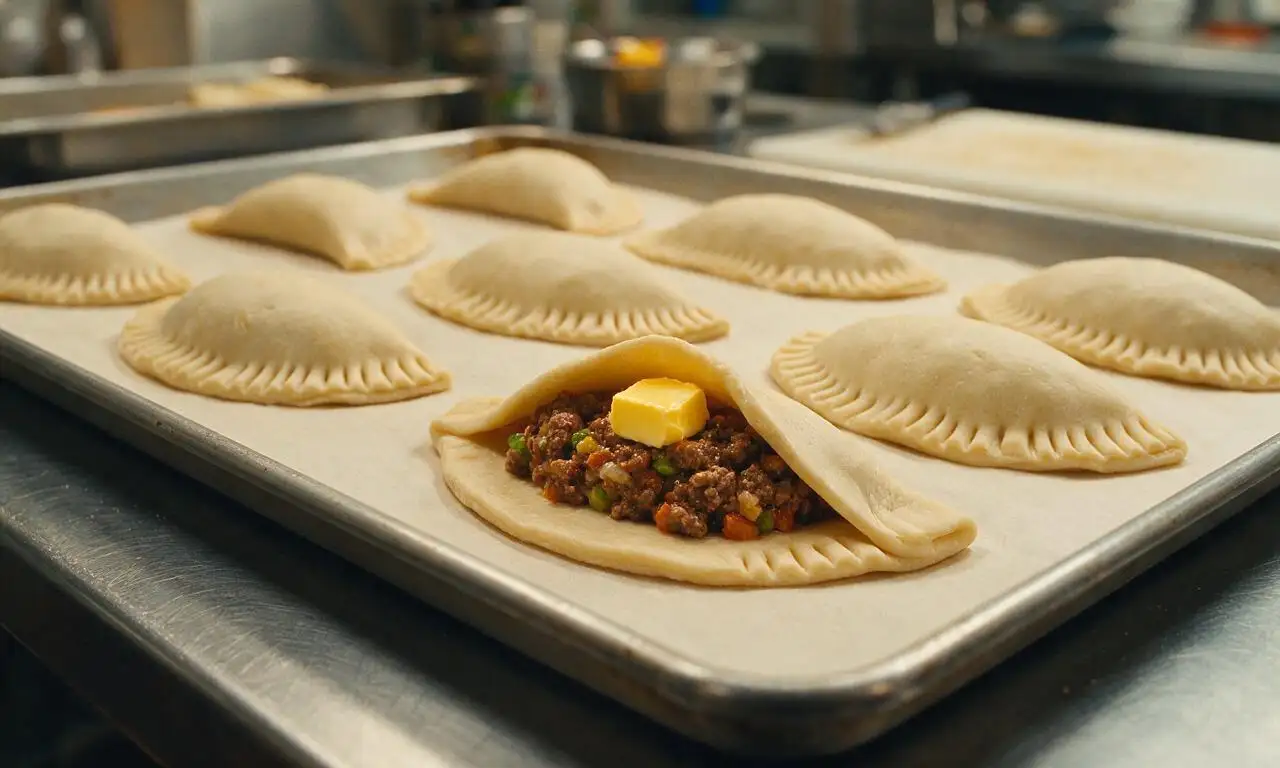
The traditional UP crimp is a thick, rope-style edge that creates a tight seal. After folding the rolled dough circle over your mounded filling, press the edges firmly together first, then fold small ½-inch sections of the edge over on themselves, pressing tightly as you work along the curved side. Skip thin fork crimps, which are too weak to hold bubbling filling.
9.Can I freeze unbaked pasties to bake later for quick meals?
▾
Freezing unbaked pasties is a classic UP make-ahead trick, perfect for busy weeks. Assemble and crimp pasties, arrange them on a baking sheet to freeze solid, then transfer them to labeled freezer bags for up to 3 months. Bake straight from frozen, adding 10-12 minutes to your total bake time—no thawing required.
10.Why did Cornish miners bring pasty recipes to Michigan in the first place?
▾
Cornish immigrant miners brought pasty recipes to the UP during the mid-1800s copper and iron mining booms because pasties were the ideal work lunch. They stayed warm for hours wrapped in newspaper, could be held by the thick crimped edge (which miners discarded to avoid eating mine dirt), and required no utensils.
11.How much kosher salt should I use for the crust and filling?
▾
For a standard 4-pasty batch, use 1 teaspoon of kosher salt in the crust dough to amp up the buttery flavor, and 1 to 1 ½ teaspoons of kosher salt in the filling, adjusted to your taste. If you substitute table salt, cut those amounts in half, since table salt is much denser and saltier per teaspoon than flaky kosher salt.
12.Are traditional Michigan pasties served with ketchup or gravy?
▾
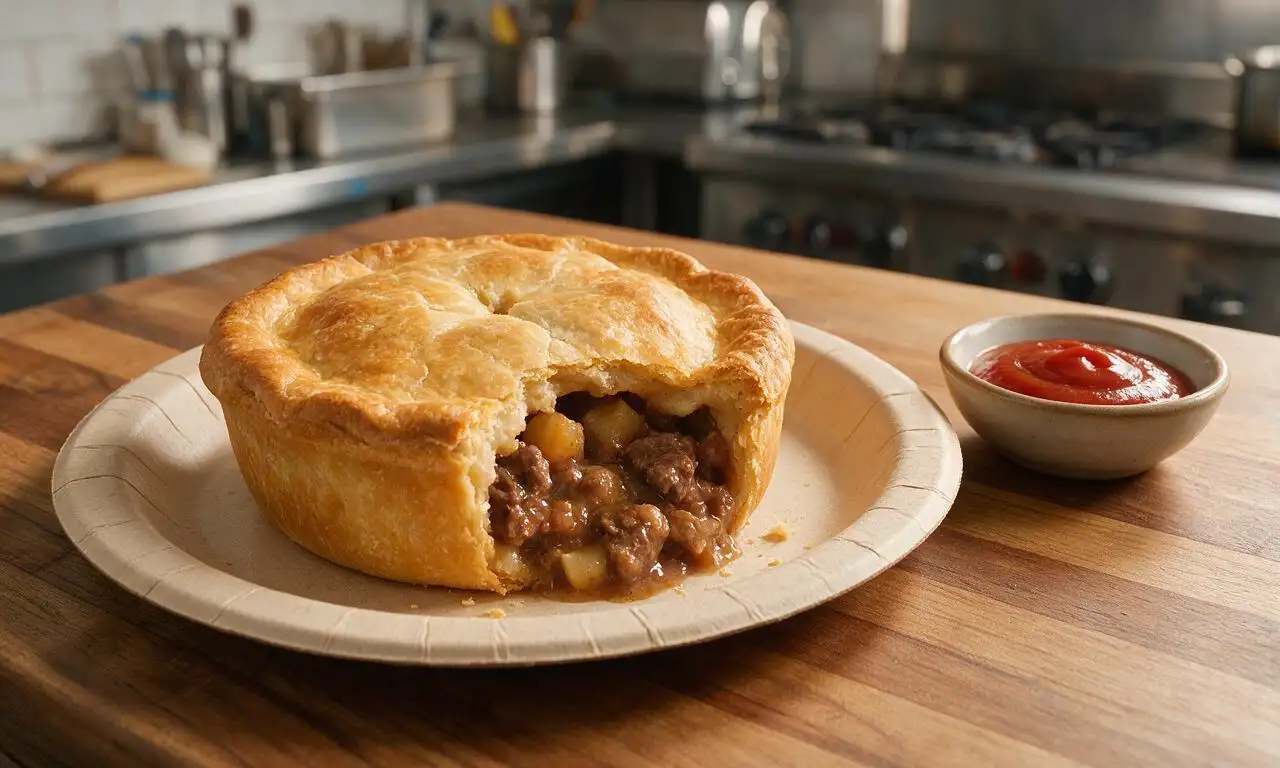
This is another fiercely debated UP topic! Many old-school pasty fans swear by ketchup as the only acceptable condiment, while others serve pasties with a side of brown gravy for dipping. The rule most locals agree on is that you never pour gravy inside the pasty itself, as that makes the crust soggy and ruins the portable design.
13.How thick should I roll the dough for individual pasties?
▾
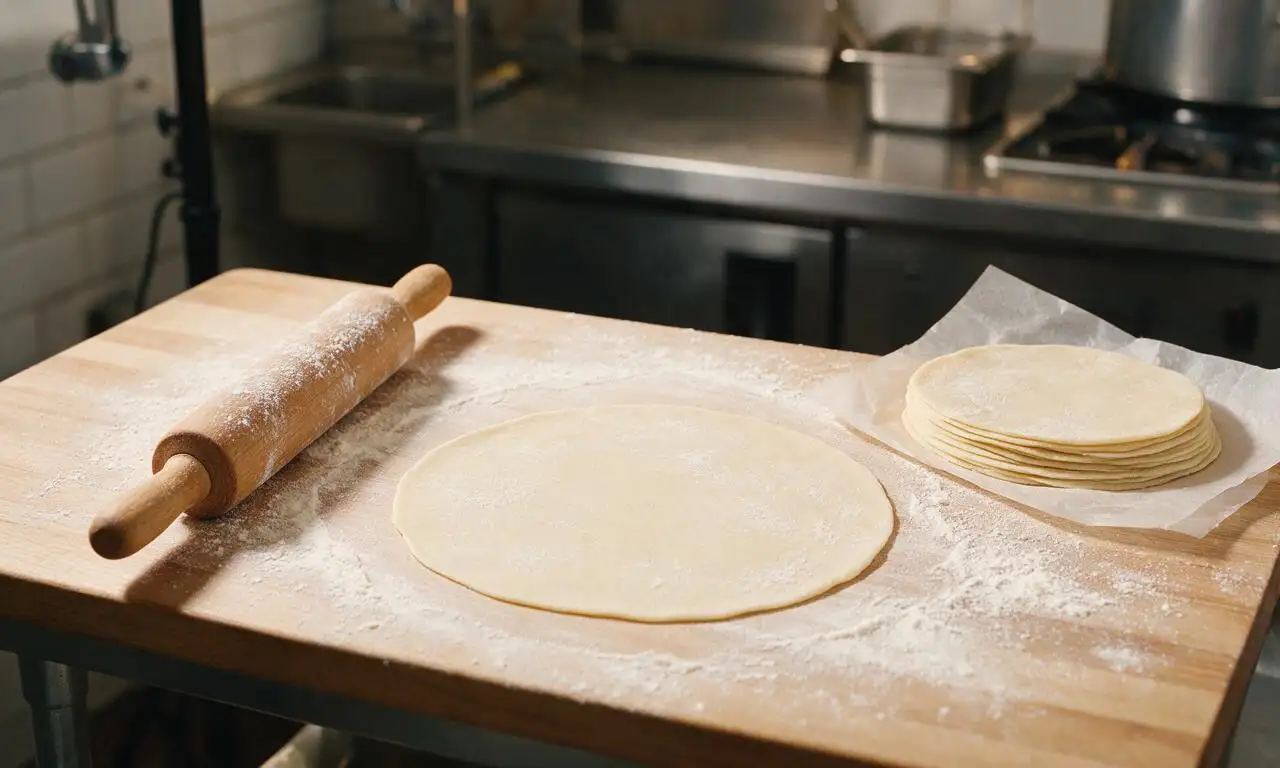
Aim to roll your crust circles to ⅛-inch thickness, roughly 6 inches across for standard individual pasties. If you roll much thinner, the crust will tear under the weight of the filling and leak while baking; if you roll it thicker than ¼ inch, you’ll end up with a doughy, undercooked crust that overwhelms the simple beef and veggie filling.
14.Can I add cheese or other mix-ins to my pasties?
▾
You can absolutely add mix-ins like shredded cheddar, diced turnip, or ground pork to customize your pasties, but know those additions won’t count as traditional by UP standards. If you add cheese, use a low-moisture firm variety to avoid soggy crust, and keep the total filling per pasty to about 1 cup to prevent broken seals.
15.How do I tell when my pasties are fully finished baking?
▾
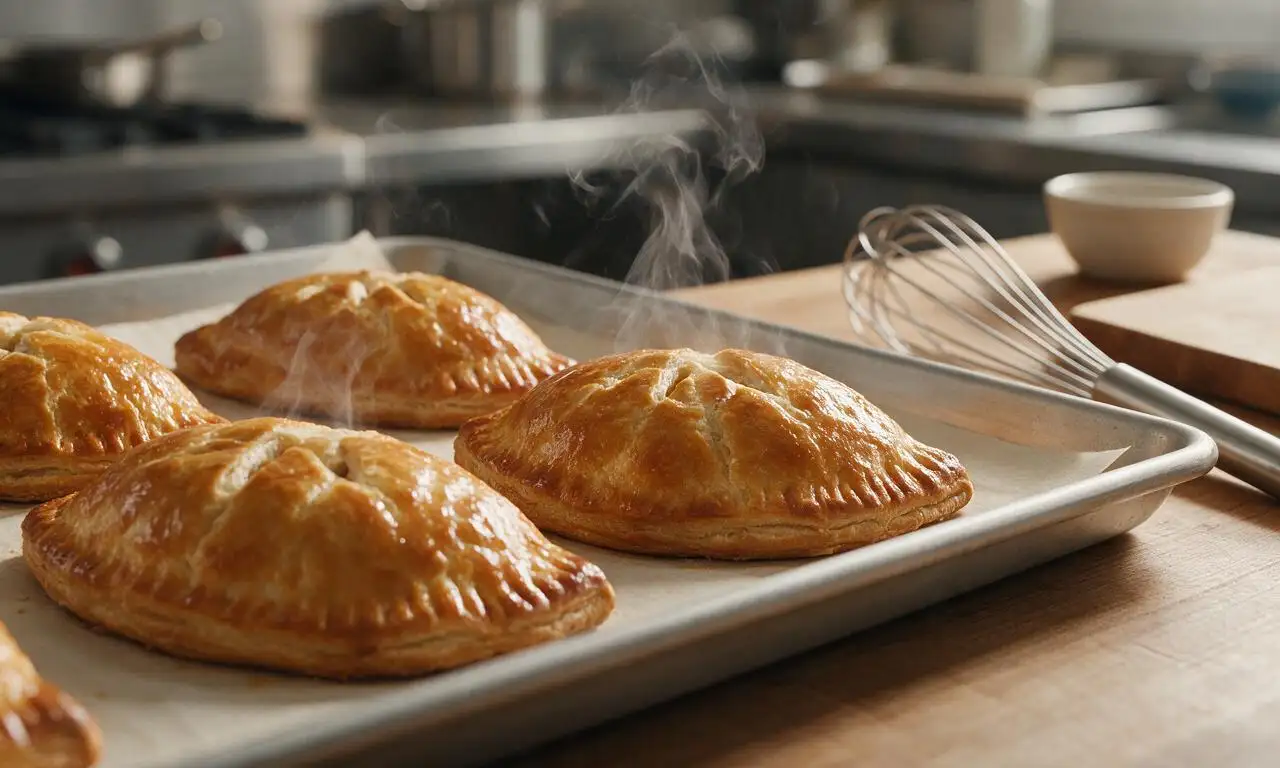
Pasties are done when the crust is a deep, even golden brown all over, and small bubbles of steam escape the top vents after 45-55 minutes in a 375°F oven. If you’re nervous about undercooked veggies, stick a thin knife through a top vent to check that the potatoes and rutabaga are fork-tender before pulling them out.
16.What’s the best way to reheat leftover pasties without making them soggy?
▾
Skip the microwave if you want to keep that crisp, flaky crust—it will turn your pasty chewy and soggy. Instead, reheat leftovers on a baking sheet in a 350°F oven for 12-15 minutes, until the filling is piping hot and the crust is crisp again. If you’re short on time, a 350°F air fryer for 6-8 minutes works perfectly too.
17.Why is ground black pepper the main seasoning in traditional pasties?
▾
Original miner pasties relied on simple, shelf-stable seasonings that didn’t require refrigeration, which is why coarse ground black pepper is the star spice alongside salt. It adds a warm, sharp bite that cuts through the richness of buttery crust and beef, without needing fancy herbs that would have been hard for immigrant families to source.
18.Can I make mini pasties to serve as party appetizers?
▾
Mini pasties make fantastic game day or potluck appetizers! Roll your crust slightly thinner (about 1/10 of an inch) and cut it into 3-inch circles, add 2 tablespoons of filling per pasty, crimp tightly, and cut a tiny vent in each. Bake at 375°F for 22-28 minutes until golden, and serve with ketchup or gravy for dipping.
19.What ratio of beef to vegetables is used in authentic UP pasties?
▾
Authentic recipes stick to roughly a 1:3 ratio of beef to root vegetables, so for every 4 ounces of diced beef, you’ll use 12 ounces total of evenly diced potato, rutabaga, and onion. This ratio keeps the filling moist without being greasy, and lets the sweet, earthy flavor of slow-baked root veggies shine alongside savory beef.



OMG, I grew up eating these at every family cookout up in the UP and I’ve been chasing that flavor for 15 years since I moved downstate! This recipe is dead on — the rutabaga is non-negotiable, don’t skip it like I almost did. My whole crew devoured 6 of these in 10 minutes at our Labor Day potluck. Only note is I crimped the edges a little thicker so none of the juicy filling leaked out while baking. 10/10, will be making these monthly for game days!
Made these for Sunday family dinner last night and my kids loved it! I was worried the cook time would be too long for a weeknight, but I prepped all the filling the night before and it came together so fast after work on Monday too for leftovers. Only thing is I found the dough a little tricky to roll out evenly on my first try — I think I overworked it a bit. Still SO good though, even the lumpy crust ones got eaten.
These are the perfect trail food! I wrapped a couple in foil and tossed them in my pack for a day hike in Rocky Mountain National Park last weekend, and they stayed warm for hours, were super filling, and didn’t get all squished like sandwiches do. Will absolutely be making a double batch for our backpacking trip next month. No more sad trail mix lunches for me!
Game changer for my weekly meal prep! I baked a full batch on Sunday, wrapped each pasty individually in parchment paper, and stuck them in the freezer. They reheat perfectly in the air fryer at 375 for 12 minutes — crispy crust, hot filling, no sogginess at all. Way better than the sad frozen burritos I used to grab for work lunches.
I was intimidated because this is marked medium difficulty, but it was actually way more straightforward than I thought! The only swap I made was adding a tiny bit of shredded carrot to the filling because I had some lying around that I needed to use up, and it worked great. My partner who swears he hates root vegetables ate two and asked when we’re making them again.
Made these in my tiny dorm oven for my roommates and they all thought I was a professional chef lmao. I used pre-made pie crust because I didn’t have the space to make dough from scratch and it still slapped. Saved half the batch for late night study snacks and they’re even good cold straight out of the fridge tbh.
Brought these to my neighborhood block party last weekend and people were asking me for the recipe before I even set the platter down! I made a mini version using a 3-inch biscuit cutter so they were bite-sized, which was perfect for grazing. The only problem was I didn’t make enough — they were gone in 15 minutes flat.
Wait, I always thought pasties were those weird British meat pies, but these are next level? The seasoning is so simple but it works so well with the beef and potatoes. I smoked mine on the pellet grill at 375 instead of baking them in the oven and the crust had that perfect smoky wood-fired flavor. 10/10, will be making these for our next tailgate.
I was so sad when I realized regular pasties have wheat crust, so I swapped the all-purpose flour for a 1:1 gluten free baking flour and it worked perfectly! The crust was flaky, didn’t fall apart when I picked it up, and even my gluten-eating brother said he couldn’t tell the difference. So happy I can enjoy this classic comfort food now.
This tastes exactly like the pasties my Finnish mom used to make when I was a kid growing up in the Upper Peninsula! I added a little extra butter to the crust like she did, and it brought back so many warm memories. My grandkids had never had pasties before and they kept asking for seconds, even the picky one who turns his nose up at anything with potatoes. Such a wonderful, hearty meal for cold winter days — we ate ours with a side of ketchup just like mom always served.
First time ever making a savory hand pie of any kind, and this was way easier than I thought it would be! I did over-salt the filling a little bit on my first go-round, so next time I’ll go lighter on the salt since the beef adds a lot of flavor on its own. Still, even a little over-salted, these were so tasty I ate two for dinner last night.
I made a vegetarian version of these by swapping the ground beef for cooked lentils and finely chopped portobello mushrooms, and it was chef’s kiss! The classic root veggie filling and buttery crust carry so much flavor that I didn’t even miss the meat at all. Brought a batch to my office potluck earlier this week and even the self-proclaimed “carnivore only” guys on my team were going back for seconds. Will absolutely be adding this to my regular fall dinner rotation.