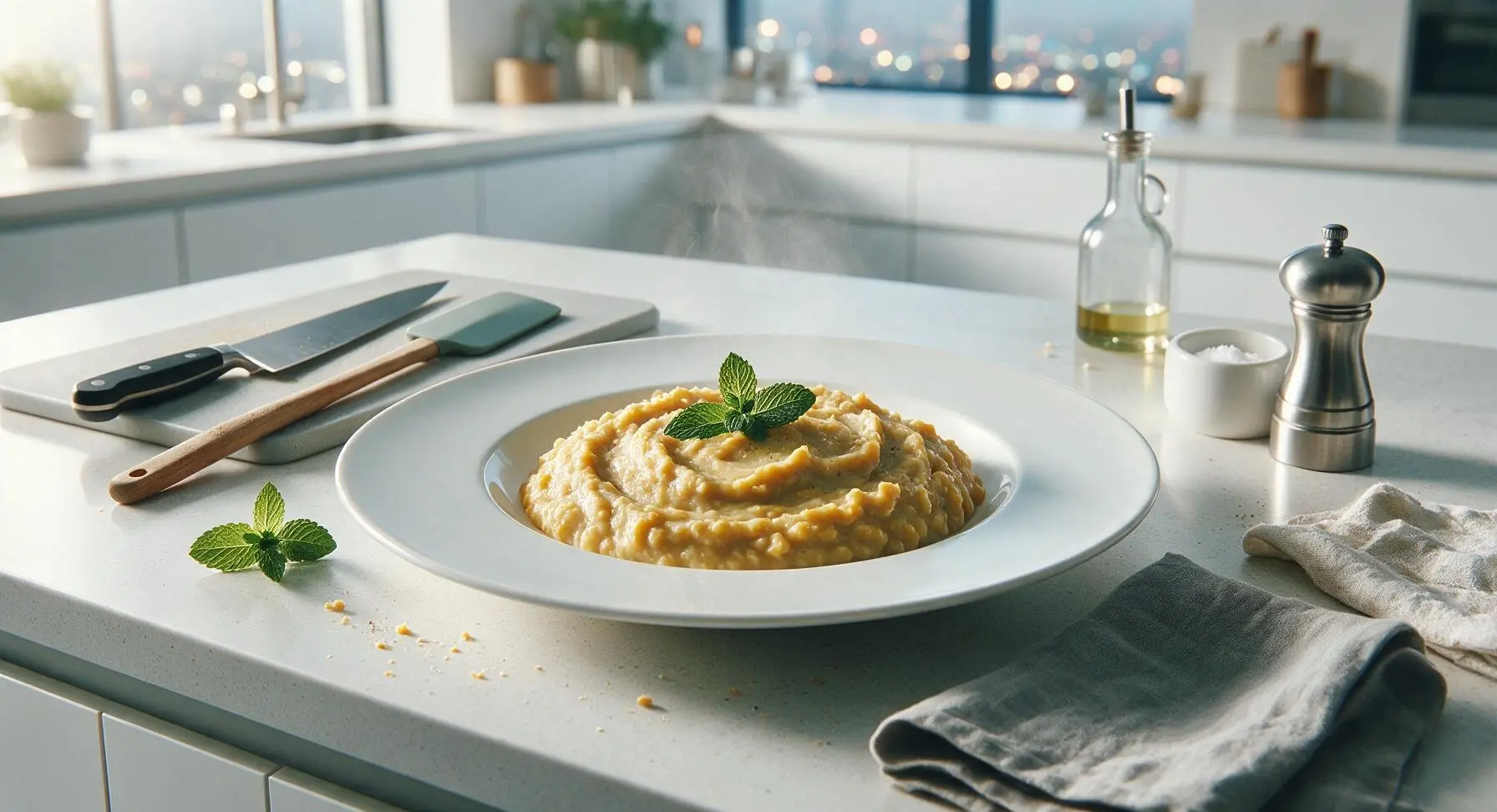
pea pudding

title 1
pea pudding
⏱️ cook time 1 hour 15 minutes
🍽️ servings 4
⚡ Difficulty easy

intro

Creamy, earthy split yellow pea pudding, slow-simmered to velvety smoothness, simply seasoned to pair perfectly with roasted ham, crusty bread, or Sunday roast trimmings.

Ingredients
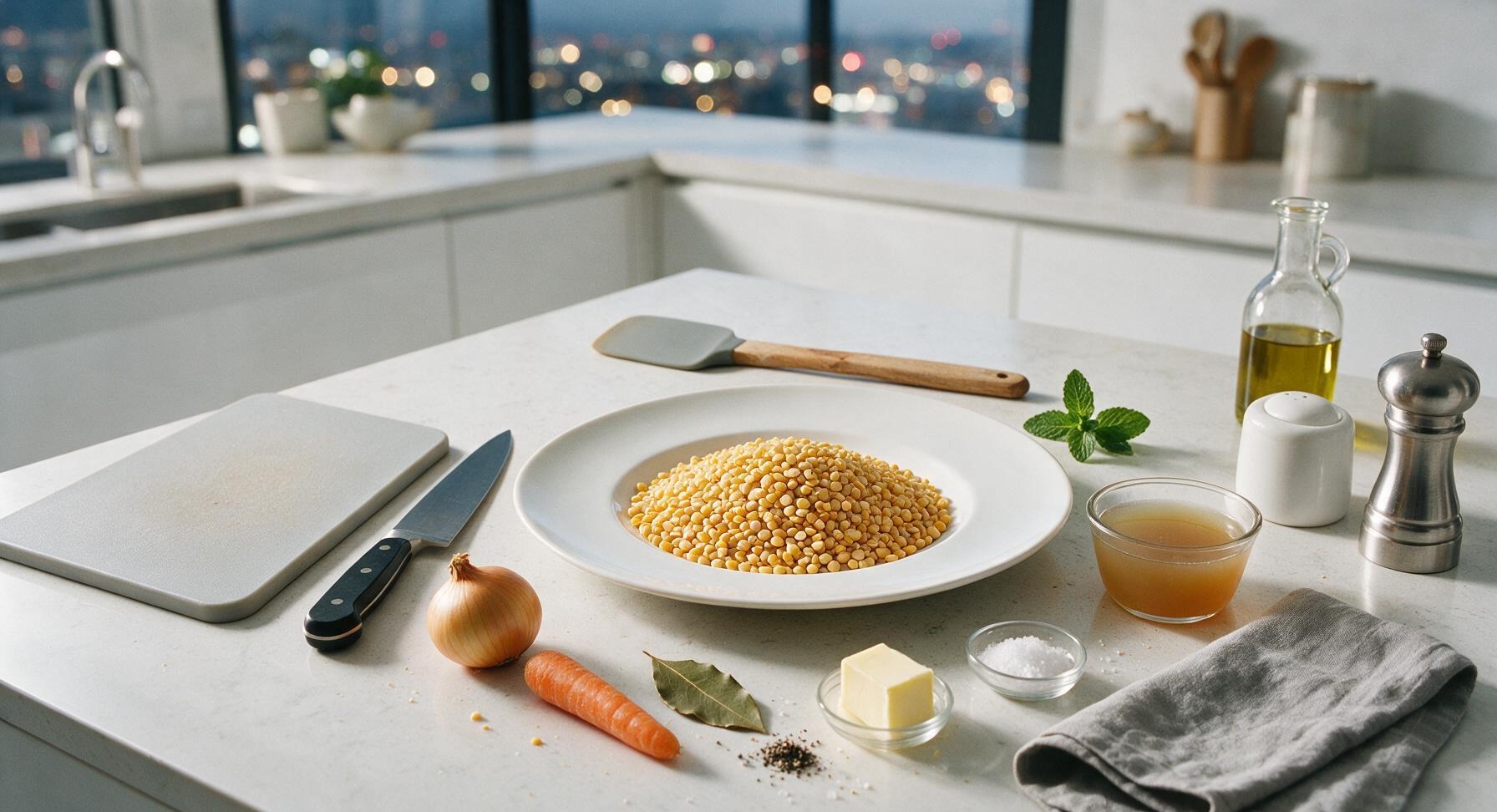
Dried split yellow peas 200g
Small yellow onion 1 (100g)
Small carrot 1 (70g)
Bay leaf 1 whole
Low-sodium ham or vegetable stock 500ml
Unsalted butter 25g
Coarse sea salt 1 tsp
Freshly ground black pepper ½ tsp

Steps

1

Rinse and Sort Peas

Place the 200g dried split yellow peas in the colander. Pick through to remove any small stones, discolored peas, or debris. Rinse thoroughly under cold running water for 1 minute, until the water runs clear. For shorter cook time and more even texture, you may soak the peas in a bowl of cold water (covered by 5cm) for 8 hours at room temperature before draining and using; soaking reduces cook time by approximately 20 minutes.
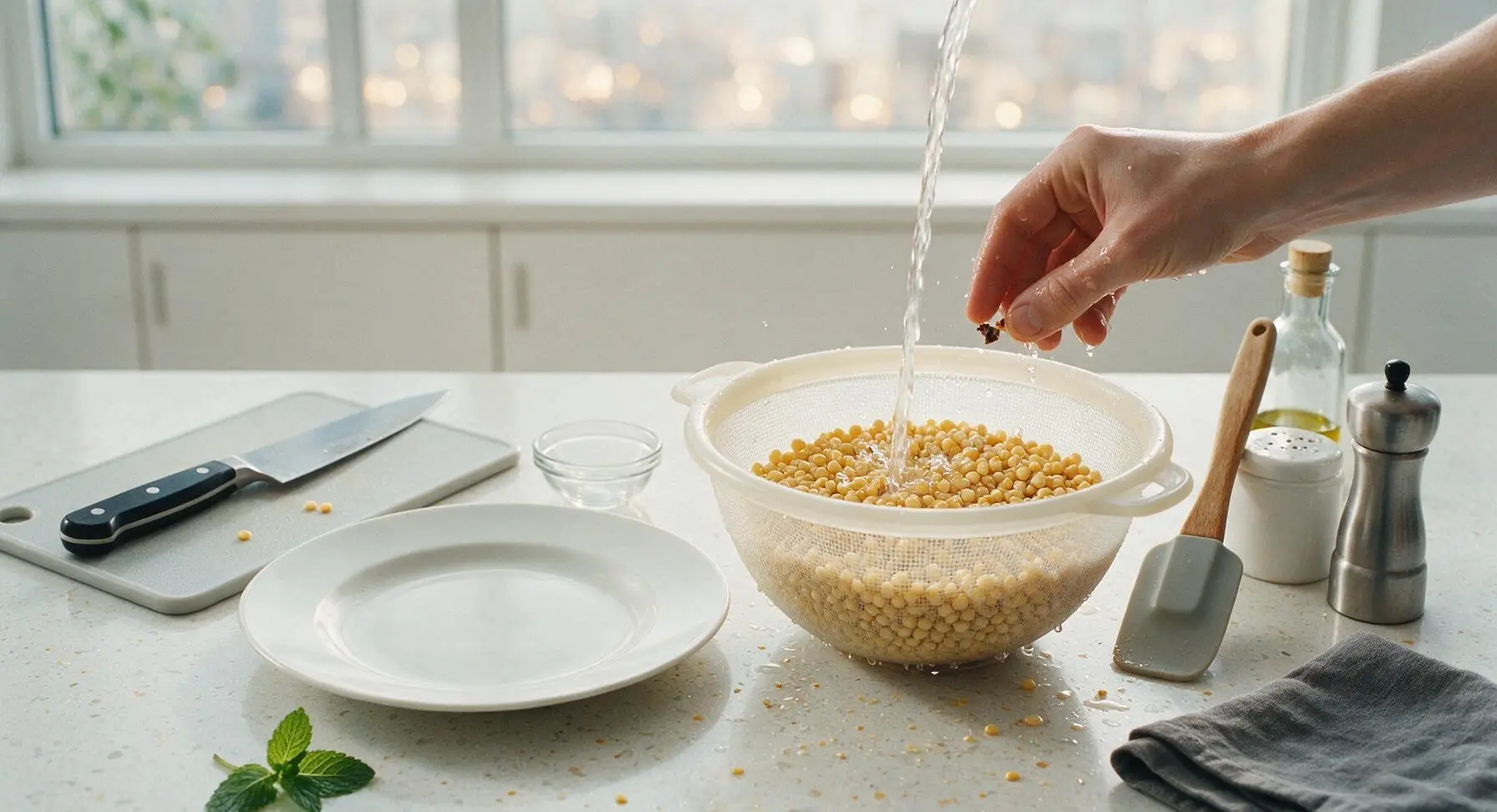
Step 1
step1:Rinse and Sort Peas
2

Chop Aromatic Vegetables

Place the bamboo cutting board on the counter. Use the paring knife to peel the small yellow onion, then cut it into 4 large wedges (no fine dicing needed, as the vegetables will be removed or mashed later). Peel the small carrot and cut it into 3 thick chunks. Set vegetables aside next to the stovetop.
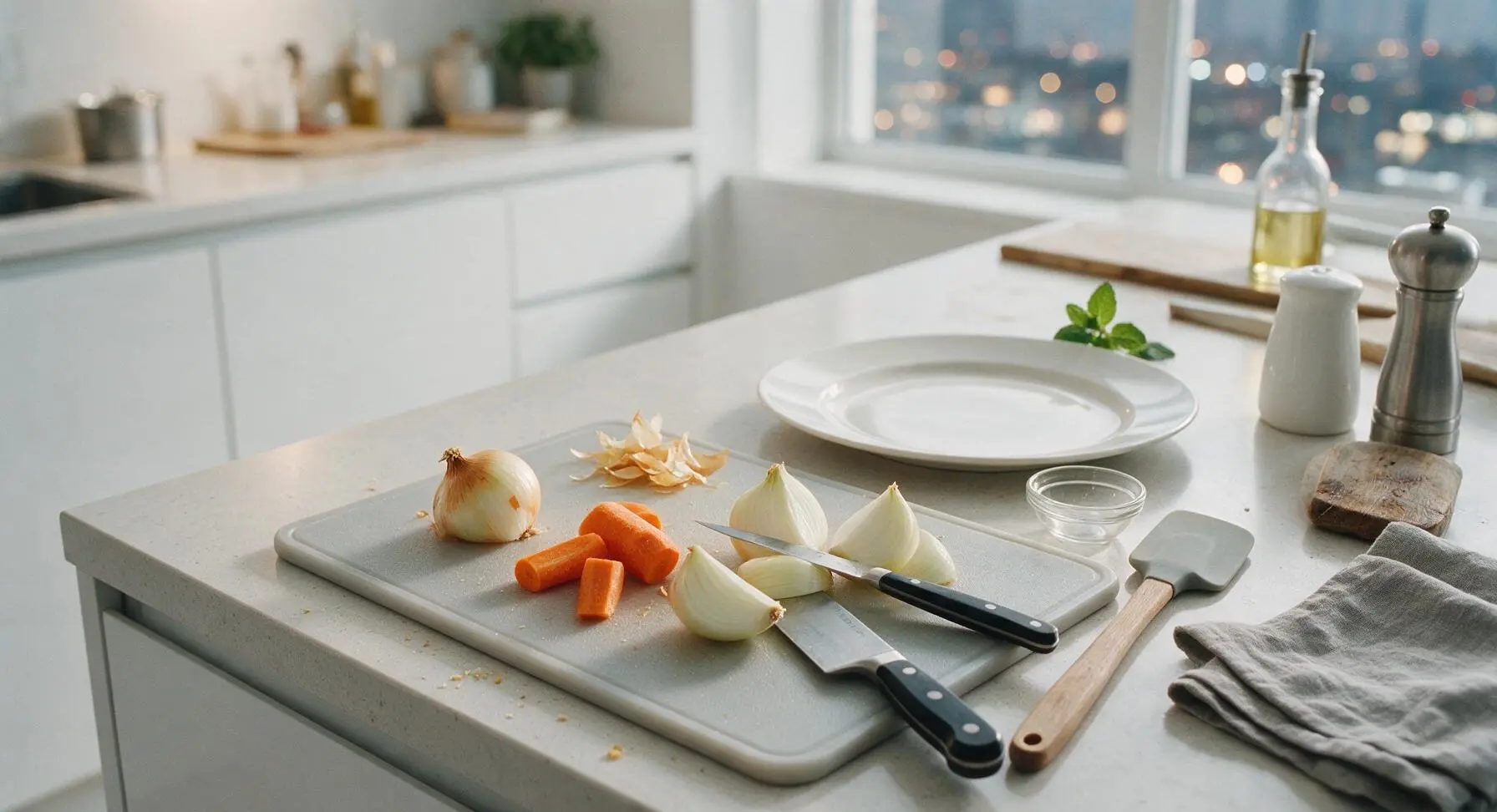
Step 2
step2:Chop Aromatic Vegetables
3

Combine Peas and Aromatics

Place the 3L stainless steel saucepan on the stovetop burner at center back of the counter. Add the rinsed, drained split peas, onion wedges, carrot chunks, and 1 bay leaf to the pot. Pour in 500ml of ham or vegetable stock, plus an extra 150ml cold water to ensure all ingredients are covered by 2cm of liquid.

Step 3
step3:Combine Peas and Aromatics
4

Slow Simmer Peas

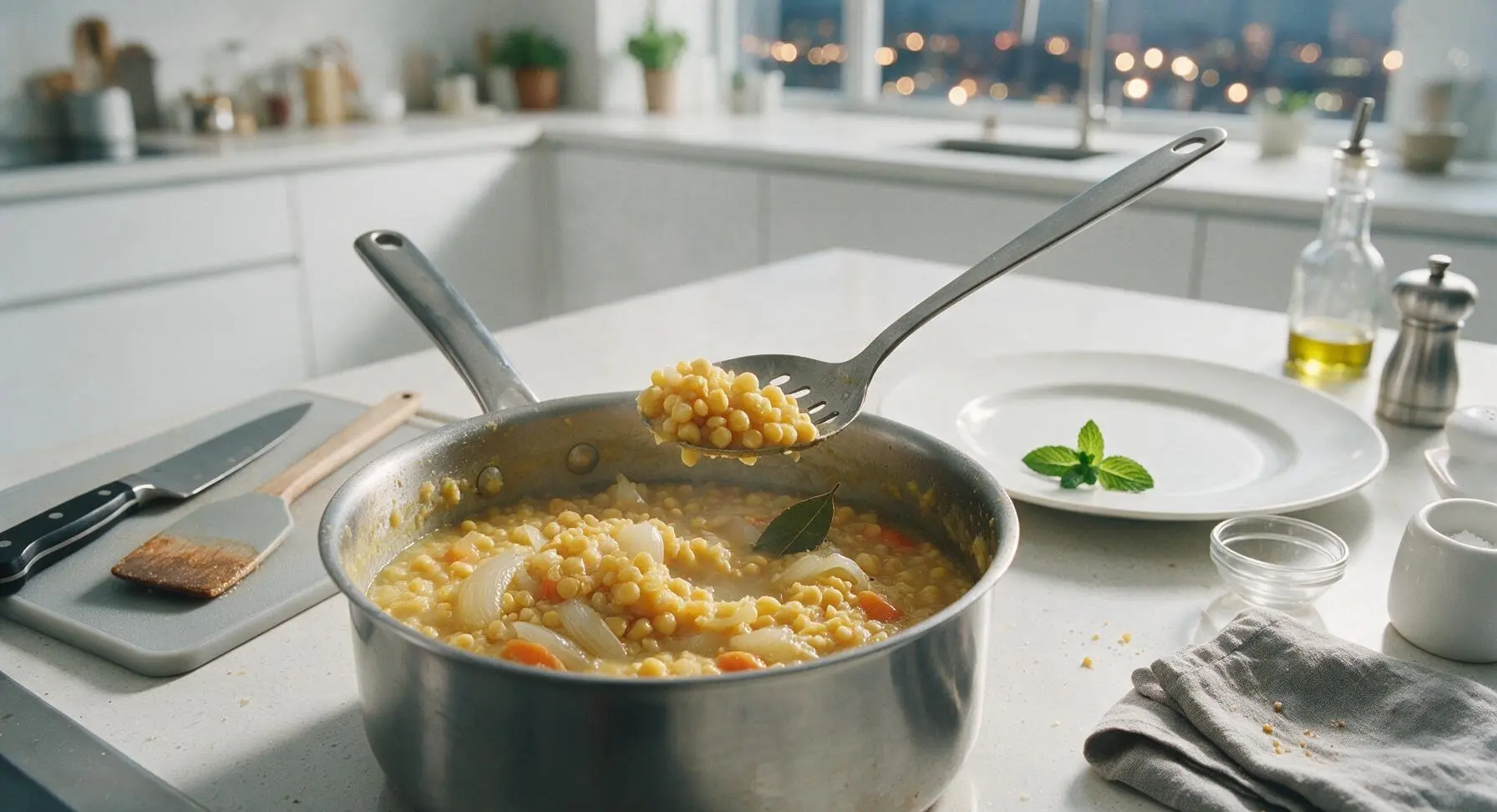
Turn the burner to medium-high heat and bring the liquid to a gentle rolling boil (approximately 5-7 minutes). Once boiling, reduce heat to the lowest setting, cover the pot with its lid slightly ajar (1cm gap) to let steam escape and prevent boil-over, and simmer for 1 hour to 1 hour 15 minutes. Stir every 15 minutes with the slotted spoon to prevent peas from sticking and burning on the pot bottom. The peas are fully done when they crush completely between your thumb and forefinger with no hard, gritty white core, and break apart easily when stirred.
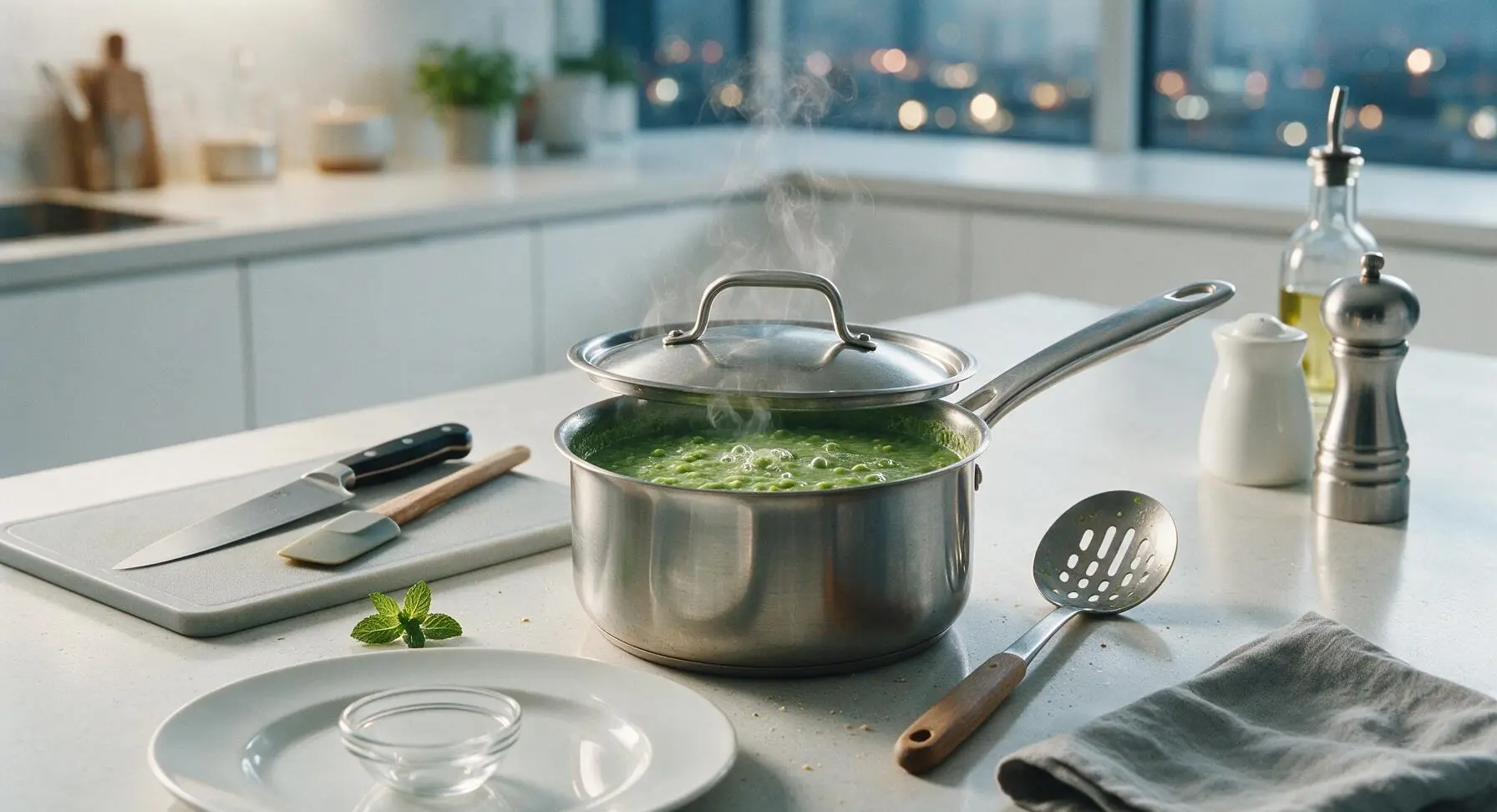
Step 4
step4:Slow Simmer Peas
Step 4
step4:Slow Simmer Peas
5

Mash Cooked Peas

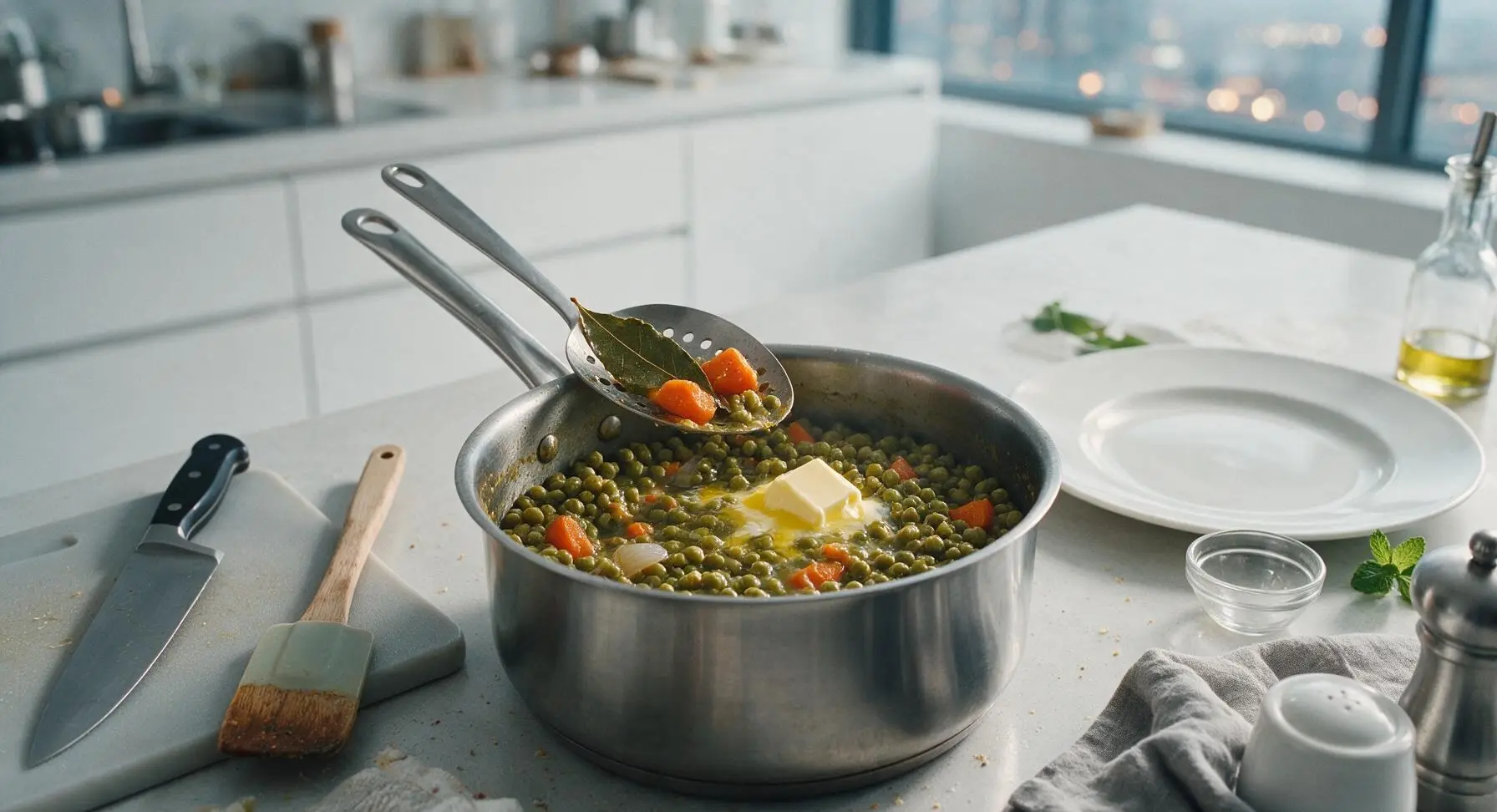
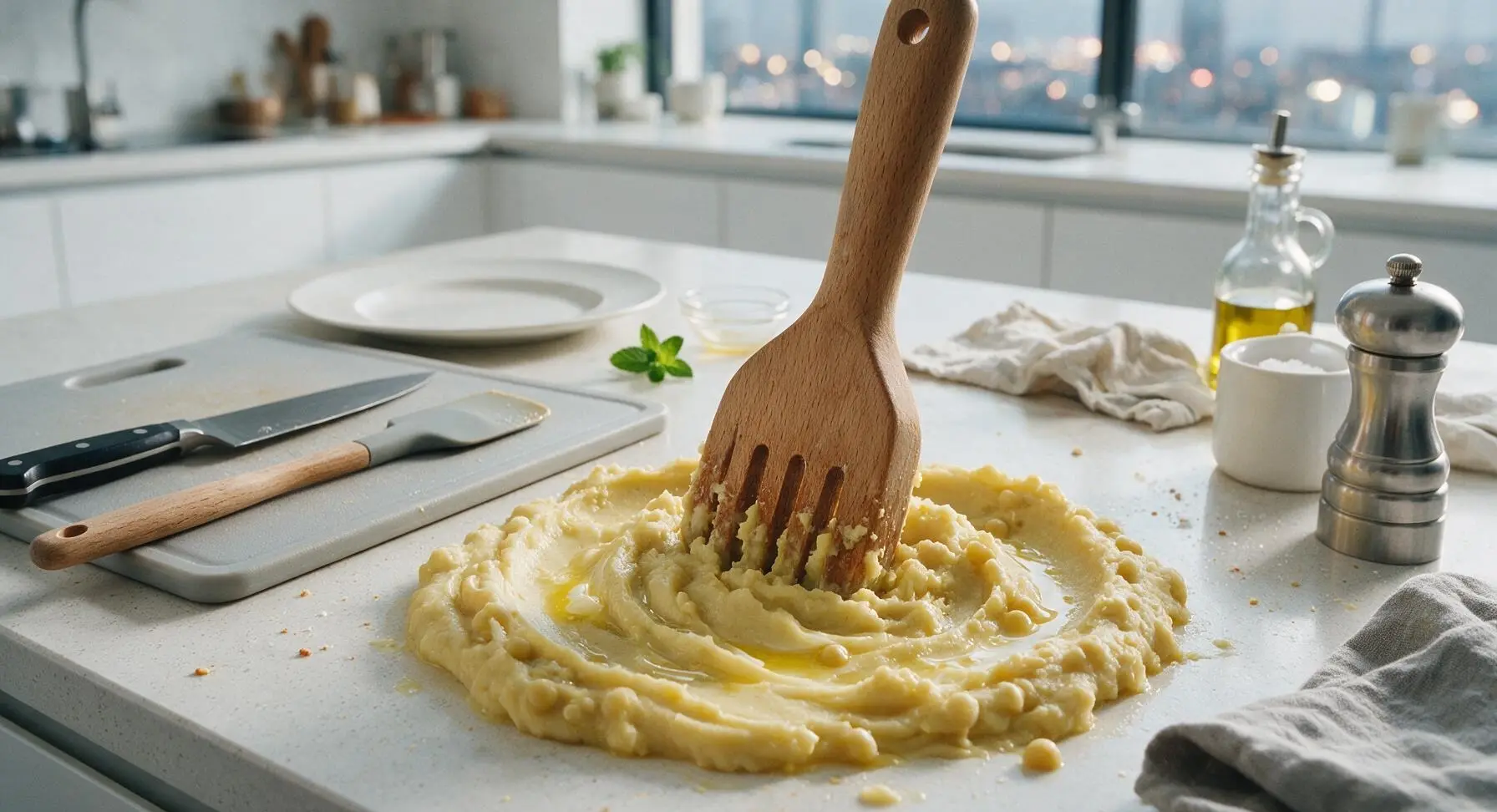
Use the slotted spoon to fish out the bay leaf, carrot chunks, and onion wedges (you can leave 1-2 soft onion pieces in for extra savory flavor if preferred, as they will mash smoothly). Add 20g of the unsalted butter to the hot peas, letting it melt for 30 seconds. Use the beech wood potato masher to mash the peas to your desired consistency: completely smooth and velvety for traditional pea pudding, or slightly coarse and chunky for a rustic, textured version. If the pudding is thicker than thick oatmeal, stir in 1-2 tablespoons of warm water or whole milk to reach a thick, spreadable consistency that holds its shape when mounded.
Step 5
step5:Mash Cooked Peas
Step 5
step5:Mash Cooked Peas
6

Season Pudding Well

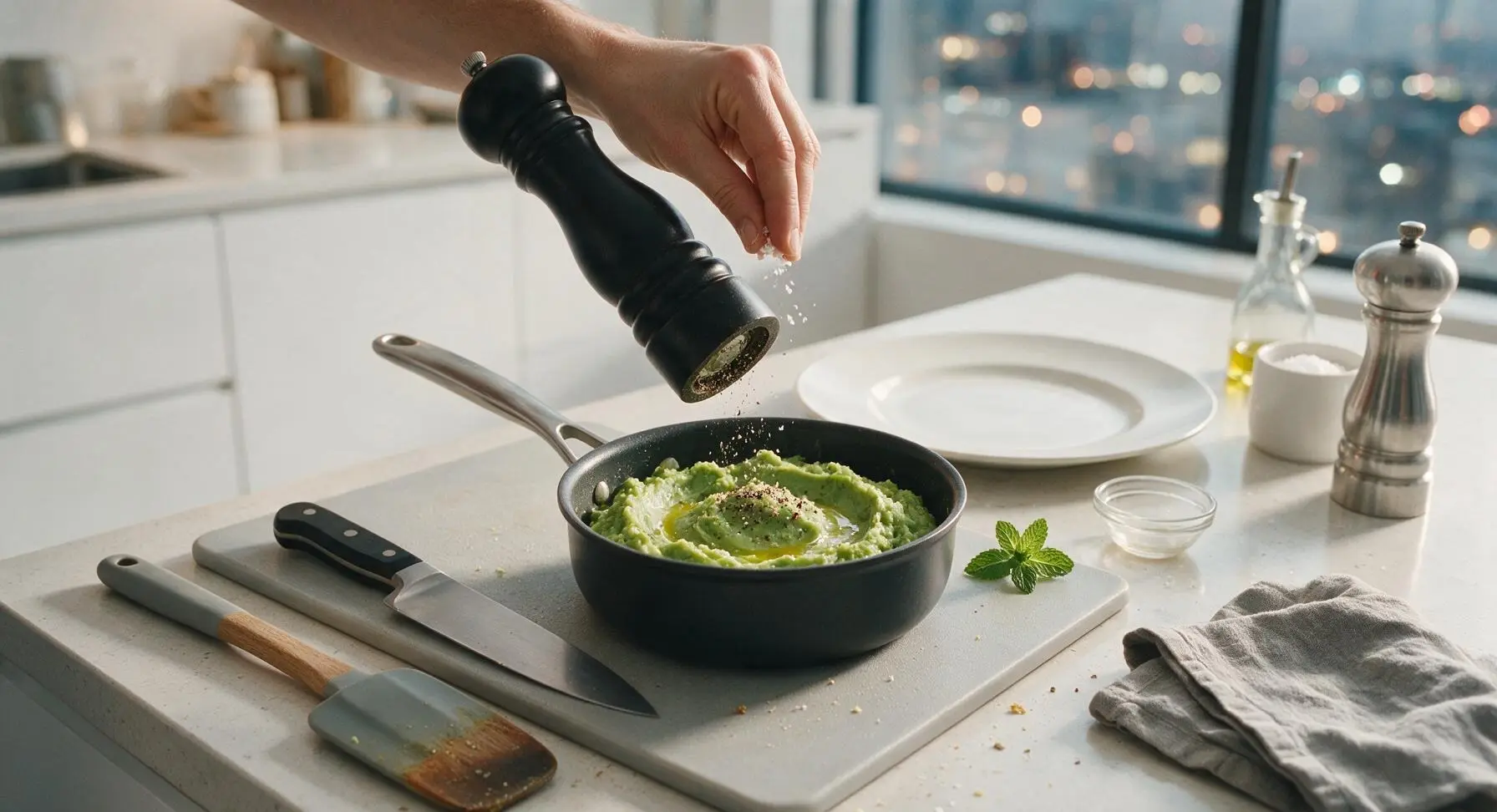
Stir in ¾ teaspoon of coarse sea salt and ½ teaspoon of freshly ground black pepper first, then taste and adjust seasoning as needed. If you used salty ham stock instead of vegetable stock, you may only need ¼ teaspoon of extra salt. The finished pudding should taste creamy, earthy, and savory, with no flat, raw starchy aftertaste.
Step 6
step6:Season Pudding Well
7

Plate and Serve Warm

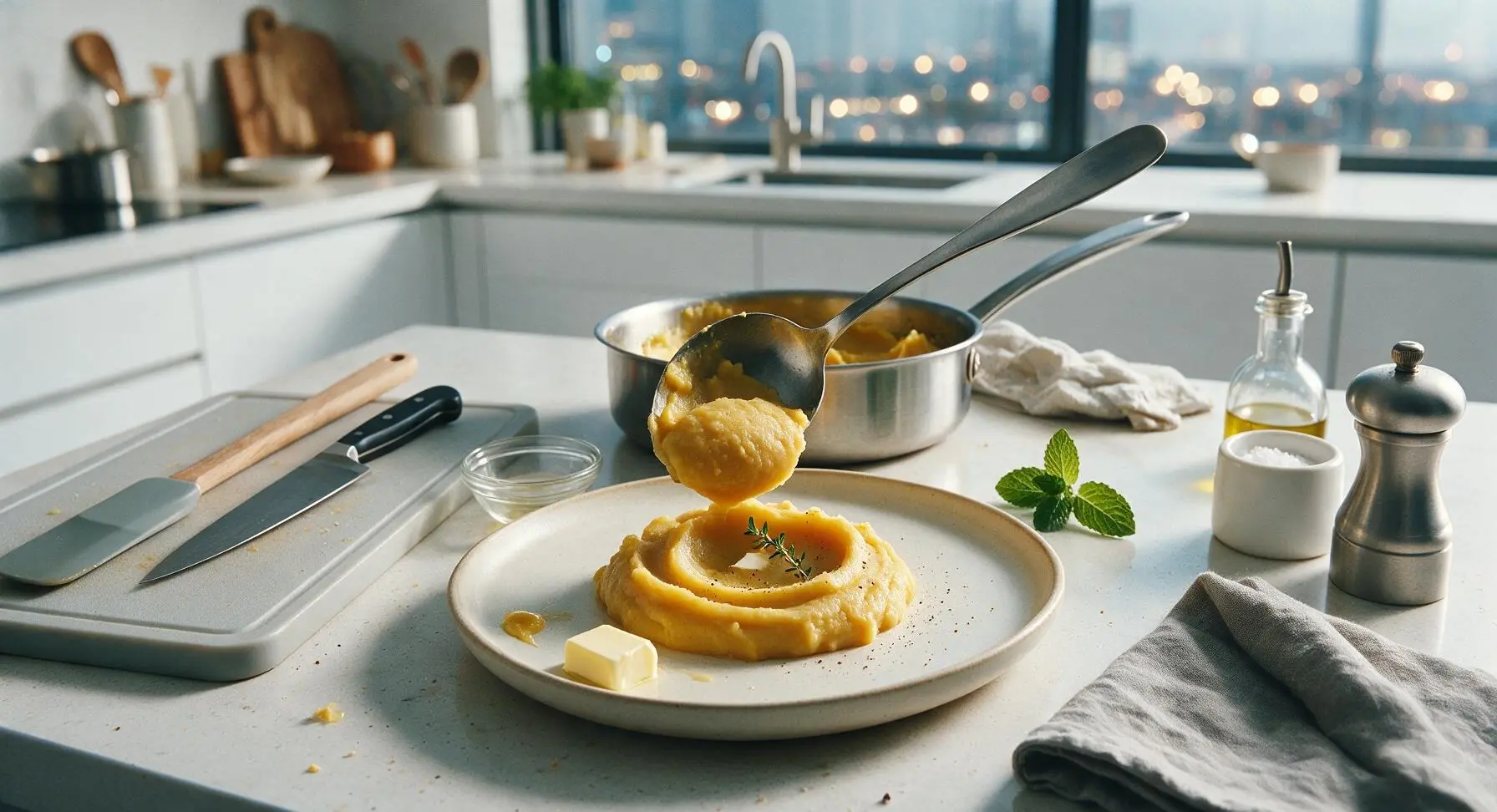
Scoop the warm pea pudding into a gentle mound in the center of the matte cream stoneware dinner plate. Use the back of the spoon to make a small 2cm indentation in the top of the pudding mound, then place the remaining 5g of butter in the indentation to melt into a golden pool. Garnish with a small sprig of fresh thyme plucked from the bunch by the oil bottle, plus one light extra crack of black pepper across the surface. Serve immediately alongside roasted gammon, crusty bread, or grilled sausages for a classic British meal.
Step 7
step7:Plate and Serve Warm

Tips

1.Don’t skip picking through the dried split peas: even pre-packaged, washed peas can occasionally contain small stones or hard field debris that can break a tooth or ruin the silky smooth texture of the finished pudding.
2.For authentic North Eastern British flavor, simmer the peas with a small 200g smoked ham hock instead of plain stock: remove the hock after cooking, shred the tender meat to serve alongside the pudding, and cut added salt in half to account for the ham’s natural saltiness.
3.Pea pudding thickens to a firm, sliceable consistency as it cools: if making ahead, store in an airtight container in the fridge for up to 3 days, and stir in 2-3 tablespoons of warm water or stock when reheating to bring back its smooth, spreadable texture.
✨ You May Also Like

Side Dishes
🍜 India

Velvety, aromatic all-purpose curry sauce perfect for tossing with roasted veggies, grilled protein, or rice for fast, cozy, flavorful meals.

⏱️ 25 minuteSide Dishes ★ 4.8
Side Dishes
🍜 Spain

Tender, starchy boiled yuca tossed in bright, garlicky citrus mojo sauce—an iconic, zesty side that pairs beautifully with roasted pork, grilled meats, and rice and beans.

⏱️ 40 minuteSide Dishes ★ 5
Side Dishes
🍜 United States

Tender, paper-thin potato flatbread, a beloved Norwegian-American Minnesota Christmas staple, griddled until softly spotted and served warm with butter.

⏱️ 1 hour 30Side Dishes ★ 4.6
Side Dishes
🍜 United States

Rich, deeply savory cured salt pork, a long-lasting kitchen staple perfect for frying crispy as a side or adding umami to stews, beans, and chowders.

⏱️ 7 days (2Side Dishes ★ 4.9
Side Dishes
🍜 United States

Crispy, tangy classic Southern fried green tomatoes with a crunchy cornmeal crust, served hot for a nostalgic, comforting summery bite.

⏱️ 25 minuteSide Dishes ★ 4.9
Side Dishes
🍜 United States

Moist, golden-crusted savory muffins with sweet corn, zesty jalapeño, and melted cheddar, perfect for pairing with smoky summer grilled fare.

⏱️ 30 minuteSide Dishes ★ 4.9

pea pudding:Frequently Asked Questions

1.Do I need to soak dried split yellow peas before making pease pudding? ▾
You don’t have to soak split yellow peas, but a 4–8 hour cold water soak cuts cooking time by roughly 30% and delivers a more evenly velvety texture with no gritty undercooked bits. If you skip soaking, add an extra ½ cup of stock and plan for 20–30 extra minutes of simmer time, stirring occasionally to prevent sticking.
2.Can I use green split peas instead of yellow split peas for this recipe? ▾
You can, but know the final flavor and color will be slightly different. Green split peas have a brighter, grassier, less earthy sweetness than yellow split peas, and will turn the pudding a muted olive green instead of the classic pale golden hue. The texture will be nearly identical, so it works fine if yellow peas are hard to source.
3.What’s the difference between pease pudding and regular split pea soup? ▾
The biggest difference is moisture content and final texture. Split pea soup is thin enough to pour, with a loose, brothy base, while pease pudding is simmered until most liquid is absorbed, then mashed or blended to a thick, spreadable, firm consistency that holds its shape when scooped, rather than running.
4.Why does the recipe call for low-sodium stock instead of regular stock? ▾
Pease pudding is traditionally served alongside salty roasted ham or cured pork, so using regular high-sodium stock can lead to an overly salty final dish that clashes with its classic pairings. Low-sodium stock lets you control salt levels to taste, adjusting at the end to complement whatever you’re serving it with.
5.Can I make pease pudding completely vegetarian or vegan? ▾
Absolutely! Just swap the low-sodium ham stock for good quality low-sodium vegetable stock, and skip any animal fat or butter when finishing. The sweet, earthy flavor of slow-simmered peas, onion, carrot, and bay leaf still shines, and it pairs beautifully with roasted veggies or crusty sourdough bread.
6.Do I have to peel the onion and carrot before adding them to the simmering peas? ▾
You only need to scrub the carrot well and remove the papery outer skin from the onion, but I recommend pulling both vegetables out before mashing or blending the pudding. They add deep, savory flavor while simmering, but leaving chunks in will ruin the smooth, even texture that defines classic pease pudding.
7.How long does it take to simmer pease pudding to the right texture? ▾
If you pre-soaked your split yellow peas, plan for 45–55 minutes of gentle, low simmer in stock with the onion, carrot, and bay leaf. If using unsoaked peas, that time jumps to 75–90 minutes. The peas are done when they crush completely between your thumb and forefinger with zero gritty resistance.
8.My pease pudding turned out too thin and runny—what did I do wrong? ▾
This usually happens if you added too much stock, or didn’t simmer it long enough for excess liquid to evaporate. Fix it by removing the bay leaf and vegetables, then simmering the peas uncovered over low heat for 10–15 extra minutes, stirring frequently to avoid sticking, until it reaches a spreadable consistency.
9.My pease pudding is lumpy and gritty instead of smooth—how do I fix that? ▾
Gritty, lumpy pease pudding almost always comes from undercooking the peas, or not mashing them thoroughly enough. If the peas are fully tender, use an immersion blender for 30–60 seconds to get that velvety texture, or push the cooked peas through a fine mesh sieve for an extra silky, traditional finish.
10.Can I leave the bay leaf in the pudding when I mash it? ▾
Definitely not. Bay leaves stay tough and slightly sharp even after hours of simmering, and they pose a small choking hazard if left in the finished dish. Always fish out the bay leaf, plus the whole simmered onion and carrot, before you mash or blend the peas to a smooth pudding consistency.
11.What are the most traditional ways to serve pease pudding? ▾
The classic British pairing is thick scoops of pease pudding alongside slow-roasted salty ham, as part of a full Sunday roast spread. It’s also delicious slathered thick on crusty brown bread with a pinch of black pepper, served alongside sausage, or paired with simply grilled pork chops.
12.Can I add extra seasonings like garlic or herbs to the basic recipe? ▾
You absolutely can, though traditional pease pudding is kept very simply seasoned to let the sweet pea flavor shine. A single crushed clove of garlic simmered with the peas, a pinch of dried thyme, or a crack of black pepper works beautifully—just skip heavy, strong spices that overpower the mild, earthy base.
13.How should I store leftover pease pudding, and how long does it keep? ▾
Let the cooked pudding cool completely to room temperature, then transfer it to an airtight container and refrigerate it for up to 5 days. It will thicken and firm up as it chills, which is normal—just stir in a splash of stock or water when reheating to loosen it back to your preferred creamy consistency.
14.Can I freeze pease pudding for later use? ▾
Yes, it freezes incredibly well! Portion the cooled pudding into freezer-safe bags or airtight containers, leaving ½ inch of headspace for expansion, and freeze for up to 3 months. Thaw it overnight in the fridge, then reheat gently on the stovetop, stirring in a little extra stock if it feels too thick.
15.Do I need any special equipment to make smooth pease pudding? ▾
No fancy gear is required! While an immersion blender makes quick work of getting a silky texture, you can get perfect results with a regular potato masher for a slightly rustic, traditional texture, or push cooked peas through a metal sieve with a spoon for an ultra-smooth finish without electric tools.
16.Why is my pease pudding bitter tasting? ▾
Bitter pease pudding usually comes from one of two issues: either your split yellow peas were old and rancid (dried peas kept longer than 2 years in the pantry develop bitter, stale off-flavors), or you used burnt, overly dark stock. Taste your dried peas before cooking, and use fresh, mild stock to avoid this problem.
17.Can I make pease pudding in a slow cooker instead of on the stovetop? ▾
That’s actually one of the easiest, most hands-off ways to make it! Add all your ingredients to the slow cooker, cover, and cook on LOW for 6–7 hours (or HIGH for 3–3.5 hours) until the peas are completely tender, then remove the veg and bay leaf, mash to your preferred consistency, and adjust salt to taste.
18.Is pease pudding the same thing as mushy peas? ▾
No, they’re two distinct British pea sides! Mushy peas are made from rehydrated marrowfat peas, often with added mint and sugar, and have a bright green, soft texture. Pease pudding is made from split yellow peas slow-simmered with stock, onion, carrot, and bay for a denser, earthier, pale golden side.
19.Should I add butter or cream to pease pudding to make it creamier? ▾
It’s not traditional, but a small pat of unsalted butter stirred in right after mashing adds a lovely rich, silky finish without overpowering the pea flavor. Skip heavy cream, though—it thins the pudding too much and dilutes the earthy, sweet split pea flavor that makes this dish such a classic pairing for salty roasted meats.

Comments (11)

2 days ago

OMG this pease pudding was SO good! I made it for our Sunday family dinner alongside ham and roasted veggies, and even my super picky 7 year old asked for seconds. I was worried it’d be too bland but the split peas cooked up perfectly creamy with just the right amount of savoriness. Total game changer for cheap, easy weeknight sides too!

yesterday

Wait did you soak the peas first? I tried making this last year and they stayed crunchy forever no matter how long I boiled them, wondering if I skipped a step!

yesterday

So glad your family loved it! Quick tip for anyone with crunchy peas: if you’re short on time you don’t *have* to soak them, but adding a 4 hour (or overnight) soak cuts cook time way down and ensures that super creamy texture every time. If you don’t soak, just add 15 extra minutes of simmer time and make sure your water is at a rolling boil before turning it down!

3 days ago

Made this for my neighborhood potluck last weekend and people were hounding me for the recipe all night! I added a tiny pinch of smoked paprika to give it a little extra depth, paired it with grilled sausages and it was chef’s kiss. So easy to throw together even with a million other things going on for the cookout.

2 days ago

That smoked paprika addition sounds incredible! I love when folks add their own little twist to classic recipes — I’ll have to try that at my next cookout too!

1 week ago

I batch cooked this on Sunday for my work lunches all week, and it held up perfectly in the fridge! I portion it out with a piece of baked salmon and some steamed broccoli and it’s such a filling, high-fiber meal that doesn’t leave me crashing mid-afternoon. Will absolutely be adding this to my regular rotation.

5 days ago

So happy I found this recipe! I’ve been looking for more gluten-free side dishes that don’t require a million fancy ingredients, and this fits the bill perfectly. It’s so creamy I didn’t even miss the butter I usually put on my veggies — the hint of onion and carrot in the cook liquid is genius.

3 days ago

Same! I have celiac and it’s so hard to find classic comfort food sides that don’t have hidden wheat thickeners, this one is 100% safe and tastes just like the pease pudding my British grandma used to make when I was little!

yesterday

Wait, is this supposed to be the consistency of thick mashed potatoes? I think I added too much water when I was simmering it and it turned out more like split pea soup? It still tasted good but I was going for that thick, scoopable texture I see in the photos. Any tips for next time?

2 hours ago

I did the same thing my first try! Just let it simmer uncovered for the last 10 minutes stirring pretty often, the extra water cooks off fast and it thickens right up.

30 minutes ago

Pro tip: don’t add all your water at once! Start with 3 cups, then add more a splash at a time if it gets too thick before the peas are soft, way easier than trying to thicken it later.

2 weeks ago

Super easy recipe, tasted great with the corned beef I made for St. Patrick’s Day dinner. Will make again!

2 hours ago

I made this vegan by swapping the chicken stock for vegetable stock and skipping the optional butter stir-in at the end, and it was still so rich and flavorful! I served it on toast with a sprinkle of black pepper for a quick lazy dinner and it hit the spot.

30 minutes ago

So happy the vegan swap worked out for you! The vegetable stock swap is such a great call, I’ll make sure to note that in the recipe tips for other plant-based cooks.

5 minutes ago

Brought this to our office potluck today and it was the first dish gone! People kept asking if it was some fancy hummus variant at first, but once they tried it they were going back for thirds. Only thing is I accidentally over-salted it a little because my stock was pre-salted, oops. Still tasted amazing though.

just now

Oh I did that too! Now I always use low-sodium stock for this recipe so I can control how much salt goes in, game changer.

just now

So glad it was a hit at the potluck! Great note about the salt level — I always recommend low-sodium stock for this exact reason, I’ll make that callout more prominent in the recipe instructions to help future cooks avoid that mishap!

1 week ago

I don’t usually leave reviews but this was too good not to! 15 minutes of prep, toss it on the stove to simmer while I help the kids with homework, and we have a delicious hot side ready to go with dinner. No fancy skills or equipment needed, which is a total win for busy weeknights. My kids loved it so much they asked if we can have it every week.

3 days ago

I grew up eating pease pudding with stottie cakes back in Newcastle and I’ve been chasing that taste for years since moving to the US! This recipe is spot on — exactly the texture and flavor I remember from my childhood. I almost cried when I took my first bite, it’s so hard to find good British comfort food over here without making it from scratch.

2 days ago

That makes me so happy to hear! Getting classic traditional recipes right is so important to us, especially when it brings back happy childhood memories. Hope you get to enjoy it with lots of stottie cakes soon!

30 minutes ago

Wait how long does this keep in the fridge? I want to make a big batch for meal prep but I don’t want it to go bad before I can eat it all. Also, does it freeze well? Trying to save money on groceries this month and split peas are so cheap!

5 minutes ago

I’ve kept mine in an airtight container for up to 5 days in the fridge and it’s totally fine! I froze half my last batch for 2 weeks and it thawed perfectly on the stove, just add a tiny splash of water when you reheat it.

just now

Great question! It keeps for 4-5 days refrigerated in a sealed container, and freezes beautifully for up to 3 months. When reheating, add a tablespoon or two of water or stock to loosen it back up to that perfect creamy consistency. So glad you’re giving it a try — it’s one of my all-time favorite budget-friendly meals!