Pineapple Bourbon Barrel Aged IPL

title 1
Pineapple Bourbon Barrel Aged IPL
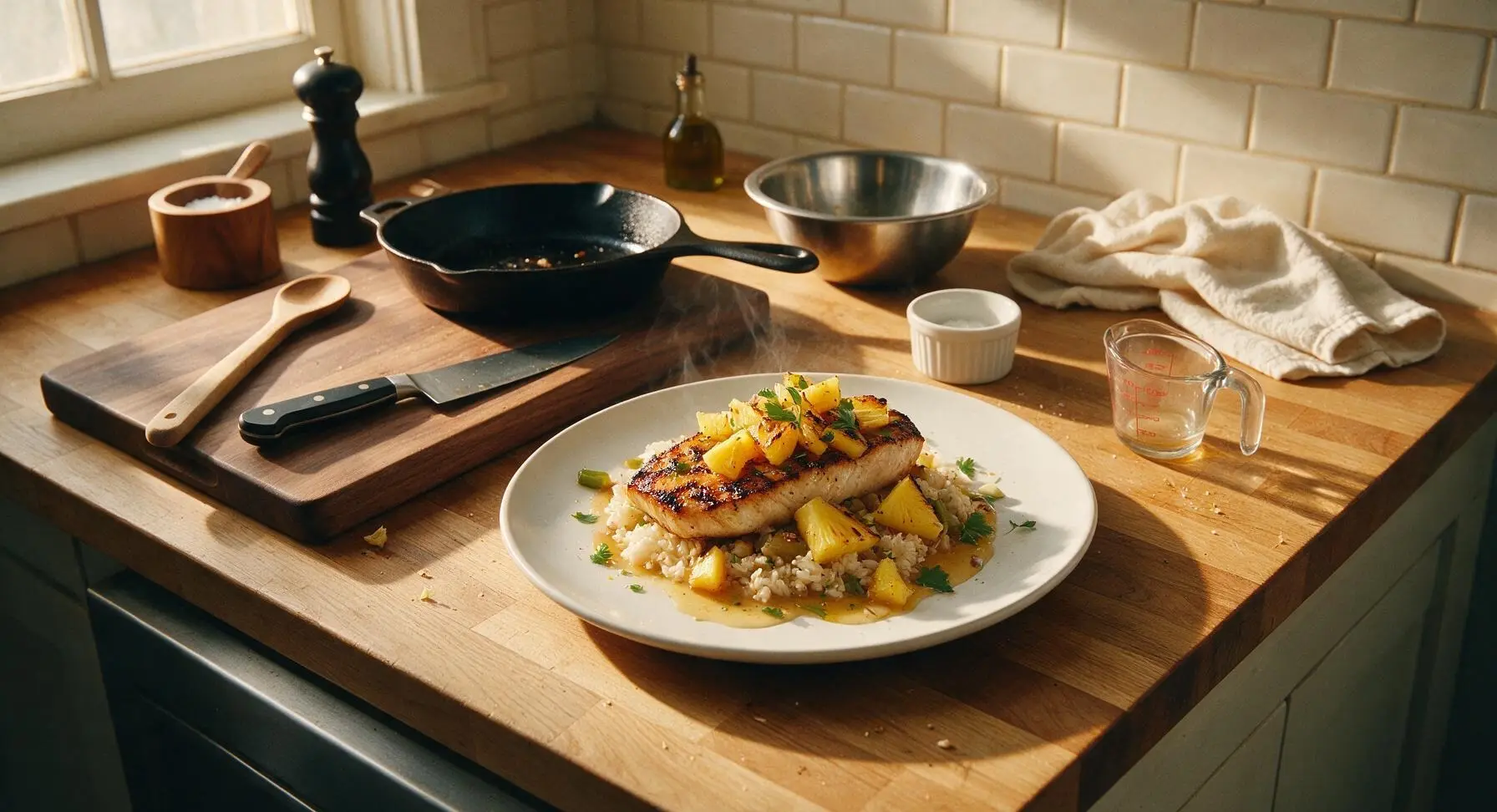
⏱️ cook time 2 hours (wort boil and cool on brew day) + 5 weeks total fermentation, oak/pineapple aging, and bottle conditioning
🍽️ servings 10
⚡ Difficulty medium

intro

Bright, hop-forward India Pale Lager aged on bourbon-soaked oak and fresh pineapple, balancing caramel warmth, tropical sweetness, and crisp, clean bitterness for cold summer sipping.

Ingredients
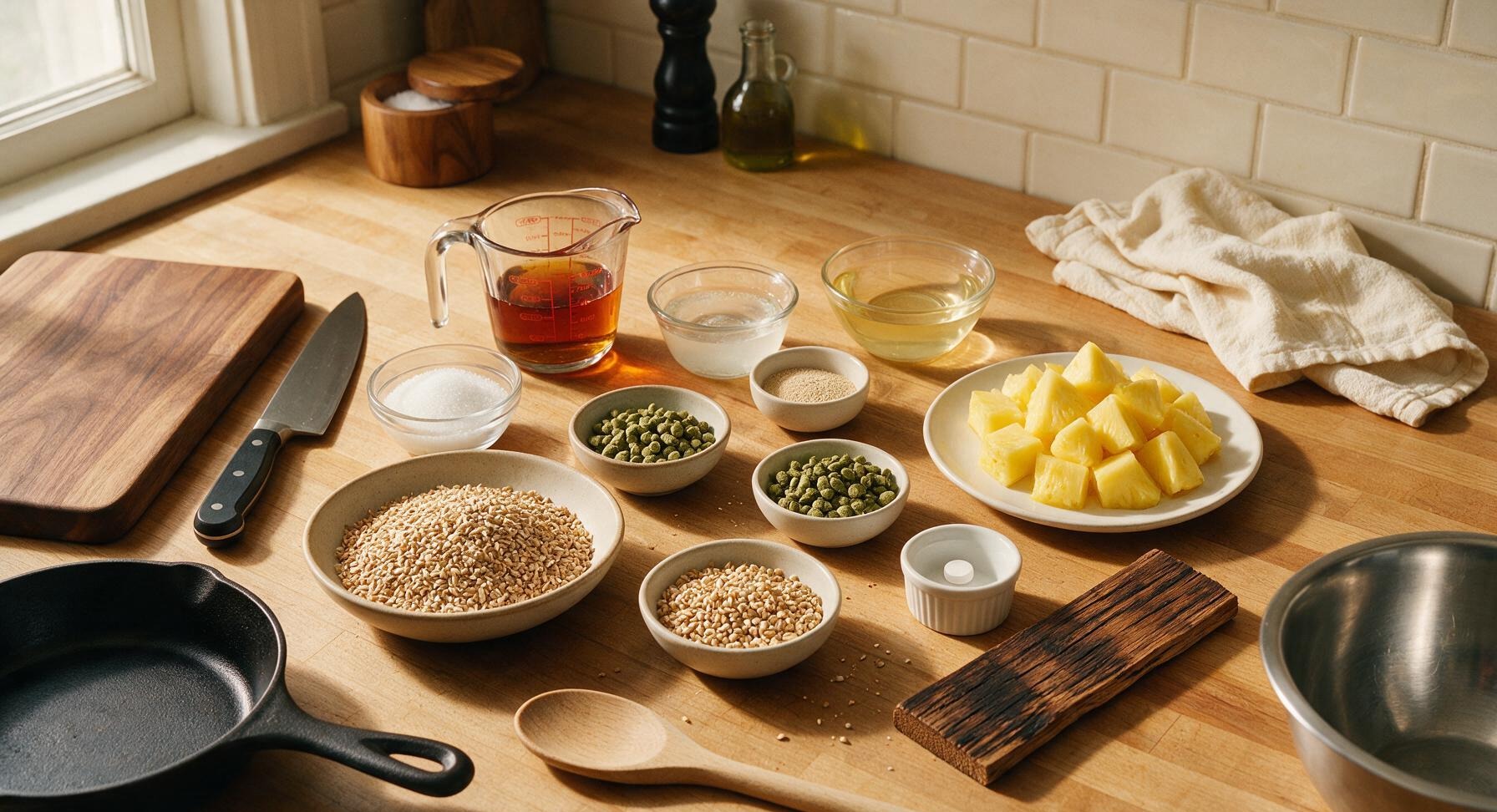
Filtered cold water 1.25 gallons (4.7L)
Crushed 2-row pale lager malt 1.5 lbs (680g)
Crushed Carapils malt 2 oz (57g)
Cascade hop pellets 0.4 oz (11g)
Mosaic hop pellets 0.4 oz (11g)
Fresh ripe pineapple, peeled cored and cubed 8 oz (227g)
Kentucky straight bourbon whiskey 2 fl oz (60ml)
Medium-char American bourbon oak stave 1 (8 inch piece)
Dry lager yeast (W34/70 strain) 1 packet (5g)
Corn sugar (for bottle conditioning) 2 oz (57g)
No-rinse brewing sanitizer 1 tbsp (mixed with 1 quart water)
Campden tablet (optional, for fruit sanitization) 1 tablet

Steps

1

Sanitize Brewing Equipment

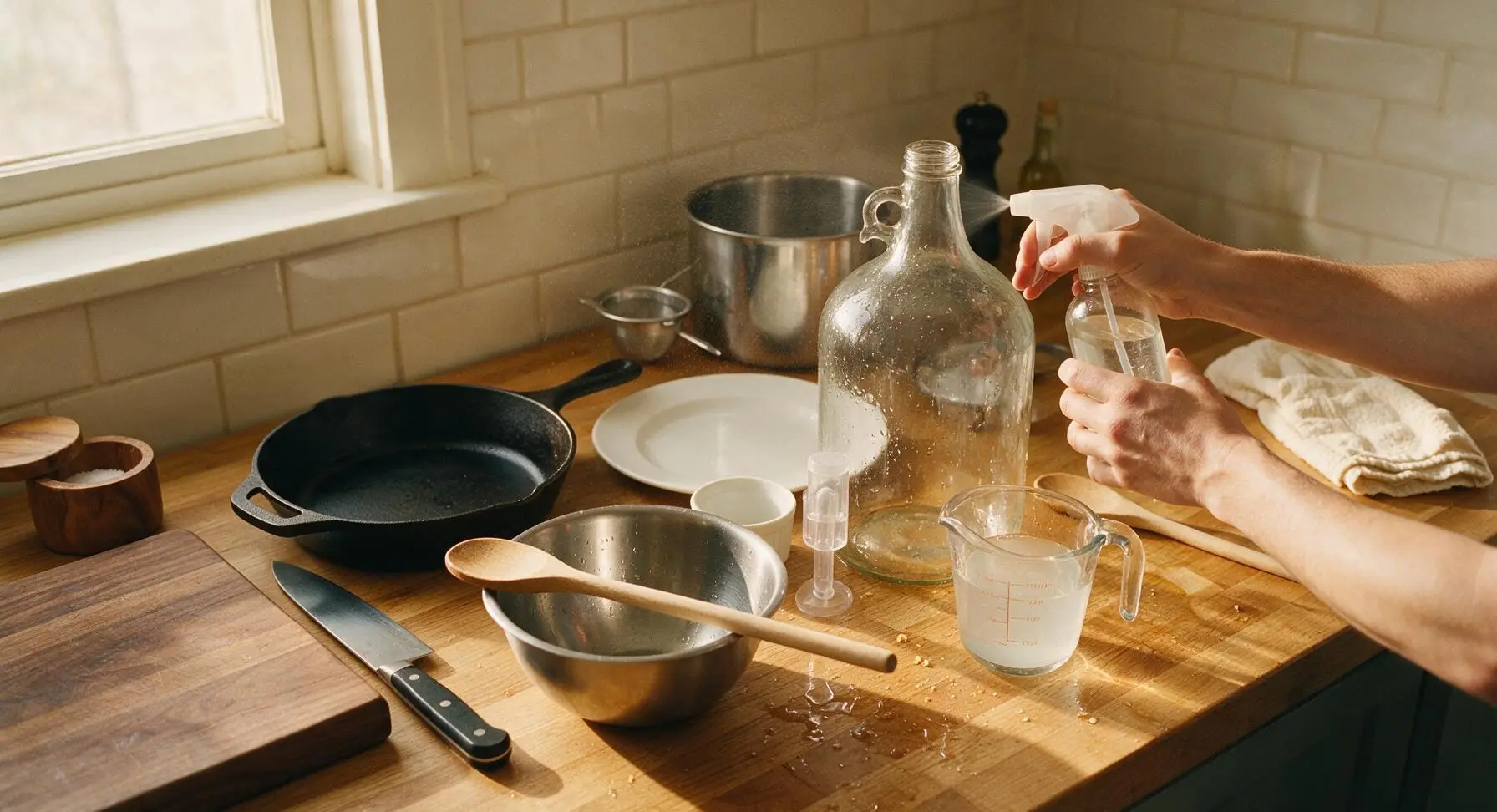
First, mix 1 tablespoon no-rinse brewing sanitizer with 1 quart cool water in the glass measuring cup. Use the sanitizer spray bottle to coat every surface of the brew pot, stirring spoon, thermometer, strainer, fermentation jug, auto-siphon, and airlock. Let sit for 60 seconds, then drain excess; no rinsing is needed. All equipment must be fully wet with sanitizer to prevent off-flavors or bacterial infection.
Step 1
step1:Sanitize Brewing Equipment
2

Steep Crushed Grains

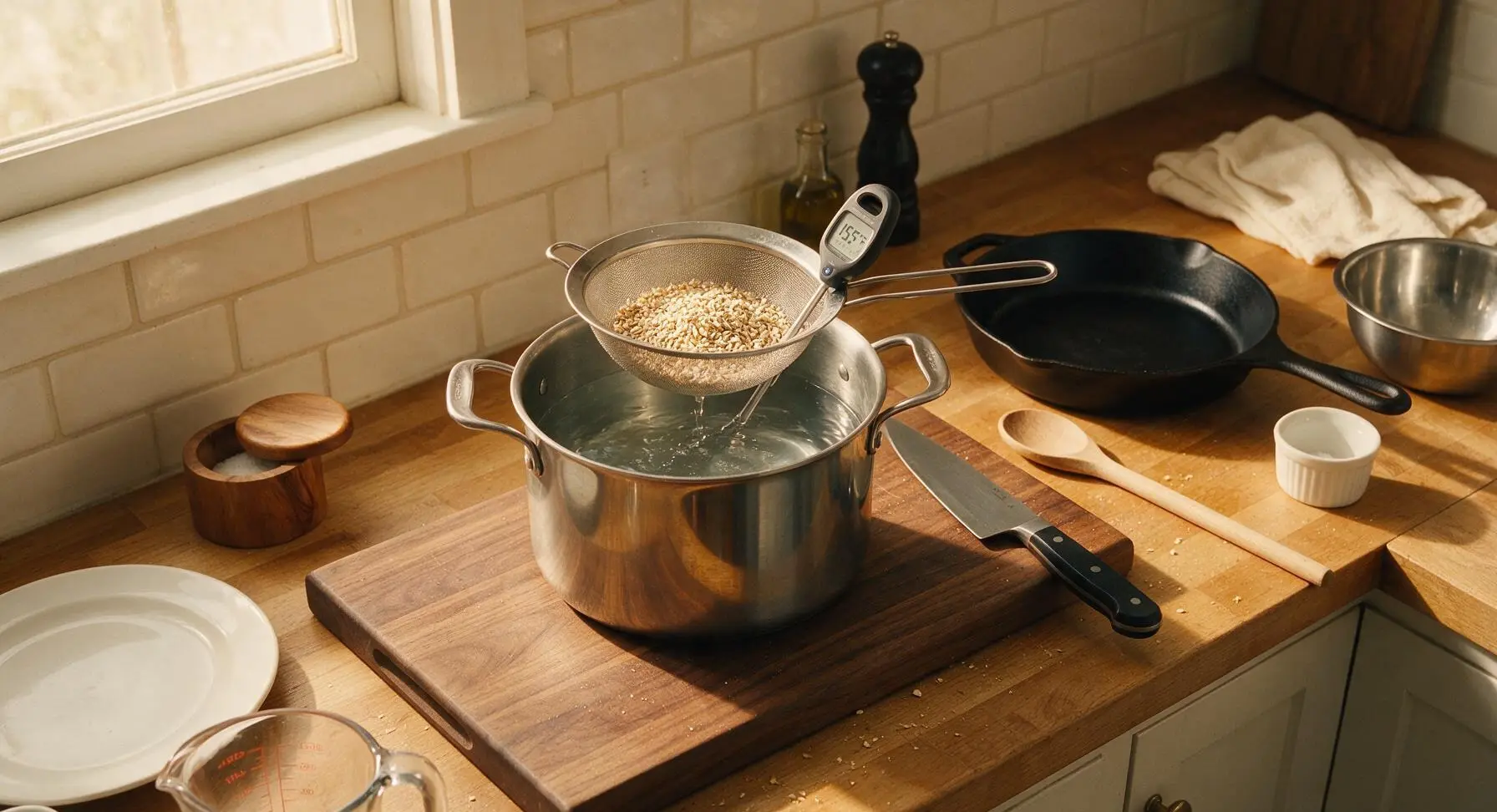
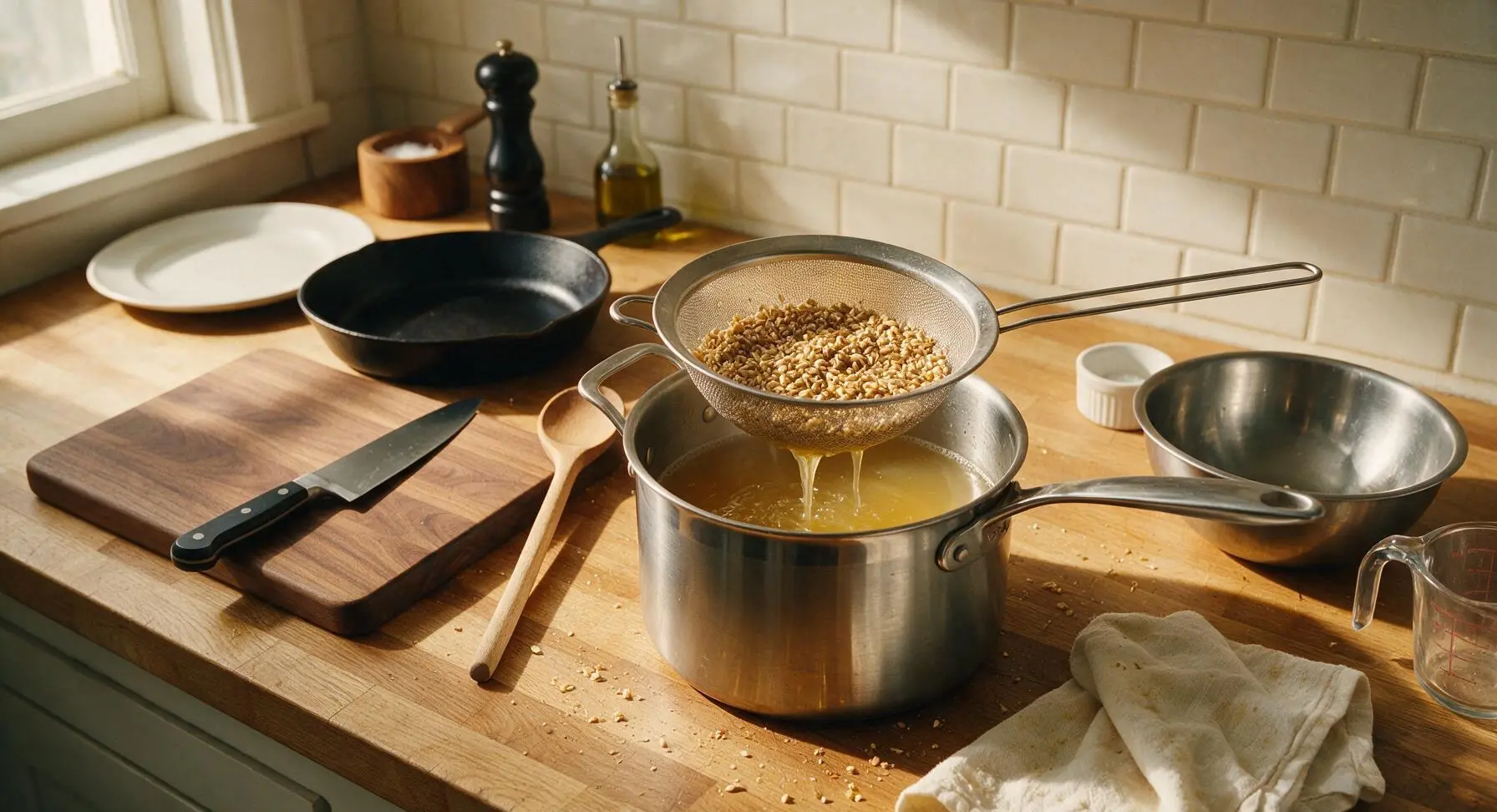
Pour 1 gallon filtered water into the stainless steel brew pot, heat to 155°F (68°C) using the thermometer to monitor temperature. Add crushed 2-row pale malt and Carapils malt to the fine-mesh strainer, lower into the water, and steep for 30 minutes, holding temperature steady between 150-155°F. The water will turn a pale golden, sweet-smelling wort as the grains steep.
Step 2
step2:Steep Crushed Grains
Step 2
step2:Steep Crushed Grains
3

Boil Wort with Hops

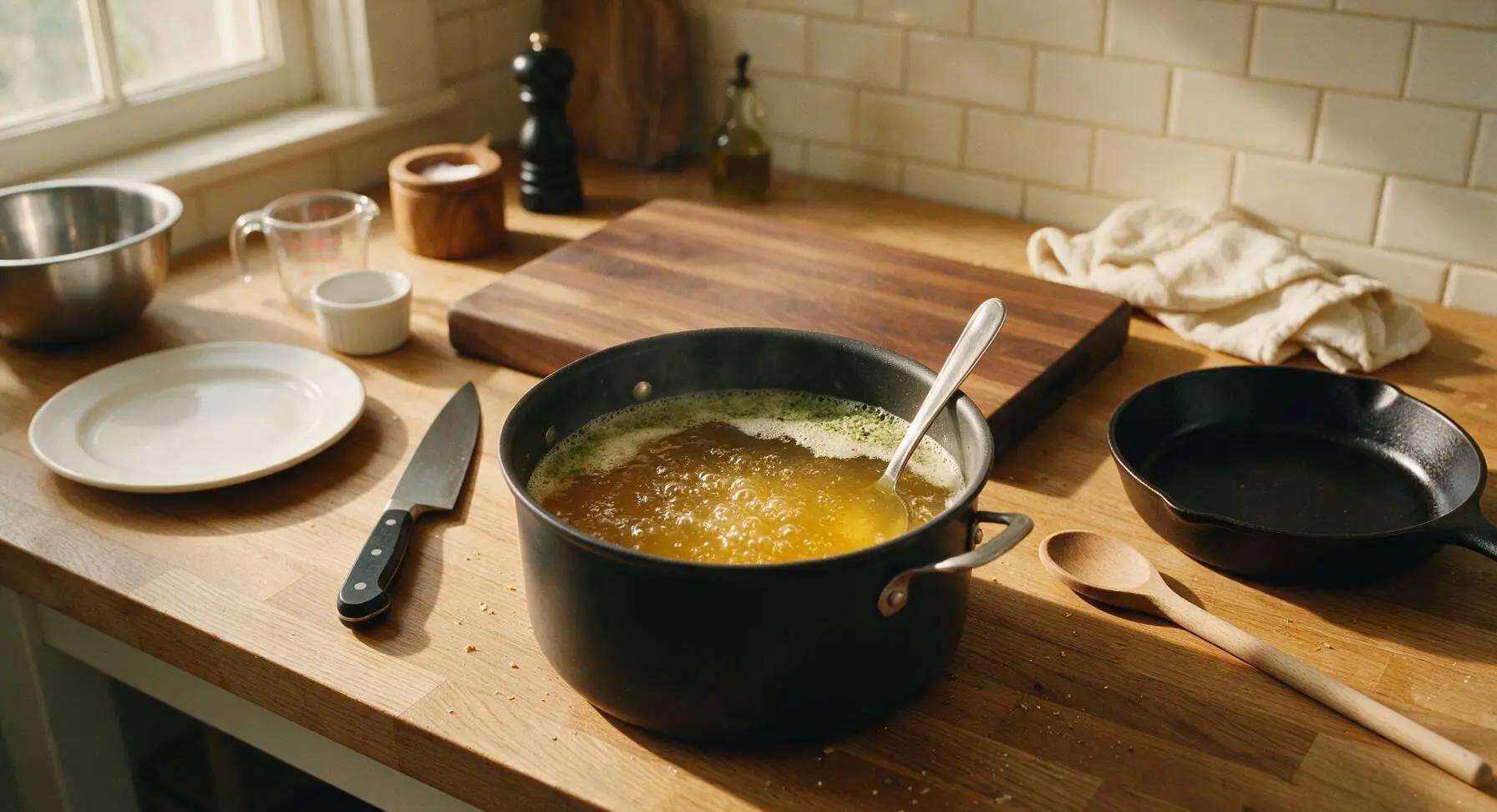
Remove the grain strainer from the pot, bring the wort to a rolling, gentle boil (212°F / 100°C at sea level). Once boiling, add 0.3oz Cascade hop pellets for bittering, set a timer for 45 minutes. Maintain a steady rolling boil, stirring occasionally with the stainless steel spoon to prevent boilovers. At the final 5 minutes of the boil, add the remaining 0.1oz Cascade hops for bright citrus aroma.
Step 3
step3:Boil Wort with Hops
4

Cool and Transfer Wort

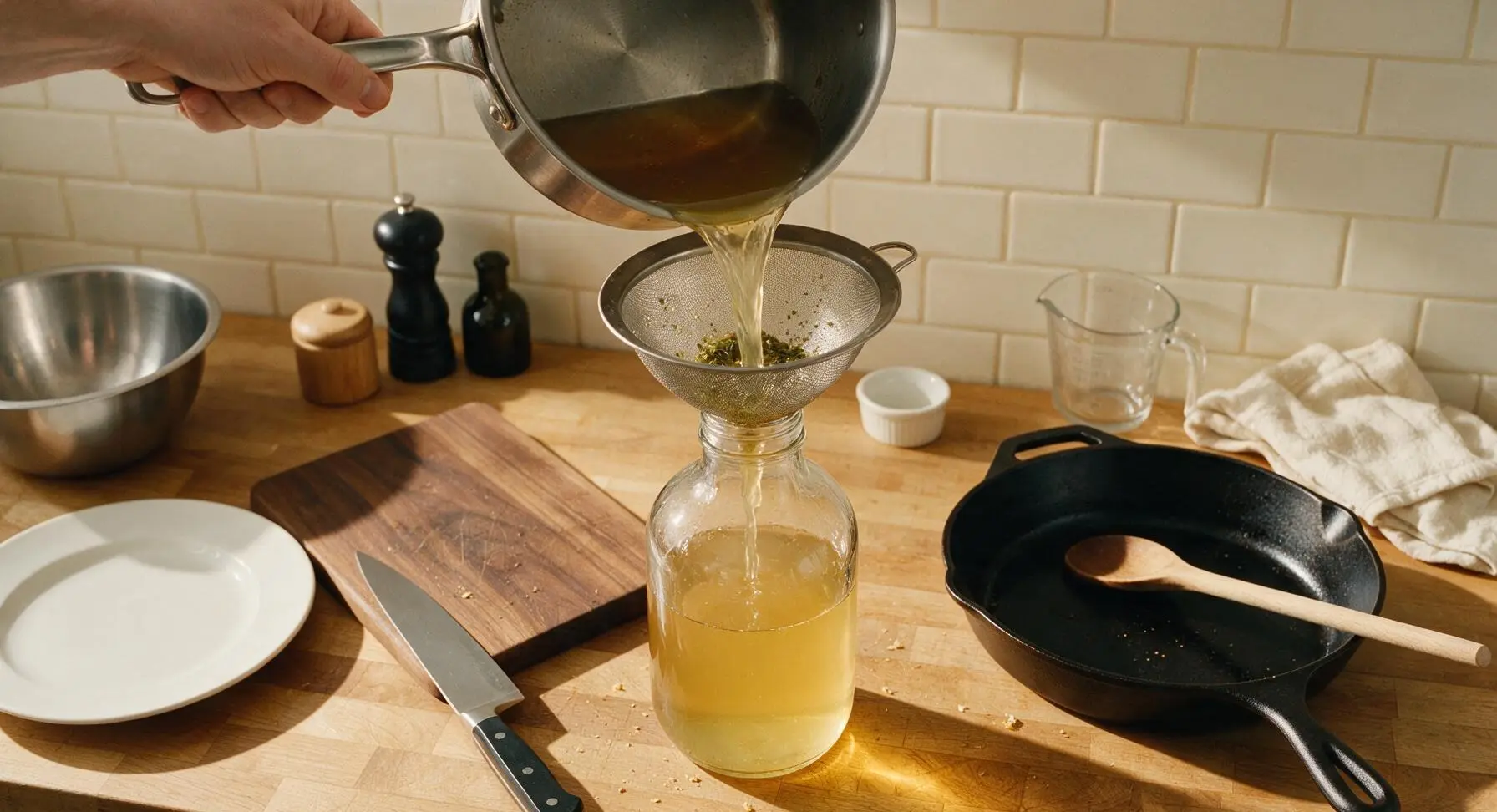
After the 45 minute boil is complete, remove the pot from heat, cover, and cool the wort quickly to 65°F (18°C) by setting the pot in an ice bath. Once cooled, pour the wort through the fine-mesh strainer into the sanitized 1 gallon glass fermentation jug, leaving any hop sediment behind in the pot. Top the jug off with remaining 0.25 gallons filtered cool water to reach the 1 gallon fill line.
Step 4
step4:Cool and Transfer Wort
5

Pitch Lager Yeast

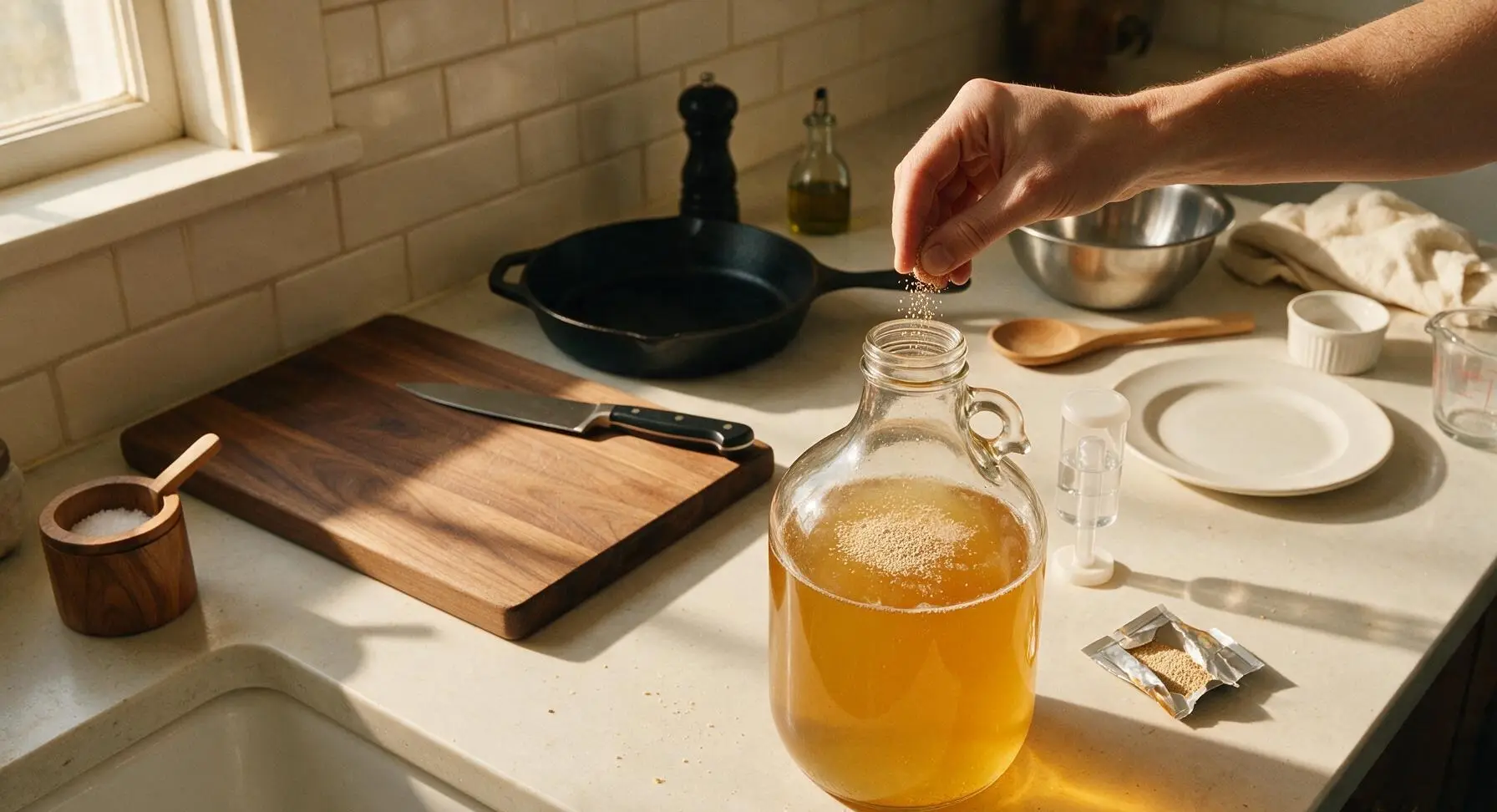
Sprinkle the full 5g packet of dry lager yeast over the surface of the cooled wort in the fermentation jug. Seal the jug with the sanitized airlock, filled halfway with clean water, and store in a cool, dark space at 50-55°F (10-13°C) for 2 weeks, until visible bubbling in the airlock stops completely and the beer clears to a pale gold. Do not open the jug during primary fermentation.
Step 5
step5:Pitch Lager Yeast
6

Prep Oak and Pineapple

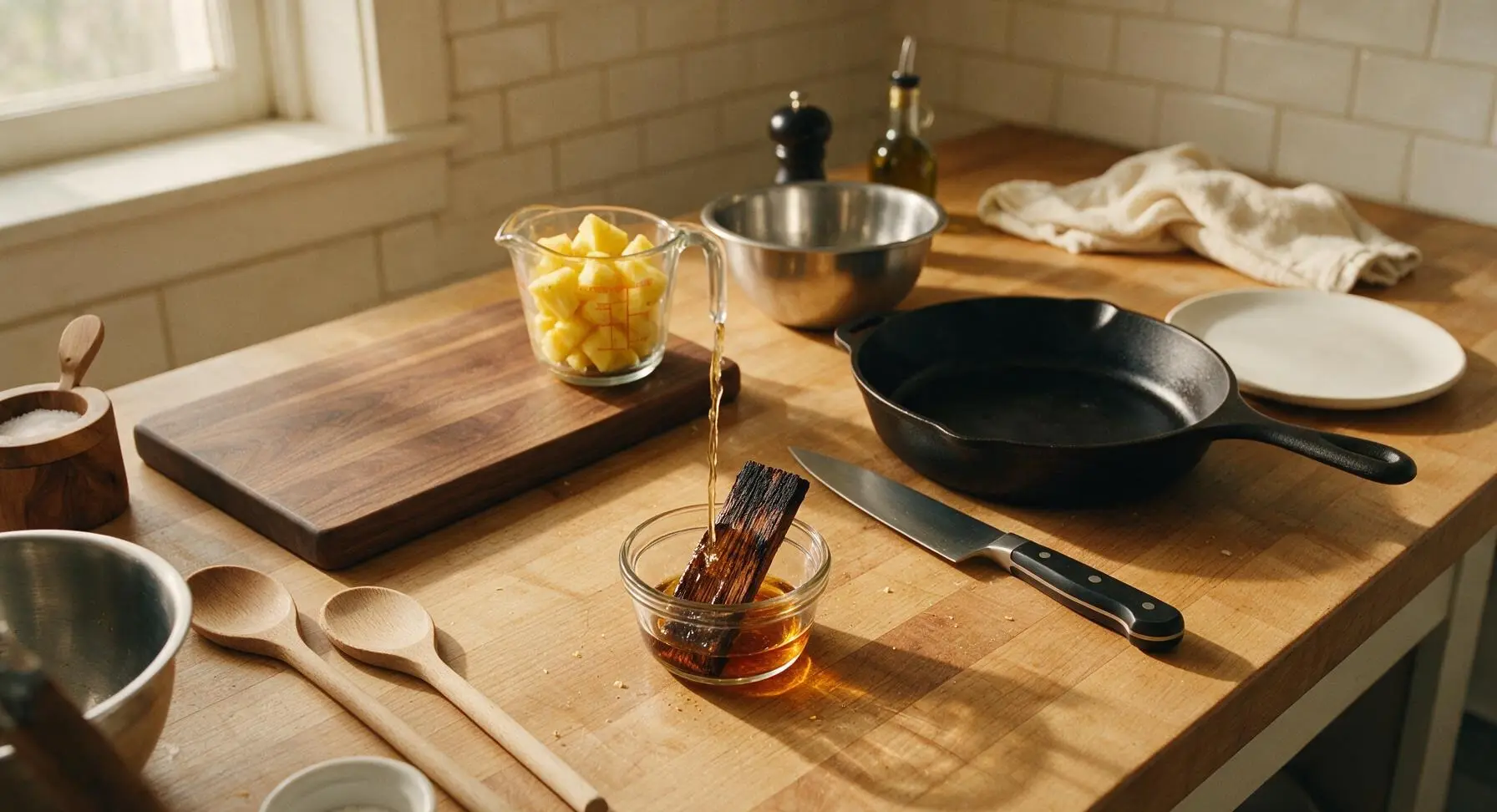
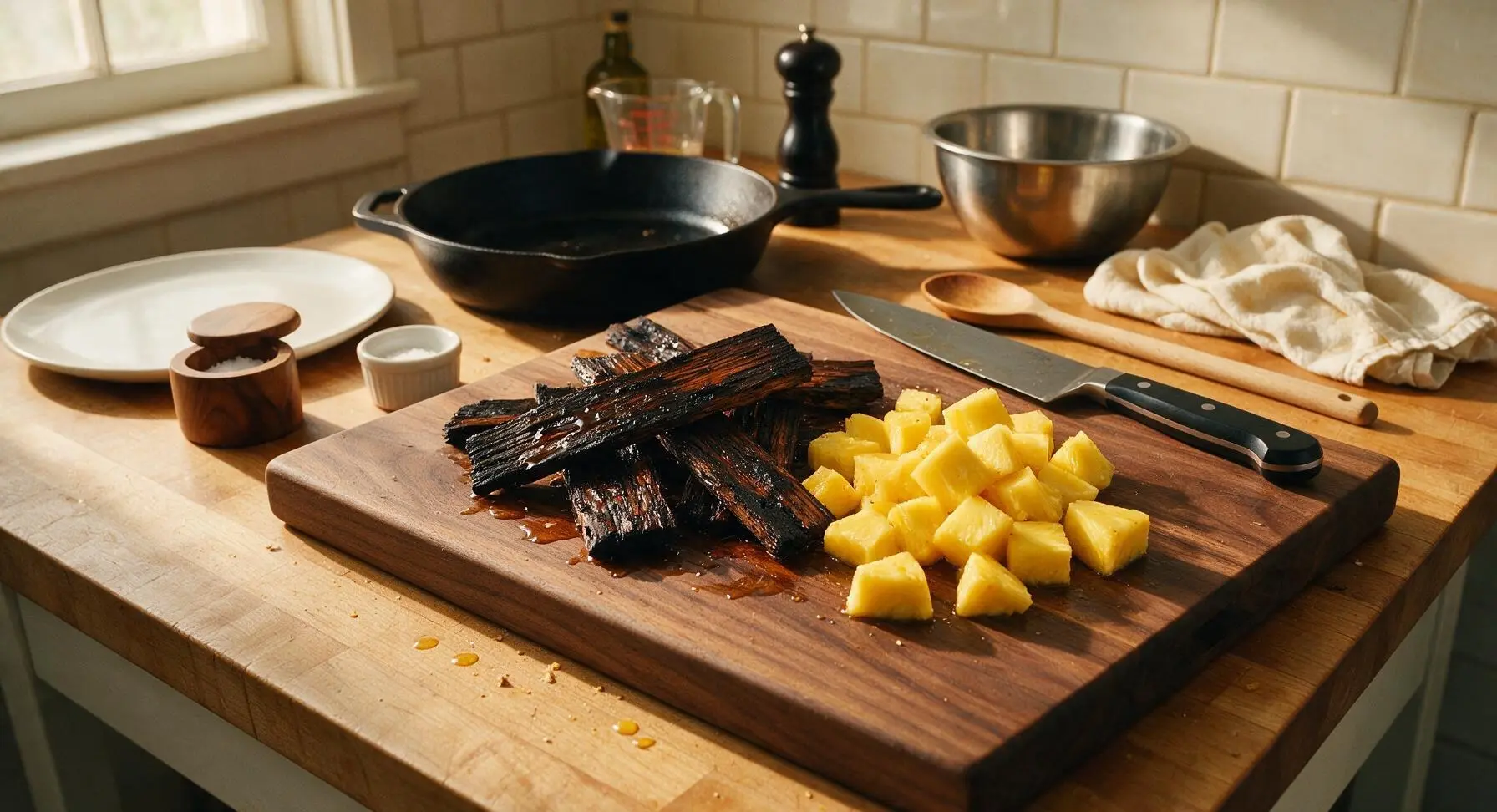
While primary fermentation finishes, prepare the barrel and pineapple additions: Pour 2oz bourbon over the charred oak stave in a small sanitized jar, seal, and let soak for 3 days to pull bourbon and oak flavor. Toss 8oz cubed fresh pineapple with 1 crushed Campden tablet (if using) to kill wild yeast, let sit for 24 hours before use. Drain excess bourbon from the oak stave before adding to beer.
Step 6
step6:Prep Oak and Pineapple
Step 6
step6:Prep Oak and Pineapple
7

Age on Oak and Pineapple

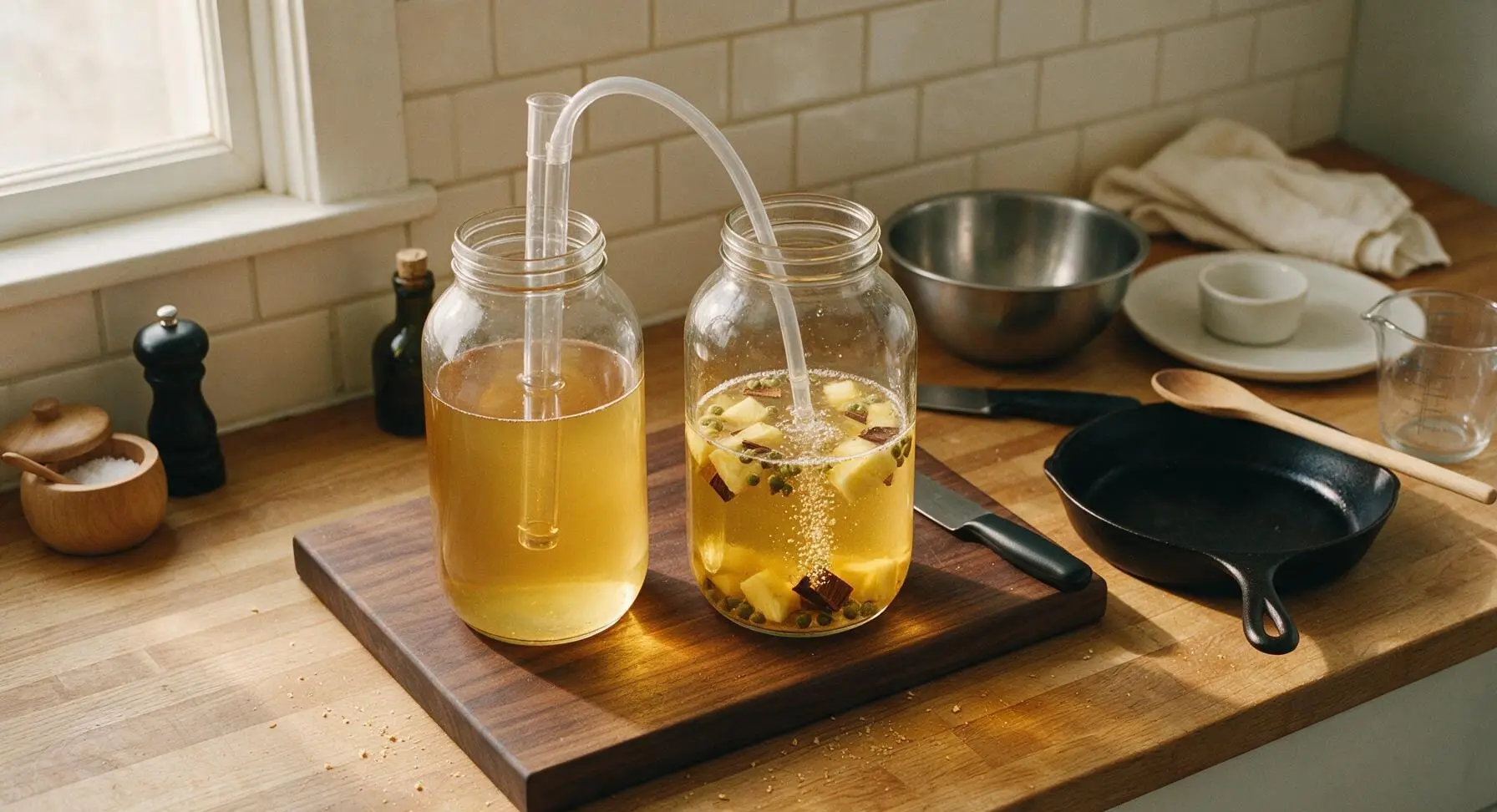
After 2 weeks of primary fermentation, use the sanitized auto-siphon to transfer the clear, fermented beer onto the bourbon-soaked oak stave, prepared pineapple cubes, and 0.4oz Mosaic hop pellets in the cleaned, re-sanitized fermentation jug. Seal again with the airlock, and age for 2 additional weeks at 50-55°F, until the pineapple aroma is bright and the oak/bourbon notes are smooth, not harsh. Avoid aging longer than 3 weeks on fruit to prevent off-flavors from over-softened fruit.
Step 7
step7:Age on Oak and Pineapple
8

Bottle for Carbonation

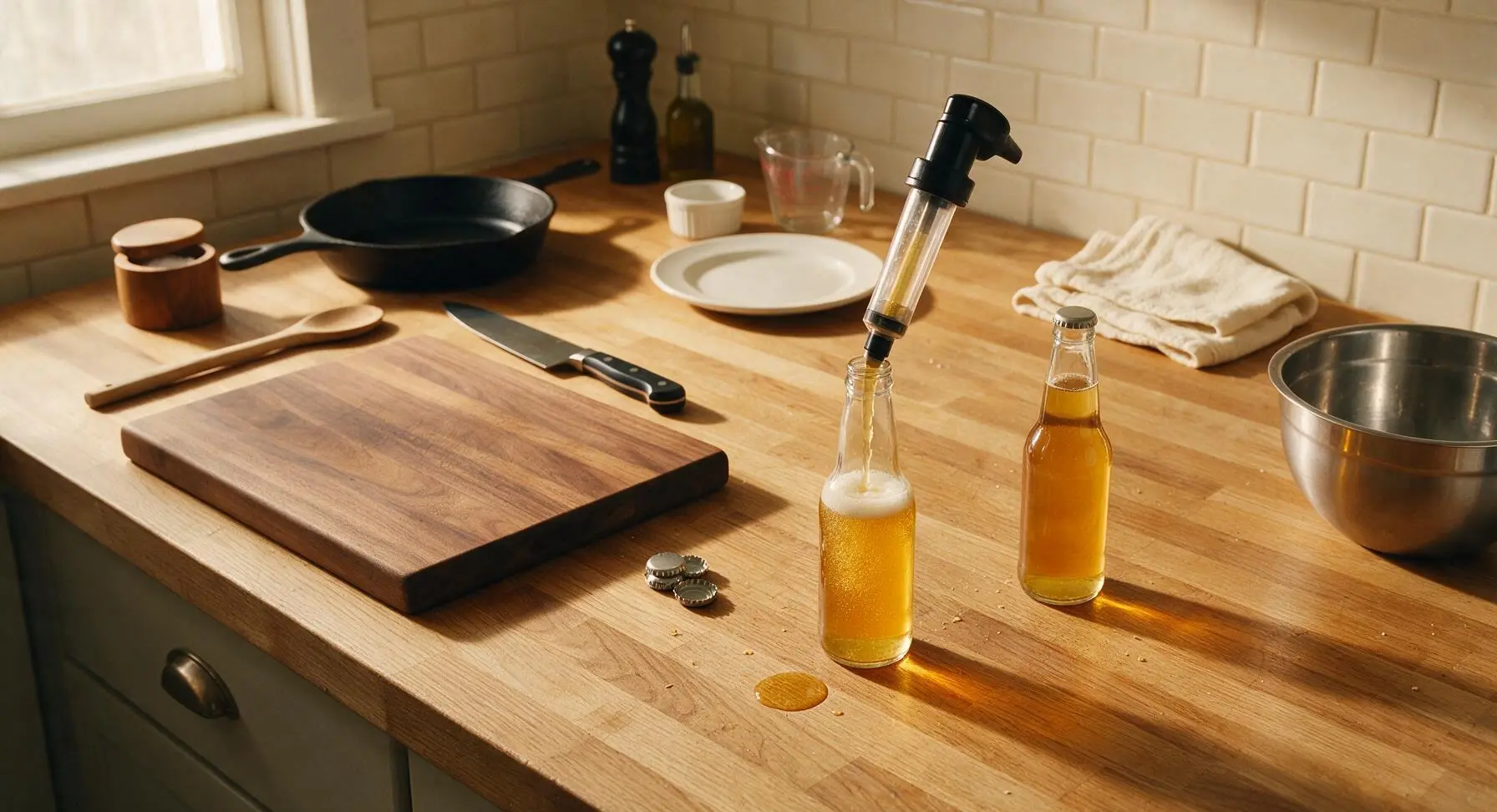
After 2 weeks of aging, siphon the finished beer off the fruit and oak sediment into sanitized 12oz glass bottles, adding 1 tsp of corn sugar to each bottle to create natural carbonation. Cap bottles tightly, and store at room temperature (65-70°F / 18-21°C) for 1 week to carbonate, then chill for 48 hours before serving.
Step 8
step8:Bottle for Carbonation

Tips

1.Avoid steeping grains at temperatures above 160°F (71°C), as this extracts harsh, astringent tannins from grain husks that will overpower the bright pineapple flavor and smooth bourbon oak notes in the finished beer.
2.Use fully ripe, fresh pineapple instead of canned for additions; canned pineapple is heat-pasteurized, which creates a flat, cooked-fruit taste rather than the bright, zesty tropical flavor fresh fruit provides.
3.Never add straight bourbon directly to actively fermenting beer, as the high alcohol concentration can kill active yeast and stall fermentation; soaking the oak stave in bourbon first extracts warm caramel and vanilla notes without shocking the yeast culture.
✨ You May Also Like

Drinks & Beverages
🍜 Mexico

A bright, balanced tequila-based cocktail with zesty fresh lime, smooth orange liqueur, and a signature salt rim, perfect for warm summer sipping.

⏱️ 5 minutesDrinks & Beverages ★ 4.9
Drinks & Beverages
🍜 United States

Thick, creamy, nostalgic classic vanilla milkshake with a rich, smooth texture, topped with whipped cream and a cherry for cool, sweet refreshment.

⏱️ 5 minutesDrinks & Beverages ★ 4.7
Drinks & Beverages
🍜 United States

A bright, golden strong ale with fruity banana-clove notes, subtle hop spice, and soft carbonation, brewed in classic Trappist Tripel tradition.

⏱️ 2 hours aDrinks & Beverages ★ 4.5
Drinks & Beverages
🍜 United States

A frothy, nostalgic American soda fountain treat pairing bubbly cold root beer with creamy vanilla ice cream, perfect for cooling down at warm weather gatherings.

⏱️ 20 minuteDrinks & Beverages ★ 4.8
Drinks & Beverages
🍜 United States

Tart, funky, effervescent American Wild Ale is a complex fruity craft beer brewed with wild yeast, delivering bright, zesty notes perfect for warm-weather sipping.

⏱️ 2 hours aDrinks & Beverages ★ 4.4
Drinks & Beverages
🍜 United States

Bright, bubbly copycat of the iconic American caramel cola, balanced with citrus and warm spice, perfect for sipping ice-cold on hot days.

⏱️ 15 minuteDrinks & Beverages ★ 4.8

Pineapple Bourbon Barrel Aged IPL:Frequently Asked Questions

1.What makes this an IPL instead of a regular IPA? ▾
Unlike IPAs that use fruity, fast-fermenting ale yeast, this beer uses cold-fermenting lager yeast for an ultra-smooth, crisp finish with no cloying yeast esters. We layer bright Cascade and Mosaic hops, warm bourbon oak, and fresh pineapple for bright, hoppy flavor that drinks far lighter than a typical IPA, perfect for sweltering summer days.
2.Do I need an actual bourbon barrel to make this recipe at home? ▾
Nope, you don’t need a bulky, expensive full-size bourbon barrel for home batches! For a standard 5-gallon batch, toast 2-3 ounces of medium-toast American oak cubes, soak them for 3-5 days in 4 ounces of good mid-shelf bourbon, then add both cubes and residual bourbon to secondary to get that classic barrel-aged depth with no hassle.
3.When should I add fresh pineapple to avoid off-flavors or weird texture? ▾
Add lightly pasteurized fresh pineapple during secondary fermentation, 3-4 days before you plan to bottle or keg, for the brightest tropical flavor. Raw pineapple contains bromelain, an enzyme that breaks down yeast and causes hazy, odd textures if added too early, so pasteurize chopped fruit in a 160°F water bath for 10 minutes first to deactivate it and kill wild bacteria.
4.How do I keep the bourbon flavor from overpowering the hops and pineapple? ▾
Start small with your oak and bourbon additions, and taste your beer every 2 days once those elements go into secondary. If you pick up too much warm bourbon or woody tannin before 5 days, pull the oak cubes out immediately. Remember, you can always add a little extra bourbon soak if flavor is too faint, but you can’t remove over-extracted notes once they set in.
5.What mash temperature works best for this recipe’s crisp, balanced finish? ▾
Hold your mash at a steady 150°F for 60 minutes using filtered cold water, crushed 2-row pale lager, and Carapils malts. This temperature creates a light-to-medium body that stays crisp enough for summer sipping, with just enough light caramel sweetness from the Carapils to balance hop bitterness and stand up to warm bourbon notes, without feeling heavy or cloying.
6.What hop addition schedule gives that bright, non-harsh hop-forward flavor? ▾
Add 60% of your Cascade hop pellets at the 60-minute boil mark for clean, balanced bitterness, then split the remaining Cascade and all your Mosaic hop pellets between a 15-minute flameout addition and a 3-day dry hop in secondary. This schedule avoids harsh, grassy over-extracted hop bite, while locking in bright citrus, tropical berry, and pine notes that pair perfectly with pineapple.
7.How long do I need to cold condition this IPL before drinking? ▾
After primary fermentation wraps up at 50-55°F with your lager yeast, slowly drop the temperature 2°F per day until you hit 35°F, then hold it there for a minimum of 3 weeks before serving. This cold lagering phase smooths rough hop edges, mellows bourbon oak notes, and creates that signature clean, crisp lager finish that makes this beer so drinkable.
8.Can I use canned pineapple instead of fresh if fresh is out of season? ▾
Absolutely, just pick canned pineapple packed in 100% juice with no added sugar or heavy syrup, and drain off excess juice before adding it to secondary. Skip artificially sweetened canned options entirely, as they leave a cloying, fake fruit aftertaste that throws off the balance of hops, bourbon, and crisp malt. Canned pineapple is consistently ripe, so it works great in a pinch.
9.What ABV should I target to keep this recipe sessionable for summer? ▾
Target a final ABV between 5.8% and 6.5% for the best summer drinkability. That range is high enough to let warm bourbon and soft caramel malt notes shine, but low enough that you can enjoy a couple cold ones at a backyard cookout without feeling weighed down. Pushing it above 7% will make the bourbon taste hot and boozy, covering up bright pineapple and hop notes.
10.How do I prevent pineapple from causing hazy beer or gushy bottles? ▾
First, always pasteurize your pineapple to kill wild yeast that can cause over-carbonation and messy gushing. After adding fruit to secondary, let the beer settle for 3 full days before bottling, and avoid transferring fruit sediment into your bottling bucket. For extra clarity, add a small dose of finings like gelatin 2 days before bottling to drop out fruit and hop sediment.
11.Is there a non-alcoholic swap for bourbon if I don’t want to use spirits? ▾
If you want to skip the bourbon, you can still get that warm, vanilla-caramel oak note by soaking your toasted oak cubes in 4 ounces of non-alcoholic bourbon alternative mixed with a teaspoon of vanilla extract and a pinch of dark brown sugar for 2 days before adding to secondary. You’ll miss a tiny bit of warm spirit bite, but keep that classic barrel-aged profile.
12.What serving temperature brings out the best balance of flavors in this IPL? ▾
Serve this IPL right at 40-42°F, not ice cold like a mass-market lager. If it’s too cold, you’ll mute bright tropical pineapple, zesty Cascade grapefruit, and soft vanilla oak notes; if it’s warmer than 45°F, the bourbon will come across as hot and boozy. A regular chilled pint glass works perfectly—skip frosted mugs that numb your taste buds.
13.How long will this beer stay fresh after I bottle or keg it? ▾
If stored in a cool, dark place away from direct sunlight and temperature swings, this IPL will stay at peak flavor for 3-4 months after bottling. The bright hop and fresh pineapple notes will start to fade after that, while oak and bourbon flavors grow more prominent, so it’s best enjoyed within that first 4-month window for the intended balanced profile.
14.Can I use ale yeast if I don’t have lager yeast on hand? ▾
You can, but it won’t be a true IPL! If you use a clean, neutral ale yeast like US-05 fermented at 60°F, you’ll make a great pineapple bourbon oak IPA, but you’ll miss that ultra-crisp, smooth lager finish. Skip fruity, estery ale yeasts like hefeweizen or New England IPA strains, as they clash with bourbon and pineapple to create odd, candy-like off-flavors.
15.What food pairings work best with this beer for summer gatherings? ▾
This bright, balanced IPL pairs perfectly with grilled pineapple chicken skewers, smoky pulled pork sliders, spicy jalapeño poppers, and salty coconut shrimp. The crisp bitterness cuts through rich, fatty grilled food, the tropical pineapple matches bright fruit salsas, and soft bourbon caramel notes complement smoky grill char without overpowering lighter summer fare.

Comments (0)