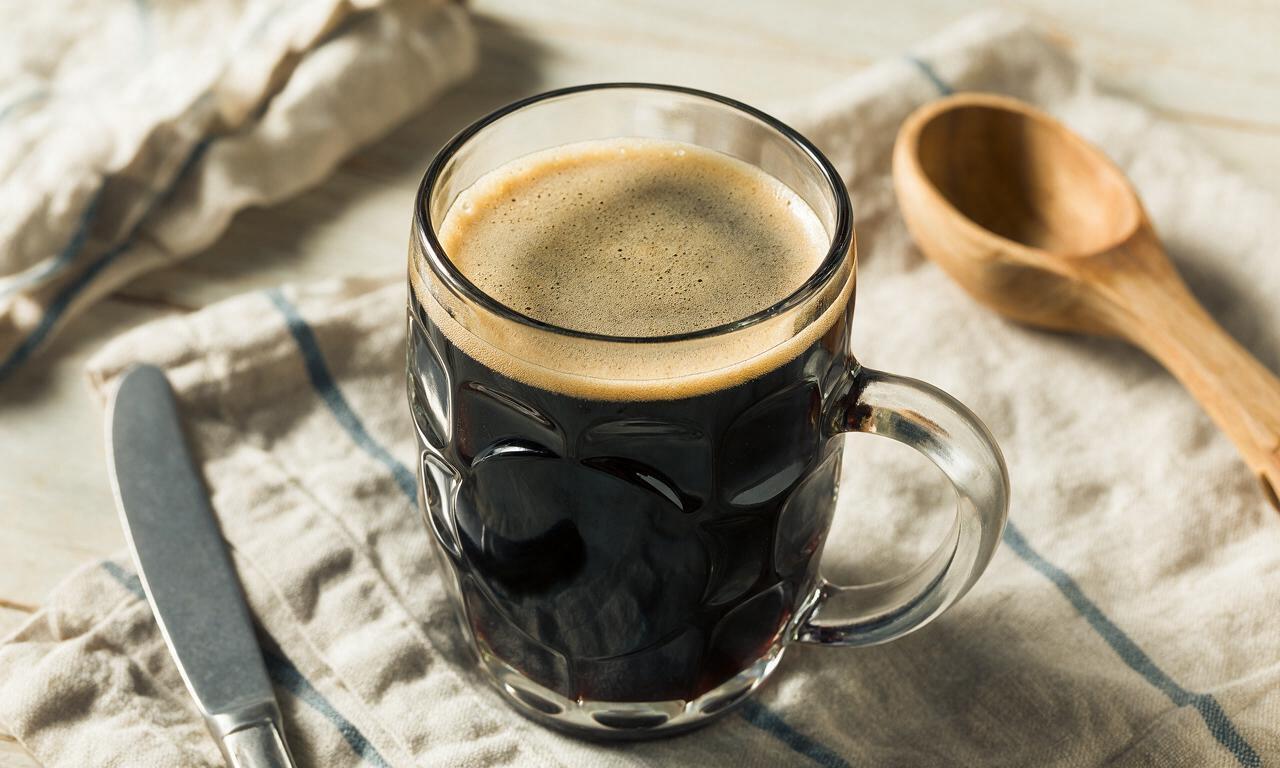
Porter

Porter
⏱️ cook time 2 weeks total (75 minutes active prep and cooking)
🍽️ servings 4
⚡ Difficulty medium

intro

Rich, smooth traditional London porter with roasty malt, subtle chocolate and coffee notes, perfect for sipping on cool crisp autumn evenings.

Ingredients

Crushed Maris Otter pale malt 450 grams
Crushed chocolate malt 60 grams
Crushed roasted barley 30 grams
East Kent Goldings hops 15 grams
Dark brown sugar 30 grams
Dried ale yeast 7 grams (1 standard packet)
Filtered water 4 liters

Steps

1

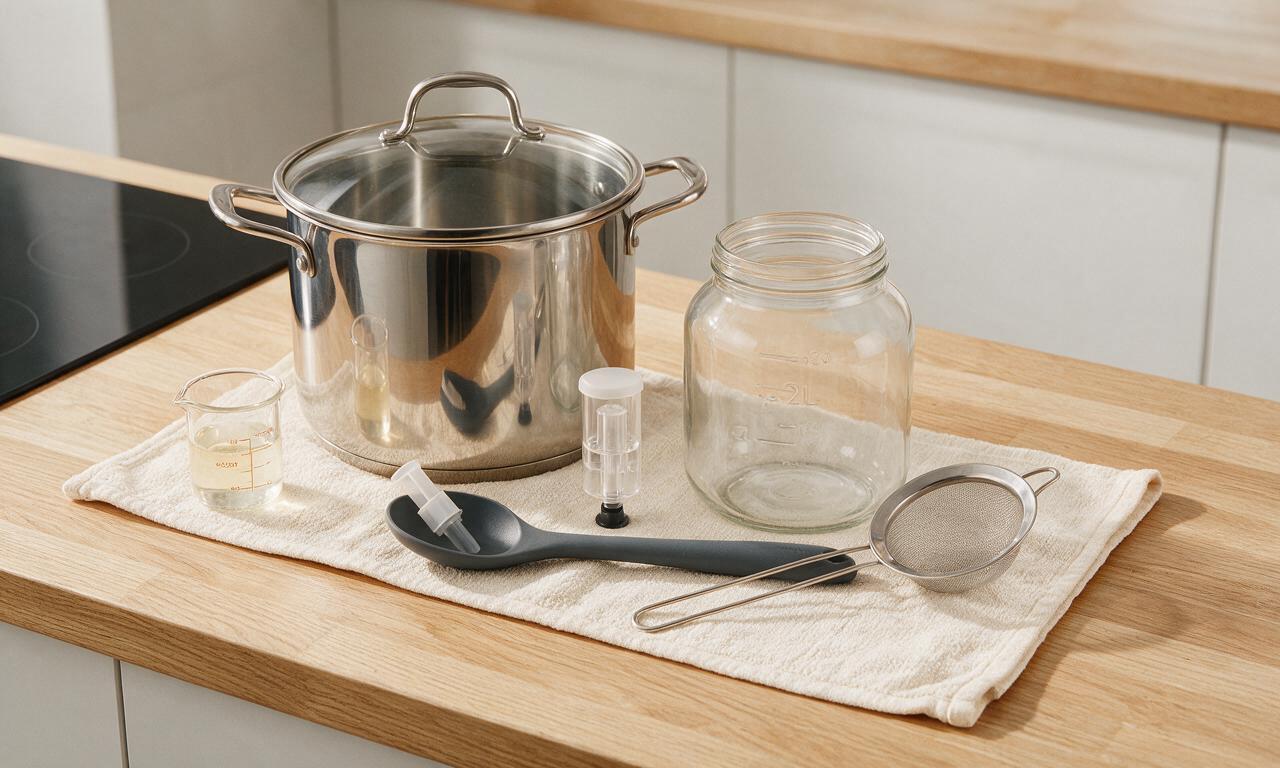
Fully sanitize all brewing equipment (2 large stockpots, fine-mesh strainer, siphon, airlock, 2L glass fermentation jug, long-handled stirring spoon) by mixing 1 tablespoon of food-grade no-rinse sanitizer with 4 liters of cool water, soaking all parts for 10 minutes to eliminate bacterial contamination. Rinse with cool filtered water and set aside on a clean kitchen towel.
Step 1
step1:
2

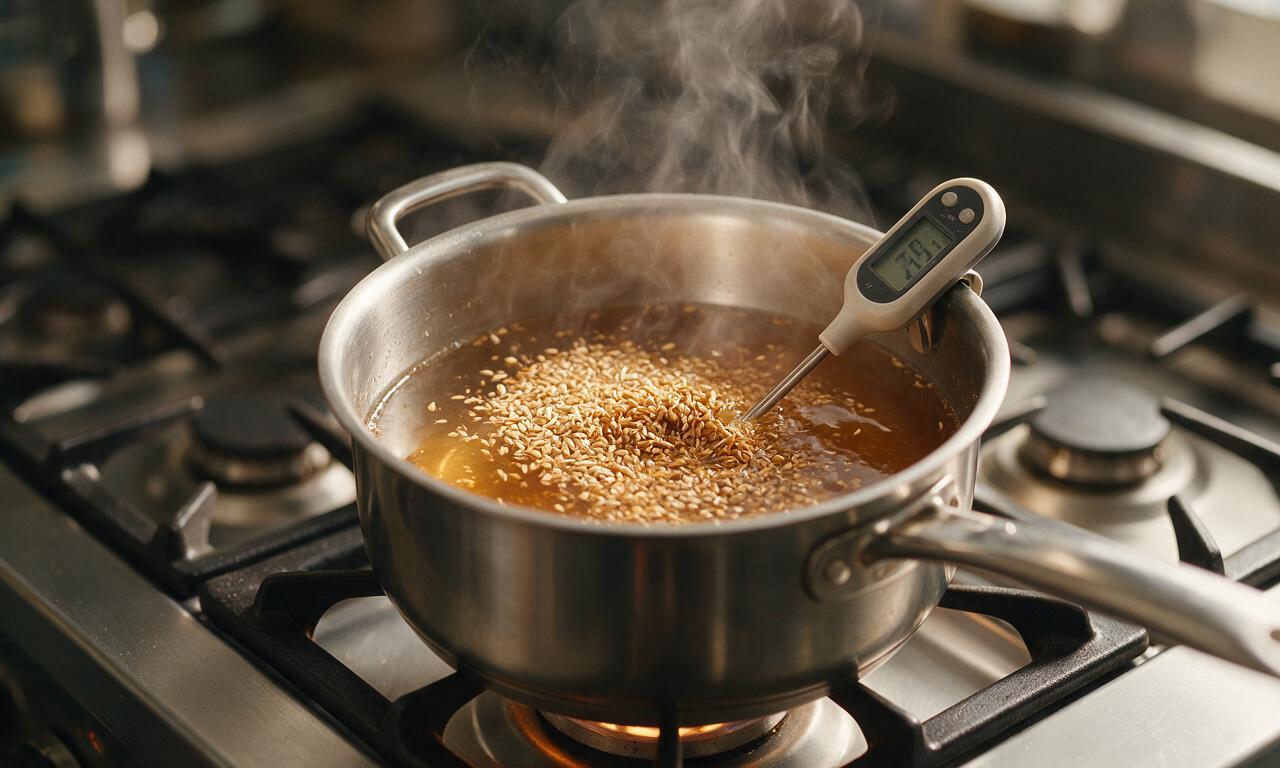
In a large stockpot, heat 2.5 liters of filtered water to 67C (153F) over medium-low heat, then add all crushed grains (450g Maris Otter pale malt, 60g chocolate malt, 30g roasted barley), stirring thoroughly to break up any dry clumps. Hold the mash temperature steady at 65-68C for 60 minutes, keeping the pot covered and adjusting burner heat as needed to stay in range.
Step 2
step2:
3

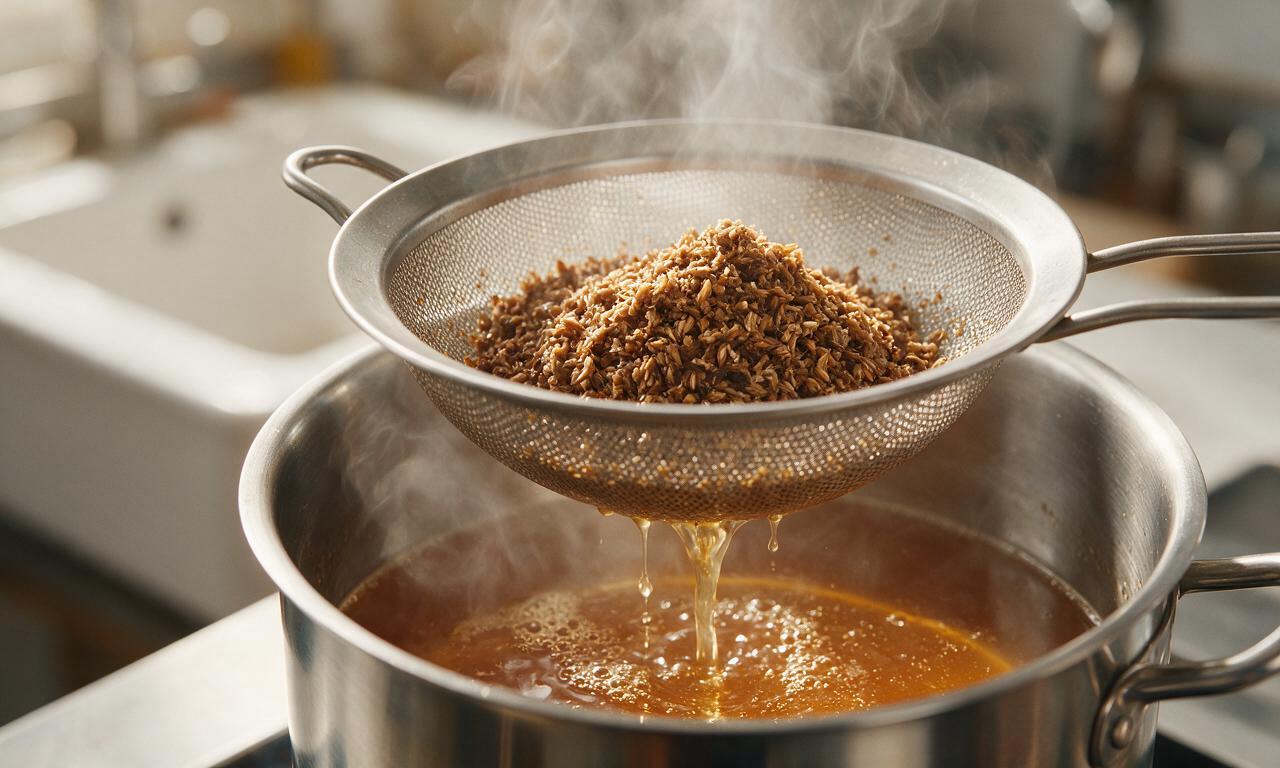
After the 60-minute mash, pour the grain and water mixture through a fine-mesh strainer into a second clean stockpot. Gently pour 1 liter of 77C (170F) filtered water over the trapped spent grains to rinse out remaining sweet malt sugars, then discard the spent grains. Place the collected sweet wort over high heat and bring to a steady rolling boil (100C/212F).
Step 3
step3:
4

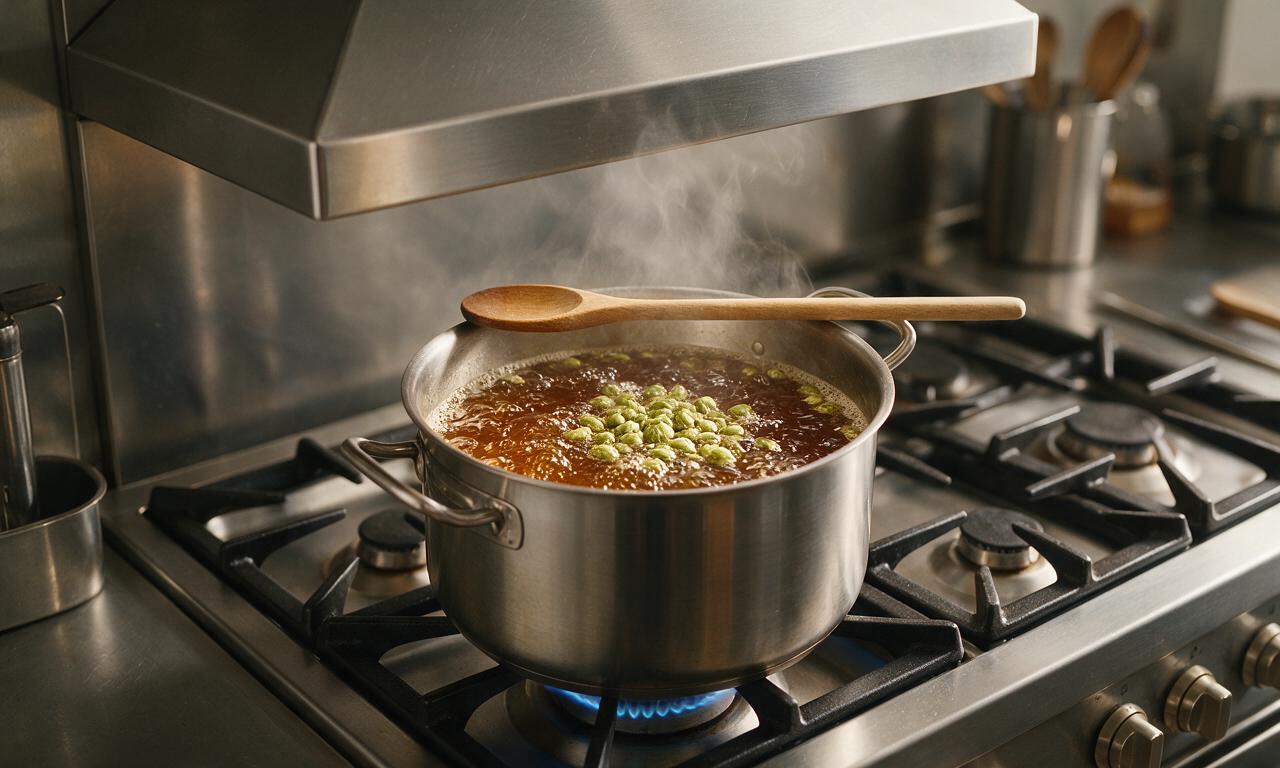
Once the wort reaches a full rolling boil, add 10g of East Kent Goldings hops and 30g dark brown sugar, stirring to fully dissolve the sugar. Maintain a gentle rolling boil over medium-high heat for 60 minutes, stirring every 10 minutes to prevent sticky boilovers; add the remaining 5g of hops during the last 5 minutes of boiling for bright, aromatic flavor.
Step 4
step4:
5

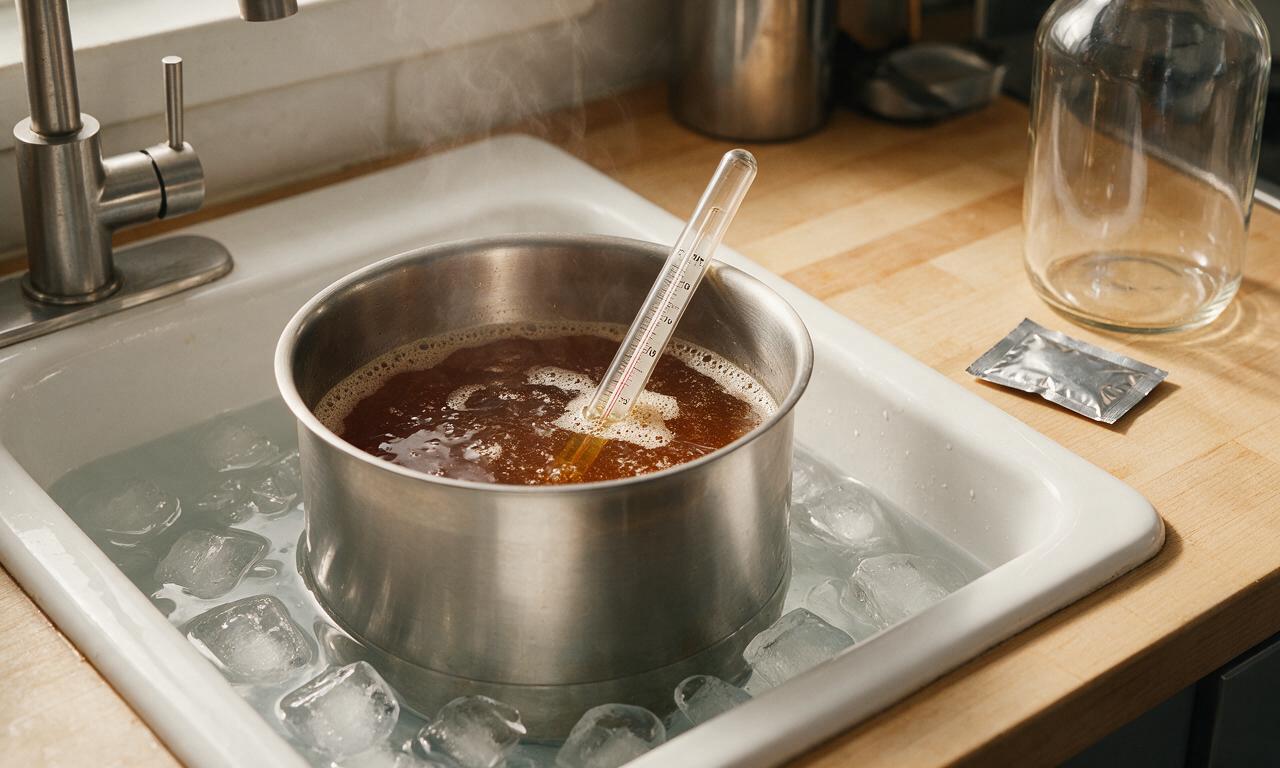
When the 60-minute boil is complete, remove the pot from heat immediately and set it in an ice bath (a clean sink filled with cold water and 1kg of ice) to cool the wort to 21C (70F) in roughly 20 minutes, stirring gently every 5 minutes to speed even cooling. Pour the cooled wort into the sanitized fermentation jug, sprinkle the full 7g packet of ale yeast over the surface, then seal the jug with an airlock filled halfway with sanitizer solution.
Step 5
step5:
6

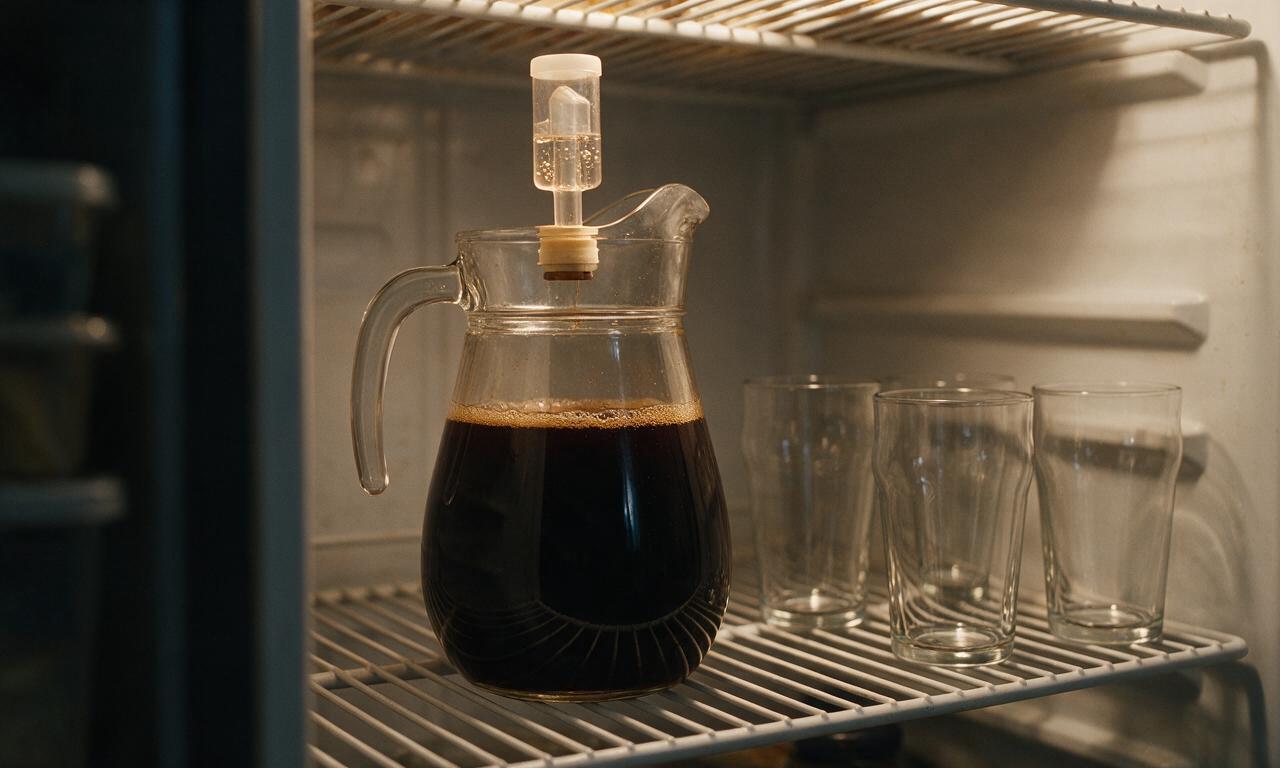
Move the sealed fermentation jug to a dark, temperature-stable spot held at 18-22C (65-72F) to ferment for 2 weeks, until bubbling in the airlock stops completely (signaling fermentation is done). Carefully siphon the finished porter into sanitized, sealable glass bottles, chill for 24 hours in the refrigerator, and serve at 10C (50F) for optimal flavor.
Step 6
step6:

Tips

1.Never skip sanitizing every surface and tool that touches cooled wort; even trace amounts of common kitchen bacteria can spoil your batch with sour, off-flavors.
2.Monitor mash temperature closely: if it rises above 70C (158F), the grains will leach harsh, astringent compounds that make the finished porter taste unpleasantly bitter and dry.
3.Avoid moving or jostling the fermentation jug while the yeast is active, as this can stir up sediment and create cloudy, off-tasting porter; only move it when fermentation is fully complete.
✨ You May Also Like

Drinks & Beverages
🍜 Mexico

A bright, balanced tequila-based cocktail with zesty fresh lime, smooth orange liqueur, and a signature salt rim, perfect for warm summer sipping.

⏱️ 5 minutesDrinks & Beverages ★ 4.7
Drinks & Beverages
🍜 United States

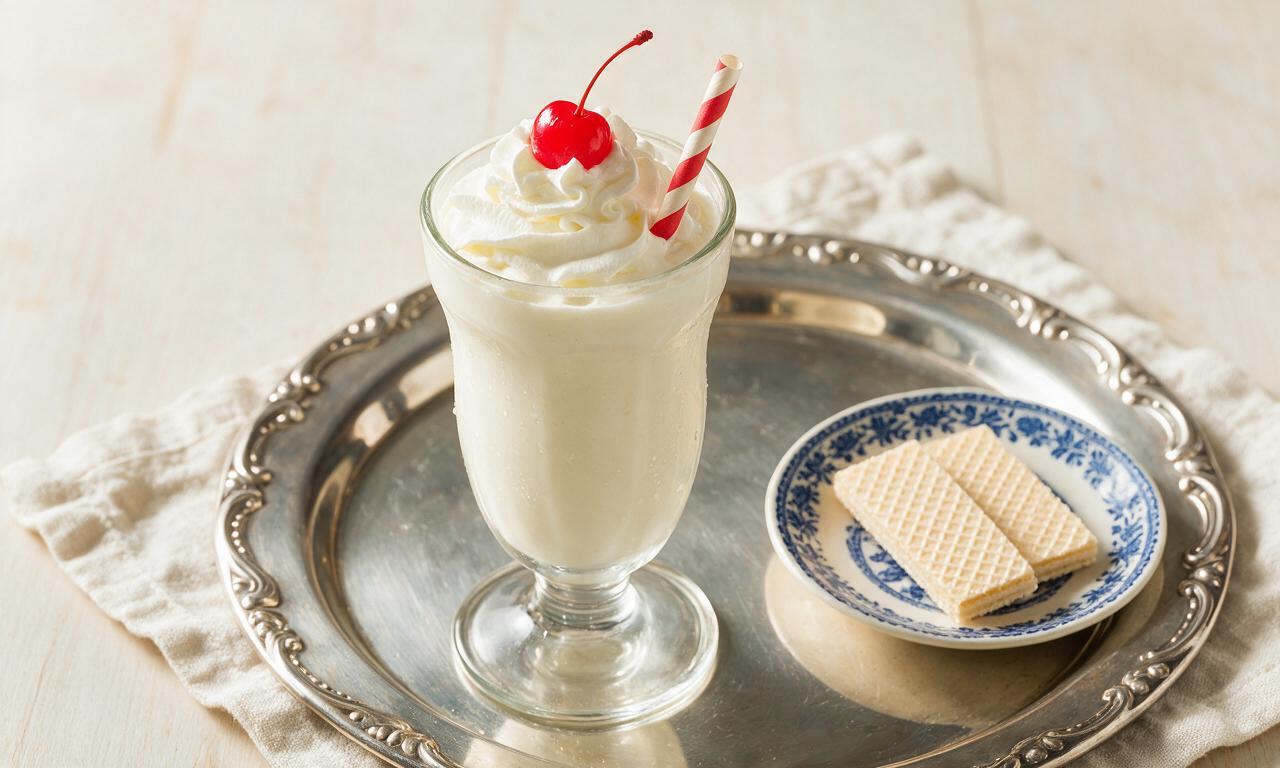
Thick, creamy, nostalgic classic vanilla milkshake with a rich, smooth texture, topped with whipped cream and a cherry for cool, sweet refreshment.

⏱️ 5 minutesDrinks & Beverages ★ 4.6
Drinks & Beverages
🍜 United States

A bright, golden strong ale with fruity banana-clove notes, subtle hop spice, and soft carbonation, brewed in classic Trappist Tripel tradition.

⏱️ 2 hours aDrinks & Beverages ★ 4.7
Drinks & Beverages
🍜 United States

A frothy, nostalgic American soda fountain treat pairing bubbly cold root beer with creamy vanilla ice cream, perfect for cooling down at warm weather gatherings.

⏱️ 20 minuteDrinks & Beverages ★ 4.9
Drinks & Beverages
🍜 United States

Tart, funky, effervescent American Wild Ale is a complex fruity craft beer brewed with wild yeast, delivering bright, zesty notes perfect for warm-weather sipping.

⏱️ 2 hours aDrinks & Beverages ★ 4.5
Drinks & Beverages
🍜 United States

Bright, bubbly copycat of the iconic American caramel cola, balanced with citrus and warm spice, perfect for sipping ice-cold on hot days.

⏱️ 15 minuteDrinks & Beverages ★ 4.8

Porter:Frequently Asked Questions

1.How is this classic London porter different from a regular dry stout?
Great question! Unlike bold, sharply roasty dry stouts, this classic London porter uses a higher ratio of smooth Maris Otter pale malt, modest amounts of roasted barley, and chocolate malt for mellow, rounded roast notes instead of sharp, bitter burnt flavor. The small dark brown sugar addition softens mouthfeel and adds the faint molasses warmth iconic to traditional porters.
2.Can I substitute Maris Otter pale malt if I can’t find it locally?
Absolutely! If Maris Otter is hard to track down, swap it for an equal amount of domestic 2-row pale malt, plus ½ teaspoon of light dry malt extract per pound of grain to mimic Maris Otter’s signature bready, honeyed depth. Skip very light, neutral 6-row malt here—it will make the final porter taste thin and fail to balance the bold roasty grains.
3.Do I need fancy professional homebrewing equipment to make this porter?
You don’t need pricey professional gear to pull this off! The core supplies you’ll need are a 5-gallon food-grade fermentation bucket with an airlock, a 3+ gallon stockpot for boiling wort, a siphon, no-rinse brewing sanitizer, and sealable bottles or a keg for carbonation. As long as you properly sanitize every surface that touches the beer, you’ll get consistent, great results.
4.Why does the recipe call for East Kent Goldings hops, and can I substitute them?
East Kent Goldings are a traditional English hop with delicate, earthy, slightly floral spice that complements the roasty malt and chocolate notes without overpowering them—this is not a bitter, hoppy IPA! If you need a substitute, use an equal amount of domestic Willamette hops, which have a nearly identical flavor profile. Skip bright, citrusy hops like Cascade, which will clash with the smooth malt character.
5.How long does this porter need to ferment before it’s ready to drink?
For the smoothest, best-tasting results, plan for a 2-week primary fermentation at a steady 65–68°F (the sweet spot for standard ale yeast) followed by a 1-week bottle conditioning period at room temperature to build natural carbonation. This porter gets even better with 2–3 extra weeks of cold fridge aging, as sharp roast notes mellow into that iconic smooth, sippable depth.
6.Will the roasted barley make this porter taste burnt or overly bitter?
Not if you measure and steep it correctly! This recipe uses a modest amount of roasted barley, added late in the grain steep to avoid extracting harsh, astringent burnt compounds. You’ll get pleasant, subtle coffee and dark cocoa notes instead of acrid, ashy flavor—just don’t steep roasted grains above 170°F, which pulls out those unpleasant bitter compounds.
7.What purpose does the dark brown sugar serve, and can I leave it out?
The dark brown sugar does two key jobs here: it boosts alcohol content slightly without adding heavy, cloying sweetness, and it contributes a faint, warm molasses note that ties the chocolate and coffee malt flavors together. If you need to leave it out, swap it for an equal weight of light dried malt extract to keep body and ABV consistent, though you’ll lose that subtle molasses depth.
8.What’s the ideal serving temperature for this homemade porter?
Skip the ice-cold serving temp you’d use for a light lager! This porter tastes best served at 50–55°F, which is cool but not frosty, so the roasty chocolate, coffee, and subtle molasses notes come through instead of being muted by extreme cold. Serve it in a thick tulip pint glass to hold the aroma, perfect for sipping on crisp fall evenings.
9.How long will bottled homemade porter stay fresh when stored properly?
When stored in a cool, dark spot away from direct sunlight and temperature swings, properly sealed bottles of this porter will stay fresh and tasty for up to 6 months. Unlike heavily hopped IPAs that fade fast, the roasty malt character actually softens and improves for the first 2–3 months after bottling. Avoid hot storage spots like garages, which cause skunky off-flavors fast.

Comments (5)

2 days ago

OMG, this classic porter recipe is an absolute game changer! I’ve been messing around with homebrewing for a couple years and could never nail that smooth, roasty, not-too-bitter porter I remembered from my favorite local brewery. The active prep was way simpler than I thought too, only took me a little over an hour on brew day, then just let it do its thing for two weeks. Brought a growler to our neighborhood potluck last weekend and everyone was begging for the recipe — even my brother-in-law who swears he only drinks IPAs loved it! 10/10 will be making this on regular rotation for our fall cookouts.

1 day ago

Wait, did you add any extra hops or adjuncts to yours? I’m thinking of tossing in half a vanilla bean when I rack to secondary to make it a little creamier, curious if that works well with this recipe.

2 hours ago

So glad it was a hit at your neighborhood potluck, Jake! @HikerGirlMeg — a 1/2 split vanilla bean added during secondary fermentation pairs so nicely with this porter’s roasted chocolate and coffee notes, no extra dry hopping needed if you want that classic smooth porter profile. If you give the vanilla tweak a shot, be sure to swing back and let us know how it turns out!

30 minutes ago

I was so intimidated by the medium difficulty tag on this recipe that I put off making it for weeks! I’m a total homebrewing newbie who’s only ever made basic hard seltzer at home before, and I was scared I’d waste a bunch of malt and end up with something that tastes like soapy dishwater. I finally bit the bullet to make a batch for my husband’s birthday (he’s porter obsessed) and — wait, quick question for folks who’ve made it: do I *have* to do the full two week ferment, or can I get away with 10 days if I keep the temp super consistent? I’m cutting it close to his party!

5 minutes ago

Hi Liz! So proud of you for giving this a go — you’ve got this! We don’t recommend cutting the fermentation time short, as that can lead to off flavors from unfermented sugars and underdeveloped malt notes. If you’re crunched for time, you can ferment for 10 days at a steady 65-68°F, then bottle condition for 4 days at room temp to get it close, but the full two weeks will give you that perfectly smooth classic porter taste. Hope your husband loves his birthday batch!

1 week ago

SO good. Just tapped my first batch last night after the full two week ferment and conditioning, and wow — that rich chocolate and subtle coffee note is perfectly balanced, zero harsh bitter aftertaste like the last porter recipe I wasted time on. I was worried the total time would be a hassle, but 90% of it is totally hands off, so it didn’t mess with my usual Sunday meal prep schedule for the week at all? Wild. My 10 year old even said the whole house smelled like “fancy fancy coffee” on brew day, which is a win in my book. Will absolutely be making this on repeat, might experiment with a tiny pinch of smoked malt next round for a little extra depth.

5 days ago

Wait you didn’t have to rearrange your whole weekend meal prep to make this? That’s such a win! I’ve been putting off trying any homebrew recipes because I thought they’d take up my entire Saturday and I’d fall behind on prepping lunches for the work week. Sold, grabbing my supplies after work tomorrow!

yesterday

Brought a growler of this to my friend’s fall bonfire last night and it was the total star of the show! People were going back for refills so fast I almost didn’t get a full glass myself. I’ve made a few heavy stouts before but never a classic porter, and this was way lighter and more drinkable than I expected — even my cousin who swears she hates all dark beer had two glasses! My only silly mishap: I realized my yeast packet was expired halfway through prep, had to make a 20 minute run to the local homebrew shop mid-boil. Still turned out absolutely perfect though, no notes!

2 hours ago

Oh man, I made the expired yeast mistake on my last homebrew batch! Tried to sub in regular bread yeast when I couldn’t make it to the shop and it was so weirdly bready and sweet, total flop for our last cookout. Glad yours turned out even with the mid-prep run — I’m making this exact recipe for our annual Halloween potluck next week, can’t wait!

30 minutes ago

So stoked this was a bonfire hit, Rae! Quick public service announcement for all our brewers: always double check your yeast expiration date and confirm it’s properly activated before pitching — that quick run to the store is way better than a ruined batch! Good luck with your Halloween batch, Steve — it’s going to be a crowd favorite, no question.

just now

Just finished bottling my batch yesterday after the full two week fermentation, snuck a tiny taste while I was siphoning and OMG — it’s better than the $7 a pint porter I get at my favorite downtown taproom! The roasty malt flavor is perfectly balanced, no weird astringent aftertaste, and the mouthfeel is so smooth. I was worried the medium difficulty rating meant I’d mess up a step, but the instructions were so clear and step-by-step, even when I had to troubleshoot a small temperature dip 3 days in I knew exactly what to fix. Can’t wait to let the bottles condition for another week and share them with my roommates — they’ve been hyped ever since the whole apartment smelled like roasted coffee on brew day. Total game changer, will be my go-to porter recipe from now on!