
Raspberry Stout
intro
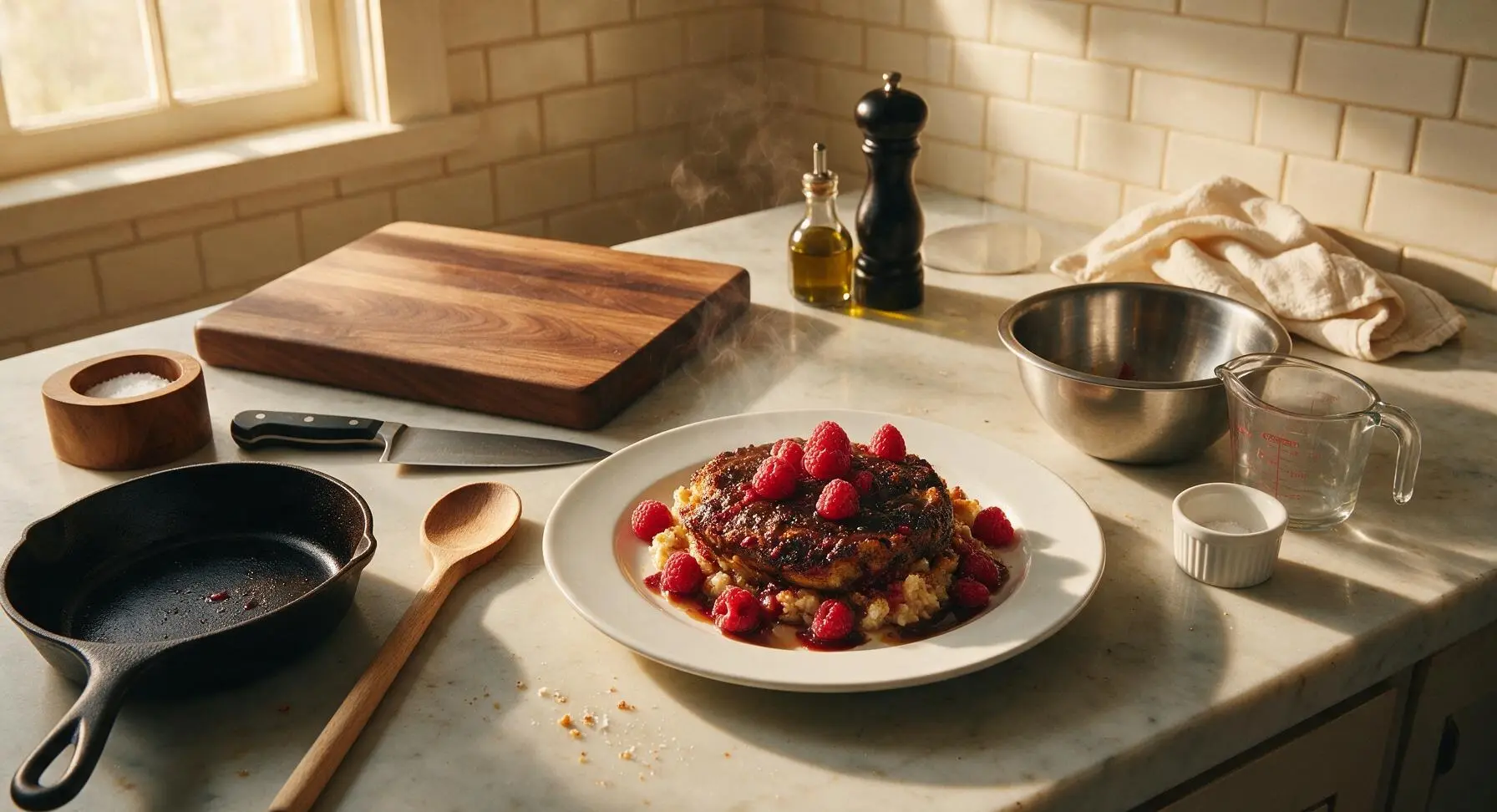
Rich, roasty dry stout brightened with tart fresh raspberries, balancing deep coffee and chocolate malt notes with bright berry zing for a smooth, flavorful craft pour perfect for cool Autumn evenings.
Ingredients
Steps
Mash the Malted Grains
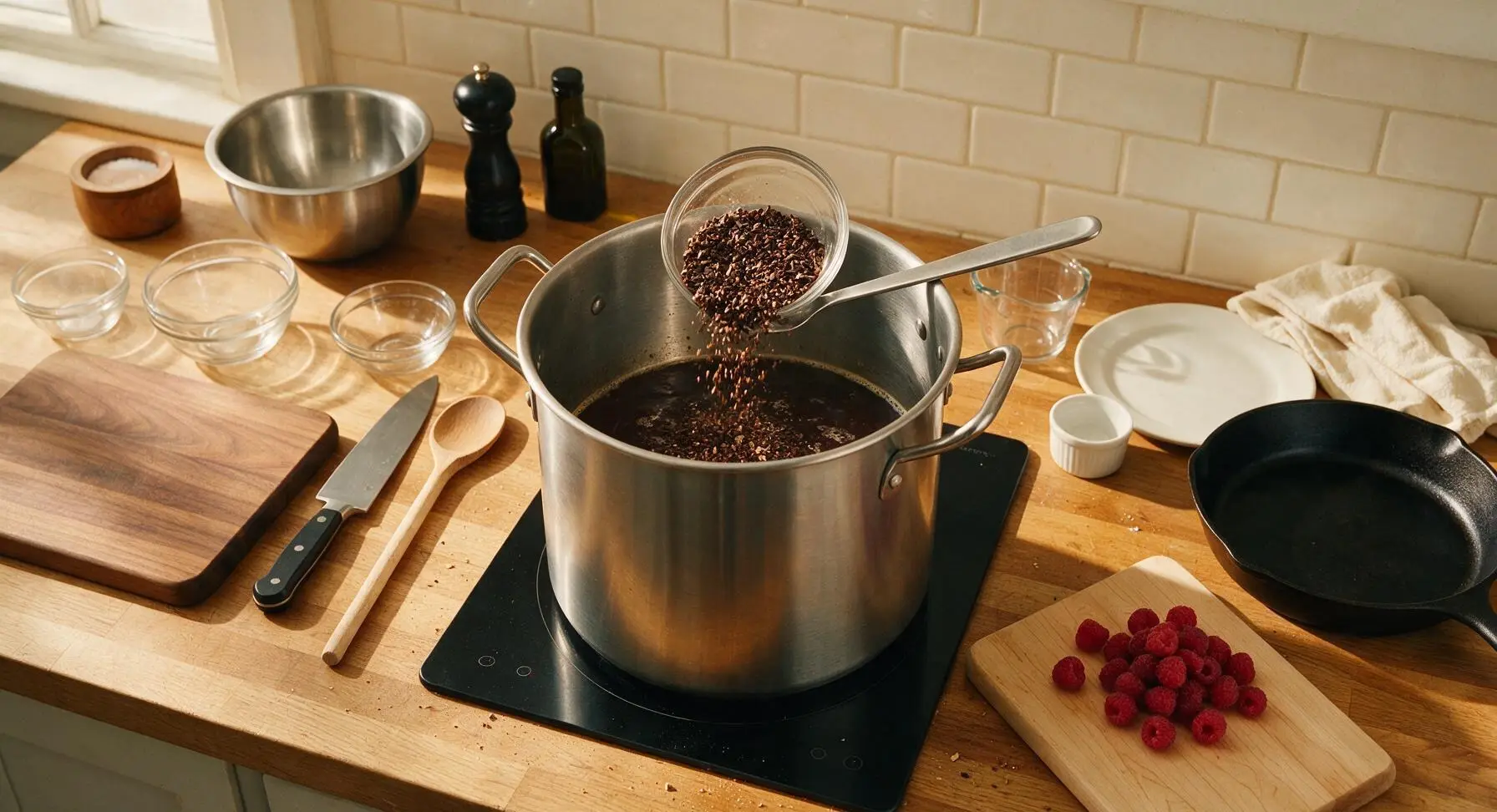
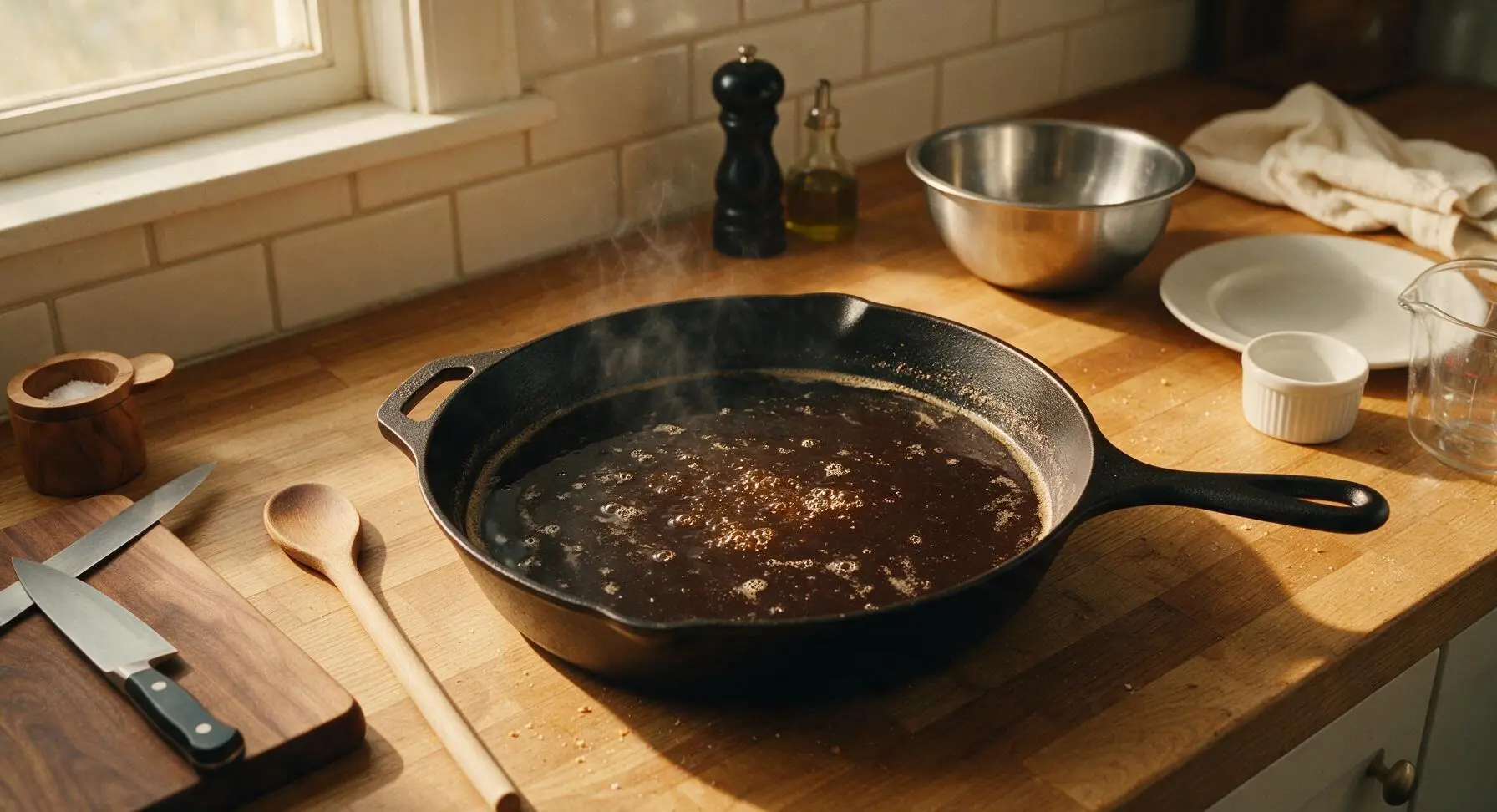
Pour 3L of filtered water into the 5-gallon brushed stainless steel brew pot set on the matte black induction burner, and heat to 67C (153F). Add all crushed pale 2-row, roasted barley, and chocolate malt, stirring with the long stainless steel spoon to break up any dry clumps. Hold the temperature steady at 65-68C (149-154F) for 60 minutes, keeping the pot covered. The finished mash will smell sweet and toasty, with a deep dark brown wort visible when you stir.
Strain the Sweet Wort
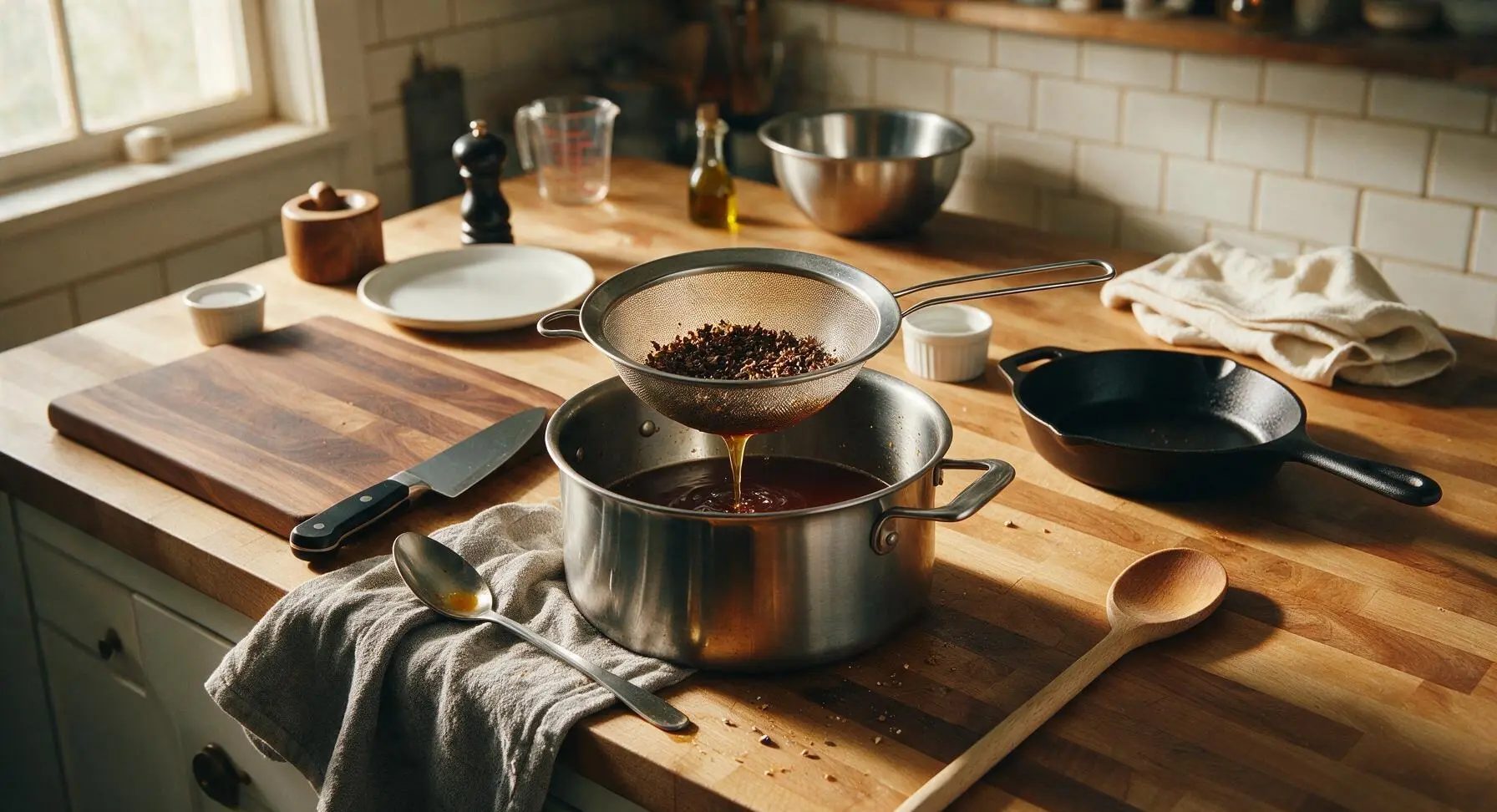
After the 60-minute mash, set the fine mesh stainless steel strainer over the top of the brew pot. Heat the remaining 1.5L of filtered water to 77C (170F), then pour slowly over the grain bed in the strainer to rinse (sparge) all residual sugar into the wort below. Discard the spent, drained grains, then return the pot of strained wort to the induction burner. Finished wort should be clear deep mahogany, with no large grain particles floating in the liquid.
Boil Wort with Hops
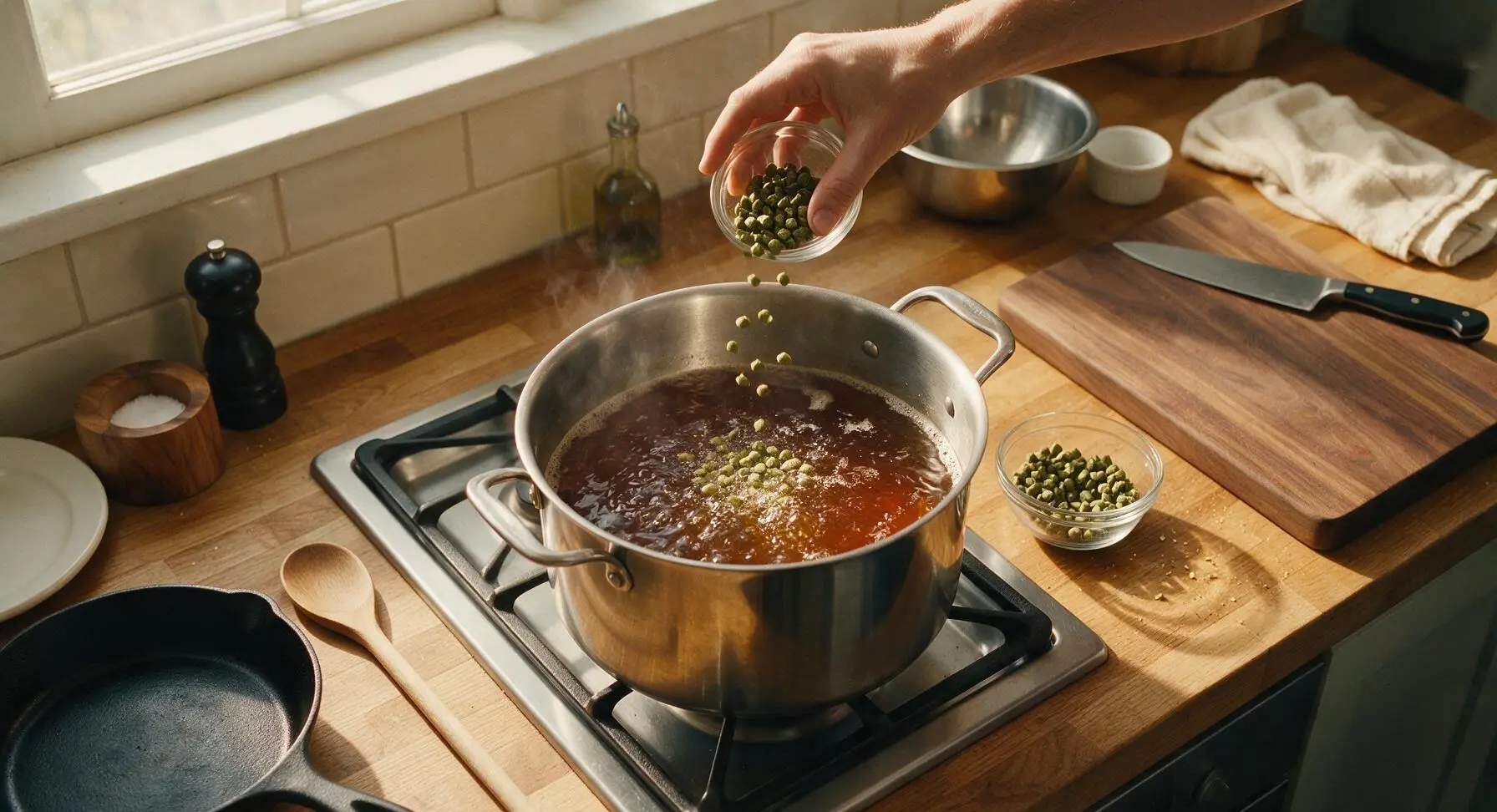
Bring the strained wort to a gentle rolling boil (100C/212F) and hold for 60 minutes, adjusting induction heat as needed to prevent boilovers. Add 7g (0.25oz) of Cascade hops at the start of the boil for clean bittering, then add the remaining 7g (0.25oz) of Cascade hops during the last 10 minutes of the boil for bright citrus aroma. Watch for the foamy hot break (coagulated protein) to form in the first 10 minutes of boiling, then subside to a steady calm boil.
Cool and Pitch Yeast
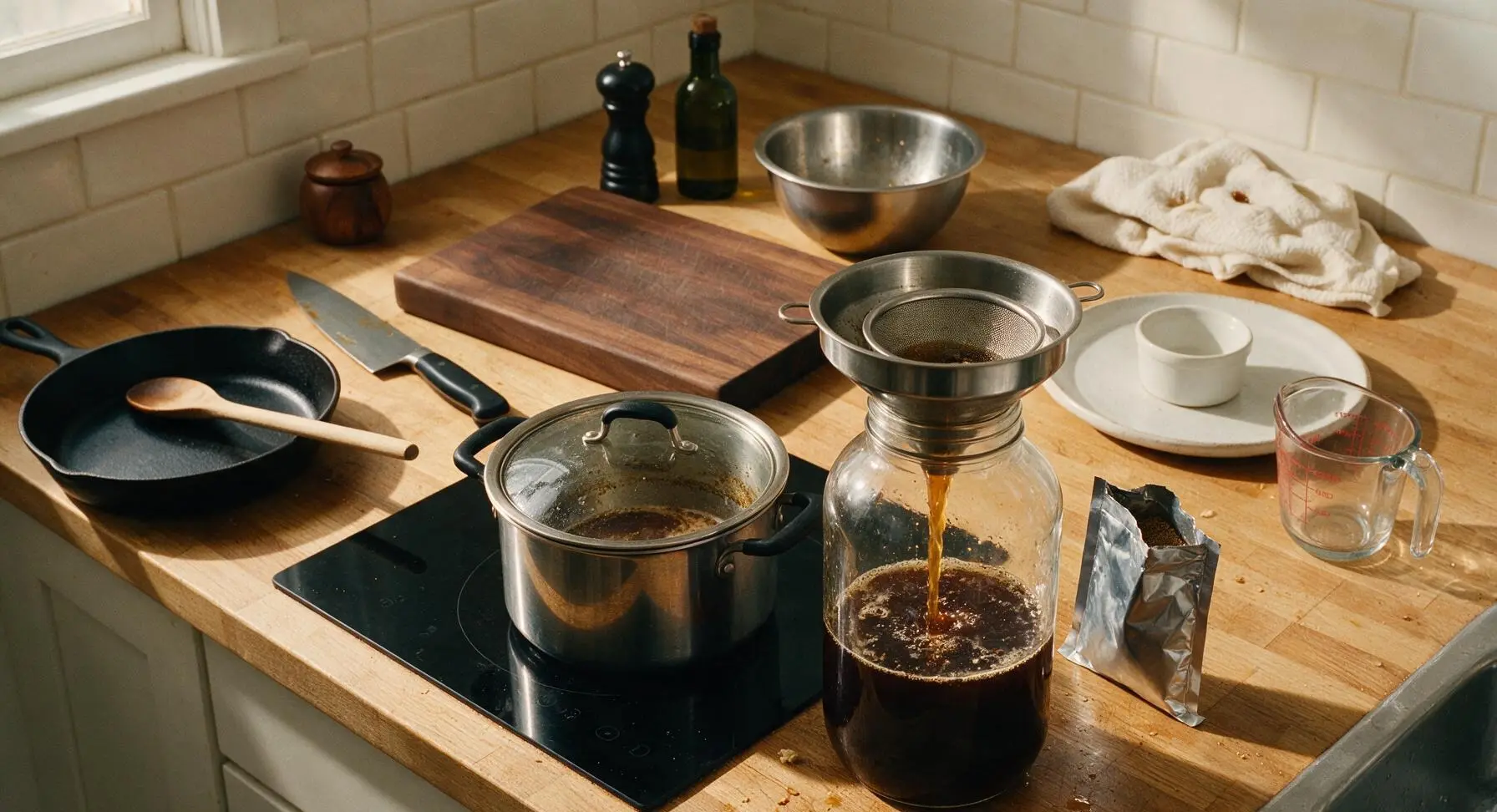
After the 60-minute boil, remove the pot from heat and cool the wort quickly to 21C (70F) using an ice water bath (set in the adjacent sink, off frame). Once cooled, place the small stainless steel funnel topped with the fine mesh strainer in the mouth of the 1-gallon clear glass fermenter, and pour the wort through to remove hop and grain debris. Sprinkle the full packet of US-05 ale yeast over the wort surface, seal the fermenter with a sanitized airlock, and store in a dark, temperature-stable 18-21C (65-70F) space for 7 days of primary fermentation. The wort will appear opaque dark brown immediately after yeast is added.
Add Fresh Raspberries
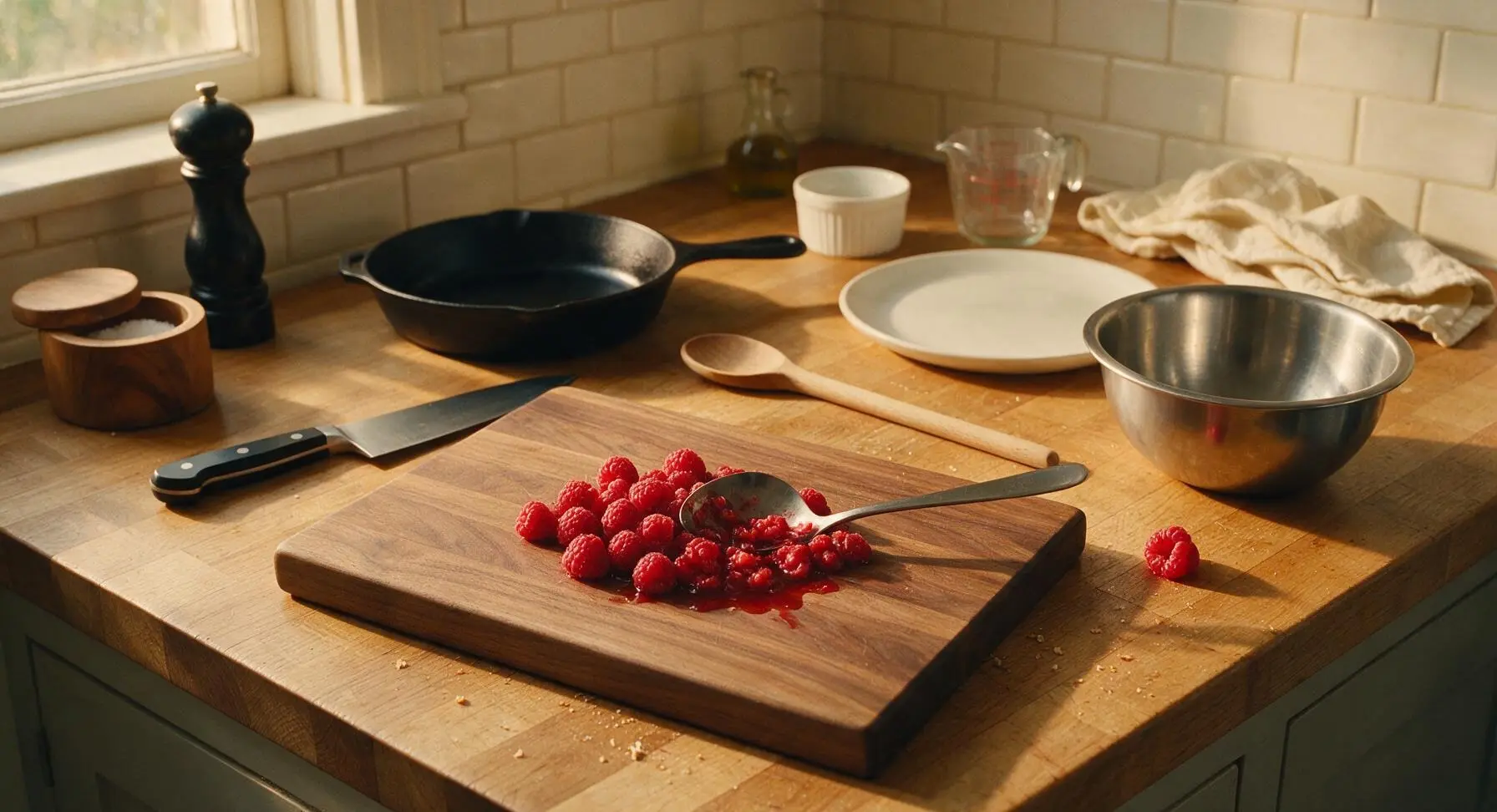
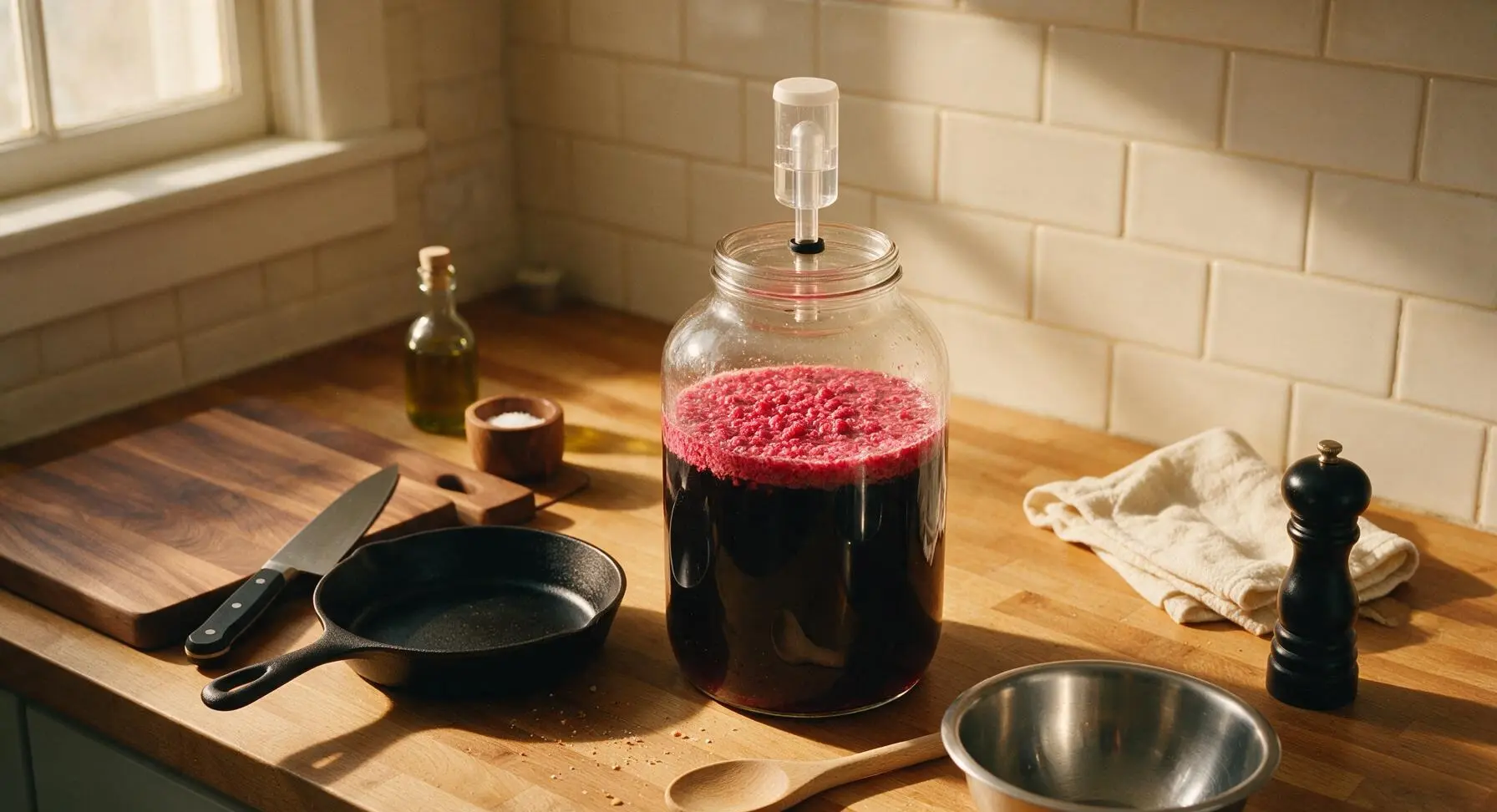
After 7 days of primary fermentation (when airlock bubbling slows to 1 bubble every 30 seconds), rinse fresh raspberries lightly and place them on the maple cutting board. Gently crush the berries with the back of the long stainless steel spoon to release juice, then add all crushed fruit and juice to the fermenter through the stainless steel funnel. Reseal the airlock, and allow fermentation to continue for 7 more days at the same stable temperature. Raspberries will initially float to the top of the wort, forming a thick pink fruit cap.
Bottle for Carbonation
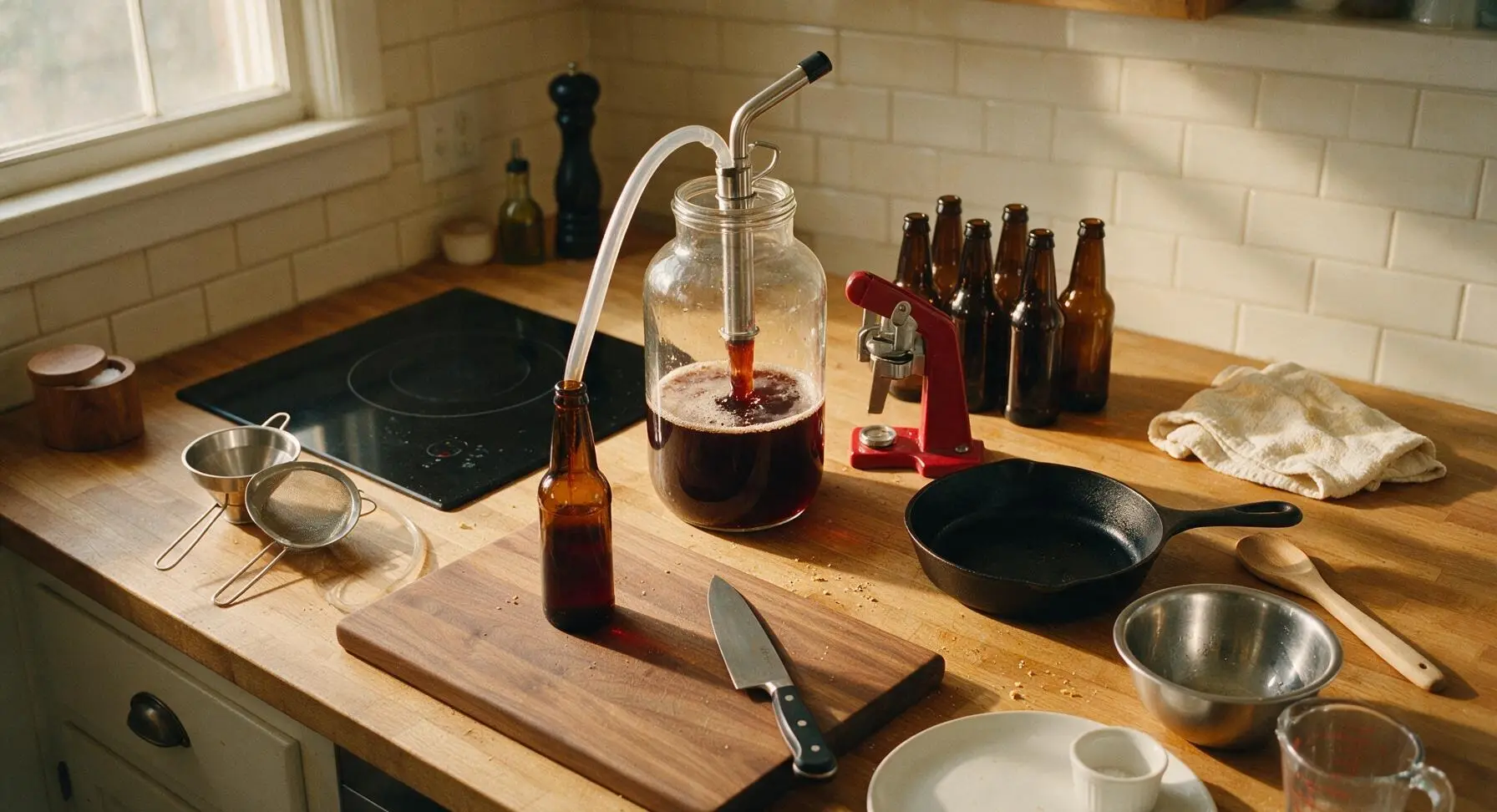
After 14 total days of fermentation, when the pink raspberry cap has sunk to the bottom of the fermenter and the beer is clear dark ruby-brown, sanitize all 8 amber 12oz glass bottles. Dissolve the 28g (1oz) corn priming sugar in 2 tablespoons of boiling water, divide evenly between the sanitized bottles, then siphon beer from the fermenter into each bottle using the auto-siphon and clear silicone tubing, taking care not to disturb the thick yeast sediment layer at the bottom of the fermenter. Seal bottles tightly with the red metal bench capper, then store at room temperature for 14 days to allow natural carbonation to develop.
Chill and Pour to Serve
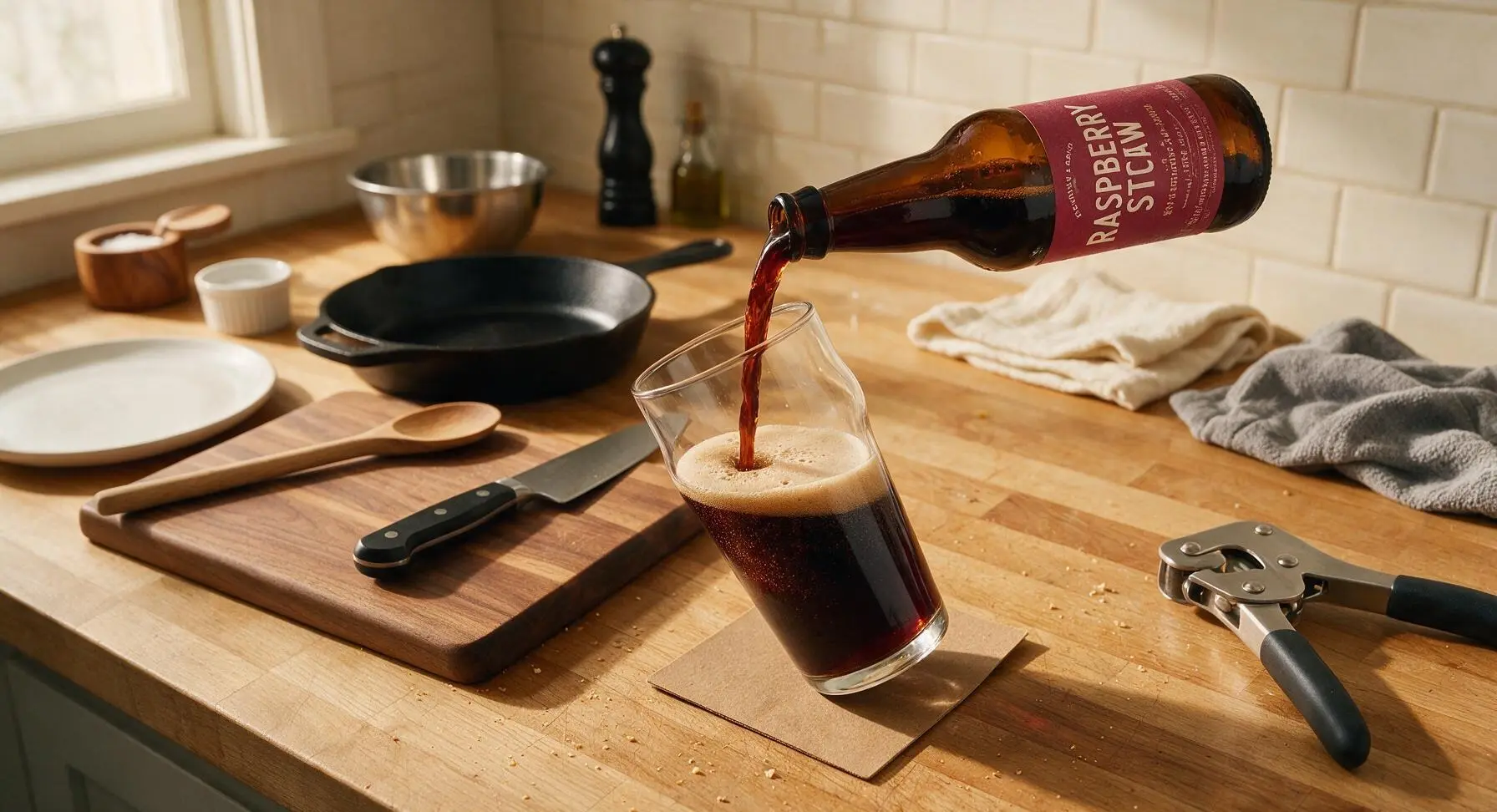
After 14 days of bottle conditioning, chill bottles for a minimum of 4 hours in the refrigerator before serving. Pour slowly into the clear nonic pint glass held at a 45-degree angle, then tilt the glass upright as it fills to build a 1-inch thick tan creamy head. Garnish with fresh raspberries if desired. The finished beer will have deep roasty coffee and chocolate notes balanced by bright tart raspberry, with subtle citrus hop aroma.
Tips
2.Freeze fresh raspberries for 24 hours before adding them to the fermenter: freezing ruptures the fruit cell walls to release more bright raspberry flavor and aroma, and reduces harsh astringency that can come from over-crushing raspberry seeds.
3.Leave the last ½ inch of beer in each bottle when pouring: this layer contains settled yeast sediment that will make your pour cloudy and add unwanted bready, yeasty flavors that mask the clean raspberry and roast notes of the stout.






OMG, this raspberry stout is a total game changer! I brought a batch to my weekend backyard potluck and everyone was begging for the recipe. The raspberry doesn’t overpower the deep, roasty stout flavor at all, it’s the perfect bright little kick. 10/10 will be making this again for our fall tailgate.
I was a little nervous to tackle a homebrew recipe since I usually stick to baking, but the medium difficulty rating felt doable! The 2 hour cook time was totally manageable on a lazy Sunday afternoon, even with my kids popping in to “help” stir. My kids loved the little sample I gave them (don’t worry, it was just a tiny non-alcoholic sip from the pre-yeast batch!) and the final result is SO good, I already gave a couple bottles to my neighbor.
Wait, quick question— I used frozen raspberries instead of fresh last time I tried a similar recipe and it came out way too watery. Does this recipe account for that, or should I thaw and drain them first if I don’t have fresh on hand?
Made this for our college football watch party last Saturday and my buddies absolutely demolished a whole 5 gallon batch in one night. Only complaint is I didn’t make enough! The subtle raspberry cut through the heavy stout so well, even our friend who swears he “hates fruit beer” had three glasses.
I messed up the first steep step because I misread the temp, but even with my little mistake this still turned out way better than the store-bought raspberry stout I usually splurge on. Will definitely be paying closer attention to the temps on my next batch, can’t wait to nail it!
So excited to try this! Quick question before I shop for supplies: has anyone made this with a fully vegan malt base? I’m dairy free and have run into so many stout extracts with hidden lactose lately, I don’t want to mess up that deep, creamy flavor.
I bottled half of this batch with a little extra raspberry puree for a more forward fruit flavor, and kept the other half as written for folks who prefer a more traditional stout. Both versions were gone in 20 minutes at my office potluck! Game changer recipe for real.
Y’all, I forgot to sanitize my bottling wand before racking this and got a tiny bit of off flavor in one bottle, but the rest? *Chef’s kiss.* Don’t be like me, don’t skip the sanitizing step, it’s not worth it! The recipe itself is foolproof if you follow the steps, though.
Made this for my partner’s birthday since they love stouts and raspberries, and they said it’s better than any craft beer we’ve picked up from the local brewery. We paired it with dark chocolate brownies for dessert and it was the perfect cozy night in. 10/10 date night win.
First time ever brewing anything at home and this felt so approachable even with the medium difficulty tag! The instructions were super clear, I didn’t feel lost at any point even when I was mashing the grains. My first sip felt like such a win.
Wait, the cook time says 2 hours, does that include the time waiting for the wort to cool, or is that just active cooking time? I only have small windows of time after the kids go to bed to work on projects like this, so I’m trying to plan.
I brought a growler of this to my family dinner last Sunday and even my 72 year old dad who only drinks generic light beer said he loved it. The raspberry is so subtle it doesn’t scare off people who don’t usually drink dark beer, which is such a superpower.
Wait, how long does this keep in the fridge once it’s carbonated? I like to have little treats ready to pull out for impromptu friend hangouts, so I’m wondering if I can make a big batch and have it last a few weeks.
I was skeptical that a homemade stout could compete with the craft raspberry stout from my favorite local brewery, but wow. This is so well balanced— the roast, the chocolate notes, the bright tart raspberry, none of it overpowers the others. SO good.
OMG, can I add extra raspberries to make the flavor more tart? I love super punchy fruit forward beers, and I don’t want the raspberry to get lost in the roasty stout flavor.
I’m making a batch of this for our annual ugly sweater holiday party this year, I just know it’s going to be a hit. I’m even going to set out a little garnish station with fresh raspberries and chocolate shavings for people to top their glasses with. Fancy but low effort!
Has anyone tried making this with a gluten free grain blend? I have a couple friends with celiac who come to our monthly game nights, and I’d love to make a version they can enjoy too without losing that classic stout texture.