raw chicken in fridge

title 1
raw chicken in fridge
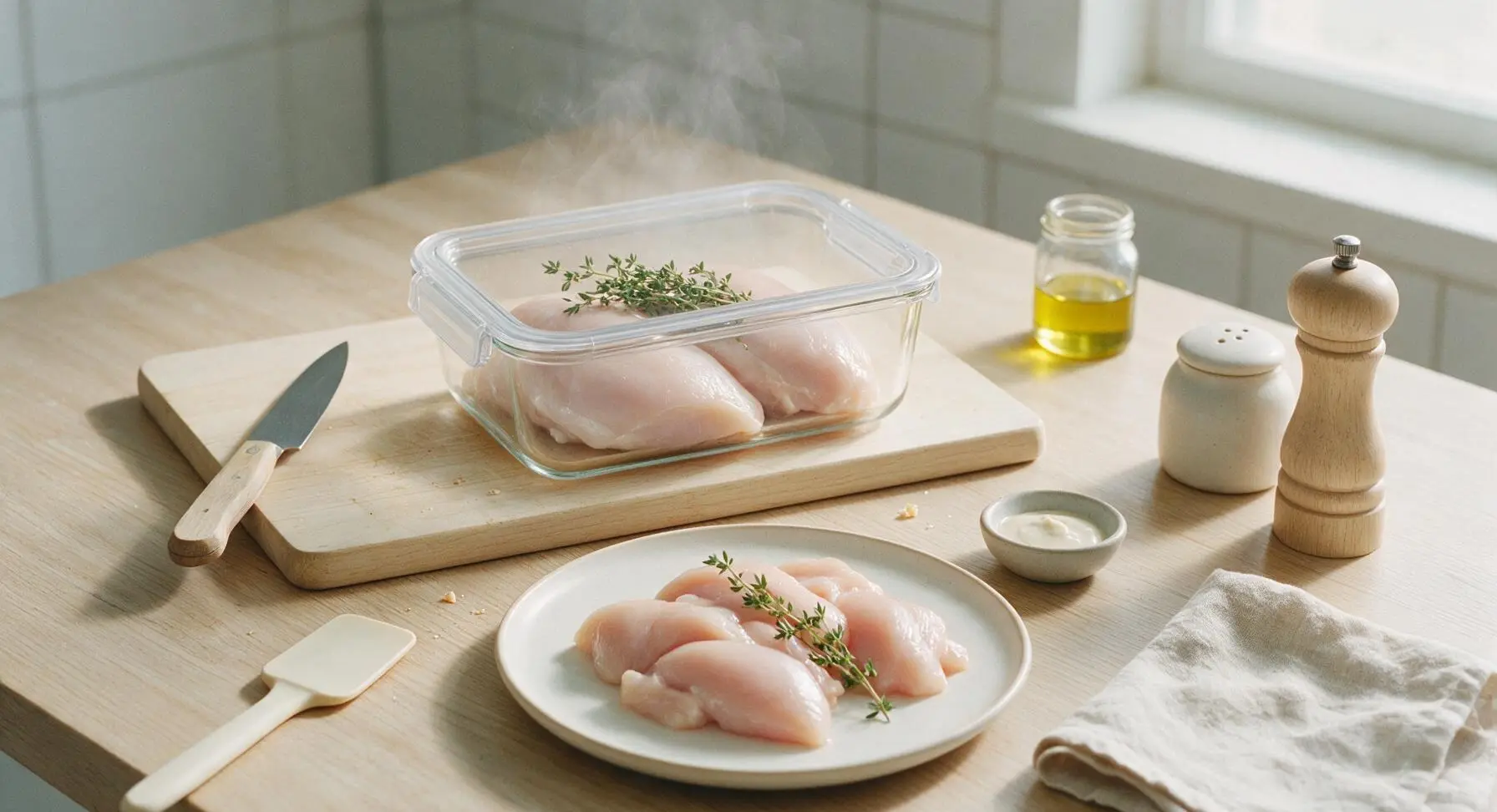
⏱️ cook time 0 minutes (short-term cold storage, no active cooking)
🍽️ servings 4
⚡ Difficulty easy

intro

Master the food-safe method to store raw chicken in your fridge, preventing cross-contamination, slowing bacteria growth, and keeping poultry fresh for quick weeknight meals. No mess, no spoiled meat, no safety risks.

Ingredients
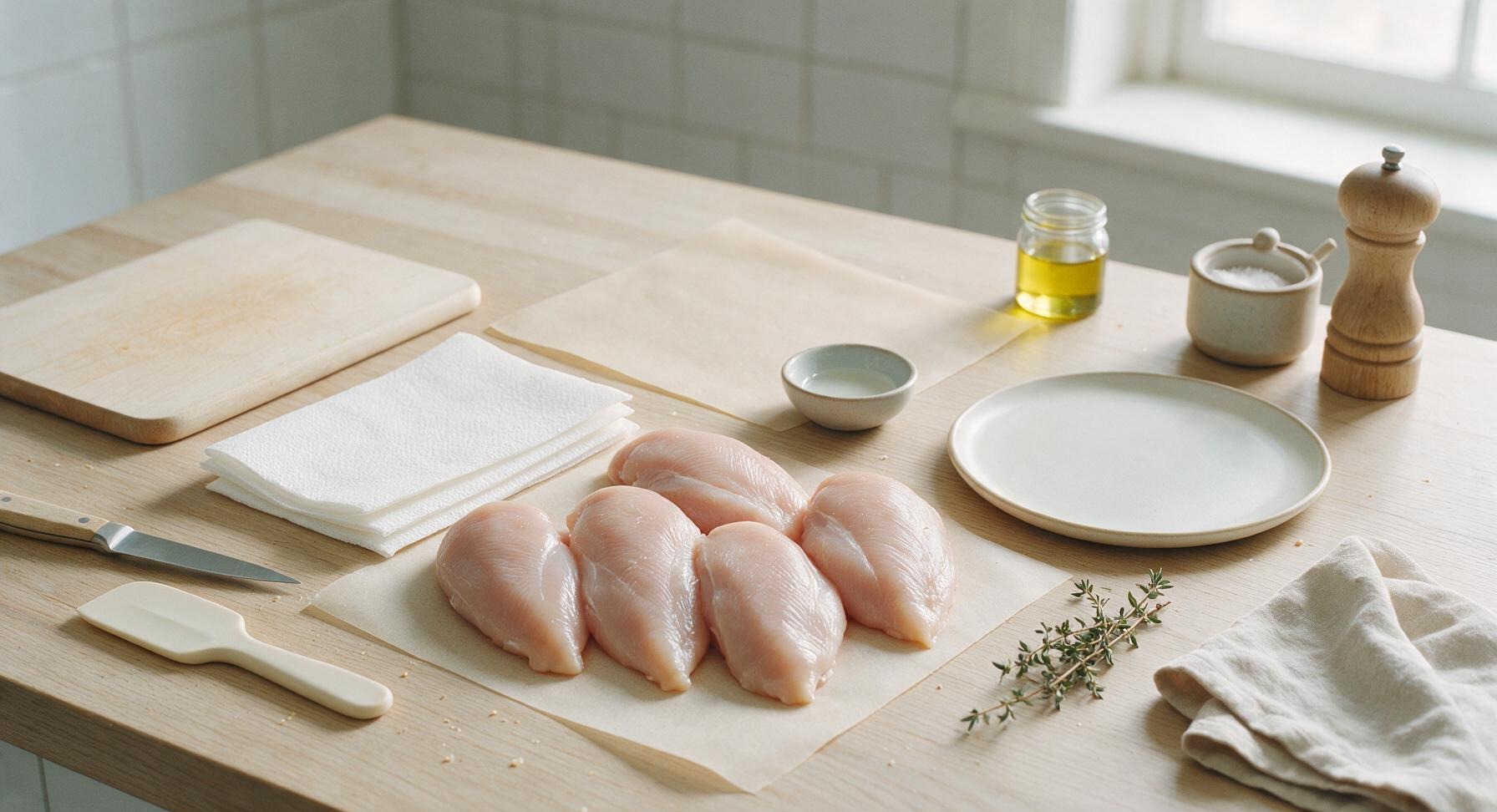
Raw boneless, skinless chicken breasts 680g (1.5 lbs, 4 pieces)
Unbleached white paper towels 3 full sheets
Unbleached parchment paper 1 30x40cm sheet
White distilled vinegar (for sanitizing) 1 tablespoon

Steps

1

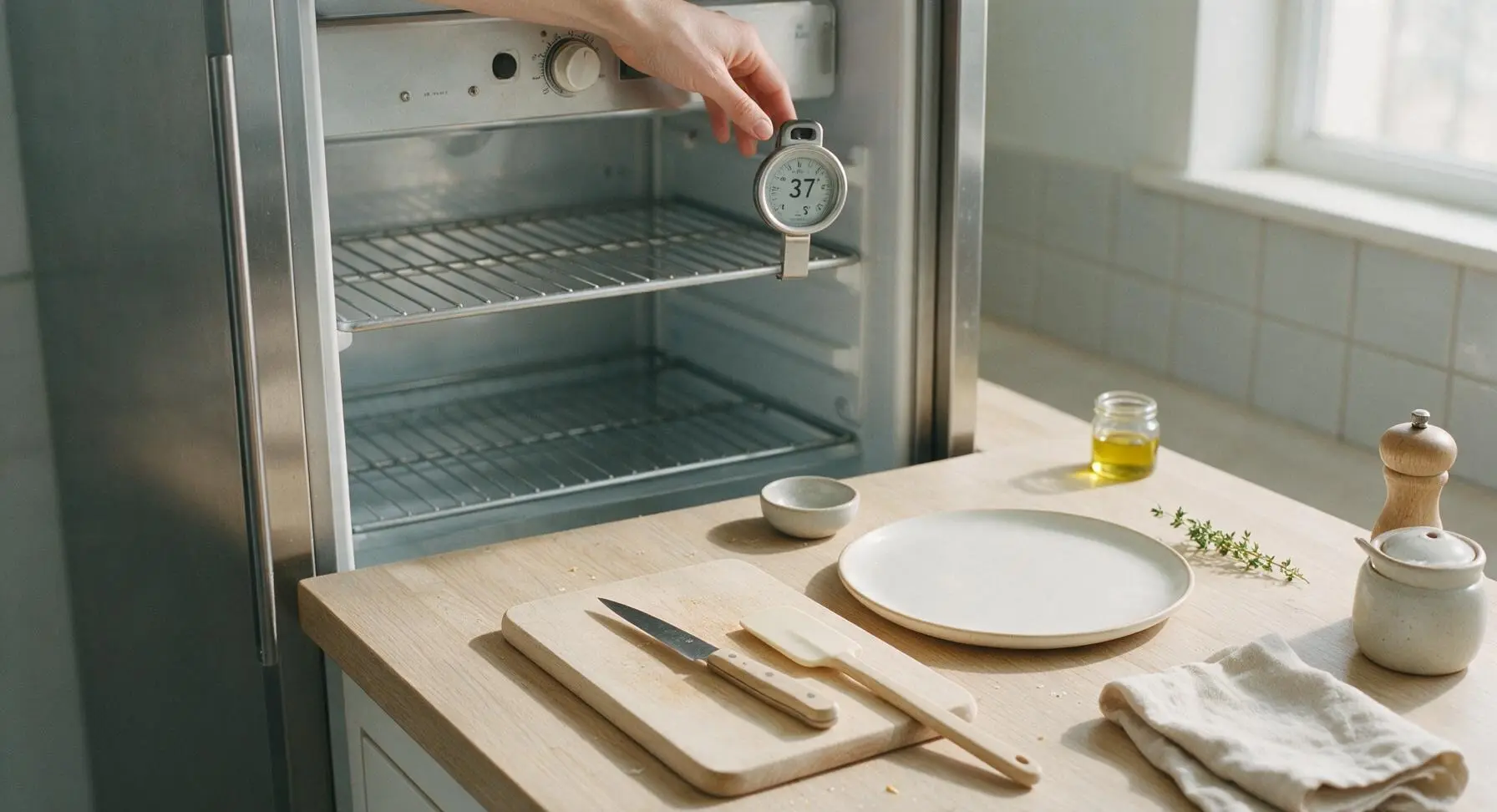
Verify Fridge Temperature

Open the refrigerator door and check the digital thermometer clipped to the top right interior shelf. Confirm the internal temperature reads 40°F (4°C) or colder; adjust the fridge thermostat if the reading is higher, as temperatures above this threshold allow rapid, unsafe bacteria growth on raw poultry. Wait 15 minutes after adjusting the thermostat before storing food to let the internal temperature stabilize. A visual cue of correct temperature is the thermometer holding a steady reading between 34–38°F (1–3°C) for 5 consecutive minutes.
Step 1
step1:Verify Fridge Temperature
2

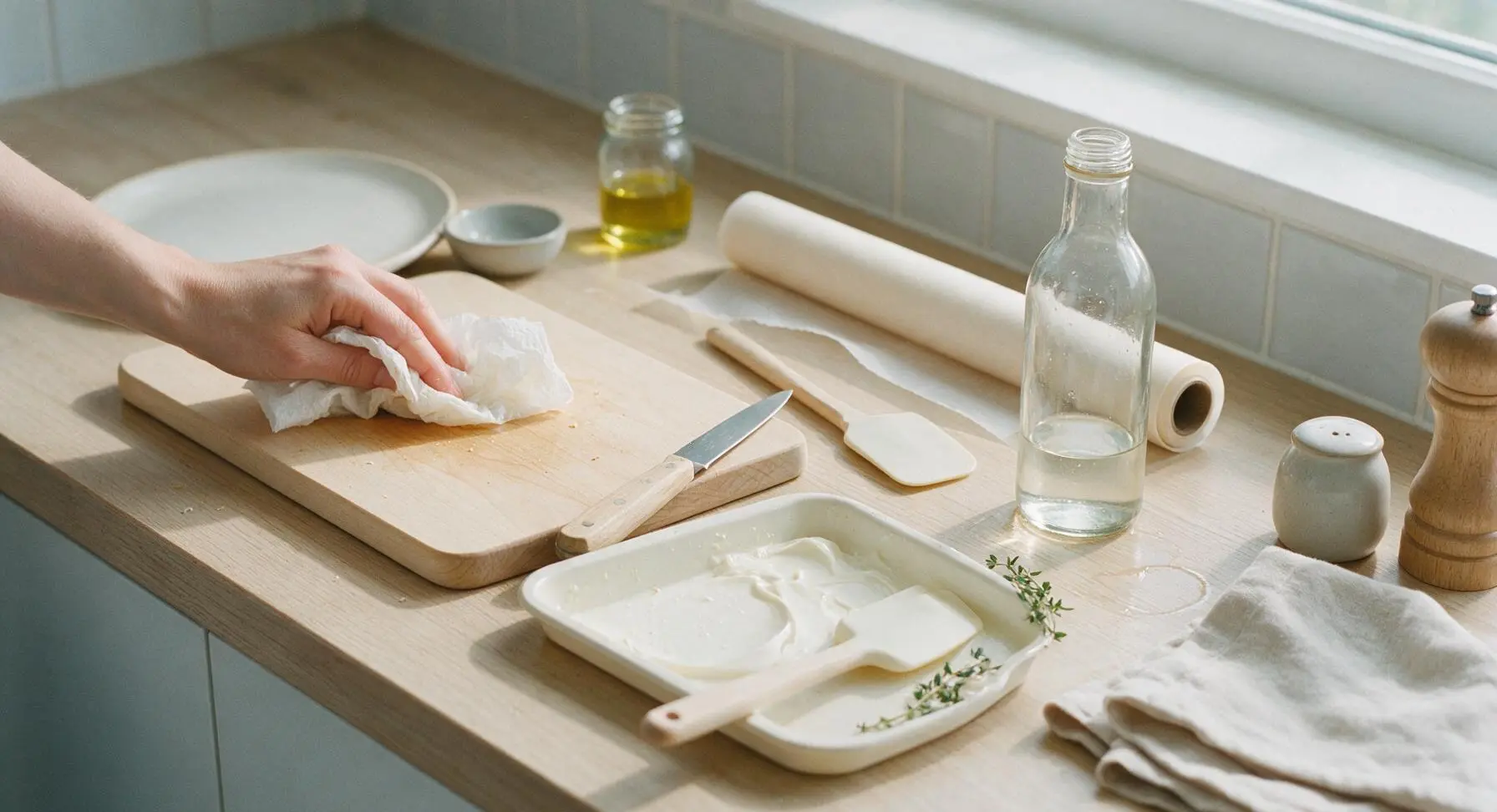
Sanitize Work Surface

Uncap the clear glass vinegar bottle and dampen a paper towel from the ramekin with 1 tablespoon of white vinegar to make a quick food-safe sanitizer. Wipe the full surface of the white plastic cutting board, the top of the cream ceramic tray, and the handles of the tongs and paring knife. Dry all wiped surfaces with a fresh paper towel to remove any residual moisture or existing surface bacteria before handling raw poultry, and discard used paper towels in a lidded trash bin.
Step 2
step2:Sanitize Work Surface
3

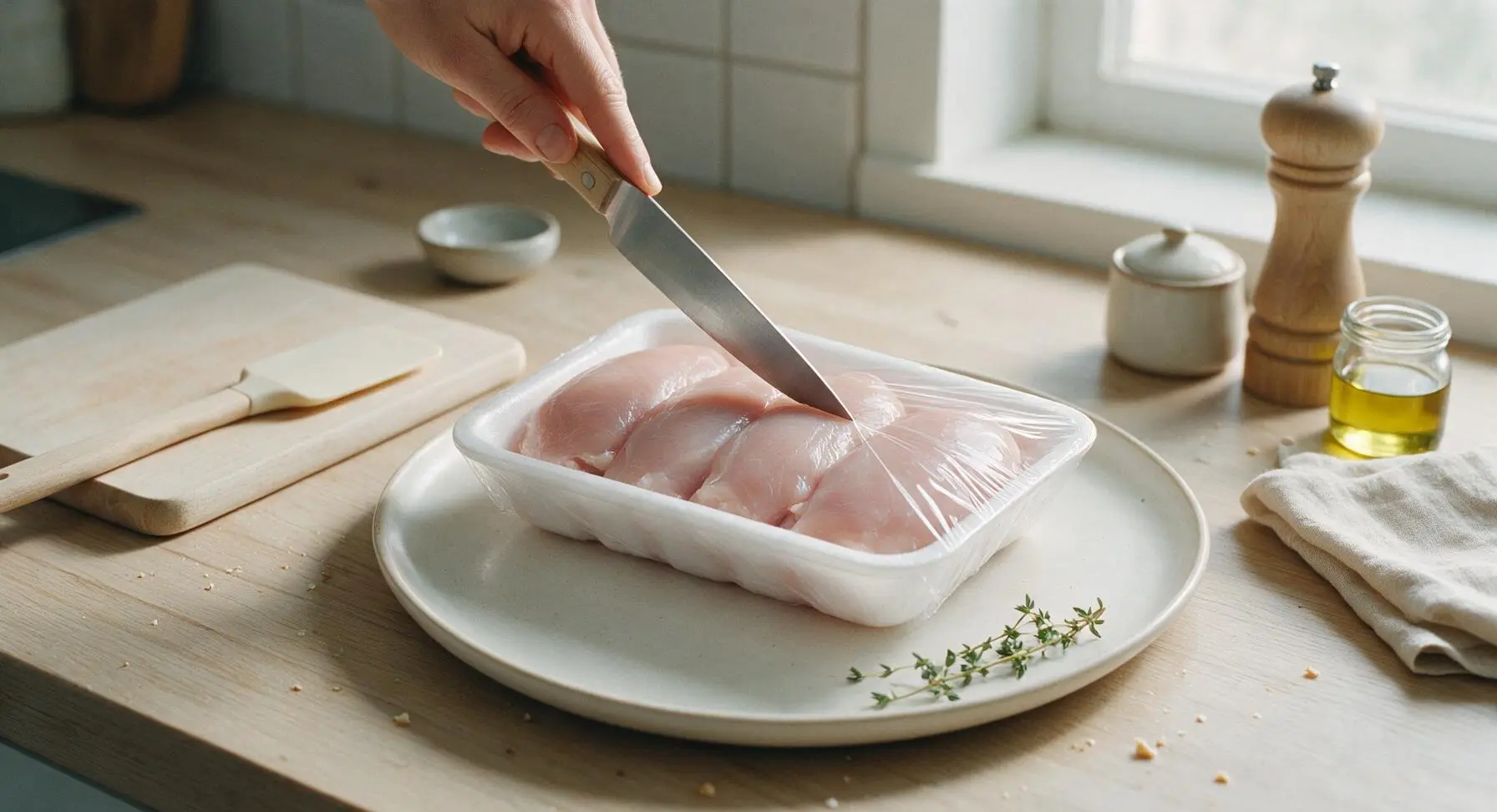
Unpackage Raw Chicken

Set the sealed grocery store chicken package (white foam tray wrapped in tight clear plastic, holding 4 pale pink raw chicken breasts) directly on the sanitized cream ceramic tray to catch any accidental juice drips. Use the paring knife to carefully slice through the top plastic wrap, taking care not to press hard enough to splash pooled chicken juices. Lift each chicken breast out of the packaging using the stainless steel tongs, placing them in a loose pile on the white plastic cutting board. Fold the original foam tray and plastic wrap closed and set it on the far edge of the cream tray for later disposal.
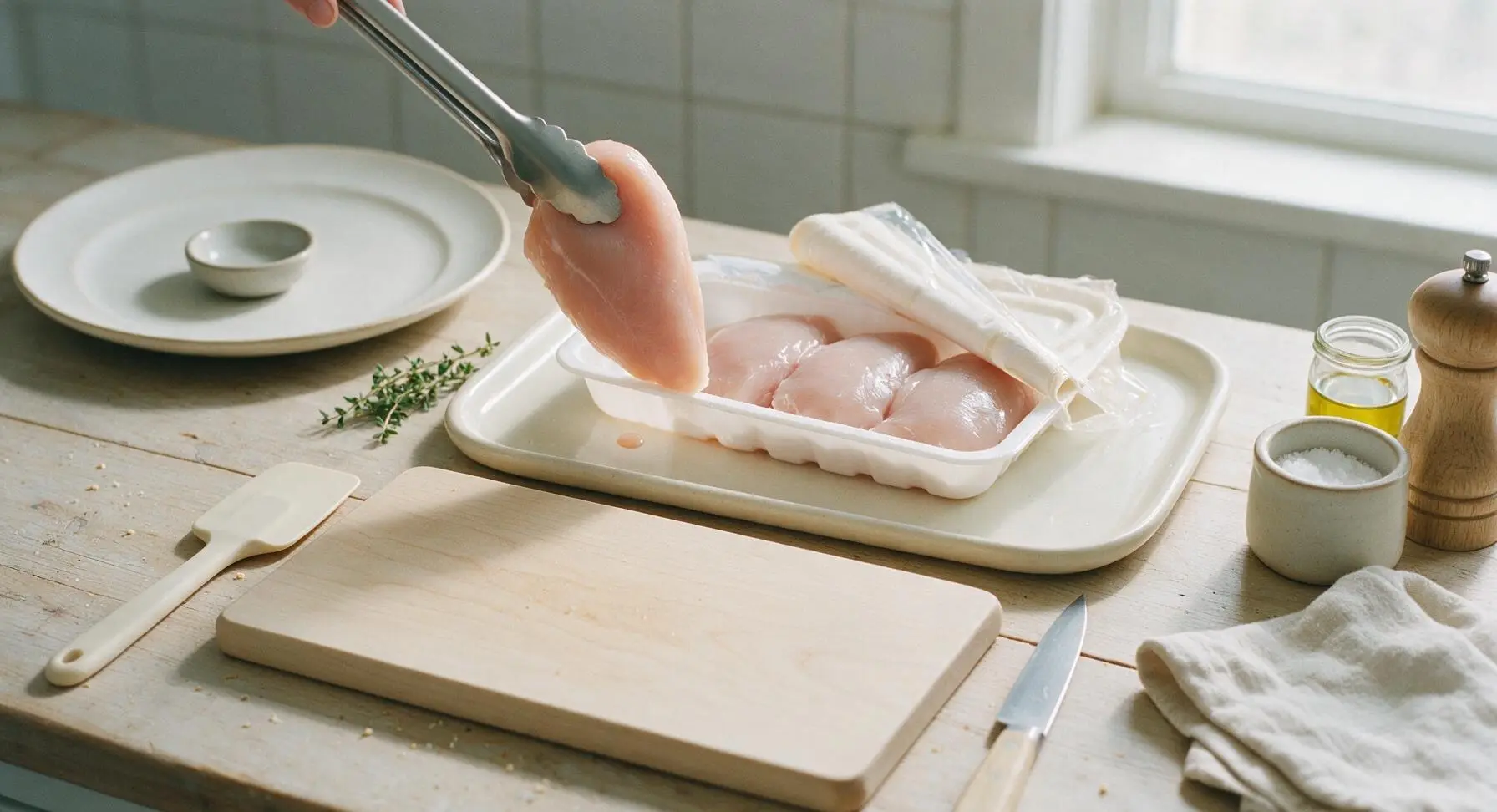
Step 3
step3:Unpackage Raw Chicken
Step 3
step3:Unpackage Raw Chicken
4

Pat Chicken Dry

Take 2 clean paper towels from the ramekin and gently press them against every surface of each raw chicken breast on the cutting board to absorb excess surface moisture. Do not rub the chicken firmly, as this can spread surface bacteria across the meat and surrounding counter; use light, dabbing motions until the chicken surface feels slightly matte and damp to the touch, not wet or slimy. Discard used, moisture-soaked paper towels immediately in the trash.
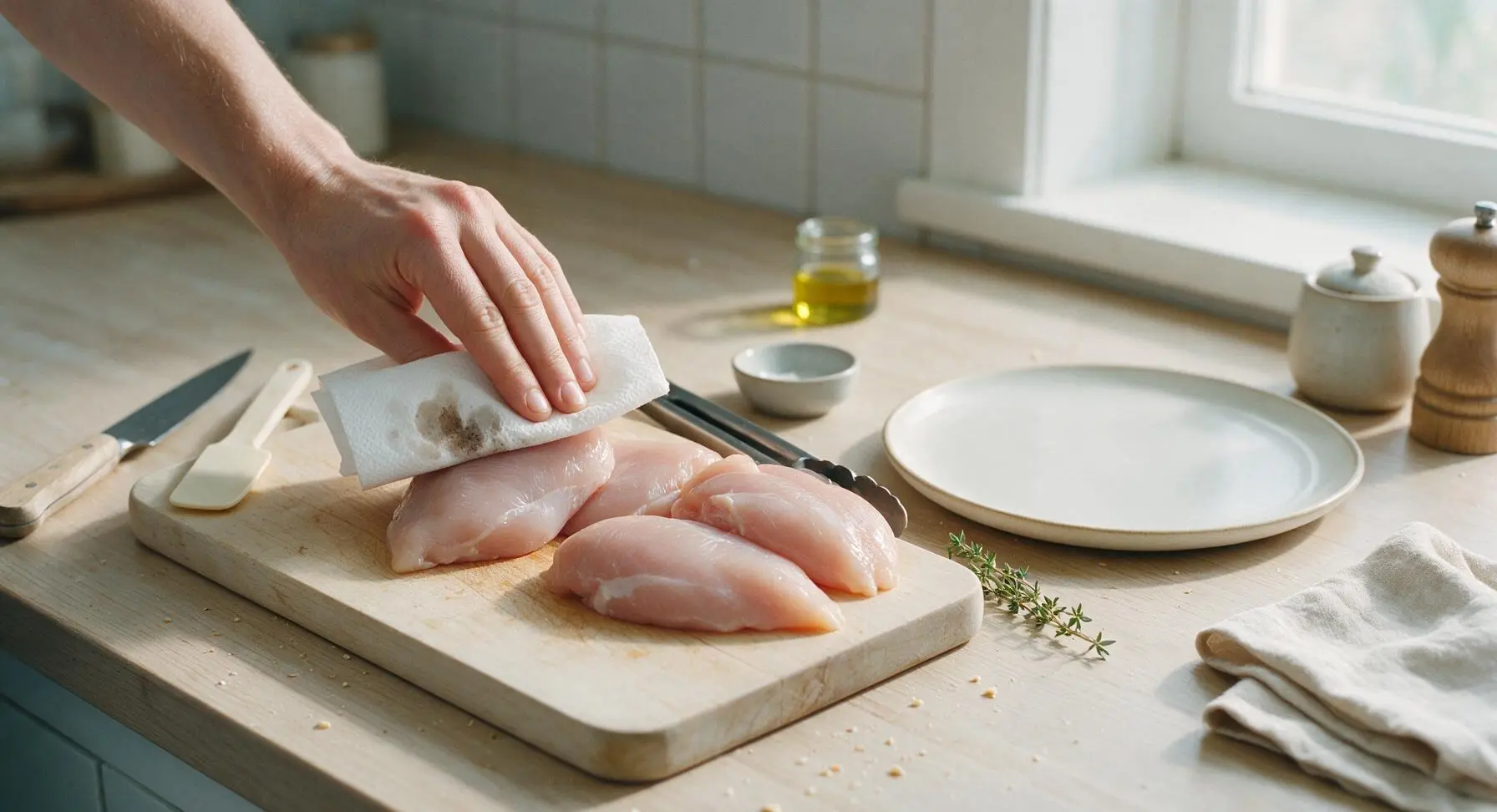
Step 4
step4:Pat Chicken Dry
5

Wrap Chicken Loosely

Pull the clear plastic storage bin from the under-counter cabinet and set it on the counter space between the cutting board and the parchment paper roll. Tear a 30x40cm sheet of natural tan parchment paper from the roll, and loosely wrap each dried chicken breast in a single layer of parchment, leaving a 1cm gap at the wrap edges to allow gentle air circulation. Do not wrap chicken tightly in plastic wrap for short-term fridge storage, as trapped moisture speeds spoilage and causes slimy texture. Set each wrapped piece in the clear storage bin, leaving small gaps between pieces for air flow.
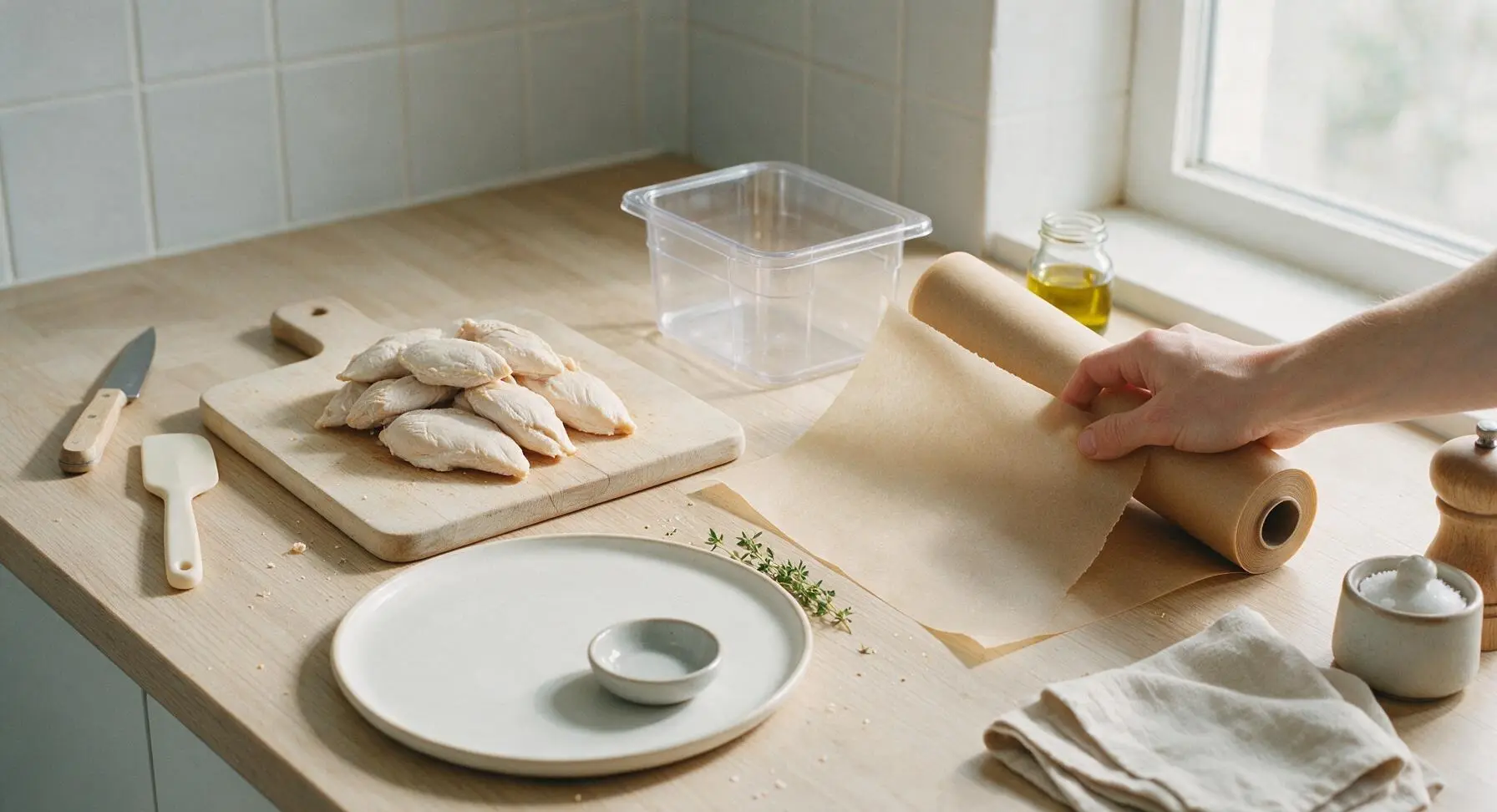
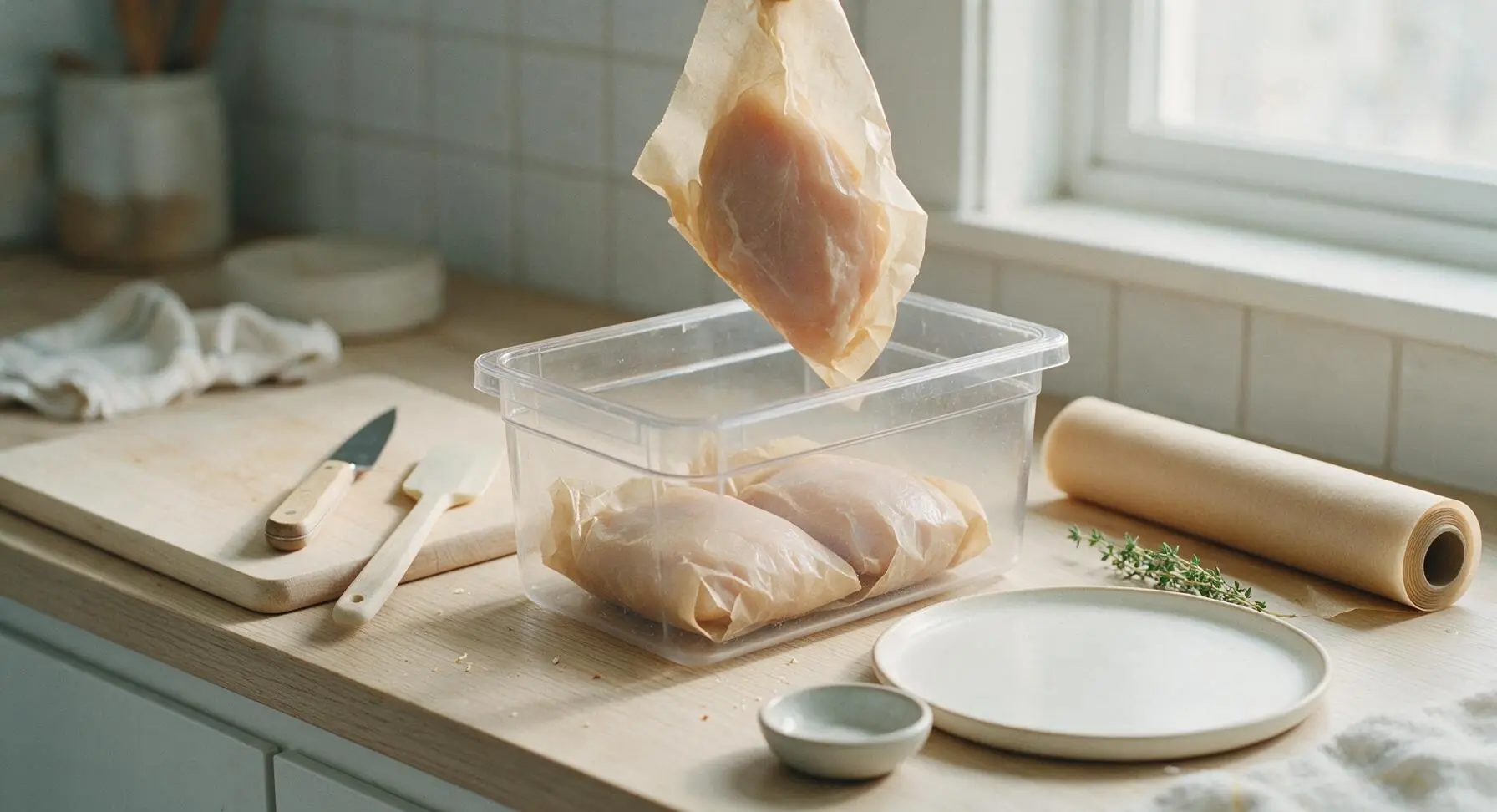
Step 5
step5:Wrap Chicken Loosely
Step 5
step5:Wrap Chicken Loosely
6

Place On Lowest Shelf

Open the refrigerator door fully, and lift the clear plastic storage bin holding the wrapped chicken. Slide the bin directly onto the lowest interior fridge shelf, positioned so it sits below all ready-to-eat foods, produce, dairy items, and leftovers. This lowest position eliminates cross-contamination risk from accidental juice drips falling onto other food items. Never store raw chicken on upper fridge shelves or in the door bins, where temperatures fluctuate frequently and are often warmer than the safe 40°F threshold.
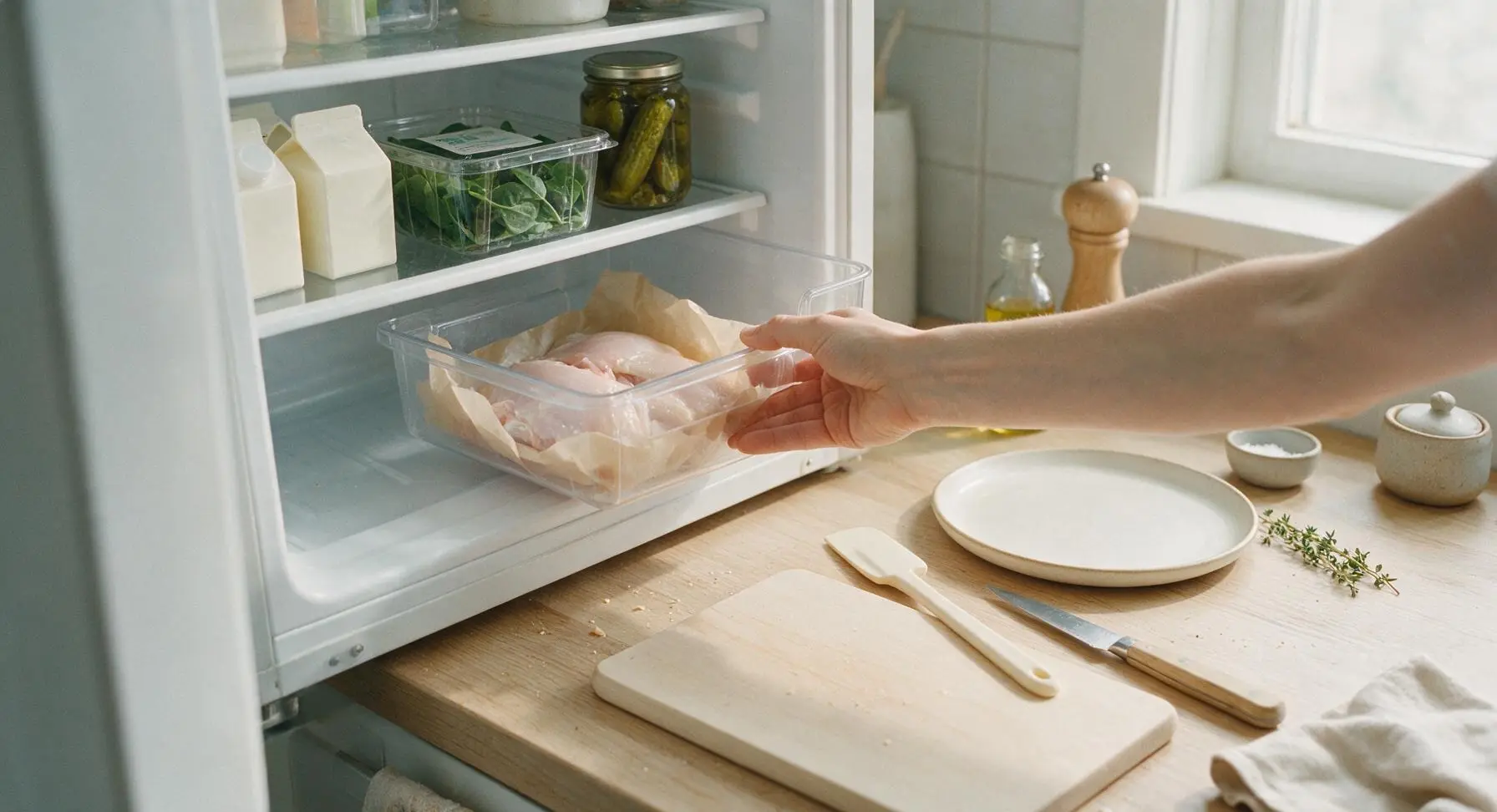
Step 6
step6:Place On Lowest Shelf
7

Sanitize All Surfaces

Pick up the folded original chicken packaging from the cream tray and discard it in a lidded trash bin. Dampen a fresh paper towel with vinegar and wipe every surface that came into contact with raw chicken or its juices: the cutting board, tongs, paring knife, cream tray, and any small spots on the quartz counter. Dry all surfaces with a clean paper towel, then wash your hands with hot soapy water for 20 seconds to eliminate any residual bacteria. Stored this way, raw chicken will stay fresh and safe to cook for 1–2 days.
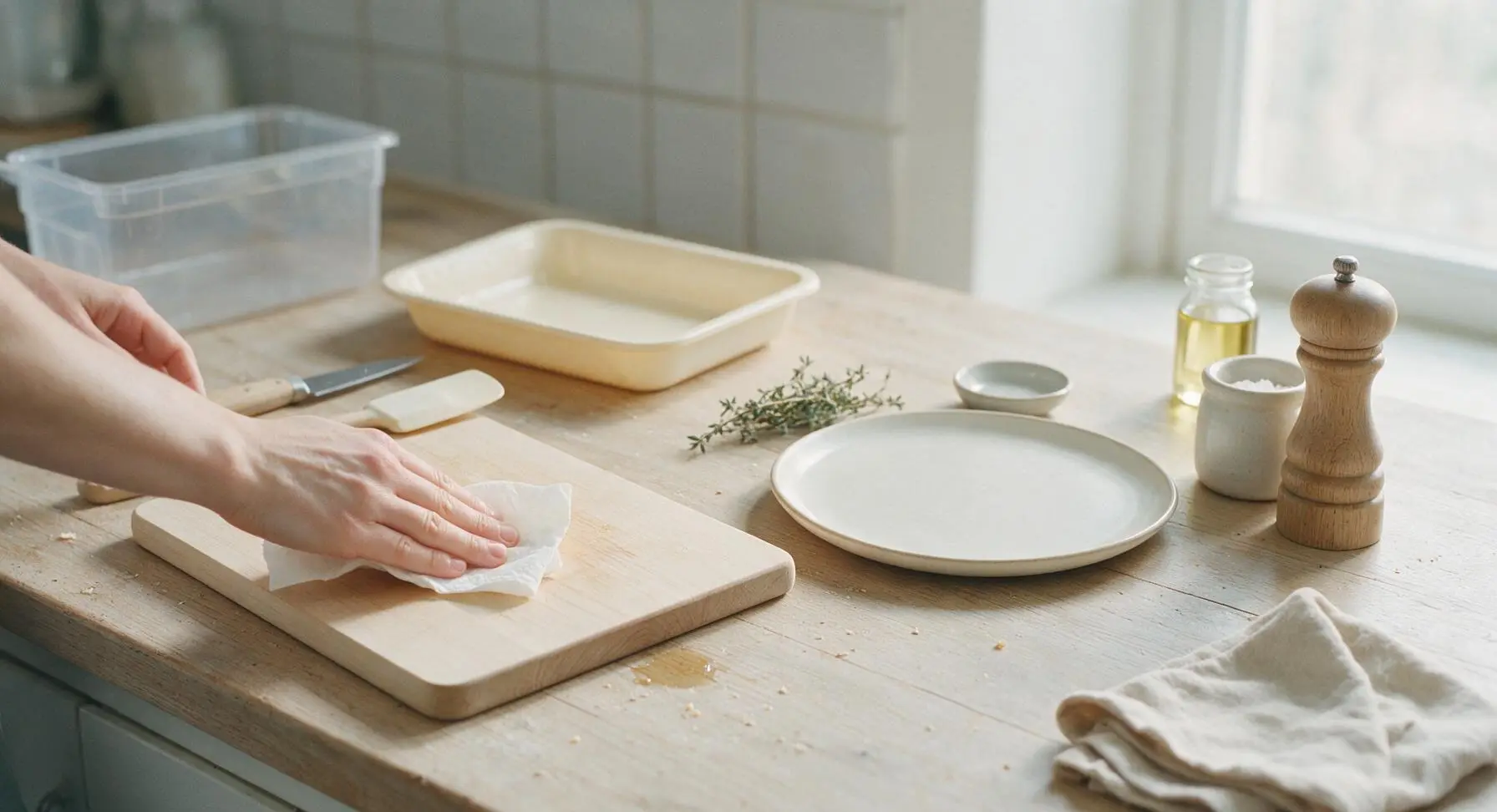
Step 7
step7:Sanitize All Surfaces

Tips

1.Never wash raw chicken before storing or cooking: water splashes from washing can spread campylobacter and salmonella bacteria up to 3 feet around your sink, causing cross-contamination with other foods and surfaces. Patting dry with paper towels is all the surface prep needed.
2.If you plan to store chicken for longer than 2 days, freeze it immediately instead of refrigerating: at 0°F (-18°C) in the freezer, tightly wrapped chicken will stay safe for up to 9 months, with no loss of quality when thawed properly on a lower fridge shelf.
3.Check your fridge temperature at least once a week, especially in summer: a fridge that feels cold to the touch can often run 5–10°F too warm when kitchen temperatures rise, putting raw poultry in the 40–140°F 'danger zone' where bacteria doubles every 20 minutes.
✨ You May Also Like

Main Course
🍜 United Kingdom

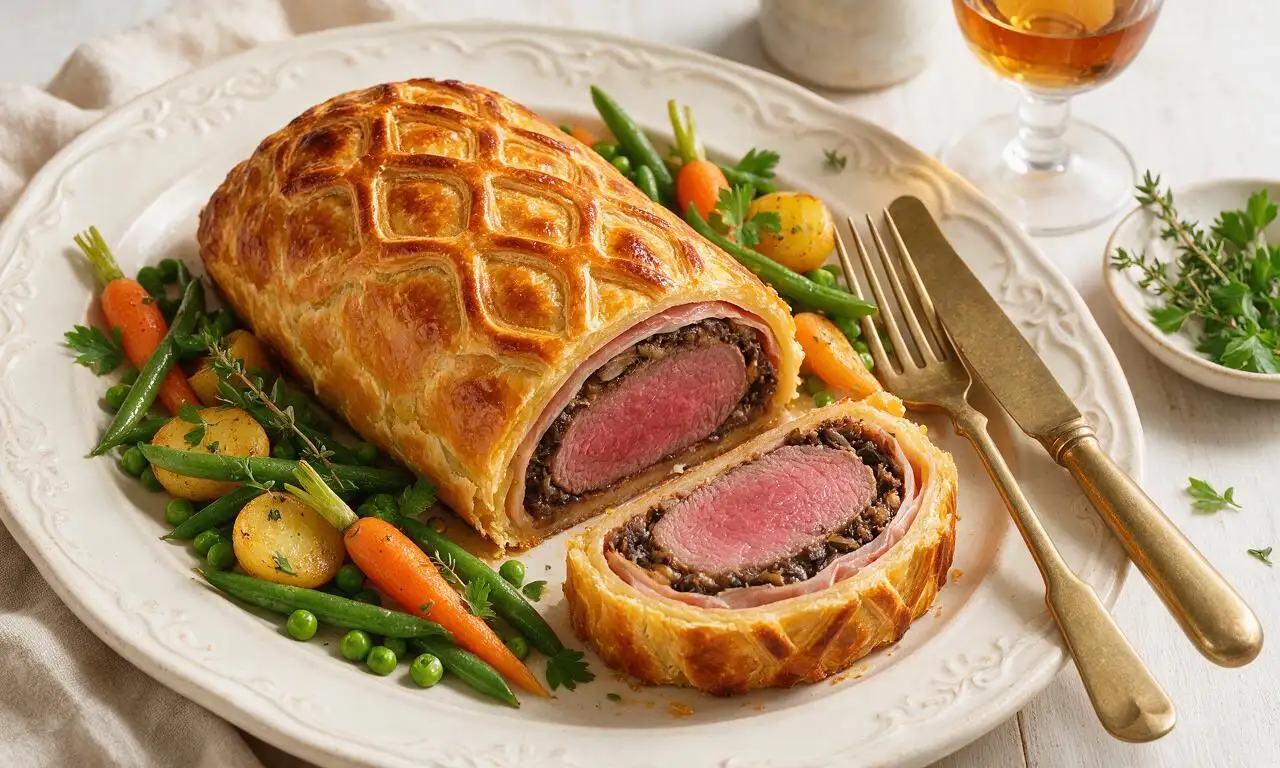
A showstopping classic of tender seared beef, savory mushroom duxelles, and crisp prosciutto wrapped in flaky golden puff pastry, baked to juicy perfection.

⏱️ 2 hours 1Main Course ★ 4.7
Main Course
🍜 India

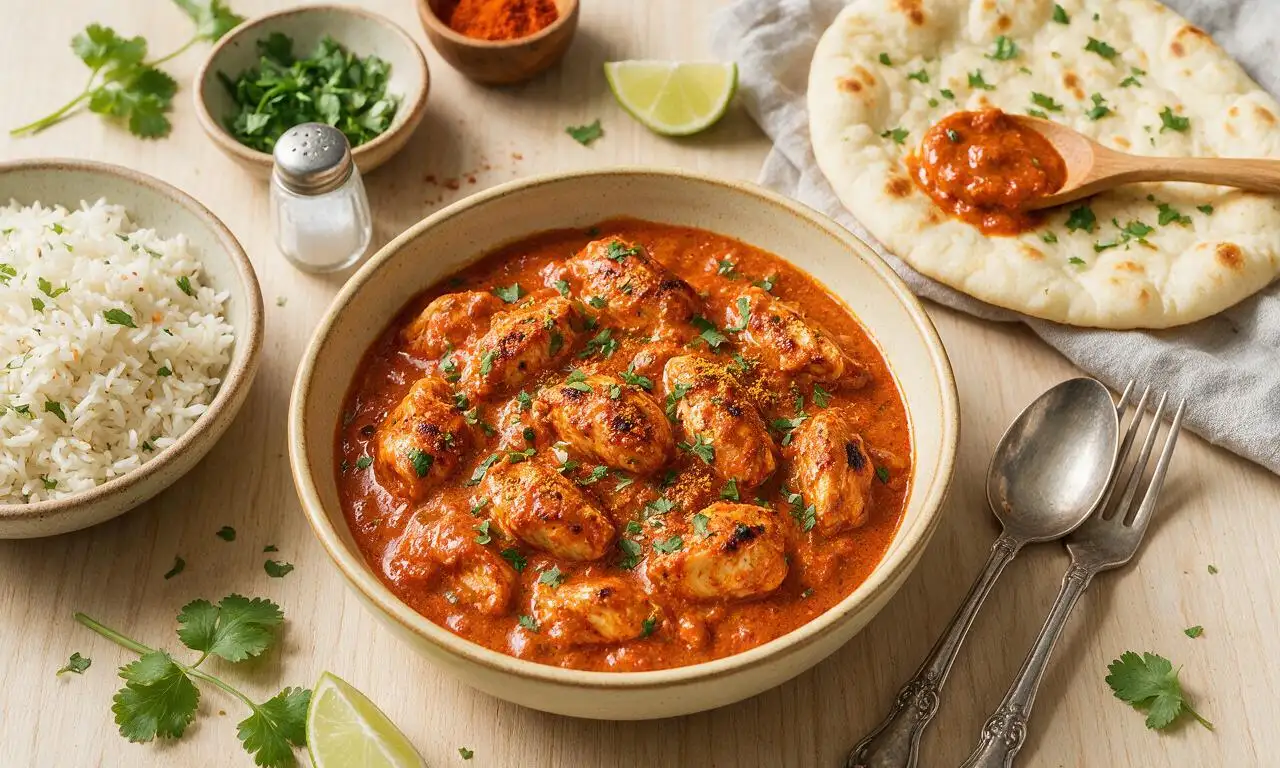
Tender charred marinated chicken simmered in a rich, spiced creamy tomato sauce, this iconic Anglo-Indian curry pairs perfectly with basmati rice or warm naan.

⏱️ 50 minuteMain Course ★ 4.6
Main Course
🍜 Thailand

Classic tangy, sweet, and savory Thai stir-fried rice noodles with shrimp, tofu, and crunchy garnishes, balancing all five core Thai flavor profiles.

⏱️ 30 minuteMain Course ★ 4.5
Main Course
🍜 United Kingdom

Crispy golden beer-battered cod and fluffy double-fried chips, served with tangy tartar sauce and malt vinegar: the timeless, beloved British pub comfort classic.

⏱️ 45 minuteMain Course ★ 4.7
Main Course
🍜 Mexico

Smoky, chile-marinated pork tacos with caramelized pineapple, fresh cilantro, and lime: a beloved classic Mexican street food perfect for casual summer gatherings.

⏱️ 1 hour 45Main Course ★ 4.8
Main Course
🍜 United States

Crunchy Fritos corn chips layered with savory beef chili and melted cheddar, topped with cool, zesty fixings for a beloved, cozy Tex-Mex comfort food.

⏱️ 35 minuteMain Course ★ 4.8

raw chicken in fridge:Frequently Asked Questions

1.How long can I safely store raw boneless, skinless chicken breasts in the fridge? ▾
When stored correctly at a consistent fridge temperature of 40°F or below, raw boneless, skinless chicken breasts stay safe to use for 1 to 2 days from the day you bring them home from the store. This timeline applies even if the sell-by date falls later, as transit temperature fluctuations can speed bacteria growth, so prioritize your home fridge time over package dates.
2.Why do I need unbleached paper towels for storing raw chicken? ▾
Unbleached paper towels are free of the chlorine residues and harsh processing chemicals found in many bleached towel varieties, so they won’t transfer unwanted compounds to your raw chicken. They also wick excess surface moisture off poultry really effectively, which slows surface bacteria growth and prevents messy drips that cause cross-contamination.
3.How do I use white distilled vinegar to sanitize surfaces before handling raw chicken? ▾
Mix equal parts white distilled vinegar and cool water in a clean spray bottle, and spritz all countertops, cutting boards, and fridge shelf surfaces you’ll touch while handling chicken. Let the solution sit for 5 minutes, then wipe dry with a clean paper towel. The acetic acid in vinegar kills common foodborne bacteria without leaving harsh chemical residue behind.
4.Where is the safest spot in the fridge to store raw chicken? ▾
The absolute safest spot is the lowest shelf of your fridge, set back from the door where temperatures stay most consistent. Tuck the wrapped chicken on a small rimmed tray to catch any accidental drips, so raw juices never leak onto ready-to-eat foods like produce, leftovers, or cheese stored on shelves above, eliminating cross-contamination risk.
5.Can I store raw chicken in its original store packaging for fridge storage? ▾
The original thin, shrink-wrapped store packaging is fine for very short 1-day storage, but it often leaks and lets excess air reach the chicken surface, which speeds spoilage. For best results, take 2 minutes to rewrap it with unbleached parchment paper and paper towels as outlined in this method to lock in freshness and fully contain drips.
6.What’s the purpose of unbleached parchment paper when wrapping raw chicken? ▾
Unbleached parchment paper creates a breathable, moisture-resistant barrier around chicken that prevents it from drying out from cold fridge air, while still letting small amounts of air circulate to slow bacteria growth. Unlike plastic wrap, it won’t stick to moist chicken surfaces, and it catches stray drips that soak through the inner paper towel layer.
7.How do I actually wrap the chicken for fridge storage following this method? ▾
Start by patting each chicken breast completely dry with clean unbleached paper towels to remove excess surface moisture. Wrap each individual breast loosely in a single layer of unbleached parchment paper, then set the wrapped breasts on a double layer of fresh paper towels on your lowest fridge shelf, tucking towel edges up to catch drips.
8.How cold does my fridge need to be to keep raw chicken safe? ▾
Your fridge should hold a consistent temperature of 40°F or below at all times to slow the growth of harmful foodborne bacteria on raw chicken. Invest in an affordable appliance thermometer to check temp regularly, since fridge door shelves can run 5 to 10°F warmer than the interior, even if your dial is set to the recommended cold setting.
9.Can I rinse raw chicken before storing it in the fridge? ▾
Skip rinsing raw chicken entirely, both before storage and before cooking! Rinsing splashes tiny droplets of raw chicken juice up to 3 feet around your sink, spreading bacteria to countertops, utensils, and ready-to-eat foods. The dry paper towel patting step removes excess surface moisture with zero cross-contamination risk.
10.How do I know if my stored raw chicken has gone bad before the 2-day window? ▾
Check for three key red flags first: a slimy, sticky film on the chicken surface that doesn’t rinse off with cool water, a strong, sour, ammonia-like odor, and dull, grayish discoloration instead of the pale pink color of fresh poultry. If you spot any of these signs, throw the chicken out immediately, even if it’s only been stored a day.
11.Do I need to change the paper towels around the chicken during storage? ▾
If you notice the paper towels under the wrapped chicken are fully soaked through with juice after 24 hours, swap them out for a fresh double layer of unbleached paper towels. Soaked paper towels hold moisture right against the chicken surface, which speeds bacteria growth, and they’re more likely to drip onto other fridge surfaces if jostled.
12.Can I store marinating raw chicken in the fridge using this method? ▾
You absolutely can! After patting the chicken dry, place it in a sealed, food-safe glass or plastic container, pour your marinade over top, and seal the lid tight. Set the container on a bed of paper towels on your lowest fridge shelf, and keep it for no more than 2 days total, just like unmarinated chicken, to stay food-safe.
13.Is it safe to store raw chicken next to other raw meats in the fridge? ▾
It’s safe as long as you follow proper shelf order: store raw poultry on the very lowest shelf, below raw ground beef, pork, and whole cuts of red meat, since poultry carries the highest cross-contamination risk. Make sure all raw items are tightly wrapped, and sanitize the shelf weekly with your vinegar solution.
14.Why shouldn’t I use plastic wrap to tightly seal raw chicken for fridge storage? ▾
Tight plastic wrap creates an airless, moist environment right against the chicken surface that speeds the growth of spoilage and harmful bacteria, cutting short the safe storage window. It also traps excess condensation against the meat, making it slimy faster than the breathable parchment and paper towel method we recommend.
15.What should I do if raw chicken juice drips onto my fridge shelves? ▾
First, discard any ready-to-eat items like fruit, leftovers, or cheese that came into contact with drips; sealed raw items can be wiped clean. Empty the affected shelf, wipe up all visible juice with paper towels, then sanitize the whole area with your equal-parts vinegar and water solution before replacing items.
16.Can I reuse the parchment paper I wrapped raw chicken in for other kitchen tasks? ▾
Absolutely not. Any parchment paper, paper towels, or packaging that came into direct contact with raw chicken is contaminated with bacteria that can cause foodborne illness. Wrap used materials tightly in a small plastic bag, throw them directly in your trash, and wash your hands thoroughly for 20 seconds after handling them.
17.Does this storage method work for other raw poultry cuts, like thighs or wings? ▾
It works perfectly for all cuts of raw poultry, including bone-in thighs, drumsticks, wings, and even small whole birds, with one small tweak: thicker, bone-in cuts still only stay safe for up to 2 days, but add an extra layer of paper towels under them, since they tend to release more excess juice than boneless, skinless breasts.
18.If I don’t plan to use the chicken within 2 days, what’s the best next step? ▾
If you won’t cook the chicken within the 1 to 2 day safe fridge window, transfer it to the freezer immediately to avoid spoilage. Wrap the parchment-covered breasts in an extra layer of freezer-safe wrap or a sealed freezer bag, press out excess air, label with the date, and it will stay high quality for up to 9 months at 0°F.

Comments (14)

2 hours ago

OMG I have been storing my raw chicken wrong this ENTIRE time! I used to just toss the store package straight on the top shelf and had no idea about the leak risk. Game changer for my Sunday meal prep, no more cross-contamination scares before I make my famous honey garlic chicken for weeknight dinners!

30 minutes ago

So glad this helped! Pro tip: if you’re prepping chicken for the whole week, don’t forget to portion it into sealed containers before popping it on the lowest fridge shelf to keep drips from reaching ready-to-eat foods!

5 minutes ago

Same! I ruined a whole tray of pre-cut fruit for my kid’s soccer potluck last year when a chicken package leaked all over it. Wish I saw this sooner!

yesterday

Wait, quick question — if I take the chicken out of the original packaging, do I need to pat it dry before storing it in a sealed container? I don’t want it to get slimy before I cook it tomorrow night for taco Tuesday!

2 hours ago

Great question! You don’t need to pat it dry for short-term fridge storage (1-2 days max), just make sure your container is airtight and stored on the lowest shelf. If you notice any excess liquid pooling at the bottom of the container, you can drain it quickly before cooking to avoid sogginess!

3 days ago

SO helpful! I’ve been paranoid about raw chicken storage ever since I got food poisoning a couple years back from a bad cross-contamination incident at a friend’s cookout. These steps are so easy to follow, no fancy equipment needed.

5 days ago

Does this method work for bone-in chicken too? I usually stock up on family packs of drumsticks and thighs for weekend grill outs with the neighbors, and I hate wasting money when I have to toss stuff that went bad too fast.

3 days ago

Yep! I do this all the time with my bulk drumstick purchases, they stay good for the full 2 days no problem. Just make sure your container is big enough so you’re not squishing the pieces, that seems to make them get slimy faster for me.

1 week ago

Wait I thought raw chicken was good in the fridge for 4-5 days? Yikes, I’ve definitely kept packs in there way longer than that before cooking. No wonder a couple of my recent chicken dinners tasted a little off even when I cooked them to the right temp.

5 days ago

Oh no, that’s a super common myth! The FDA only recommends 1-2 days max for raw poultry in the fridge, anything longer needs to go in the freezer. I made that same mistake when I first moved out too!

3 days ago

@FrugalFoodie_WA is exactly right! The 1-2 day window applies no matter how well you store it, so if you don’t plan to cook it within that time frame, pop it in the freezer labeled with the date to avoid spoilage. It’ll stay good for 9-12 months frozen!

2 weeks ago

My kids loved helping me set up our fridge organization system after reading this! We labeled the lowest shelf just for raw meats, and now they know not to grab their Gogurt and string cheese from that spot. Such an easy win for family kitchen safety.

30 minutes ago

Is it okay to store the chicken on a plate covered with plastic wrap if I don’t have fancy airtight containers? I’m in a dorm with super limited kitchen supplies right now.

5 minutes ago

That works in a pinch! Just make sure the plastic wrap is sealed tightly around the plate with no gaps, and place it on the lowest shelf of your fridge so any drips don’t run onto other foods. If you can, a cheap reusable zip-top bag works too for extra leak protection!

1 week ago

Game changer! I used to double bag my chicken in old grocery bags to stop leaks, but those never sealed right and I still ended up with messy fridge shelves. The sealed container on the lowest shelf trick has saved me so much cleanup time during my weekly meal prep.

5 days ago

We love to hear that! Less cleanup means more time to enjoy the meals you prep, which is always a win. If you want an extra layer of protection, you can set the sealed container on a small rimmed baking sheet to catch any unexpected drips too!

2 days ago

The rimmed baking sheet tip is genius! I do that now and I haven’t had to deep clean my fridge shelves in three weeks, which is a miracle for me with three kids running around grabbing snacks nonstop.

2 days ago

Back in my day we just left chicken in the store package on the door shelf and never had issues, but I guess times change! My granddaughter showed me this article after I had a little stomach bug last month, so I’m gonna give the new method a shot.

yesterday

I was the same way! Switched to this method a few months back and honestly I feel way better about not making the grandkids sick when they come over for Sunday fried chicken. It’s such a small change for way more peace of mind.

just now

This is such a useful, super easy guide! I buy all my chicken in bulk when it goes on BOGO at the grocery store, and I used to throw half of it out because I was paranoid I stored it wrong. Now I know exactly how long it stays good in the fridge vs when I need to portion and freeze it. Saves me so much money on groceries every month!

5 minutes ago

Quick safety question — my son has a severe poultry allergy, so even a tiny drip on his food can send us to the ER. How far away from ready-to-eat foods do I need to keep the sealed raw chicken to be totally safe?

just now

We take allergy safety super seriously! For maximum protection, keep your tightly sealed raw chicken on the lowest possible shelf (below all ready-to-eat items) and consider storing it inside a second lidded container for a double barrier. That way, even if a seal fails, there’s zero chance of drips reaching foods your son can safely eat.

2 days ago

Wait, if I marinate my chicken in the fridge, do I need to follow the same storage rules? I usually leave marinating chicken in a glass bowl on the middle shelf while it soaks up fajita seasoning for a couple hours before cooking.

yesterday

Oh for sure you do! I had a marinade leak all over my veggie crisper last month when my bowl tilted, took me forever to get the chili lime smell out of the celery. I move all my marinating meat to the lowest shelf now too.

2 hours ago

Pro tip: marinate your chicken in a sealed zip-top bag instead of a bowl! It coats the chicken way more evenly, no spills, and you can just toss the bag when you’re done so less dishes too.

3 days ago

My fridge is TINY, like studio apartment tiny, so I don’t have a ton of shelf space. Does putting the chicken in a shallow sealed container vs a deep one make a difference for how long it stays good?

2 days ago

I have the same size fridge! I use those thin stackable deli containers for my chicken portions, they fit perfectly on the lowest shelf and the chicken stays just as fresh as it does in deeper containers, as long as the lid seals tight.

1 week ago

I’ve been competing in local BBQ cookoffs for 5 years and I still picked up a couple new tips here! I always used to store my prepped chicken on the middle shelf of my competition prep fridge, moving it to the lowest spot is gonna save me so much headache if a package leaks right before turn-in time.