
Scotch Barrel Aged IPL
intro
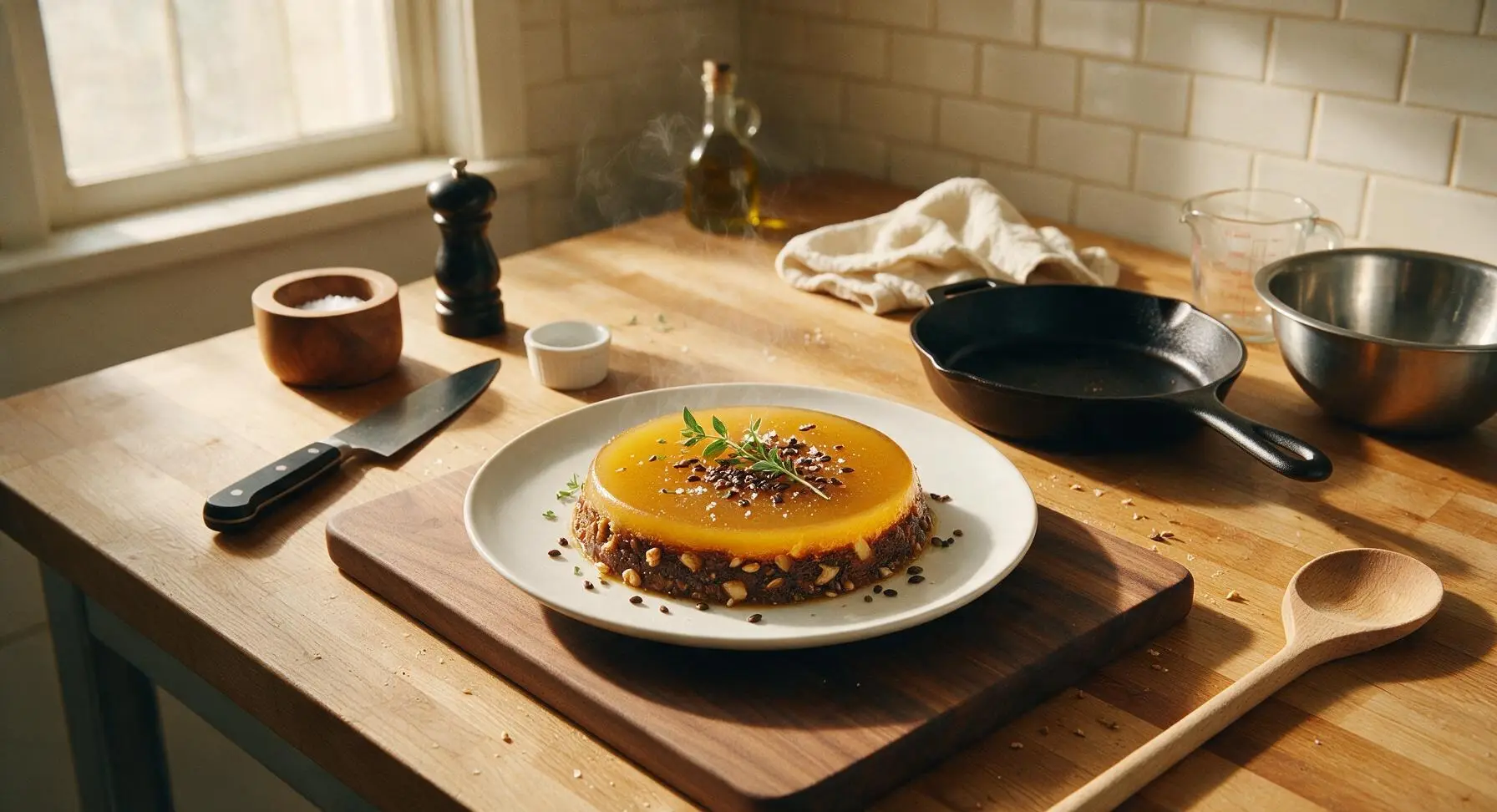
Crisp, hoppy India Pale Lager aged on peated Scotch whisky barrel staves, with subtle vanilla, oak, and soft smoke notes balancing bright citrus hop character for slow, satisfying sipping.
Ingredients
Steps
Sanitize Brewing Equipment
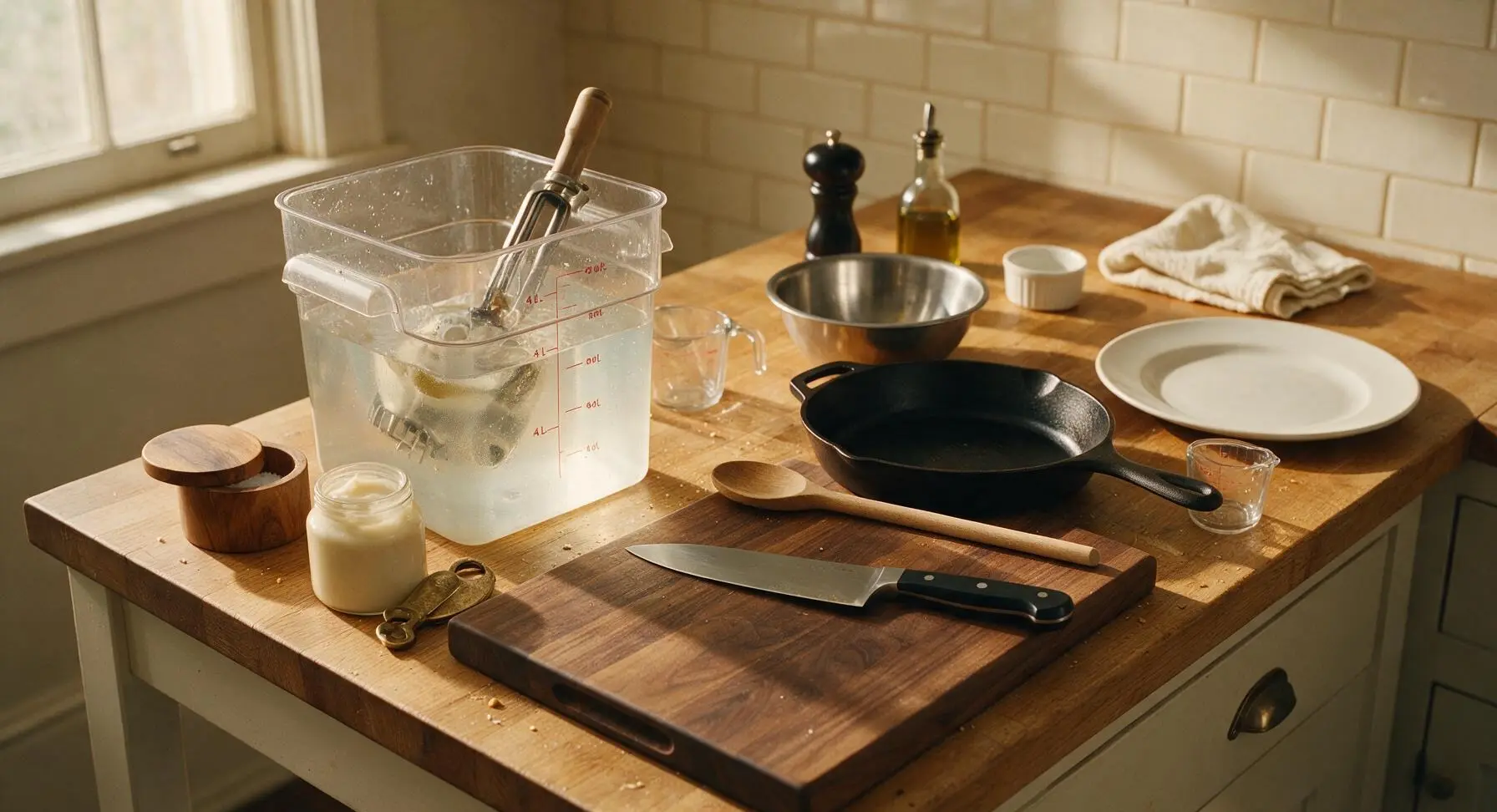
Mix 1 tablespoon no-rinse brewing sanitizer with 4L cool water in the clear 4L sanitizer bucket. Submerge the fermentation jug, airlock, stirring spoon, thermometer, strainer bag, and auto-siphon for 2 full minutes. Remove and air dry on the clean counter; no need to rinse. All surfaces that touch cooled wort must be fully sanitized to prevent sour off-flavors.
Steep Crushed Malt Grains
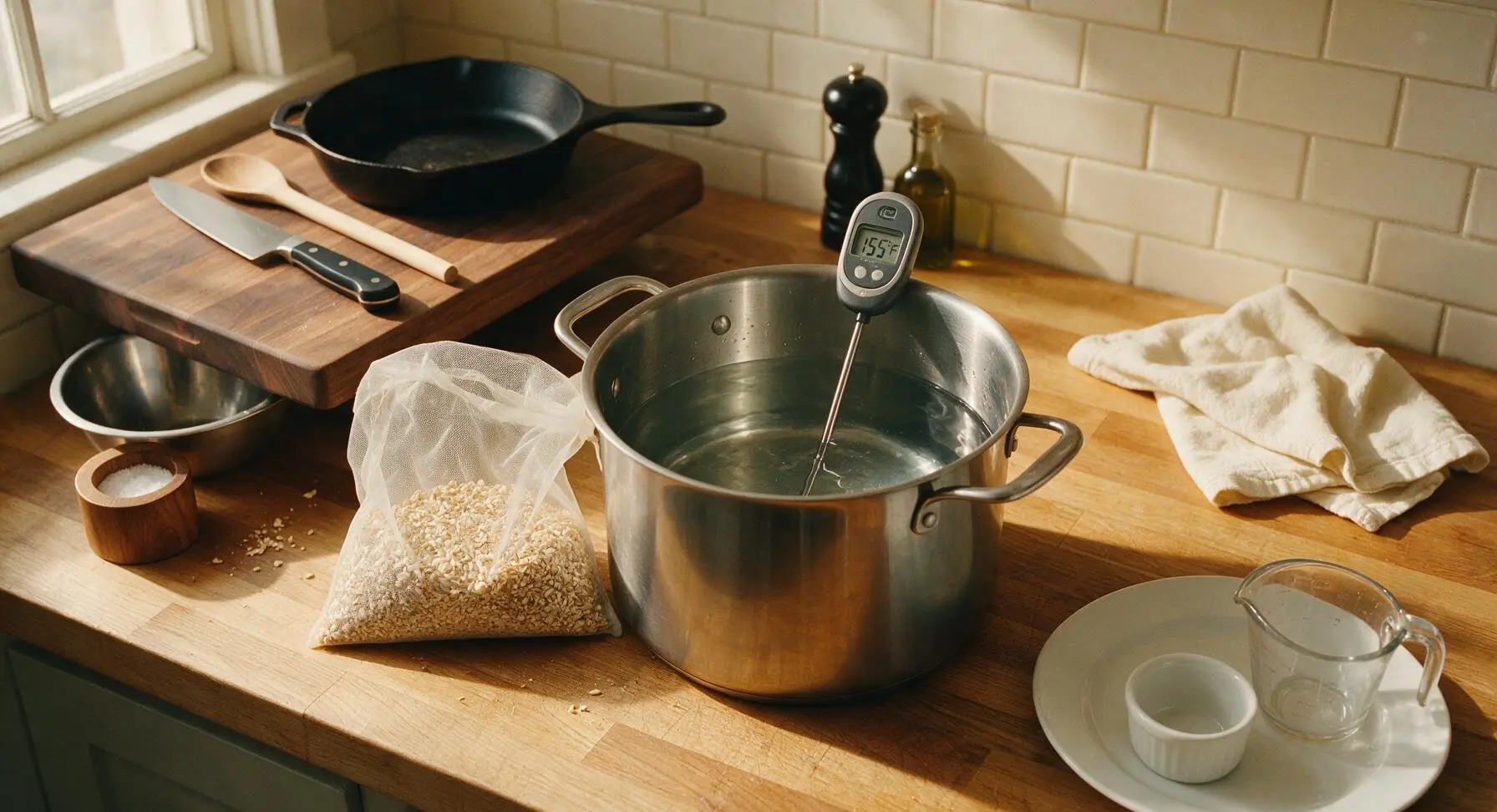
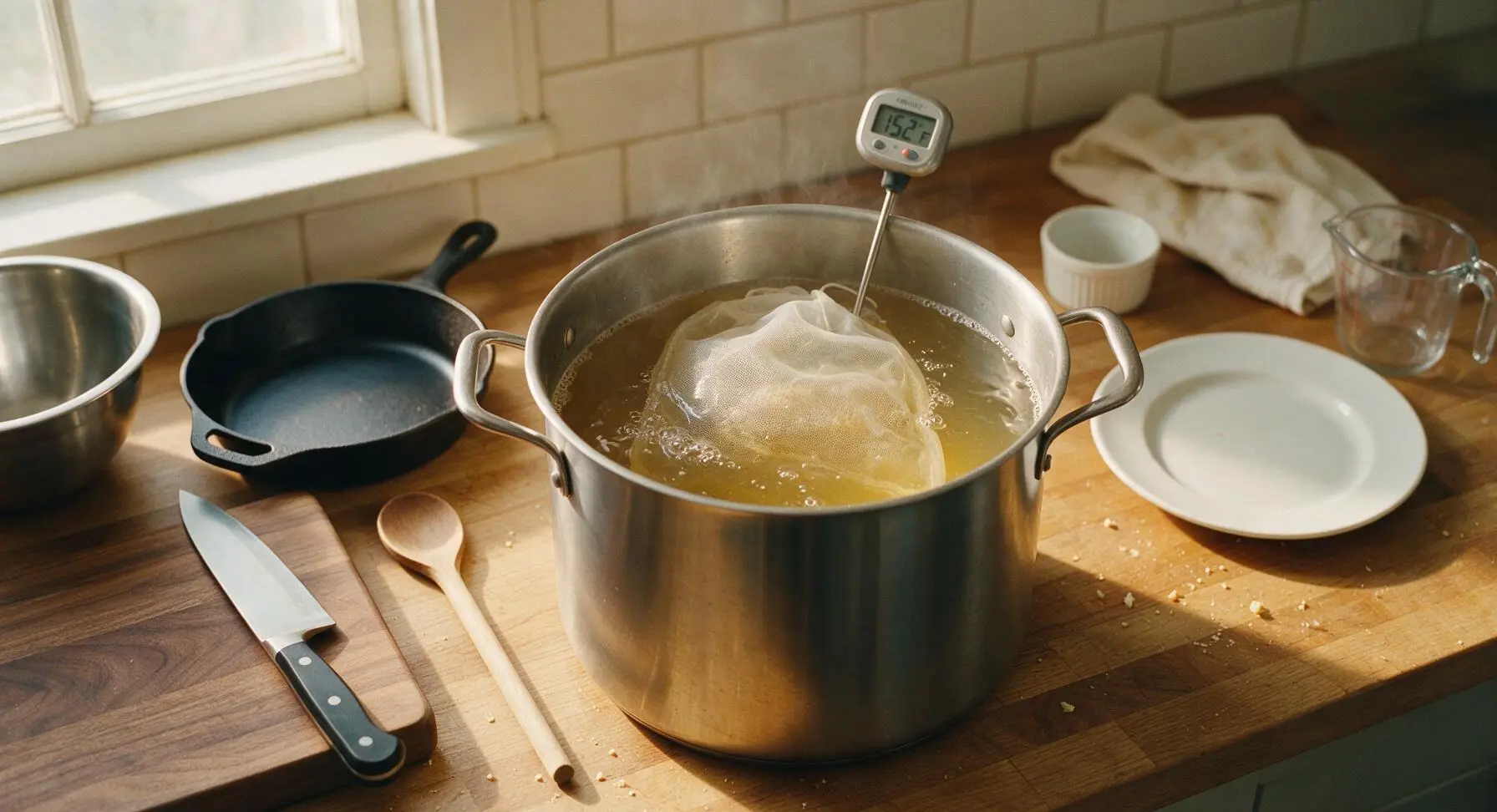
Pour 1 gallon filtered water into the 2L stainless steel brew pot, heat to 155°F (68°C) measured with the digital thermometer. Place crushed 2-row pale malt in the fine nylon mesh straining bag, submerge fully in the heated water, cover, and hold temperature steady at 150-155°F for 30 minutes. The liquid will turn a pale golden straw color as sugars extract from the grain.
Boil Wort and Add Hops
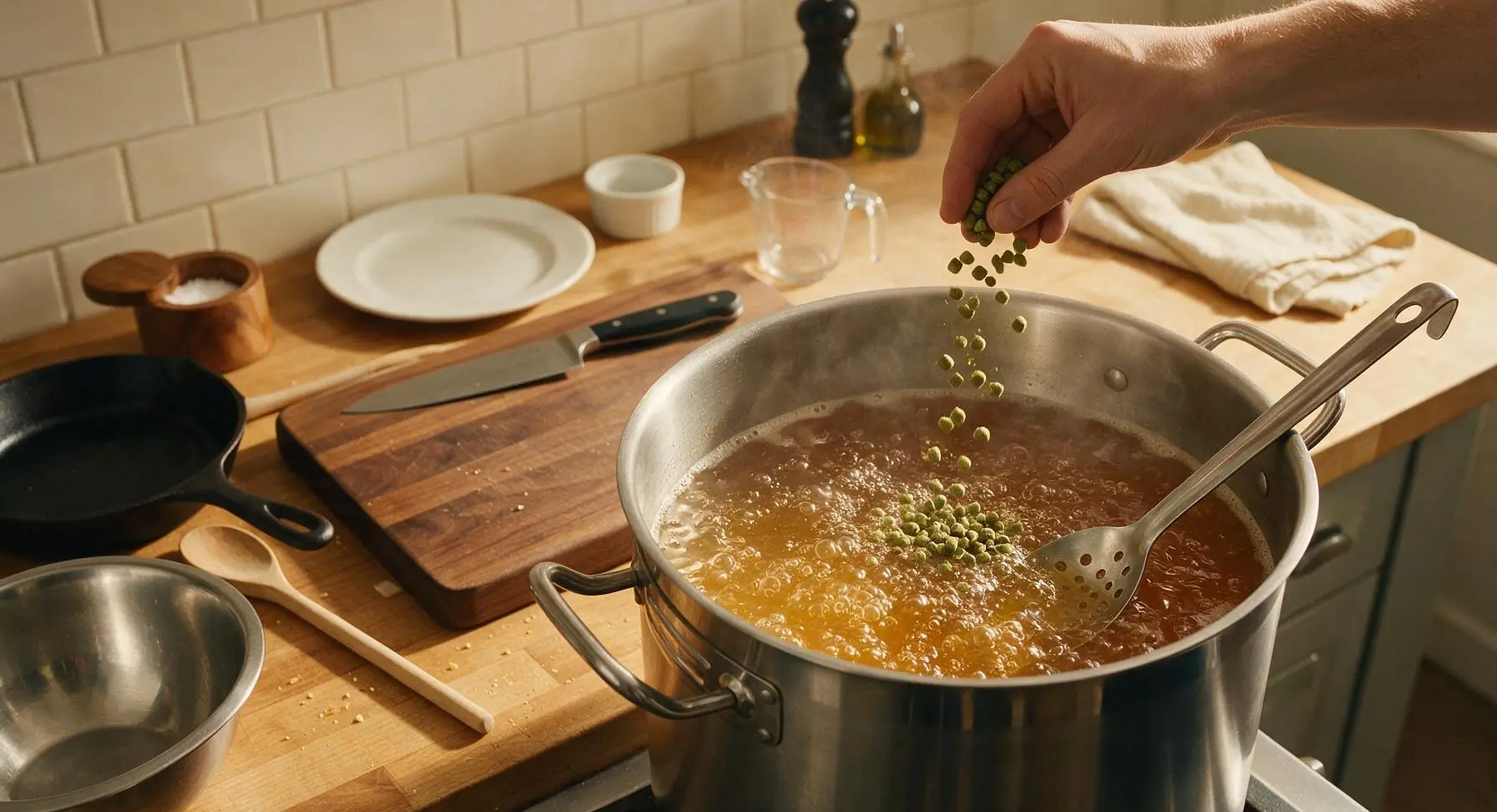
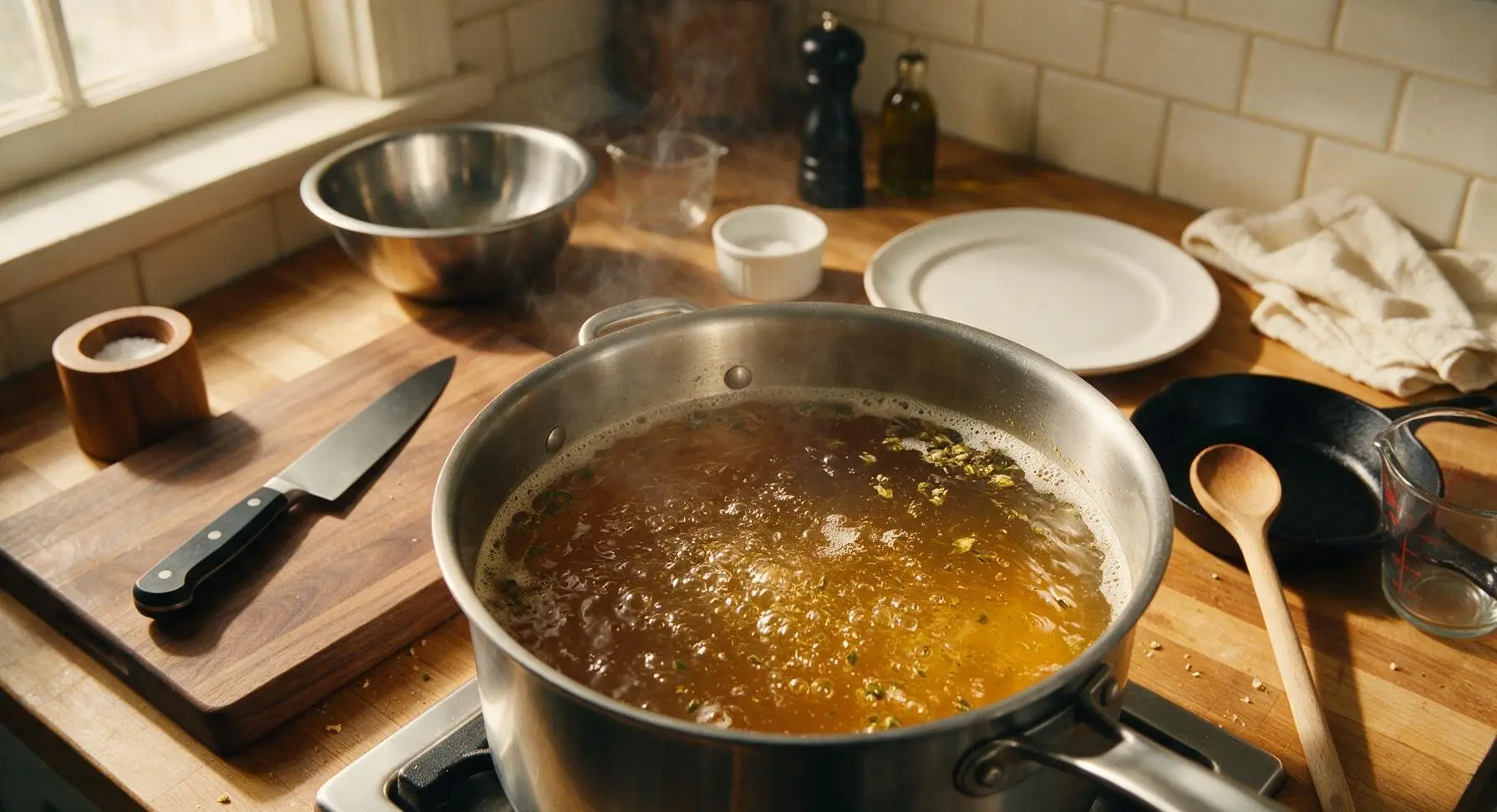
Remove the grain bag, let drain fully into the pot (do not squeeze) then discard spent grains. Bring the wort to a rolling, gentle boil (212°F at sea level), hold boil for 60 minutes total. Add 0.4 oz Cascade hops at the start of the boil for bittering, add remaining 0.1 oz Cascade and all 0.25 oz Sterling hops during the final 5 minutes of the boil for bright citrus and floral aroma. Adjust heat as needed to prevent boilovers.
Cool Boiled Wort Quickly
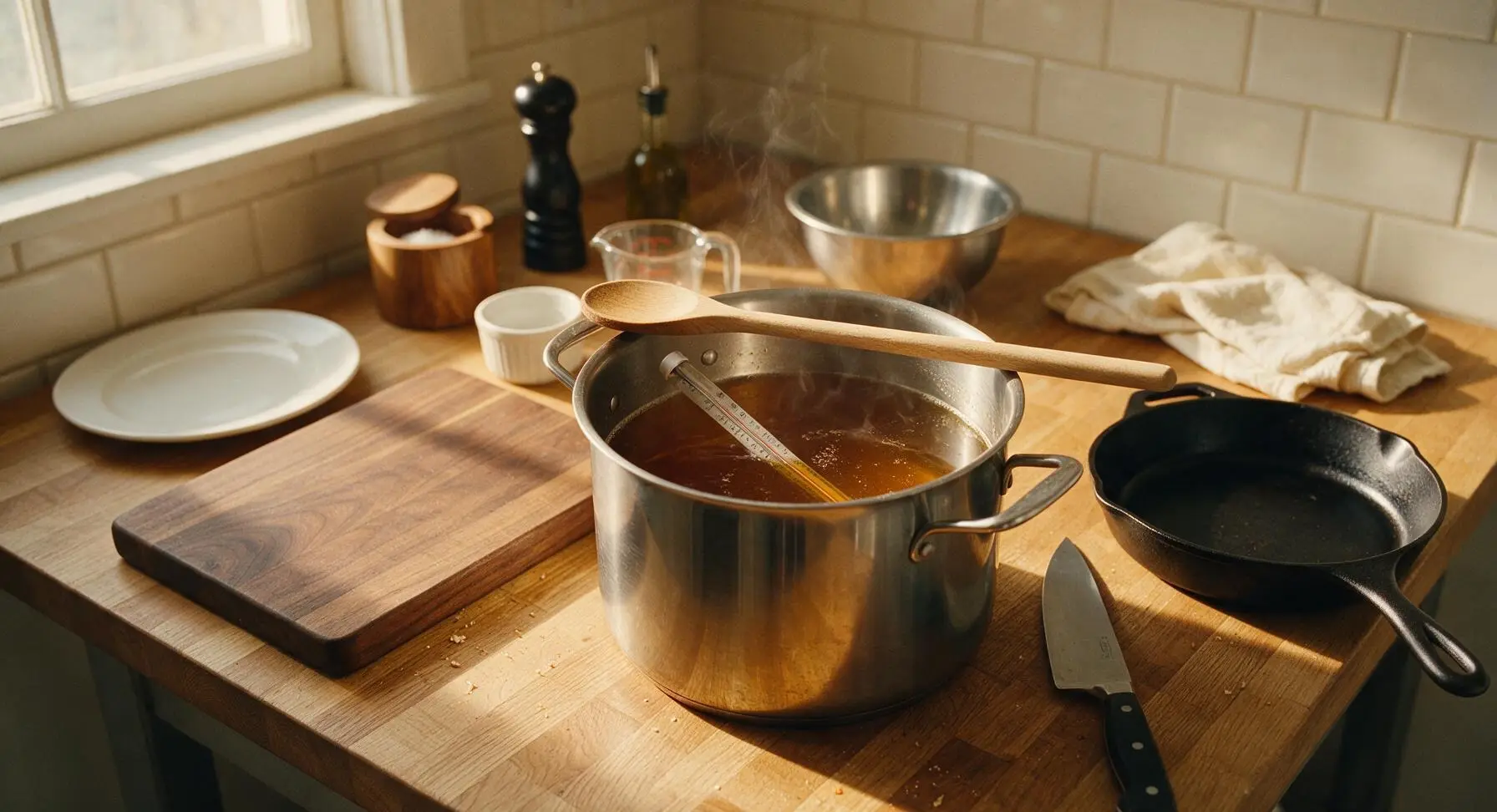
Remove the pot from heat immediately after the 60 minute boil ends. Place the pot in a sink of ice water, stir gently with the stainless steel spoon to speed cooling, until the wort reaches exactly 65°F (18°C) measured with the sanitized thermometer. Quick cooling prevents off-flavors and reduces contamination risk; do not let unsanitized water touch the wort surface.
Transfer and Pitch Yeast
Pour the cooled wort through the sanitized mesh strainer into the 1 gallon clear glass fermentation jug, top up with remaining 0.3 gallons filtered cool water to reach the 1 gallon mark. Sprinkle the entire 5g packet of dry lager yeast onto the wort surface, do not stir. Seal the jug opening with a sanitized rubber stopper, fit the 3-piece airlock filled halfway with sanitizer solution into the stopper.
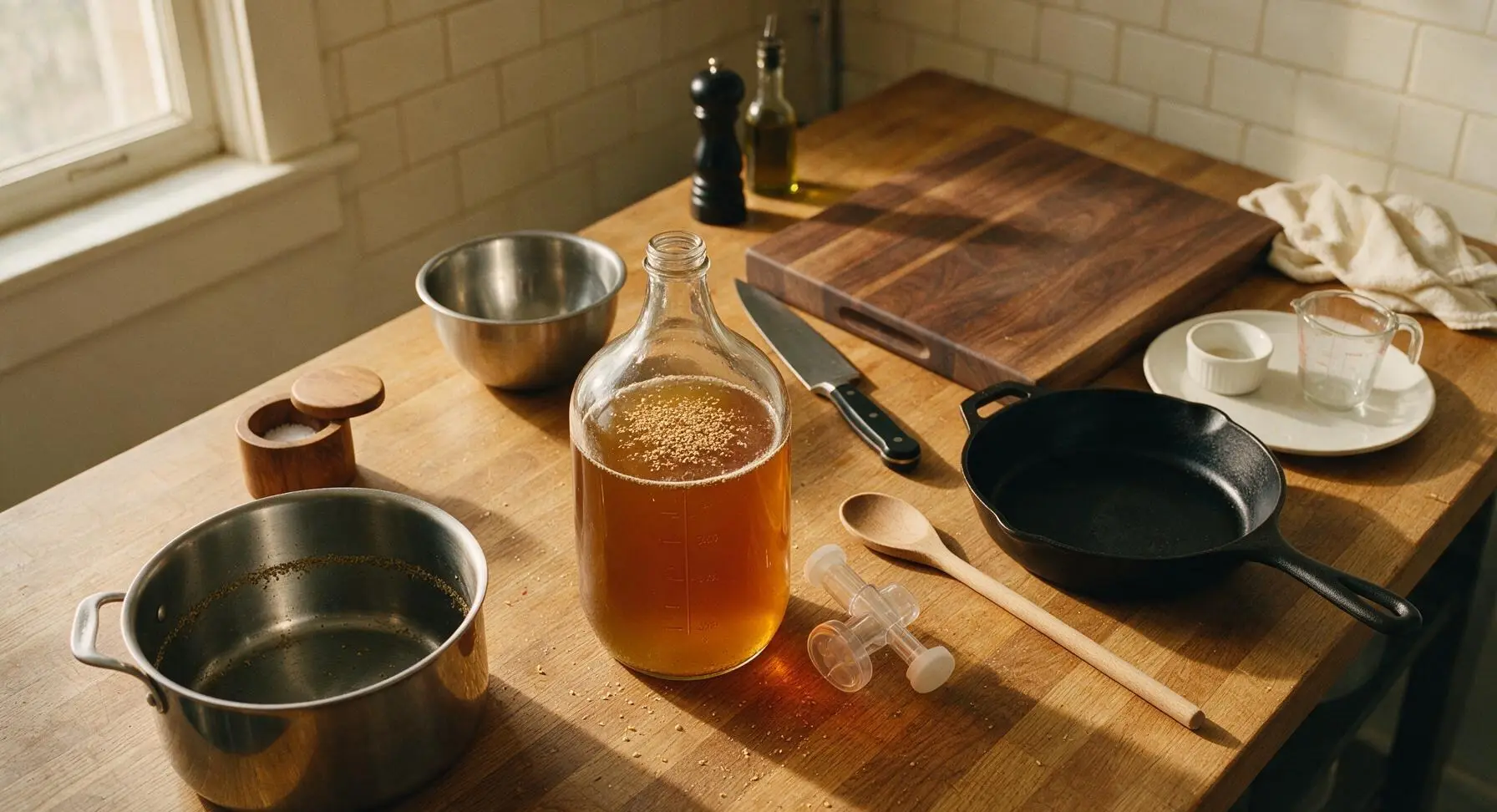
Ferment at Cool Temp
Place the sealed fermentation jug in a dark, temperature-stable space held at 50-55°F (10-13°C) for 2 weeks, until visible bubbling in the airlock stops completely and the wort clears to a bright amber, with a thin layer of pale tan yeast sediment settled at the bottom of the jug.
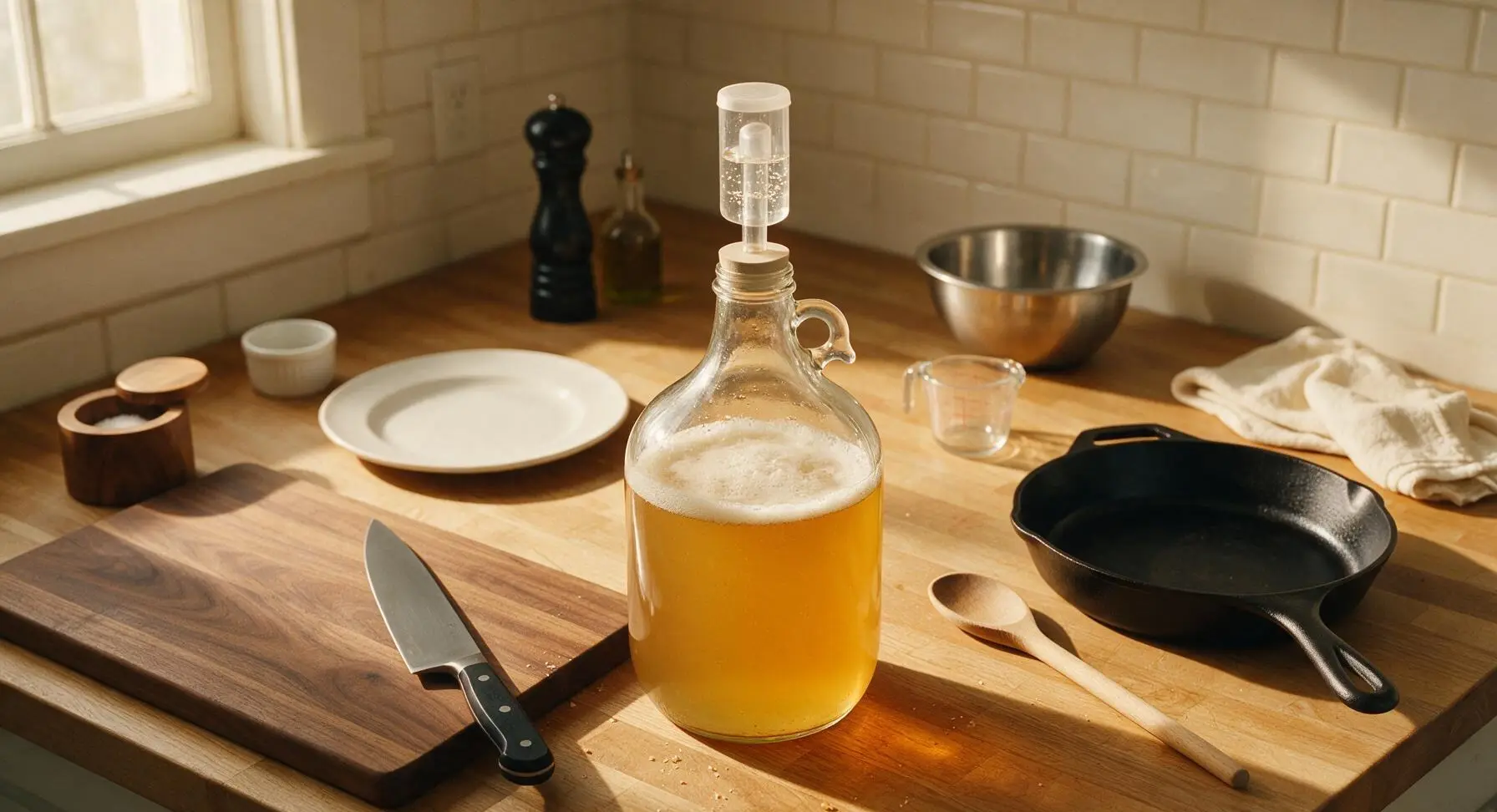
Add Scotch Oak Stave
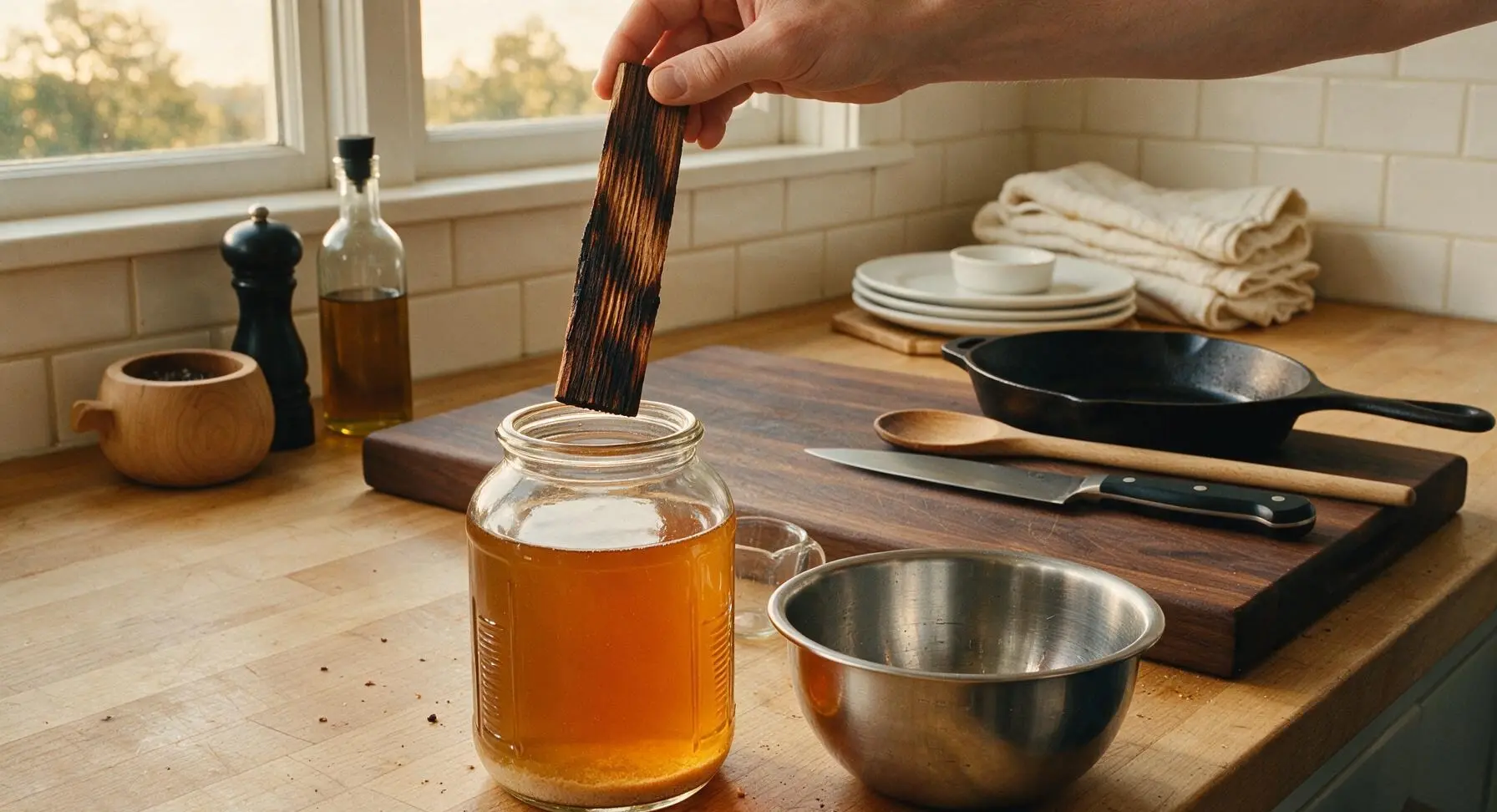
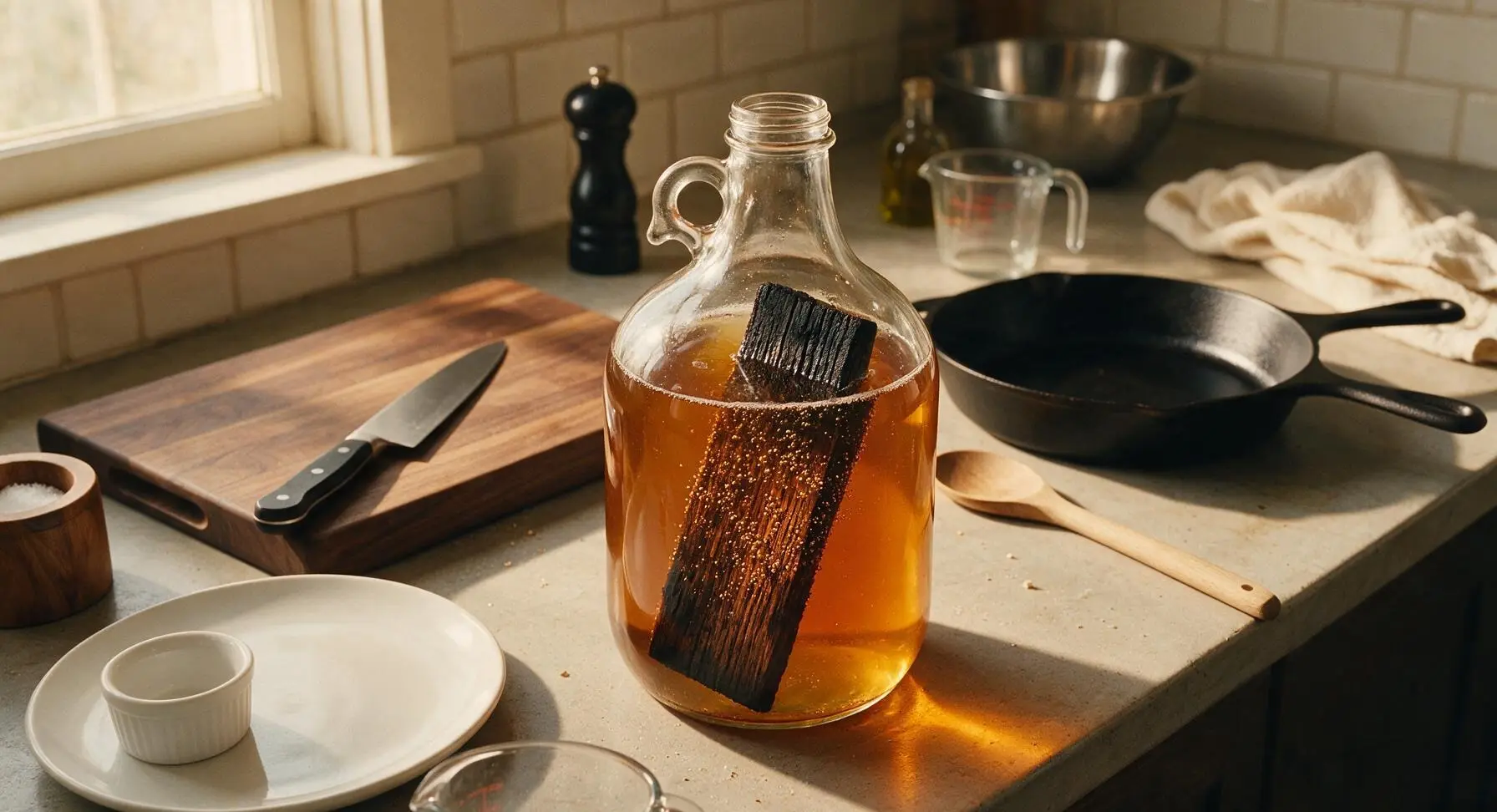
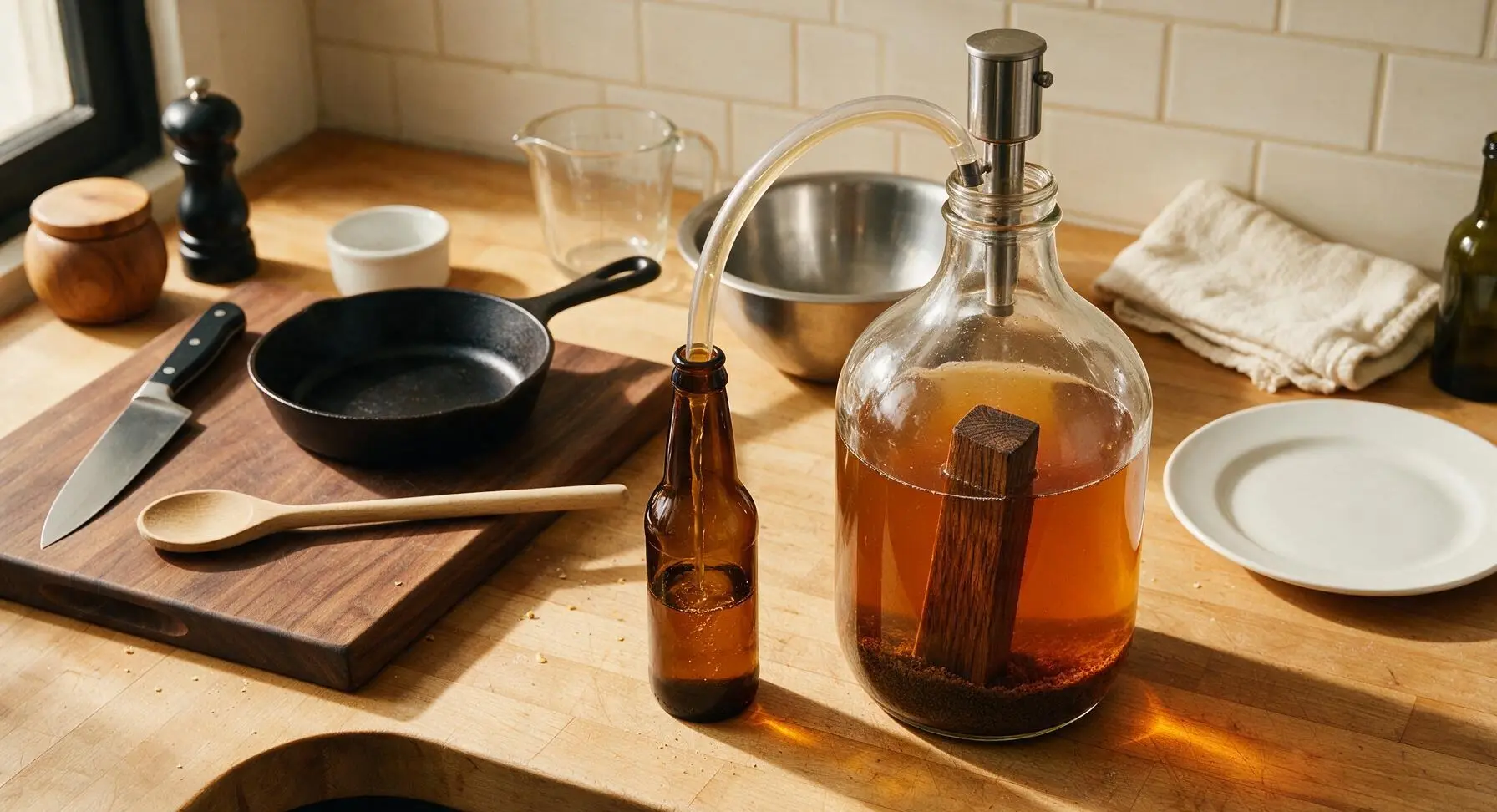
Sanitize the charred Scotch whisky barrel oak stave by soaking it in 1 cup of boiling water for 5 minutes, then cool completely. Carefully remove the airlock and stopper from the fermentation jug, drop the sanitized stave into the finished beer, reseal the airlock, and let age for an additional 2 weeks at 50-55°F. The beer will develop soft vanilla, toasted oak, and subtle peaty Scotch notes during this time.
Carbonate the Finished Beer
After 2 weeks of barrel aging, use the sanitized stainless steel auto-siphon to transfer the beer off the yeast sediment and oak stave into sanitized, sealable beer bottles. Add 1 oz of corn sugar dissolved in 2 tbsp boiling water, evenly distributed across the bottles to create natural carbonation. Seal bottles tightly, store at 65°F for 1 week to carbonate, then chill for 3 days before serving.
Tips
2.For authentic Scotch character, use only medium-toast oak staves that previously held peated Scotch whisky; avoid unaged oak chips or artificial spirit-infused wood additives, as these can leach harsh woody flavors that overpower the delicate citrus hop notes of the IPL.
3.When siphoning beer for bottling, keep the siphon tip 1 inch below the liquid surface at all times, and stop siphoning when you reach the top of the yeast sediment layer at the bottom of the jug. This leaves cloudy, yeast-heavy beer behind, resulting in a bright, clear final pour with no off-flavors from autolyzed yeast.






OMG, this Scotch Barrel Aged IPL is an absolute game changer! I brewed a batch for my annual fall camping potluck with my hiking crew, and everyone was hounding me for the recipe before the weekend was over. That subtle, oaky Scotch barrel note paired with the bright, hoppy IPL crispness? Unreal. I was worried the 5 week wait would feel forever, but every single sip made it so worth it. 10/10 will brew again.
Tried this for my husband’s birthday cookout last weekend, and he said it’s better than the fancy barrel-aged IPAs we pay $18 a four pack for at the local bottle shop! I was nervous about the medium difficulty rating since I’ve only done basic extract brews before, but the step-by-step for the wort boil was super easy to follow. My only misstep was rushing the bottle conditioning a tiny bit, so next time I’ll give it an extra 3 days for that perfect fizz.
SO good. Brought a six pack to my neighbor’s taco night last week, and it paired perfectly with the spicy carnitas and lime crema. The light body cuts right through rich, spicy food, and that hint of Scotch smoke adds such a fun, unexpected twist. Will be adding this to my regular brew rotation for sure.
Has anyone tried this with a New York state Scotch instead of the peaty Islay style the recipe calls for? I have a half empty bottle of a local Highland-style Scotch I’ve been meaning to use up, and I’m curious if it’ll work before I commit a whole batch to it.
My kids (well, my adult kids, lol) came over for Sunday dinner last week and absolutely demolished the first batch I made. I was worried the Scotch flavor would be too strong for people who don’t love smoky drinks, but it’s so subtle that even my daughter who only drinks hard seltzer liked it! Game changer for family gatherings, no joke.
Solid recipe, the 1 hour wort boil timing was spot on for getting the perfect bitter/sweet balance I was chasing. I’ve had a few barrel aged brews turn out way too woody in the past, so I appreciated the note to taste test every other day during aging instead of just sticking to a strict timeline. Turned out perfect on my first try.
Brewed this for a tailgate before the big college football game a couple weeks ago, and it was the most popular drink in the whole parking lot. People were coming over from other tailgates to ask for a pour! I did add a little extra Cascade hop at dry hop because I love that citrusy punch, and it complemented the Scotch notes so well.
Wait, is this really medium difficulty? I’m a total newbie who’s only done one other brew (a basic wheat beer I messed up the carbonation on) and I’m intimidated by the barrel aging step. How easy is it to mess up?
Meal prepped? Nah, brew prepped for the next month of rainy weekends and this is going to hit so good. The balance of piney hops and smooth, oaky Scotch is exactly what I want to sip while I’m watching the rain come down. No weird off flavors, perfect carbonation, all around a 10/10 recipe.
Took this to my friend’s beach bonfire last weekend and it was chef’s kiss. The only thing I’ll adjust next time is using a slightly less peaty Scotch – the one I picked up was a little too smoky for my taste, so it overpowered the hop notes a tiny bit. Still drank every last bottle though, no complaints here.
I was skeptical that a 5 week total timeline would be enough for good barrel flavor, but wow, I was wrong. I’ve done barrel aged stouts that sat for 3+ months that didn’t have this smooth of a flavor integration. The 1 hour boil gives the wort such a nice, solid base that stands up to the oak and Scotch really well without getting lost.
Hosted a little potluck with my homebrew club last weekend and this recipe took first place in our informal taste test! Everyone loved how bright and hoppy it was for a barrel aged beer, since a lot of barrel aged brews are super heavy and boozy tasting. This is light enough to drink a few of them without feeling weighed down.
Made a half batch of this to test before committing to a full 5 gallon pour, and I’m already prepping to make a double batch next weekend. It’s SO good – I brought a couple bottles to my local homebrew meetup and half the group asked for the link to the recipe before I even left. Who knew barrel aging wasn’t just for stouts?