
Stout
intro
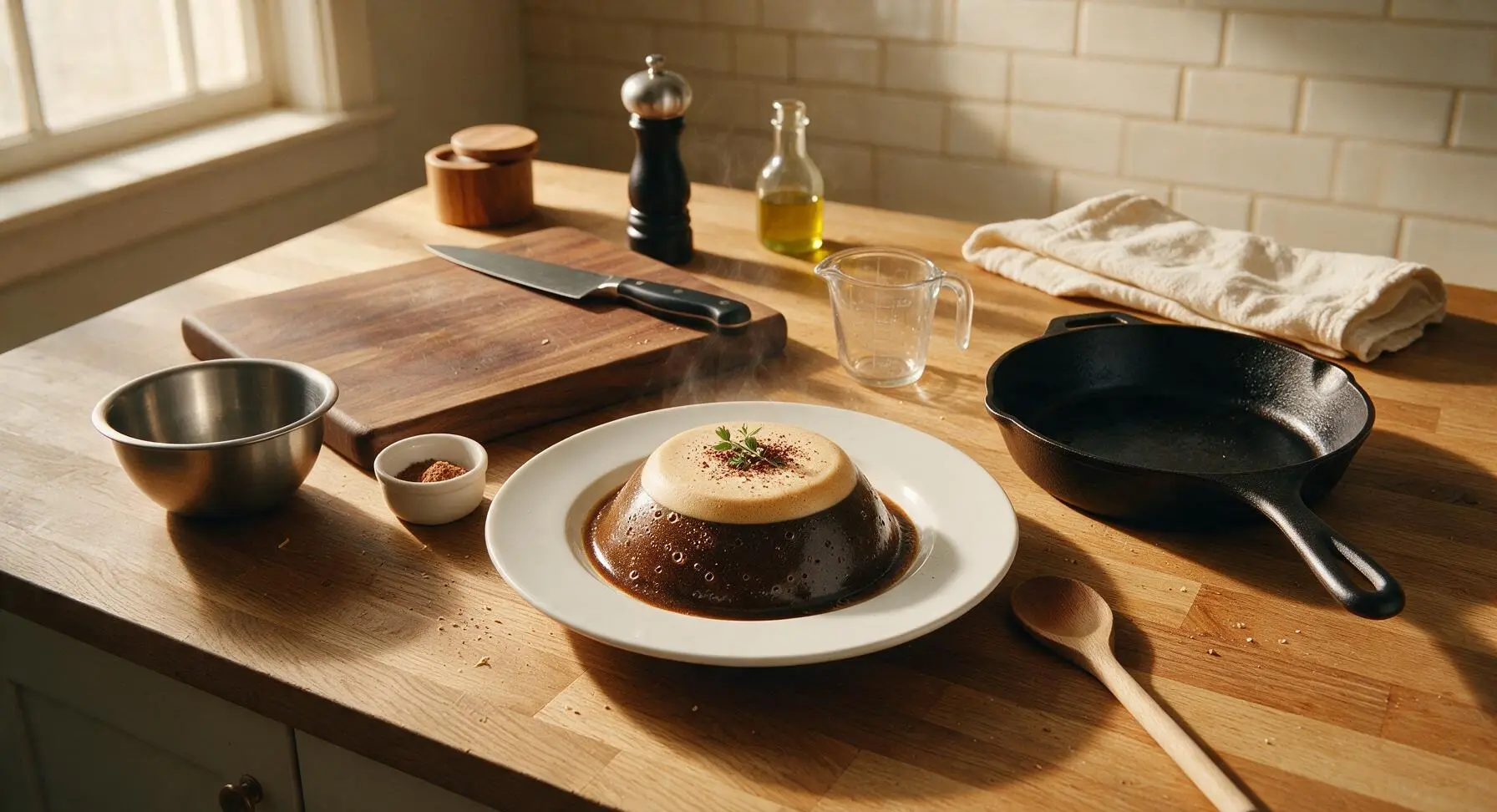
Velvety, roasty homemade dry stout with deep coffee and dark chocolate notes, smooth natural carbonation, and a thick creamy tan head—perfect for cold winter game nights with friends.
Ingredients
Steps
Heat Mash Water
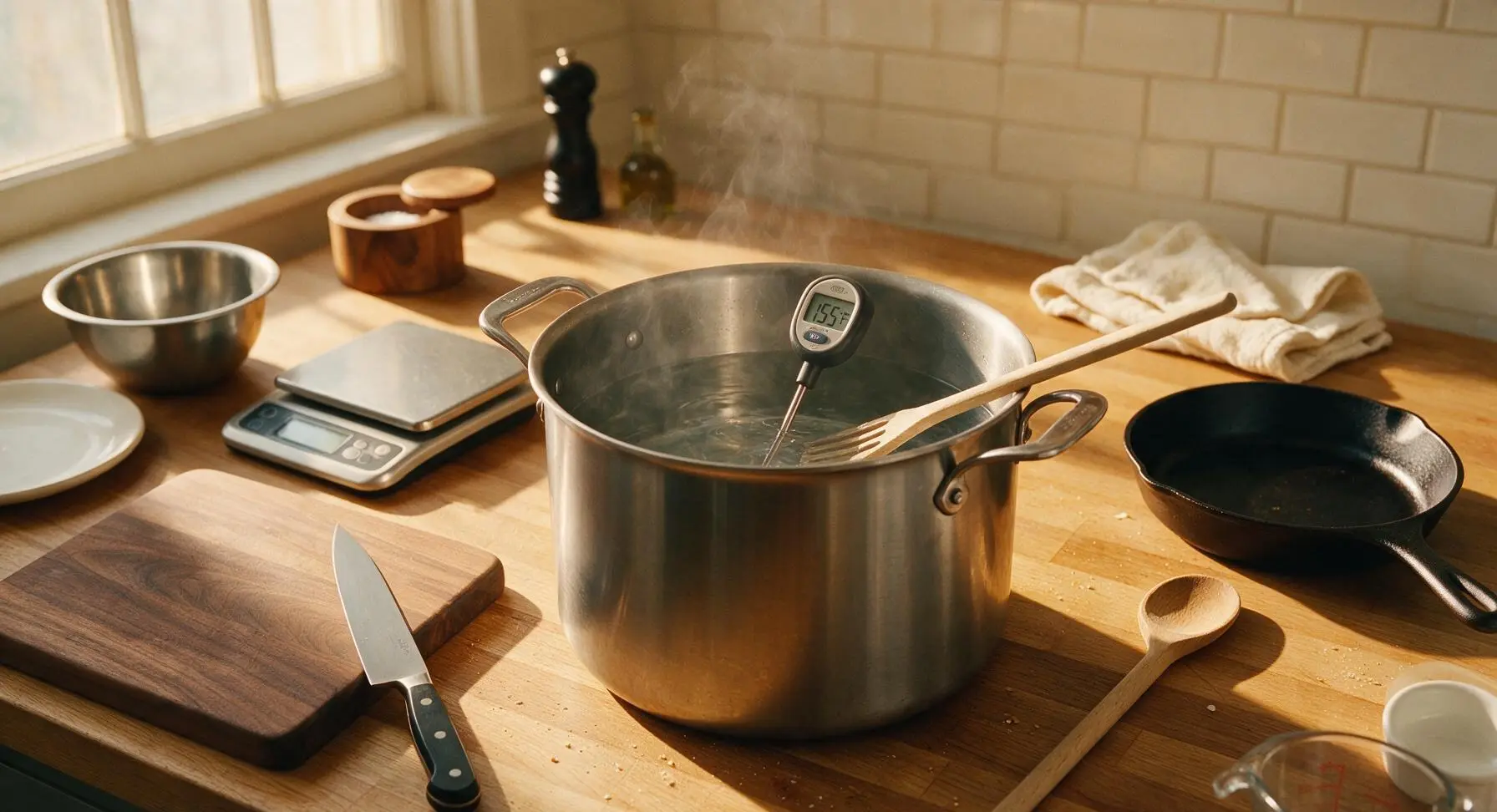
Pour 1 gallon of filtered water into the 8-quart brushed stainless steel stock pot. Place over medium heat, using the instant-read thermometer to monitor temperature until the water reaches a steady 155°F (68°C). Do not boil; this precise temperature is critical for proper sugar extraction from grains. Adjust heat to low to hold a stable temperature.
Steep Crushed Grains
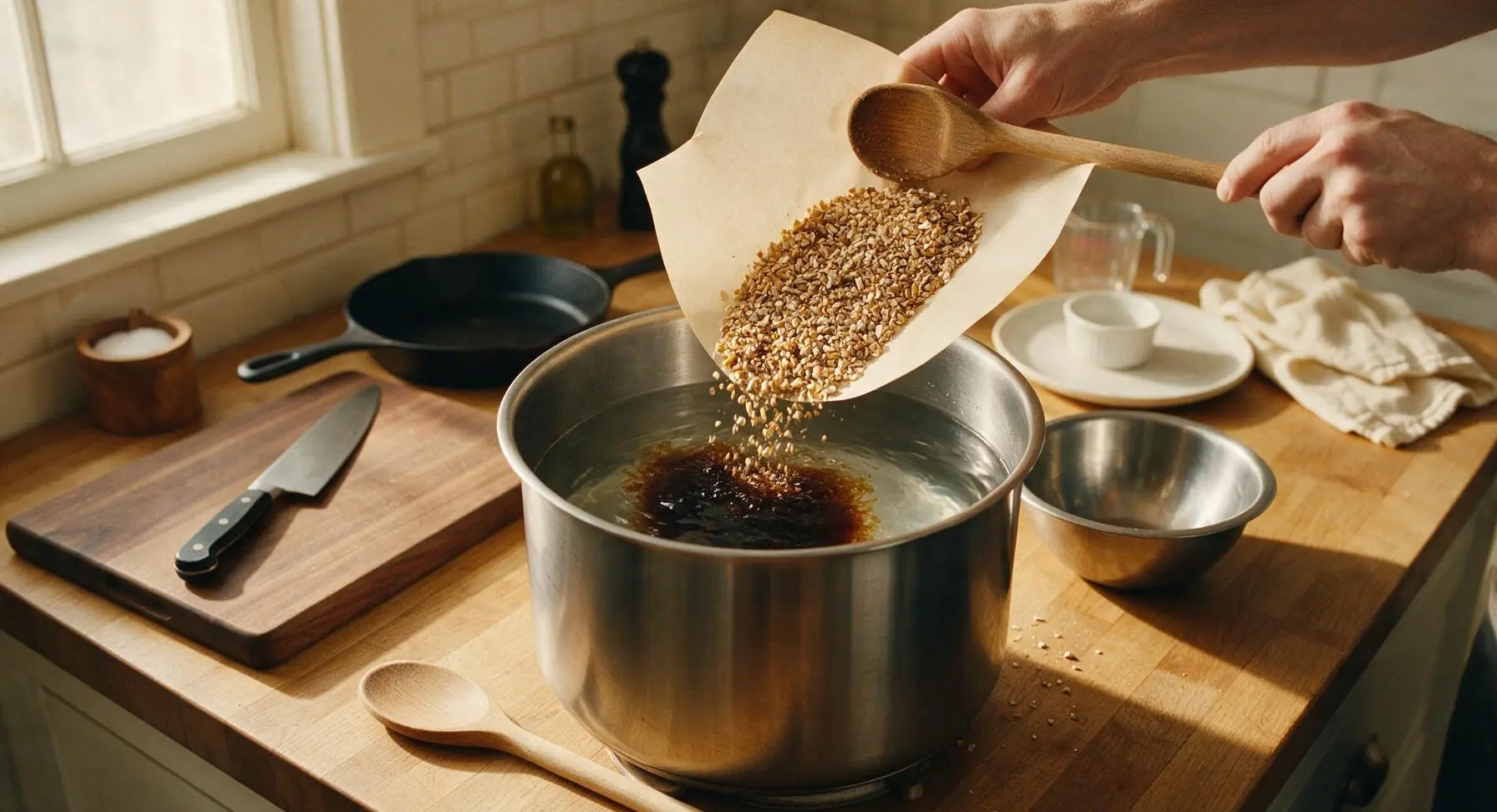
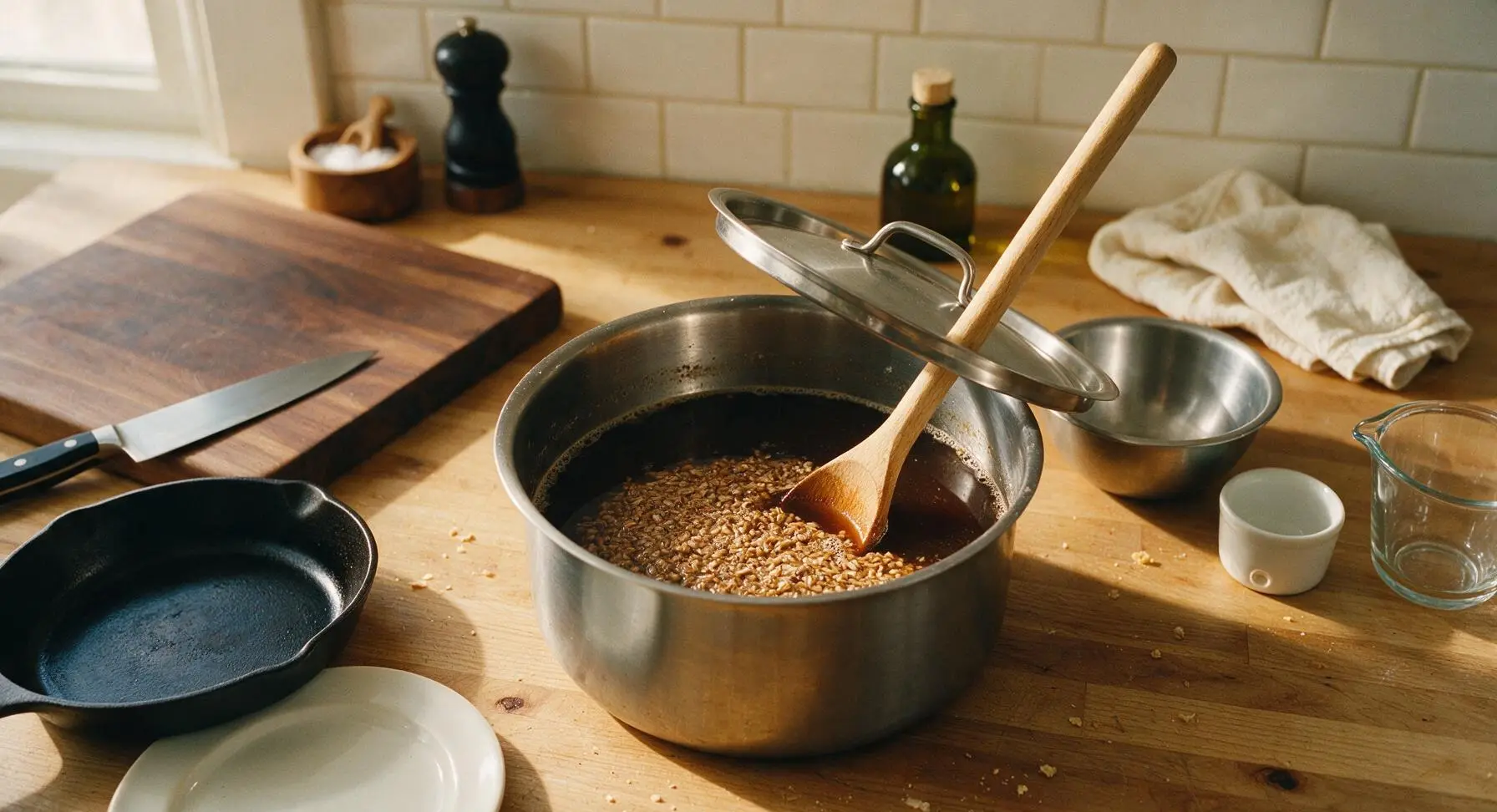
Slowly pour all crushed grains (pale 2-row malt, roasted barley, flaked barley) into the 155°F water, stirring thoroughly with the long-handled mash spoon to break up any dry clumps. The liquid will turn deep dark brown within seconds of adding grains. Cover the pot with its lid, hold temperature steady at 150-155°F for 60 minutes, stirring every 15 minutes to prevent grain settling at the bottom.
Strain Grain Solids
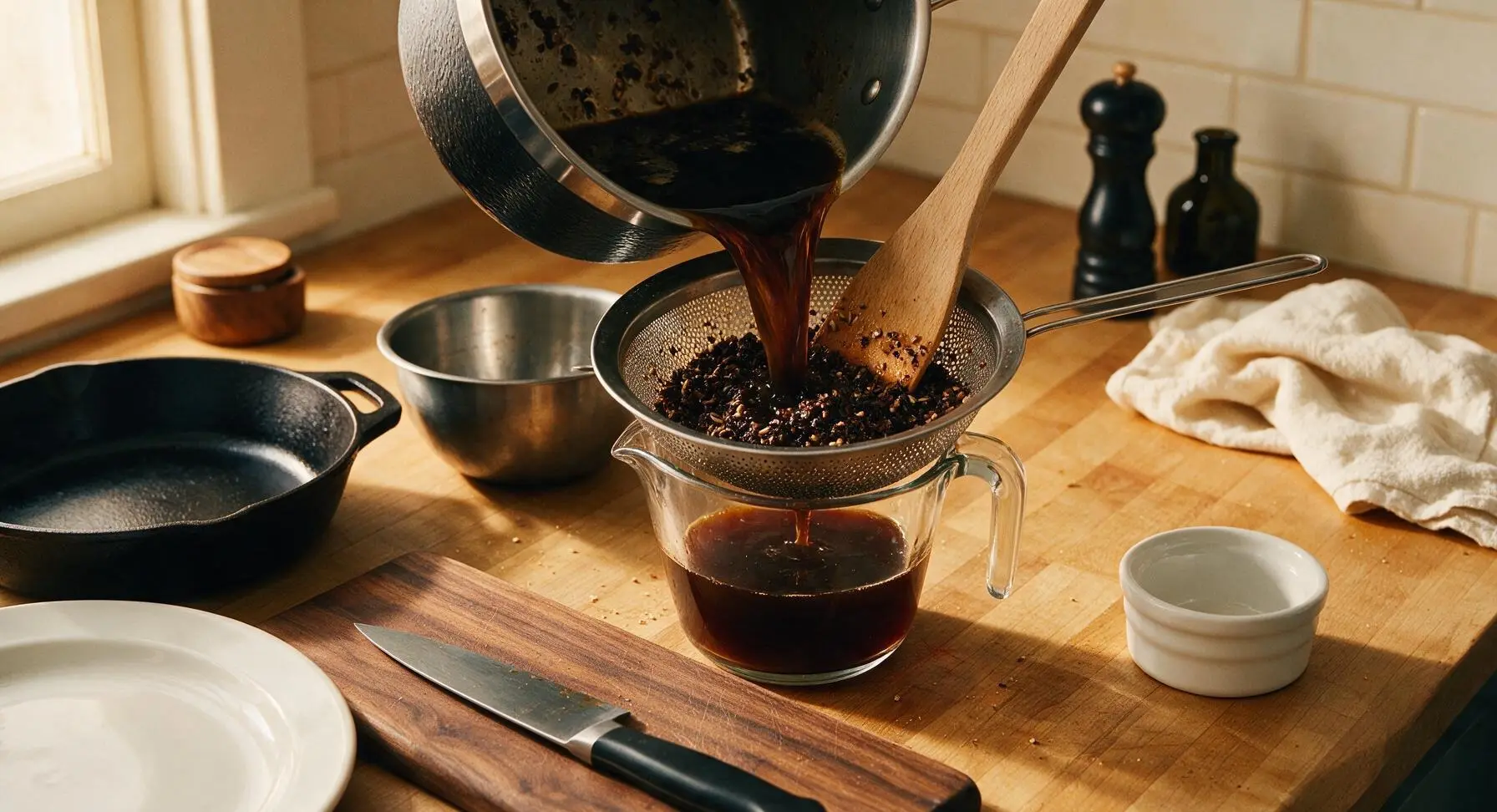
Place the fine-mesh stainless steel strainer over the mouth of the 2-quart clear glass measuring cup. Slowly pour the steeped grain and wort mixture through the strainer, allowing all sweet dark wort to drain through. Gently press grain solids with the back of the mash spoon to extract trapped liquid, but do not squeeze hard (this extracts harsh, astringent tannins from husks). Discard spent grains, then return the strained wort to the stock pot.
Boil Wort with Hops
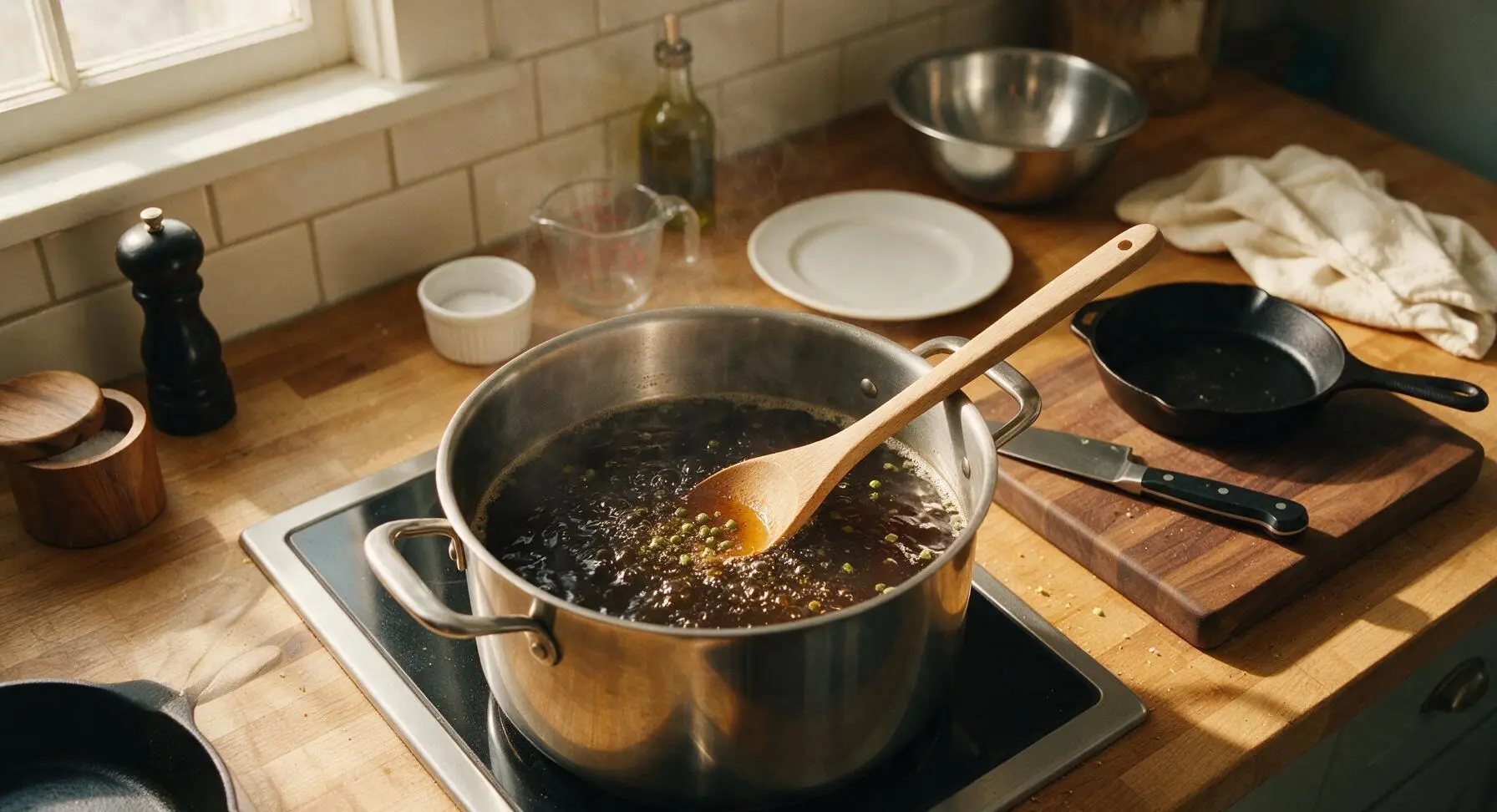
Place the stock pot with strained wort back over medium-high heat, bring to a gentle rolling boil (watch closely to prevent sticky boilovers). Once boiling steadily, add all 0.5 oz of East Kent Goldings hop pellets, set a timer for 60 minutes. Maintain a gentle rolling boil, stirring occasionally, until the timer goes off. The wort will reduce slightly and darken to a near-black hue during the boil.
Cool and Transfer Wort
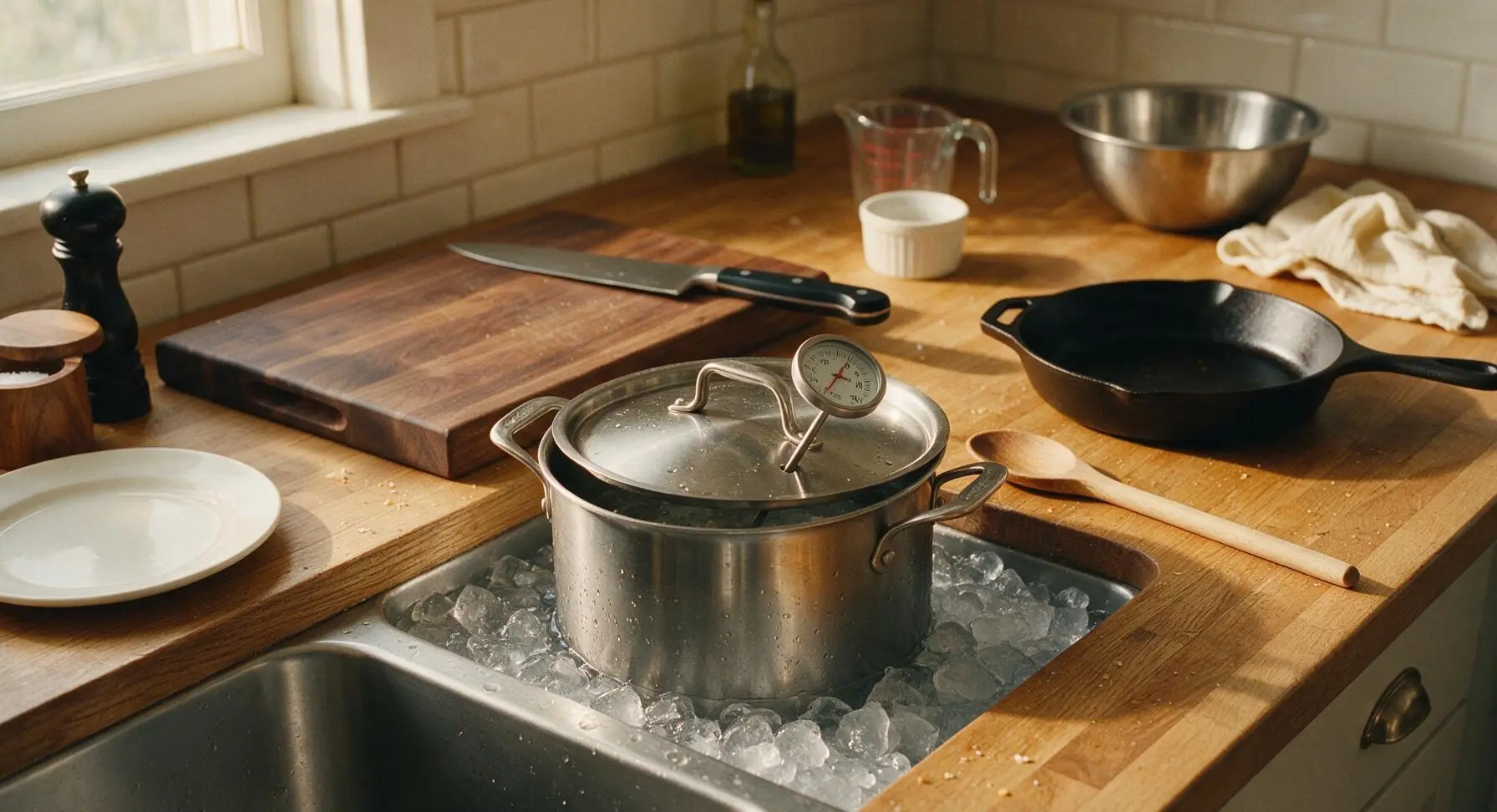
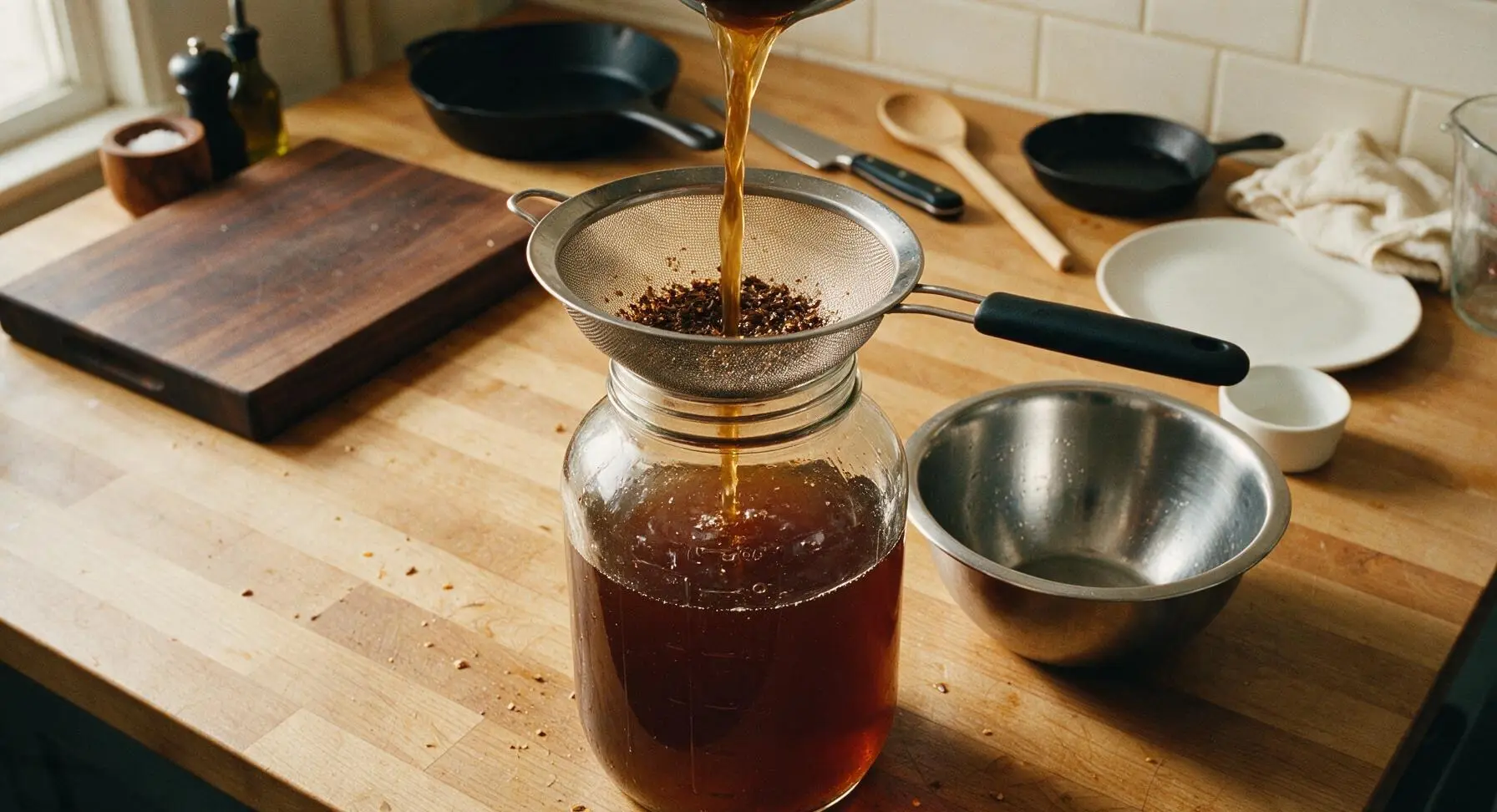
Remove the stock pot from heat, cover tightly, and place in a sink filled with ice water to cool wort rapidly to 70°F (21°C), roughly 20 minutes. Verify temperature with the instant-read thermometer; all equipment touching cooled wort must be sanitized with no-rinse brewing sanitizer to prevent contamination. Once cooled, pour wort through the fine-mesh strainer into the 1-gallon clear glass fermentation jug, topping with remaining filtered water to reach the 1-gallon etched mark if needed.
Pitch Yeast and Seal
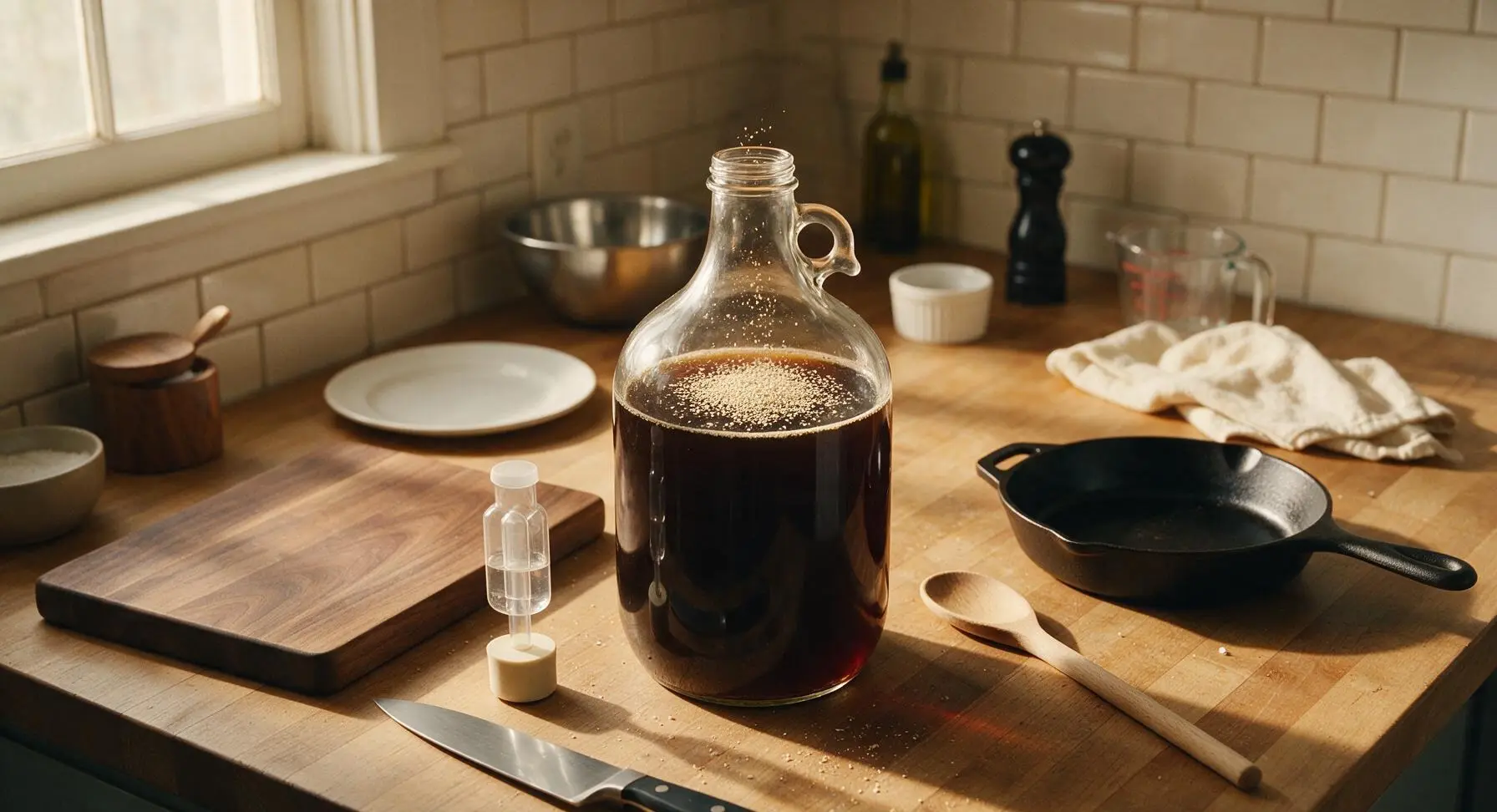
Sprinkle the entire 5g packet of dry ale yeast evenly over the surface of the cooled wort in the fermentation jug. Do not stir. Firmly insert the rubber stopper with the attached 3-piece airlock (filled halfway with clean cool water) into the jug neck to create an airtight seal. Store the jug in a dark, 65-70°F (18-21°C) space for 2 weeks, until bubbling in the airlock stops completely to confirm fermentation is finished.
Bottle for Carbonation
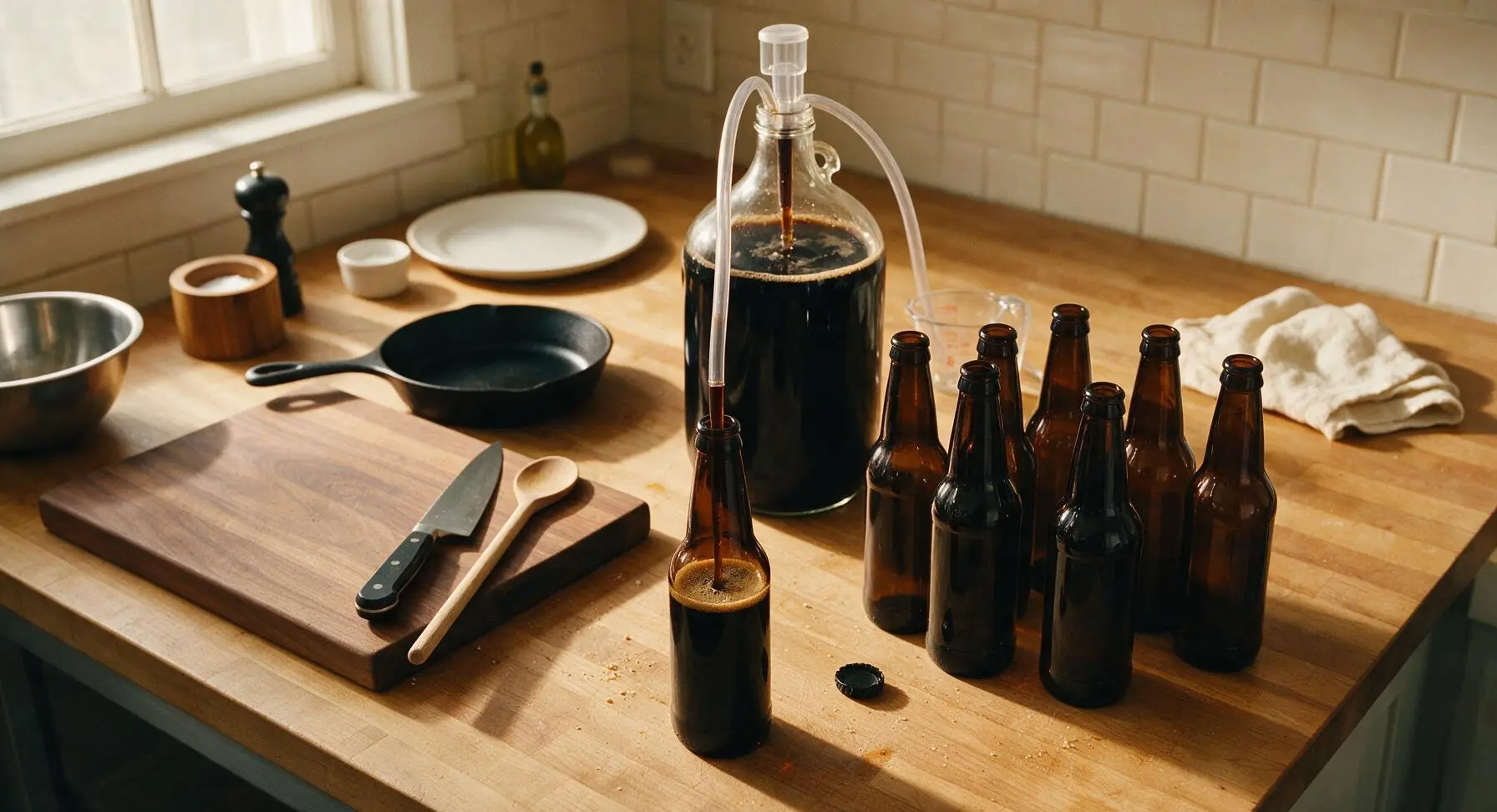
Once fermentation is complete, dissolve 1 oz of corn priming sugar in ¼ cup boiling water, cool to room temperature, and add to the bottom of a sanitized container. Use the auto-siphon to transfer fully fermented stout from the fermentation jug into the container, mixing gently with the priming sugar. Siphon beer evenly into the 8 dark amber 12oz glass bottles, leaving 1 inch of headspace at the top of each, then crimp crown caps tightly. Store bottles in the same dark 65-70°F space for 2 weeks to allow natural carbonation.
Chill and Serve
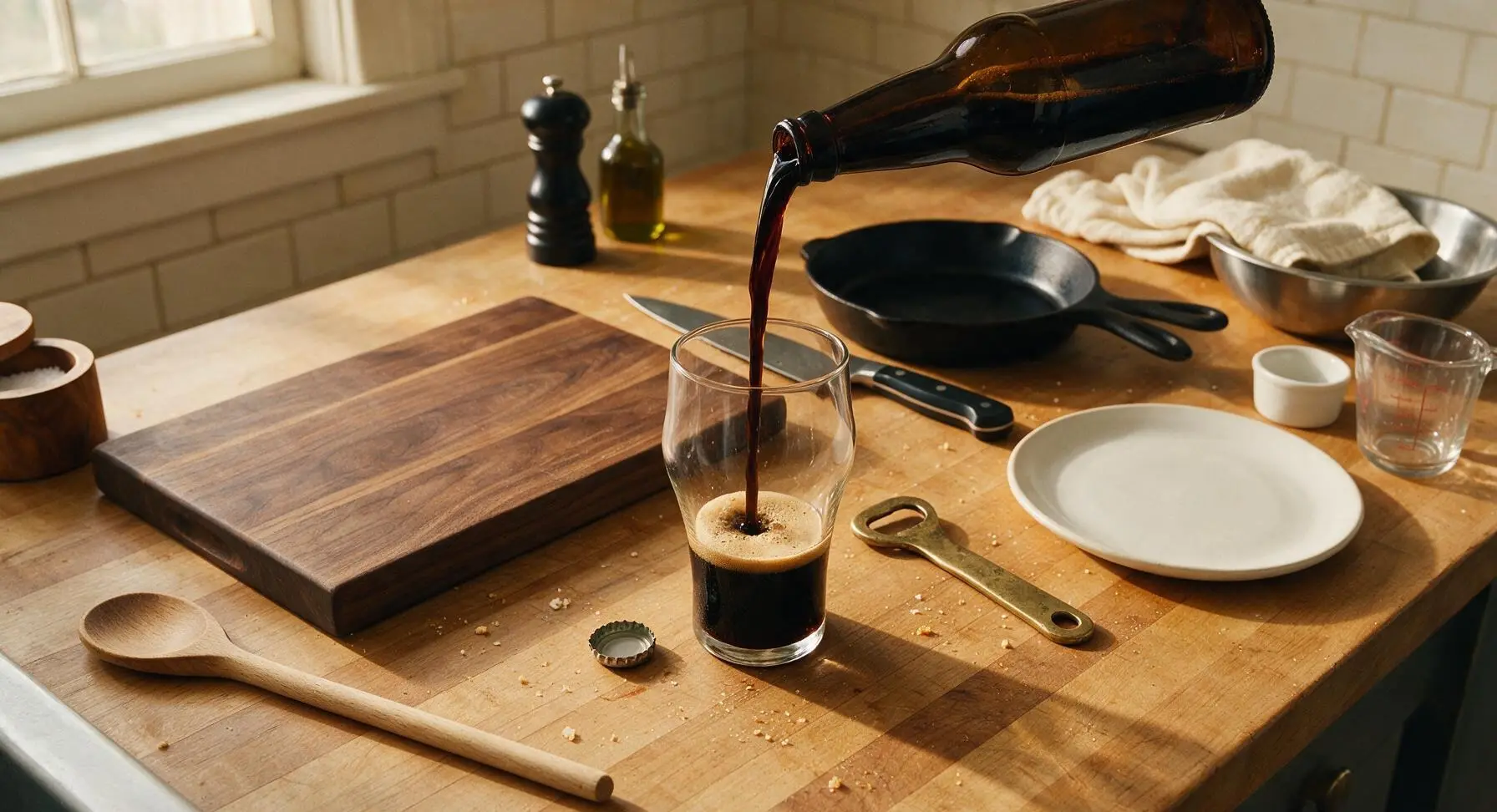
After 2 weeks of bottle conditioning, move bottles to the refrigerator to chill for a full 48 hours to 45°F (7°C). Open bottles slowly, pouring steadily into the tulip-shaped pint glass held at a 45-degree angle to build a 1-inch tan head, then straighten the glass to finish the pour. Let rest 2 minutes before serving to allow the head to stabilize and roasty aromas to release.
Tips
2.Keep fermentation temperature consistent: Fluctuations above 72°F will cause yeast to produce unwanted fruity or solvent-like off-flavors, while temperatures below 62°F can cause yeast to go dormant and stop fermentation before all sugar is converted.
3.Resist opening bottles early: The 2-week bottle conditioning time is required for yeast to consume priming sugar and produce natural carbonation; opening early will result in flat, under-carbonated stout without the signature creamy head.






OMG, this stout turned out SO good! I brewed a batch last weekend for our annual St. Paddy’s day potluck and everyone was begging for the recipe. That dry, roasty finish is exactly what I was missing from my previous store-bought stout attempts. Total game changer for my homebrew setup!
Super excited to try this! I’m pretty new to homebrewing, only done 2 batches of IPA so far. Is the 2 hour 20 minute cook time including the steep and boil, or is that just active work? I don’t want to mess up the timing on my first stout!
Made this for my college football watch party last week and my buddies were convinced I picked it up from a local brewery. I did add a tiny extra pinch of roasted barley to bump up that coffee note, and it was chef’s kiss. 10/10 will brew again before fall hits.
Brought a keg of this to our neighborhood block party last weekend and it was the first tap to kick! Even my neighbor who swears he ‘only drinks light beer’ came back for three refills. So smooth, no weird harsh aftertaste, exactly the crowd-pleaser I was hoping for.
Has anyone tried brewing this with a lager yeast instead of the ale yeast called for? I have a pack of Irish lager yeast in the fridge I’m trying to use up before it expires, wondering if it would work here.
I followed the recipe exactly for my first batch, but when I bottled it, it came out a little thinner than I expected? Did I maybe not steep the grains long enough? The flavor is great, just the mouthfeel is a little lighter than the pub stouts I love.
Game changer. I’ve been brewing for 8 years and this is hands down the best dry Irish stout recipe I’ve ever tested. That balance of bitter roast and subtle dark chocolate note is exactly what Guinness wishes it was. My wife even said it’s better than the stout we had on our trip to Dublin last year.
How long do you recommend conditioning this in the bottle before it’s ready to drink? I’m trying to time a batch for my dad’s birthday party next month and want to make sure it’s perfectly carbonated and smooth for the big day.
Pro tip for anyone making this: don’t skip the Irish moss! I forgot to add it to my first batch and it took twice as long to clear, looked a little murky when I poured it. Tasted great still, just wasn’t that perfect jet black pint with the tan head I was going for.
SO good. I swapped the pale malt for a little extra Maris Otter just because I had it on hand, and it added this subtle bready note that went so well with the roasted barley. Drank a pint last night with some corned beef and cabbage, perfect combo.
I live in a super warm climate, my house is usually around 78 degrees this time of year. Do I need a temp control setup to brew this, or will it turn out okay if I just ferment it in my coolest closet?
My kids thought it was hilarious that dad was ‘making beer in the garage’ all weekend, but even they had to admit it smelled amazing while it was boiling. Brought a growler over to my in-laws for Sunday dinner and my father in law asked if I could brew him a whole batch for his fishing trip next month.
Wait, does this recipe require any special equipment? I only have a basic 5 gallon brew pot and a plastic fermenter right now, no wort chiller or anything fancy. Don’t want to buy a bunch of new gear just for one batch.
Made this last month and entered it into our local homebrew competition, won first place in the stout category! The judges loved how smooth and dry it was, no harsh astringency that a lot of homebrewed stouts have. This recipe is a total winner.
I did a small test batch of this (1 gallon instead of 5) first to make sure I liked it, and I’m so mad I didn’t just make the full size. I went through the whole gallon in 3 days! That roasty, slightly coffee-like flavor is so drinkable, I could sip this every night after work.
Quick question for anyone who’s made this: when bottling, do you recommend using corn sugar for carbonation, or is there a better option to get that thick, creamy pub-style head? I want that perfect pour every time.
I’m planning to make this for my annual St. Patrick’s day party, how many people does a 5 gallon batch serve? I’m expecting about 30 guests, should I make a double batch?
SO good. I brewed this a month ago and cracked open my first pint last night while grilling burgers with my husband, and it tasted just like the dry stout we had at our favorite Irish pub downtown. No weird off flavors, super smooth, even better than I expected it to be. I’m already prepping grains for a second batch to have on hand for summer cookouts.
Total game changer! I was always scared to try brewing stouts because I thought they’d be too complicated, but this recipe was so straightforward even as a mid-level brewer. I did accidentally add a little extra hops at the end of the boil, but it still turned out amazing, just a little extra piney note that worked surprisingly well.