1.What is tako, and can I use raw octopus to make this poke?
▾
Tako is the Japanese term for octopus, the star protein of this dish, and traditional Hawaiian-style tako poke always uses fully cooked octopus. Raw octopus is unpleasantly rubbery and tough for this preparation, so skip it entirely. Pick up pre-cooked frozen octopus from most Asian grocery stores, or boil fresh octopus until fork-tender then chill it completely before cubing.
2.Why does the recipe call for low-sodium soy sauce instead of regular?
▾
Cooked octopus is naturally briny from the ocean, even after boiling, so regular full-sodium soy sauce can easily make the final dish overly salty. Low-sodium soy sauce delivers that deep umami soy flavor without throwing off the salt balance. If you only have regular soy on hand, cut the amount by 25% and add a tiny extra splash of rice vinegar to brighten it.
3.How do I keep the avocado from turning brown in the poke?
▾
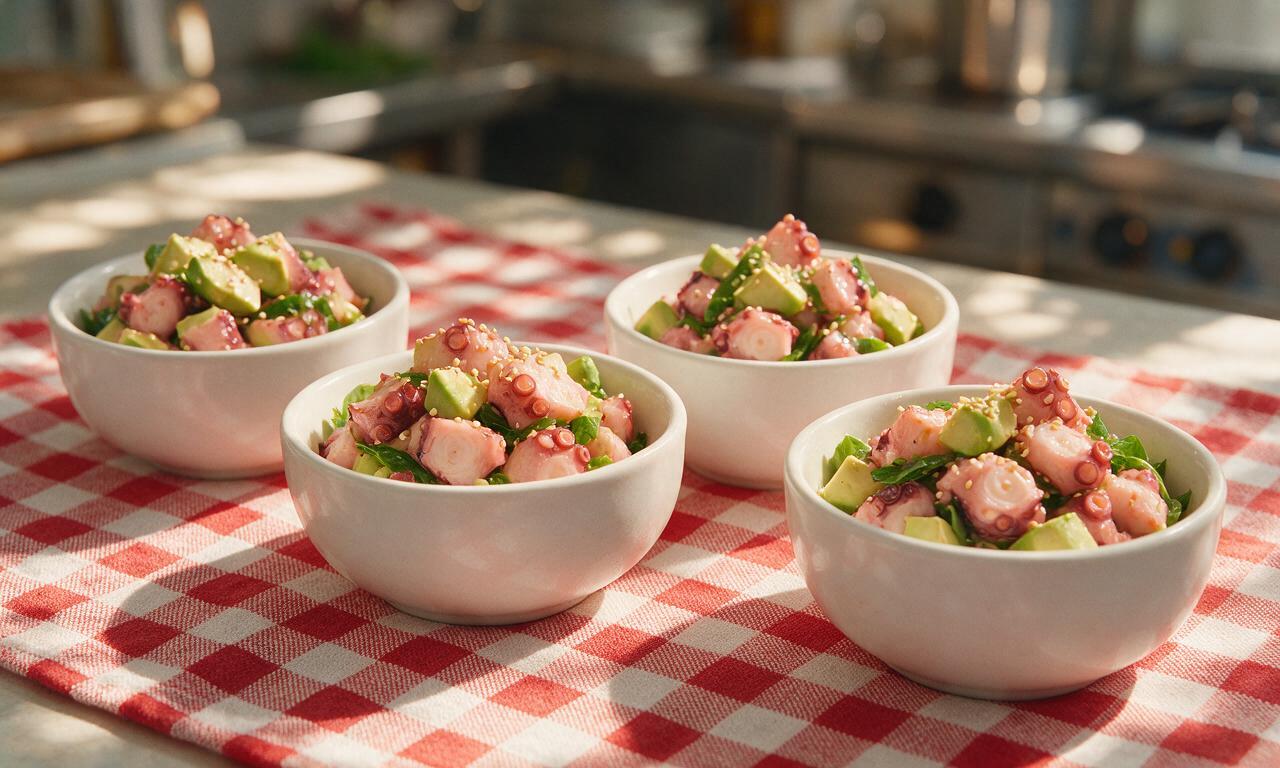
Toss your cubed avocado gently in a tiny splash of the recipe’s unseasoned rice vinegar right before mixing it into the poke, and only add avocado immediately before serving. If prepping components ahead, store cubed avocado in an airtight container with plastic wrap pressed directly against its surface to block oxygen, which causes that unappealing brown discoloration.
4.What size should I cut the octopus cubes for the best texture?
▾
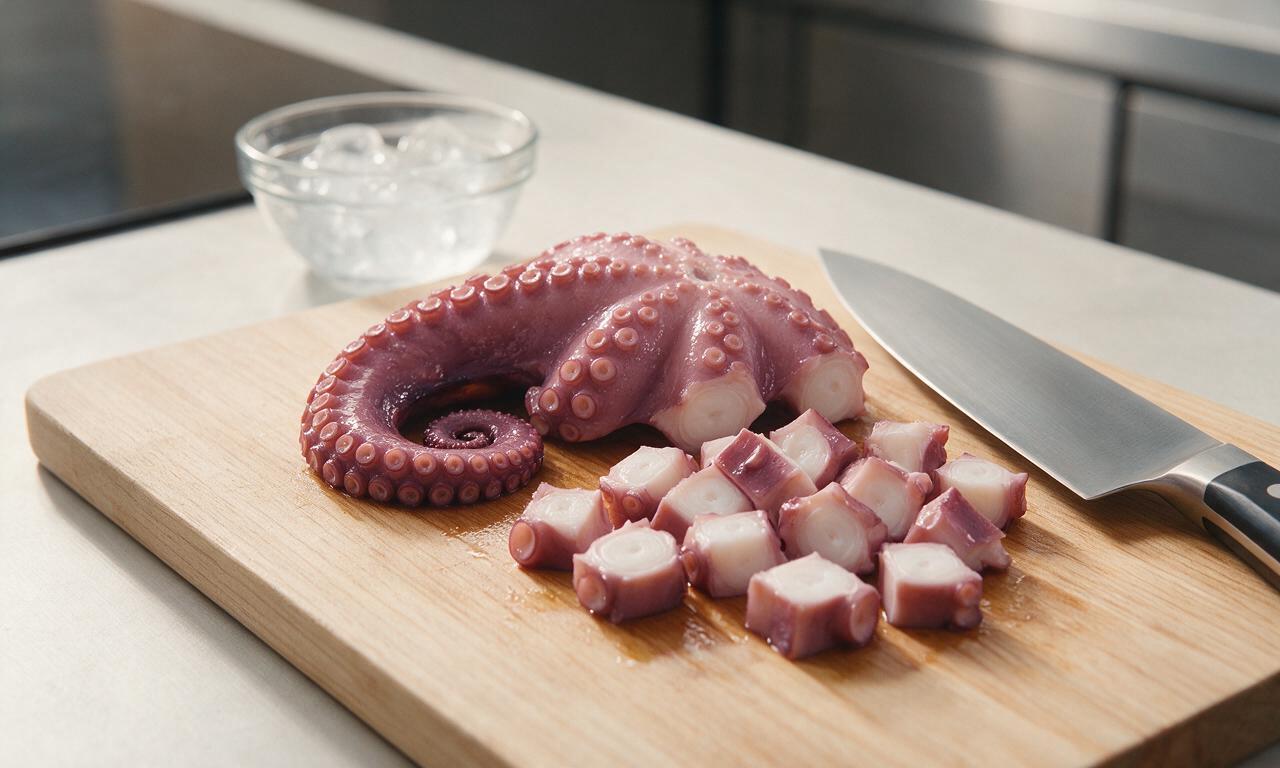
Stick to the recommended 1.5cm (roughly ½-inch) cubes for the most enjoyable, balanced bite. Cutting octopus too small will make it get lost among veggies and sauce, while chunks larger than 2cm will be overly chewy per bite and hard to pick up with chopsticks or chips. Always cut against the natural grain of the tentacles to keep bites as tender as possible.
5.Can I make this poke ahead of time for a potluck or party?
▾
You can prep the cooked octopus, sauce, and crisp veggie components up to 24 hours ahead, storing them separately in airtight containers in the fridge. Wait to toss everything together, and hold off on adding avocado, until 15 to 20 minutes before serving; letting mixed poke sit too long wilts veggies and draws out excess water that dilutes the sauce.
6.Do I need to toast my own sesame oil for this recipe?
▾
You don’t need to toast sesame oil yourself—commercially sold toasted sesame oil is already made with slow-toasted sesame seeds for that deep, nutty flavor that pairs perfectly with briny octopus. Skip plain, untoasted sesame oil, which lacks that signature warm depth, and use oil that’s less than 6 months open to avoid rancid, off flavors.
7.What crisp veggies work best in this Hawaiian-style tako poke?
▾
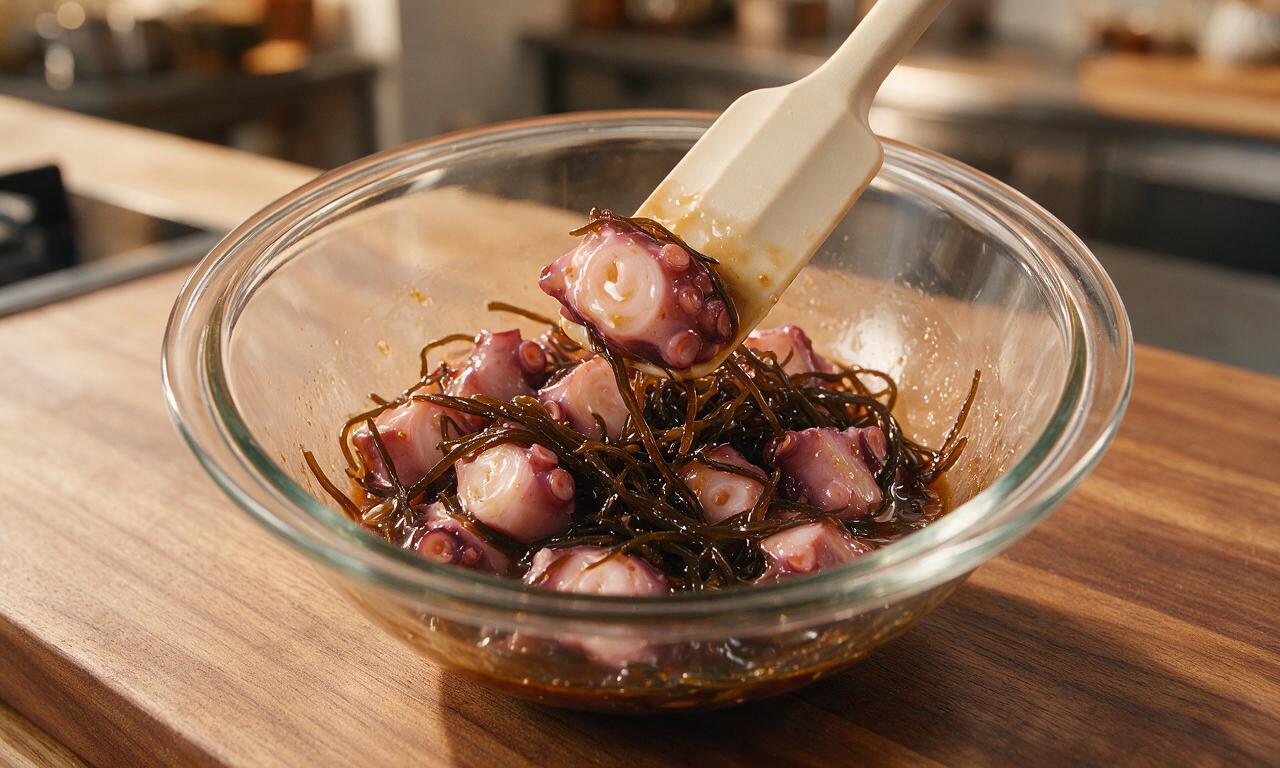
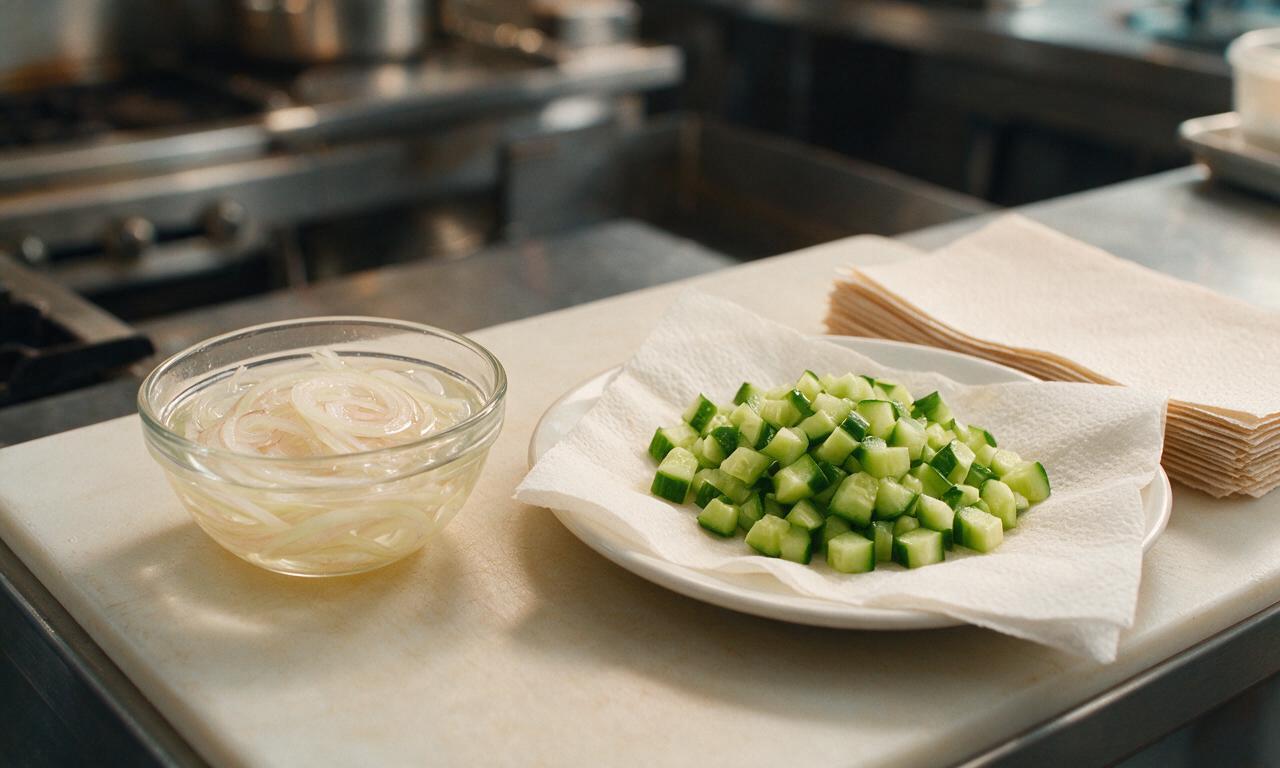
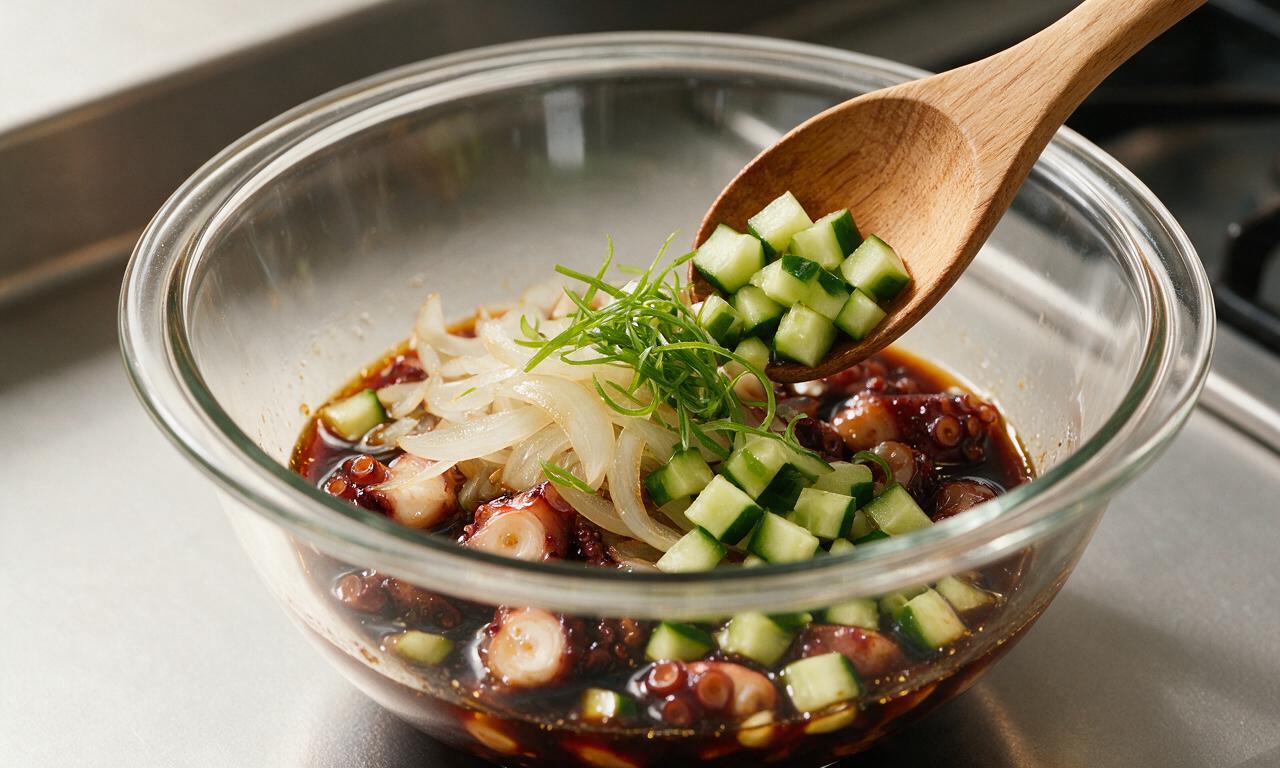
Traditional add-ins include thinly sliced sweet Maui onion, diced Persian cucumber, and a small handful of chopped limu (Hawaiian seaweed) if you can track it down. Stick to high-crunch, low-moisture veggies; skip watery options like juicy slicing tomatoes, which will leach water and dilute the umami sesame-soy sauce as the poke chills.
8.My cooked octopus is super rubbery—how do I fix that?
▾
Rubbery pre-cooked octopus almost always means it was undercooked initially. Fix it by simmering it in lightly salted water with a slice of fresh ginger and a clean wine cork (a classic chef’s trick for tenderizing octopus) for 30 to 45 minutes, until a fork slides easily into the thickest tentacle. Chill fully in an ice bath before cubing.
9.Is unseasoned rice vinegar really necessary, or can I use seasoned rice vinegar?
▾
Unseasoned rice vinegar has a bright, mild tang without added salt or sugar, which lets the other sauce flavors shine without competing. If you only have seasoned rice vinegar, cut back on any optional added sweeteners and reduce the soy sauce slightly to account for extra salt, tasting as you go to avoid an overly sweet or salty final dish.
10.How much fresh grated ginger should I use, and can I substitute ground ginger?
▾
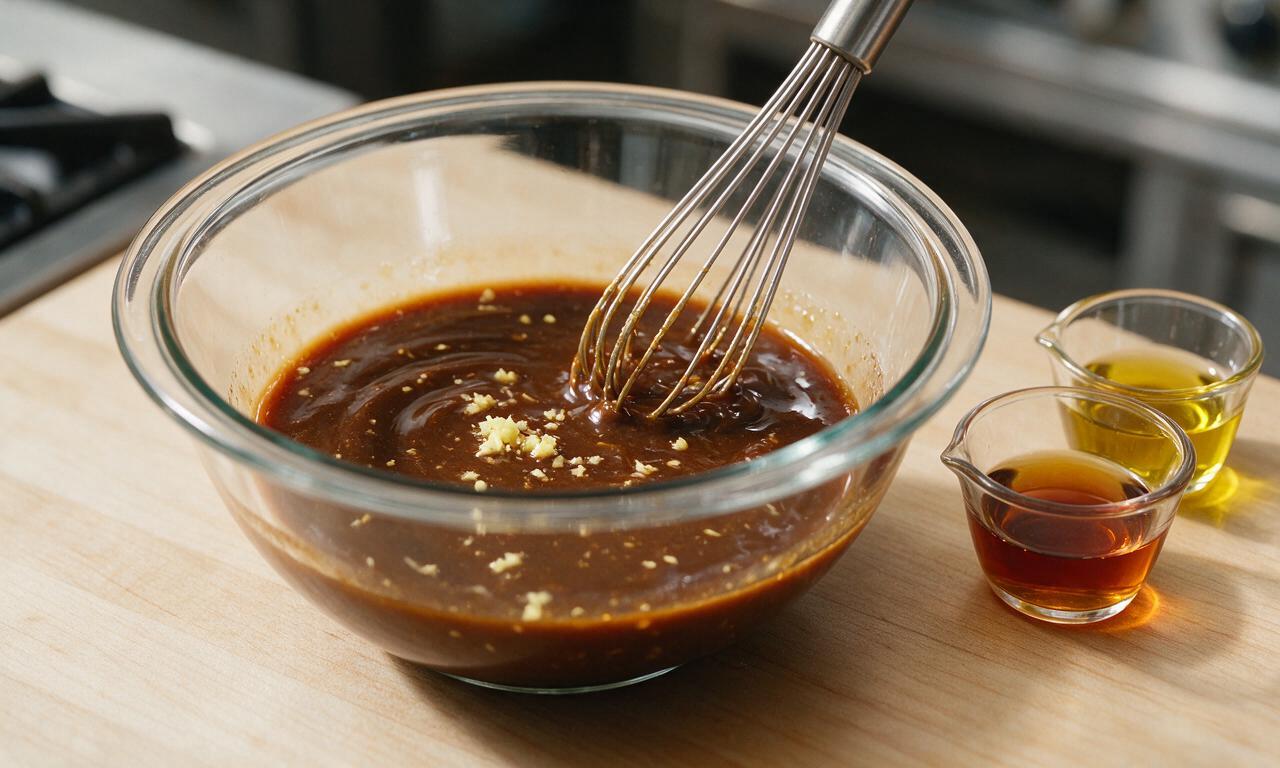
Use about 1 teaspoon of finely grated fresh ginger per pound of cooked octopus for a bright, subtle zing that doesn’t overpower the briny tako. Skip ground dried ginger entirely—it has a sharp, musty flavor that clashes with the poke’s fresh profile. If you don’t have fresh ginger, a tiny pinch of grated fresh garlic works as a last-minute swap.
11.What are the best serving options for this tako poke?
▾
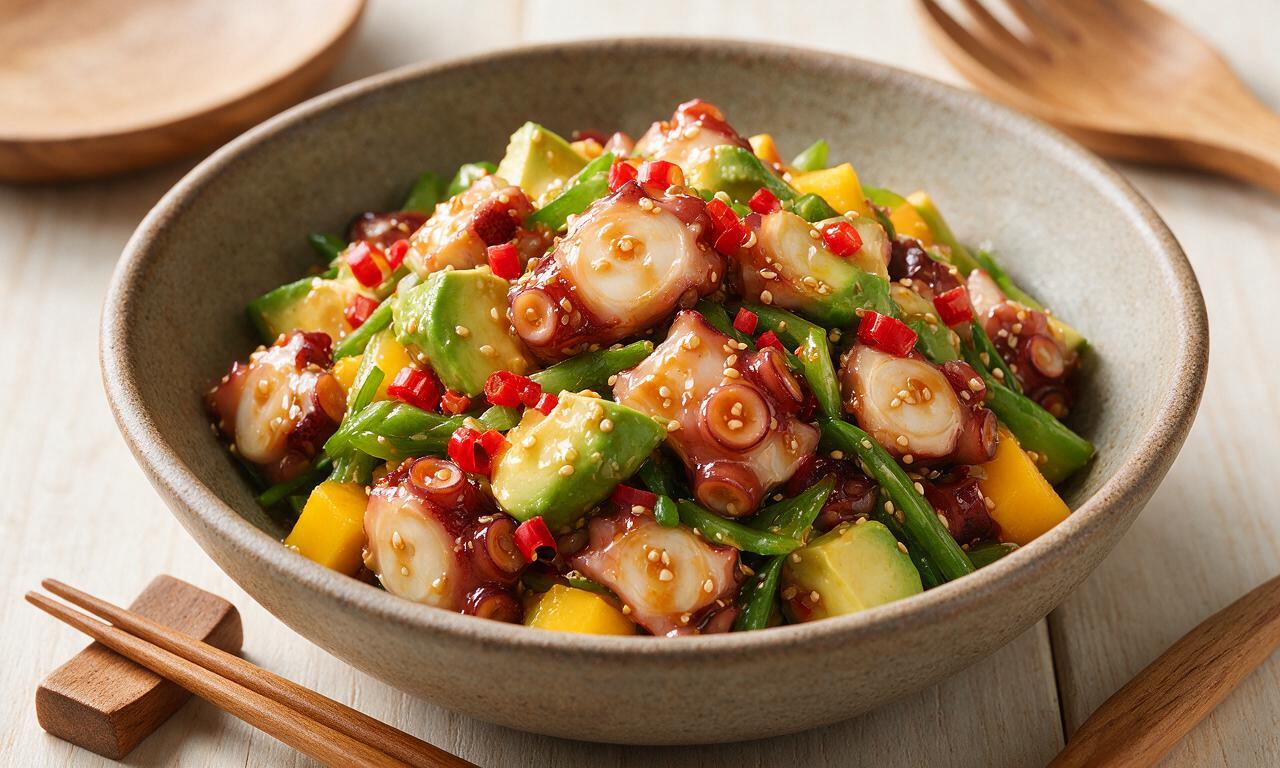
Serve it ice-cold as a light appetizer with crispy rice crackers, taro chips, or wonton chips for scooping, or mound it over a bowl of short-grain sushi rice for a satisfying full poke bowl meal. It pairs perfectly with cold crisp lager or sparkling white wine for summer cookouts, beach days, or casual backyard gatherings.
12.How long does leftover tako poke stay good in the fridge?
▾
Properly stored in a sealed airtight container, leftover tako poke (without avocado) will stay fresh for up to 2 days in the fridge at 40°F or below. The veggies will soften slightly the longer it sits, so give it a gentle toss and tiny extra splash of rice vinegar before serving to brighten flavors. Never freeze leftover poke, as it turns octopus mushy and veggies limp.
13.Can I add spicy elements to this poke if I don’t like plain sesame-soy flavor?
▾
Absolutely! For a spicy twist, stir in 1 to 2 teaspoons of chili garlic sauce or a sprinkle of togarashi (Japanese seven-spice blend) to the base sauce before tossing. You can also add a small dollop of creamy Kewpie mayo for a spicy creamy version, but add it slowly so you don’t overpower the clean, briny flavor of the cooked octopus.
14.Is there a good substitute for octopus if I can’t find it locally?
▾
If you can’t find pre-cooked octopus, the closest texture swap is cooked, peeled large shrimp cut into ½-inch chunks, or gently poached bay scallops. These swaps won’t have the exact briny, snappy bite of tako, but they pair beautifully with the sesame-soy sauce and crisp veggies for a similar light, chilled poke experience.
15.Why do I need to chill all the components before tossing the poke?
▾
Hawaiian-style poke is meant to be served ice-cold for the most refreshing, bright bite that makes it perfect for warm weather. Tossing warm or room-temperature octopus with sauce will make the sesame oil turn cloudy, wilt veggies faster, and lead to a mushy, unappetizing texture. Chill all prepped components for at least 1 hour before assembling.
16.Should I remove the suction cups from the octopus tentacles before cubing it?
▾
There’s no need to remove the suction cups from cooked octopus—they’re completely edible, have a fun, slightly snappy texture, and are a classic part of traditional tako poke. Just give the cooked tentacles a quick rinse under cold water to brush off loose dark skin or residual slime from boiling, then pat completely dry before cubing to keep sauce from getting watery.
17.Why does my homemade poke turn watery, and how do I prevent that?
▾
Watery poke almost always comes from excess moisture on ingredients or letting the mix sit too long in sauce. Pat your cubed cooked octopus and diced veggies completely dry with paper towels before adding sauce, skip seedy, watery tomato varieties or overripe mushy avocado, and toss right before serving to stop ingredients from leaching excess water.

OMG this tako poke is SO good! I brought it to our neighborhood potluck last weekend and people were hovering over the bowl the whole time. I was worried cooking the octopus would be tricky but the instructions were so straightforward even a beginner like me nailed it. Total game changer for my summer cookout rotation!
Super easy recipe that tastes just like the poke I got on my trip to Oahu a few years back! Cook time was exactly as advertised, no surprises. I meal prepped a batch on Sunday and ate it for lunch all week, held up perfectly in the fridge. Only note is I wish I’d made a double batch because my roommate kept stealing bites!
My kids loved it! I was nervous they’d turn their noses up at octopus but they thought the chewy texture was fun, and the sweet-savory soy glaze was totally their vibe. Served it over rice with some cucumber slices on the side for a quick weeknight dinner, zero complaints from the whole crew. Will definitely be making this again!
Really solid base recipe! I swapped the sesame oil for chili crisp oil to add a little heat, and it slapped. Only thing I’ll adjust next time is cutting the tako into slightly smaller chunks, I made mine a little too big for easy bite-sized eating. Great easy recipe overall!
SO good! I was looking for new no-oven recipes to beat the Florida humidity and this was perfect. No hot stove needed beyond the quick tako boil, which was done right around the 35 minute mark per the recipe. I added some diced mango and avocado on top when serving and it was chef’s kiss. It holds up great for meal prep too, I’ve been eating it for lunches all week!