Tsukemen

title 1
Tsukemen
⏱️ cook time 50 minutes
🍽️ servings 4
⚡ Difficulty medium

intro

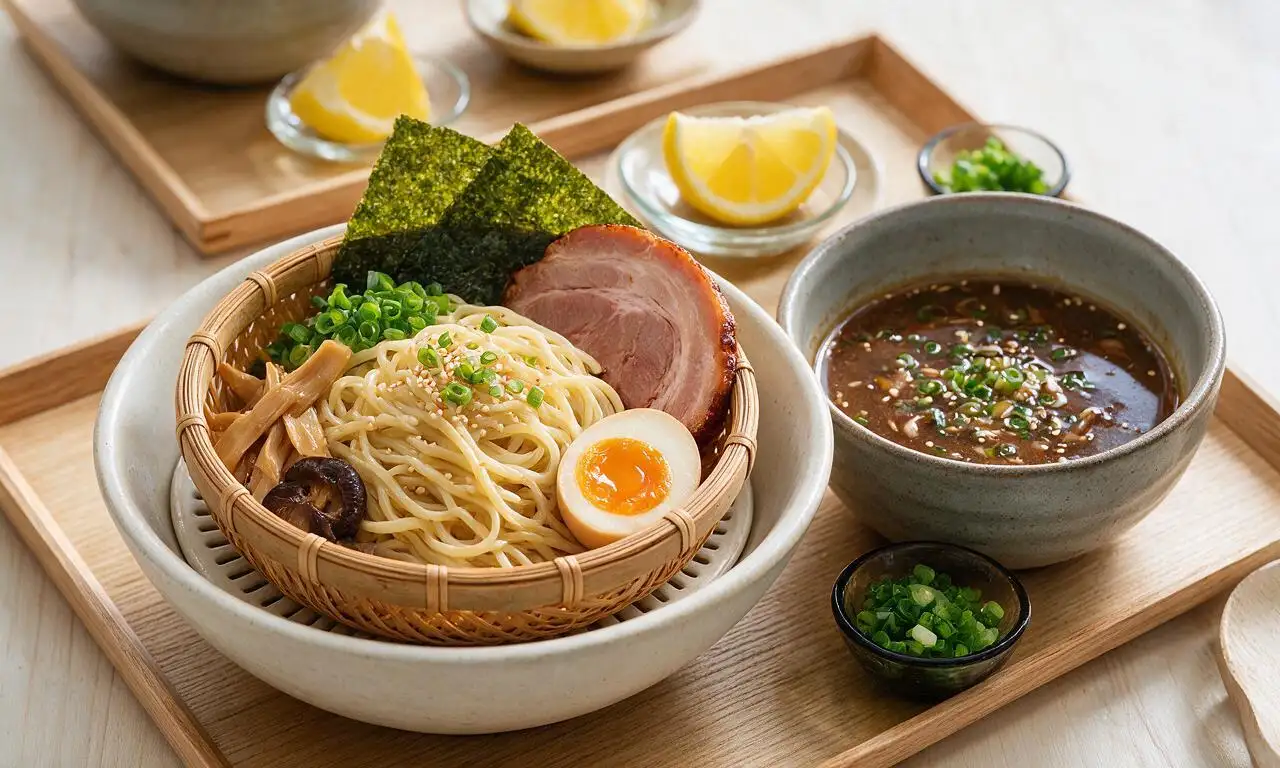
Chewy cold ramen noodles served with a rich, umami-packed hot dipping broth and classic toppings for a slurp-worthy, interactive summer meal.

Ingredients

Fresh chukamen (ramen noodles) 800 grams
Boneless pork belly (for chashu) 300 grams
Low-sodium chicken stock 1000 ml (4 cups)
Koikuchi (dark) soy sauce 135 ml (1/2 cup + 1 tablespoon)
Mirin 75 ml (1/4 cup + 1 tablespoon)
Cooking sake 45 ml (3 tablespoons)
Dried kombu (kelp) 10 grams (1 4x6 inch piece)
Dried bonito flakes (katsuobushi) 20 grams (1 packed cup)
Large eggs 4 units
Seasoned menma (bamboo shoots) 120 grams (1 cup, sliced)
Green onions 4 stalks (60 grams, thinly sliced)
Toasted nori sheets 4 full sheets, cut into 1-inch strips
Grated fresh garlic 2 cloves (6 grams)
Toasted sesame oil 15 ml (1 tablespoon)

Steps

1

Cook chashu and eggs

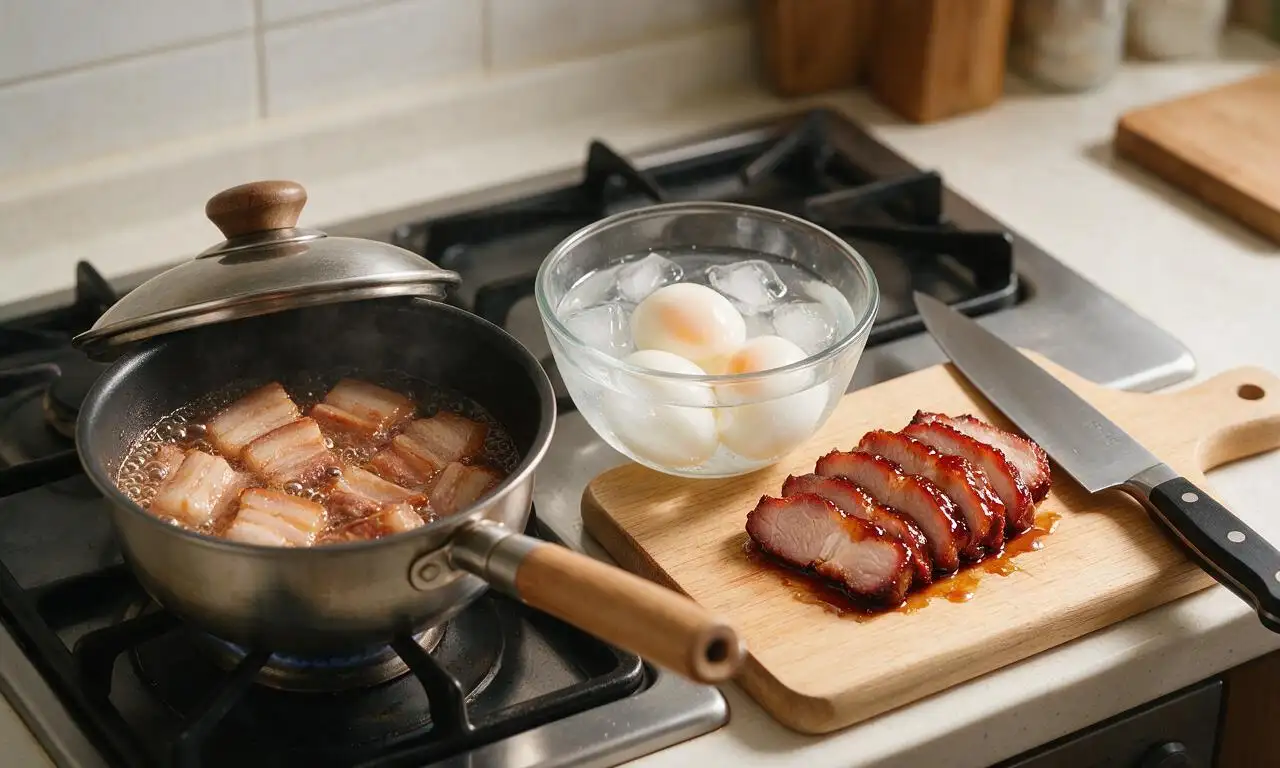
Place 300g boneless pork belly in a small saucepan, cover with 1 liter cold water, bring to a rolling boil over medium-high heat, then reduce heat to low to maintain a gentle simmer. Cover and cook for 25 minutes until pork is fork-tender. Remove pork, pat dry with paper towels, sear all sides in a dry skillet over medium heat for 1 minute per side until deep golden, then slice into 5mm thick pieces. Toss sliced pork with 15ml soy sauce and 15ml mirin over low heat for 1 minute to glaze, then set aside. While pork simmers, lower 4 large eggs into a separate pot of boiling water, cook for exactly 6 minutes 30 seconds, then transfer immediately to an ice water bath to chill for 5 minutes before peeling and setting aside.
Step 1
step1:Cook chashu and eggs
2

Steep dashi broth base

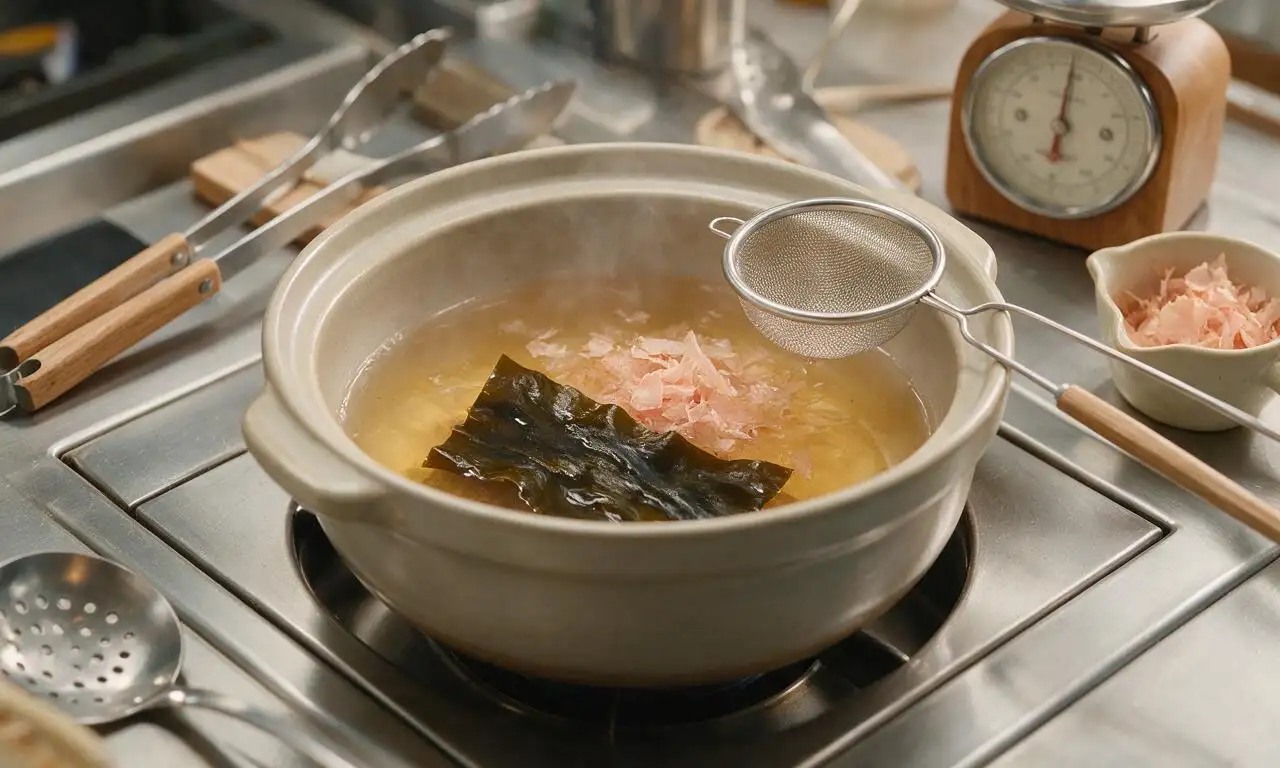
Pour 1000ml low-sodium chicken stock into a medium pot, add 10g dried kombu, and heat over medium-low until small bubbles form around the pot edges (do not boil), about 8 minutes. Remove kombu with tongs, add 20g dried bonito flakes, bring to a gentle simmer, then turn off heat completely. Let bonito flakes steep for 10 minutes to extract umami, then pour the broth through a fine-mesh strainer to remove all solid flakes.
Step 2
step2:Steep dashi broth base
3

Finish dipping broth

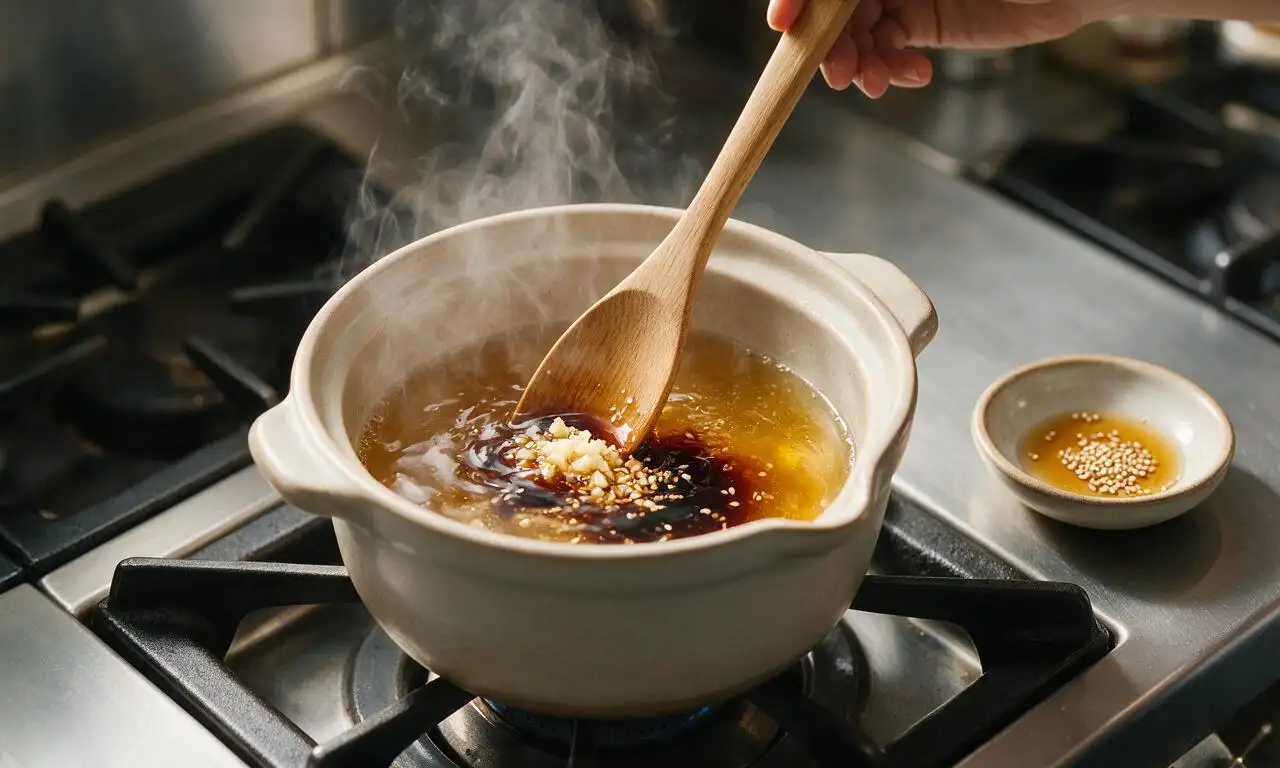
Return the strained dashi-chicken base to the stovetop over the lowest heat setting. Stir in the remaining 120ml soy sauce, 60ml mirin, 45ml cooking sake, 6g grated fresh garlic, and 15ml toasted sesame oil. Warm the broth for 5 minutes, stirring occasionally, until it reaches 70°C (160°F) — hot enough for dipping, but not boiling. Keep covered on the lowest heat while prepping noodles.
Step 3
step3:Finish dipping broth
4

Cook and chill noodles

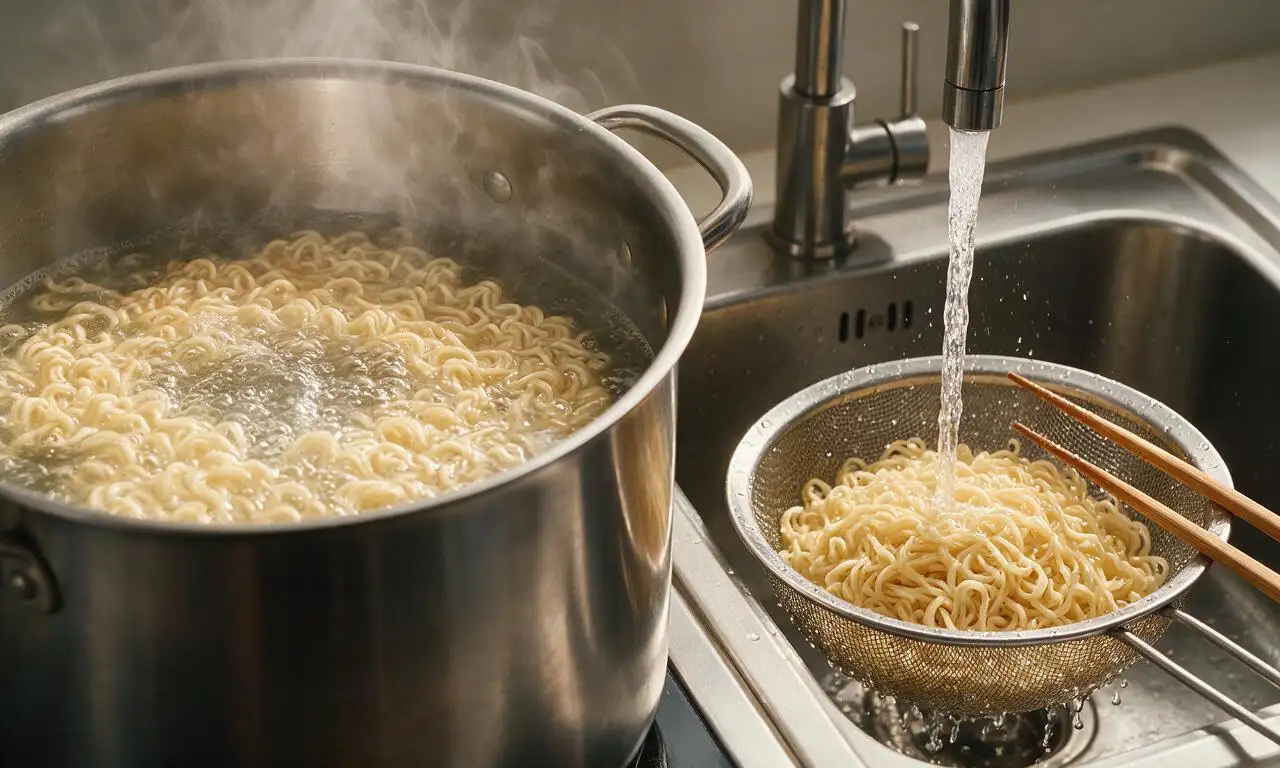
Bring a large pot of unsalted water to a rolling boil over high heat. Add 800g fresh chukamen ramen noodles, stir gently with chopsticks to separate strands, and cook for 2 minutes less than the package’s stated cook time (approximately 3 minutes total for fresh noodles) to retain a firm, springy chew. Once cooked, drain noodles fully, then rinse thoroughly under cold running tap water for 2 minutes, rubbing strands gently to wash off surface starch, until noodles are completely cold to the touch. Shake off all excess water to avoid diluting the dipping broth.
Step 4
step4:Cook and chill noodles
5

Arrange noodle platters

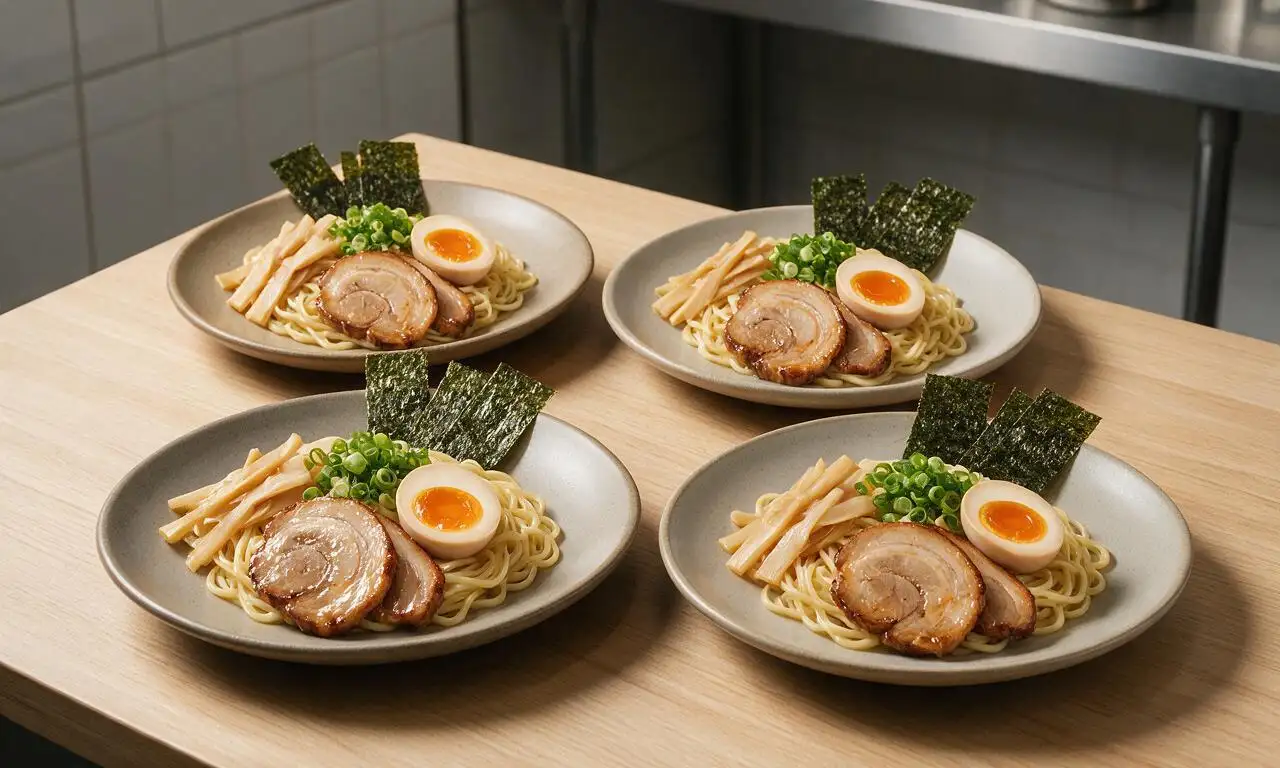
Divide the cold, fully drained noodles evenly between 4 large serving plates, piling them into neat, loose mounds in the center of each plate. Arrange 3 to 4 slices of glazed chashu pork, 30g seasoned sliced menma, 1 halved soft-boiled egg (cut side up to show the runny golden yolk), a small stack of nori strips, and a pinch of thinly sliced green onions alongside the noodles on each plate, leaving clear space to pick up noodles with chopsticks.
Step 5
step5:Arrange noodle platters
6

Portion and serve

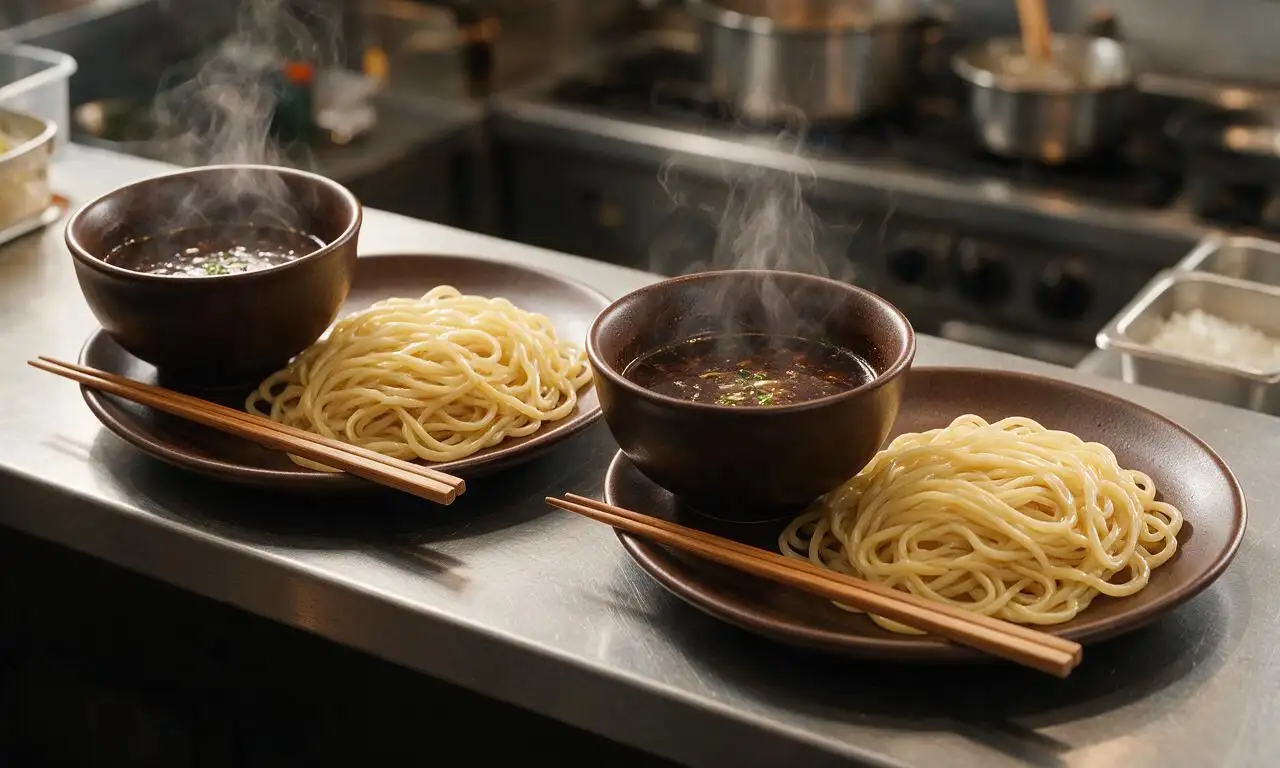
Ladle 200ml (3/4 cup) of the hot, concentrated dipping broth into 4 small, deep individual serving bowls, garnishing each broth bowl with a pinch of extra sliced green onions. Place one broth bowl next to each noodle platter, and serve immediately while the broth is piping hot and noodles are cold and chewy. Diners pick up small bundles of noodles and toppings with chopsticks, dip them fully into the hot broth, and slurp to enjoy.
Step 6
step6:Portion and serve

Tips

1.Never boil kombu when making dashi: high heat releases bitter, slimy compounds that ruin the broth’s clean umami flavor. Remove kombu as soon as small bubbles form around the pot edges, before a rolling boil starts.
2.Rinse cooked noodles thoroughly under cold water to wash off all surface starch: this creates the signature springy, chewy tsukemen noodle texture and prevents strands from clumping together as they sit.
3.Keep the dipping broth concentrated: cold noodles will carry small amounts of water that dilute the broth as you dip, so avoid thinning it too much. If it tastes too salty, add only 1-2 tablespoons of hot water per serving to adjust.

✨ You May Also Like

Main Course
🍜 United Kingdom

A showstopping classic of tender seared beef, savory mushroom duxelles, and crisp prosciutto wrapped in flaky golden puff pastry, baked to juicy perfection.

⏱️ 2 hours 1Main Course ★ 4.7
Main Course
🍜 India

Tender charred marinated chicken simmered in a rich, spiced creamy tomato sauce, this iconic Anglo-Indian curry pairs perfectly with basmati rice or warm naan.

⏱️ 50 minuteMain Course ★ 4.6
Main Course
🍜 Thailand

Classic tangy, sweet, and savory Thai stir-fried rice noodles with shrimp, tofu, and crunchy garnishes, balancing all five core Thai flavor profiles.

⏱️ 30 minuteMain Course ★ 4.5
Main Course
🍜 United Kingdom

Crispy golden beer-battered cod and fluffy double-fried chips, served with tangy tartar sauce and malt vinegar: the timeless, beloved British pub comfort classic.

⏱️ 45 minuteMain Course ★ 4.7
Main Course
🍜 Mexico

Smoky, chile-marinated pork tacos with caramelized pineapple, fresh cilantro, and lime: a beloved classic Mexican street food perfect for casual summer gatherings.

⏱️ 1 hour 45Main Course ★ 4.8
Main Course
🍜 United States

Crunchy Fritos corn chips layered with savory beef chili and melted cheddar, topped with cool, zesty fixings for a beloved, cozy Tex-Mex comfort food.

⏱️ 35 minuteMain Course ★ 4.8

Tsukemen:Frequently Asked Questions

1.Why are tsukemen noodles served cold instead of hot like regular ramen? ▾
Great question! Unlike standard hot ramen, cold, thoroughly rinsed fresh chukamen noodles have that signature chewy, springy texture tsukemen is famous for. Rinsing washes off excess surface starch to prevent clumping, and the sharp temperature contrast between cold noodles and hot, umami-packed dipping broth makes every slurp extra refreshing, ideal for warm summer meals.
2.Can I use dried ramen noodles if I can’t find fresh chukamen? ▾
Absolutely! If fresh chukamen is hard to source, grab high-quality dried chukamen from your local Asian market—skip instant ramen, which is too soft and overly salty. Cook the dried noodles 1 minute past the package’s al dente direction, then shock them in an ice bath immediately after draining, rinsing well to remove starch for that perfect chewy bite that holds up to thick broth.
3.How do I get the dipping broth to stick to cold noodles instead of running right off? ▾
Cold noodles won’t cling to thin, watery broth, so start with a flavorful base of low-sodium chicken stock, then balance it with koikuchi dark soy sauce and mirin for deep salty-sweet umami. Simmer the seasoned broth for 10 to 12 minutes to concentrate it slightly—this creates a rich, thick enough consistency to coat every noodle strand when you dip.
4.Do I have to make slow-braised pork belly chashu for toppings, or are there quicker options? ▾
While tender, slow-braised boneless pork belly chashu is the classic, indulgent topping, you don’t have to spend hours on it for a great bowl. Quick swaps include thinly sliced seared pork tenderloin, marinated soft-boiled eggs, blanched bok choy, sliced green onion, or crispy bamboo shoots—just pick toppings bold enough to stand up to the robust dipping broth.
5.My dipping broth came out too salty—what causes that, and how do I fix it? ▾
Overly salty broth usually happens when you skip measuring or use full-sodium stock instead of pairing low-sodium chicken stock with measured koikuchi soy and mirin. To fix it, stir in a splash of unsalted chicken stock, a tiny pinch of sugar to round out flavors, and a small squeeze of fresh lemon, tasting as you go until the salty-sweet umami balance feels just right.

Comments (12)

2 days ago

OMG this tsukemen was a total game changer for our weekly family dinner! My two picky boys went back for seconds, and even my husband who swears he only likes takeout ramen said it was better than our local spot. The dipping broth is so rich and umami, I didn’t skip any of the steps and it was 100% worth the 50 minutes. Will be making this on repeat!

1 week ago

Made this for my roommates last night for our weekly potluck and everyone lost their minds. I was worried the medium difficulty would be too much for my tiny dorm kitchen, but the steps were super straightforward. Only swap I did was use regular chashu I grabbed from the Asian market down the street because I didn’t have time to make it from scratch. SO good, we ate every last noodle.

3 days ago

Solid tsukemen recipe! I prepped the dipping broth on Sunday for meal prep and it held up great all week for quick work from home lunches. The only heads up is the noodles really do need to be rinsed well after cooking to get that chewy texture, I half-assed the first batch and they were a little gummy. 10/10 will make again for my next group hike weekend.

5 minutes ago

This looks amazing! Does anyone have a tip for swapping the regular wheat noodles for gluten free ones? I’ve had bad luck with GF ramen noodles getting mushy super fast, and I really don’t want to mess up that incredible looking dipping broth.

just now

Great question! For gluten-free tsukemen, I recommend using a 100% buckwheat soba or a thick GF rice ramen noodle, and cooking them 1 minute less than the package directions before rinsing aggressively with cold water to stop the cooking process and lock in that chewy texture. The broth is naturally gluten-free if you swap regular soy sauce for tamari, too!

30 minutes ago

Just finished making this and WOW. I thought the tare was going to be too intense when I was mixing it, but once it combined with the dashi and pork stock it was perfectly balanced. I added a soft boiled egg and some menma on top like my local tsukemen shop does, chef’s kiss.

5 minutes ago

Wait I did the soft boiled egg too! Did you do the 6 minute boil with the ice bath? That’s my trick for getting that perfectly runny yolk that mixes so good with the dipping broth.

yesterday

How far in advance can I make the dipping broth? I’m hosting a Japanese food night for my friend group next Saturday and I want to get as much prep done ahead of time as possible so I’m not stuck in the kitchen while everyone is hanging out.

2 hours ago

The dipping broth stores perfectly in an airtight container in the fridge for up to 3 days, or in the freezer for up to a month! Just give it a good stir and reheat gently on the stove right before serving, and cook the noodles fresh day-of for the best texture. Hope your friend group loves it!

2 weeks ago

Made this for my granddaughter when she came to visit last weekend, she’s been obsessed with tsukemen since she studied abroad in Tokyo. She said it tasted exactly like the little shop she went to every week near her dorm! I added a little extra garlic to the broth because we’re both garlic fiends, no regrets.

1 week ago

This makes my heart so happy! I studied abroad in Tokyo too and I’ve been chasing that perfect tsukemen flavor for years, I can’t wait to try this recipe to see if it matches the shop I used to go to in Shinjuku.

2 hours ago

Wait, do you store the noodles and broth separate for meal prep? I don’t want the noodles to get soggy if I pack them for work lunches this week. Also, is the broth good cold or do you have to reheat it?

30 minutes ago

Great question for meal prep! Always store the cooked, rinsed noodles completely separate from the hot dipping broth, and keep the noodles in an airtight container in the fridge for up to 3 days. Traditional tsukemen uses hot broth for dipping, but cold broth works great too for a lighter summer meal if you don’t have a way to reheat at work!

5 days ago

Tried this recipe last night and it was so close to the tsukemen I had on my trip to Osaka last year! The only issue I had was my dipping broth came out a little saltier than I expected. Did I do something wrong when I was mixing the tare?

3 days ago

I had the same thing happen my first time! I realized I reduced my broth a little too long on the stove, which concentrated the salt way more than it should have. Next time I didn’t let it simmer quite as hard and it was perfect.

2 days ago

Jesse is totally right! Over-reducing the broth is the most common reason for overly salty tsukemen broth. You can also balance out extra salt by adding a tiny splash of unsalted chicken or dashi stock, or even a pinch of sugar to round out the flavors if you end up with a too-salty batch.

1 week ago

OMGGGG I added a little bit of spicy chili oil to the dipping broth and it was *chef’s kiss*. I know that’s not totally authentic but I love a little heat with my noodles. Also, pro tip: top the noodles with a little toasted sesame seed and sliced green onion for extra crunch!

5 days ago

Chili oil in tsukemen is such a good call! I do that every time I get takeout too, I never thought to add it to homemade. Do you use the crunchy Sichuan chili oil or the smooth Japanese rayu?

3 days ago

I used the crunchy Sichuan kind! It adds such a great little texture pop when you dip the noodles, 10/10 recommend giving it a shot.

2 days ago

Is there a vegetarian swap for the pork-based broth? My roommate is vegetarian and I want to make this for our next movie night, but I don’t want her to miss out on that deep umami flavor everyone is raving about.

yesterday

I made a vegetarian version last month! I used a combo of shiitake dashi, kombu, and a little bit of smoked paprika to get that deep, savory flavor that pork stock usually adds, and it was so good even my meat-eating brother loved it.

2 hours ago

Leo’s swap is spot on! For a fully vegetarian tsukemen, swap the pork stock for a rich mushroom and kombu dashi, use tamari instead of regular soy sauce if you need it vegan, and add a small handful of dried shiitake mushrooms while simmering the broth for extra umami depth. It’s just as satisfying as the pork version!

3 days ago

Wait a second, I’ve been paying $18 a bowl for tsukemen at my local ramen shop this whole time? This recipe cost me like $12 total to make 4 servings, and it tastes better. Total game changer for my weekly food budget, no more overpriced takeout for me.

2 days ago

Fr! I did the math after making this too, it’s wild how much markup restaurants charge for ramen. I made a double batch last week and froze half the broth for later, worked perfectly.

yesterday

Love that this recipe is helping folks save money on takeout! The broth freezes beautifully for up to 3 months, so it’s perfect to stash away for quick, cheap weeknight meals when you don’t feel like cooking from scratch.