
Two Hearted Ale Clone

title 1
Two Hearted Ale Clone
⏱️ cook time 1 hour 30 minutes
🍽️ servings 48
⚡ Difficulty medium

intro

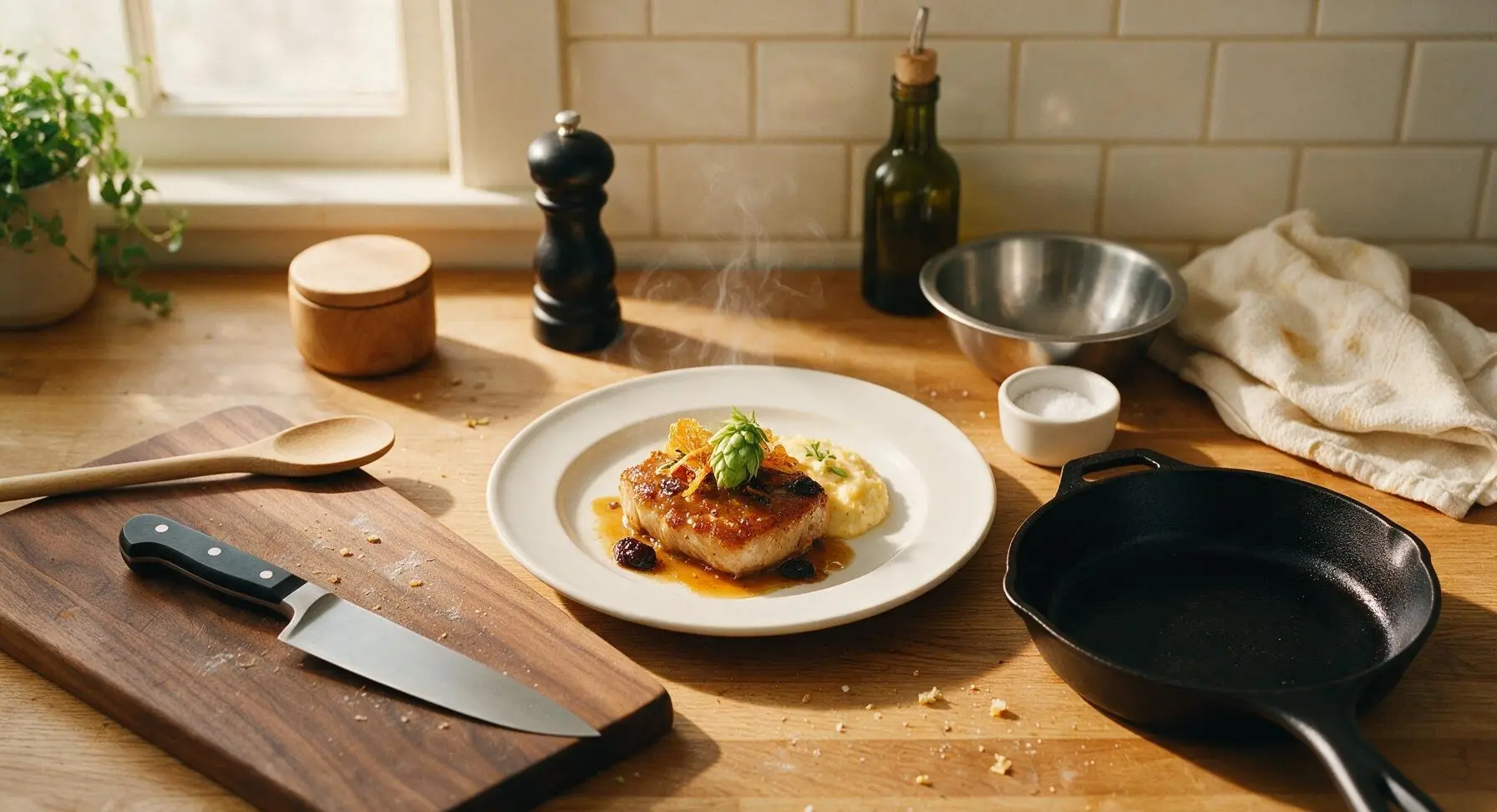
A spot-on clone of Bell’s iconic 7% ABV American IPA, bursting with bright pine, citrus, and grapefruit notes from Centennial hops, balanced by smooth, bready malt.

Ingredients
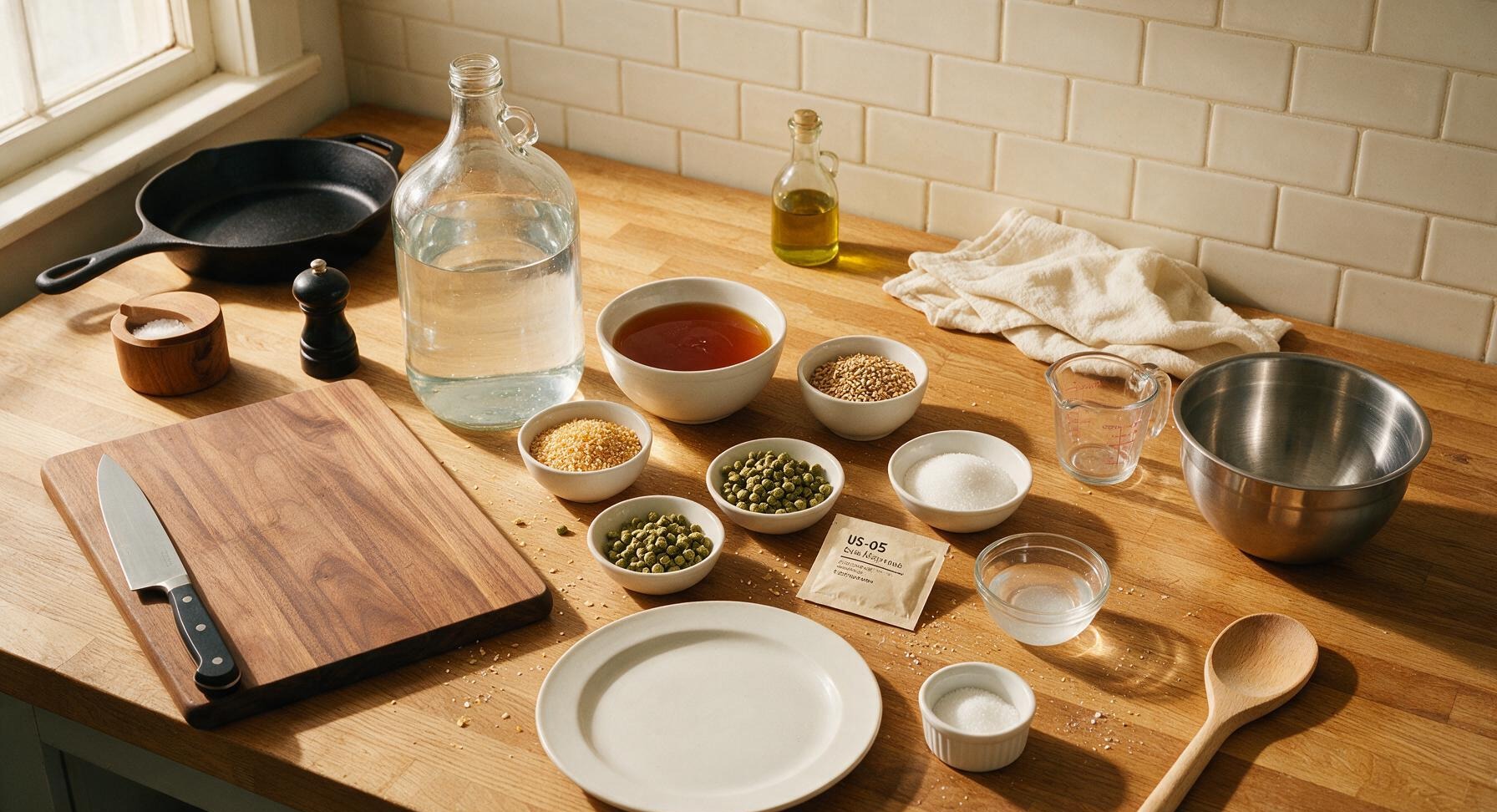
Filtered cold water 5 gallons
Pale liquid malt extract 7 lbs
Crushed Crystal 40L malt 8 oz
Centennial hop pellets 5 oz total (split across additions)
US-05 American Ale dry yeast 11.5g (1 sachet)
Corn sugar (dextrose) 5 oz
No-rinse brewer's sanitizer 1 tbsp

Steps

1

Sanitize Brewing Equipment

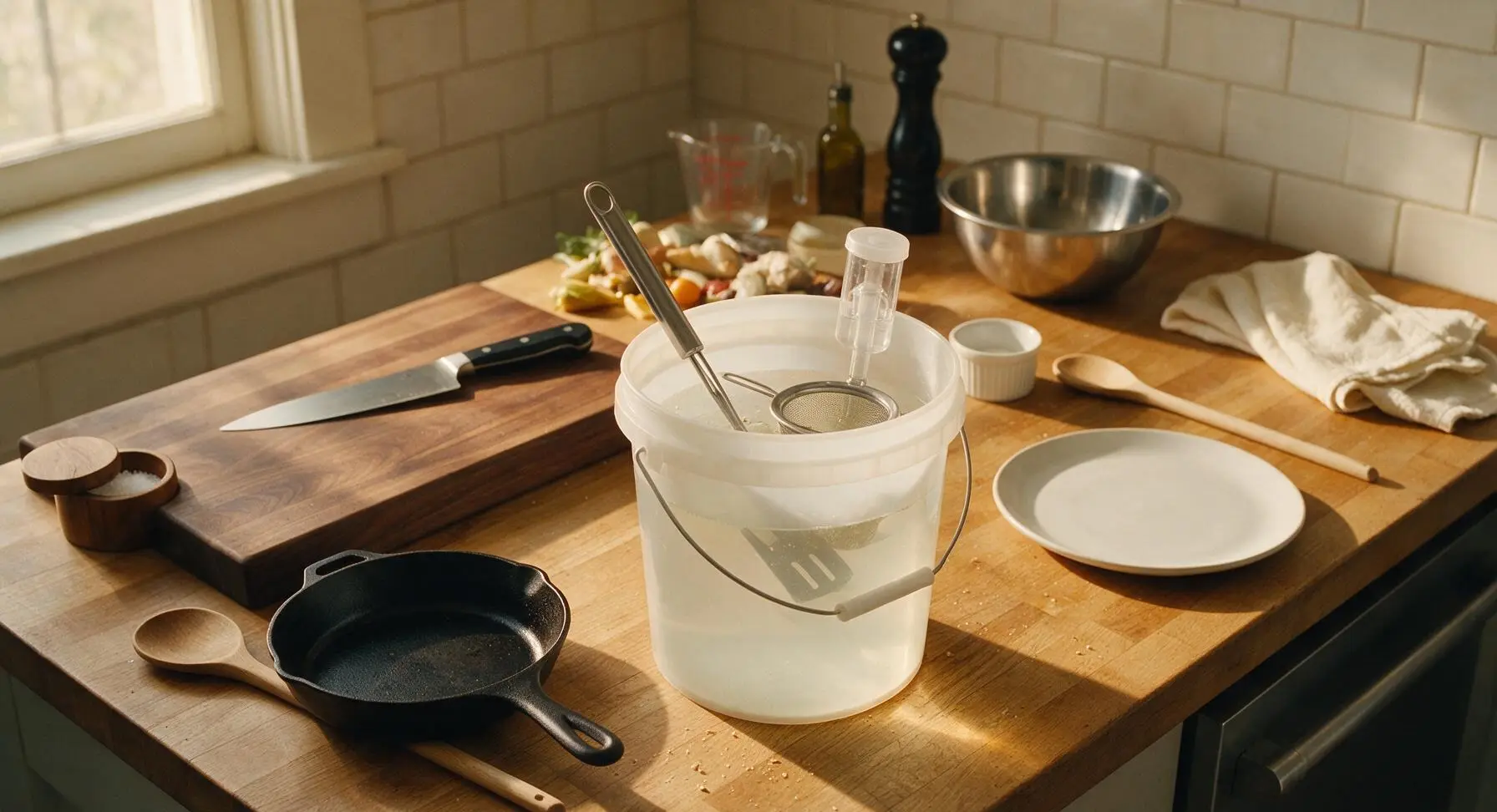
Mix 1 tablespoon no-rinse brewer's sanitizer with 5 gallons of cool water in the 6 gallon translucent sanitizer bucket. Submerge all tools that will contact cooled wort (stirring paddle, strainer, carboy, stopper, airlock, siphon, tubing, bottle capper) for 1 full minute. Remove and allow to air dry on the clean counter; do not wipe dry with a towel, as this can introduce bacteria that causes off-flavors.
Step 1
step1:Sanitize Brewing Equipment
2

Steep Specialty Grains

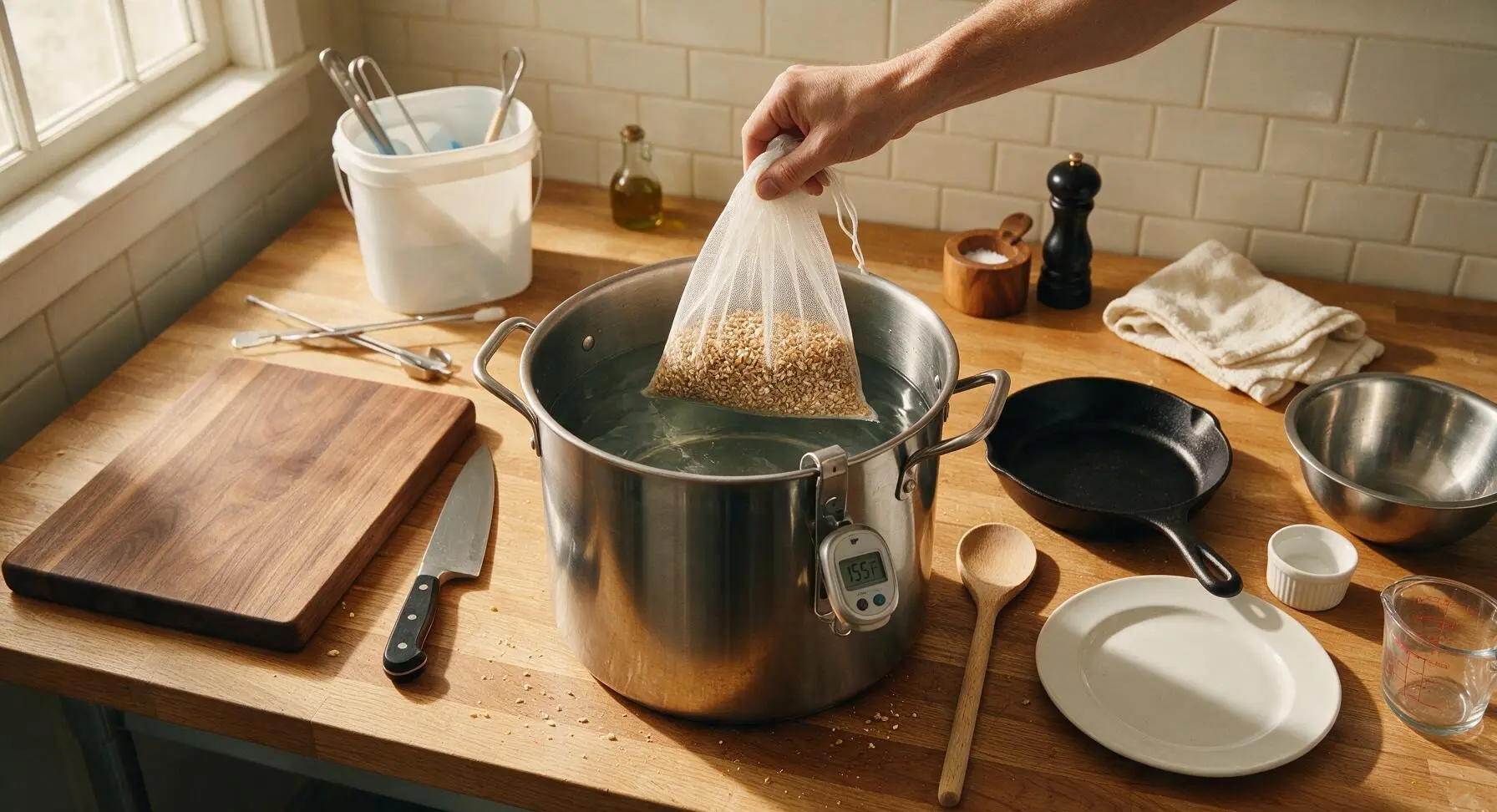
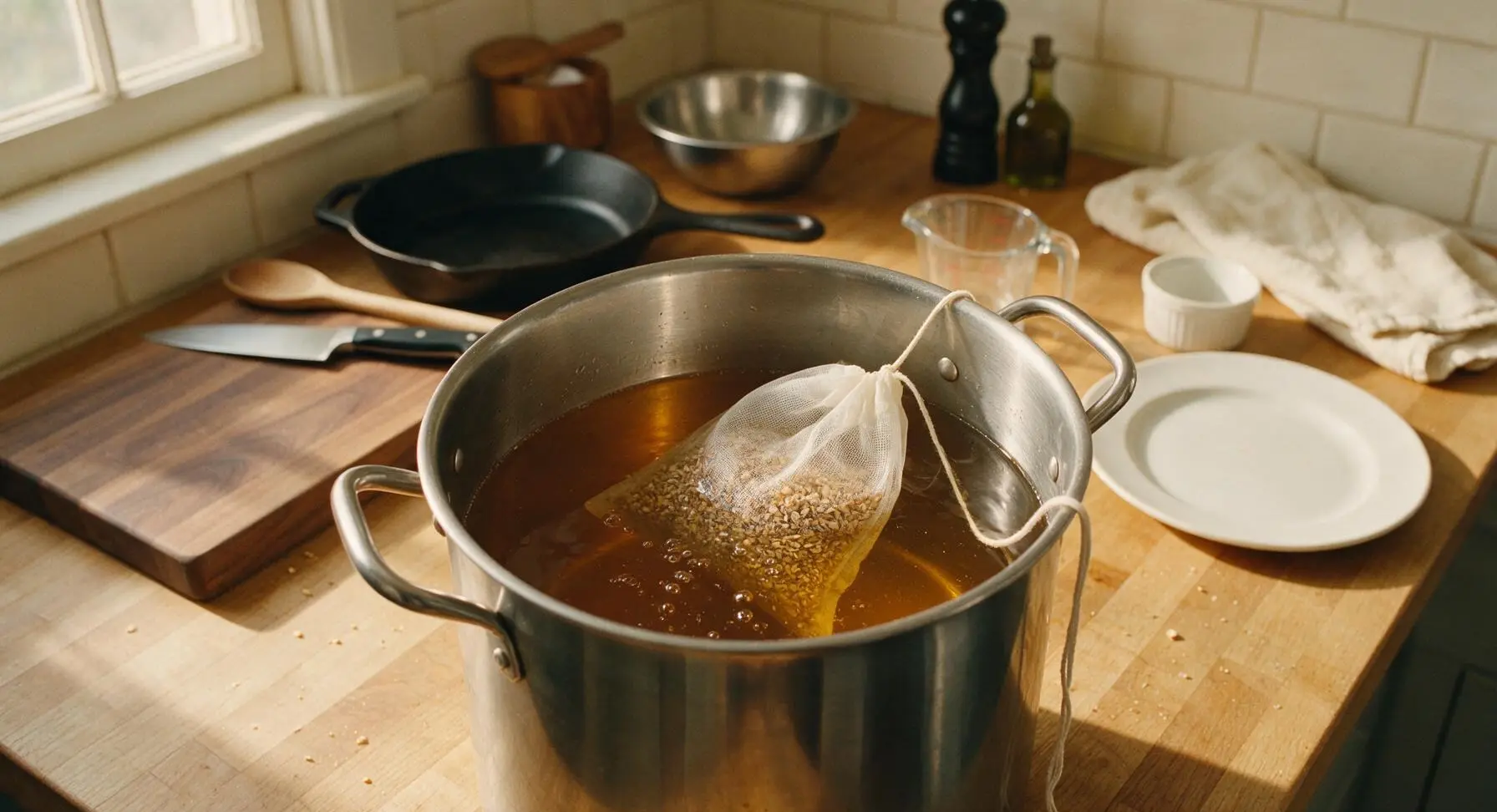
Pour 2.5 gallons of filtered cold water into the 5 gallon stainless steel brew pot, and heat to 155°F. Place the 8 oz of crushed Crystal 40L malt into the white nylon mesh steeping bag, tie the cotton drawstring closed, and submerge in the heated water. Steep for 20 minutes, holding temperature steady between 150-160°F, until the water turns a deep golden amber color. Remove the grain bag, let it drain fully over the pot (do not squeeze, as this adds harsh tannins) and discard spent grains.
Step 2
step2:Steep Specialty Grains
Step 2
step2:Steep Specialty Grains
3

Bring Wort to Boil

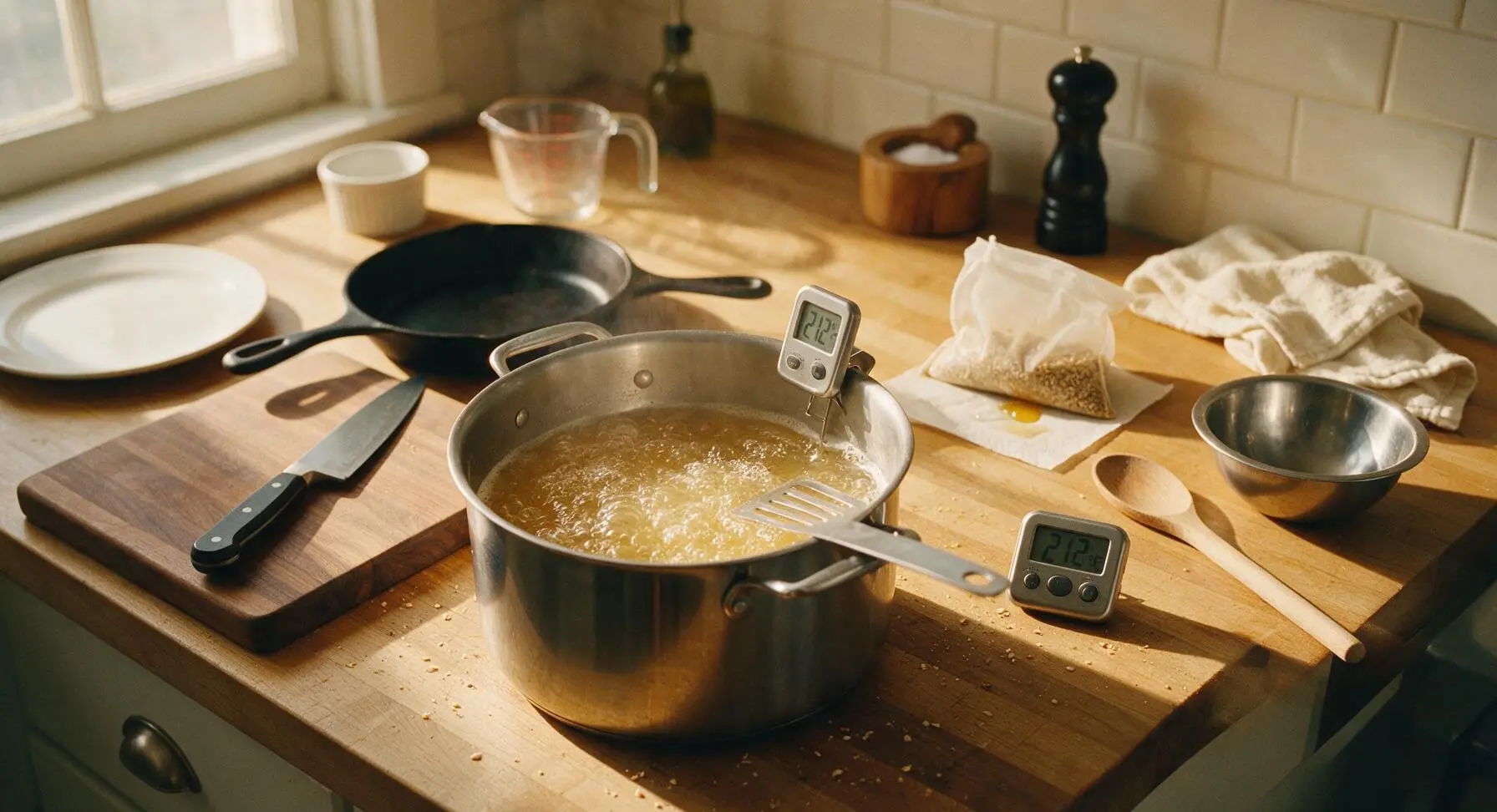
Remove the pot from heat temporarily, stir in all 7 lbs of pale liquid malt extract with the stainless steel stirring paddle until fully dissolved, with no clumps of extract stuck to the pot bottom. Return the pot to heat, bring the wort to a gentle, rolling boil, watching closely to avoid sticky boilovers. Once a steady, non-violent boil is reached, start a 60 minute timer.
Step 3
step3:Bring Wort to Boil
4

Add Scheduled Hops

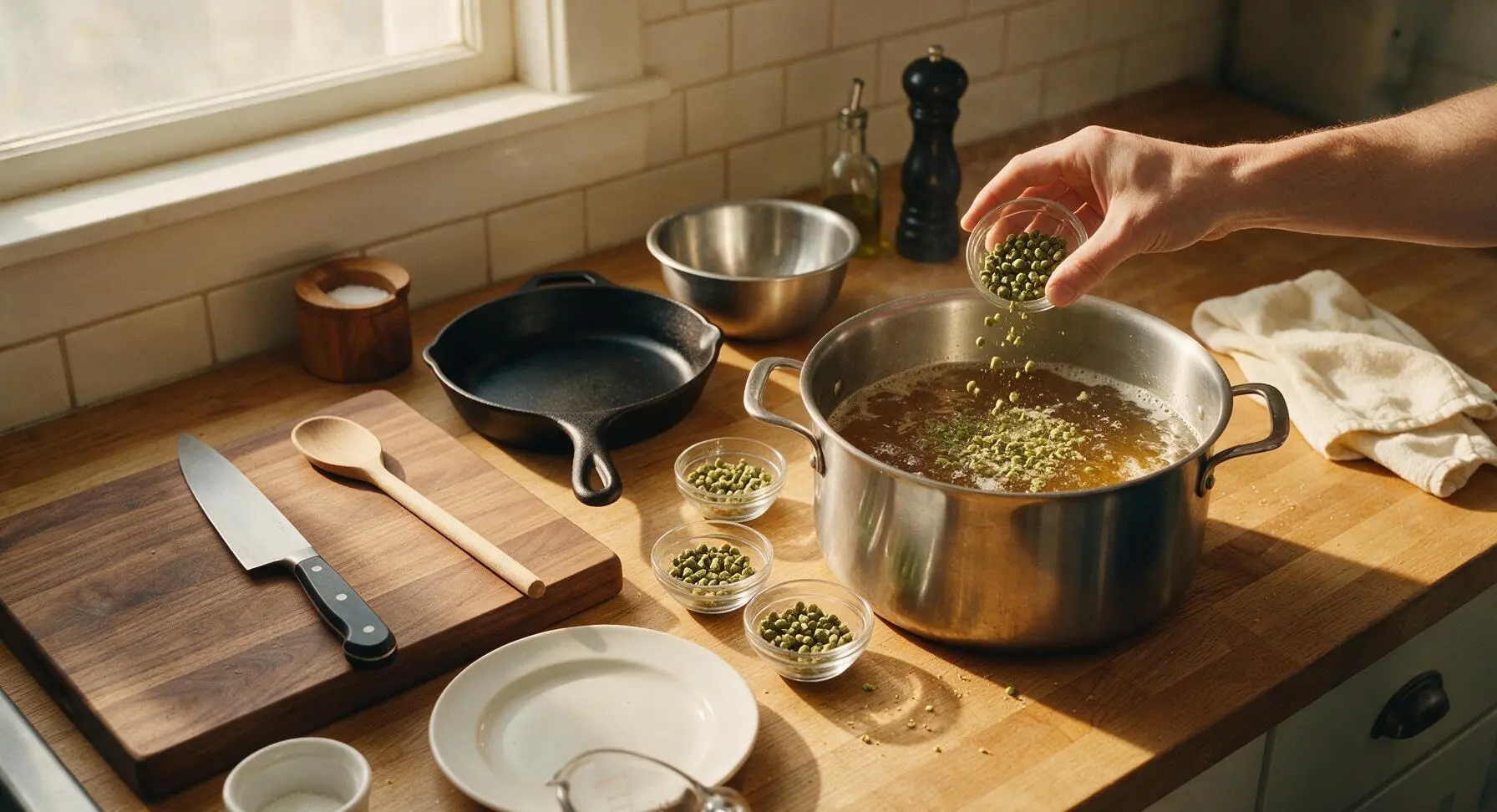
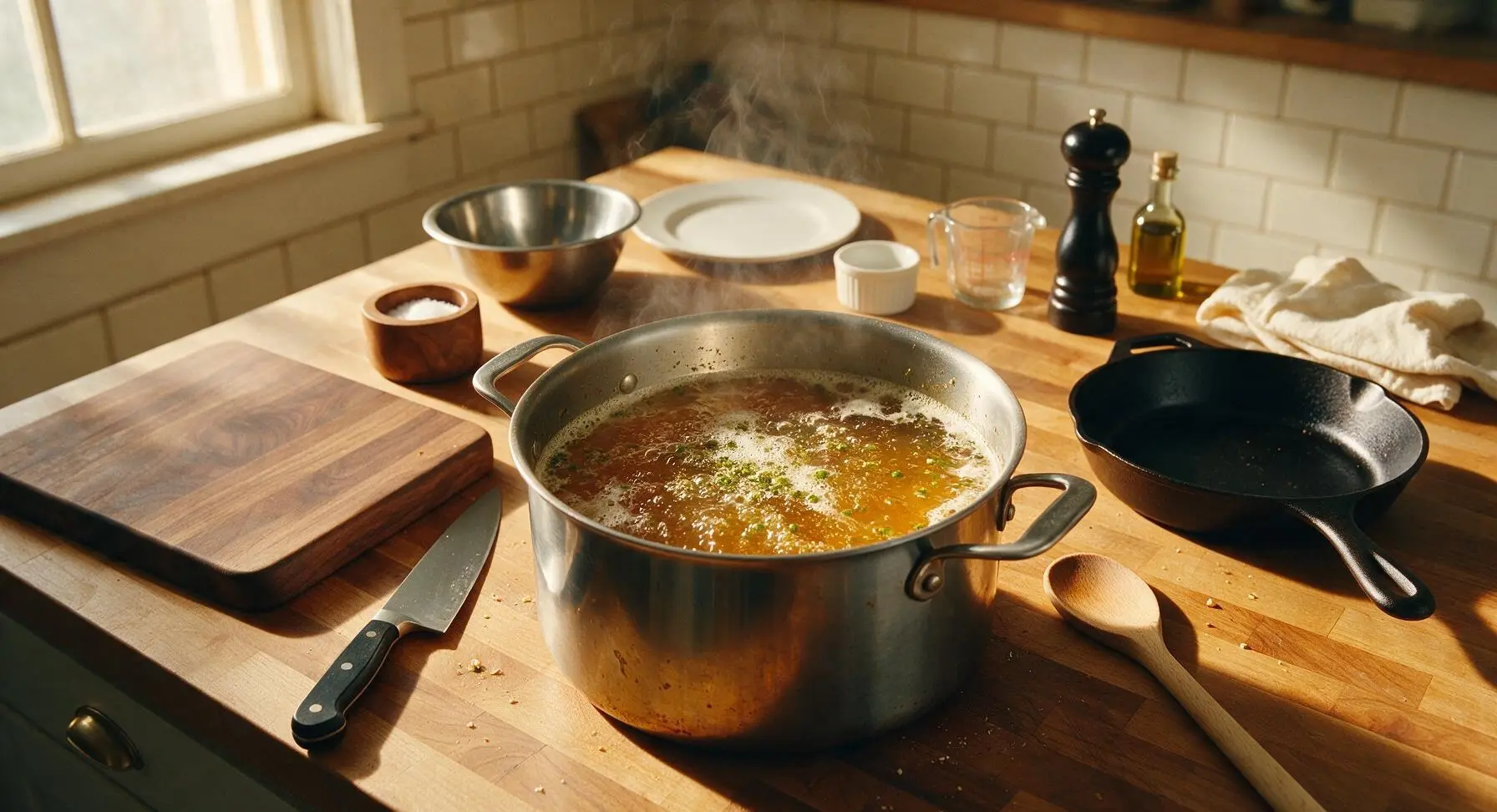
Add hop additions on a strict schedule once the boil starts: add 1 oz Centennial hop pellets at the 60 minute mark (start of boil) for clean bittering, add 1 oz Centennial pellets at the 15 minute mark for piney flavor depth, and add the final 1 oz Centennial pellets when the timer goes off at 0 minutes (flameout) for bright citrus aroma. Stir each addition fully into the wort after adding, adjusting heat to keep the boil gentle and avoid boilovers.
Step 4
step4:Add Scheduled Hops
Step 4
step4:Add Scheduled Hops
5

Cool and Transfer Wort

Once the 60 minute boil is complete and the final flameout hops have steeped for 5 minutes, cool the wort as quickly as possible to 70°F by setting the pot in an ice bath in the sink. Once cooled, pour the wort through the fine-mesh stainless steel strainer into the sanitized 5 gallon glass carboy, top up with additional filtered cold water to reach the etched 5 gallon mark, and aerate the wort by sealing the carboy temporarily and shaking gently for 30 seconds.
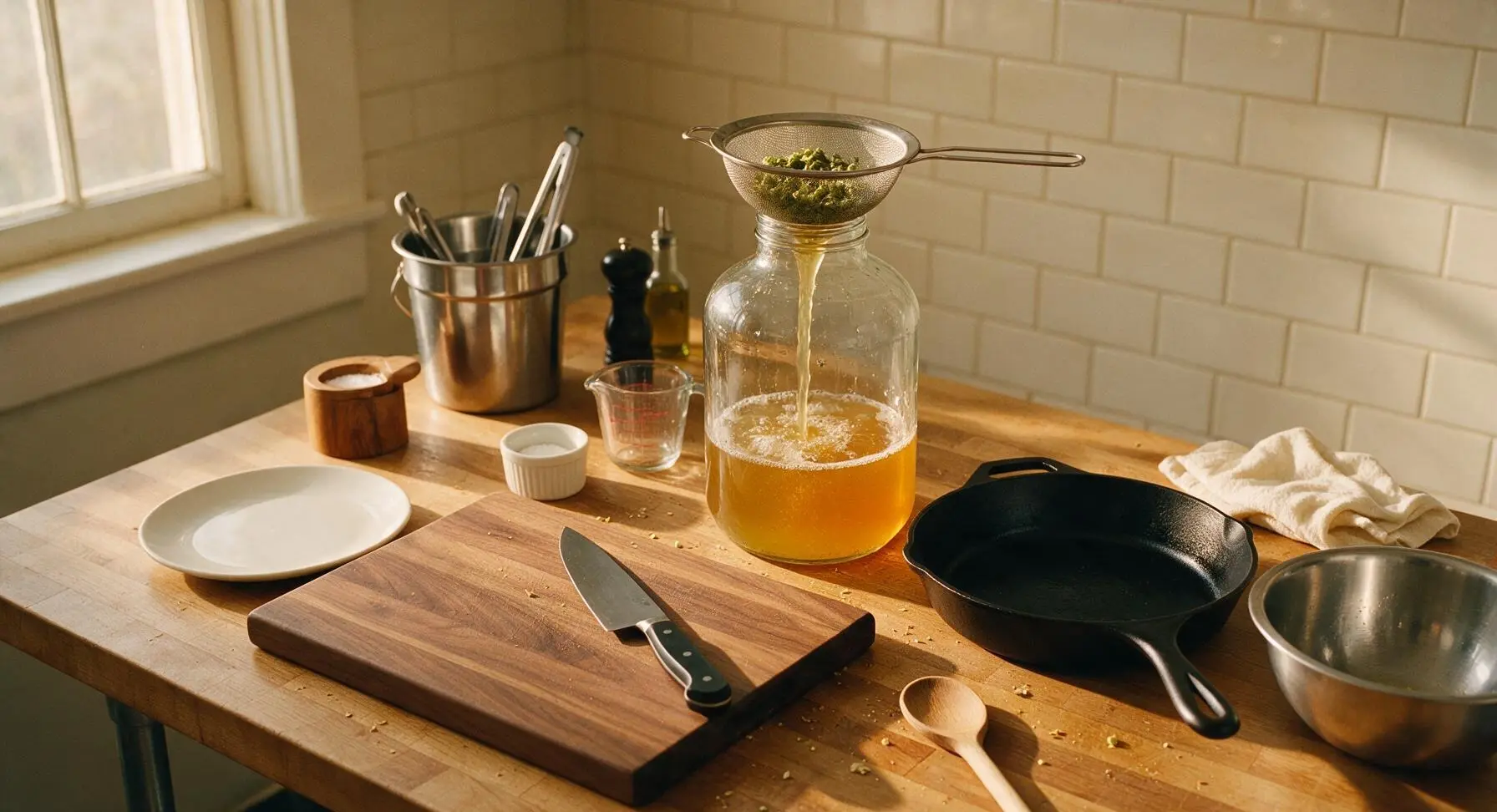
Step 5
step5:Cool and Transfer Wort
6

Pitch Yeast and Seal

Sprinkle the entire 11.5g sachet of US-05 American Ale yeast evenly across the surface of the cooled wort in the carboy. Insert the sanitized black rubber stopper into the carboy mouth, fill the attached clear plastic airlock halfway with leftover sanitizer solution, and place the carboy in a dark, temperature-stable area held at 65-70°F for primary fermentation. Fermentation will be visible as bubbles passing through the airlock within 24-48 hours.
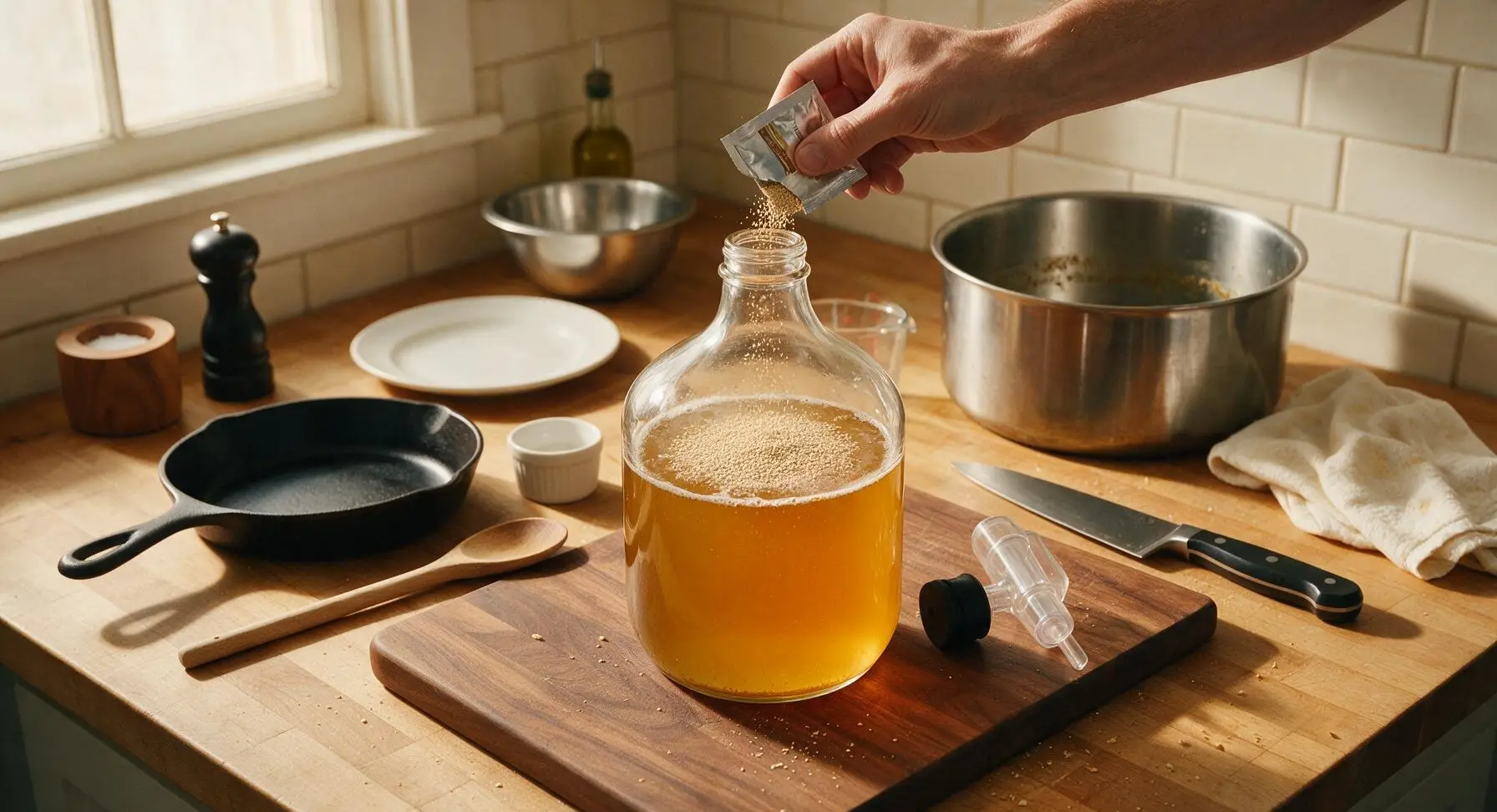
Step 6
step6:Pitch Yeast and Seal
7

Dry Hop for Aroma

After 7 days of active fermentation (when bubbling in the airlock slows to 1 bubble every 30 seconds or less), sanitize the carboy opening, and add the remaining 2 oz of Centennial hop pellets directly to the fermenter. Reseal with the sanitized stopper and airlock, and allow the beer to condition on the hops for an additional 7 days at 65-70°F, away from direct light, to build the signature bright citrus and pine aroma.
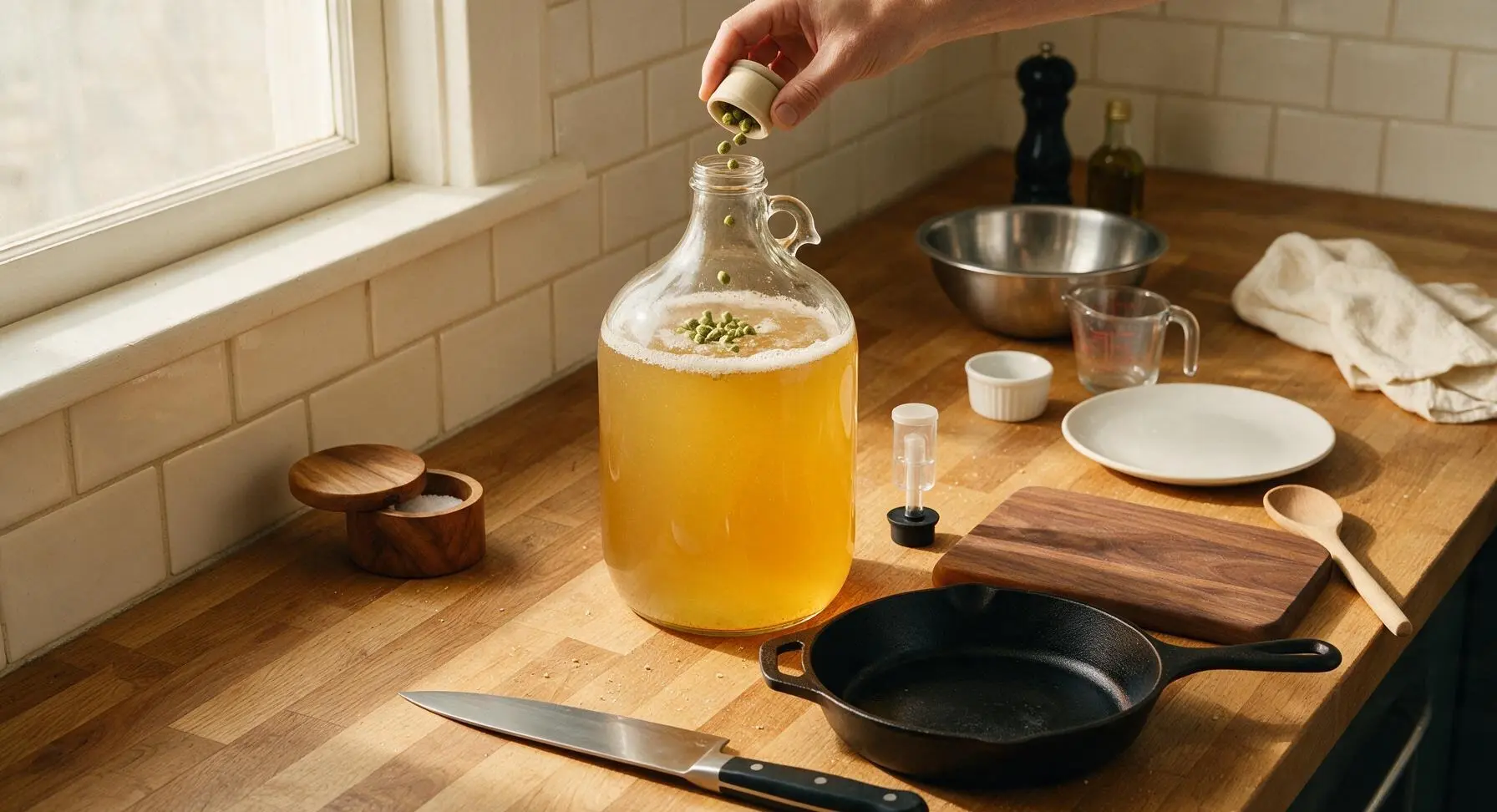
Step 7
step7:Dry Hop for Aroma
8

Bottle and Carbonate

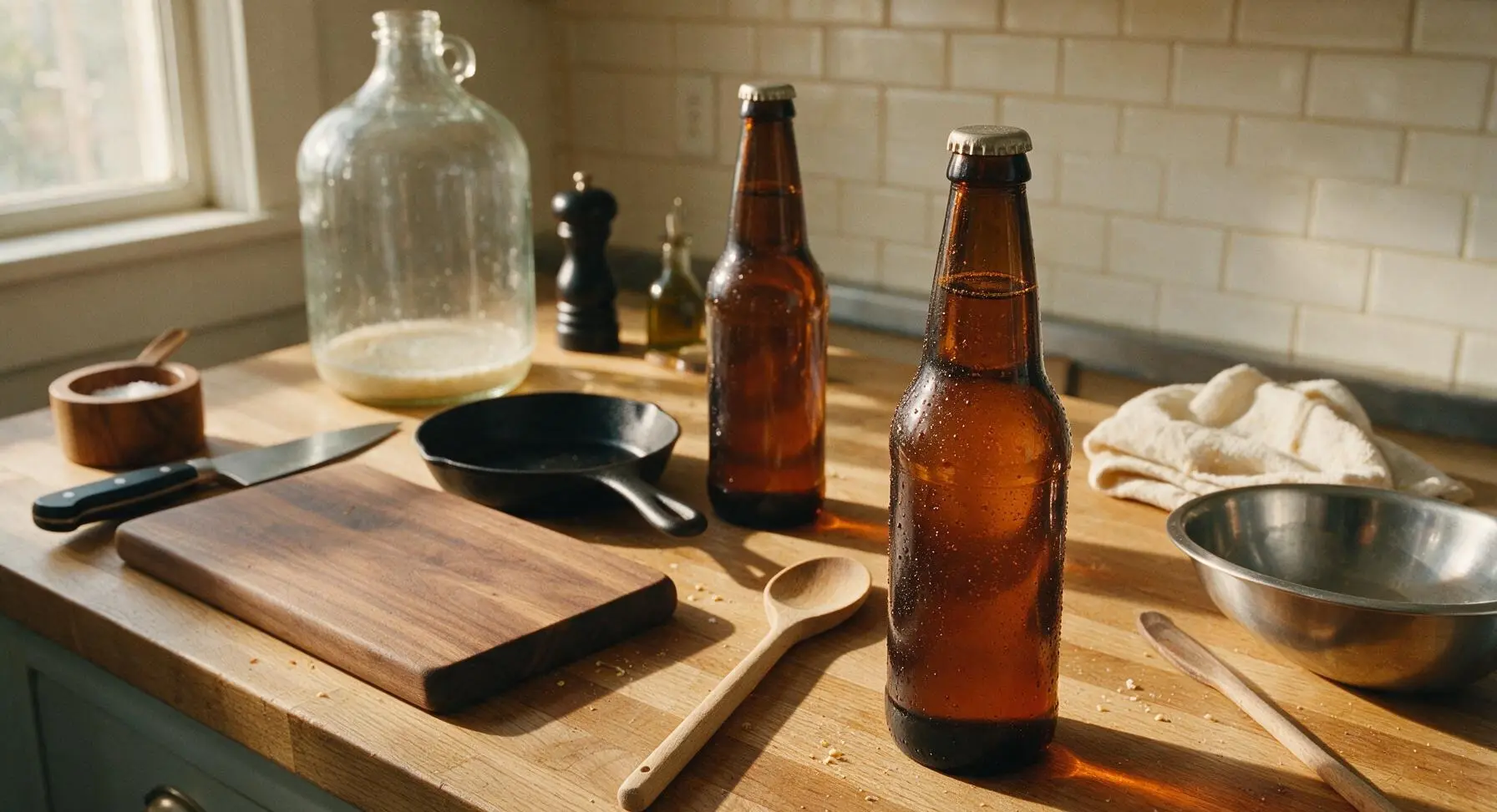
After 14 total days of fermentation, dissolve 5 oz of corn sugar in 1 cup of boiling water, cool, and add to the bottom of a sanitized bottling bucket. Siphon the finished clear beer from the carboy into the bottling bucket using the sanitized auto-siphon, mixing gently with the priming sugar solution. Fill sanitized 12oz amber glass bottles to 1 inch below the rim, cap tightly with the red bench capper, and store bottles in a dark 70°F area for 2 weeks to allow natural carbonation to develop before chilling and serving.
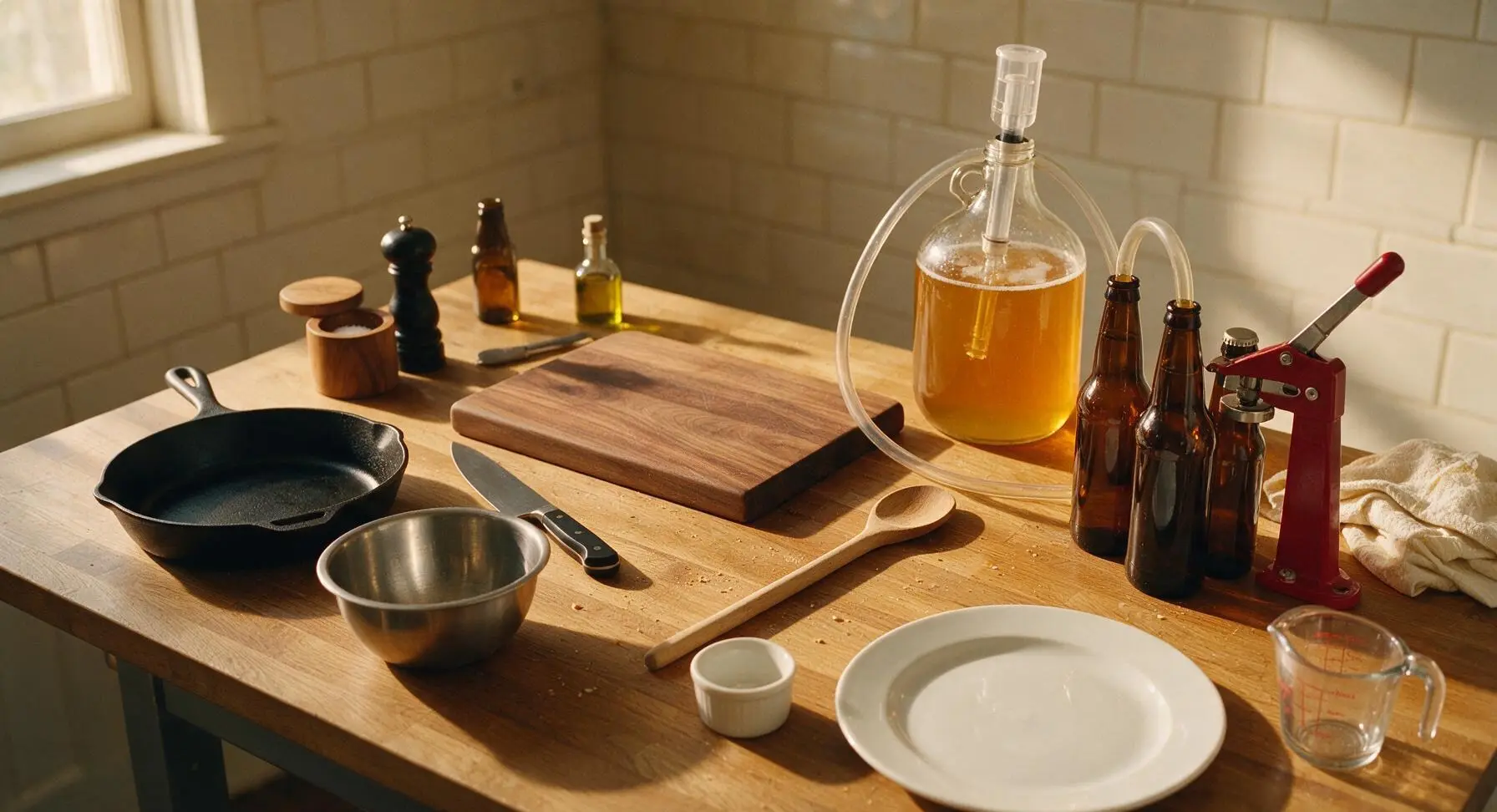
Step 8
step8:Bottle and Carbonate
Step 8
step8:Bottle and Carbonate

Tips

1.Never squeeze the steeping grain bag after removing it from the wort: pressing the bag extracts harsh, astringent tannins from grain husks that will leave your finished beer with a dry, puckering aftertaste instead of a smooth, balanced finish.
2.Cool your boiled wort to 70°F as quickly as possible: rapid cooling reduces risk of bacterial contamination, encourages formation of clear beer by settling out protein sediment, and locks in bright hop aroma instead of letting it evaporate during slow cooling.
3.Keep all fermenting and bottled beer out of direct sunlight: UV light reacts with hop compounds in as little as 30 seconds to create skunky, rotten-vegetable off-flavors, which is why quality IPAs are almost always packaged in amber glass bottles.


✨ You May Also Like

Drinks & Beverages
🍜 Mexico

A bright, balanced tequila-based cocktail with zesty fresh lime, smooth orange liqueur, and a signature salt rim, perfect for warm summer sipping.

⏱️ 5 minutesDrinks & Beverages ★ 4.9
Drinks & Beverages
🍜 United States

Thick, creamy, nostalgic classic vanilla milkshake with a rich, smooth texture, topped with whipped cream and a cherry for cool, sweet refreshment.

⏱️ 5 minutesDrinks & Beverages ★ 4.7
Drinks & Beverages
🍜 United States

A bright, golden strong ale with fruity banana-clove notes, subtle hop spice, and soft carbonation, brewed in classic Trappist Tripel tradition.

⏱️ 2 hours aDrinks & Beverages ★ 4.5
Drinks & Beverages
🍜 United States

A frothy, nostalgic American soda fountain treat pairing bubbly cold root beer with creamy vanilla ice cream, perfect for cooling down at warm weather gatherings.

⏱️ 20 minuteDrinks & Beverages ★ 4.8
Drinks & Beverages
🍜 United States

Tart, funky, effervescent American Wild Ale is a complex fruity craft beer brewed with wild yeast, delivering bright, zesty notes perfect for warm-weather sipping.

⏱️ 2 hours aDrinks & Beverages ★ 4.4
Drinks & Beverages
🍜 United States

Bright, bubbly copycat of the iconic American caramel cola, balanced with citrus and warm spice, perfect for sipping ice-cold on hot days.

⏱️ 15 minuteDrinks & Beverages ★ 4.8

Two Hearted Ale Clone:Frequently Asked Questions

1.How close does this clone taste to the official Bell’s Two Hearted Ale? ▾
When brewed to spec, this clone is nearly indistinguishable from the original, landing at the iconic 7% ABV with the same bright pine, zesty citrus, and bold grapefruit notes from Centennial hops, backed by the smooth, slightly bready malt backbone Bell’s is known for. Steady fermentation temperatures will help you nail that perfectly balanced profile.
2.Can I use whole leaf Centennial hops instead of pellets for this recipe? ▾
Absolutely, you can swap pellet hops for whole leaf Centennial at a 10-15% higher weight, since whole leaves have slightly lower utilization due to their larger, less dense surface area. Just be sure to strain well when transferring beer to avoid excess plant material that can cause unwanted grassy off-flavors in your finished batch.
3.Why is filtered cold water specified instead of regular tap water for this clone? ▾
Unfiltered tap water often contains chlorine, chloramine, or unbalanced mineral levels that can mute bright hop notes and create harsh, medicinal off-flavors in this delicate IPA. Filtered cold water provides a clean, neutral base that lets Centennial hop character and soft bready malt shine through without unwanted interference.
4.Do I need special all-grain equipment to make this extract-based recipe? ▾
No, this recipe is designed for beginner homebrewers using standard extract brewing gear: you only need a basic brew kettle, fermentation bucket, airlock, siphon, and bottling setup. The crushed Crystal 40L malt is steeped like tea, so you don’t need a mash tun or specialized all-grain system to get great results.
5.What fermentation temperature will give me the cleanest, most accurate flavor? ▾
Pitch your US-05 American Ale yeast when your cooled wort hits 65–68°F, and hold fermentation steady in that range for the first 3–5 days. This range lets the yeast produce clean, subtle fruity notes without the harsh solvent-like fusel alcohols or overly estery banana flavors that come from too-warm fermentation.
6.Can I substitute a different hop variety if I can’t find Centennial pellets? ▾
Centennial is non-negotiable for nailing that classic Two Hearted profile, but if you’re in a pinch, use a 70/30 blend of Cascade and Columbus to get close to that signature pine-citrus-grapefruit balance. Avoid tropical-forward hops like Citra or Mosaic, as they will push the flavor far from the original Bell’s profile.
7.How long does this beer need to condition before it’s ready to drink? ▾
After primary fermentation wraps in 7–10 days, bottle or keg your beer and let it condition for 2–3 weeks at 65–70°F to build proper carbonation and let flavors mellow. You can drink it earlier, but the wait lets harsh young hop bite soften so malt and hop notes integrate smoothly.
8.What’s the best way to add Centennial hops to get that iconic bold, bright flavor? ▾
Add a small bittering charge at the start of the boil, the bulk of your hops in the last 15 minutes of the boil for flavor, and a 1–2 ounce dry hop addition 3 days before bottling for bright, aromatic pine and grapefruit notes. Avoid boiling all hops for a full hour, as that cooks away delicate citrus aromas.
9.Can I swap pale liquid malt extract for dry malt extract if that’s what I have? ▾
Yes, you can substitute pale dry malt extract at a ratio of 0.8 pounds dry for every 1 pound of liquid extract called for in the recipe. Dry extract will produce a slightly lighter, less bready finished beer, but it will still create a smooth, balanced malt backbone that doesn’t overpower Centennial hop character.
10.What does the crushed Crystal 40L malt add to this recipe? ▾
Crushed Crystal 40L malt contributes subtle toasty, light caramel sweetness and the soft golden-amber color that matches the original Two Hearted appearance. It balances sharp, resinous hop bite so the beer doesn’t taste overly bitter or thin, creating that smooth, highly drinkable profile the iconic IPA is famous for.
11.Do I need to rehydrate US-05 dry yeast before pitching it into my wort? ▾
Rehydrating US-05 in 4 ounces of 95°F sterile, filtered water for 15 minutes before pitching gives you a stronger, faster fermentation start and reduces risk of off-flavors, but it’s not strictly required. You can sprinkle dry yeast directly on cooled wort as a beginner, just confirm wort temp is 65–68°F first.
12.What carbonation level matches the original Bell’s Two Hearted for this clone? ▾
Aim for 2.3–2.5 volumes of CO2, the exact carbonation level used for commercial Two Hearted. This level is bubbly enough to lift bright citrus and pine hop aromas to your nose with every sip, but not so fizzy that it dilutes the soft, bready malt balance or makes the beer feel overly sharp on your tongue.
13.Why does my finished clone taste more bitter than the original Two Hearted? ▾
Overly bitter results usually come from boiling your aroma hops for too long, using water with very high sulfate levels, or skipping the full 2–3 week conditioning period. Young, unconditioned IPA has harsh, raw hop bite that softens dramatically as it rests, so give bottles extra time if flavor feels unbalanced.
14.How long will this bottled clone stay fresh and flavorful? ▾
As a hop-forward American IPA, this clone tastes best consumed within 3 months of bottling, when bright pine and grapefruit Centennial notes are at their peak. Store bottles upright in a cool, dark place away from sunlight to avoid skunky off-flavors, and don’t age it longer than 6 months, as hop flavor fades quickly.
15.Can I make a lower-alcohol version of this clone without ruining the classic flavor? ▾
You can cut total pale malt extract by 15% to land around 6% ABV, but add a small 4-ounce addition of Carapils malt to keep mouthfeel full and balanced. Avoid cutting more malt than that, as you’ll end up with a thin, watery beer that can’t support the bold Centennial hop character the recipe is built around.
16.What serving temperature best shows off this clone’s signature flavors? ▾
Serve this Two Hearted clone at 45–50°F, which is slightly warmer than standard fridge temperature. Too cold, and you’ll mute bright grapefruit, pine hop notes and subtle bready malt sweetness; too warm, and the 7% alcohol will come through as harsh and boozy, throwing off the beer’s iconic smooth balance.

Comments (9)

3 days ago

Finally nailed a Two Hearted clone that doesn’t taste like a sad homebrew knockoff! Followed the recipe exactly, 90 minute boil was totally worth it for that clean, crisp hop bite. Brought a growler to my buddy’s cookout last Saturday and half the group asked for the recipe before the night was over. Total game changer for my homebrew lineup.

1 week ago

My husband is obsessed with Bell’s Two Hearted so I surprised him by brewing this for his birthday. I was nervous since I’ve only done 2 other homebrew batches (medium difficulty had me sweating a little!) but it turned out perfect! He said he couldn’t tell the difference between this and the store bought stuff. My father in law even asked for a six pack to take to his golf weekend. Will absolutely make again!

5 days ago

Solid clone, but I upped the dry hop addition by half an ounce and it was chef’s kiss. Don’t rush the cooling step after the boil—last time I tried a different clone I skipped that and got weird off flavors, but this recipe’s note about getting the wort temp down fast saved me. Great instructions for someone who’s still getting the hang of all-grain batches.

2 weeks ago

Made this for our neighborhood potluck a couple weeks ago and it was a HIT! I will say, I thought 90 minutes cook time would be a drag but it went by fast once I got all my ingredients prepped beforehand. Only question—has anyone tried this with a different yeast strain? I have a pack of US-05 lying around I want to use up.

1 week ago

Great question! US-05 works perfectly as a substitute here—you’ll get the same clean, neutral fermentation profile that lets the Centennial hops shine, just make sure you ferment at 68-70°F for the best results. So glad it was a hit at the potluck!

yesterday

First time trying an IPA clone and this was way easier than I thought it would be! I was worried medium difficulty meant I’d mess up a step, but the instructions are super clear. Tastes just like the Two Hearted I pick up at my local liquor store. 10/10

2 hours ago

So glad you said that! I’ve only made a stout before and I’ve been nervous to try IPAs, this makes me way more excited to give this recipe a shot this weekend

1 week ago

Meh, mine came out a little more bitter than the actual Two Hearted. I followed the hop schedule exactly, so I’m not sure what I did wrong? Boil time was right at 90 minutes too. Might be my water chemistry? Not sure, might give it another shot down the line.

5 days ago

Sorry to hear the bitterness came out a little strong! Water chemistry is definitely a common culprit—if your water is high in sulfates, that can amp up perceived bitterness quite a bit. Next time, try cutting your bittering hop addition by 0.25 oz and make sure you’re not boiling your hops at a super aggressive rolling boil, that can also extract extra harsh bitterness. Hope your next batch turns out perfect!

3 days ago

Wait, quick question for anyone who’s made this—do I *have* to do a full 90 minute boil? I usually do 60 minute boils for my other batches and I’m wondering if cutting it short will mess up the flavor too bad. Really want to try this but I don’t want to waste ingredients!

2 days ago

I tried cutting it to 70 minutes on my first batch and it was fine, but the 90 minute boil gives it that cleaner, less sweet finish that matches real Two Hearted. Worth the extra 20 minutes if you have the time!

2 days ago

Great question! The 90 minute boil helps reduce some of the DMS precursors from the malt and gives you that crisp, clean finish the original ale is known for. If you absolutely have to cut it short, aim for a minimum of 75 minutes and do a longer, more vigorous hot break to help make up for it, but the full 90 is recommended for the closest match!

1 week ago

OMG, this ale is SO good! I’m not even a big IPA person but my partner is obsessed with Two Hearted so I brewed this for our housewarming party and I found myself going back for glass after glass. The piney, citrusy flavor is so refreshing, not overly bitter like a lot of IPAs I’ve tried. My sister even asked me to teach her how to brew it for her husband’s anniversary present!

5 days ago

Right?! I’m the same way, I usually hate super bitter IPAs but this one is so smooth! I made it for a girls’ night last month and even the people who only drink seltzers were sipping on it

3 days ago

That makes us so happy to hear! The balance of hop flavor without harsh bitterness is exactly what we were going for with this clone. Hope your sister’s batch turns out amazing for her husband!

2 hours ago

I’ve tried 4 different Two Hearted clone recipes over the last two years and this one is by far the closest to the real thing. The hop schedule is perfect, no weird off notes, it carbonated perfectly in the bottle after two weeks. I did a side by side taste test with a store bought six pack last night and my roommate couldn’t tell which was which. 10/10, this is my new go-to IPA recipe.

30 minutes ago

Same! I did a side by side too and my wife guessed wrong three times lmao. The dry hop addition really makes all the difference, don’t skip that 3 day dry hop like I almost did

5 minutes ago

Love the side by side taste test! That’s the highest compliment we can get for this clone. So stoked it’s your new go-to recipe—cheers!



