1.What makes Waffle House scrambled eggs so much fluffier than regular homemade scrambled eggs?
▾
The signature fluff comes from three key, easy-to-replicate tricks: a precise ratio of half-and-half to lighten the egg curd, low-and-slow cooking over melted unsalted butter, and constant gentle stirring to form soft, small curds instead of tough, large chunks. You’ll skip the dry, rubbery texture common with high-heat home cooking when you nail these steps.
2.Can I use regular milk instead of half-and-half if that’s all I have in my fridge?
▾
You can, but you won’t get that exact rich, silky melt-in-your-mouth texture. Whole milk is the closest swap, but it has higher water content, so your eggs will be slightly less creamy and a touch watery if you use the same measurement. Cut milk by 1 teaspoon per 3 eggs to avoid sogginess, and skip skim entirely—it makes flat, bland eggs.
3.How many eggs per person should I plan to use for this recipe?
▾
Plan for 2 to 3 large grade A eggs per adult serving, which lines up with Waffle House’s standard portion sizes. If you’re serving these as part of a big breakfast spread with waffles, bacon, and hash browns, 2 eggs per person is plenty. If eggs are the main star of the meal, bump it up to 3 per person to keep everyone full and satisfied.
4.Do I need to whisk the eggs super vigorously to get maximum fluff?
▾
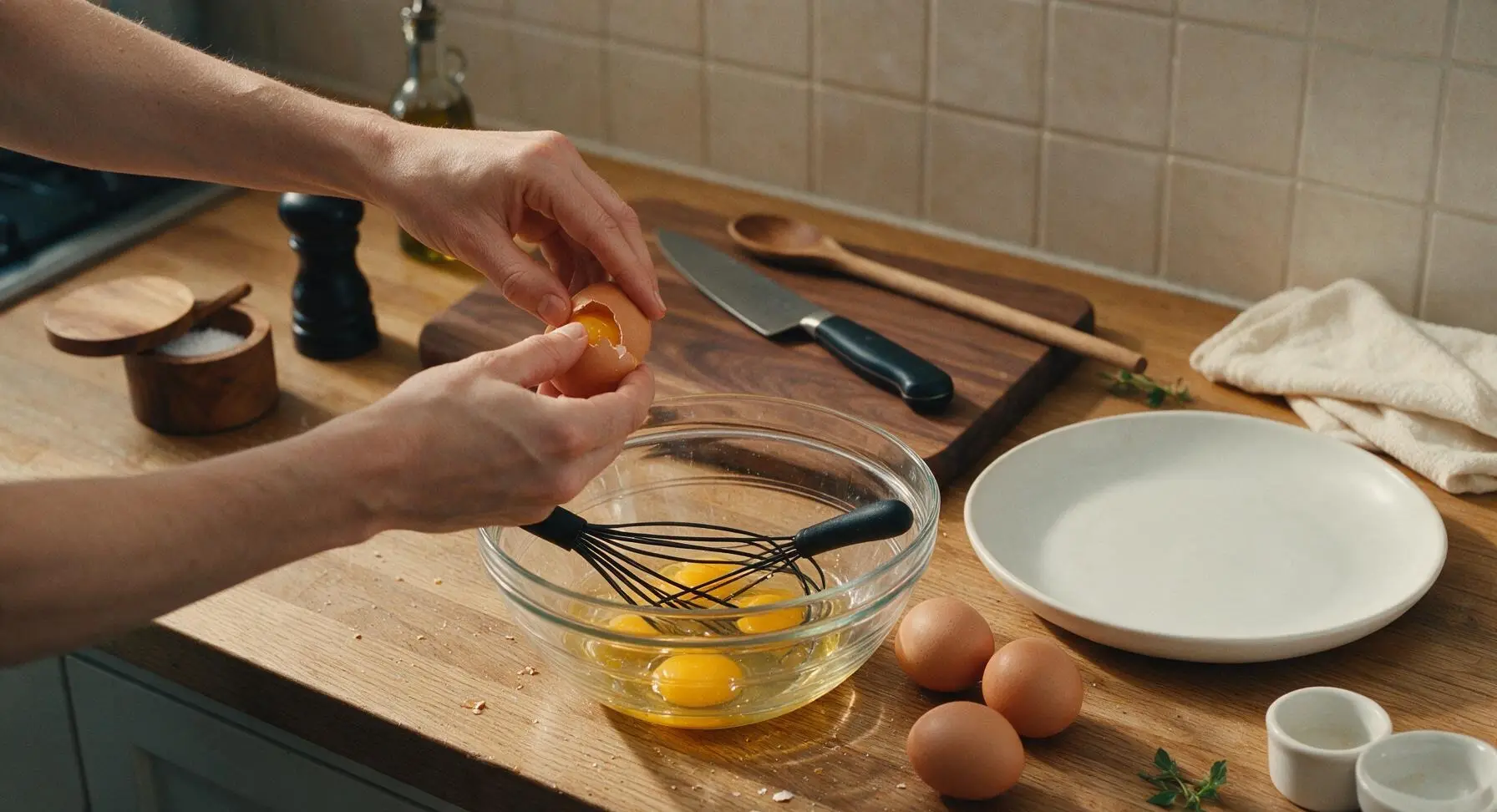
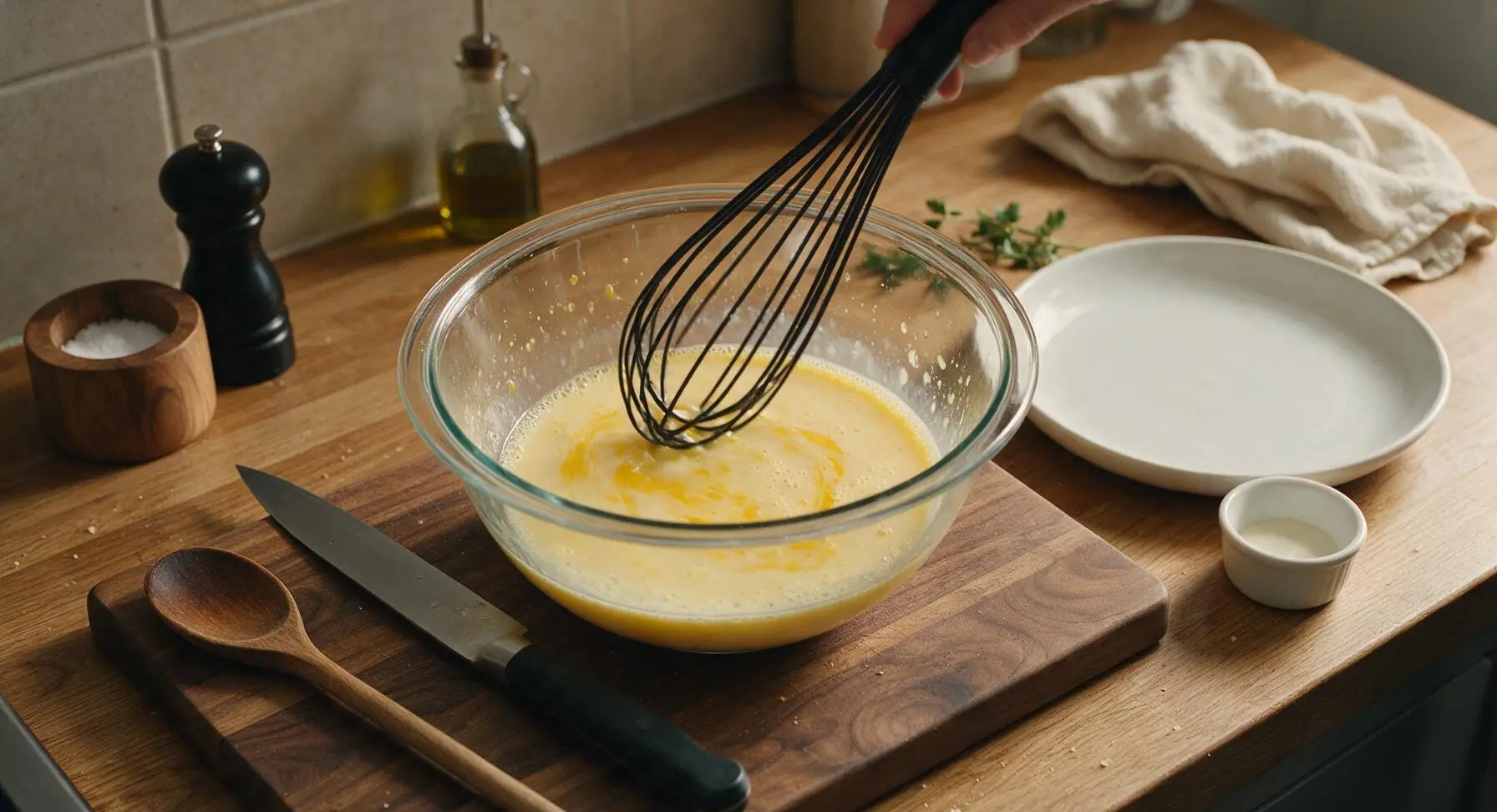
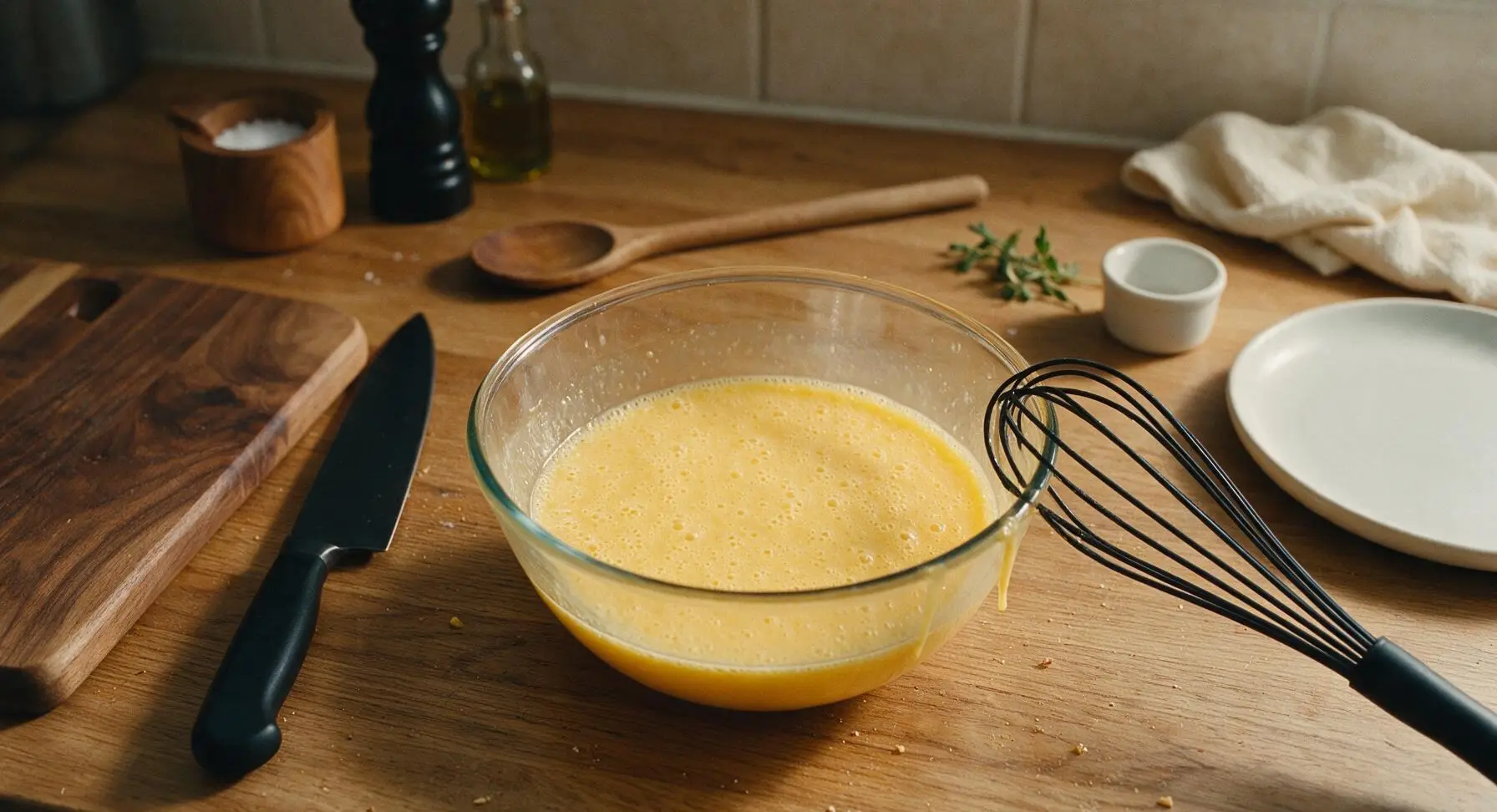
Nope—over-whisking is actually a common mistake that leads to watery, less fluffy eggs. Whisk just until the yolks and whites are fully combined with the half-and-half, with no streaks of clear white left, and stop before you build up a thick layer of froth on top. Too much incorporated air makes eggs puff then deflate into a rubbery texture as they cook.
5.What heat setting should I use to cook these eggs so they don’t burn or get tough?
▾
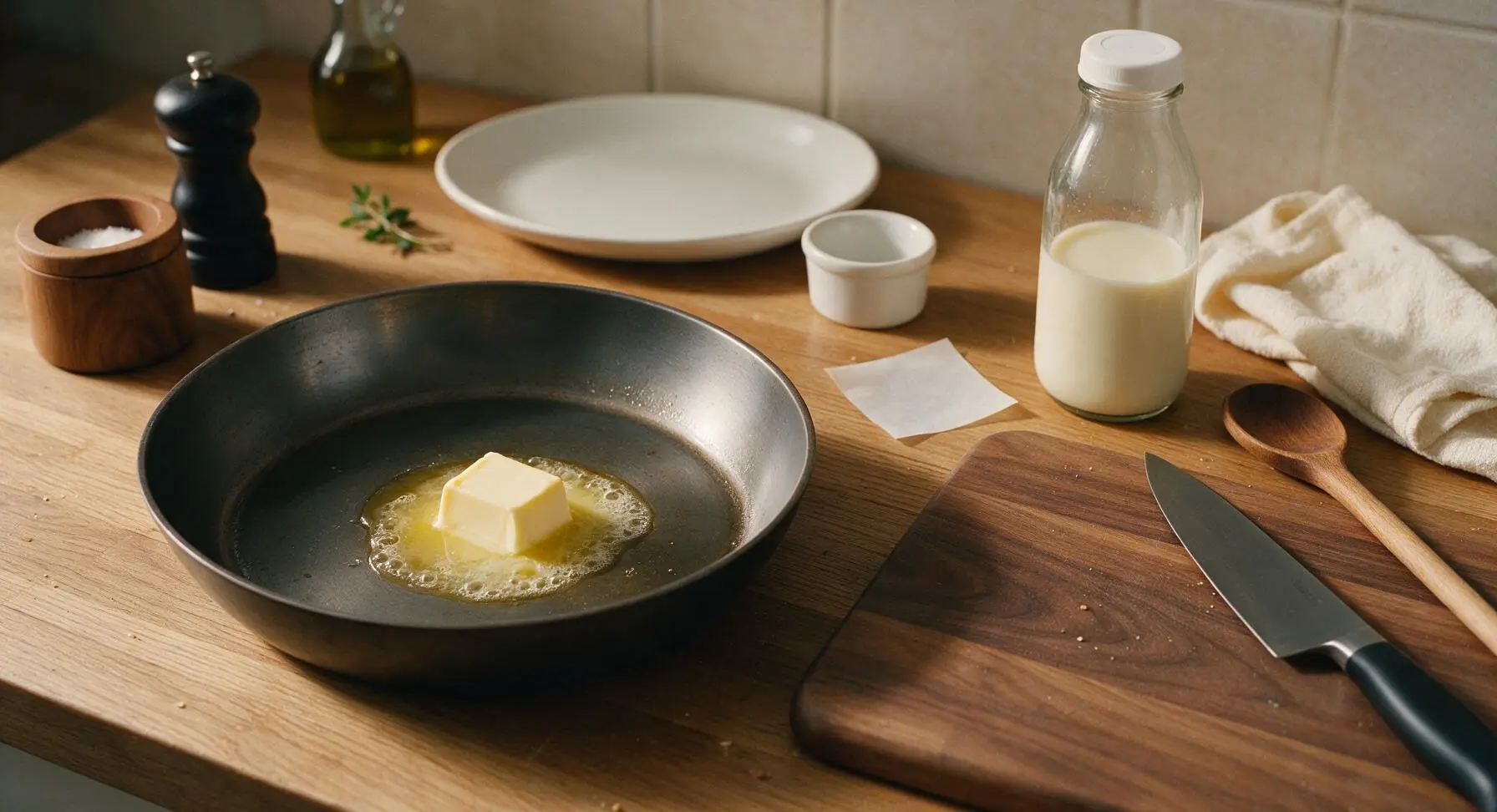
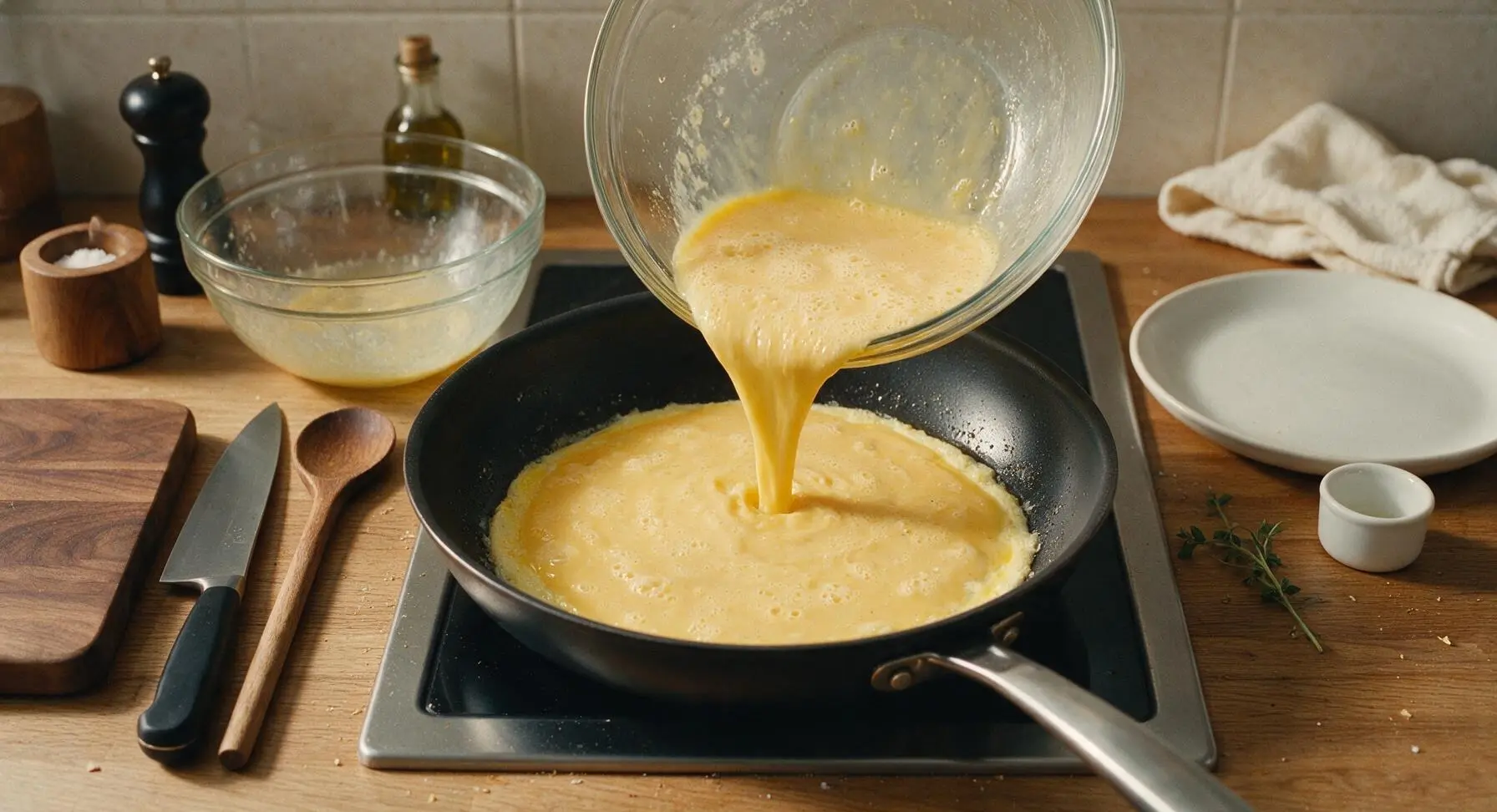
Stick to medium-low heat the entire time, which is exactly what Waffle House griddle cooks rely on. High heat will shock the eggs, forming tough, browned curds on the pan bottom before the center cooks through. Melt your unsalted butter first until it foams slightly but doesn’t turn golden, then pour in your egg mixture to start cooking.
6.Should I salt the eggs before cooking or after they’re done for the best texture?
▾
Add a pinch of kosher salt right to your egg mixture before you pour it into the pan—about 15 minutes before cooking if you have extra time. Salting early breaks down egg proteins slightly for extra tender curds, instead of sprinkling salt on top at the end which only sits on the surface. Avoid oversalting, since Waffle House keeps eggs lightly seasoned to let black pepper shine.
7.Why do my scrambled eggs turn out watery every time I make them?
▾
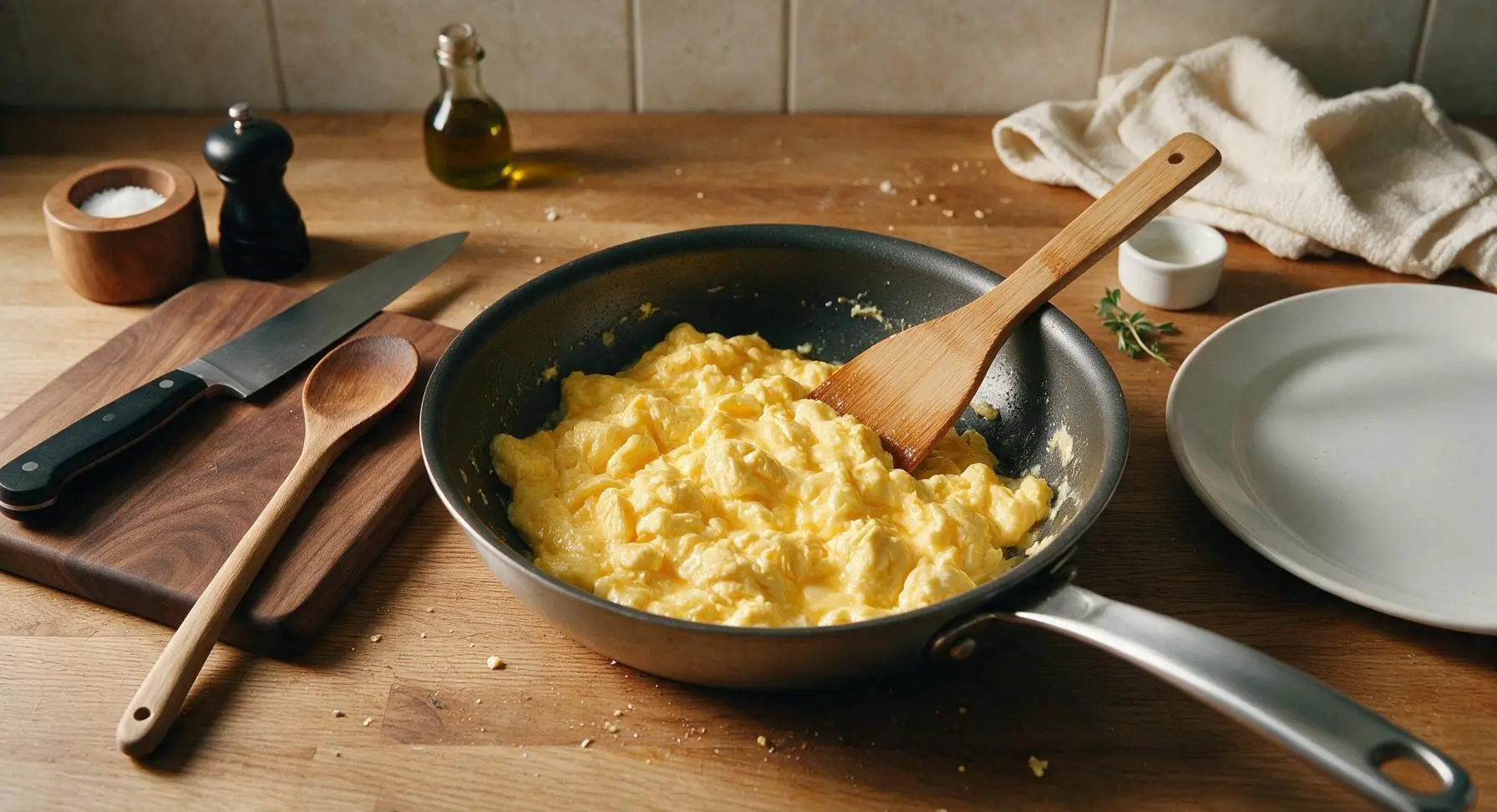
Watery eggs usually come from one of three common mistakes: using too much high-moisture dairy like skim milk, cooking on too high heat that causes eggs to separate and release water, or overcooking them until curds squeeze out excess moisture. Stick to the correct half-and-half ratio, cook low and slow, and pull eggs off right when soft curds form—they’ll keep cooking a little from residual heat.
8.Do I need a commercial griddle like Waffle House uses to make these eggs correctly?
▾
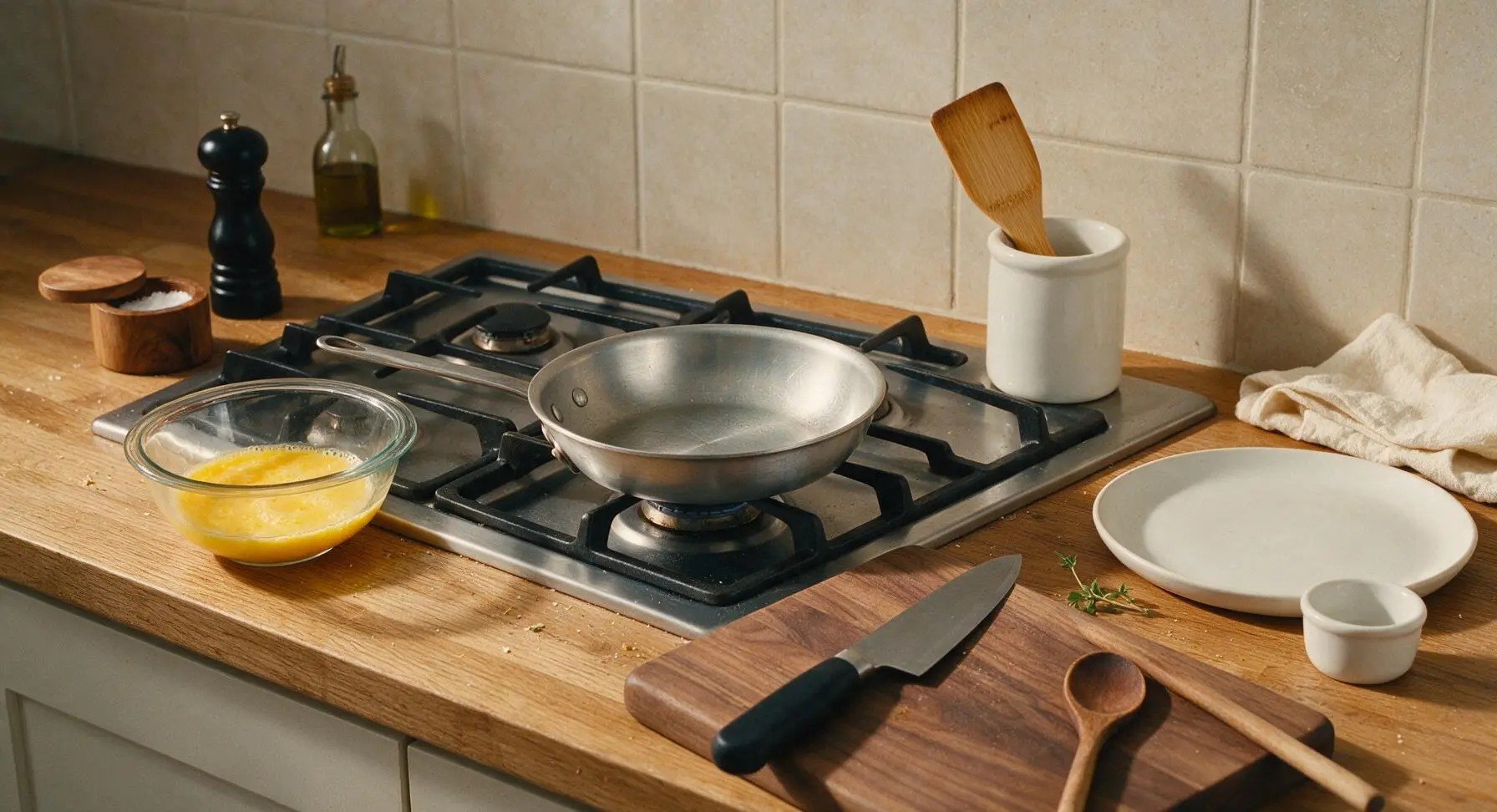
You absolutely don’t need a commercial griddle to nail this recipe! A standard nonstick skillet works perfectly, as long as it’s large enough to spread the egg mixture in a thin, even layer. If you use a cast iron pan, make sure it’s extremely well-seasoned to prevent sticking, and add a tiny extra pat of unsalted butter to create a nonstick barrier before adding eggs.
9.How do I get those tiny, soft curds Waffle House eggs are famous for?
▾
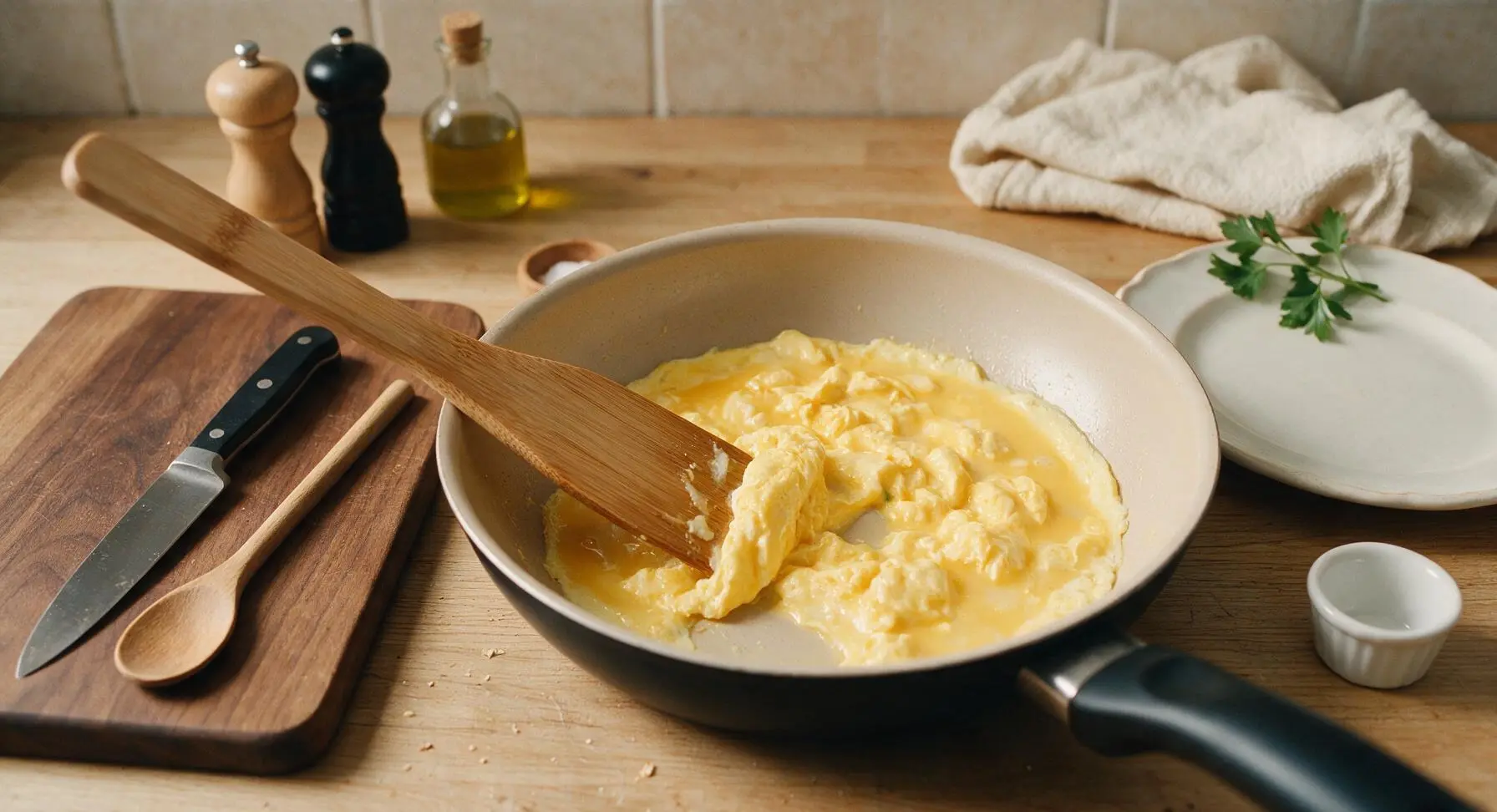
Use a heatproof silicone spatula to constantly, gently push the egg mixture from the edges of the pan to the center as it sets, instead of stirring in big, wide circles. This constant, slow movement forms tiny, uniform, melt-in-your-mouth curds instead of large, chunky ones. Don’t scrape the pan too hard—just lift set eggs to let runny uncooked egg flow underneath.
10.Can I add cheese to these copycat eggs without ruining the fluffy texture?
▾
You can definitely add cheese for an extra rich bite, just add it the right way to avoid soggy eggs. Toss finely shredded mild American cheese (Waffle House’s go-to) into the eggs during the last 30 seconds of cooking, right as you pull the pan off the heat. Don’t add cheese too early—it will melt into greasy pools and weigh down the light, fluffy curds.
11.How long do these eggs take to make from start to finish?
▾
These eggs come together in under 10 minutes total, which makes them perfect for quick weekday breakfasts. Prep work—cracking eggs, whisking with half-and-half and salt—takes about 3 minutes, and cooking takes only 4 to 5 minutes on medium-low heat. Don’t rush cook time with higher heat; that 4 to 5 minute slow cook is non-negotiable for that signature soft texture.
12.Is there a way to make these eggs dairy-free without losing the fluffy texture?
▾
For a dairy-free version that still stays fluffy, swap the half-and-half for full-fat oat milk creamer (not plain oat milk, which is too watery) and use unsalted plant-based butter with high fat content and no added water. Skip almond or thin plant milks—they’re too thin and will leave your eggs flat, watery, and lacking that rich, creamy diner-style mouthfeel.
13.Why do my scrambled eggs sometimes get a weird gray-green tint?
▾
That unappetizing gray-green tint happens when eggs are overcooked at high heat, which triggers a harmless chemical reaction between the iron in egg yolks and sulfur in egg whites. It won’t make you sick, but it ruins that classic bright yellow Waffle House look. Prevent it by cooking on medium-low, pulling eggs off when just set, and avoid holding eggs on warm heat for more than 10 minutes.
14.Do I need extra seasonings besides salt and pepper to match the exact Waffle House flavor?
▾
Nope! The iconic Waffle House egg flavor is intentionally simple, so you don’t need garlic powder, paprika, onion powder, or hot sauce mixed into the egg base. The only seasonings in the original are a light pinch of kosher salt and a sprinkle of freshly ground black pepper added right at the end of cooking. Save extra seasonings or hot sauce for table toppings if you want a kick.
15.Can I meal prep these eggs for the week, or are they best eaten fresh?
▾
These eggs are definitely best eaten right off the pan for that ideal fluffy, silky texture, but you can store leftovers for up to 3 days in an airtight container in the fridge. Reheat them in 15-second bursts in the microwave, stirring between each, to avoid rubbery overcooked eggs. They won’t be quite as fluffy as fresh, but they still make a quick, easy breakfast on busy mornings.
16.What’s the exact ratio of half-and-half to eggs to get the perfect texture?
▾
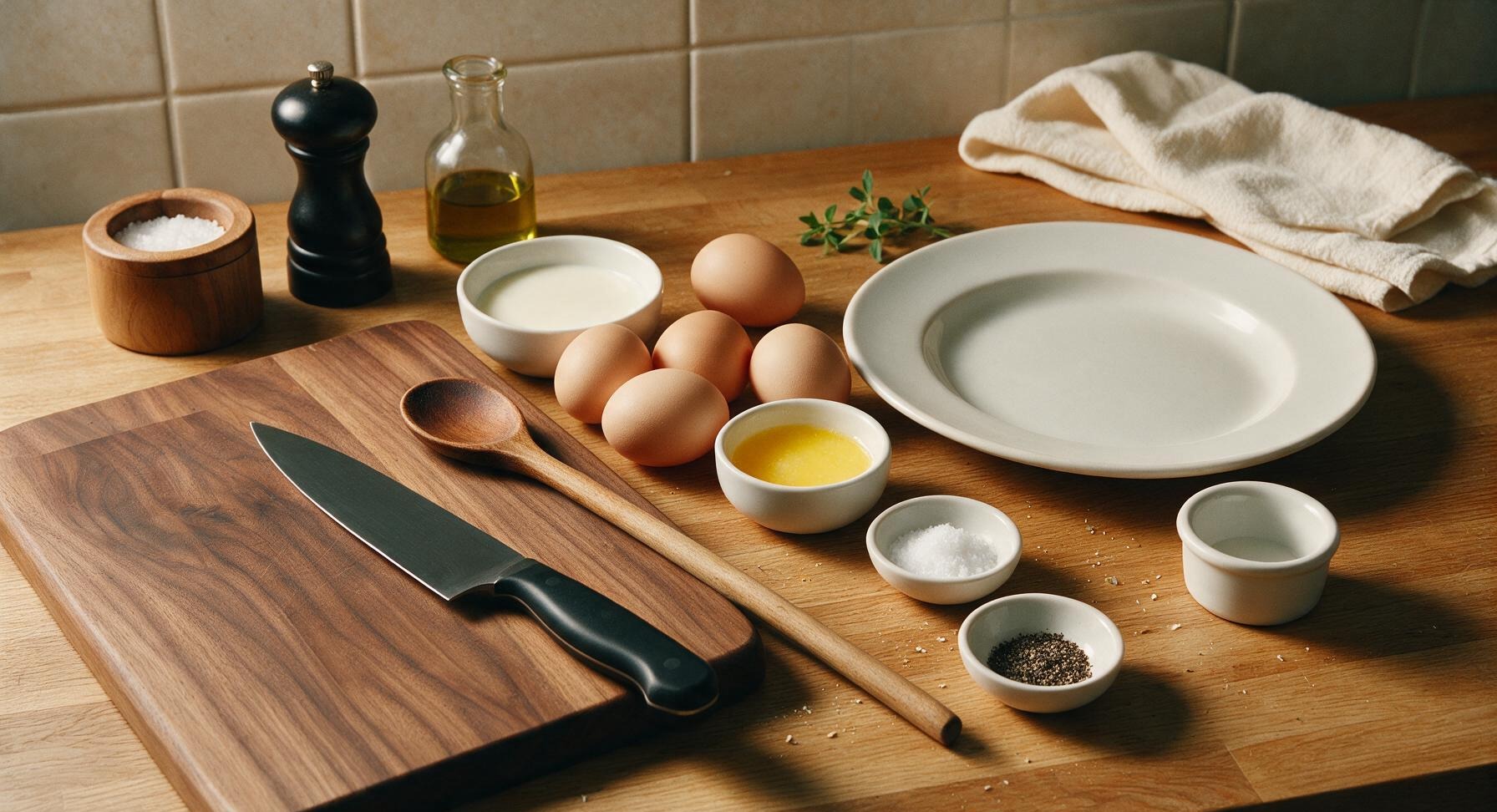
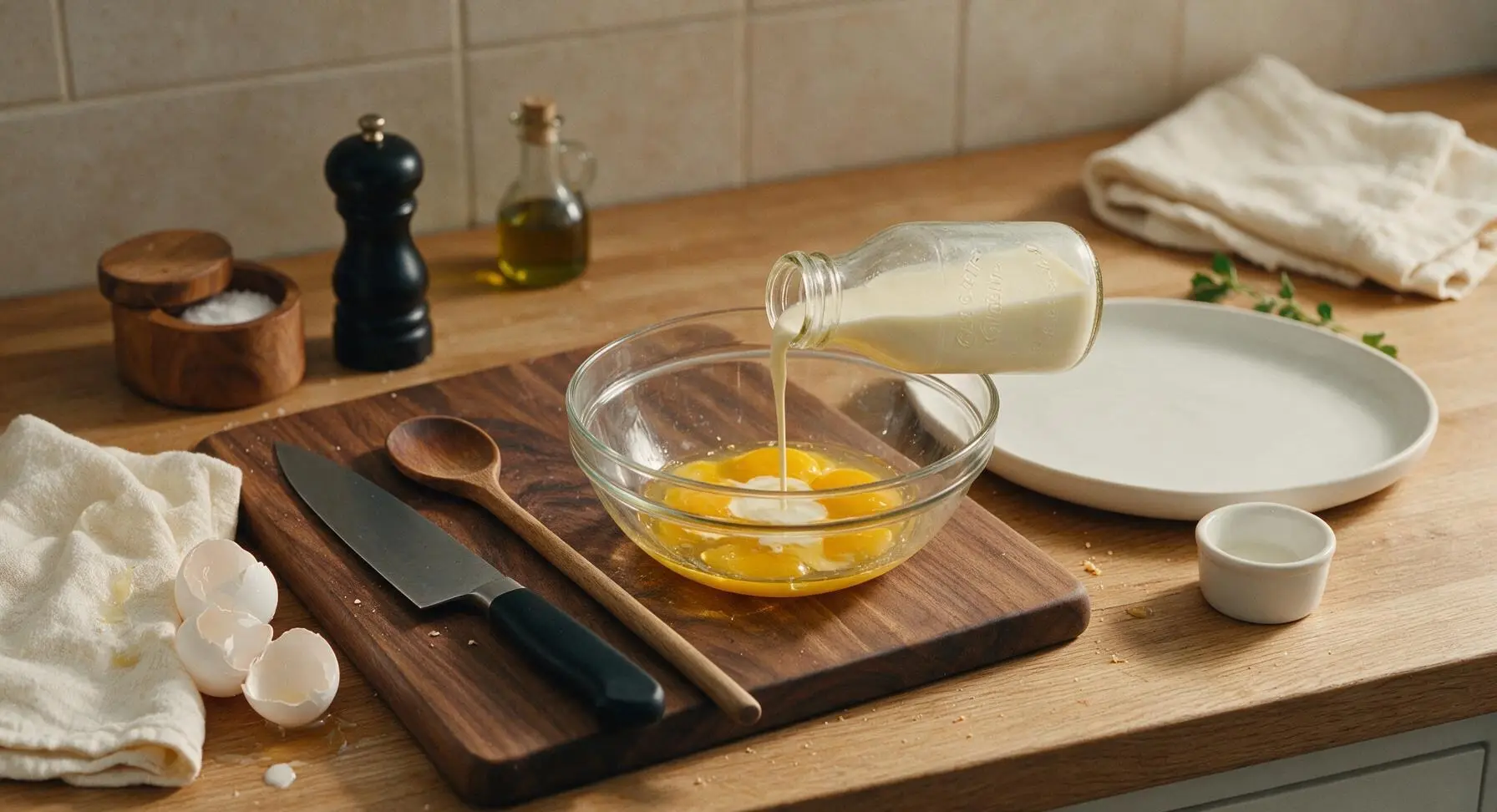
For the closest match to Waffle House’s texture, use 1 tablespoon of half-and-half for every 2 large grade A eggs. That’s just enough dairy to lighten the curds and add richness without making the eggs watery or thin. Resist the urge to add extra half-and-half—more dairy doesn’t equal more fluff, it just leads to runny eggs that won’t set into soft curds.
17.Should I use salted or unsalted butter for this recipe?
▾
Stick to unsalted butter so you can control exactly how much salt goes into your eggs, which matches Waffle House’s lightly seasoned profile. If you only have salted butter on hand, cut the added kosher salt in half to avoid over-salting. Make sure your butter is fully melted and just starting to foam before adding eggs—don’t let it brown, which adds a nutty flavor that doesn’t match the original.
18.Why do diner scrambled eggs like Waffle House’s taste so much better than most homemade versions?
▾
Most home cooks overcook eggs on too-high heat, use too little fat, or skip the constant gentle stirring that creates soft curds. Waffle House cooks use consistent low griddle heat, real butter, just enough half-and-half for richness, and never leave eggs unattended while they cook. This copycat recipe replicates all those restaurant tricks so you get that exact nostalgic bite at home.
19.Can I use liquid egg substitute instead of whole shell eggs for this recipe?
▾
You can use pasteurized liquid egg product if you prefer, but the texture will be slightly less rich and fluffy than using fresh large grade A shell eggs. If you go that route, skip adding extra half-and-half, since most liquid egg products already have added milk or water to thin them out. Cook them the same low-and-slow way with butter to get as close to the classic texture as possible.

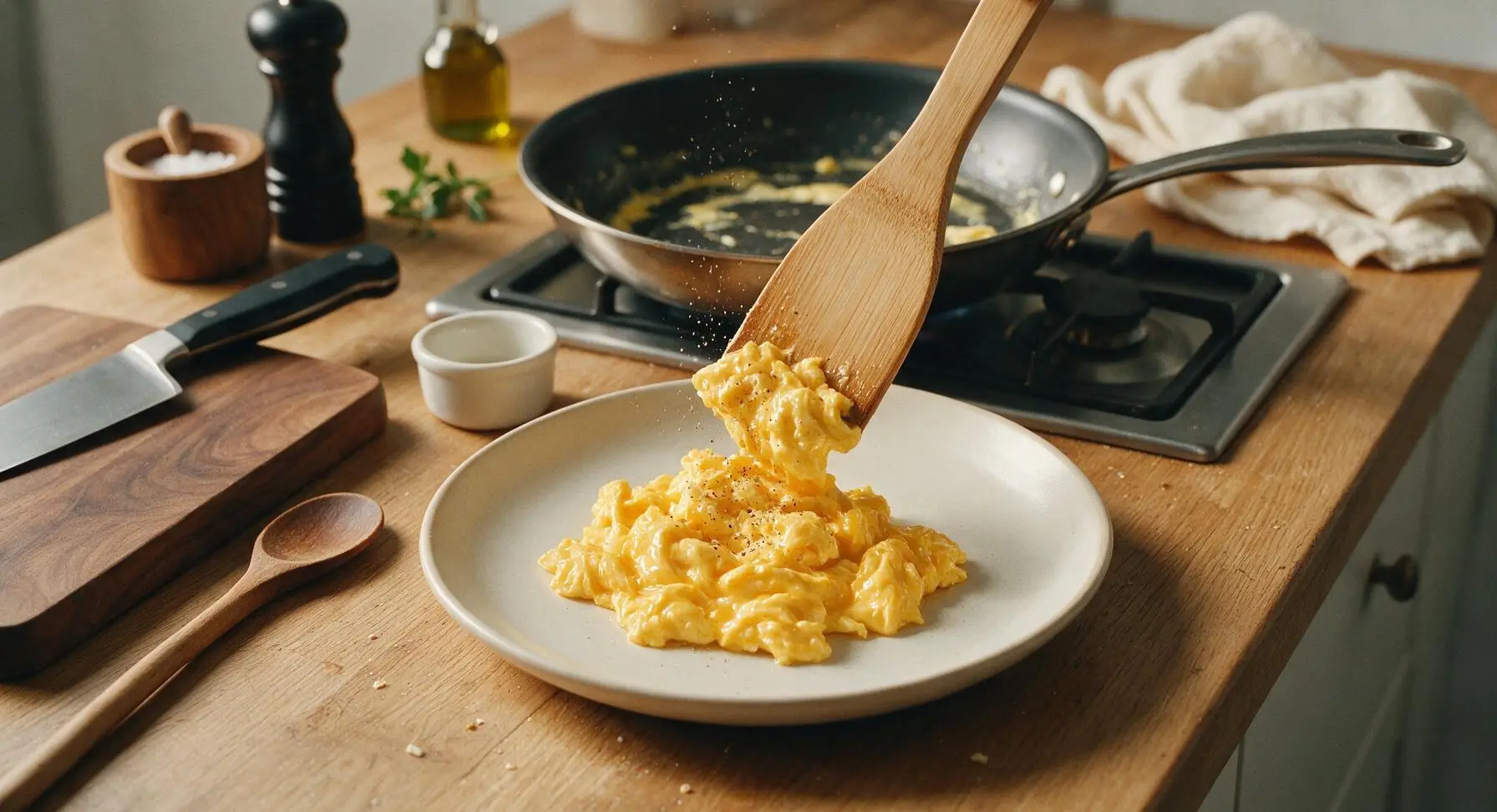
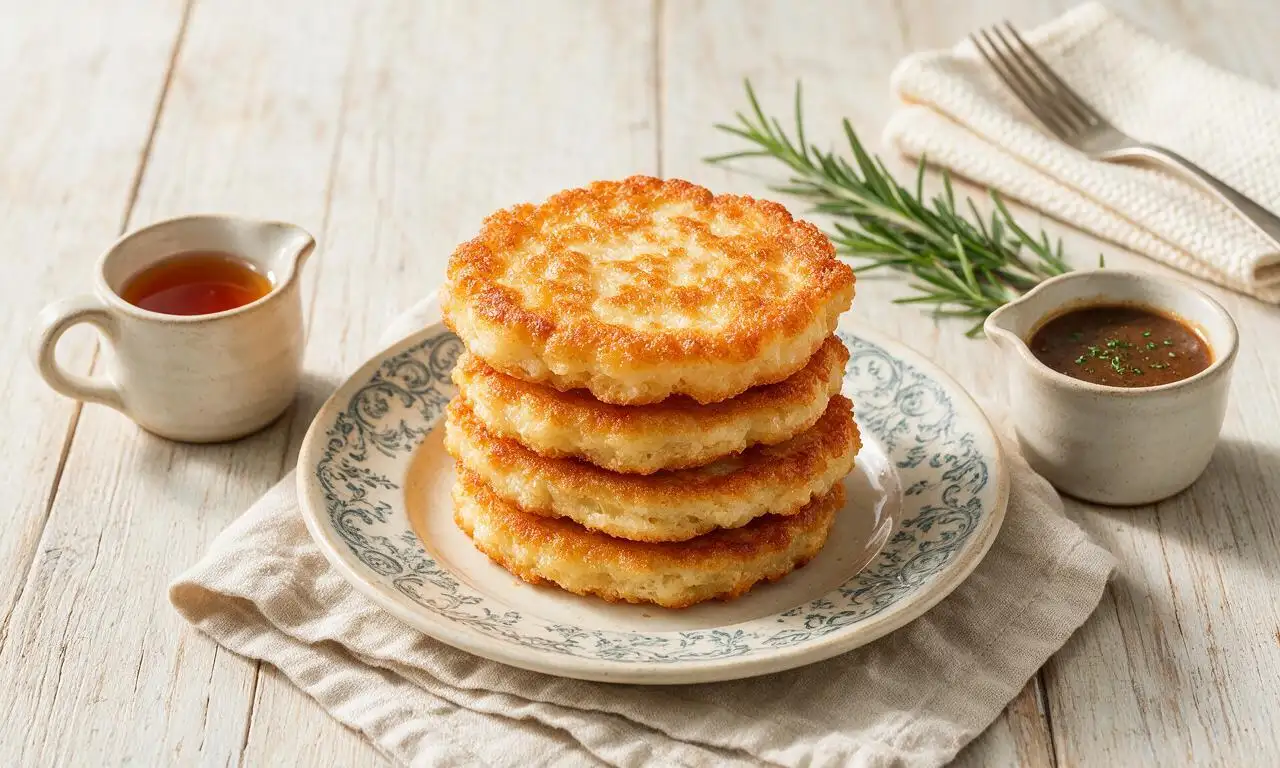
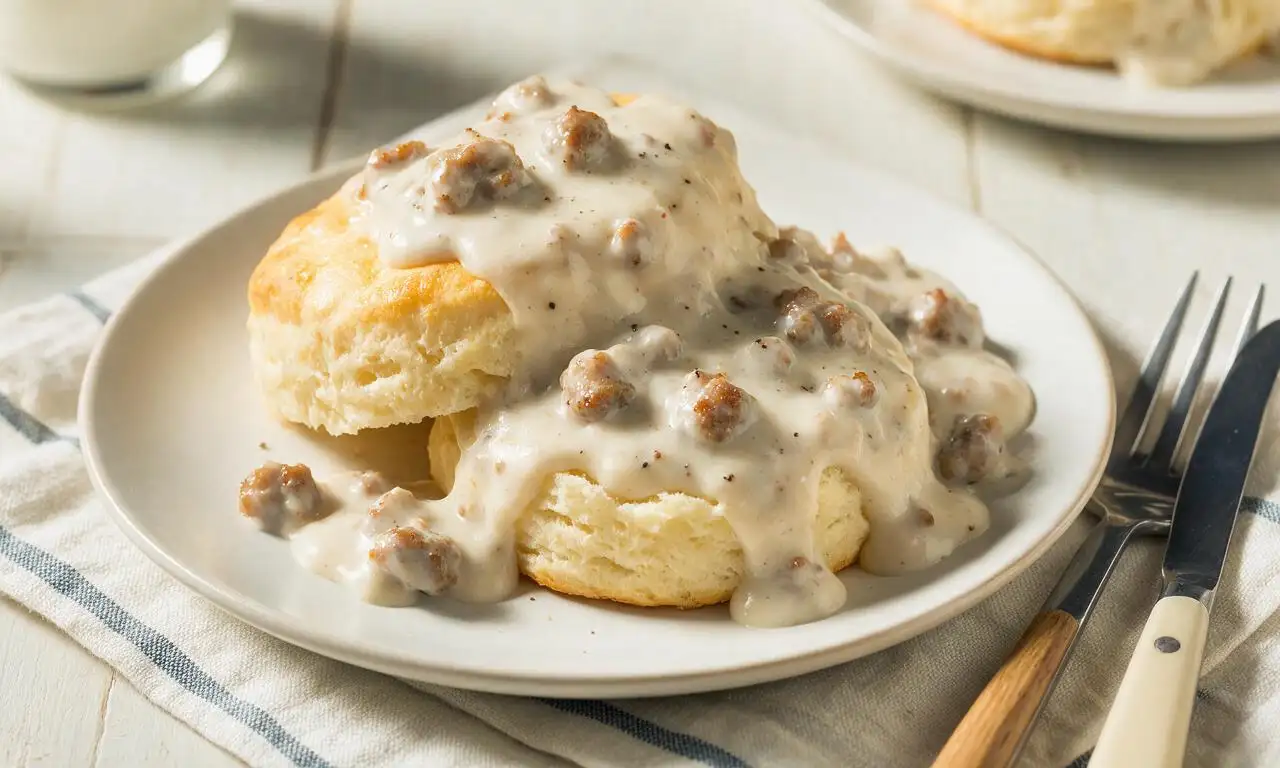
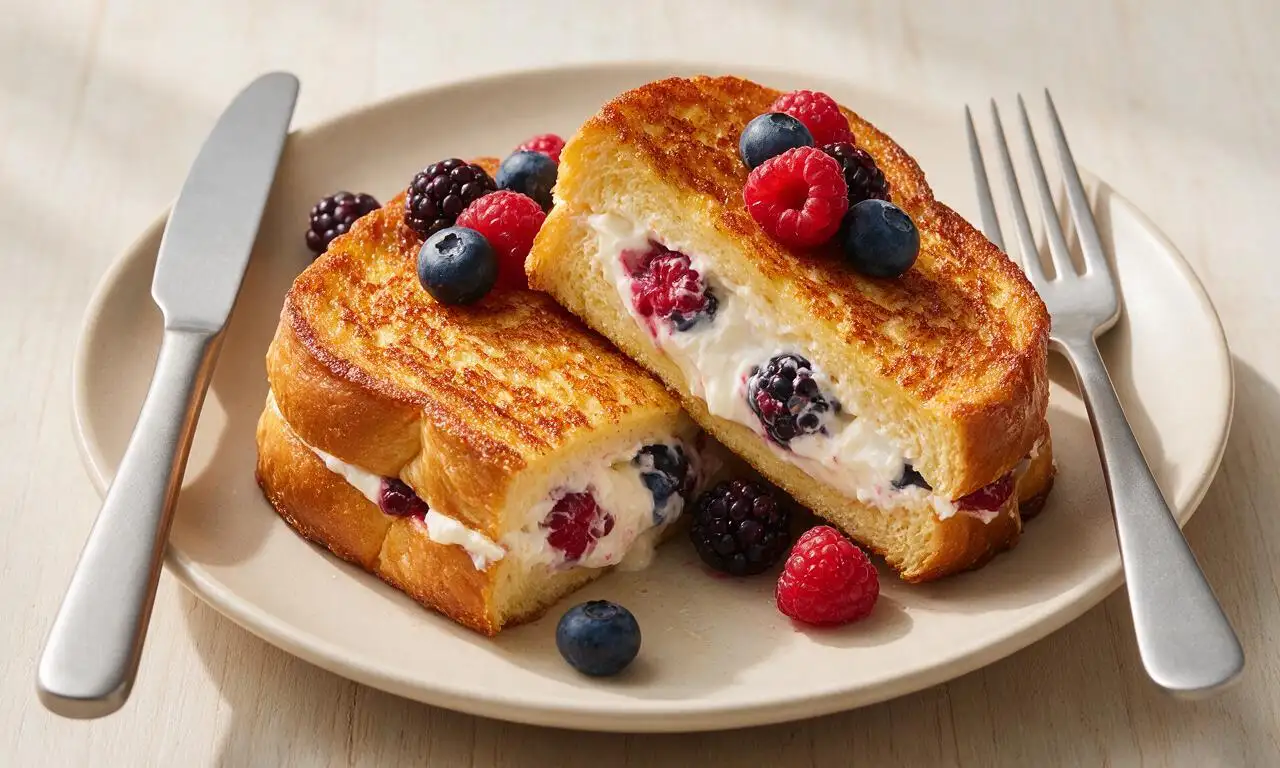
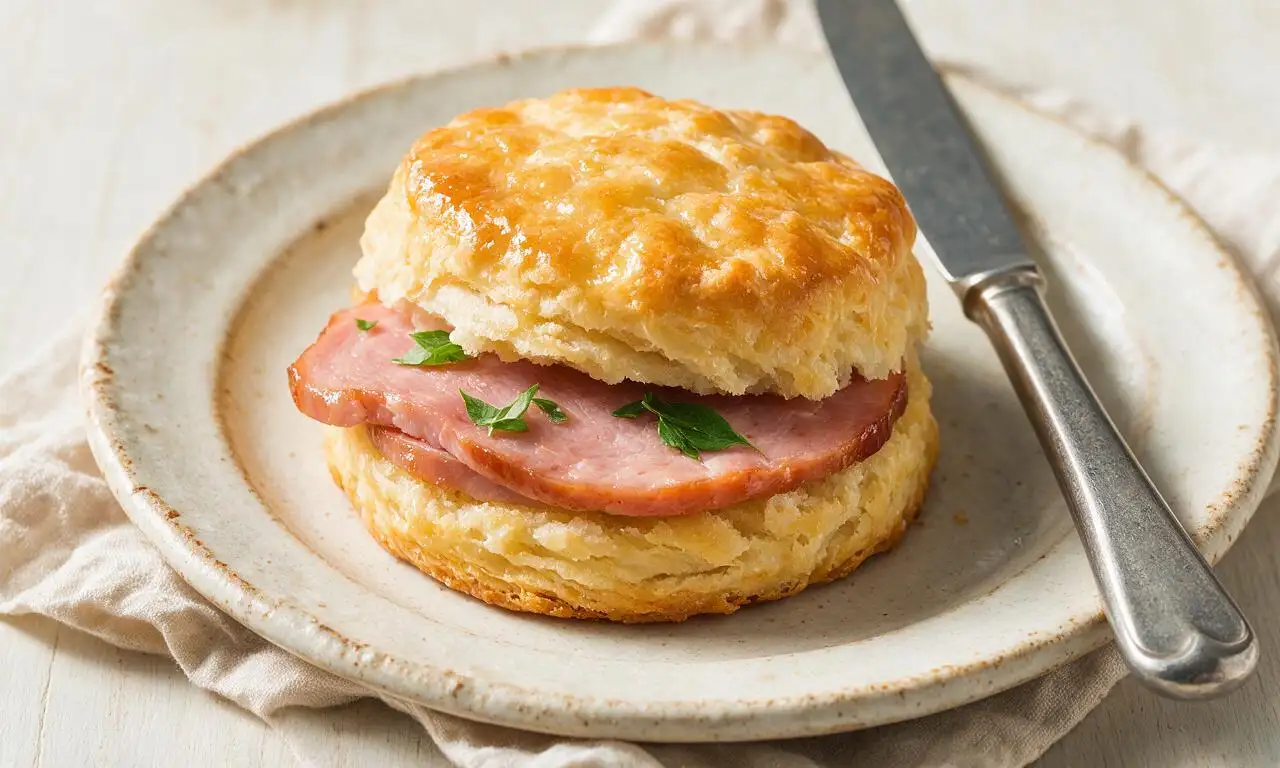
OMG, these taste EXACTLY like the Waffle House eggs I craved every weekend in college! I never could get that super fluffy, melt-in-your-mouth texture right before, turns out the little trick of whipping them with a splash of half and half on low heat is the game changer. My husband and two kids demolished a whole batch in 10 minutes this morning, 10/10 will make every Sunday from now on.
Super easy recipe, came together in literally 5 minutes like it said, perfect for quick weekday meal prep! I make a big batch on Sunday and portion them out for breakfast wraps all week, they reheat way better than the rubbery scrambled eggs I used to make. Only thing I added was a tiny sprinkle of black pepper and a dash of hot sauce on top, chef’s kiss.
Y’all, I grew up going to Waffle House after Friday night football games and these took me right back! I was worried copycat recipes never live up to the hype but this one is spot on. Fluffy, not watery, not overcooked, just perfect. Served them with crispy hash browns and smothered onions just like I get at the restaurant, my whole extended family asked for the recipe when I made them for our post-church brunch last weekend.
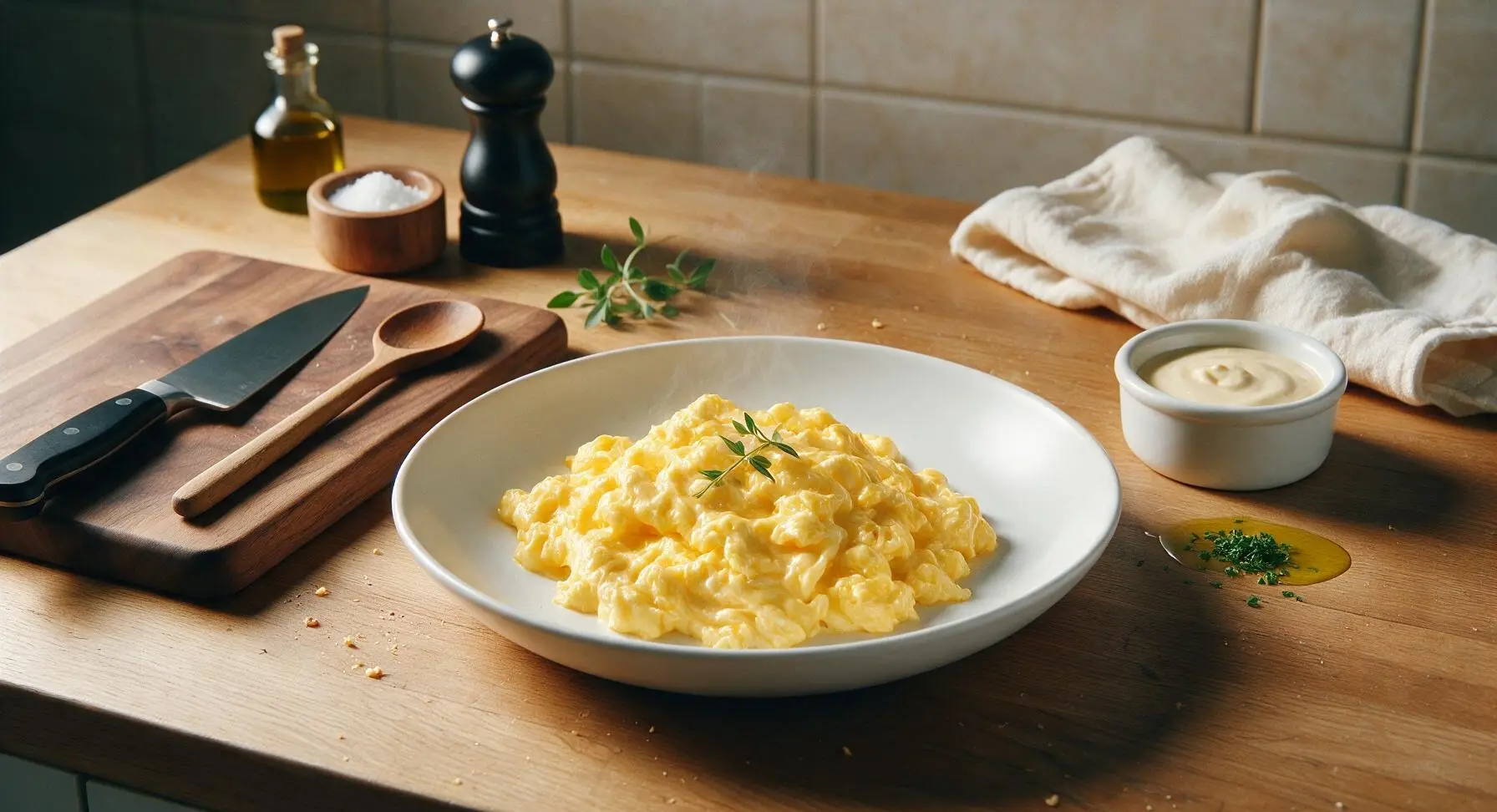
Wait, I tried this yesterday and my eggs came out a little runny? Did I turn the heat up too high? I thought I followed the directions exactly but they didn’t set up like the fluffy ones in the photo. Maybe I added too much half and half?
Game. Changer. My partner and I drive cross country every summer and Waffle House eggs are our go-to stop when we hit the south, so I had to test this copycat out before our trip next month. Let me tell you—we did a blind taste test side by side with a to-go order from our local Waffle House last night and we could NOT tell the difference. So stoked to make these on our camp stove when we’re out in national parks this year!