
Wee Heavy
intro
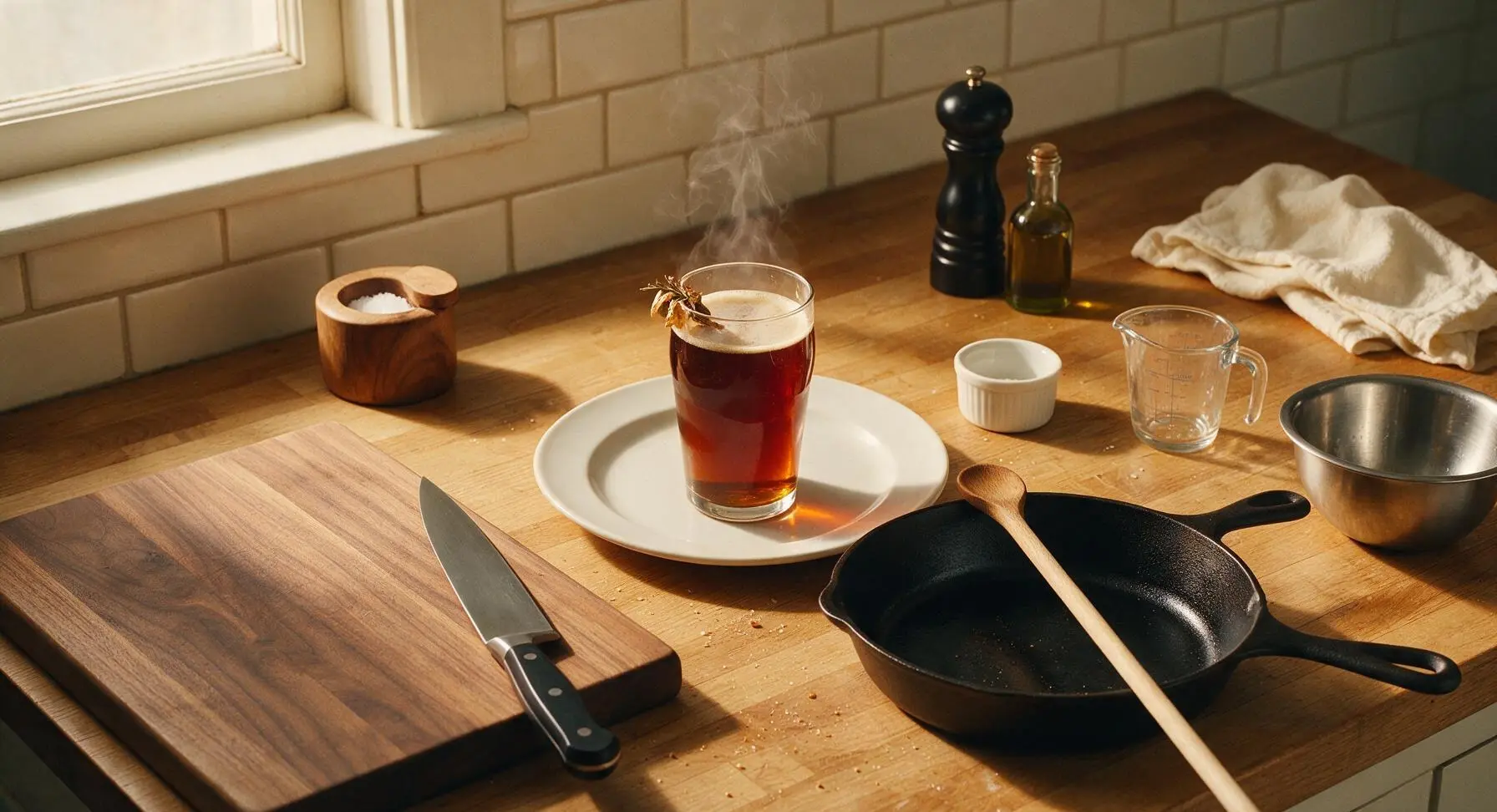
Rich, caramel-forward traditional Scottish Wee Heavy ale, with deep toffee notes, a smooth malty backbone, and subtle warming alcohol, perfect for slow cold-weather sipping.
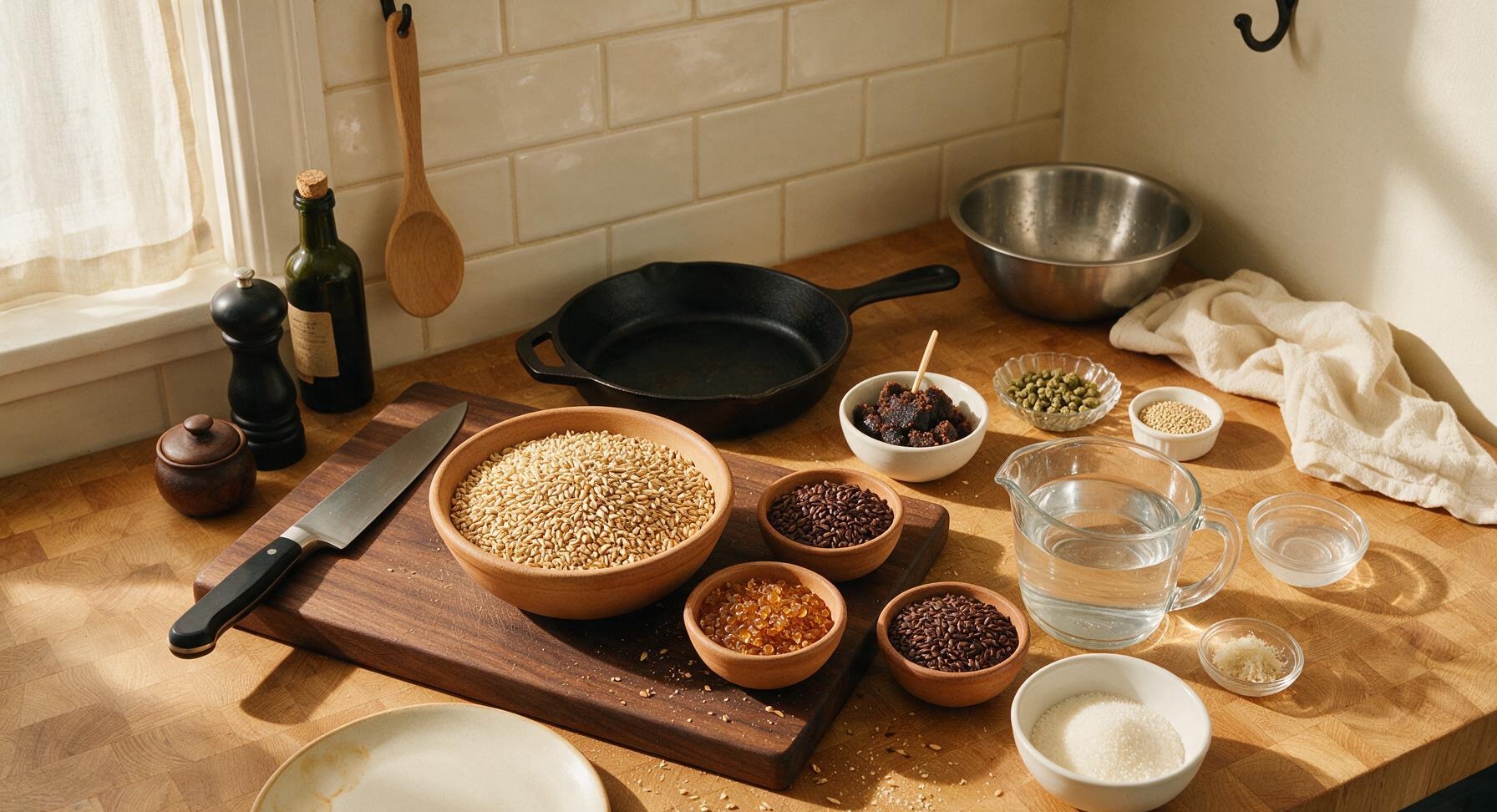
Ingredients
Steps
Sanitize Brewing Equipment
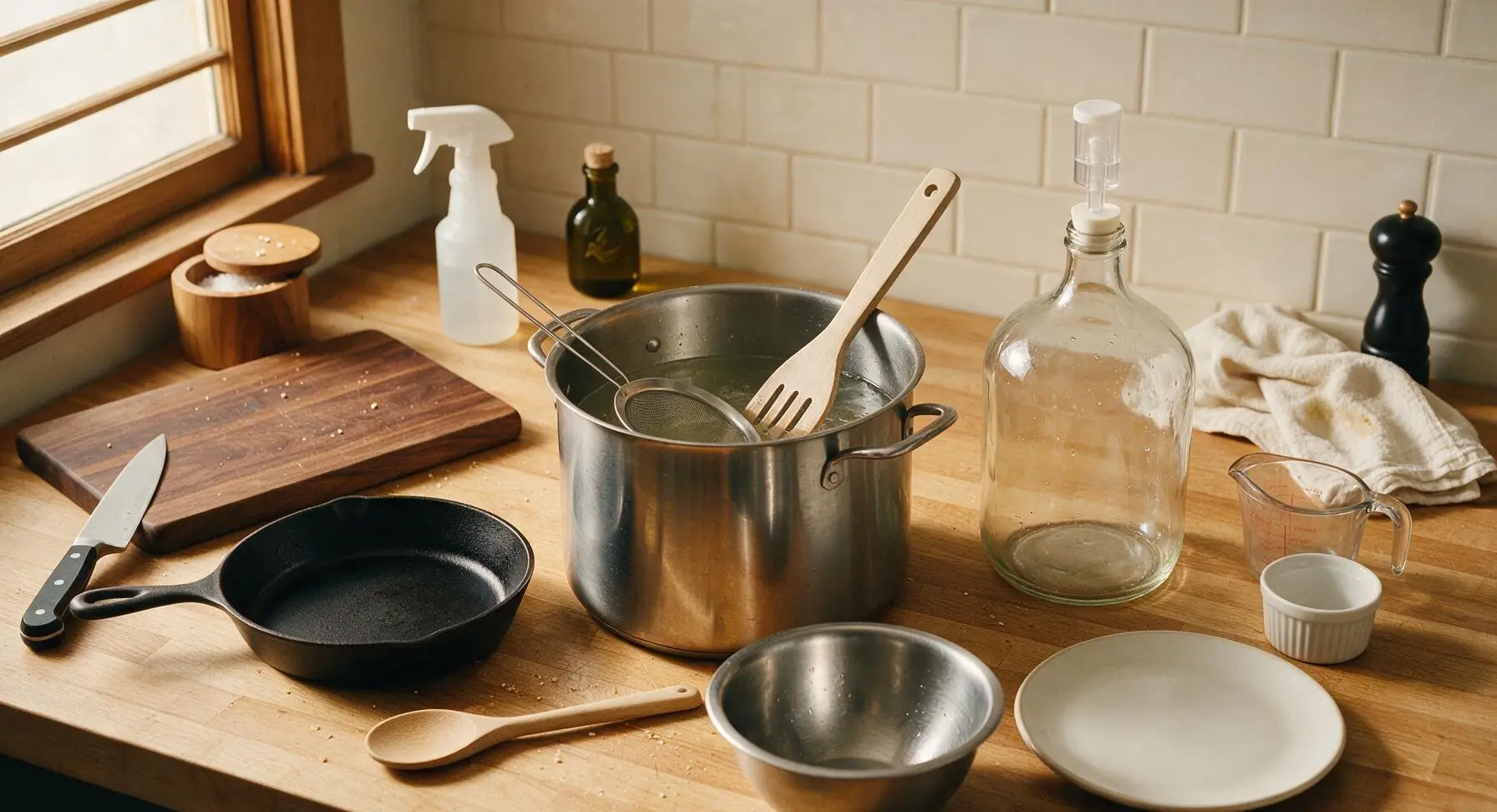
First, mix 15ml no-rinse brewery sanitizer with 4L cool filtered water in the stainless steel brew kettle. Submerge the mash paddle, strainer, auto-siphon, and airlock in the solution for 2 full minutes, then spray all interior surfaces of the glass carboy with sanitizer from the fixed spray bottle. Allow all equipment to air dry completely on the counter; residual sanitizer will cause off-flavors in the finished beer, so do not wipe dry with a towel.
Heat and Mash Grains
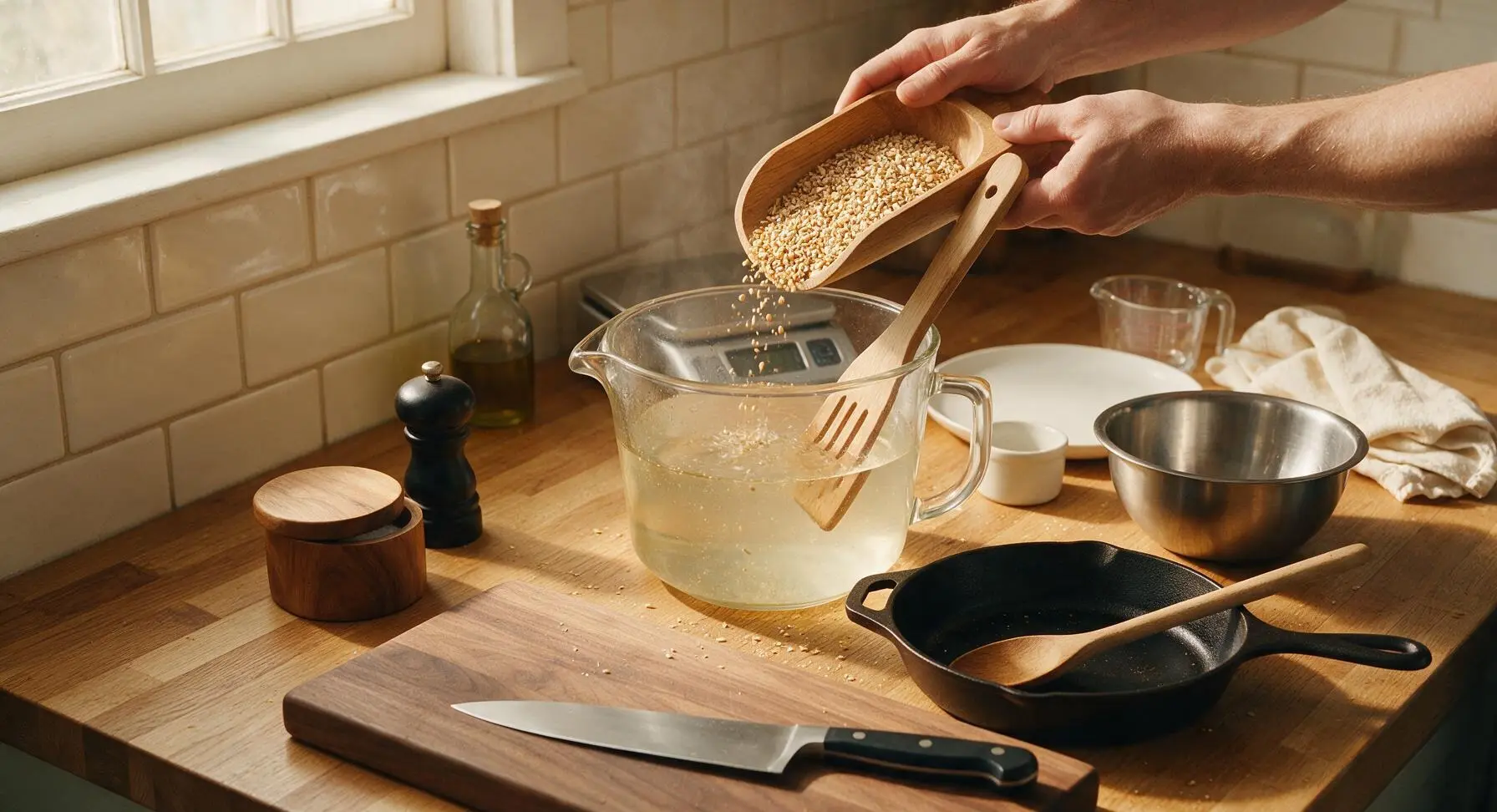
Heat 14L of filtered water in the glass mash tun to exactly 67°C (153°F). Weigh all grains on the digital scale, crush to a coarse crack (kernels split open, not ground to fine powder), then stir into the heated water with the mash paddle until no dry flour clumps remain. Cover the mash tun and hold a steady temperature of 66-68°C (151-154°F) for 90 minutes; the mash will smell sweet and bready, with a thick, porridge-like consistency.
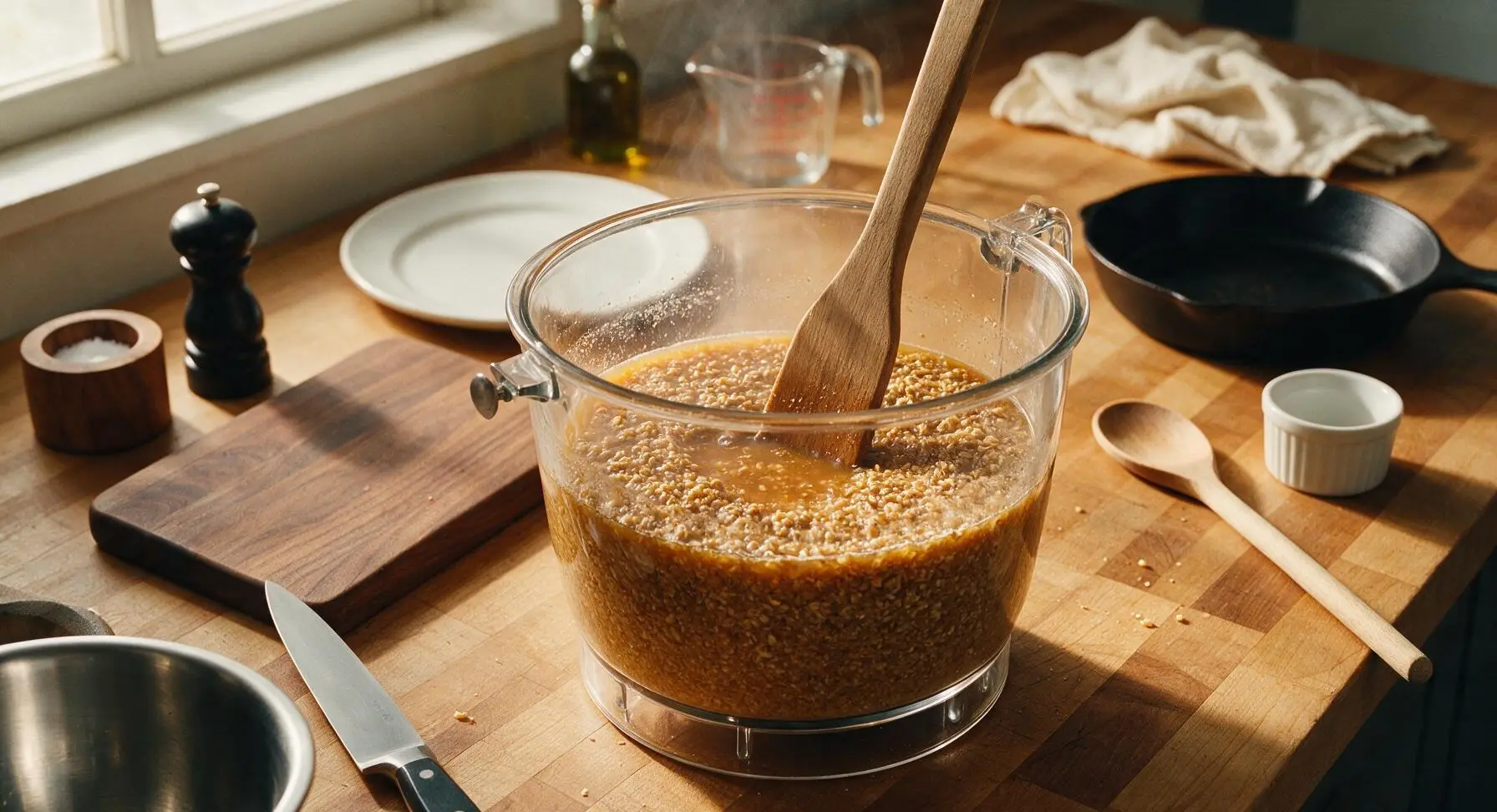
Recirculate Sweet Wort
After the 90-minute mash rest, open the mash tun spigot and slowly collect 1L of cloudy, particle-filled initial wort in the glass measuring jug. Gently pour this cloudy wort back over the top of the grain bed, repeating the process 3-4 times until the wort runs completely bright and free of grain particles (this step, called vorlauf, prevents grainy off-flavors). Slowly sparge by rinsing the grain bed with 9L of 77°C (170°F) filtered water, collecting all clear sweet wort in the brew kettle below until you have 19L (5 gallons) of wort total.
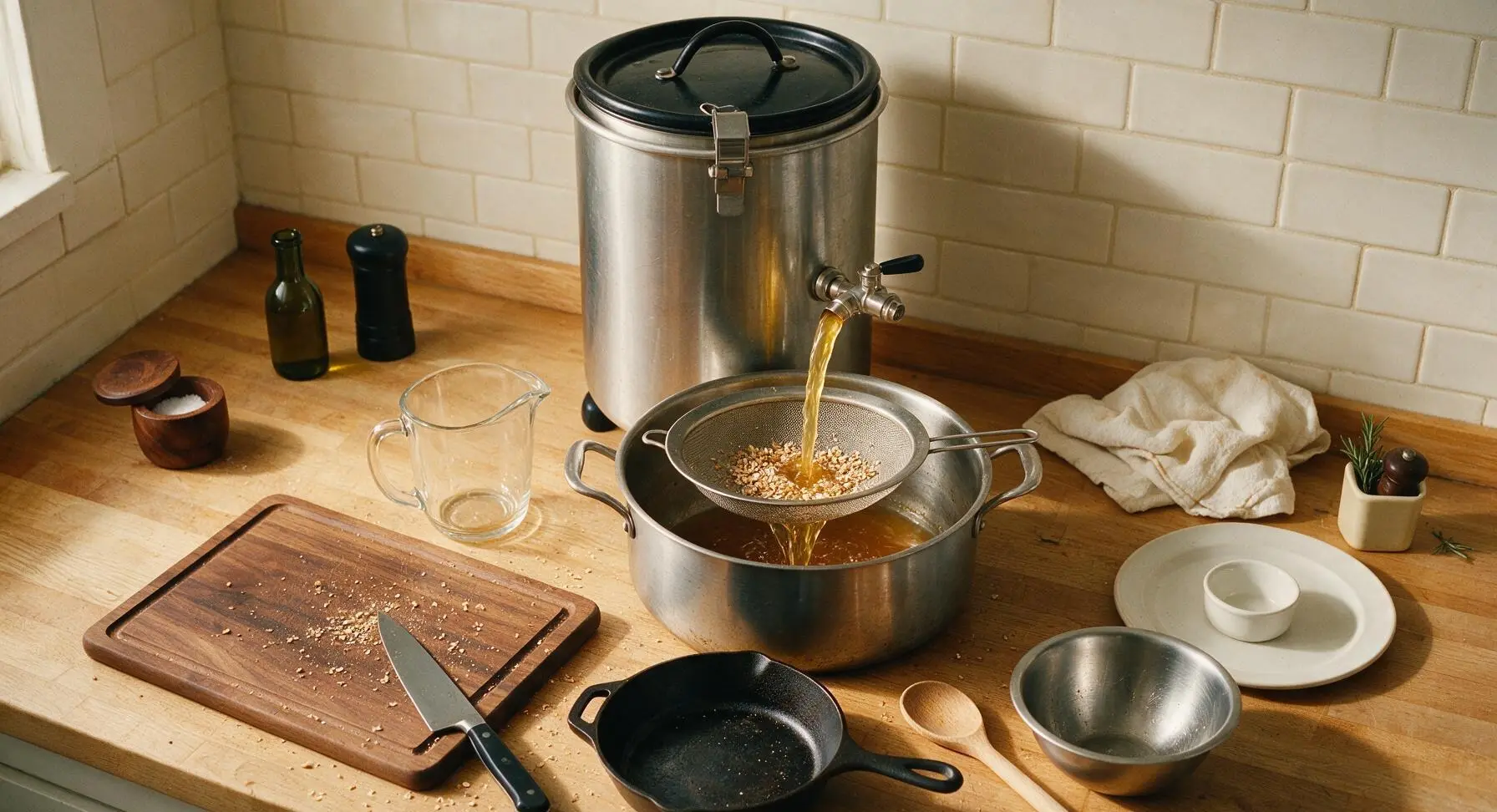
Boil Wort and Add Hops
Place the brew kettle over heat and bring the collected wort to a gentle, steady rolling boil (avoid violent boil-over by adjusting heat as foam rises). Once boiling is consistent, add the full measure of East Kent Goldings hops and dark muscovado sugar, stirring with the mash paddle to fully dissolve the sugar. Maintain the gentle boil for 90 minutes total, adding the Irish moss during the final 15 minutes of the boil to help clarify the finished beer. Skim any thick, tan hot-break foam from the surface as it forms; the wort will darken to a deep ruby amber as it boils, releasing rich toffee and toast aromas.
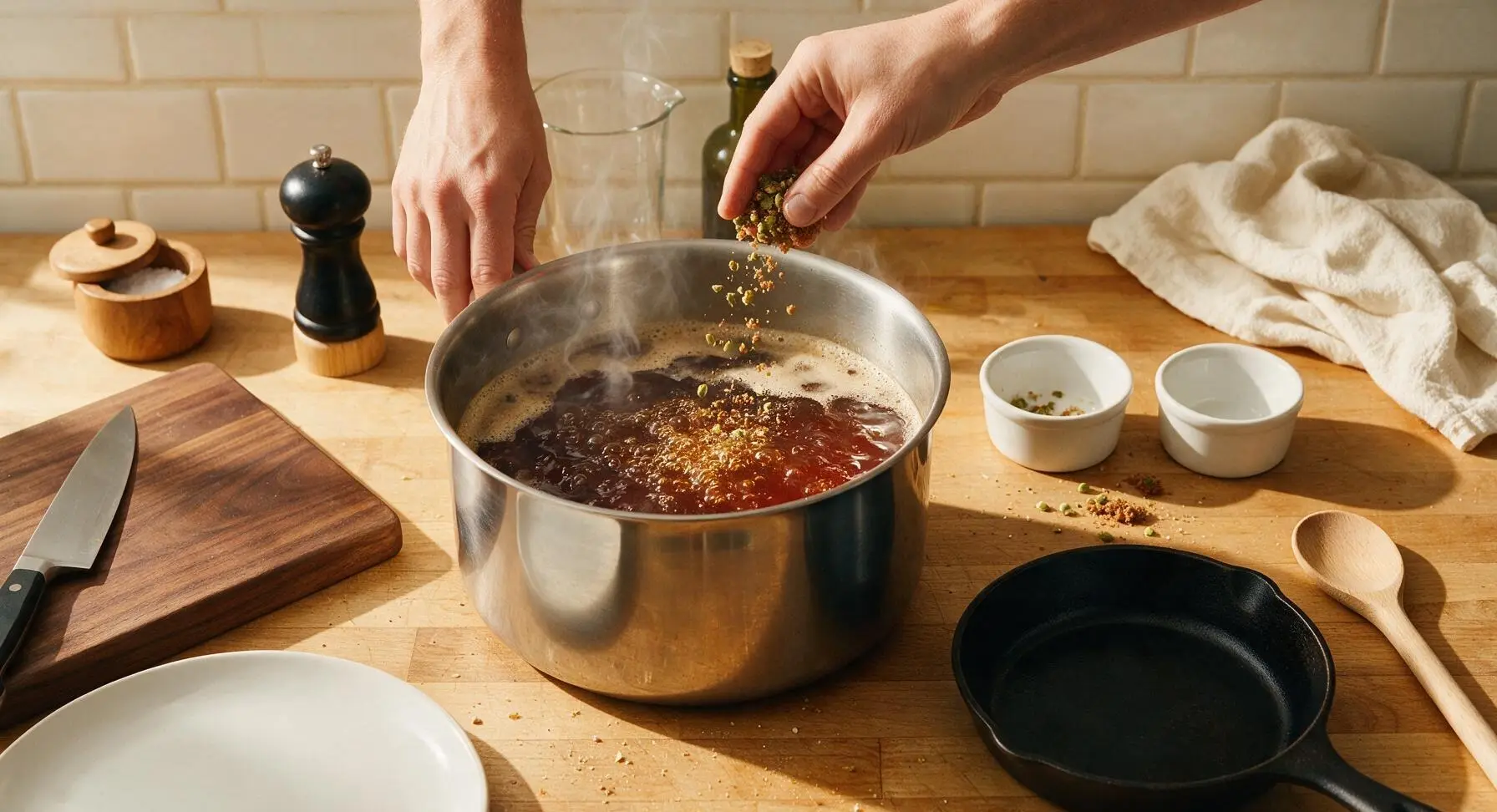
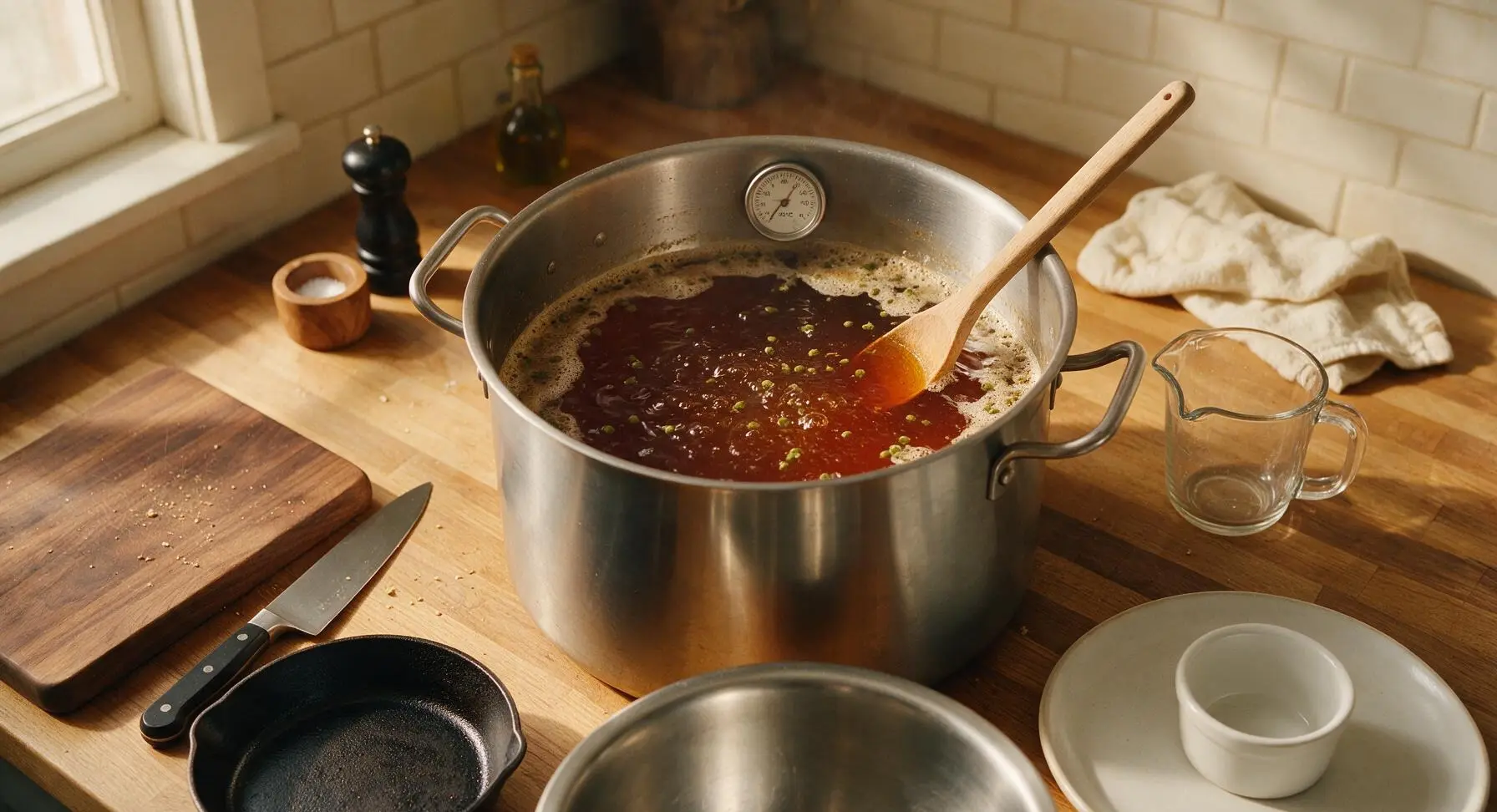
Cool and Pitch Yeast
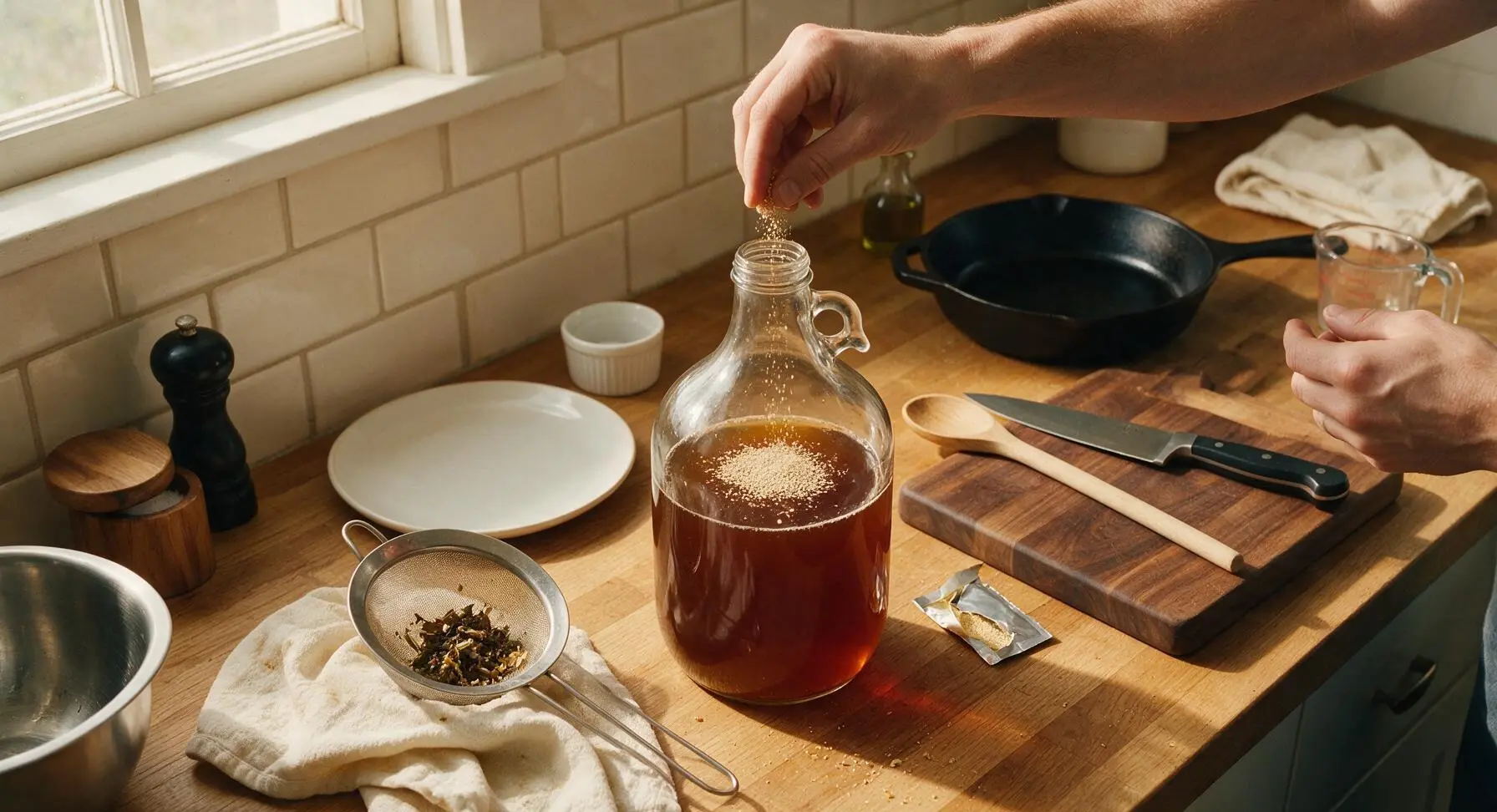
Remove the kettle from heat and cool the wort as quickly as possible to 20°C (68°F) using an ice bath (set in the adjacent sink, out of frame). Once cooled, pour the wort through the fine-mesh strainer into the sanitized glass carboy to filter out spent hops and trub. Vigorously swirl the sealed carboy for 30 seconds to aerate the wort (yeast needs oxygen to start healthy fermentation), then sprinkle the full packet of Scottish ale yeast evenly over the wort surface. Seal the carboy with a sanitized rubber stopper and insert the airlock, filled halfway with sanitizer solution.
Ferment and Condition
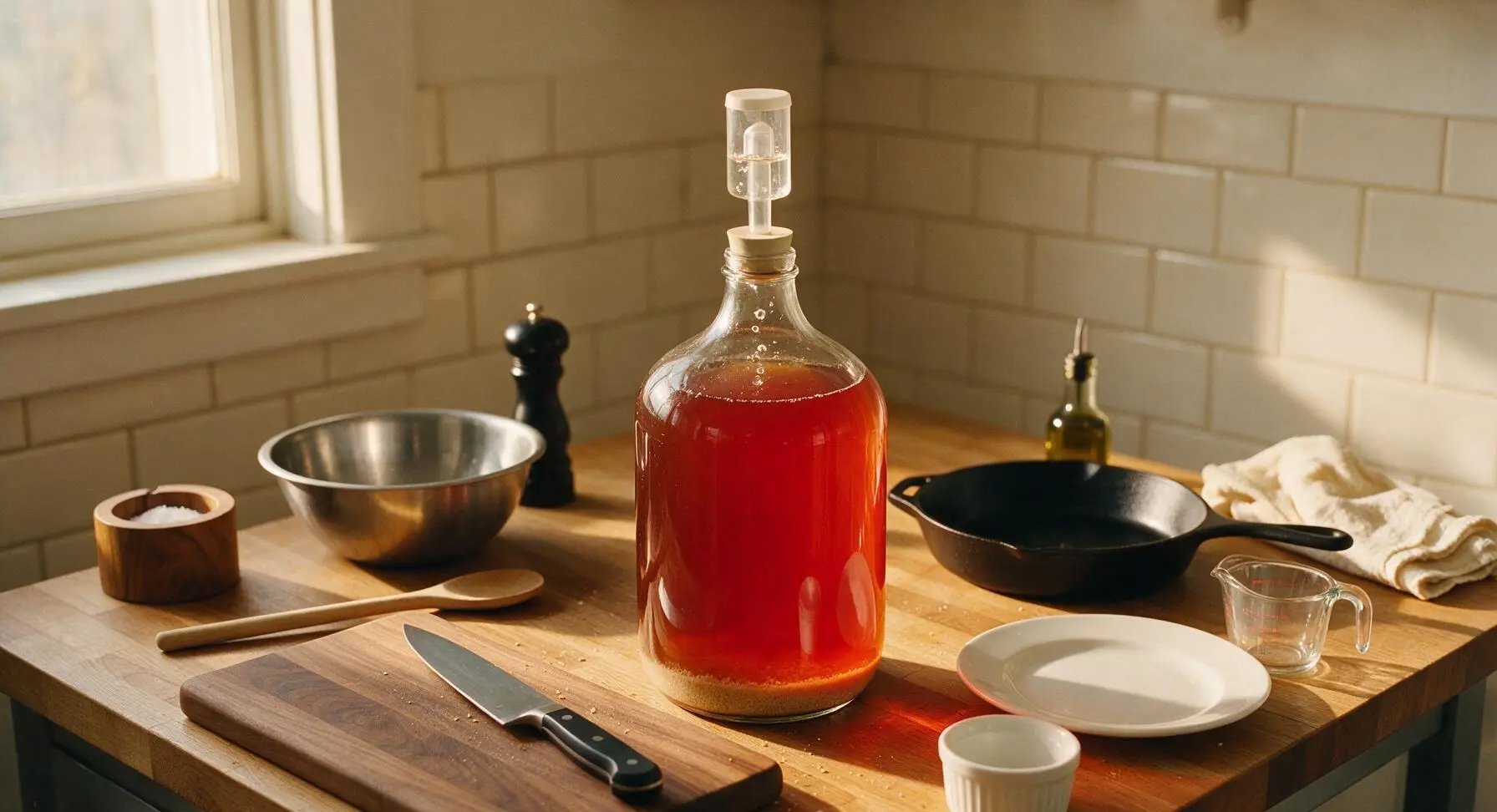
Move the sealed carboy to a dark, temperature-stable space held at a steady 18°C (65°F) for 2 weeks, until vigorous bubbling in the airlock stops completely and the wort begins to clear. After primary fermentation finishes, move the carboy to a cooler 12°C (54°F) space for 4 additional weeks of cold conditioning; this rest period mellows sharp alcohol heat and allows rich caramel, toffee, and subtle dark fruit flavors to develop.
Bottle and Carbonate
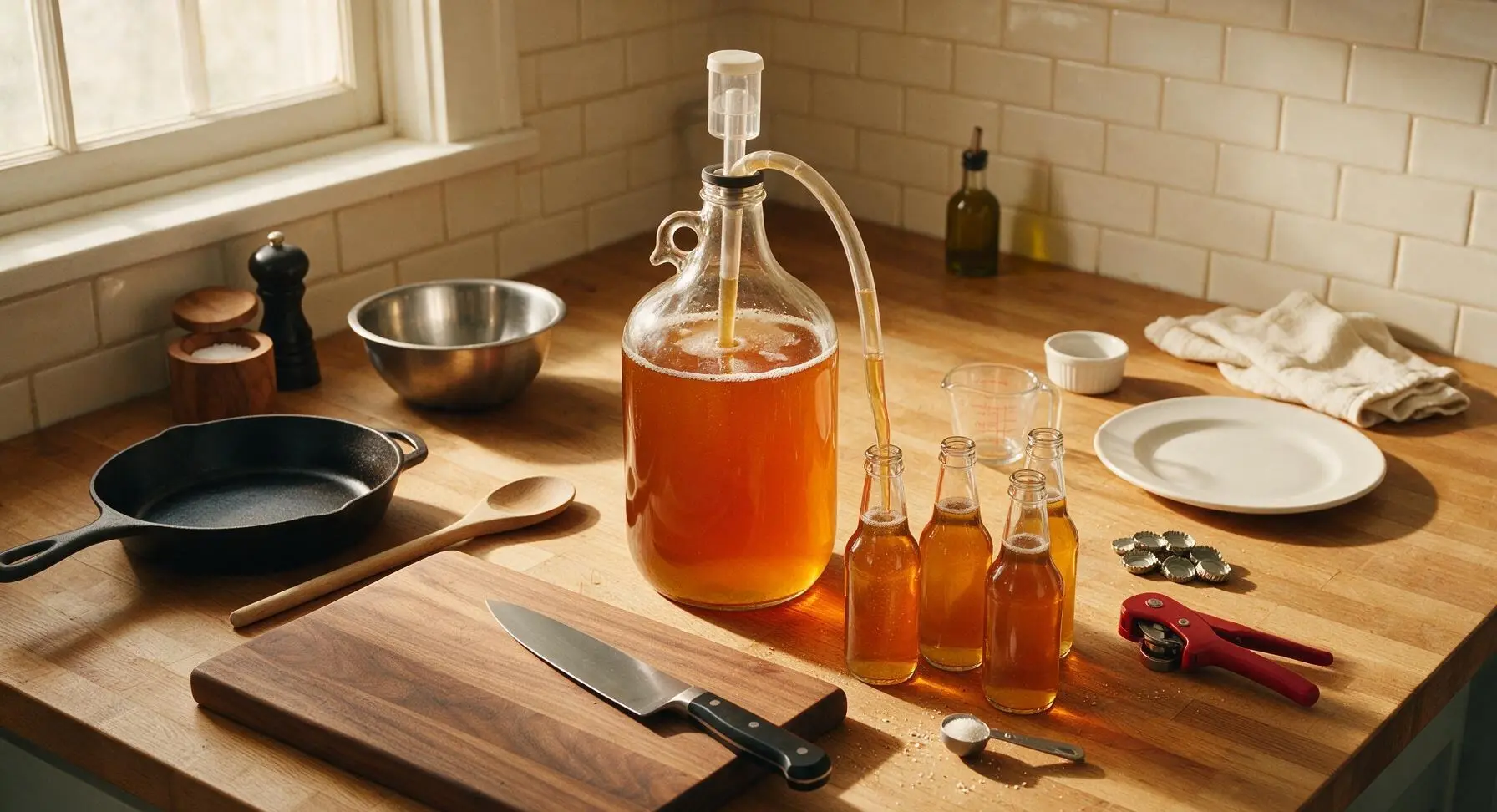
Once conditioning is complete, place the carboy back on the counter and use the sanitized auto-siphon to transfer clear beer off the yeast sediment into sanitized 350ml glass beer bottles. Add 2.5g (1/2 tsp) of corn priming sugar to each bottle to create natural carbonation, then seal with sanitized crown caps using the bottle capper. Store sealed bottles at 20°C (68°F) for 2 weeks to allow carbonation to fully develop, then chill to 10°C (50°F) before serving in a tulip glass.
Tips
2.Do not rush the cold conditioning step: This high-gravity (high alcohol) beer needs 4 weeks of cool rest to mellow harsh, solvent-like alcohol heat. Skipping this step results in a sharp, unbalanced beer instead of the smooth, sippable profile the style is known for.
3.Crush grains immediately before mashing: Pre-crushed grains lose delicate bready malt aroma quickly when exposed to air. Cracking kernels right before brewing preserves fresh, toasty malt flavor and prevents stale, flat tasting beer.






OMG, made this for my annual fall bonfire last weekend and it was an absolute hit! The caramel malt depth is unreal, way better than any store-bought wee heavy I’ve ever shelled out for. Cook time was exactly as stated, even for a medium-skill homebrewer like me who’s only been at it a year. Brought two growlers to the potluck before the bonfire and people were begging for the recipe before the first growler was even empty. SO good, will absolutely be making this a yearly staple!
I was a little intimidated by the medium difficulty rating at first, but the step-by-step instructions were so clear I had zero issues! I will say, make sure you have a big enough brew kettle — I almost had a boil over mess when I added the first malt addition, oops, had to scramble to turn the heat down quick. Ended up with this rich, toasty, slightly sweet ale that was perfect for sipping while we carved pumpkins with the family last night. Total game changer for my homebrew lineup!
Solid recipe, turned out great for my first time making a Scottish style ale. I knocked off one star because I wish it had a little more guidance on water profile adjustments, but otherwise it was fantastic. I dialed back the crystal malt just a touch because I prefer a less sweet finish, and it still came out perfectly balanced. Fermented at 62 degrees for two weeks and it came out crystal clear without even needing to fine it. Will make again for sure.
Brought a keg of this to our neighborhood block party last month and people were lining up for refills. It’s smooth enough that even my friends who usually only drink light lager loved it, but has enough depth that all the craft beer nerds in the group were gushing. Only note: make sure you give it enough time to condition! I tapped mine after 3 weeks and it was good, but after another week in the keg it was next level. SO worth the wait.
This recipe is so reliable! This is my third time making it and every batch comes out consistent, rich, and exactly what I want out of a wee heavy. I love pairing a glass of it with a hearty beef stew on cold Chicago nights, it’s the perfect cozy combo. 10/10, no notes.
Just finished the boil for my first ever batch of this an hour ago! Smelled incredible the whole time, the whole house smelled like toasty caramel and bread. Fingers crossed fermentation goes smoothly, I’ll come back and update once it’s ready to drink. So far the instructions have been super easy to follow for a total newbie.
Game changer! I’ve been chasing that perfect traditional wee heavy flavor for years after trying one at a pub in Edinburgh a decade ago, and this recipe is dead on. The hint of roast from the black patent malt is just enough, not overpowering at all, and the high ABV is well hidden so it goes down way too easy. I did add a tiny splash of peated malt for a little smoke, and it was chef’s kiss.
Made this as part of my weekend brew day marathon last weekend, and it was pretty straightforward to slot in between my food prep for the week. Cook time was almost exactly 2 and a half hours as listed, I just had to add 10 minutes to get the wort down to the right gravity, so that’s why it’s not a full 5 stars for me. Tasted the hydrometer sample after transferring to secondary and it was already so malty and delicious, can’t wait to try the finished product.
My husband and I made this together for our anniversary last weekend, since we had our first date at a Scottish pub that served amazing wee heavy. It turned out even better than we remembered! We shared the first bottle with our dinner of bangers and mash, and it felt like such a fun, special little date night activity. Will definitely be brewing this again for special occasions, it’s such a thoughtful recipe.