White Bread Toast

title 1
White Bread Toast
⏱️ cook time 3 minutes
🍽️ servings 2
⚡ Difficulty easy

intro

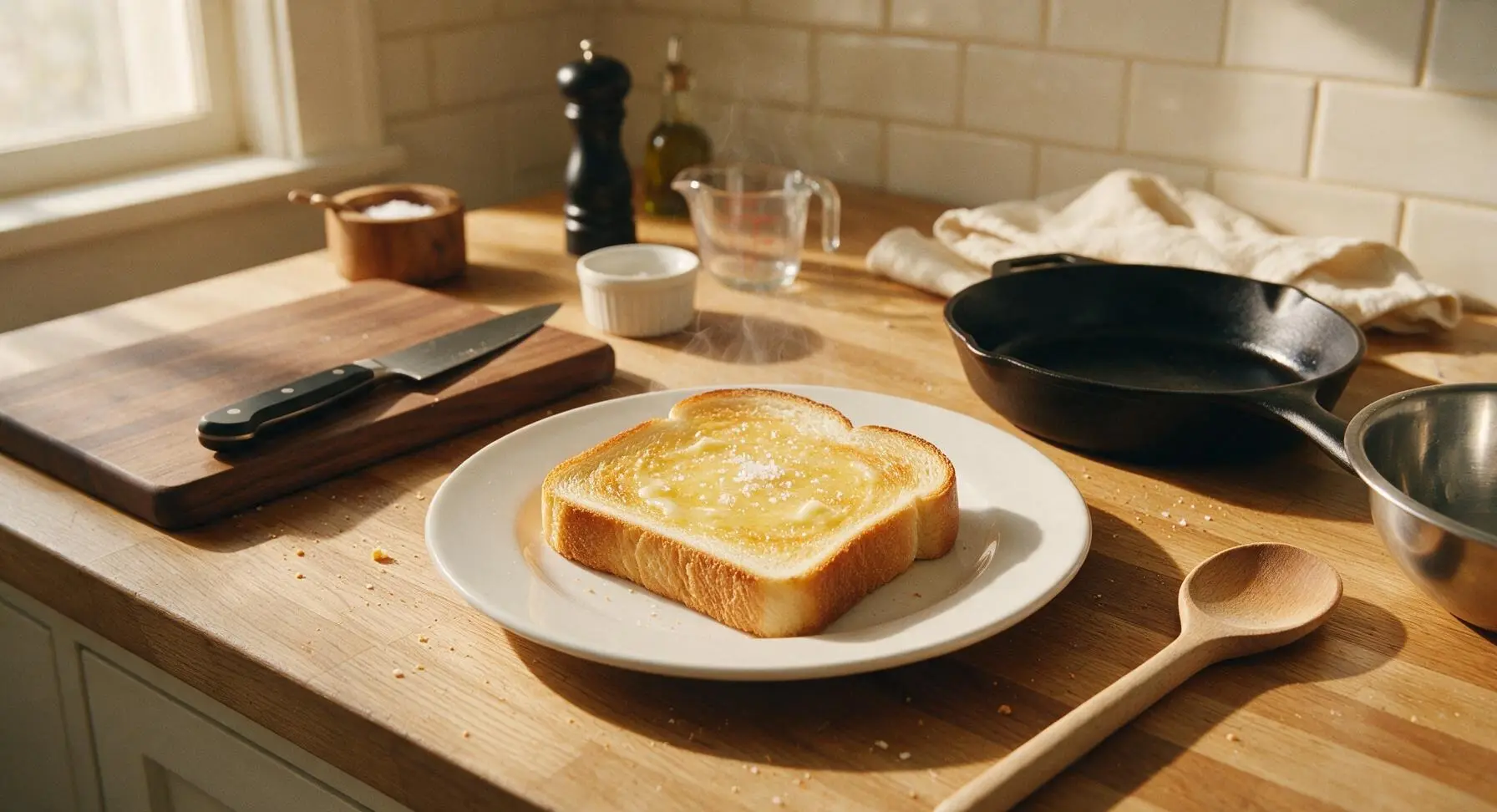
Crisp, golden-edged white bread toast with a soft fluffy center, coated in melted butter and a pinch of flaky salt—fast, comforting, and endlessly customizable for any quick meal.

Ingredients
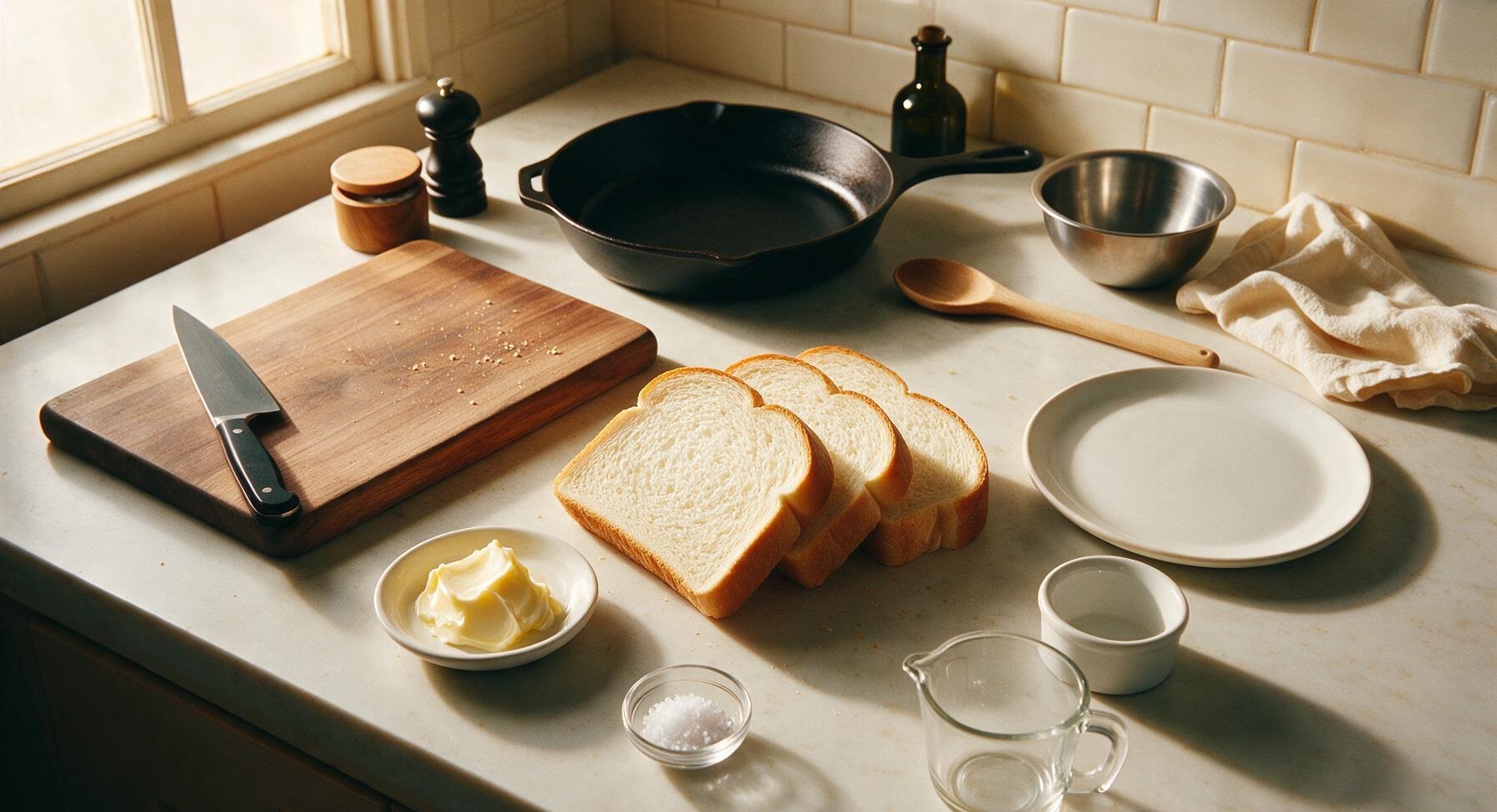
Sliced white sandwich bread (thick-cut) 4 slices (2.5cm thick each)
Unsalted butter, softened 2 tablespoons (28g)
Flaky sea salt 1/8 teaspoon

Steps

1

Prep Toaster and Bread

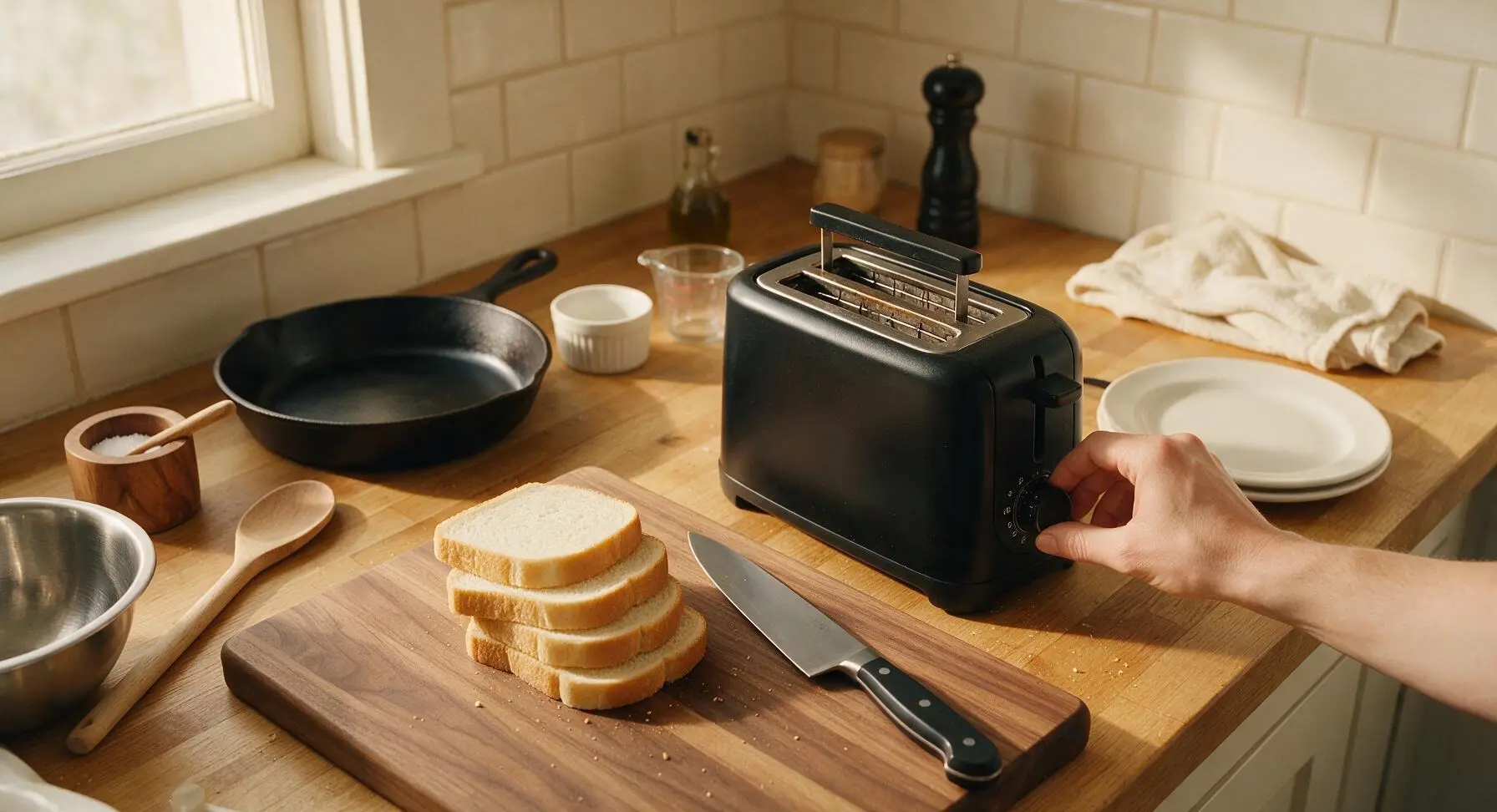
Set the matte black stainless steel toaster to its medium browning setting (level 3 out of 6, calibrated to produce golden crisp toast without charring) by turning the round control dial on the right panel. Remove 4 thick (2.5cm) slices of white sandwich bread from the loaf, checking that slices are evenly cut with no ragged, torn edges. Uneven slices will toast at different rates, leading to burnt spots and under-toasted sections. Set the bread slices loosely on the light beech wood cutting board.
Step 1
step1:Prep Toaster and Bread
2

Load Bread Into Toaster

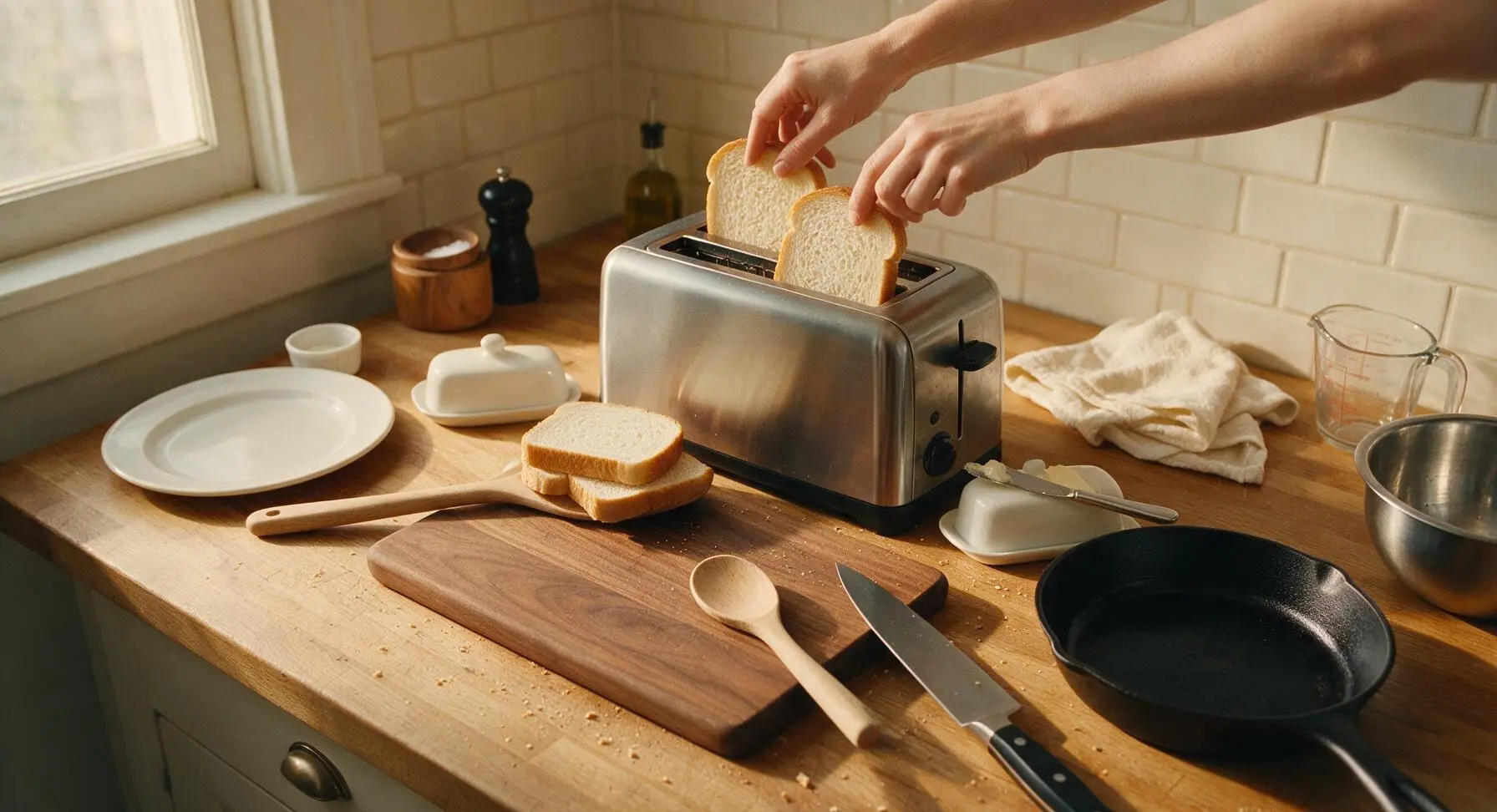
Pick up the first two slices of bread from the cutting board, and slide one slice into each of the toaster's two slots. Push the slices gently down until they sit level with the top edge of the toaster slots. Do not force overly thick slices into the slots, as this can press bread against the heating elements, cause stuck bread, or lead to uneven burning.
Step 2
step2:Load Bread Into Toaster
3

Start Toasting Cycle

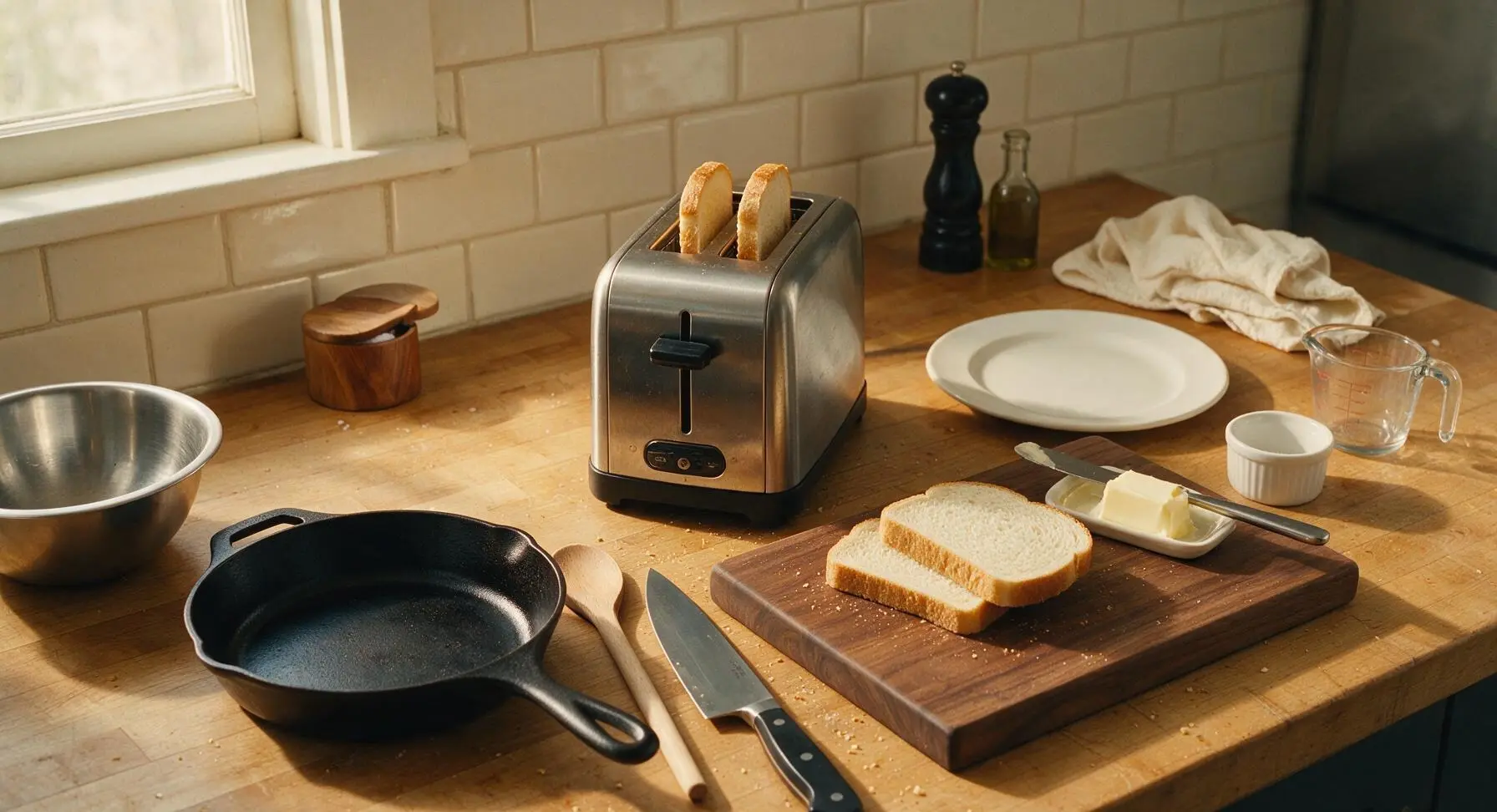
Press the toaster lever firmly down until you hear a distinct click, indicating the lever is locked in place and the heating elements have activated. Do not jiggle or repeatedly press the lever, as this will reset the toaster's timer and lead to uneven, under-toasted bread. The first batch of toast will take 2.5 to 3 minutes to reach perfect medium doneness at sea level; add 30 seconds of toasting time at altitudes above 1500m.
Step 3
step3:Start Toasting Cycle
4

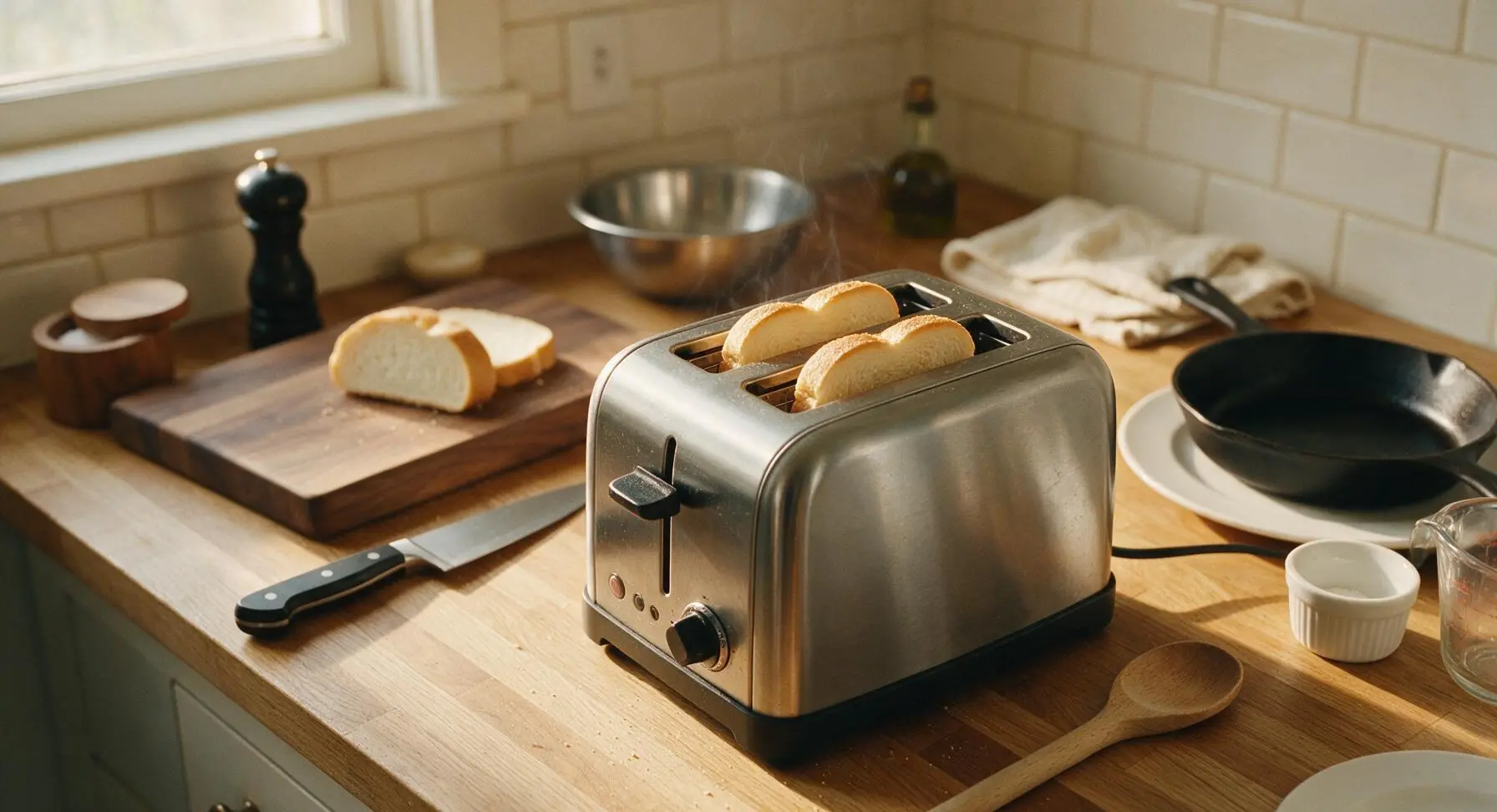
Monitor Toast Doneness

Stay near the toaster as it cooks, watching for a pale golden color to develop on the edges of the bread visible above the slots. If you smell acrid, burnt bread before the cycle finishes, press the small cancel button on the front of the toaster immediately to stop heating. Never walk away from an active toaster, as thin white bread can burn in as little as 30 seconds once it reaches maximum heating temperature.
Step 4
step4:Monitor Toast Doneness
5

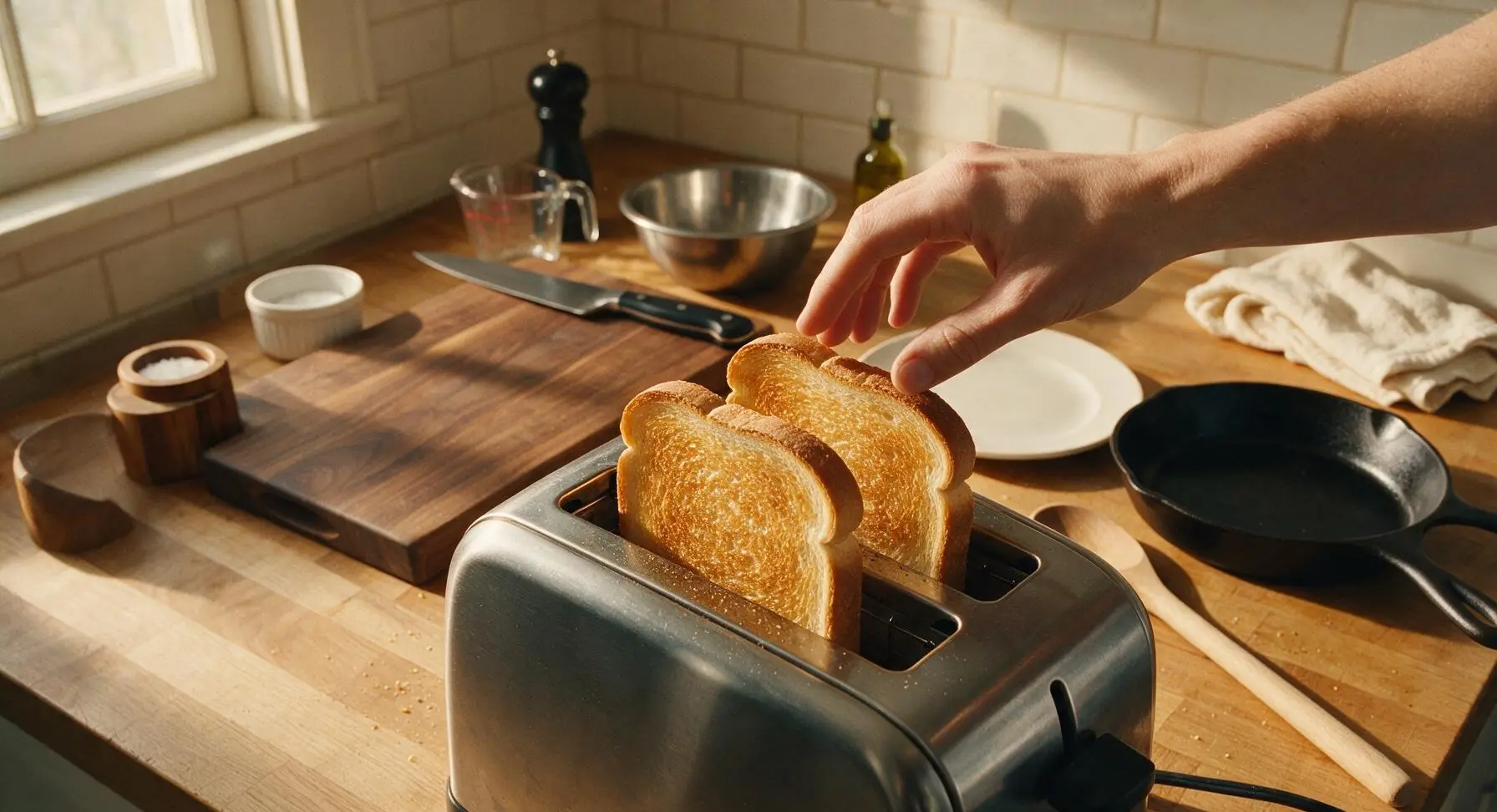
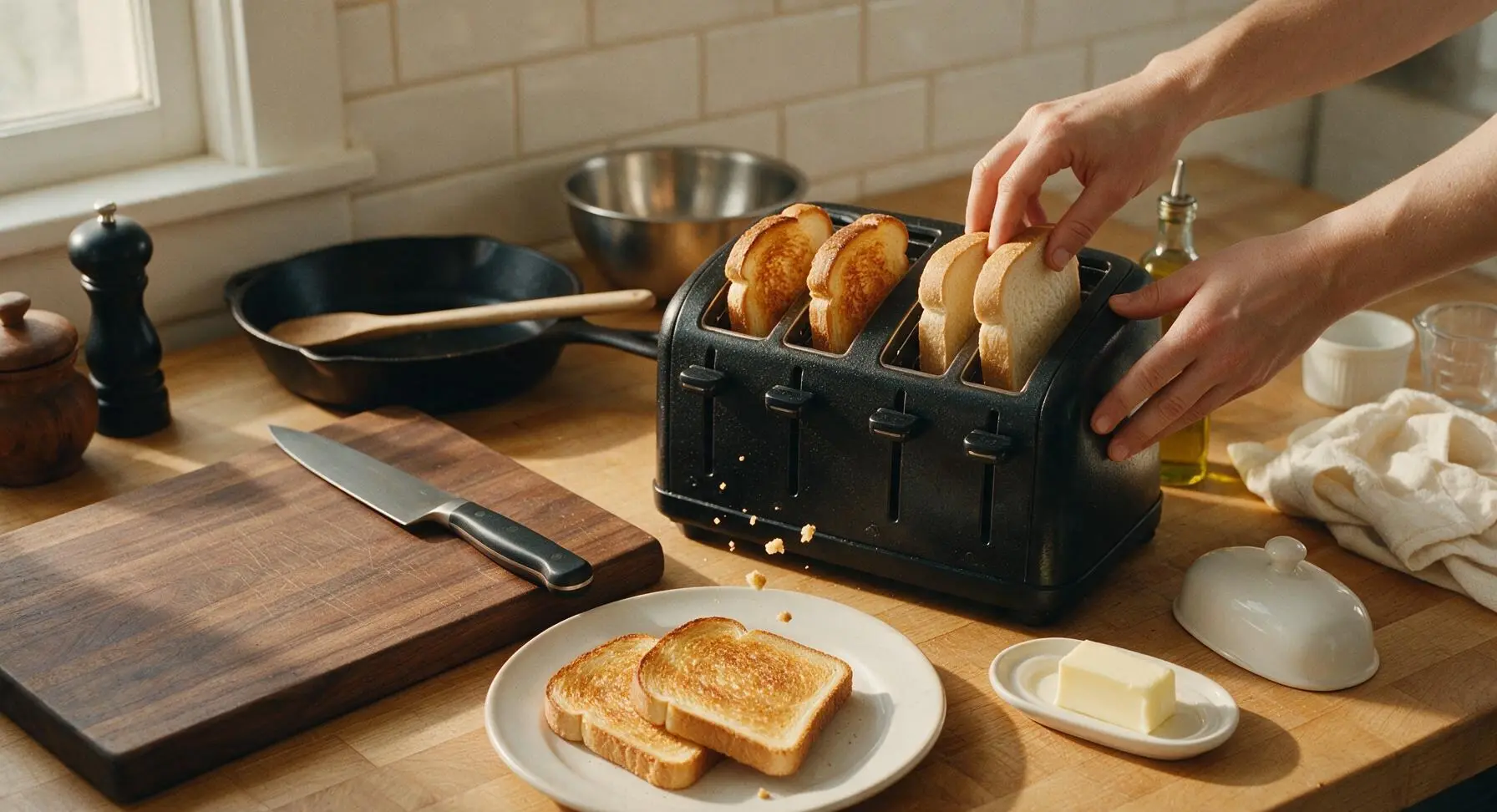
Remove Toasted Slices

Wait for the toaster to automatically pop the lever up at the end of the timed cycle, indicating the first batch is done. Carefully lift the toasted slices out by their top crisp edges (the metal toaster slots will be very hot, so avoid touching them directly) and place them on the cream white ceramic side plate. Load the remaining two raw bread slices into the toaster slots, and run the same medium toasting cycle for the second batch.
Step 5
step5:Remove Toasted Slices
Step 5
step5:Remove Toasted Slices
6

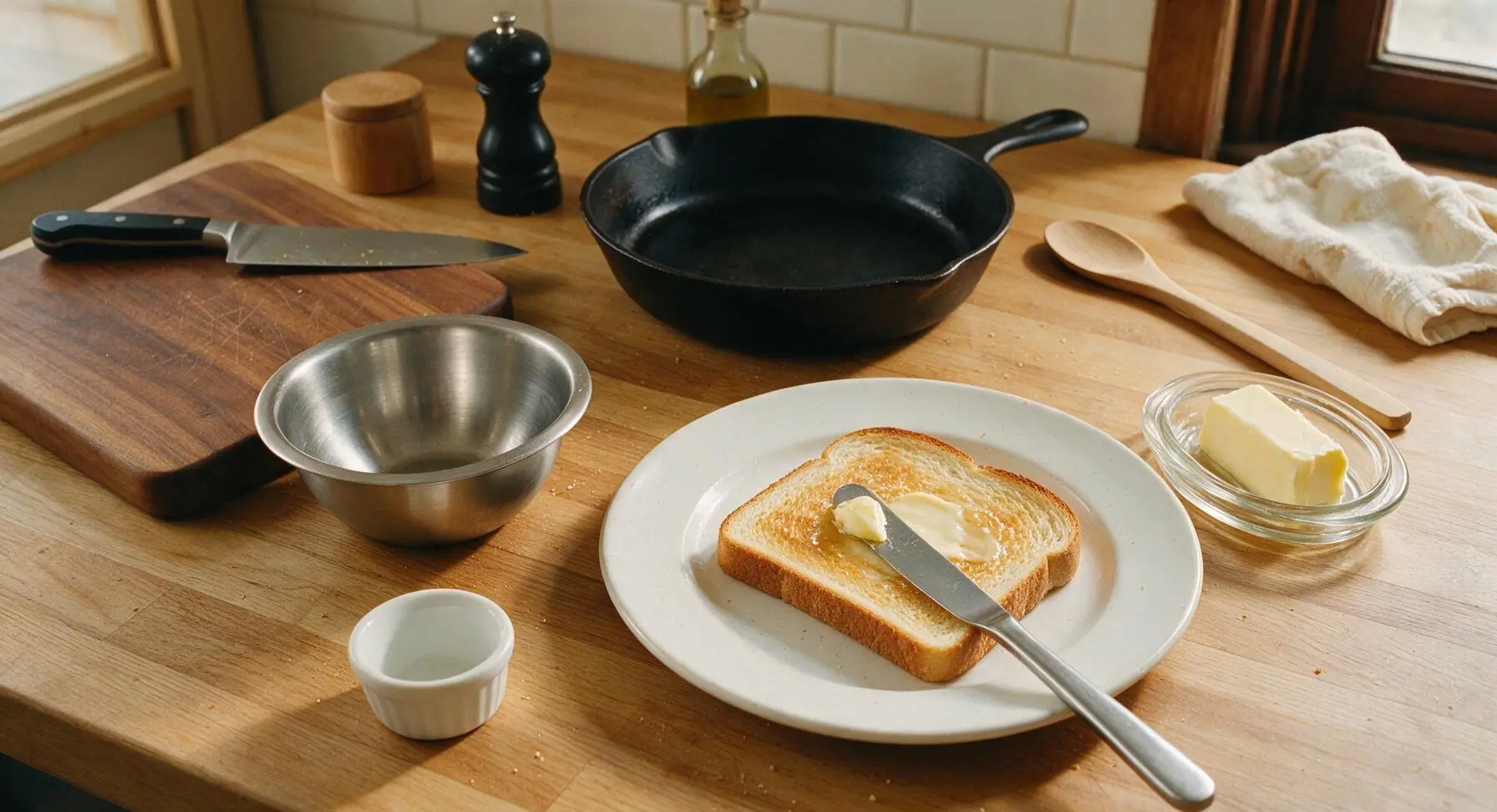
Butter Warm Toast

Within 30 seconds of removing the second batch of toast from the toaster, use the brushed stainless steel butter knife to scoop 1/2 tablespoon of softened room-temperature butter per slice. Spread the butter in thin, even strokes across the entire surface of each hot toast slice. The residual heat from the toast will melt the butter so it soaks slightly into the soft crumb, rather than sitting in hard, cold clumps on the surface.
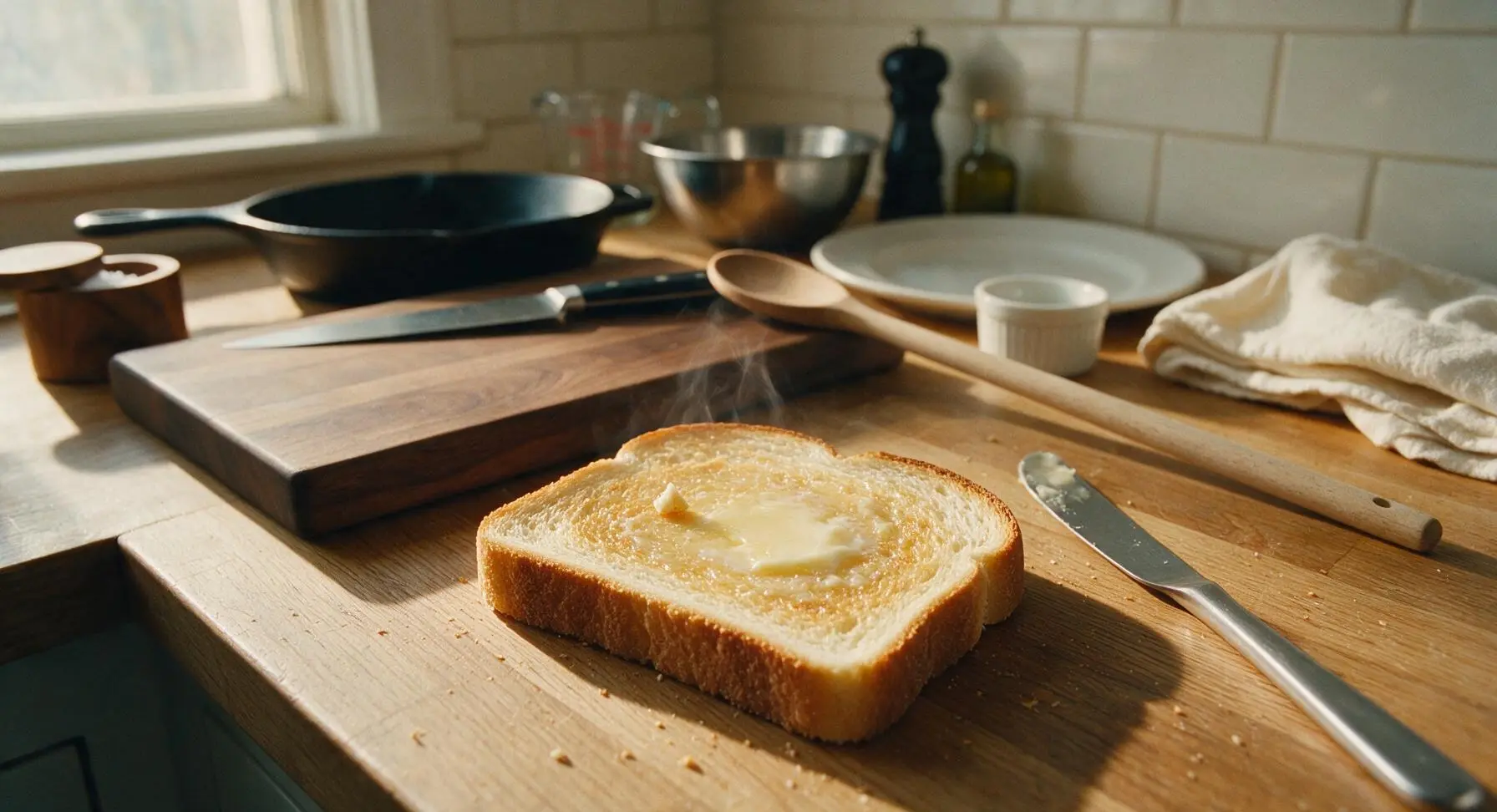
Step 6
step6:Butter Warm Toast
Step 6
step6:Butter Warm Toast
7

Season and Serve

Sprinkle a tiny pinch (1/8 teaspoon total) of flaky sea salt evenly over all four buttered toast slices. The salt will cut through the richness of the butter, amplifying the nutty, sweet, toasty flavor of the bread. Stack the four slices slightly offset on the cream ceramic plate, and serve immediately while the toast is hot and crisp, before it becomes soggy as it cools.
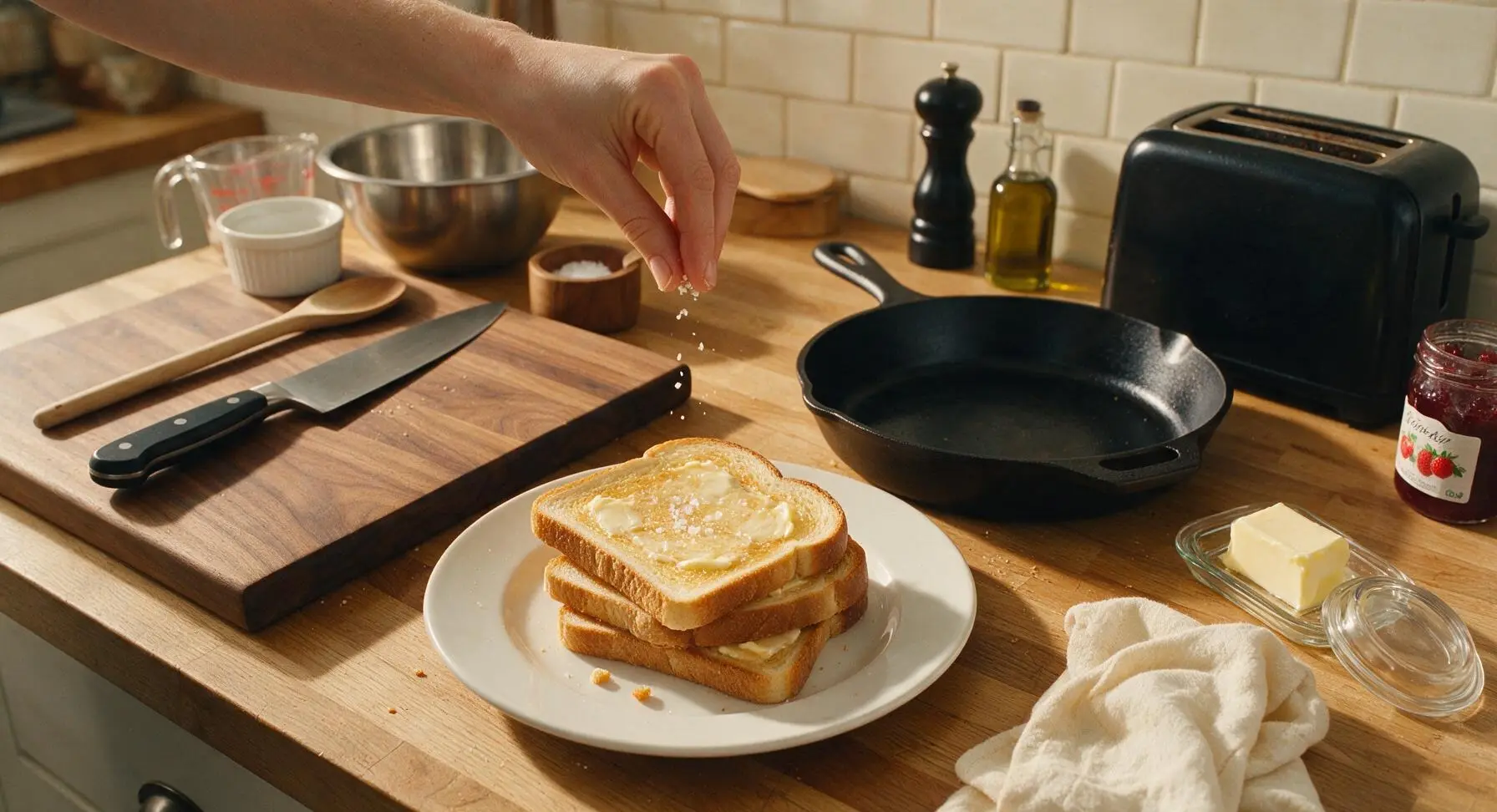
Step 7
step7:Season and Serve

Tips

1.Opt for thick-cut (2.5cm) white sandwich bread instead of thin, mass-produced pre-sliced bread: the extra thickness creates an ideal textural contrast of shatteringly crisp outer edges and soft, fluffy inner crumb, rather than toasting into a dry, brittle cracker.
2.Soften butter to room temperature 30 minutes before making toast: cold, hard butter will tear the delicate hot toast surface and leave uneven, greasy clumps, while softened butter spreads smoothly and melts evenly into the warm bread crumb.
3.Never use the highest browning setting to speed up toasting: high heat will quickly burn the outer crust of the bread before the center warms through, leading to bitter, charred edges and a cold, unpleasantly soft middle. Medium heat produces even, golden toast every time.
✨ You May Also Like

Breakfast
🍜 United States

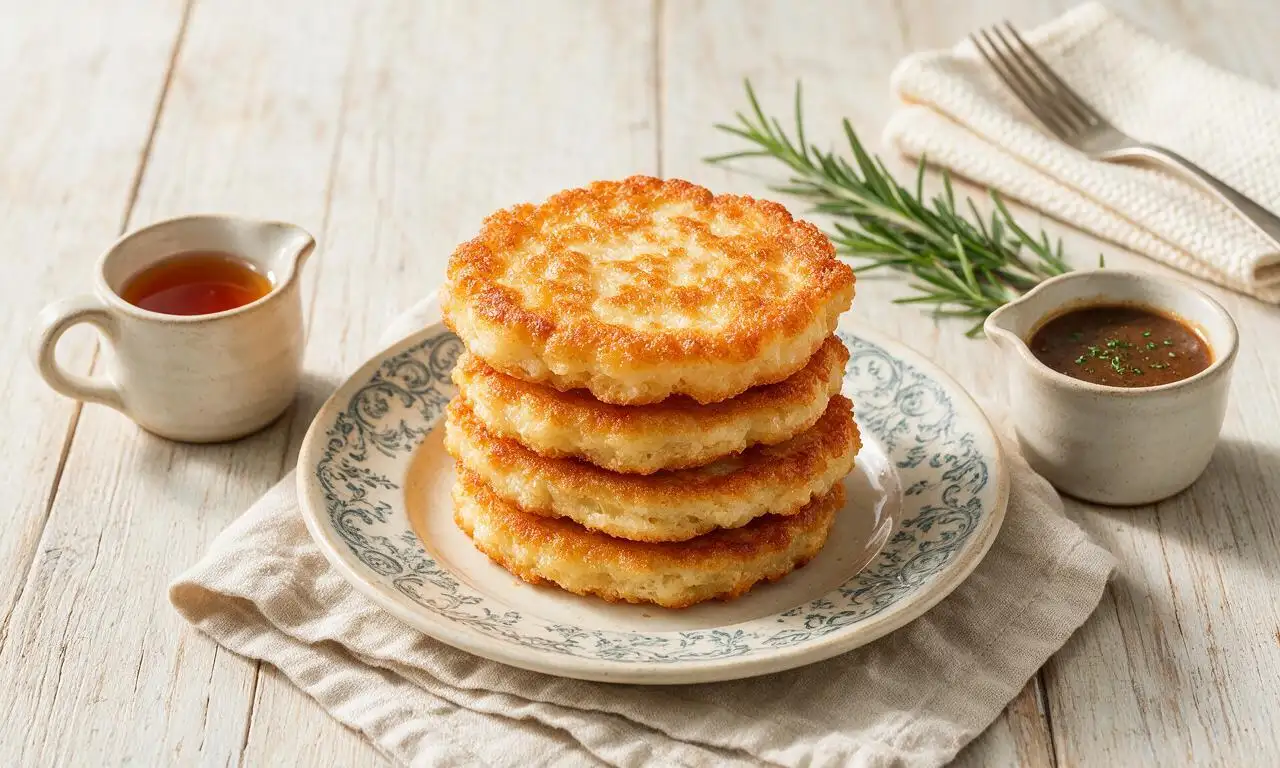
Crisp-edged, fluffy lard griddle cakes are a nostalgic homestyle staple, with rich savoriness from rendered lard, perfect topped with maple syrup or savory gravy.

⏱️ 25 minuteBreakfast ★ 4.8
Breakfast
🍜 United States

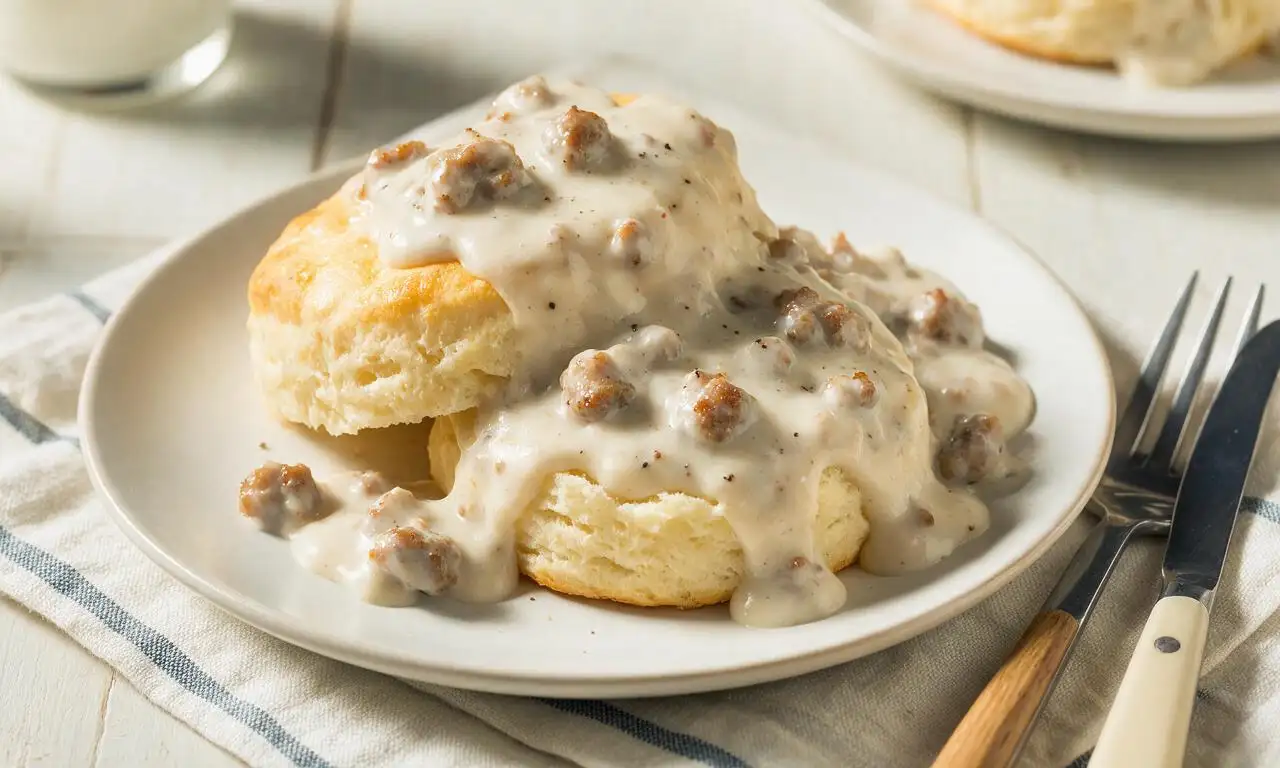
Flaky, buttery homemade buttermilk biscuits smothered in creamy, peppery pork sausage gravy: a beloved, hearty Southern American comfort food classic.

⏱️ 35 minuteBreakfast ★ 4.8
Breakfast
🍜 United States

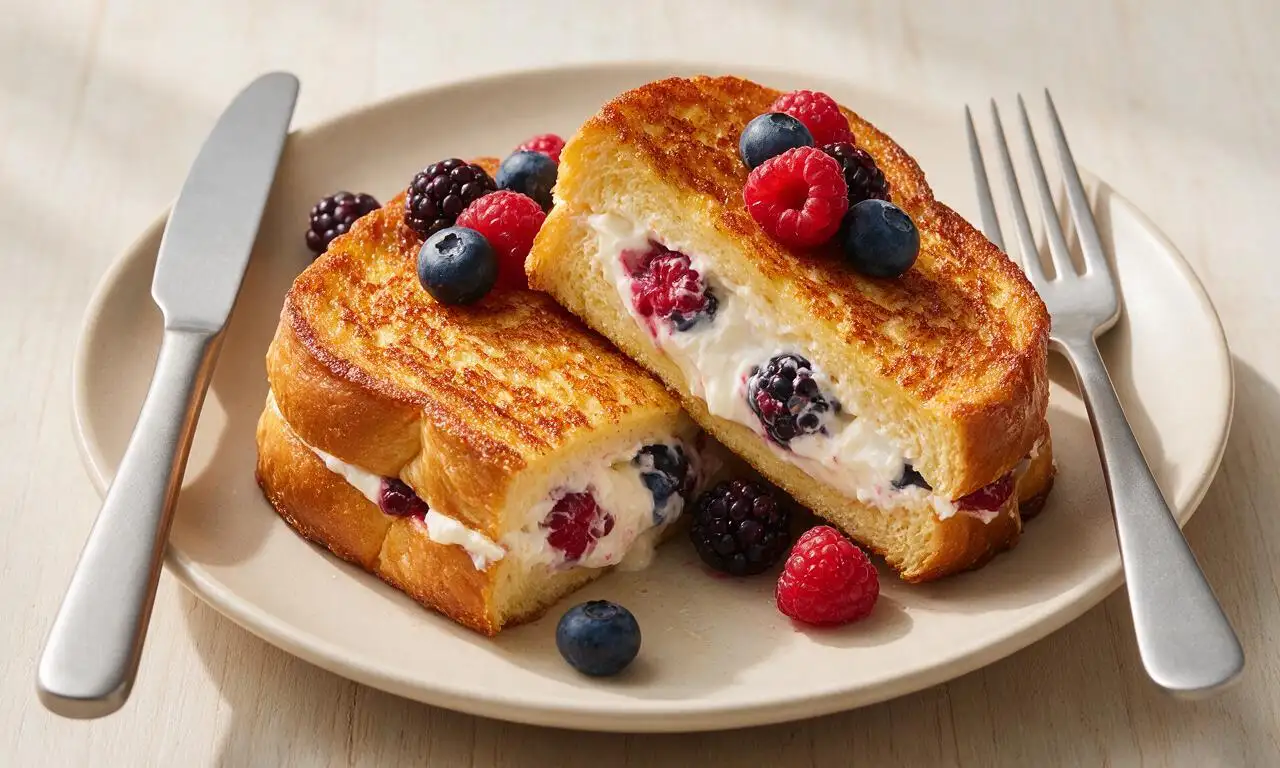
Golden, custardy brioche stuffed with sweet cream cheese and fresh berries, pan-fried to crisp perfection. An indulgent, cozy breakfast perfect for slow weekend mornings.

⏱️ 30 minuteBreakfast ★ 4.7
Breakfast
🍜 United States

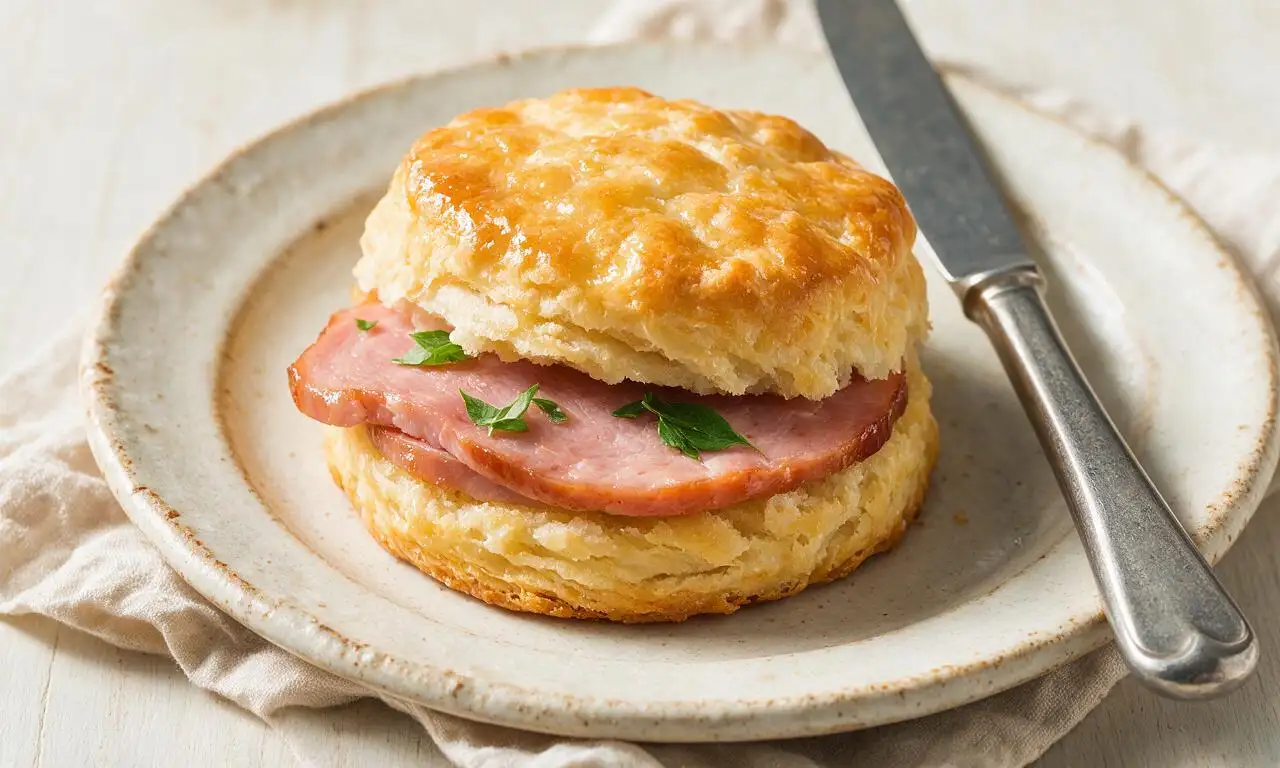
Flaky, buttery Southern-style biscuits stuffed with savory salty country ham, a portable, satisfying classic perfect for casual on-the-go meals.

⏱️ 25 minuteBreakfast ★ 4.8
Breakfast
🍜 United States

Iconic puffy baked pancake popularized in Seattle, with crisp golden edges and soft custardy center, served warm with classic sweet toppings.

⏱️ 35 minuteBreakfast ★ 4.6
Breakfast
🍜 United States

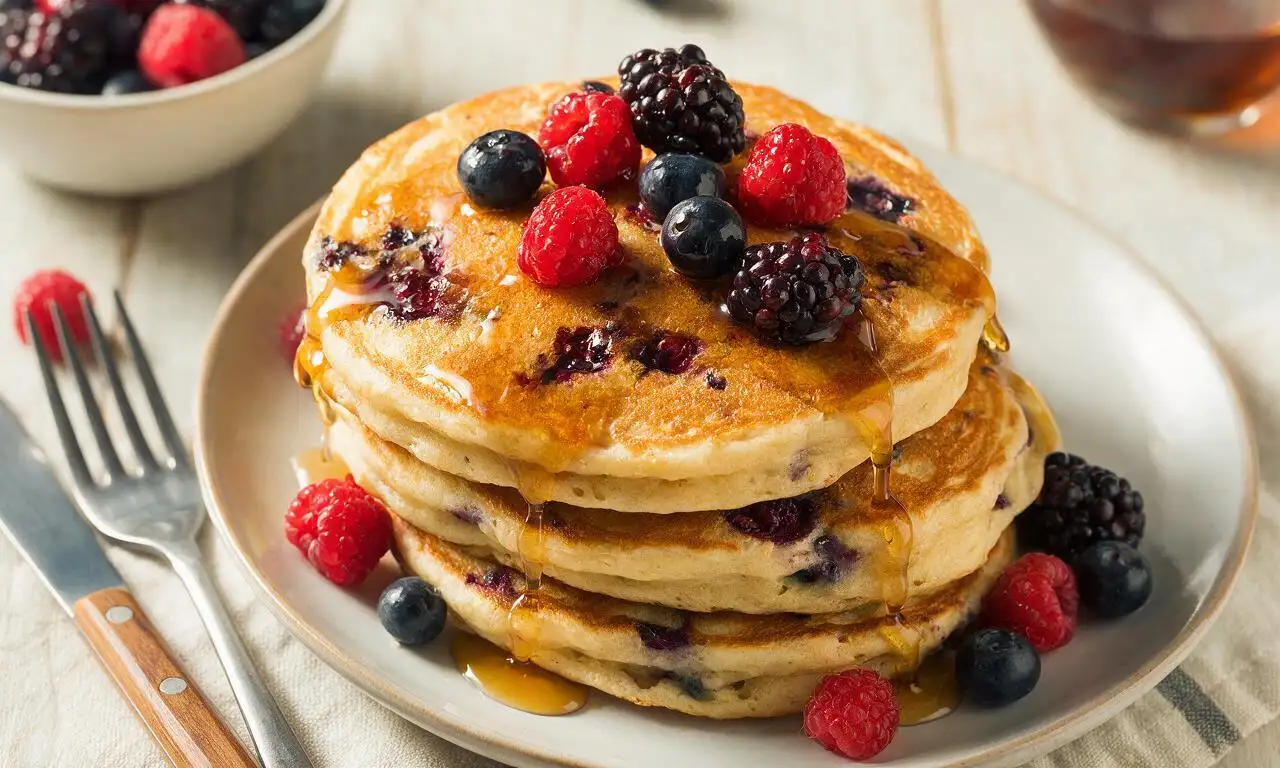
Fluffy, golden pancakes studded with juicy peak-summer mixed berries, drizzled with maple syrup for a bright, comforting, crowd-pleasing family breakfast.

⏱️ 25 minuteBreakfast ★ 4.7

White Bread Toast:Frequently Asked Questions

1.What thickness of white bread works best for classic buttered toast? ▾
Aim for ¾ to 1-inch thick-cut soft white sandwich bread, ideally a pullman-style loaf for the most even, tender crumb. Thinner slices will crisp all the way through with no signature fluffy center, while slices over 1 inch often brown on the edges before the middle warms through, leaving a doughy, unappetizing core.
2.Do I need to use unsalted butter for this recipe? ▾
Unsalted butter is preferred because it lets you control the exact salt level with the finishing flaky sea salt, so you don’t end up with overly salty toast. If you only have salted butter on hand, simply skip the added flaky salt, or add just a tiny pinch after tasting to avoid over-seasoning.
3.What’s the fastest way to soften butter for spreading on toast? ▾
If you forgot to pull butter out of the fridge, cut the amount you need into ¼-inch thin pats, spread them on a small plate, and leave them at room temp for 5 to 7 minutes. For even faster softening, hold the pats 10 inches above a warm (not hot) toaster for 30 seconds, taking care not to melt it prematurely.
4.Should I butter the bread before or after toasting? ▾
For that classic crisp edge and soft, butter-infused center, spread softened butter evenly across the bread surface before toasting. Buttering after toasting leaves a slick, greasy surface where butter pools instead of soaking into the warm crumb, and it won’t create that signature golden, buttery crust.
5.What toaster setting gives the perfect crisp, golden toast? ▾
Start with the medium-high setting (usually a 4 or 5 on most standard 1-6 dial toasters) for thick-cut white bread. If your first slice comes out too pale, bump it up one setting; if it burns quickly, turn it down. Skip the highest setting, which chars edges before the center has time to warm and fluff up.
6.Can I make this toast in a regular oven if I don’t have a toaster? ▾
Absolutely! Arrange buttered bread slices on a rimmed baking sheet, and bake at 400°F for 4 to 5 minutes per side, flipping once, until golden around the edges. For extra even browning, run slices under the broiler for the last 30 seconds, watching closely to avoid burning the thin, delicate crust edges.
7.Why does my butter always drip off the bread and burn in the toaster? ▾
Dripping happens if you use melted butter instead of softened, or spread butter too thick right up to the very edge of the slice. Use room-temperature softened butter spread in a thin, even layer, leaving a ⅛-inch border around the crust, to prevent excess butter from melting off and burning on toaster heating elements.
8.Do I really need flaky sea salt, or will regular table salt work? ▾
Flaky sea salt is ideal because its large, light crystals dissolve slowly on warm butter, creating little pops of salty contrast that cut through richness. If you only have table salt, use a tiny pinch (about 1/16 of a teaspoon per slice) and sprinkle from high up to distribute it evenly, as table salt is far more concentrated.
9.How do I keep my toast from getting soggy right after toasting? ▾
Never stack hot toast directly on a plate right out of the toaster, as trapped steam will make the crisp surface turn soggy in seconds. Instead, prop slices upright against each other on the plate for 30 seconds to let excess steam escape before serving, or rest them on a wire rack if making a big batch.
10.Can I use sourdough or whole wheat bread instead of white sandwich bread? ▾
You can absolutely swap in other breads, but you’ll get a different texture and flavor than the classic version. Sourdough will have a tangy, chewier result, while whole wheat will be nuttier and denser. Stick to the same ¾ to 1-inch thickness, and adjust toaster settings slightly for denser crumbs.
11.How much butter should I use per slice of bread? ▾
Use about 1 teaspoon of softened unsalted butter per standard thick-cut slice, spread thin enough to coat every part of the bread surface without clumping. Too little butter leaves toast dry and bland, while more than 1.5 teaspoons per slice makes it greasy, with excess butter dripping off as it melts.
12.Can I add extra toppings without ruining the classic toast texture? ▾
This simple toast works as a perfect base for light toppings. Stick to thin additions like a thin spread of jam, a sprinkle of cinnamon sugar, or a thin slice of ripe avocado added right after toasting. Avoid heavy, wet toppings like heaps of scrambled eggs or runny syrup if you want to keep that crisp edge.
13.Why is the center of my toast cold even when the edges are burnt? ▾
This almost always happens if your bread is straight out of the fridge or freezer, or if slices are cut thicker than 1 inch. Let refrigerated bread come to room temp for 10 minutes before toasting, and use a slightly lower toaster setting for longer, more even heat that warms the center without charring edges.
14.Can I make a big batch of this toast for a crowd ahead of time? ▾
For the best texture, make buttered toast no more than 15 minutes before serving. To hold a batch, arrange cooked slices in a single layer on a wire rack set over a baking sheet in a 200°F oven, leaving space between slices for air flow. Don’t stack slices or wrap in foil, as trapped steam causes sogginess.
15.Is it better to use fresh bread or slightly stale bread for this toast? ▾
Slightly day-old bread (1 to 2 days past its peak freshness) actually makes exceptional buttered toast, because its drier crumb crisps up beautifully without turning soggy as butter melts. Avoid bread more than 3 days old or fully dried out, as it will turn hard and crumbly instead of soft and fluffy in the center.
16.How do I avoid that burnt butter flavor on my finished toast? ▾
Burnt butter flavor comes from either using too high a toaster setting, or letting excess butter drip onto toaster heating elements and burn. Make sure you spread softened (not melted) butter evenly, leave a small border from the crust, and toast on medium-high heat instead of the highest setting to prevent butter from burning as it melts.
17.Can I make this toast in a cast iron skillet instead of a toaster? ▾
Skillet toast is a delicious, slightly richer take on the classic. Melt half your measured butter in a cast iron pan over medium-low heat, place bread in the pan, and cook 2 to 3 minutes per side until golden, adding remaining butter when you flip. Press gently with a spatula as it cooks for an evenly crisp surface.
18.Should I remove the crusts from the bread for classic buttered toast? ▾
There’s no rule that says you have to, but crusts crisp up into delicious, golden, buttery edges when toasted, so most people leave them on. If you prefer softer, crustless toast for kids or tea service, trim crusts before buttering and toasting, and reduce toasting time by 30 seconds to avoid over-browning.
19.What’s the best way to store and reheat leftover buttered toast? ▾
Buttered toast is best eaten immediately, but if you have leftovers, let them cool fully to room temperature, then store in an airtight container at room temp for up to 24 hours. Reheat in a toaster oven or regular toaster on the lowest setting for 1 minute to crisp it back up—microwaving will make it chewy and soggy, so skip that method.

Comments (10)

2 weeks ago

Wait, quick question — does this work better with slightly stale bread? I’ve got a half loaf left from the weekend that’s a little dry, don’t want to waste it. Also, do y’all use salted or unsalted butter for this?

1 week ago

Stale bread actually works amazing for this! It gets extra crispy without getting soggy. I use salted butter personally, adds just the right little kick without needing extra salt.

5 days ago

Great question! Slightly stale bread is perfect for toast, it holds up to the butter and toasting way better than super fresh soft bread that can go floppy. We test with unsalted butter so people can adjust salt to taste, but salted works perfectly too if that’s what you have on hand!

1 week ago

Okay so I messed up the first batch because I cranked the toaster to the highest setting like I usually do, oops. Second batch I followed the timing, used room temp butter like the recipe says, and it was perfect. My partner even said it tastes like the fancy toast we get at our weekend brunch spot, for a fraction of the price!

5 days ago

I did the exact same thing my first try! Old toaster habits die hard, right? Once I dialed it back to medium heat it came out perfect every time.

3 days ago

So glad you gave it a second try! All toasters run a little different, so that medium setting is usually the sweet spot for that golden crispy finish without burning. So happy it hit that brunch spot level for you two!

5 days ago

OMG this is such a game changer for my chaotic weekday mornings! I always thought buttered toast was just… toast, but waiting for the butter to soften a little and spreading it all the way to the edges before toasting? *Chef’s kiss* My 7 year old asked for seconds before I even sat down with my coffee. SO good!

3 days ago

Right?! I used to plop cold butter straight on hot toast and end up with weird butter pools in the middle, this method changed everything for me too!

2 days ago

So happy this works for your busy mornings! Pro tip: if you’re really crunched for time, you can melt a tiny bit of butter and brush it on the bread before toasting for that same even, crispy edge every time.

3 days ago

Super straightforward, perfect for when I’m running late to my 8am lecture. Cook time is exactly 3 minutes like it says, no guesswork. I sprinkled a tiny bit of cinnamon sugar on mine this morning and it slapped. 10/10 no notes.

2 days ago

Love that cinnamon sugar hack! That’s such a tasty twist on the classic, we might have to add that as a variation note on the recipe soon.

2 days ago

I’ve been making buttered toast wrong my whole life, apparently. Spreading the butter before toasting instead of after? Total game changer. No more cold butter chunks tearing holes in my bread, no more unevenly buttered bites. Why did no one tell me this sooner?!

yesterday

RIGHT?! I felt so silly when I realized how much better it is that way, I’ll never go back to buttering after toasting again.

yesterday

Meal prepped a bunch of these for my kid’s after school snacks this week, I just let them cool completely and stored them in an airtight container, they toast up quick in the toaster oven when they get home. They said it’s way better than the plain toast the school cafeteria serves. Win for mom!

2 hours ago

This is such a smart meal prep idea! I never thought to pre-make toast bases for quick snacks, my teen is always raiding the pantry after school so I’m stealing this.

2 hours ago

I brought a platter of these cut into triangles to our neighborhood potluck last weekend and people were asking for the recipe left and right! I added a tiny sprinkle of flaky sea salt on top right after toasting and people went crazy for it. Who knew simple buttered toast could be such a hit?

30 minutes ago

The flaky sea salt addition is chef’s kiss, we love that! So glad it was a hit at the potluck, simple dishes really do steal the show sometimes.

30 minutes ago

Tried this for the first time today after burning my toast three days in a row (don’t judge, I’m still learning to cook now that I live alone). The timing guide was spot on, no burnt edges, perfectly melted butter. Even my roommate stole a bite and said it was the best toast he’s ever had. Easy enough for total beginners like me!

5 minutes ago

I made this to go with our tomato soup dinner last night and it was the perfect side. Crispy on the outside, soft in the middle, just enough butter so it doesn’t feel greasy. Will be making this on repeat all soup season.

just now

Made this for my grandma when she came to visit last week, she said it tasted exactly like the toast her mom used to make when she was a kid. It’s the simple recipes that hit the hardest, honestly. Will be passing this little butter-before-toasting trick down to my own kids for sure.