1.What makes this yakisoba sauce taste more authentic than store-bought bottled versions?
▾
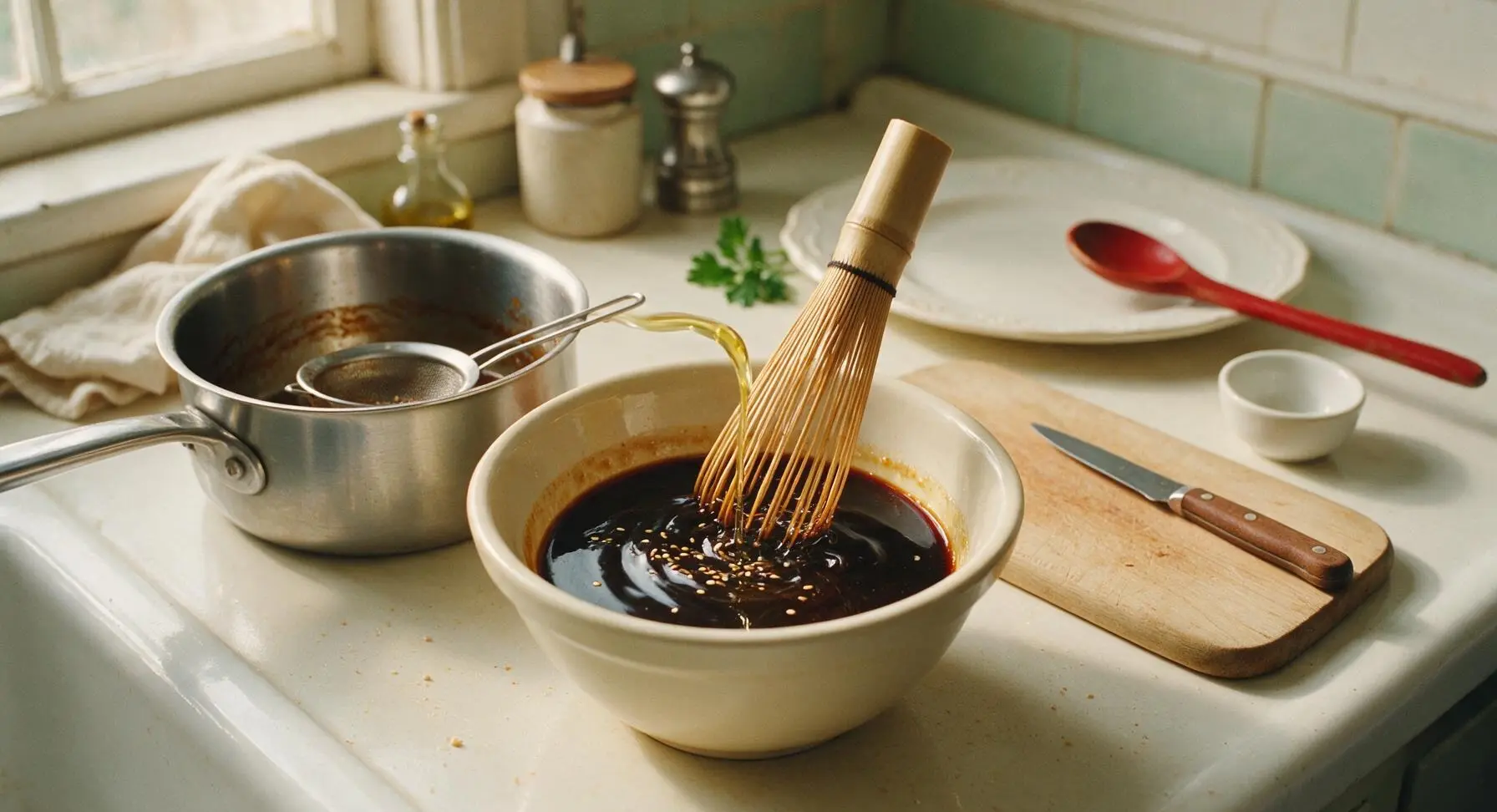
This recipe hits the classic authentic balance of sweet, tangy, and deep umami that defines restaurant-style yakisoba, without the added preservatives, excess corn syrup, or flat one-note flavor common in many bottled options. The five core ingredients create that perfect glossy cling that coats every noodle and veggie evenly, just like you’d get at a Japanese street stall.
2.Can I make this sauce if I don’t have Japanese koikuchi soy sauce on hand?
▾
If you don’t have koikuchi (the standard dark Japanese soy sauce), you can substitute an equal amount of regular Chinese light soy sauce in a pinch, but avoid thick sweet soy sauces or low-sodium soy if possible. If low-sodium soy is all you have, add a tiny pinch of extra salt to keep the sauce’s umami depth well balanced.
3.Is there a non-alcoholic substitute for mirin in this recipe?
▾
Absolutely! If you don’t have mirin (sweet rice wine), swap it for 2 parts dry sherry or white grape juice mixed with 1 part granulated sugar, heated gently to dissolve the sugar. This mimics mirin’s mild sweet, subtly fruity depth without alcohol, so your sauce will still have that signature rounded sweetness that cuts through savory notes.
4.How long does this homemade yakisoba sauce stay fresh in the refrigerator?
▾
Stored in a tightly sealed, sterilized glass jar or airtight container, this sauce will stay fresh for up to 3 weeks in the refrigerator. Give it a good shake before each use, since denser ingredients like oyster sauce and soy may settle slightly at the bottom between uses. There is no need to freeze it, as it keeps beautifully chilled.
5.Can I use this yakisoba sauce for other dishes besides stir-fried yakisoba noodles?
▾
Definitely! This versatile umami sauce works wonderfully as a glaze for pan-seared chicken, pork belly, or grilled vegetables, a dipping sauce for crispy fried appetizers like gyoza or tempura, or even a quick stir-fry sauce for fried rice and lo mein. Its balanced sweet-savory profile pairs well with most quick Asian-inspired weeknight meals.
6.Do I need to cook this sauce, or can I just mix the ingredients together cold?
▾
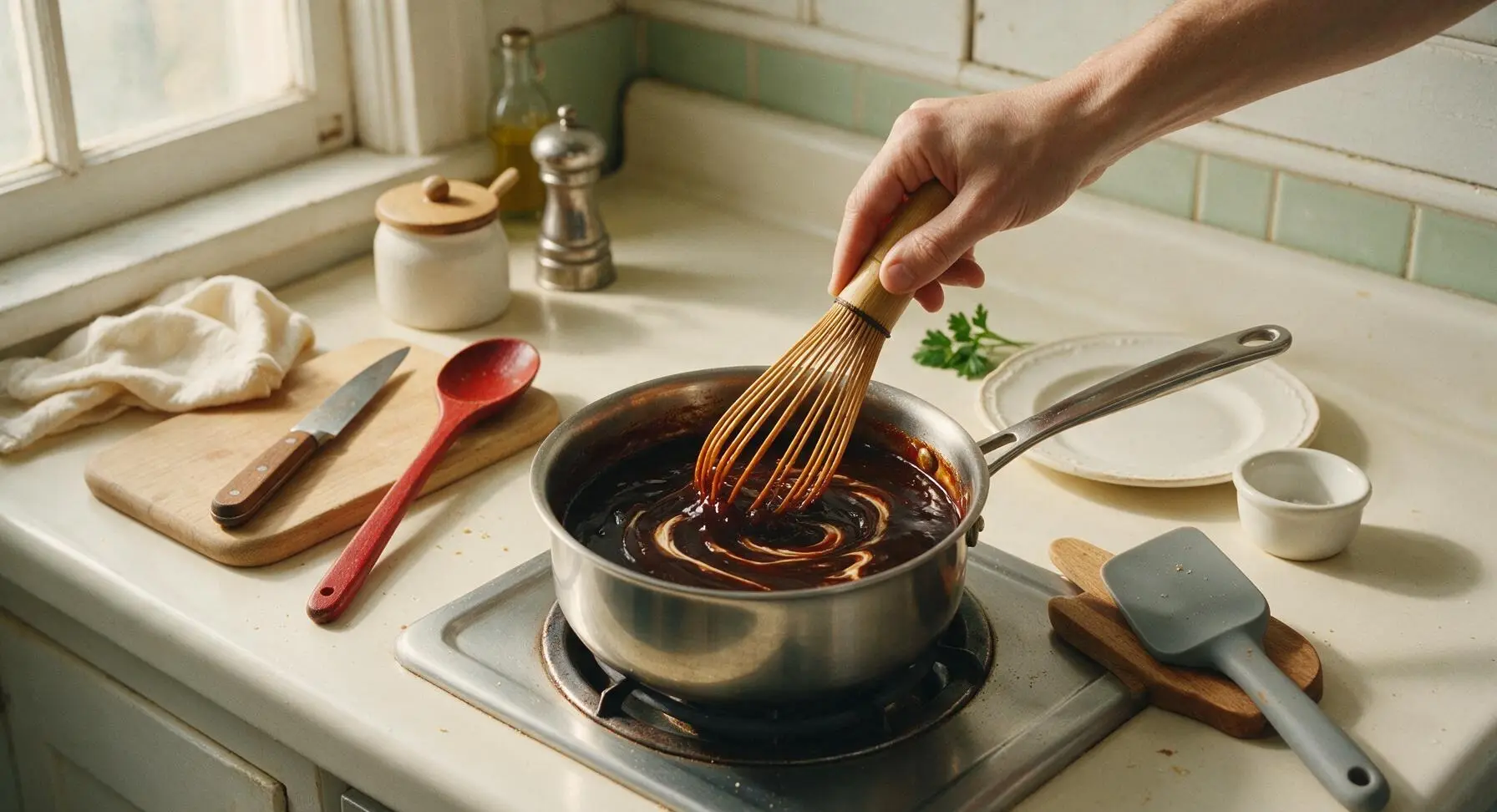
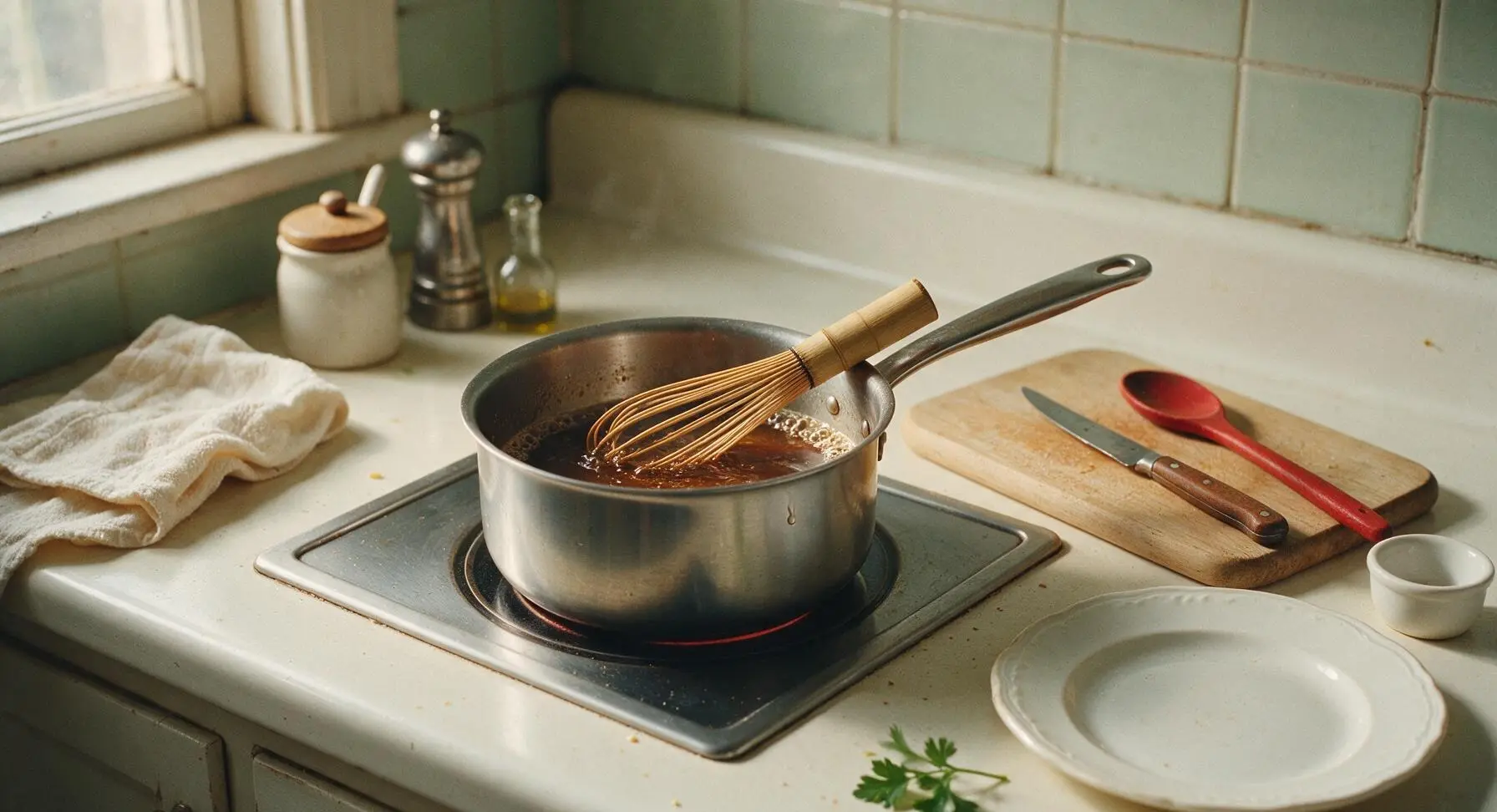
You don’t need to do a full simmer for a great result, but I recommend warming the ingredients gently in a small pan over low heat for 1 to 2 minutes, stirring constantly, just until everything is fully combined and smooth. This helps flavors meld faster and creates that signature glossy texture, rather than separate thin layers of cold ingredients.
7.Is there a vegetarian or vegan swap for oyster sauce in this recipe?
▾
For a fully vegetarian or vegan version, swap regular oyster sauce for an equal amount of vegetarian mushroom oyster sauce (made from slow-simmered shiitake mushrooms) or thick hoisin cut with a tiny splash of soy. This keeps that deep, briny umami depth oyster sauce adds, without any animal products, for a nearly identical flavor profile.
8.Why is Worcestershire sauce included in a Japanese yakisoba sauce?
▾
Worcestershire sauce is actually a classic component of traditional Japanese yakisoba sauce, dating back to 19th century cross-cultural culinary exchange after it was first introduced to Japan. It adds a subtle tangy, slightly spiced depth that cuts through the sweetness of ketchup and mirin, keeping the sauce from tasting too cloying or one-note.
9.How much of this sauce should I use per serving of yakisoba?
▾
For a standard single serving of yakisoba (about 4 ounces of dry cooked noodles plus veggies and protein), use 2 to 3 tablespoons of sauce, tossing to coat evenly over medium heat as you finish the stir-fry. Start with 2 tablespoons, taste, and add a little extra if you prefer a saucier dish, to avoid making your noodles soggy.
10.Can I adapt this recipe to make the sauce gluten-free?
▾
You can easily adapt this sauce to be gluten-free by swapping each core ingredient for a certified gluten-free version: use gluten-free Worcestershire, gluten-free tamari instead of koikuchi soy, gluten-free oyster sauce, and confirm your ketchup and mirin have no hidden wheat-based additives. The flavor will be nearly indistinguishable from the original.
11.My sauce turned out too sweet—how do I fix that?
▾
If your sauce tastes overly sweet, balance it out with a tiny splash of unseasoned rice vinegar (start with 1/4 teaspoon at a time, tasting as you go) and a pinch of fine sea salt. Avoid adding extra soy right away, as that can make the sauce too salty; the mild tang of rice vinegar cuts cloying sweetness without throwing off umami balance.
12.Do I need to add extra granulated sugar to this sauce recipe?
▾
You won’t need any extra granulated sugar for this recipe! The natural sweetness from mirin and tomato ketchup is perfectly balanced by the salty savoriness of soy sauce, oyster sauce, and the tang of Worcestershire. Adding extra sugar will make the sauce too cloying, and will keep it from sticking to noodles properly as you stir-fry.
13.Why is my sauce thin and runny instead of glossy like restaurant yakisoba sauce?
▾
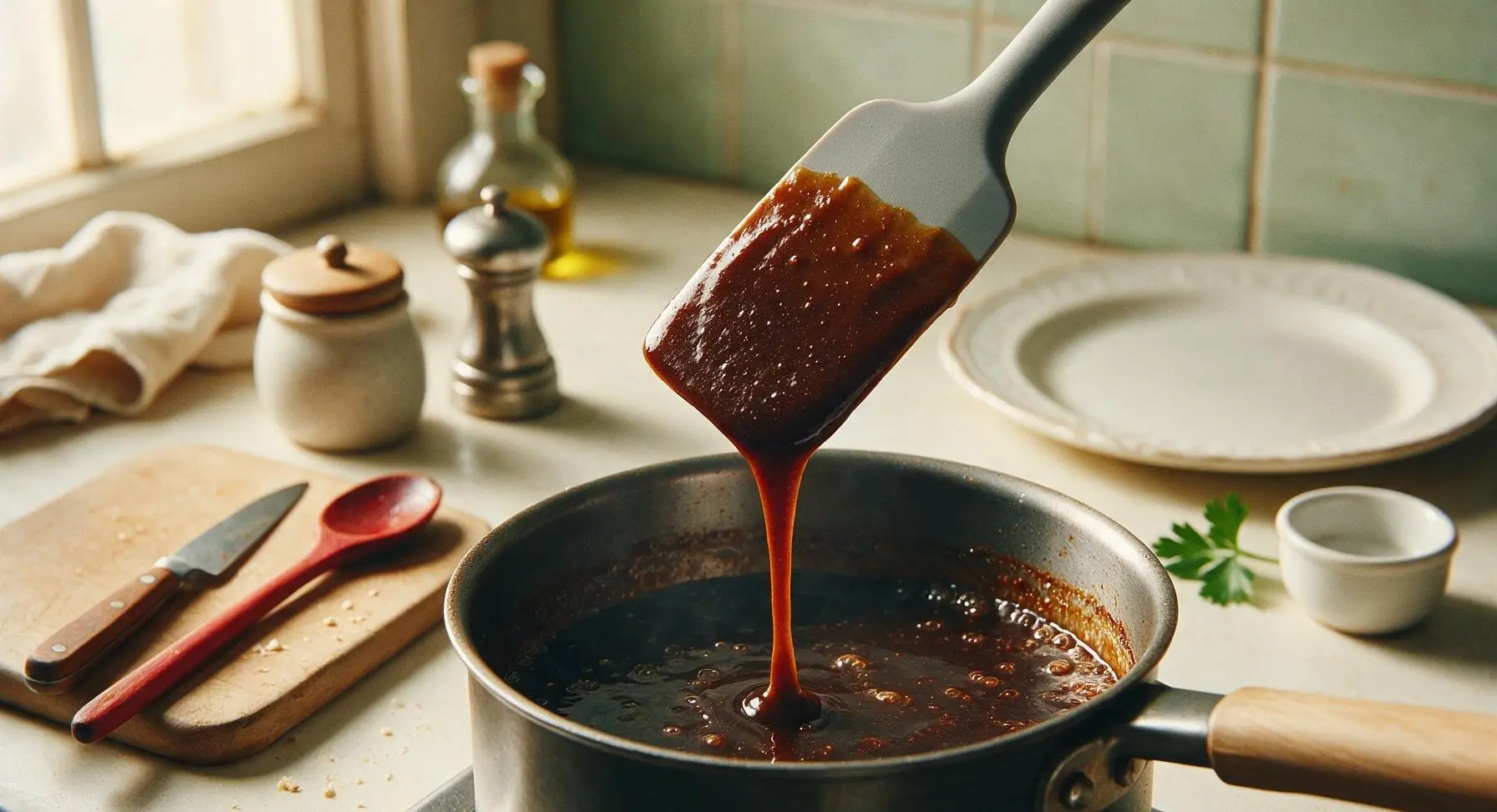
If your sauce is too thin, you likely either mixed it cold without letting ingredients meld, or used thin, low-quality versions of the core ingredients. Simmer it gently over low heat for 2 to 3 minutes to reduce slightly, or stir in a tiny slurry of 1/4 teaspoon cornstarch mixed with 1 teaspoon cold water to get that perfect coating consistency.
14.Do I need a Japanese brand of Worcestershire sauce, or can I use regular American-style?
▾
Standard American-style Worcestershire sauce works perfectly well for this recipe! Japanese Worcestershire tends to be slightly fruitier and less intensely spiced, but the difference is very subtle for home cooking. If you only have the regular grocery store American brand, you won’t notice a meaningful difference in the final balanced flavor of your sauce.
15.Is this base sauce spicy? Can I add heat if I prefer a bolder flavor?
▾
This base sauce is not spicy at all—it’s designed to have that classic family-friendly, street-style yakisoba balance of sweet, tangy, and savory. If you love heat, stir in 1/2 to 1 teaspoon of Japanese togarashi, a dash of hot sauce, or a pinch of red pepper flakes to add a warm, subtle kick that pairs beautifully with the umami base.
16.Can I make a big batch of this sauce ahead for weekly meal prep?
▾
Absolutely! This recipe scales perfectly for big batch meal prep—just multiply the ingredient quantities to make as much as you need, let the finished sauce cool completely, and store it in sealed, labeled airtight containers. It keeps for 3 weeks in the fridge, so you can portion it out for quick weeknight stir-fries with zero extra prep.
17.What’s the difference between yakisoba sauce and tonkatsu sauce?
▾
While both are sweet-savory Japanese brown sauces, tonkatsu sauce is thicker, fruitier, and sweeter, designed for dipping fried cutlets, while yakisoba sauce has a brighter tang from Worcestershire and a lighter consistency made to coat stir-fried noodles without clumping. You can use tonkatsu in a pinch, but add extra Worcestershire and a splash of soy to match yakisoba’s profile.
18.When should I add this sauce to my yakisoba stir-fry for the best results?
▾
Always add this sauce during the last 1 to 2 minutes of cooking your yakisoba, once your noodles, veggies, and protein are almost fully cooked. Toss everything continuously over medium heat as the sauce warms and coats every ingredient—adding it too early can cause the sugar in the sauce to burn, or make your noodles turn mushy from overcooking in liquid.


OMG this yakisoba sauce is a total game changer! I’ve been buying the bottled stuff for years for our weekly Friday family stir fry nights and it never tastes half as good as what we get at our local Japanese spot. It took literally 3 minutes to throw together, used stuff I already had in my pantry (soy sauce, Worcestershire, a little ketchup, oyster sauce) and my kids went back for SECONDS. Even my picky 7 year old who complains about every Asian noodle dish asked if we can have this again next week. 10/10, will never buy pre-made sauce again!
Made this for a neighborhood potluck last weekend when I was cranking out a big batch of yakisoba on my flat top grill. SO good. I was worried it would be too sweet since a lot of homemade yakisoba sauce recipes I’ve tried go way overboard with the sugar, but the flavor balance was totally spot on. Threw in a little extra garlic powder because I put garlic in literally everything, and people were coming up to me all night asking for the recipe. Easy, quick, no weird hard-to-find ingredients — exactly what I want in a homemade sauce.
Total win for my Sunday meal prep! I whipped up a double batch of this sauce, stored it in a sealed mason jar in the fridge, and I’ve been using it all week for noodle bowls, fried rice, even as a dip for pan-fried tofu. It’s so versatile, way cheaper than buying the overpriced specialty bottled sauce from the grocery store, and it literally takes 3 minutes to stir together. Only tiny tweak: I added a tiny splash of unseasoned rice vinegar because I love a little bright tang, and it was chef’s kiss.