
Abbey Tripel
intro
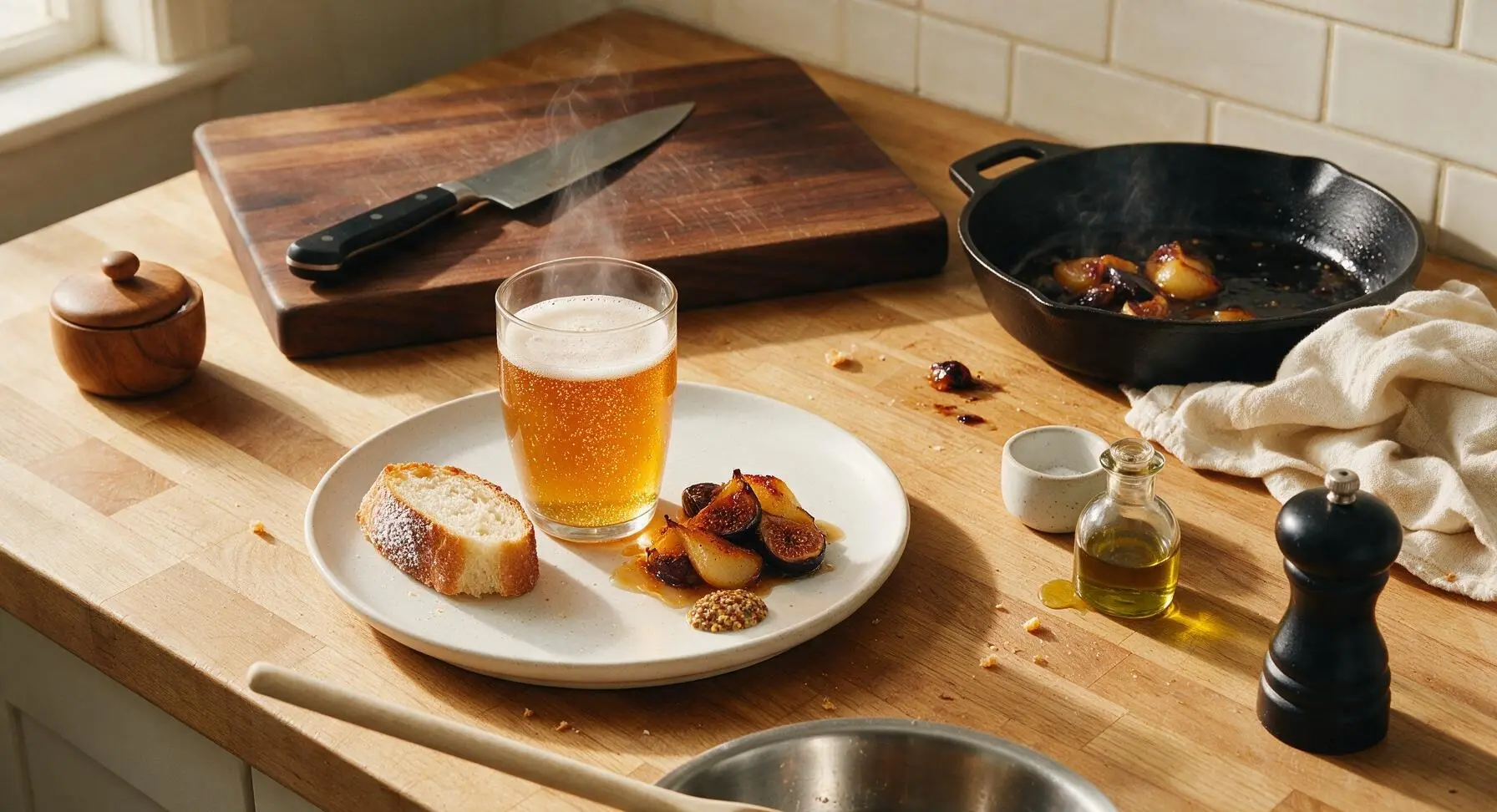
Golden, effervescent, and deceptively smooth, this homebrewed Abbey Tripel balances bright fruity esters, soft bready malt, and a dry, spicy finish ideal for slow sipping.
Ingredients
Steps
Sanitize Brewing Equipment
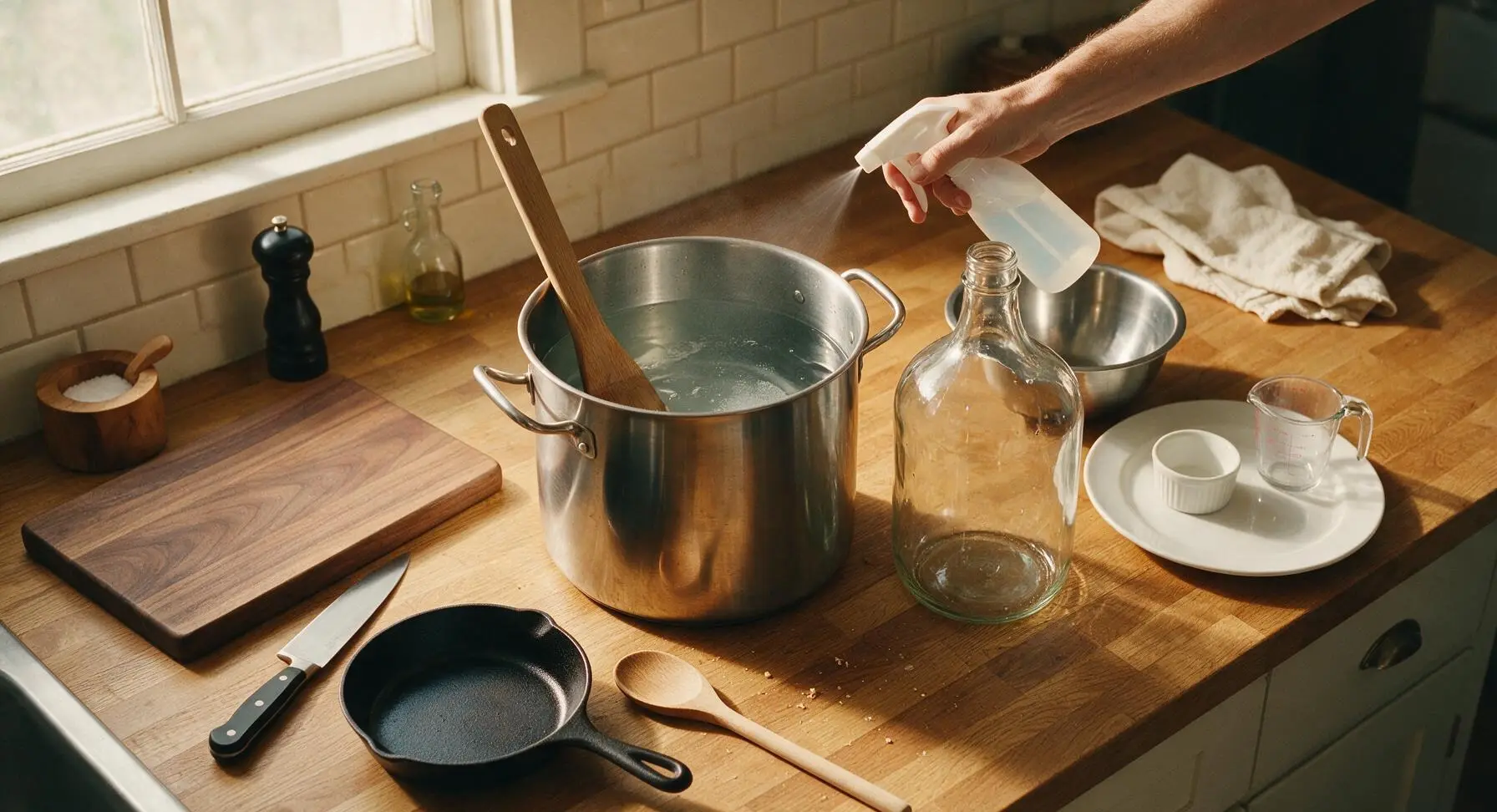
First, fill the 5 gallon stainless steel brew pot with 1 gallon of cool water, add 1 tablespoon of no-rinse brewing sanitizer, and use the solution to wipe down the mash paddle, strainer, measuring tools, and glass carboy that will be used on brew day. Spray all contact surfaces with the sanitizer spray bottle, and allow pieces to air dry for 5 minutes—any residual sanitizer will not affect flavor, but unwanted bacteria will ruin the beer. Ensure no food residue or dust remains on any surface that will touch the wort. The auto-siphon and bottles will be re-sanitized at bottling time.
Heat Mash Water
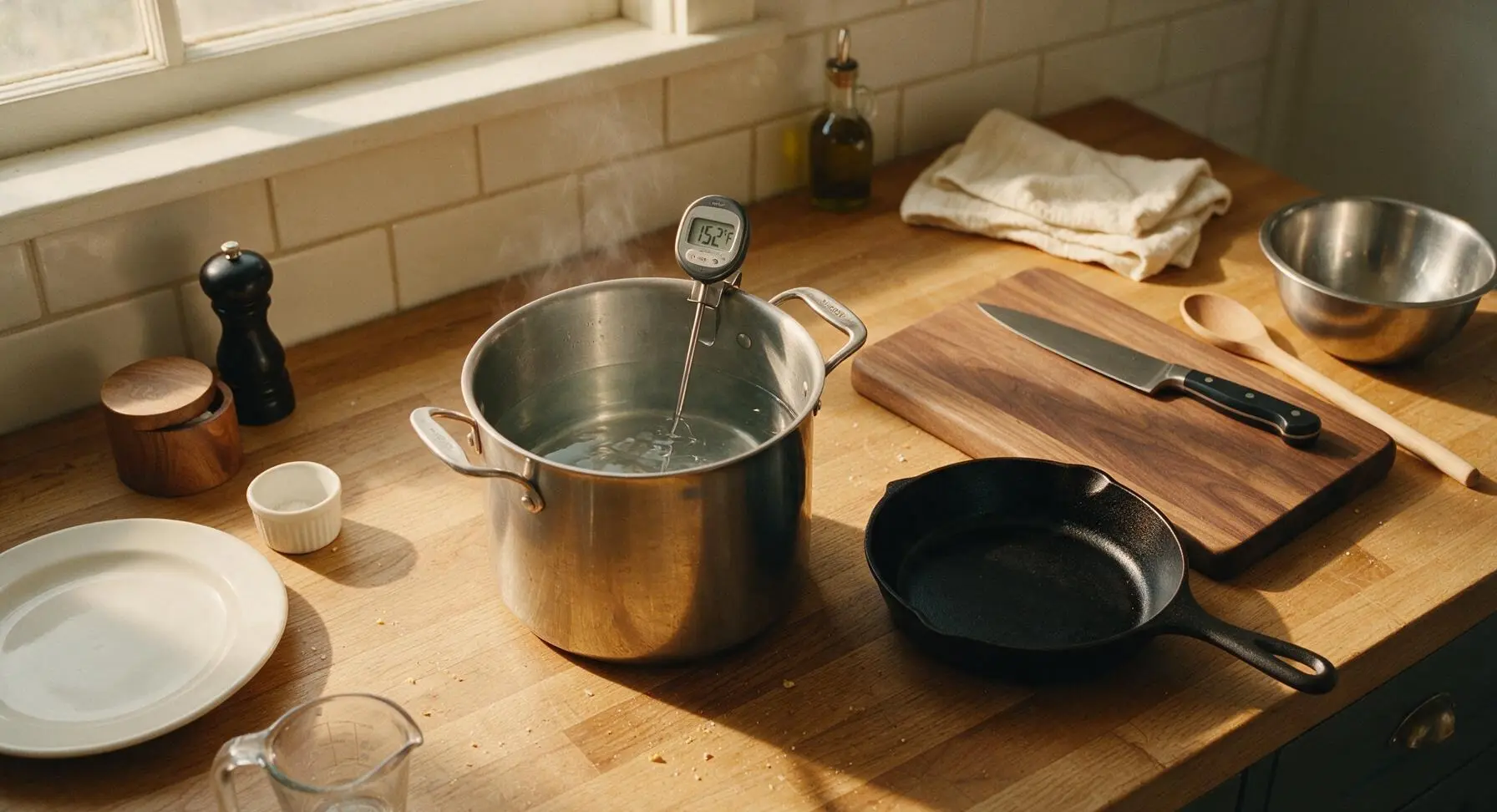
Pour 1 gallon of filtered water into the sanitized brew pot, place it over medium heat, and clip the digital instant-read thermometer to the pot edge. Heat the water to exactly 152°F (67°C), adjusting heat as needed to hold a steady temperature—do not let the water boil at this stage, as too-hot water will extract harsh tannins from the grain.
Mash the Grains
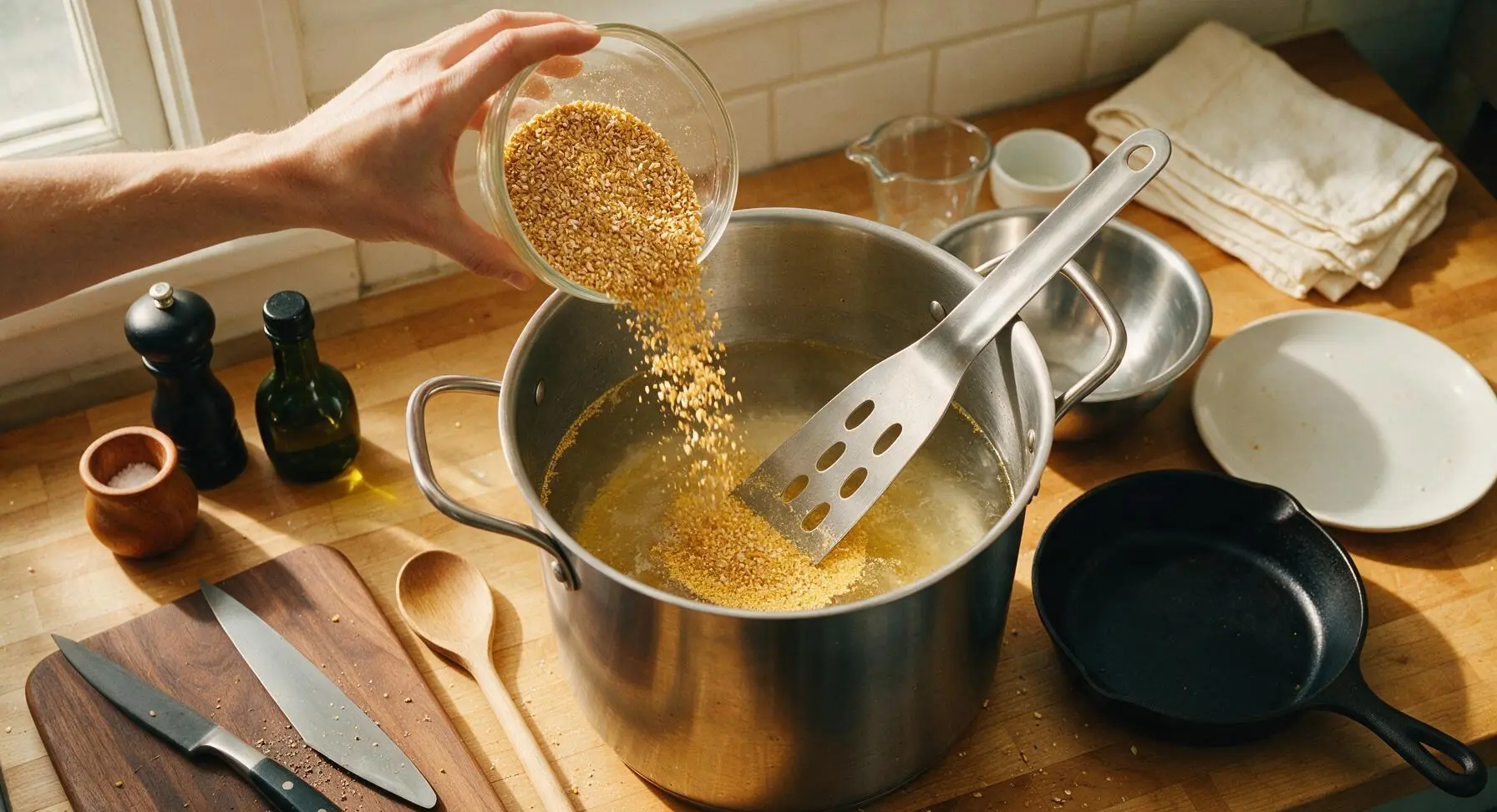
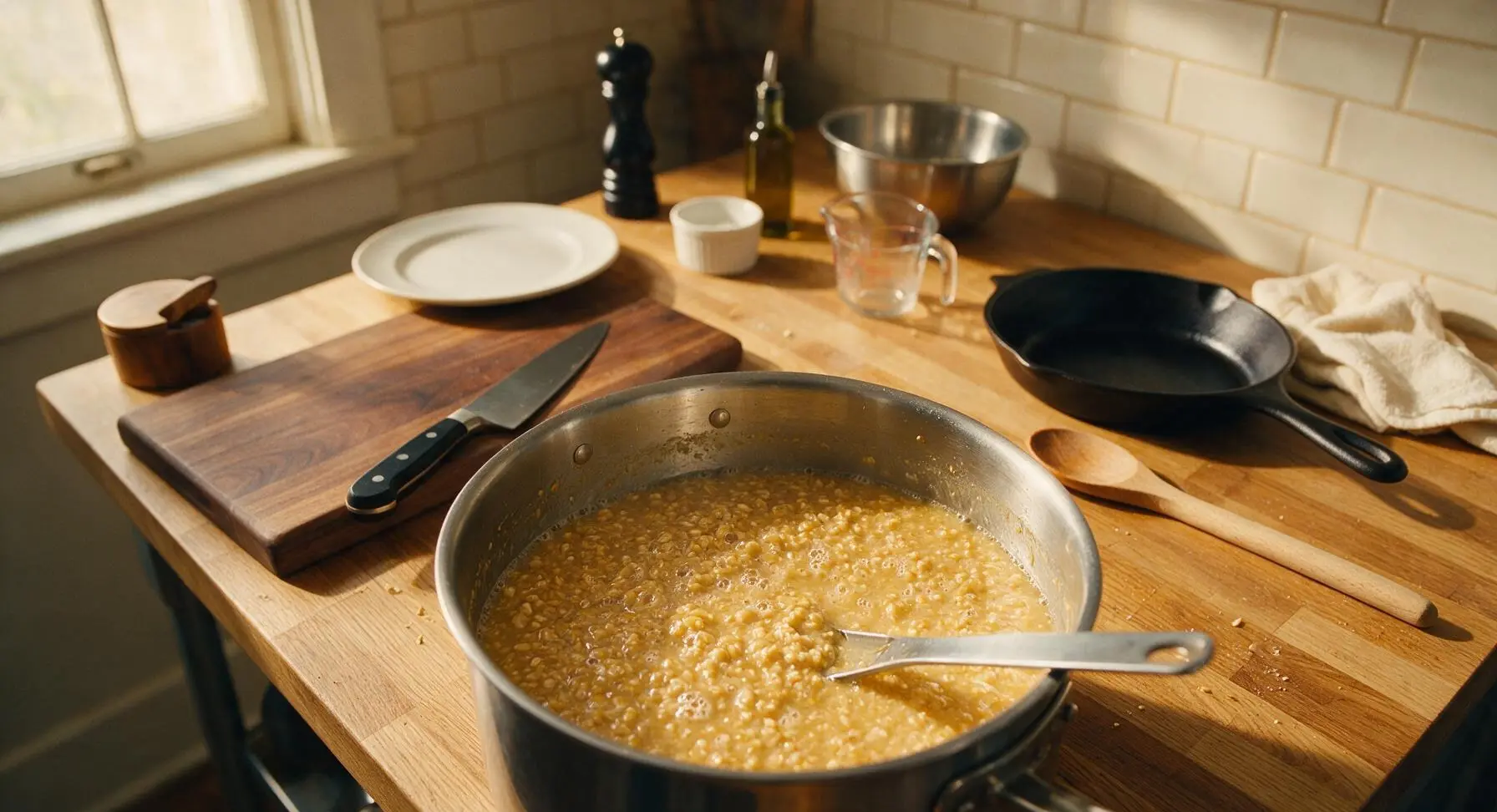
Slowly stir all crushed Pilsner, Belgian pale, and Munich malt into the 152°F water using the stainless steel mash paddle, stirring thoroughly to break up any dry clumps. The mixture will have a thick, porridge-like consistency. Hold the temperature steady at 148–152°F for 60 minutes, covering the pot with a lid and checking temperature every 10 minutes. During this rest, grain enzymes will convert starches to fermentable sugar, creating sweet, unfermented wort.
Strain Sweet Wort
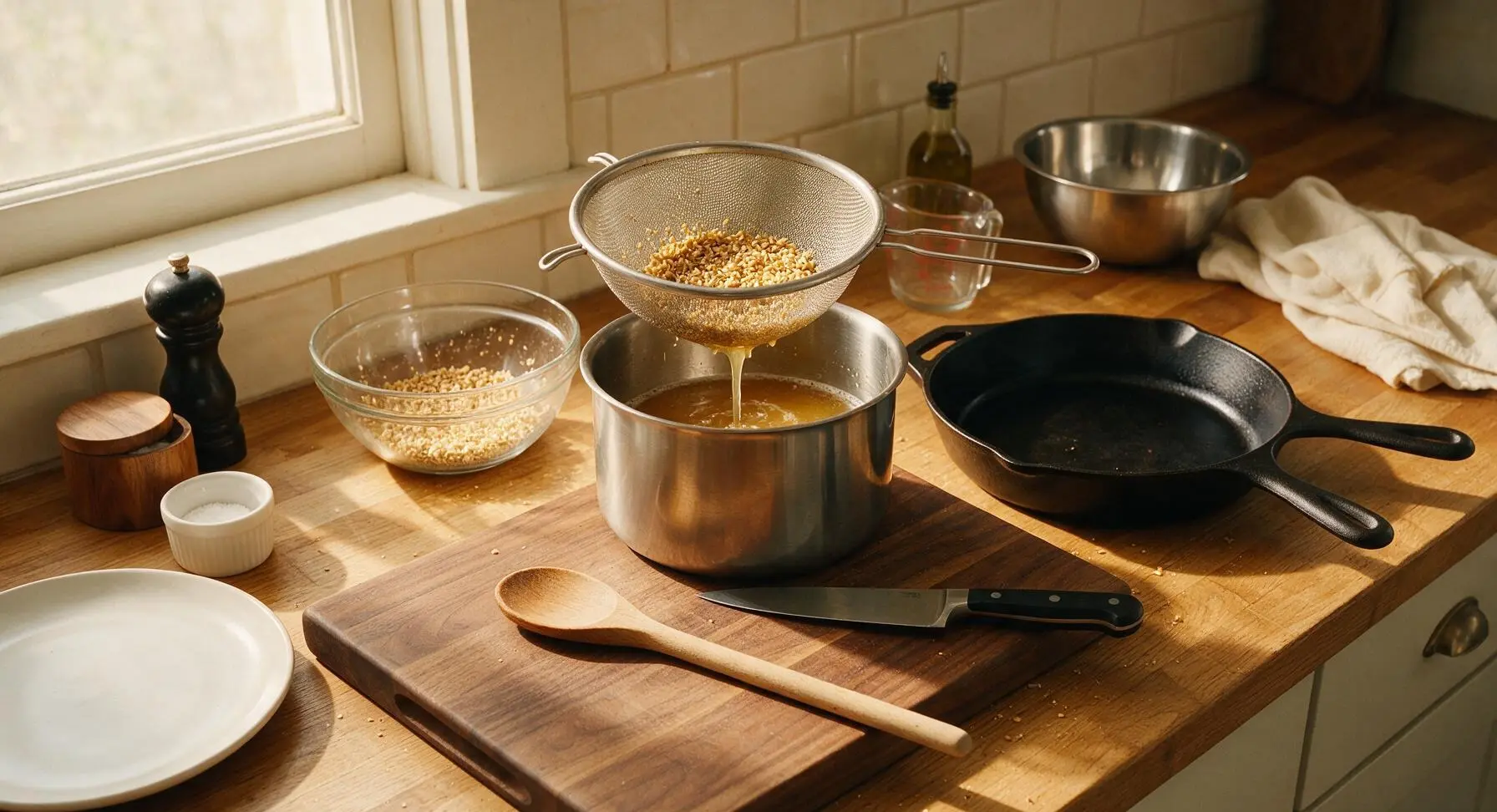
After the 60 minute mash rest, place the fine mesh stainless steel strainer over the top of the brew pot, then slowly pour the grain and wort mixture through the strainer to separate the sweet liquid wort from the spent grain. Slowly pour 0.2 gallons of 170°F filtered water over the spent grain in the strainer to rinse residual sugar from the grains (this process is called sparging), collecting all runoff wort back into the brew pot. Discard the pale, depleted spent grain once draining is complete.
Boil the Wort
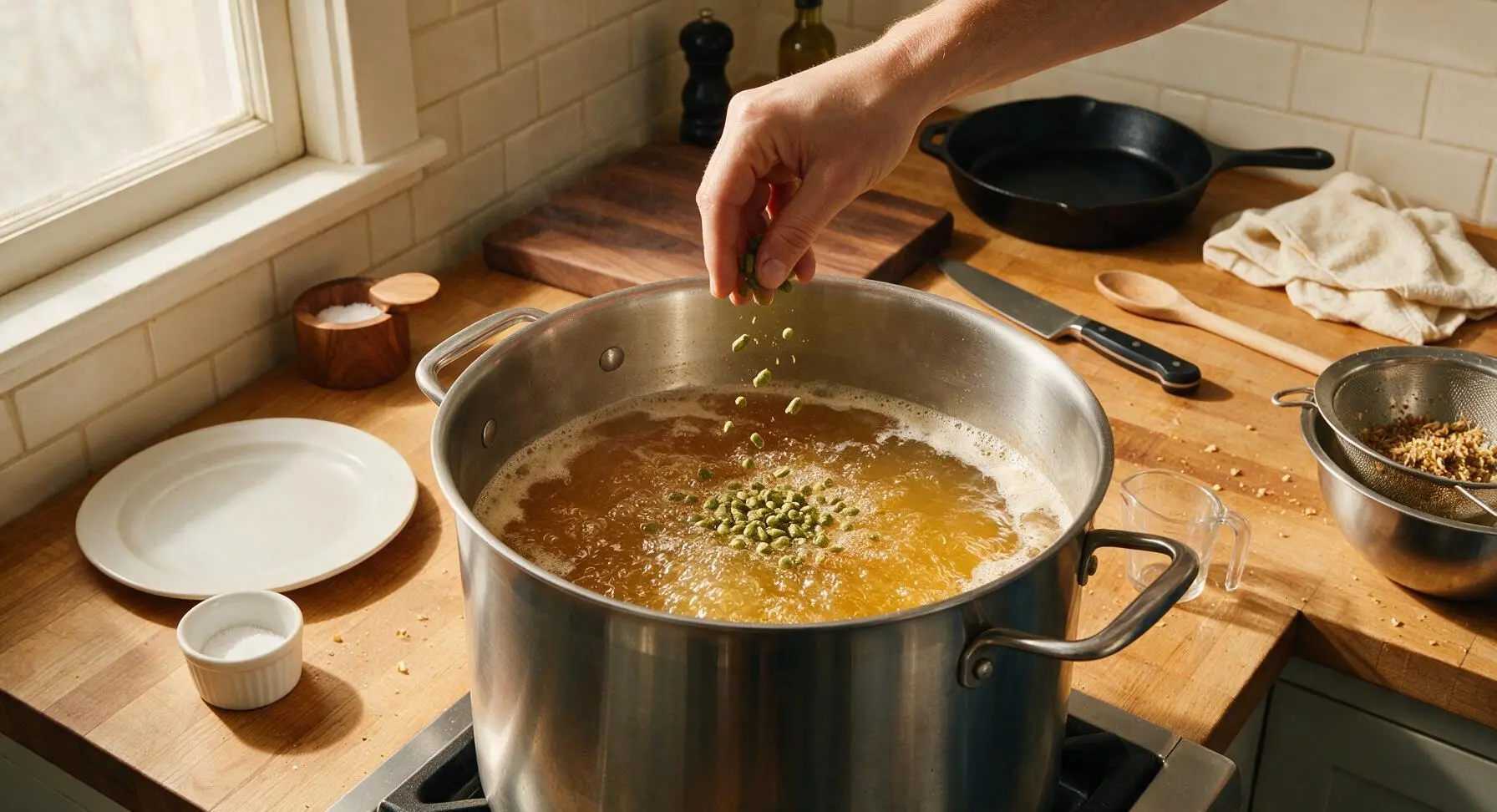
Turn heat to high, and bring the collected wort to a rolling, gentle boil (avoid boilovers by adjusting heat to keep foam from spilling over the pot edge). Once a steady boil is reached, set a timer for 60 minutes. Add 0.3 oz of Saaz hops at the start of the boil for balanced bitterness. With 15 minutes left in the boil, stir in the light Belgian candi sugar until fully dissolved. With 5 minutes left in the boil, add the remaining 0.2 oz Saaz hops, dried bitter orange peel, and crushed coriander for bright, aromatic flavor.
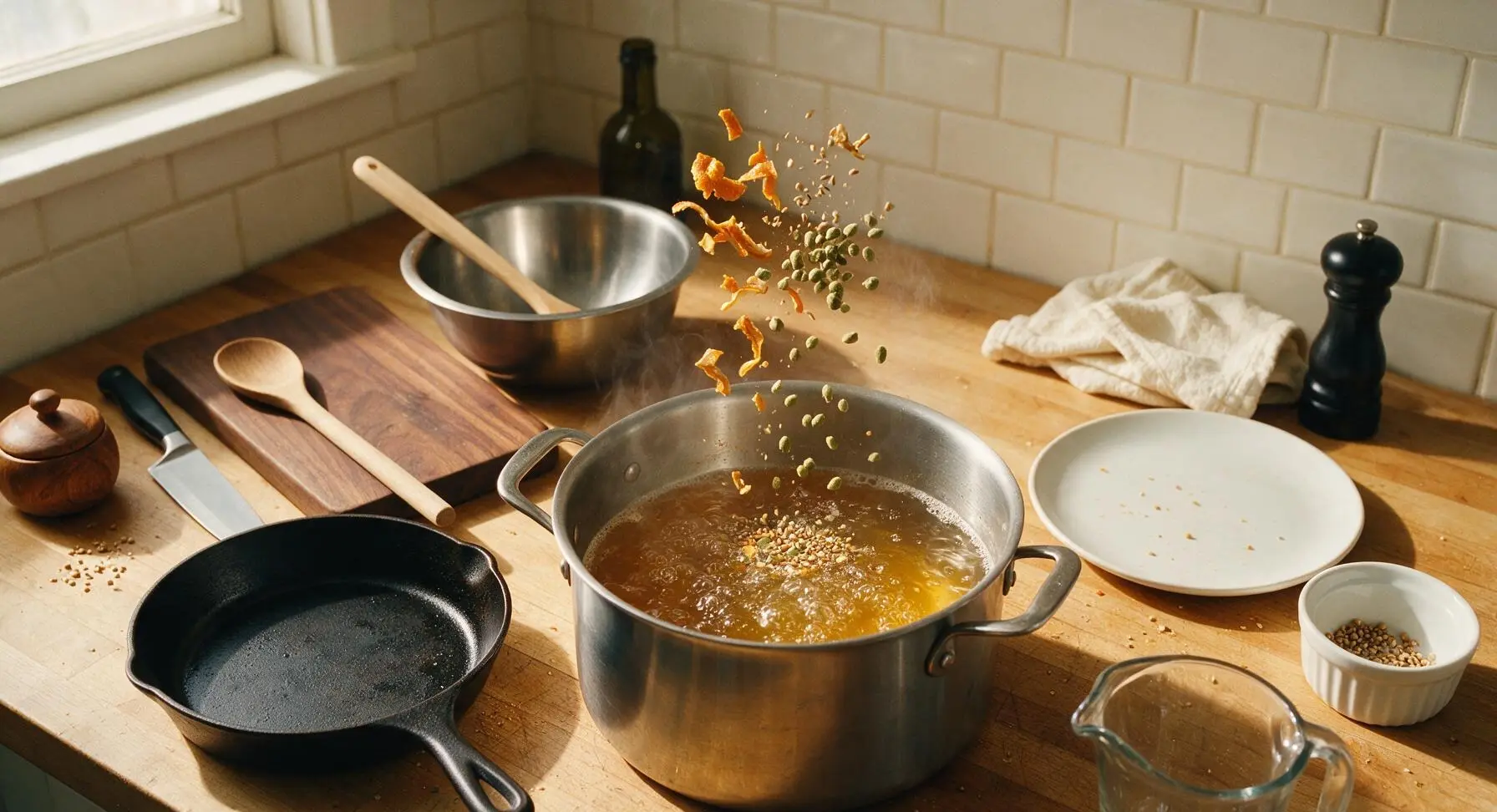
Cool Wort to Pitch Temp
Once the 60 minute boil is complete, turn off the heat, and place the covered brew pot into a sink filled with ice water to cool the wort quickly to 68°F (20°C)—this takes roughly 20 minutes, and rapid cooling prevents off-flavors and contamination. Once cooled, pour the wort through the sanitized mesh strainer into the clear 1 gallon glass carboy, leaving any heavy hop sediment (called trub) behind in the pot.
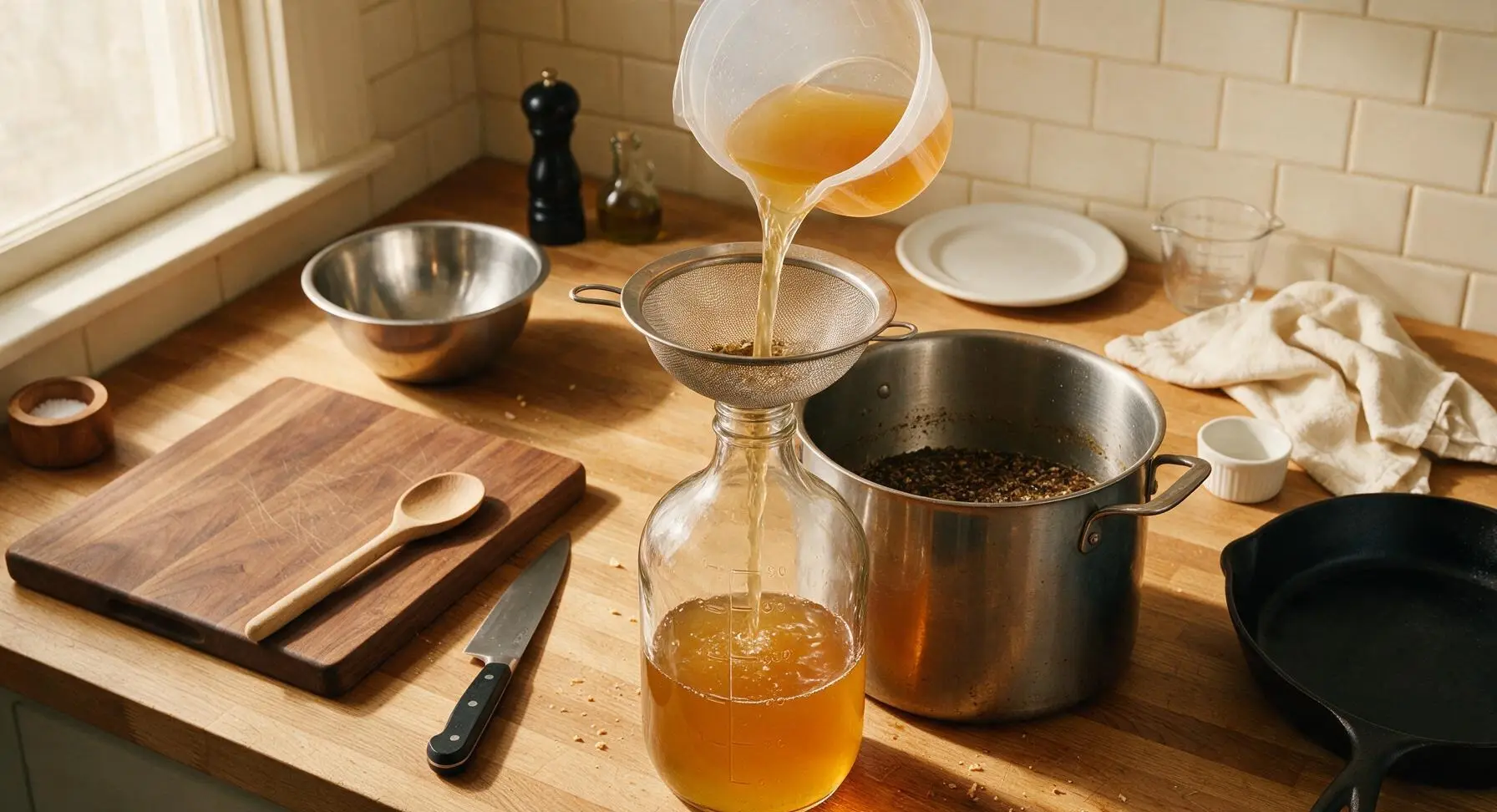
Pitch Abbey Yeast
Sprinkle the entire packet of Belgian Abbey ale yeast over the surface of the cooled wort in the carboy. Seal the carboy neck with a sanitized airlock filled halfway with clean water, and give the carboy a gentle swirl to distribute the yeast evenly. Store the carboy in a dark, temperature-stable space held at 68–72°F (20–22°C) for primary fermentation, which will take 10–14 days. You will see steady bubbling in the airlock within 24–48 hours as fermentation begins.
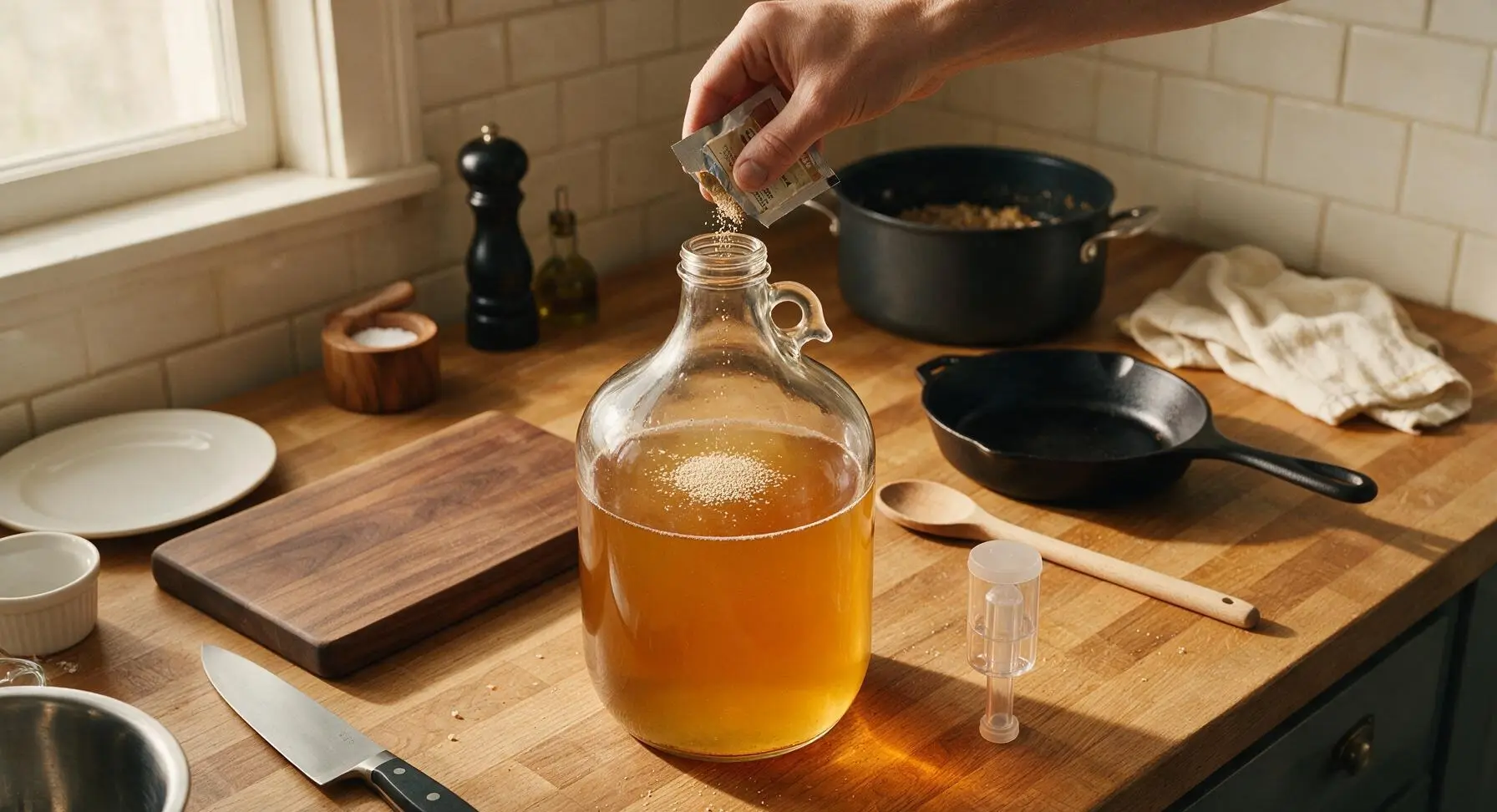
Bottle and Carbonate
Once fermentation is complete (no airlock bubbles for 3 consecutive days, and hydrometer readings are stable for 2 days), dissolve 2 oz of corn priming sugar in ¼ cup boiling water, cool, and add to the bottom of a sanitized bottling bucket. Use the sanitized auto-siphon to transfer the finished beer from the carboy into the bottling bucket, mixing gently with the priming sugar. Fill sanitized 12oz glass bottles, cap tightly, and store at room temperature for 2 weeks to allow carbonation to develop, then chill for 24 hours before serving.
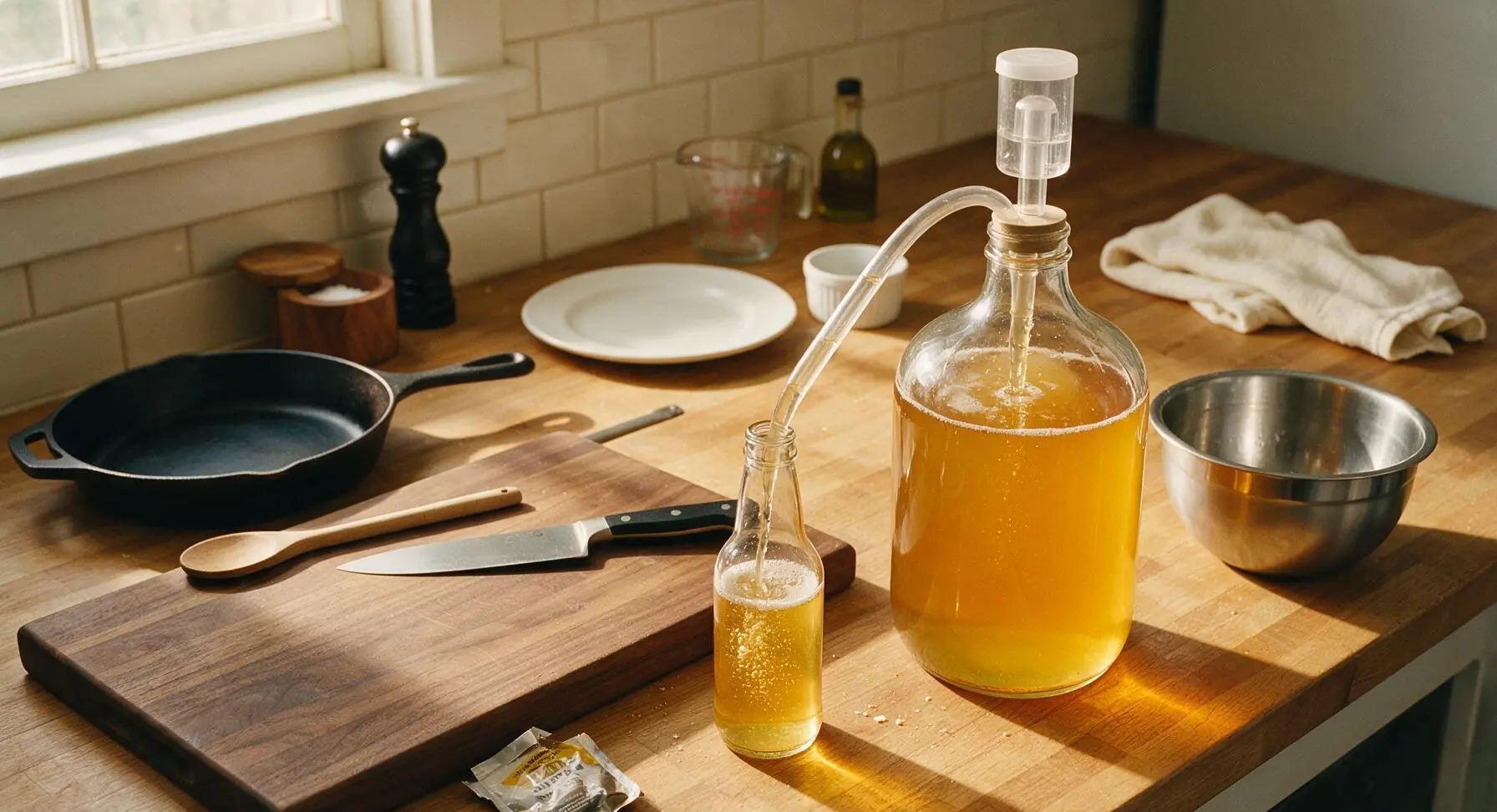
Tips
2.Control fermentation temperature strictly: holding the sealed carboy between 68–72°F (20–22°C) produces the classic bright banana and pear fruity esters Abbey Tripels are known for; temperatures above 75°F will create harsh, solvent-like fusel alcohol notes that ruin the smooth flavor.
3.Resist the urge to bottle early: waiting until fermentation is fully complete (stable hydrometer readings for 2 consecutive days, no airlock bubbling) prevents over-carbonation that can cause bottles to gush wildly when opened, or even crack under excess pressure.






OMG, this abbey tripel recipe is an absolute game changer! I’ve been homebrewing for 6 years and have chased that classic Belgian abbey flavor forever, and this nailed it first try. Brought a growler to our neighborhood potluck last weekend and everyone was begging for the recipe. SO good, the subtle notes of banana and clove are perfectly balanced, no harsh alcohol bite even at 9% ABV.
Wait, how crucial is the temperature control during fermentation? I only have a basic bucket setup no fancy temp chamber, I’m worried I’ll mess this up since it’s marked hard difficulty! Really want to make this for my husband’s birthday party next month, he’s obsessed with tripels.
Made this last batch for our annual family camping trip and it was a hit! My brother in law who swears he only drinks cheap macro lager had three glasses and asked if I could bottle him a six pack to take home. Only note: I bumped up the candi sugar just a touch for a deeper golden color, came out perfect.
Full transparency, this was my FIRST ever homebrew and I was so intimidated by the hard difficulty tag, but the step by step instructions were so clear! It’s still carbonating in the bottles right now but the gravity samples taste insane, can’t wait to crack one open at our friend’s game night next week.
Game changer for my homebrew rotation! I’ve made three batches of this in the last two months, brought a case to my work potluck and it was gone in 20 minutes flat. My kids even thought the wort smelled like banana bread when I was brewing, which was a fun little family activity even though they obviously can’t taste the finished beer.
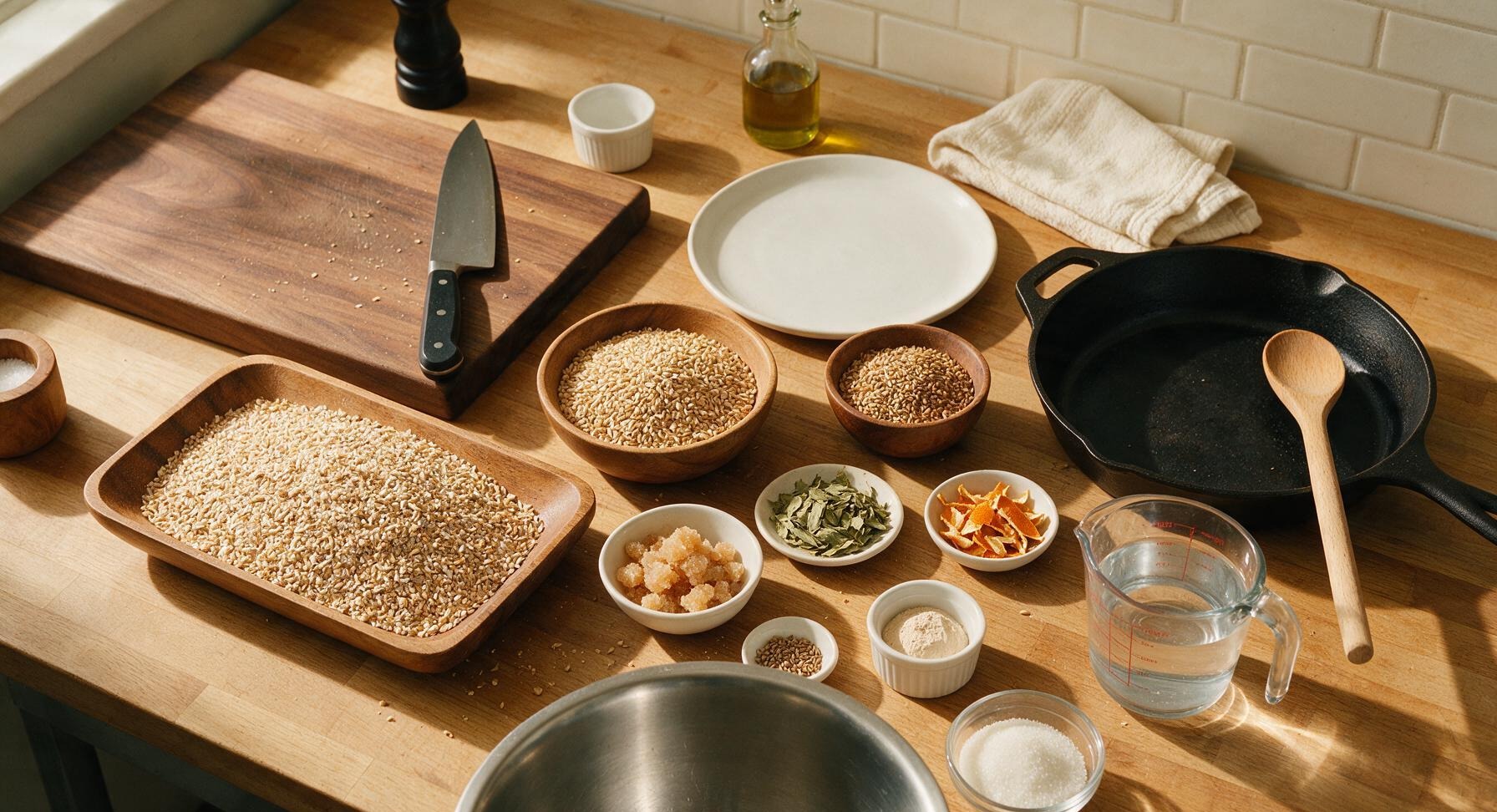
Okay, full disclosure I messed up the mash temp on my first go round and it came out a little thinner than I wanted, but even the “failed” batch was SO good. I’m gearing up for brew day this weekend to redo it, already got all the ingredients laid out on my counter. Planning to serve this at our annual fall block party.
I blocked off a whole Sunday for this brew day per the 2 hour cook time note, and it was exactly the right timeline — no rushing, no last minute panics when I realized I forgot a piece of equipment. The finished beer is so smooth, I’ve been keeping a few cold bottles in the fridge for after work all week, total treat.
Served this at our big Sunday family dinner last week to all my cousins who are huge craft beer fans, and they all thought I bought it from a fancy Belgian brewery! Total flex, nobody believed I brewed it in my garage. The effervescence is perfect, the fruity esters are spot on, 10/10 will be making this over and over.
Wait, has anyone tried aging this for longer than the recommended 4 weeks in the bottle? I have a few bottles left from my first batch that are hitting 8 weeks now, curious if the flavor gets better or if it starts to fall off. Also, OMG this recipe is so much better than the other tripel recipe I tried last year, night and day difference.
Total newbie here, how bad is it if I use regular table sugar instead of Belgian candi sugar? My local homebrew shop was out and I don’t want to wait for shipping to do my brew day this weekend. The recipe looks SO good, I’ve been hyped to make it for weeks.
Obsessed with this recipe! I entered my first batch in our local homebrew competition last month and won third place in the Belgian ale category! I never would have had the confidence to enter if this recipe wasn’t so straightforward, even with the hard difficulty tag. Already planning my next batch to enter next year, going for first place!