
American Barleywine Craft Beer
intro
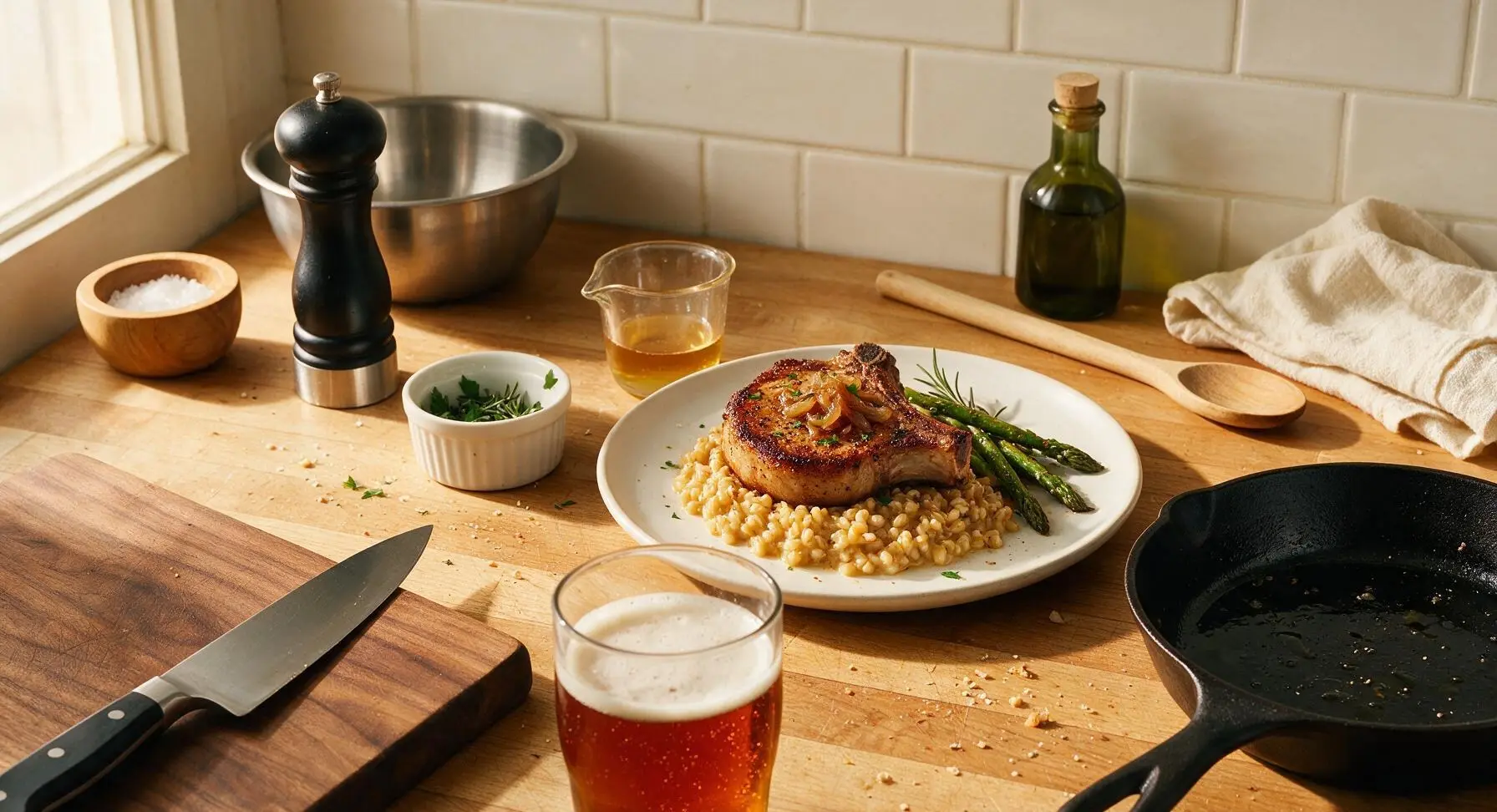
Bold, caramel-rich American Barleywine is a high-ABV craft ale with bright pine-citrus hop bite, smooth malty sweetness, and a warming finish ideal for slow, cozy sipping.
Ingredients
Steps
Sanitize Brewing Gear
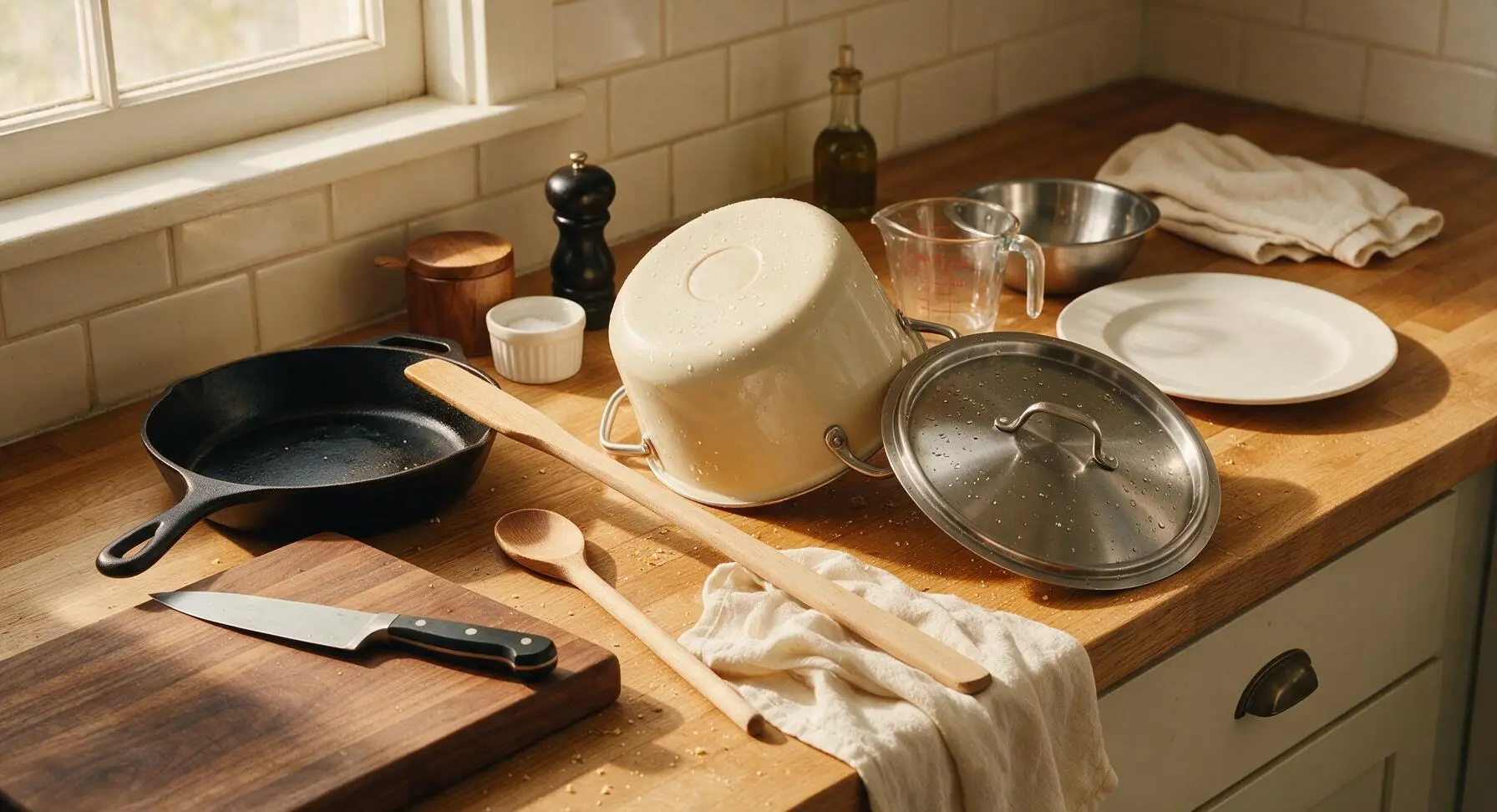
Wash all brewing equipment (mash tun, brew kettle, mash paddle, strainer, carboy, siphon, bottles) with unscented dish soap, then soak every surface that will touch wort or beer in no-rinse food-safe brewing sanitizer for 2 minutes. Set items upside down on the clean counter to air dry, ensuring no pooled sanitizer remains, as residual sanitizer can create off-flavors. This critical step eliminates wild yeast and bacteria that can spoil the batch.
Mash the Malted Grains
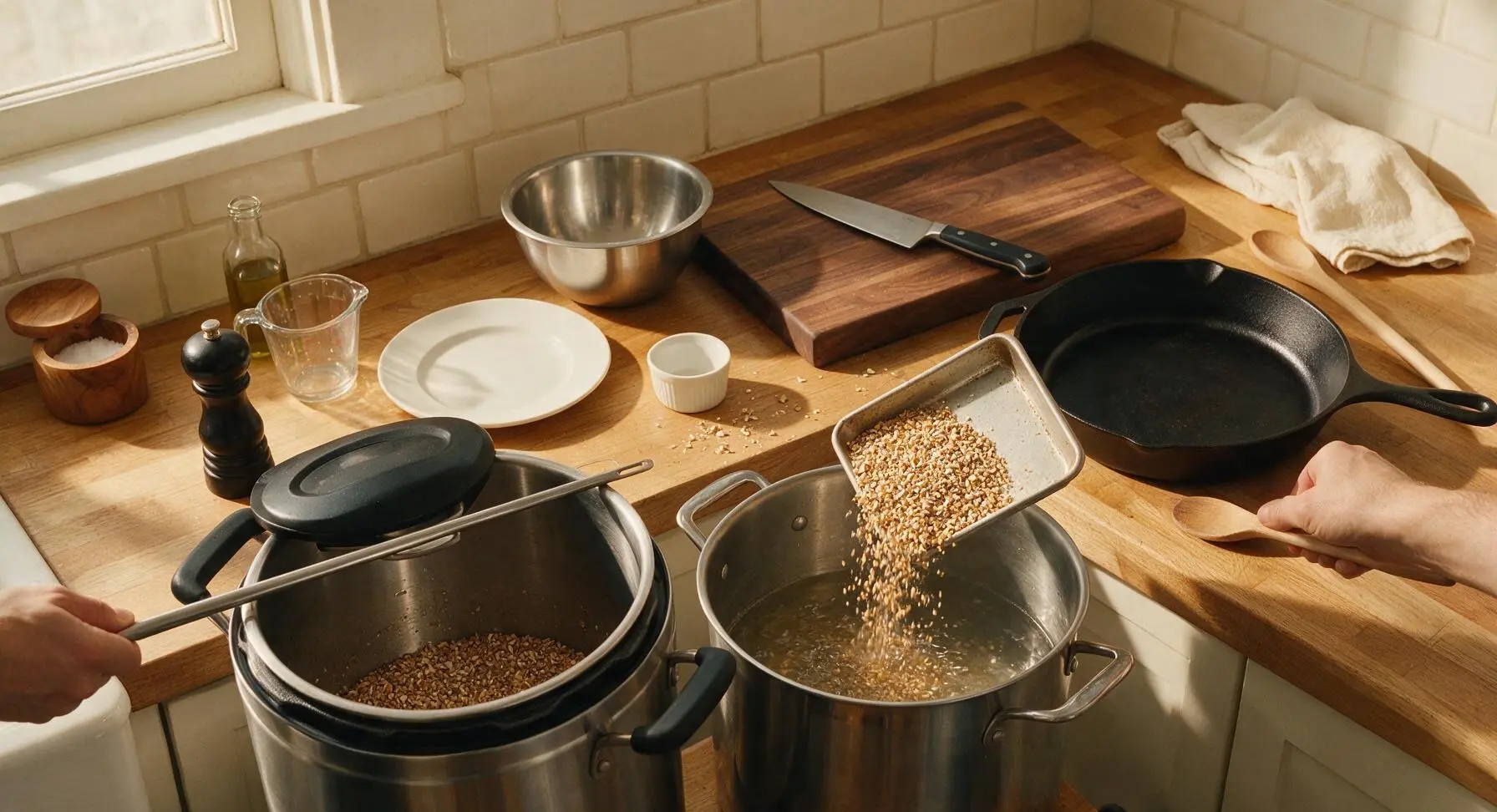
Heat 7 gallons of filtered water in the stainless steel brew kettle to 162°F, then transfer the water to the insulated mash tun. Slowly add all crushed grains, stirring thoroughly with the long stainless steel mash paddle to break up any dry clumps. Seal the mash tun lid and hold the grain bed at a steady 152°F for 60 minutes. Test a small wort sample after 60 minutes: the liquid should run clear pale amber, with no cloudy grain particles, and smell of sweet, toasted bread.
Sparge to Collect Wort
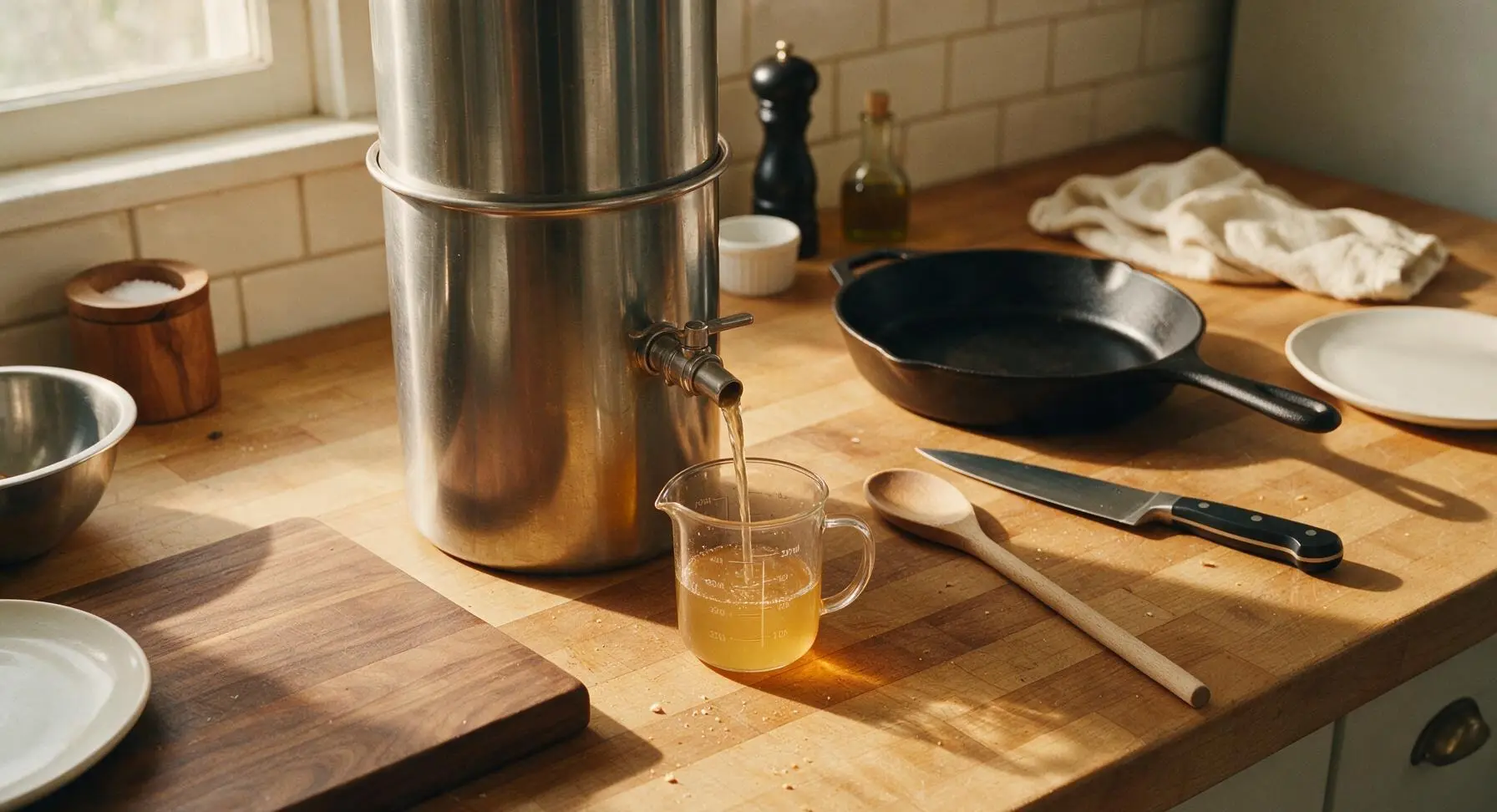
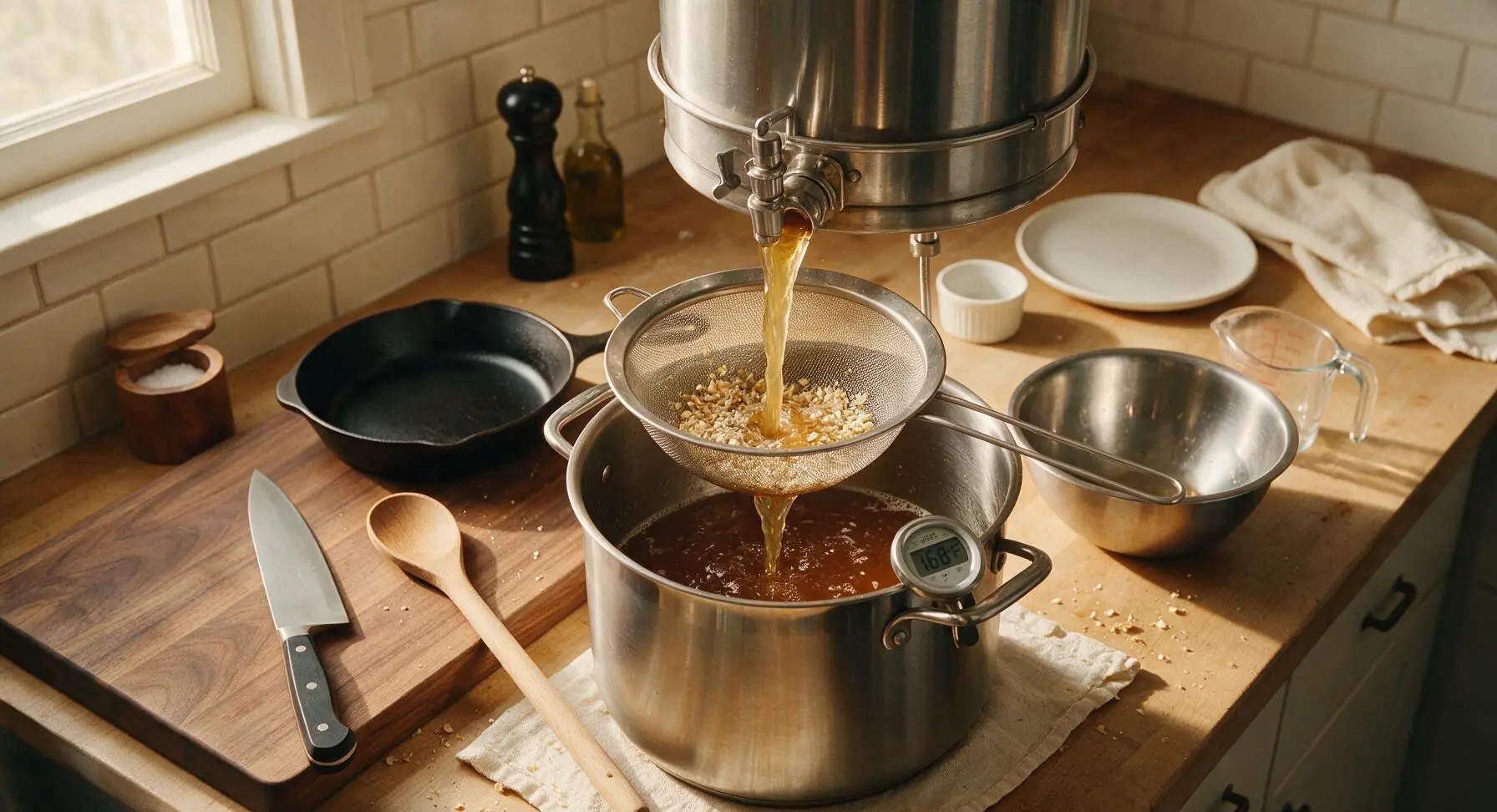
Slowly drain the initial sweet wort from the mash tun into the brew kettle. Heat 4 gallons of filtered water to 170°F, then gently pour it over the top of the grain bed to rinse residual sugars from the spent grains. Collect a total of 6.5 gallons of wort in the brew kettle, leaving grain particles behind by pouring through the fine mesh stainless steel strainer. Discard the spent grains once all liquid is drained; the collected wort will smell sweet and toasty, with a deep golden hue.
Boil Wort and Add Hops
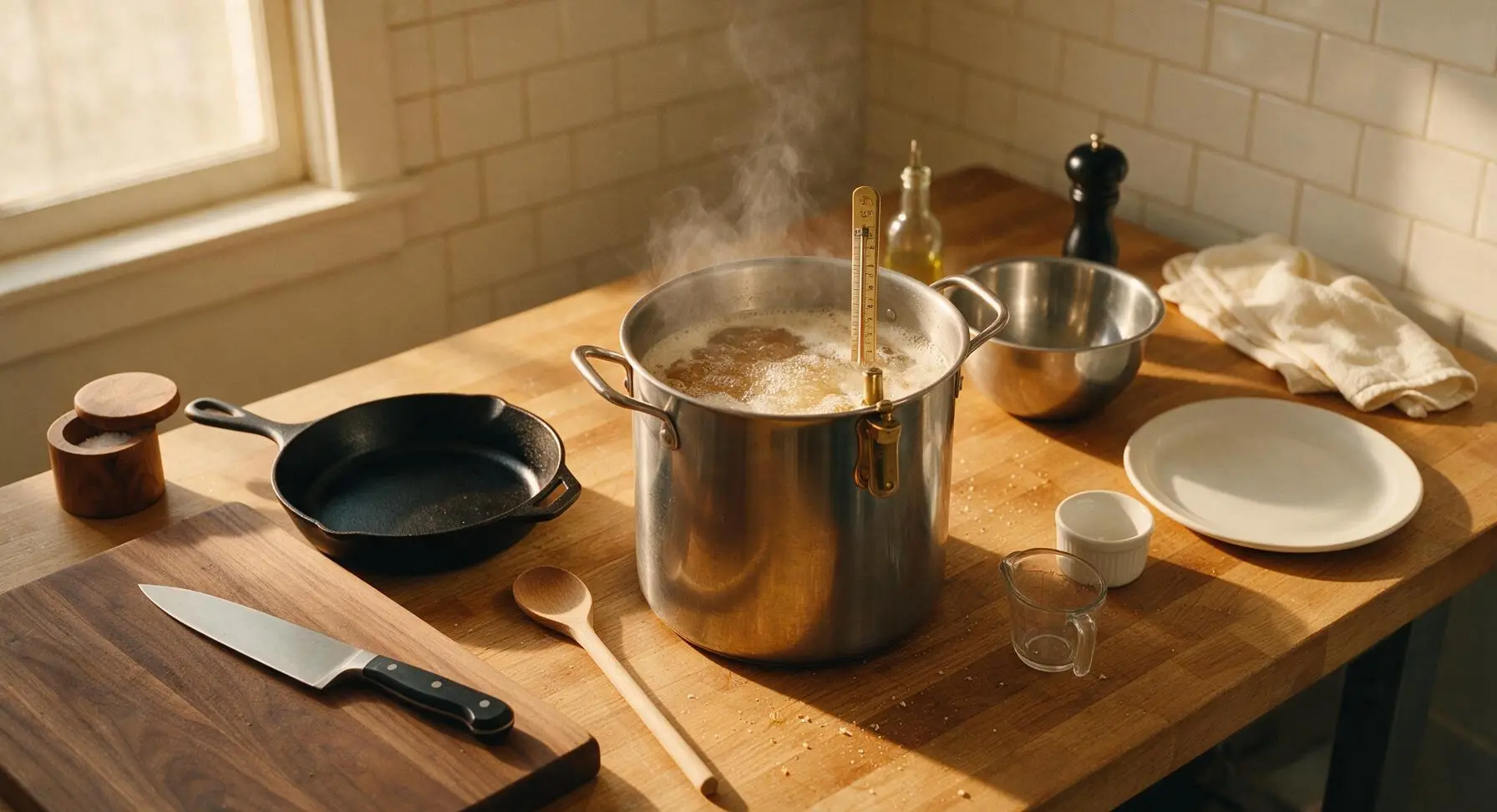
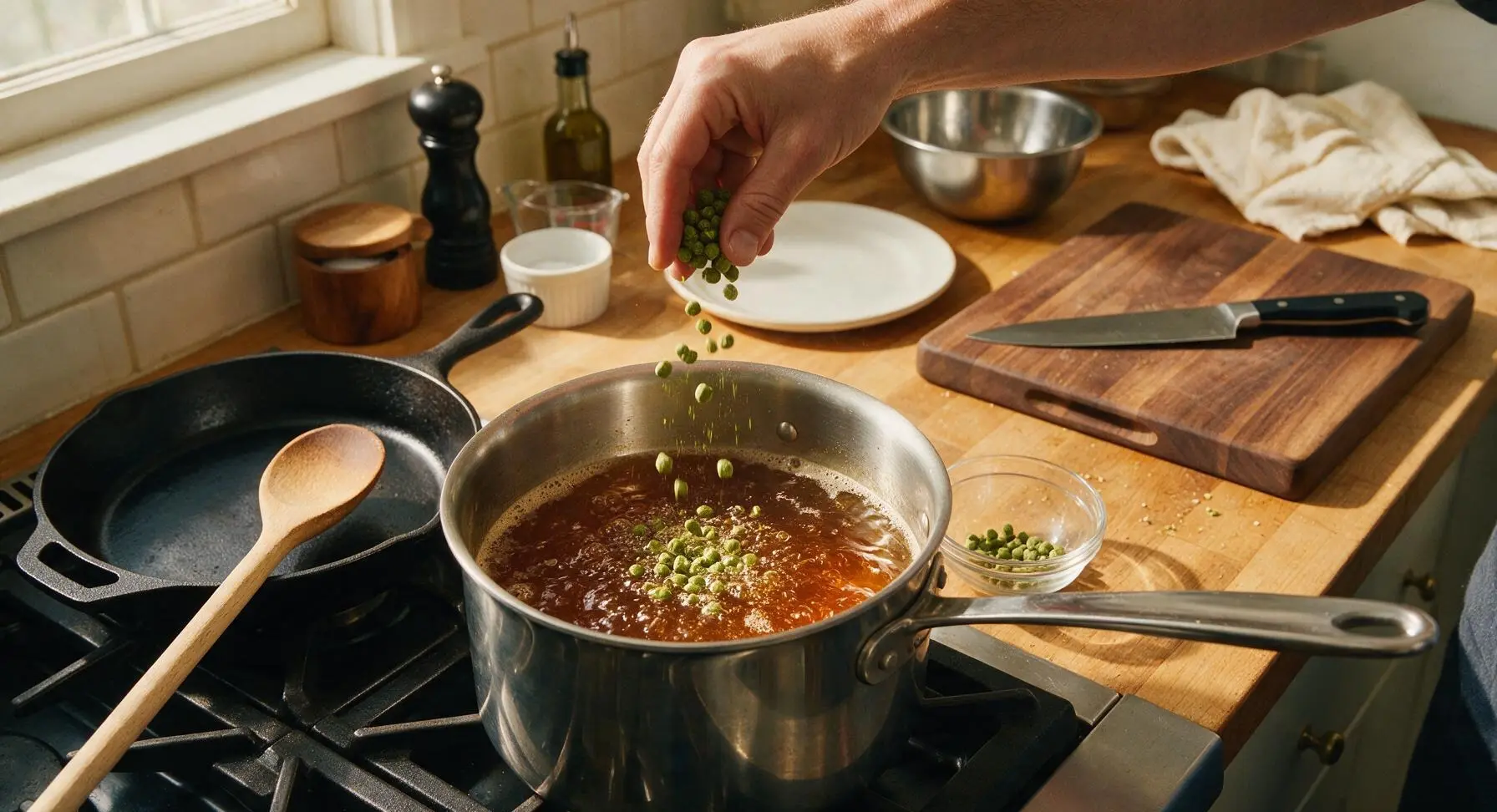
Bring the collected wort to a gentle rolling boil (212°F at sea level) and hold for a full 90 minutes, adjusting burner heat to prevent sticky boilovers. Add hops on a timed schedule: 2 oz Chinook hops at the start of the boil for bittering, 1 oz Centennial hops at 45 minutes remaining for flavor, 1.5 oz Cascade hops at 15 minutes remaining for bright citrus-pine aroma. Stir gently with the mash paddle after each addition. As the boil progresses, the wort will darken to a deep copper color.
Cool and Transfer Wort
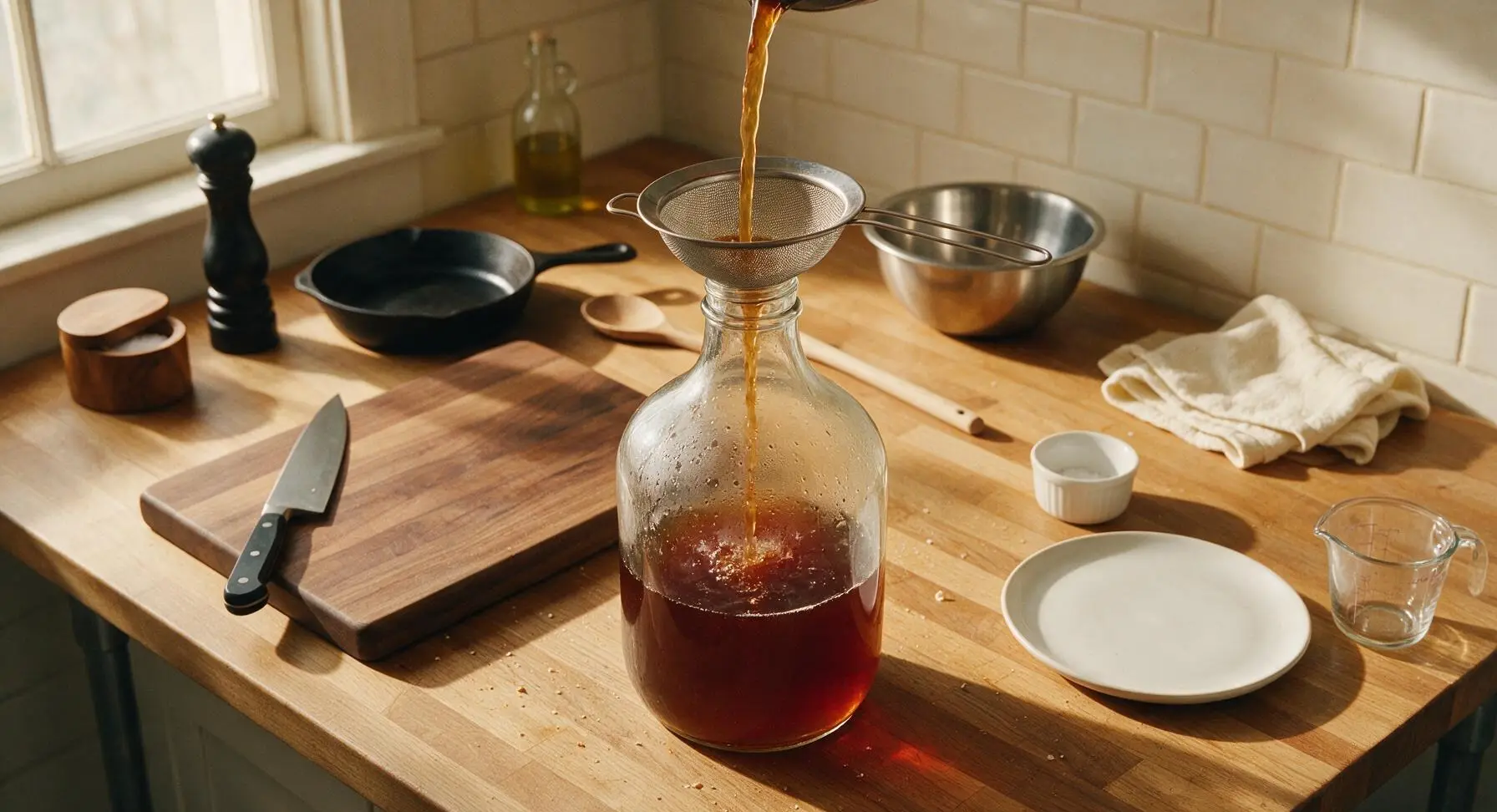
After the 90-minute boil, turn off heat and cool the wort to 70°F as quickly as possible (using an immersion chiller or ice bath) to reduce contamination risk. Once cooled, pour the wort through the fine mesh strainer into the 5-gallon clear glass carboy, leaving all thick, murky trub (hop and grain sediment) in the bottom of the kettle. Seal the carboy neck with a sanitized airlock half-filled with sanitizer solution.
Pitch Ale Yeast
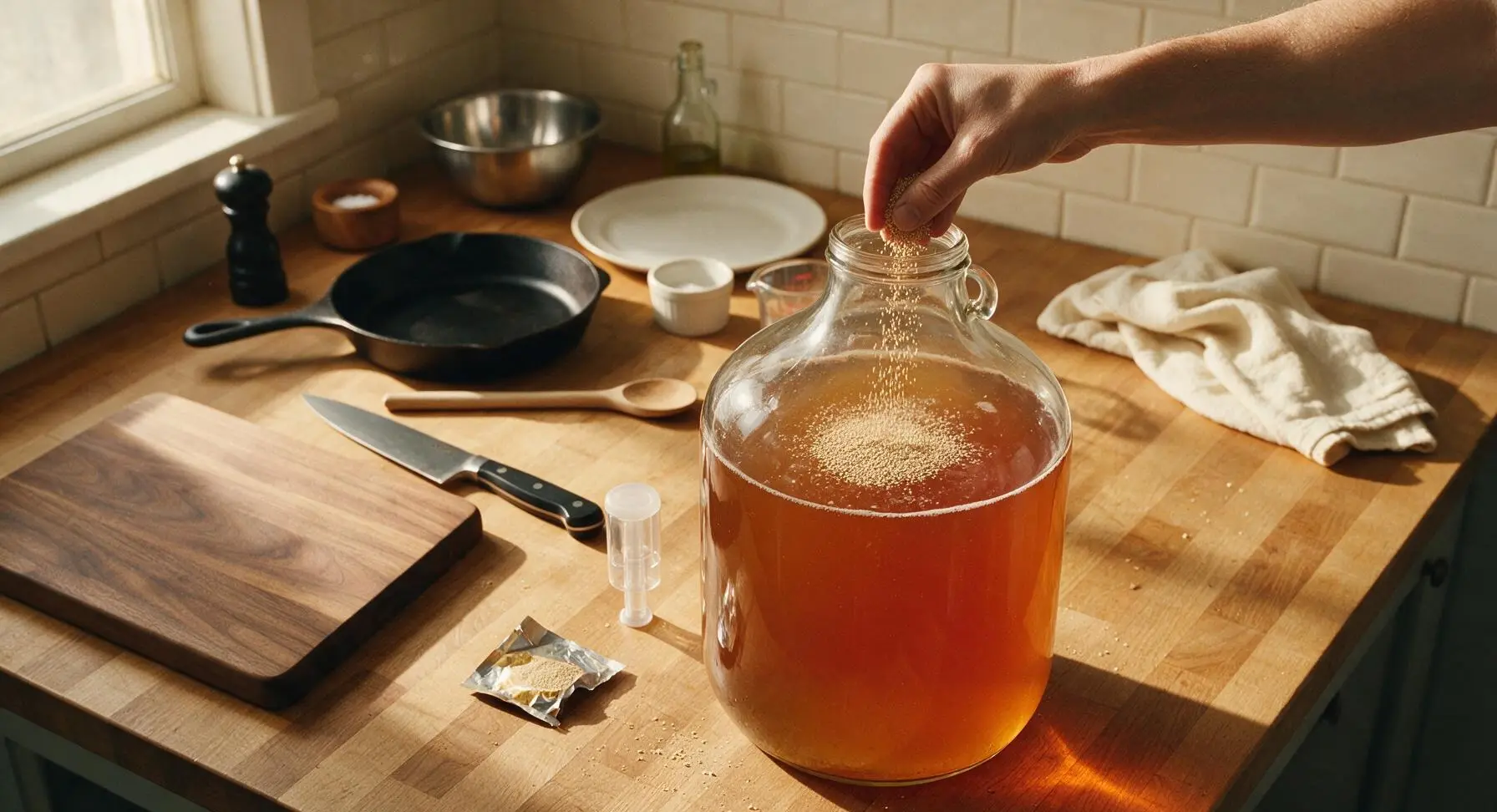
Sprinkle the entire packet of dry American ale yeast evenly across the surface of the cooled wort in the carboy. Give the carboy a gentle, slow swirl to distribute yeast evenly, then re-seal the airlock. Move the carboy to a dark, temperature-stable space held at 68°F for 14 days, until bubbling in the airlock stops completely and the beer clears to a bright, transparent amber. Active fermentation will create a thick, foamy krausen layer on the wort surface for the first 3-5 days.
Bottle with Priming Sugar
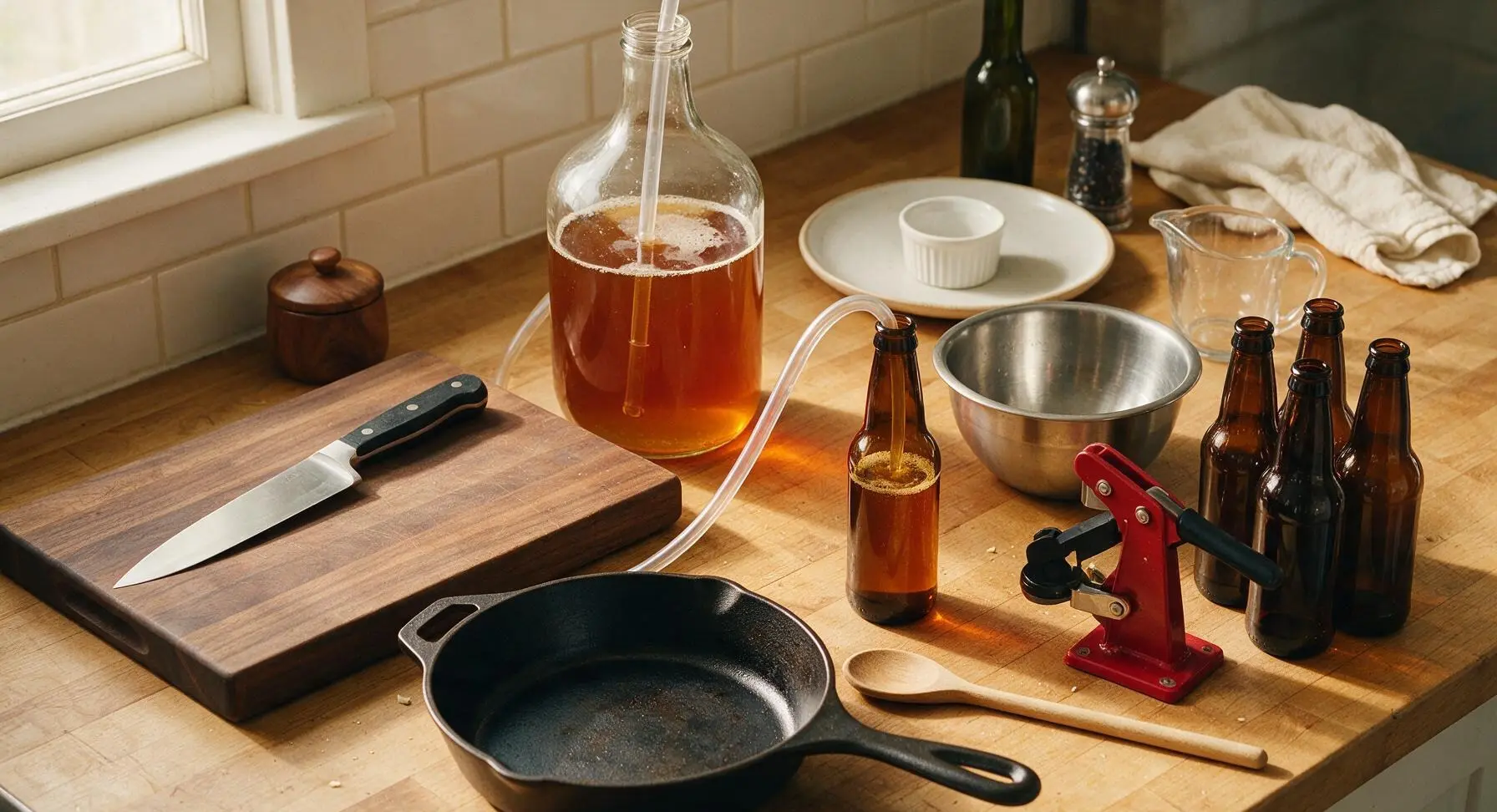
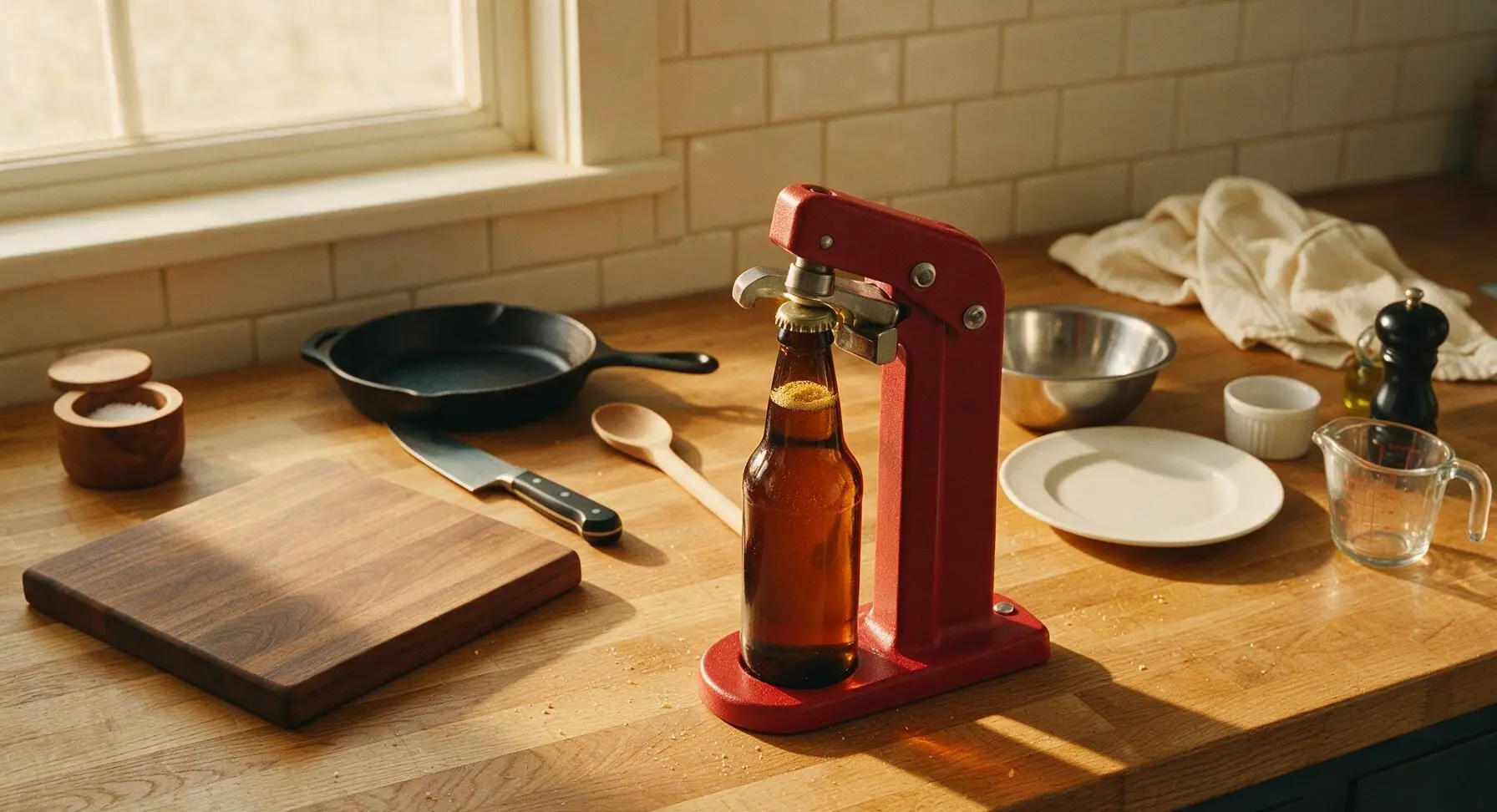
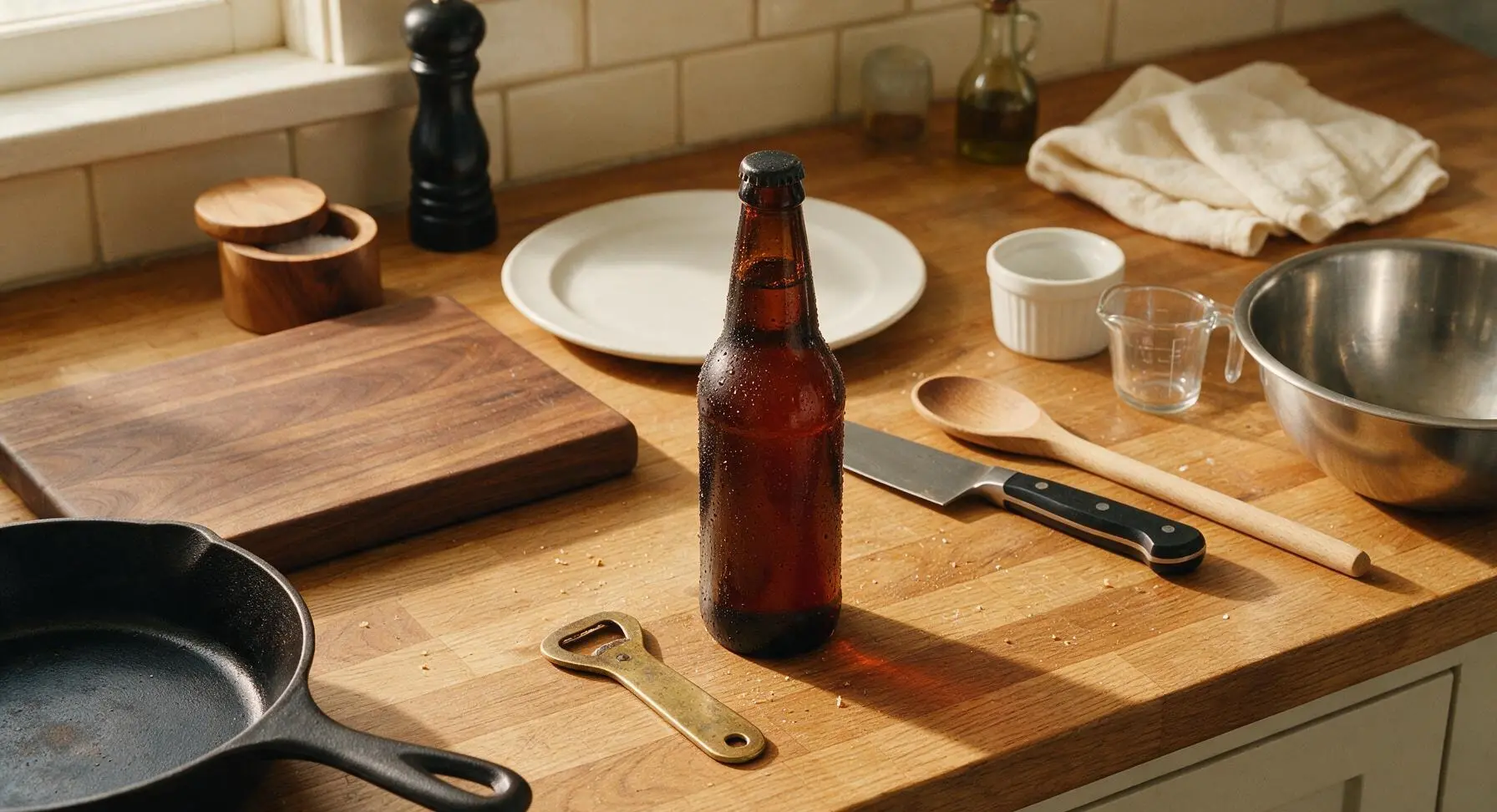
After 14 days of primary fermentation, sanitize all amber bottles, the auto-siphon, and bottle capper. Boil 5 oz of corn sugar in 1 cup of water for 5 minutes, then stir gently into the flat beer in the carboy to create natural carbonation during conditioning. Use the auto-siphon to fill each bottle to 1 inch below the rim, then crimp sanitized metal bottle caps onto each bottle using the matte red bench capper.
Chill Before Serving
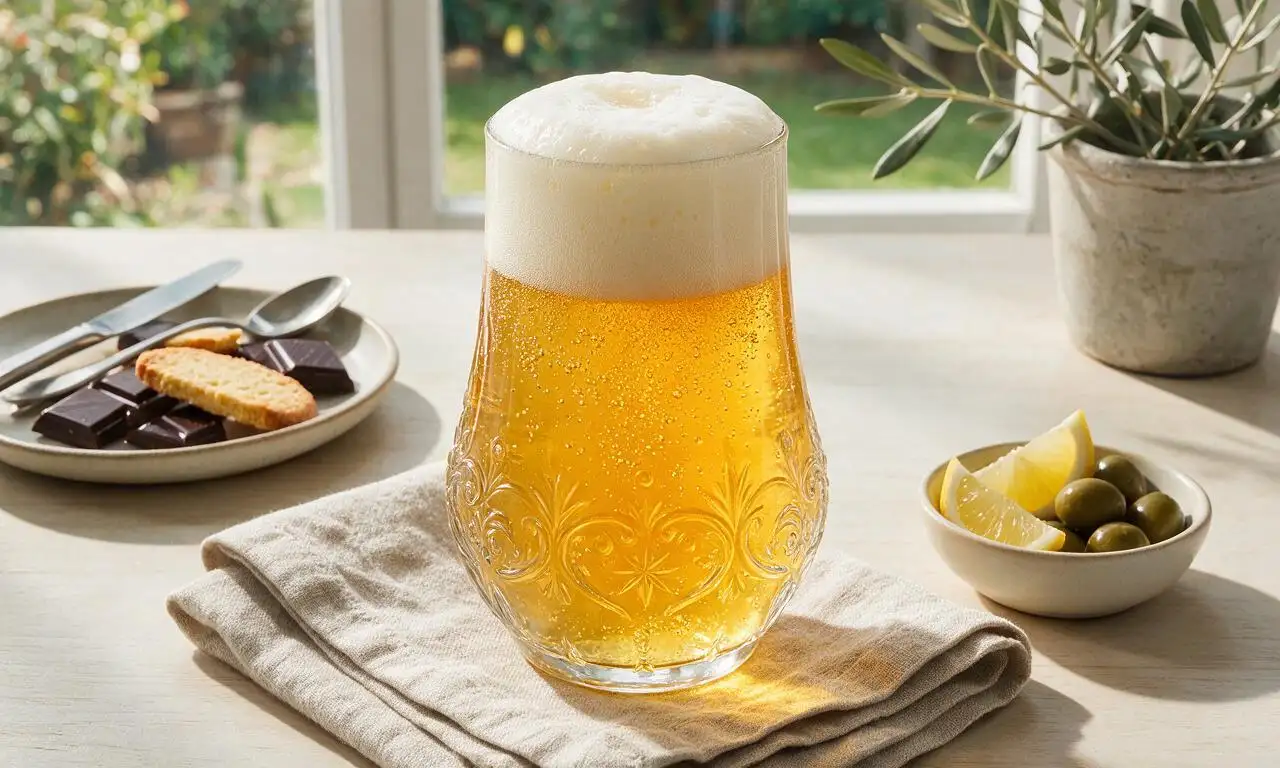
Store sealed bottles in the same dark 68°F space for 21 days to allow carbonation and flavor mellowing. After conditioning, move bottles to a refrigerator to chill to 45°F for 24 hours before serving. Pour slowly into a tulip glass, leaving the last 1/4 inch of yeast sediment in the bottle to keep the beer clear and bright.
Tips
2.Maintain steady fermentation temperature: keep the carboy in a space held consistently at 68°F for the full 14 days, as temperatures above 75°F create harsh, solvent-like fusel alcohol notes that ruin the beer’s smooth character.
3.Don’t rush conditioning: American Barleywine’s high 9-11% ABV needs the full 21 days of bottle time to mellow sharp hop bitterness and blend caramel malt flavors into a balanced, smooth sipping beer; it will even improve with 2-3 months of additional cellaring.
OMG, I’ve been trying to nail a good American barleywine for literal years and this recipe is a total game changer! The caramel malt balance is perfect, not too cloying, and the hop bite comes through just right even after aging. Brought a batch to our annual fall camping potluck and everyone was begging for the recipe. My only note is that clearing took a little longer than I expected, but totally worth the wait!
Okay, full transparency: I’m pretty new to all-grain brewing and this hard difficulty level had me sweating. I followed the steps exactly for the 2.5 hour boil, but my original gravity came out 10 points lower than the target listed. Did I mess up my mash temp? I’m still excited to see how it turns out, just nervous I diluted it too much when sparging!
Brewed this for my husband’s birthday tailgate last month and it was the star of the show! We’re used to drinking light lagers at game days, but everyone was shocked how smooth this was for such a strong beer. Even my sister who swears she hates dark beer had two glasses. 10/10 will brew again for our holiday party.
The hop profile on this is *chef’s kiss*. Used Cascade and Centennial from a local farm here in Washington and it came out tasting like straight pine and citrus candy, but with that rich toasty barley backbone. Worth every minute of the 2.5 hour boil, no regrets.
Quick question — has anyone tried adding an extra dry hop charge to this? I love super citrusy, resinous IPAs and I’m wondering if bumping up the late hop additions would throw off the barleywine balance. Don’t want to ruin a good thing but curious if anyone’s experimented!
Pro tip for new brewers: don’t walk away from the boil when you add the first malt extract! I turned my back for 2 minutes and had a massive boil over that made a huge sticky mess on my stove. Took me 20 minutes to clean up, but the beer still turned out amazing. Just learn from my mistake lmao
I aged my first batch of this for 6 months in a used bourbon barrel I picked up from a local distillery and it is UNREAL. The vanilla and oak notes mix so well with the caramel malt and sharp hops, it tastes like something I’d pay $15 a glass for at a fancy taproom. Worth the wait, 100%.
Wait, I thought the cook time listed was 2.5 hours but I ended up spending almost 6 hours total on brew day between heating water, mashing, cleaning, etc. Don’t get me wrong, the final beer is incredible, but make sure you block off way more time than the listed cook time if you’re a slow brewer like me! I almost missed my kid’s soccer practice because I lost track of time.
Has anyone tried making this with a gluten-free grain bill? I have celiac but have been missing good strong barleywine-style beers, and I’m wondering if swapping the barley for gluten-free malt would work with this hop schedule.
Took first place in the strong ale category at our local homebrew competition with this recipe! The judges raved about how well-balanced it was, not overly boozy tasting for 10% ABV, and loved the layered malt flavors. I can’t take all the credit though, this recipe did 90% of the work for me.
Brewed a double batch of this to have on hand for our summer backyard BBQs and it was gone in two weekends. Everyone kept asking where I bought it, couldn’t believe I made it at home. SO good, I’m already making another batch this weekend.
Tried this recipe after having a terrible store-bought barleywine that tasted like sweet rubbing alcohol, and this is night and day. The malt is rich, the hops cut the sweetness perfectly, and the alcohol is so well integrated I almost forgot how strong it was (oops). Will be my go-to barleywine recipe from now on.
I kegged my batch instead of bottling and carbed it to 2.4 volumes, and it’s absolutely perfect. I was worried higher carb would make the sweetness too much, but it actually makes the hop flavors pop even more. If you have a keg setup, I highly recommend it over bottles for this one.
Whoops, I accidentally added my bittering hops 10 minutes late because I got caught up watching a football game. Was worried it would be way too sweet, but it actually balanced out really nicely! Still had that nice bitter backbone to cut through all the caramel malt. Maybe it was a happy accident?
Bottled a batch of this a few months ago and left a couple bottles on my neighbors’ porches as a random gift, and now they text me every week asking when the next batch is ready. I’ve accidentally become the neighborhood beer guy, and I’m not even mad about it. This recipe is too good to keep to yourself.
I swapped the recommended American ale yeast for a British ale yeast strain on my last batch just to see what would happen, and it gave it this amazing subtle fruity, estery note that paired so well with the toffee malt. It’s a little less crisp than the original, but super cozy for cold winter nights.
I’ve brewed probably 20 different barleywine recipes over the last 10 years, and this is easily top 2 for me. It’s straightforward (as straightforward as a hard difficulty beer gets, anyway), consistent every time I make it, and always impresses people who say they don’t like strong beer. Can’t ask for more than that.
Brewed this as a housewarming gift for my best friend when he moved into his new apartment, and he texted me three days after I gave it to him saying it’s the best beer he’s ever had. He’s already asked if I’ll teach him how to brew a batch himself this fall. Such a fun, rewarding recipe even with the hard difficulty rating!
I bottled a batch of this last January and totally forgot about a six pack I stashed in the back of my coat closet until last weekend. Let me tell you, that 8 months of aging made it taste absolutely heavenly — smooth, rich, no harsh alcohol bite at all. I’m intentionally hiding a few bottles from my next batch to age for a full year, no takebacks.