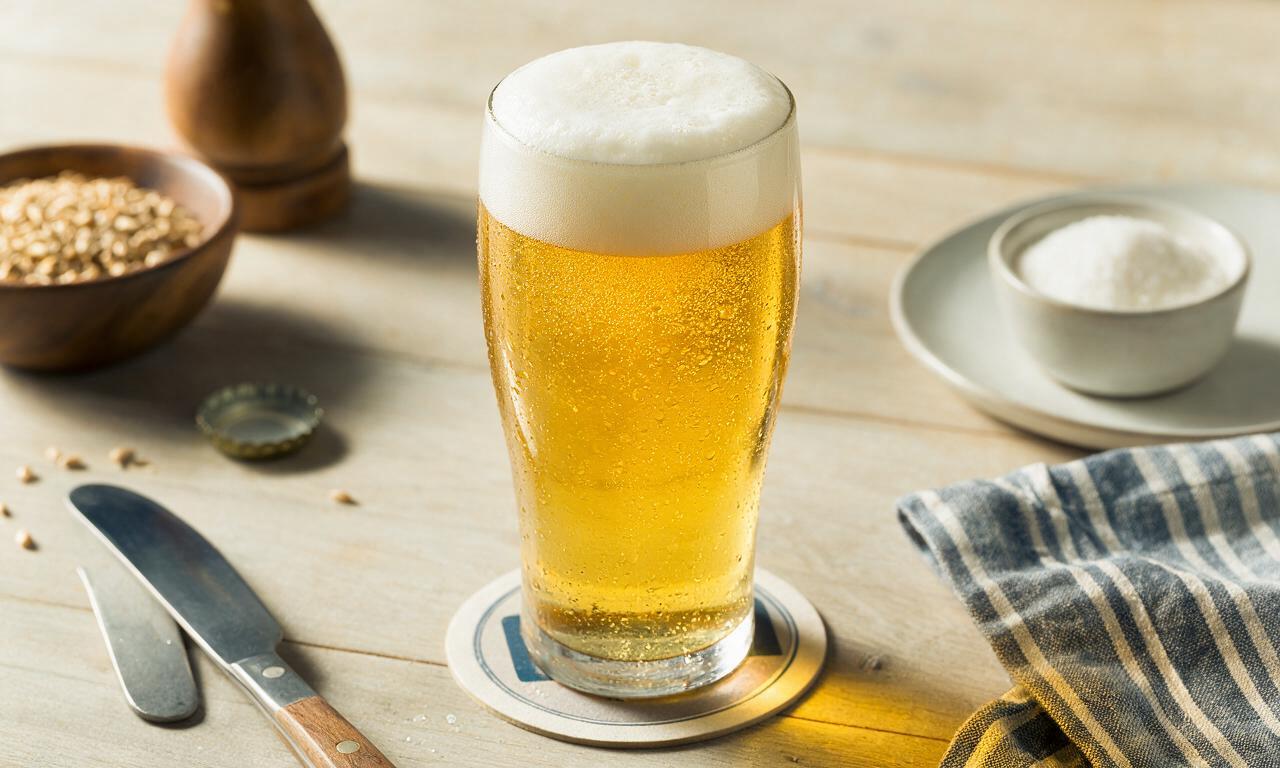
American Lager

American Lager
⏱️ cook time 3 weeks total (1.5 hours active brewing time)
🍽️ servings 10
⚡ Difficulty medium

intro

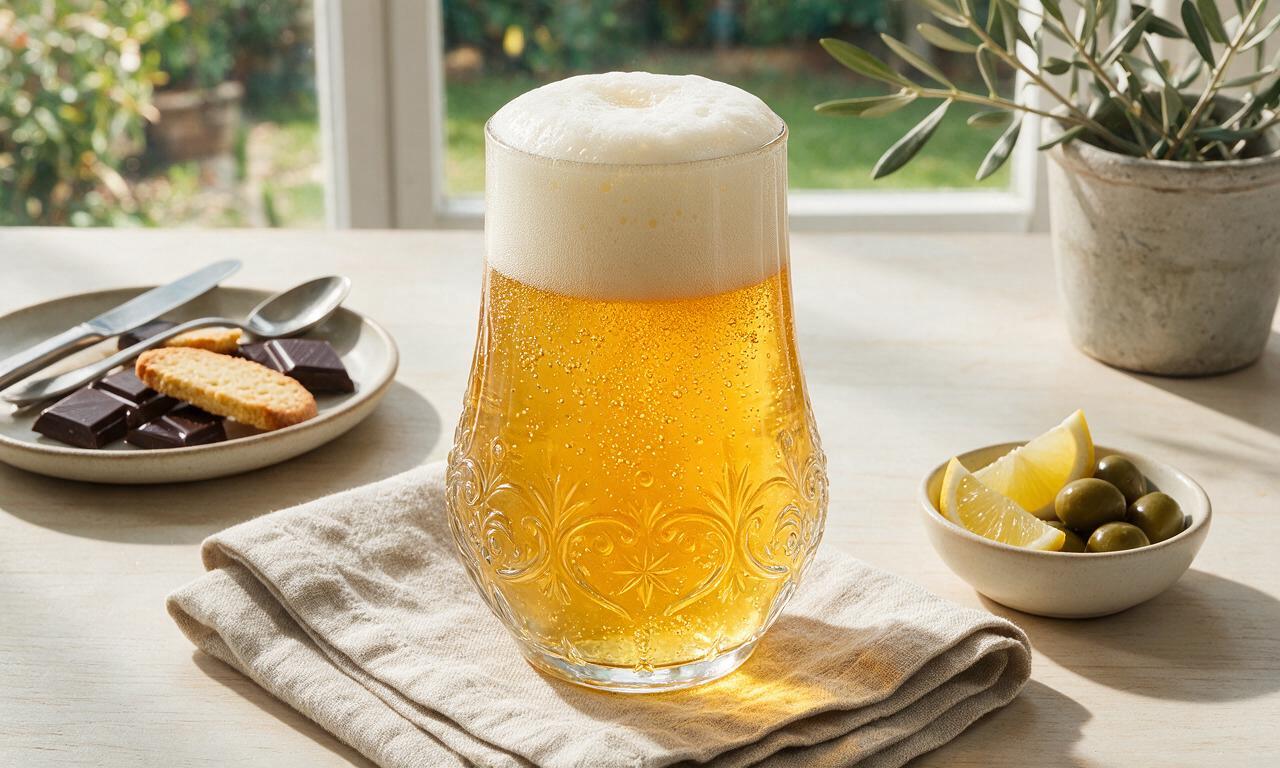
Crisp, clean, light-bodied homemade American lager with subtle malt sweetness, mild hop bitterness, and smooth carbonation, perfect for cold sipping on warm days.

Ingredients

Filtered water 3.8 liters (1 gallon)
Crushed 2-row pale malt 540 grams (1.2 lbs)
Flaked corn grits 180 grams (6.3 oz)
Cascade hop pellets 7 grams (0.25 oz)
American lager yeast (Wyeast 2035) 1 packet (5 grams)
Corn priming sugar 23 grams (0.8 oz)

Steps

1

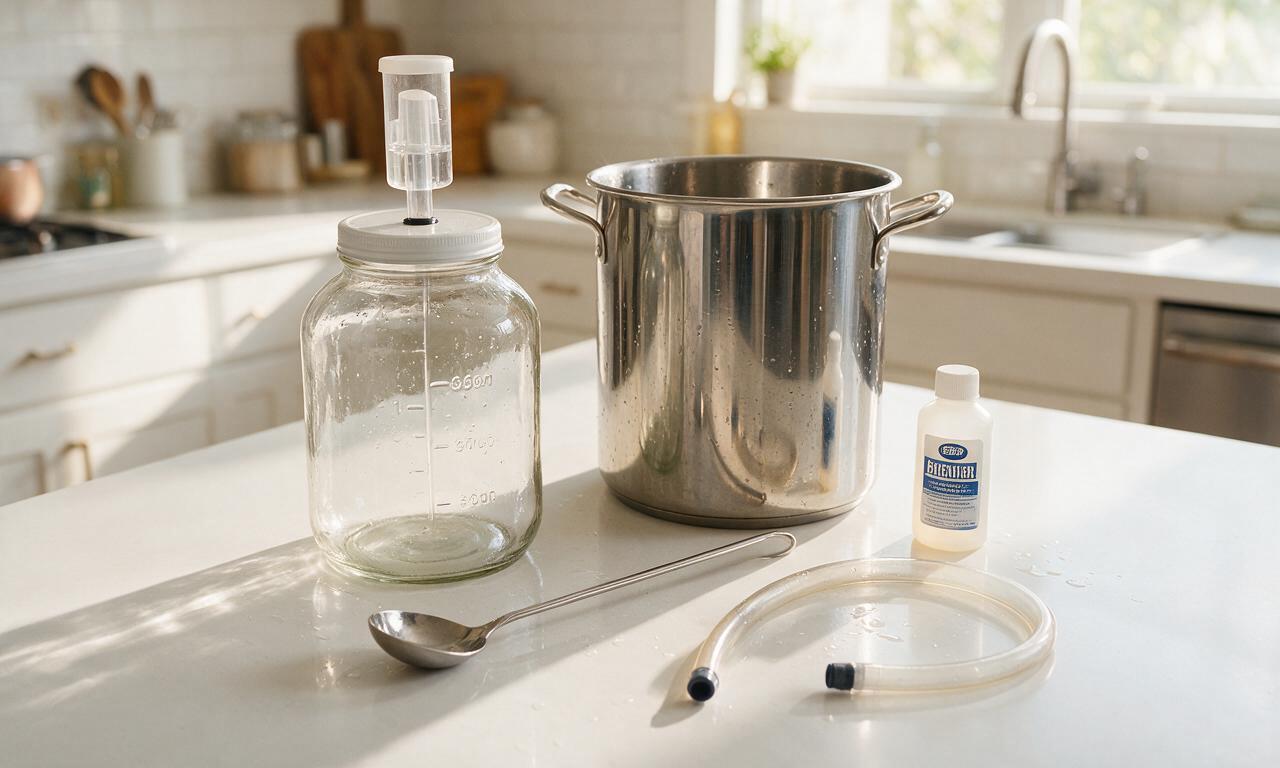
Sanitize all equipment

Wash and fully sanitize every piece of small-batch brewing equipment (brew kettle, 1-gallon fermenter, airlock, stirring spoon, siphon, bottle capper) with no-rinse brewing sanitizer, mixed to manufacturer specifications (typically 1 tablespoon sanitizer per 4 liters of cool water). Allow all equipment to air dry completely for 10 minutes before use to prevent off-flavors or bacterial contamination.
Step 1
step1:Sanitize all equipment
2

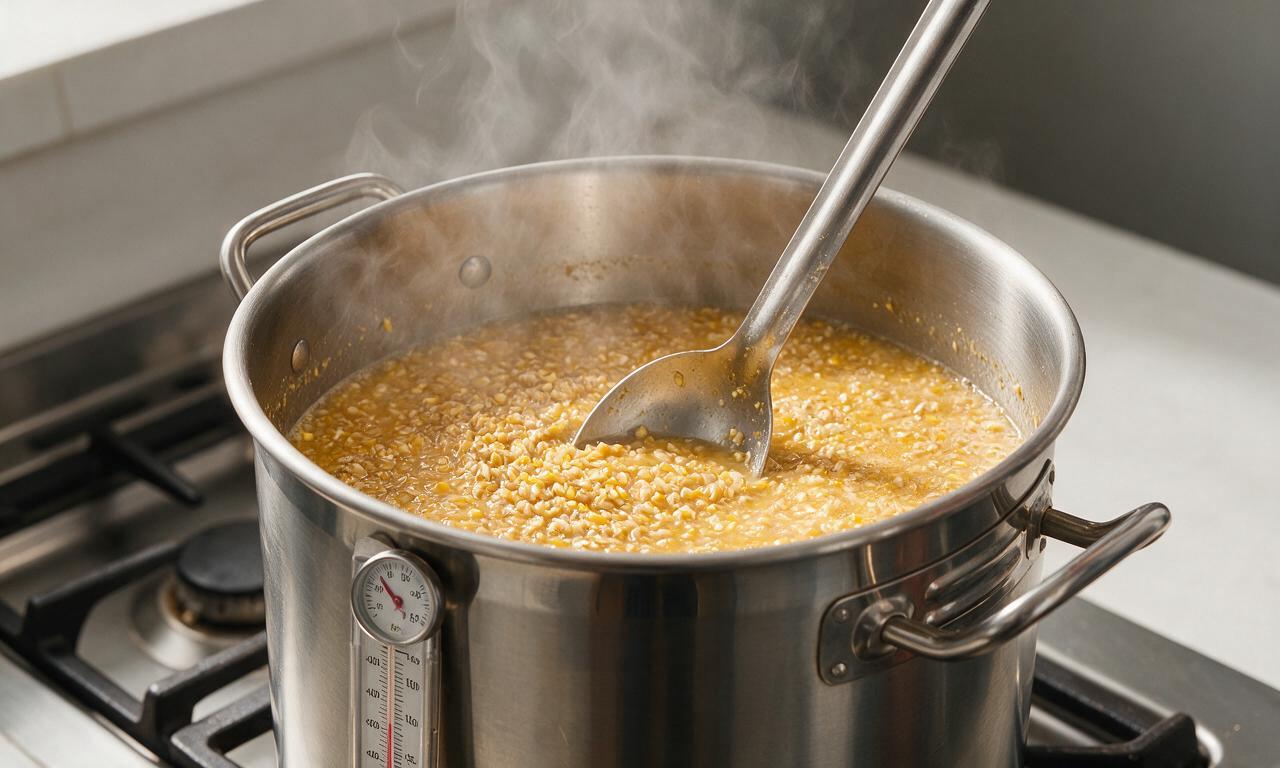
Mash the grain bill

Heat 2.3 liters (2.4 quarts) of filtered water in your brew kettle to 67°C (153°F) over medium heat. Add crushed 2-row pale malt and flaked corn grits, stirring thoroughly to eliminate dry clumps. Hold the temperature steady at 65-68°C (149-154°F) for 60 minutes using the lowest burner setting to maintain consistent heat, testing starch conversion with an iodine test (a drop of mash liquid on a white plate will run clear with no purple/black discoloration when conversion is complete).
Step 2
step2:Mash the grain bill
3

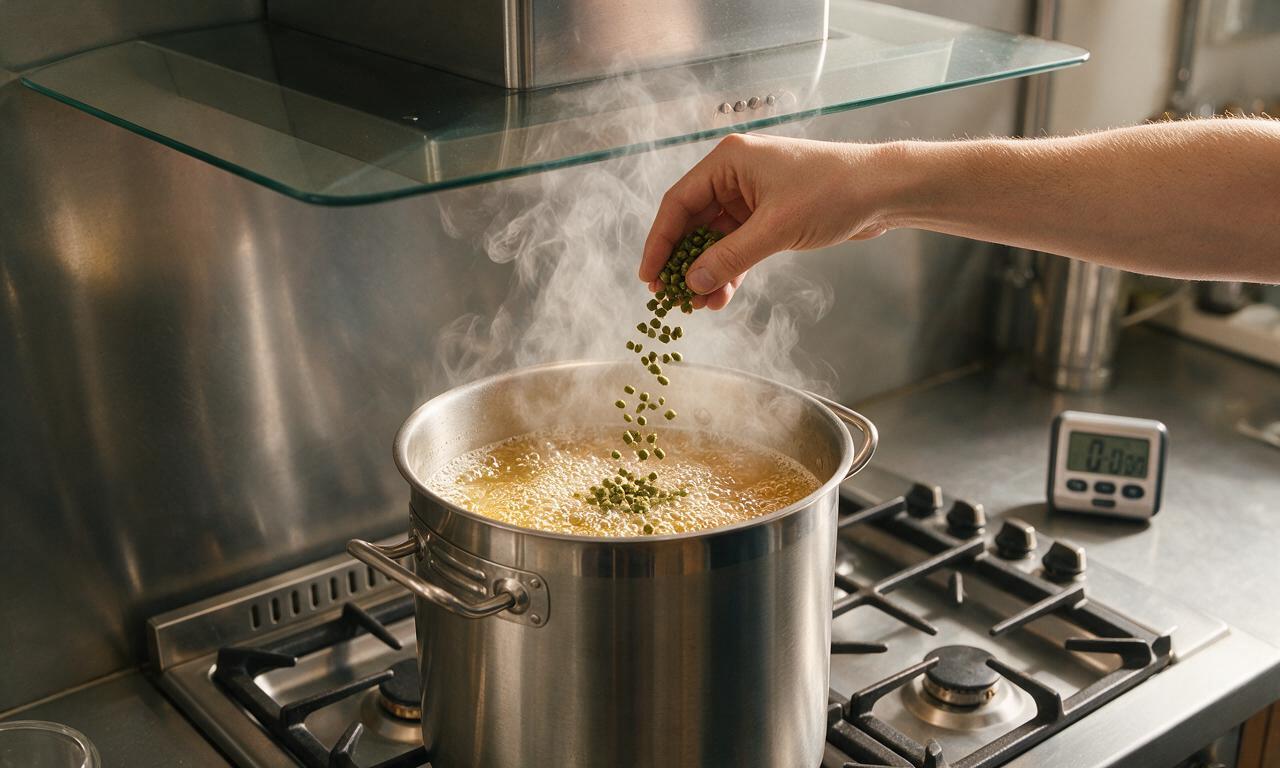
Boil wort and add hops

Strain the sweet mash liquid (wort) into the kettle, then slowly raise heat to medium-high to bring the wort to a rolling, gentle boil, adjusting heat as needed to avoid sticky boilovers. Once a steady boil is maintained for 15 minutes, add 5 grams (0.18 oz) of Cascade hop pellets for clean bittering. Continue the boil for a total of 60 minutes, adding the remaining 2 grams (0.07 oz) of Cascade hops in the last 5 minutes of the boil for light, citrusy aroma.
Step 3
step3:Boil wort and add hops
4

Chill wort and pitch yeast

Remove the kettle from heat immediately after the 60-minute boil ends. Use an immersion wort chiller or sealed ice bath to rapidly cool the wort to 13°C (55°F) within 20 minutes. Transfer the cooled wort to a sanitized 1-gallon glass fermenter, top up with remaining filtered water to reach 3.8 liters (1 gallon) total volume, then sprinkle the entire 5 gram packet of American lager yeast onto the wort surface. Seal the fermenter tightly and attach a sanitized airlock filled halfway with no-rinse sanitizer solution.
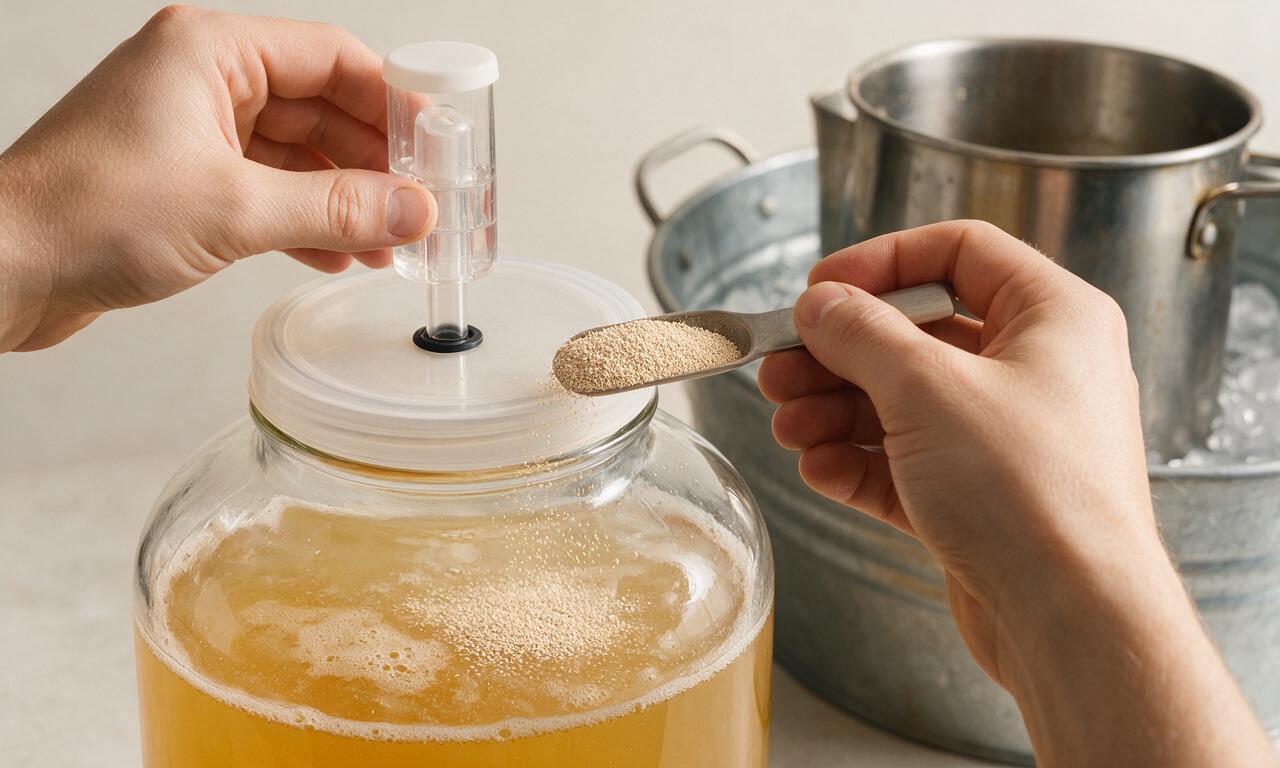
Step 4
step4:Chill wort and pitch yeast
5

Conduct primary fermentation

Place the sealed fermenter in a temperature-controlled space (such as a dedicated fermentation fridge or cool basement) held steady at 10-13°C (50-55°F) for 2 weeks. Monitor the airlock for regular bubbling, which will start within 24-48 hours as yeast converts sugar to alcohol. Wait until bubbling stops completely, the beer appears pale and clear, and a thin layer of pale yeast sediment settles at the fermenter bottom before moving to bottling.
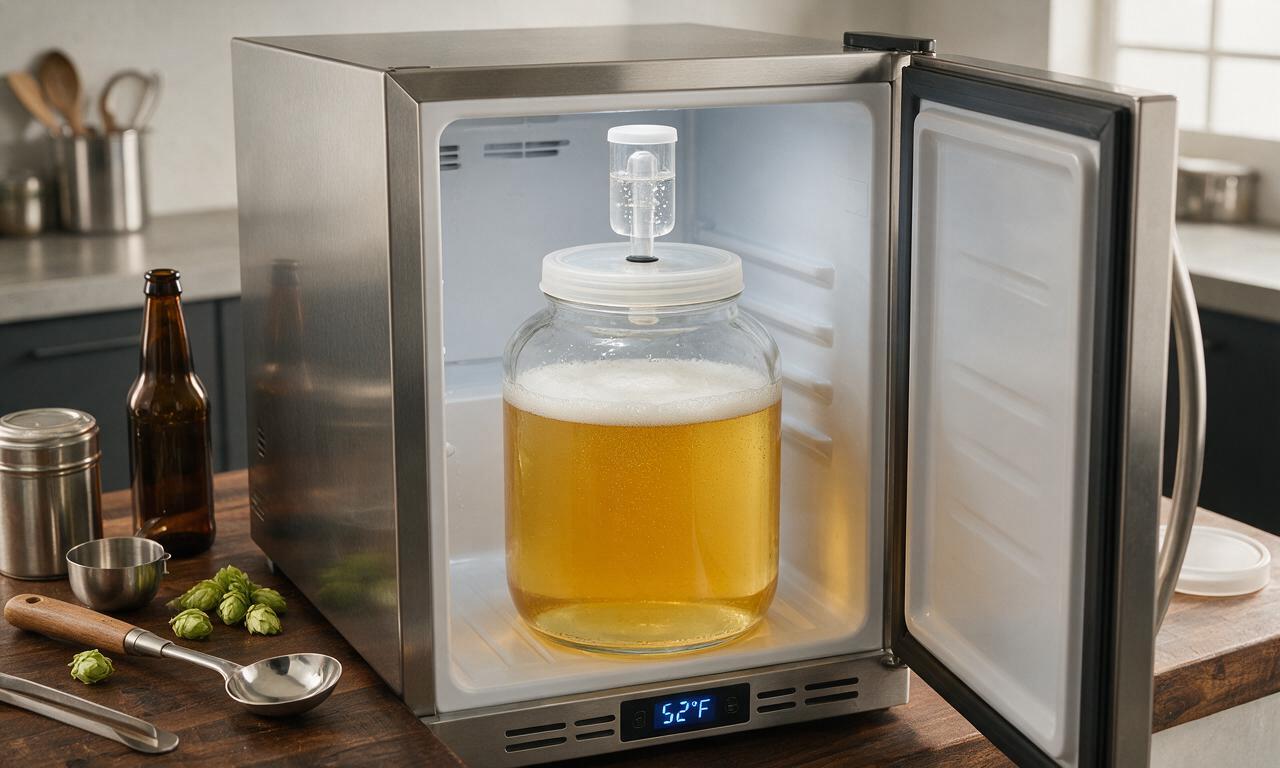
Step 5
step5:Conduct primary fermentation
6

Bottle and condition lager

Boil 23 grams (0.8 oz) of corn priming sugar in 60 ml (1/4 cup) of water for 5 minutes over high heat, then stir this solution gently into the siphoned, fermented lager to create natural, even carbonation. Siphon the beer into sanitized 12oz glass bottles, cap tightly with sanitized metal bottle caps, and store the bottles in a dark, 18°C (65°F) space for 1 week to build carbonation, then chill bottles to 2°C (36°F) for 48 hours before serving.
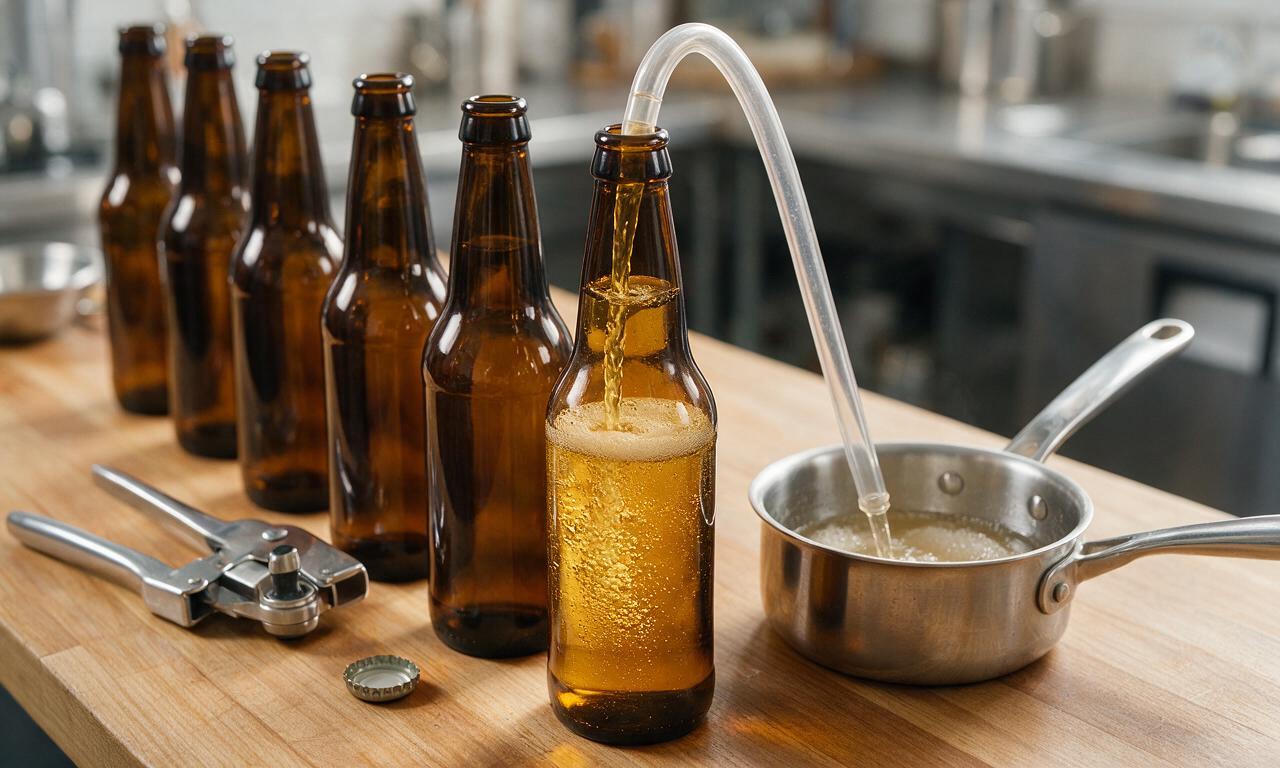
Step 6
step6:Bottle and condition lager

Tips

1.Maintain strict temperature control between 10-13°C (50-55°F) during primary fermentation; temperatures above 16°C (60°F) produce fruity, solvent-like off-flavors that clash with the clean, crisp profile of classic American lager.
2.Never skip the rapid wort cooling step: slow cooling increases risk of bacterial contamination and creates hazy, dull-tasting beer instead of the bright, clear lager the style is known for.
3.Measure priming sugar exactly when bottling; too much sugar causes over-carbonation that leads to gushing beer or broken bottle seals, while too little results in flat, unenjoyable lager.
✨ You May Also Like

Drinks & Beverages
🍜 Mexico

A bright, balanced tequila-based cocktail with zesty fresh lime, smooth orange liqueur, and a signature salt rim, perfect for warm summer sipping.

⏱️ 5 minutesDrinks & Beverages ★ 4.7
Drinks & Beverages
🍜 United States

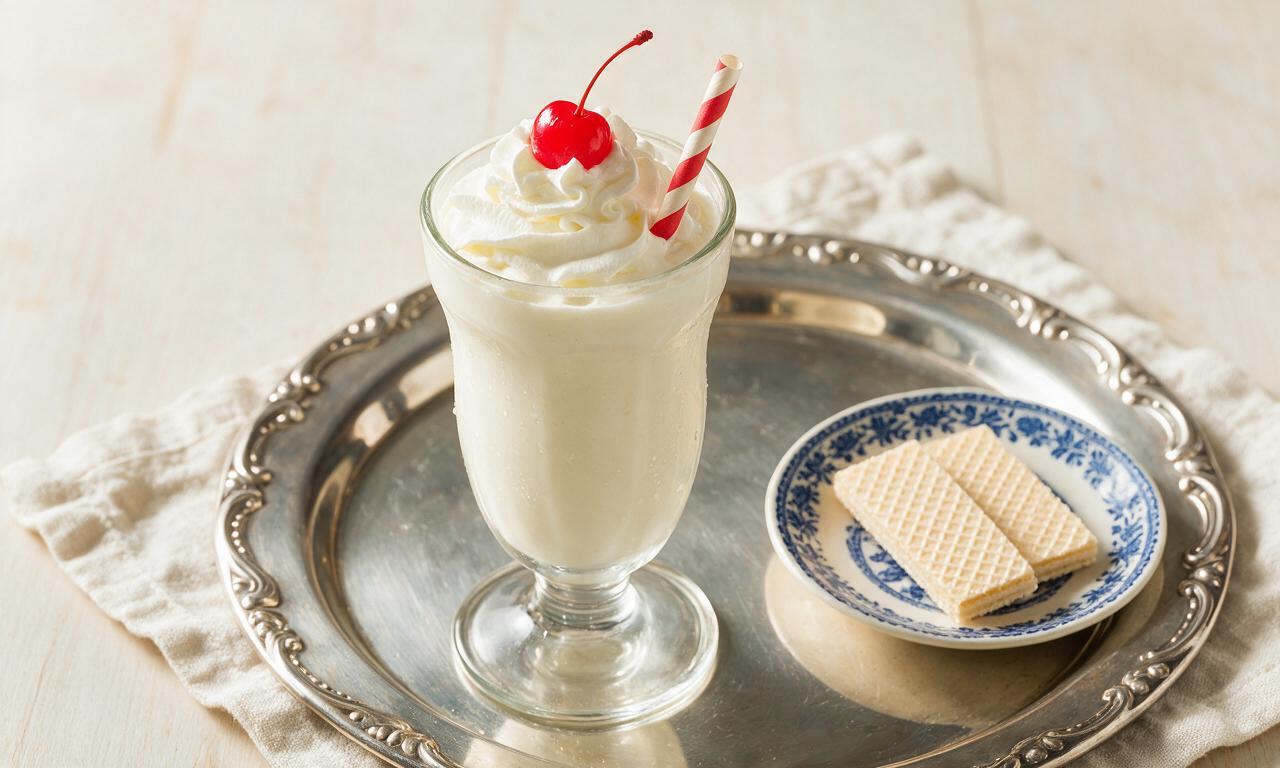
Thick, creamy, nostalgic classic vanilla milkshake with a rich, smooth texture, topped with whipped cream and a cherry for cool, sweet refreshment.

⏱️ 5 minutesDrinks & Beverages ★ 4.6
Drinks & Beverages
🍜 United States

A bright, golden strong ale with fruity banana-clove notes, subtle hop spice, and soft carbonation, brewed in classic Trappist Tripel tradition.

⏱️ 2 hours aDrinks & Beverages ★ 4.7
Drinks & Beverages
🍜 United States

A frothy, nostalgic American soda fountain treat pairing bubbly cold root beer with creamy vanilla ice cream, perfect for cooling down at warm weather gatherings.

⏱️ 20 minuteDrinks & Beverages ★ 4.9
Drinks & Beverages
🍜 United States

Tart, funky, effervescent American Wild Ale is a complex fruity craft beer brewed with wild yeast, delivering bright, zesty notes perfect for warm-weather sipping.

⏱️ 2 hours aDrinks & Beverages ★ 4.5
Drinks & Beverages
🍜 United States

Bright, bubbly copycat of the iconic American caramel cola, balanced with citrus and warm spice, perfect for sipping ice-cold on hot days.

⏱️ 15 minuteDrinks & Beverages ★ 4.8

American Lager:Frequently Asked Questions

1.Why does this recipe use flaked corn grits, and can I leave them out?
That flaked corn is key to nailing the iconic light, crisp American lager profile! It softens the bready weight of the 2-row pale malt, adds a faint gentle sweetness, and keeps the body light for easy cold sipping. Skipping it will leave you with a maltier, fuller beer that doesn’t match the classic style, so stick to the measured amount for best results.
2.Do I really need filtered water, or can I use regular tap water for this brew?
Filtered water makes a huge difference for this delicate lager! Since the flavor profile is so mild and clean, off-notes from chlorinated tap water (like metallic or chemical tastes) will really stand out. If you only have tap water, leave it uncovered for 24 hours to let chlorine dissipate, but filtered water will deliver that crisp, unadulterated finish you want.
3.Can I substitute a different yeast if I can’t find Wyeast 2035 American lager yeast?
You can, just stick to clean, neutral strains to match the classic style! Wyeast 2035 is ideal because it ferments ultra-clean with no fruity or spicy off-notes for that signature smooth, crisp finish. Good backups are WLP840 American Lager Yeast, or US-05 dry yeast fermented 5°F cooler than package directions to mimic that clean lager character.
4.Why use Cascade hop pellets, and when should I add them during brewing?
Cascade hops deliver that mild, subtle floral-citrus bitterness that balances light malt sweetness without overpowering the beer’s delicate profile, which is perfect for this style. Add 90% of your pellets at the start of a 60-minute boil for smooth, even bitterness, and save the last 10% for the final 5 minutes for a faint, bright hop aroma.
5.How long does this lager need to ferment before it’s ready to drink?
Lagers ferment slower than ales, so plan for 3 to 4 weeks total! Hold primary fermentation steady at 50–55°F for the first 2 weeks to let the Wyeast 2035 work cleanly without off-flavors, do a 3-day diacetyl rest 5°F warmer, then cold condition at 35–40°F for 1–2 weeks before carbonating for that ultra-smooth finish.
6.What carbonation level should I target for that classic smooth lager fizz?
Aim for 2.5 to 2.7 volumes of CO2, the sweet spot for classic American lager! That level gives soft, persistent fizz that feels creamy on the tongue without being sharp or overly bubbly. If bottle carbonating, use 3/4 cup of corn sugar per 5-gallon batch, hold bottles at 65°F for 2 weeks, and you’ll nail that perfect, refreshing fizz.
7.Will this homemade lager taste the same as the mass-produced American lagers I buy at the store?
It will have that same crisp, easy-drinking, refreshing core, but with way more fresh depth! The 2-row malt adds a soft bready note, Cascade hops bring faint floral balance, and proper slow fermentation leaves a smoother, cleaner finish than most big-brand lagers that rush production and use low-quality adjuncts.
8.What’s the best way to serve this lager to get the best possible flavor?
Serve it ice cold, between 38–42°F, in a straight-sided pint glass or chilled lager mug for the best experience! Skip frosted mugs, though—they cause excess foaming and mute subtle malt and hop notes as frost melts. Pour steadily down the side of the glass to leave a 1-inch foamy head, and enjoy it on a warm day for that classic payoff.

Comments (20)

2 days ago

Just bottled my first batch of this last weekend and cracked one open early (don’t judge) and OMG it tastes exactly like the crisp cheap lager I grab at the gas station but better! Perfect for backyard cookouts this summer. Can’t wait to let it carb up fully for the 4th of July party.

30 minutes ago

Wait, total time is 3 weeks? I thought lagers took way longer to ferment! Is this really doable for someone who’s only done a couple extract ale batches before? I don’t wanna mess up a whole batch of ingredients.

5 minutes ago

Great question! This is a fantastic entry-level lager for folks who’ve only done ales before – the key is keeping your fermentation temp steady around 50-55°F for the first week, and you’ll be golden. The shortened timeline works because we use a clean, fast-fermenting lager yeast strain that doesn’t need months of cold conditioning to taste great. Let us know how it goes if you give it a shot!

1 week ago

Brought a six pack of this to our neighborhood potluck last week and people were begging for the recipe! So crisp, no weird off flavors, even my husband who swears he only drinks fancy craft IPAs was going back for seconds. Game changer for summer get togethers.

5 days ago

Same! I brought mine to a Memorial Day cookout and it went faster than the store bought beer I brought as a backup. Total crowd pleaser.

2 weeks ago

Pro tip if you’re making this in a colder climate: wrap your fermenter in a cheap heating pad set to low if your basement is too cold, otherwise the yeast will stall out. Mine turned out perfectly crisp with a tiny hint of corn, just like the classic American lagers I grew up drinking.

3 days ago

Wait, did anyone else’s batch come out a little cloudier than expected? I followed the recipe exactly but it’s not that crystal clear I was hoping for. Tastes great, just looks a little hazy.

2 days ago

I had that happen my first batch! Turns out I skipped the 2 day cold crash before bottling. Throw your bottles in the fridge for 3-4 days before cracking them and most of that sediment will drop right out.

yesterday

Kevin is spot on! The cold crash step makes a huge difference for clarity, but don’t stress – hazy lager still tastes exactly the same, it just has a little more yeast character that some folks actually prefer. If you want that crystal clear look next time, you can also add a tiny bit of Irish moss during the boil to help particles drop out faster.

5 minutes ago

How much does all the equipment cost to get started for this? Me and my roommates wanna try making this for our tailgates this fall but we don’t wanna drop a ton of cash upfront.

just now

You can grab a basic 1 gallon starter brewing kit for around $50 that has everything you need for this recipe, and once you have the gear, each subsequent batch only costs about $15-$20 in ingredients – way cheaper than buying craft beer for tailgates! The kit will last you dozens of batches if you clean it well between uses.

1 week ago

My husband has been getting into homebrewing lately and I made him try this recipe because I miss the light, crisp beer we used to drink on our first dates. It turned out SO good, even my teen son snuck a sip (don’t tell) and said it was way better than the stuff his older cousin buys for parties.

5 days ago

Wait a second, this recipe uses flaked corn? I thought that was just for cheap mass produced beer, does it make it taste weird? I’ve only used all-grain barley for my brews before.

3 days ago

Dude the flaked corn is what gives it that classic smooth, crisp finish! It doesn’t make it taste like canned corn or anything, it just lightens the body so it’s super drinkable on hot days. I was skeptical too but it’s perfect for this style.

2 days ago

Flaked corn is a traditional ingredient in classic American lagers! It adds that signature clean, light mouthfeel without adding any corny flavor as long as you add it during the mash like the recipe says. It’s the same trick the big commercial brands use to get that super crushable taste everyone loves.

2 weeks ago

I let my batch condition an extra week past the recommended 3 weeks and it’s even better! The flavors mellowed out so much, no bitter aftertaste at all, just straight crisp cold lager that tastes better than any $12 six pack at the liquor store.

1 week ago

Good call, I did the same! I’ve found even an extra 3-4 days in the fridge makes a world of difference, it’s so smooth you can drink 3 of them while mowing the lawn without feeling bloated.

2 hours ago

Help! I bottled my batch 2 days ago and the bottles feel really hard when I squeeze them, did I add too much priming sugar? I’m scared they’re gonna explode!

30 minutes ago

Oh no, I had that happen once! Burp them quickly once a day for the next couple days until they feel normal, otherwise you might end up with beer all over your closet. Don’t leave them in a hot spot either, that makes the carbonation build faster.

5 minutes ago

Sam’s burp trick works like a charm! The plastic soda bottles we recommend for new brewers are perfect for this because you can feel the carbonation level – once they’re as firm as a store bought soda bottle, you can stick them in the fridge to stop the carb process. Just don’t forget about them if they’re overpressurized!

yesterday

Can I make this without any fancy brewing equipment? Like, could I use a big stock pot and food grade buckets I already have in my garage instead of buying a whole kit?

yesterday

Absolutely! As long as all your equipment is thoroughly sanitized, you don’t need fancy gear. A 5 gallon stock pot works great for the boil, and food grade buckets with a tight lid and a cheap airlock (you can grab those for $2 at any homebrew shop) work perfectly for fermentation. No need to splurge on expensive gear to make great beer!

1 week ago

Used the last of my batch to make beer brats last weekend and even cooked in the food, it was chef’s kiss. The clean, mild flavor didn’t overpower the brats at all, it was the perfect meal for our fishing trip up north. 10/10 will make again.

3 days ago

Has anyone tried swapping the recommended lager yeast for an ale yeast to make this ferment faster? My apartment is too warm to keep lager temp steady right now in the middle of summer.

2 days ago

I did that last month when my AC went out! Used a clean California ale yeast, fermented at 68°F, and it still turned out super crisp. It’s not technically a lager but it tastes almost identical, no weird fruity ale flavors.

yesterday

That’s a great hack for warmer spaces! If you use a neutral, clean ale yeast like US-05, you’ll get a very similar crisp, light beer that ferments in about half the time at room temp. It won’t be a “true” lager, but it’ll still be delicious and perfect for hot summer days.

2 weeks ago

I’ve been homebrewing for 12 years and this is hands down the best classic American lager recipe I’ve ever tried. No weird gimmicks, simple ingredients, turns out perfect every single time. I make a double batch every spring to have on hand all summer.

5 days ago

This is such a relief to hear! I’m picking up my ingredients tomorrow to make my first ever batch, I was worried it was too simple to taste good.

5 days ago

How boozy is this? I prefer lighter beer that’s around 4-5% ABV so I can have a couple at a cookout without getting too tipsy. I hate those heavy 7%+ craft beers that make you full after one.

3 days ago

I measured mine with a hydrometer and it came out right at 4.6% ABV, exactly like the classic store bought lagers! Super crushable, I had 4 at our pool party last weekend and felt totally fine.

2 days ago

Great question! This recipe clocks in right at 4.5% ABV when fermented correctly, which is right in that classic light lager range. It’s designed to be super drinkable, not heavy or high alcohol, so it’s perfect for sipping all afternoon at cookouts, pool days, or game nights.

2 weeks ago

Took a cooler of this to our Sunday football watch party last season and even my buddy who only drinks imported beer was shocked it was homemade. Crisp, cold, no weird aftertaste, perfect for yelling at the TV for 3 hours. Already planning my next batch for this fall.

1 week ago

Wait, do I really need to sanitize every single thing that touches the beer? I skipped that on my first ever homebrew attempt and it tasted like rotten apples, I don’t wanna do that again.

5 days ago

I know it feels tedious, but sanitizing all your equipment (spoons, fermenters, bottles, even the lid!) is non-negotiable for good beer. You don’t need fancy sanitizer – a cheap no-rinse brewing sanitizer from the hardware or homebrew store takes 2 minutes to mix up, and it’ll save you from wasting a whole batch on off flavors. We promise it’s worth the extra 10 minutes of prep!

yesterday

Is this recipe gluten free? My son has celiac and he’s been missing having a casual beer at family barbecues, I’d love to make him a version he can drink.

yesterday

I made a GF version of this last month! Swapped the barley for gluten free pilsner malt and kept the corn the same, used a GF lager yeast, and it turned out amazing. My celiac sister couldn’t tell the difference between it and regular beer.

2 hours ago

This base recipe isn’t gluten free as written because it uses barley malt, but Jen’s swap works perfectly! You can substitute the 2-row barley for a gluten free pilsner malt, make sure all your equipment is totally free of gluten cross-contamination, and you’ll get an almost identical crisp lager that’s safe for folks with celiac. So glad you’re looking out for your son!

1 week ago

This tastes exactly like the lager my dad used to pour for me (when I was old enough, obviously) at our family cabin in the 90s. Crisp, smooth, no weird hoppy bite, just pure classic beer. Hit me with so much nostalgia when I cracked my first bottle, I immediately called my dad to tell him about it.

5 minutes ago

Wait, the total active time is only 90 minutes? I thought homebrewing took all day! That’s way less time than I spend making chili on Sundays, I’m definitely trying this this weekend.

just now

It’s so fast! I knocked out the boil and prep in 80 minutes flat last Saturday while watching the pre-game show, the rest of the time is just waiting for it to ferment and carbonate. Super low effort for how good it turns out.