
American Pale Ale (APA)
intro
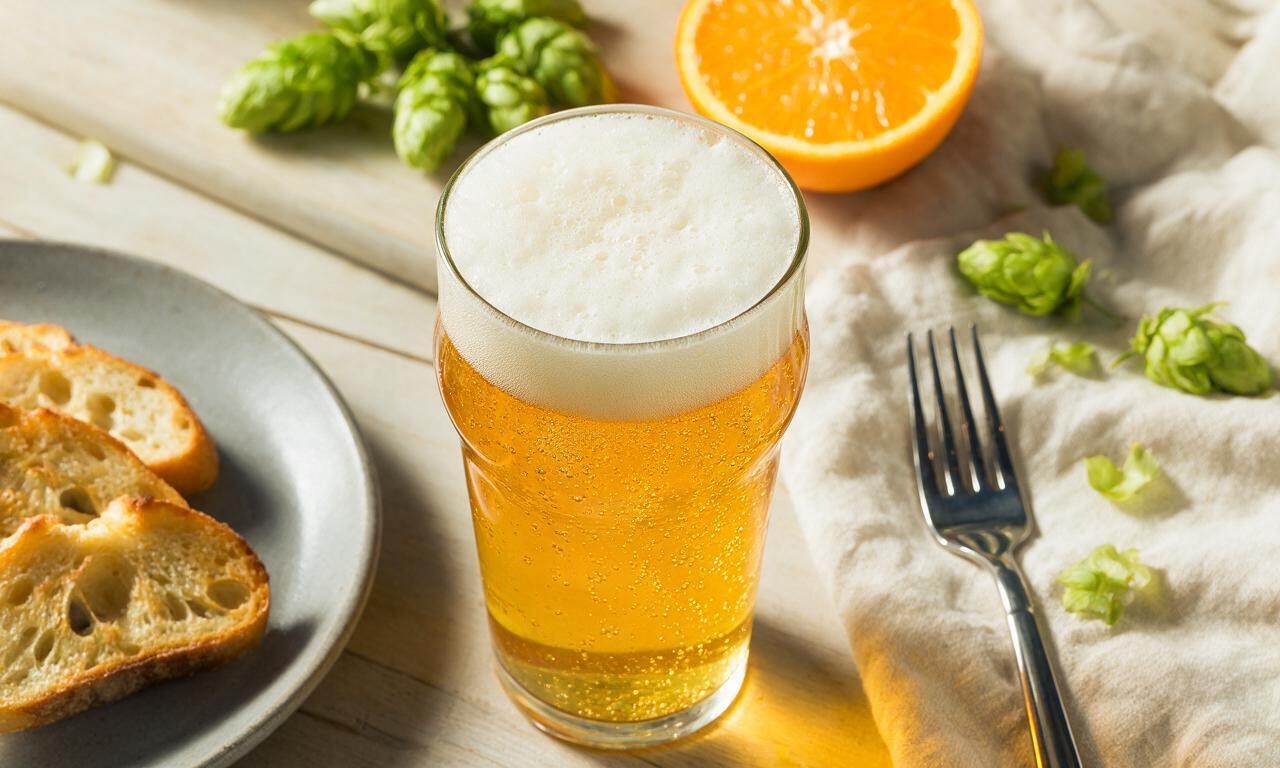
Bright, hop-forward homemade American Pale Ale with zesty Cascade hop citrus notes, a smooth malt backbone, and crisp carbonation, perfect for casual summer gatherings.
Ingredients
Steps
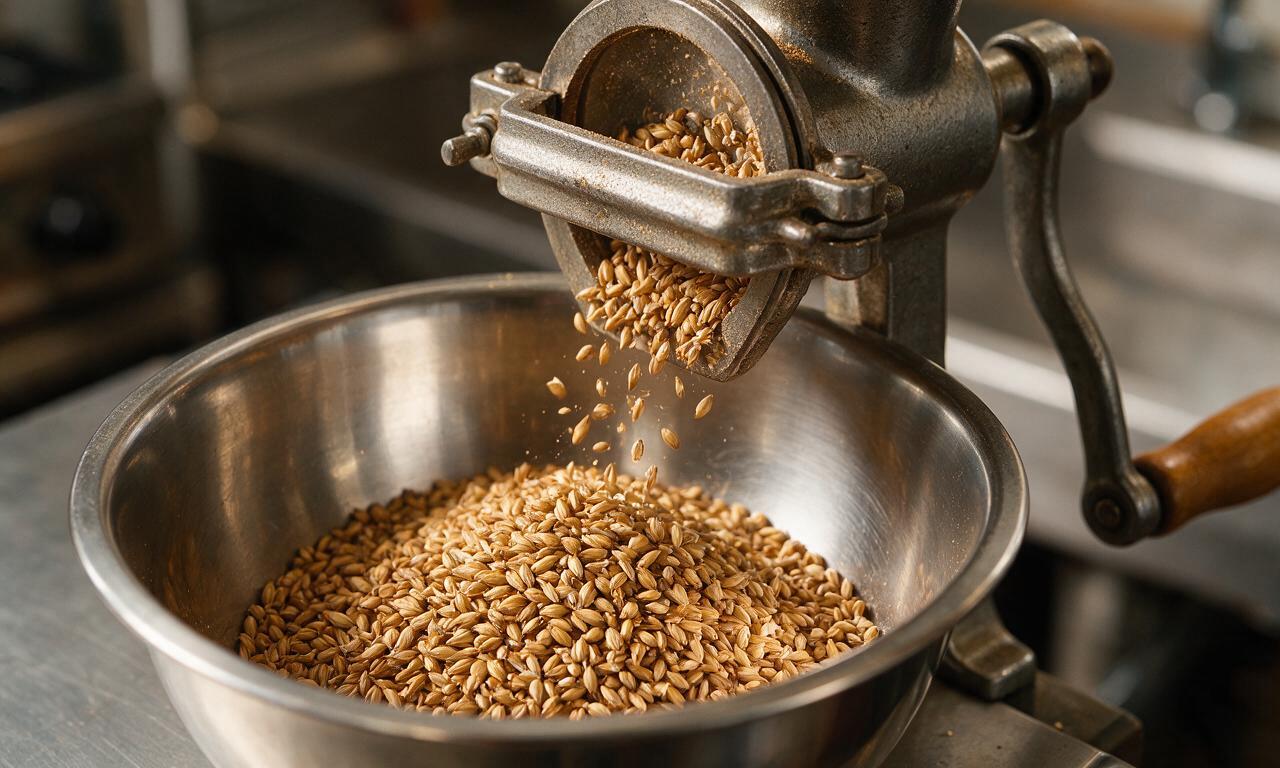
Mill the brewing grains
Measure out 1.8kg 2-row pale malt and 90g 10L crystal malt, feed through a grain mill set to a coarse crush (cracked kernels, mostly intact husks, no fine flour) over 10 minutes at room temperature with no heat applied, to expose the starchy grain interior for efficient sugar conversion during mashing.
Mash the crushed grains
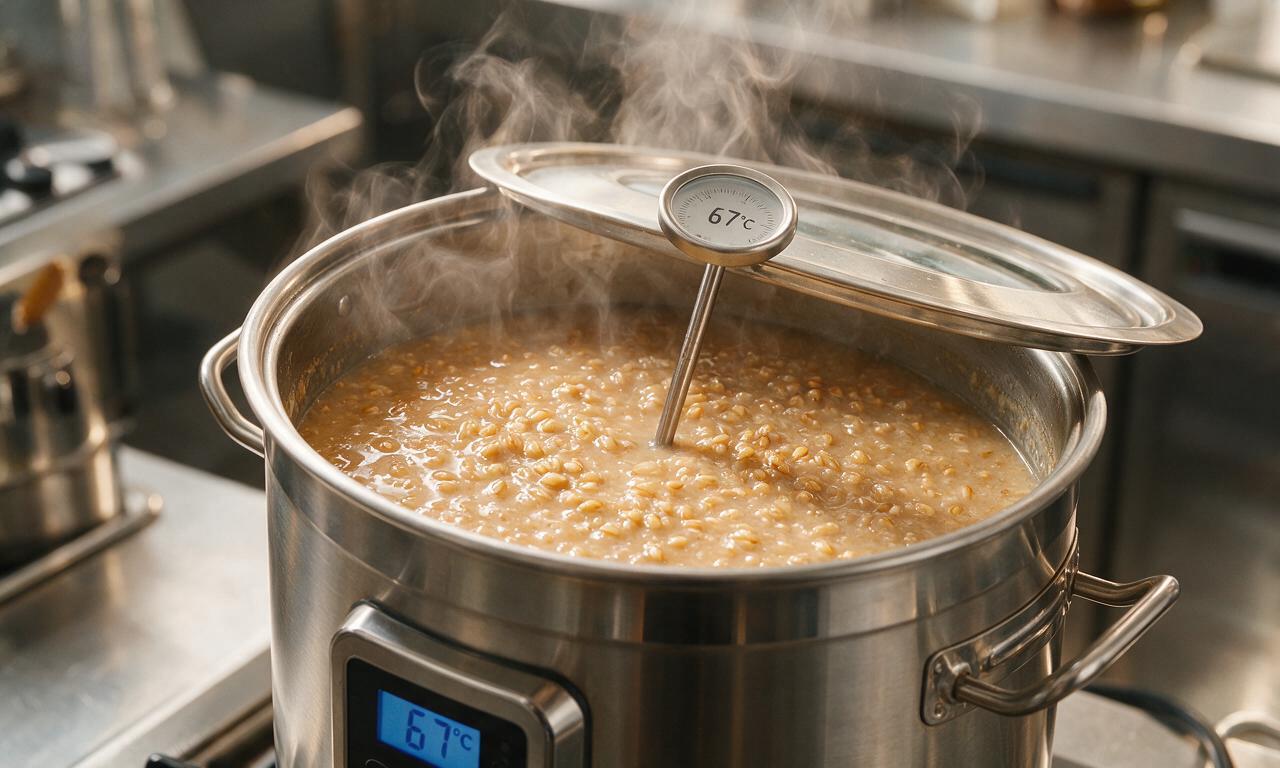
Heat 6 liters (1.6 gallons) of filtered water to exactly 67°C (153°F) in a 12-liter (3-gallon) stock pot or insulated mash tun, add all crushed grains, stir thoroughly to eliminate dry clumps, hold temperature steady at 65-68°C (149-154°F) for 60 minutes on the lowest stovetop setting if using a pot, covering tightly to retain heat, until grain starch fully converts to fermentable sugar.
Lauter and sparge grains
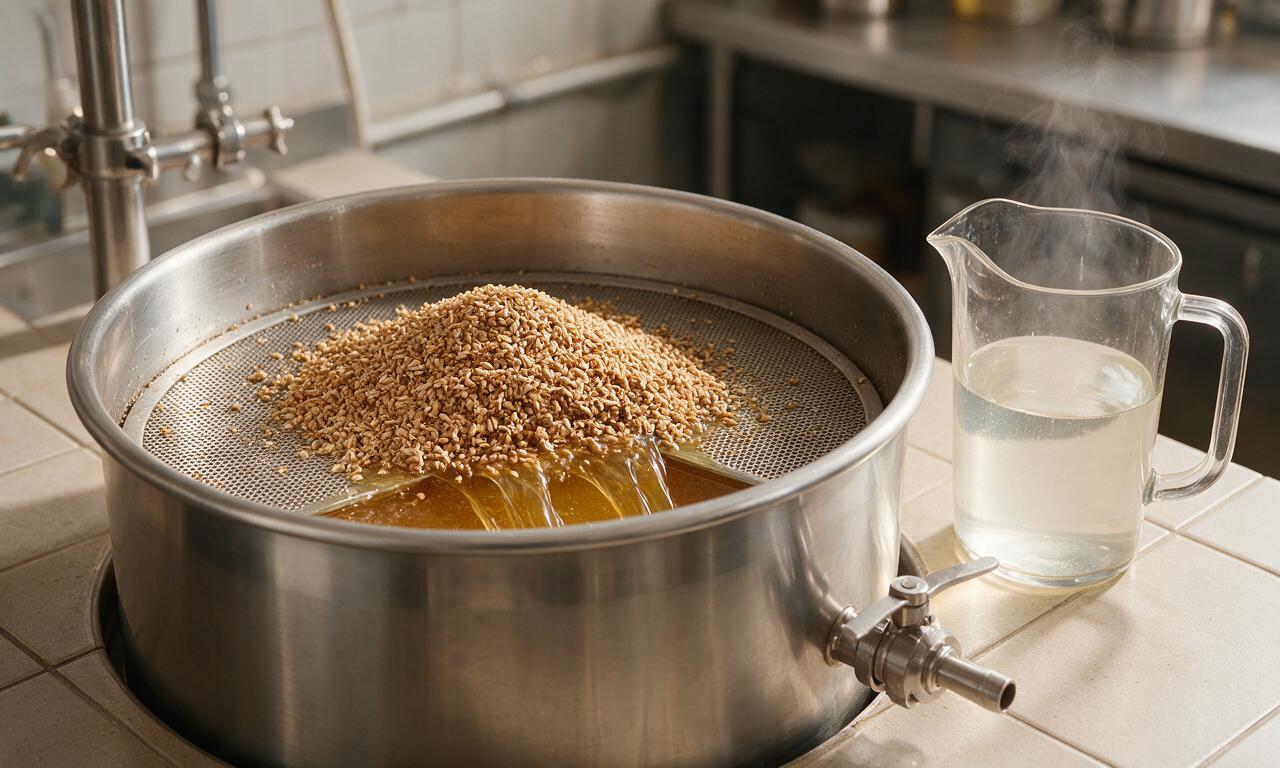
Slowly drain the sweet, amber sugar liquid (called wort) from the grain bed into a clean brew kettle, then gently pour 3 liters (0.8 gallons) of 77°C (170°F) filtered water over the top of the compacted grain bed over 15 minutes to rinse remaining trapped sugars, collecting a total of 7.6 liters (2 gallons) of wort in the kettle. Discard spent grains once draining is complete.
Boil wort and add hops
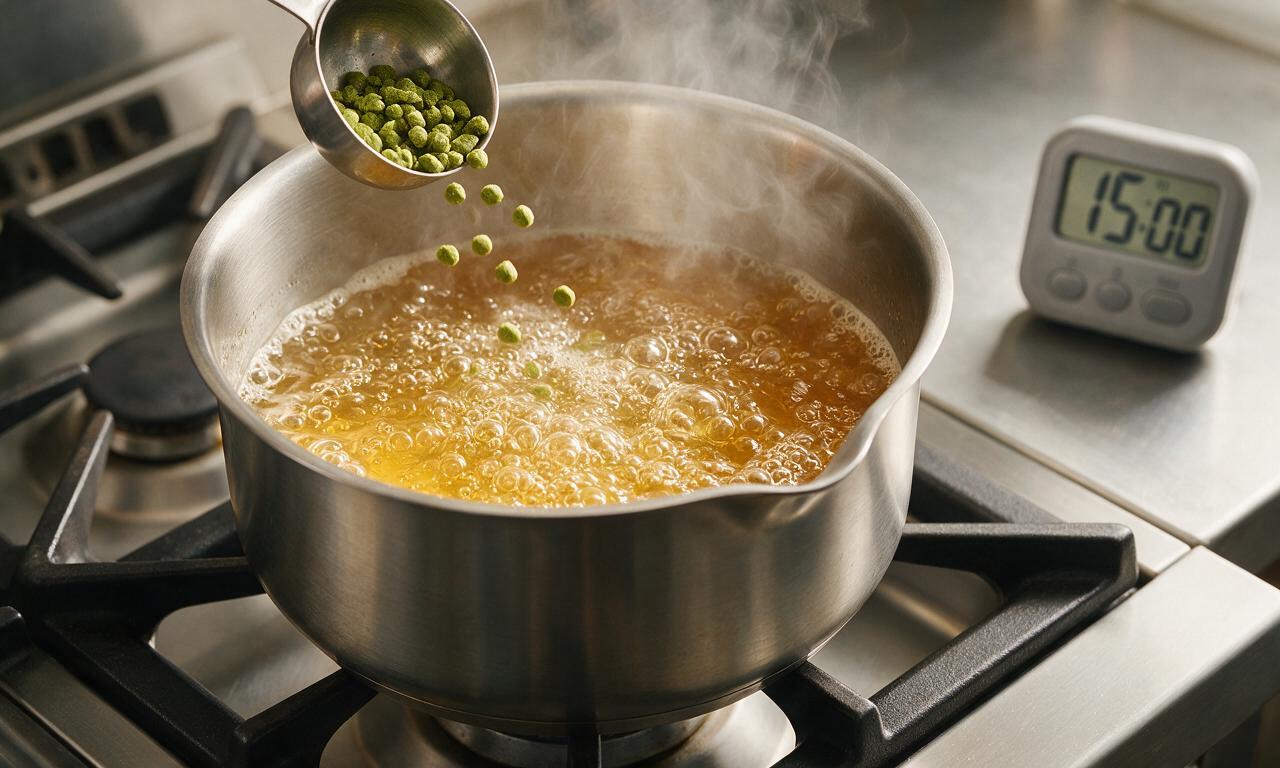
Place the kettle of collected wort over medium-high heat, bring to a gentle rolling boil, adjust heat to medium to avoid boilovers, and maintain a steady boil for 60 minutes total: add 11g of Cascade hops immediately when the boil starts for bitterness, add another 11g of Cascade hops with 15 minutes left in the boil for flavor, and add the final 12g of Cascade hops the second you turn off the heat for bright, zesty citrus aroma.
Cool wort and pitch yeast
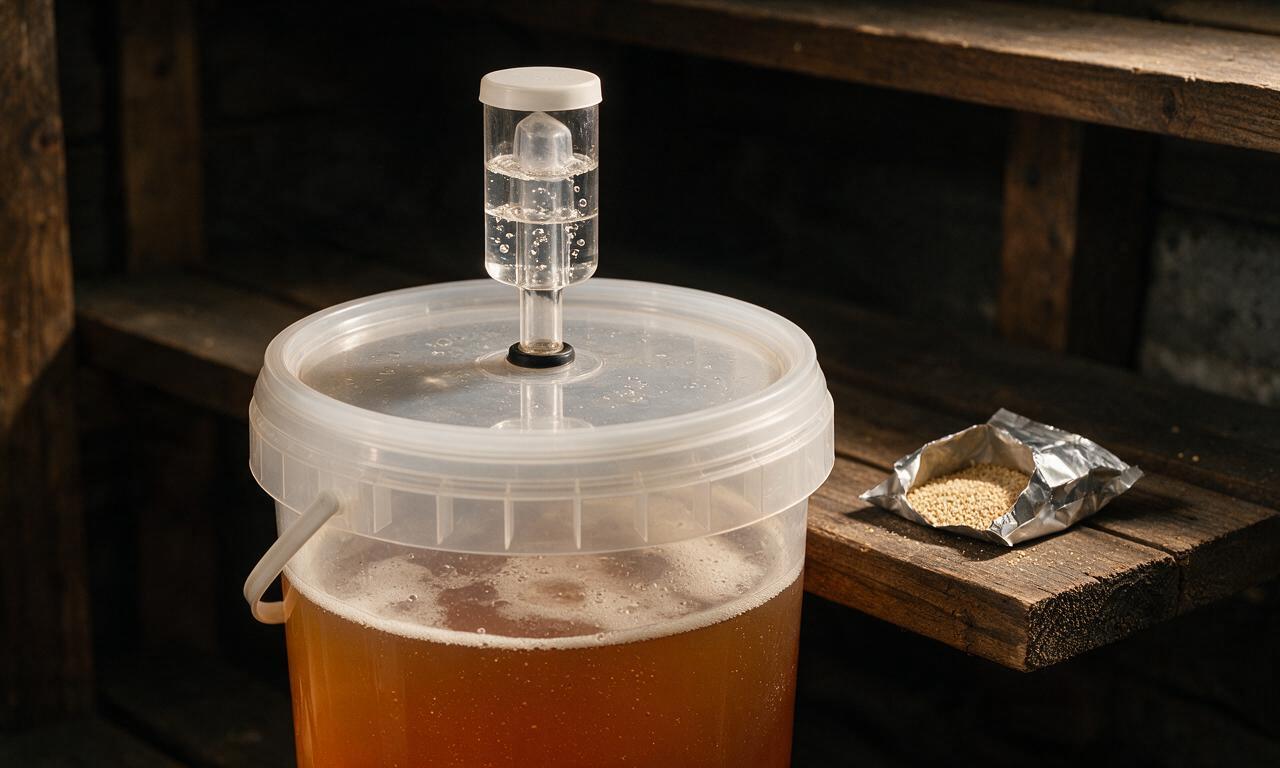
After turning off the heat, quickly cool the hot wort to 20°C (68°F) over 20 minutes using a sanitized immersion wort chiller or sealed kettle set in an ice water bath, transfer cooled wort to a sanitized 8-liter (2-gallon) fermentation bucket, aerate by shaking the sealed bucket vigorously for 30 seconds, then sprinkle 5g of US-05 American ale yeast evenly over the wort surface, and seal the bucket with an airlock half-filled with no-rinse sanitizer.
Ferment and carbonate beer
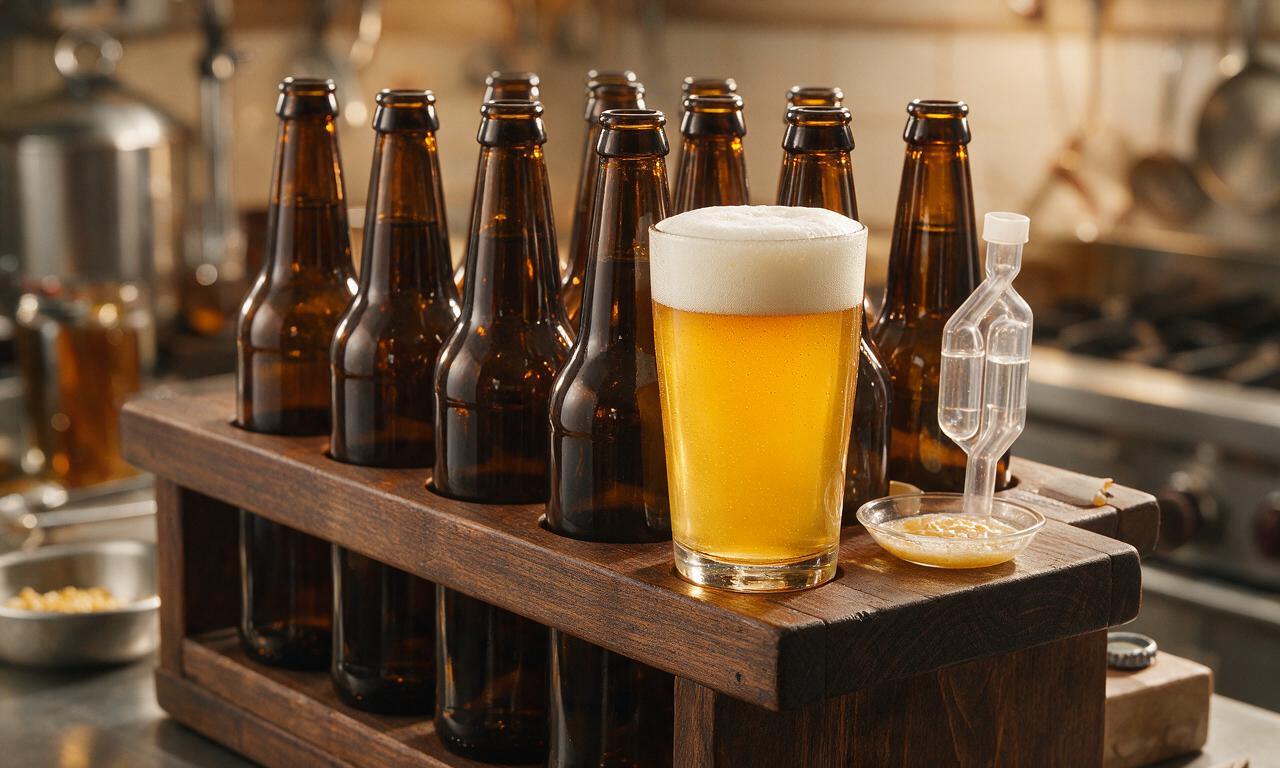
Hold the sealed fermentation bucket at a steady 18-21°C (65-70°F) for 14 days, until bubbling in the airlock stops completely and the beer appears clear with no visible haze. Siphon the finished beer into sanitized amber glass bottles, stir in pre-dissolved, cooled 45g of corn sugar evenly to create natural carbonation, cap bottles tightly with a bottle capper, let condition at room temperature (20°C/68°F) for 7 additional days, then chill bottles to 4°C (39°F) for 24 hours before serving.
Tips
2.Avoid crushing grains into a fine powder; mostly intact grain husks create a natural filter bed during lautering, and fine grain particles can cause stuck drains or harsh, astringent flavors in your beer.
3.Resist the urge to open the fermentation bucket during the 14-day primary ferment; exposing young beer to oxygen or airborne contaminants can lead to stale, cardboard-like flavors or spoiled batches.
OMG, this recipe is a total game changer! I’ve been tinkering with homebrewing for a year and always struggled to get that bright, citrusy APA kick without it tasting too harshly bitter. Followed the steps exactly, let it condition the full 21 days, and brought a growler to our backyard BBQ last weekend—every single person asked for the recipe! SO good, even my sister who only drinks hard seltzers liked it. 10/10 would brew again.
First time ever attempting homebrew, and I was so intimidated by the 21 day timeline, but the active prep was way more manageable than I thought! My only small hiccup was I almost forgot to sanitize my airlock on bottling day (oops) but it still turned out great. My husband and his tailgate crew went crazy for it at the Browns game last Sunday. Only knocking off a star because I wish there was a note about how much priming sugar to use for different bottle sizes!
Brewed this last month, just cracked the first bottle last night. Perfect balance of pine and citrus, super smooth, no weird off-flavors or skunky aftertaste at all. Brought a six pack to my work potluck and everyone was shocked it was homemade. Will be my go-to APA recipe from now on.
Wait, quick question—do I *have* to wait the full 21 days? I’m hosting a game night in 12 days and was really hoping to have this ready to serve. Has anyone tried cutting the conditioning time short? Would that ruin it?
This recipe is chef’s kiss! I made a double batch for our annual block party and it was the first thing to run out. People kept saying it tasted better than the local brewery’s APA, which is the highest compliment if you ask me. Already have the ingredients out to make another batch this weekend.
Super straightforward recipe even with the medium difficulty rating. I overshot my mash temp by like 3 degrees on my first go and was convinced I ruined it, but it still turned out delicious. Got that nice crisp, clean finish, not too heavy or overly bitter, perfect for sipping on my porch after a long work day. Zero notes, already planning my next brew day.
How much does the total ingredient cost run for this 5 gallon batch, roughly? I’m trying to get into homebrewing without dropping a ton of cash on fancy ingredients right off the bat, and this recipe looks perfect but I don’t have a good sense of local homebrew shop prices.
Y’all, I cannot believe how easy this was! I’m not a big beer drinker normally, but my partner is obsessed with APAs so I tried this for his birthday. He said it’s better than any of the fancy craft beers he buys at the liquor store. We brought a few bottles to our friend’s potluck last night and everyone was raving. Only thing I changed was adding a tiny bit of fresh orange peel at the end for extra citrus, and it slapped.
Solid base APA recipe. I’ve brewed this three times now, and each time it’s been super consistent. Last batch I dry hopped with a half oz of Mosaic and it gave it that nice subtle blueberry note that pairs so well with the classic Cascade pine. Great recipe to build off of if you like experimenting with different hop combos.
I was so intimidated to try homebrewing because I thought I’d need thousands of dollars of fancy equipment, but the ingredient list and steps were totally approachable. The active prep only took me about 2 and a half hours like the recipe says, which is less time than I spend making my game day chili on Sundays! The end result was crisp, perfectly hopped, and exactly what I want out of a classic APA. No notes, 10/10.
Quick heads up for anyone brewing in a warm climate like me—if your fermentation space is over 72°F, you’ll get some weird fruity off-flavors from the yeast. I had to set my fermenter in a cooler with frozen water bottles to keep the temp steady, and it turned out amazing after that. Wish there was a note about temperature control for warm areas!
Wait, is this recipe for a 5 gallon batch? I only have a 2 gallon fermenter right now and I don’t want to scale the ingredients wrong and mess it up. Has anyone scaled this down before?
Brewed this for the first Ohio State game of the season, and it was an absolute hit. My buddies kept asking if I bought it from the craft brewery down the street from the stadium. The hop flavor is bright but not overpowering, it’s super crushable for all day drinking at a tailgate. Will absolutely be making this for every game day this fall.
Carefully canned a few bottles of this to take on our last backcountry mountain biking trip, and it was the perfect post-ride reward. Light enough to crush after a 2000ft climb, hoppy enough to feel like a special treat, no weird syrupy aftertaste. Already got my grains milled and ready for my next batch this weekend.
Oh no, I think I messed up! I added the dry hops 2 days earlier than the recipe said, is that going to ruin the whole batch? I’m so mad at myself, I’ve been waiting 2 weeks to try this and I don’t want it to be gross and grassy tasting.
I was so stoked to use the Cascade hops I grew on my backyard trellis this year for this recipe, and it did NOT disappoint. The fresh homegrown hops gave it that bright, piney zing that’s way better than the vacuum-sealed store-bought ones. Toted a six pack to our neighborhood potluck last weekend and people were blowing up my group chat asking for the recipe. Total home run.