1.What makes Eastern North Carolina pulled pork distinct from other Southern BBQ styles?
▾
Unlike Western NC or South Carolina BBQ that adds tomato or mustard to their sauces, Eastern NC uses a thin, tangy, vinegar-only mop with no added sweeteners or tomato products. It’s smoked low and slow, pulled rather than finely chopped, and seasoned to let smoky pork and bright vinegar take center stage, with no heavy, sweet glaze masking the meat’s flavor.
2.Why do you use bone-in Boston butt (pork shoulder) instead of other pork cuts for this recipe?
▾
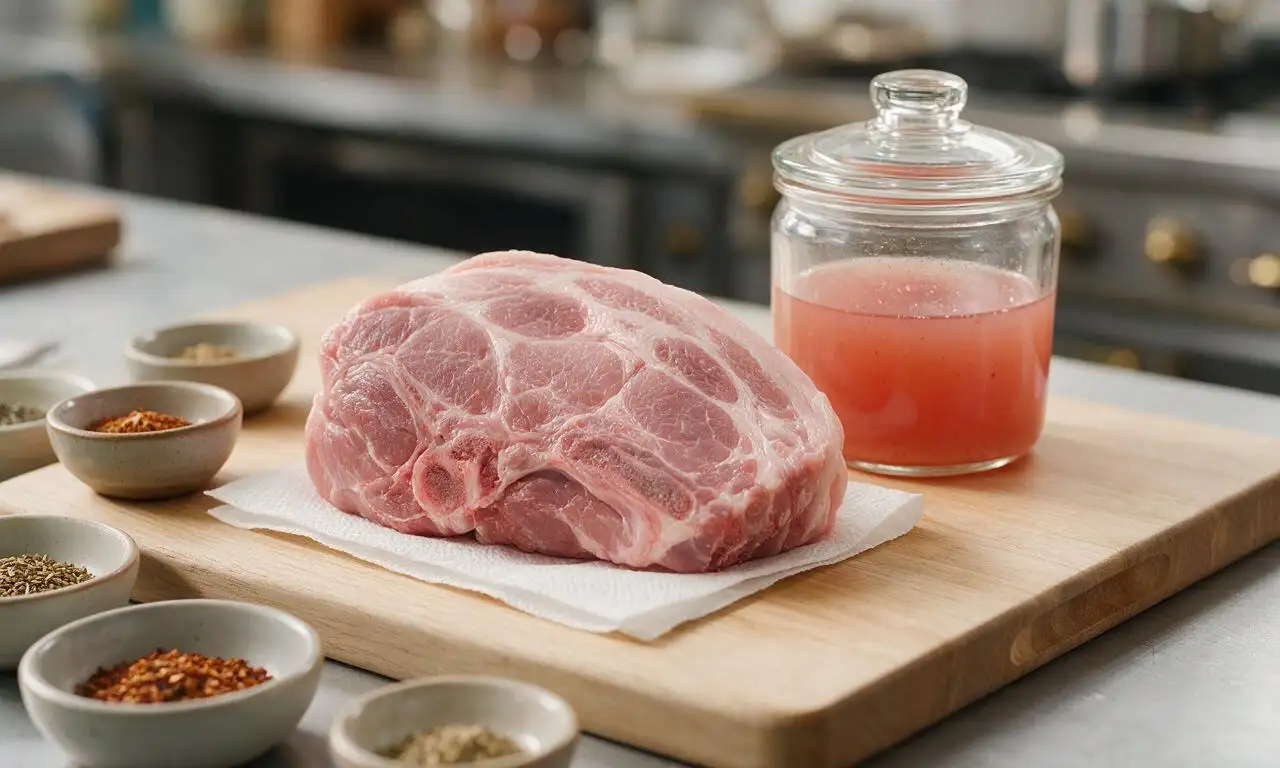
Bone-in pork shoulder (aka Boston butt) has the ideal ratio of fat, connective tissue, and lean meat to stay juicy through hours of slow smoking. The bone adds extra savoriness as it cooks, and the marbled fat renders slowly to keep pulled pork moist without feeling greasy—leaner cuts like pork loin simply can’t deliver that texture even with careful cooking.
3.Do I really need both distilled white vinegar and unfiltered apple cider vinegar for the sauce?
▾
Yes, that two-vinegar combo is non-negotiable for authentic flavor. Distilled white vinegar delivers the sharp, clean acidic bite that defines Eastern NC sauce, while unfiltered apple cider vinegar adds subtle, mellow fruit depth that keeps the sauce from tasting harsh or one-note. Skipping either will throw off the classic, well-balanced tang.
4.What type of wood is best for smoking this pulled pork to get authentic flavor?
▾
Stick to mild, native Eastern hardwoods for the most authentic result: hickory is the traditional go-to, with a small amount of oak mixed in if you prefer slightly deeper smoke. Skip strong, resinous woods like mesquite or pine, which will overpower the delicate vinegar and pork flavor and leave a bitter, unpleasant aftertaste on the finished meat.
5.What internal temperature should I cook the pork to for that perfect, tender pullable texture?
▾
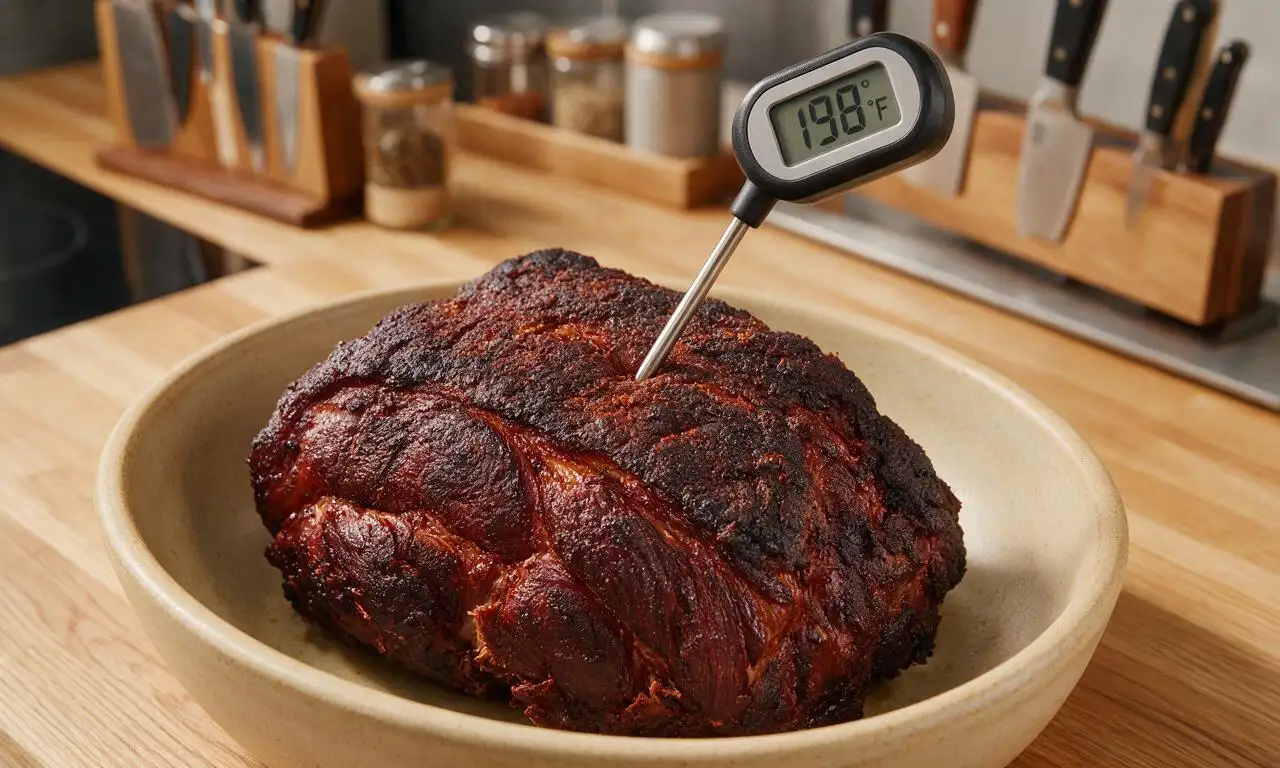
Shoot for an internal temperature of 195–205°F, measured in the thickest part of the shoulder away from the bone. At this range, tough connective tissue and collagen fully break down into rich, silky gelatin, so the meat pulls apart easily with a fork without being mushy. Don’t stop at 165°F—that’s food safe, but the meat will be tough and chewy.
6.Can I make this recipe if I don’t own a dedicated offset smoker?
▾
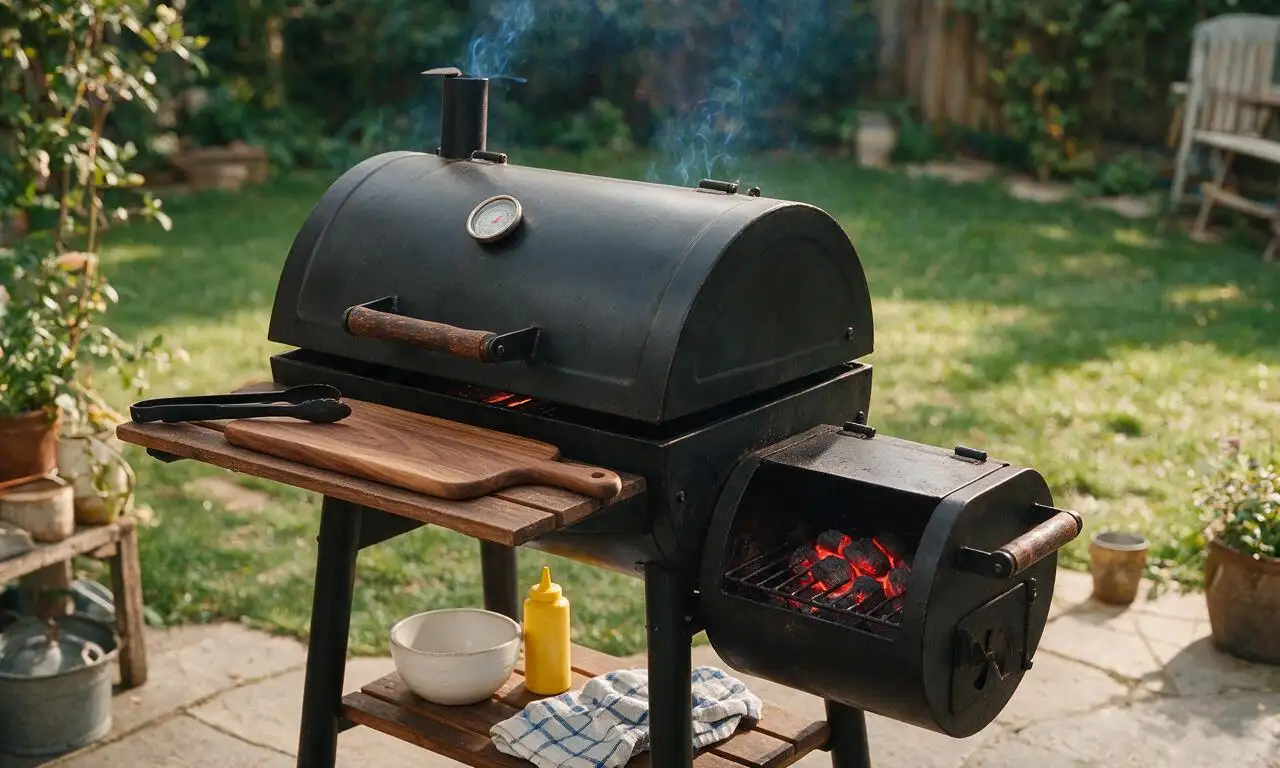
Absolutely! You can mimic low-and-slow smoking on a standard charcoal grill using the indirect heat method: bank coals to one side, place the pork on the opposite cool grate, add soaked wood chips to the coals for smoke, and hold a steady 225–250°F. You can also use an electric smoker, or a slow cooker with ½ teaspoon of liquid smoke for a close, if milder, approximation.
7.How long does it typically take to smoke a bone-in Boston butt for this recipe?
▾
Plan for roughly 1.5 hours per pound of meat when holding a steady smoker temperature of 225–250°F. For a standard 8-pound Boston butt, that works out to 10–12 hours of total cook time. Don’t rush it by cranking the heat—low, steady cooking is what builds deep smoke flavor and that signature melt-in-your-mouth tender texture.
8.Do I need to wrap the pork in foil or butcher paper during the smoking process?
▾
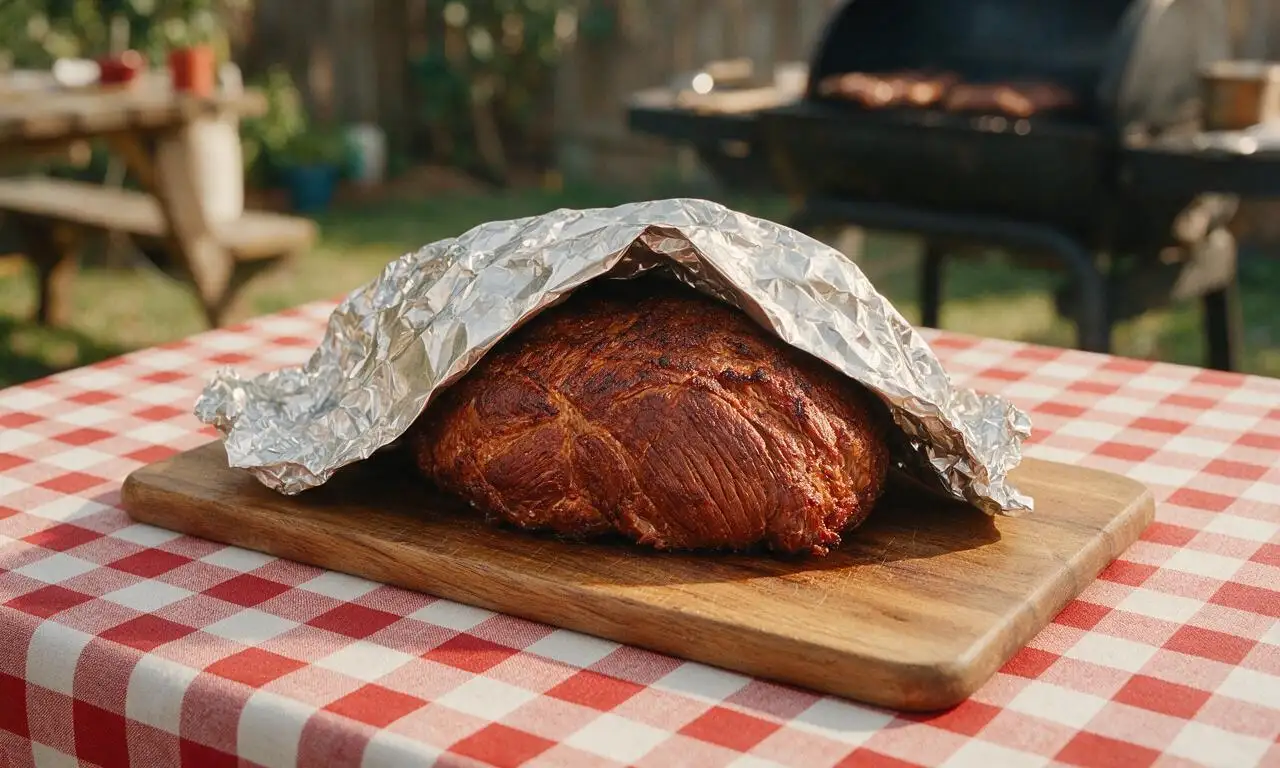
Wrapping is optional, but it can help you push through the “stall”—the point where meat temp plateaus around 160–170°F as surface moisture evaporates. If you wrap, use uncoated butcher paper rather than tight foil to let a little smoke penetrate, and keep the crispy, seasoned outer bark from getting soggy from trapped steam.
9.Is there any sugar or tomato in authentic Eastern NC BBQ sauce?
▾
No, traditional Eastern NC BBQ sauce contains no added sugar, ketchup, tomato paste, or mustard—those are signature additions from Western NC and other regional BBQ styles. The classic mop is just the two vinegars, kosher salt, crushed red pepper, and sometimes a tiny pinch of black pepper, designed to cut through rich pork rather than coat it in sweet glaze.
10.How much crushed red pepper should I use if I don’t tolerate very spicy food?
▾
You can cut the crushed red pepper measurement in half for a mild version that still has a subtle, warm kick without overwhelming heat. Start with 1 teaspoon per 2 cups of total vinegar if you’re heat-sensitive, and taste the sauce before applying—you can always stir in a little more, but you can’t take it out once it’s mixed.
11.When is the right time to apply the vinegar sauce to the pork?
▾
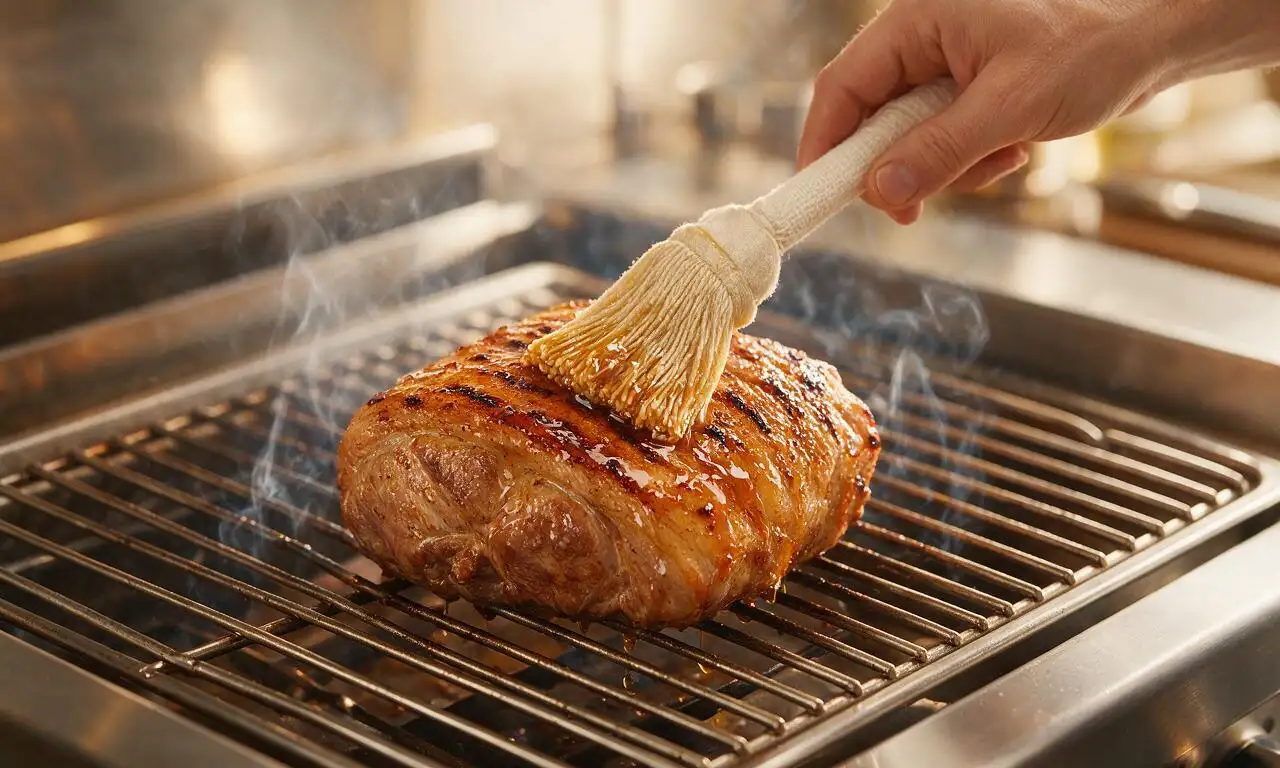
Apply a light mopping of vinegar sauce every 45 minutes during the last 3 hours of smoking to build flavor and keep the meat’s surface moist, then reserve half the sauce to toss with pulled pork right after shredding. Don’t mop too early in the cook—vinegar can prevent the dark, flavorful bark from forming properly on the shoulder’s exterior.
12.What’s the correct way to pull the pork once it’s finished cooking?
▾
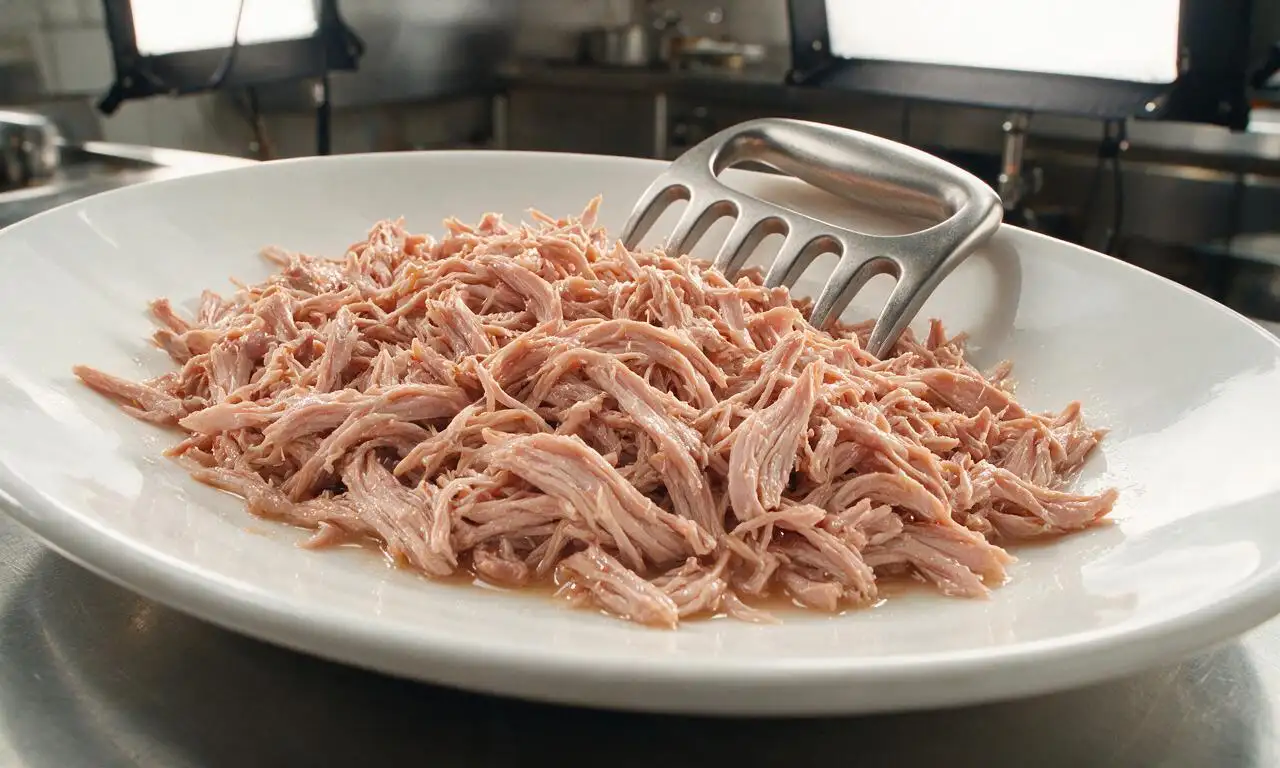
First, let the cooked pork rest for 30–45 minutes tented loosely with foil to let juices redistribute, so they don’t run out when you shred it. Use two clean forks or heat-resistant food gloves to pull the meat apart into thin, bite-sized strands, discarding large chunks of hard fat and the bone as you go—avoid chopping it fine, as pulled strands are traditional.
13.How much sauce should I mix into the pulled pork after shredding it?
▾
Start with ½ cup of reserved sauce per pound of pulled pork, toss gently, and taste before adding more. Authentic Eastern NC pork is evenly coated but never drowning in sauce—you want smoky pork flavor to come through, with bright vinegar tang cutting through richness, not so much sauce that meat sits in a puddle at the bottom of your serving pan.
14.What are the classic side dishes to serve with this pulled pork for an authentic spread?
▾
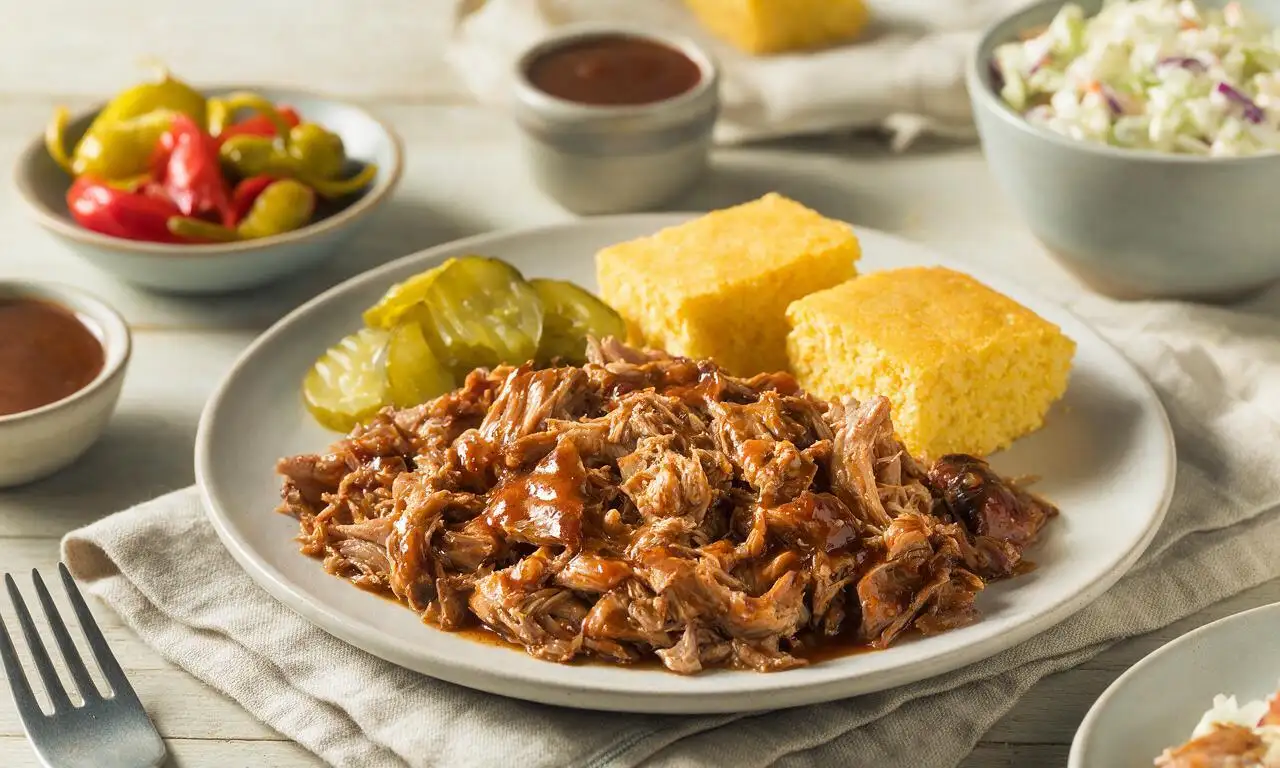
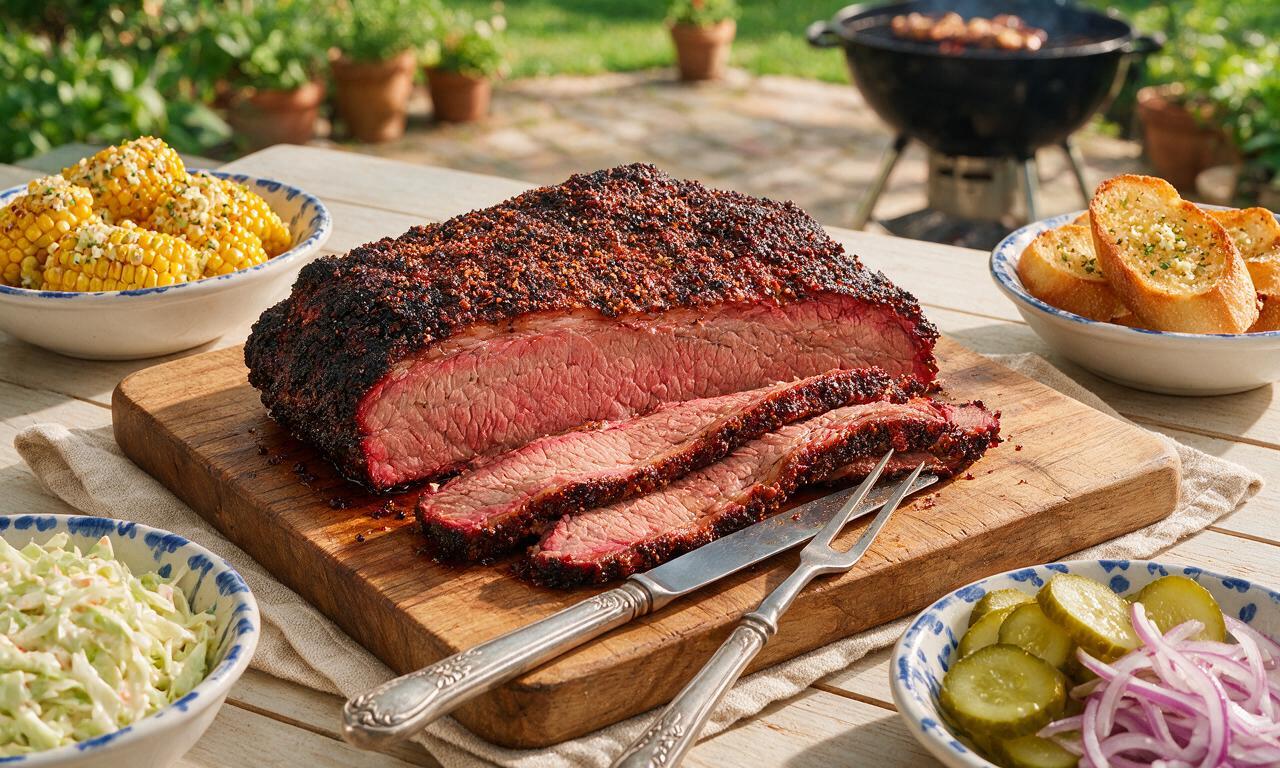
Stick to classic Coastal NC sides for a traditional spread: creamy coleslaw (often served right on the pulled pork sandwich), crispy hushpuppies, tangy boiled potato salad, collard greens seasoned with salt pork, and dill pickles or pickled okra. Skip heavy, molasses-sweet baked beans—those are more common in Western Carolina and Memphis-style BBQ spreads.
15.Can I make this pulled pork ahead of time for a party or weekend cookout?
▾
Absolutely! Pulled pork holds beautifully for meal prep or events. Shred the pork, toss it with a light coating of sauce, and store it in an airtight container in the fridge for up to 4 days, or freeze it for up to 3 months. Reheat it gently in a slow cooker on low with a splash of extra vinegar to keep it from drying out before serving.
16.Why is my pulled pork coming out dry even when I cook it to the recommended temperature?
▾
Dry pulled pork usually stems from one of three common missteps: you used a lean, boneless cut without enough marbled fat, you cooked it at too high a temperature which squeezed out precious moisture, or you skipped resting the meat before shredding, which lets juicy rendered fat and gelatin run out onto your cutting board instead of staying in the meat.
17.Do I need to apply a heavy dry rub to the pork before smoking it?
▾
Traditional Eastern NC prep uses a very simple pre-smoke seasoning: just a generous coating of kosher salt, sometimes a light sprinkle of crushed red pepper, applied 1–2 hours before smoking to let salt penetrate the meat. Skip heavy, sugary spiced rubs with paprika, brown sugar, or garlic powder—those will overpower the clean smoke and vinegar flavor profile.
18.Should I trim the fat cap off the pork shoulder before putting it on the smoker?
▾
Leave a ¼-inch thick layer of fat cap on the top of the shoulder when prepping. As it smokes, that fat slowly renders, basting the meat as it cooks to keep it juicy, and helps form that delicious, chewy bark on the outside. Trim any extra-thick fat patches over ½ inch, since those won’t fully render and will leave unpleasantly chewy, greasy chunks in the finished pork.
19.What’s the best way to serve this pulled pork for a casual backyard gathering?
▾
Serve it family-style in a large, warmed serving pan with extra sauce on the side, soft white hamburger buns, creamy vinegar-based coleslaw for topping, dill pickle slices, and hushpuppies. Let guests build their own sandwiches, and hold the pork at a steady 140°F in a slow cooker or warming tray to keep it juicy and food-safe throughout your event.
20.Can I add a little sugar to the sauce if I prefer a slightly sweeter flavor profile?
▾
While it’s not strictly authentic, you can stir in 1–2 tablespoons of light brown sugar per batch of sauce if you prefer a tiny hint of sweetness to balance the tang—just don’t overdo it. Remember, Eastern NC BBQ is defined by its sharp, vinegar-forward bite, so add sugar sparingly to avoid recreating the thick, sweet sauces common in other regions.

OMG this is the real deal! I grew up in Greenville, NC and have been chasing that perfect eastern NC vinegar sauce for years since I moved out west. Made this for our neighborhood potluck last weekend and people were literally going back for thirds. The 8.5 hour cook time was totally worth it—my husband kept hovering by the smoker the whole time because it smelled so good. Only tiny tweak I made was adding an extra pinch of red pepper flakes because we like a little more heat. 10/10 will be making this all summer long!
Game changer! I was nervous about tackling a whole pork shoulder because I thought great pulled pork was only for people with fancy thousand-dollar smokers, but I followed the directions exactly using my regular old charcoal grill and it turned out SO good. Used the leftovers for pulled pork sliders for my kids’ school lunches all week and they kept asking when I’d make it again. Only heads up for new cooks is you definitely want to budget extra time for resting the meat, I almost skipped that step to rush dinner and I’m so glad I didn’t!
Made this for our extended family dinner last Sunday and it was a total knockout! I’ve tried a bunch of western NC style pulled pork recipes over the years but the bright, tangy vinegar base here is next level. My brother who swears he hates ‘vinegary BBQ’ even went back for a second loaded plate. The long cook time was mostly hands off, which was perfect because I was able to prep all my sides and hang out with out of town family while the pork cooked. Will absolutely be adding this to my regular cookout rotation!