
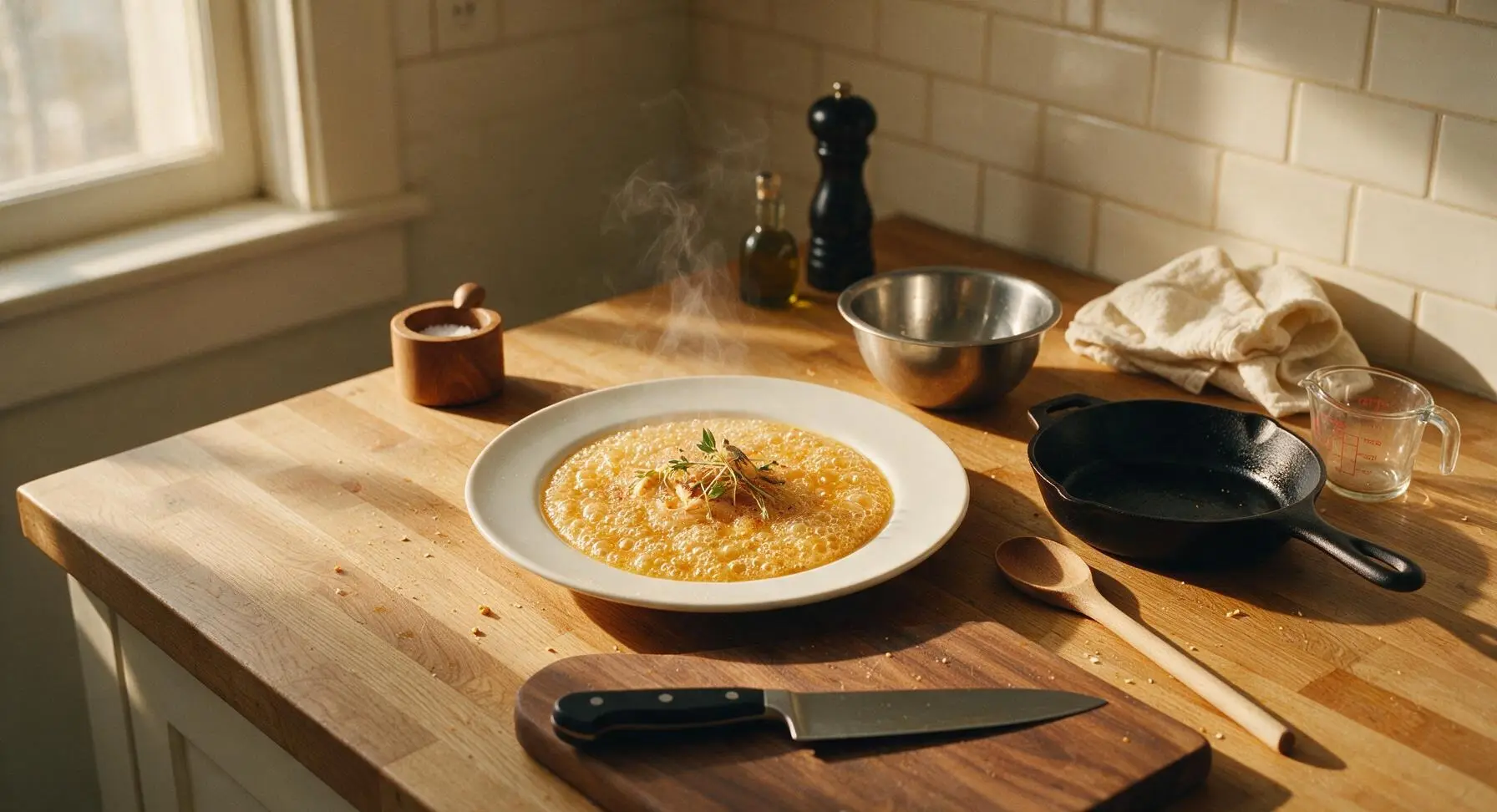
Belgian Tripel

title 1
Belgian Tripel
⏱️ cook time 1 hour 45 minutes
🍽️ servings 10
⚡ Difficulty medium

intro

This golden, effervescent Belgian Tripel boasts bright fruity yeast notes, subtle spicy hop character, and a dry, smooth finish, perfect for sipping slowly with friends on cool evenings.

Ingredients
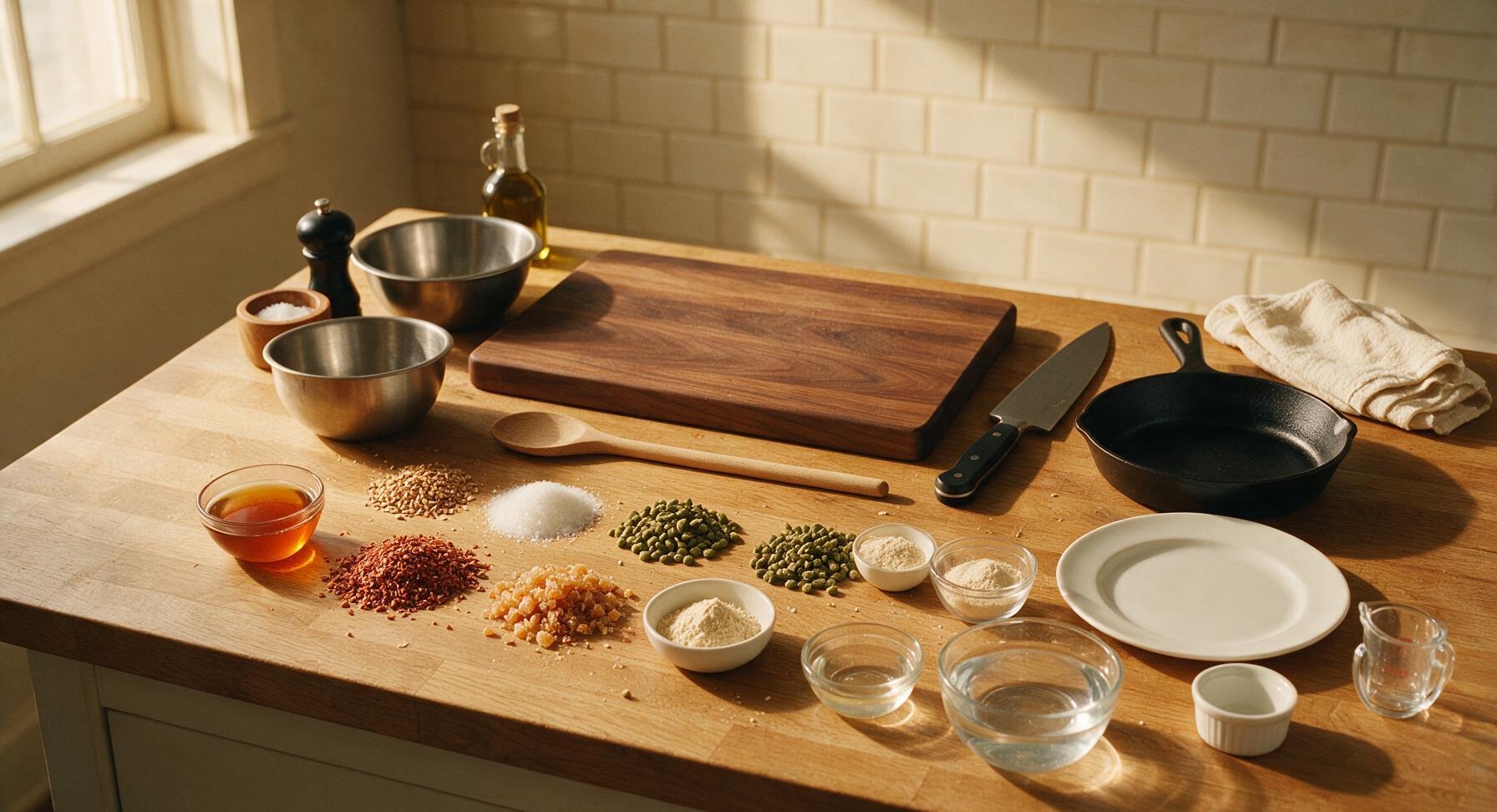
Pilsner liquid malt extract 1.36kg (3 lbs)
Crushed Munich malt 113g (4 oz)
Crushed Carapils malt 57g (2 oz)
Clear Belgian candi sugar 227g (8 oz)
Saaz hop pellets 14g (0.5 oz, 3.5% AA)
Styrian Goldings hop pellets 7g (0.25 oz, 4.5% AA)
Belgian Tripel ale yeast 5g (1 packet)
Irish moss (fining agent) 1 tsp
No-rinse brewing sanitizer 1 tbsp
Filtered cold water 4.5L (1.2 gallons)

Steps

1

Sanitize Brewing Equipment

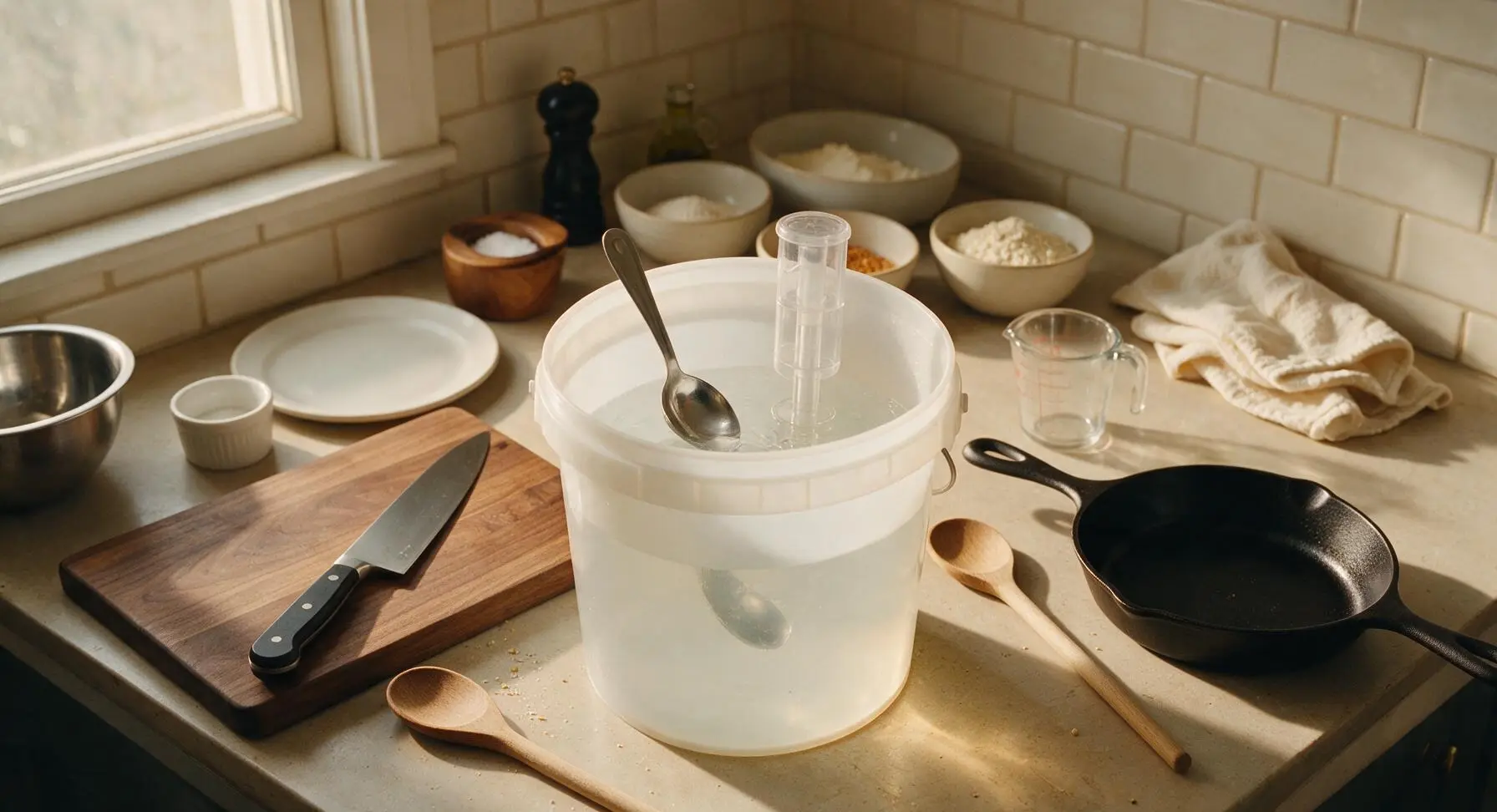
Mix 1 tablespoon of no-rinse brewing sanitizer with 4L of cool water in the 1-gallon translucent fermentation bucket. Submerge all tools that will contact cooled wort (stainless steel stirring spoon, auto-siphon, hydrometer test jar, airlock) for 2 full minutes, then set on a clean section of the counter to air dry completely. Any surface that touches wort after boiling must be fully sanitized to prevent off-flavors, souring, or bacterial contamination.
Step 1
step1:Sanitize Brewing Equipment
2

Heat Steeping Water

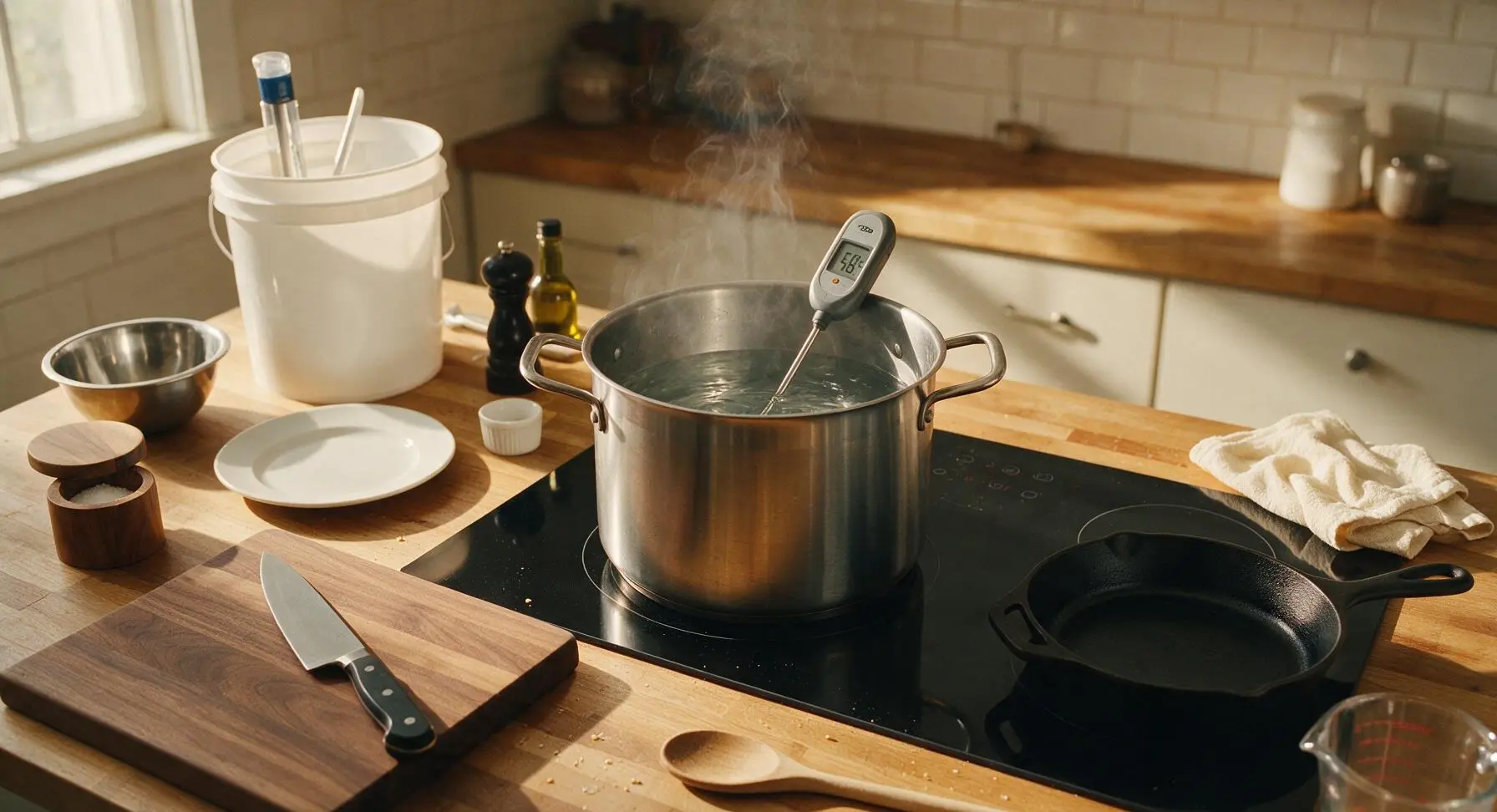
Pour 2L of filtered water into the stainless steel brew kettle, set it on the centered black glass induction cooktop, and turn heat to medium-high. Heat the water to exactly 68°C (155°F), checking temperature regularly with the digital instant-read thermometer. Do not let water exceed 70°C (158°F), as high temperatures will extract harsh, bitter tannins from grain husks later in the process.
Step 2
step2:Heat Steeping Water
3

Steep Specialty Grains

Scoop the measured crushed Munich malt and Carapils malt into the white nylon mesh grain bag, tie the drawstring top loosely, and lower the bag fully into the 68°C water. Maintain a steady temperature of 65-68°C (149-155°F) for 30 minutes, adjusting heat as needed—do not boil the grain mixture. The water will turn a pale golden, sweet-smelling amber as grain sugars extract. After 30 minutes, lift the grain bag out and let it drain fully over the kettle; never squeeze the bag, as this presses bitter tannins out of husks.
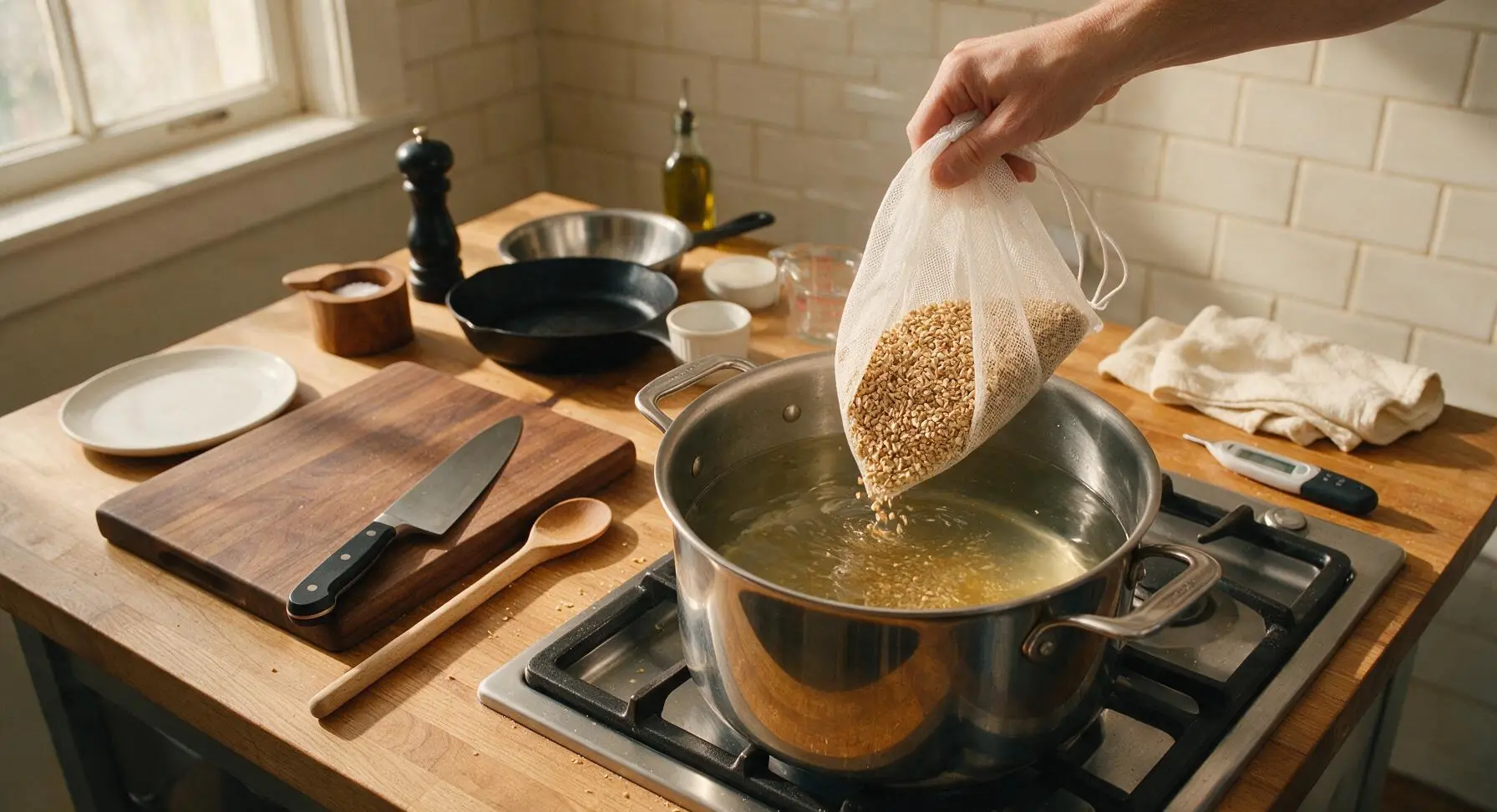
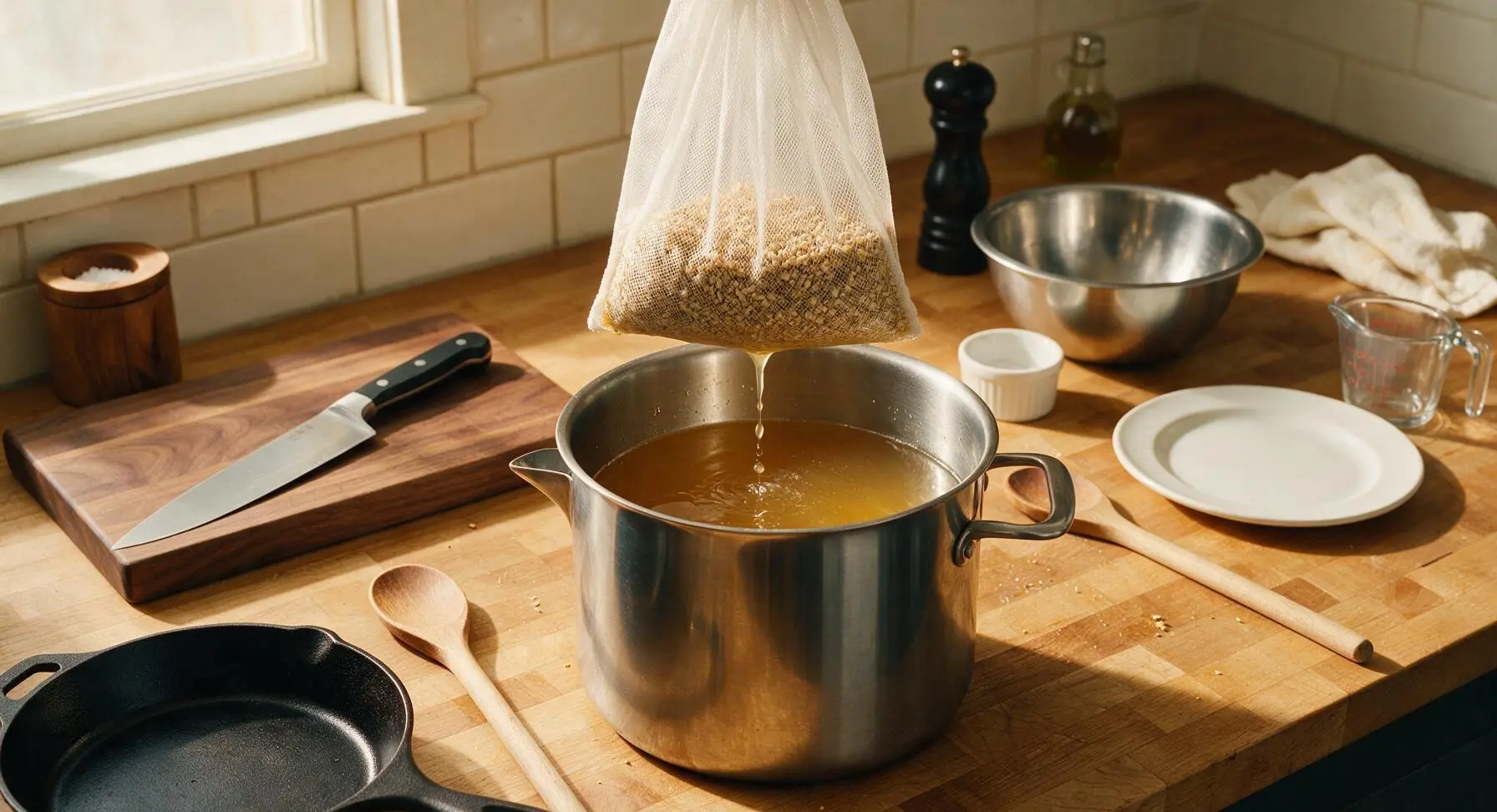
Step 3
step3:Steep Specialty Grains
Step 3
step3:Steep Specialty Grains
4

Bring Wort to Boil

Lift the kettle slightly off the heat temporarily, stir in the full amount of pilsner liquid malt extract with the stainless steel stirring spoon until fully dissolved, making sure no thick extract clings to the bottom of the kettle. Return the kettle to the induction burner, turn heat to high, and bring the wort to a gentle, rolling boil. Watch closely to avoid boilovers, adjusting heat as needed to maintain a steady boil that does not bubble over the kettle rim.
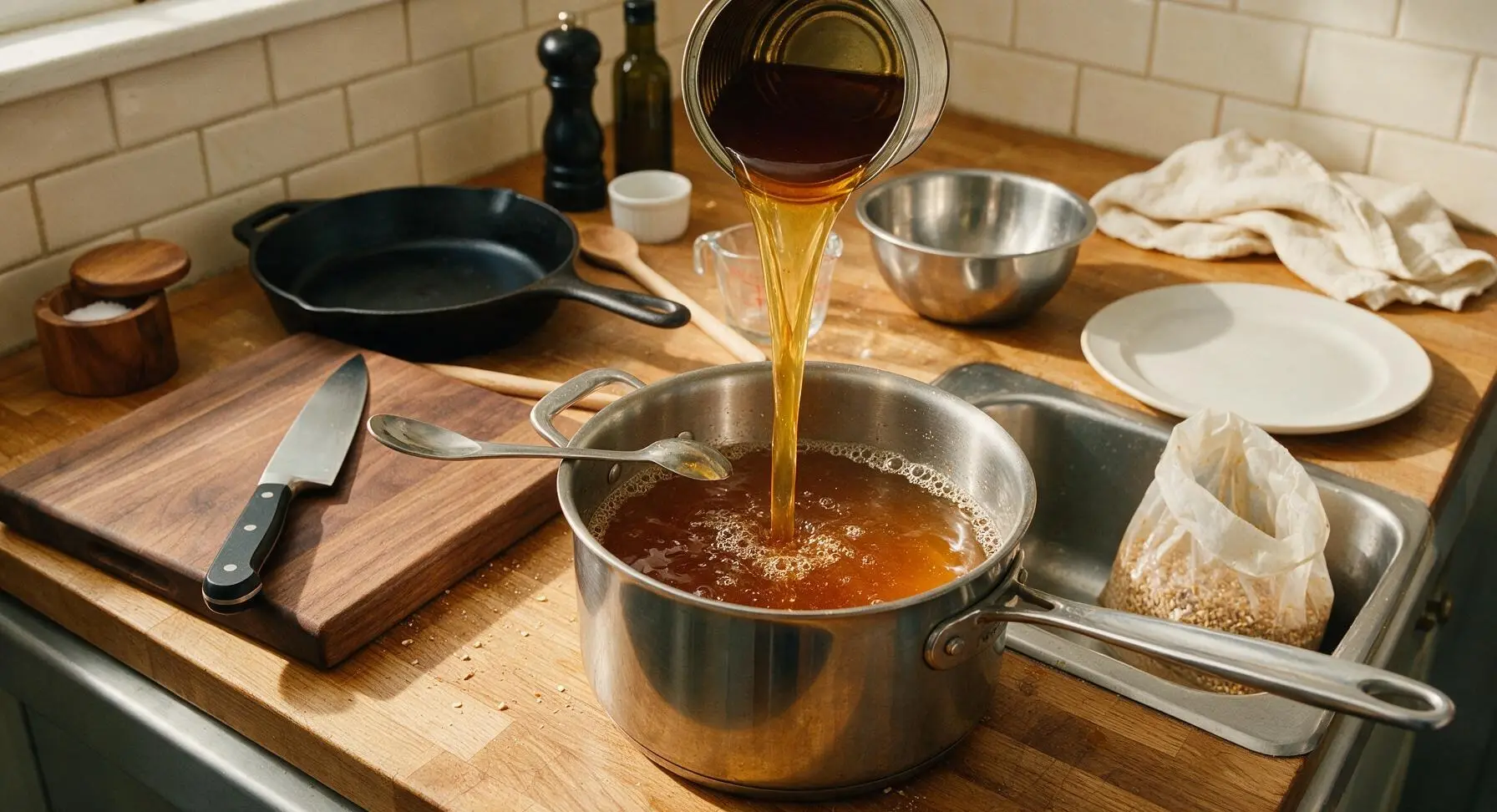
Step 4
step4:Bring Wort to Boil
5

Add Hops and Sugar

Once the wort reaches a steady rolling boil, set a timer for 60 minutes. At the start of the boil (60 minutes remaining), add 10g of Saaz hop pellets. With 15 minutes remaining in the boil, add all clear Belgian candi sugar, stirring until fully dissolved, then add the Irish moss to help clarify the finished beer. With 5 minutes remaining in the boil, add the remaining 4g Saaz hops and all 7g Styrian Goldings hops to add bright, fresh aroma. Maintain a steady rolling boil for the full 60 minutes.
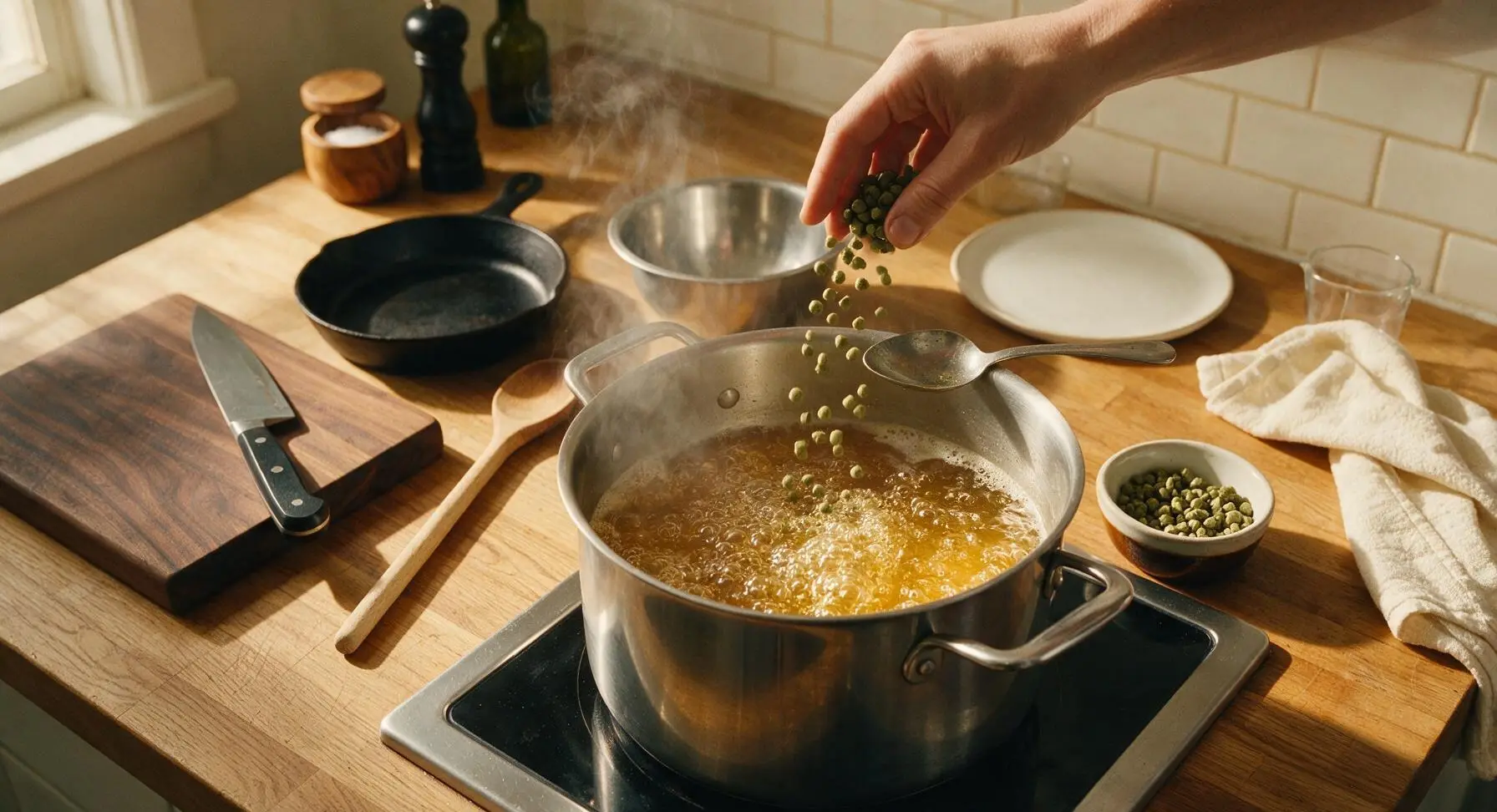
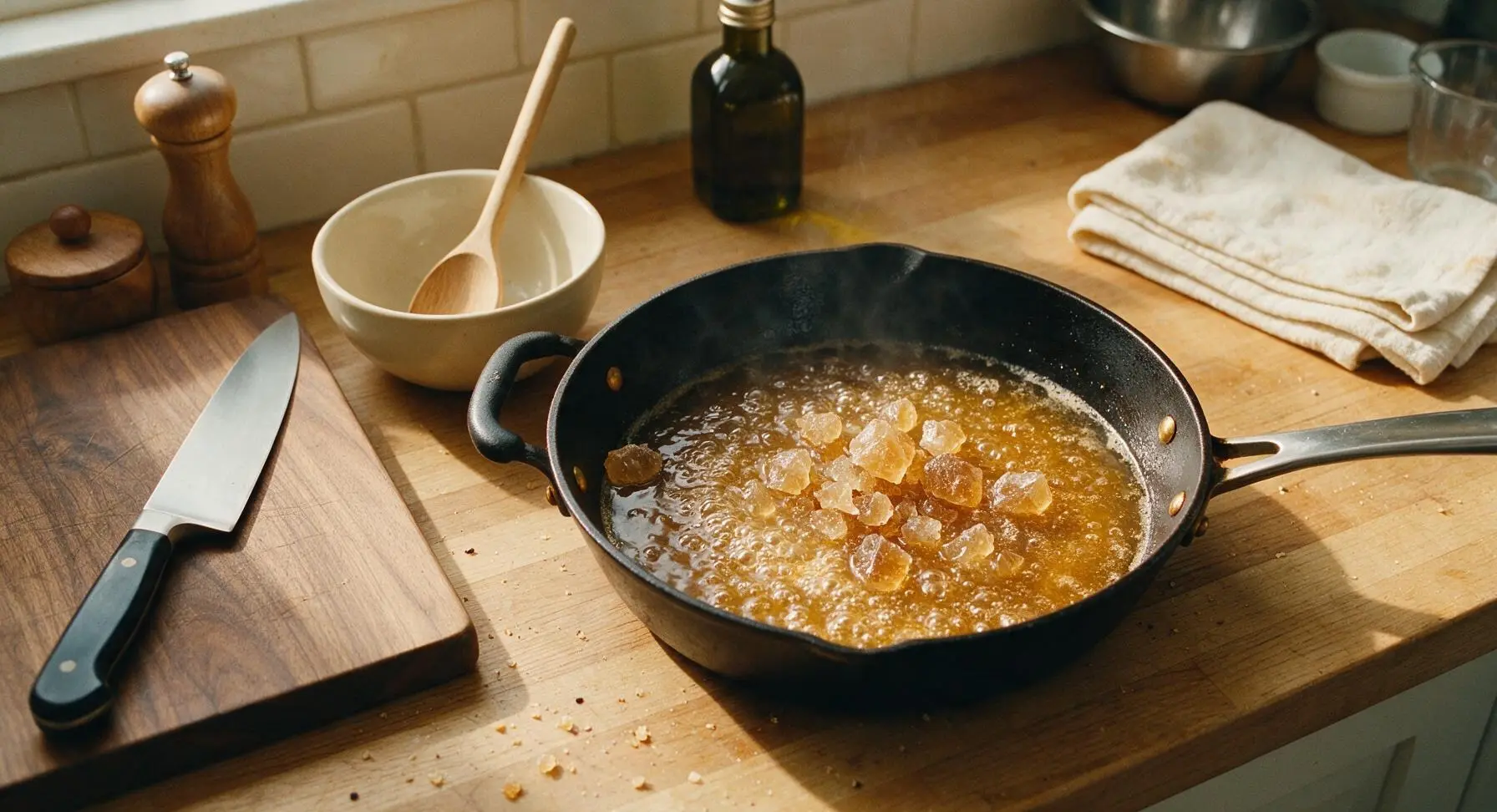
Step 5
step5:Add Hops and Sugar
Step 5
step5:Add Hops and Sugar
6

Chill Wort Rapidly

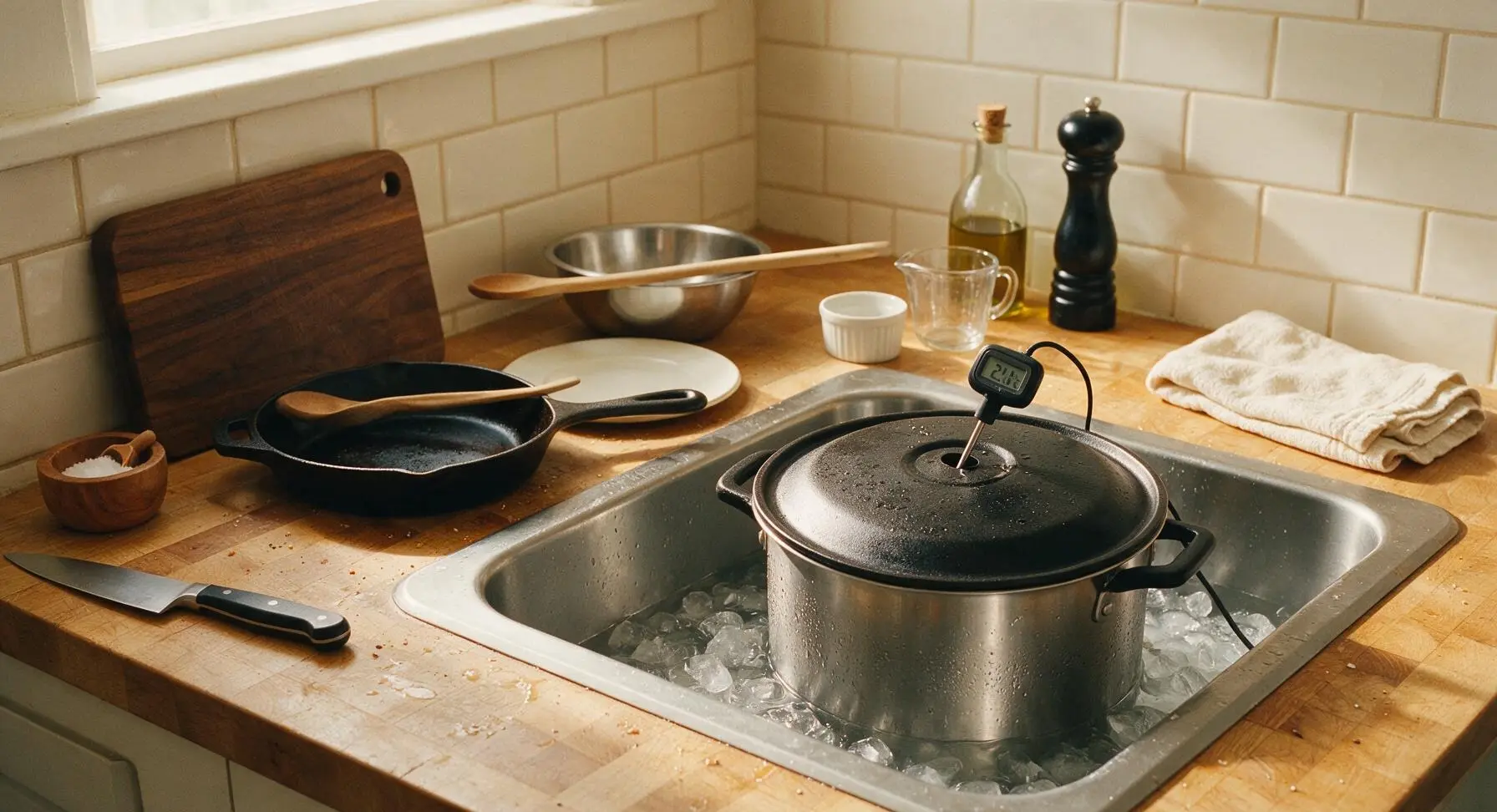
After the 60-minute boil is complete, turn off the induction burner. Carefully lift the kettle and set it into the stainless steel sink, which has been filled with cold water and ice to reach halfway up the kettle sides. Chill the wort as quickly as possible to 21°C (70°F), stirring occasionally to speed cooling, which takes approximately 20 minutes. Never add ice directly to the wort, as this can introduce bacteria or off-flavors. Rapid chilling prevents unwanted off-flavors and helps form a cold break for clearer finished beer.
Step 6
step6:Chill Wort Rapidly
7

Pitch Yeast and Seal

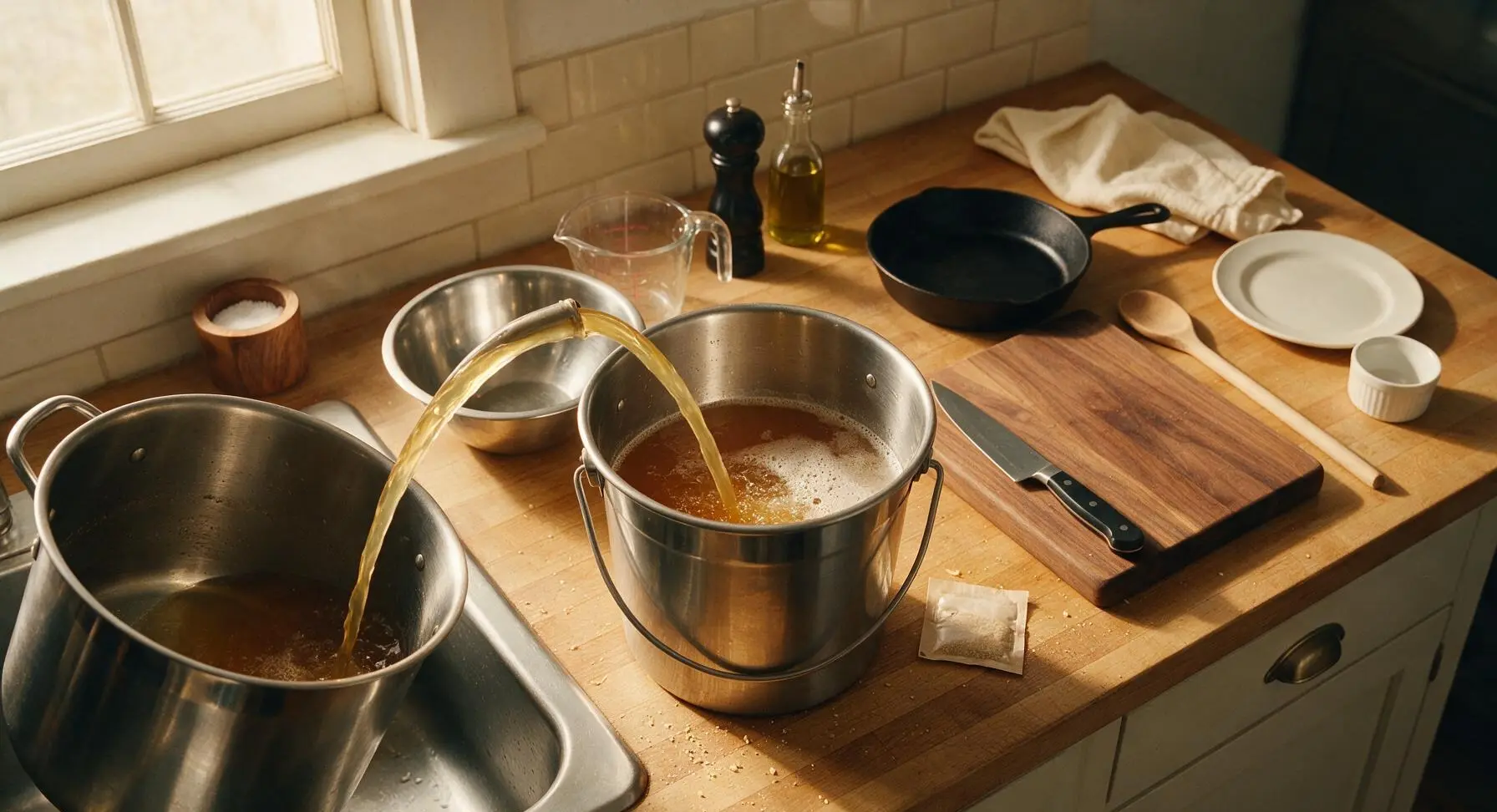
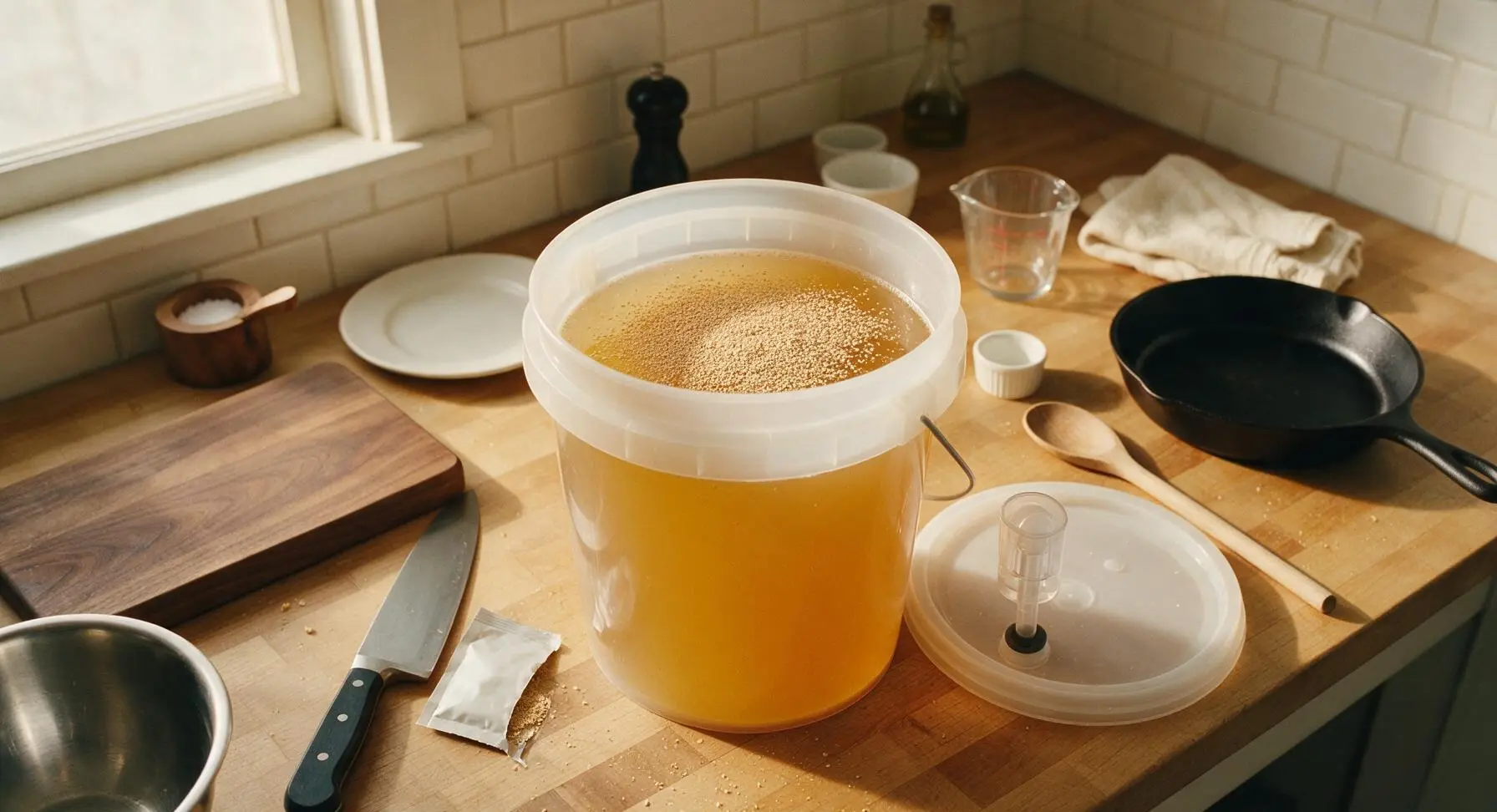
Once the wort reaches exactly 21°C (70°F), pour it carefully into the sanitized 1-gallon fermentation bucket. Top up with filtered cold water to reach the 3.8L (1 gallon) marked line on the bucket, if needed. Sprinkle the full packet of Belgian Tripel yeast evenly over the wort surface—do not stir it in. Seal the bucket tightly with the sanitized lid, insert the airlock filled with sanitizer to the marked line, then move the bucket to a dark, temperature-stable area held at 20-22°C (68-72°F) for 2 weeks of primary fermentation, followed by 2 weeks of bottle conditioning before serving.
Step 7
step7:Pitch Yeast and Seal
Step 7
step7:Pitch Yeast and Seal

Tips

1.Never skip full sanitization of all equipment that touches cooled wort: Wort is a sugar-rich environment perfect for bacterial growth, and even a tiny amount of contamination can cause sour, moldy, or otherwise off-flavors in your finished beer.
2.Keep fermentation temperatures steady between 20-22°C (68-72°F): Belgian Tripel yeast produces bright, pleasant notes of banana, clove, and ripe pear in this range; temperatures above 24°C (75°F) create harsh, solvent-like alcohol flavors that ruin the beer’s smooth character.
3.Avoid squeezing the grain bag after steeping: While it may be tempting to press out every last drop of wort, squeezing forces bitter, astringent tannins out of the grain husks, leaving your finished beer with a dry, puckering aftertaste.


✨ You May Also Like

Drinks & Beverages
🍜 Mexico

A bright, balanced tequila-based cocktail with zesty fresh lime, smooth orange liqueur, and a signature salt rim, perfect for warm summer sipping.

⏱️ 5 minutesDrinks & Beverages ★ 4.9
Drinks & Beverages
🍜 United States

Thick, creamy, nostalgic classic vanilla milkshake with a rich, smooth texture, topped with whipped cream and a cherry for cool, sweet refreshment.

⏱️ 5 minutesDrinks & Beverages ★ 4.7
Drinks & Beverages
🍜 United States

A bright, golden strong ale with fruity banana-clove notes, subtle hop spice, and soft carbonation, brewed in classic Trappist Tripel tradition.

⏱️ 2 hours aDrinks & Beverages ★ 4.5
Drinks & Beverages
🍜 United States

A frothy, nostalgic American soda fountain treat pairing bubbly cold root beer with creamy vanilla ice cream, perfect for cooling down at warm weather gatherings.

⏱️ 20 minuteDrinks & Beverages ★ 4.8
Drinks & Beverages
🍜 United States

Tart, funky, effervescent American Wild Ale is a complex fruity craft beer brewed with wild yeast, delivering bright, zesty notes perfect for warm-weather sipping.

⏱️ 2 hours aDrinks & Beverages ★ 4.4
Drinks & Beverages
🍜 United States

Bright, bubbly copycat of the iconic American caramel cola, balanced with citrus and warm spice, perfect for sipping ice-cold on hot days.

⏱️ 15 minuteDrinks & Beverages ★ 4.8

Belgian Tripel:Frequently Asked Questions

1.Why does this recipe use clear Belgian candi sugar instead of regular table sugar? ▾
Clear Belgian candi sugar is 100% fermentable, so it boosts the Tripel’s signature high ABV without adding heavy cloying sweetness or dark color that would ruin its bright golden hue. Unlike table sugar, it won’t contribute harsh, cidery off-flavors, and it helps create the dry, crisp finish the style is famous for.
2.Do I really need crushed Carapils malt if I’m already using Pilsner liquid malt extract? ▾
Absolutely! Crushed Carapils is a dextrin malt that adds silky mouthfeel and long-lasting head retention without shifting the beer’s pale color or adding strong malt flavor. Pilsner liquid malt extract can produce a thinner mouthfeel on its own, so this small addition keeps your Tripel smooth, not watery, and helps that fluffy white head stick sip after sip.
3.What fermentation temperature gives this Tripel its classic bright fruity yeast notes? ▾
Aim for a steady 68°F to 72°F for the first 3 to 5 days of active fermentation. This range encourages Belgian yeast to produce those signature banana, ripe pear, and subtle clove notes without creating harsh, solvent-like fusel alcohols that pop up if temps climb too high. Avoid dropping below 65°F, which stalls fermentation and mutes fruit character.
4.Can I substitute whole Saaz hops for the Saaz hop pellets listed in the recipe? ▾
You absolutely can! Just use 20% more whole Saaz hops by weight to account for their lower bitterness and aroma utilization compared to compressed pellets. For example, if the recipe calls for 1 ounce of pellets, use 1.2 ounces of whole hops, and store them frozen in an airtight container until brew day to preserve their delicate spicy character.
5.How long do I need to condition this Tripel before it’s ready to drink? ▾
After primary fermentation wraps up in 7 to 10 days, plan for a minimum of 2 weeks of bottle conditioning at room temperature to build carbonation and mellow harsh young beer flavors. For the smoothest results, age it an extra 2 to 4 weeks in a cool, dark spot to let fruity and spicy notes fully balance out.
6.What purpose does the small amount of crushed Munich malt serve in the grain bill? ▾
That small dose of crushed Munich malt adds subtle, bready, toasty malt depth that keeps the Tripel from tasting one-note sweet, even with the candi sugar addition. It contributes just enough rich golden color to hit the classic Tripel hue without darkening the beer too much, and it complements Saaz hops and fruity yeast without overpowering them.
7.How do I avoid a murky, cloudy final beer with this recipe? ▾
First, cool your wort rapidly to yeast-pitching temperature right after the boil to help heavy cold-break material settle out before transferring to your fermenter. After fermentation finishes, cold crash the beer for 2 to 3 days at 38°F to 40°F before bottling to drop yeast and sediment. A faint haze is normal for Belgian ales, but these steps deliver that signature bright gold look.
8.What ABV can I expect from this recipe, and will the beer taste overly boozy? ▾
When brewed correctly, this recipe lands between 8.5% and 9.5% ABV, which is right in line with classic Belgian Tripel style guidelines. The highly fermentable candi sugar and steady, cool fermentation create a dry finish that hides alcohol really well, so it won’t taste hot or boozy if you avoid high fermenter temps and give it proper conditioning time.
9.Can I swap dry Pilsner malt extract for the listed Pilsner liquid malt extract? ▾
Yes, you can make that swap! Just use roughly 0.8 pounds of dry Pilsner malt extract for every 1 pound of liquid extract the recipe calls for, since dry extract is more concentrated. Stir it completely into hot water to avoid clumps that can scorch on the bottom of your brew kettle, and you’ll get the same clean, pale malt base for your Tripel.

Comments (10)

2 days ago

OMG this Belgian Tripel recipe is a total game changer! I’ve messed up 3 previous homebrew batches that came out too bitter or flat, but this one turned out perfectly golden with that classic banana-clove ester profile I was chasing. Brought a growler to my buddy’s potluck last weekend and everyone was asking for the recipe. The 1 hour 45 minute boil time felt long at first but it was so worth it for that clean, crisp finish. 10/10 would brew again!

yesterday

Wait did you do a secondary fermentation or just primary? My last tripel had weird off-flavors when I skipped secondary!

2 hours ago

So glad this was a hit at your potluck, Jake! For folks wondering about fermentation: we recommend 2 weeks in primary at 68-72°F, then optional 1 week secondary if you want extra clarity, but it’s totally not required if you’re short on carboy space!

1 week ago

First time nailing a proper Belgian Tripel! I was worried the medium difficulty level would be too much for me as a 6-month homebrewing newbie, but the step-by-step instructions were so easy to follow. The ABV came out right around 9% just like estimated, and it pairs so good with the smoked gouda and pretzel board I made for our family game night. My husband said it’s better than the imported tripels we buy at the liquor store!

5 days ago

Did you use the specific Belgian yeast strain called out, or a substitute? I only have a regular abbey ale yeast on hand right now and don’t wanna run to the homebrew shop.

3 days ago

Hi Sarah! That’s such a perfect pairing call—smoked gouda is one of our go-to matches for this beer too. For anyone asking about yeast swaps: you can use abbey ale yeast in a pinch, but you’ll get less of that classic bright banana note if you don’t use the traditional Belgian Tripel strain.

3 days ago

Solid recipe, but I ran into a little trouble with the boil over when adding the candi sugar! I turned my back for 2 minutes and had a huge sticky mess on my stovetop. That said, the final beer is incredible—super smooth, no harsh alcohol bite, perfect carbonation after bottle conditioning for 3 weeks. Brought a six pack to our neighborhood block party and people went crazy for it.

2 days ago

Oh man I feel this! I had the exact same boil over on my first batch, now I keep a spray bottle of cold water next to the burner to knock down the foam the second it starts rising. Total lifesaver.

yesterday

Thanks for the honest feedback Mike! Boil overs are super common when adding candi sugar because of the high sugar content—we always recommend turning the heat down 10% right before adding sugar, and keeping that spray bottle handy like Pat mentioned to cut down on mess. Glad the final beer turned out great for your block party!

5 days ago

Game. Changer. I’ve been brewing for 5 years and this is the best tripel recipe I’ve ever tried. I added a tiny bit of orange peel at the end of the boil per a friend’s tip and it elevated it even more! It’s got that perfect dry finish, no cloying sweetness that ruins so many homebrewed tripels. Can’t wait to brew this again for our annual holiday beer swap.

2 days ago

Love that orange peel addition Kari! A lot of traditional Belgian tripels have a subtle citrus note, so that tweak fits right in with the classic profile. Fingers crossed it takes home the prize at your holiday beer swap!

yesterday

So good! I was a little intimidated by the medium difficulty rating, but the instructions broke every step down so even a casual brewer like me could pull it off. The only thing I adjusted was using dark candi sugar instead of light for a deeper, slightly raisiny flavor, and it turned out chef’s kiss. My roommates have already asked me to brew another batch before our college football watch party next month.

5 minutes ago

Dark candi sugar sounds amazing! I used light on my first batch but I’m definitely gonna try dark next time for that deeper flavor, perfect for fall football season.

2 weeks ago

Tried this last weekend as my very first all-grain brew! I was fully expecting to mess something up, but the mash temp guidance was super clear and I hit all my gravity numbers right on target. The beer is still bottle conditioning right now, but I snuck a small sample after 10 days and it already tastes way better than the extract kit tripel I did earlier this year. Can’t wait to crack the first cold one this weekend!

1 week ago

Huge congrats on nailing your first all-grain batch, Nate! That’s such an exciting milestone. Make sure to pop back and let us know how the first fully carbonated bottle tastes—we’d love to hear how it turns out for you!

2 weeks ago

Brewed this back in August and let it condition for a full month in the bottle, and it just keeps getting better! It’s got that perfect effervescence, the fruity esters are mellow but present, and it goes down way too easy for a 9% beer. I brought a few bottles to my last camping trip and all my hiking buddies were obsessed. Will absolutely be keeping this in my regular brew rotation.

3 days ago

Good call letting it condition a full month! I only waited 2 weeks on mine and it was good but a little green, I bet it’s even better now that it’s had another couple weeks to mellow out.

2 hours ago

Why did I wait so long to try this recipe?! I’ve been dropping $12 a four pack on imported Belgian Tripels for years and this homemade version is literally identical if not better. The 1 hour 45 minute boil time is totally manageable even on a busy weekend if you measure out all your grains and hops ahead of time. My sister who swears she doesn’t like “strong beer” had two glasses at our family dinner last Sunday and asked for a couple bottles to take home. SO good.

30 minutes ago

Solid base recipe, I tweaked it a little by adding a half ounce of Saaz hops at flameout for a tiny extra spicy kick, and it came out fantastic. It’s not too sweet, has that classic Belgian yeast character, and the carbonation is perfect after 2 weeks in the bottle. I will say, make sure you have a big enough brew kettle—mine was almost too small and I nearly had a boil over just like other people mentioned. Would recommend to any homebrewer looking for a reliable tripel recipe.

just now

As someone who’s brewed a dozen different Belgian style beers over the years, I can confirm this recipe is legit. I brought a growler to my local homebrew club meetup last week and even the veteran brewers were impressed with how balanced it was. No weird off flavors, perfect color, exactly what a tripel should be. It’s medium difficulty for a reason—you do have to pay attention to your temps and boil times, but it’s totally doable even if you’re not a pro. Game changer for anyone who loves Belgian ales.



