
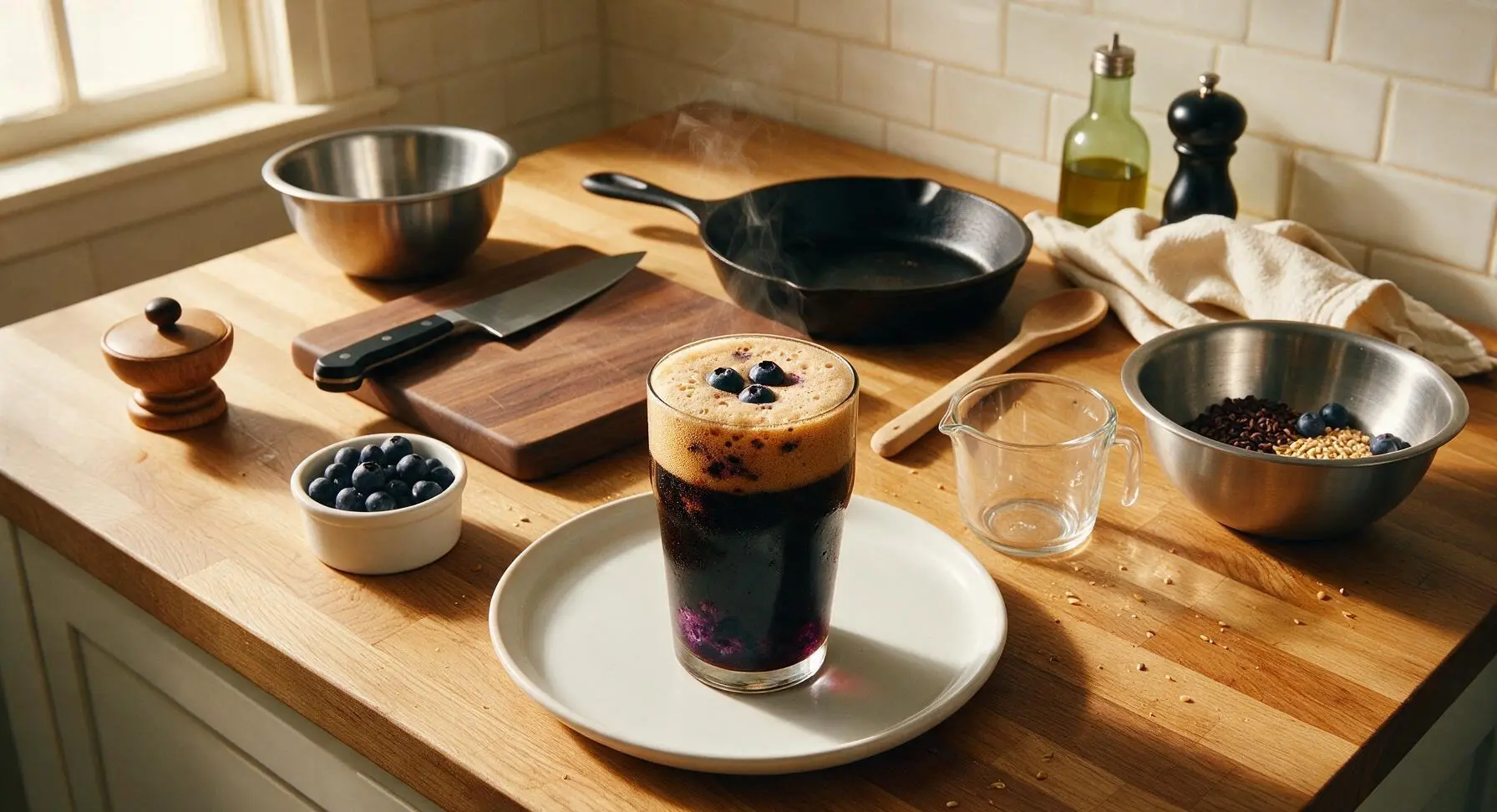
Blueberry Stout

title 1
Blueberry Stout
⏱️ cook time 1 hour 15 minutes
🍽️ servings 8
⚡ Difficulty medium

intro

Rich, roasty homemade stout brightened with tart fresh blueberries, balancing deep malt sweetness, subtle hop bitterness, and juicy berry depth for a smooth, sippable autumn craft brew.

Ingredients
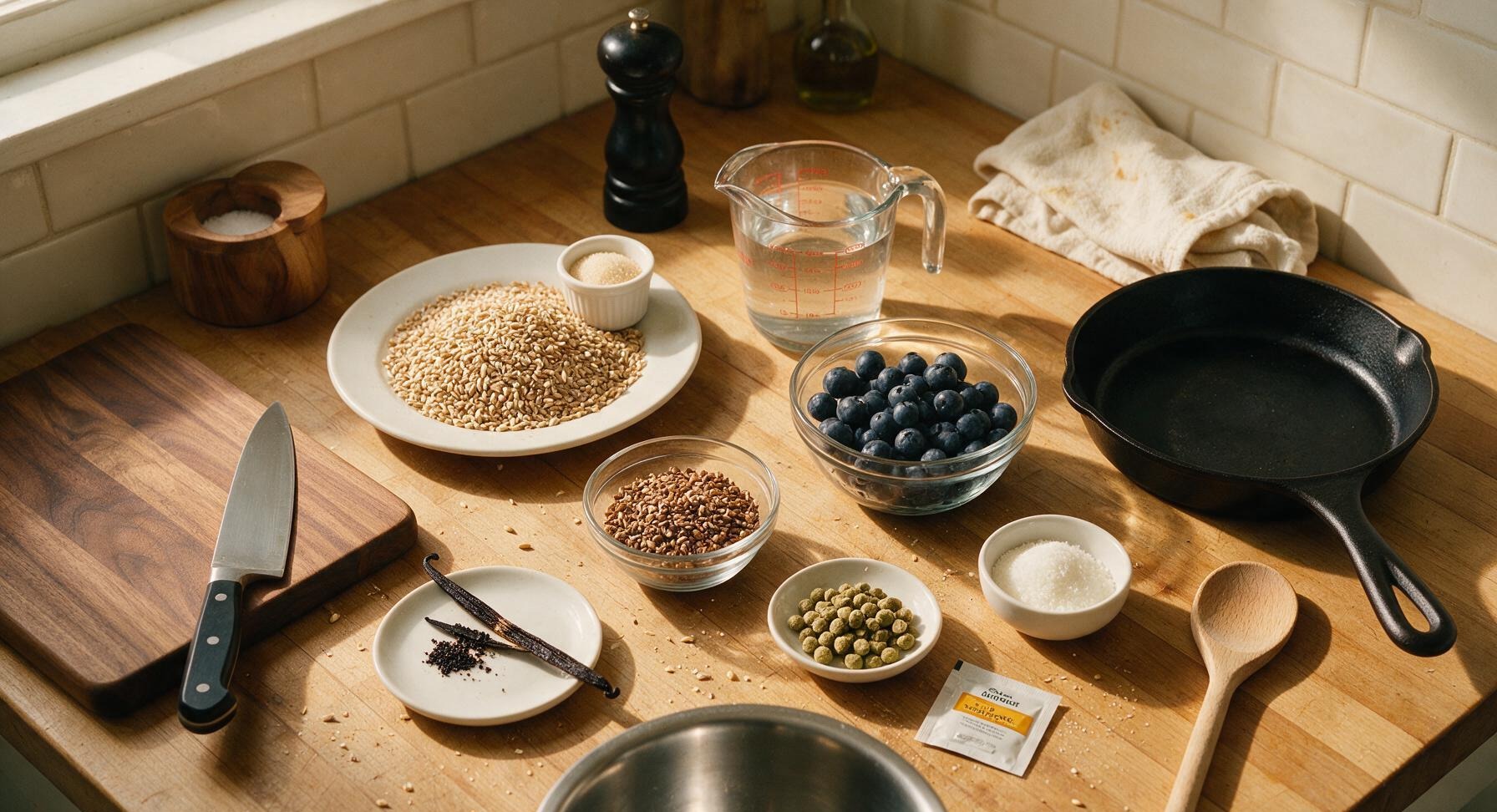
Crushed 2-row pale malt 1.2 lbs (545g)
Crushed roasted barley 4 oz (113g)
Fresh ripe blueberries 12 oz (340g)
Filtered cold water 1 gallon (3.8L)
Cascade hop pellets 0.5 oz (14g)
Lactose sugar 2 oz (57g)
Corn priming sugar 0.5 oz (14g)
Whole vanilla bean 1 (split, seeds scraped)
Dry ale yeast 1 packet (5g)

Steps

1

Sanitize Brewing Equipment

Fill the 2-gallon sanitizer bucket with food-grade sanitizer solution mixed per package instructions. Submerge the stirring spoon, thermometer, strainer, auto-siphon, airlock, rubber stopper, and fermentation jug in the solution for 60 seconds. Remove tools and air dry on the clean linen towel; do not wipe dry with cloth to avoid cross-contamination. All surfaces that touch cooled wort must be fully sanitized to prevent sour off-flavors.
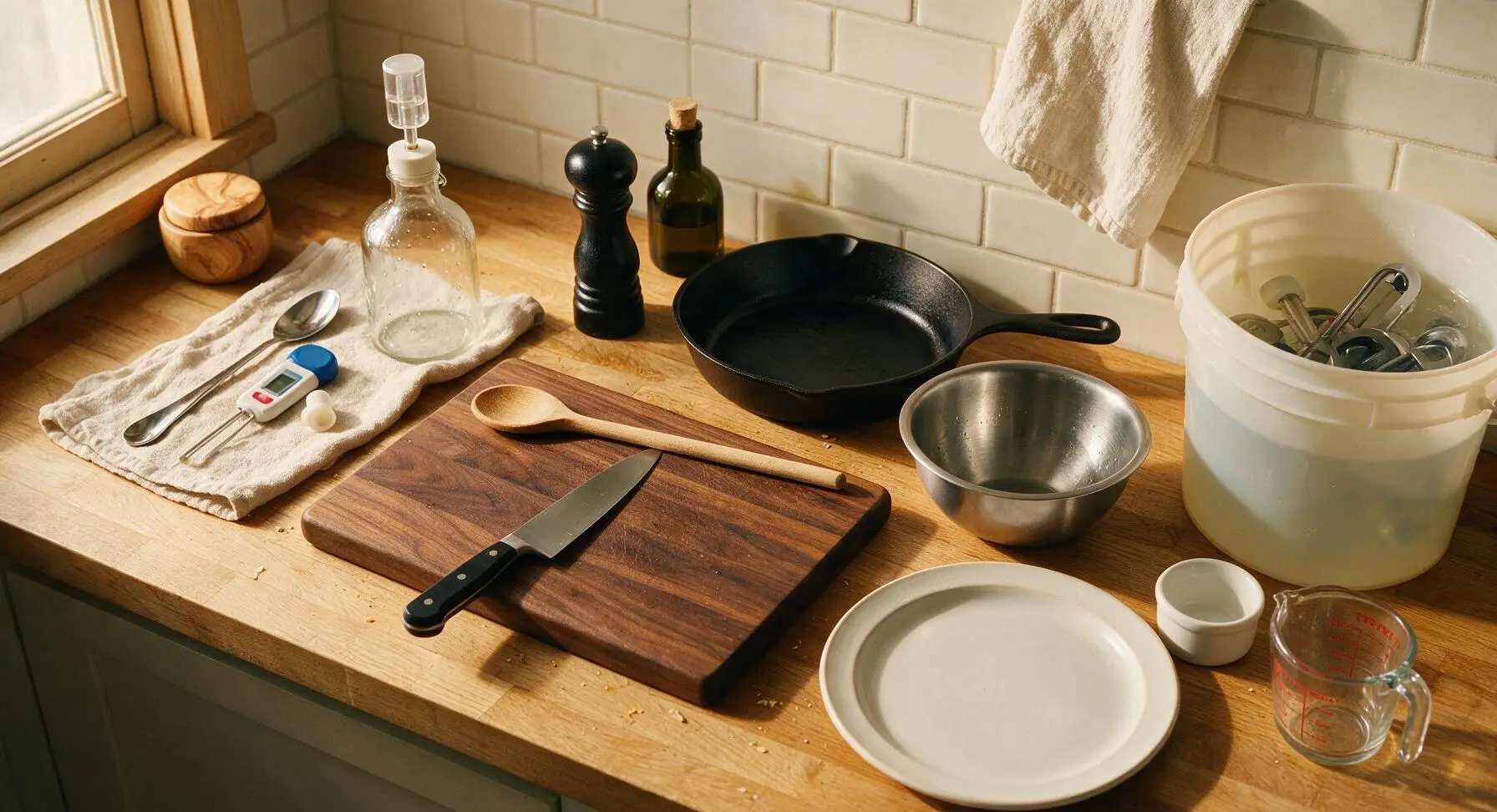
Step 1
step1:Sanitize Brewing Equipment
2

Steep Roasted Grains

Pour 2 quarts of filtered cold water into the 8-quart stainless steel stock pot, heat to 155°F (68°C) over medium heat. Add the crushed 2-row pale malt and crushed roasted barley to the pot, stir once with the stainless steel stirring spoon, and hold the temperature steady at 150-155°F for 30 minutes. The liquid will turn a deep rich mahogany brown as the grains steep, releasing aromas of toasted bread and dark roast coffee. Do not let the temperature exceed 160°F, as this will extract harsh bitter tannins from grain husks.
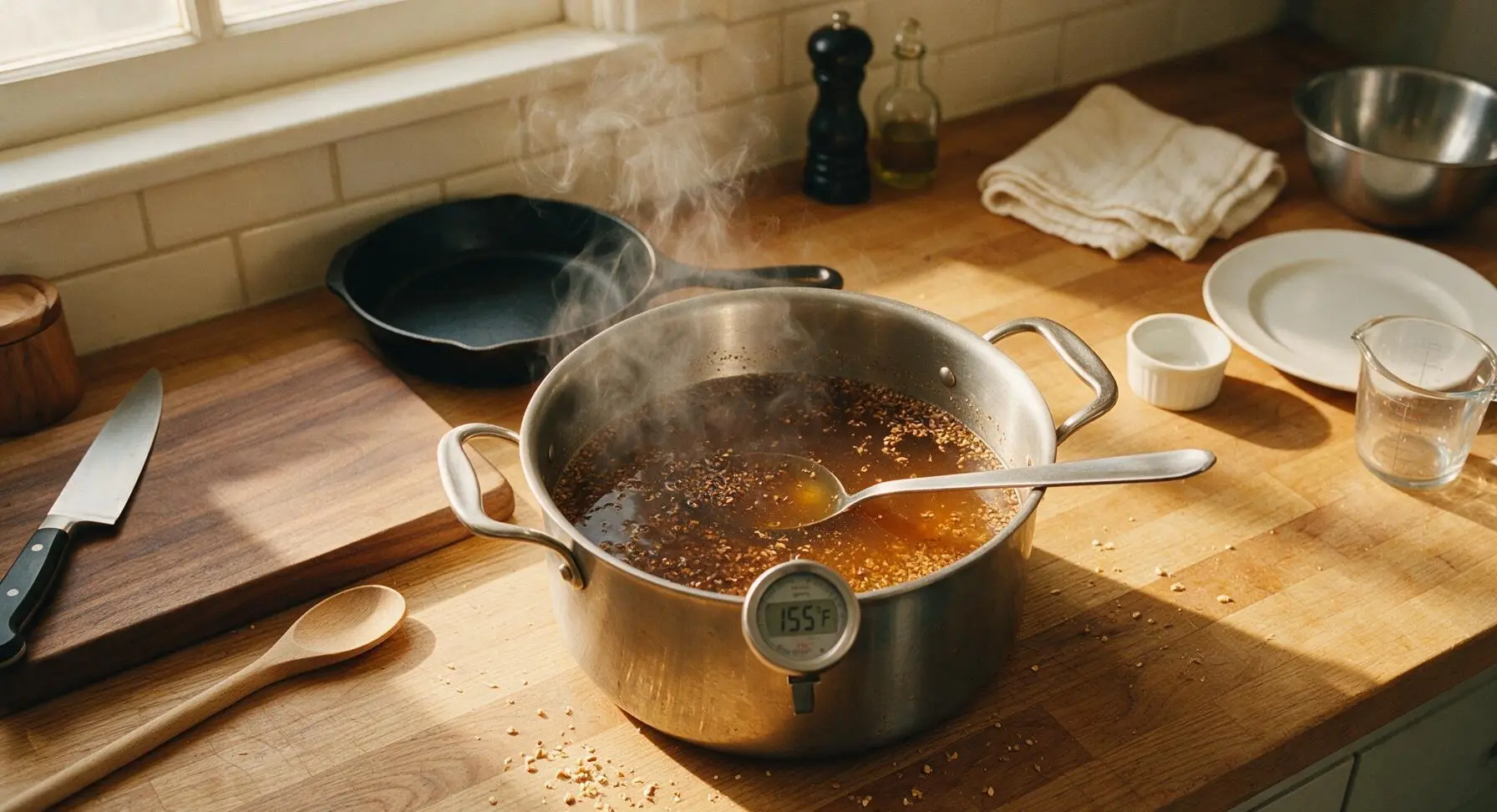
Step 2
step2:Steep Roasted Grains
3

Boil Wort and Add Hops

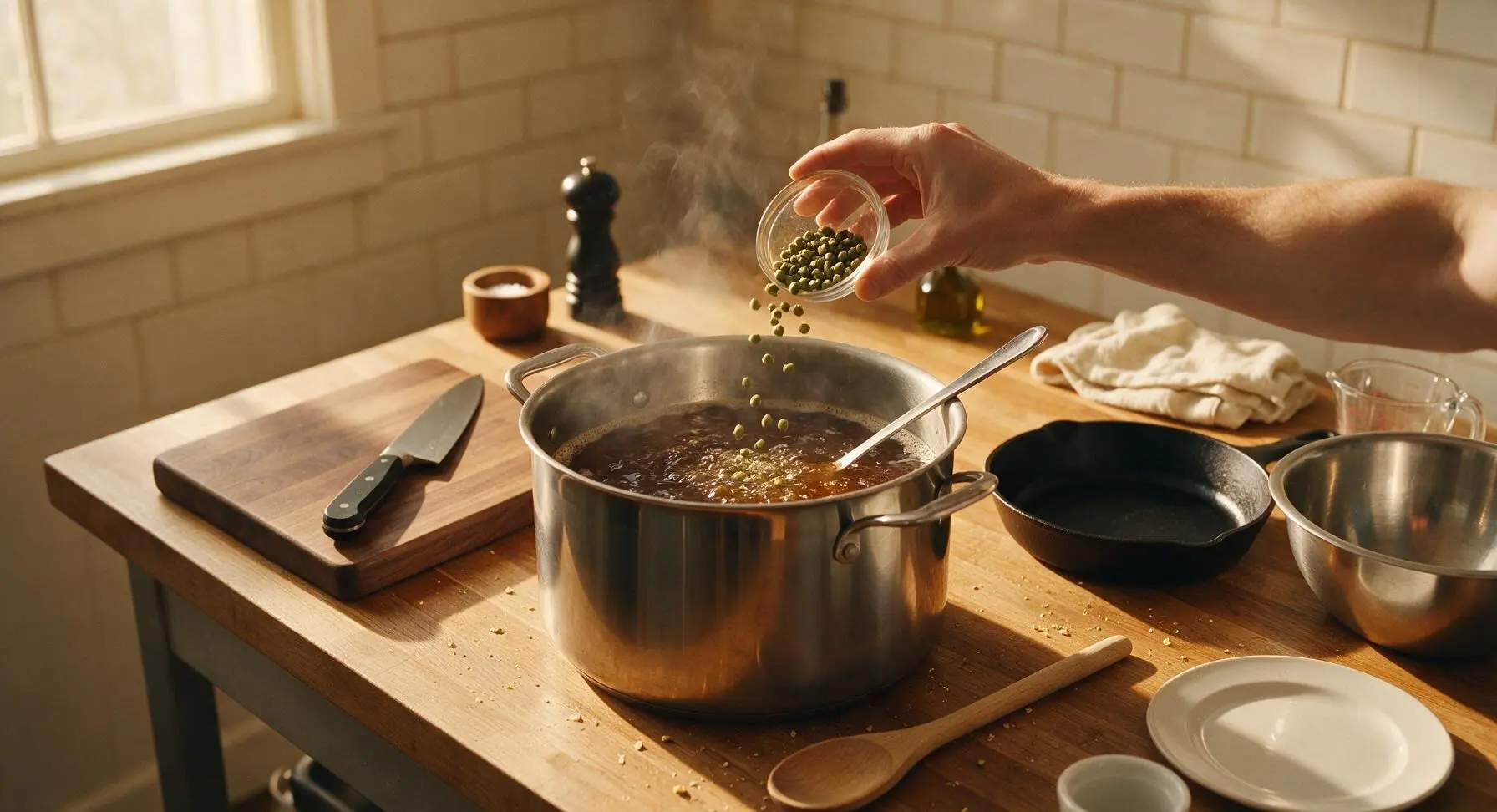
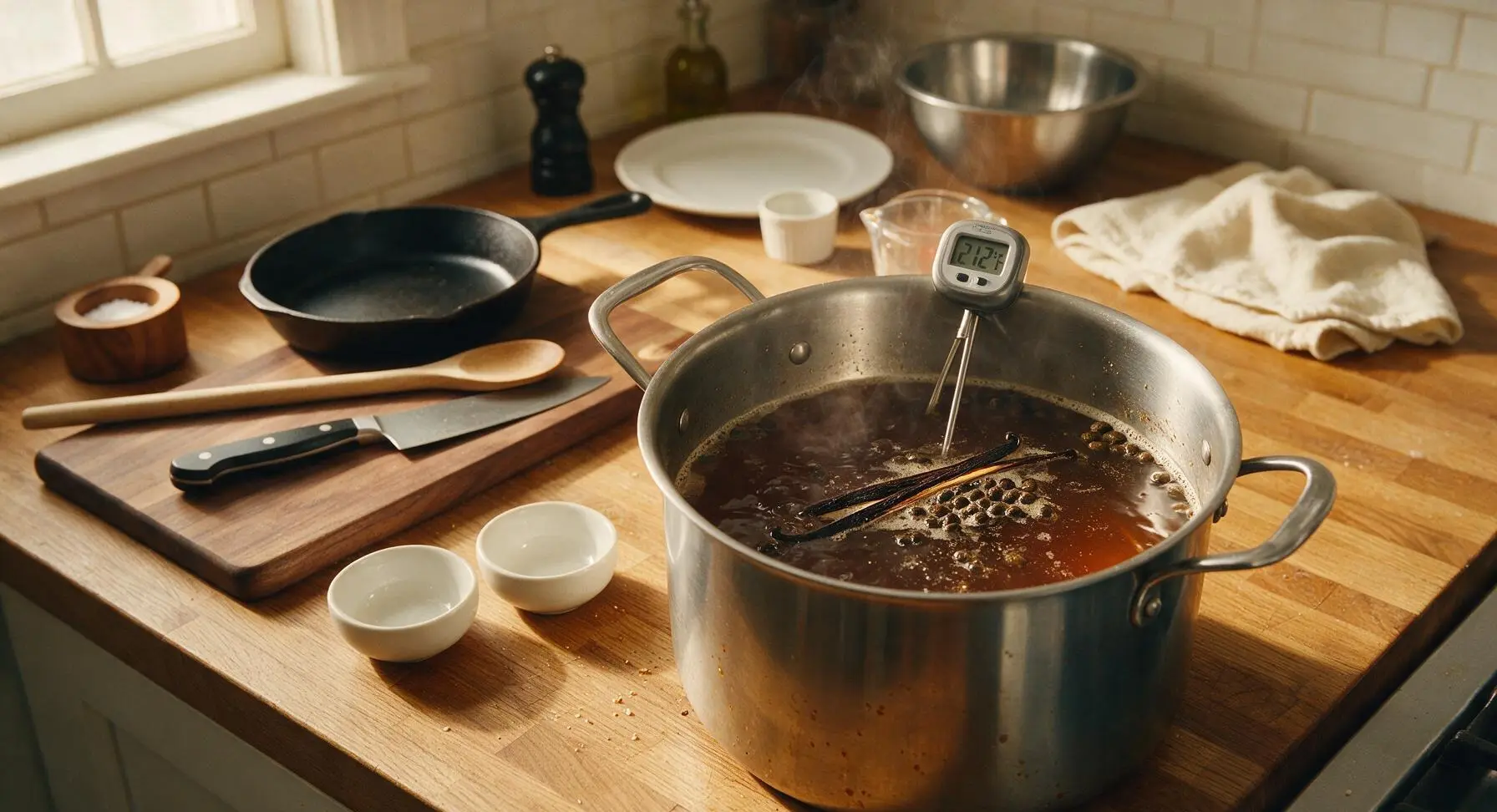
After steeping grains, pour the remaining 2 quarts of filtered water into the stock pot, increase heat to bring the wort to a gentle rolling boil (212°F/100°C). Once boiling, add half the Cascade hop pellets and all lactose sugar, stir with the stainless steel spoon to fully dissolve. Set a timer for 45 minutes, adjusting heat to maintain a steady boil without sticky boilovers. With 5 minutes remaining on the timer, add the remaining Cascade hops and split, scraped vanilla bean to the pot. The wort will darken slightly as it boils, developing a rich, hoppy, toasty aroma.
Step 3
step3:Boil Wort and Add Hops
Step 3
step3:Boil Wort and Add Hops
4

Cool and Strain Wort

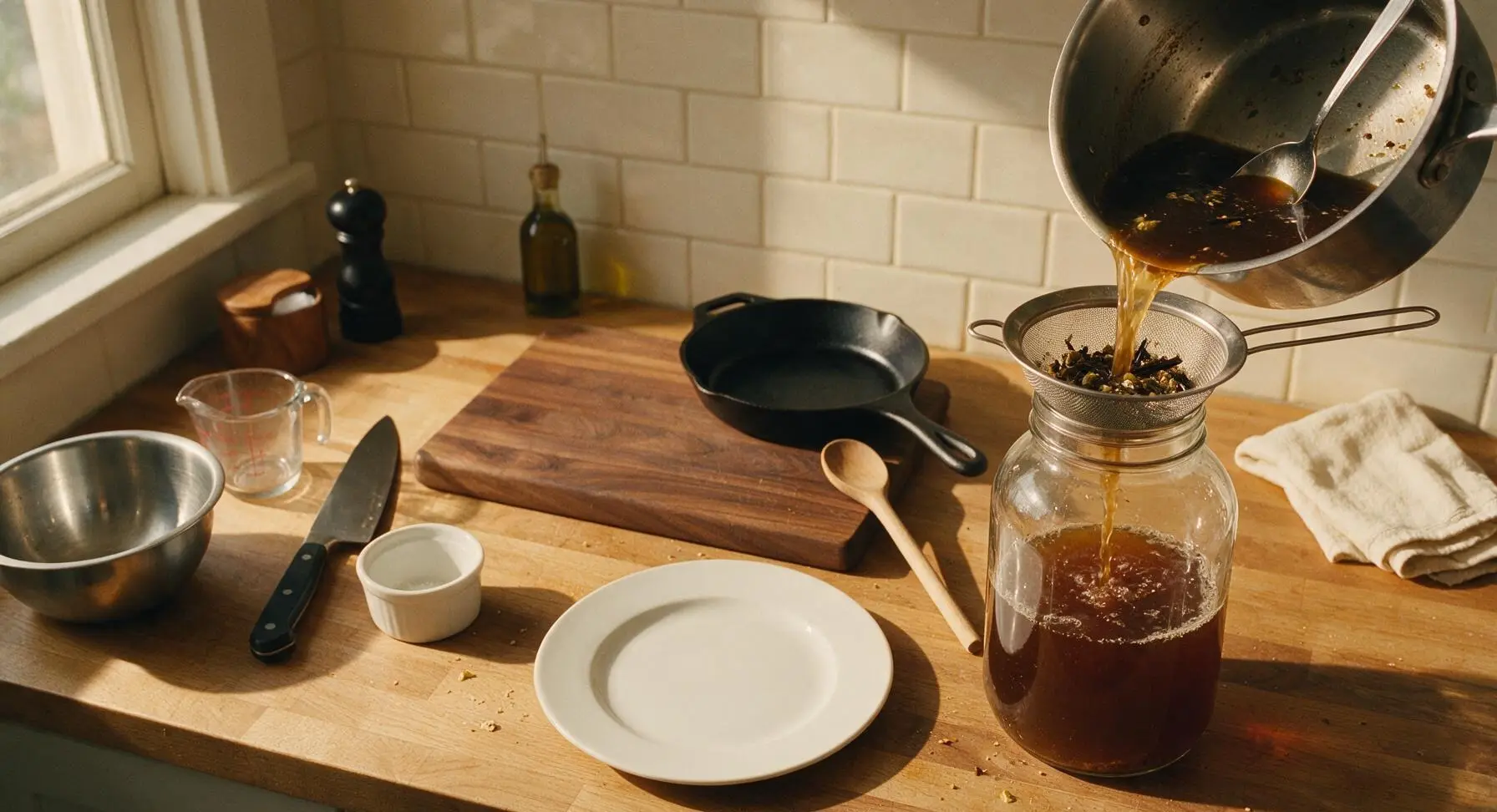
After the 45-minute boil is complete, remove the pot from heat. Set the pot in a sink filled with ice water to cool the wort rapidly to 70°F (21°C), which takes approximately 20 minutes. Once cooled, pour the wort through the fine-mesh stainless steel strainer into the sanitized 1-gallon glass fermentation jug, straining out all hop particles, grain bits, and vanilla bean. Top the jug off with extra cold filtered water if needed to reach the marked 1-gallon volume line.
Step 4
step4:Cool and Strain Wort
5

Pitch Yeast for Fermentation

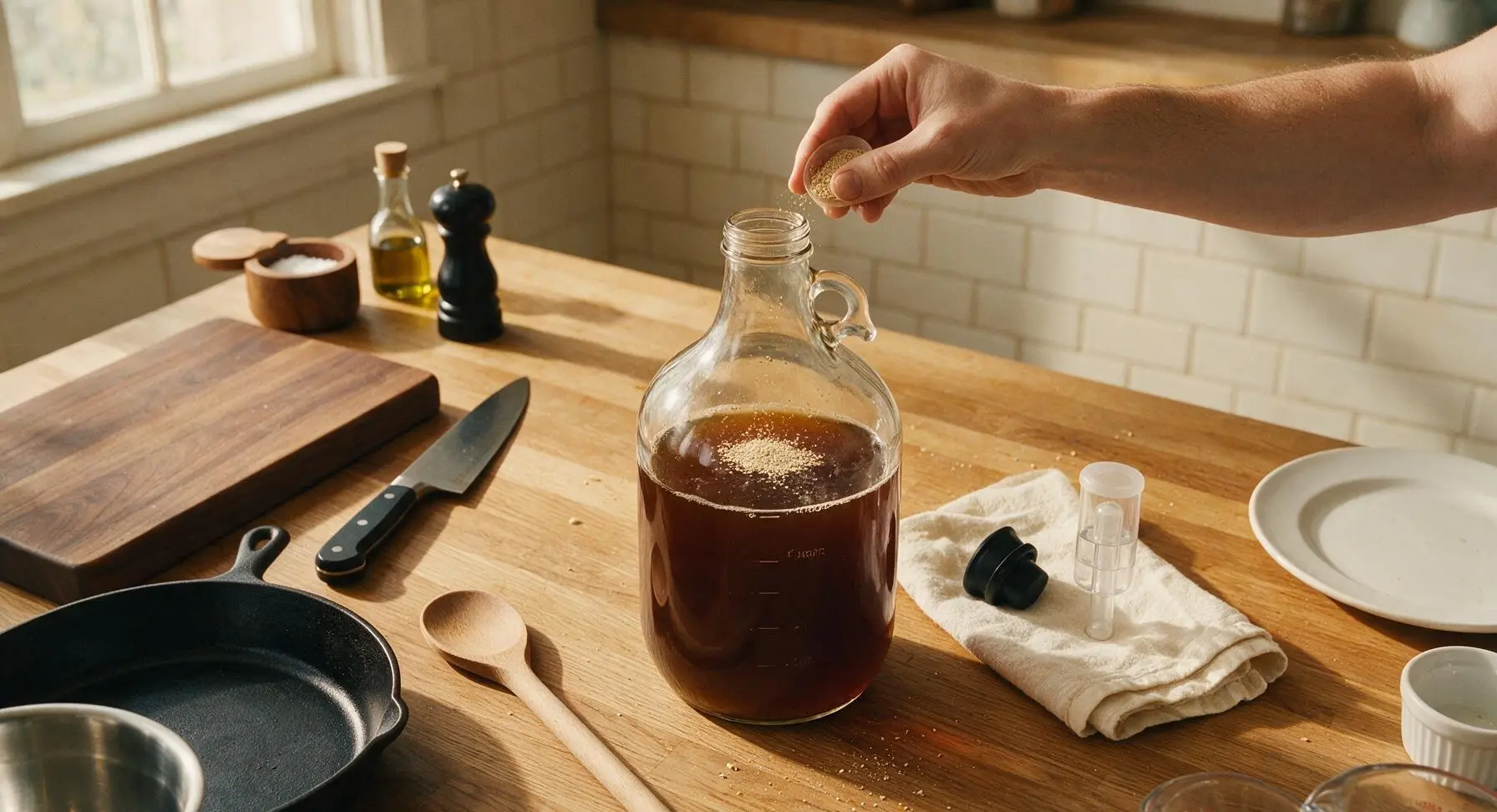
Sprinkle the full 5g packet of dry ale yeast over the surface of the cooled, strained wort in the fermentation jug. Seal the jug neck with the sanitized black rubber stopper, then insert the sanitized water-filled 3-piece airlock into the stopper hole. Store the jug in a dark, temperature-stable area held at 65-70°F (18-21°C) for 7 days. Fermentation will start within 24-48 hours, visible as steady bubbles rising through the airlock.
Step 5
step5:Pitch Yeast for Fermentation
6

Prep Blueberry Addition

As primary fermentation slows after 7 days, rinse fresh blueberries, pat dry, and add to the 2-cup glass measuring cup. Lightly mash blueberries with the back of the stirring spoon to release their juice, then gently heat in the microwave for 60 seconds to pasteurize, then cool completely to 70°F. This pasteurization step kills wild yeast on fruit skins that could spoil the beer, while retaining bright blueberry flavor better than boiling.
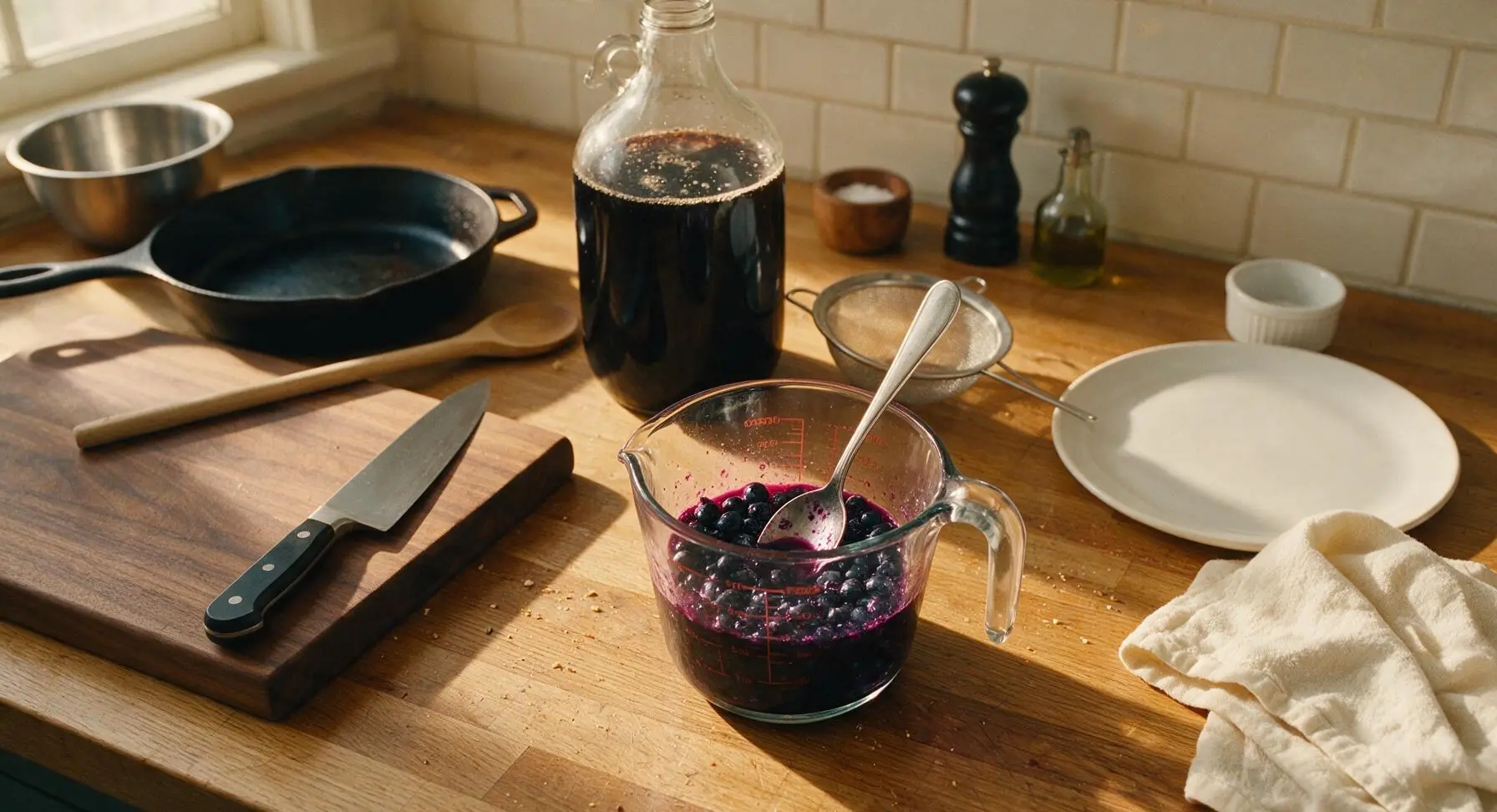
Step 6
step6:Prep Blueberry Addition
7

Add Berries and Age

Once blueberries are fully cooled, carefully pour them into the fermentation jug with the young stout, re-seal with the sanitized stopper and airlock. Let the beer condition on the blueberries for an additional 10 days at 65-70°F, away from direct light. The beer will take on a subtle purple-tinged deep brown hue, and bright blueberry aroma will blend with roasty malt notes as it ages.
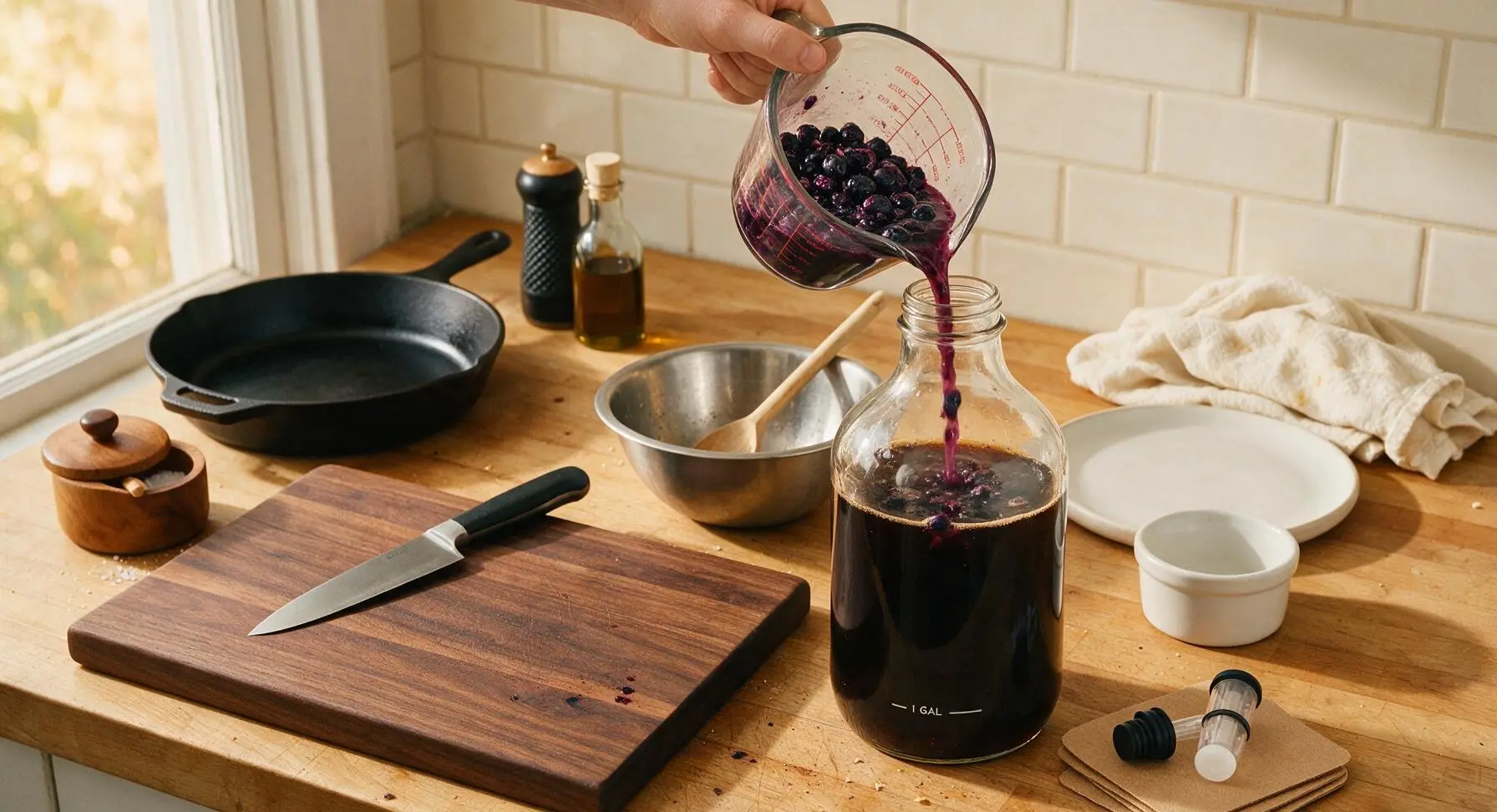
Step 7
step7:Add Berries and Age
8

Bottle for Carbonation

After 10 days conditioning on blueberries, sanitize glass bottles and metal bottle caps. Dissolve 0.5 oz (14g) corn priming sugar in 2 tablespoons of boiled, cooled water, add to the bottom of a sanitized bottling vessel. Use the sanitized auto-siphon to transfer the blueberry stout from the fermentation jug onto the priming sugar, stirring gently with the sanitized spoon to mix evenly. Fill each bottle to 1 inch below the rim, crimp caps tightly, and store in a dark, room-temperature spot for 2 weeks to build natural carbonation.
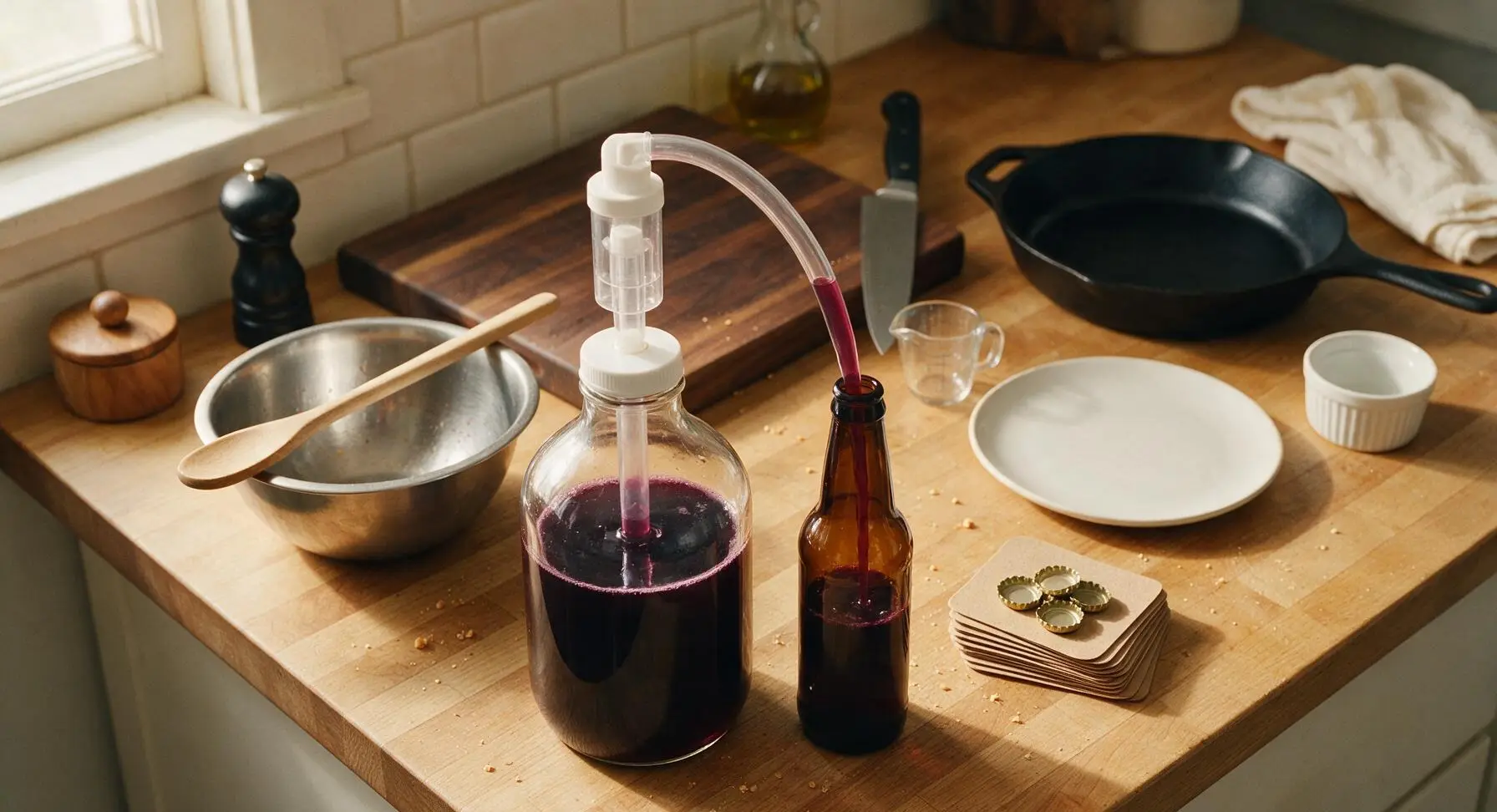
Step 8
step8:Bottle for Carbonation

Tips

1.Never skip full sanitization of every tool that touches cooled wort or beer: wild yeast and bacteria from un-sanitized surfaces create sour, vinegary, or musty off-flavors that can ruin an entire batch, even if all other brewing steps are followed perfectly.
2.Avoid boiling blueberries directly in the hot wort: high heat breaks down delicate fresh blueberry aroma compounds and creates a flat, jammy, cooked-fruit flavor; adding pasteurized, cooled berries during secondary fermentation preserves bright, tart, fresh berry taste.
3.Resist the urge to open the fermentation jug unnecessarily during conditioning: exposure to oxygen causes stale, cardboard-like off-flavors and increases contamination risk; only open the jug when adding fruit or transferring beer for bottling.


✨ You May Also Like

Drinks & Beverages
🍜 Mexico

A bright, balanced tequila-based cocktail with zesty fresh lime, smooth orange liqueur, and a signature salt rim, perfect for warm summer sipping.

⏱️ 5 minutesDrinks & Beverages ★ 4.9
Drinks & Beverages
🍜 United States

Thick, creamy, nostalgic classic vanilla milkshake with a rich, smooth texture, topped with whipped cream and a cherry for cool, sweet refreshment.

⏱️ 5 minutesDrinks & Beverages ★ 4.7
Drinks & Beverages
🍜 United States

A bright, golden strong ale with fruity banana-clove notes, subtle hop spice, and soft carbonation, brewed in classic Trappist Tripel tradition.

⏱️ 2 hours aDrinks & Beverages ★ 4.5
Drinks & Beverages
🍜 United States

A frothy, nostalgic American soda fountain treat pairing bubbly cold root beer with creamy vanilla ice cream, perfect for cooling down at warm weather gatherings.

⏱️ 20 minuteDrinks & Beverages ★ 4.8
Drinks & Beverages
🍜 United States

Tart, funky, effervescent American Wild Ale is a complex fruity craft beer brewed with wild yeast, delivering bright, zesty notes perfect for warm-weather sipping.

⏱️ 2 hours aDrinks & Beverages ★ 4.4
Drinks & Beverages
🍜 United States

Bright, bubbly copycat of the iconic American caramel cola, balanced with citrus and warm spice, perfect for sipping ice-cold on hot days.

⏱️ 15 minuteDrinks & Beverages ★ 4.8

Blueberry Stout:Frequently Asked Questions

1.Can I use frozen blueberries instead of fresh for this blueberry stout? ▾
Absolutely—frozen blueberries work just as well, if not better, than fresh here. They’re picked and frozen at peak ripeness, and the freezing process breaks down their cell walls to release more bright, tart juice. Just thaw them fully first, and skip options with added sugar or syrup to avoid throwing off the malt-hop-berry balance.
2.When is the best time to add blueberries to the stout during brewing? ▾
Add your prepped blueberries during the first 5 days of secondary fermentation, not during the hot boil. Boiling blueberries cooks out their bright, fresh tartness and can leave bitter, jammy, astringent notes that clash with the smooth roasted malt. Sanitize them first with no-rinse brewing sanitizer to avoid contaminating your batch.
3.Why does this recipe call for filtered cold water instead of regular tap water? ▾
Unfiltered tap water often has chlorine, chloramine, or heavy mineral off-notes that can mute the roasty malt, bright Cascade hop, and fresh blueberry flavors, even leading to harsh, medicinal-tasting beer. Filtered cold water has a neutral profile that lets all your core ingredients shine without introducing unwanted, hard-to-fix off-flavors.
4.How much Cascade hop bitterness should I aim for to keep this stout balanced? ▾
Target a mild 25–30 IBUs with your Cascade pellet additions, split between a 60-minute bittering addition and a small 15-minute late addition for subtle citrus-pine aroma. This low, gentle bitterness cuts through the rich roasted malt and sweet blueberry notes without overpowering the beer’s smooth, sippable profile.
5.Can I adjust the roasted barley amount if I prefer a less roasty stout? ▾
Definitely. If you don’t love bold, coffee-like roasty notes, cut the crushed roasted barley by 25–30% for a smoother, softer malt base that still has enough depth to stand up to the blueberries. Don’t cut it entirely, though—you’ll lose that classic stout backbone that keeps the fruit addition tasting intentional.
6.How long do I need to let this blueberry stout condition before it’s ready to drink? ▾
Plan for a minimum of 3 weeks of total conditioning after active fermentation wraps: 1 week resting on the blueberries in secondary, then 2 weeks carbonated in bottles or a keg. This extra time lets the sharp berry tartness mellow, the roasty malt smooth out, and hop bitterness integrate for a balanced sip.
7.Will the blueberries make this stout taste overly sweet or jammy? ▾
Not if you follow the recipe ratios and add berries at the right fermentation stage. The subtle Cascade hop bitterness and dry, roasty edge from the roasted barley balance the blueberries’ natural sugar, most of which is eaten by yeast during fermentation. You’ll get juicy berry depth, not thick, cloying jam flavor.
8.Do I need to crush my own 2-row pale malt and roasted barley, or is pre-crushed malt okay? ▾
Pre-crushed malt works perfectly as long as it’s stored in a sealed, airtight bag away from heat and light, and crushed within the last 3 months. If you crush your own, aim for a consistent coarse crush (not powdery fine) to avoid extracting harsh, astringent tannins during the mash.
9.What serving temperature works best for this homemade blueberry stout? ▾
Serve it between 50–55°F, which is a touch warmer than ice-cold macro beer. This temperature brings out the rich, toasty notes from the 2-row malt, the subtle pine-citrus aroma from Cascade hops, and the bright tartness of the blueberries, instead of muting those layered flavors under extreme cold.
10.How do I avoid astringent, harsh off-flavors in this blueberry stout? ▾
The two biggest culprits of harsh off-notes here are over-crushed roasted barley and boiling your blueberries. Keep your malt crush coarse, don’t let your mash temperature climb above 158°F, and never add blueberries to the hot boil. Also, fully sanitize all equipment to avoid bacteria-related off-flavors.
11.Can I add extra blueberries for a more intense fruit flavor? ▾
You can bump up the blueberry amount by up to 25% if you want bolder berry flavor, but don’t add more than that. Too many blueberries add excess water and sugar that can throw off fermentation, dilute the roasty stout backbone, and lead to a thin, tart drink that doesn’t taste like a stout anymore.
12.How long will bottled homemade blueberry stout stay fresh? ▾
Properly sanitized, sealed, and stored in a cool, dark place (around 55–60°F), this stout will stay fresh and well-balanced for up to 6 months. After that, the bright blueberry notes will start to fade, and the roasty malt flavors will become more dominant, so drink it within that window for ideal balance.
13.What kind of yeast works best for this blueberry stout recipe? ▾
Use a clean, neutral American ale yeast, fermented at a steady 65–68°F. This yeast won’t add strong funky, banana-like, or overly estery notes that compete with the fresh blueberries, letting the roasty malt, subtle Cascade hop character, and bright berry depth take center stage for a smooth brew.
14.Do I need to strain out blueberry solids before bottling this stout? ▾
Yes, give the beer a gentle, slow rack off the blueberry sediment and solids before you bottle or keg it. You don’t need an ultra-fine filter that strips out flavor—just avoid transferring the thick, pulpy sludge at the bottom of the secondary fermenter to keep your final beer smooth, without gritty bits in each pour.

Comments (6)

2 days ago

OMG, this homemade blueberry stout is a total game changer! I brought a 5-gallon batch to my neighborhood potluck last weekend and every single person was hounding me for the recipe. The blueberry flavor doesn’t overpower that rich, roasted malt base — it’s perfectly balanced, not cloyingly sweet like a lot of fruit stouts out there. I was nervous about nailing it since it’s marked medium difficulty, but the 1 hour 15 minute cook time was totally manageable even as someone who’s only done two prior homebrew batches. 10/10, already planning to brew another round for our fall camping trip.

yesterday

Quick question — did you use fresh or frozen blueberries for this? I tried a different fruit stout recipe a few months back with frozen berries and the final batch had this weird, slimy texture I couldn’t fix, and I don’t wanna waste ingredients messing this up!

2 hours ago

Great question! We recommend fresh, ripe blueberries for this recipe to avoid that odd texture, but if frozen is all you have access to, be sure to thaw them fully and drain off all excess liquid before adding them during secondary fermentation to cut down on extra moisture and texture issues!

1 week ago

My husband is a total craft stout fanatic, so I brewed a batch of this for his birthday dinner with his friends, and SO many people said it was better than the blueberry stout our local brewery sells! I was super intimidated by the medium difficulty rating at first, but the steps were laid out so clearly that even a new brewer like me didn’t mess it up. The only small tweak I made was tossing in an extra handful of blueberries because we go crazy for that bright, fruity pop.

5 days ago

That makes us so happy to hear this was a hit for your husband’s birthday! Adding extra blueberries is such a fun, easy customization — we’re all for leaning into that fruit flavor. Thanks so much for sharing how it turned out!

3 days ago

Really solid recipe, turned out fantastic on my first attempt! Quick heads up for other new brewers: don’t walk away during the boil step. I got distracted by my dog losing his mind over the mailman and almost burned the malt extract, but caught it just in time. The final stout has that smooth, roasty base with just the right hint of blueberry on the finish, no weird artificial aftertaste at all. Knocked off one star because I wish the recipe noted exactly how long to leave the berries in during secondary fermentation, but otherwise it’s perfect. Already planning my next batch to bring to our annual fall fishing trip.

5 days ago

Has anyone tried tweaking this recipe with a little extra vanilla? I feel like blueberry and vanilla would be an insane combo in a stout, but I don’t wanna throw off the carefully balanced ratios listed here. Also, how long do you all usually let this condition before cracking open the first bottle? I’m so impatient to try it!

3 days ago

I added one split vanilla bean to my last batch of this! Let it condition for 3 weeks total and it was chef’s kiss, didn’t throw the flavor off at all. Just make sure you fully sanitize the bean before tossing it in so you don’t introduce any bacteria!

2 days ago

We love that vanilla addition idea! We usually recommend letting this condition for a minimum of 2 weeks to let all the flavors meld together, but 3 weeks is even better if you can stand to wait. If you add vanilla, one split bean is the perfect amount so it doesn’t overpower the blueberry and malt notes!

2 weeks ago

This recipe is an absolute game changer for my monthly game nights! My crew went through an entire 5-gallon batch in less than two hours, no joke. The blueberry comes through so smooth, none of that weird syrupy artificial taste you get from some commercial fruit stouts. My only heads up is to double check that your fermentation bucket is fully sealed — I had a tiny airlock leak on my first go and lost a little carbonation, but it still tasted so good no one even noticed.

1 week ago

Ugh, I had the exact same airlock leak issue on the last stout I brewed! I swapped out the cheap gasket that came with my bucket for a thicker silicone one mid-ferment and it fixed the carbonation for the rest of the batch. Can’t wait to test this recipe out next weekend!

yesterday

SO good! I followed this recipe a couple weeks back to brew a batch for my girls’ night potluck, and even my friends who swear they “hate dark beer” were going back for seconds. I was worried the medium difficulty tag meant it’d be way over my head as a super casual homebrewer, but the 1 hour 15 minute cook time flew by while I was jamming to my weekend playlist. This is definitely getting added to my regular brew rotation!



