1.Why do I need to use brisket point instead of the flat for burnt ends?
▾
The brisket point has the rich, dense marbling and fat content that renders low and slow to create that signature melt-in-your-mouth texture. The leaner flat will easily dry out when cubed and re-smoked, and it can’t form the thick, crispy, flavor-packed bark that defines classic Kansas City burnt ends, even with extra fat or sauce.
2.How thick should I trim the fat cap on the brisket point before smoking?
▾
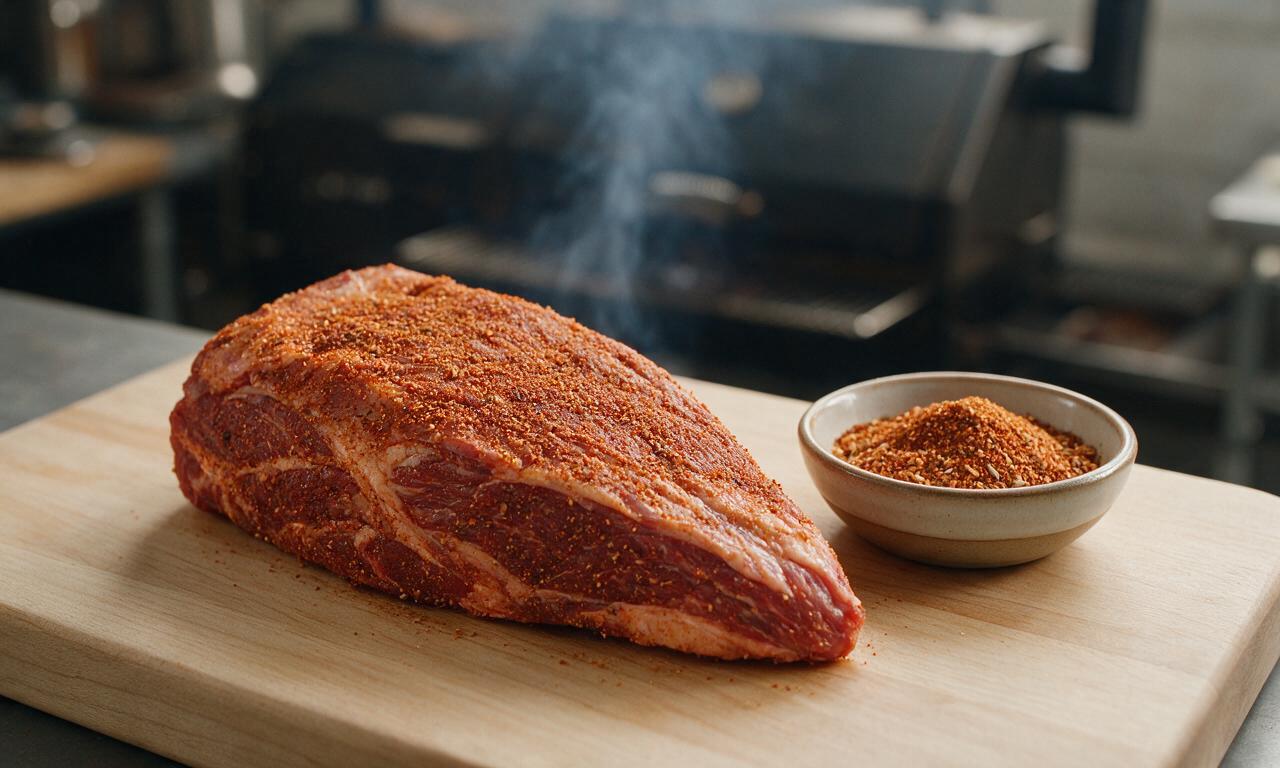
Aim for a uniform 1cm (roughly 3/8 inch) fat cap across the entire point, as noted in the recipe. That thickness lets just enough fat render down to baste the meat as it smokes, without leaving chewy unrendered fat patches, while still letting the rub form a crisp, flavorful bark on the meat’s surface.
3.What’s the ideal rub ratio using the recipe’s core spices?
▾
For a standard 3lb brisket point, use a 3:2:1:1 ratio of coarsely ground black pepper, kosher salt, smoked paprika, and garlic powder—that works out to 3 tbsp pepper, 2 tbsp salt, 1 tbsp paprika, 1 tbsp garlic powder. This peppery, balanced mix matches classic KC BBQ profile, with no excess sugar to burn during the long smoke.
4.What smoker temperature works best for the initial brisket cook?
▾
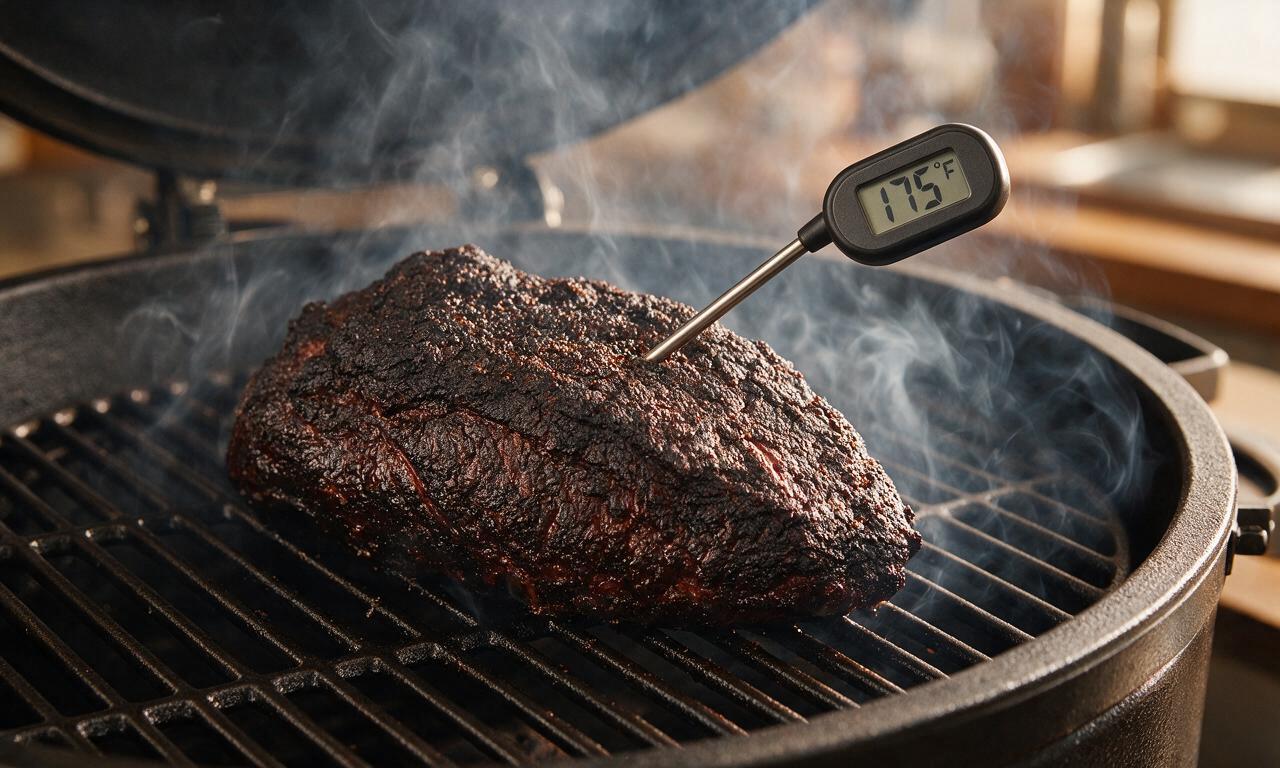
Hold your smoker steady at 225°F for the first phase of cooking. That low, consistent temperature lets fat render slowly, builds deep, even smoky flavor without charring the rub, and gives the spice coating time to set into that signature crispy bark before you cube the point for the final burnt end step.
5.How do I know the brisket point is ready to cube for burnt ends?
▾
Pull the whole point from the smoker when it hits an internal temperature of 195°F, measured with a probe in the thickest part, avoiding any large fat pockets. At that temp, connective tissue is mostly broken down, the bark is firm, and the meat will hold its cube shape without falling apart when you cut it.
6.What size should I cut the brisket cubes for perfect burnt ends?
▾
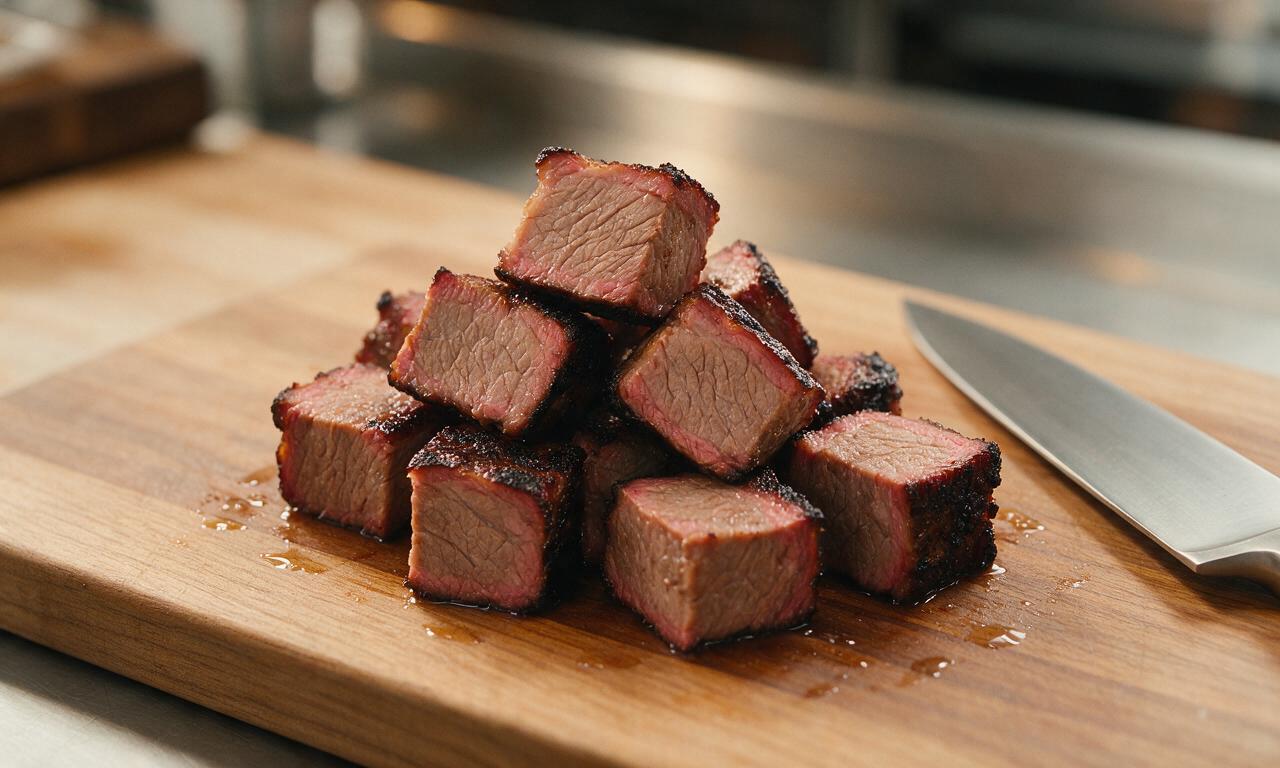
Cut the cooked point into uniform 1.5-inch cubes. Any smaller, and the edges will over-char and dry out during the final sauced smoke; any larger, and the sauce won’t caramelize evenly on every side, throwing off that ideal balance of crispy outer bark and soft, juicy center in each bite.
7.Should I wrap the brisket point during the initial smoke?
▾
You can wrap the point in uncoated butcher paper once it hits 165°F internal to push through the temperature “stall” faster, but skip tight foil wraps—foil traps too much steam and softens the crispy bark you’ve built. Keep the wrap loose to maintain light airflow for good surface texture.
8.What kind of BBQ sauce fits authentic Kansas City-style burnt ends?
▾
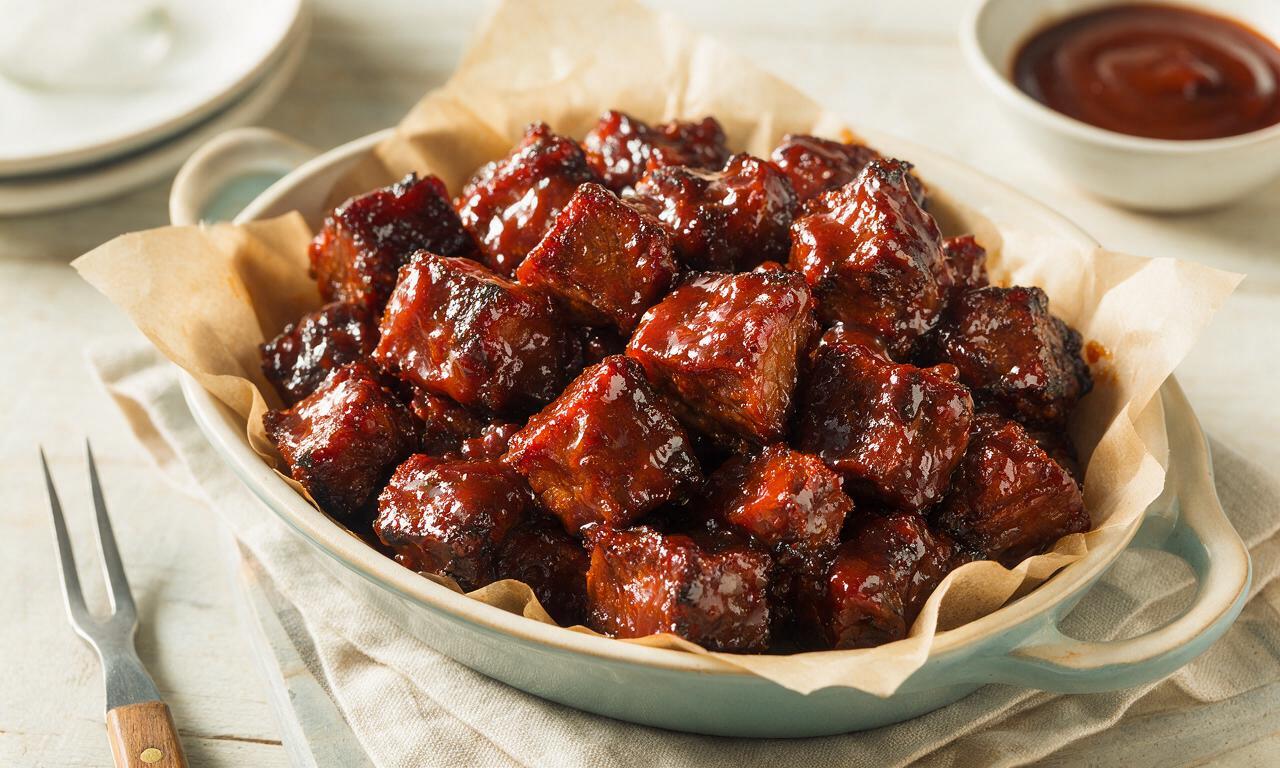
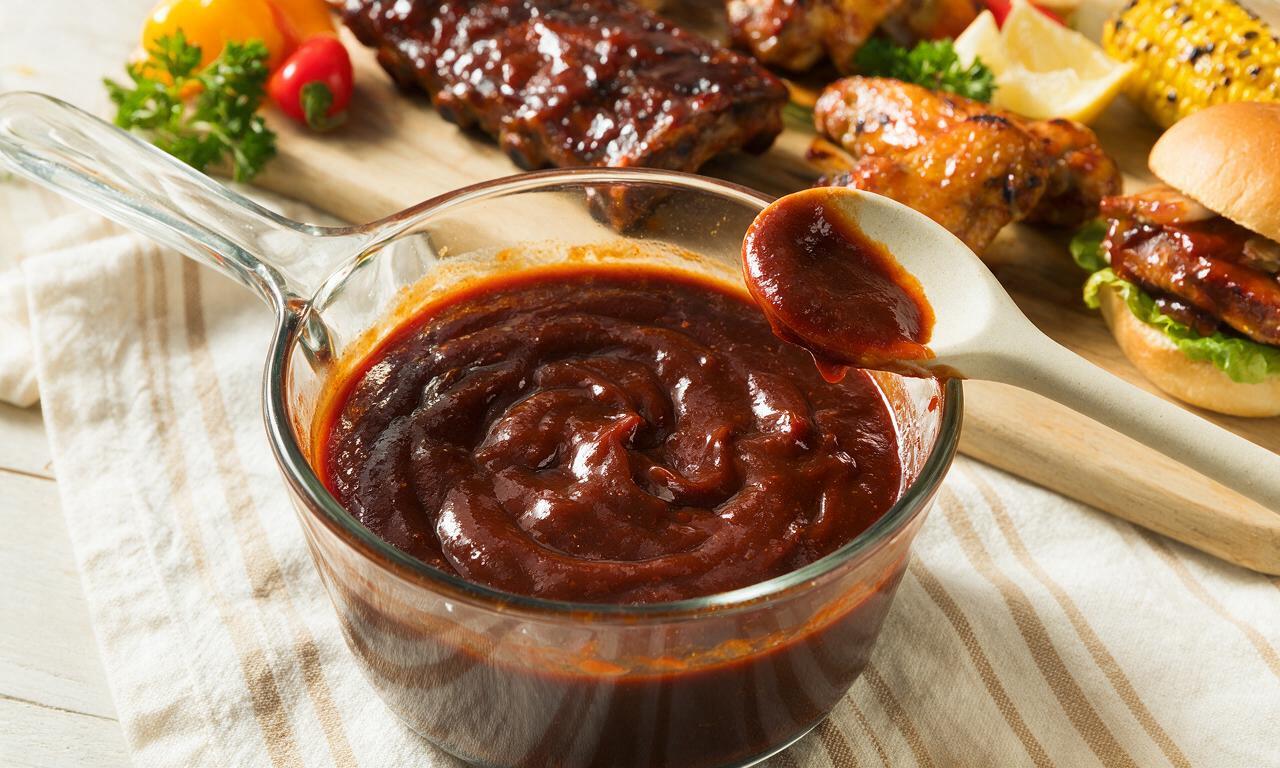
Reach for a tomato-based, tangy-sweet KC-style sauce with notes of molasses and bright apple cider vinegar, skipping extra-spicy or heavily vinegary Carolina-style sauces. Toss cubes in just enough sauce to coat lightly—don’t douse them, so the smoky beef and bark flavor stays front and center.
9.How long do I smoke the cubed, sauced burnt ends for?
▾
Place the sauced cubes in an uncovered foil pan, and smoke them for 60 to 90 minutes at 250°F. Toss once halfway through to coat in rendered fat and sauce, cooking until the sauce is sticky and caramelized on the edges, and cubes pull apart easily with a gentle squeeze without turning mushy.
10.Can I make these burnt ends if I don’t have a dedicated smoker?
▾
Absolutely! Use a charcoal grill set up for indirect heat, with a soaked wood chip packet placed directly on hot coals to hold a steady 225-250°F. A pellet grill on the smoke setting, or even a gas grill fitted with a smoke box, works too, as long as you maintain consistent low heat and hardwood smoke.
11.Why are my burnt ends coming out tough instead of tender?
▾
Tough burnt ends almost always come from pulling the brisket too early, before tough connective tissue has fully rendered, or cooking at too high a heat that makes muscle fibers seize up. Stick to the low-and-slow temp, and wait for that 195°F initial internal temp before cubing for the best texture.
12.Do I need to rest the brisket point before cubing it?
▾
Yes, let the whole smoked point rest for 30 minutes tented loosely in foil after the initial smoke. That rest lets muscle fibers reabsorb all the juicy rendered fat, so you won’t lose all that moisture on the cutting board, which would lead to dry, bland burnt ends after the final sauced cook.
13.What wood is most authentic for Kansas City-style burnt ends?
▾
Stick to classic hardwoods like hickory or white oak for true KC flavor—they deliver a bold, earthy smoke that stands up to rich beef and tangy BBQ sauce without overpowering it. Avoid heavy use of mesquite, a resinous wood that can turn sharp and bitter during the long, slow cook.
14.Can I apply the rub to the brisket the night before smoking?
▾
You can apply the salt, pepper, paprika, and garlic powder rub 8 to 12 hours ahead, storing the brisket uncovered on a wire rack in the fridge. That dry brine lets salt penetrate deep for better seasoning and a firmer, crispier bark; just pat the surface dry before smoking if moisture beads up.
15.How do I keep burnt ends from getting soggy after saucing?
▾
Don’t over-sauce cubes initially—use a light coat and add more at the end if you prefer—and always cook sauced cubes uncovered in the smoker. Covering the pan with foil traps steam that softens bark and turns sauce runny; leaving it open lets moisture evaporate for that perfect sticky caramelized coating.
16.What’s the best way to serve these Kansas City burnt ends?
▾
Serve them straight out of the smoker as a classic appetizer with dill pickles and soft white bread, the traditional KC presentation, or pile them on baked potatoes, nachos, or sliders. Pair them with light, tangy sides like coleslaw, baked beans, or potato salad that don’t overpower the smoky beef.
17.How do I store leftover burnt ends and reheat them properly?
▾
Store cooled leftover burnt ends in an airtight container in the fridge for up to 4 days, or freeze for up to 3 months. Reheat them in a 325°F oven, covered with a splash of extra BBQ sauce, for 15 to 20 minutes. Skip the microwave—it turns crispy bark rubbery and makes the meat tough.

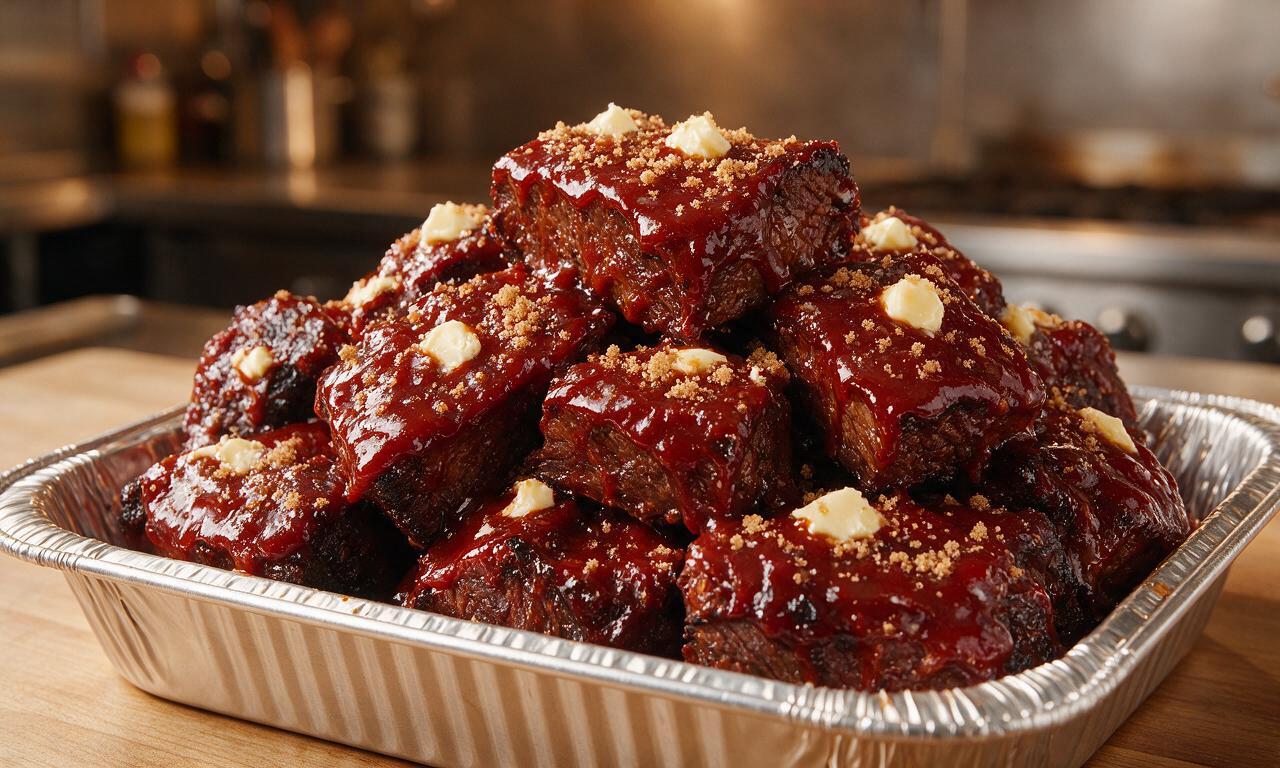
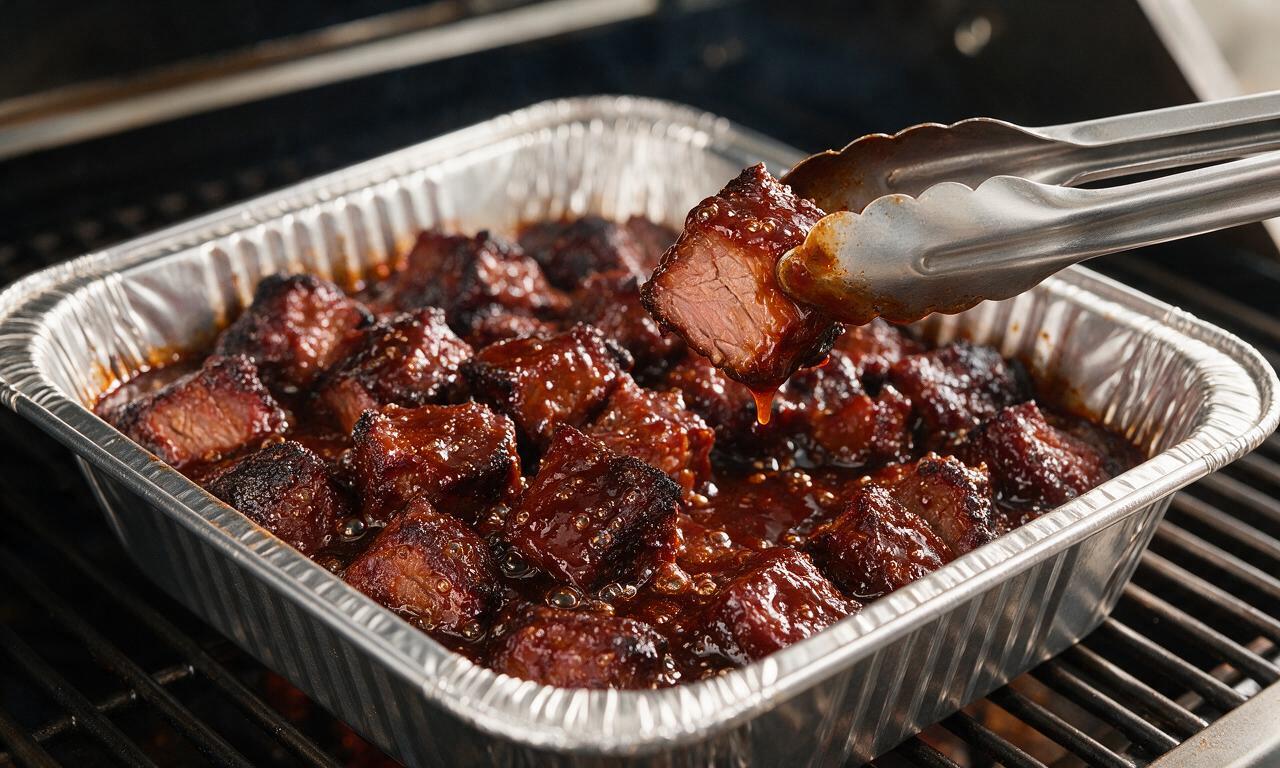
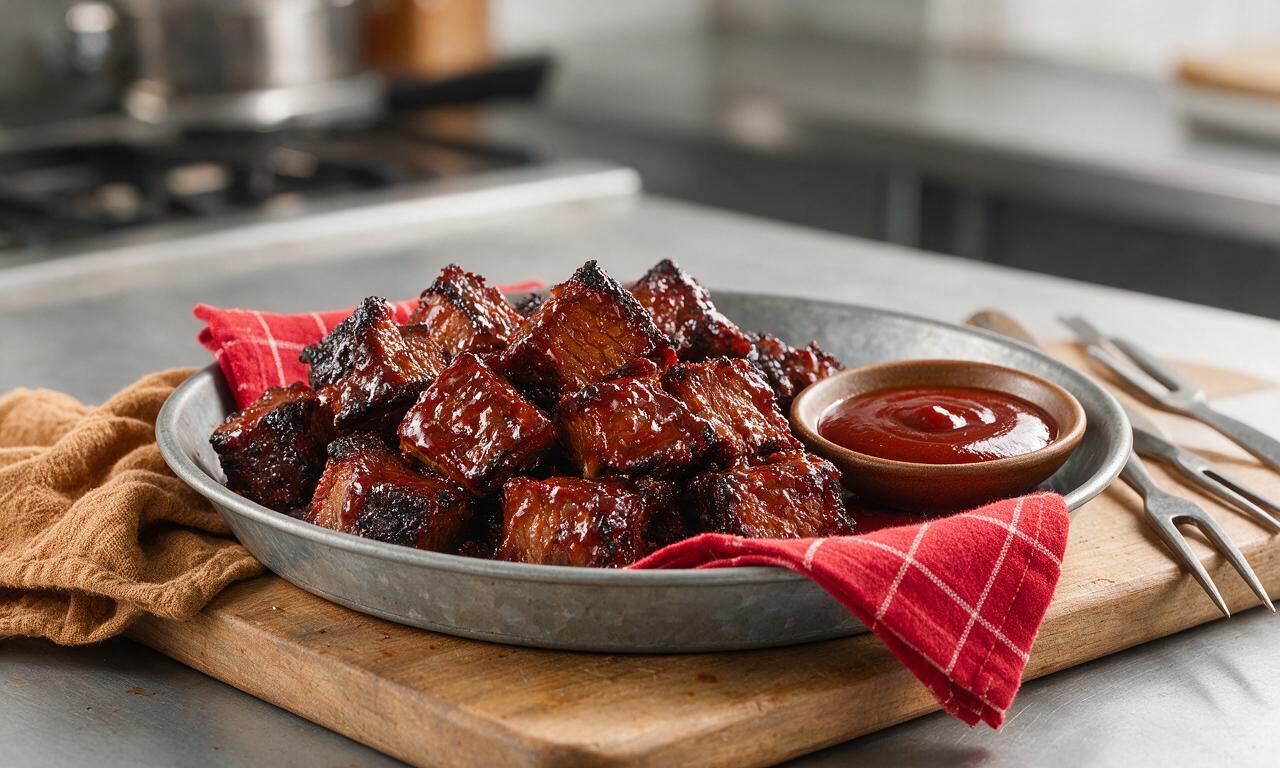
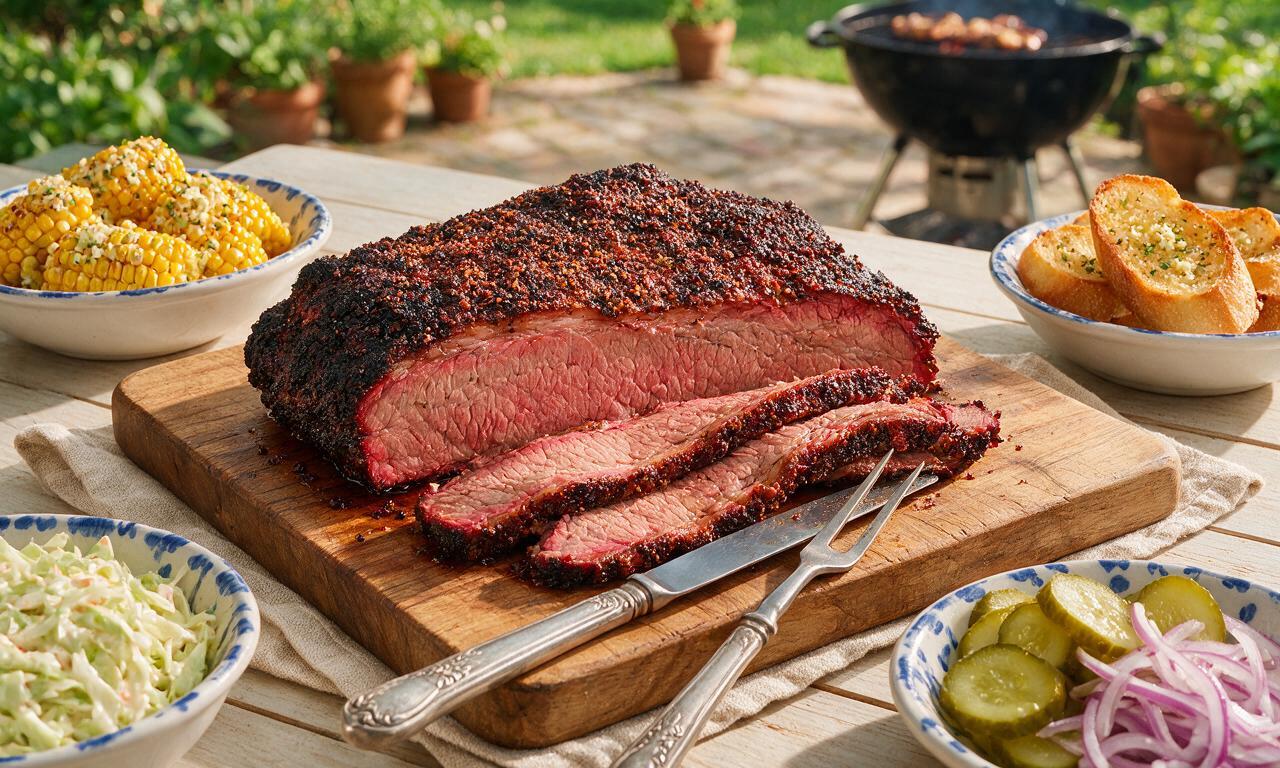
OMG these burnt ends were an absolute game changer for our Memorial Day weekend cookout! I’ve tried a handful of KC-style brisket recipes before but this one nailed that perfect sticky, caramelized bark with the melt-in-your-mouth fat render that everyone fights over. My brother-in-law who swears he’s a BBQ pitmaster even asked for the recipe! Total cook time was right on the 6.5 hour mark for me, no weird extra steps that make overly complicated BBQ recipes a pain. 10/10 will be making these for every tailgate this fall.
Made these for our neighborhood block party potluck last weekend and people were hovering around the platter before I even set it down! SO good—sweet, smoky, just the right amount of tang from the sauce. I prepped the brisket point the night before to cut down on day-of work, which made the whole process way less stressful for a crowd. My kids even ate three helpings each, which never happens with anything that’s not chicken nuggets, ha. Only note is I’d budget a little extra time if you’re working with a thicker brisket point, mine took almost an extra 45 minutes to get to that perfect pull-apart texture.
Uh, full transparency this was my first ever time smoking any kind of brisket, and I was so nervous I’d mess it up for my dad’s birthday dinner. The medium difficulty rating scared me a little at first but the step-by-step instructions were so clear! My burnt ends came out a little saucier than the photos but my dad said they were better than the ones we get at our favorite KC BBQ joint back when we lived in Missouri. Total win in my book, even if I did have to run out for extra wood chips halfway through because I underestimated how much I’d need.
So excited to make these this weekend for my boyfriend’s birthday! Quick question first—has anyone tried making these ahead for meal prep? I’m wondering if they hold up well reheated for weekday lunches, I’ve had bad luck with reheated brisket getting dry and rubbery in the microwave before. Would love to make a big batch on Sunday if they reheat okay!
Shoutout to whoever developed this recipe for not sneaking in weird hidden gluten in the sauce base! I used my go-to gluten-free BBQ sauce to swap in and these came out absolutely perfect for our family dinner with my celiac kiddo. The bark had that perfect crunch, the inside was juicy, no weird off-texture from swapping the sauce. My only tiny complaint is that my whole house smelled like smoke for 2 days after, but that’s 100% worth it for how good these turned out.
These were so tasty I almost didn’t leave a review because I was too busy going back for seconds! The flavor was spot on, exactly the burnt ends I remember getting at BBQ joints when I visited KC a few years back. Knocked one star off because I found the cook time listed was a little short for my setup—my brisket point was about 3 lbs and it took closer to 8 hours total to get that perfect fall-apart texture, even holding a steady temp the whole time. Still, end result was chef’s kiss, will absolutely make again, I’ll just start earlier in the day next time.