1.What cut of beef is tri-tip, and why is it such a staple of California-style BBQ?
▾
Tri-tip is a triangular, moderately marbled boneless cut from the bottom sirloin, usually weighing 1.5 to 2.5 pounds when trimmed. It rose to fame as a Central Coast California BBQ staple in the 1950s because it cooks quickly over mixed heat, stays juicy when sliced correctly, and has a rich beefy flavor that doesn’t need heavy, sugary sauces to shine.
2.Do I really need to trim the silver skin off the tri-tip before seasoning it?
▾
Absolutely—silver skin is the tough, shiny connective tissue on the roast’s surface that never softens, even over high grill heat. Use a sharp boning knife to slide under the membrane at a shallow angle, pull it taut, and slice it away in strips. Leave a thin 1/8-inch layer of surface fat to add smoky flavor and lock in moisture as it cooks.
3.Can I prep the tri-tip dry rub ahead of time to save day-of work?
▾
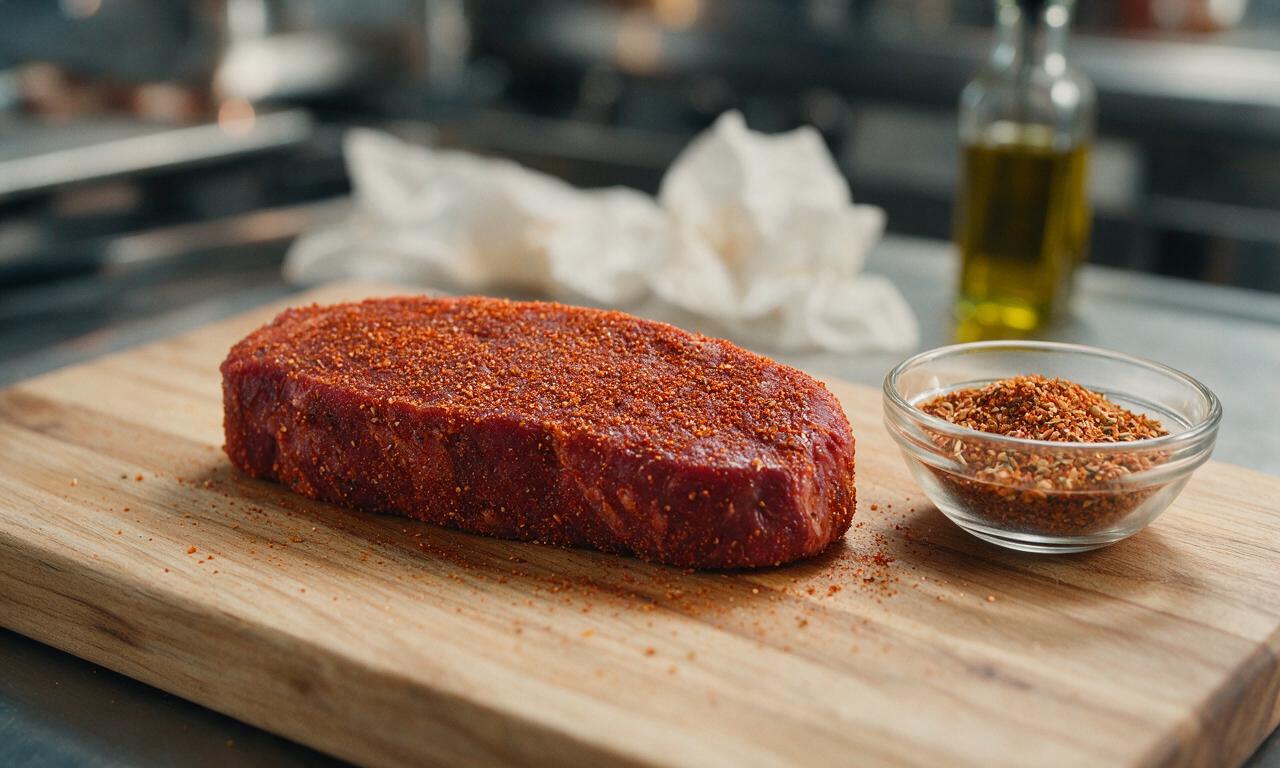
Definitely! Mix the smoked paprika, garlic powder, kosher salt, and black pepper in an airtight jar, and it will stay fresh for up to 3 months in your spice cabinet. For the best flavor penetration, apply the rub to the trimmed tri-tip 1 to 2 hours before grilling, letting it rest in the fridge so salt draws out moisture that reabsorbs for juicier meat.
4.How long should I let the tri-tip come to room temperature before grilling?
▾
Pull your seasoned tri-tip out of the fridge 45 to 60 minutes before you fire up the grill. Letting it rise to near room temperature ensures it cooks evenly across the whole roast, so you won’t end up with a thick, overdone outer layer and a completely raw center—one of the most common missteps when cooking thicker roasts on high-heat grills.
5.What grill setup works best for tri-tip so it doesn’t turn out tough?
▾
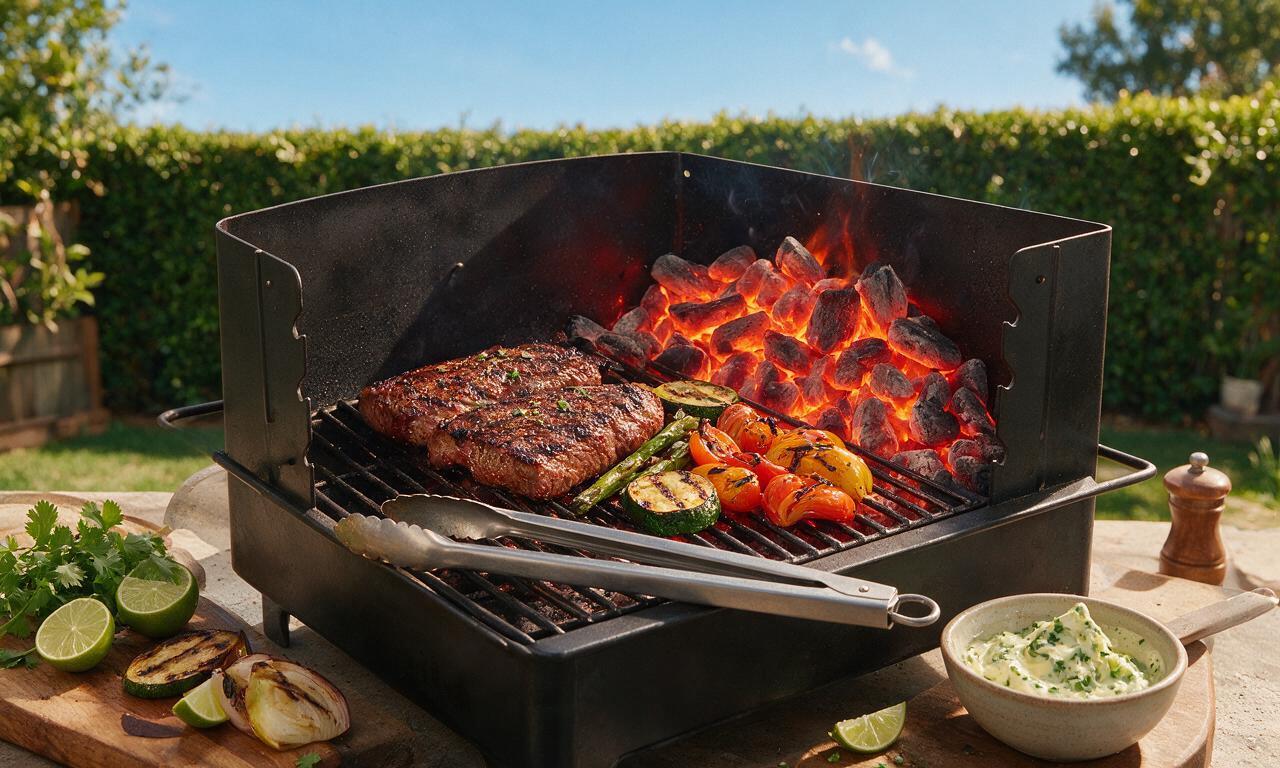
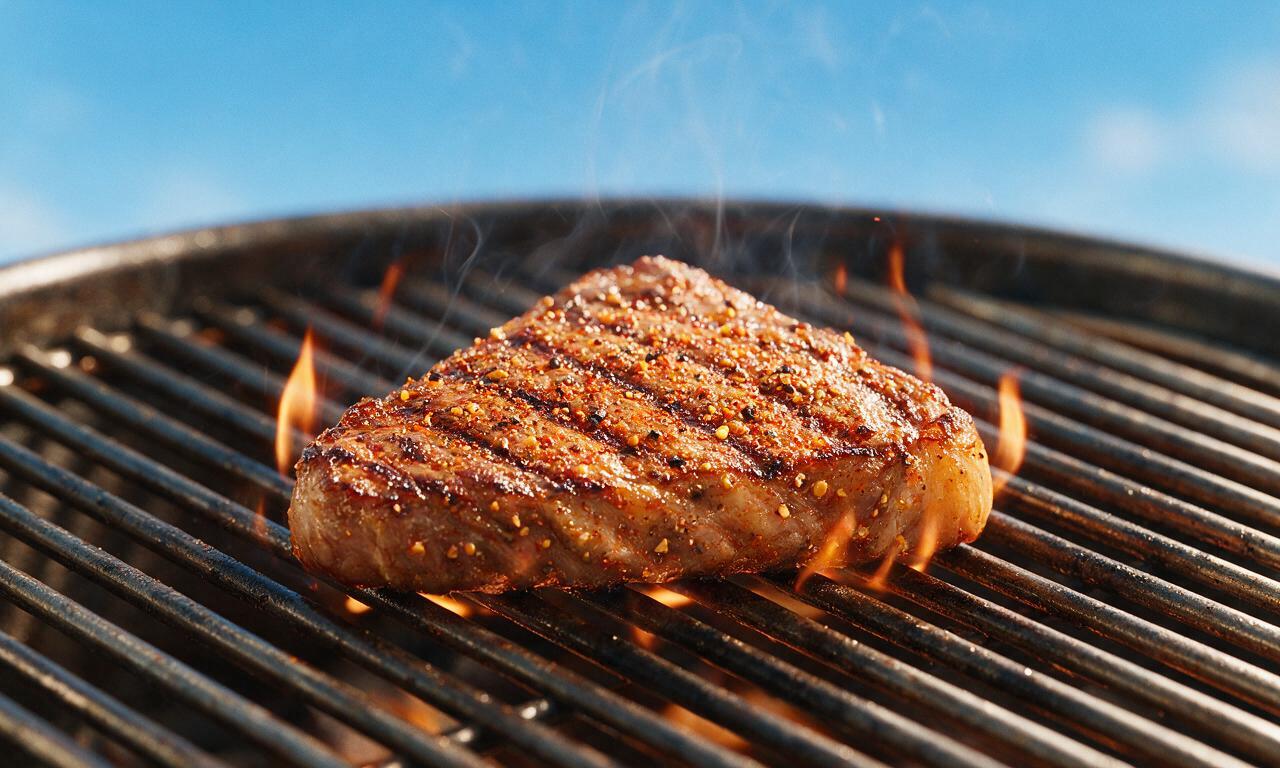
Aim for a classic two-zone grill setup, with one side running high heat (450 to 500°F) for searing and the other holding medium indirect heat (325 to 350°F) for slow finishing. Sear all sides of the tri-tip for 2 to 3 minutes per side over direct heat first, then move it to the indirect side to cook through without burning the spice rub.
6.What internal temperature should I hit for perfect medium-rare tri-tip?
▾
For ideal medium-rare, pull the tri-tip off the grill when it hits 130°F on an instant-read thermometer inserted into the thickest part of the roast. It will carryover cook another 5 to 7°F as it rests, landing you at that perfect 135 to 137°F—juicy, evenly pink, and tender, without any raw, cool center.
7.Why is resting tri-tip so important, and how long should I let it sit?
▾
Resting lets the hot, tight muscle fibers in the roast relax and reabsorb their juices, so they don’t all pour out onto your cutting board the second you slice in. Tent the cooked tri-tip loosely with foil and let it rest for 10 to 15 minutes—this is the perfect window to finish grilling your summer veggies and prep the cilantro-lime butter.
8.I heard tri-tip’s grain changes direction—how do I slice it correctly for tender bites?
▾
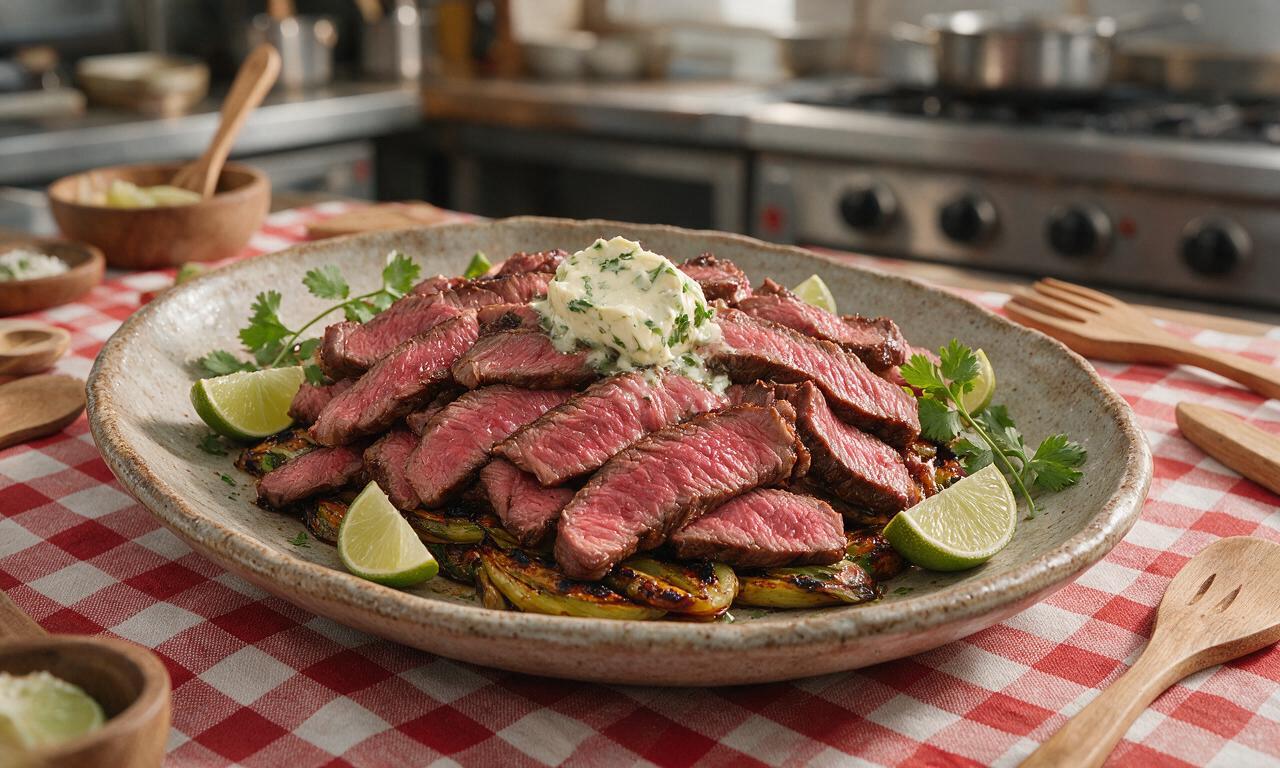
Great catch! The grain, or direction the long muscle fibers run, shifts about halfway across the triangular tri-tip cut. To avoid chewy slices, cut the roast in half at that natural grain shift point first, then slice each half against the grain into 1/4-inch thick pieces. This shortens muscle fibers so every bite is tender, no matter which part of the roast it comes from.
9.Which summer veggies work best for the grilled side in this recipe?
▾
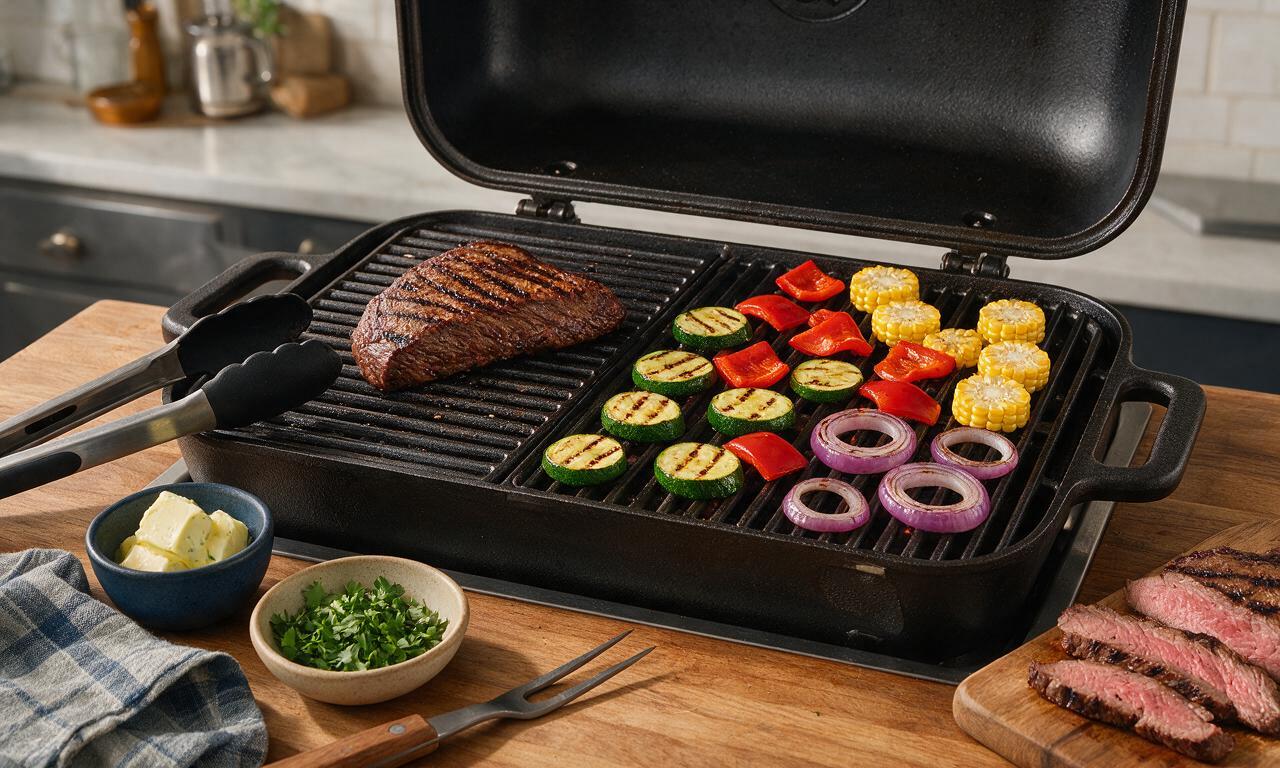
Stick to sturdy, quick-cooking summer produce that holds up to direct grill heat: thick-sliced zucchini, yellow squash, multi-colored bell peppers, red onion wedges, skewered cherry tomatoes, and 2-inch rounds of fresh corn on the cob work beautifully. Toss them with a light drizzle of olive oil, salt, and pepper before grilling so they get charred edges without turning mushy.
10.How do I keep grilled veggies from sticking to the grates or getting soggy?
▾
First, scrub your grill grates completely clean and lightly oil them with a high-smoke-point oil like avocado or canola before laying veggies down. Don’t overcrowd the grate—leave 1/2 inch of space between pieces—and resist flipping too early; veggies will release naturally once they develop a firm char, usually after 3 to 4 minutes per side over medium heat.
11.Can I make the cilantro-lime butter ahead of meal prep?
▾
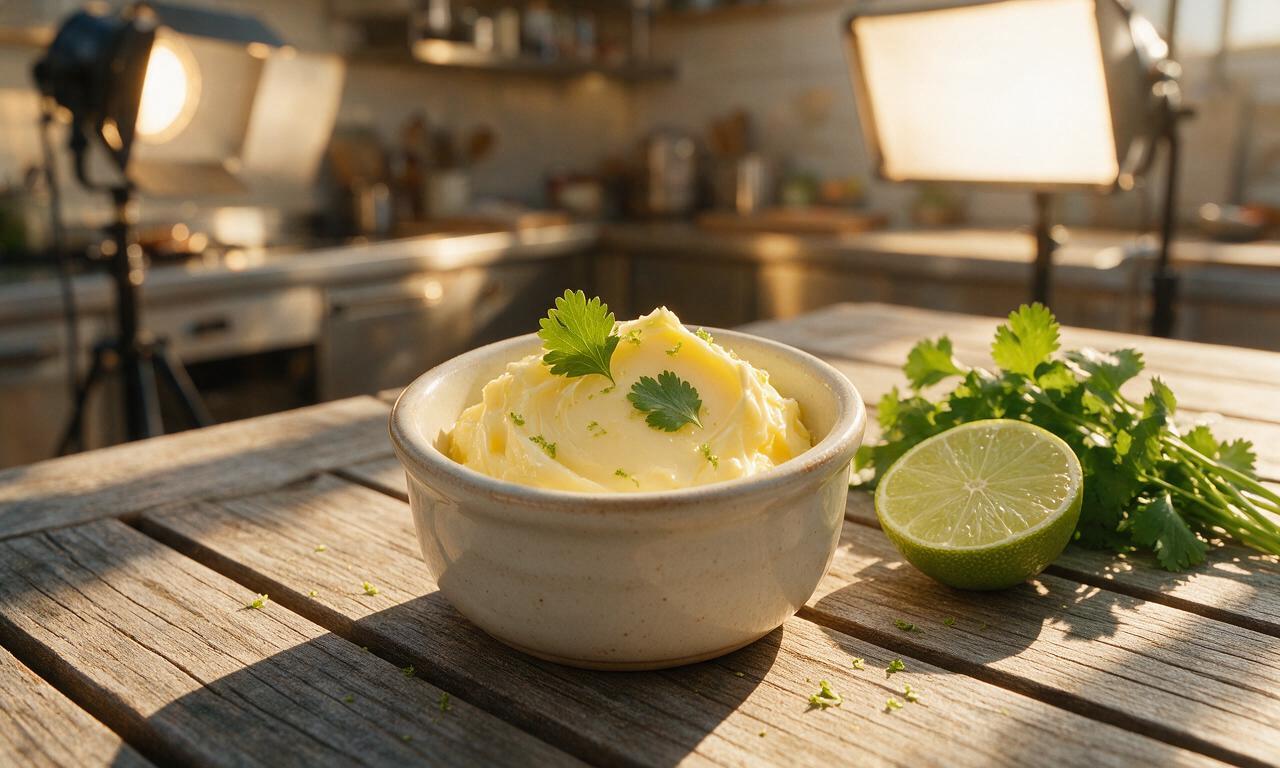
Absolutely! Mix softened unsalted butter, finely chopped cilantro, fresh lime zest, a squeeze of lime juice, and a tiny pinch of salt in a small bowl, then roll it into a tight log in parchment paper. Store it in the fridge for up to 1 week, or the freezer for 3 months, and slice off pats to melt over warm tri-tip and veggies right before serving for that bright, fresh kick.
12.I don’t have an outdoor grill—can I make this recipe indoors?
▾
You sure can! Use a cast-iron grill pan over medium-high heat to sear the tri-tip on all sides, then finish it in a 350°F oven until it hits that 130°F internal pull temperature. You can use the same grill pan for your veggies, just work in small batches so you don’t steam them instead of getting those nice, caramelized char marks that mimic outdoor BBQ flavor.
13.I don’t have smoked paprika for the rub—what’s a good substitute?
▾
If you don’t have smoked paprika, use regular sweet paprika plus 1/4 teaspoon of ground cumin for warm depth, and add a tiny pinch of chipotle powder if you want a hint of smoky heat to mirror classic BBQ smoke flavor. Skip hot paprika unless you want a noticeably spicy rub, since California-style tri-tip is known for being mild, bright, and not overly fiery.
14.How long do leftovers stay fresh in the fridge, and what’s the best way to reheat them?
▾
Store cooled, sliced tri-tip and grilled veggies in separate airtight containers in the fridge for up to 4 days. Cold tri-tip is fantastic sliced on salads or sandwiches, but if you’re reheating it, do so low and slow in a 275°F oven wrapped in foil until it just warms through—high, fast heat will overcook it and make it tough and dry.
15.What can I use if my local butcher doesn’t carry tri-tip?
▾
If tri-tip is hard to track down, a 2-pound top sirloin roast or even a thick 1.5-inch flank steak will work beautifully with the same rub and two-zone grill method. Just adjust cook time: thinner cuts like flank steak won’t need the indirect heat finish, while denser sirloin roasts may need 5 to 10 extra minutes on the indirect side to hit your target temp.
16.Do I need to serve this tri-tip with BBQ sauce, like other regional BBQ styles?
▾
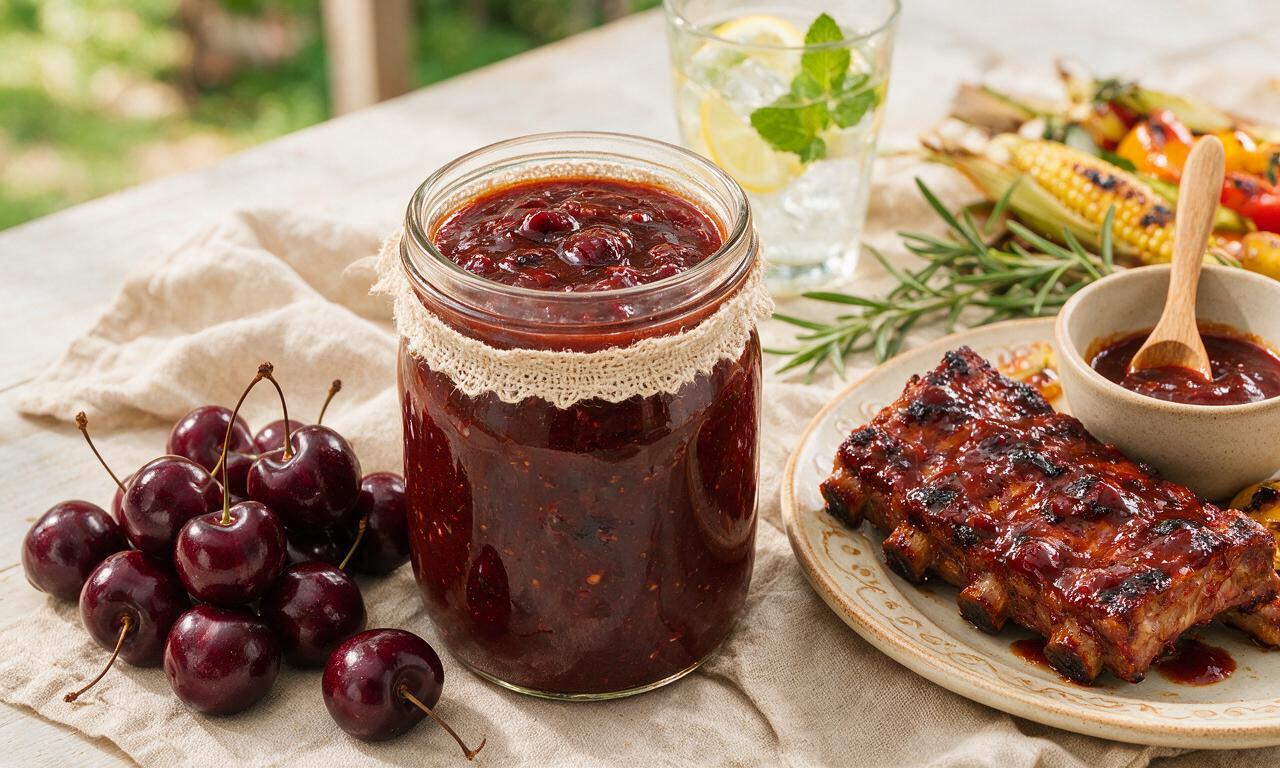
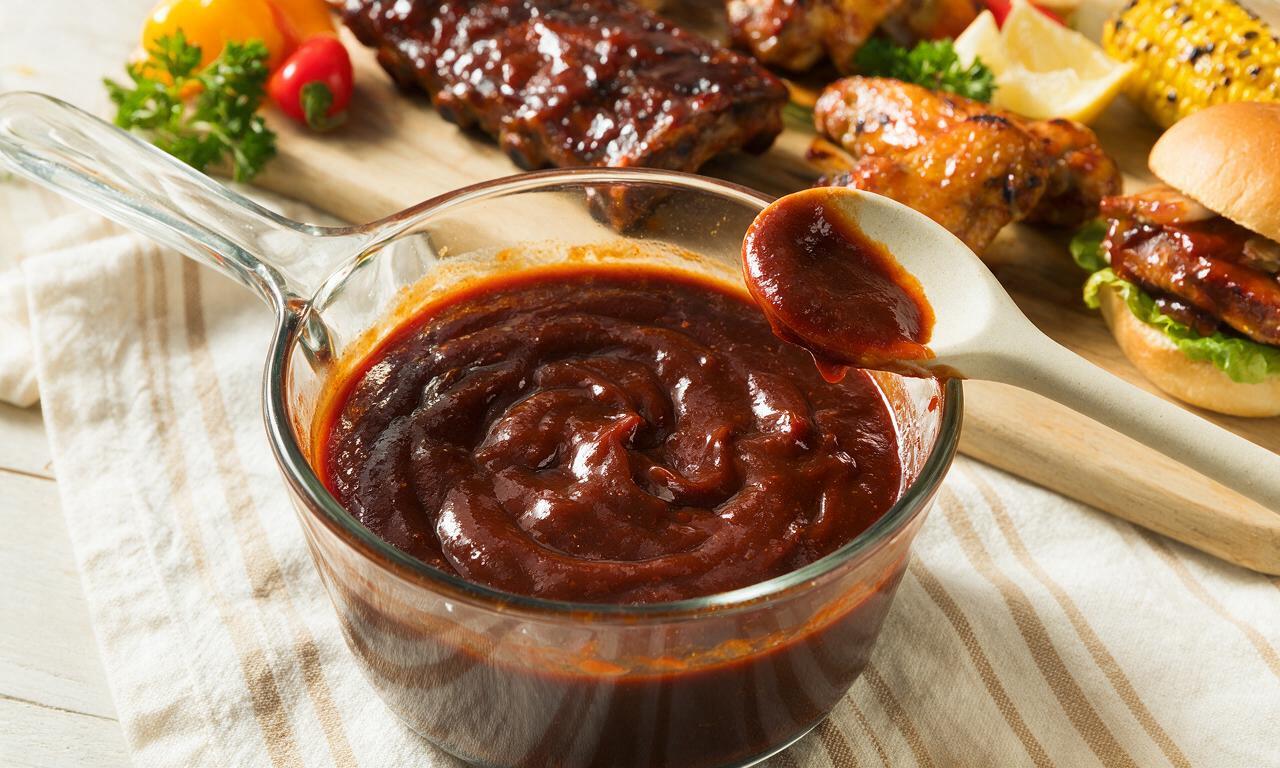
Classic coastal California tri-tip is intentionally served without thick, sweet tomato-based BBQ sauce, letting the smoky rub, juicy beef, and bright cilantro-lime butter take center stage. If you love a little extra kick, opt for a light vinegar-based mop or a drizzle of chimichurri instead of a heavy, sweet sauce to keep that fresh, light coastal vibe the recipe is known for.
17.How do I get that classic smoky BBQ flavor if I’m using a gas grill instead of charcoal?
▾
For gas grills, add a small smoker box filled with soaked oak or hickory wood chips directly on one of the hot burner bars under the grates before you start cooking. Close the lid for 10 minutes to let smoke build up before searing the tri-tip—this gives you subtle, wood-fired smokiness without the hassle of managing a full charcoal fire, a trick many California backyard cooks use.
18.Can I marinate the tri-tip instead of using a dry rub if I prefer that prep style?
▾
You can, but keep marinades light for this California-style recipe—skip heavy, sugary soy or teriyaki marinades that burn easily on the grill. Stick to a simple mix of olive oil, lime juice, garlic, and a pinch of the same spice rub, and marinate for no more than 2 hours; any longer and the lime acid will break down the meat surface and make it mushy instead of tender.
19.Tri-tip tapers from a thick center to a thin point—won’t that make it cook unevenly?
▾
It will cook to slightly different doneness levels across the roast, and that’s actually part of its classic California BBQ appeal! The narrow pointed end will land at medium or medium-well while the thick center hits perfect medium-rare, so you can serve slices to guests who prefer juicier pink beef and to those who like their meat cooked a little more done, no extra work required.

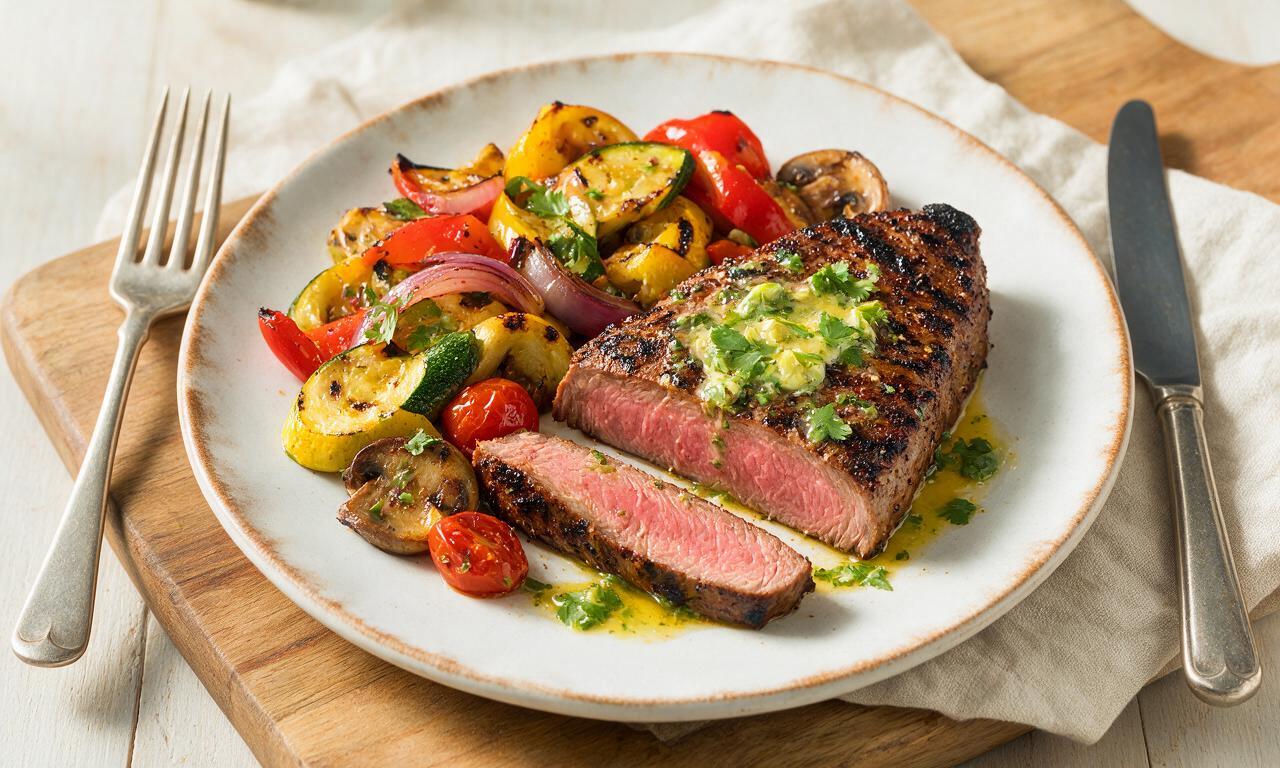
OMG this tri-tip was the star of our Fourth of July weekend cookout! I’ve struggled to get that perfect Santa Maria-style crust for years and the dry rub here is a total game changer. The cilantro-lime butter melted over the top? *Chef’s kiss* My kids even ate all their grilled zucchini and corn without complaining, which is basically a miracle. Will be making this all summer long for potlucks!
Really solid recipe! The tri-tip came out juicy and the cilantro-lime butter is so good I’ve been slathering it on everything from toast to roasted chicken all week. Only knock is I wish the recipe had a note for how long to rest the meat for people who are new to cooking larger cuts of beef — I only rested mine 5 minutes and lost a ton of juice when I sliced it. Will definitely give it another go next week for my Sunday meal prep.
I was skeptical about a California BBQ recipe coming from a guy who’s been smoking brisket his whole life, but man this slapped. The cilantro-lime butter cuts through the richness of the tri-tip so well, and the grilled veggie seasoning was simple but didn’t overpower the fresh summer produce. Served it to my poker crew last night and everyone asked for the recipe. 10/10, no notes.