chess pie

title 1
chess pie
⏱️ cook time 55 minutes
🍽️ servings 8
⚡ Difficulty easy

intro

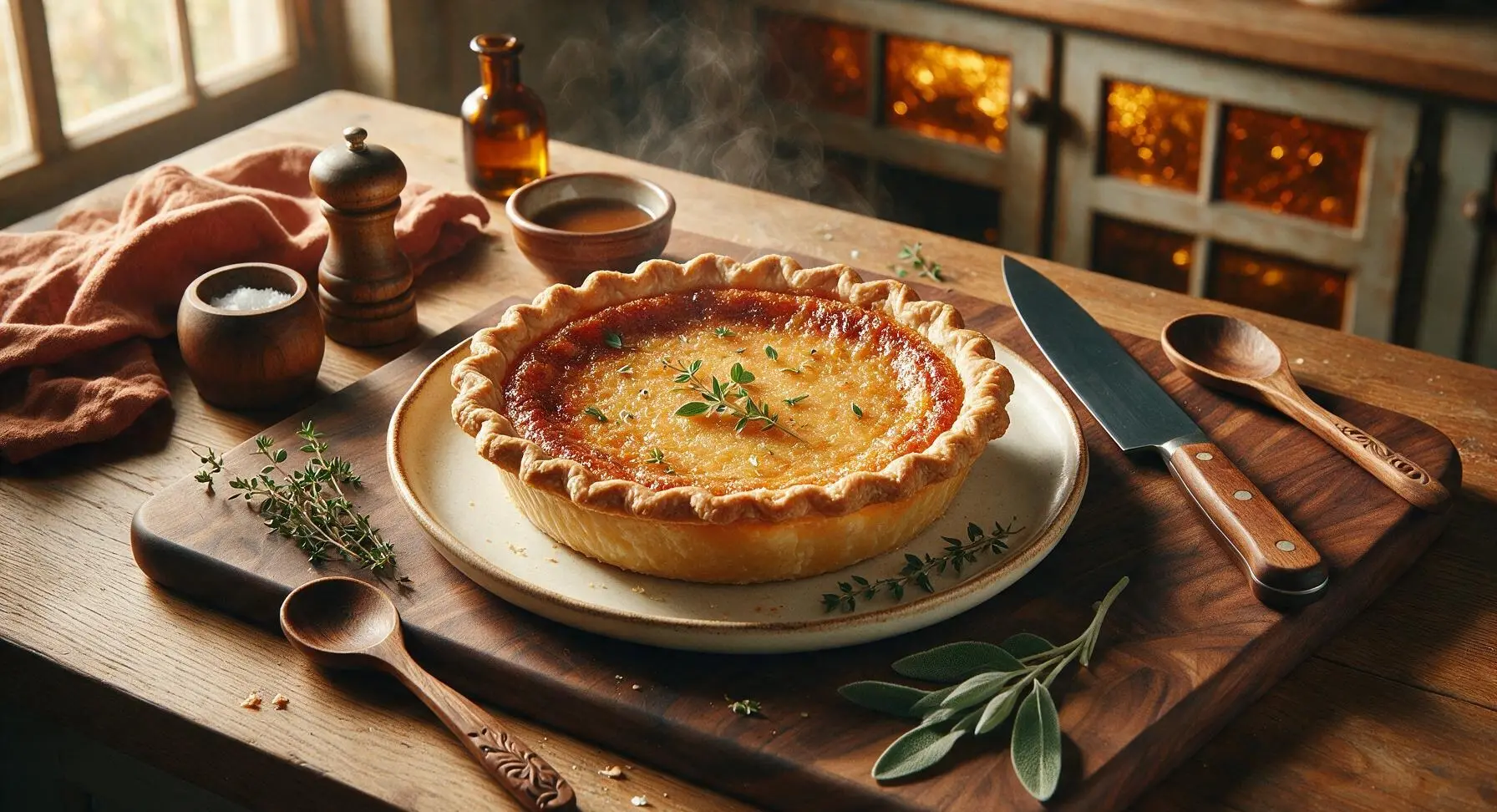
Buttery flaky crust cradles rich, silky, caramel-kissed custard in this timeless Southern chess pie—simple, pantry-friendly, and indulgently sweet with a perfectly balanced bright tang.

Ingredients
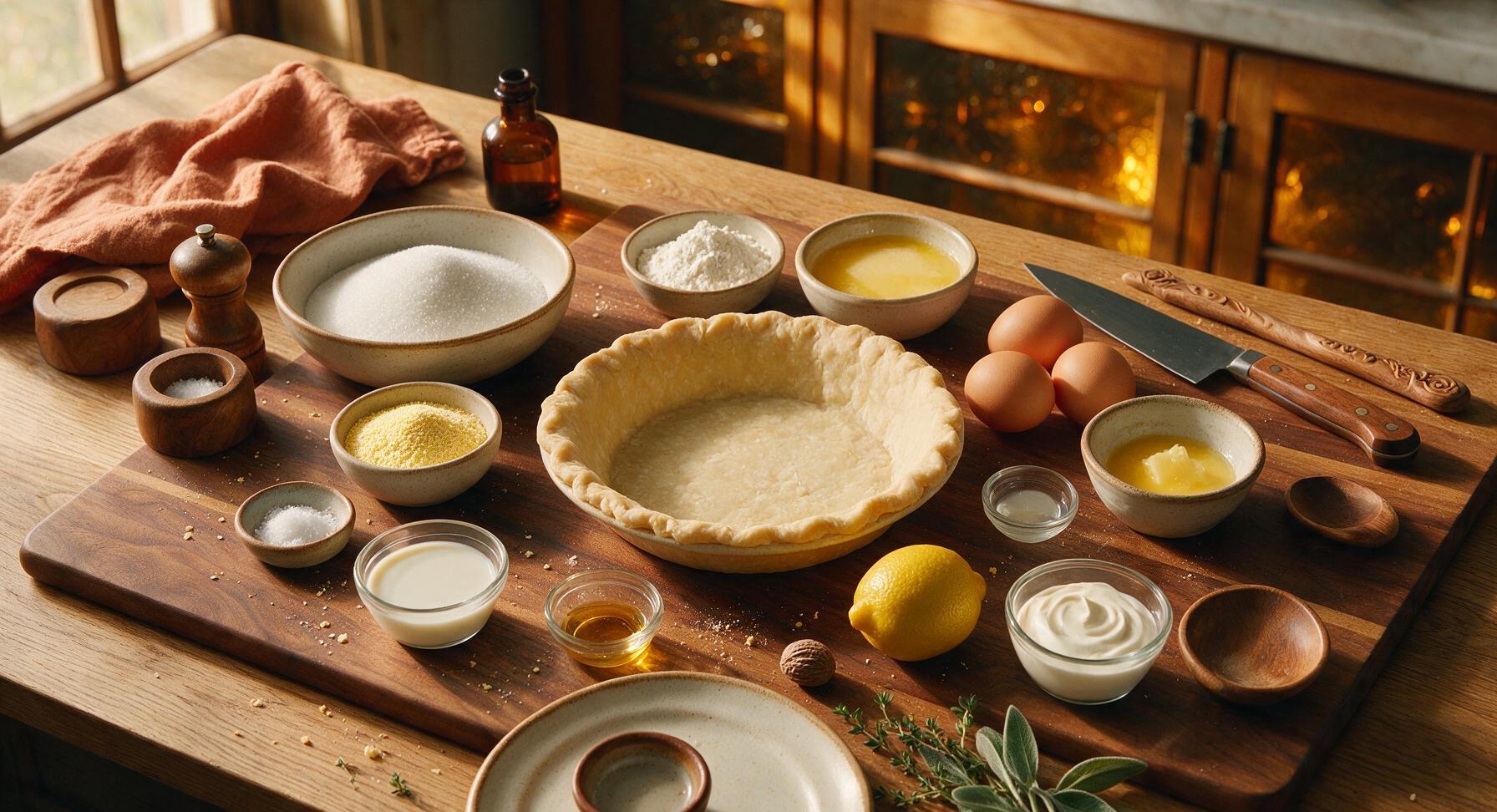
All-butter unbaked 9-inch pie crust 1 (9-inch)
Granulated sugar 1 1/2 cups
Fine yellow cornmeal 2 tablespoons
All-purpose flour 1 tablespoon
Fine sea salt 1/4 teaspoon
Large eggs 3
Unsalted butter 1/2 cup (1 stick), melted and cooled
Whole milk 1/4 cup
White vinegar 1 tablespoon
Pure vanilla extract 1 teaspoon
Fresh lemon 1 (for 1 tsp juice)
Whole nutmeg 1 (for 1/8 tsp grated)
Heavy whipping cream (whipped, for serving) 1/2 cup

Steps

1

Roll out pie crust

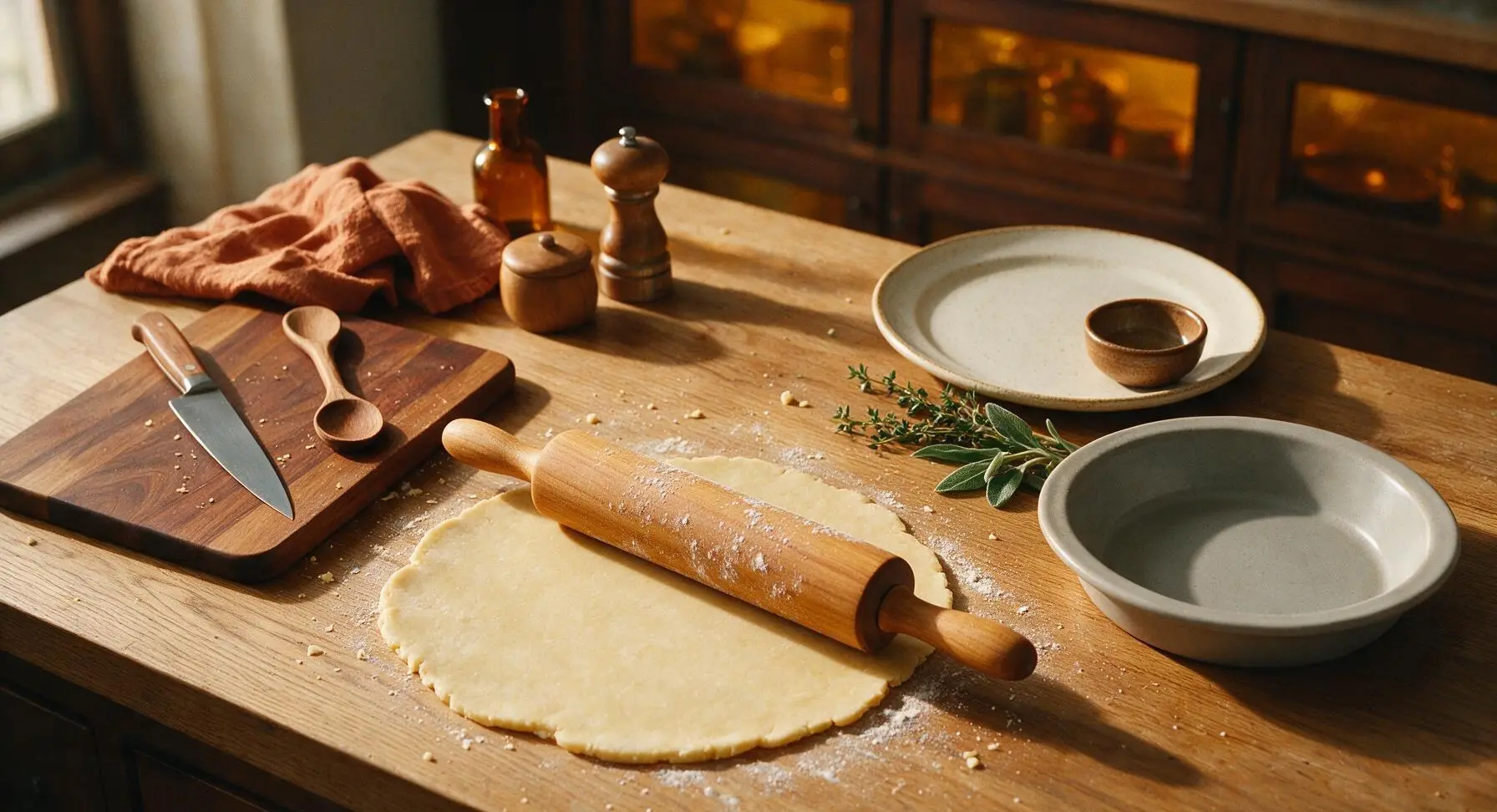
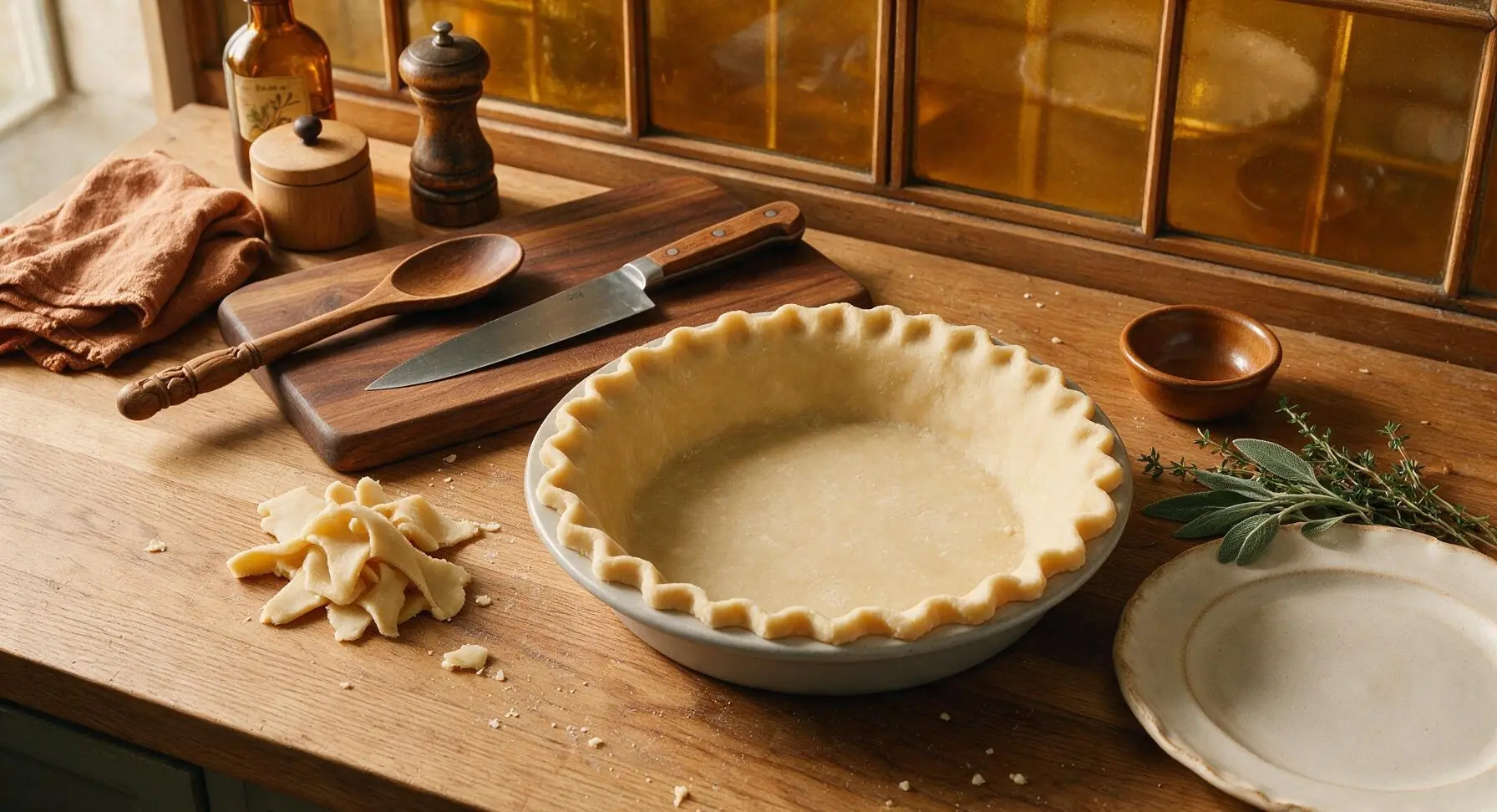
Lightly flour the section of soapstone counter near the maple rolling pin. Unwrap the chilled all-butter pie dough, and roll it into a 12-inch circle that is 1/8-inch thick, turning the dough a quarter turn every few rolls to prevent sticking. Gently lift the rolled dough and drape it into the 9-inch matte light gray ceramic pie dish, pressing it firmly against the bottom and sides of the dish. Trim any overhang to 1 inch, then fold the excess dough under itself and crimp the edges decoratively with your fingers. Chill the crust in the refrigerator for 10 minutes while you preheat the oven to 350°F (175°C).
Step 1
step1:Roll out pie crust
Step 1
step1:Roll out pie crust
2

Whisk dry ingredients

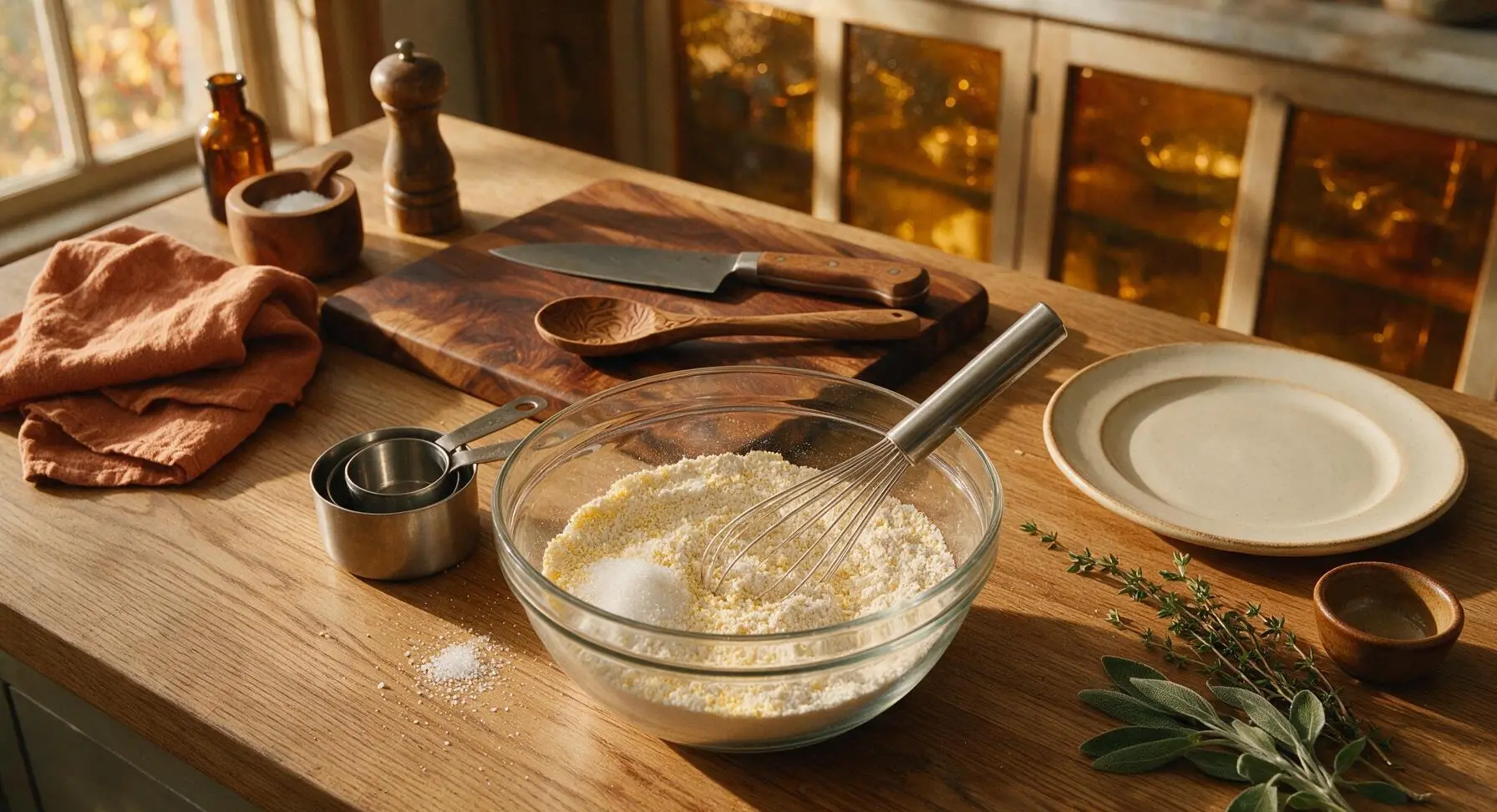
In the 2-quart clear glass mixing bowl, combine 1 1/2 cups granulated sugar, 2 tablespoons fine yellow cornmeal, 1 tablespoon all-purpose flour, and 1/4 teaspoon fine sea salt. Use the stainless steel whisk to stir the dry ingredients together for 30 seconds until fully combined, with no lumps of cornmeal or flour remaining.
Step 2
step2:Whisk dry ingredients
3

Mix in wet ingredients

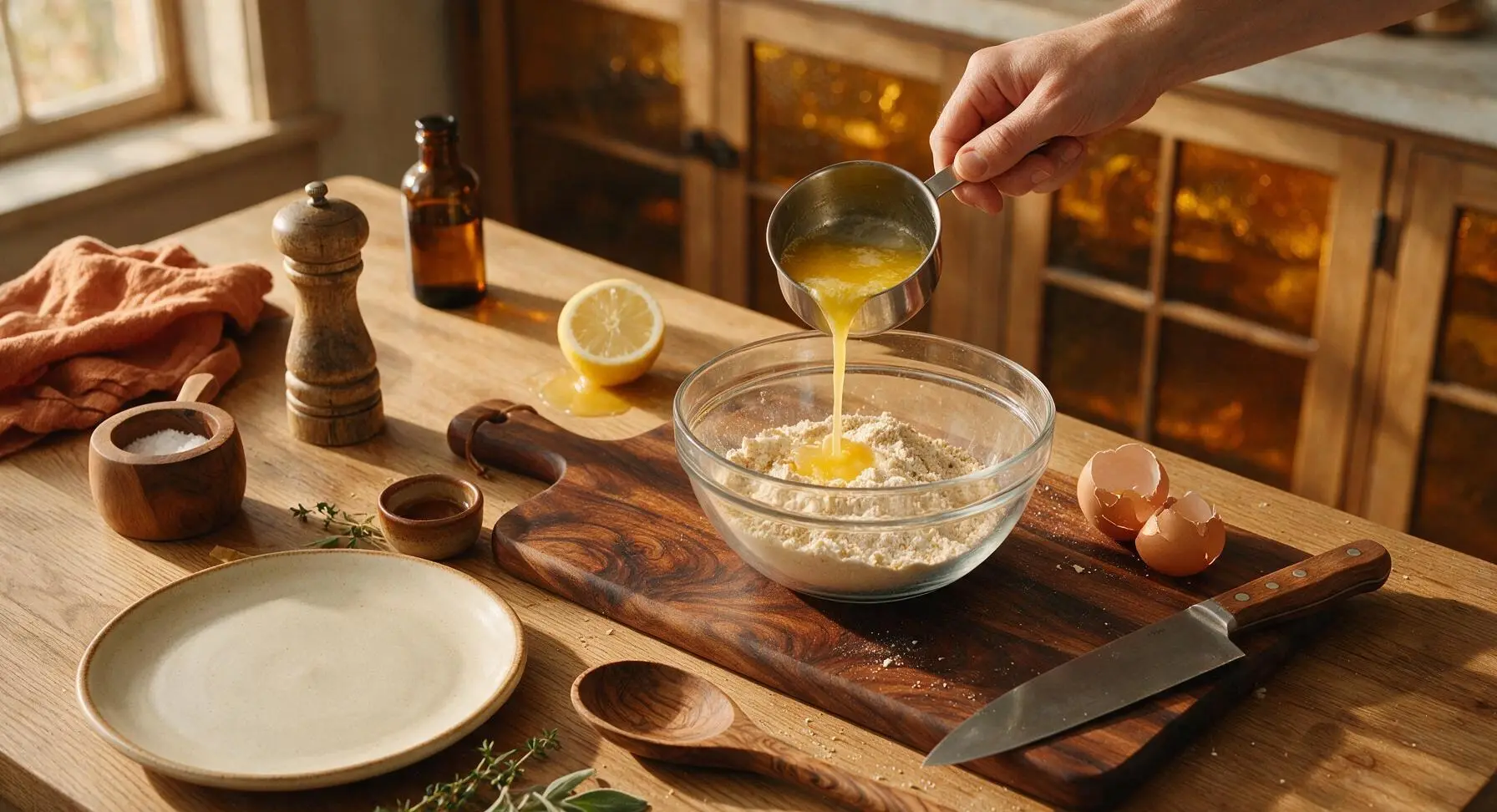
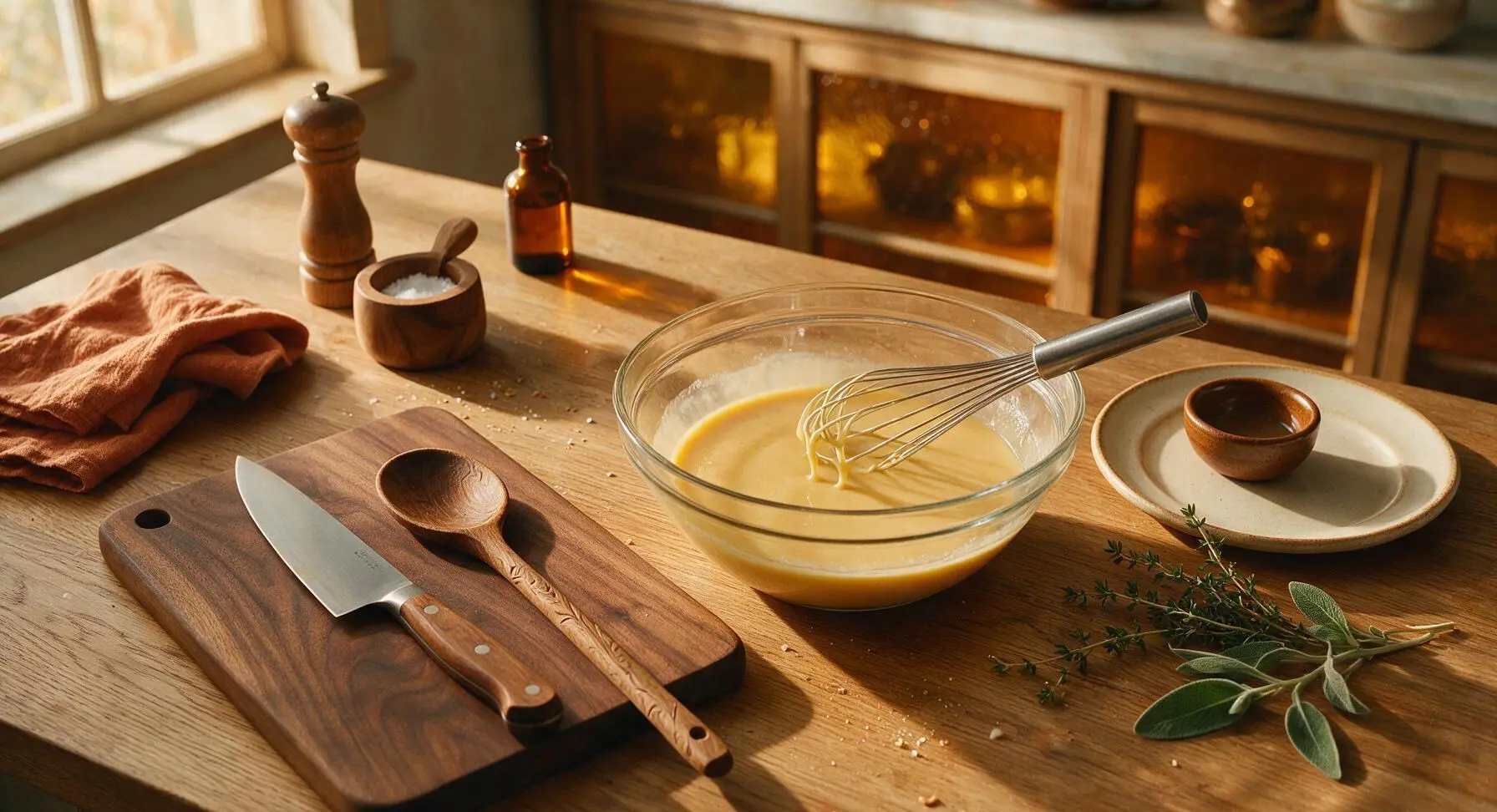
Add 3 large lightly beaten eggs, 1/2 cup melted and slightly cooled unsalted butter, 1/4 cup whole milk, 1 tablespoon white vinegar, 1 teaspoon pure vanilla extract, and 1 teaspoon fresh lemon juice (squeezed from the whole lemon on the counter) to the dry ingredient mixture. Whisk steadily for 1 minute until the filling is completely smooth, with no streaks of egg remaining; do not over-whisk to avoid incorporating excess air that can cause the pie top to crack excessively.
Step 3
step3:Mix in wet ingredients
Step 3
step3:Mix in wet ingredients
4

Pour filling into crust

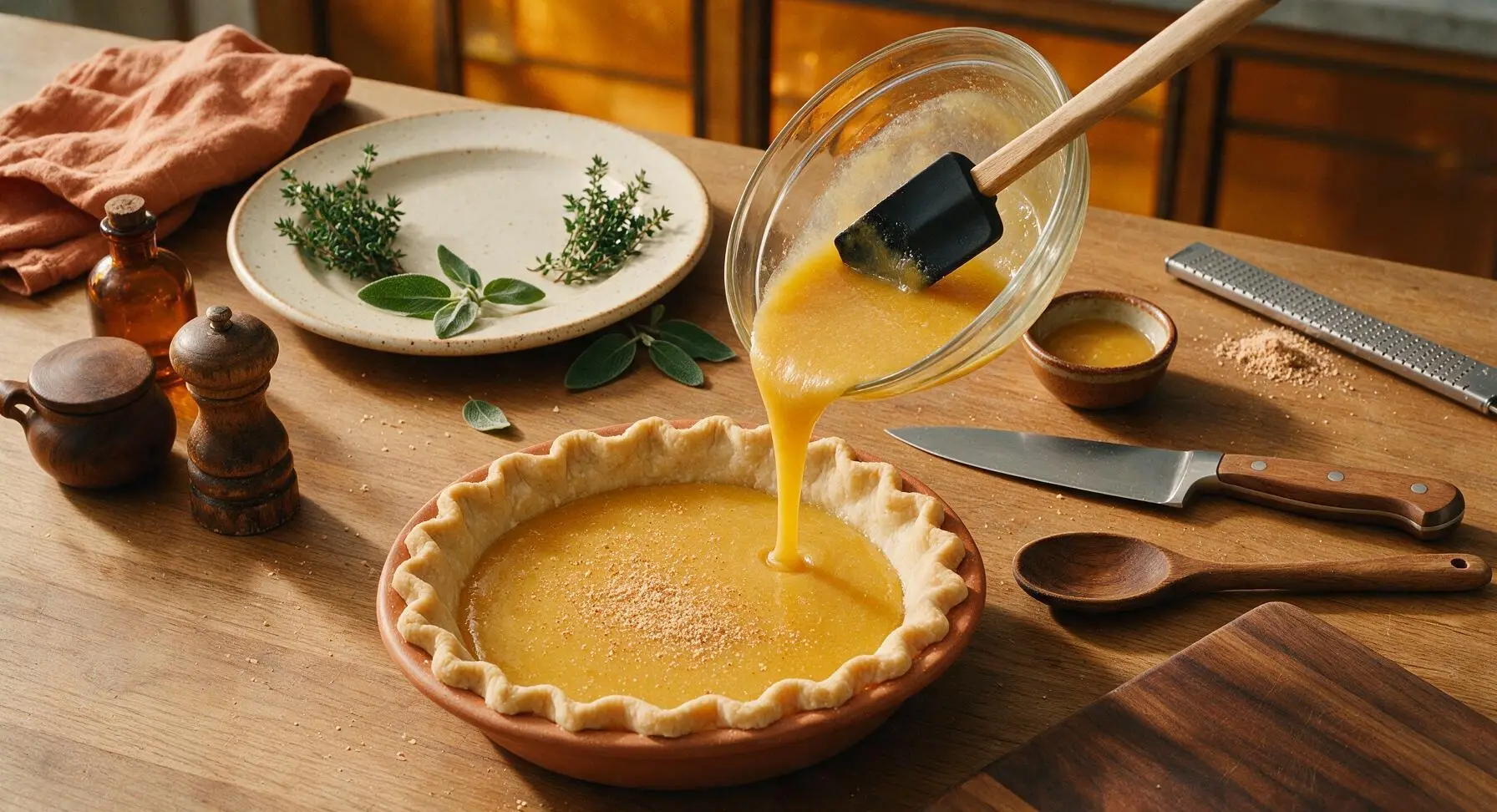
Grate 1/8 teaspoon fresh nutmeg over the filling using the stainless steel microplane grater, and stir once with the black silicone spatula to combine. Remove the chilled pie crust from the refrigerator, and pour the entire filling mixture directly into the crust, taking care not to splash filling over the crimped edges. The filling should come to within 1/4 inch of the crimped crust top.
Step 4
step4:Pour filling into crust
5

Bake until custard sets

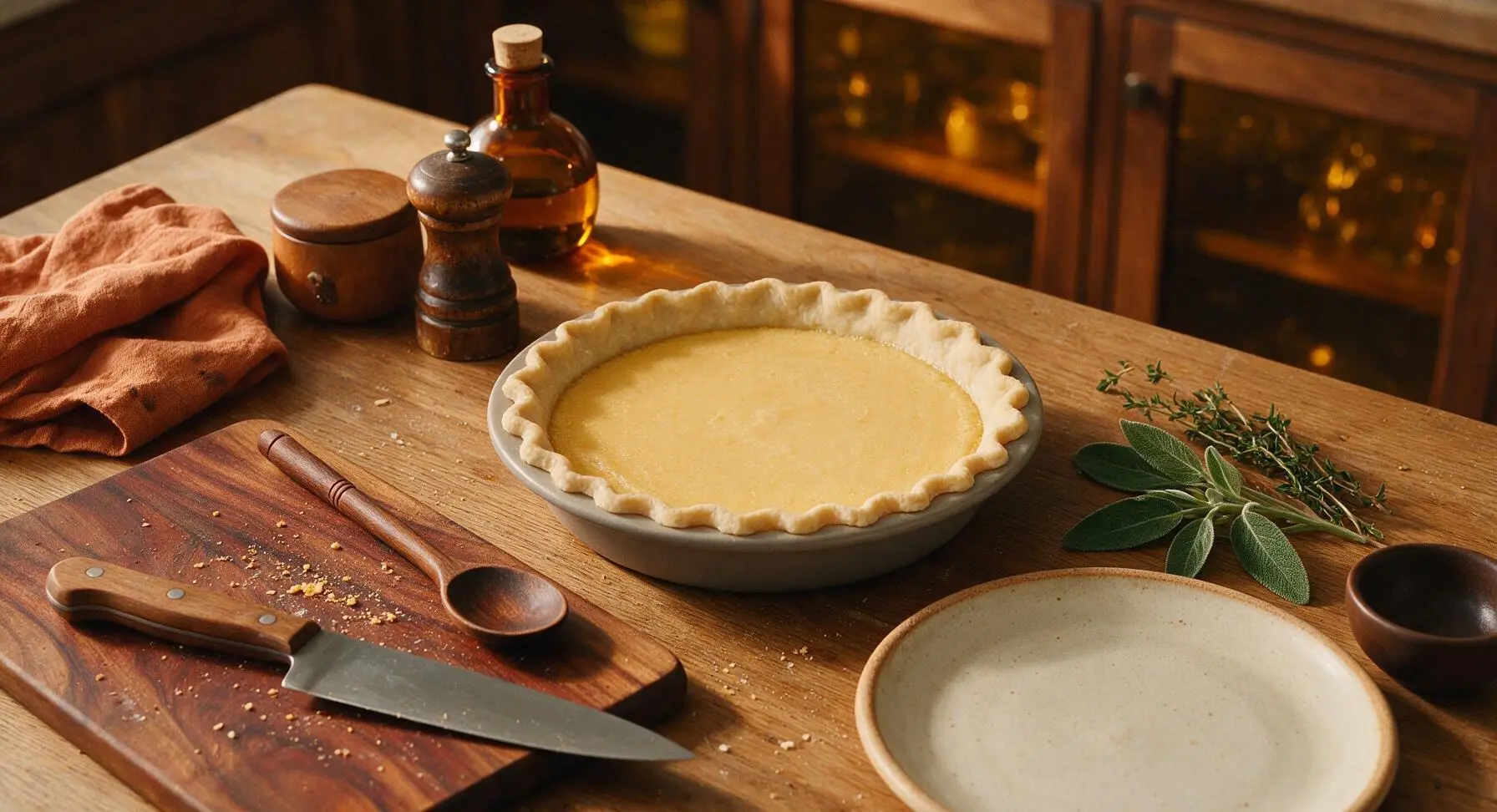
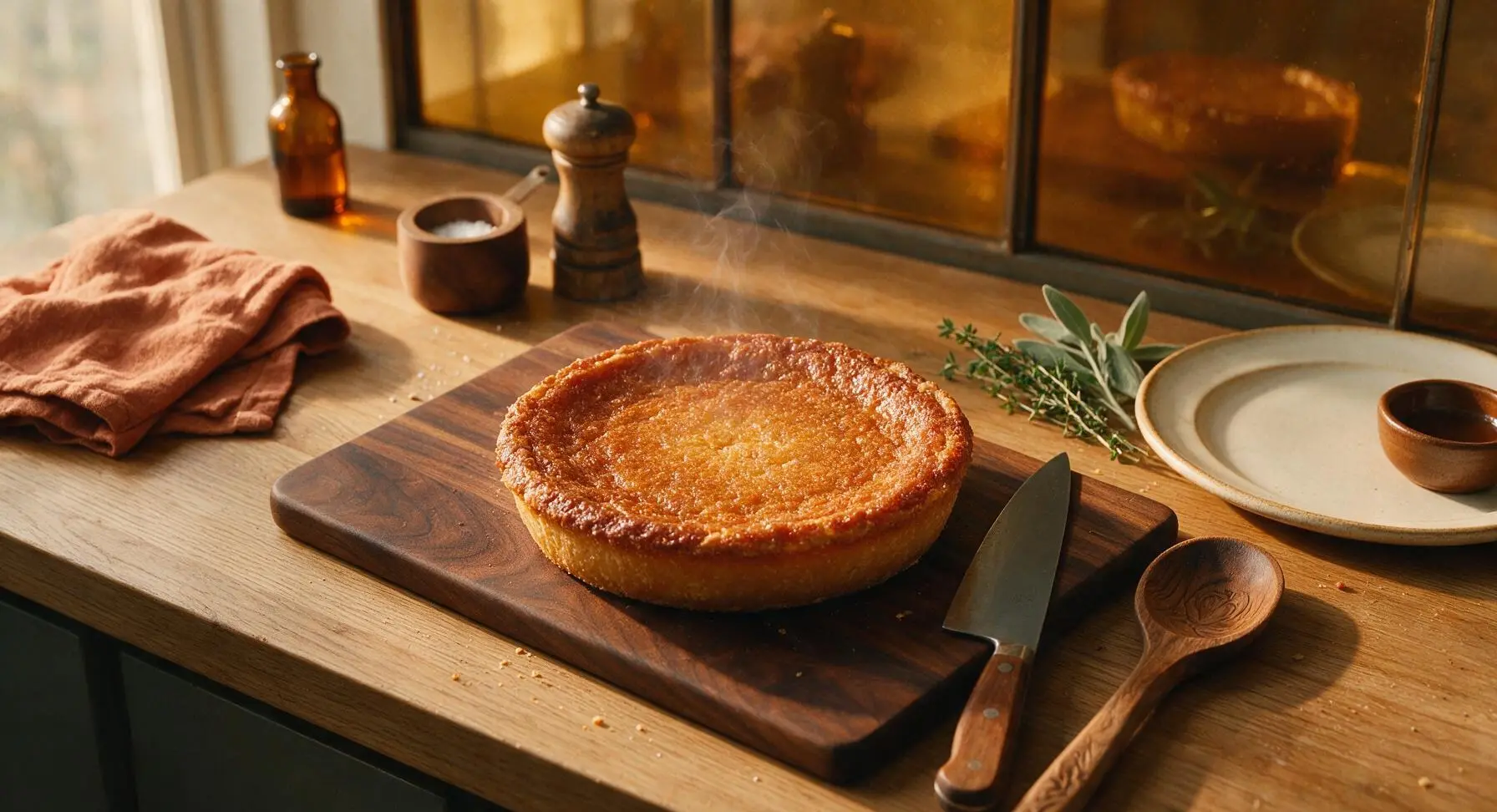
Carefully transfer the filled pie to the middle rack of the preheated 350°F (175°C) oven. Bake for 50 to 55 minutes, until the edges of the filling are fully set and puffed slightly, and the very center 2 inches of the pie jiggles gently like set Jell-O when the dish is nudged — the center will set fully as the pie cools. If the crust edges begin to darken too quickly after 35 minutes of baking, cover them loosely with a thin strip of aluminum foil to prevent burning.
Step 5
step5:Bake until custard sets
Step 5
step5:Bake until custard sets
6

Cool pie completely

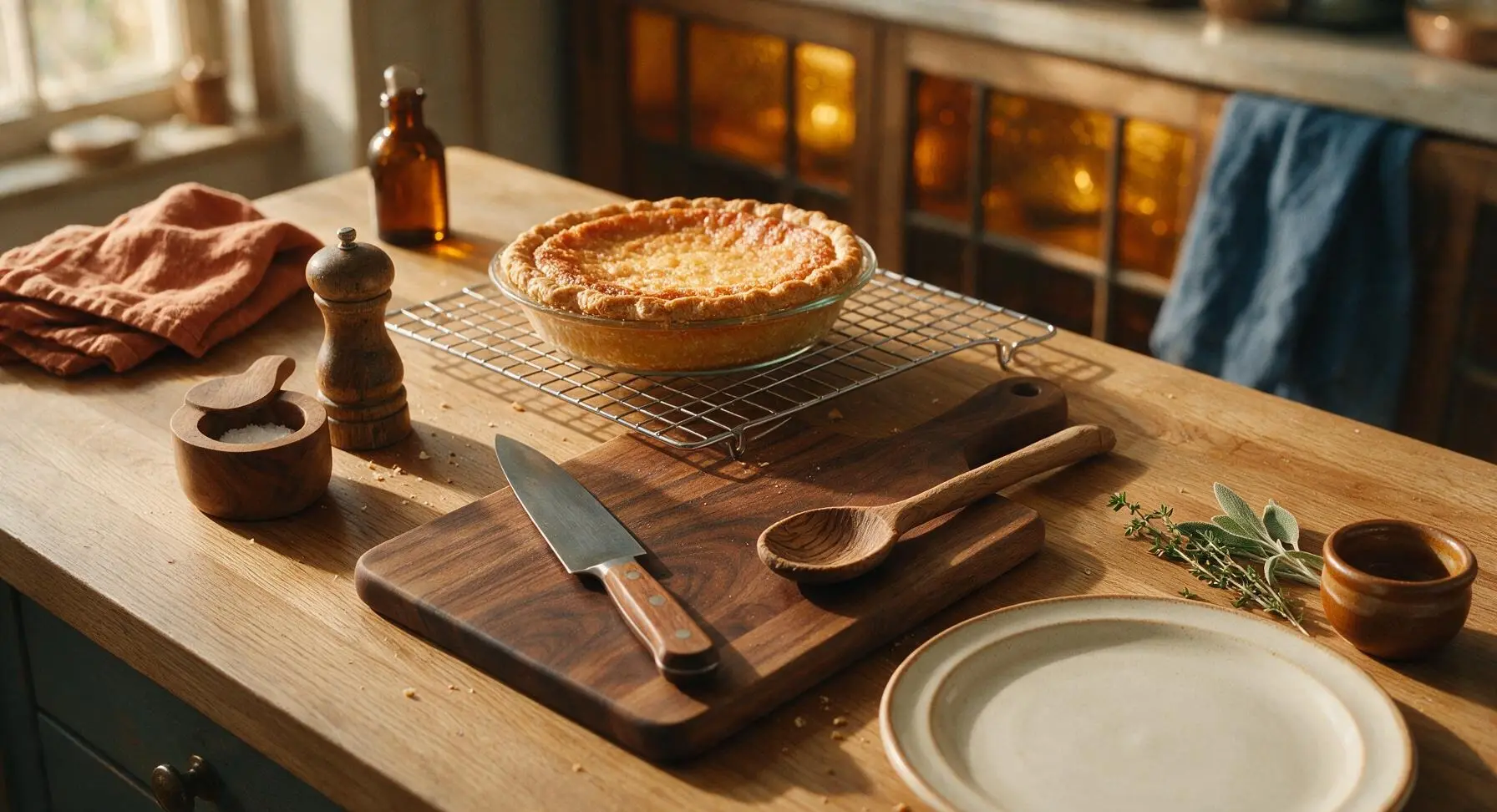
Transfer the freshly baked pie to the 10-inch chrome wire cooling rack positioned 2 inches behind the pie dish on the counter. Allow the pie to cool completely at room temperature for a full 2 hours, until the center is firm to the touch and no residual warmth remains. Do not cut the pie early, as the custard will be runny if not fully set.
Step 6
step6:Cool pie completely
7

Slice and serve

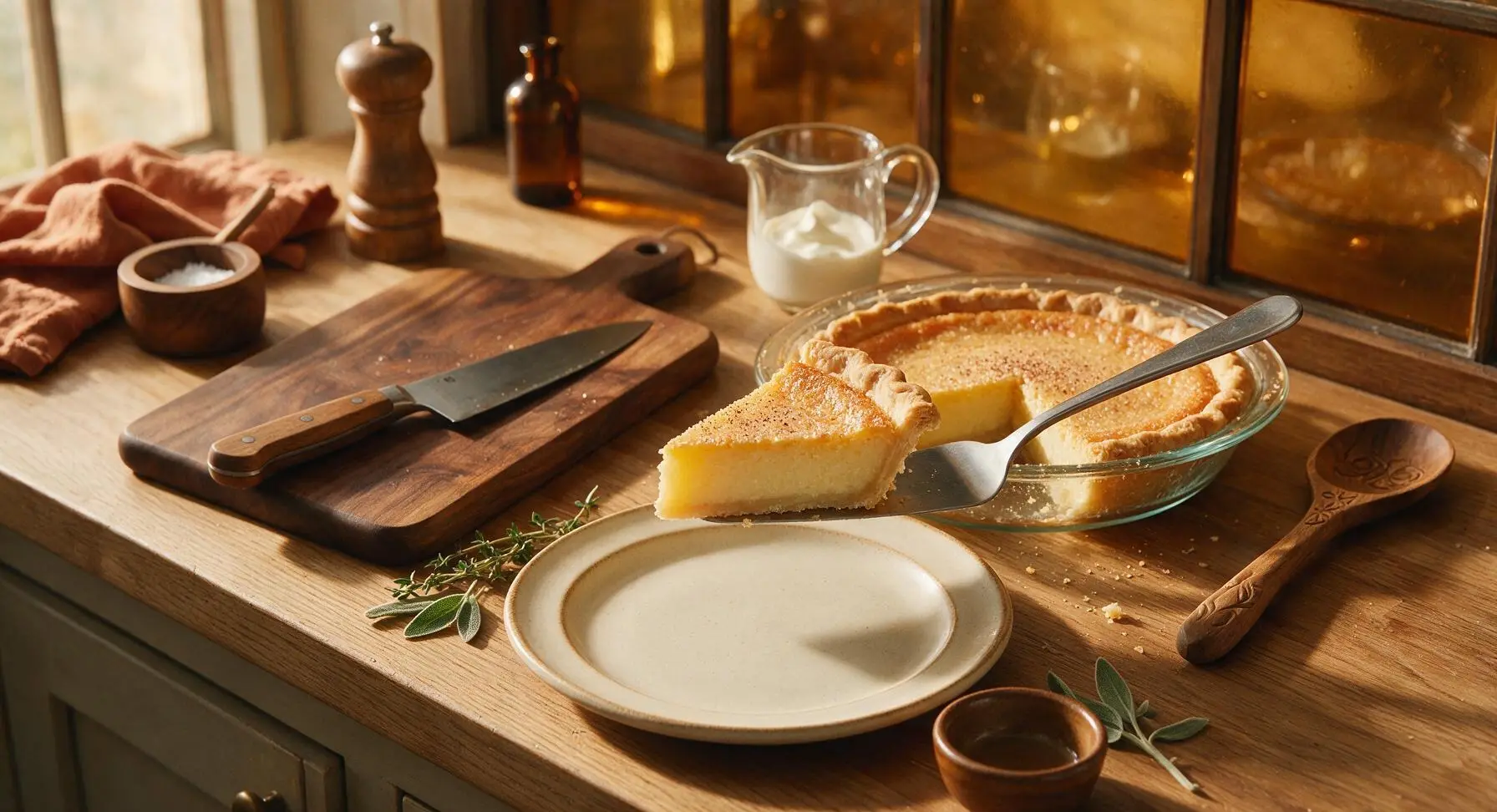
Once fully cooled, cut the pie into 8 even wedges. Use the stainless steel pie server to lift one wedge onto the top matte off-white dessert plate, top with a small dollop of freshly whipped cream from the clear glass creamer pitcher, and a light extra grating of fresh nutmeg if desired. Serve at room temperature.
Step 7
step7:Slice and serve

Tips

1.Do not over-whisk the filling: incorporating too much air creates large bubbles that cause the pie top to crack deeply as it bakes and cools; whisk just until the mixture is smooth for a perfectly even, tender custard.
2.Resist the urge to cut the pie early: the custard continues to set as it cools over 2 full hours at room temperature, and cutting it warm will result in a runny, loose filling instead of the signature dense, silky texture.
3.The small amount of white vinegar and lemon juice is non-negotiable: it cuts through the rich sweetness of the sugar and butter to balance the flavor, so the pie tastes bright rather than cloying, and helps the custard set to the perfect consistency.

✨ You May Also Like

Desserts & Baking
🍜 Italy

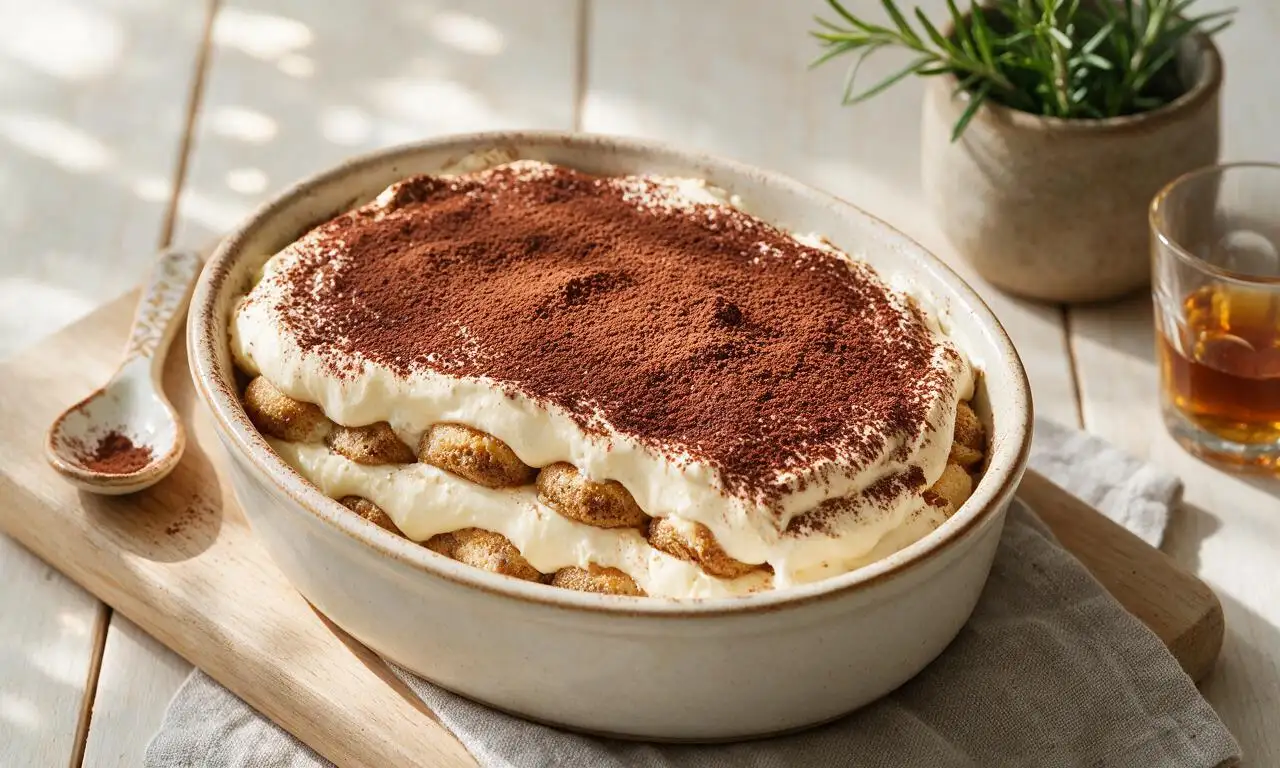
Creamy, coffee-kissed classic Northern Italian no-bake dessert, with layers of rum-spiked mascarpone cream, soft ladyfingers, and a rich cocoa dusting.

⏱️ 4 hours 3Desserts & Baking ★ 4.7
Desserts & Baking
🍜 France

Flaky, shatteringly crisp, buttery French croissants with golden exteriors and soft, airy layered interiors, perfect for pairing with coffee for a special morning treat.

⏱️ 12 hours Desserts & Baking ★ 4.5
Desserts & Baking
🍜 United States

Warm, spiced baked apples topped with a fluffy golden biscuit crust, this cozy dessert pairs perfectly with vanilla ice cream for cool-weather comfort.

⏱️ 55 minuteDesserts & Baking ★ 4.6
Desserts & Baking
🍜 United States

A star-spangled classic American blueberry pie with buttery flaky crust and bright sweet-tart filling, perfect for summer patriotic gatherings.

⏱️ 1 hour 25Desserts & Baking ★ 4.7
Desserts & Baking
🍜 United States

A beloved no-bake regional Maine candy with a chewy coconut-potato center coated in rich dark chocolate, a New England holiday staple since the 1870s.

⏱️ 2 hours 3Desserts & Baking ★ 4.8
Desserts & Baking
🍜 France

Luxuriously creamy, floral frozen custard made with aromatic Tahitian vanilla beans, boasting a smooth, rich texture that melts slowly on the tongue.

⏱️ 3 hours 3Desserts & Baking ★ 4.5

chess pie:Frequently Asked Questions

1.Why is this pie called chess pie? ▾
The most widely accepted origin traces back to old Southern “pie chests,” ventilated pantry cabinets where these shelf-stable pies were stored before home refrigeration was common. Some folks link the name to a corruption of “cheese” for its soft, curd-like set, but no cheese is actually used in the classic recipe.
2.Do I have to use an all-butter 9-inch pie crust for this recipe? ▾
While a store-bought shortening-based crust works in a pinch, an all-butter unbaked crust delivers that ideal flaky, rich, savory-sweet contrast that pairs perfectly with the pie’s ultra-sweet custard. Skip pre-baked crusts here, as the long, low bake time cooks a raw crust fully without sogginess if chilled first.
3.What role does fine yellow cornmeal play in the filling? ▾
Fine yellow cornmeal is the classic thickener that gives chess pie its signature subtle, slightly textured set, instead of the ultra-smooth, wobbly texture of plain egg custard. It also adds a faint, toasty corn note that cuts through the filling’s sweetness and balances its signature bright tang.
4.Can I use coarse cornmeal instead of fine yellow cornmeal? ▾
I don’t recommend it—coarse cornmeal will create a gritty, uneven texture in the silky custard, rather than the almost imperceptible, pleasant fine grain the classic recipe is known for. If coarse cornmeal is all you have, blitz it in a spice grinder for 10 to 15 seconds until it reaches a fine, powdery consistency first.
5.Why is there all-purpose flour in the filling if cornmeal is the main thickener? ▾
The small amount of all-purpose flour works with the cornmeal to stabilize the custard so it sets cleanly without cracking or turning runny, even when stored at cool room temperature. It also softens the cornmeal’s texture just enough to keep the filling silky, rather than dense or cornbread-like.
6.My last chess pie was cloyingly sweet—how can I adjust that? ▾
Classic chess pie is intentionally indulgently sweet, but you can cut 2 to 3 tablespoons of granulated sugar without ruining the set, and add an extra ½ teaspoon of apple cider vinegar to amp up the bright tang that balances sweetness. Never cut more than ¼ cup of sugar, as it is key to the custard’s caramel flavor and firm set.
7.Do I need to blind bake the pie crust for this recipe? ▾
You don’t need to fully blind bake the crust for chess pie, since the custard bakes low and slow long enough to cook the raw crust through. That said, I recommend chilling the lined crust in the freezer for 15 minutes before adding filling to prevent a soggy bottom, and crimp edges high to contain bubbling filling.
8.Why does my chess pie crack on top as it cools? ▾
Cracking happens when the custard is overbaked, or cools too quickly. Pull the pie when the edges are fully set but the center 2 inches still have a slight, Jell-O-like wobble—it will finish setting as it cools. Avoid sticking it straight in the fridge after baking; let it cool fully at room temperature over 2 to 3 hours first.
9.What gives classic chess pie its signature bright tang? ▾
That subtle tang doesn’t come from dairy or cheese, as many first-time bakers assume! Traditional recipes add a small splash of plain apple cider vinegar or fresh lemon juice to the custard base, which cuts through rich sugar and butter to keep the pie from tasting cloying, without adding a distinct sour or fruity flavor.
10.Can I add chocolate, nuts, or fruit to this classic recipe? ▾
You can absolutely customize it, though those additions move it out of “classic” territory. Stir in ½ cup toasted chopped pecans for a pecan-chess hybrid, ⅓ cup cocoa powder for chocolate chess, or 1 tablespoon lemon zest for bright lemon chess, but keep core ratios of sugar, cornmeal, and flour consistent for a proper set.
11.How do I keep my crust edges from burning while the custard bakes? ▾
The long bake time can easily overbrown exposed crust edges, so wrap a 2-inch strip of aluminum foil around the crimped edge for the first 35 minutes of baking, then remove it for the last 10 to 15 minutes to let the crust turn a deep golden brown. A reusable silicone pie shield works just as well for this task.
12.Is fine sea salt necessary, or can I use regular table salt? ▾
Fine sea salt distributes more evenly through the sweet custard to amplify caramel and butter notes, without leaving any harsh salty aftertaste. If you only have table salt, cut the measurement in half—table salt is much denser and saltier per teaspoon than fine sea salt, so a full measure will make your pie taste overly salty.
13.How long does chess pie need to cool before I can slice it? ▾
I know it’s tempting to dig in warm, but chess pie needs a full 2 hours of cooling at room temperature on a wire rack for the custard to fully set. If you slice it too early, the filling will be runny and ooze out instead of holding that clean, silky slice. You can chill it 30 minutes after cooling if you prefer a firmer set.
14.Can I make this pie ahead of time for a gathering? ▾
Absolutely! Chess pie is ideal for making ahead because it holds up beautifully. Bake it 1 to 2 days before your event, let it cool completely, then cover it loosely with plastic wrap and store it in the fridge. Let it sit at room temperature for 20 minutes before serving to bring out its full caramel-kissed flavor.
15.Why is my chess pie filling runny even after cooling? ▾
Runny filling usually stems from three common mistakes: underbaking so the eggs didn’t set the custard, using too little cornmeal or flour to stabilize the base, or cutting sugar too much, which breaks the custard structure. Next time, pull it when edges are firm, measure thickeners correctly, and avoid over-adjusting the sugar ratio.
16.Do I need to use room temperature eggs for the filling? ▾
Yes, room temperature eggs mix more smoothly into the sugar and butter base, creating a silkier custard without lumps, and incorporate more air for that light, perfectly set texture instead of a dense, heavy filling. If you’re short on time, submerge cold eggs in warm tap water for 5 minutes to bring them up to temp quickly.
17.What’s the difference between chess pie and buttermilk pie? ▾
The two beloved Southern pies are often confused, but buttermilk pie uses—you guessed it—buttermilk for its tang, and relies on flour alone as a thickener for a smoother, more delicate custard. Classic chess pie gets its tang from a small splash of vinegar, uses cornmeal for subtle texture, and is chewier and more caramel-forward.
18.Can I freeze leftover chess pie? ▾
You can freeze leftover chess pie for up to 3 months, as long as you wrap it tightly in a double layer of plastic wrap and a layer of aluminum foil to prevent freezer burn. Thaw it overnight in the fridge, then let it sit at room temperature for 15 minutes before serving; the top may darken slightly, but the flavor will stay rich.
19.My filling bubbled over the crust edge while baking—what went wrong? ▾
Bubbling over happens when you overfill the crust, or bake the pie at too high a temperature. Remember that custard puffs slightly as it bakes, so leave ¼ inch of space at the top of the crust, and stick to a 350°F bake temperature instead of cranking heat to speed things up. A baking sheet under the dish catches any stray drips.
20.What’s the best way to serve classic Southern chess pie? ▾
Serve slices at cool room temperature to highlight that silky, caramel-kissed custard and flaky butter crust. You can top it with a dollop of lightly sweetened freshly whipped cream to cut the richness, a light dusting of powdered sugar, or fresh berries, but skip heavy, sweet toppings that overpower the pie’s simple, classic flavor.

Comments (4)

3 days ago

OMG y’all, this chess pie is an absolute GAME CHANGER. I brought it to our church potluck last Sunday and every single person tracked me down to ask for the recipe! It’s so easy too, I was low-key nervous I’d mess up a classic Southern pie since I grew up in Ohio and never attempted one before, but the steps were totally straightforward. That perfectly sweet, slightly tangy filling with the buttery flaky crust? *Chef’s kiss* My kids devoured two slices each before I even got to serve myself!

2 days ago

Right?! I made this for our weekly family dinner last week and my grandma—who’s been making chess pie for 60 years down in middle Georgia—said it was better than her go-to recipe! I added a tiny sprinkle of flaky sea salt on top right before baking and it took it over the top, 10/10.

2 days ago

So glad it was such a hit at the potluck! Love that flaky sea salt tip too— it cuts the sweetness perfectly and adds such a nice little crunch with every bite. Don’t forget you can always use a homemade pie crust if you have extra time, but a good quality store-bought crust works just as well for quick, easy treats on busy nights!

1 week ago

Super easy recipe, turned out awesome for our Memorial Day weekend cookout! Cook time was spot on at 55 minutes, no jiggly undercooked center like the last chess pie I tried from a random blog. Only silly mistake I made was slicing into it way too early, so my first piece was a little goopy, but once it fully set up? SO good. Already have requests to make it again for our Fourth of July get-together.

5 days ago

Thanks for the great feedback, Jake! That cooling step is so easy to skip when you’re ready to dig in, trust me I’ve done it too. Letting it rest for a full 2 hours (or even popping it in the fridge overnight) helps the filling set perfectly so you get those clean, pretty slices every time. Can’t wait to hear how it turns out for the Fourth!

2 hours ago

Wait a second, I’ve been making chess pie wrong my whole adult life? This version is so simple and the flavor is exactly what I remember from childhood trips to visit my great-aunt in rural Alabama. I baked it last night as part of my weekly meal prep for dessert, and I already know I’m gonna have to bake a second one because my roommate ate half the pie when I was at work this morning lmao. Zero notes, 10/10.

5 minutes ago

Quick question for folks who’ve made this: has anyone tried it with a gluten-free pie crust? I tested the filling last night (don’t judge, I had to sneak a taste while it was cooling!) and it is insanely good, so I wanna make the full pie for girls’ night next weekend. One of my besties is celiac, so I need it to be GF friendly for her—will a GF crust hold up to that rich, dense filling okay?

just now

I made it with a store-bought GF crust last month for my son’s birthday party and it worked perfectly! Just blind bake the crust for 10 minutes before pouring the filling in so it doesn’t get soggy, and you’re golden. It was such a hit even the non-GF guests were going back for seconds, no one could tell the difference!