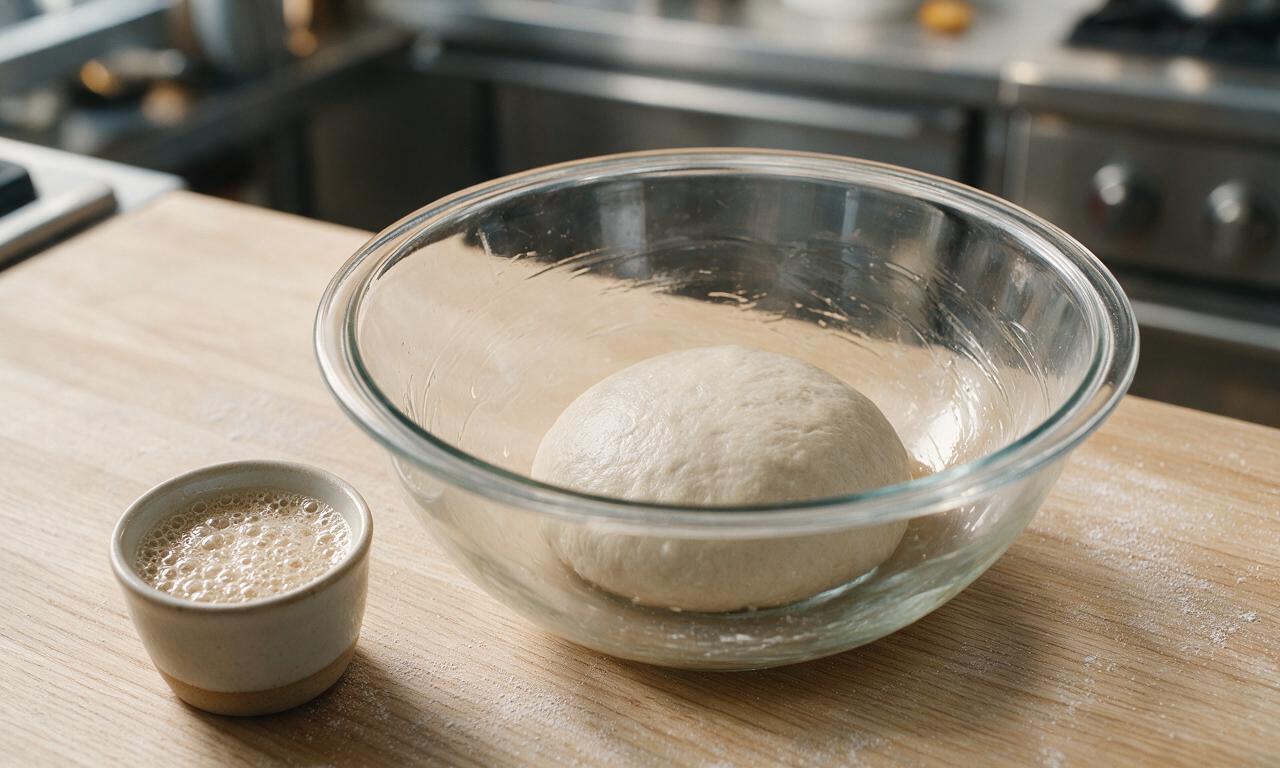
1.Can I substitute instant yeast for the active dry yeast called for in this recipe?
▾
Absolutely! Swap it at a 1:1 weight ratio, but skip the step of proofing the yeast in warm, sweetened milk for 5 minutes. Mix instant yeast directly in with your all-purpose flour and other dry ingredients, then proceed as written—you’ll get the same light, fluffy crumb with zero extra hassle.
2.What temperature should my whole milk be to properly activate the yeast?
▾
Aim for 105–110°F, which feels like warm bath water to the touch. Any cooler and the yeast won’t wake up to leaven the donuts, leading to dense, flat results; any hotter than 115°F and you risk killing the yeast entirely, which will prevent the dough from rising at all.
3.Do I have to use whole milk, or can I swap in a lower-fat milk variety?
▾
Whole milk delivers the richest, tenderest crumb thanks to its natural fat content, but you can use 2% milk in a pinch. Just note your donuts will be slightly less soft and rich, so add an extra 1 teaspoon of melted unsalted butter to the dough to make up for the missing fat.
4.Why is my donut dough not rising during the first proof?
▾
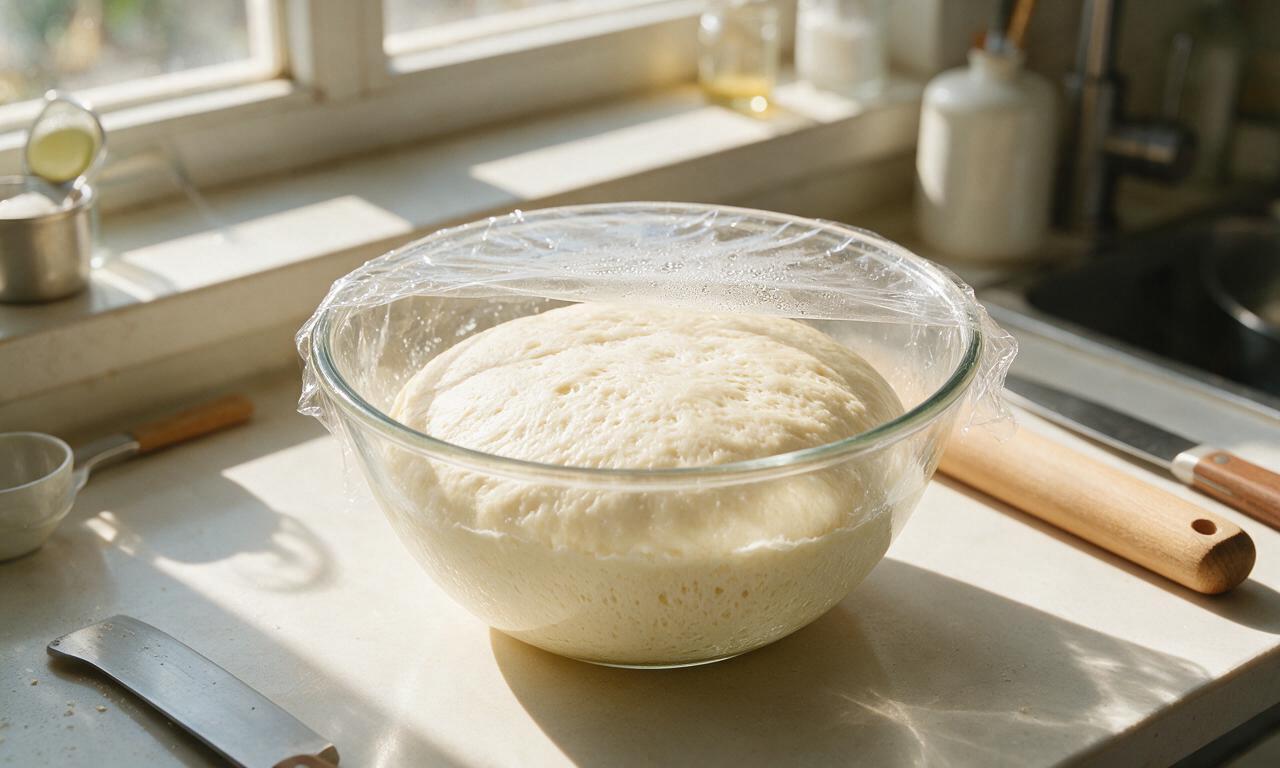
The most common culprits are expired inactive yeast, milk that was too hot and killed the yeast, or a proofing spot that’s too cold. For reliable rises, set your covered dough bowl in a turned-off oven with the light on, which holds a steady 75–80°F perfect for yeast activity, and always test yeast freshness before mixing.
5.How do I shape Long John donuts properly without special cutters?
▾
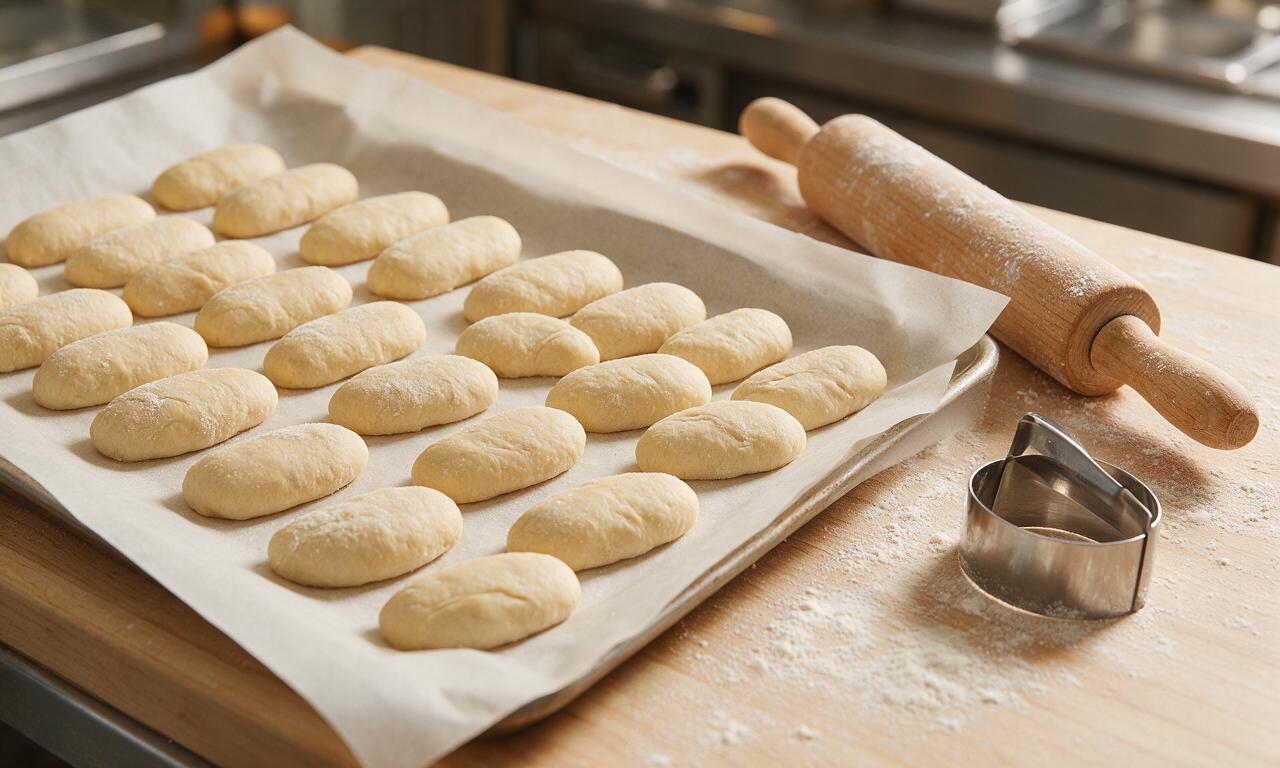
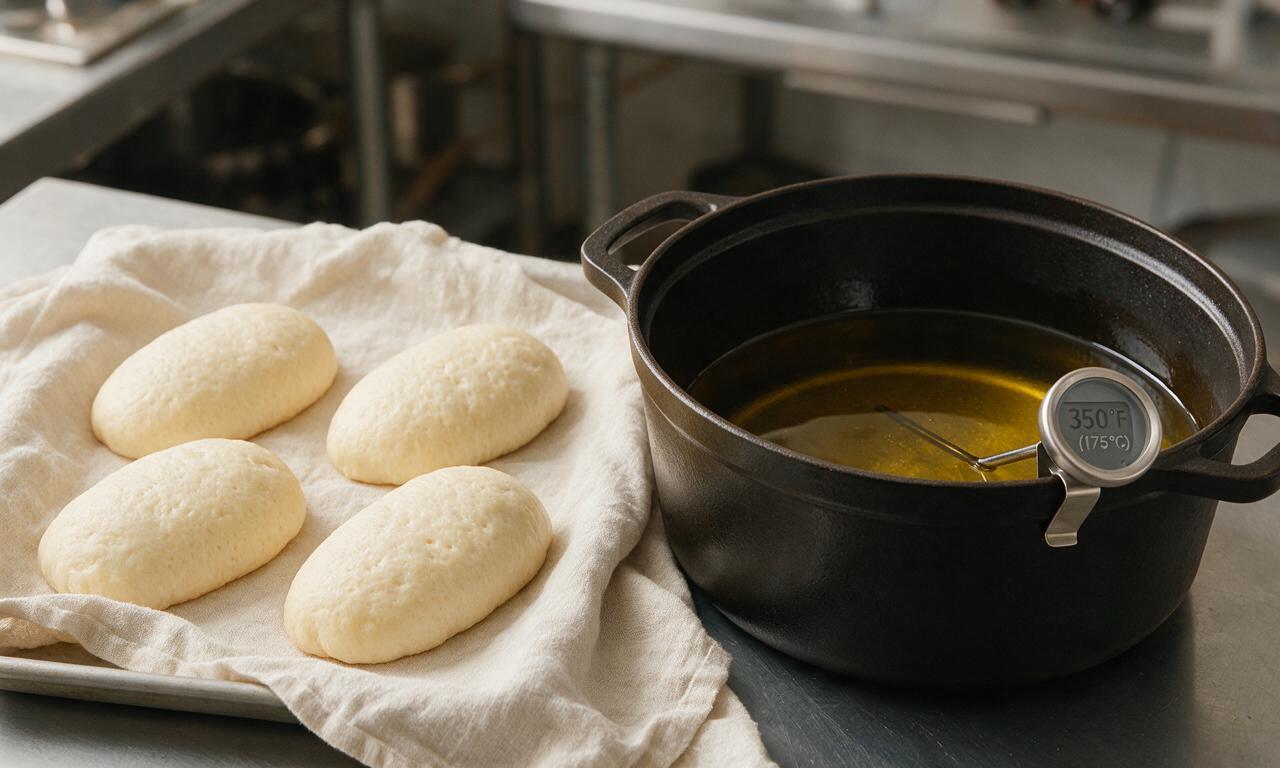
No fancy oblong cutter is needed! Roll your proofed dough out to a ½-inch thickness on a lightly floured surface, then use a sharp knife or bench scraper to cut it into 1x4-inch rectangles. Round the sharp edges slightly with your fingertips if you want that classic polished bakery look.
6.Can I make the dough ahead of time and fry it the next day?
▾
Definitely! After mixing and kneading the dough, place it in a covered, greased bowl and let it rest in the fridge for 8–12 hours overnight. The cold slow rise develops deeper, nuttier yeast flavor, and you can shape, proof, and fry the donuts as usual the next morning.
7.What’s the best oil to use for frying these donuts?
▾
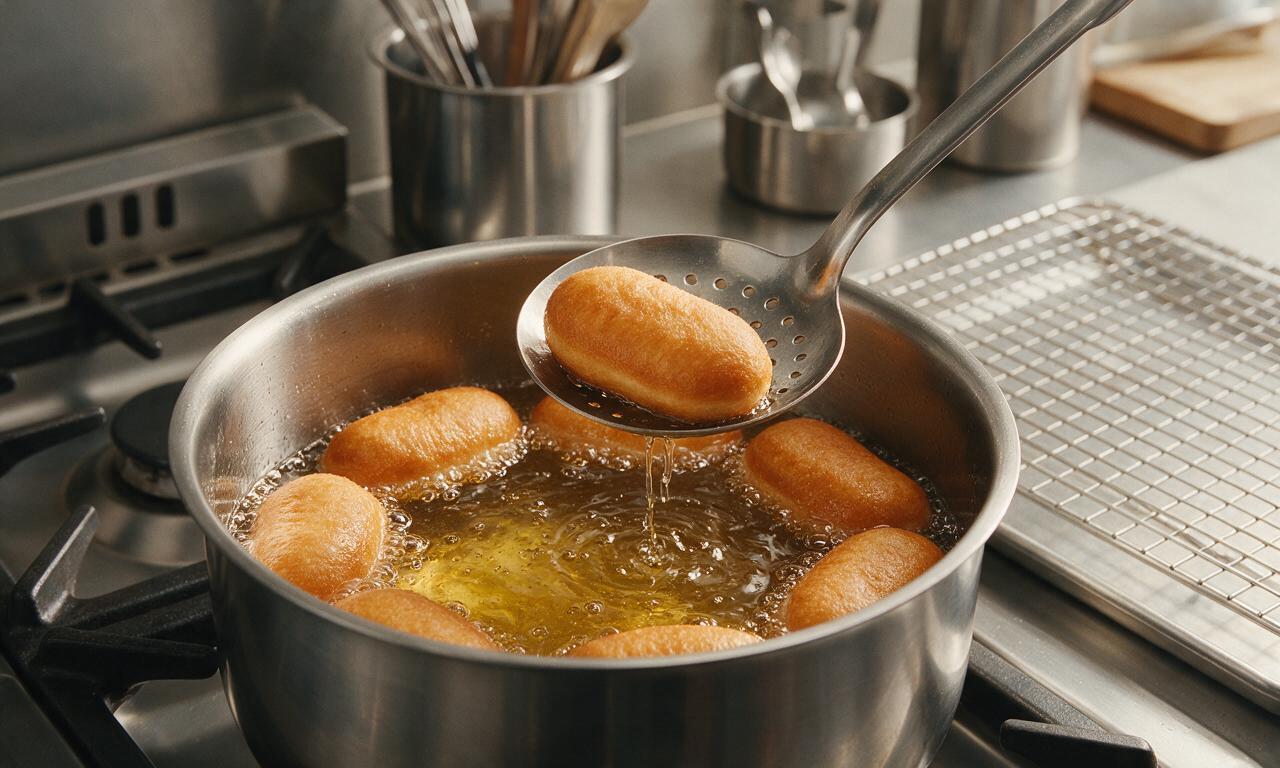
Reach for a neutral, high-smoke-point oil like canola, vegetable, or peanut oil for the cleanest, non-greasy flavor. Heat it to a steady 365°F using a clip-on candy thermometer to monitor temp—unregulated heat is the top cause of burnt outsides or raw, soggy donut centers.
8.How long do I fry each Long John to get them cooked through without burning?
▾
Fry each donut for 45–60 seconds per side, flipping once with a slotted spoon or spider strainer when the first side turns a deep golden brown. Once both sides are evenly golden, transfer them to a wire rack set over paper towels to drain excess oil for 1–2 minutes before glazing.
9.Why are my fried donuts coming out greasy instead of light?
▾
Greasy donuts almost always trace back to frying oil that’s too cold, which lets the dough absorb excess oil instead of searing the outside instantly. Make sure you bring the oil back up to 365°F between batches, and don’t overcrowd the pot, which drops oil temp rapidly.
10.What kind of chocolate works best for the smooth chocolate glaze?
▾
Use semi-sweet chocolate chips or chopped baking bars with around 60% cacao content for that classic, not-too-bitter bakery glaze. Melt it with a little unsalted butter and a splash of whole milk to get that glossy, pourable consistency that sets slightly without turning rock hard.
11.How thick should the chocolate glaze be for the best coating?
▾
Aim for a glaze that’s thick enough to coat the back of a spoon without running off immediately, but thin enough that it drips slowly when you lift the spoon. If it’s too thick, stir in ¼ teaspoon of whole milk at a time; if too runny, add a tablespoon of sifted powdered sugar to adjust.
12.Should I glaze the donuts while they’re hot, or wait for them to cool?
▾
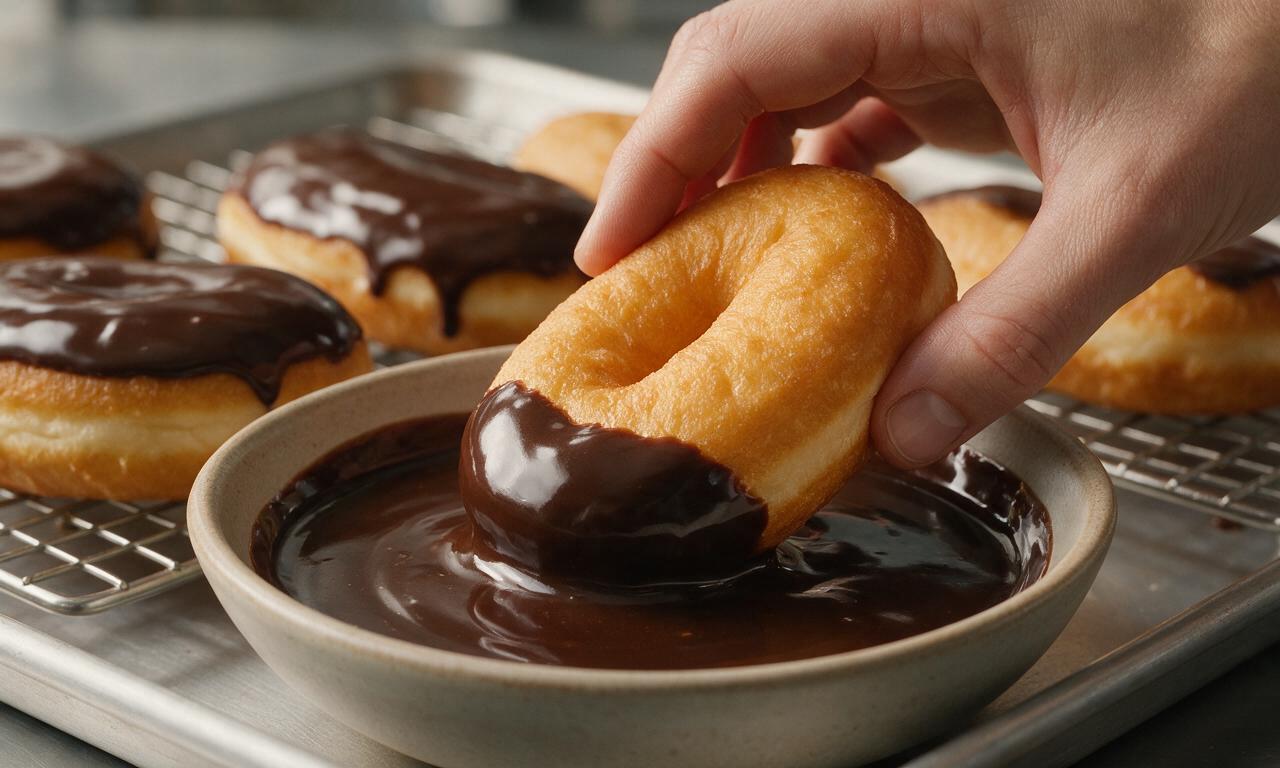
For that perfect, crackly glaze that sticks without sliding off, let the fried donuts cool for 2–3 minutes on a wire rack until they’re warm, not piping hot. Dipping totally hot donuts makes glaze melt and run off, while waiting for full cool keeps glaze from adhering smoothly.
13.Can I bake these Long Johns instead of frying them for a lower-fat version?
▾
You can, though they won’t have that exact classic fried bakery texture. Arrange shaped donuts on a baking sheet, let them rise until puffy, brush with melted unsalted butter, and bake at 375°F for 10–12 minutes until golden. Dip in glaze right out of the oven for the closest match.
14.How do I keep the glaze from getting dull and streaky as it sets?
▾
Avoid stirring the glaze too vigorously once it’s melted, which can incorporate air bubbles that cause a dull, matte finish. Dip each warm donut in one smooth, quick motion, let excess glaze drip off, then set on a rack to set at room temp—fridging warm glazed donuts causes unsightly white streaks.
15.Can I freeze unglazed Long John donuts for later use?
▾
Absolutely! Let fried, unglazed donuts cool completely, then wrap them tightly in plastic wrap and store them in a freezer-safe bag for up to 3 months. When ready to eat, thaw at room temp for 30 minutes, warm for 10 seconds in the microwave, then dip in fresh chocolate glaze.
16.My dough is super sticky when I go to roll it out—what did I do wrong?
▾
A little stickiness is normal for soft yeast donut dough, but if it’s unworkable, you may have added too much milk, or skipped letting the dough rest after kneading. Lightly flour your work surface and rolling pin, but don’t overdo extra flour, which makes finished donuts dense and tough.
17.Do I need to add any extra flavorings to the base donut dough?
▾
The classic recipe relies on the simple, buttery, slightly sweet flavor from granulated sugar, unsalted butter, and yeast, but you can add 1 teaspoon of pure vanilla extract or ¼ teaspoon of freshly grated nutmeg for that nostalgic old-fashioned local donut shop flavor.
18.How long should I let the cut Long John shapes proof before frying?
▾
Let the cut rectangles rest on a lightly floured baking sheet, covered loosely with a clean kitchen towel, for 20–30 minutes until they’re visibly puffy and light to the touch. Under-proofed donuts turn out dense, while over-proofed ones may deflate when you move them to the hot oil.
19.What’s the best way to store leftover glazed Long Johns?
▾
Store leftover donuts in an airtight container at room temperature for up to 2 days, layered between sheets of parchment paper to keep the glaze from sticking. Avoid storing them in the fridge, which makes the crumb go stale faster and causes the chocolate glaze to turn grainy and firm.
20.Why do my donuts have a dense, bready texture instead of being light and fluffy?
▾
Dense donuts usually come from over-kneading the dough, adding too much extra flour during rolling, under-proofing the shaped donuts, or frying at too low a temperature. Stick to the measured all-purpose flour amount, knead just until smooth, and keep proofing and frying temps on target for airy results.

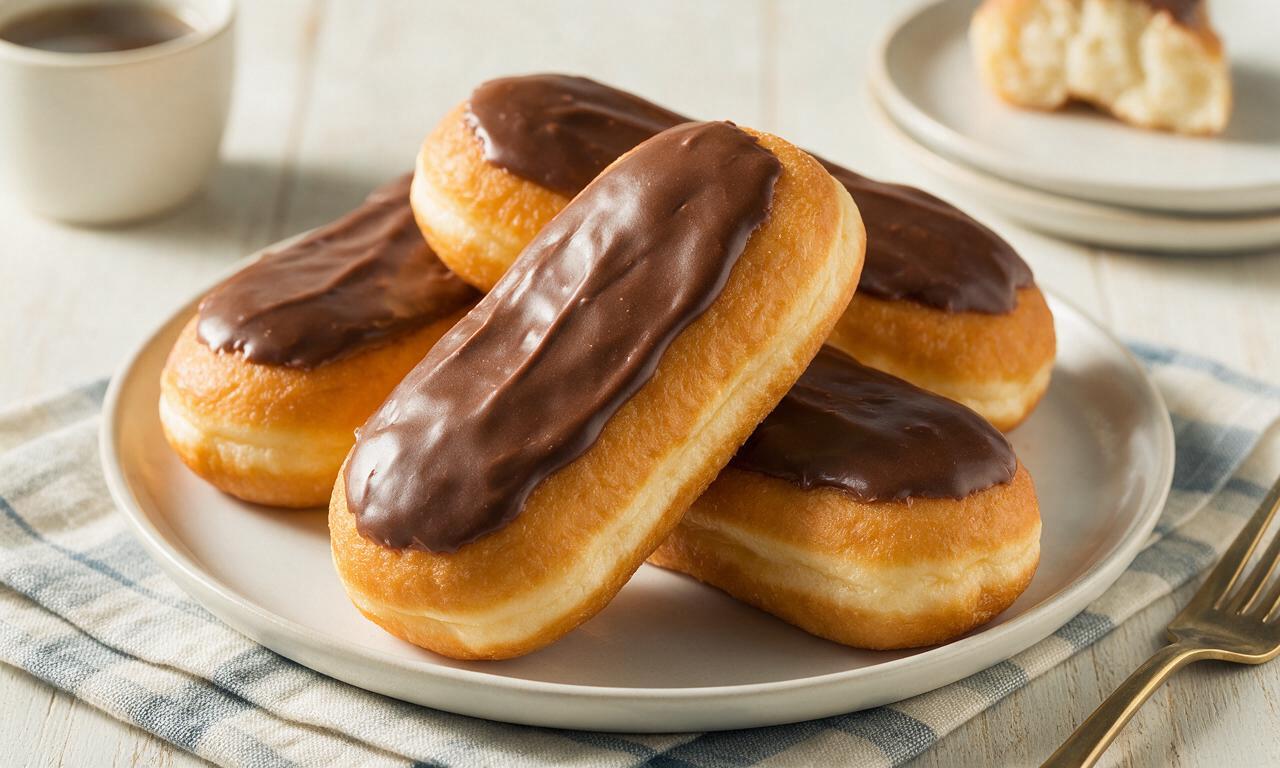
OMG these turned out even better than the donut shop down the street! I was nervous about working with yeast dough for the first time but the instructions were so clear. My kids devoured two each before I even got the chocolate glaze fully set 😂
Made these for our office potluck last week and people were begging for the recipe! The chocolate glaze has that perfect crackle when you bite into it, just like the classic long johns I grew up getting at the corner bakery. SO good.
Took a little longer than I expected because my kitchen was pretty cold so the dough took extra time to rise, but totally worth the wait! I added a little maple extract to half the glaze for a fun twist and it slapped. Will definitely make these again for weekend brunch.
Help! I tried making these yesterday and my dough came out super sticky, I had to add almost an extra cup of flour to get it to hold shape. Did I do something wrong? The donuts still tasted good but they were a little denser than I wanted.
My kids loved it! I made these for a Saturday morning treat and they asked if we can have them every weekend. I skipped the fancy baking chocolate and used semi-sweet chips I had in the pantry for the glaze and it worked perfectly.
Game changer! I’ve been searching for a solid copycat long john recipe for years and this is the one. The only note I have is that I fried mine at 365°F instead of 375°F because my tabletop fryer runs hot, and they cooked perfectly in about 90 seconds per side.
Made these as a post-hike treat for my trail group and everyone raved! I cut them a little shorter than the recipe says so they were easier to pack in snack bags, which worked out great. Just wish I’d made a double batch because they were gone in 10 minutes.
Has anyone tried making these with gluten-free all purpose flour? My youngest has a gluten sensitivity and I’d love to make these for his birthday next month, they look so good!
Wait, can I bake these instead of frying them? I don’t have a deep fryer and I’m not super comfortable frying things on the stovetop, but I’ve been craving long johns forever.
OMG I think I ate three of these straight out of the fryer before I even remembered to glaze them. No regrets. The dough is so fluffy and buttery, even plain they’re insane. 10/10, will be making these monthly.
Has anyone tried making these ahead of time? I want to prep them for my kid’s soccer team breakfast this weekend but I don’t want to wake up at 5am to make dough from scratch.