
Coconut Rye Barrel Aged IPL

title 1
Coconut Rye Barrel Aged IPL
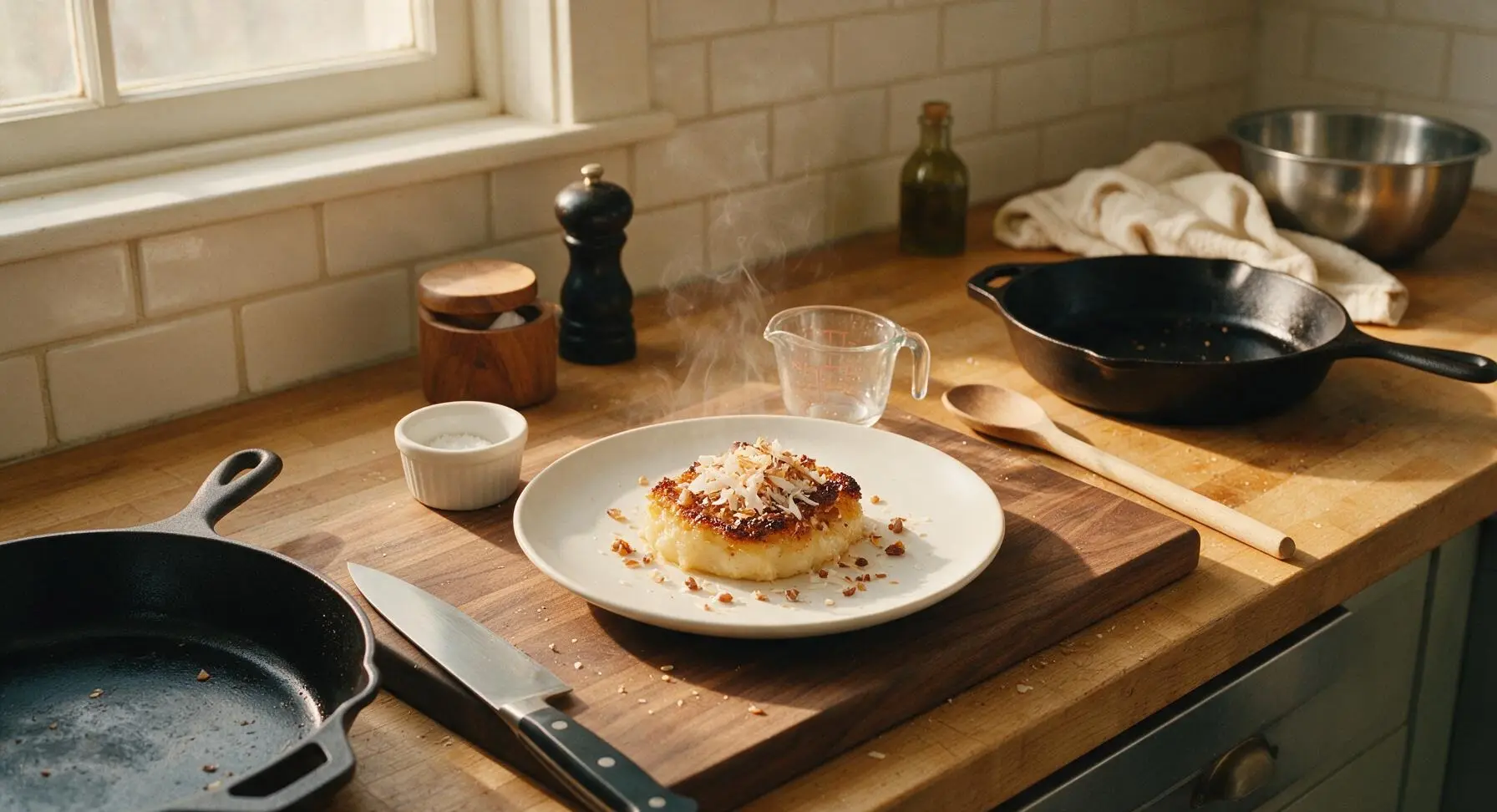
⏱️ cook time 1 hour 15 minutes
🍽️ servings 48
⚡ Difficulty hard

intro

Crisp, spicy rye-forward India Pale Lager aged on toasted coconut and rye whiskey oak, balancing bright hop bite, creamy coconut warmth, and smooth vanilla oak notes.

Ingredients
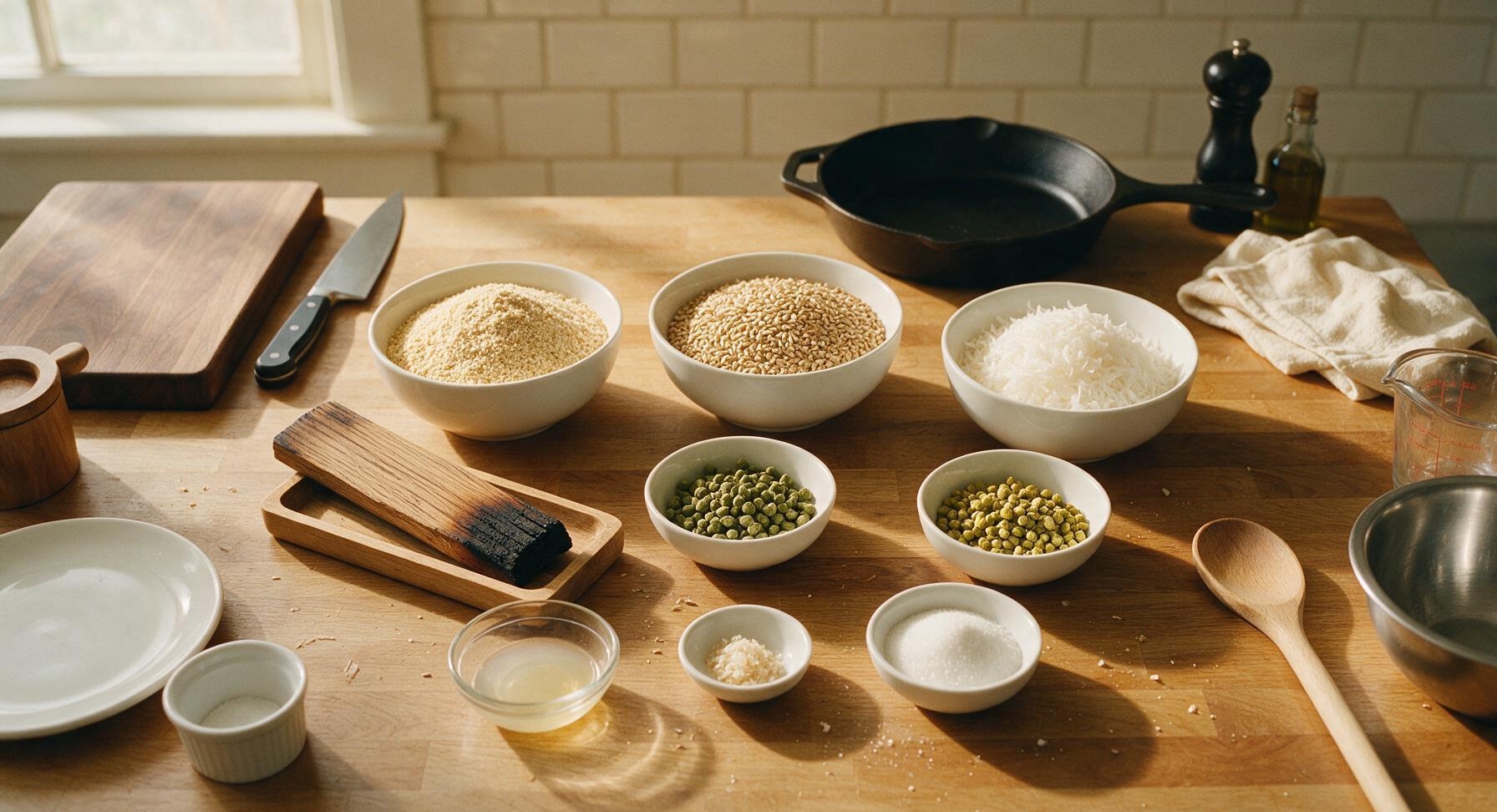
2-row pale malt 8 lbs
Rye malt 2 lbs
Unsweetened coconut flakes 8 oz
Medium-toast rye whiskey oak stave 1 (12-inch, charred)
Cascade hop pellets 2 oz
Mosaic hop pellets 1.5 oz
California lager yeast (WLP810) 1 liquid packet
Irish moss 1 tsp
Priming corn sugar 5 oz

Steps

1

Mill the Grains

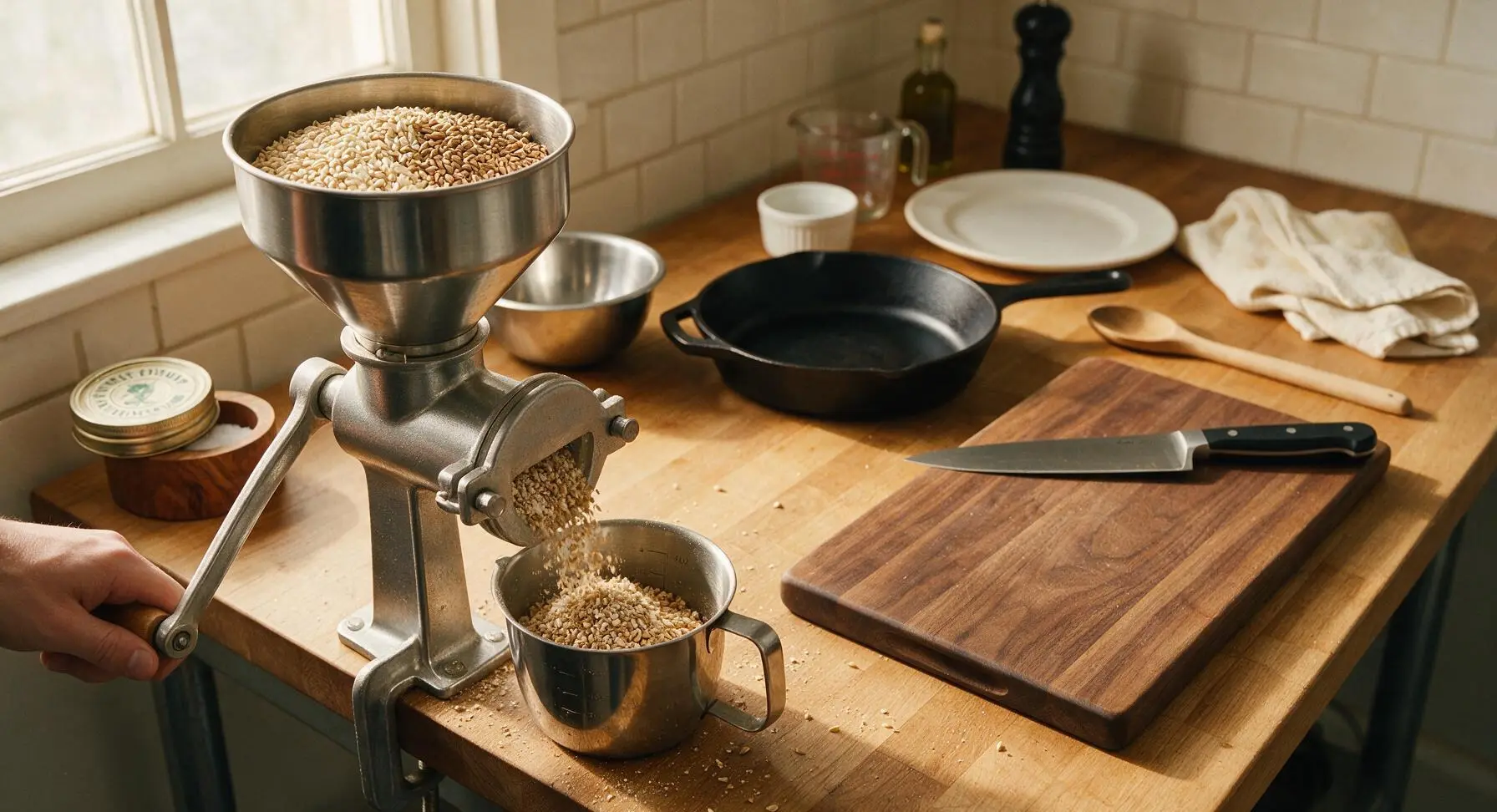
Set up the hand-crank stainless steel grain mill on the left edge of the soapstone counter, adjusting the grind gap to 0.045 inches using the adjustment knob on the mill face. Slowly mill the 8 lbs of 2-row pale malt and 2 lbs of rye malt, collecting crushed grain in the 1-cup stainless steel measuring cup placed under the mill output. Stop milling when all grain is cracked open but not pulverized into fine flour—kernels should be split to expose starchy white centers, with no whole uncrushed grains remaining in the hopper.
Step 1
step1:Mill the Grains
2

Toast Coconut and Oak

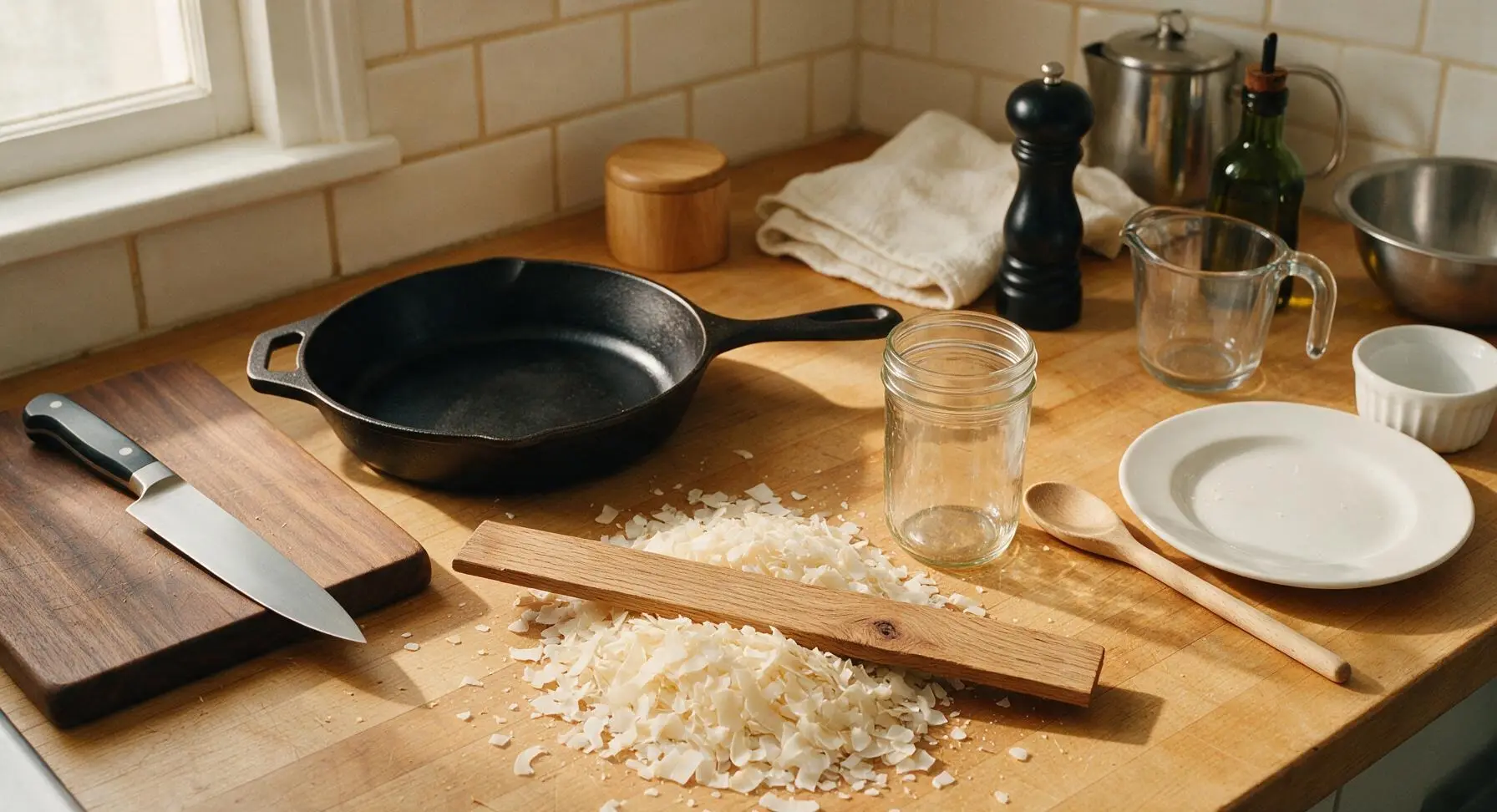
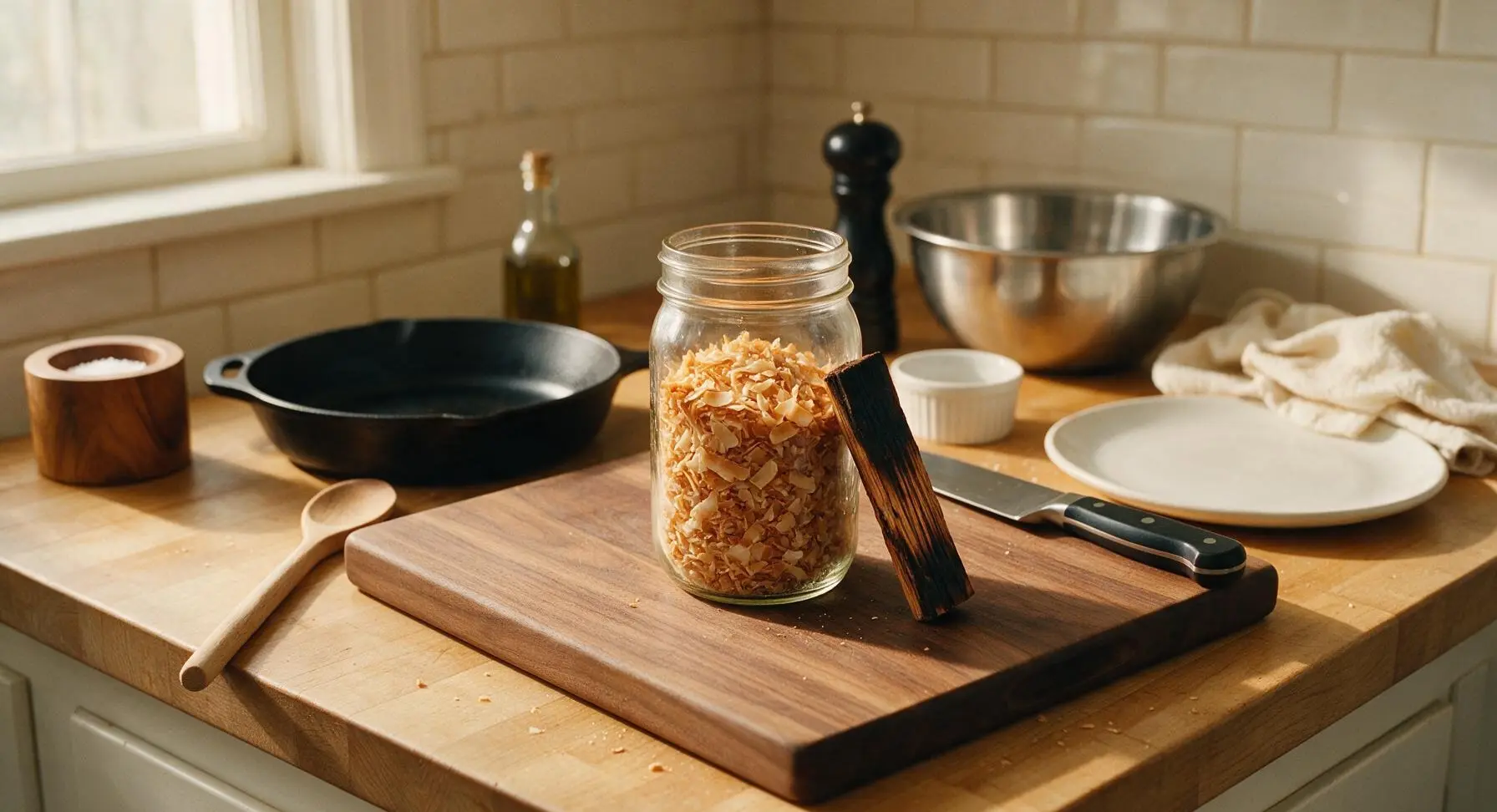
Preheat a home oven to 325°F. Spread 8 oz of unsweetened coconut flakes in an even layer on a small baking sheet, and place the medium-toast rye whiskey oak stave directly on the middle oven rack. Toast for 8-10 minutes, stirring the coconut once at the 5 minute mark, until coconut is deep golden brown and nutty fragrant, and the oak stave releases a warm vanilla and rye whiskey aroma. Remove both from the oven and let cool completely to room temperature for 20 minutes, as hot coconut will add harsh burnt off-flavors to the finished beer. Transfer cooled toasted coconut to the 1-quart clear glass mason jar.
Step 2
step2:Toast Coconut and Oak
Step 2
step2:Toast Coconut and Oak
3

Mash the Rye Grains

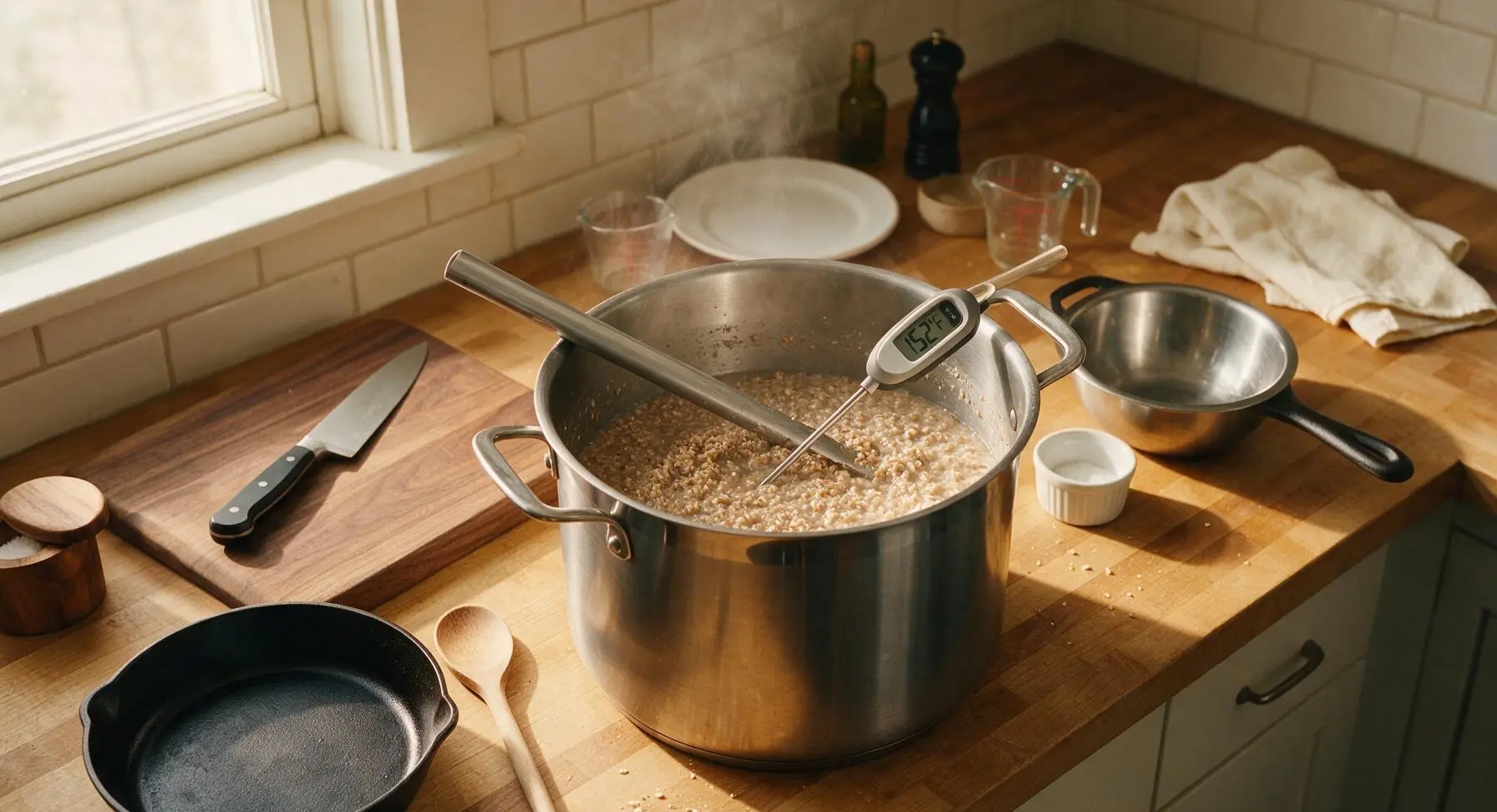
Heat 3.5 gallons of filtered water in the 5-gallon stainless steel brew kettle to exactly 152°F, checking temperature with the digital instant-read thermometer. Slowly stir in all crushed milled grain using the long stainless steel mash paddle, stirring thoroughly for 2 minutes to eliminate any dry flour clumps. Hold the mash temperature steady at 150-152°F for 60 minutes, covering the kettle with its vented lid and checking temperature every 10 minutes. The finished mash will have a thick, porridge-like consistency and smell like fresh baked rye bread.
Step 3
step3:Mash the Rye Grains
4

Boil and Add Hops

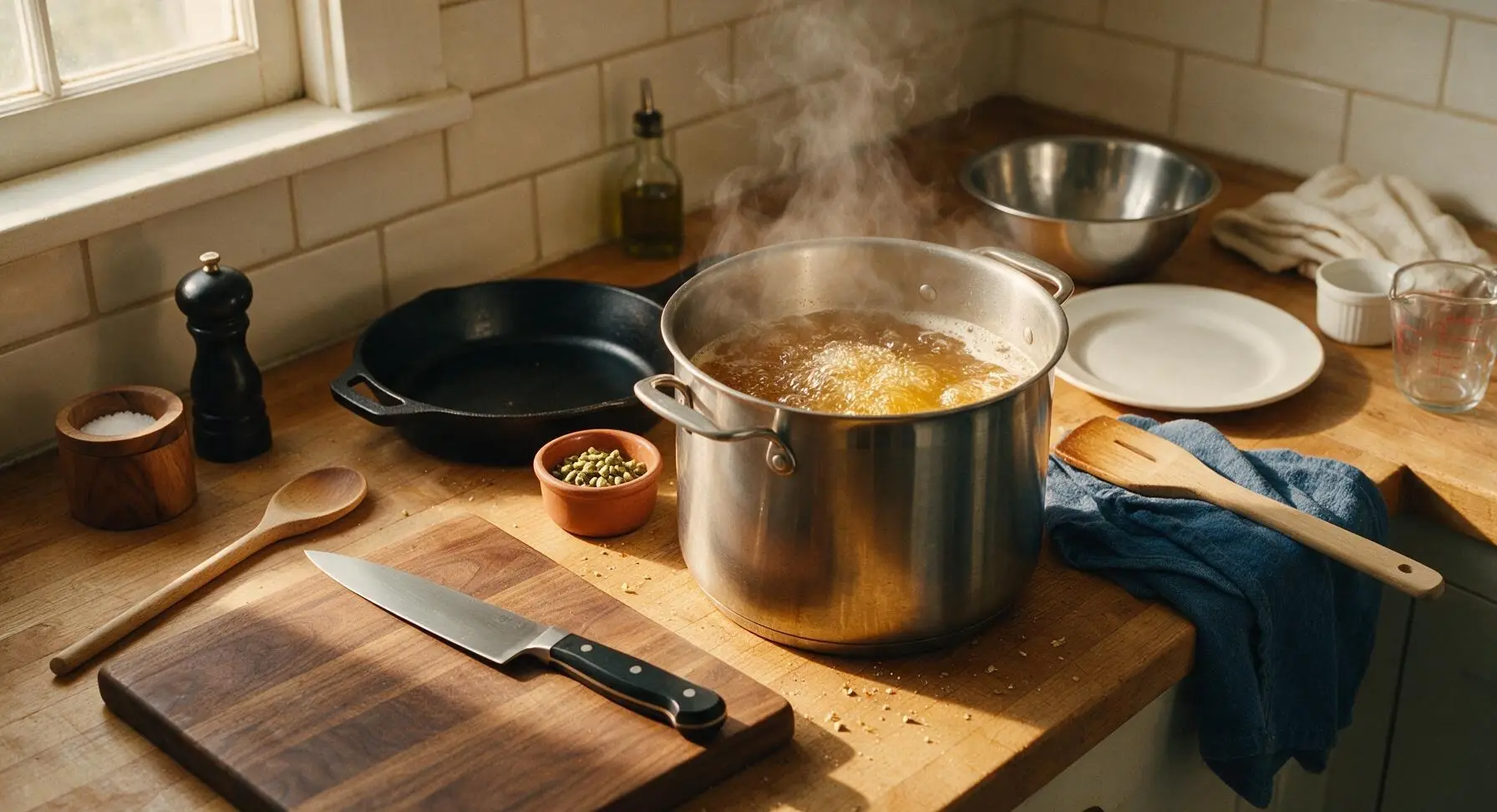
After the 60-minute mash is complete, slowly drain sweet wort from the grain bed, sparging with 170°F filtered water to collect 5.5 gallons of clear golden wort back into the brew kettle. Bring wort to a gentle rolling boil, adjusting heat to avoid messy boilovers. Once boiling is steady, add 1.5 oz of Cascade hops for bittering and start a 60-minute boil timer. At 15 minutes remaining in the boil, add 1 tsp of Irish moss to help clarify the finished beer. At 5 minutes remaining in the boil, add the remaining 0.5 oz Cascade hops and all 1.5 oz Mosaic hops for bright tropical and piney aroma.
Step 4
step4:Boil and Add Hops
5

Chill and Strain Wort

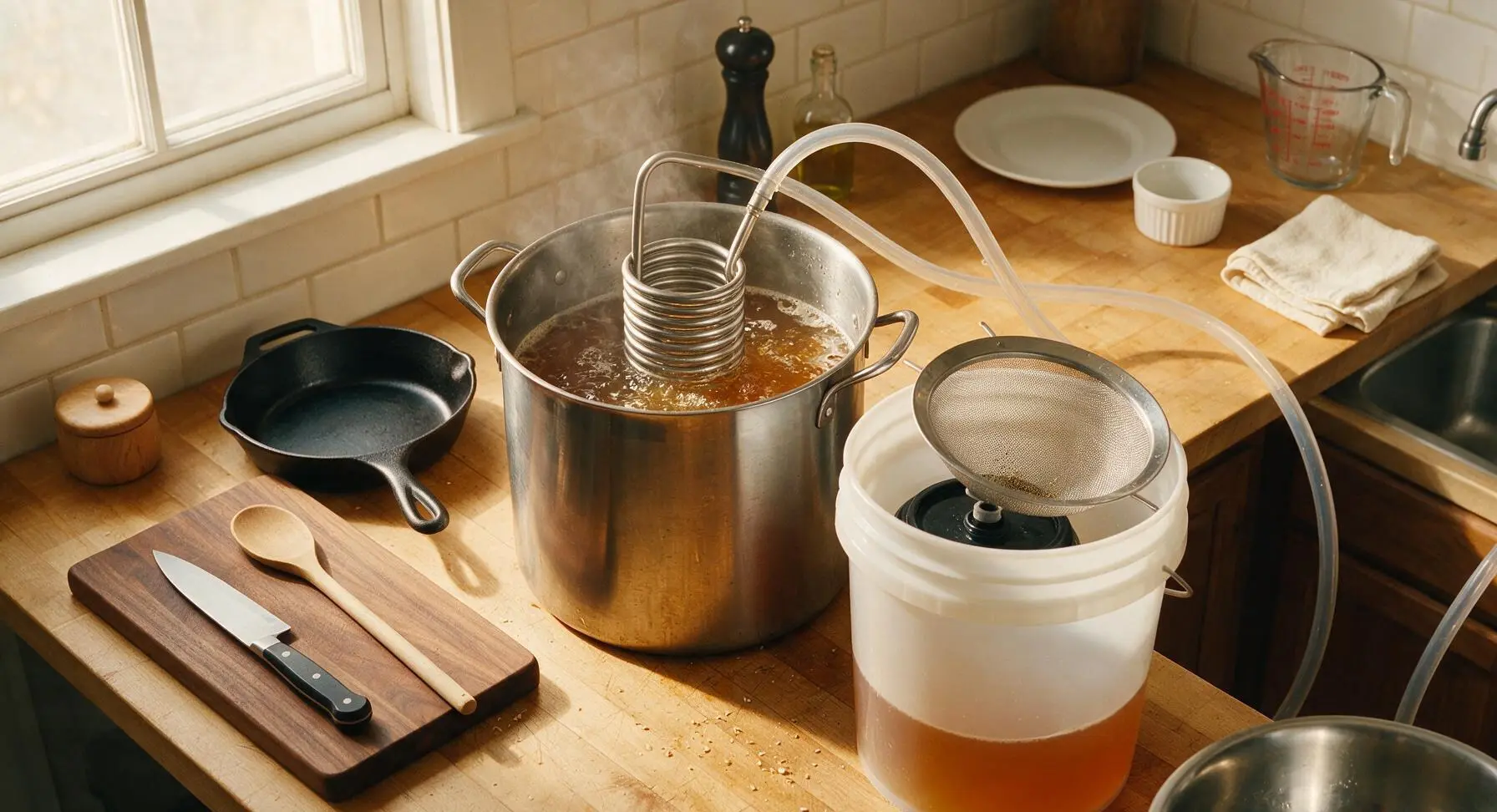
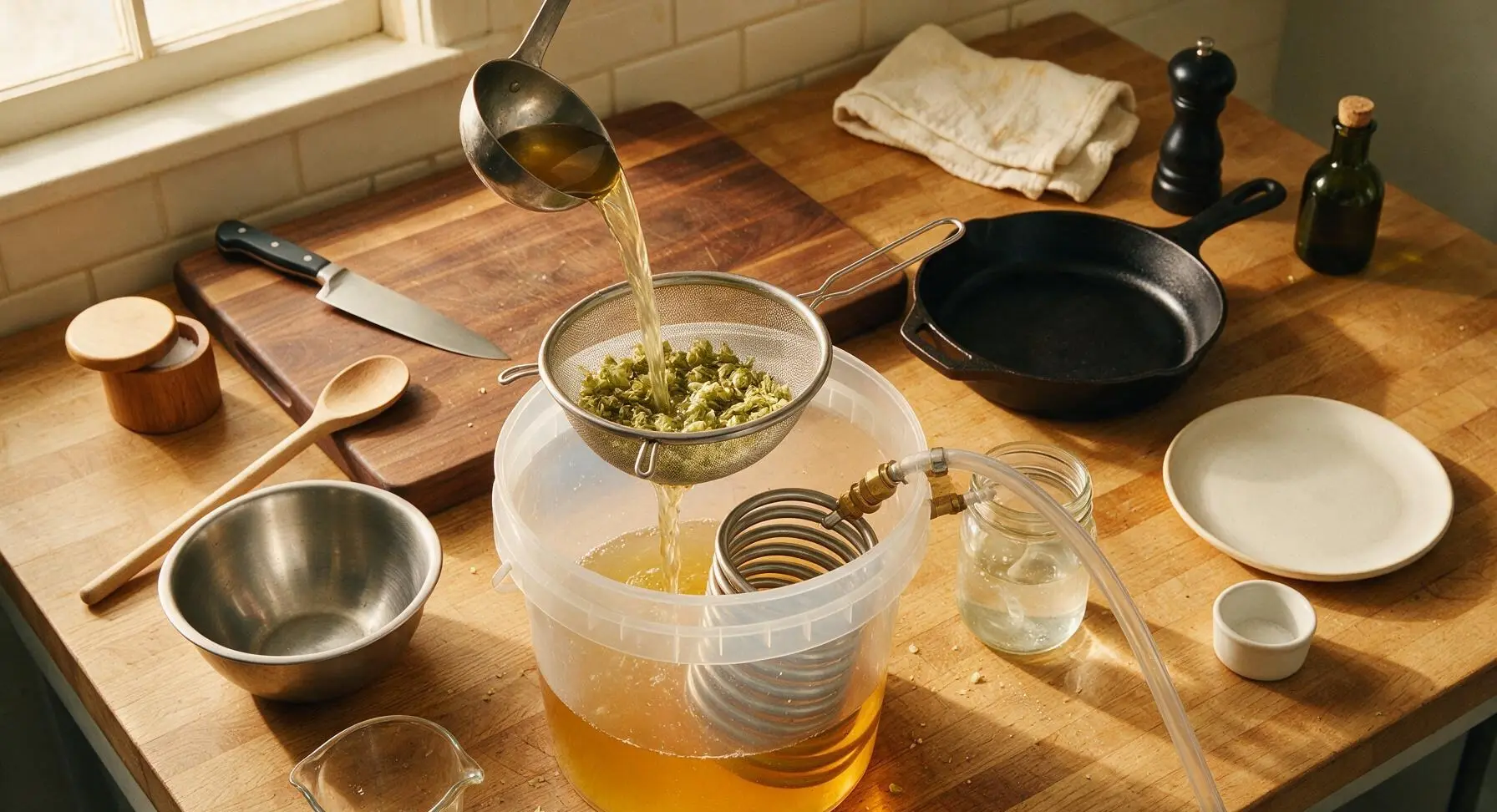
When the 60-minute boil finishes, turn off heat completely. Submerge the coiled stainless steel wort chiller in the hot wort, connect the chiller fittings to a cold water tap, and circulate cold water through the coils until wort temperature drops to exactly 65°F, approximately 20 minutes. Pour the cooled wort through the 10-inch fine-mesh stainless steel strainer into the sanitized 6.5-gallon fermentation bucket, straining out all hop particles and grain trub for a clear finished beer.
Step 5
step5:Chill and Strain Wort
Step 5
step5:Chill and Strain Wort
6

Pitch Lager Yeast

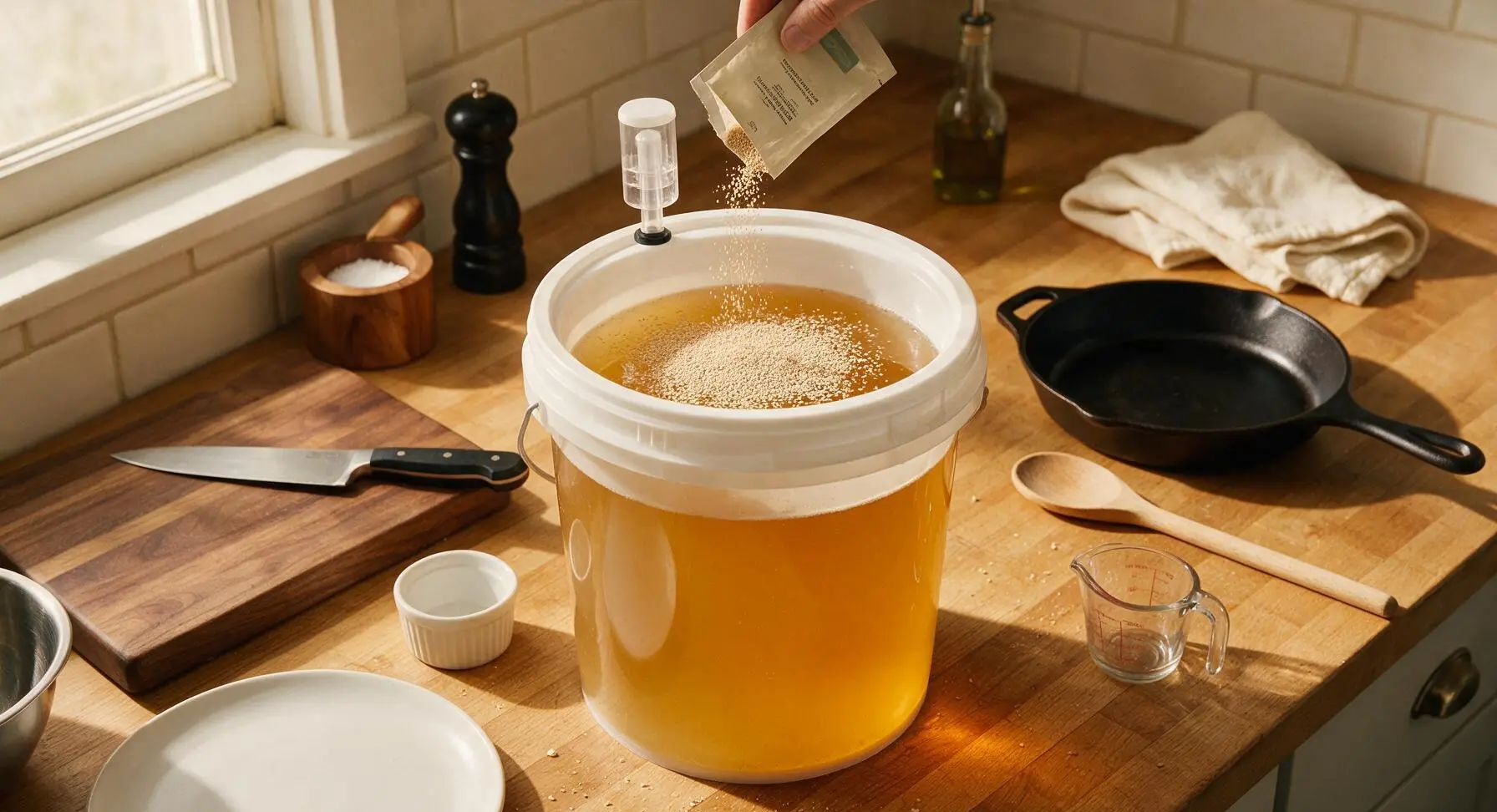
Sanitize the exterior of the California lager yeast packet with no-rinse sanitizer, snip the corner of the packet with sanitized scissors, and sprinkle the yeast evenly across the surface of the cooled 65°F wort in the fermentation bucket. Seal the bucket tightly with the white screw-top lid, fill the 3-piece airlock halfway with sanitizer, and insert the airlock into the lid hole. Move the sealed bucket to a dark, temperature-controlled space held steady at 58°F for 14 days of primary fermentation.
Step 6
step6:Pitch Lager Yeast
7

Add Coconut and Oak

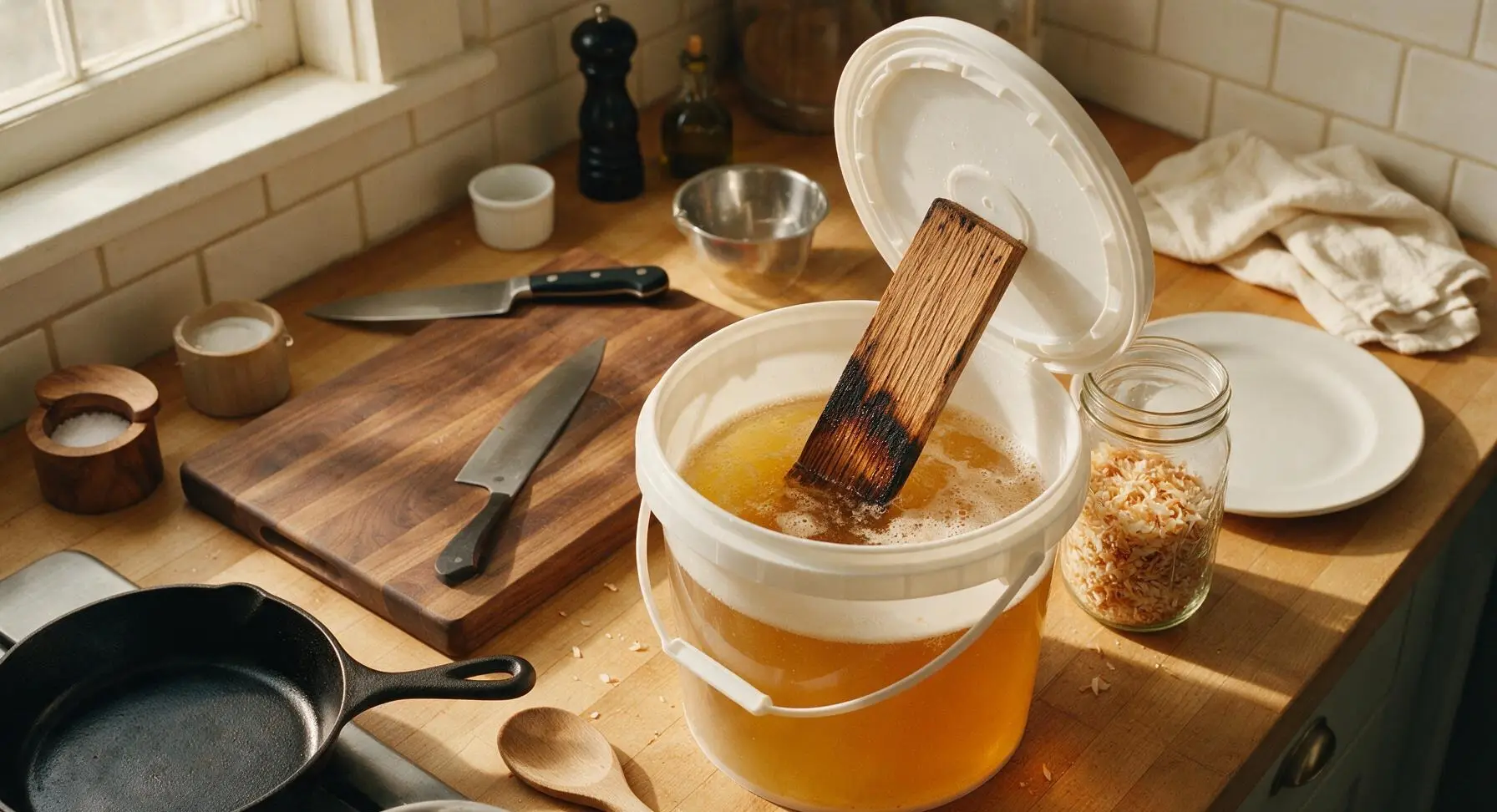
After 14 days of primary fermentation, when bubbling in the airlock slows to 1 bubble every 60 seconds, sanitize the exterior of the mason jar of toasted coconut and the oak stave. Carefully lift the fermentation bucket lid, gently lower the oak stave into the fermented beer, then pour all of the toasted coconut into the bucket. Reseal the lid and airlock, and hold the temperature steady at 58°F for an additional 10 days of cold conditioning to allow coconut, oak, and rye whiskey flavors to fully integrate with the hoppy beer.
Step 7
step7:Add Coconut and Oak
8

Bottle and Carbonate

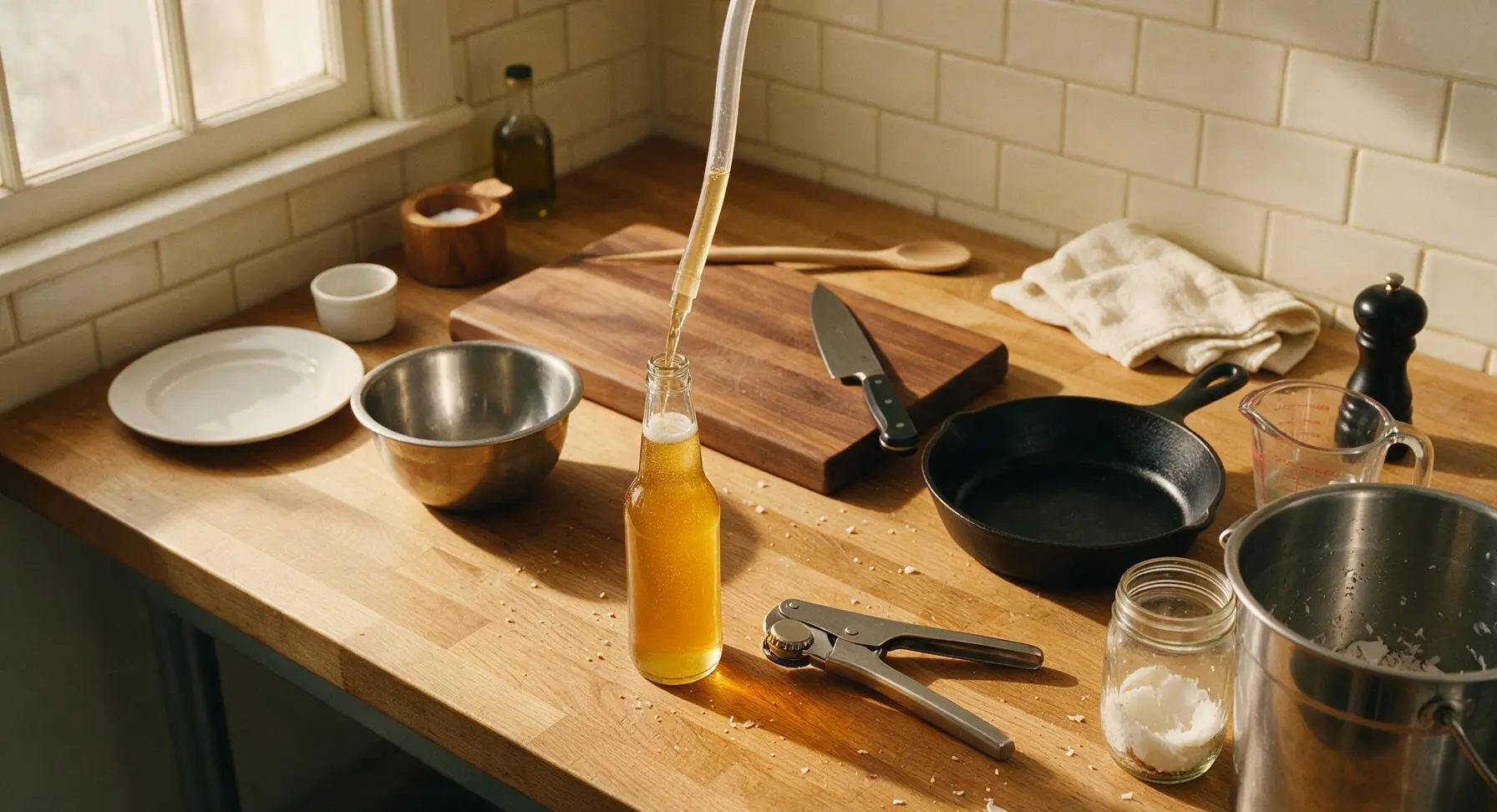
After 10 days of conditioning on coconut and oak, siphon the clear beer off the coconut and yeast sediment into a sanitized bottling bucket, gently mixing in 5 oz of dissolved priming corn sugar to create natural carbonation. Fill sanitized 12oz beer bottles, cap tightly with the bottle capper, and store bottles in a dark 65°F space for 2 weeks to fully carbonate and mature. Chill bottles for 48 hours at 40°F before pouring to serve.
Step 8
step8:Bottle and Carbonate

Tips

1.Always toast coconut at 325°F and stir halfway through toasting: coconut burns in as little as 60 seconds once it reaches deep golden brown, and burnt coconut will add harsh, acrid bitter notes that overpower the delicate rye spice and bright hop flavors.
2.Wait to add the oak stave and coconut until primary fermentation is complete (14 days): active, vigorous primary fermentation scrubs out delicate coconut aroma and oak vanilla notes through released CO2, leaving only harsh, astringent wood tannins in the final beer.
3.Hold fermentation temperature steady at 58°F for the entire lager fermentation: temperatures above 62°F will produce fruity, solvent-like off-flavors that clash with the crisp, clean profile of an IPL, masking the smooth coconut and warm oak notes.


✨ You May Also Like

Drinks & Beverages
🍜 Mexico

A bright, balanced tequila-based cocktail with zesty fresh lime, smooth orange liqueur, and a signature salt rim, perfect for warm summer sipping.

⏱️ 5 minutesDrinks & Beverages ★ 4.9
Drinks & Beverages
🍜 United States

Thick, creamy, nostalgic classic vanilla milkshake with a rich, smooth texture, topped with whipped cream and a cherry for cool, sweet refreshment.

⏱️ 5 minutesDrinks & Beverages ★ 4.7
Drinks & Beverages
🍜 United States

A bright, golden strong ale with fruity banana-clove notes, subtle hop spice, and soft carbonation, brewed in classic Trappist Tripel tradition.

⏱️ 2 hours aDrinks & Beverages ★ 4.5
Drinks & Beverages
🍜 United States

A frothy, nostalgic American soda fountain treat pairing bubbly cold root beer with creamy vanilla ice cream, perfect for cooling down at warm weather gatherings.

⏱️ 20 minuteDrinks & Beverages ★ 4.8
Drinks & Beverages
🍜 United States

Tart, funky, effervescent American Wild Ale is a complex fruity craft beer brewed with wild yeast, delivering bright, zesty notes perfect for warm-weather sipping.

⏱️ 2 hours aDrinks & Beverages ★ 4.4
Drinks & Beverages
🍜 United States

Bright, bubbly copycat of the iconic American caramel cola, balanced with citrus and warm spice, perfect for sipping ice-cold on hot days.

⏱️ 15 minuteDrinks & Beverages ★ 4.8

Coconut Rye Barrel Aged IPL:Frequently Asked Questions

1.What makes this a Coconut Rye Barrel Aged IPL instead of a standard IPA or rye beer? ▾
Great question! IPL stands for India Pale Lager, which uses clean, cold-fermented lager yeast instead of the fruity ale yeast used for IPAs, giving it a crisp, smooth base. This lets the spicy rye, creamy toasted coconut, subtle rye whiskey oak, and bright Cascade hop bite all shine equally, instead of getting muddled under heavy ale fruit notes.
2.Why use unsweetened coconut flakes instead of sweetened shredded coconut for this recipe? ▾
Sweetened coconut is coated in added sugar and preservatives that throw off your beer’s balance, adding cloying, artificial sweetness that clashes with spicy rye and bright Cascade hop bite. Unsweetened flakes let pure, nutty, creamy coconut flavor shine through, and toast up evenly without burning from extra sugar coating for that smooth warm note we want.
3.How do I toast the coconut flakes properly to avoid burnt, bitter off-flavors? ▾
Spread your unsweetened flakes in a thin, even layer on a dry baking sheet, and toast at 325°F for 5-7 minutes, stirring every 2 minutes. Pull them as soon as they turn light golden and smell rich and nutty—even 30 seconds too long leads to burnt, bitter coconut that will overpower the delicate rye and hop notes in your finished IPL.
4.What’s the benefit of using a medium-toast rye whiskey oak stave instead of regular oak chips? ▾
Medium-toast rye whiskey staves carry residual spicy rye whiskey character and soft vanilla notes that complement the rye malt in your grain bill perfectly, instead of the one-note woody flavor from plain oak chips. Staves also release oak flavor more slowly and evenly than chips, so you’re far less likely to over-oak your beer and end up with a harsh, woody finish.
5.How long should I leave the oak stave in the beer during the aging process? ▾
For a standard 5-gallon batch, start tasting your beer after 3 days of contact with your sanitized oak stave, and pull it once you pick up smooth vanilla and subtle rye whiskey warmth, usually between 5 and 10 days. Leaving it too long leaches harsh, astringent wood tannins that cover up bright Cascade hop character and the crisp rye backbone.
6.Can I substitute rye malt if I don’t have it on hand for my brew day? ▾
If you can’t find rye malt, swap in 70% of the called-for rye malt amount with pale rye malt, and make up the remaining 30% with extra 2-row pale malt plus a tiny pinch of caraway malt to mimic that signature spicy, peppery rye kick. Avoid heavily roasted rye, as it adds too much dark, bready flavor that clashes with the bright, crisp IPL profile.
7.Why use Cascade hop pellets for this recipe instead of a newer, juicier hop variety? ▾
Cascade is a classic American hop with bright, citrusy, slightly piney notes that pair perfectly with spicy rye and creamy coconut, instead of the super tropical, juicy notes from newer hops that clash with warm oak and whiskey character. Pellets also break down evenly during dry hopping, giving consistent, bright hop bite without grassy off-flavors from poorly stored whole leaf hops.
8.What fermentation temperature keeps this IPL crisp, not fruity or murky? ▾
Pitch a clean American lager yeast, and hold fermentation steady at 50-55°F for the first 7-10 days of primary fermentation, then let it slowly rise to 60°F for a 2-3 day diacetyl rest before cold crashing. This avoids the fruity ester production you get with warmer fermentation, keeping the base crisp enough to let all the key flavors shine equally.
9.When is the best time to add the toasted coconut to the beer for maximum flavor? ▾
Add your fully cooled, toasted coconut to secondary fermentation, right after you move the beer off primary trub, and let it sit for 3-5 days, tasting daily. Adding it too early during active primary means CO2 bubbles will strip away most delicate coconut aroma, leaving almost no coconut flavor and a weird, oily film on top of your fermenter.
10.Will the added coconut make my beer hazy or leave a greasy, oily residue? ▾
If you toast your coconut properly and add it during secondary, you’ll get minimal haze and no greasy residue—just make sure to let the beer cold crash for 48 hours at 34°F after coconut contact to let fine coconut solids drop out before bottling or kegging. Skip raw untoasted coconut, as it carries more residual oil that causes slick mouthfeel and kills head retention.
11.How long should I age this IPL after bottling before it’s ready to drink? ▾
Let your bottled or kegged beer condition for a minimum of 2 weeks at cellar temperature (55-60°F) to let carbonation build and flavors meld, then drink it fresh for bright hop bite, or age it up to 3 months for softer, more integrated oak and coconut notes. Don’t age it longer than 4 months, as delicate Cascade hop flavor fades fast, leaving flat, woody beer.
12.Can I use actual rye whiskey instead of an oak stave if I don’t have one on hand? ▾
If you don’t have a rye whiskey oak stave, you can add 1-2 ounces of straight rye whiskey per 5-gallon batch along with one small plain medium-toast oak cube during secondary, but start with the smaller amount and taste daily. Skip adding more than 2 ounces, as too much straight whiskey adds a hot, boozy burn that covers up the crisp, drinkable IPL profile.
13.What ratio of rye malt to 2-row pale malt keeps the beer rye-forward without being harsh? ▾
For a balanced rye kick without astringent, peppery harshness, stick to 15-20% rye malt in your grain bill, with the remaining 80-85% as 2-row pale malt. Any more than 20% rye malt, and you’ll get a drying, harsh mouthfeel and extra haze that mutes bright Cascade hop notes and smooth coconut warmth, throwing off the beer’s balance.
14.Do I need to sanitize the oak stave and coconut before adding them to my fermenter? ▾
Absolutely—never add unsanitized ingredients to your finished beer, as you risk introducing bacteria that causes sour, off-flavors or fully ruined batches. Sanitize oak staves by spritzing them with no-rinse brewing sanitizer, and let toasted coconut cool completely before giving it a quick sanitizer rinse, so you don’t kill yeast or introduce unwanted microbes.
15.What carbonation level works best to highlight all of this IPL’s layered flavors? ▾
Aim for a carbonation level of 2.4-2.6 volumes of CO2, which is slightly bubblier than a standard lager but less fizzy than a hazy IPA. This level lifts the bright citrus Cascade hop aroma, carries creamy coconut and vanilla oak notes smoothly across your palate, and cuts through subtle spicy rye bite without feeling overly sharp or gassy when you drink it.
16.Will the rye malt hurt head retention on the finished beer? ▾
Rye malt actually adds extra protein that boosts head retention when used in the 15-20% ratio we recommend, giving you a nice, lacy white head that sticks around as you drink. The only time rye hurts head retention is if you over-sparge your mash at too high a temperature, leaching harsh tannins, or add too much raw, untoasted coconut that leaves oil residue.
17.Can I add extra Cascade hops for a bolder hop bite without ruining the recipe’s balance? ▾
You can absolutely add up to 1 extra ounce of Cascade pellets as a dry hop addition 3 days before packaging, if you prefer a brighter, punchier hop bite. Stick to that 1-ounce maximum, though—any more hop load will overpower the subtle coconut, vanilla oak, and spicy rye notes that make this barrel-aged IPL unique, turning it into a one-note bitter beer.

Comments (19)

2 days ago

Took me two tries to nail the barrel aging note without it overpowering the coconut, but SO worth it. Brought a growler to my buddy’s cookout last weekend and everyone was begging for the recipe. Absolute game changer for summer backyard hangs.

1 week ago

Whoa, the rye adds such a perfect spicy kick that cuts the sweet coconut so well. I was worried the IPL would be too crisp to hold up to the barrel notes, but no, it balances perfectly. My husband said it’s better than the craft stuff we pay $18 a four pack for at the liquor store.

3 days ago

Brewed a batch for our neighborhood block party potluck and it was the first thing gone! I will say, don’t skip the toasted coconut step—raw just doesn’t hit the same. 10/10 will make again for our fall tailgates too.

5 days ago

Tough recipe for sure, had to troubleshoot my temperature control halfway through ferment, but the end result is chef’s kiss. The coconut doesn’t taste fake at all, the rye is earthy, the barrel finish is smooth instead of harsh. Worth the effort.

yesterday

I don’t even brew that often but I saw this and had to try it for my partner’s birthday. The 1 hour 15 minute active cook time was totally doable even as a newbie, though the waiting for it to age was torture! He said it’s the best gift he’s gotten all year.

2 weeks ago

Took a growler of this on our weekend camping trip in the Rockies and it was perfect after a long hike. The coconut is subtle enough that it doesn’t feel like a sweet gimmick, the rye gives it depth. Only note is I wish I’d made a double batch because it was gone by the first night.

30 minutes ago

Wait, has anyone tried this without the barrel aging? I don’t have a small barrel at home and I don’t want to drop $100 on one for a single batch. Would oak chips work as a substitute?

5 minutes ago

Great question! Oak chips (medium toast, 1 oz per 5 gallons, soaked in a couple ounces of bourbon for 48 hours) work perfectly as a substitute if you don’t have a barrel. Just make sure to taste test every 2-3 days once you add them so you don’t over-oak it!

1 week ago

OMG I made this for my brother’s homebrewing club meetup and I got so many compliments! I did add a little extra toasted coconut because I’m obsessed with coconut flavor, and it turned out amazing. My kids even kept sneaking sips when I wasn’t looking, oops!

5 days ago

Wait how much extra coconut did you add? I love coconut too and I was thinking of bumping it up but I was scared it would make it taste like sunscreen lol

2 days ago

I messed up the first batch because I overdid the rye malt and it tasted like a spicy rye bread beer with a hint of coconut, oops. Gonna try again this weekend and measure the malts properly this time. Fingers crossed it works because the test sip I had before I messed it up was so good.

yesterday

So sorry the first batch didn’t turn out! A common mistake is packing rye malt too tight when measuring—make sure you spoon it into your measuring cup loosely and level it off, that should keep the rye spice balanced without overwhelming the other flavors. Can’t wait to hear how batch two goes!

5 days ago

Paired this with coconut shrimp tacos for our weekly taco night and it was the best combo ever! The crisp lager cut through the fried shrimp, the coconut notes matched the shrimp coating, the rye added a little spice to pair with the salsa. 10/10 food pairing.

3 days ago

Oh that pairing sounds insane! I was gonna serve this with burgers at our next cookout but now I’m definitely making coconut shrimp to go with it too

2 hours ago

As someone who’s only brewed basic IPAs before, this hard difficulty rating scared me a little, but the steps were really clearly laid out! I’m still waiting for my batch to finish barrel aging, but the wort tasted amazing when I transferred it. Fingers crossed the final product is as good as everyone says.

30 minutes ago

So glad the instructions felt clear! The waiting period is definitely the hardest part, I promise. If you kept everything sanitized and held your fermentation temp steady, you’re gonna be so happy with how it turns out. Make sure to come back and update us once it’s ready to drink!

2 weeks ago

I made this back in December and aged it an extra two weeks in the barrel because I got busy with holiday stuff, and honestly? It was even better. The barrel notes mellowed out so nicely, the coconut blended right in. I’m making another batch now to have on hand for holiday parties this year.

1 week ago

That’s such a good call aging it longer! I’m planning to brew this for our Thanksgiving dinner, I bet it pairs amazing with roasted turkey and sweet potato casserole

just now

Wait, is there a way to make this a little less bitter? I’m more of a sour beer fan so heavy IPAs/IPLs can be a bit much for my taste, but the coconut and rye combo sounds too good to pass up.

just now

You can easily cut the bittering hop addition by 25% and add a half ounce of your favorite mild aromatic hops at flameout to keep the hop flavor low without losing that crisp IPL backbone. It’ll be much smoother, less bitter, and still let the coconut, rye, and barrel notes shine!

1 week ago

Brewed a 10 gallon batch of this for college football tailgates this season and it’s gonna be my go-to. Canned half of it last weekend and the carbonation is perfect, the flavor is chef’s kiss. Only problem is I know my friends are gonna drink all of it before the first home game even happens.

3 days ago

Hell yeah, this is made for tailgates! I brought a keg of it to our first tailgate last weekend and we went through it in two hours, total hit

3 days ago

I was fully convinced coconut in beer was a terrible, gimmicky idea until my friend made this and made me try a glass. I ate my words so fast. It’s not cloying, it doesn’t taste like a piña colada, the rye and barrel balance everything out. Game changer, who knew.

2 days ago

Right?! I avoid all flavored craft beer like the plague because it’s usually just cloying sweet garbage, but this sounds totally different. Gonna give it a shot this weekend

yesterday

So glad you gave it a shot! That’s exactly what we were going for—no fake sweet coconut flavor, just subtle, toasty coconut that complements the rye spice and barrel depth instead of overpowering it. Cheers!

5 days ago

Wait, how long does this stay good for after it’s done carbonating? I want to make a batch to keep in the fridge for after work drinks but I don’t want it to go bad before I can drink it all. I’m the only beer drinker in my house so it’ll take me a minute to get through 5 gallons.

3 days ago

I’ve had a batch in my kegerator for 3 months now and it still tastes perfect! As long as you keep it cold and sealed it stays delicious, no skunky flavor at all

2 days ago

Dan is totally right! If stored cold and properly sealed/carbonated, this will stay great for 3-4 months. Just avoid storing it in direct sunlight and you’ll be golden. If you’re worried about going through it fast, you can always halve the recipe to make a 2.5 gallon batch!

yesterday

Y’all, I accidentally burned the first batch of coconut I toasted for this and almost threw in the towel. I’m so glad I re-did it because the final beer is insane. Don’t be like me and walk away from the toaster oven while the coconut is in there, it burns in like 30 seconds!

2 hours ago

Oh my god I did the EXACT same thing! My smoke alarm went off and my roommate thought the house was on fire. Worth it for the beer though, lol

30 minutes ago

Oh no, sorry about the burnt coconut! It is so easy to walk away and let it go from perfectly toasty to charred in seconds—pro tip: spread it in a thin layer on a baking sheet and stir it every 60 seconds, and pull it when it’s just barely golden, it’ll keep toasting a little as it cools.

1 week ago

This is hands down the best homebrew recipe I’ve tried all year. I used a rye whiskey barrel that I had previously aged a stout in, and the extra depth from the leftover stout notes was insane. If you have a used barrel lying around, don’t sleep on using it for this.

5 days ago

That sounds incredible! I have an old bourbon barrel I used for a vanilla porter last winter, I bet that would add such a nice extra layer of flavor. Gonna grab the ingredients this weekend

3 days ago

Wait did you sanitize the barrel between batches? I’ve been scared to reuse barrels because I’m worried about off flavors from old beer, but your version sounds too good to pass up

2 weeks ago

Wait, is there any way to make this gluten free? I have celiac so regular rye and barley malt is off the table for me, but this flavor combo sounds like my dream beer. I’ve been missing good craft beer ever since I got diagnosed.

1 week ago

I made a GF version last month! Swap the rye malt for GF rye extract, use a gluten free pilsner malt base, and make sure your yeast is GF too. It turned out so close to the original, my non-GF friends didn’t even notice a difference

5 days ago

That’s such a great swap, Jess! We’ve tested a GF version using gluten free 2-row and rye malt extract, and it works beautifully. Just make sure all your ingredients are certified GF to avoid cross contamination, and you’ll have a delicious batch that’s totally safe to drink!



