Cornstarch and Flour Catfish

title 1
Cornstarch and Flour Catfish
⏱️ cook time 15 minutes
🍽️ servings 4
⚡ Difficulty easy

intro

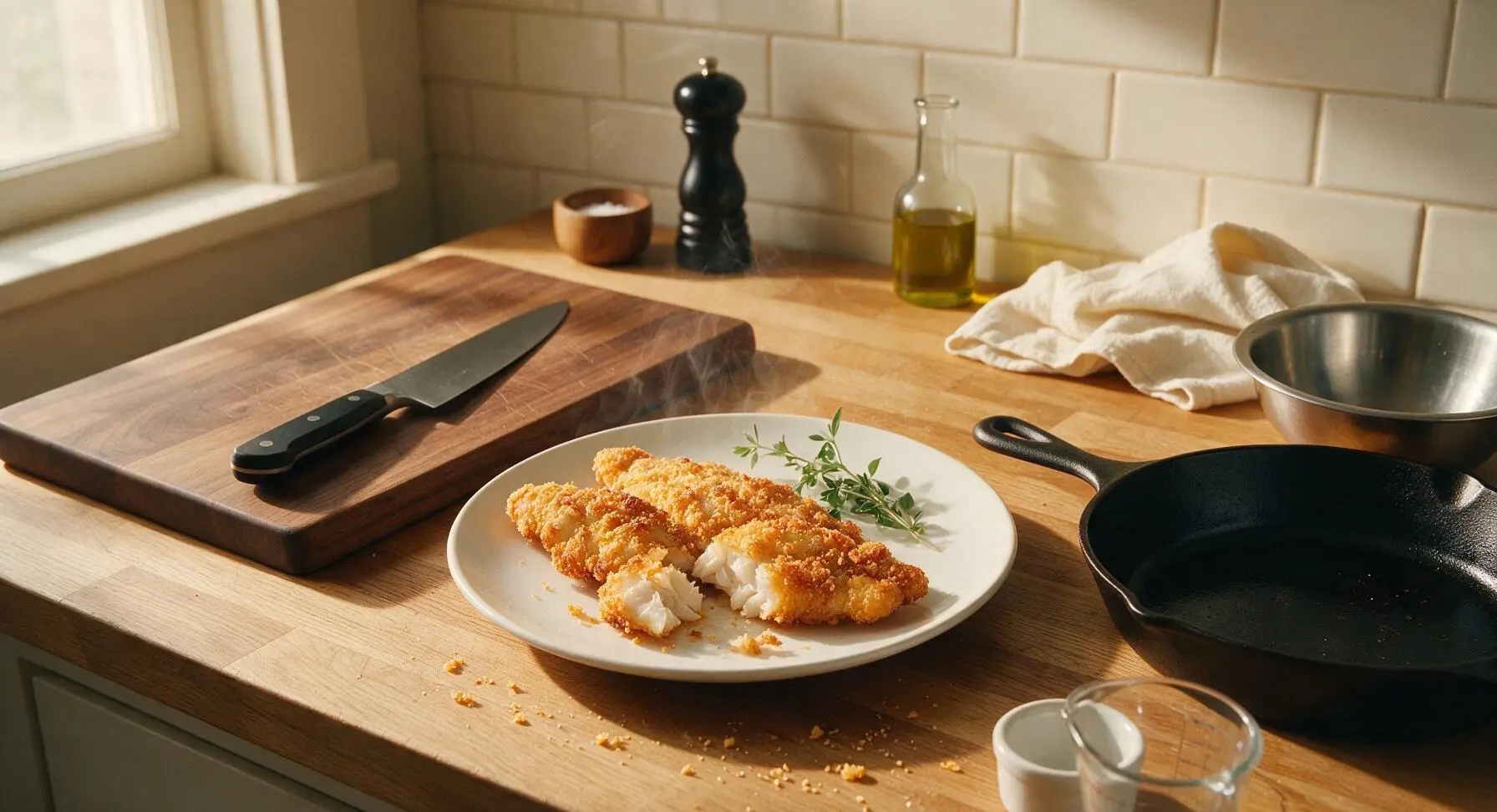
Shatteringly crisp cornstarch-and-flour crusted catfish with tender, flaky white flesh, a classic Southern dish perfect for a fast, satisfying weeknight meal.

Ingredients
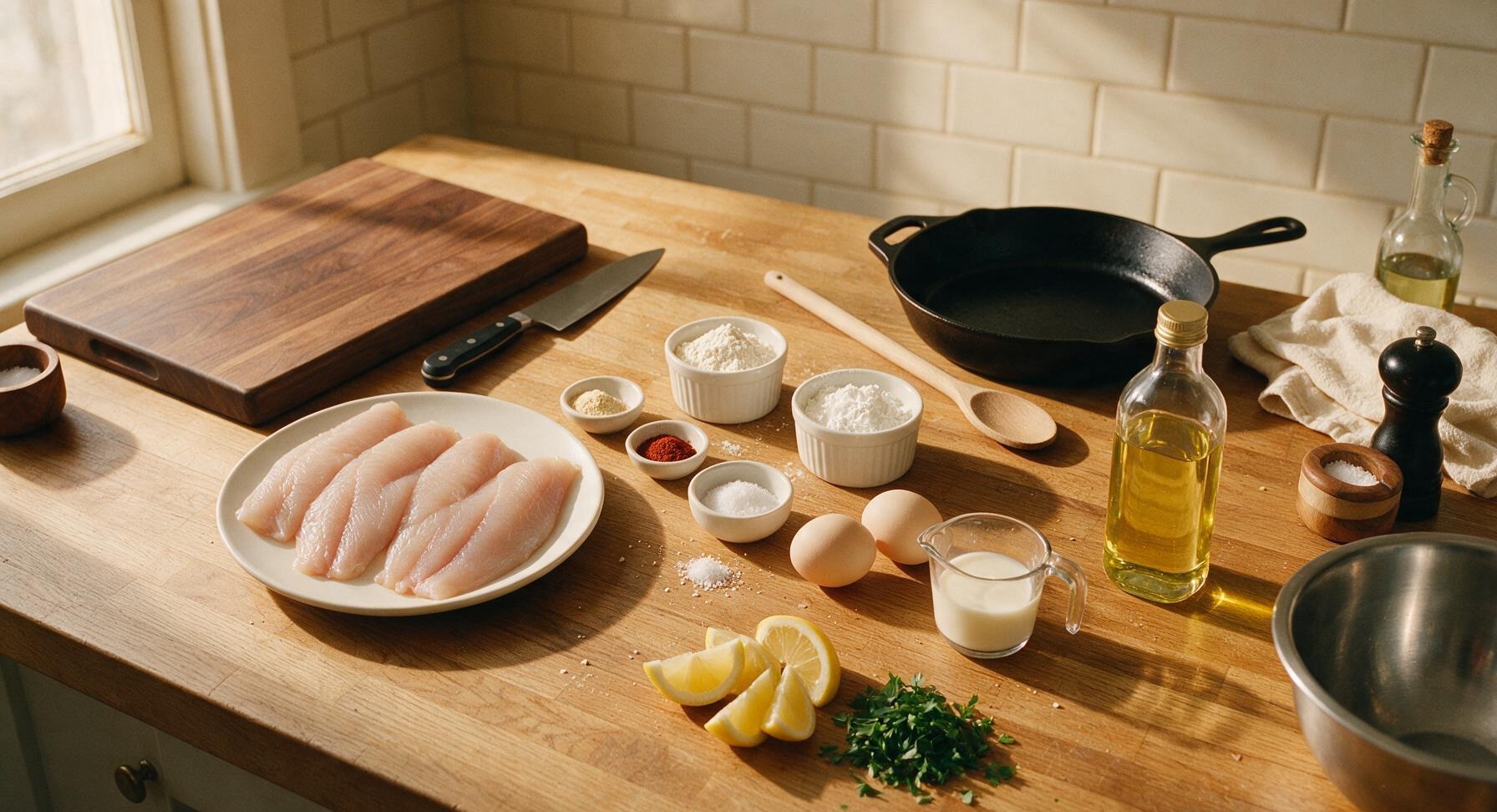
Skinless catfish fillets 680g (4 x 170g fillets)
All-purpose flour 1/2 cup (65g)
Cornstarch 1/2 cup (60g)
Kosher salt 1.5 tsp, plus extra for seasoning
Garlic powder 1 tsp
Smoked paprika 1/2 tsp
Freshly ground black pepper 1/2 tsp
Large eggs 2 whole
Whole milk 1/4 cup (60ml)
Canola oil (for shallow frying) 1.5 cups (360ml)
Fresh lemon 1 medium (cut into wedges)
Fresh flat-leaf parsley 2 tbsp (chopped, for garnish)

Steps

1

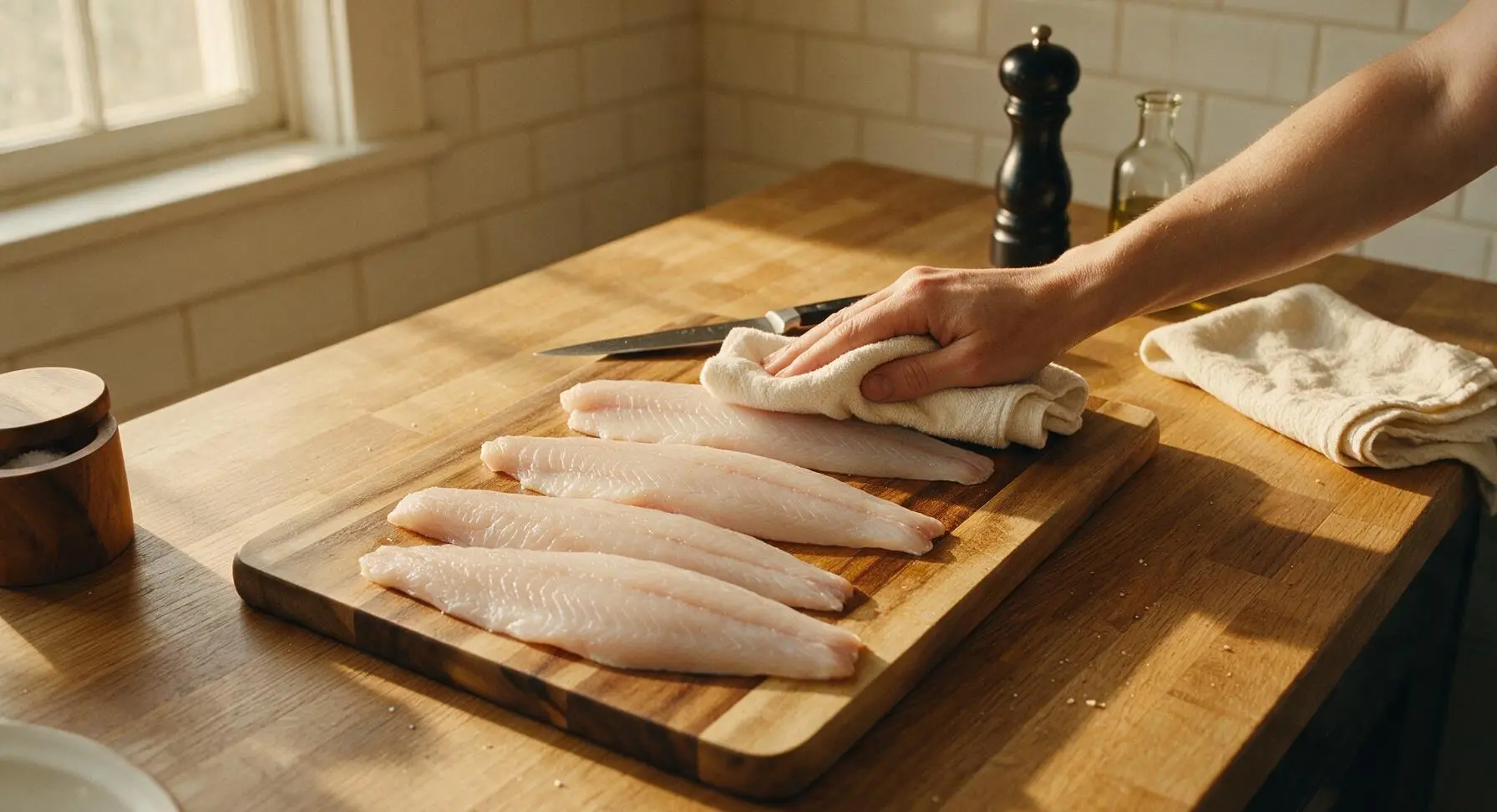
Pat Catfish Dry

Place the four skinless catfish fillets on the acacia wood cutting board. Pat every surface thoroughly dry with the off-white cotton kitchen towel, pressing firmly to absorb all surface moisture—this step is critical for the coating to stick and crisp properly. Use the boning knife to trim any thin, ragged edges from the fillets so they cook evenly, discarding small trimmings. The fillets should feel dry to the touch, with no slimy residual moisture on the surface.
Step 1
step1:Pat Catfish Dry
2

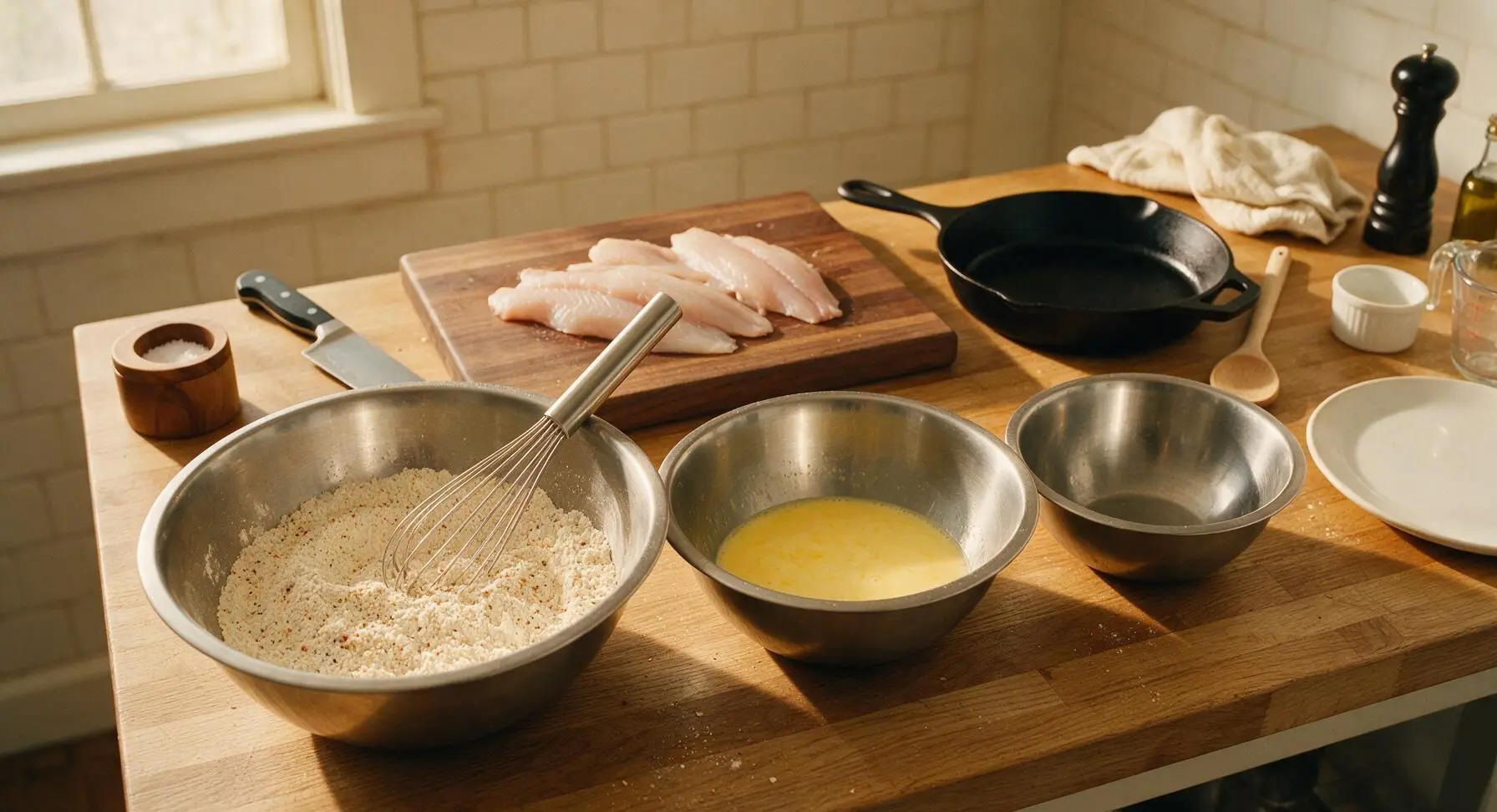
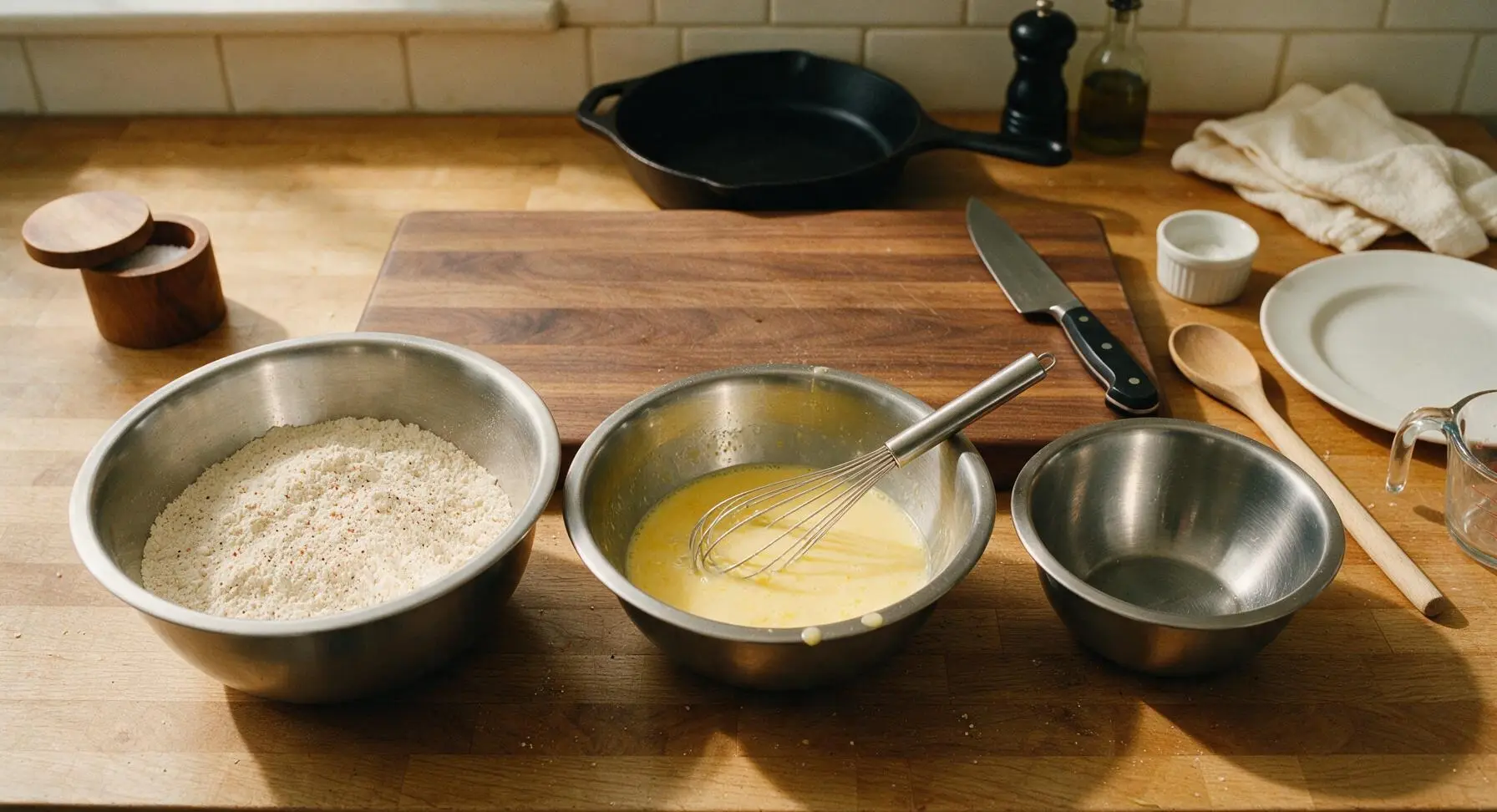
Mix Dredge and Egg Wash

Arrange the three brushed stainless steel mixing bowls in a row on the counter in front of the cutting board. In the largest (2L) bowl, combine the all-purpose flour, cornstarch, 1.5 tsp kosher salt, garlic powder, smoked paprika, and black pepper, whisking with the wire whisk until fully blended with no clumps of spice, so the mixture is a uniform pale off-white with evenly distributed spice flecks. In the middle (1.5L) bowl, crack the two large eggs and add the whole milk, whisking until the mixture is smooth, pale yellow, and free of streaks of unblended egg white. Leave the smallest (1L) bowl empty to hold coated fillets.
Step 2
step2:Mix Dredge and Egg Wash
Step 2
step2:Mix Dredge and Egg Wash
3

Dredge Catfish Fillets

Working one fillet at a time, first press the catfish firmly into the dry flour-cornstarch mixture to coat all sides, shaking off excess coating over the bowl. Next, dip the floured fillet fully into the egg wash, holding it above the bowl for 2 seconds to let excess wash drip off. Finally, press the fillet back into the dry dredge a second time, pressing gently so the coating forms a thick, even layer across every surface. Set fully coated fillets in the smallest empty bowl, and let rest for 5 minutes to allow the coating to set before frying, which prevents it from peeling off in the hot oil.
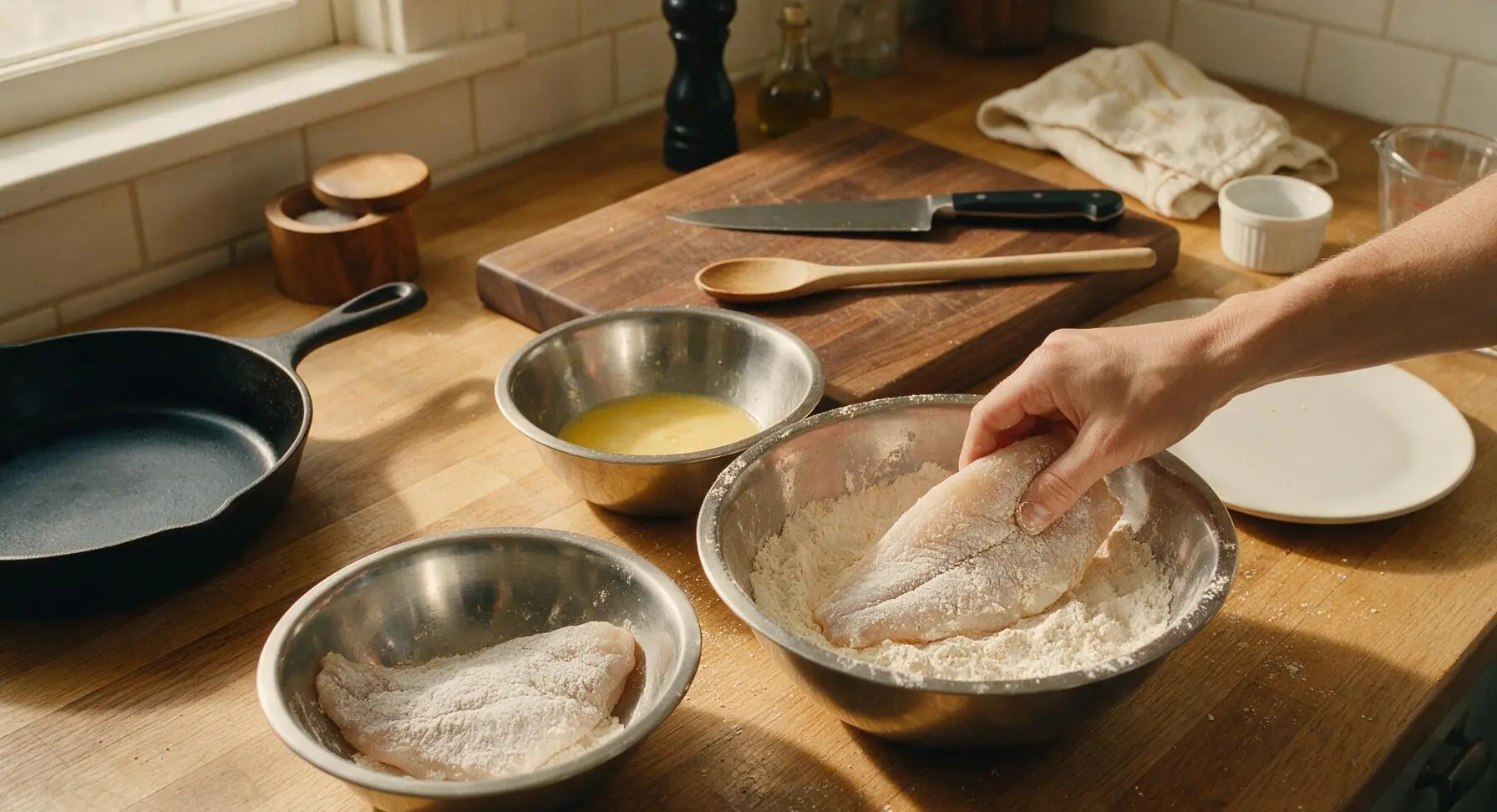
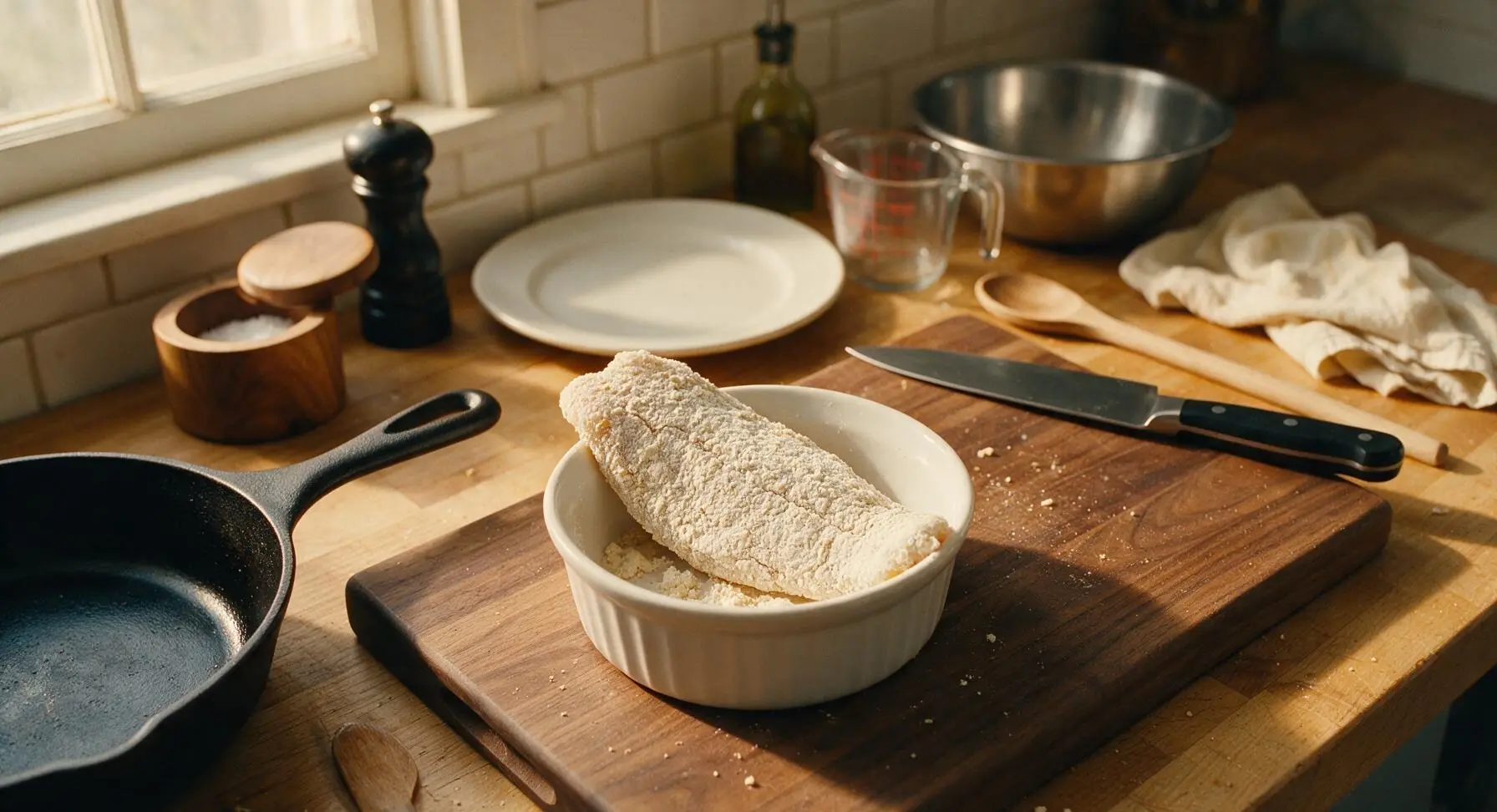
Step 3
step3:Dredge Catfish Fillets
Step 3
step3:Dredge Catfish Fillets
4

Heat Frying Oil

Place the 12-inch matte black carbon steel skillet on the stovetop section of the counter, and pour in the canola oil to a depth of 1/2 inch. Heat the oil over medium heat until it reaches 175°C (350°F), checking the temperature with the instant-read digital thermometer—do not let the oil reach smoking point (above 400°F), as this will burn the coating before the fish cooks through. Set the chrome wire cooling rack on top of the rimmed aluminum baking sheet next to the skillet, to hold cooked fillets as they drain.
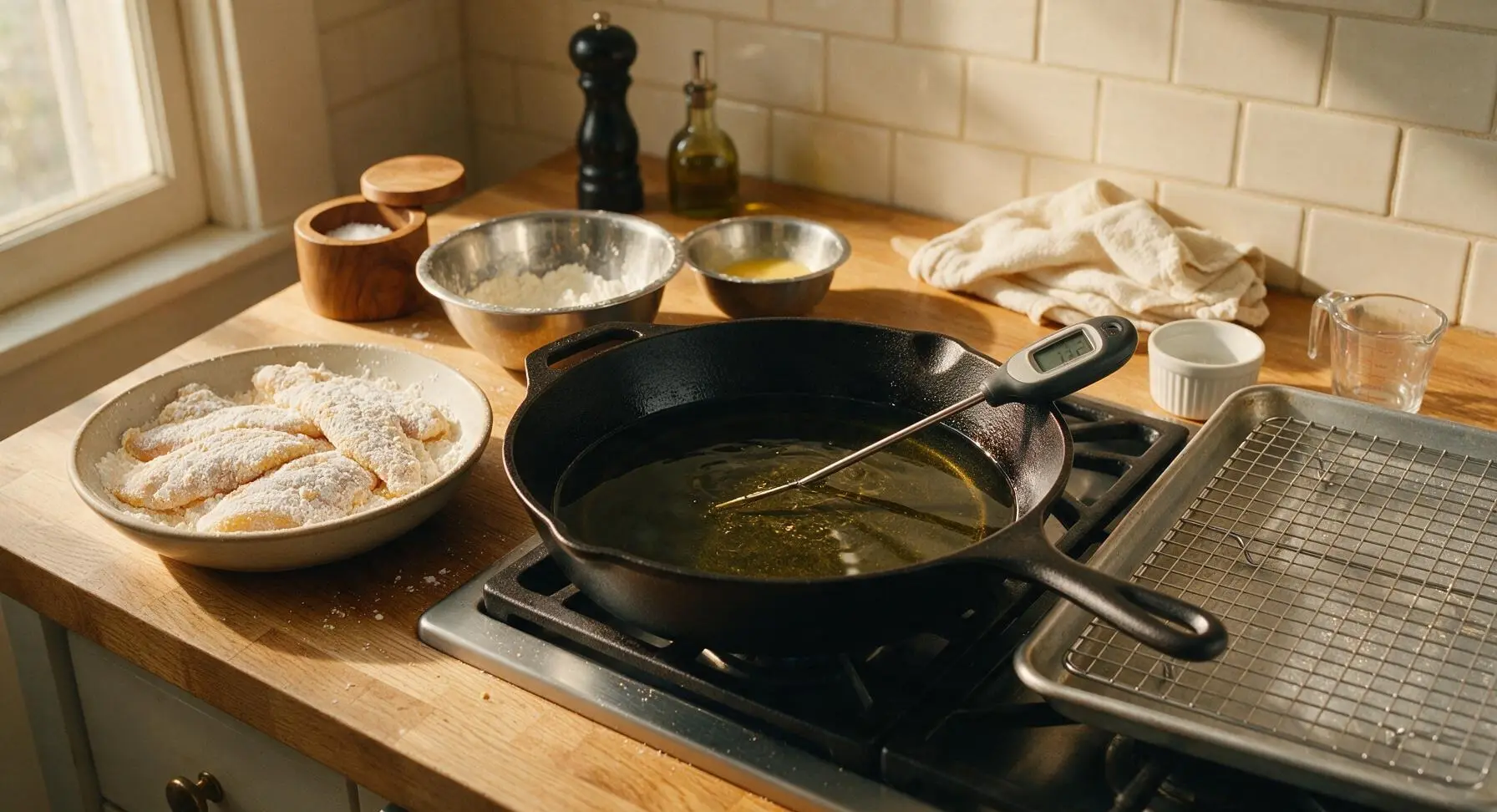
Step 4
step4:Heat Frying Oil
5

Fry Fillets in Batches

Using the silicone-tipped metal tongs, carefully lower 2 coated fillets into the hot oil, laying them away from your body to avoid hot oil splatters. Fry for 3-4 minutes on the first side, without moving the fillets for the first 2 minutes to let the crust set fully, until the bottom is deep golden brown and crisp. Gently flip the fillets with the tongs, and fry for another 3-4 minutes on the second side, until the fish reaches an internal temperature of 63°C (145°F) and the flesh flakes easily when prodded with a fork.
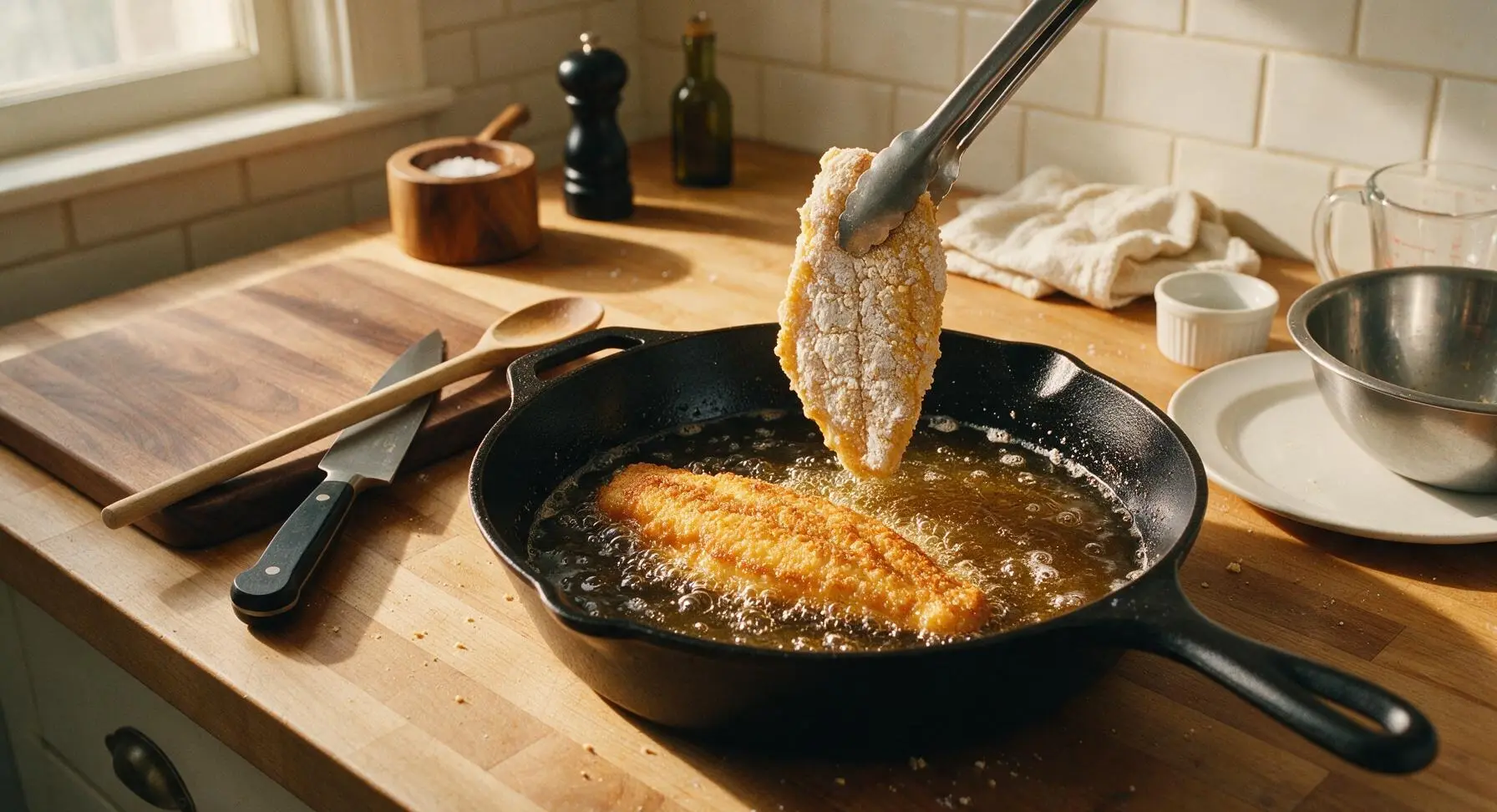
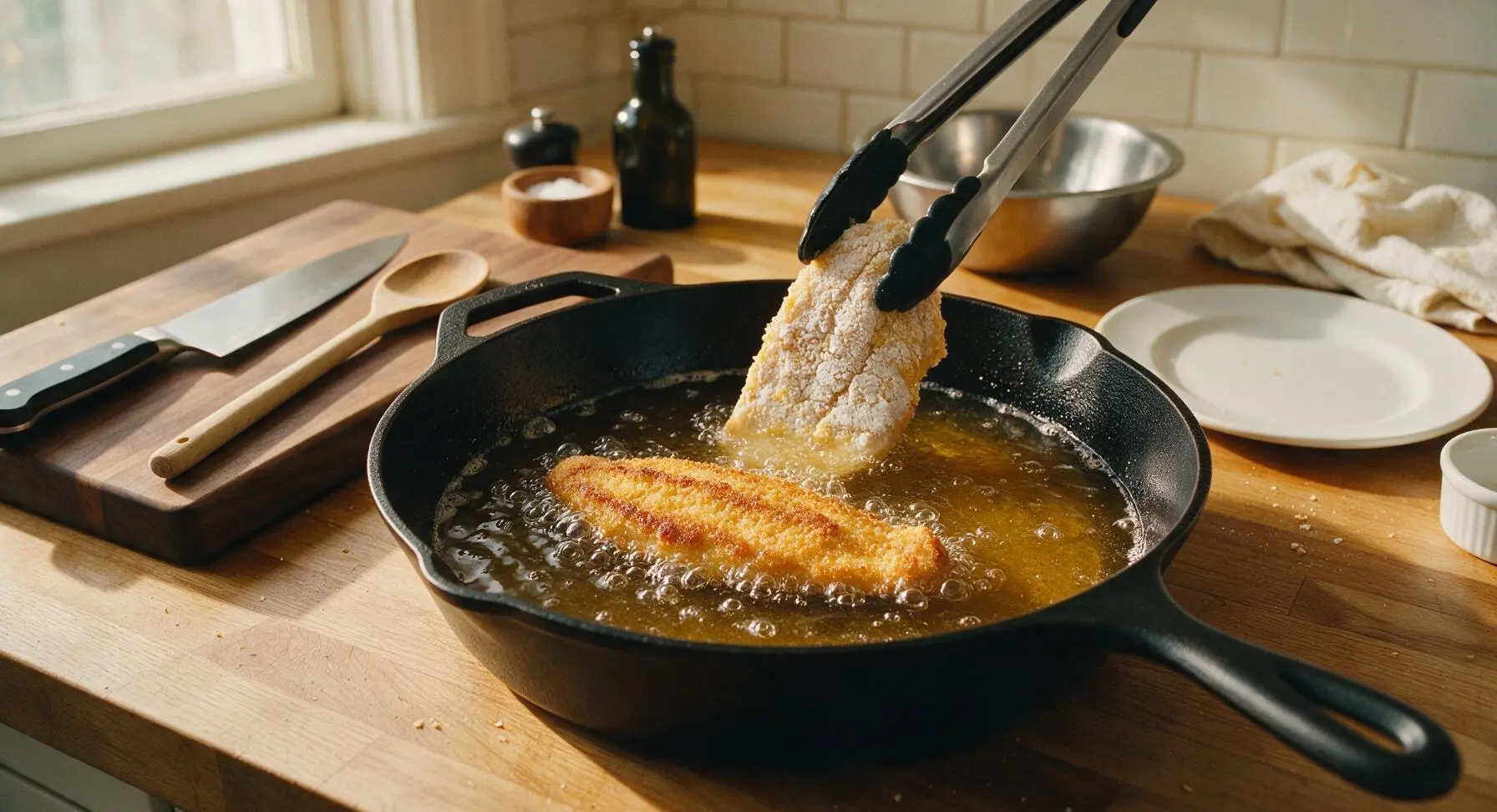
Step 5
step5:Fry Fillets in Batches
Step 5
step5:Fry Fillets in Batches
6

Drain Cooked Fillets

Once cooked, use the tongs to lift fillets from the oil, holding them above the skillet for 5 seconds to let excess oil drip back into the pan. Transfer fillets to the wire cooling rack, and sprinkle lightly with a pinch of extra kosher salt while the crust is still hot and porous. Let fillets rest for 2 minutes, then repeat the frying process with the remaining two fillets, waiting 1-2 minutes between batches to let the oil return to 350°F.
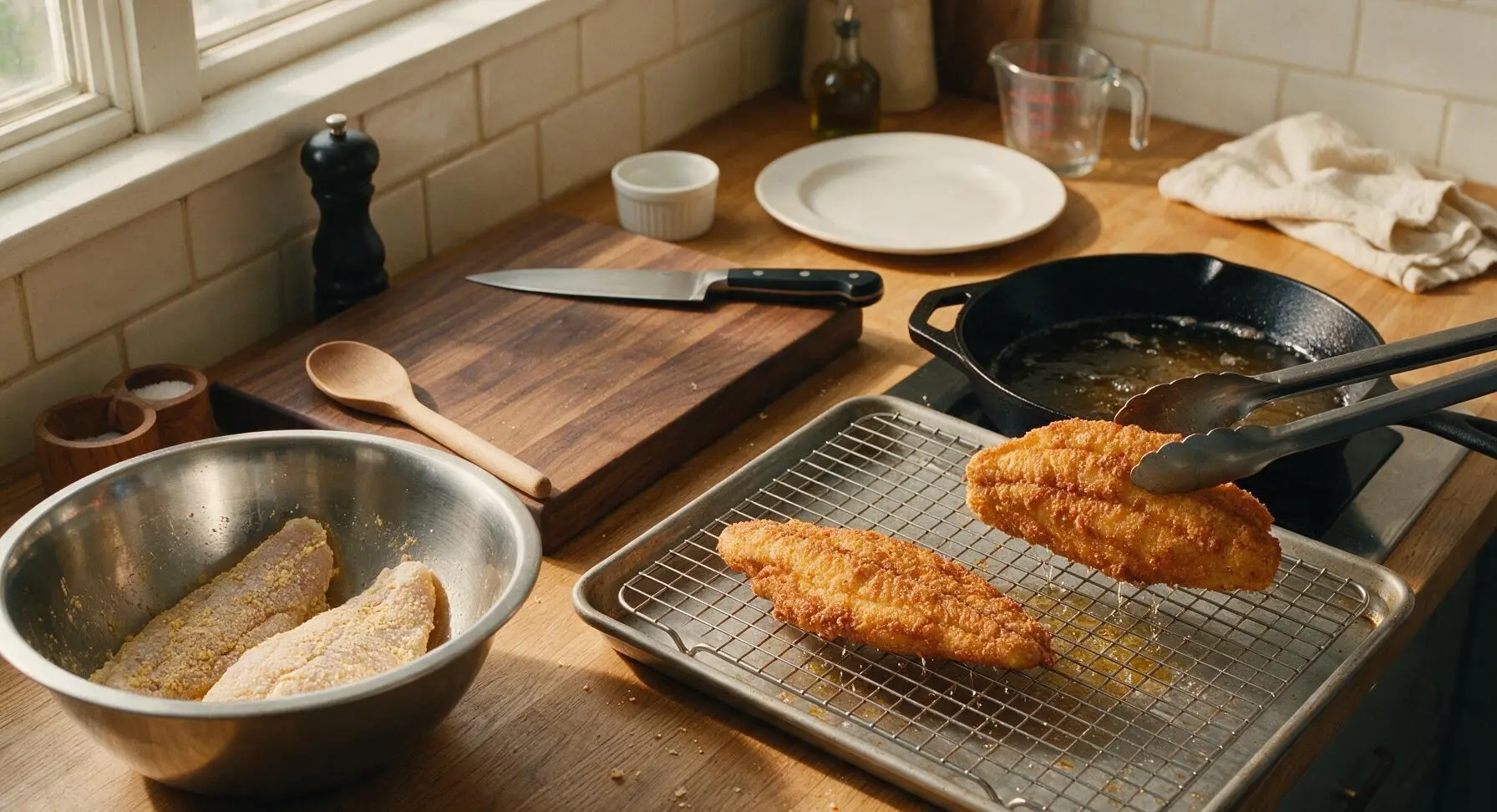
Step 6
step6:Drain Cooked Fillets
7

Plate and Garnish

Transfer two cooked catfish fillets to the matte off-white ceramic dinner plate. Place a fresh lemon wedge at the edge of the plate, sprinkle a light pinch of chopped fresh parsley over the fillets for bright color, and serve immediately while the crust is hot and shatteringly crisp.
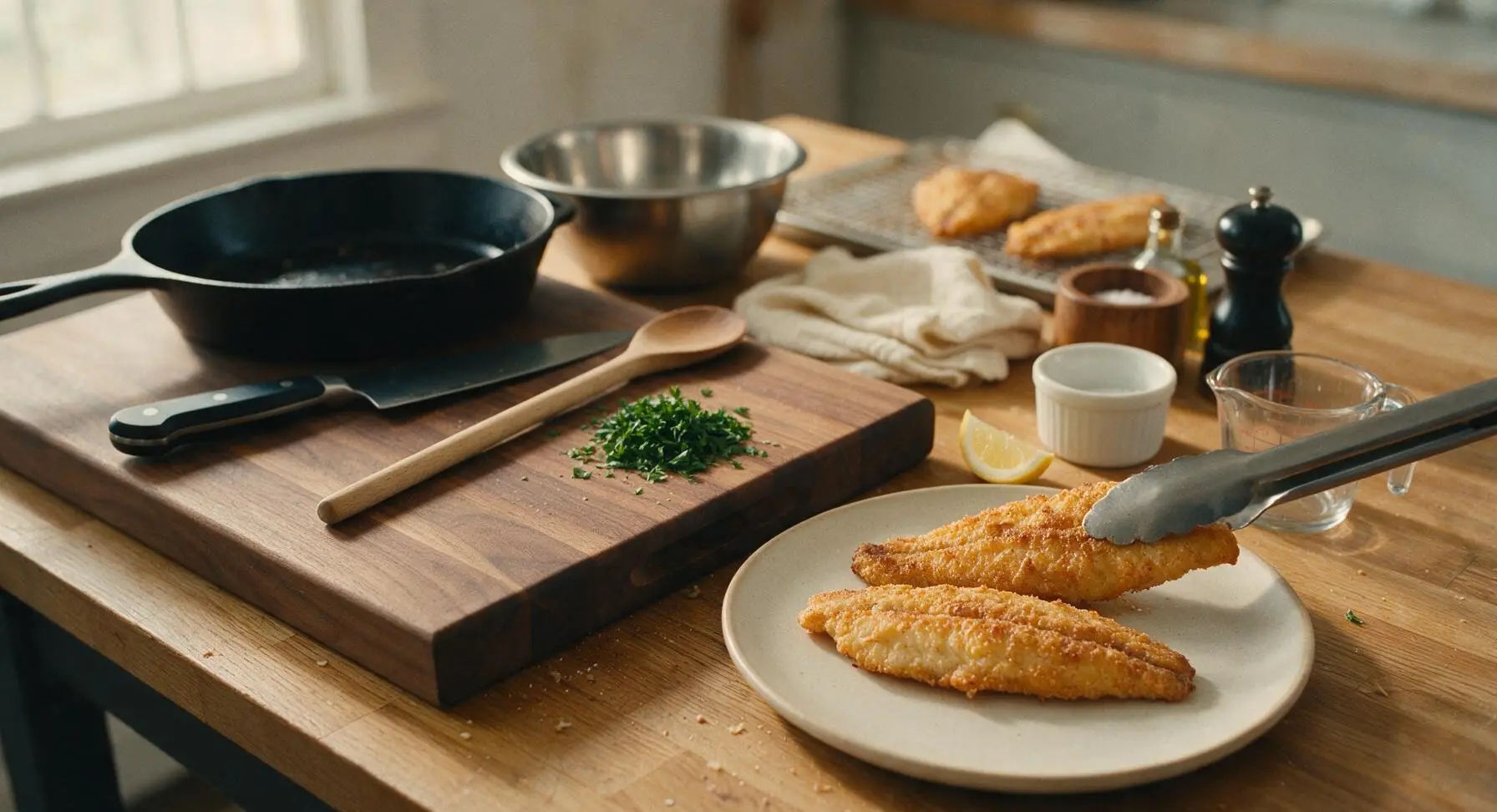
Step 7
step7:Plate and Garnish

Tips

1.Pat catfish completely dry before dredging: Any residual surface moisture on the fish will cause the coating to slide off during frying and create soft, soggy spots instead of a uniformly crisp crust.
2.Let coated fillets rest for 5 minutes before frying: This short rest allows the flour and cornstarch to hydrate and bond to the egg wash and fish surface, preventing the crust from separating and flaking off into the oil as it cooks.
3.Never overcrowd the skillet: Frying more than 2 fillets at a time drops the oil temperature by 50°F or more, leading to greasy, oil-soaked crusts instead of light, crisp ones. Wait 1-2 minutes between batches to let the oil climb back to 350°F before adding more fish.
✨ You May Also Like

Main Course
🍜 United Kingdom

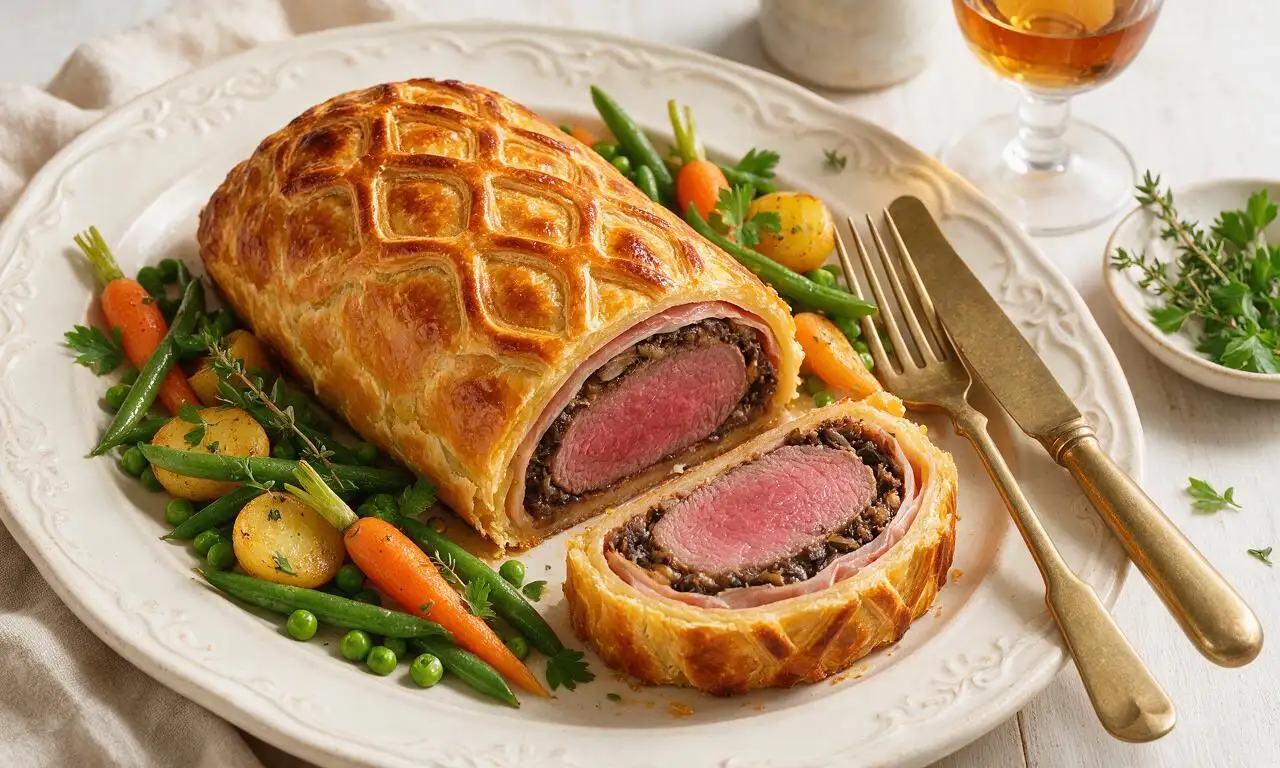
A showstopping classic of tender seared beef, savory mushroom duxelles, and crisp prosciutto wrapped in flaky golden puff pastry, baked to juicy perfection.

⏱️ 2 hours 1Main Course ★ 4.7
Main Course
🍜 India

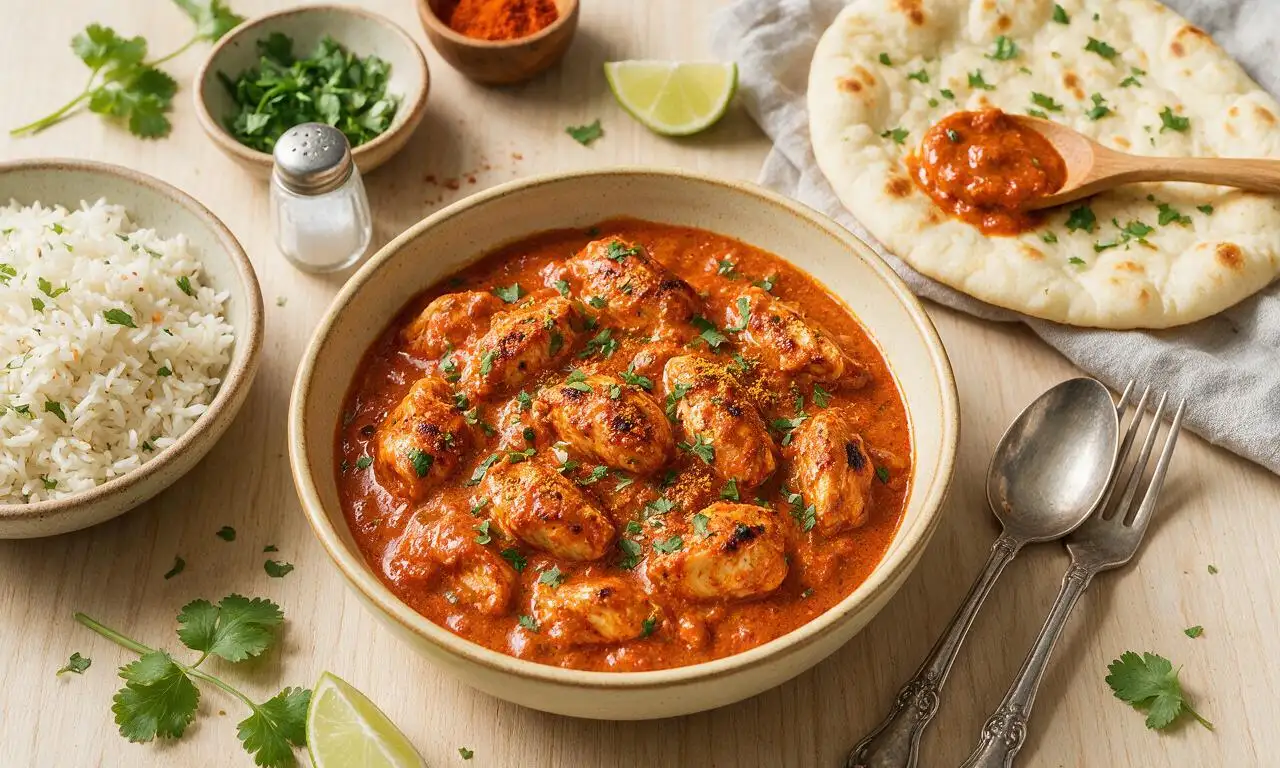
Tender charred marinated chicken simmered in a rich, spiced creamy tomato sauce, this iconic Anglo-Indian curry pairs perfectly with basmati rice or warm naan.

⏱️ 50 minuteMain Course ★ 4.6
Main Course
🍜 Thailand

Classic tangy, sweet, and savory Thai stir-fried rice noodles with shrimp, tofu, and crunchy garnishes, balancing all five core Thai flavor profiles.

⏱️ 30 minuteMain Course ★ 4.5
Main Course
🍜 United Kingdom

Crispy golden beer-battered cod and fluffy double-fried chips, served with tangy tartar sauce and malt vinegar: the timeless, beloved British pub comfort classic.

⏱️ 45 minuteMain Course ★ 4.7
Main Course
🍜 Mexico

Smoky, chile-marinated pork tacos with caramelized pineapple, fresh cilantro, and lime: a beloved classic Mexican street food perfect for casual summer gatherings.

⏱️ 1 hour 45Main Course ★ 4.8
Main Course
🍜 United States

Crunchy Fritos corn chips layered with savory beef chili and melted cheddar, topped with cool, zesty fixings for a beloved, cozy Tex-Mex comfort food.

⏱️ 35 minuteMain Course ★ 4.8

Cornstarch and Flour Catfish:Frequently Asked Questions

1.What ratio of cornstarch to all-purpose flour gives the crispiest catfish crust? ▾
A 1:1 equal ratio of cornstarch to all-purpose flour, measured by volume, creates that signature shatteringly crisp crust. Too much cornstarch leaves a powdery, light coating, while too much flour makes a dense, bready crust that turns soggy fast. For four 6-ounce fillets, mix ½ cup each of cornstarch and flour with your seasonings for even coverage.
2.Do I really need to pat catfish fillets dry before dredging them? ▾
This step is non-negotiable for a crisp coating that stays stuck to the fish. Excess surface moisture makes the flour-cornstarch mix gummy, causes the coating to peel away during frying, and creates soggy spots. Pat each fillet firmly on both sides with paper towels until no dampness transfers to the towel before you start dredging.
3.Can I use frozen catfish fillets for this recipe, or do I need fresh? ▾
Frozen catfish works perfectly here, as long as you thaw it completely first and pat it extremely dry. Thaw fillets in the fridge overnight, then press firmly with paper towels to squeeze out any extra trapped moisture frozen fish tends to release. You’ll get the same tender, flaky flesh and crisp crust as you would with fresh, never-frozen fillets.
4.What type of oil is best for frying this catfish? ▾
Reach for a neutral, high-smoke-point oil to get great results without off-flavors. Peanut oil, canola oil, standard vegetable oil, or refined avocado oil all work beautifully, as they hold the steady 350°F frying temperature needed for a crisp crust without burning. Skip olive oil or butter, which have low smoke points and burn too fast.
5.What internal temperature should I cook catfish to for safe, flaky results? ▾
Cook catfish to an internal temperature of 145°F, measured at the thickest part of the fillet with an instant-read thermometer. At that temp, the flesh will be opaque bright white, flake easily with a fork, and be fully safe to eat without turning tough or dry from overcooking. Let fillets rest 2 minutes after frying before serving for the best texture.
6.Why does my coating fall off the catfish when I fry it? ▾
Coating slippage almost always traces back to two common issues: damp fillets, or moving the fish too soon after adding it to hot oil. Make sure fillets are completely dry before dredging, and let coated fillets rest 5 minutes before frying so the coating adheres. Don’t nudge or flip fillets for the first 3 minutes of cooking to let the crust set fully.
7.Can I bake this catfish instead of frying it for a lighter meal? ▾
You absolutely can, though the crust won’t be quite as shatteringly crisp as the fried version. Arrange dredged fillets on a wire rack set over a baking sheet, spray both sides generously with cooking oil, and bake at 425°F for 18-22 minutes, flipping halfway, until the crust is golden and the fish hits 145°F internally. The elevated rack keeps crusts crisp instead of letting them steam against the pan.
8.How long should I fry catfish fillets to cook them through without burning the crust? ▾
For standard 6- to 8-ounce catfish fillets that are ½ to ¾ inch thick, fry for 4 to 5 minutes total, flipping once halfway through cooking. Keep your oil holding steady at 350°F the whole time—if it’s too hot, the crust burns before the fish cooks; if it’s too cool, the coating soaks up excess oil and turns soggy.
9.Can I add extra seasonings to the flour and cornstarch dredge? ▾
Definitely! The base recipe uses kosher salt and garlic powder, but you can customize the dredge to match your taste. Add a pinch of smoked paprika, cayenne, black pepper, onion powder, dried thyme, or a little Old Bay for extra Southern flair. Just skip heavy, wet seasonings that would make the dry dredge clump up unevenly.
10.How do I keep fried catfish crisp while I cook multiple batches? ▾
Skip the paper towel-lined plate, which traps steam and turns crusts soggy fast. Instead, set cooked fillets on a wire rack placed over a baking sheet, and keep them in a 200°F oven while you fry remaining batches. This lets air circulate around every side of the fillet, keeping crusts crisp and fish warm until you’re ready to serve.
11.What can I use as a substitute for cornstarch if I don’t have any? ▾
If you’re out of cornstarch, swap it for an equal amount of potato starch or arrowroot starch for a similarly crisp, light crust. If you have no starch at all, you can use 100% all-purpose flour, but note the crust will be denser, more bready, and lack that signature shattery texture. Don’t use cornmeal as a 1:1 swap, as it creates a much coarser, grittier crust.
12.Should I soak catfish in buttermilk before dredging it? ▾
A buttermilk soak is a classic Southern prep step to cut any mild, earthy undertones some catfish have and help the coating stick better. If you want to use this step, soak fillets in buttermilk for 30 minutes to an hour in the fridge, then shake off excess and pat very lightly before dredging—don’t leave so much buttermilk on that the dredge gets gummy.
13.How thick should catfish fillets be for even cooking? ▾
Aim for fillets that are a uniform ½ to ¾ inch thick for the most consistent results. If you have extra-thick fillets over 1 inch, either butterfly them to thin them out, or add a minute or two of extra cooking time to make sure the center cooks through before the crust darkens too much. Avoid super thin fillets under ¼ inch, which overcook and dry out fast.
14.Can I use this cornstarch and flour coating for other types of fish? ▾
Absolutely! This light, crisp dredge works beautifully for other mild, firm white fish like tilapia, cod, haddock, or swai. Just adjust your frying time to match the thickness of the fillets you’re using, and always cook to that 145°F internal temperature mark for perfectly flaky, safe results no matter what white fish you pick.
15.How do I reheat leftover catfish so the crust stays crisp instead of soggy? ▾
Skip the microwave, which turns the crust rubbery and the fish mushy. Instead, reheat leftovers on a wire rack over a baking sheet in a 375°F oven for 8 to 10 minutes, until the fish is heated through and the crust is crisp again. If you have an air fryer, that works even better—cook at 375°F for 4 to 6 minutes, flipping halfway, for like-fresh crispness.
16.Do I need a deep fryer to make this catfish, or can I use a regular skillet? ▾
You don’t need any special equipment at all! A heavy-bottomed cast iron skillet or Dutch oven works perfectly for pan-frying. Just add ¼ to ½ inch of oil to the pan, heat it to 350°F, and fry as directed. A clip-on candy thermometer attached to your skillet will give you the same consistent temperature control as a dedicated deep fryer.
17.What are classic side dishes to serve with this cornstarch and flour catfish? ▾
Stick to beloved Southern pairings for a satisfying, well-rounded meal. Creamy coleslaw, hushpuppies, crispy french fries, baked mac and cheese, braised collard greens, or tangy tartar sauce for dipping all pair beautifully. A squeeze of fresh lemon over hot fillets right after frying adds a bright, zesty kick that cuts through the rich, crisp crust perfectly.

Comments (17)

2 days ago

OMG this cornstarch and flour catfish came out SO crispy! I caught a bunch of catfish on our lake trip last weekend and was looking for a simple fry recipe, this did not disappoint. My kids devoured 3 fillets each at dinner last night, zero leftovers. So easy even my teen could help bread them without making a huge mess.

30 minutes ago

Perfect for quick weeknight meals! 15 minute cook time is no joke, I had these on the table faster than I could get the coleslaw mixed. The crust stays crispy even after I packed leftovers for my lunch today, total game changer for meal prep. Will be making this biweekly for sure.

1 week ago

Brought these to our neighborhood block party potluck and people were asking for the recipe before I even set the platter down! I cut the fillets into nugget sizes for easy grabbing, and they were gone in 10 minutes flat. Only note is I added a little extra paprika to the breading for a tiny kick, and they were SO good. Chef’s kiss.

5 minutes ago

First time ever cooking catfish and I was so nervous I’d mess it up, but this recipe was so straightforward! Mine came out a little less crispy than the photos looked, but I think I overcrowded the pan when frying. Tasted great regardless, will adjust next time.

2 weeks ago

Grew up eating fried catfish every Friday night with my grandparents, and this recipe tastes just like grandma’s! The 50/50 cornstarch and flour mix is exactly the ratio she used, I can’t believe I found it online. Served with hushpuppies and tartar sauce, pure nostalgia.

2 hours ago

Wait, do you need to deep fry these or can I pan fry them in a little oil? I don’t have a deep fryer at home and don’t want to waste a ton of oil if I don’t have to.

30 minutes ago

Great question! Pan frying works perfectly here — just use about 1/4 inch of neutral oil in your skillet, and flip the fillets halfway through cooking. You’ll get that same crispy crust without needing a full deep fryer!

yesterday

Has anyone tried adding cajun seasoning to the breading mix? I love a little heat with my fried fish and wondering how well that would work with the cornstarch/flour base.

2 hours ago

I did that last week! Added about a tsp of cajun seasoning and a pinch of garlic powder to the breading, it was incredible. Didn’t throw off the crispiness at all, just added that perfect zing.

3 days ago

This is such an affordable meal! Catfish was on sale at my local grocery store for $3.99 a pound, so I picked up enough for the whole family and the whole meal cost under $10 to make. Tastes way better than the fried catfish from the fast food fish place down the street.

2 days ago

Love that! Budget-friendly, quick meals are our favorite too — so glad this worked out for your family, and that it beat the takeout version!

5 days ago

Has anyone tested this in an air fryer? I try to avoid deep frying when I can and curious if the cornstarch/flour coating gets crispy enough with air frying instead.

3 days ago

I made these in my air fryer last night! Sprayed the fillets with a little olive oil spray, cooked at 400F for 12 minutes flipping halfway, and the crust was super crispy. Way less mess too, 10/10 would recommend.

1 week ago

Made this for my partner’s birthday dinner since catfish is their favorite, and they said it was the best I’ve ever made! The crust was light and crispy, not heavy and greasy like some fried fish recipes I’ve tried before. Paired it with roasted veggies and remoulade sauce, 10/10 date night win.

5 days ago

Aww, that makes us so happy to hear! Happy birthday to your partner, so glad this recipe helped make the night special.

just now

Wait, how hot should the oil be before I put the catfish in? I always end up with either burnt breading or raw fish in the middle because I can never get the oil temp right 😅

just now

No stress at all! You’ll want your oil to be right around 350°F before adding the fillets. A candy thermometer works great to check, but if you don’t have one, drop a tiny pinch of the breading mix in — if it sizzles immediately and floats up, you’re good to go!

2 weeks ago

I usually hate leftover fried fish because it gets all soggy when you reheat it, but these reheated perfectly in the toaster oven the next day! The crust got crispy again, no sogginess at all. Already added this to my regular dinner rotation.

1 week ago

Second this! I reheat mine on a wire rack in the toaster oven at 375 for 5 minutes and it tastes just as good as night one. Microwaving is a death sentence for that crispy crust, don’t do it lol

3 days ago

My husband brought home 6 huge catfish from his fishing trip yesterday and I had no clue how to cook them until I found this recipe! It was so easy, I didn’t even need to run to the store for any fancy ingredients, we already had cornstarch, flour, and basic seasonings in the pantry. The whole family raved about it.

2 days ago

That’s the best when you don’t have to make a last minute grocery run! I’ve used this same breading for perch and bluegill too, works amazing for all those freshwater fish the guys bring home from trips.

2 days ago

Love that pantry staple recipe win! So glad this worked out for all that fresh caught catfish, nothing beats fish you caught yourself.

yesterday

Quick question — is there a good swap for all purpose flour here? My youngest has a wheat allergy so I need a gluten free option that will still get that same crispy crust. Would extra cornstarch work or is that too gritty?

2 hours ago

I made this last week with a 1:1 gluten free all purpose flour mix instead of regular flour, and it came out exactly the same! No grittiness, perfect crisp, my wheat-allergic kid ate two whole fillets.

30 minutes ago

Great question! 1:1 gluten free AP flour works perfectly as a swap here, or you can do half cornstarch half rice flour for an extra crispy crust too. We don’t recommend using 100% cornstarch as it can get a little chalky if you don’t mix it with another flour!

5 days ago

Made this in my tiny dorm kitchen with just a cheap skillet, a bottle of canola oil, and seasonings I stole from the dining hall lmao. Turned out way better than I thought it would, my roommates are already begging me to make it again next weekend. 10/10 easy college meal.

3 days ago

Wait this is genius, I never thought to make fried fish in the dorm. I’m stealing this idea for our next floor potluck, our RA is bringing cornbread so this would pair perfect.

2 days ago

This is the best college hack we’ve seen all week! Love that you made this work with what you had on hand, hope your floor potluck is a hit.

2 hours ago

Idk what I did wrong but my crust kept falling off the fillets while I was frying them! I patted the fish dry before breading too, so I thought that would help. Any tips to get the breading to stick better next time?

30 minutes ago

I had that problem the first time too! Try dipping the fillets in a beaten egg before you coat them in the cornstarch and flour mix, that acts like a glue so the breading stays put even when you flip them. Game changer.

5 minutes ago

Great tip from Linda! The egg dip works wonders, and we also recommend letting the breaded fillets rest on a wire rack for 5-10 minutes before frying — that helps the coating set so it doesn’t slide off when it hits the hot oil.

1 week ago

Served this for our weekly Sunday family dinner last night, along with collard greens, mac and cheese, and cornbread. Even my super picky 7 year old who refuses to eat most fish asked for seconds! I’ve been looking for a catfish recipe that isn’t too heavy, and this one is perfect.

5 days ago

Ugh I needed this! My 8 year old turns his nose up at every fish recipe I make, I’m gonna test this out this weekend and see if he goes for it. Fingers crossed!

5 days ago

That sounds like the dream Sunday dinner spread! So glad even your picky eater loved it, there’s no better compliment than a kid asking for seconds.