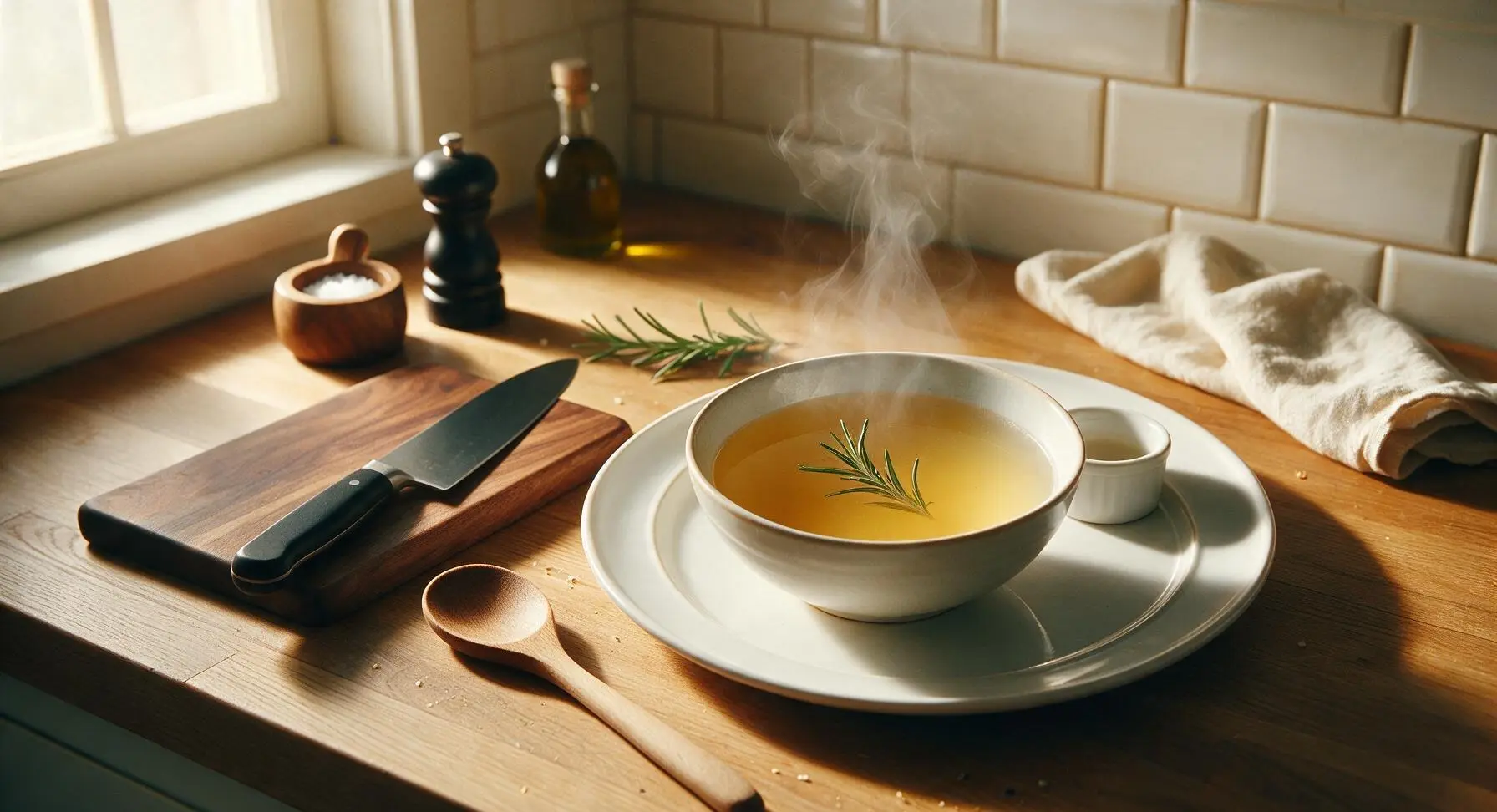
dashi broth

title 1
dashi broth
⏱️ cook time 10 minutes
🍽️ servings 4
⚡ Difficulty easy

intro

Crystal-clear, umami-rich awase dashi is the foundational broth of Japanese home cooking, made with two simple ingredients for delicate, deep savoriness that elevates every dish it touches.

Ingredients
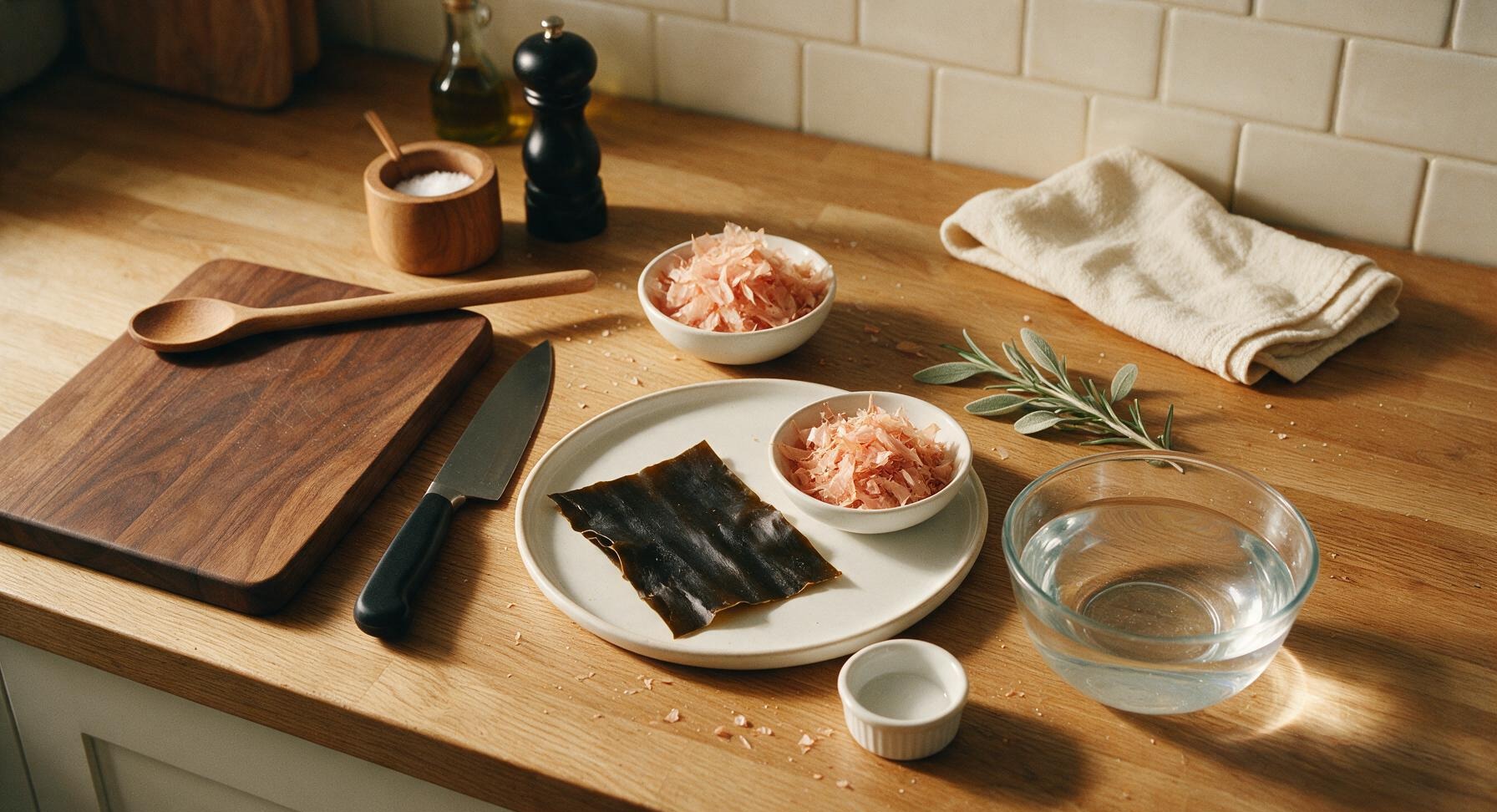
Cold filtered water 1L (4 cups)
Dried kombu (kelp) 10g (1 4x6 inch piece)
Dried katsuobushi (bonito flakes) 20g (2 loosely packed cups)

Steps

1

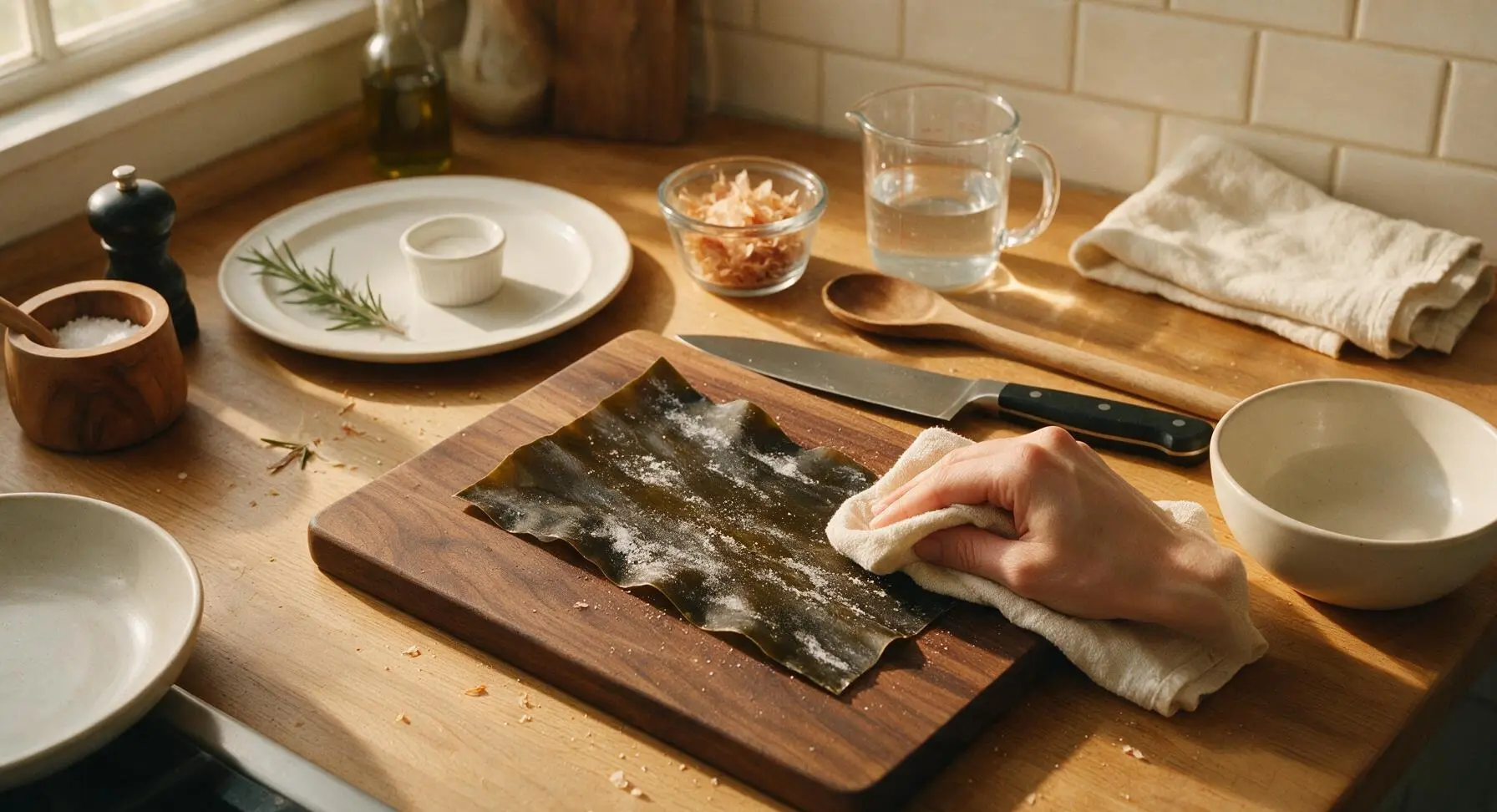
Wipe the Kombu

Retrieve the dried kombu piece and place it on the beech cutting board. Gently wipe the surface with a slightly damp corner of the permanent oatmeal linen towel to remove loose white sea salt residue or surface sand. Do not scrub off the pale white powdery mannitol coating, as this is the primary source of kombu’s sweet umami flavor. Inspect both sides of the kombu to ensure no grit remains.
Step 1
step1:Wipe the Kombu
2

Add Kombu to Pan

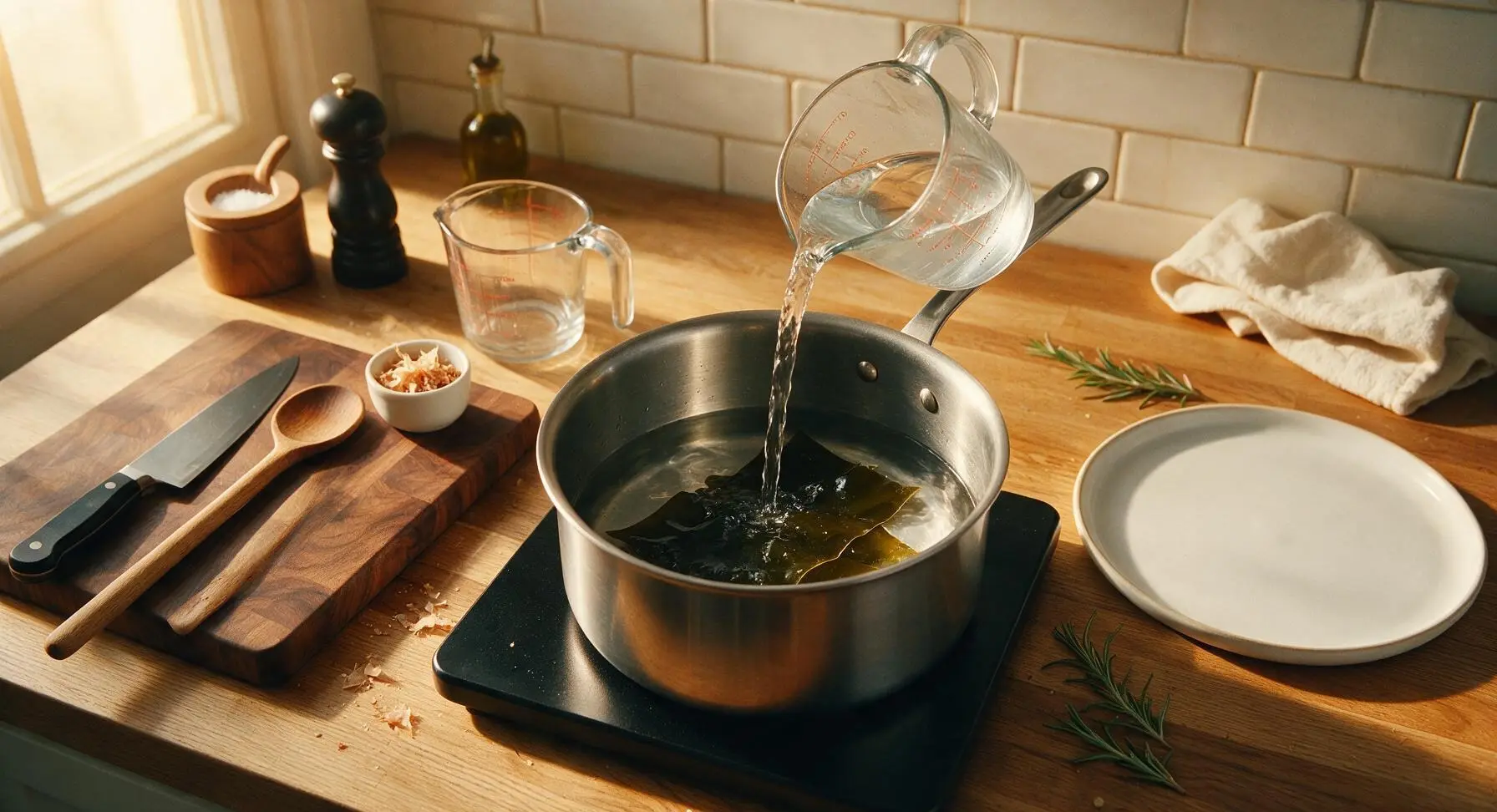
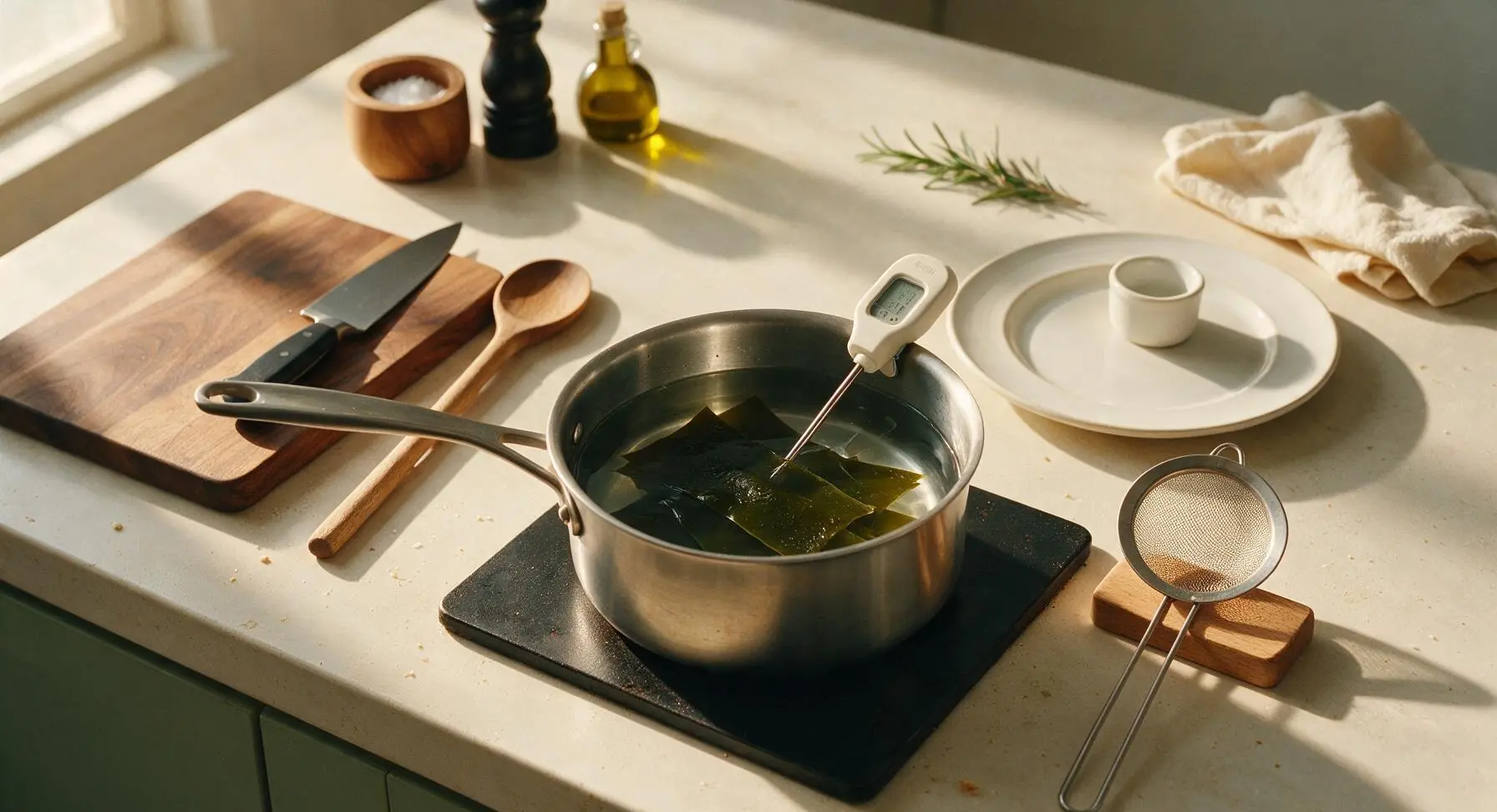
Set the 2-quart stainless steel saucepan on the matte black hot plate. Transfer the wiped kombu piece into the empty pan, then pour the full 1L of cold filtered water over the kombu, ensuring the entire piece is fully submerged. No long room-temperature steep is needed for everyday quick dashi.
Step 2
step2:Add Kombu to Pan
3

Heat Kombu Slowly

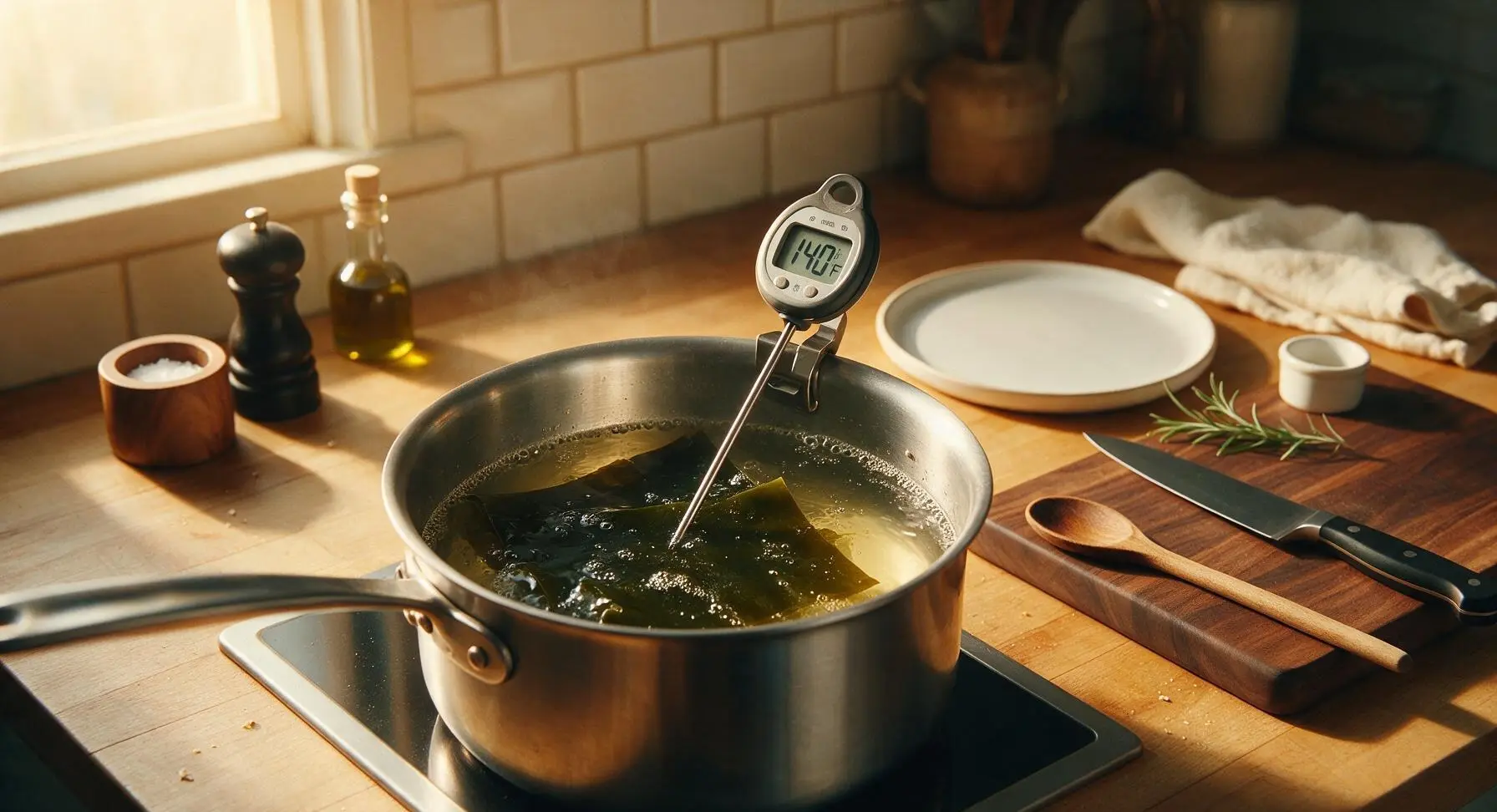
Turn the hot plate to medium-low heat. Warm the kombu and water gradually, clipping the instant-read thermometer to the pan rim to monitor temperature, until the water reaches 140°F (60°C). Tiny fine bubbles will begin to form around the pan edges and cling to the kombu surface, and the water will turn a pale straw hue. This slow heating takes approximately 8 minutes, and prevents bitter compounds from leaching out of the kombu.
Step 3
step3:Heat Kombu Slowly
Step 3
step3:Heat Kombu Slowly
4

Remove Kombu Promptly

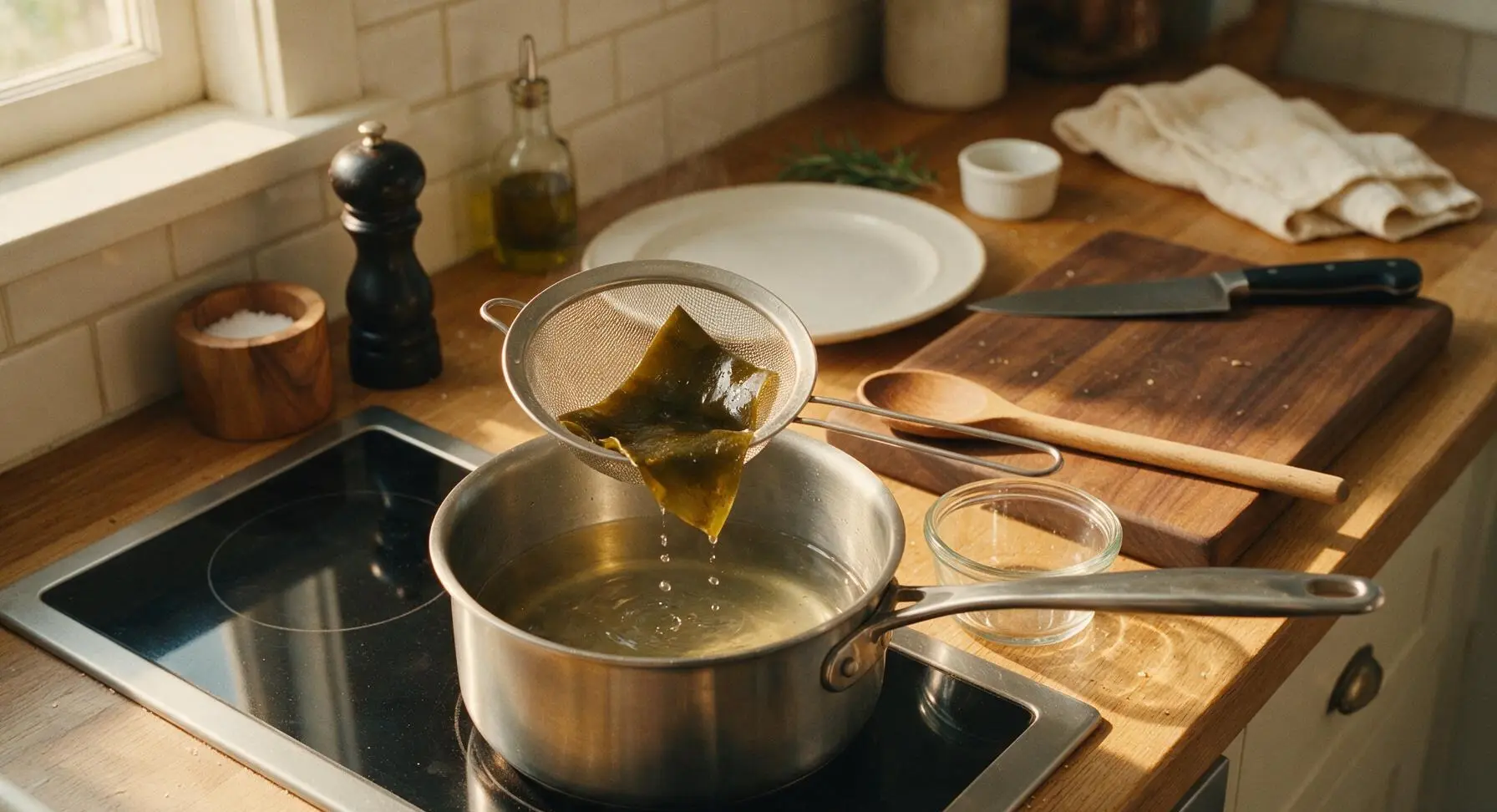
As soon as the water reaches 140°F (60°C), just before it breaks into a low simmer, use the fine-mesh stainless steel skimmer to lift the kombu piece fully out of the water. Set the removed kombu in the now-empty clear glass ramekin beside the hot plate. Never allow the water to come to a full rolling boil while kombu is present, as this will extract bitter alginate compounds and create a slimy, murky broth.
Step 4
step4:Remove Kombu Promptly
5

Add Bonito Flakes

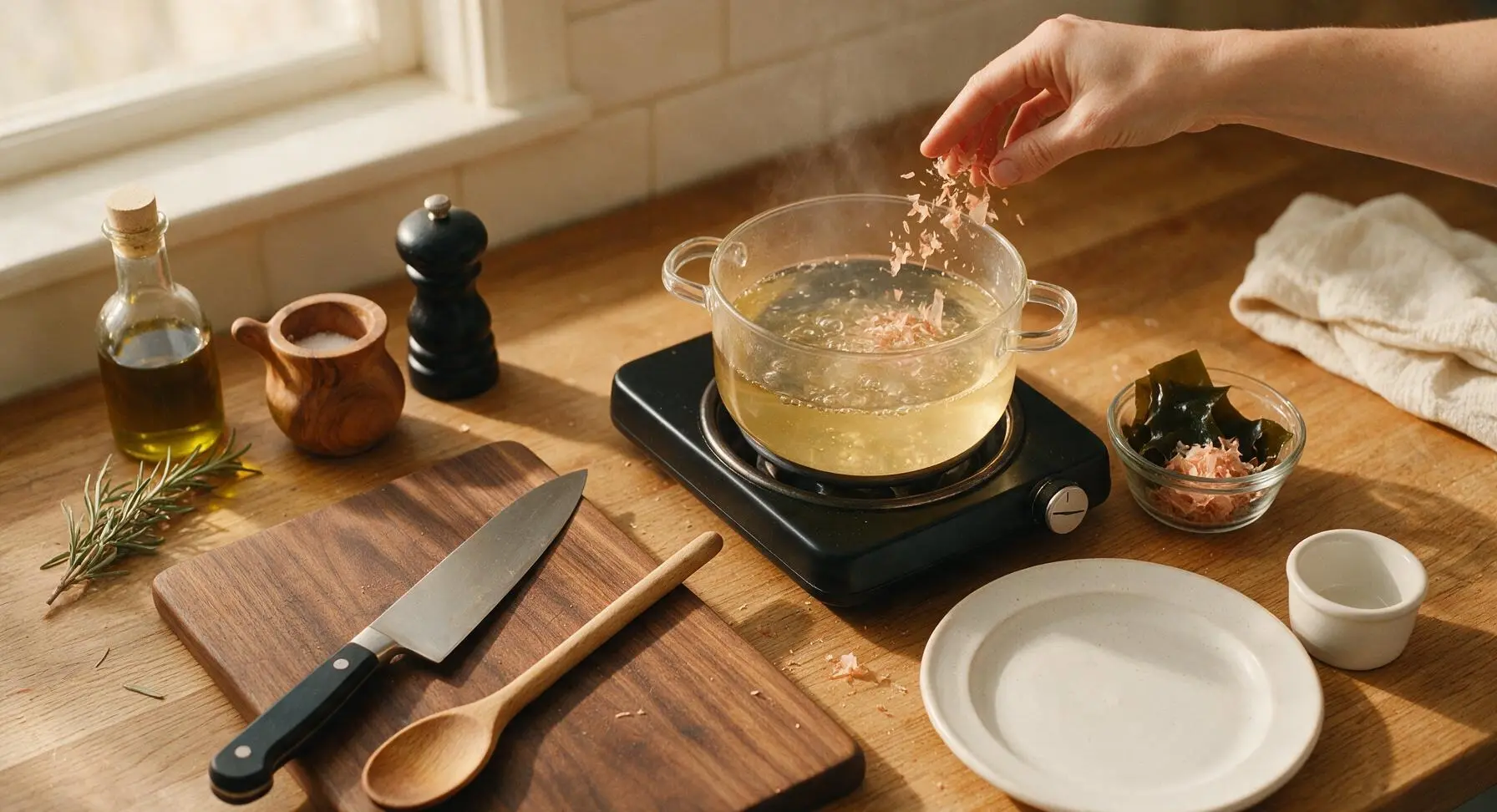
Increase the hot plate heat slightly to bring the kombu-infused water to a gentle, low rolling boil (212°F / 100°C). Once a steady low boil is reached, turn off the heat immediately, then add all 20g of dried bonito flakes to the pan. Do not stir the flakes aggressively; let them settle naturally onto the water surface.
Step 5
step5:Add Bonito Flakes
6

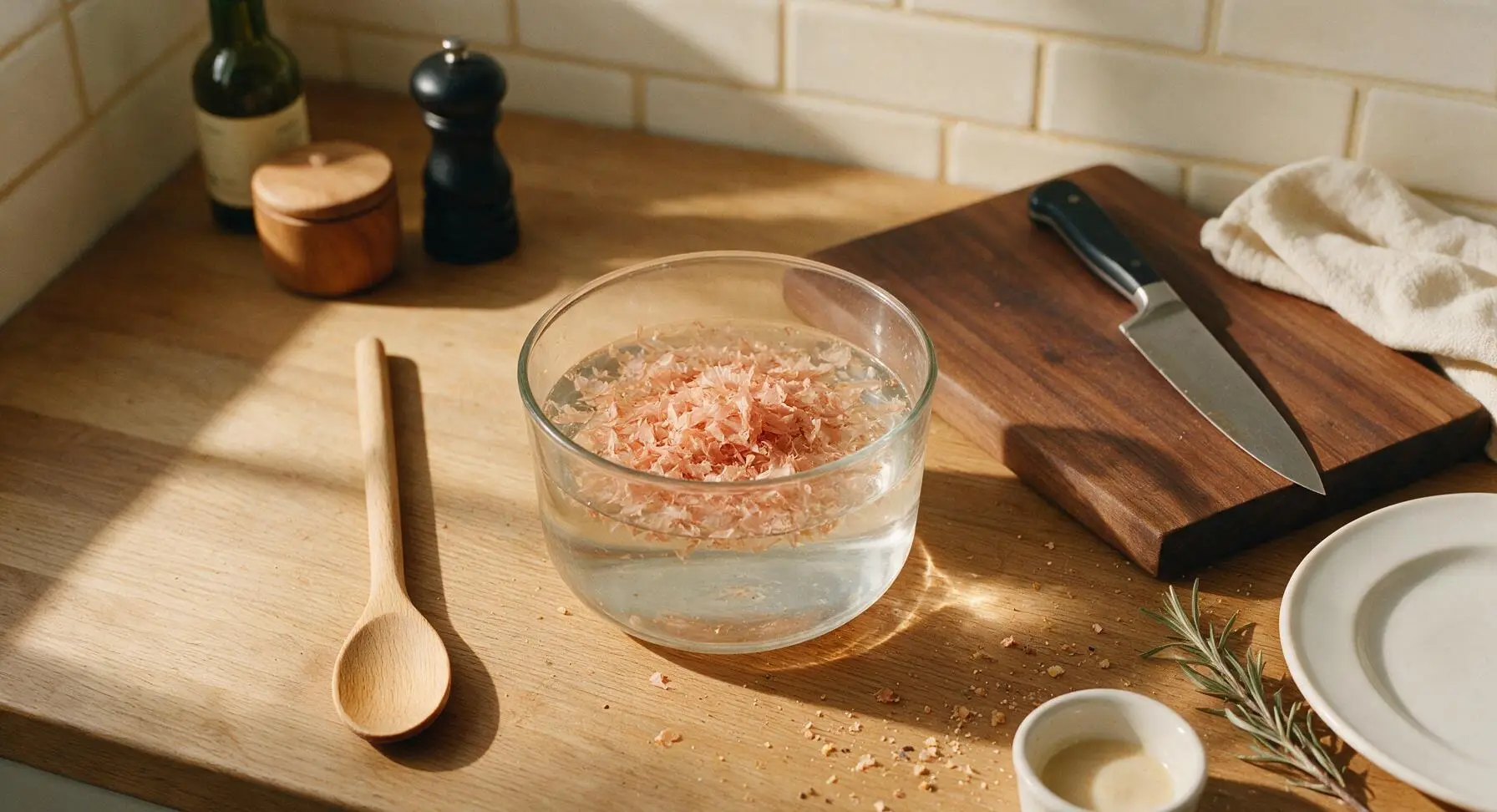
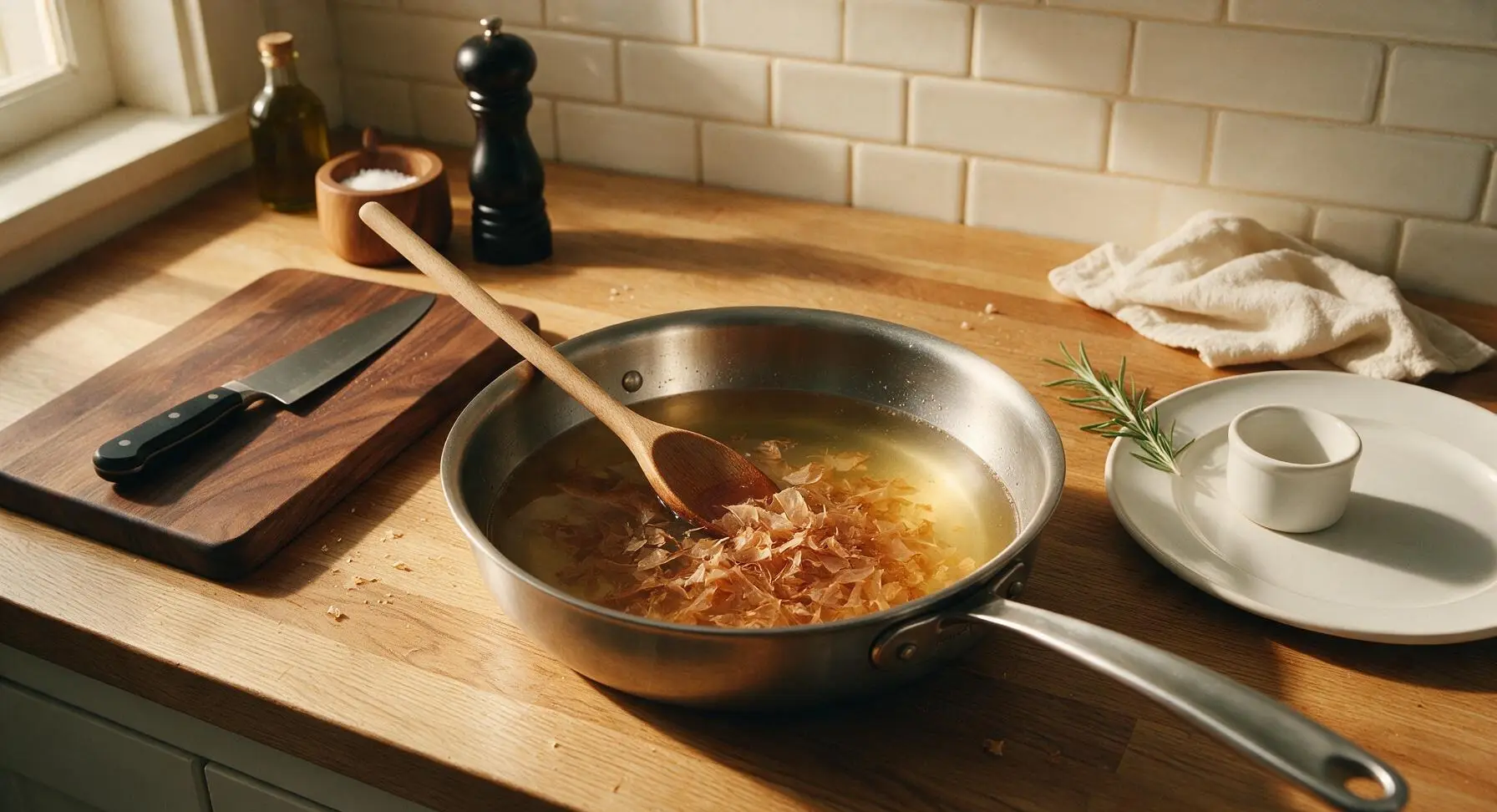
Steep Bonito Briefly

Allow the bonito flakes to steep in the hot, off-heat water for exactly 1 minute, undisturbed. The flakes will gradually darken and sink to the bottom of the pan as they rehydrate, releasing their smoky, savory umami into the broth. Steeping longer than 1 minute will result in a harsh, overly fishy, bitter aftertaste, so use a timer for precision.
Step 6
step6:Steep Bonito Briefly
Step 6
step6:Steep Bonito Briefly
7

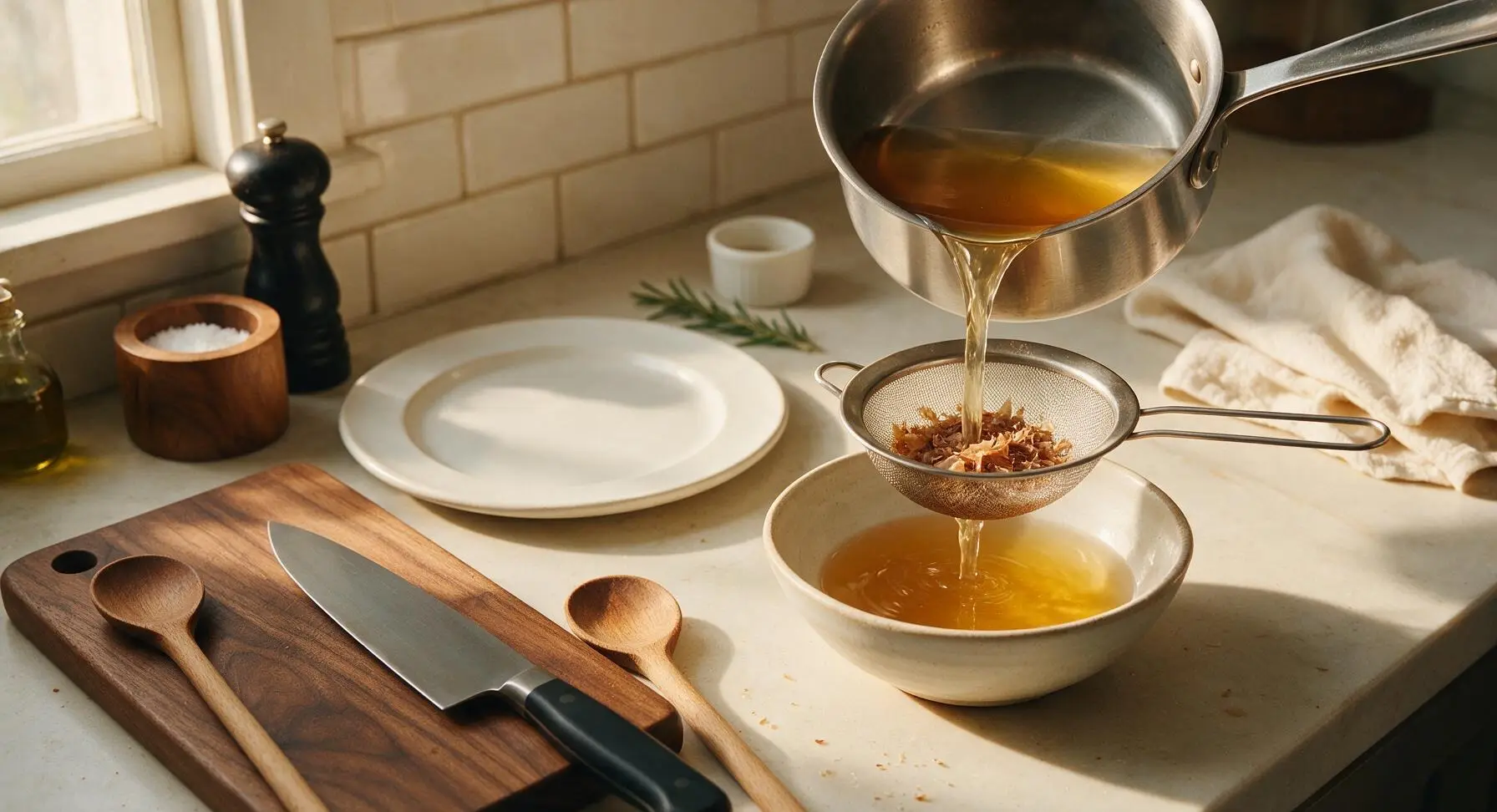
Strain Dashi Gently

Hold the fine-mesh stainless steel skimmer directly over the hand-thrown cream white ceramic soup bowl positioned to the right of the hot plate. Slowly pour the contents of the saucepan through the skimmer, catching all spent bonito flakes in the mesh. Do not press or squeeze the flakes to extract extra liquid, as this will cloud the broth and leach bitter compounds. The clear, golden strained liquid is finished awase dashi, ready to use.
Step 7
step7:Strain Dashi Gently

Tips

1.Do not scrub the white powdery coating off dried kombu: this powdery mannitol is a naturally occurring umami-rich sugar alcohol that gives dashi its signature subtle sweetness; gentle wiping only removes surface salt and sand, leaving the flavorful coating intact.
2.Avoid boiling kombu or over-steeping bonito: boiling kombu releases bitter alginic acid and creates a slimy texture, while steeping bonito for longer than 1 minute draws out harsh, fishy compounds that throw off the broth’s delicate, balanced flavor.
3.Save spent kombu and bonito flakes to make niban (second-brew) dashi: simmer the used ingredients in 1L of fresh water for 10 minutes, then strain for a lighter, more economical broth perfect for miso soup or simmered vegetables, creating zero waste.

✨ You May Also Like

Soups & Stews
🍜 Japan

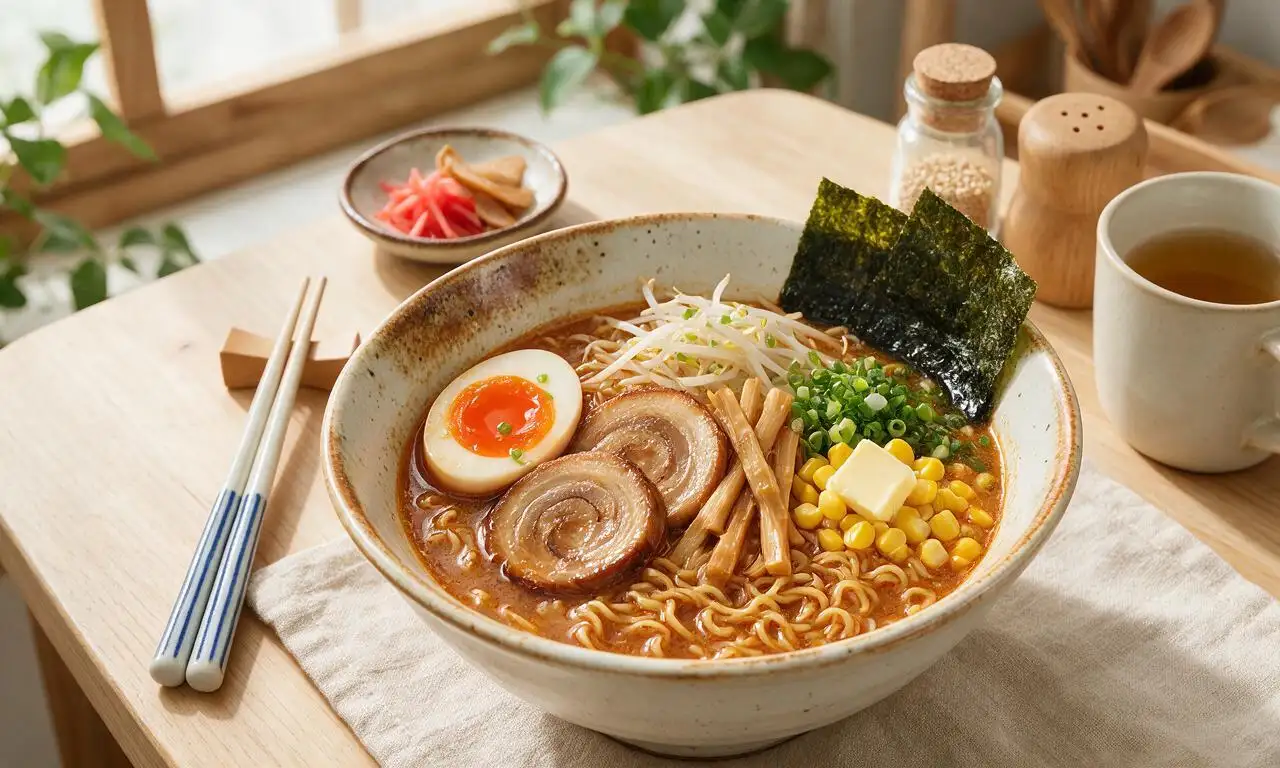
Rich, umami-dense Hokkaido-style miso ramen with chewy noodles, savory fermented broth, and classic toppings, a cozy, deeply satisfying warm meal.

⏱️ 45 minuteSoups & Stews ★ 4.5
Soups & Stews
🍜 United States

A hearty, peppery tripe and root vegetable stew with colonial Philadelphia roots, thick, warming, and packed with bold savory flavor for cold winter days.

⏱️ 2 hours 3Soups & Stews ★ 4.6
Soups & Stews
🍜 Mexico

Hearty, warming red pork posole loaded with tender hominy, slow-simmered in a rich smoky chile broth, served with zesty fresh garnishes for a deeply comforting, satisfying meal.

⏱️ 2 hours 3Soups & Stews ★ 4.7
Soups & Stews
🍜 United States

Warm, soothing classic chicken noodle soup loaded with tender chicken, soft egg noodles, and savory veggies, perfect for chasing chills and feeding the whole family.

⏱️ 40 minuteSoups & Stews ★ 4.9
Soups & Stews
🍜 France

Deeply savory caramelized onion broth topped with crusty bread and bubbly melted Gruyère, a timeless French bistro comfort food ideal for cold days.

⏱️ 1 hour 25Soups & Stews ★ 4.8
Soups & Stews
🍜 United States

Hearty, briny Maryland crab soup loaded with sweet blue crab, tender summer vegetables, and zesty Old Bay, a beloved Chesapeake Bay coastal comfort staple.

⏱️ 55 minuteSoups & Stews ★ 4.9

dashi broth:Frequently Asked Questions

1.What’s the ideal ratio of ingredients for balanced classic awase dashi? ▾
For 4 cups of cold filtered water, use one 4x6 inch (10g) piece of dried kombu and 1 cup (15g) of dried katsuobushi. This ratio delivers a delicate, well-rounded umami base that works for miso soup, soba, and simmered vegetables. You can bump the katsuobushi by 25% for a heartier dashi for hot pot, but don’t overdo it or the broth will taste overly fishy.
2.Why do recipes say to start kombu in cold water instead of boiling water? ▾
Starting kombu in cold water lets its natural glutamates (the core umami compound) extract slowly and evenly as the water warms. Dropping kombu straight into boiling water sears its outer surface, locking in umami and leaching bitter, slimy compounds that throw off the broth’s clean, delicate flavor. This slow steep is key to that signature smooth, rounded savoriness.
3.When exactly should I remove the kombu from the pot? ▾
Pull the kombu out right as the water reaches a bare simmer, when you see tiny bubbles forming along the pot edges and the water hits 140–150°F, right before a full rolling boil. Leaving kombu in boiling water leaches harsh, bitter alginate compounds that make dashi murky and unpleasant, ruining the light, clear profile that makes awase dashi so versatile.
4.Can I reuse the kombu and katsuobushi after making a batch of dashi? ▾
Absolutely—don’t toss those ingredients after your first, richest batch (called ichiban dashi). You can make a lighter, milder second brew called niban dashi by adding 4 more cups of cold water, a small pinch of fresh katsuobushi, and simmering gently for 10 minutes. It’s perfect for quick miso soup or poaching veggies, with zero food waste.
5.Why did my dashi turn out cloudy instead of crystal clear? ▾
Cloudy dashi almost always stems from two easy-to-fix mistakes: either you boiled the kombu for too long, or you squeezed the katsuobushi hard when straining. After steeping katsuobushi for 1 minute off heat, let it sink naturally to the pot bottom, then strain gently through a fine sieve without pressing on the solids for perfectly clear, bright broth.
6.How should I store leftover awase dashi? ▾
Let freshly made dashi cool completely to room temperature within 2 hours of cooking, then transfer it to a sealed, airtight container. It will keep for up to 3 days in the fridge, or you can freeze it in ice cube trays or portioned freezer bags for up to 3 months, so you always have umami-rich broth on hand for quick weeknight meals.
7.What if I can’t find high-quality kombu or katsuobushi locally? ▾
Skip the dusty, generic kelp or stale bonito flakes sold in mainstream grocery store international aisles—those make flat, overly briny or fishy dashi. Order from a reputable Japanese grocery retailer online if you can. In a pinch, use pre-portioned dashi packets that only list kombu and katsuobushi, no added salt, MSG, or artificial flavors, for the closest homemade result.

Comments (13)

2 weeks ago

Tried this on a whim when my wife asked for homemade miso soup for our anniversary dinner. Was shocked how deep the flavor was for such a short cook time. Even my super picky teen said it was better than the soup at our local sushi spot. 10/10

2 weeks ago

My toddler is going through a super picky eating phase where he’ll only eat ‘noodle soup’ so I’ve been making this dashi every other day to use for quick noodle bowls. He slurps down every last drop, and I love that it’s not full of weird preservatives like the store bought broth.

1 week ago

That makes me so happy to hear! It’s such a win when you can find something quick, nourishing, and kid-approved for those picky phases. You can even toss in some finely chopped spinach or carrots to the noodle bowls and the mild dashi flavor will help them go down easy too!

1 week ago

I brought a big pot of miso soup made with this dashi to our neighborhood potluck last weekend and people were asking me for the recipe left and right! Nobody believed it only took 10 minutes to make the broth. Will absolutely be keeping this in my regular rotation.

1 week ago

I used the leftover bonito flakes and kombu after making the dashi to make a quick furikake for rice — toasted them up with some sesame seeds and a little soy sauce, so good! Don’t throw those scraps out people, they’re totally reusable for little extras.

1 week ago

I never thought to use dashi in non-Japanese dishes until I made this last week! Added a splash to my tomato sauce for pasta and it added that secret savory depth that made it taste like it simmered all day, even though it only cooked for 30 minutes. Will be keeping this stocked in my fridge permanently.

5 days ago

Quick note for any other vegans/vegetarians out there — I swapped the bonito flakes for dried shiitake mushrooms and it still turned out amazing! Used the same ratio and cook time, super rich umami, worked perfectly for my vegan ramen bowl.

3 days ago

Thanks so much for sharing that swap! It’s such a great modification for plant-based eaters, and the shiitake adds such a lovely deep flavor. I’ll add that tip to the recipe notes for other folks looking for a vegan version!

3 days ago

Super straightforward even for a total beginner like me! I’ve been nervous to make Japanese food from scratch because I thought it’d be super complicated, but this was so forgiving. I used it as the base for a quick udon soup for my roommate and he thought I ordered takeout lmao

2 days ago

Love that! Awase dashi is such a great building block for so many dishes, and it’s really hard to mess up as long as you don’t boil the kombu too long. So stoked it impressed your roommate!

3 days ago

Made this last night when it was 30 degrees out and I was craving something cozy. Added some tofu, green onions, and soba noodles to the broth and it was the perfect quick cold weather dinner. Felt so nourishing, no heavy cream or anything, just pure clean flavor.

2 days ago

That sounds like the coziest meal! Soba and dashi are such a perfect pair, especially on chilly days. So glad it hit the spot for you.

2 days ago

OMG I’ve been buying those pre-made dashi packets for years and never realized how easy and SO much better homemade awase dashi is! Took literally 10 minutes like the recipe said, I used it for miso soup at our family dinner last night and my kids went back for seconds. Total game changer!

yesterday

Wait same! I used to drop so much money on the fancy bottled dashi from the Asian market and this tastes fresher for a fraction of the cost. I made a big batch on Sunday for meal prep and it lasted all week for quick noodle bowls.

yesterday

So glad it was a hit for your family dinner! Storing it in sealed mason jars in the fridge for up to a week (or freezing for 3 months) is perfect for quick weeknight meals, great call on meal prepping it!

yesterday

Made a quadruple batch of this yesterday to freeze in ice cube trays! So convenient to pop out a few cubes when I need a quick broth for stir fry sauces, soups, even to cook rice in for extra umami. Way better than bouillon cubes tbh

2 hours ago

The ice cube tray trick is genius! Those frozen dashi cubes are such a versatile secret weapon for quick meals, I do the same thing at home. So happy you’re finding fun ways to use it!

2 hours ago

Wait where do you guys buy your kombu and bonito flakes? My regular grocery store didn’t have them and I don’t want to order weird low quality stuff online.

30 minutes ago

Check your local H Mart or Asian grocery store if you have one nearby! They usually have really affordable, high quality packs of both, way cheaper than ordering online. If you don’t have a local shop, the brands on Amazon labeled ‘kombu for dashi’ work great too, I’ve used them before.

5 minutes ago

Totally agree with that tip! If you do shop online, look for dried kombu that has a light white powdery coating (that’s the natural umami, not mold!) and bonito flakes that are pale pink, not dark brown. You can also find both in the international aisle of most larger grocery stores these days too!

30 minutes ago

Wait quick question — I accidentally let the kombu boil for a minute before I added the bonito flakes, did I totally ruin it? It tasted a little bitter to me but I still used it for ramen and it was fine, just wondering if I messed up.

5 minutes ago

I did that the first time too! It’s not ruined, just a little more briny/bitter than it should be. Next time take the kombu out right before the water hits a simmer and you’ll get that perfect smooth umami flavor, promise!

just now

Great advice from Mia! Boiling kombu does release bitter compounds, but it’s totally still usable if it happens — you can mellow the bitterness out with a tiny splash of mirin if you want. Next batch will be perfect!

5 minutes ago

Wait, can I use this dashi as the base for tonkotsu ramen? I usually make pork bone broth but I feel like adding a little of this would pump up the umami so much.

just now

Oh 100%! I do that every time I make tonkotsu — add a cup of awase dashi to the pork broth right at the end and it adds that extra depth you can’t get from just bones. Game changer for homemade ramen.

just now

Couldn’t have said it better! Awase dashi is a fantastic add-in for richer bone broths to boost that umami kick without overpowering the pork flavor. Highly recommend giving it a try in your next tonkotsu batch!