1.What’s the ideal coffee-to-water ratio for non-bitter pour-over?
▾
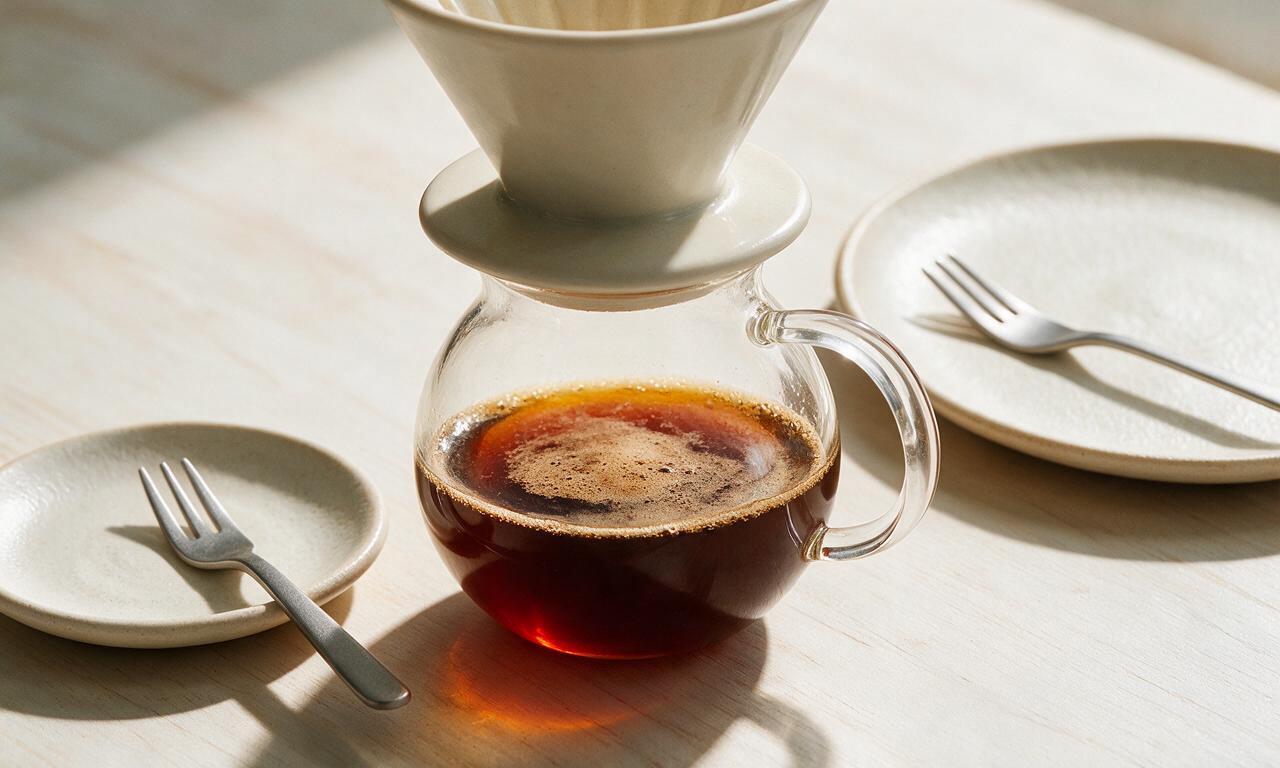
For a balanced, non-bitter cup, stick to a 1:16 ratio—that’s roughly 10 grams (2 tablespoons) of ground coffee for every 160 grams (6 fluid ounces) of filtered water. Adjust to 1:15 for a bolder brew or 1:17 for a lighter cup, but never use a finer grind to compensate for weak coffee, as that causes harsh bitterness.
2.Why do you recommend medium-roast whole beans instead of pre-ground or dark roast?
▾
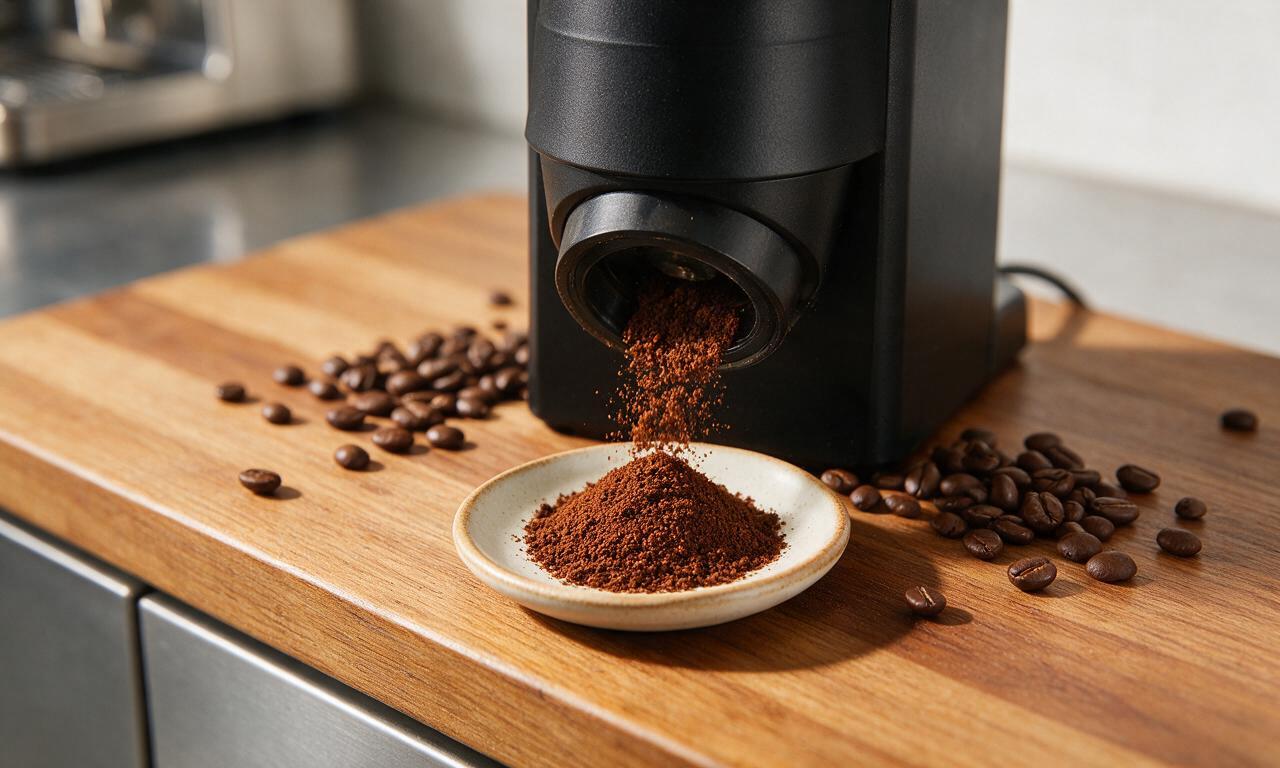
Medium roasts hit the perfect sweet spot of bright acidity, caramel sweetness, and nutty depth without the ashy, bitter edge dark roasts bring to pour-over. Whole beans stay fresh 2–3 weeks in an airtight container, and grinding right before brewing locks in aromatic oils that pre-ground coffee loses within days of opening.
3.Do I really need filtered water, or is regular tap water fine?
▾
Skip straight tap water—its chlorine, inconsistent mineral content, or off-flavors will mute coffee’s delicate aromas and make your brew taste flat or metallic. Use cold, filtered water with balanced mineral content (around 150 ppm total dissolved solids) to pull out the best notes from your beans without unwanted off-flavors.
4.What grind size works best for pour-over drip coffee?
▾
Aim for a grind consistency similar to coarse table salt, right between the fine grind used for espresso and the very coarse grind for French press. Too fine, and water drains too slowly for bitter, over-extracted coffee; too coarse, and water rushes through for weak, sour, under-extracted brew.
5.How hot should my brewing water be for the best results?
▾
Heat your filtered water to 195–205°F, or wait 30 seconds after your kettle reaches a rolling boil if you don’t have a thermometer. Boiling 212°F water will scorch grounds and create burnt, bitter flavors, while water below 195°F won’t pull out enough of the beans’ sweet, aromatic compounds.
6.What is the coffee “bloom,” and why is it important?
▾
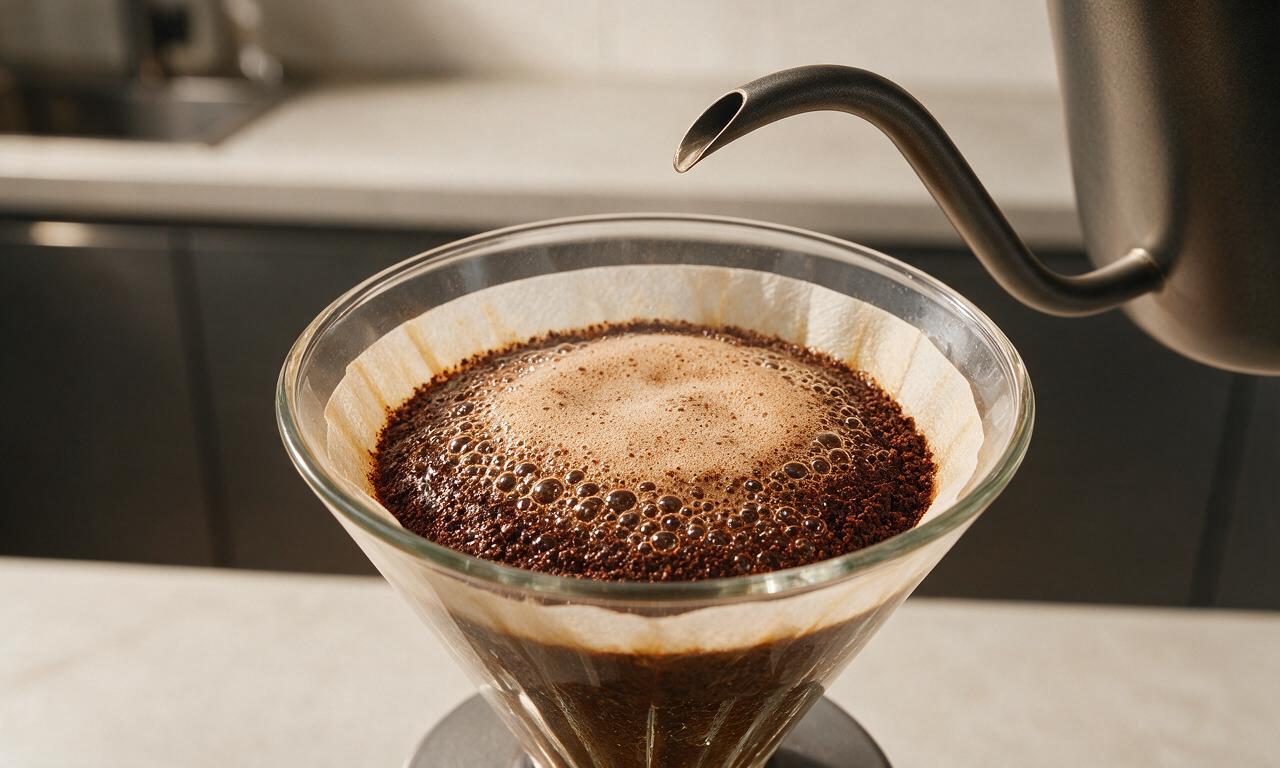
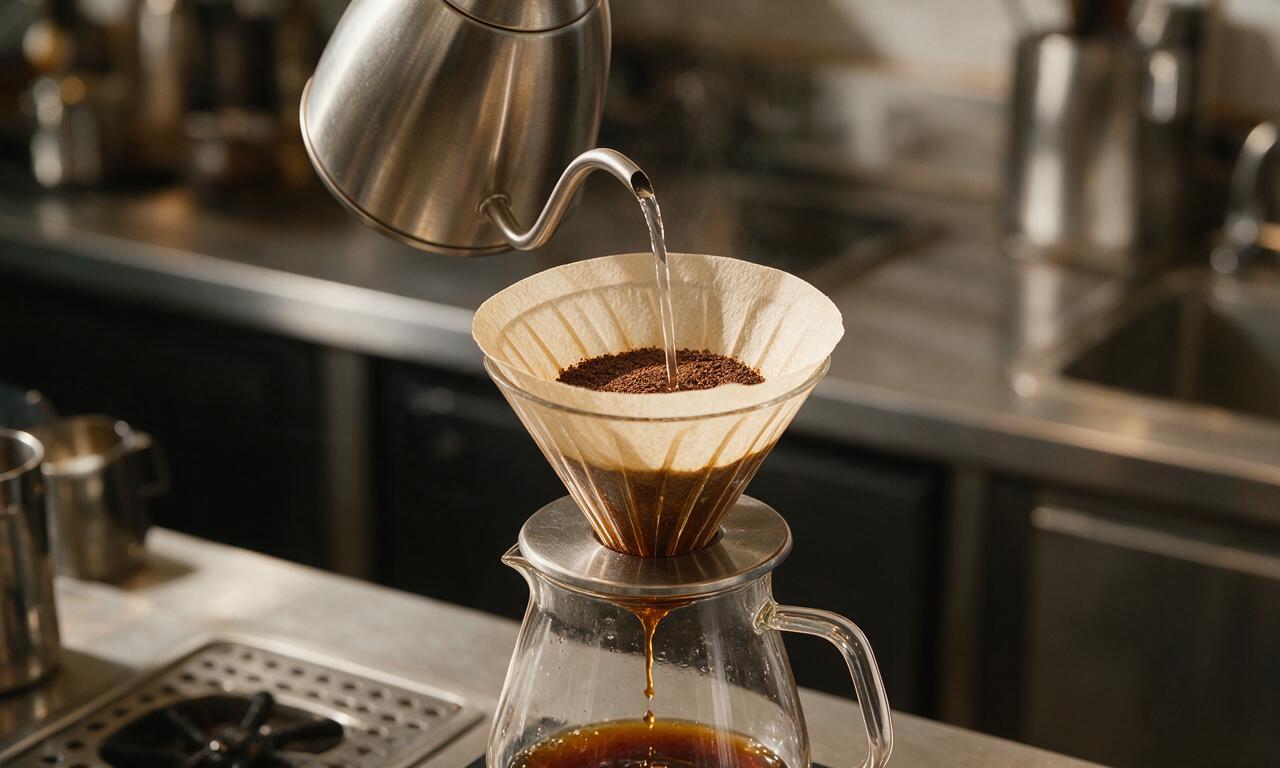
The bloom is the first short pour where you douse grounds with just enough water to saturate them (about twice the weight of your coffee) and wait 30–45 seconds. This releases trapped carbon dioxide from freshly roasted beans, so later pours extract evenly instead of channeling, which causes splotchy, off-flavored coffee.
7.How slowly should I pour water during the brewing process?
▾
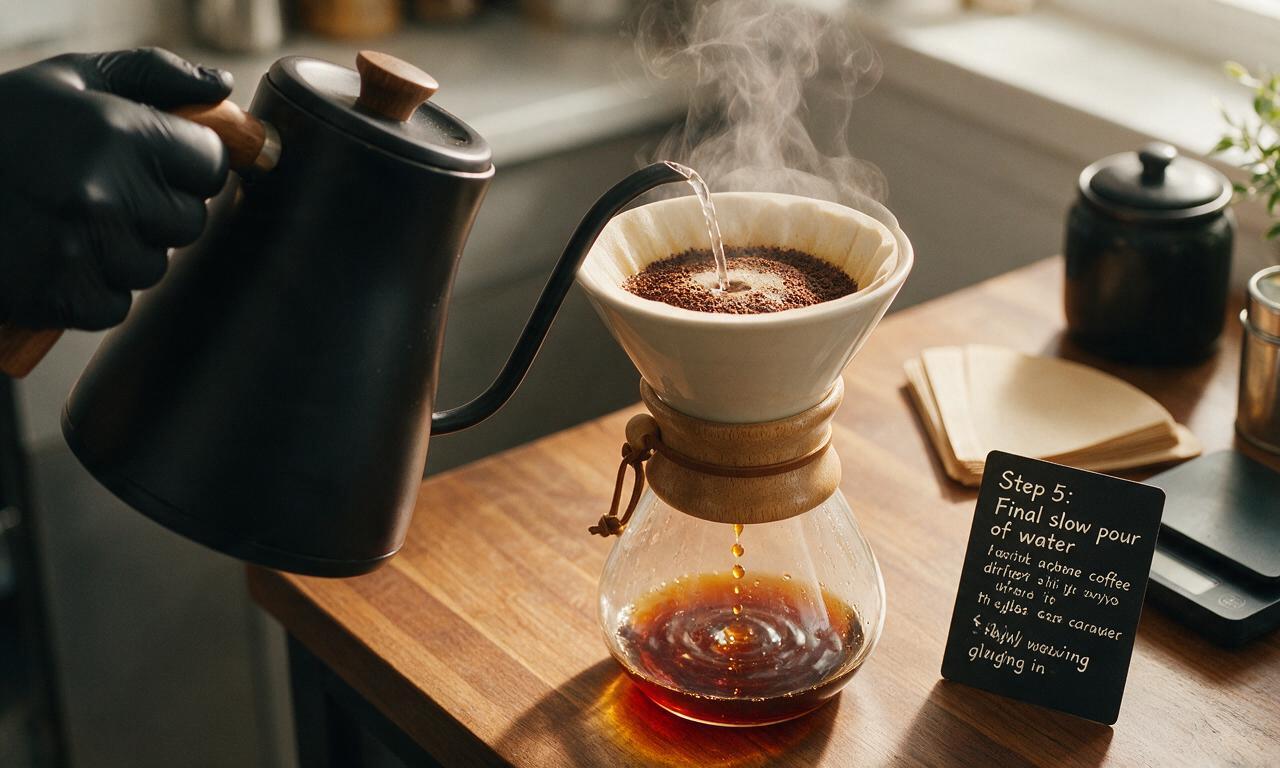
Pour in slow, steady, circular motions starting from the center of the grounds and working outward, keeping the water level consistent without pouring directly down filter edges. Total brew time from first pour to last drip should land between 3 and 4 minutes—adjust grind size if you’re far outside that window.
8.Are paper filters better than reusable metal filters for pour-over?
▾
Unbleached paper filters produce the clean, smooth, non-bitter cup this recipe is known for, trapping fine sediment and bitter oils. Reusable metal filters let more oils and micro-fines through for a heavier, fuller-bodied brew, but you’ll want to grind slightly coarser to avoid gritty sediment in your cup.
9.Why does my pour-over always taste bitter, no matter what I try?
▾
Bitterness almost always traces back to three common issues: water that’s too hot, too fine of a grind, or brew time that creeps over 4 minutes. Double-check your water temp is under 205°F, adjust your grind to match coarse table salt, and avoid pouring so slowly that water sits on grounds too long.
10.How do I fix sour, weak-tasting pour-over coffee?
▾
Sour, thin coffee is a classic sign of under-extraction, which happens when water moves through grounds too fast. Try grinding your beans a touch finer, confirm your water is in that 195–205°F sweet spot, and slow your pour pace to hit that 3–4 minute total brew time for balanced, sweet flavor.
11.Do I need a fancy gooseneck kettle to make good pour-over?
▾
A gooseneck kettle makes slow, controlled, circular pours much easier, but it’s not strictly required. If you only have a regular stovetop kettle, pour water slowly in a thin stream from a low height, working in circles to avoid agitating grounds too much or pouring straight down filter sides.
12.How long after opening a bag of whole beans are they best to use?
▾
Most medium-roast beans hit their peak flavor 3–10 days after the printed roast date, once excess carbon dioxide has had a chance to off-gas a bit. Beans roasted the exact same day will have a very bubbly bloom and slightly uneven extraction, but they’ll still make a perfectly tasty, fresh cup.
13.How should I store whole coffee beans to keep them as fresh as possible?
▾
Store whole medium-roast beans in an opaque, airtight container at room temperature, away from direct sunlight, stovetop heat, and humid spots like above your dishwasher. Skip the fridge or freezer—those introduce moisture and food odors, and temperature fluctuations make beans go stale faster.
14.How much coffee and water do I need for a single serving?
▾
A standard 12-fluid-ounce single serving calls for 22 grams (roughly 3 tablespoons) of whole medium-roast beans and 352 grams (12 fluid ounces) of filtered water to hit that ideal 1:16 ratio. Scale that measurement directly for multiple servings, just make sure your dripper is large enough for the extra volume.
15.Should I stir the coffee grounds at any point during brewing?
▾
Aggressive stirring isn’t needed, but a gentle, single swirl of the dripper right after your final pour helps settle grounds evenly for consistent extraction. Avoid hard stirring, which knocks micro-fines into the brew, clogs the filter, and leads to slow drainage and bitter, over-extracted flavors.
16.Why does my water channel through the grounds instead of soaking evenly?
▾
Channeling happens when water finds a quick, narrow path through the grounds instead of saturating all of them, leading to weak, uneven flavor. Prevent it by giving dry grounds a gentle shake to level them in the filter before pouring, and use circular pours to cover the entire bed of grounds.
17.Can I use dark roast beans with this pour-over recipe?
▾
You absolutely can, but you’ll need small adjustments to avoid bitterness. Use water on the cooler end of the range (195°F instead of 205°F), grind slightly coarser than you would for medium roast, and aim for a 2.5–3 minute total brew time to skip the ashy, burnt notes common in dark roasts.
18.Do I need to rinse my paper filter before adding coffee grounds?
▾
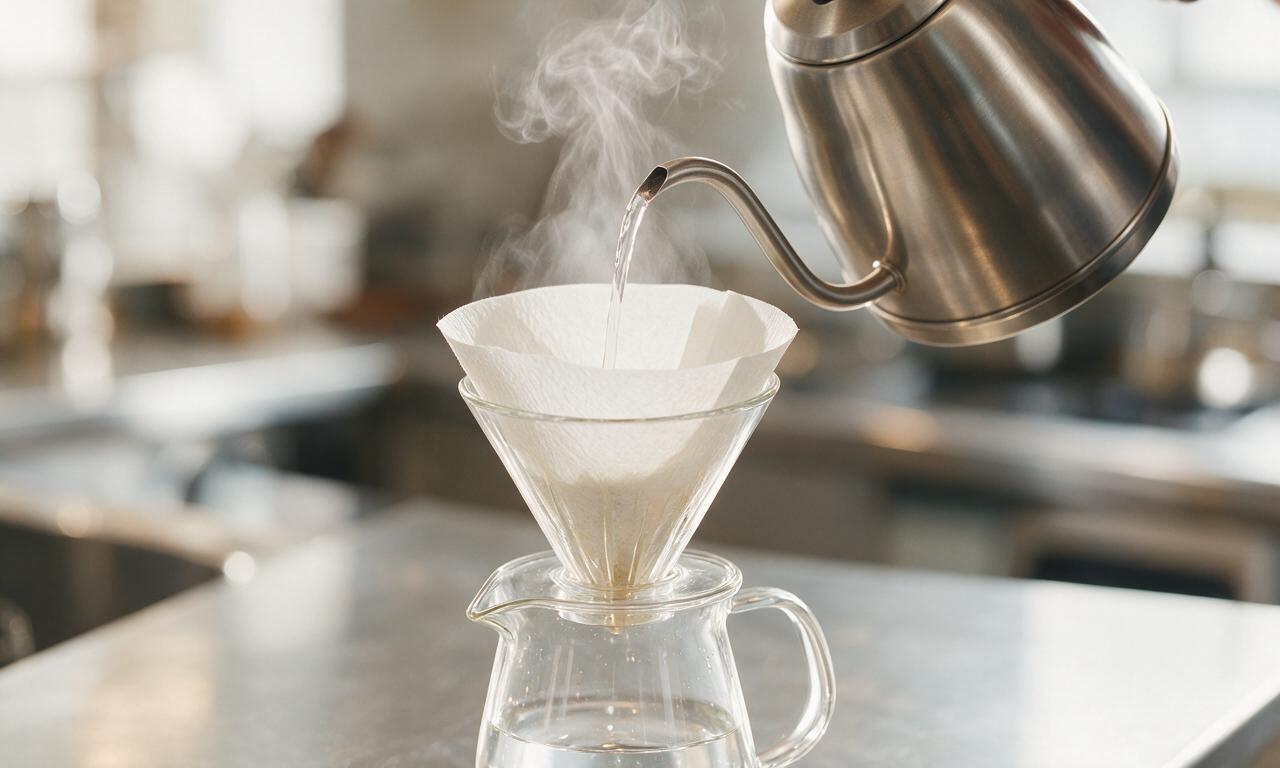
Always rinse your paper filter with a splash of hot water before adding grounds! This washes away the papery, cardboard-like taste dry filters can leach into coffee, and it preheats your dripper and mug so your brewing temperature doesn’t drop sharply and cause uneven extraction.
19.How long does the whole pour-over process take on a busy morning?
▾
From when you start heating water to your first sip, the whole process takes about 5 minutes total, which is perfect for a quick daily caffeine boost. Active pour time is only about 2 minutes, with 30–45 seconds for the bloom and 1–2 minutes of final drainage, so it fits easily into rushed routines.
20.Can I reuse coffee grounds for a second batch of pour-over?
▾
Skip reusing pour-over grounds—all the sweet, aromatic, flavorful compounds are extracted during the first brew. A second pass will only pull out bitter, hollow, astringent compounds that make for a flat, unpleasant cup. Cut waste by tossing used grounds in compost, mixing them into garden soil, or using them as a gentle kitchen scrub.

OMG, this pour over recipe is a total game changer! I used to waste so much money on fancy cafe lattes every morning before work, but this takes 8 minutes exactly like the recipe says and tastes SO good. My husband even said it’s better than the spot we hit up on weekend brunch dates. 10/10, will be making this part of my weekly meal prep for morning drinks!
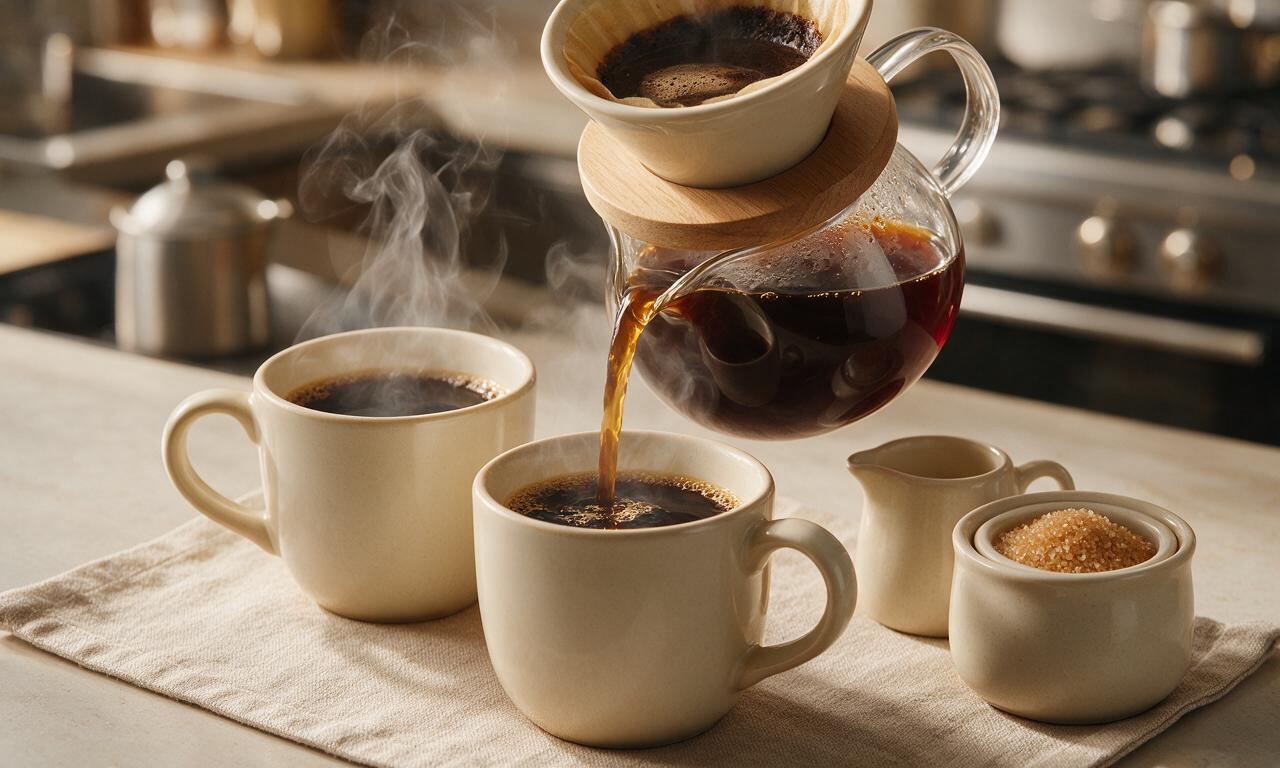
Made this for our neighborhood potluck brunch last weekend and everyone was asking for the recipe! I set up a little pour over station with different cream and sugar options, and even my picky 10 year old asked for a second small cup with a little vanilla creamer. So easy to follow, no fancy equipment needed for a great result.
Took this recipe camping last trip, boiled water over the camp stove and used my cheap plastic pour over cone, and it was chef’s kiss. Way better than instant coffee around the campfire, and it was quick enough to make before we hit the trails at sunrise. Only note: make sure you let the water cool just a touch off boil so you don’t burn the grounds!
I’ve been relying on this pour over for my work from home afternoons when I hit that 3pm slump. It’s so smooth, no bitter aftertaste like the pod coffee I used to chug. I did adjust the water temp a tiny bit because my kettle runs hot, but otherwise followed the recipe exactly and it’s perfect every time.
Tried this recipe yesterday and honestly? It’s solid. I’ve been practicing pour over for months and could never get the bloom right, but the step where you pour just enough water to cover the grounds and wait 30 seconds? Game. Changer. My bloom was perfect, no weird sour notes at all. My only tiny critique is I wish it had a note on ideal grind size, but I used medium-fine and it worked great.
Made this for my girls’ brunch last Sunday alongside my lemon ricotta pancakes and it was such a hit! I set out caramel syrup, hazelnut creamer, and even some cold foam to top it, and everyone was raving. It’s so easy even when you’re juggling 3 other dishes for a crowd, no stress at all.
Super easy recipe for a broke college kid! I picked up a $10 pour over cone from the campus store, used the cheap grocery store ground coffee I already had, and it tastes way fancier than it has any right to. Way better than the dining hall sludge I was drinking every morning before 8am lectures.
Wait, is anyone else getting super weak coffee when they follow the ratios? I measured exactly like the recipe said but it came out watery, like flavored hot water almost. Wondering if I need to adjust for my darker roast beans? I usually love dark roast so I don’t want to switch to lighter if I don’t have to.
SO good! I make this every Saturday morning when I’m sitting on my porch with my dog, it’s my new little weekend ritual. It feels fancy but takes basically no effort, way better than rushing through a pod coffee on weekdays. 10/10, no notes.