
Dry Stout
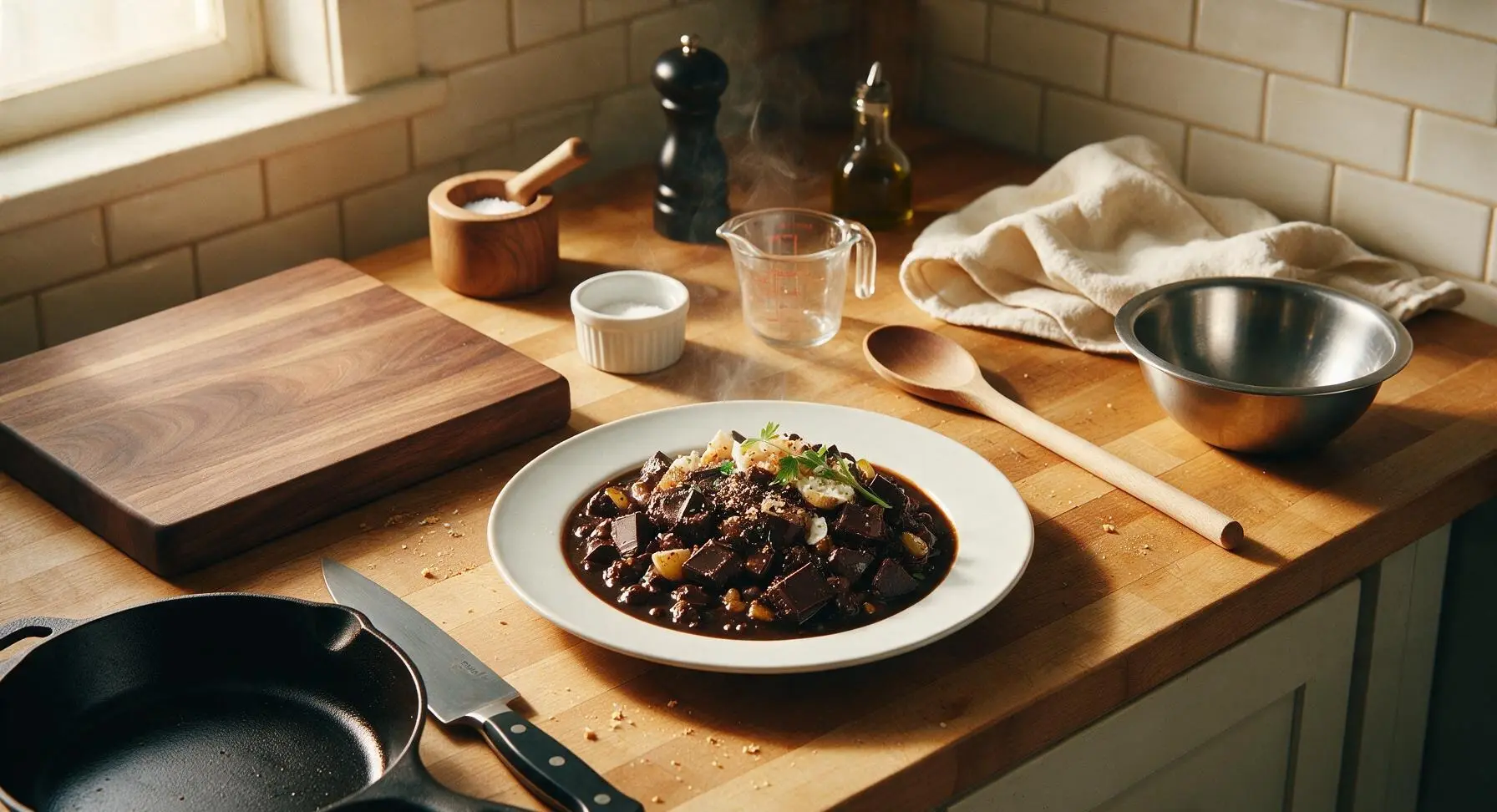
intro
Rich, roasty smooth dry stout with dark coffee and bittersweet chocolate notes, crisp dry finish, and no cloying sweetness, ideal for sipping with hearty pub snacks.
Ingredients
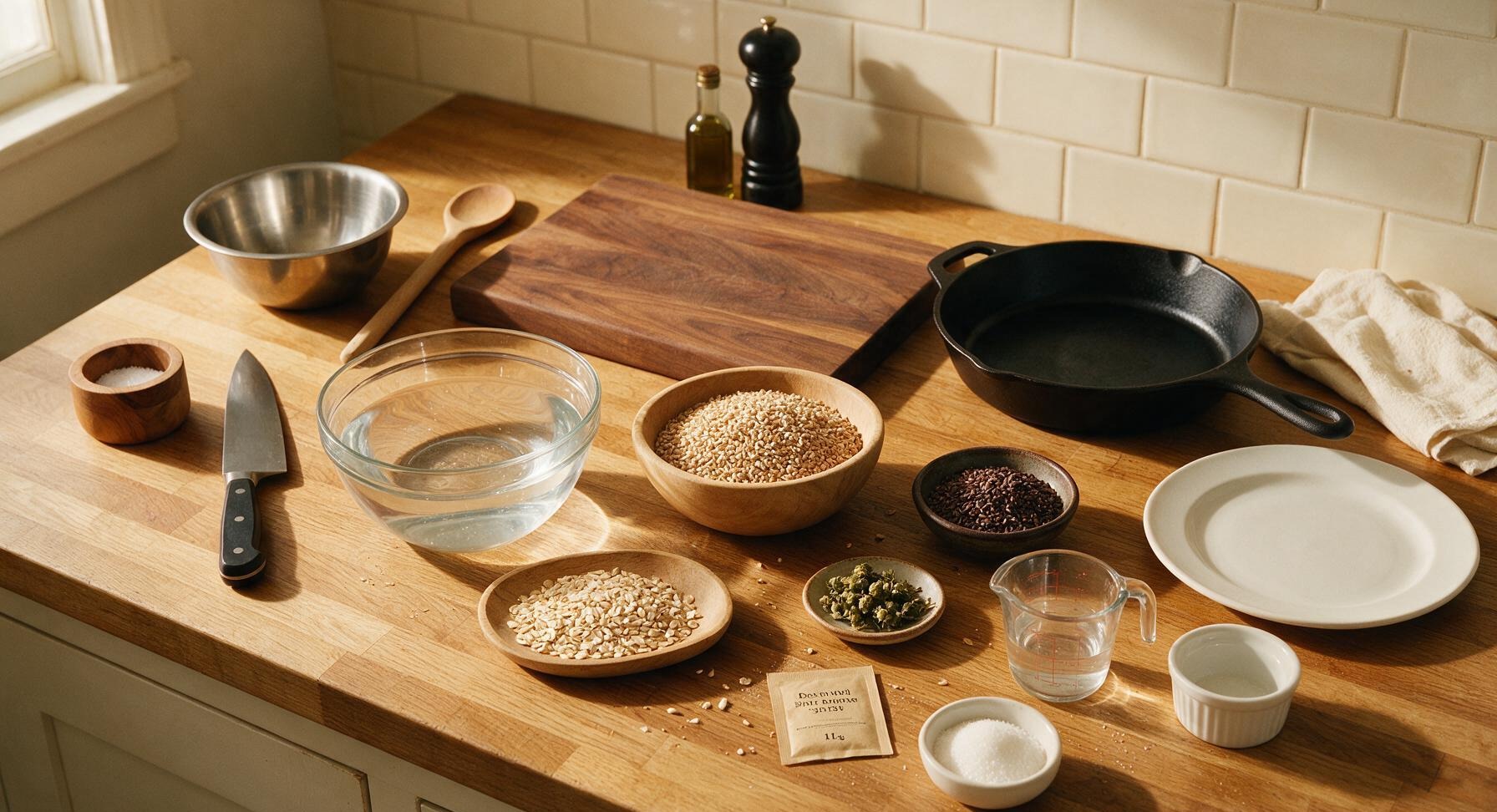
Steps
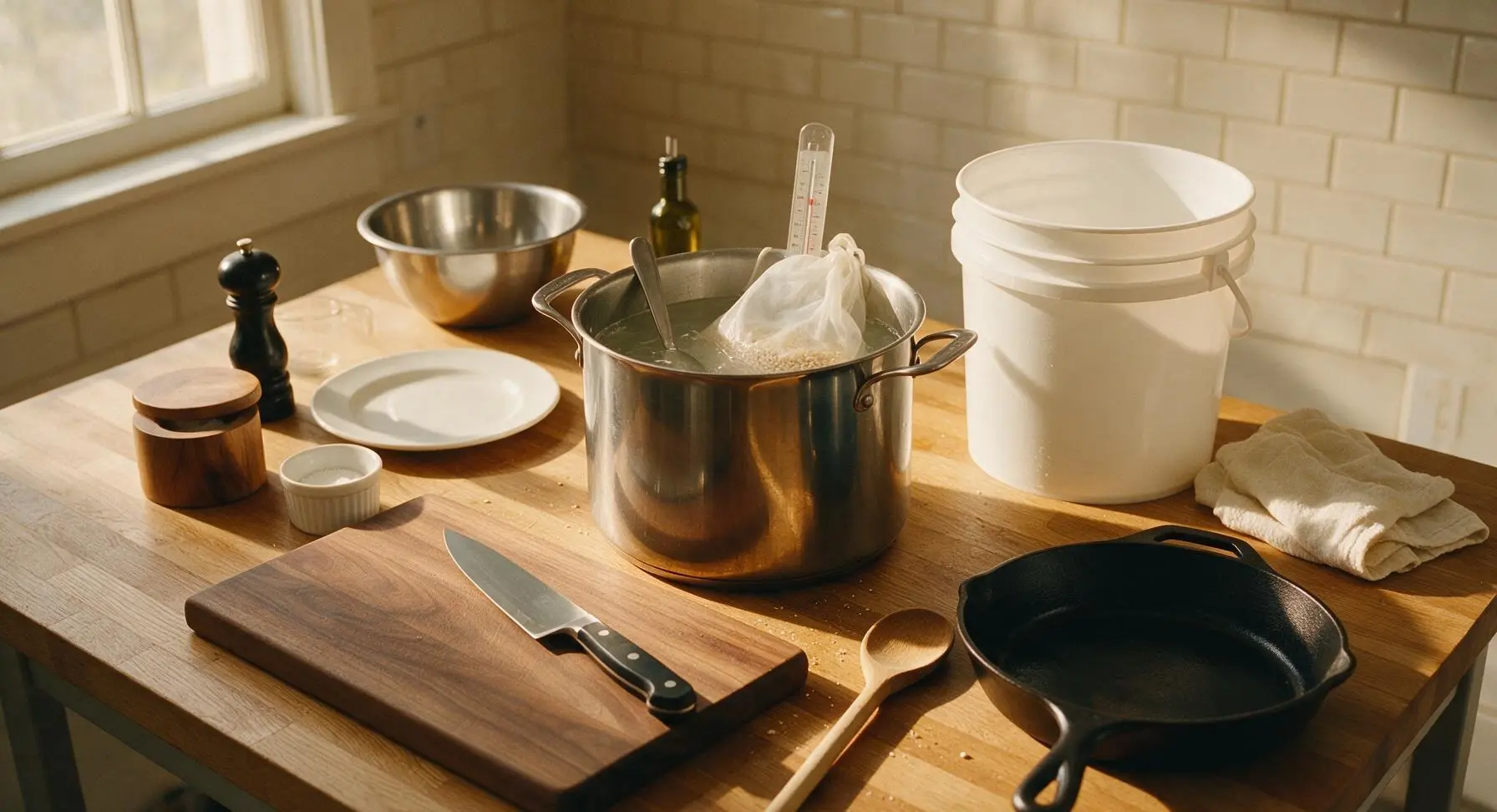
Sanitize Brewing Equipment
Wash all brewing tools (stock pot, stirring spoon, thermometer, grain bag, strainer, siphon, fermentation bucket, airlock, test jar, hydrometer, bottles, caps) with unscented dish soap, rinse thoroughly, then soak or spray all surfaces with food-grade no-rinse brewer’s sanitizer. Allow tools to air dry for 5 minutes, tipping vessels to pour out any pooled sanitizer. Proper sanitization prevents bacterial contamination that causes sour, off-flavors in finished stout.
Steep the Grain Bill
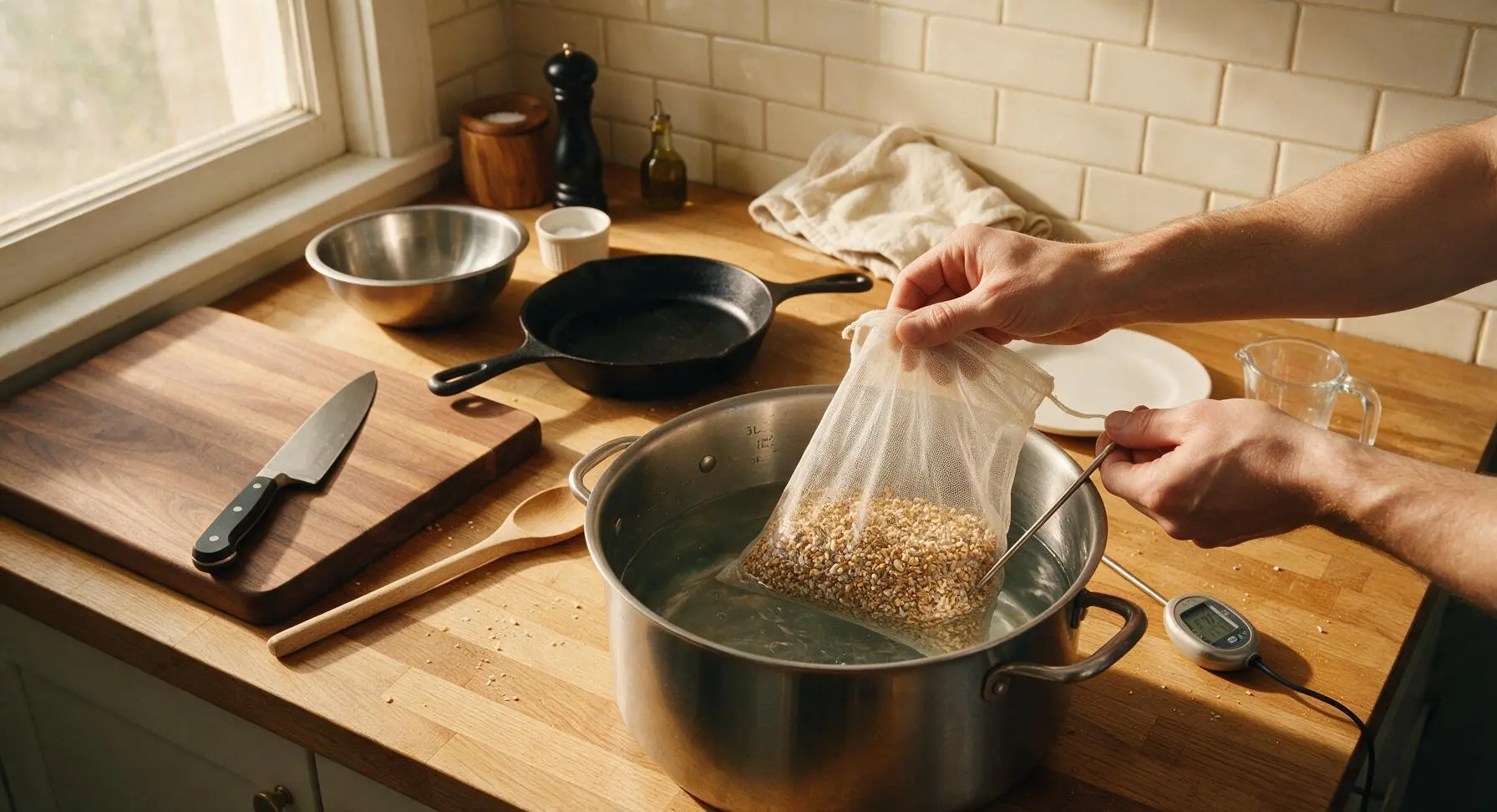
Pour 3L of filtered cold water into the sanitized stock pot, place over medium heat, and warm to exactly 67C (153F). Load all crushed grains (2-row pale malt, roasted barley, flaked barley) into the nylon mesh grain bag, tie the drawstring loosely, and submerge fully in the heated water. Hold temperature steady at 65-68C (149-154F) for 60 minutes, adjusting burner heat as needed. Do not allow water to exceed 70C (158F), as high temperatures extract harsh, puckering tannins from grain husks.
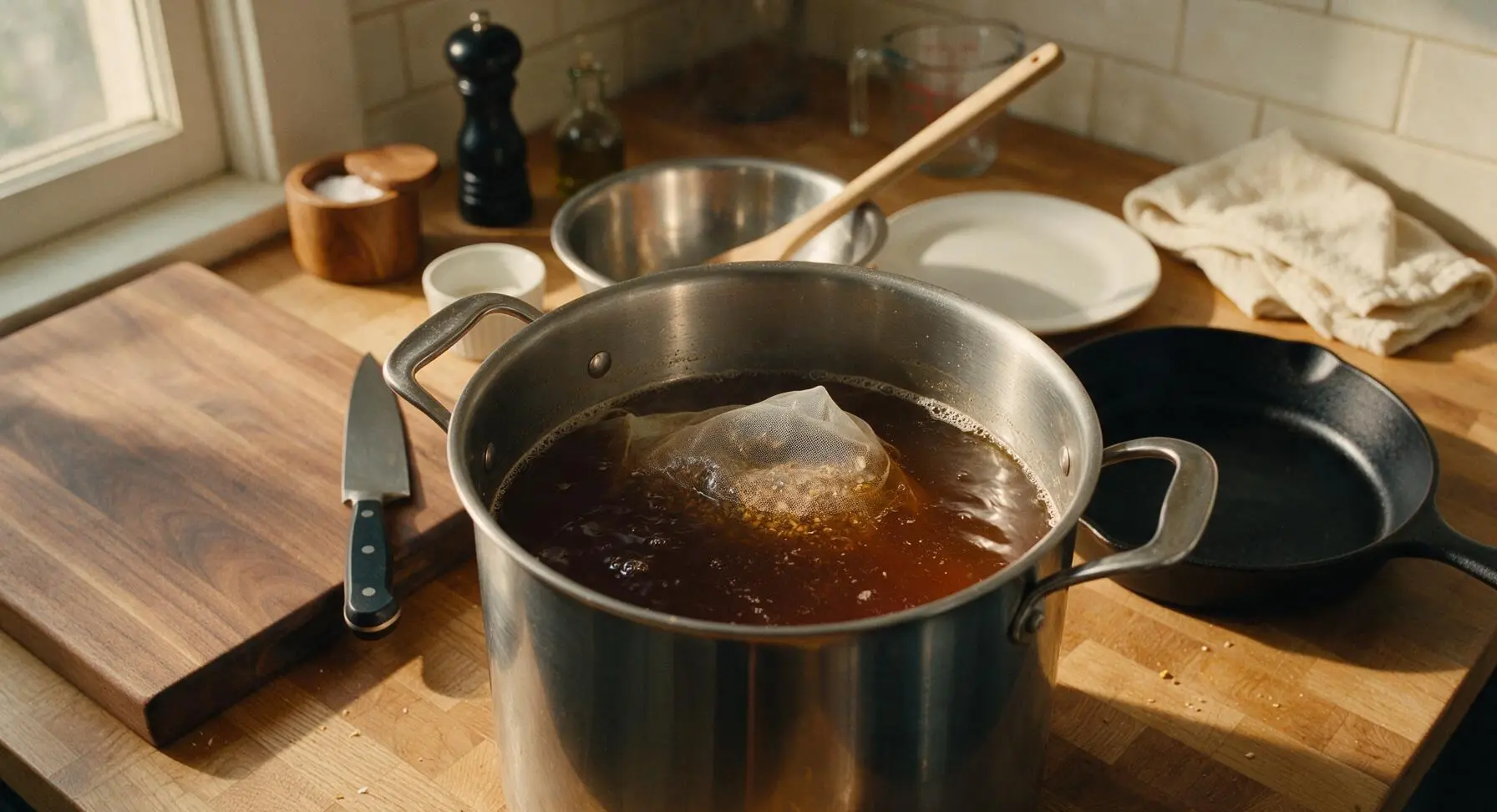
Remove Grains, Heat Wort
After 60 minutes of steeping, lift the grain bag out of the pot, hold it 5cm above the wort surface to let all liquid drain back into the pot via gravity—do not squeeze the bag, as this presses tannins into the wort. Discard spent grains in compost. Turn burner heat to high, and bring the sweet, grainy wort to a gentle rolling boil, monitoring with the thermometer until temperature reaches 100C (212F).
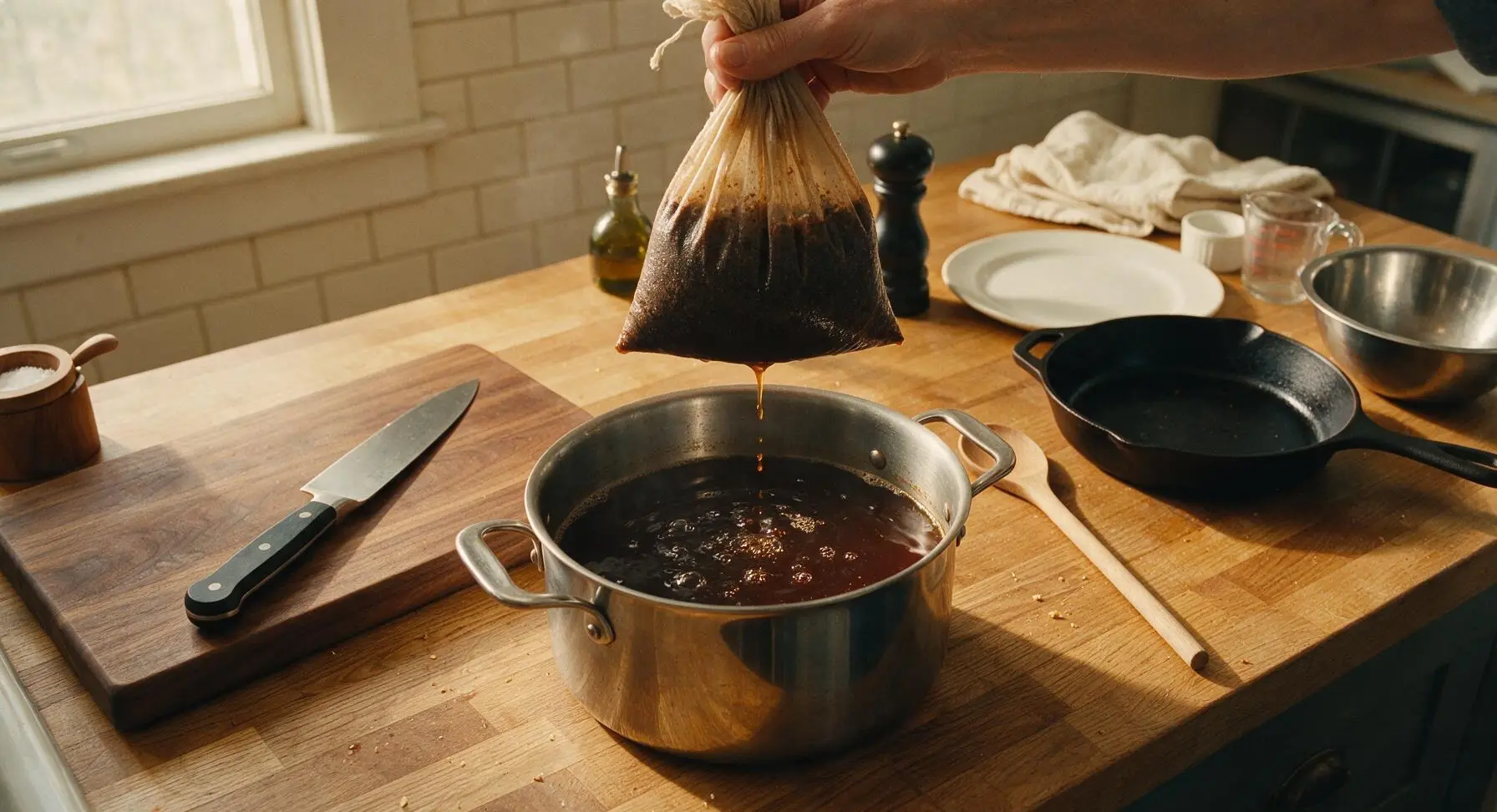
Add Hops, Boil Wort
Once the wort reaches a steady gentle rolling boil, add 12g of the East Kent Goldings hops, reserving the remaining 3g for late addition. Set a timer for 60 minutes, adjusting heat to maintain a soft boil that does not foam over the pot edge. With 5 minutes remaining on the timer, add the reserved 3g of hops to add subtle earthy aroma. Skim any large, dense clumps of hot break foam from the wort surface as they form.
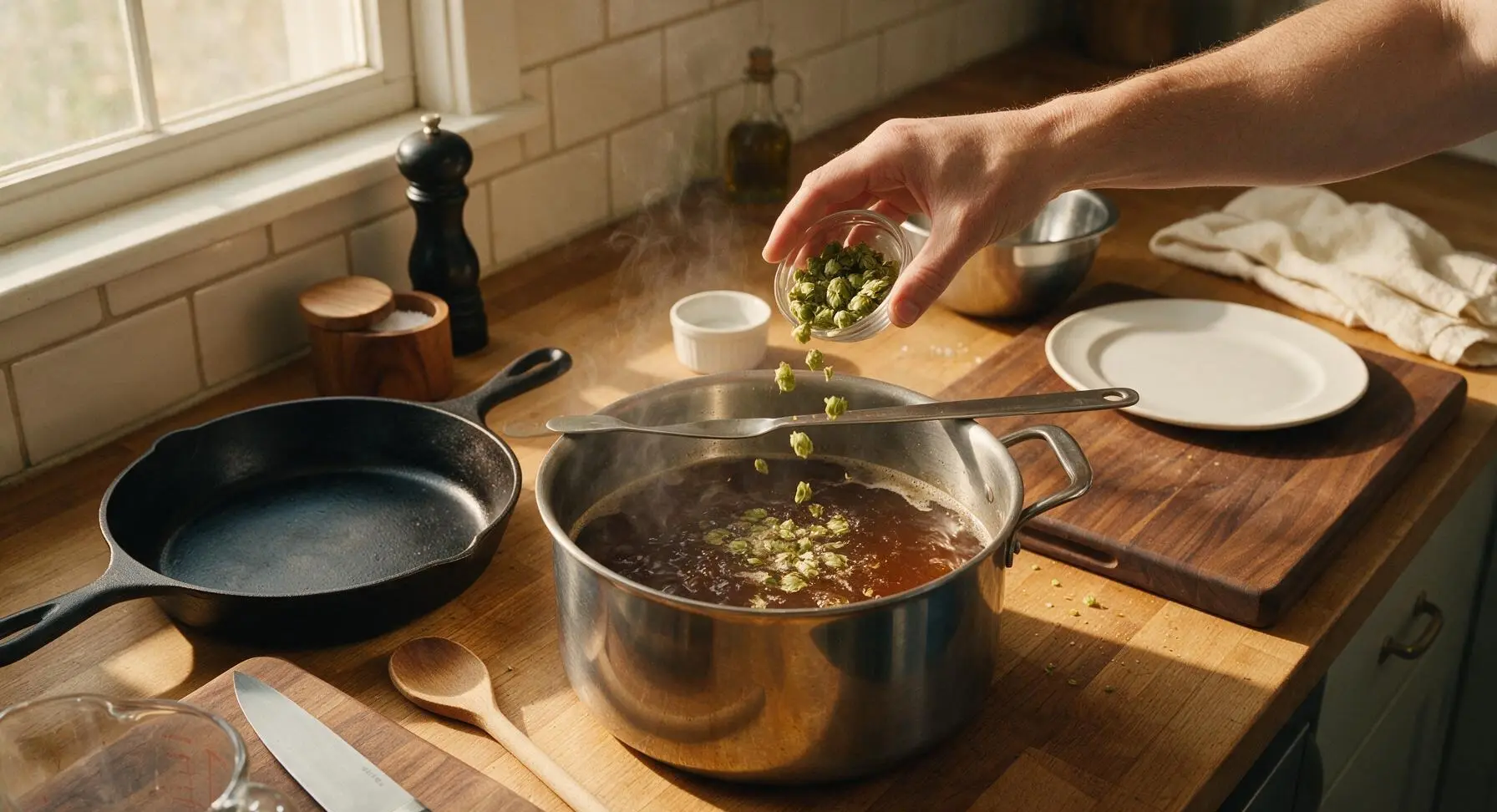
Cool Wort, Pitch Yeast
When the 60-minute boil finishes, turn off heat, cover the pot with its lid, and set the pot into a sink filled with ice water to cool the wort rapidly to 21C (70F), roughly 20 minutes. Once cooled, pour the wort through the fine-mesh stainless steel strainer into the sanitized fermentation bucket, top up to 3.8L (1 gallon) with remaining cold filtered water, then sprinkle the dry Irish ale yeast evenly over the wort surface. Seal the bucket lid, fill the airlock with sanitizer, and press it into the lid hole.
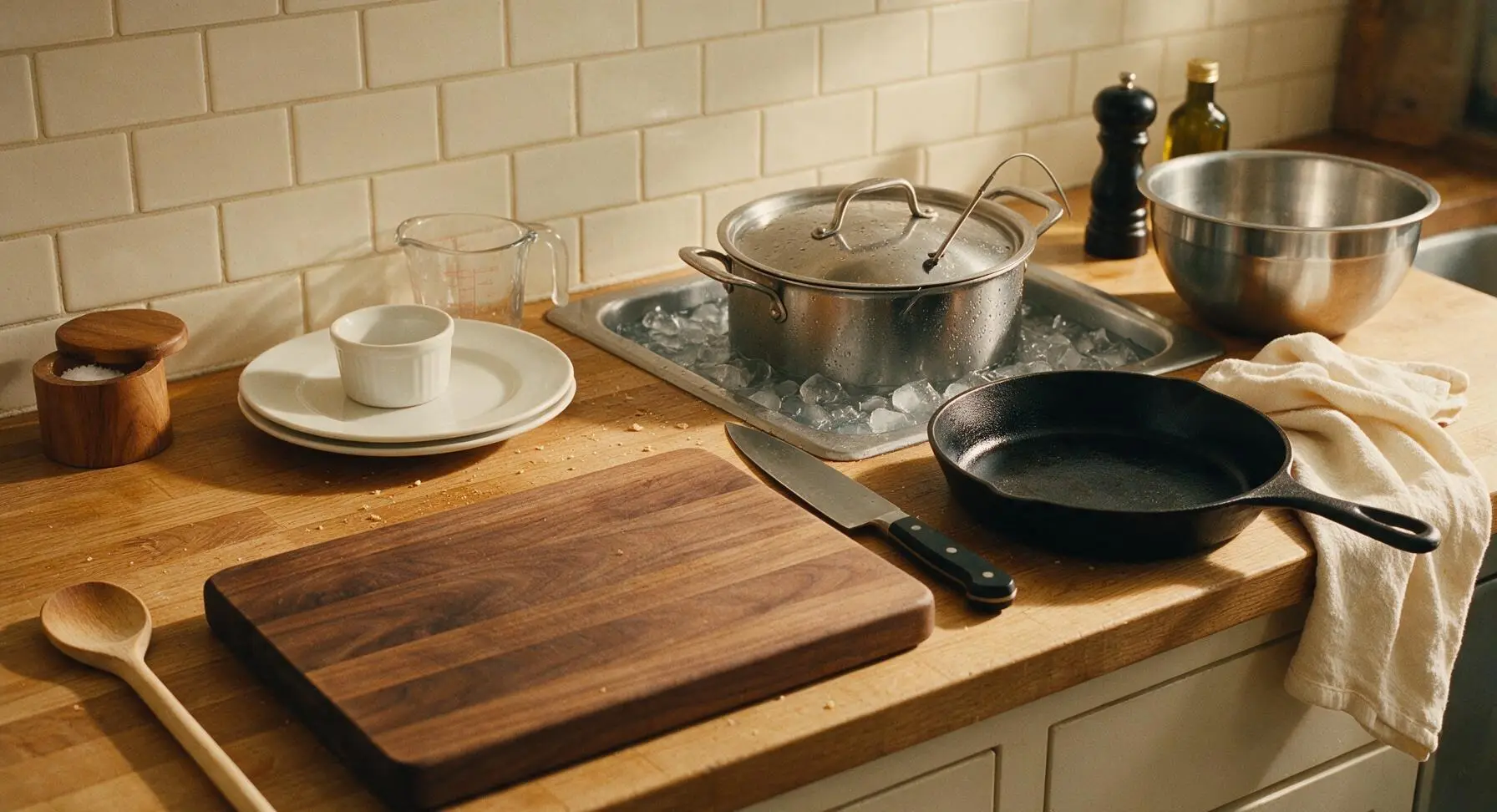
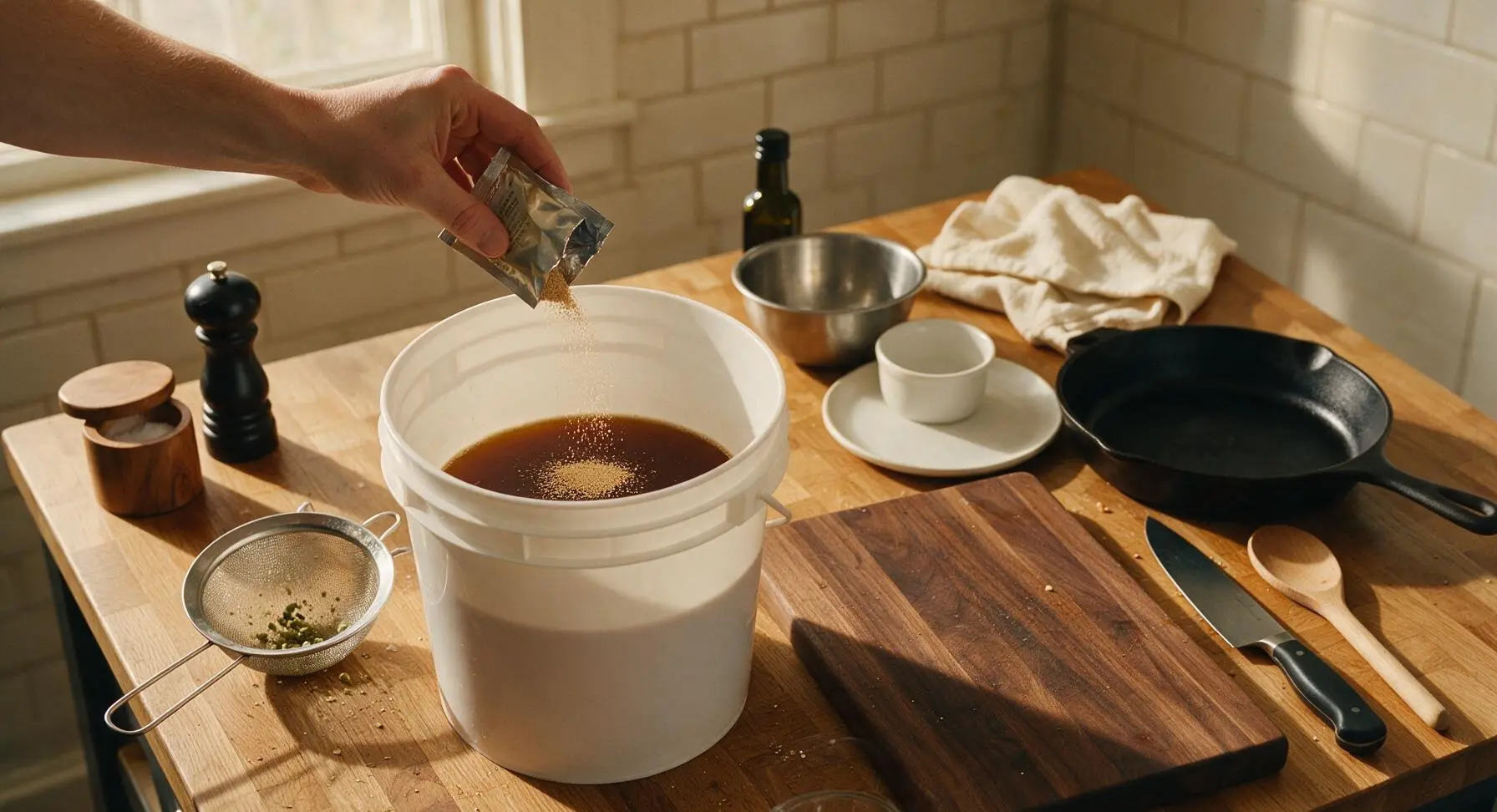
Ferment Two Weeks
Move the sealed fermentation bucket to a dark, temperature-stable space held at 18-20C (65-68F). Allow fermentation to proceed for 14 days, until the airlock stops producing bubbles entirely, and the beer clears from cloudy brown to transparent deep ebony. Confirm fermentation is complete by taking two consecutive hydrometer readings 24 hours apart that show a stable final gravity of 1.010.
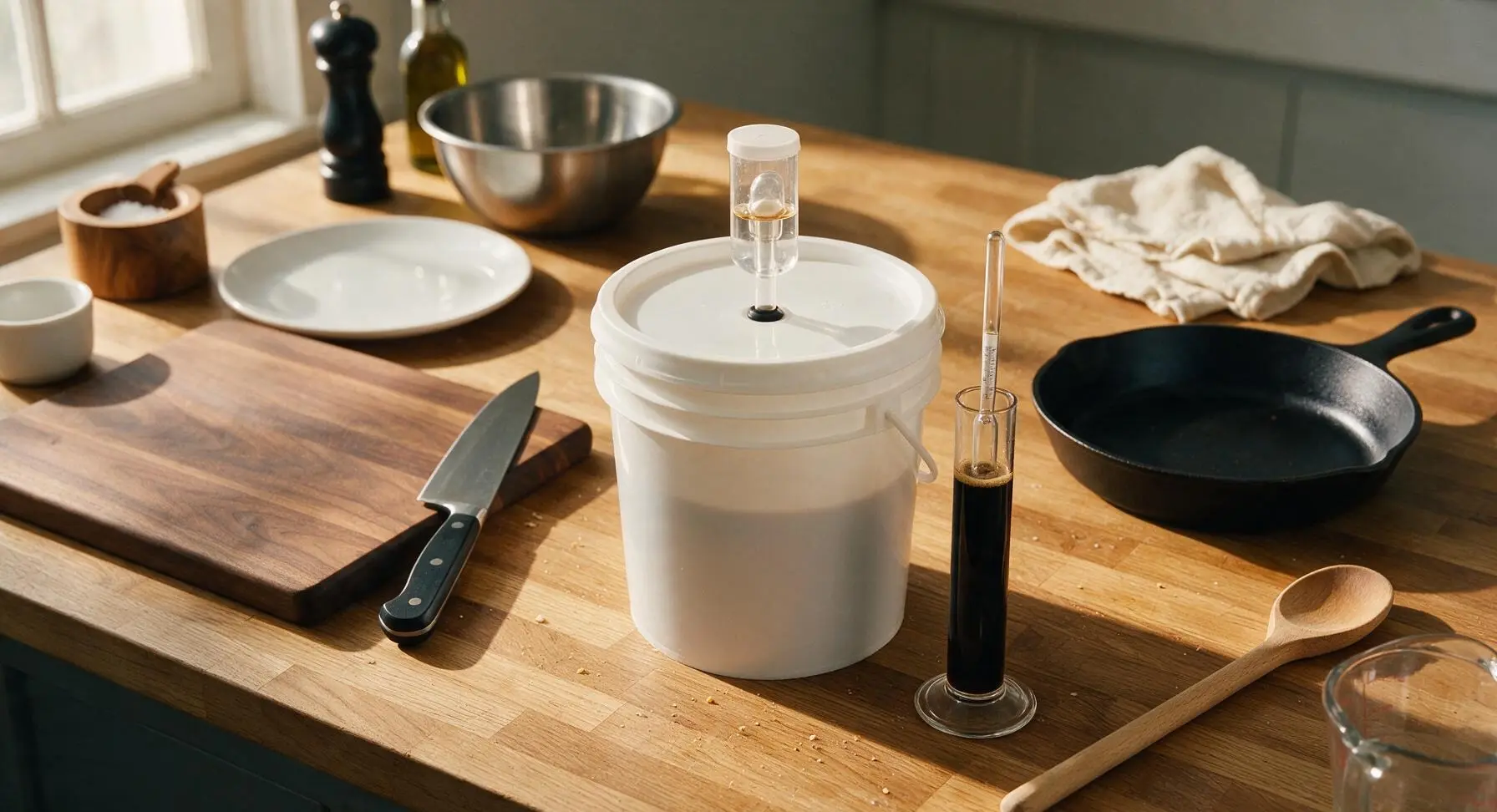
Bottle With Priming Sugar
Dissolve 30g of corn sugar in 50ml of boiling water, cool to 21C, and pour into the bottom of a sanitized bottling vessel. Use the auto-siphon to transfer the fully fermented stout from the fermentation bucket into the vessel, stirring gently once with the sanitized spoon to evenly distribute the priming sugar. Siphon the beer into sanitized 12oz amber glass bottles, leaving 2cm of headspace at the top of each bottle to allow for carbonation.
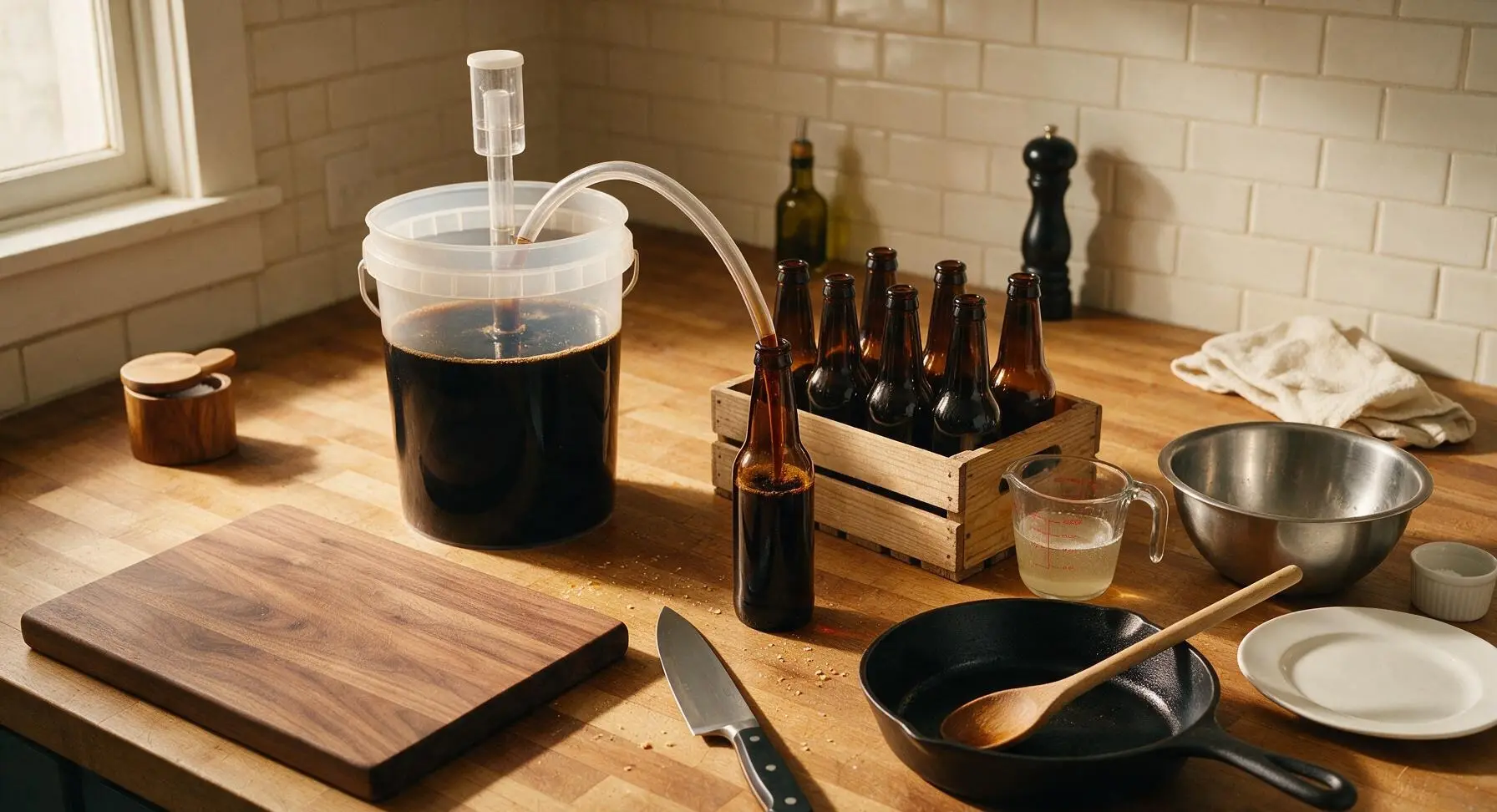
Cap, Condition, Serve
Use the red metal bottle capper to crimp a sanitized black bottle cap onto each filled bottle. Store sealed bottles in the same dark, 18-20C space for 7 days to allow natural carbonation to build, then move bottles to the refrigerator to chill for 48 hours before serving. Pour slowly into a tilted pint glass to build a thick, creamy tan head.
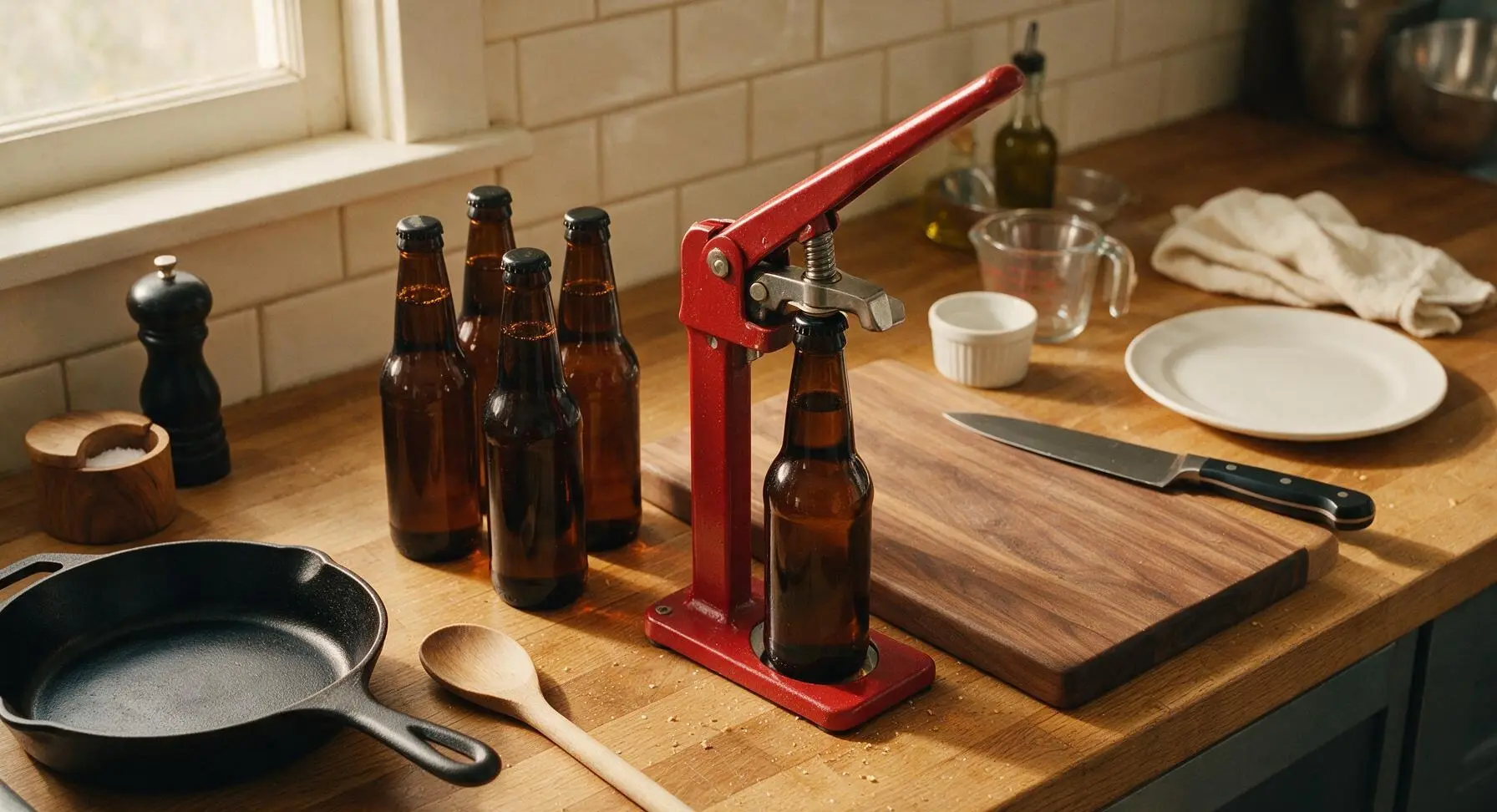
Tips
2.Keep fermentation temperatures consistent: If fermentation temperatures rise above 21C (70F), the Irish ale yeast will produce fruity, solvent-like off-flavors that clash with the stout’s crisp, dry profile. A cool basement floor or insulated interior closet works perfectly for stable temperature control without specialized equipment.
3.Pour correctly for ideal head retention: When serving, tilt your pint glass to a 45-degree angle and pour stout down the inner glass wall until the glass is 3/4 full, then straighten the glass and pour the final quarter straight down the center. This builds a 1-inch thick, creamy tan head that leaves lacing on the glass with every sip, without overflowing.






OMG, this dry stout recipe is a total game changer! I’ve been homebrewing for 3 years and always struggled to get that smooth, roasty dry finish without it tasting like burnt coffee, but this nailed it. Brought a batch to my weekend camping trip with the guys and everyone was begging for the recipe. The 1 hour boil time was totally manageable too, even with my janky old setup. 10/10 will brew again!
First time homebrewing ever and I picked this recipe because the difficulty said medium, but honestly the instructions were so clear it felt easier than that! My only mishap was spilling a little wort during the boil, but after the full 3 weeks of fermenting and conditioning, I cracked my first bottle last night and it was SO good. Tastes exactly like the dry stout I order at my local Irish pub. Can’t wait to make another batch for St. Patrick’s Day next month!
Made this for our annual neighborhood potluck a couple weeks ago and it was such a hit! I was worried it would be too heavy for the Texas heat, but the dry finish made it super drinkable even when it was 85 degrees out. My husband already asked me to brew a double batch for our Fourth of July cookout later this year. Only note: I’d recommend having a few extra bottle caps on hand, I ran out mid-bottling day and had to run to the homebrew shop last minute lol
I’ve made this recipe three times now and it’s my go-to house stout. I tweaked it a tiny bit last batch by adding a half ounce of cold-pressed coffee at bottling and it took it to the next level. Perfect for sipping on while grilling brats on Sunday football days. Only thing I will say is make sure you give it the full 3 weeks of conditioning! I cracked one at 2 weeks and it was super flat and yeasty, but by week 3 it was perfectly carbonated and smooth.
Wait, quick question for anyone who’s made this—my fermentation got stuck at 1.020 after 5 days, is that normal? I followed the recipe exactly, used the recommended yeast, kept the fermenter at 68 degrees like it said, but it hasn’t moved in 2 days. I was really looking forward to this batch, I got all new bottles for it and everything!