1.What is egusi, and can I substitute it if I can’t find ground white melon seeds?
▾
Egusi is finely ground dried white melon seed, which gives this soup its signature nutty, earthy depth and thick, rich texture. If you can’t source it at African grocery stores, unsalted roasted pumpkin seeds ground to a fine powder are the closest swap. Skip roasted watermelon seeds, as they have a bitter aftertaste that throws off the soup’s balanced flavor.
2.Do I have to use palm oil for this soup, or can I swap it for another cooking oil?
▾
Red palm oil gives egusi soup its signature deep reddish-orange hue and rich, savory base note, so it’s highly recommended for authentic flavor. If you absolutely can’t find sustainably harvested red palm oil, use unrefined coconut oil mixed with 1 teaspoon of sweet paprika for color, though the final flavor will be noticeably less traditional.
3.Why is my egusi soup coming out lumpy instead of evenly textured?
▾
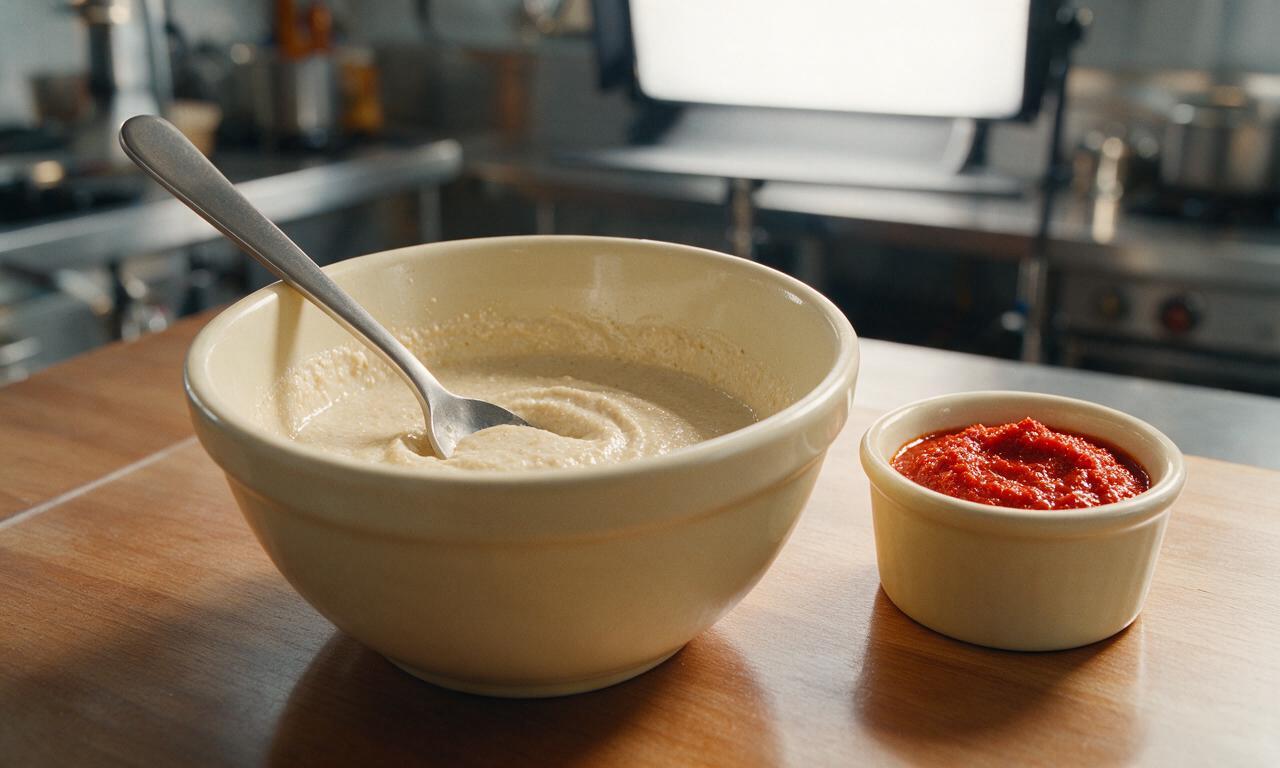
Lumps almost always form when you pour dry ground egusi straight into hot liquid. To avoid this, mix your ground egusi with a small amount of cool water or blended tomato-onion puree to make a thick, pourable paste before adding it to the pot. Stir continuously for the first 3 minutes after adding to break up any small clumps that form.
4.The recipe specifies beef chuck—can I use other proteins instead?
▾
Beef chuck is ideal here because its marbled connective tissue breaks down into tender, juicy bites during slow simmering, without turning stringy. You can absolutely swap in goat meat, oxtail, or bone-in chicken thighs if you prefer; just adjust cook time so whichever protein you use is fully tender before adding greens and egusi.
5.What kind of smoked fish works best for this soup, and do I need to prep it specially?
▾
Dried smoked catfish or smoked mackerel, sold at most African grocery stores, are the traditional, most flavorful picks. Before adding, flake the fish, pick out every tiny bone, and give it a quick rinse to remove excess surface salt and any stray dried skin bits that might make your soup feel gritty when you eat it.
6.How do I keep the beef from turning tough and chewy in the soup?
▾
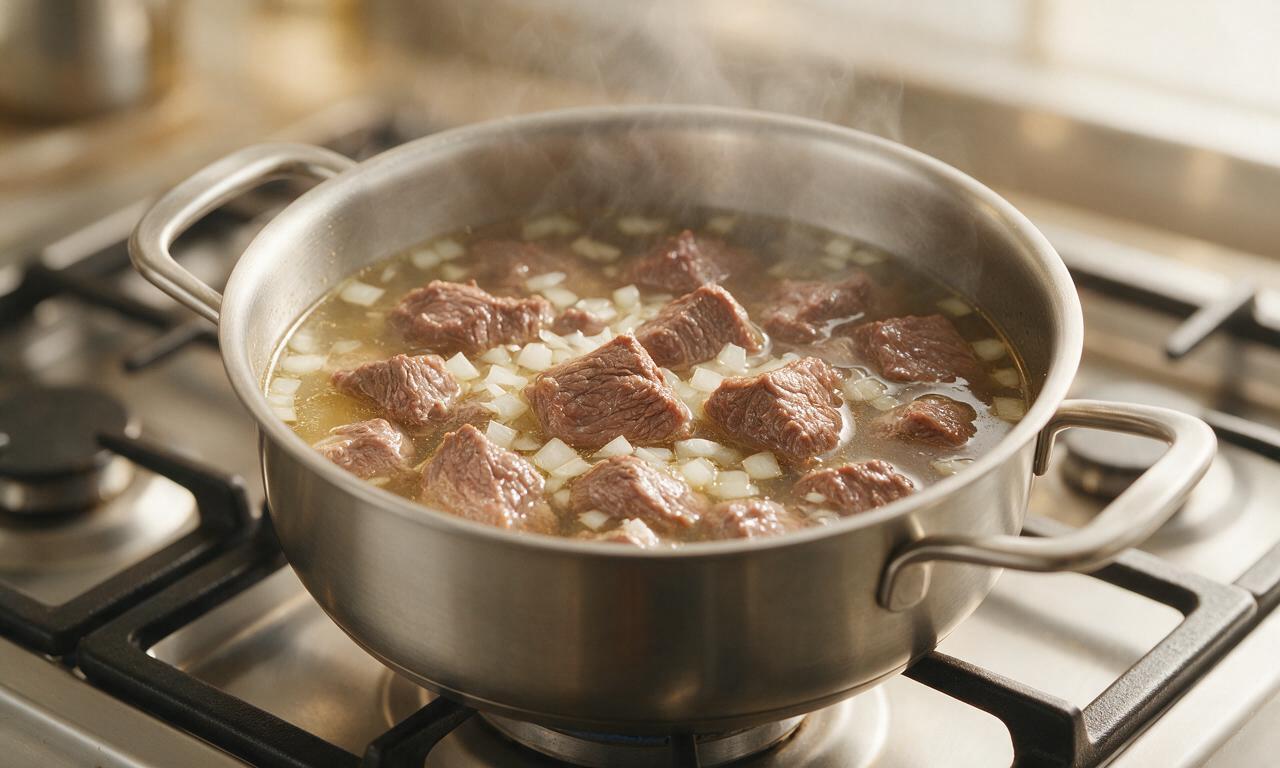
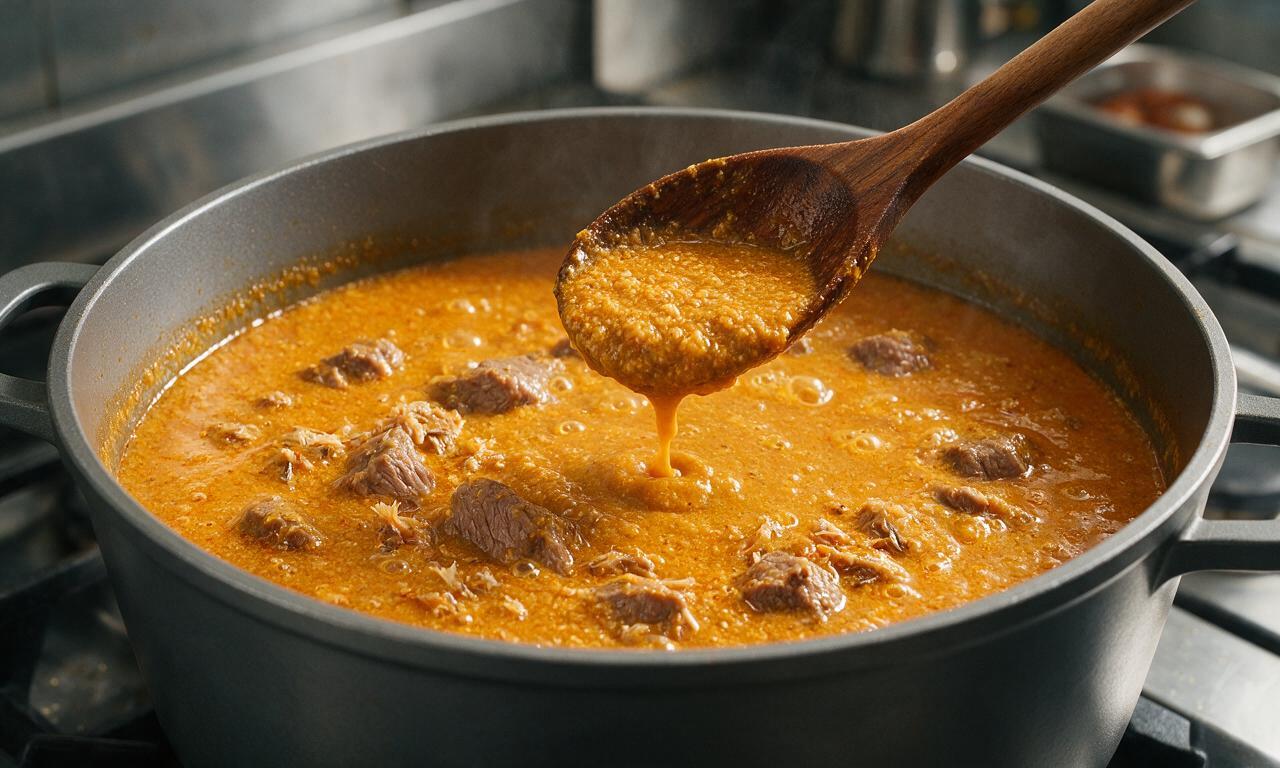
Tough, chewy beef almost always comes from cooking it too fast over high heat. After searing your 1-inch (2.5cm) chuck cubes, simmer them low and slow, covered, for 35 to 40 minutes before adding egusi and other ingredients. This gives connective tissue time to melt into that rich, fall-apart texture you want.
7.What leafy greens are traditional for egusi soup, and can I use regular spinach?
▾
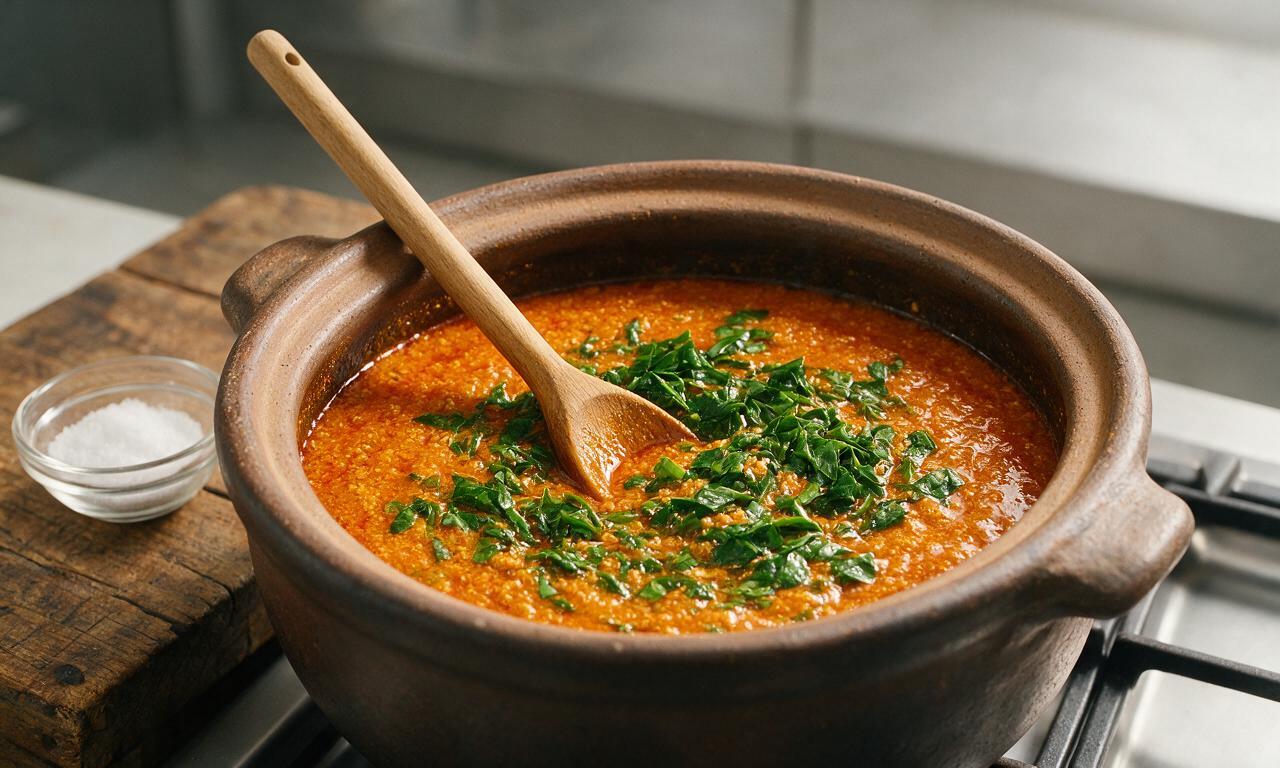
Traditional options include bitter leaf, ugu (fluted pumpkin leaf), or ewedu, but these can be hard to find outside specialty African markets. Fresh baby spinach or chopped curly kale work perfectly as accessible swaps—just add them during the last 3 to 5 minutes of cooking so they wilt without turning mushy or overly bitter.
8.Do I need to blend the tomatoes and onion, or can I add them chopped as the recipe notes?
▾
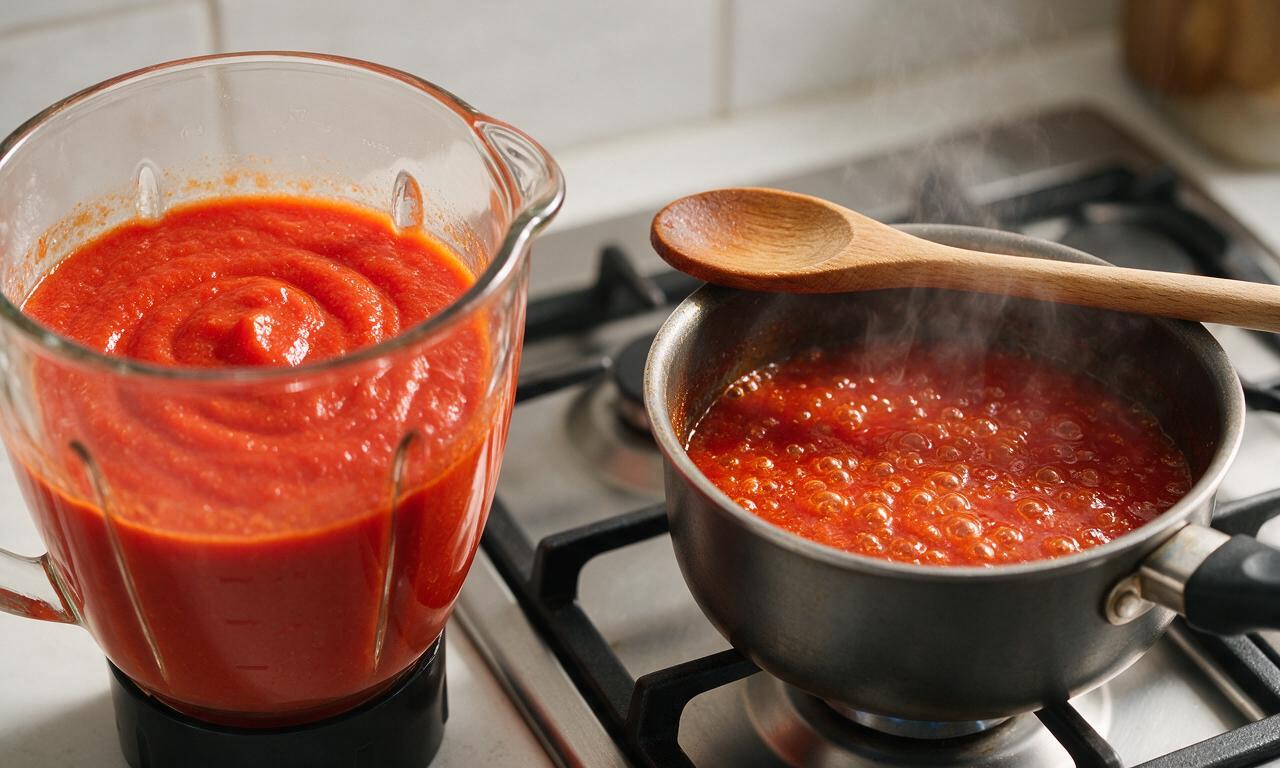
You can absolutely add them chopped for a chunkier, more rustic soup texture, common in many casual Nigerian home kitchens. If you prefer a smoother, more uniform base, blend your chopped Roma tomatoes and diced onion first, then simmer the puree 10 minutes to cook out sharp raw tomato tang before adding other ingredients.
9.My finished egusi soup tastes really bland—what went wrong, and how do I fix it?
▾
Bland egusi usually means you skipped seasoning in layers: season your beef while it sears, add a pinch of salt, optional ground crayfish for umami, and a little cayenne when you add the egusi, then taste and adjust at the end. A tiny squeeze of fresh lime right before serving also brightens flat, heavy flavors instantly.
10.How long does egusi soup last in the fridge, and does it freeze well?
▾
Stored in a sealed airtight container, this soup stays fresh in the fridge for 3 to 4 days, and it freezes beautifully for up to 3 months. The nutty egusi base actually deepens in flavor after a day or two of resting, so many home cooks make it a day ahead to let flavors meld, reheating gently on the stovetop before serving.
11.What do people typically serve with Nigerian-style egusi soup?
▾
The classic pairings are starchy, doughy sides like pounded yam, fufu, eba (made from garri), or amala, which you tear into small pieces and use to scoop up the soup. If you don’t have those, fluffy white rice or even warm crusty bread work as approachable swaps for a casual weeknight meal, especially for first-time eaters.
12.Is it normal for egusi soup to have a slightly oily surface when it’s done?
▾
Yes! A thin, glossy red layer of palm oil rising to the top is a sign of properly cooked egusi soup, not a cooking mistake. If you prefer a lighter soup, you can skim a small amount of excess oil off the top before serving, but don’t remove all of it—that oil carries a ton of the soup’s signature nutty, savory flavor.
13.Can I adapt this recipe to be vegetarian or vegan?
▾
Absolutely. Swap the beef and smoked fish for cubed extra-firm tofu, smoked portobello mushrooms, and extra leafy greens, use low-sodium vegetable stock instead of beef stock, and confirm your palm oil is sustainably sourced with no animal-derived additives. Add a tablespoon of nutritional yeast to mimic the deep umami the meat and fish usually provide.
14.I’ve seen recipes that fry egusi first—do I need to do that for authentic results?
▾
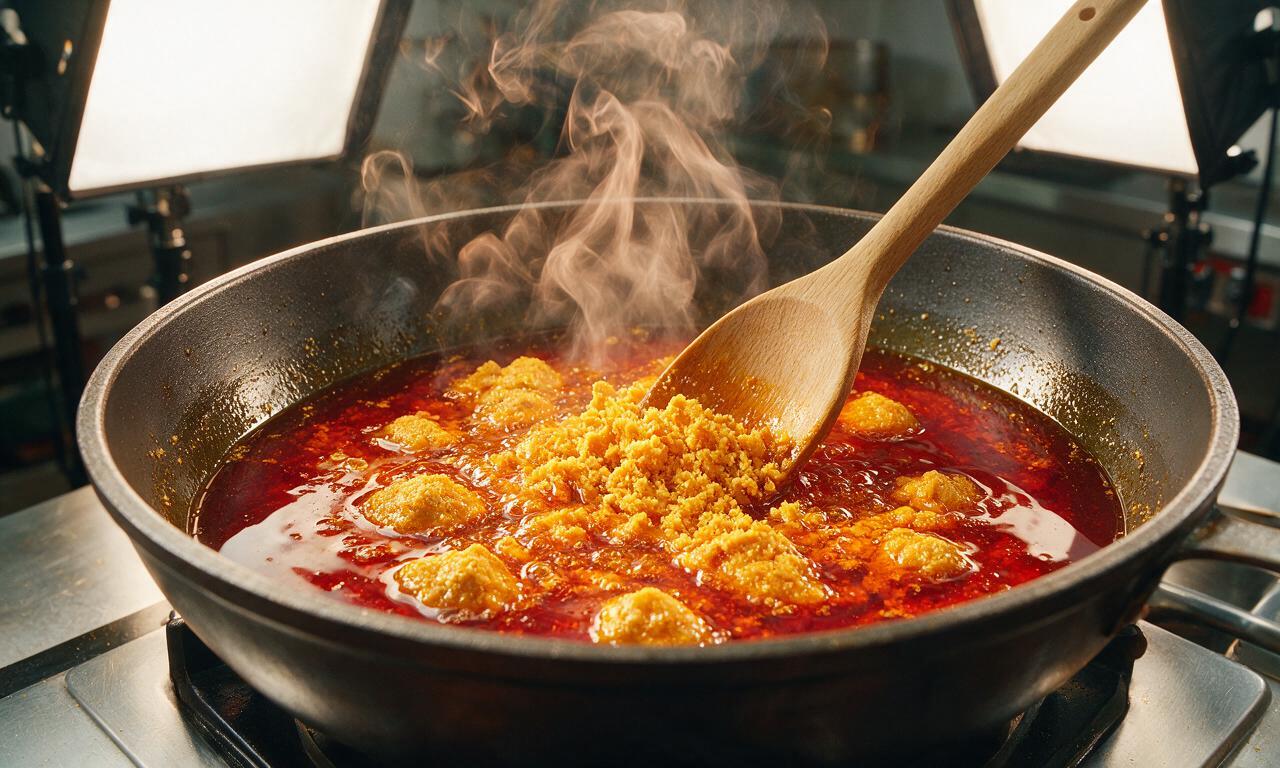
Frying egusi paste in palm oil for 5 to 7 minutes before adding liquid is a common regional variation that gives the soup a deeper, nuttier, more toasty flavor, but it is not required. If you want that richer, more robust taste, go for it—just stir constantly so the fine ground seeds don’t burn and turn bitter on the pot bottom.
15.How thick should egusi soup be when it’s finished cooking?
▾
It should be thick enough to evenly coat the back of a spoon, roughly the consistency of hearty chili, not thin like a broth. If your soup is too runny, leave it uncovered and simmer for 5 to 10 extra minutes to reduce; if it’s too thick, stir in small splashes of beef stock or water a tablespoon at a time until you hit that perfect scoopable texture.
16.Do I need special hard-to-find spices to make this taste authentic?
▾
You don’t need fancy, obscure spices for great egusi! The core signature flavor comes from the egusi, palm oil, smoked fish, and slow-simmered beef. If you can track down ground crayfish, add a teaspoon for extra umami depth, but otherwise, salt, black pepper, a pinch of cayenne, and a little garlic powder will make a delicious, authentic-tasting pot.

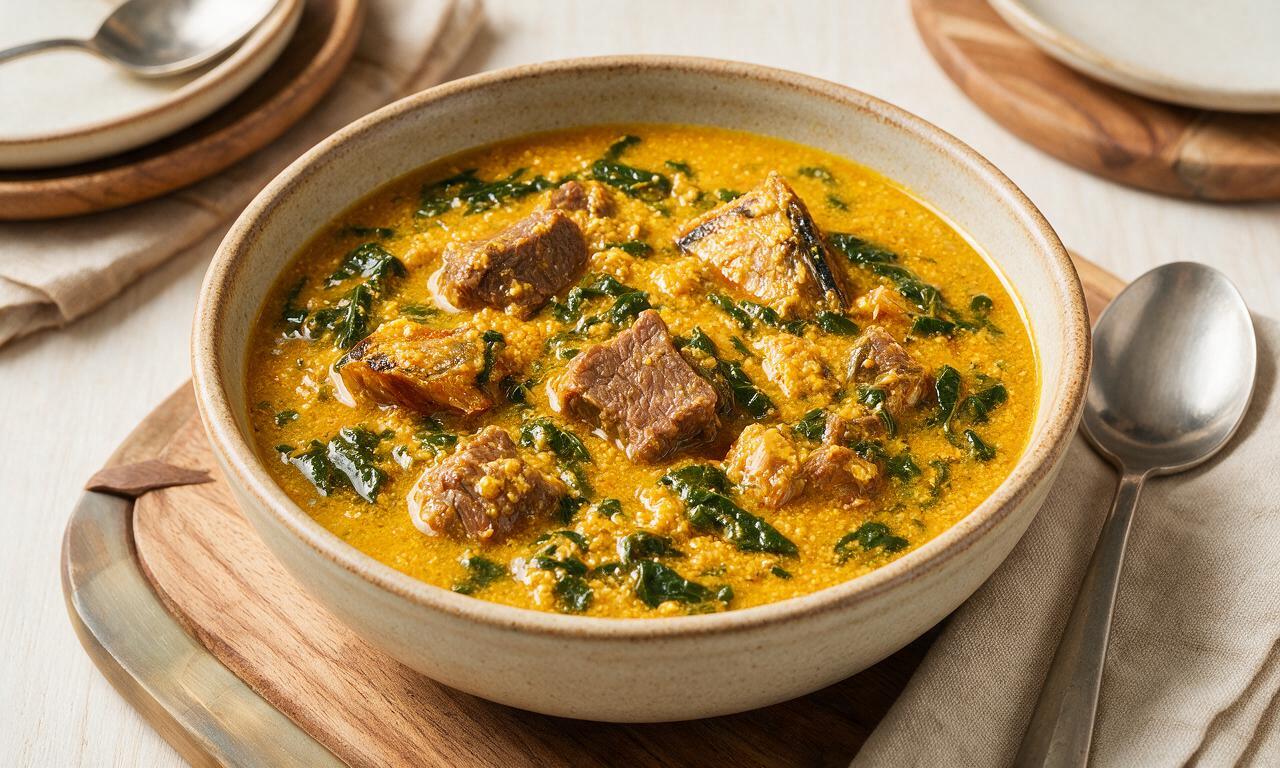
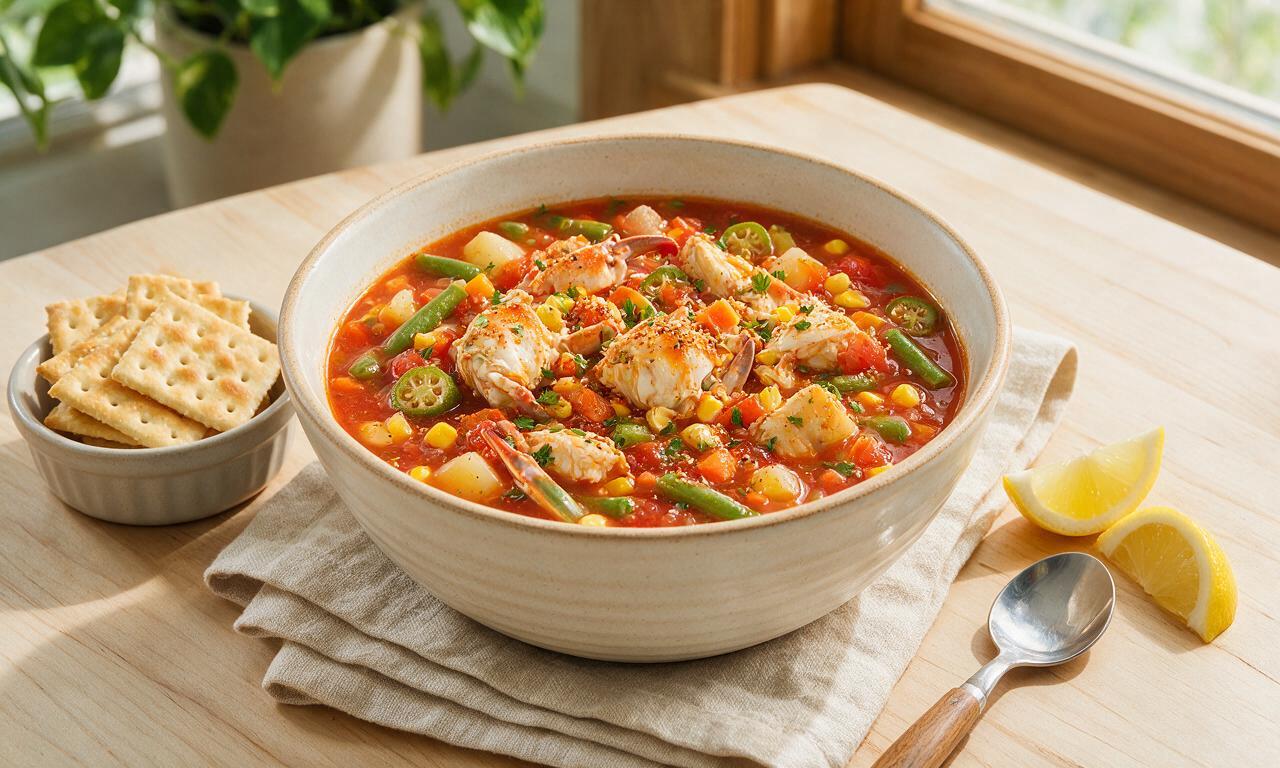
OMG this egusi soup was a total hit at our Sunday family dinner! I served it with pounded yam and even my super picky 7 year old asked for seconds. SO good, I already sent the recipe to my entire group chat. The melon seed flavor is so nutty and rich, I can’t believe I waited so long to try making this at home!
Tried this for my dorm meal prep this week! It was way easier than I thought it would be even with the medium difficulty rating, I just picked up pre-ground egusi seeds at the international market near campus. Only reason I knocked a star off is I added way too much cayenne on accident and had to chug 3 glasses of water with every bite lmao. Still tasty though!
Game changer! I’ve only ever had egusi soup at the tiny Nigerian spot down the street from my office and this tastes exactly like what they serve. I threw in some extra smoked turkey because that’s my favorite protein to add, and it came out perfect. Will be making this at least once a month from now on.
Made this vegetarian by swapping the beef and stock for mushroom broth and roasted tofu, and it still slapped! The egusi gives it such a hearty, creamy texture that I didn’t even miss the meat. Brought it to my office potluck and everyone was begging for the recipe, even the people who say they “don’t like African food.”
As someone who grew up eating my mom’s egusi soup in Houston, I was skeptical that a random online recipe would hit, but this came SO close! I added a bit extra locust beans like my mom always does and it tasted just like home. 10/10, even my American husband who was scared of trying it went back for a third serving.
Meal prepped 5 servings of this last Sunday and it held up perfectly all week in the fridge! The flavors actually got better each day, which is my favorite kind of recipe. I paired it with cauliflower rice for a lower carb option and it still worked so well. Great recipe, super clear instructions.
Brought this to my neighborhood block party potluck last weekend and people were lined up to get a serving! I served it with fufu and eba on the side so people could pick what they wanted. I had zero leftovers, which is always the sign of a winning recipe. Can’t wait to make it again for my sister’s birthday dinner next month.
First time making any kind of West African soup and this turned out way better than I expected! I messed up the first step when I toasted the egusi seeds a little too long (oops, got distracted helping my kid with math homework) but it still had a great nutty flavor, just a tiny bit smoky. Next time I’ll watch the pot closer lol.
I made this for my grandkids when they came to visit last week and they were obsessed! They kept saying it tasted like “fancy savory peanut butter soup” which I thought was the cutest description. I added a little extra spinach because I always sneak extra veggies into meals, and no one even noticed. Delish!
Taste was incredible but I ran into a little trouble with the texture! My egusi came out a little lumpy no matter how much I stirred, did I do something wrong? I followed the measurements exactly but it wasn’t as smooth as the egusi I get at local restaurants. Still really tasty, just not the texture I was going for.
Solid egusi recipe! I added some dried crayfish and a handful of bitter leaf like I do when I make it for my friends at our monthly Naija food night, and everyone was raving. Cook time was spot on too — 50 minutes is exactly what it takes me from start to finish, no extra hassle. Great recipe for folks new to making Nigerian food at home.
Just made this after picking up supplies from the market Tunde recommended and OMG it’s so good!!! I was nervous because I’ve never made Nigerian food before, but the instructions were so clear and easy to follow. I served it with fufu I made from a box mix and it felt like I was eating at a fancy restaurant. 10/10 will make again!