1.What makes gamjatang different from other Korean stews like kimchi jjigae?
▾
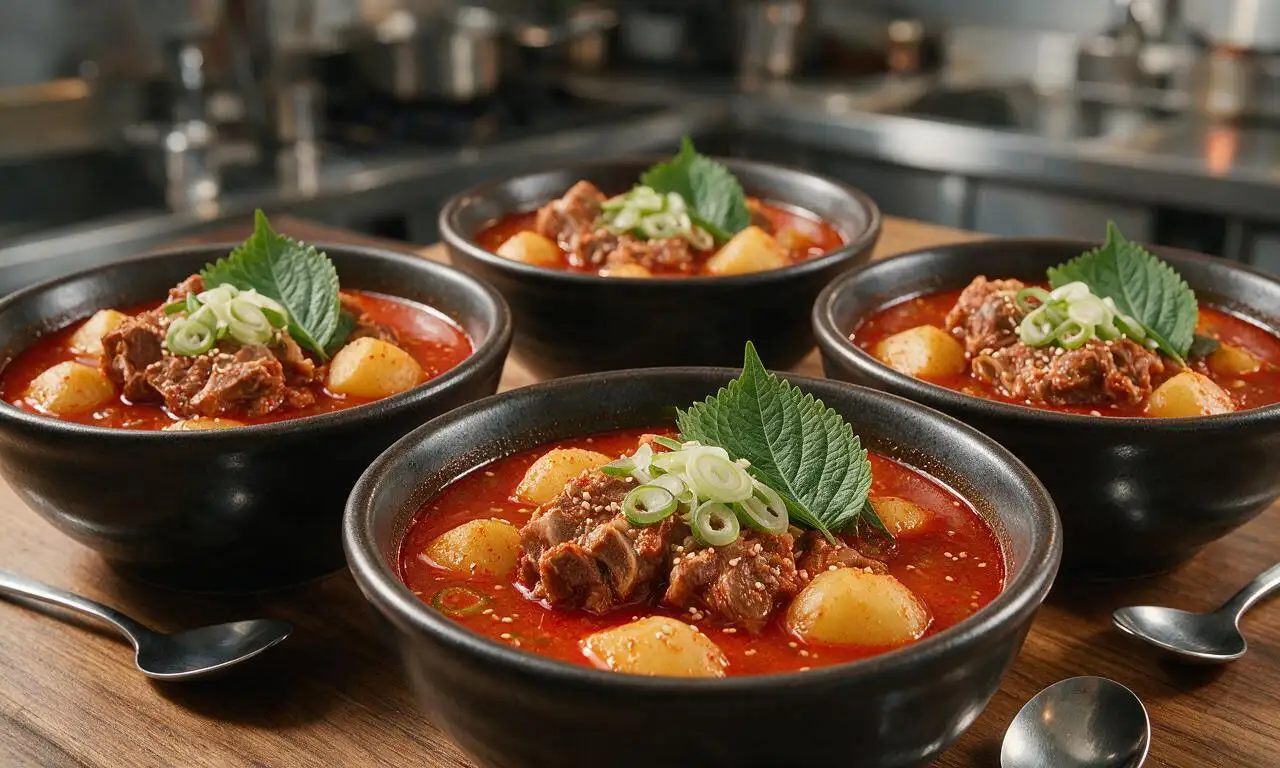
Great question! The biggest differences are core ingredients and flavor profile: gamjatang centers on meaty pork neck bones, hearty potatoes, and nutty perilla leaves, seasoned with gochugaru, doenjang, and perilla for earthy spice. Unlike tangy, kimchi-forward jjigae, it has a rich, marrow-thickened broth made for slow, shared cold-weather meals.
2.What can I use if I can’t find fresh perilla leaves?
▾
Fresh perilla adds that signature nutty, subtly anise-like aroma, but if it’s hard to track down, use 1 teaspoon of toasted perilla seed powder per 4 leaves called for, plus a handful of torn shiso leaves as a close flavor match. Skip dried perilla if possible—it tends to taste bitter and flat compared to fresh or powdered options.
3.How do I remove gamey off-flavors from pork neck bones?
▾
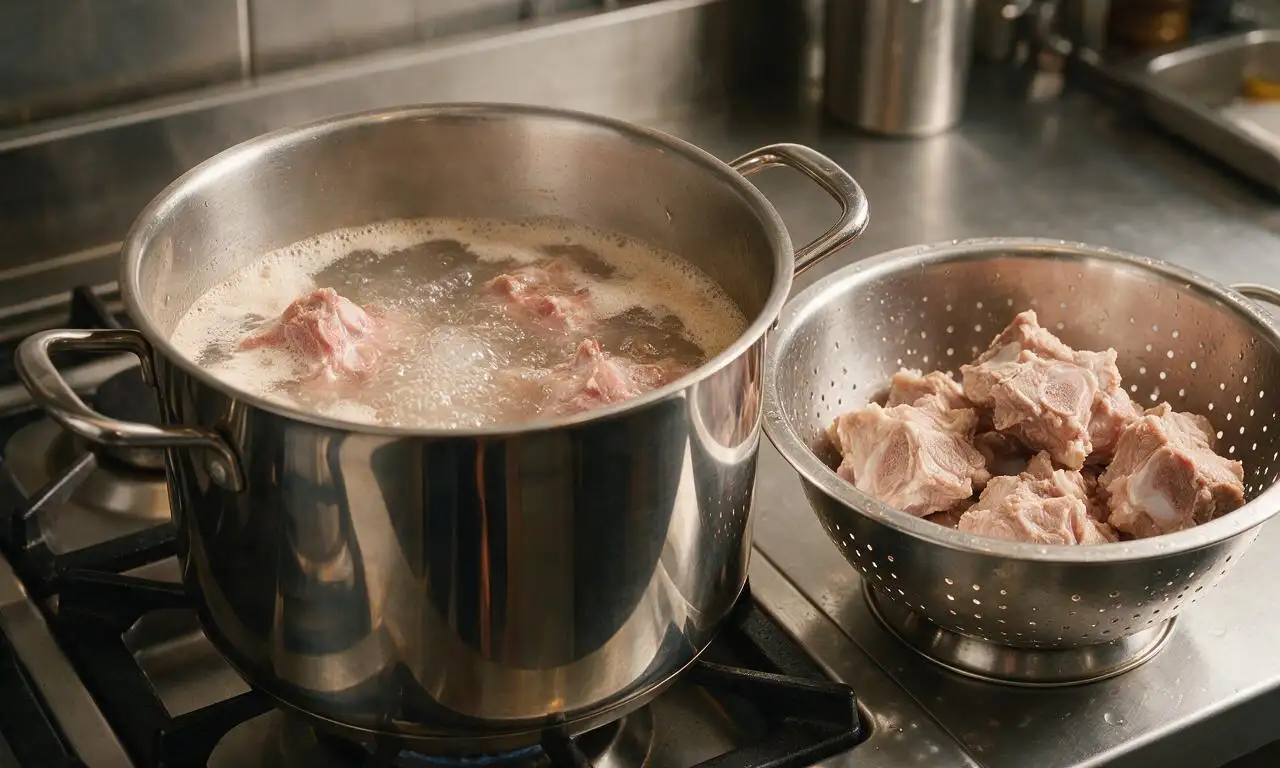
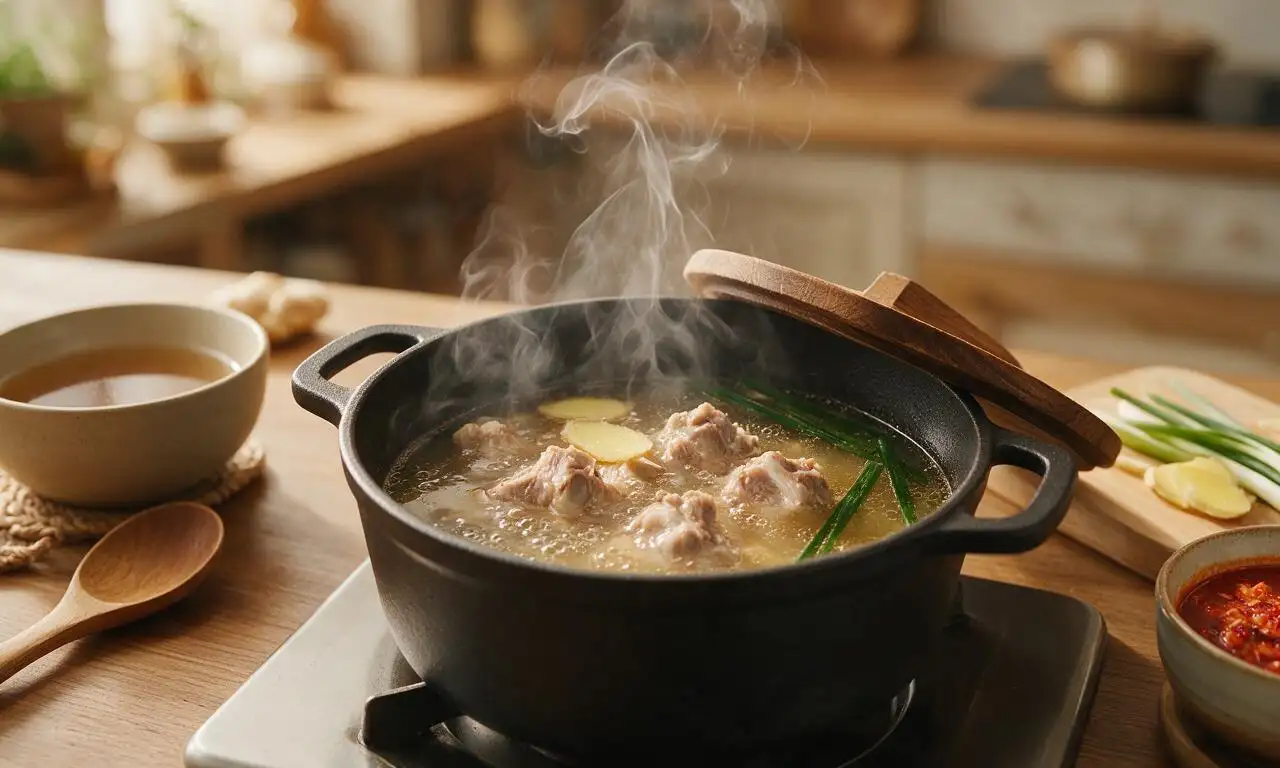
The key is a simple pre-treatment! First, soak bones in cold water for 1–2 hours to draw out excess blood, changing the water once. Then boil uncovered for 10 minutes with a splash of rice wine and a few ginger slices, drain, and scrub each bone under cold running water before adding to your stew base. This eliminates nearly all unwanted gamey notes.
4.What potato works best if I don’t have Yukon Golds?
▾
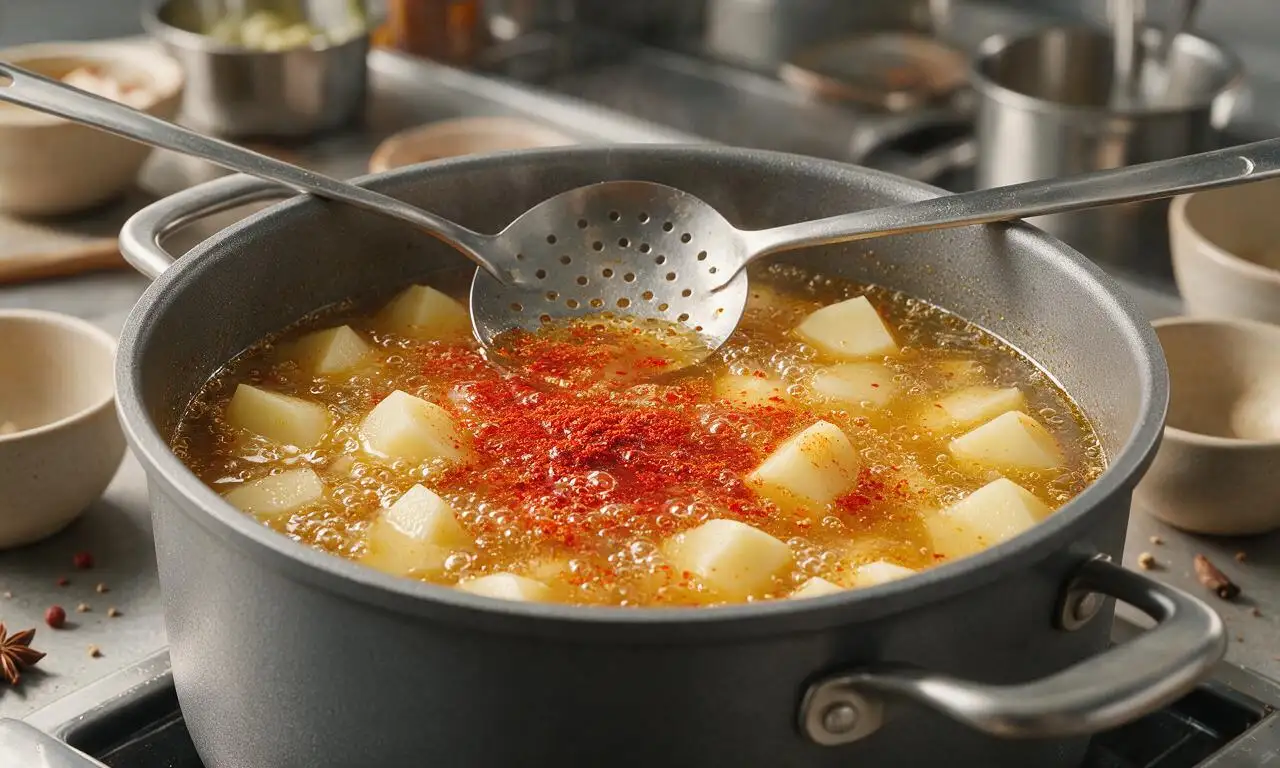
Yukon Golds are ideal because they hold their shape during long simmers and have a creamy, buttery texture, but russet potatoes work as a solid backup—just cut them into slightly larger 2-inch chunks so they don’t turn mushy. Skip waxy new potatoes, as they won’t absorb the spicy, umami broth nearly as well as starchier varieties.
5.Can I turn down the spice level without ruining the authentic flavor?
▾
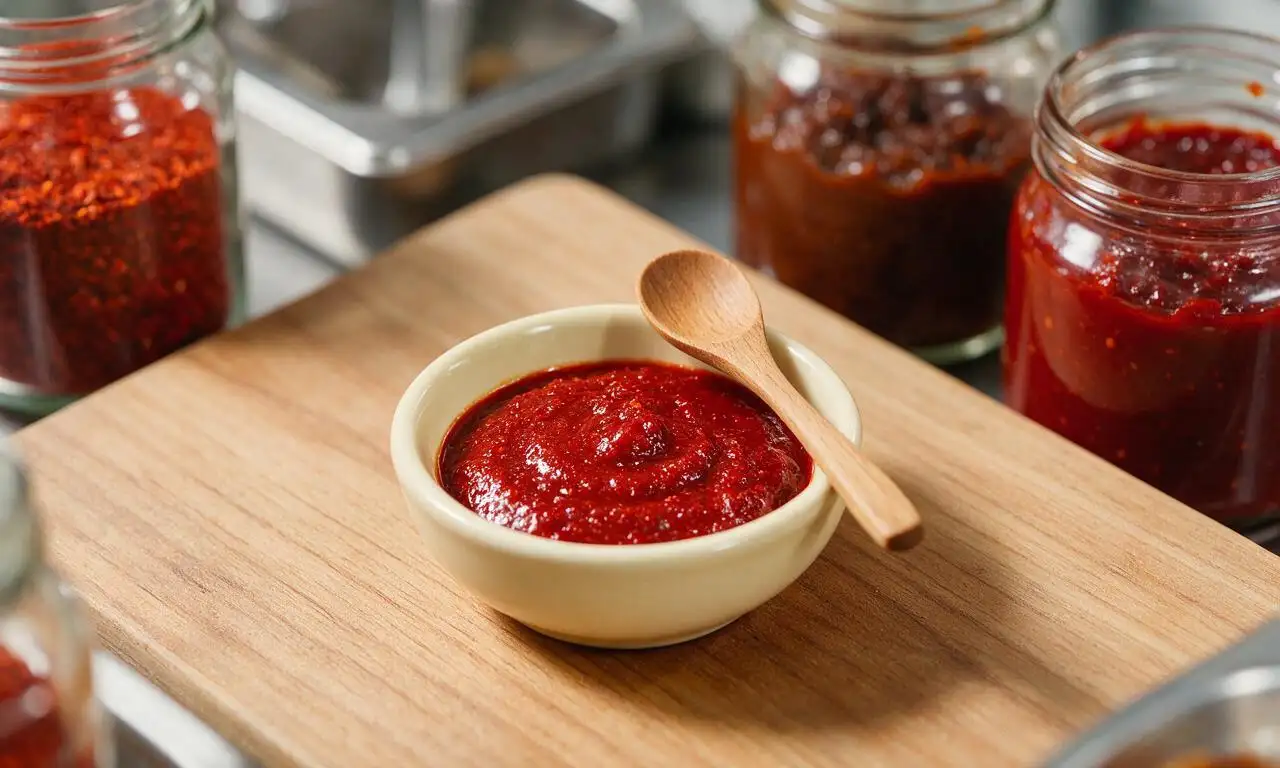
Definitely! The base heat comes from gochugaru (Korean chili flakes), so cut the amount in half for a mild version, or swap a quarter of it for sweet paprika to keep that signature deep red color without extra burn. Don’t skip the small amount of gochujang, though—it adds critical umami, not just heat.
6.How long do I need to simmer bones to get tender, pull-apart pork?
▾
For fall-off-the-bone meat that lifts easily from the bone, simmer on low, covered, for 1 hour 15 minutes before adding potatoes and cabbage. If you’re short on time, cut that to 45 minutes in a pressure cooker on high, with a 10-minute natural pressure release to keep the broth rich and silky.
7.Is there a tasty vegetarian swap for this stew?
▾
You can make a really satisfying plant-based version! Replace pork bones with a rich mushroom-kombu dashi, use torn king oyster mushroom chunks to mimic pulled pork texture, keep all the original seasonings, potatoes, cabbage, and perilla, and add an extra tablespoon of doenjang for deep umami. It hits that same cozy, spicy, earthy note.
8.Why did my potatoes turn mushy and fall apart last time I made this?
▾
That almost always means you added them too early! Potatoes only need 20–25 minutes of simmering to cook through and hold their shape, so add them after the pork has already simmered to tenderness. Cutting them too small also causes mush, so stick to uniform 1.5-inch chunks for even cooking without dissolving.
9.Can I make gamjatang ahead for meal prep?
▾
It actually tastes even better made a day ahead! Let the stew cool completely, store in an airtight container in the fridge for up to 4 days, and skim any solidified fat off the top before reheating gently on the stovetop. The flavors meld and deepen as it sits, making day-two servings extra rich and flavorful.
10.What’s the best way to serve gamjatang for a group meal?
▾
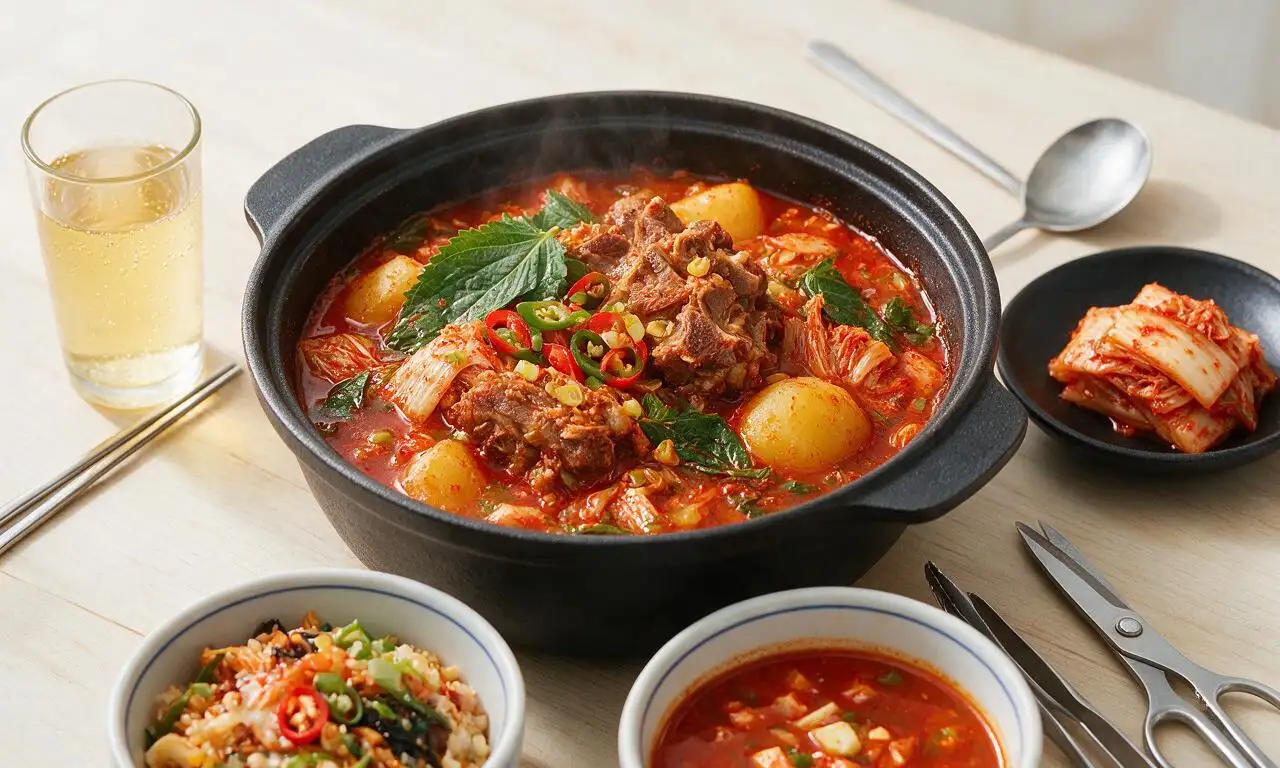
Serve it family-style in a big shared pot kept warm on a tabletop burner, with bowls of steamed short-grain rice, extra kimchi on the side, and a small dish of flaky sea salt for dipping tender pork pieces. Set out extra chopped green onions and perilla for guests to top their own bowls to taste.
11.Do I really need both doenjang and gochujang for the seasoning?
▾
These two fermented pastes are non-negotiable for classic gamjatang flavor: doenjang (fermented soybean paste) adds earthy, salty depth, while gochujang adds subtle heat and sweet, fermented savor. Don’t swap in Japanese miso or chili garlic sauce as a 1:1 replacement, as it will throw off the broth’s balance.
12.Can I freeze leftover gamjatang?
▾
Yes, it freezes beautifully for up to 3 months! Let it cool fully, portion into freezer-safe airtight bags or containers with a little headspace for expansion, and label with the date. Thaw in the fridge overnight before reheating, and add a splash of water or low-sodium broth if it thickens too much as it warms.
13.How do I keep Napa cabbage from getting soggy in the stew?
▾
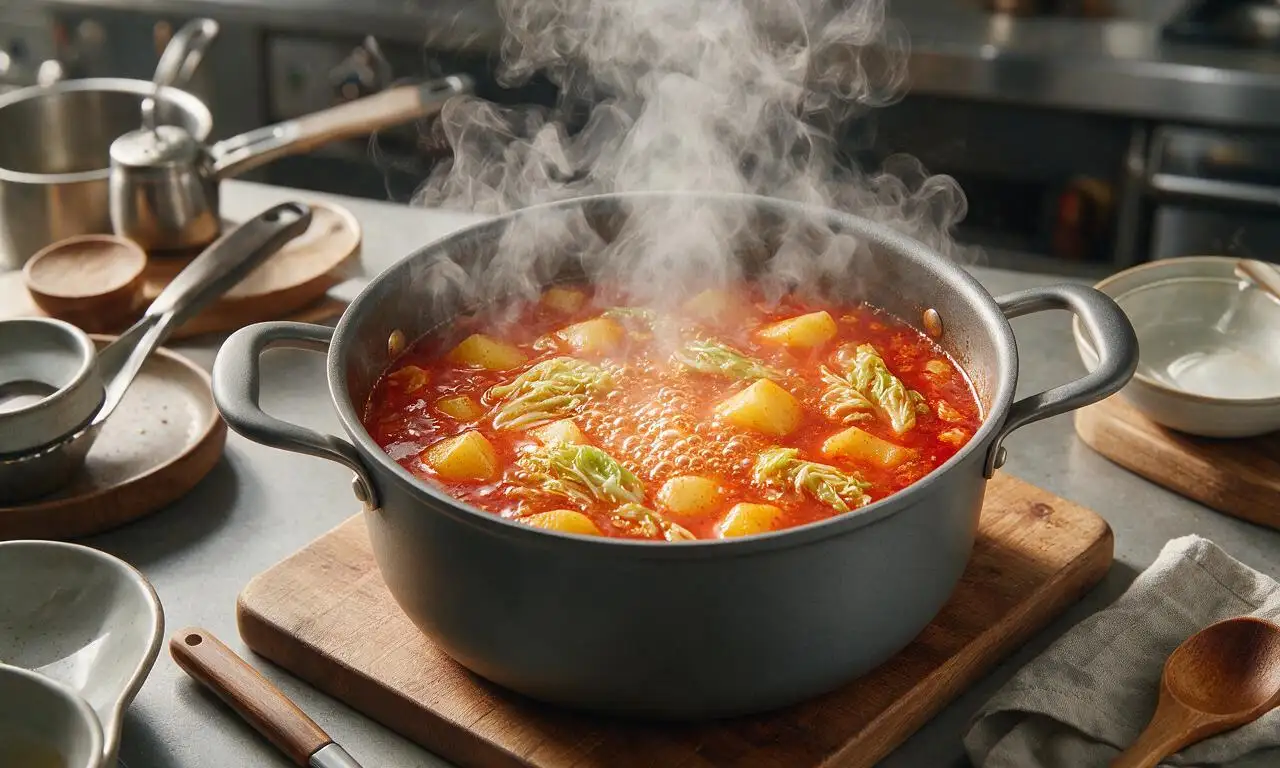
Napa cabbage cooks much faster than potatoes or pork, so add it during the last 10 minutes of simmering, not at the start. Stick to the firmer, paler green outer and middle leaves rather than super tender inner yellow leaves, which break down too quickly, and chop into rough 2-inch pieces to hold pleasant texture.
14.Do traditional versions of gamjatang include perilla seeds?
▾
Yes! Many regional Korean recipes add toasted, ground perilla seeds to the broth for extra nutty, creamy texture without dairy. For that authentic restaurant-style richness, stir in 2 tablespoons of ground perilla seeds 5 minutes before the stew finishes cooking—it slightly thickens the broth and amplifies that signature perilla aroma.
15.Can I add extra vegetables without making the stew inauthentic?
▾
Home-style gamjatang is super flexible! Common, well-matched add-ins include diced daikon radish, enoki mushrooms, or chewy sweet potato glass noodles stirred in during the last few minutes of cooking. Just skip strongly flavored veggies like broccoli or bell peppers, which will overpower the delicate perilla and fermented paste notes.
16.Why is my broth thin and lacking deep flavor?
▾
Thin, flat broth usually means you didn’t simmer the bones long enough to draw out marrow and collagen, or you skimped on the fermented pastes. Make sure to simmer on low, not at a rolling boil, to extract all that rich goodness, and taste to adjust at the end with a little extra doenjang or fish sauce if needed.
17.Do I need special equipment to make this stew?
▾
No fancy gear required! A heavy-bottomed Dutch oven or large stock pot works perfectly, as long as it’s big enough to hold the bones and liquid without boiling over. A Korean stone pot (dolsot) is fun for serving, as it keeps the stew piping hot through the whole meal, but it is totally optional.
18.Is it okay to use pre-cut pork neck bones from the grocery store?
▾
Pre-cut neck bones are actually ideal, because the cut edges let more marrow and collagen leach into the broth for a richer final result. Just make sure to check for any small bone shards left from the butcher’s saw, and rinse them well before the pre-soak step to wash away loose fragments.
19.Why do recipes call for adding green onions at two separate times?
▾
I add the thicker, white green onion parts early in the simmer with the bones to build sweet, aromatic depth in the broth, then toss the thin, bright green parts in at the very end for a fresh, sharp pop of color and flavor. Adding all green onion at the start makes the green parts turn mushy and lose their bright taste.
20.Is gamjatang hearty enough to serve as a full meal on its own?
▾
It’s absolutely filling enough to be a full meal, especially when paired with steamed short-grain rice, though it’s also a popular late-night anju (food served with soju or beer) in Korea. You don’t need many sides—just a little pickled kimchi or radish to cut through the rich, spicy broth works perfectly.

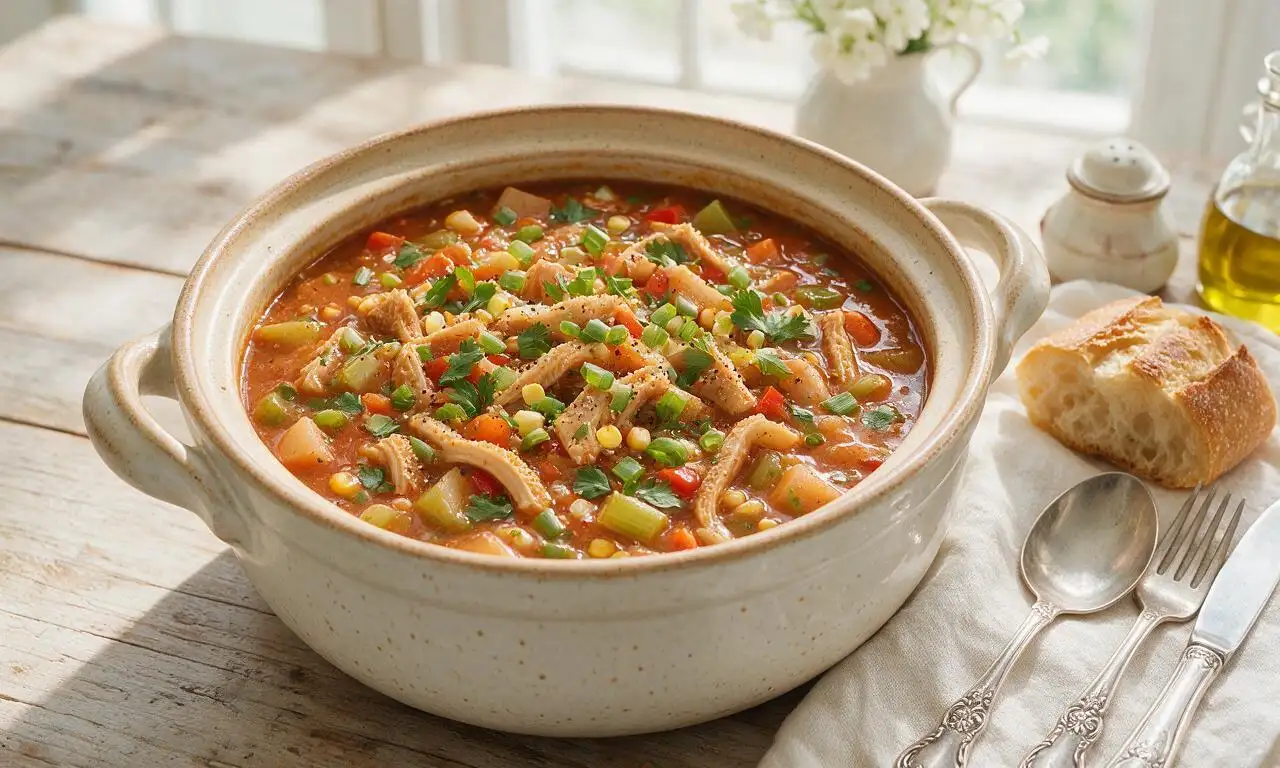
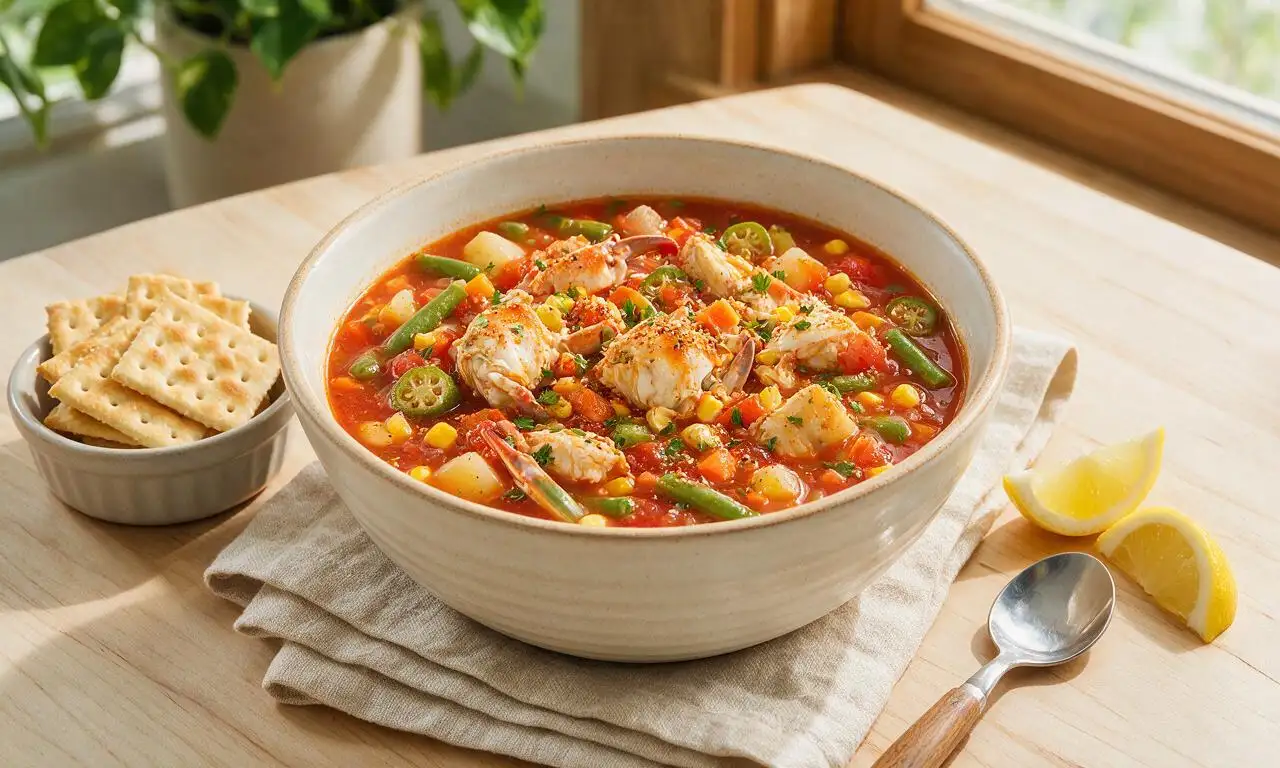
OMG this gamjatang was the star of our Sunday family dinner! I was a little nervous about the 2+ hour cook time but it was SO worth it. The pork bones got fall-off-the-bone tender, the potatoes soaked up all that spicy umami broth perfectly, and even my super picky 7 year old asked for seconds. Game changer for cold weather meals!
I’ve ordered gamjatang at every Korean restaurant within 20 minutes of my apartment and this recipe is SO good – tastes exactly like my favorite spot’s version! The gochugaru and perilla leaves add that perfect depth I’ve been missing in other copycat recipes. Will be making this at least once a month all winter.
Wait, has anyone tried making this in a pressure cooker to cut down on cook time? 2+ hours is a little long for me to pull off on weeknights but I am obsessed with this flavor profile and want to add it to my meal prep rotation.
Y’all I added extra potatoes (because duh, potatoes are the best part) and a handful of glass noodles at the end and it was *chef’s kiss*. So hearty, spicy enough to clear your sinuses but not so hot that my partner who hates super spicy food couldn’t eat it (I cut the gochugaru by half for his portion). 10/10
Made this for my buddies during our football watch party last weekend and everyone was raving. I threw in a few extra pork neck bones because we’re a meat-heavy crew, and served it with kimchi and cold beer – perfect combo. Only note is make sure you have a big enough pot, I almost overflowed mine!
As someone who grew up eating my grandma’s gamjatang, I was skeptical this recipe would live up to the nostalgia, but wow – it’s so close! The only thing I did differently was add a little extra doenjang because that’s how halmeoni made it. Thank you for such an authentic, easy to follow recipe!
PSA: The leftovers of this are EVEN BETTER the next day. I made a big batch on Sunday, ate it for lunch all week, and the flavors got deeper and more delicious every single day. Don’t be scared to make a huge pot, you won’t regret it.
Okay, I’m a total beginner cook and I was worried this would be too hard since it’s medium difficulty, but the instructions were so clear! I only messed up a little by burning the garlic when I was sautéing the aromatics, but it still turned out amazing. My roommates thought I ordered takeout lmao
Brought this to my neighborhood fall potluck and so many people asked for the recipe! I kept it warm in my slow cooker on the low setting and it stayed perfect the whole time. The spicy, cozy flavor is perfect for outdoor events when it’s a little chilly out.
Quick question – is this recipe gluten free? I know some Korean stews use soy sauce which has gluten, and I want to make this for my friend who has celiac.
I upped the gochugaru by an extra tablespoon and added a splash of chili crisp on top when serving and WHEW, that’s the heat level I live for. If you’re a spice wimp the original recipe is probably perfect, but for my fellow spice freaks, don’t be shy to crank it up!
My kids loved it! I served it with a side of rice to cut the spice a little for them, and they all went back for seconds. Even my oldest who claims he ‘hates soup’ ate two full bowls. This is going into our regular dinner rotation for sure.
Tried making this in my slow cooker on low for 8 hours while I was at work, then added the potatoes and bok choy the last hour, and it came out flawlessly. I walked in the door to the best smell ever, dinner was basically done. No slaving over the stove required!
This made me so homesick for my mom’s cooking! I haven’t had gamjatang since I moved out for college, and making this in my tiny apartment kitchen felt like a little hug. The perilla leaves are non-negotiable, don’t skip them y’all, they make the whole dish.
Made this for my partner for our at-home date night and they were so impressed. We paired it with makgeolli like we get at our favorite Koreatown spot, and it felt just like a night out but way cozier. 10/10 date night meal, not too fussy but feels special.
Wait, can you freeze this? I want to make a double batch but I live alone so I can’t eat all of it in a week, even with leftovers being amazing.
I was worried the spice level would be too weak for my Texas taste buds, but it’s got the perfect kick! I added a handful of sliced rice cakes at the end because I love that chewy texture, and it was chef’s kiss. Serve with a side of pickled radish and you’ve got the perfect meal.
Made this on a rainy day when I was feeling under the weather and it literally cured my cold. The spicy broth cleared my sinuses, the warm potatoes and pork were so soothing, and I felt 100x better after eating a big bowl. Way better than chicken noodle soup, fight me.
This is such a budget friendly meal! Pork neck bones are super cheap at my local Asian market, potatoes are inexpensive, and it makes so many servings. I fed 4 people for under $12 total, which is unbeatable right now with grocery prices so high.