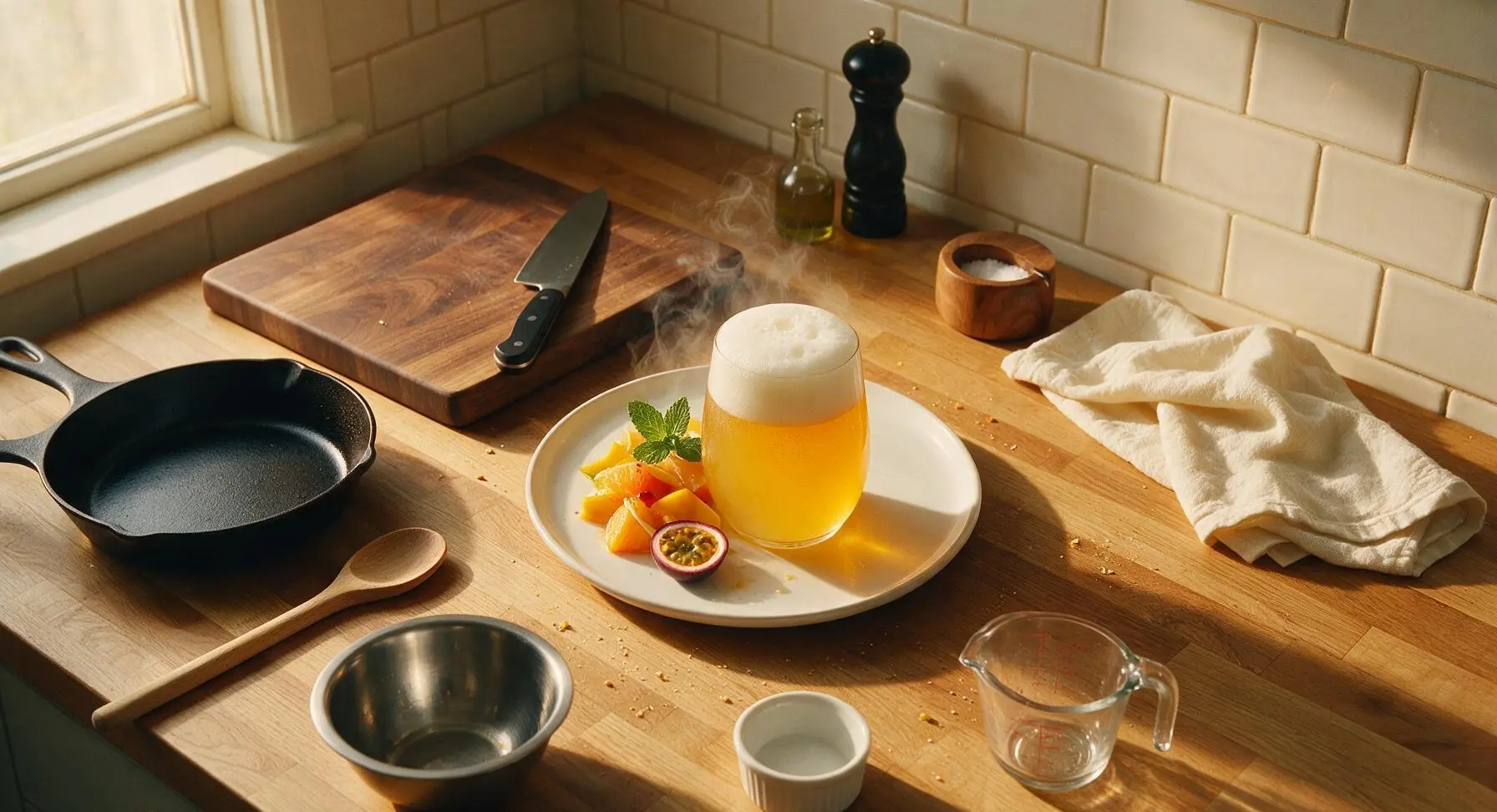
Hazy Double IPA

title 1
Hazy Double IPA
⏱️ cook time 2 weeks total (1 hour active mash/boil, 14 days fermentation and bottle conditioning)
🍽️ servings 48
⚡ Difficulty medium

intro

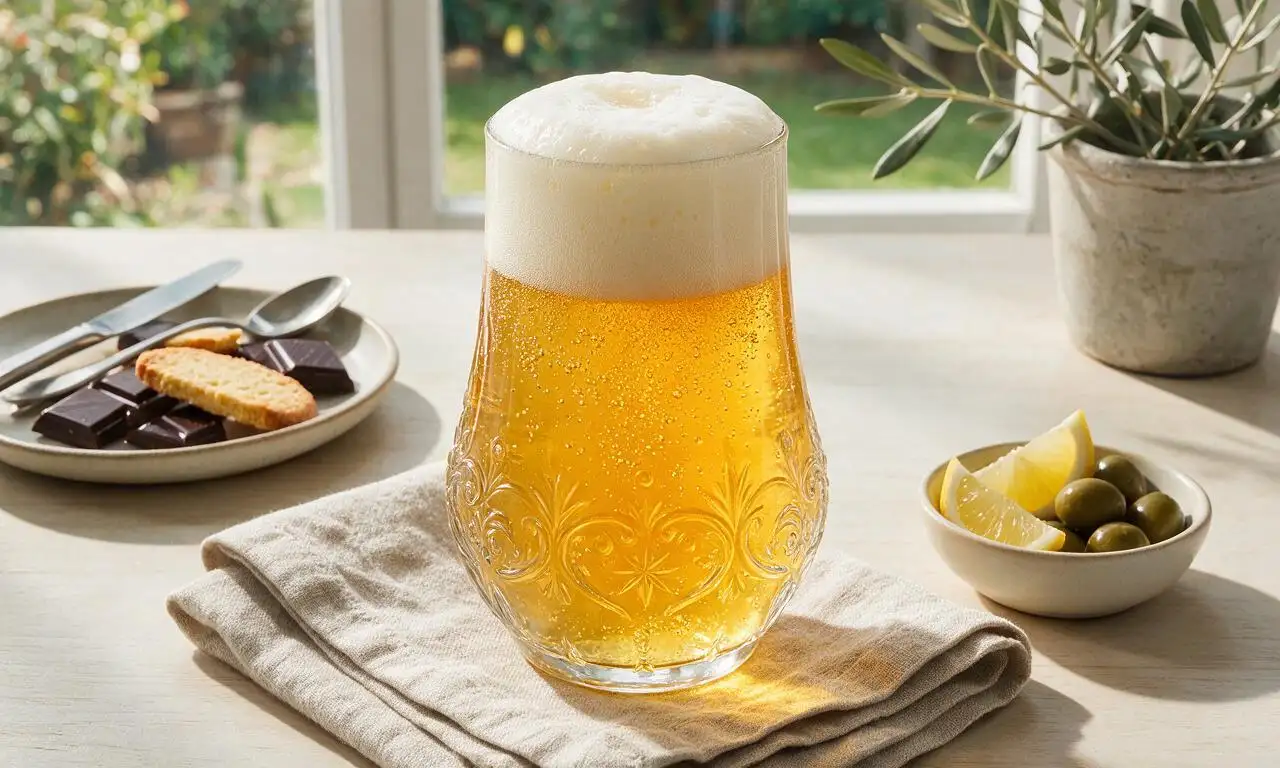
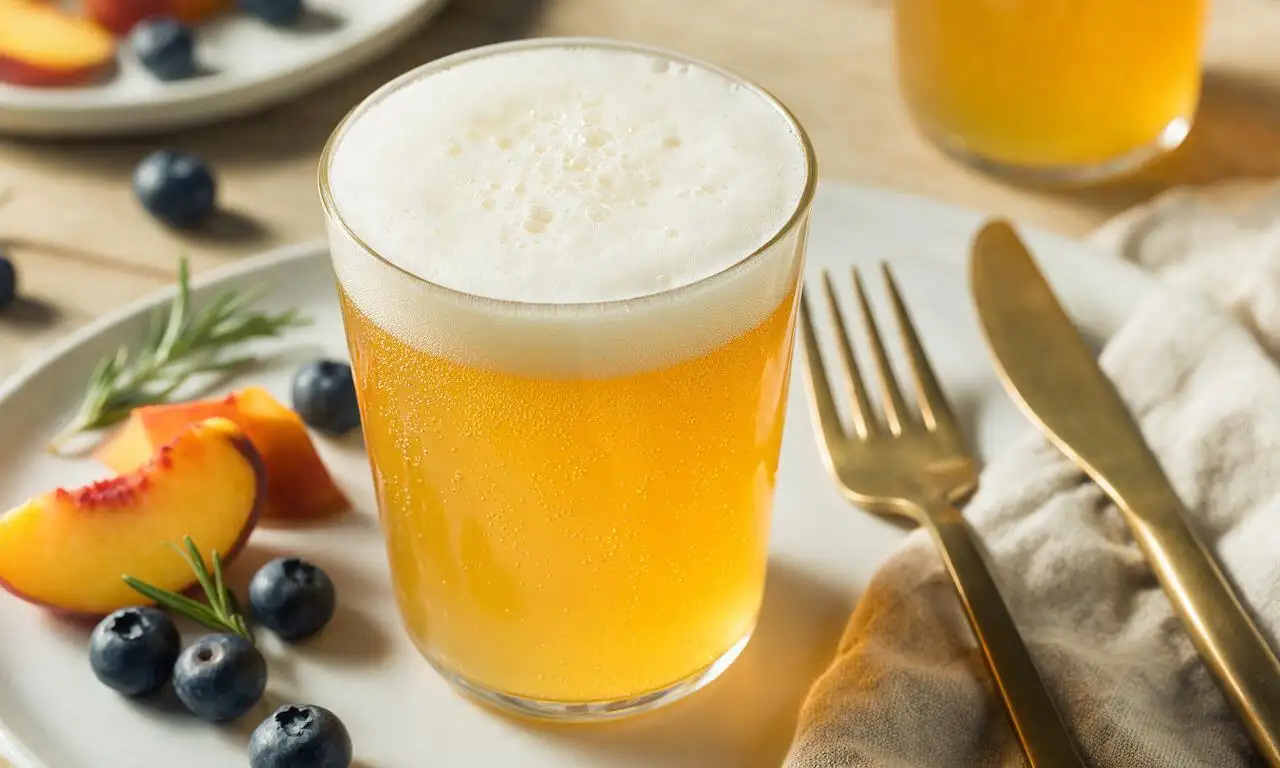
Juicy, unfiltered New England-style double IPA bursting with tropical citrus, mango, and passionfruit notes, with a soft creamy mouthfeel, low bitterness, and fluffy white head for smooth sipping.

Ingredients
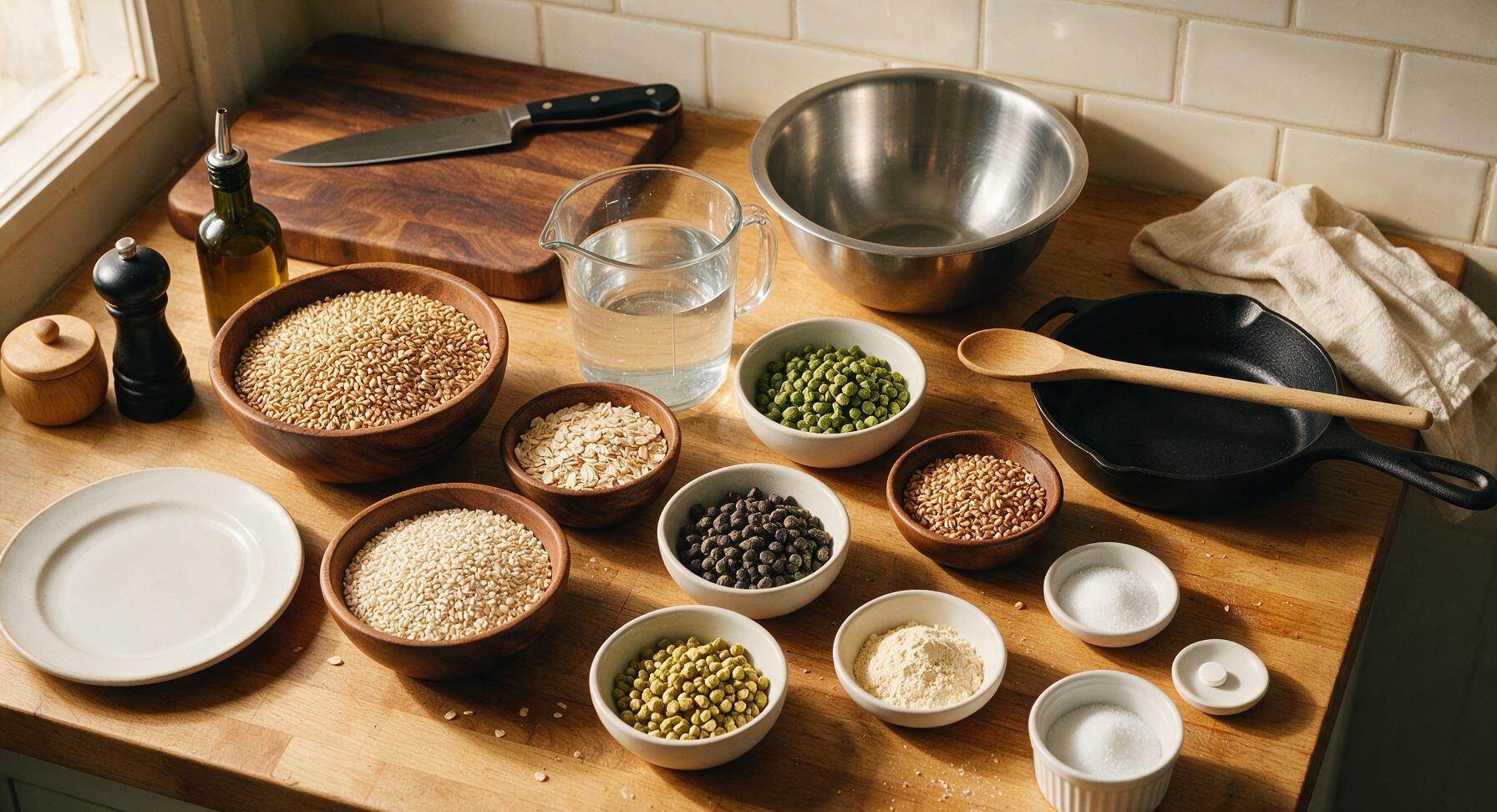
2-row pale malt 10 lbs (4.5kg)
White wheat malt 2 lbs (900g)
Flaked oats 1 lb (450g)
Carapils malt 8 oz (225g)
Citra hops 4 oz (113g)
Mosaic hops 3 oz (85g)
Galaxy hops 2 oz (57g)
New England-style ale yeast 1 sachet (11.5g)
Campden tablet 1 tablet
Filtered water 5.5 gallons (21L)
Corn priming sugar 5 oz (142g)

Steps

1

Sanitize Brewing Equipment

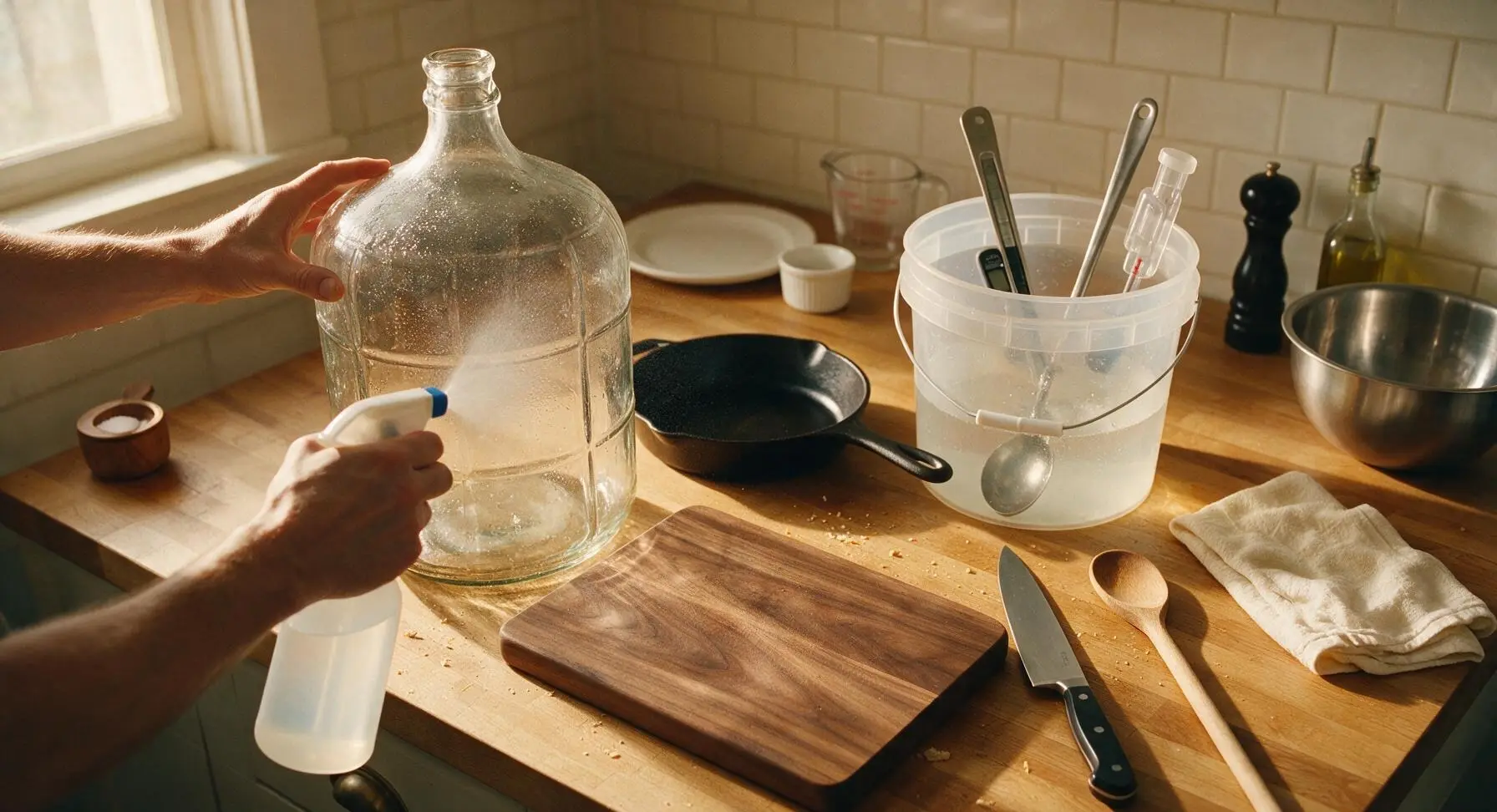
First, mix 1 tablespoon of no-rinse brewing sanitizer with 5 gallons of cool water in one of the 6-gallon clear plastic buckets. Submerge the long stainless stirring spoon, digital thermometer, airlock, and carboy neck for 2 minutes, then use the sanitizer spray bottle to coat all surfaces that will touch cooled wort. All sanitized items will glisten slightly with residue; do not wipe dry, as this can introduce bacteria. Proper sanitation prevents off-flavors and spoiled batches.
Step 1
step1:Sanitize Brewing Equipment
2

Mash the Grain Bill

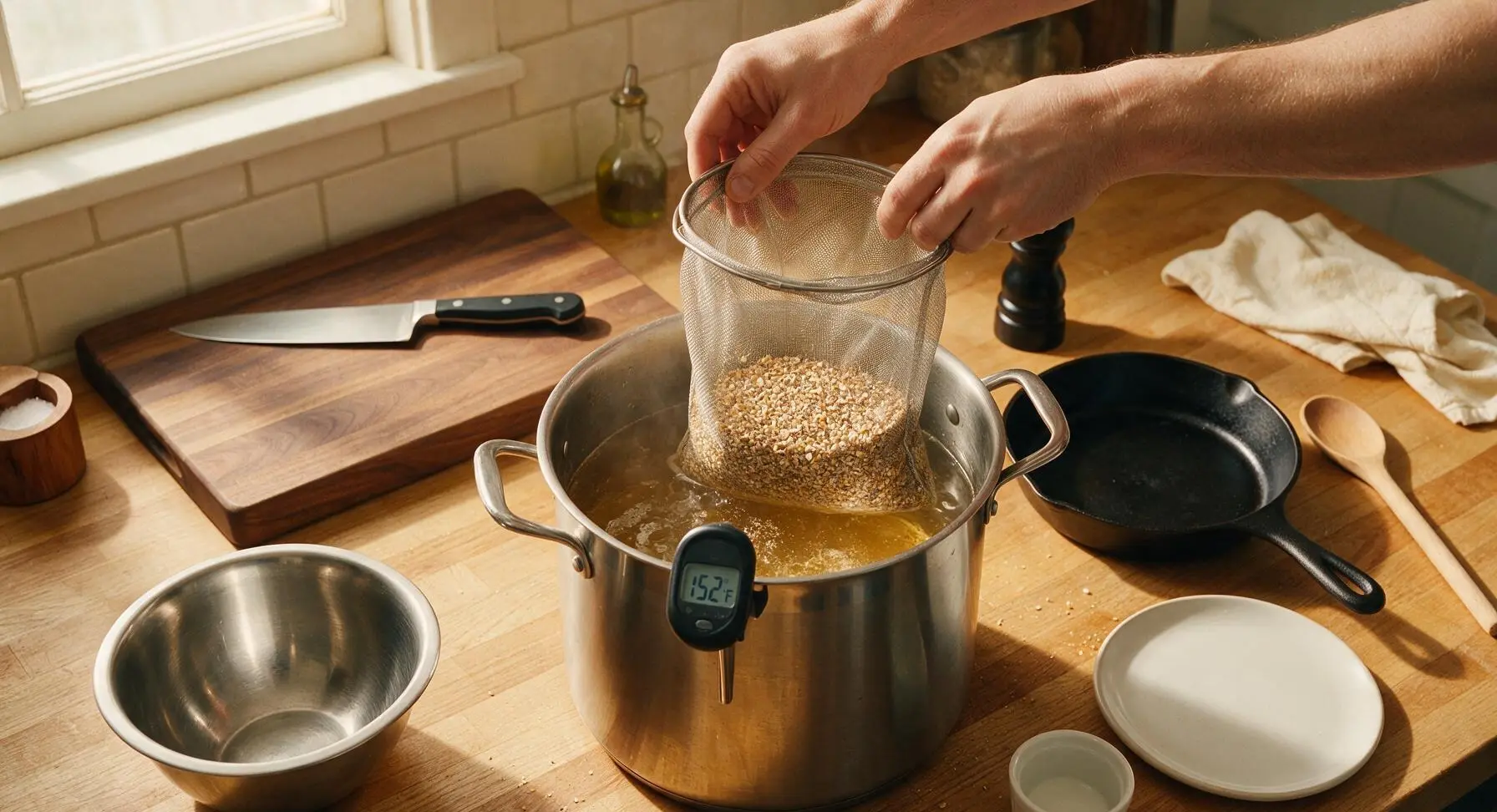
Heat 4 gallons of filtered water to 152°F (67°C) in the stainless steel brew kettle, drop in 1 crushed Campden tablet to neutralize chlorine. Line the kettle with the fine-mesh stainless grain bag, then pour in the mixed milled grains (2-row, wheat malt, flaked oats, Carapils) to form an even grain bed. Hold temperature steady at 150°F (66°C) for 60 minutes, stirring gently every 15 minutes with the long stainless spoon. The wort will turn a hazy pale gold as grain sugars extract into the water.
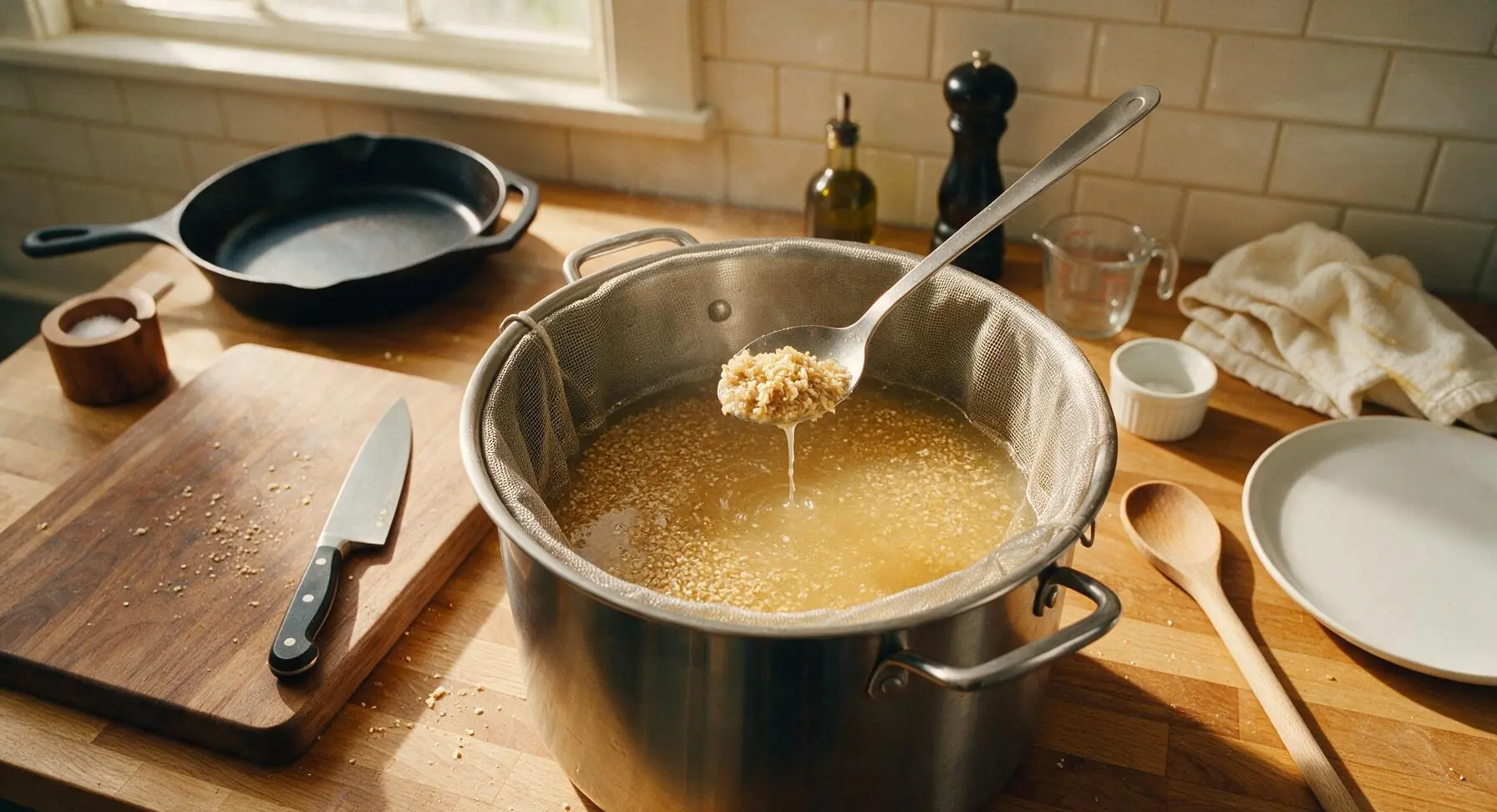
Step 2
step2:Mash the Grain Bill
Step 2
step2:Mash the Grain Bill
3

Boil the Wort

Lift the grain bag out of the kettle, let it drain fully over the wort for 5 minutes (do not squeeze, to avoid harsh astringent tannins). Top the kettle up to 5.5 gallons with filtered water, then bring wort to a gentle rolling boil (212°F / 100°C at sea level) and hold for 60 minutes. Add 1 oz Citra and 1 oz Mosaic hops at the 45 minute boil mark for subtle depth, avoiding earlier hop additions to keep bitterness low.
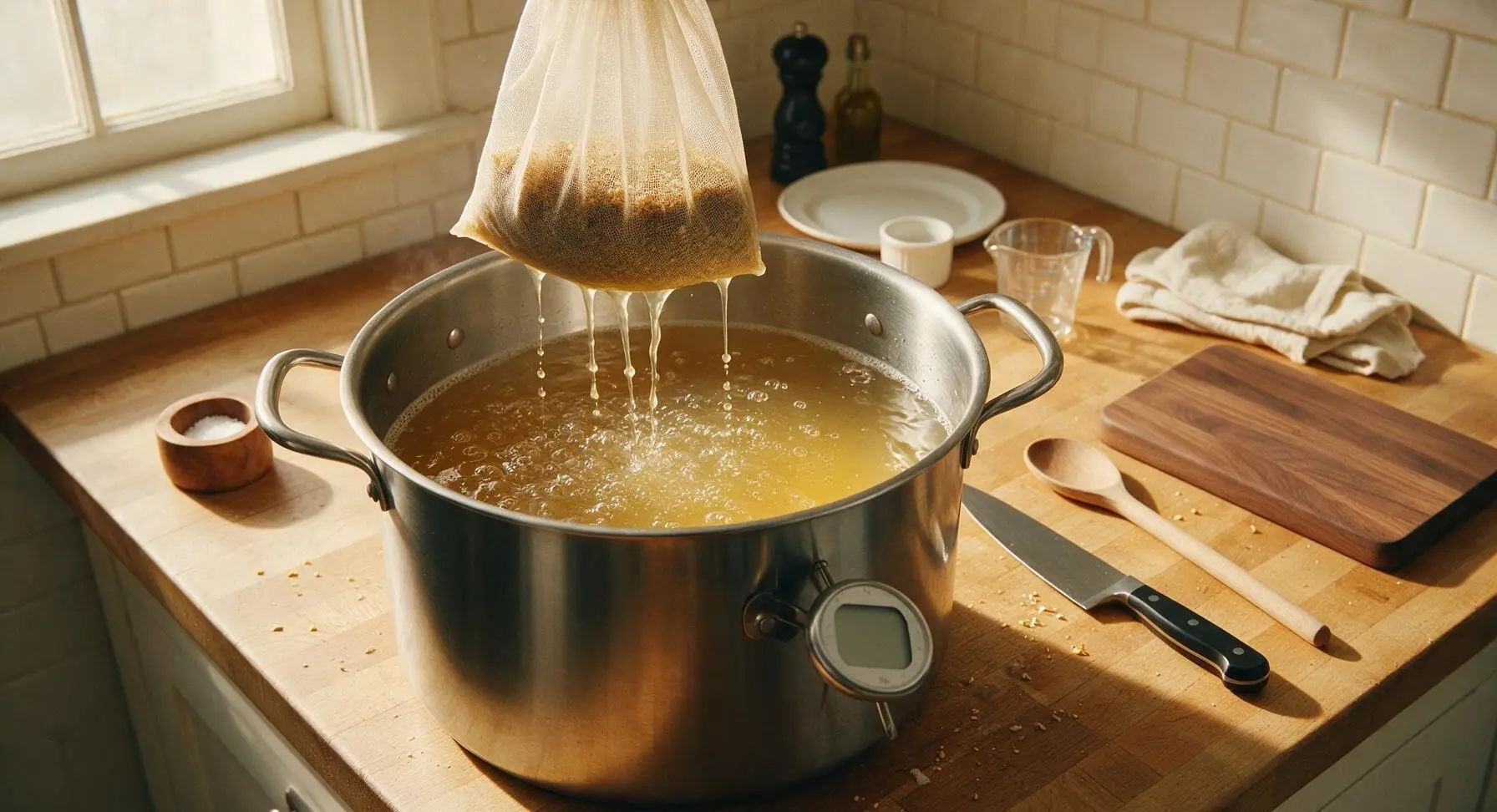
Step 3
step3:Boil the Wort
4

Add Late Hop Steep

When the 60 minute boil ends, turn off heat and let wort cool to 180°F (82°C) (this takes roughly 10 minutes). Add 2 oz Citra, 1 oz Mosaic, and 1 oz Galaxy hops, stir gently with the stainless spoon, then let hops steep for 20 minutes off heat. This hop stand step preserves delicate tropical hop oils that would boil away at higher temperatures; the wort will deepen to a hazy tangerine color, with bright citrus and passionfruit aroma rising with soft steam.
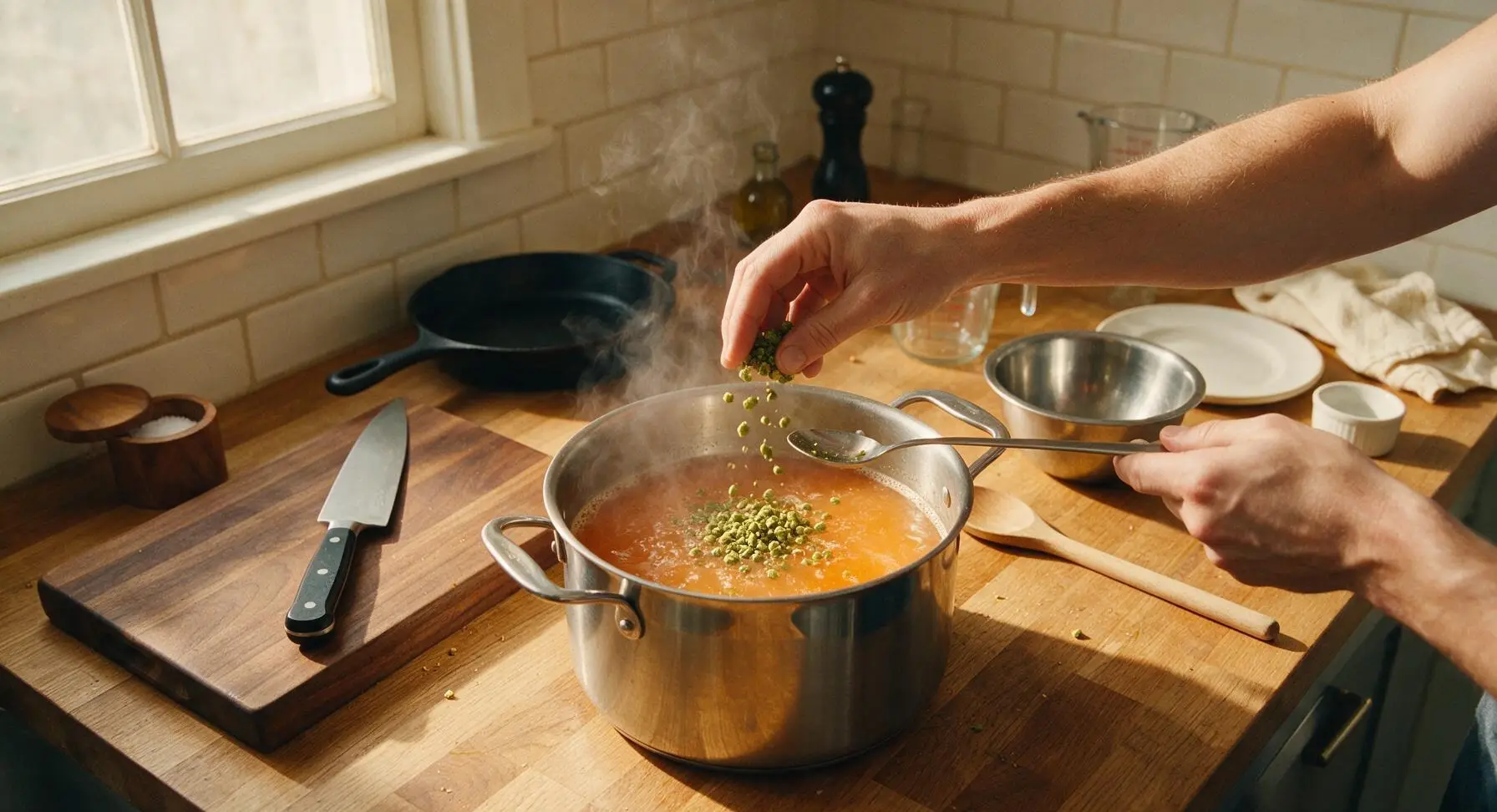
Step 4
step4:Add Late Hop Steep
5

Cool and Pitch Yeast

After the 20 minute hop steep, move the kettle to an ice bath to rapidly cool wort to 68°F (20°C) (about 25 minutes; rapid cooling prevents off-flavors and contamination). Pour cooled wort carefully into the sanitized 5-gallon glass carboy, aerate by shaking the sealed carboy gently for 30 seconds to feed yeast, then sprinkle the entire sachet of New England ale yeast onto the wort surface. Seal with a sanitized rubber stopper, insert the airlock half-filled with sanitizer, and move the carboy to a dark, temperature-stable 68°F space.
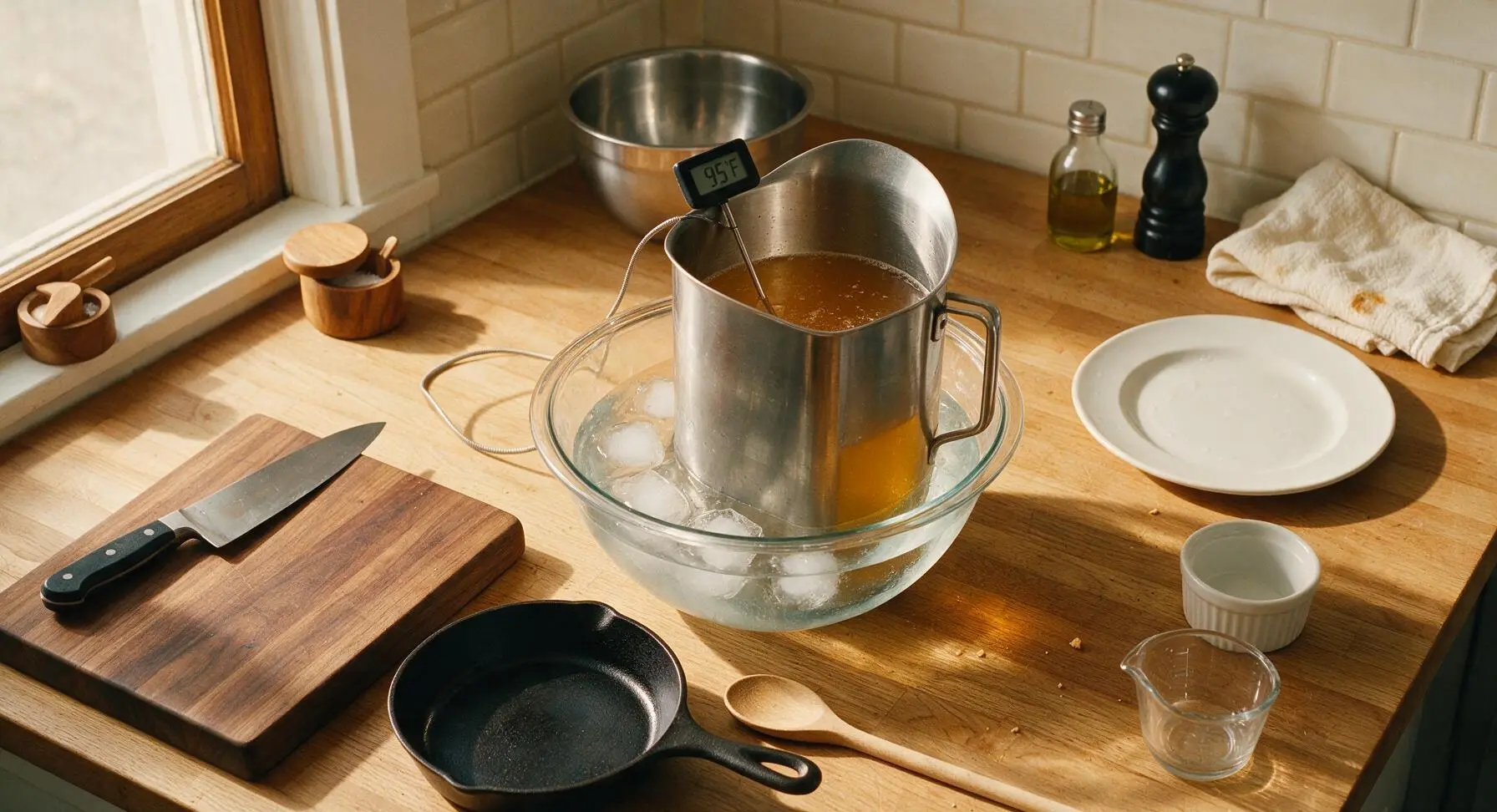
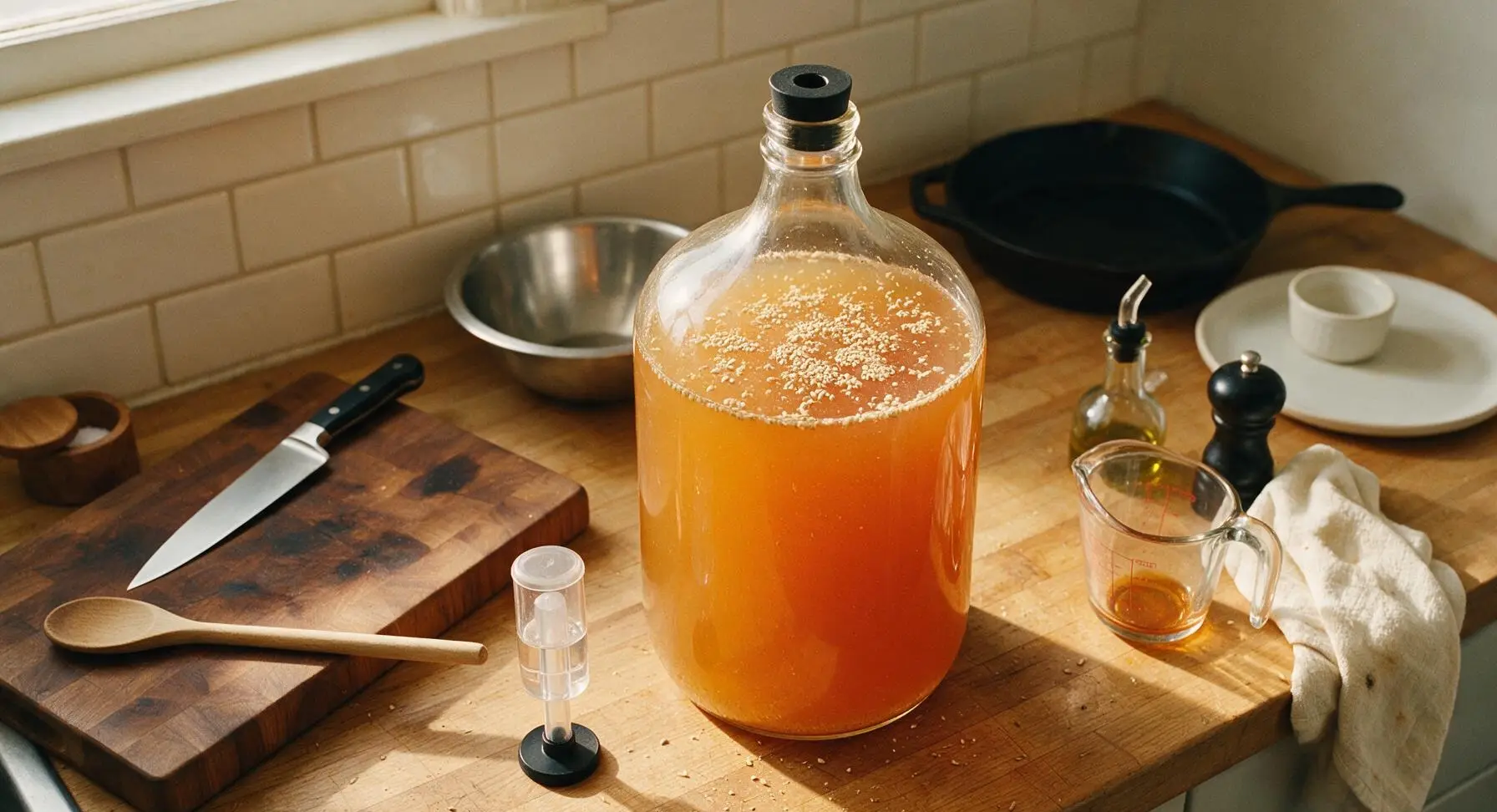
Step 5
step5:Cool and Pitch Yeast
Step 5
step5:Cool and Pitch Yeast
6

Ferment and Dry Hop

Let beer ferment undisturbed at 68°F for 5 days; bubbles will rise through the airlock every few seconds for the first 3-4 days as yeast converts sugar to alcohol and CO2. When bubbling slows to 1 bubble every 30 seconds, sanitize the carboy opening and add the remaining dry hops (1 oz Citra, 1 oz Mosaic, 1 oz Galaxy). Re-seal the airlock and let beer rest for 3 more days at 68°F; the beer will turn fully opaque and hazy, with bright tropical aromas escaping the airlock.
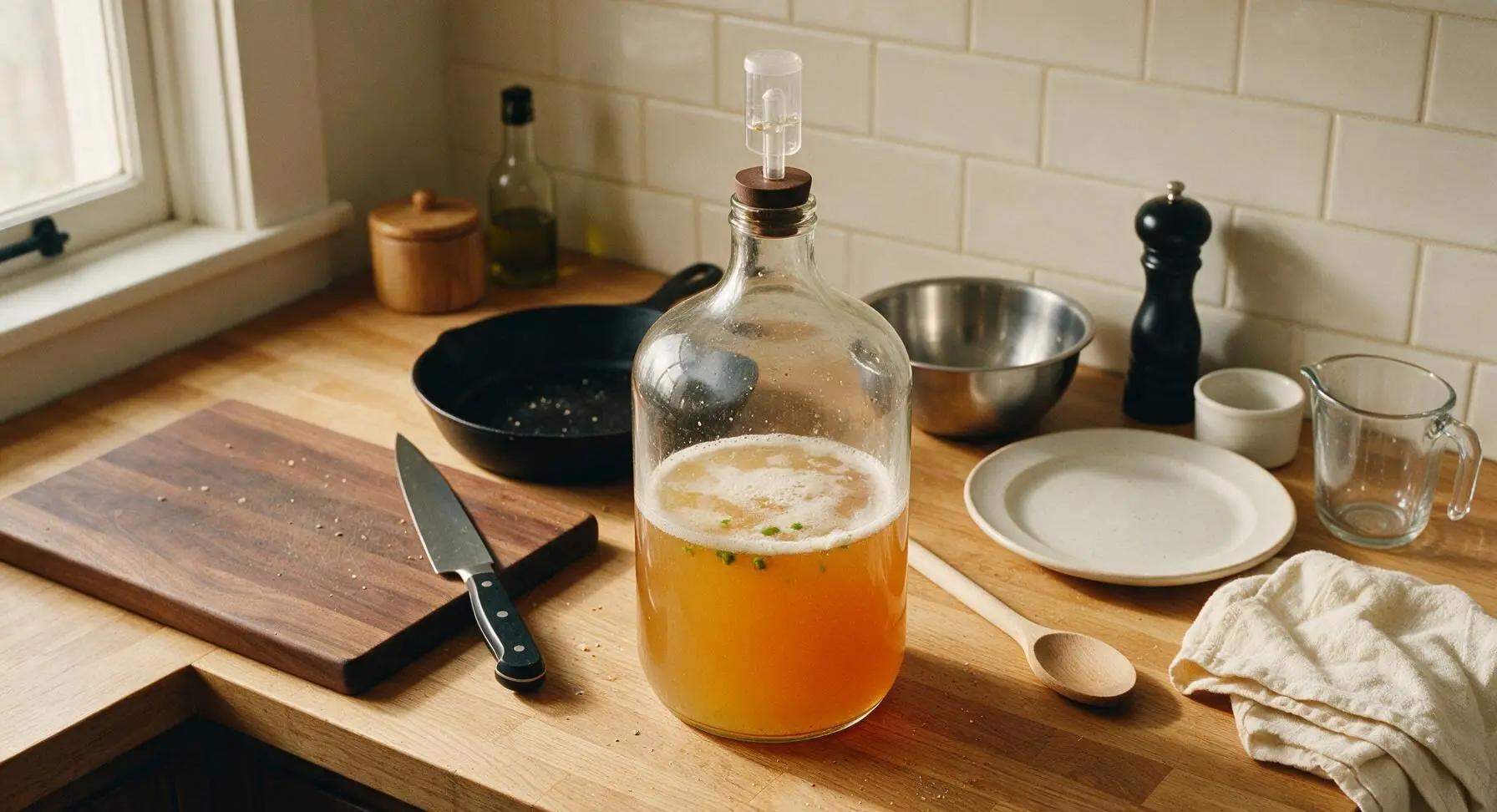
Step 6
step6:Ferment and Dry Hop
7

Bottle and Carbonate

Sanitize all 48 amber glass bottles and the auto-siphon. Boil 5 oz of corn priming sugar with 1 cup of water, pour into the bottom of a sanitized 6-gallon bucket, then siphon finished beer from the carboy into the bucket to mix evenly with sugar (this creates consistent carbonation). Fill each bottle to 1 inch below the rim using the siphon, then crimp crown caps onto each bottle with the red bench capper. Let bottles condition in a dark 70°F (21°C) space for 6 days to build carbonation, then chill for 48 hours before serving.
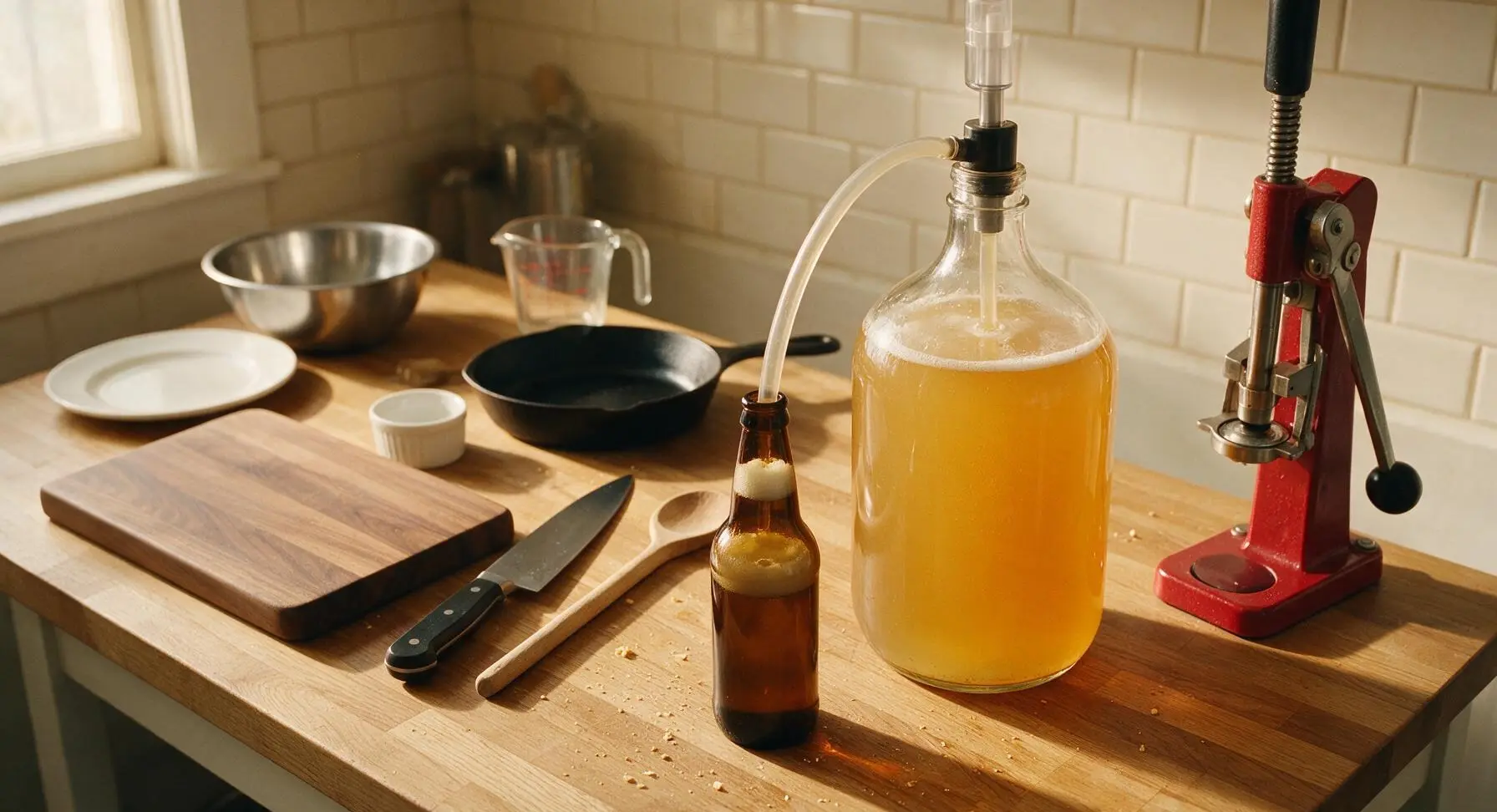
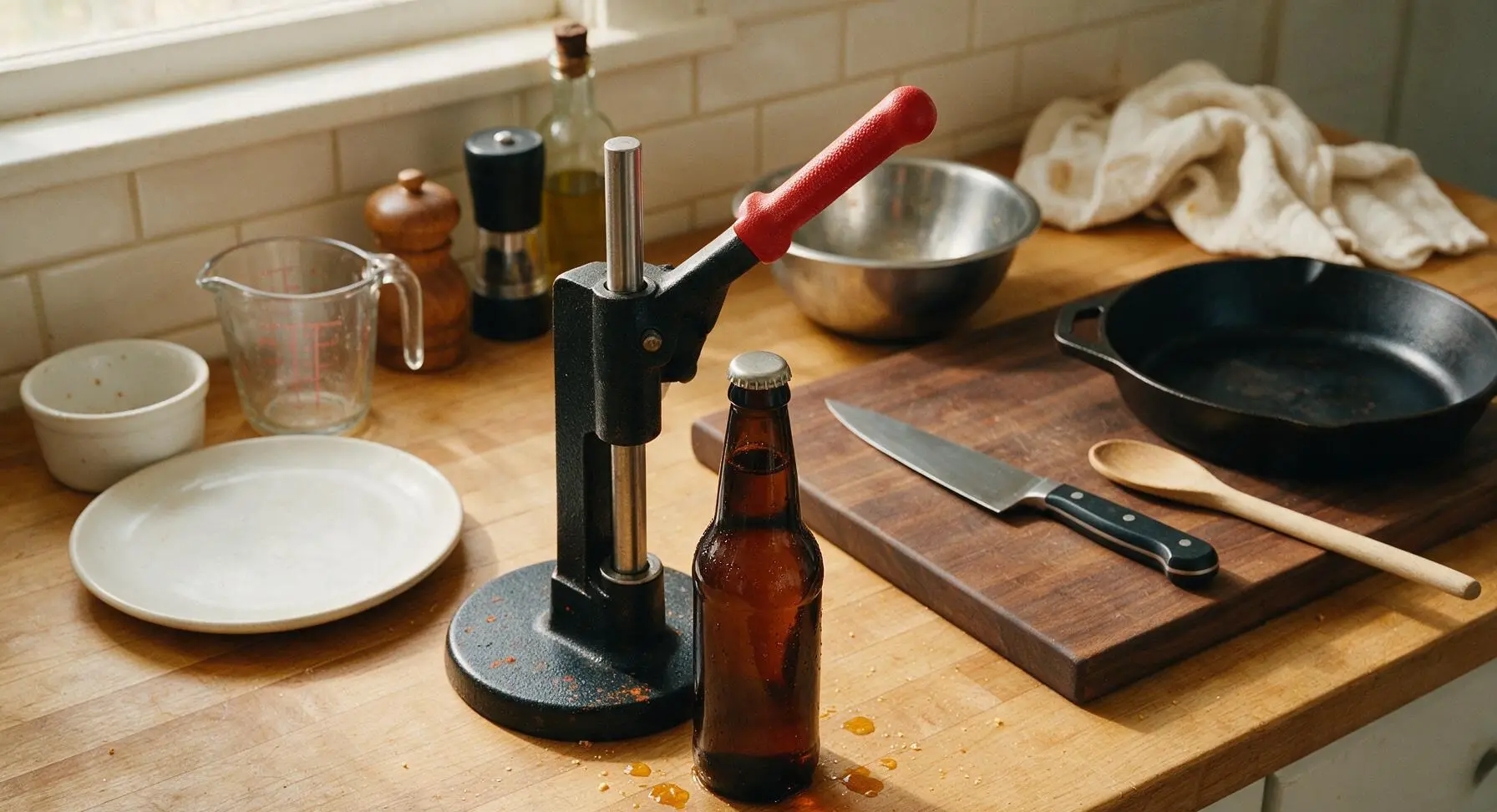
Step 7
step7:Bottle and Carbonate
Step 7
step7:Bottle and Carbonate

Tips

1.Never squeeze the grain bag after mashing: Squeezing presses harsh, astringent tannins out of grain husks into the wort, creating a dry, puckering aftertaste that clashes with the soft, juicy hop character. Let gravity drain the wort from the bag for 5 minutes instead.
2.Avoid boiling hops for longer than 15 minutes: Long boil times create sharp, harsh bitter compounds that overpower the bright tropical fruit notes hazy IPAs are known for; all hop additions in this recipe are timed to maximize aroma and smooth flavor, resulting in a soft 60 IBU profile.
3.Chill bottles for 48 hours before opening: Warm, recently carbonated beer will foam excessively when poured, wasting beer and reducing the fluffy, long-lasting head. Chilling helps CO2 dissolve evenly into the beer for a smooth, controlled pour with perfect head retention.
✨ You May Also Like

Drinks & Beverages
🍜 Mexico

A bright, balanced tequila-based cocktail with zesty fresh lime, smooth orange liqueur, and a signature salt rim, perfect for warm summer sipping.

⏱️ 5 minutesDrinks & Beverages ★ 4.9
Drinks & Beverages
🍜 United States

Thick, creamy, nostalgic classic vanilla milkshake with a rich, smooth texture, topped with whipped cream and a cherry for cool, sweet refreshment.

⏱️ 5 minutesDrinks & Beverages ★ 4.7
Drinks & Beverages
🍜 United States

A bright, golden strong ale with fruity banana-clove notes, subtle hop spice, and soft carbonation, brewed in classic Trappist Tripel tradition.

⏱️ 2 hours aDrinks & Beverages ★ 4.5
Drinks & Beverages
🍜 United States

A frothy, nostalgic American soda fountain treat pairing bubbly cold root beer with creamy vanilla ice cream, perfect for cooling down at warm weather gatherings.

⏱️ 20 minuteDrinks & Beverages ★ 4.8
Drinks & Beverages
🍜 United States

Tart, funky, effervescent American Wild Ale is a complex fruity craft beer brewed with wild yeast, delivering bright, zesty notes perfect for warm-weather sipping.

⏱️ 2 hours aDrinks & Beverages ★ 4.4
Drinks & Beverages
🍜 United States

Bright, bubbly copycat of the iconic American caramel cola, balanced with citrus and warm spice, perfect for sipping ice-cold on hot days.

⏱️ 15 minuteDrinks & Beverages ★ 4.8

Hazy Double IPA:Frequently Asked Questions

1.What sets this hazy double IPA apart from a standard West Coast IPA? ▾
Great question! Unlike bright, bitter, filtered West Coast IPAs, this New England-style double IPA leans into soft, juicy character from its wheat, oat, and Carapils malt base, late Citra hop additions, and no filtering. It has far lower perceived bitterness, a creamy mouthfeel, signature hazy golden glow, and bold tropical fruit notes instead of sharp pine or resin.
2.Why do we use flaked oats in this recipe, and can I skip them? ▾
Don’t skip the flaked oats! They’re the secret to that iconic silky, creamy mouthfeel that makes hazy double IPAs so smooth to sip. They add no harsh grain flavor, just soft, full body that helps hold hop haze and tropical aroma in suspension. If you absolutely must swap, use flaked wheat, though you’ll lose a little of that lush creaminess.
3.What ABV should I target for this hazy double IPA? ▾
For a balanced, drinkable hazy double IPA, aim for a final ABV between 8% and 8.5%. That’s strong enough to qualify as a double, but not so boozy that it overpowers the bright mango, passionfruit, and citrus notes from the Citra hops, or makes the beer taste hot or solvent-like after conditioning.
4.Why is Carapils included in the malt bill, and how much do I need? ▾
Carapils is a low-color dextrin malt that boosts head retention, adds subtle body, and helps build that stable, fluffy white head this recipe is known for, without adding dark, toasty, or cloying caramel flavors that throw off the bright hop profile. Stick to 3-5% of your total grain bill to avoid making the beer too thick.
5.When should I add the Citra hops to get that maximum juicy tropical flavor? ▾
Skip heavy early, bittering hop additions almost entirely for this recipe! Add 90% of your Citra hops during the last 15 minutes of the boil, at flameout, and as dry hops during active fermentation and conditioning. This preserves delicate mango, passionfruit, and citrus oils instead of boiling them off into harsh, bitter compounds.
6.Why don’t we filter this hazy double IPA? ▾
Filtering would strip out two of the best parts of this style: the soft, glowing hazy appearance, and loads of the hop compounds and light yeast particles that carry that bold tropical aroma and smooth mouthfeel. We leave the beer unfiltered to hold onto all that juicy character, so don’t stress about a little settled sediment in your glass or bottle.
7.Can I substitute other hops if I don’t have enough Citra on hand? ▾
You can swap up to 30% of the Citra for complementary juicy hops like Mosaic, Galaxy, or El Dorado to keep that tropical fruit core, but Citra is non-negotiable as the base hop here for its signature mango, grapefruit, and passionfruit punch. Avoid piney, resinous hops like Columbus or Chinook as main additions, since they add harsh, out-of-place bitterness.
8.How do I keep the bitterness low like the recipe describes? ▾
The key to low, smooth bitterness here is limiting early boil hop additions to less than 10% of your total hop load. Early boiling creates sharp, lingering isomerized alpha acid bitterness, while late and dry hop additions add bright flavor and aroma without that harsh bite. Keep your total IBU between 25 and 35 for that soft, sipable profile.
9.What yeast strain works best for this hazy double IPA? ▾
Reach for a classic New England IPA yeast strain like London Ale III, or a dedicated hazy IPA yeast that produces low sulfur, soft stone fruit esters, and flocculates lightly to help build that signature haze. Ferment at 67-70°F to encourage bright, fruity notes without producing harsh, solvent-like off flavors from the higher ABV.
10.Why do we use white wheat malt instead of red wheat for this recipe? ▾
White wheat malt has a milder, softer, less bready flavor than red wheat, so it lets the bright Citra hop notes take center stage instead of adding a heavy, grainy wheat bread taste. It adds the protein needed to build stable haze and a fluffy, long-lasting head, without the faint dark, tannic notes red wheat can bring.
11.How long should I dry hop this beer to get the best flavor? ▾
Add your first dry hop charge 3 days into active fermentation, when high krausen starts to drop, to biotransform hop oils into extra juicy tropical notes, then add a second dry hop charge 2 days before cold crashing. Don’t leave dry hops in contact with the beer for more than 5 days total, or you’ll pick up unpleasant grassy, vegetal off flavors.
12.What water profile should I use to get that soft, creamy mouthfeel? ▾
Aim for soft water with moderate chloride levels (around 150 ppm) and low sulfate levels (under 50 ppm) to highlight smooth, sweet malt character and juicy hop flavor, instead of sharp, dry, bitter notes. If your tap water is hard, dilute it with distilled water and add a pinch of calcium chloride to hit that soft, rounded profile.
13.How do I get that thick, fluffy white head the recipe mentions? ▾
That fluffy head comes from a combination of protein from the white wheat, flaked oats, and Carapils in your malt bill, proper carbonation (2.4 to 2.6 volumes of CO2), and skipping fine filtration. Rinse your glass with cold water before pouring to cut down on foam-killing soap residue, and pour with a little vigor to build that pillowy top.
14.Can I brew this as a lower-alcohol hazy IPA instead of a double? ▾
Absolutely! Just scale back your total 2-row pale malt by 30% to drop the ABV down to the 6-7% range for a standard hazy IPA, and keep all the wheat, oats, Carapils, and Citra hop additions exactly the same. You’ll get the same juicy, creamy, tropical profile, just with a lighter, more sessionable strength perfect for longer drinking sessions.
15.How long do I need to condition this beer before it’s ready to drink? ▾
Unlike bitter West Coast IPAs that benefit from longer conditioning, this hazy double IPA is best enjoyed fresh! Give it 3 to 5 days of bottle or keg conditioning at room temp to carbonate properly, then chill it down. Drink it within 3 to 4 weeks of packaging for the brightest, most intense tropical Citra hop aroma, since those notes fade fast.
16.Why does my hazy double IPA taste grassy or vegetal? ▾
That off flavor almost always comes from leaving dry hops in contact with the beer for too long (over 7 days), using old, poorly stored hops that have lost their aromatic oils, or letting plant matter from hops sit in trub too long. Next batch, limit dry hop contact time, store hops frozen in airtight packaging, and rack beer off trub before your second dry hop.
17.What temperature should I serve this hazy double IPA at? ▾
Don’t serve this ice cold like a light lager! Pour it at 45-50°F, which is just slightly chilled, to let the bright mango, passionfruit, and citrus notes from the Citra hops shine, and let that soft, creamy mouthfeel come through. If it’s too cold, the tropical aromas will be muted, and you’ll miss tons of the style’s signature nuance.
18.How do I avoid getting a harsh, boozy “hot” taste in this higher-ABV beer? ▾
Hot, solvent-like flavors come from fermenting too hot, pitching too little yeast, or ramping up fermentation temperature too fast. Pitch a full, healthy dose of yeast, hold fermentation steady at 67°F for the first 3 days, let it rise only 2-3 degrees as it finishes, then cold condition for 2 days at 35°F to smooth rough alcohol edges.
19.Is it normal to have a little sediment at the bottom of my bottles of this beer? ▾
That’s totally normal, and a sign you made it right! Because this beer is unfiltered, a small layer of settled yeast and hop particles will collect at the bottom of bottles over time. Pour slowly and leave the last half-ounce behind if you prefer less haze, or swirl it in for extra juicy character and an aroma boost—there’s no wrong way to enjoy it.

Comments (14)

1 week ago

OMG this recipe is a total game changer! I’ve been chasing that juicy, murky New England style DIPA for months and every prior batch came out way too bitter or totally crystal clear no matter what I tried. Followed the mash temp exactly, stuck to the recommended dry hop schedule, and after the full 2 weeks? It’s SO good, so smooth, packs that perfect tropical mango and orange citrus punch with zero harsh afterbite. Brought a 6 pack to my neighbor’s backyard cookout last weekend and everyone was begging for the recipe. Already planning my next brew day for this!

5 days ago

Wait did you use the specific yeast strain mentioned? I swapped for what I had in my fridge last time and wonder if that’s why my last hazy was flat!

3 days ago

Great question! The London Ale III yeast we recommend is key for that hazy, fruity profile and proper carbonation during conditioning — swapping for a clean American ale yeast will definitely leave you with a clearer, less juicy end result. So glad you loved the batch, Dave!

3 days ago

Solid recipe overall! My only note is that the 1 hour active time is pretty tight if you’re a newer brewer like me — I fumbled a little measuring out hops during the boil and added 5 minutes to my total active time, but it didn’t mess up the final product at all. The finished beer is super juicy, just a touch boozier than I expected for how easy it drinks, so definitely pace yourself when you crack the first bottle. Already shared a few with my homebrew club.

2 days ago

So glad it turned out well for you! That 1 hour active estimate is for folks who have their brew station prepped ahead of time — it’s totally normal to add a few minutes if you’re still getting the hang of measuring additions mid-boil. Great call out about the ABV, it definitely drinks way smoother than its 8.2% ABV would suggest!

1 week ago

Made this for my husband’s birthday homebrew night with his friends and it was a massive hit! I was worried the medium difficulty tag meant I’d mess up the fermentation schedule, but the step by step instructions were so straightforward. The hazy golden color, the fruity hop aroma, it tasted exactly like the $18 4-packs we splurge on at the local craft brewery. Will absolutely be adding this to my regular brew rotation!

5 days ago

Tasted great when it was done, but I had a little trouble getting the haze level right — mine came out slightly translucent instead of that full opaque look the photos show. Did I do something wrong with the grain bill? I milled my own grain at home instead of buying pre-milled, if that makes a difference.

3 days ago

I had the same issue my first batch! Turns out I didn’t do the second dry hop addition at the right temp — you gotta add those late hops when the fermenter is around 65F to get that real murky look, don’t stress it’ll still taste bomb even if it’s a little clearer.

2 weeks ago

Brought a growler of this to our annual block party potluck and people went crazy for it! I’m usually a wine drinker so I was nervous to homebrew for a crowd, but the instructions were impossible to mess up. It’s not overly bitter, so even my friends who don’t love IPAs were coming back for refills. 10/10, worth every minute of the two week wait.

1 week ago

How did you transport it without losing carbonation? I want to bring some to my tailgate next month and I’m worried it’ll go flat in the growler!

5 days ago

Pro tip for transporting: make sure your bottles or growler are fully chilled before you head out, and avoid opening them until right before you’re ready to pour to keep carbonation perfect. So happy it was a potluck hit, Patty!

yesterday

Just cracked my first bottle last night after the full 14 days and WOW. That pineapple and pine note? Unreal. I usually mess up dry hopping by adding too many hops early which makes my IPAs taste like grass, but the timing laid out here is chef’s kiss. No grassy flavor, just pure juicy, hazy goodness. Already ordered more hops to make a double batch next weekend.

2 hours ago

Love to hear that! The late dry hop additions are absolutely key for that bright, tropical fruit flavor without the grassy, astringent taste you get from adding hops too early in the ferment. Enjoy that double batch!

30 minutes ago

Super doable even in a tiny NYC apartment! I don’t have a fancy brew setup, just a basic stock pot and a 5 gallon fermenter bucket that fits in my closet, and this turned out great. The only reason I’m not giving 5 stars is I wish there was a note about how strong the hop smell gets during active fermentation — my roommate thought I was running a weird science experiment in the hallway for 3 days, lmao. Tastes incredible though, totally worth the temporary roommate complaints.

2 weeks ago

I’ve brewed probably 20 different DIPA recipes over the last 5 years and this is easily top 2 for me. It’s balanced, not overly sweet, has that perfect soft mouthfeel that hazy IPAs are known for, and the ABV is hidden so well you’d never guess it’s over 8%. I gave a bottle to my cousin who swears he only drinks macro beer and he texted me two days later asking for a whole case. Game changer for real.

1 week ago

Same! My dad is a diehard cheap lager guy and he loved this when I brought it over for Father’s Day. Said it didn’t taste like ‘those fancy bitter IPAs’ he usually avoids. Wild how approachable it is!

5 days ago

First ever homebrew attempt and it actually turned out drinkable! I was so convinced I’d mess up the mash or get an infection that I checked the fermenter twice a day for the first week, but the step by step instructions made it impossible to mess up. Mine is a little less carbonated than I’d like, but the flavor is spot on. So proud of myself!

3 days ago

Congrats on your first batch! If it’s undercarbonated just leave the bottles at room temp for another 3-4 days, that usually does the trick. Mine were a little flat right at 14 days but perfect by day 17.

2 days ago

Huge congrats on your first homebrew! Beth is totally right — carbonation can vary a little based on room temperature, so giving the bottles a few extra days at 68-72F will get those bubbles perfect. Great job sticking with it!

2 hours ago

Just wrapped up my boil for this a little over an hour ago, fermenter is all sealed up and bubbling away already! Pre-measured all my hops last night so the active time was actually only 50 minutes for me, super smooth process. Will update once I crack the first bottle in two weeks but already can tell this is gonna slap.

5 minutes ago

Yay, happy brew day! Resist the urge to open the fermenter to peek too often, keep it at a steady 68F, and you’re gonna be so happy with how it turns out. Can’t wait to hear your thoughts when it’s ready!

2 hours ago

SO good! I added a little extra Citra hop in the last dry hop addition because I’m obsessed with that grapefruit zing, and it turned out perfectly. Paired it with smoked brisket last night for dinner with my family and even my teenage nephew who thinks all beer is ‘gross’ asked for a tiny sip and said it smelled like fruit juice. 10/10, will tweak with extra hops every time I make it.

3 days ago

Great recipe, but heads up for folks who are used to making regular strength IPAs — double IPAs use a lot more grain, so make sure your mash tun is big enough before you start! I overloaded mine a little and had to scoop out a half pound of grain mid-mash to avoid a boil over, which was chaotic, but the end result still tasted amazing. Just a silly newbie mistake on my end.

yesterday

Oh I did the EXACT same thing my first go around! Had grain spilling all over my garage floor mid-pour, my wife made fun of me for a week. The beer was so good she stopped teasing me after her first sip though, lmao.

1 week ago

Obsessed with this recipe! I saved all the spent grain after mashing to make homemade dog treats and spent grain bread for my weekly meal prep, so nothing went to waste. The beer itself is perfectly juicy, no weird off flavors, and the bread turned out amazing slathered with honey butter. Total win win!

5 days ago

Wait the spent grain bread idea is genius! I usually just dump my spent grain in the compost, I’m totally saving it next batch for that. Did you use a specific recipe for the bread?

2 days ago

Love the zero waste hack! Spent grain makes such delicious, nutty bread and dog treats — we actually have a quick spent grain bread recipe linked in the notes section of this post if you scroll down, Eli. So glad you enjoyed the brew, Zara!

yesterday

Chilled a few bottles for my football watch party over the weekend and everyone lost their minds over it. I’m used to just grabbing a case of seltzer for game days, but this made the whole day feel extra special. It’s crisp, juicy, so easy to drink, and I didn’t even have to spend a fortune at the liquor store for fancy craft beer. Will 100% be brewing a batch right before playoff season starts.