
Hazy IPA
intro
Juicy, unfiltered New England-style Hazy IPA with bright tropical citrus, soft stone fruit notes, a silky mouthfeel, and smooth low-bitterness finish for easy, refreshing sipping.
Ingredients
Steps
Sanitize Brewing Equipment
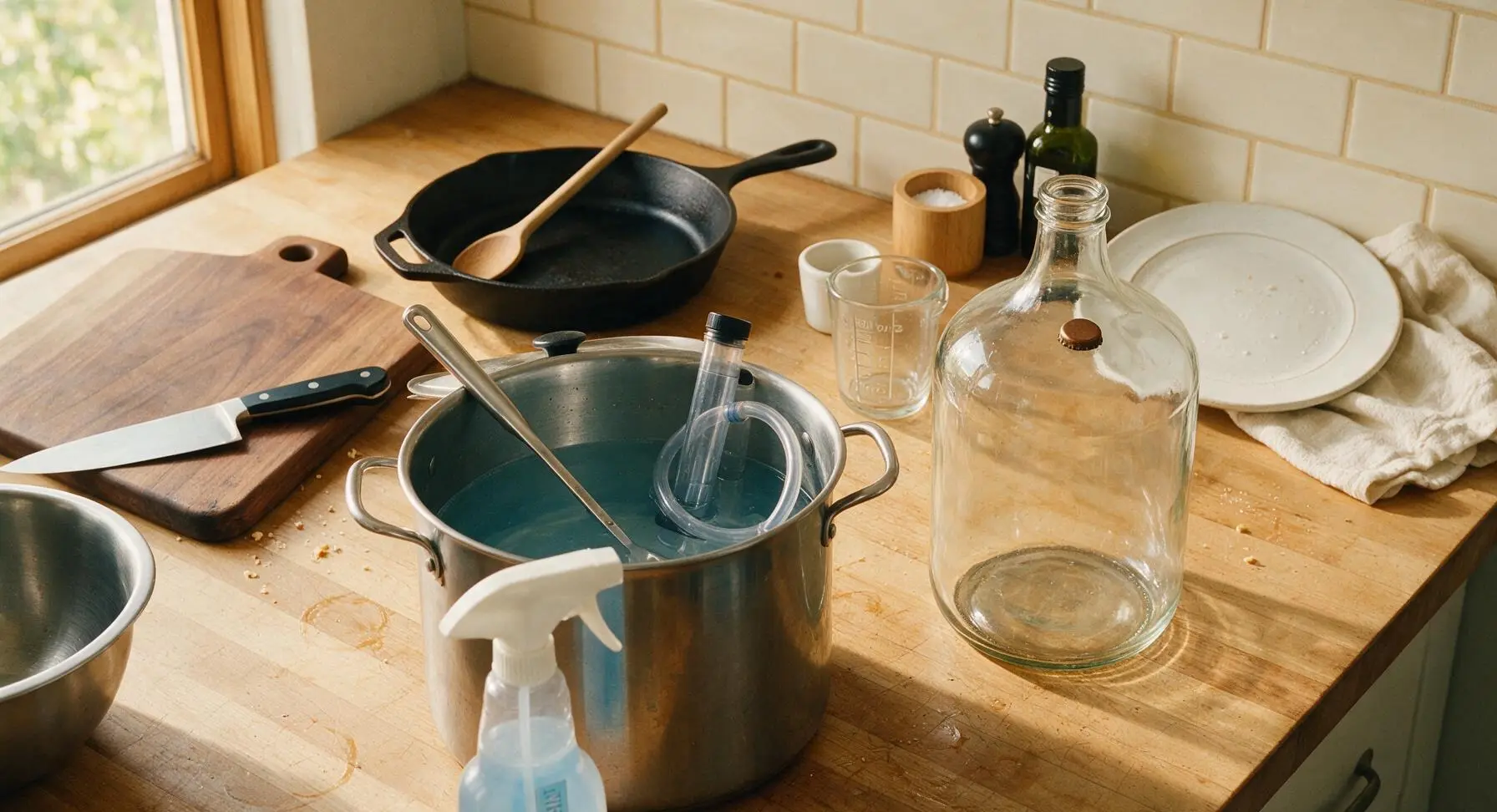
First, mix no-rinse brewing sanitizer per package directions in the 5-gallon brew kettle. Submerge all tools that will contact cooled wort (stirring spoon, strainer, auto-siphon, carboy, airlock, bottles) for 60 seconds, or spray thoroughly with the sanitizer spray bottle. Allow all pieces to air dry completely on the clean counter; do not wipe, as the sanitizer is food-safe and leaves no residual flavor. Proper sanitation prevents off-flavors from bacterial or wild yeast contamination, the most common cause of failed homebrew.
Mash the Grain Bill
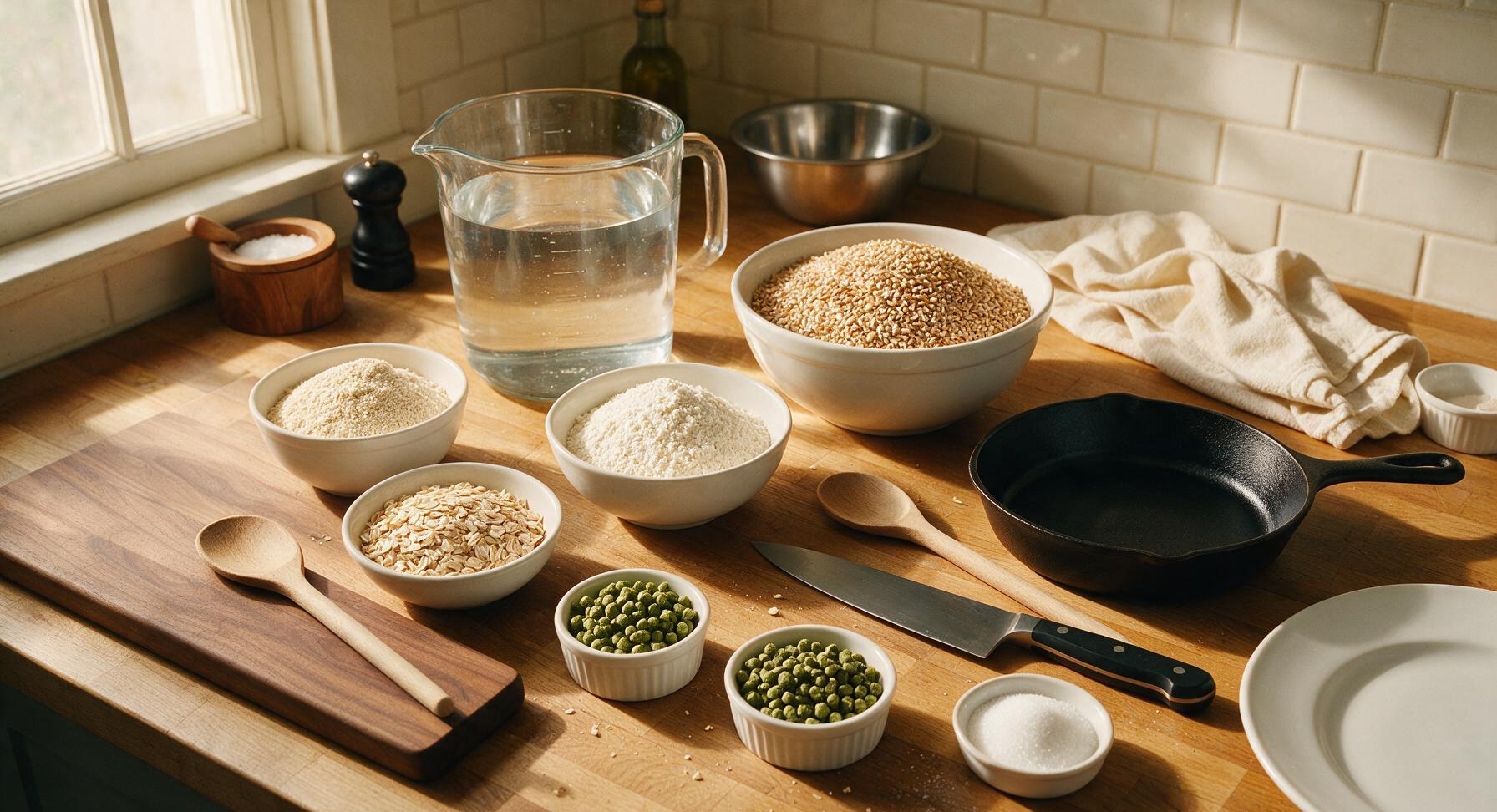
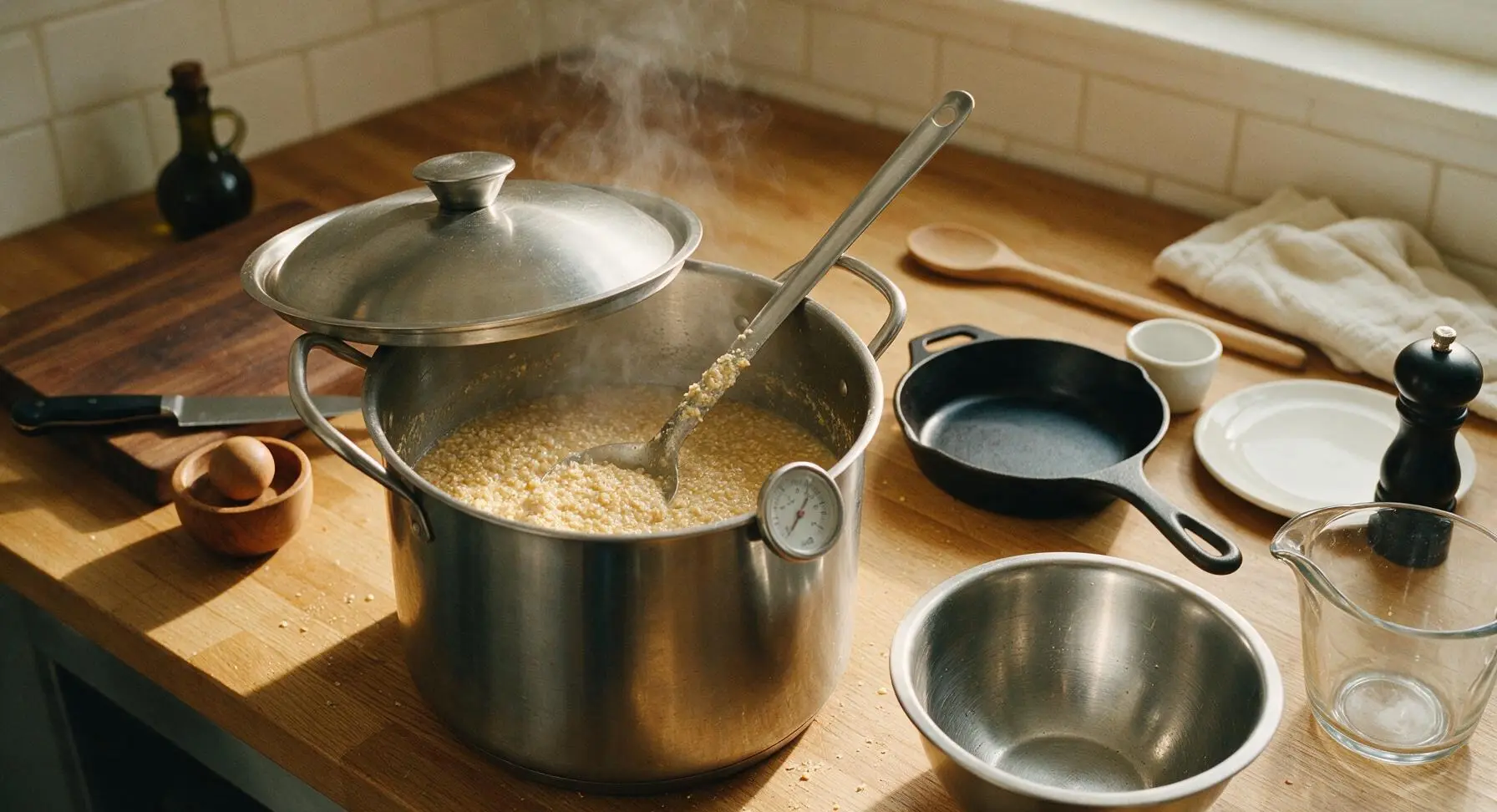
Heat 3.5 gallons of filtered water in the brew kettle to 152°F (67°C). Slowly stir in the weighed, crushed 2-row pale malt, malted white wheat, and flaked oats until fully incorporated to create a thick, porridge-like mash. Hold the temperature steady at 150-155°F for 60 minutes, keeping the kettle covered and checking temperature every 10 minutes. When starch conversion is complete, a small sample of liquid drained from the mash will taste sweet and appear pale, clear gold.
Boil the Sweet Wort
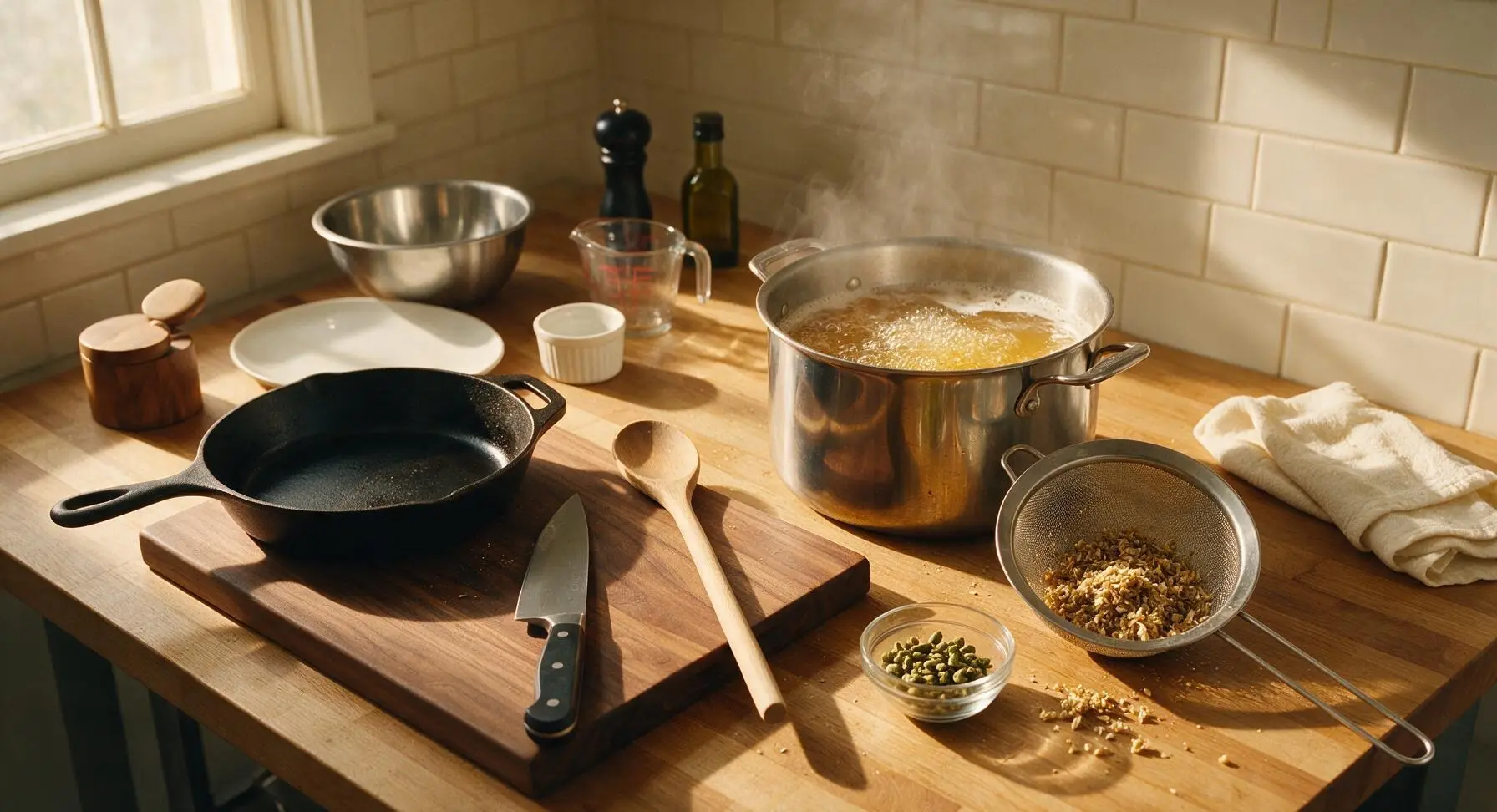
After mashing completes, pour the mash through the fine-mesh stainless steel strainer to separate the sweet, sugar-rich liquid (wort) from spent grain. Top up wort to 5 gallons total volume with additional filtered water, then bring to a gentle rolling boil (212°F at sea level). Hold the boil for 60 minutes total, adding 1 oz of Mosaic hops at the start of the boil for subtle, balanced bitterness. Keep the lid partially ajar to prevent boilovers, stirring occasionally.
Add Late Hop Additions
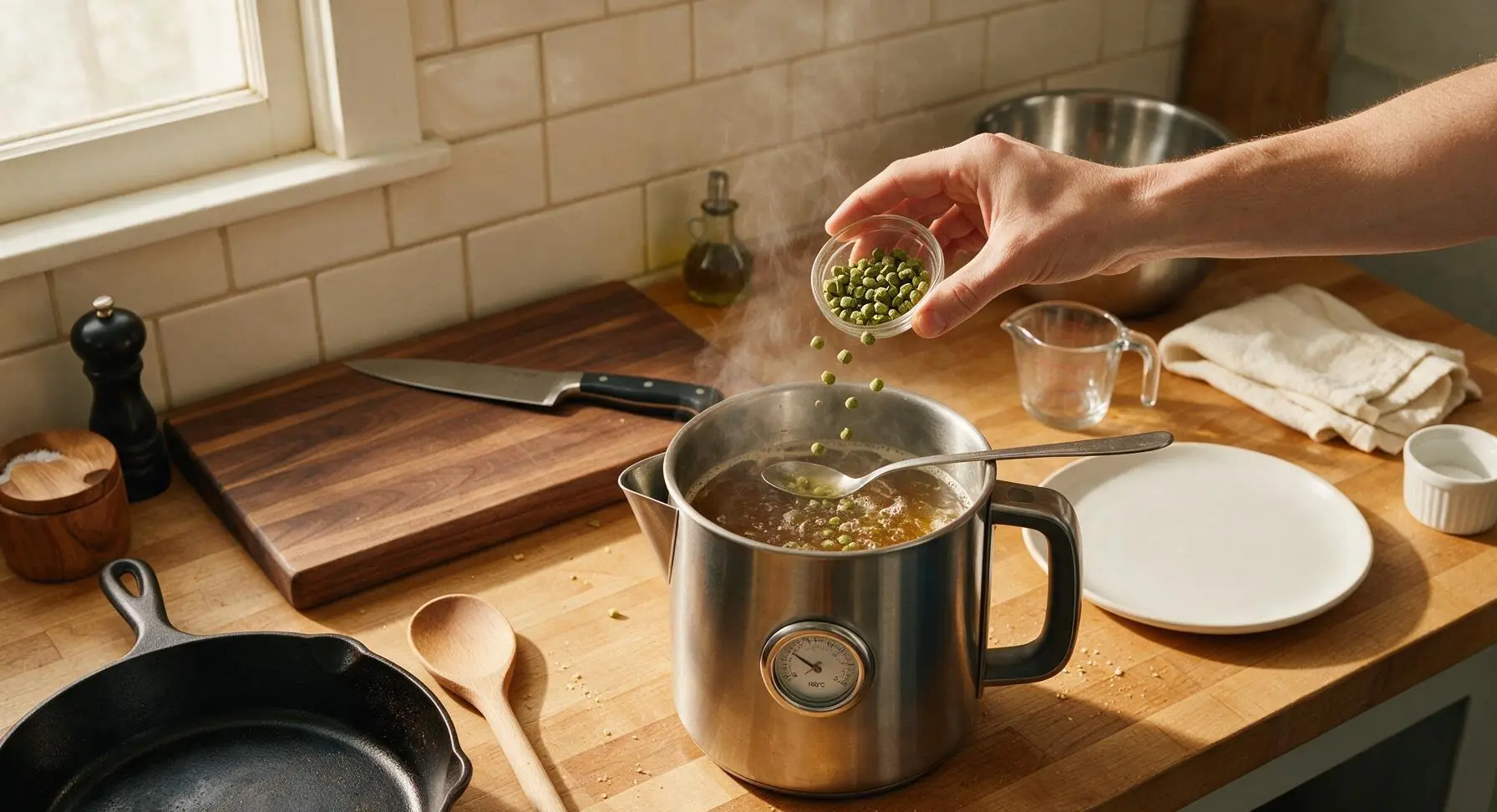
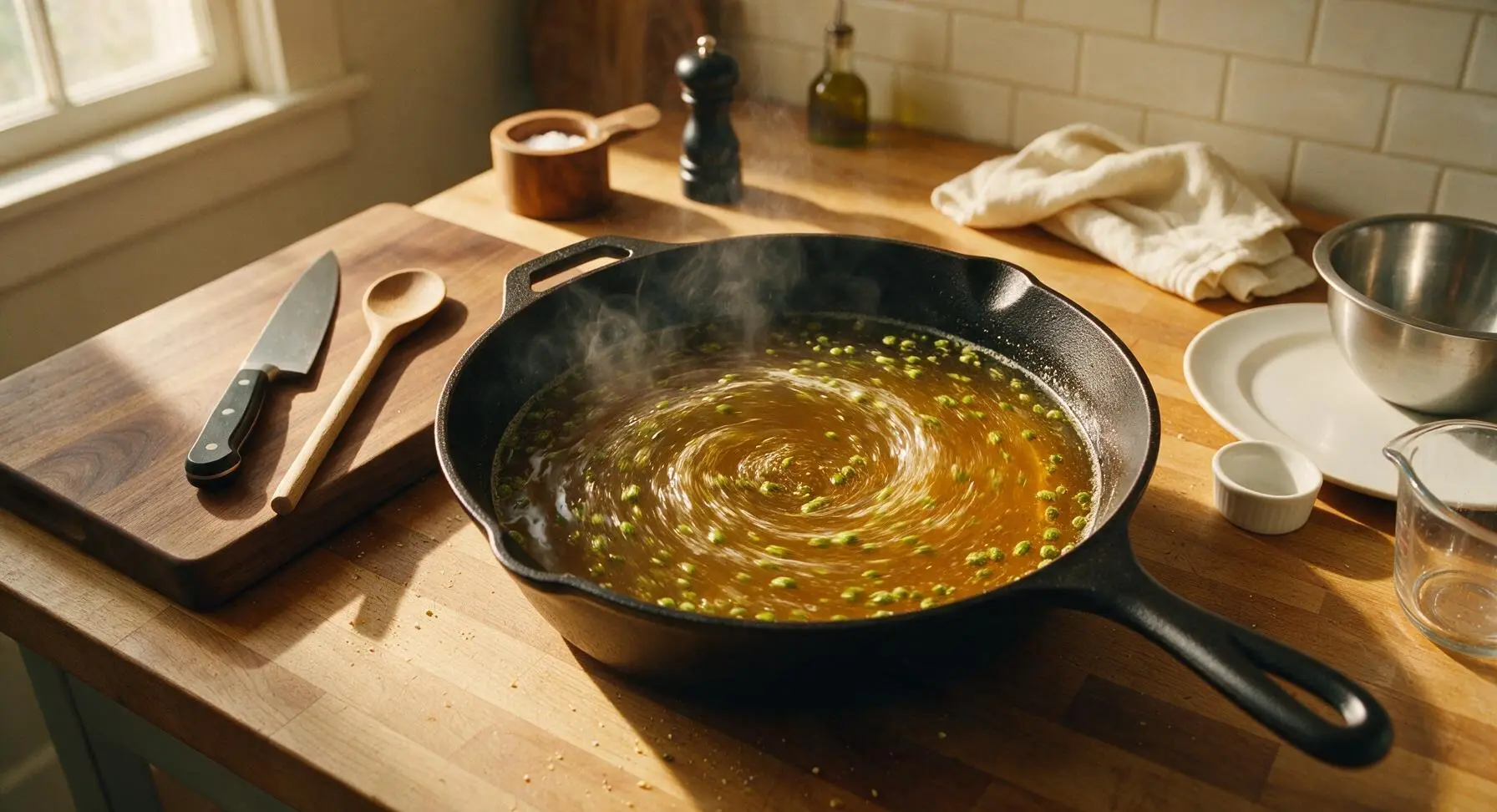
With 15 minutes remaining in the boil, add 1 oz Citra and 1 oz Mosaic hops for bright hop flavor. When the 60-minute boil ends, turn off heat, let wort cool to 180°F (82°C), then add the remaining 2 oz Citra and 1 oz Mosaic hops for whirlpool aroma. Stir vigorously for 2 minutes to create a steady whirlpool, then let hops steep for 20 minutes. These late additions preserve tropical, fruity hop notes without adding harsh, astringent bitterness.
Cool and Transfer Wort
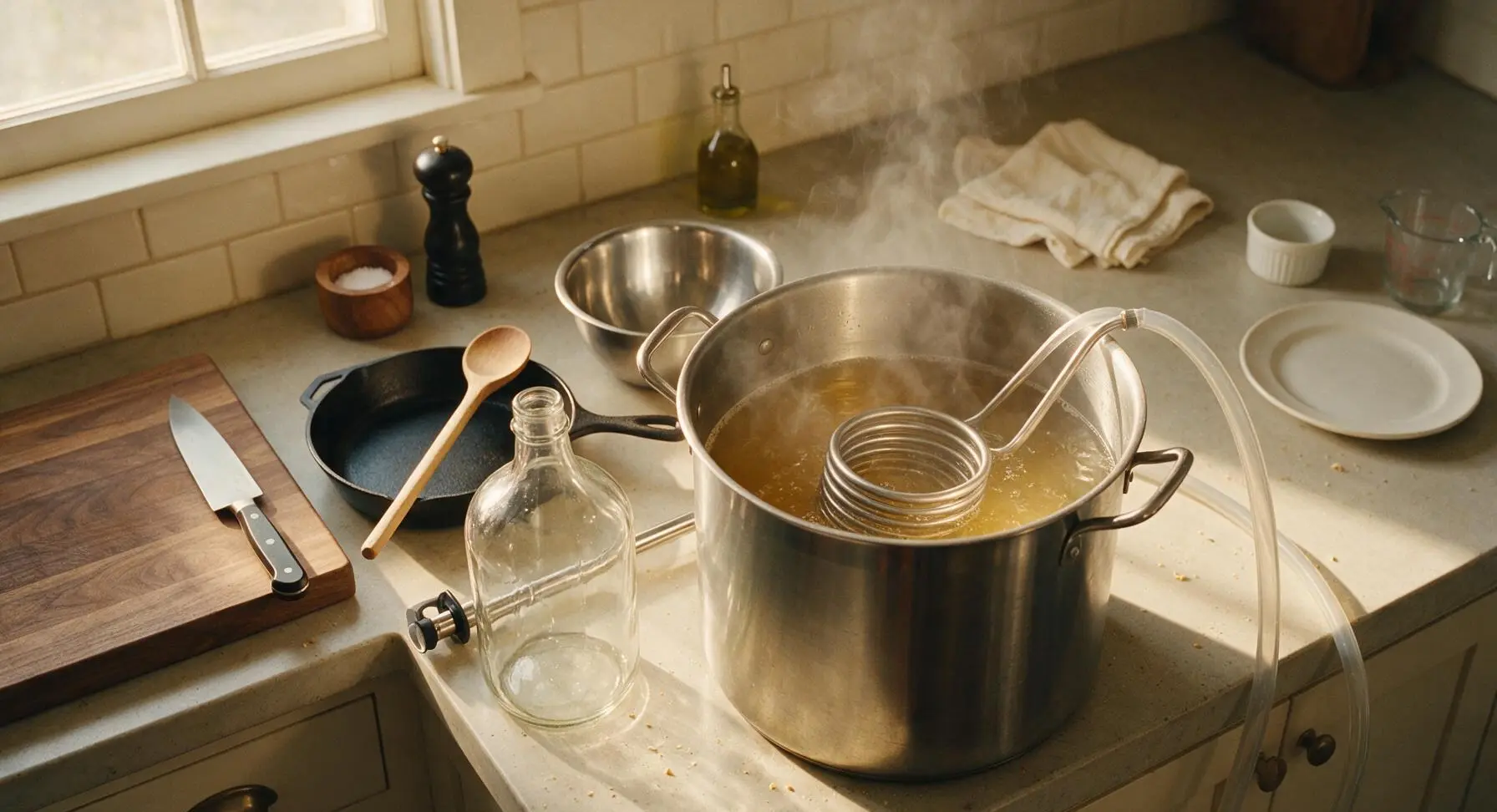
Submerge the coiled stainless steel immersion chiller in the hot wort, run cold water through the coil until wort temperature drops to 68°F (20°C), approximately 20 minutes. Do not pitch yeast until wort is below 70°F, as higher temperatures will kill yeast cells and produce off-flavors. Use the auto-siphon to transfer cooled wort into the sanitized glass carboy, leaving heavy hop sediment behind in the kettle if you prefer a slightly clearer (but still hazy) final beer.
Pitch Yeast and Seal
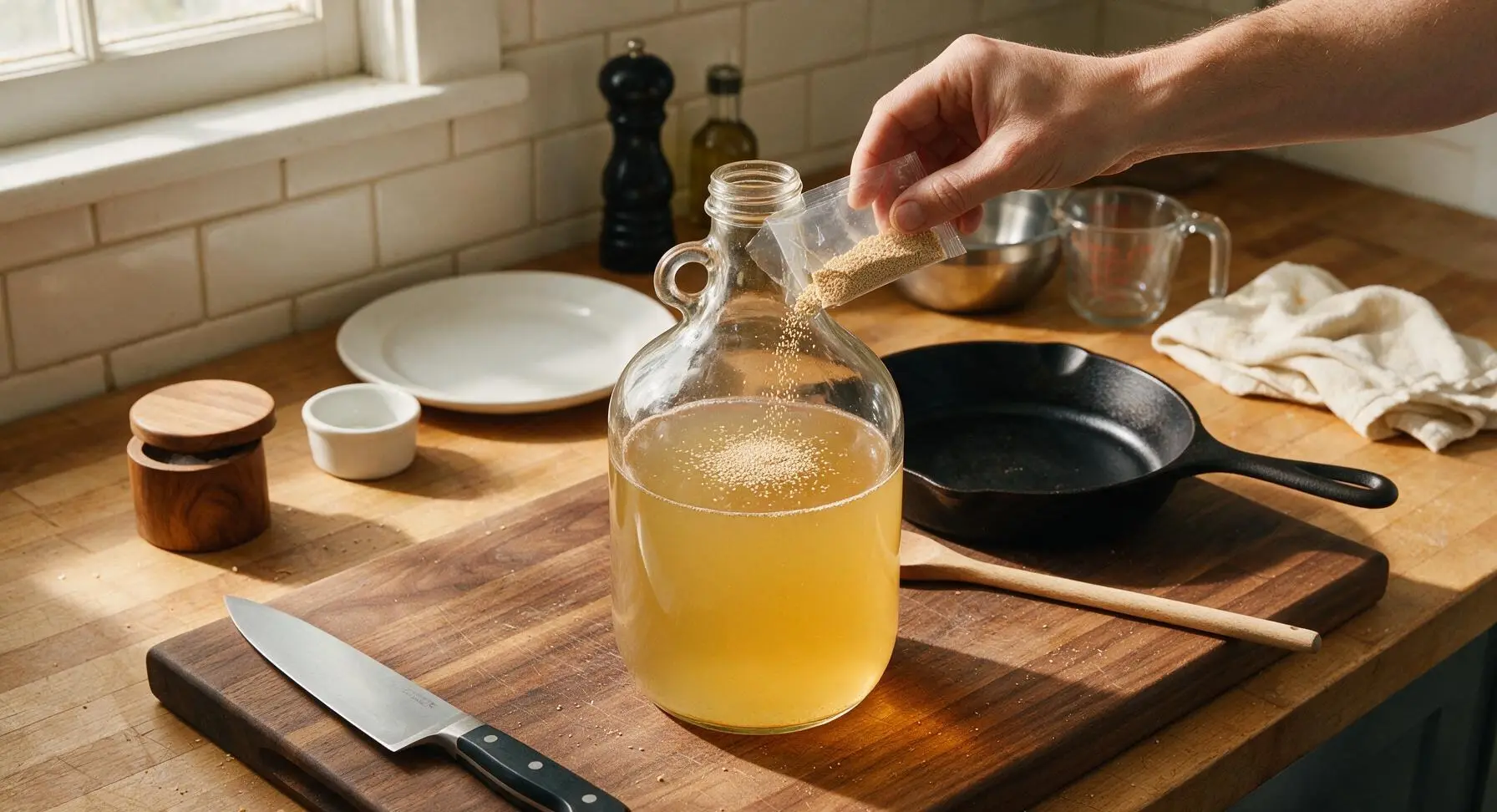
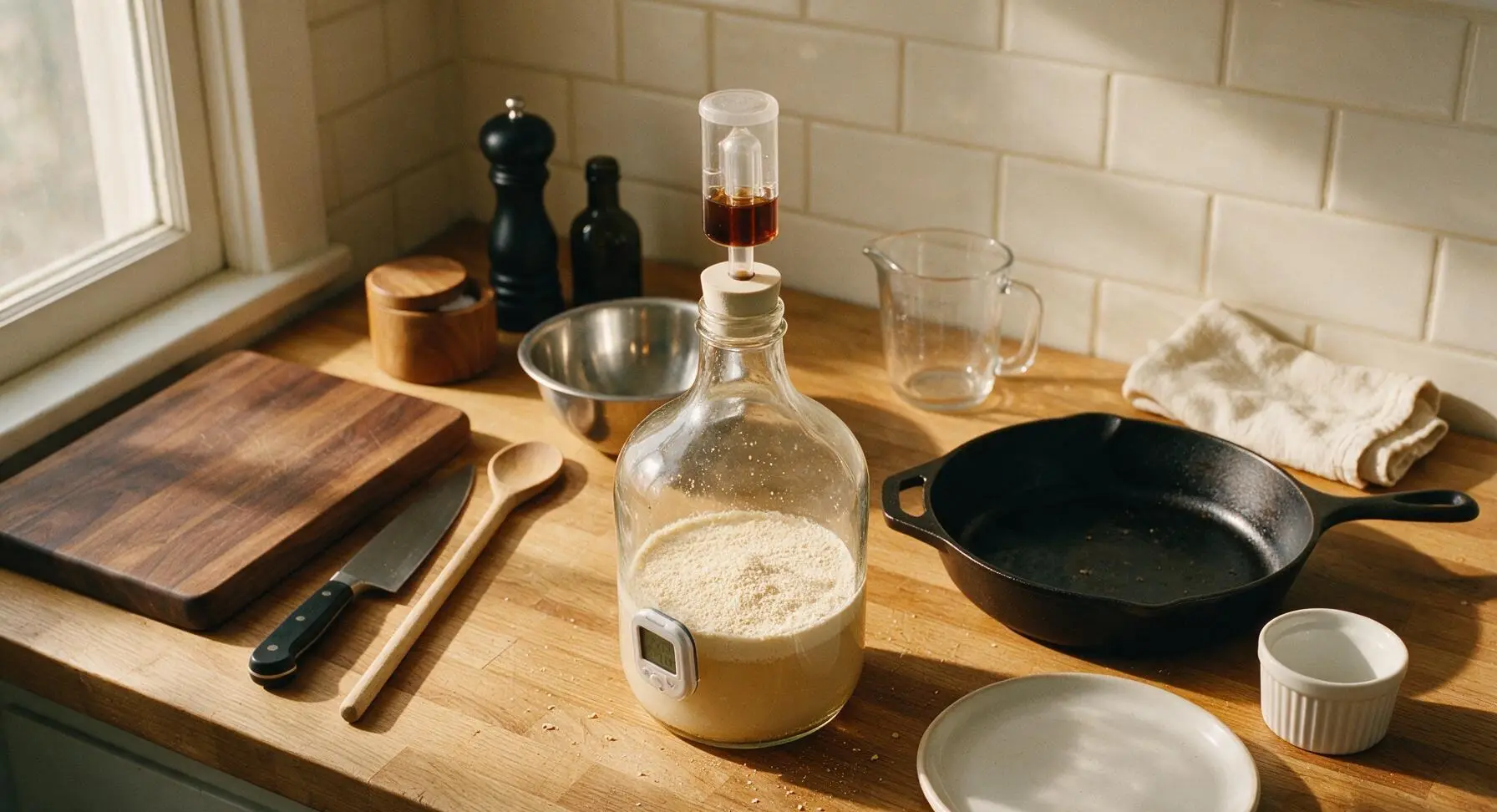
Sprinkle the entire 11g packet of London Ale III yeast evenly over the surface of the cooled wort in the carboy. Seal the carboy neck with the sanitized rubber stopper, fill the 3-piece airlock halfway with sanitizer solution, and insert it into the stopper. Give the carboy a gentle 10-second swirl to mix yeast into the wort, then adhere the stick-on digital thermometer to the outside of the carboy to track fermentation temperature.
Ferment and Dry Hop
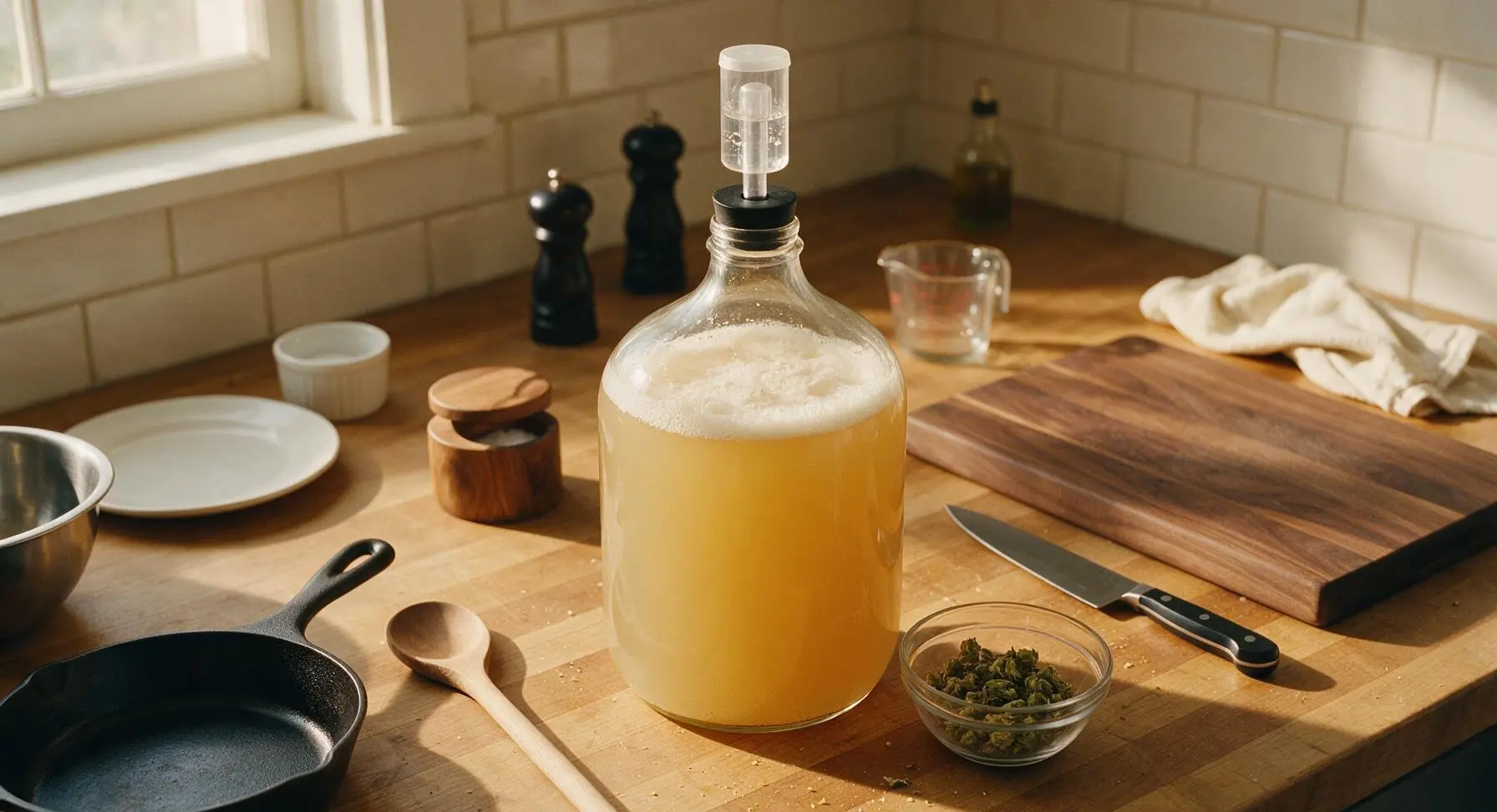
Store the sealed carboy in a dark, temperature-stable space held at 68°F (20°C) for 7 days. Bubbles will appear in the airlock within 24-48 hours, signaling active fermentation. When airlock bubbles slow to 1 every 30 seconds (around day 7), sanitize the carboy neck and add the remaining 1 oz Citra and 1 oz Mosaic hops directly to the fermenter for dry hop aroma. Let sit for another 3 days at 68°F, no stirring required.
Bottle and Carbonate Beer
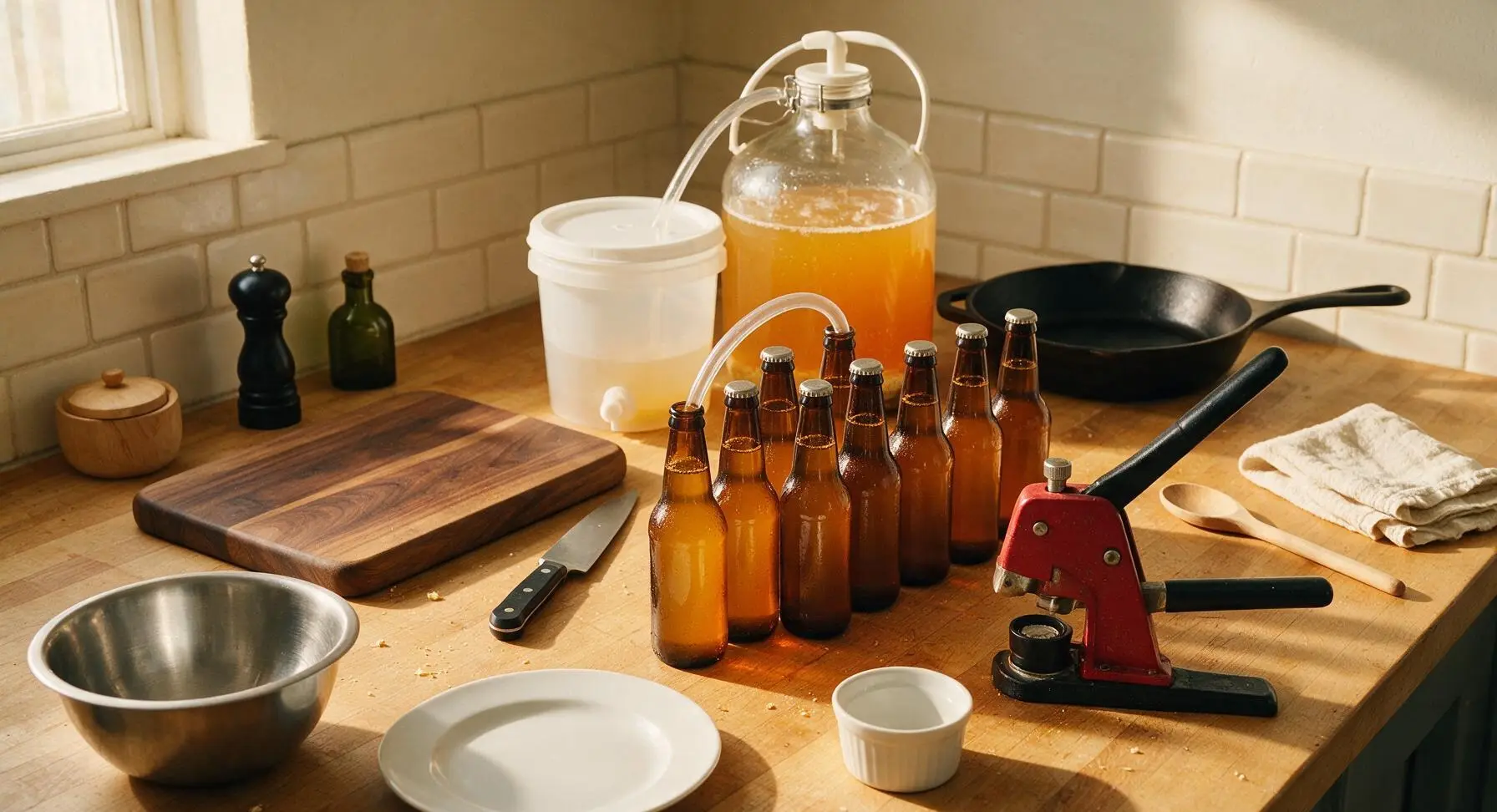
Boil 5 oz of corn sugar in 1 cup of water for 5 minutes, then add to the bottom of a sanitized bottling bucket. Siphon finished hazy beer from the carboy into the bucket, mixing gently to evenly distribute priming sugar. Use the auto-siphon to fill sanitized 12oz amber bottles to 1 inch below the rim, then cap each bottle with the bench-style bottle capper. Store bottles in a dark, 68°F space for 10-14 days to fully carbonate before chilling.
Tips
2.Keep fermentation temperature steady between 66-70°F (19-21°C) for the entire primary ferment; temperatures above 72°F produce harsh, solvent-like off-flavors from the yeast, while temperatures below 64°F will stall fermentation entirely and leave unfermented sugar in the beer.
3.Reserve at least 70% of your hop additions for the last 15 minutes of boil, whirlpool, and dry hop stages; early hop additions add grassy, astringent bitterness that clashes with the soft, fruity profile of a hazy IPA, so only use a small 1oz bittering addition at the start of the boil.






OMG, this is the first NEIPA I’ve made that didn’t turn out murky in a bad way or super bitter! The juiciness is insane, tastes exactly like the ones I pay $7 a can for at my local taproom. Brought a growler to our neighborhood potluck last weekend and everyone was begging for the recipe. Total game changer for my homebrew setup.
Made this for my husband’s birthday cookout and he was convinced I bought it from his favorite craft brewery! The only swap I did was use a little extra Citra hops because we love that tropical punch vibe. SO good, even my sister who usually hates IPAs had two glasses.
Medium difficulty is no joke, y’all — I almost messed up the mash temp on my first go, but the end result was chef’s kiss. Way smoother than the store-bought hazy IPAs I’ve been stocking in my fridge for game nights. My roommate already asked me to make a double batch for our fantasy football draft next month.
3 hours of active cook time was way more manageable than I thought it would be! I blocked off a whole Saturday expecting to be tied to the stove all day, but I had plenty of time to grill burgers between steps. The hazy, golden color is chef’s kiss, no weird sediment at the bottom of my bottles either.
Tried this last month and let it condition for two weeks, and WOW. Juicy, not bitter, that perfect soft mouthfeel NEIPA is known for. Brought a six pack to my book club potluck and even the people who only drink seltzers were asking for seconds. Will absolutely be adding this to my regular brew rotation.
Game changer! I’ve been trying to nail a NEIPA for over a year and every batch came out either too thin or too hoppy in a bad, piney way. Followed this recipe to the letter and my partner said it’s better than the $18 four packs we pick up at the liquor store. 10/10.
Only giving 4 stars because I wish the recipe noted how important water chemistry is for this style! I used straight tap water my first go and it was a little flat, adjusted my mineral content on the second batch and it was perfect. Definitely worth the extra effort to get that water right.
Made a double batch of this for our annual camping trip last weekend and it was the hit of the group! We cracked the first cans around the campfire and everyone was raving about the peach and orange notes. So much better than hauling a case of store bought beer up the trail.
Just got my first taste of this after it carbonated for a week and OMG, it’s so juicy! Tastes like straight tropical fruit juice with a nice little booze kick. My teenagers thought it smelled like fancy fruit punch (don’t worry, I didn’t let them try!). Will be making this again for sure.
Medium difficulty felt totally fair as a new homebrewer! I was intimidated at first, but the step-by-step instructions were super clear even when I got to the dry hopping stage. Ended up with a hazy, delicious IPA that my roommates are already begging me to brew again. SO good.
Brewed this for our tailgate before the big game last weekend and it was gone in under an hour! Everyone kept asking where I bought it, they couldn’t believe I made it in my garage. Perfect for game day, not too heavy, super crushable. Already have the grains ordered for another batch.
Brewed this on Sunday while I was doing my weekly meal prep, and the timing lined up perfectly! The 3 hour active time was easy to fit in between roasting veggies and packing lunches for the week. The end result is so smooth, I don’t even miss buying expensive craft beer after work.