
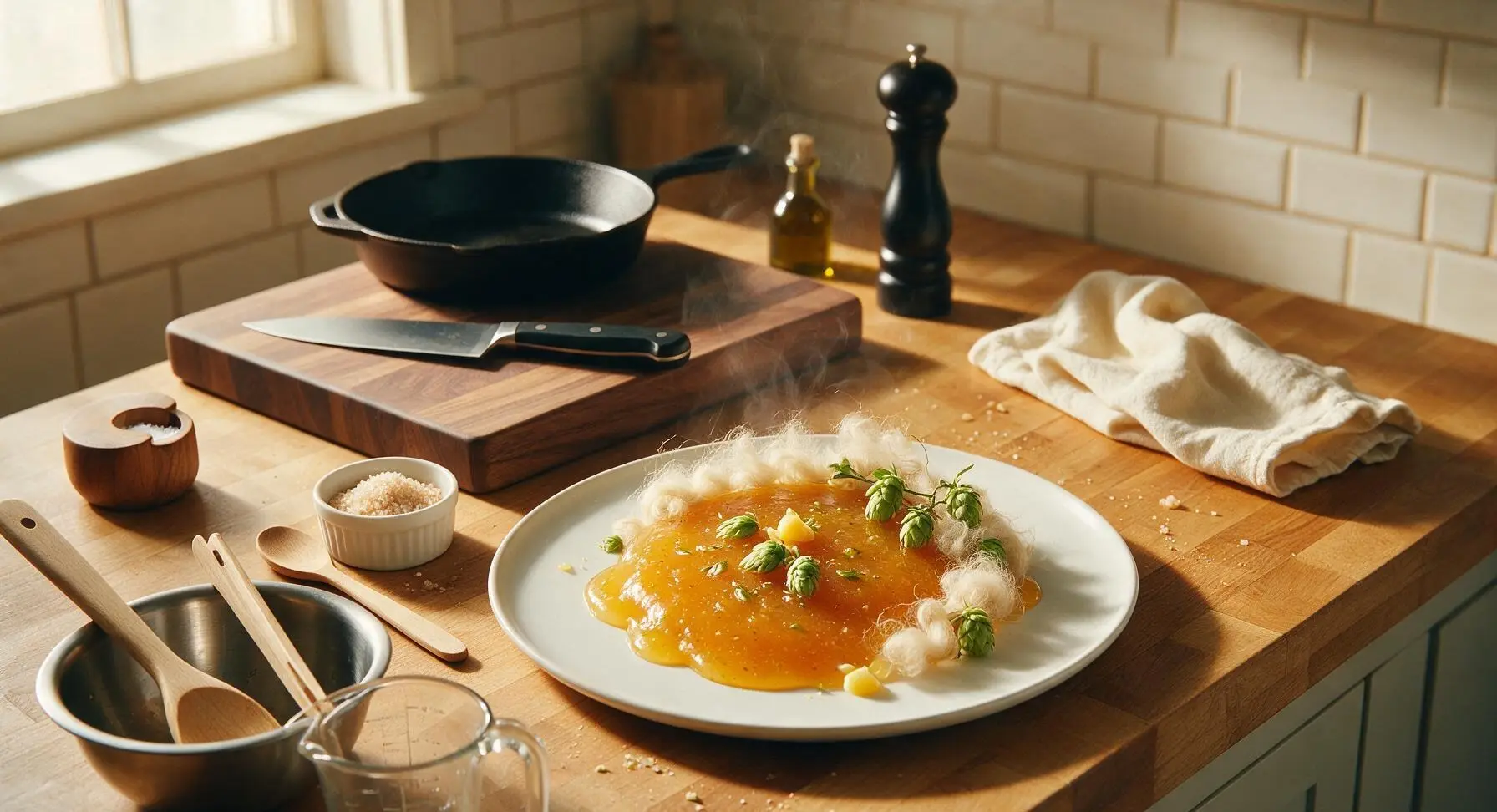
Heady Topper Clone

title 1
Heady Topper Clone
⏱️ cook time 4 hours (active brew day time), plus 4 weeks total fermentation and bottle conditioning
🍽️ servings 48
⚡ Difficulty hard

intro

A spot-on homebrew clone of Vermont’s legendary hazy double IPA, bursting with tropical hop aroma, soft juicy mouthfeel, and the signature unfiltered kick that made Heady Topper a craft icon.

Ingredients
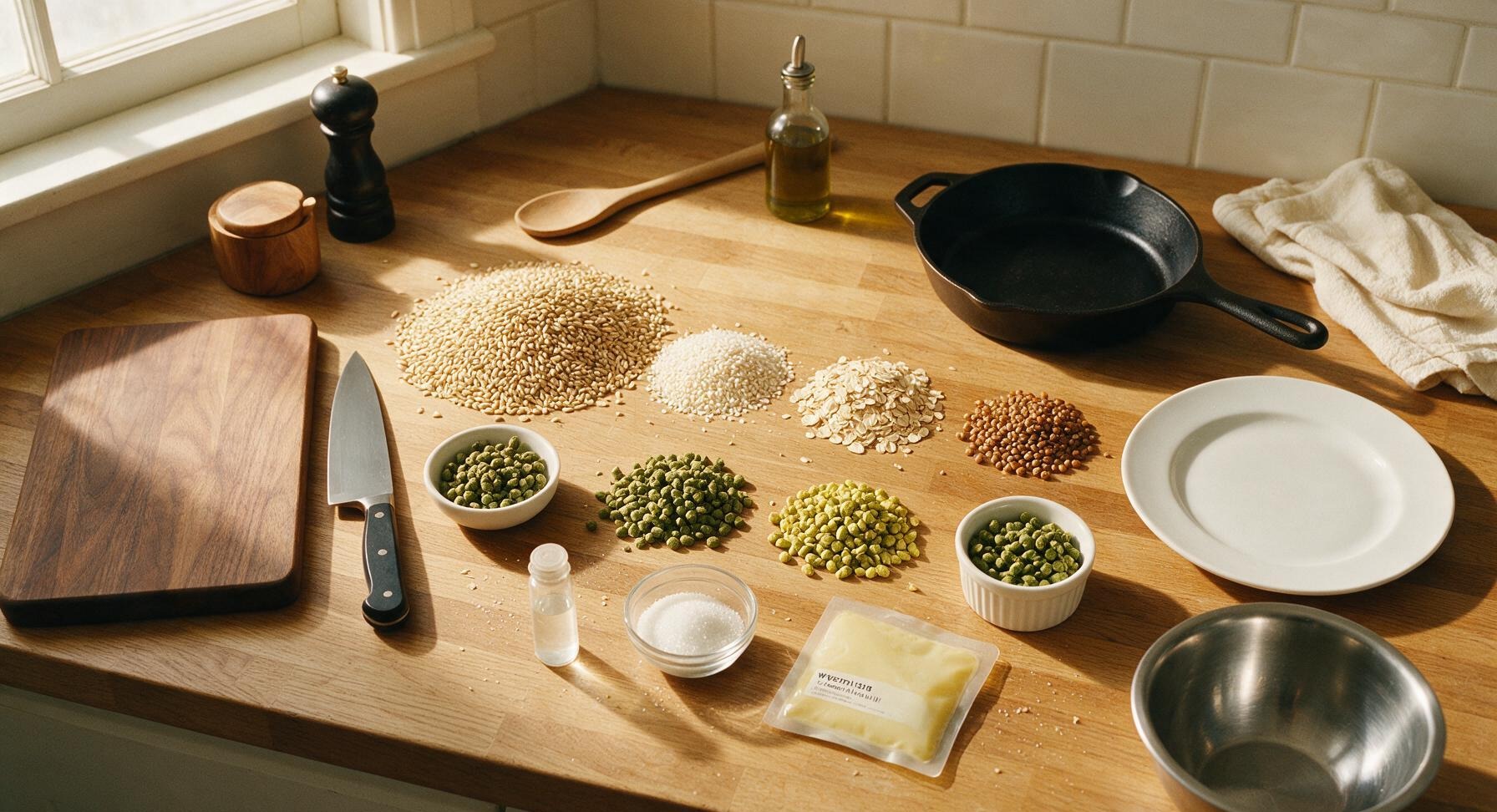
2-row pale malt 9 lbs
White wheat malt 1 lb
Flaked oats 8 oz
Carapils malt 4 oz
Columbus hop pellets (14% AA) 1 oz
Simcoe hop pellets 3 oz
Citra hop pellets 3 oz
Mosaic hop pellets 3 oz
Wyeast 1318 London Ale III yeast 1 smack pack
Corn priming sugar 5 oz
No-rinse brewer's sanitizer 1 tbsp

Steps

1

Sanitize All Equipment

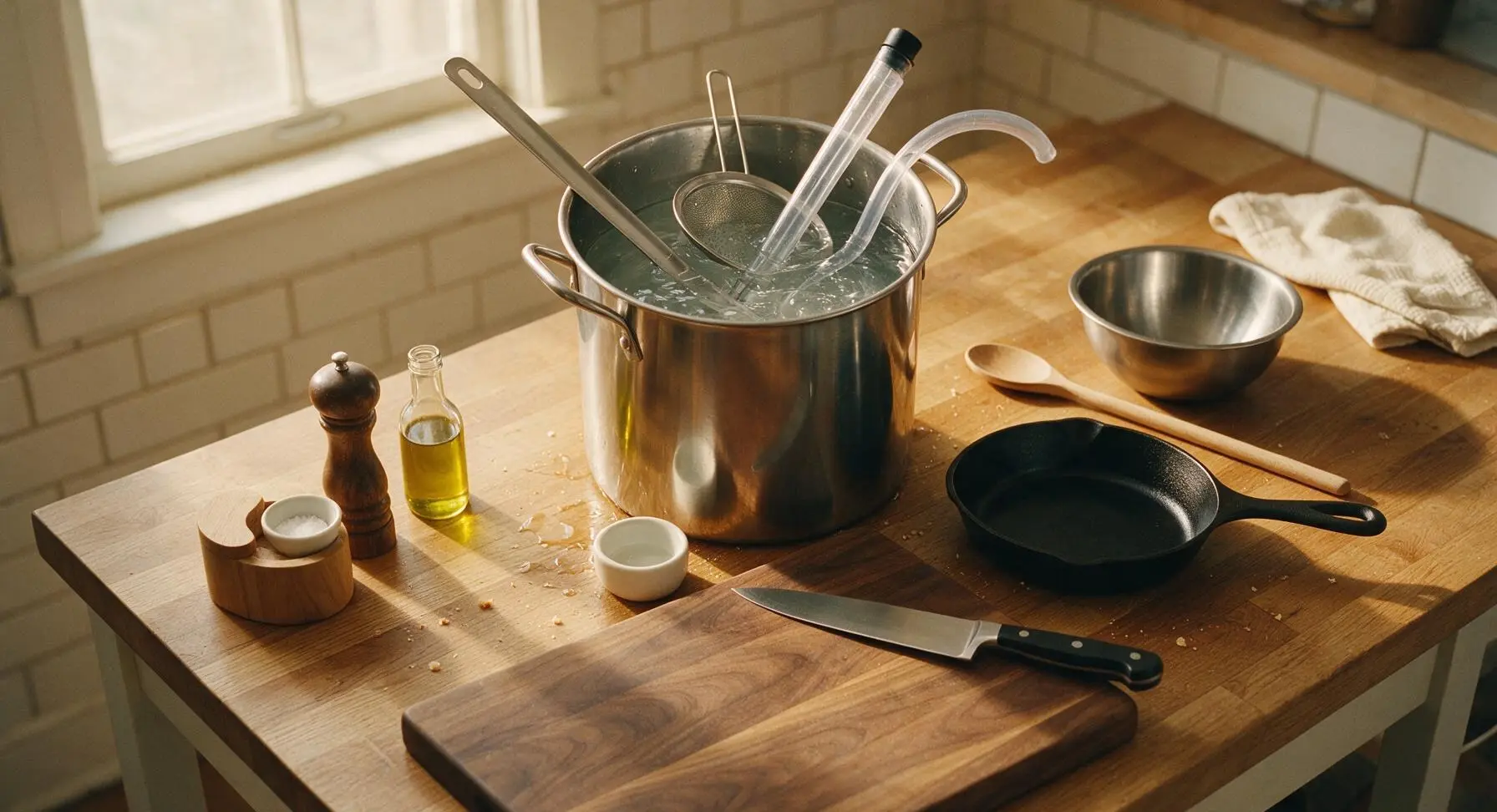
Mix 1 tablespoon no-rinse brewer’s sanitizer with 5 gallons of cool water in the brew kettle. Submerge the mash paddle, strainer, carboy, airlock, siphon, and all measuring tools for 2 full minutes. Drain excess sanitizer—no need to rinse. Ensure every surface that will touch cooled wort is fully sanitized to prevent off-flavors or bacterial infection.
Step 1
step1:Sanitize All Equipment
2

Mash the Grain Bill

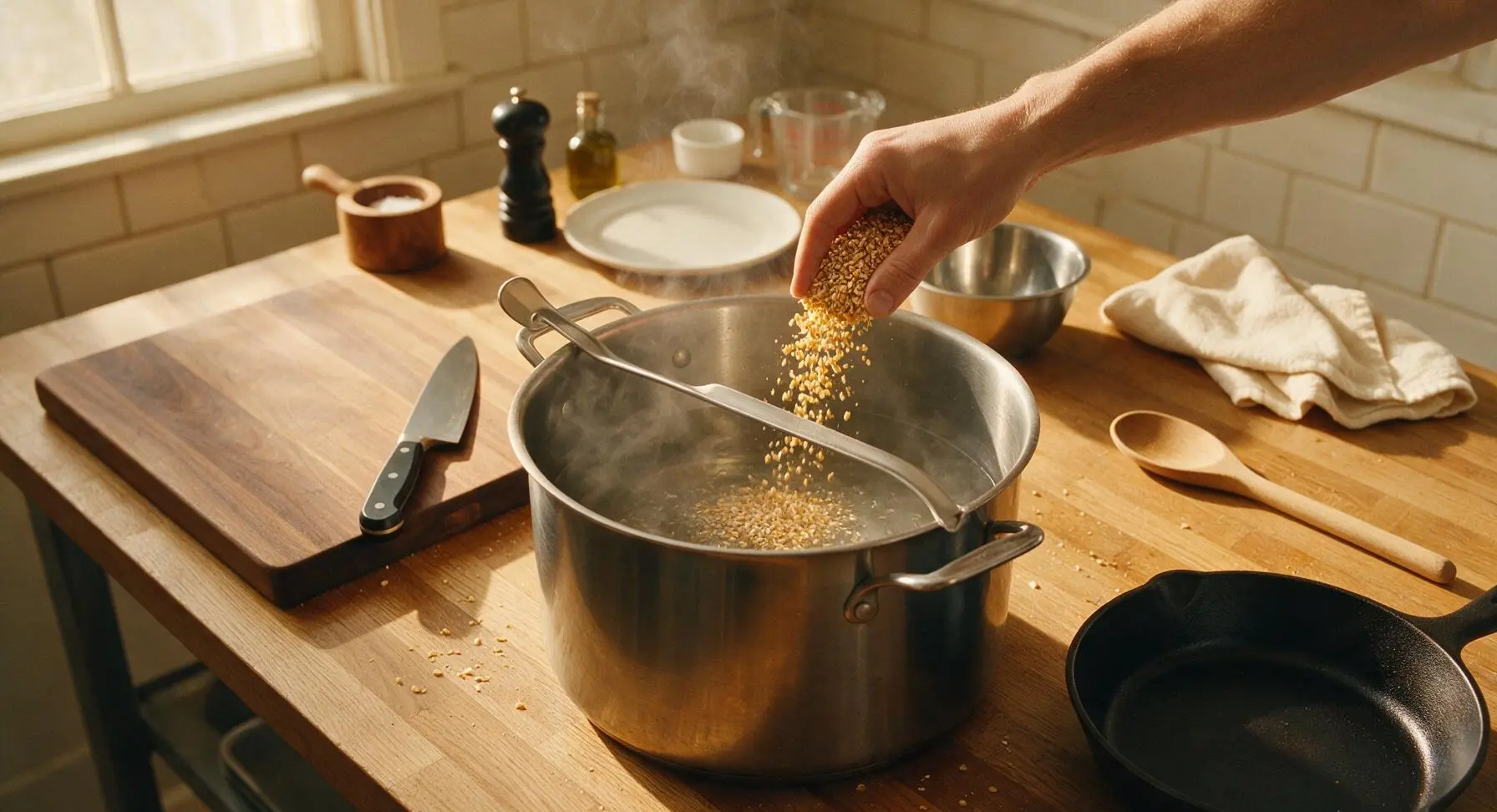
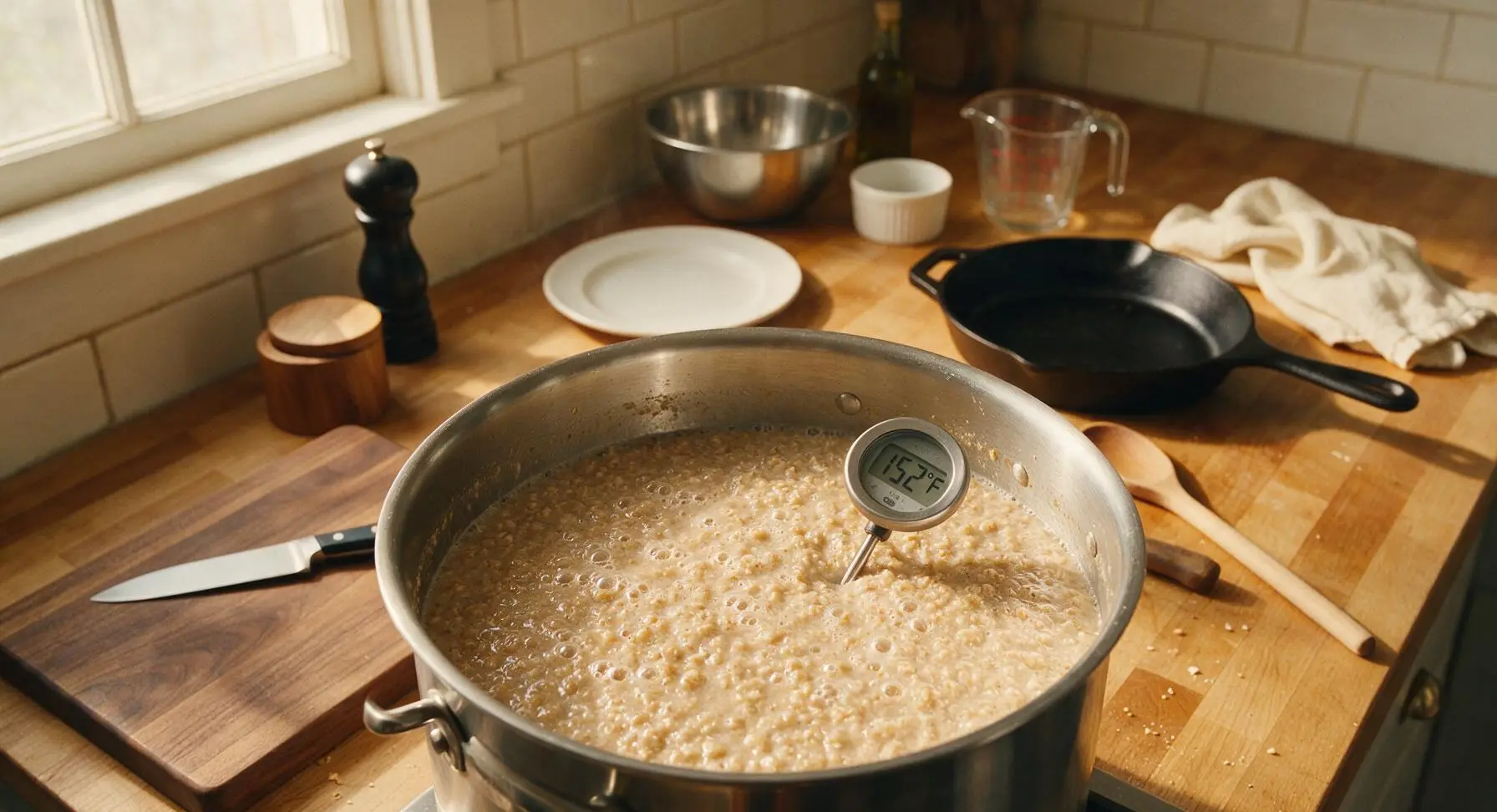
Heat 3.5 gallons of filtered water in the brew kettle to exactly 152°F. Slowly stir in all crushed grains (2-row pale malt, white wheat malt, flaked oats, Carapils) with the mash paddle, mixing thoroughly to break up any dry flour clumps. Cover the kettle and hold a steady temperature of 150–152°F for 60 minutes; the finished mash will have a thick, porridge-like consistency and smell of sweet, warm bread.
Step 2
step2:Mash the Grain Bill
Step 2
step2:Mash the Grain Bill
3

Lauter and Sparge Grains

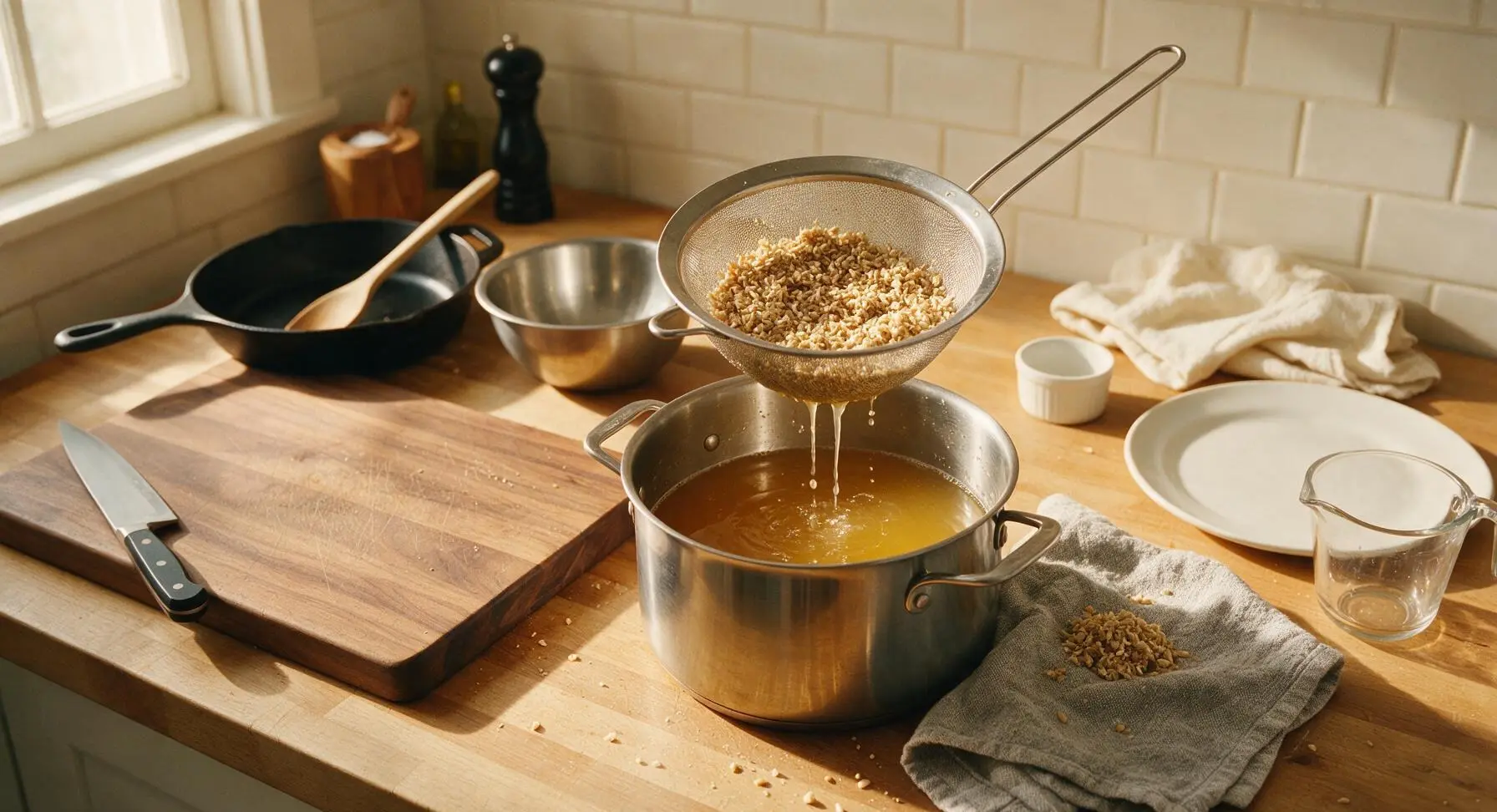
Set the fine-mesh strainer over the brew kettle, then slowly drain the sweet liquid wort from the mash, pouring through the strainer to catch coarse grain solids. Slowly rinse the remaining grain bed with 1.5 gallons of 170°F filtered water, collecting all runoff until you have 6 gallons of clear, pale gold wort in the kettle. The wort should taste mildly sweet, with no harsh, raw grain flavor.
Step 3
step3:Lauter and Sparge Grains
4

Boil and Add Bittering Hops

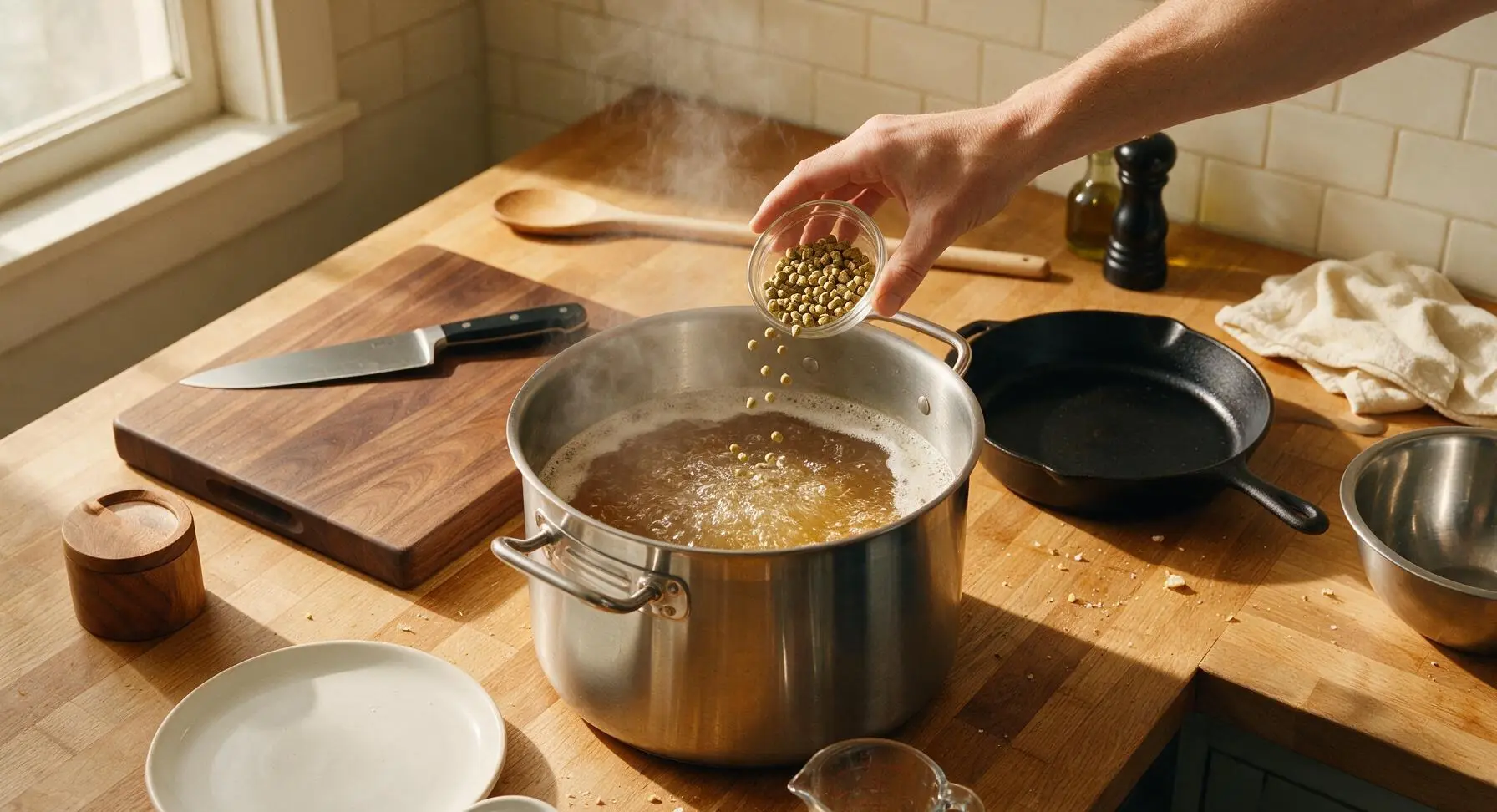
Bring the collected wort to a steady rolling boil (212°F at sea level). Once the boil is consistent, add 1 oz Columbus hop pellets, set a 60-minute timer, and maintain the boil with the lid off to allow harsh volatile compounds to evaporate. Stir occasionally with the mash paddle to prevent boilovers; the wort will deepen slightly to a rich golden color as it boils.
Step 4
step4:Boil and Add Bittering Hops
5

Add Late Boil Hops

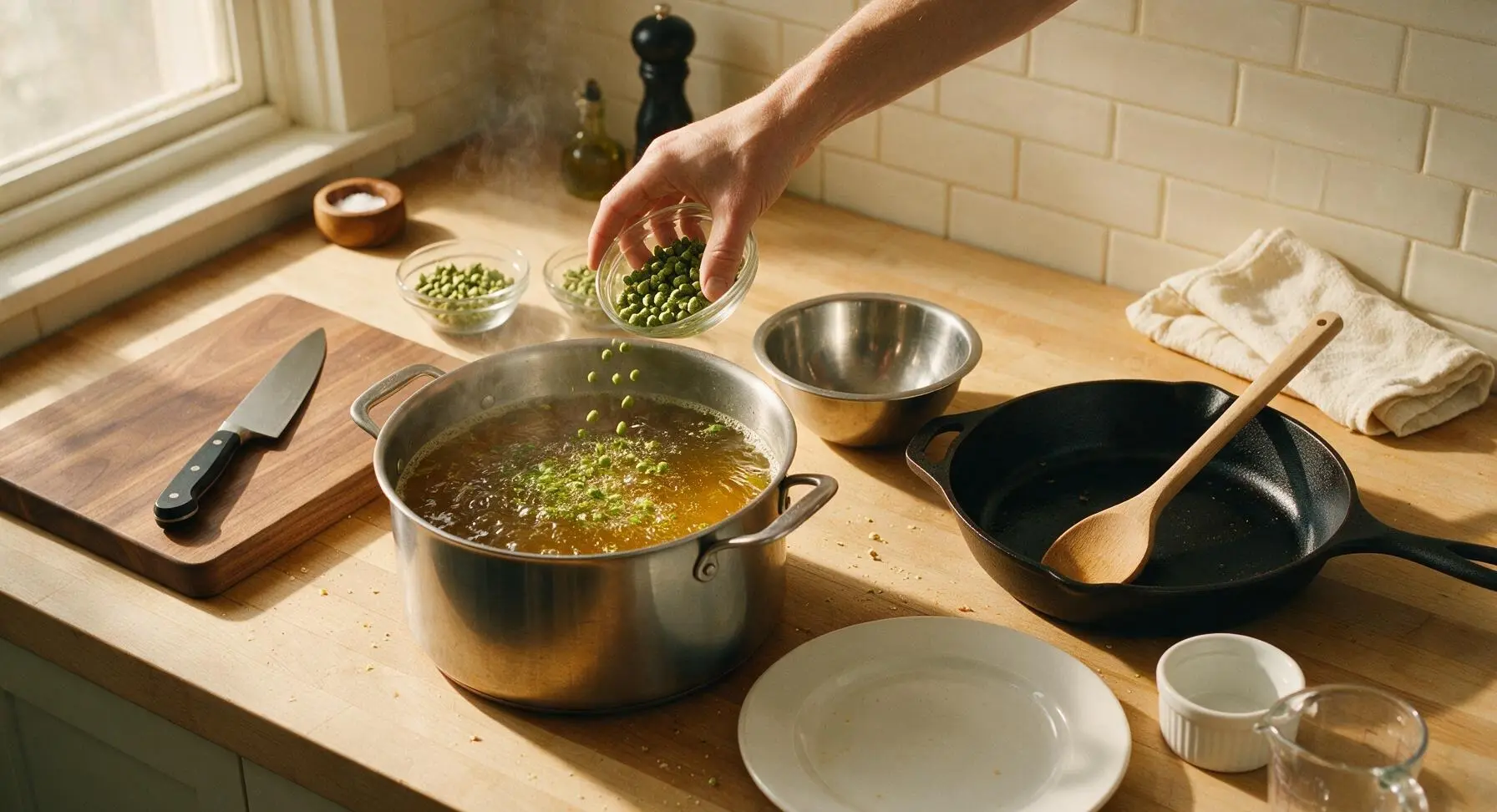
When the 60-minute boil timer shows 15 minutes remaining, add 1 oz Simcoe, 1 oz Citra, and 1 oz Mosaic hop pellets. Stir gently to incorporate the hops, then maintain the boil for the final 15 minutes. These late additions contribute bright tropical fruit and pine aroma without adding harsh, resinous bitterness. Turn off heat immediately when the timer expires.
Step 5
step5:Add Late Boil Hops
6

Cool Wort and Pitch Yeast

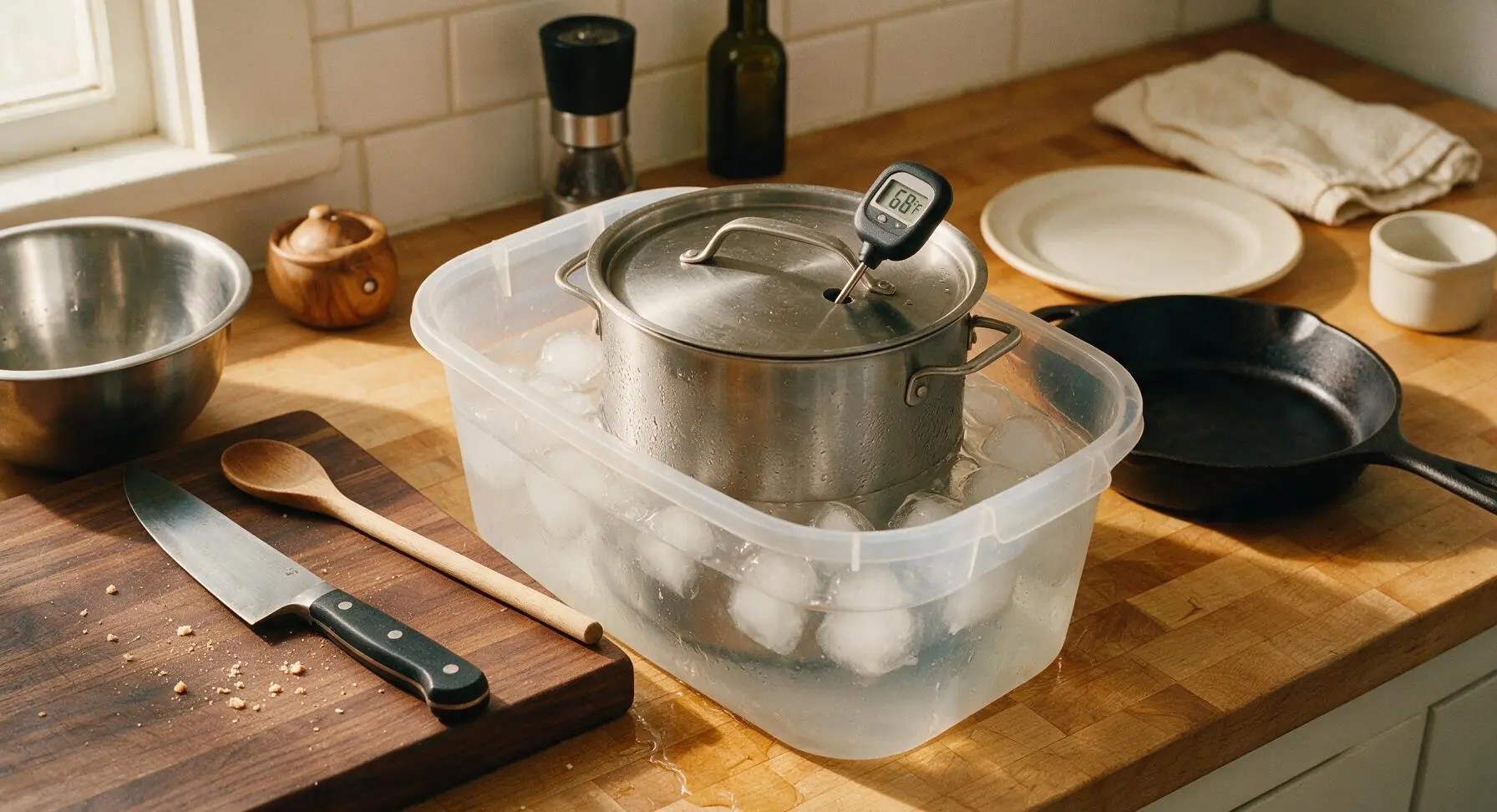
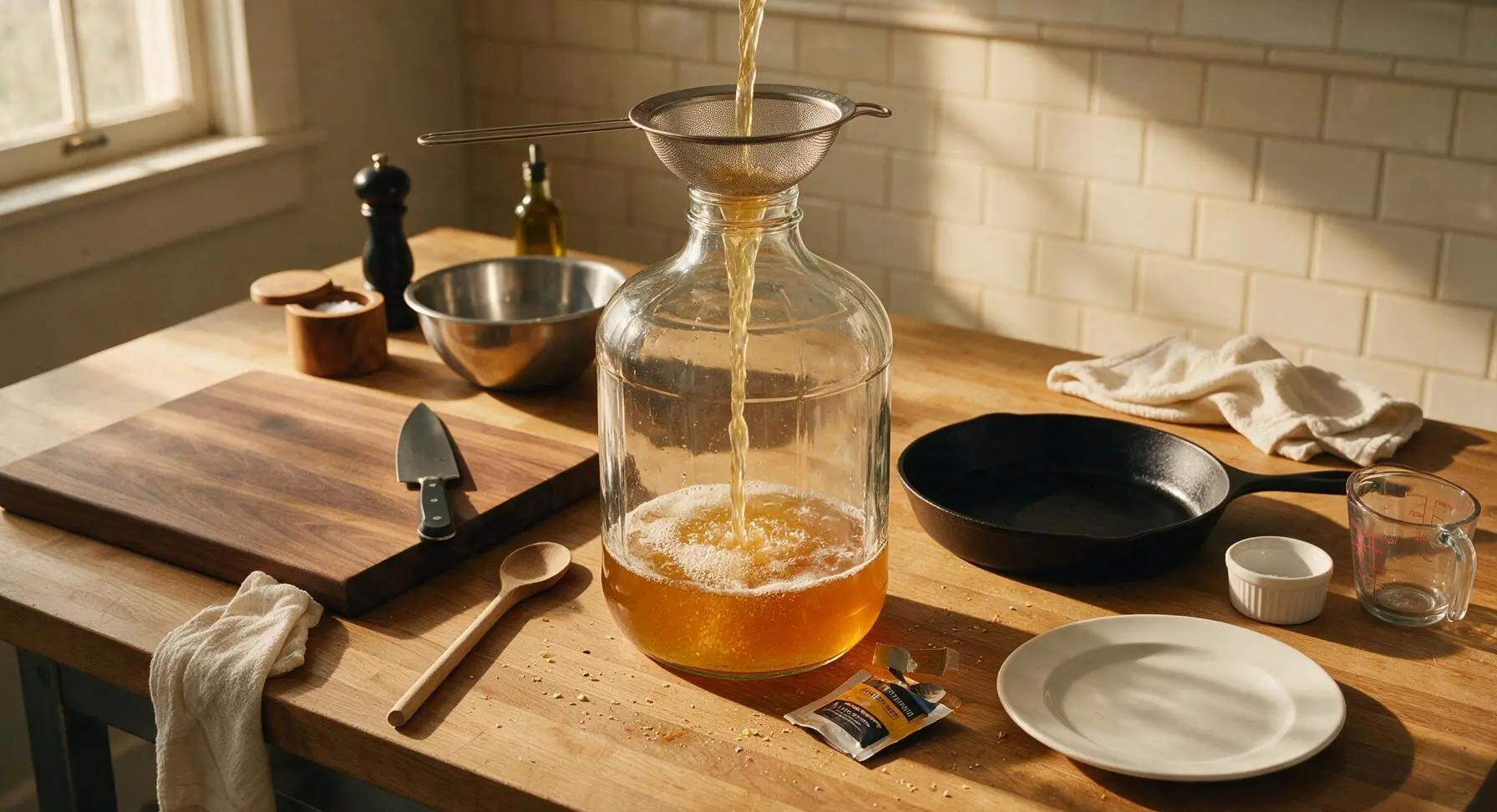
Set the covered brew kettle inside the large clear plastic tub filled with ice water to rapidly cool the wort to 68°F, which takes 20–25 minutes. Once cooled, pour the wort through the sanitized fine-mesh strainer into the sanitized 5-gallon glass carboy, leaving as much hop sediment (trub) behind in the kettle as possible. Seal the carboy and shake vigorously for 1 minute to aerate the wort, then add the full packet of London Ale III yeast. Seal with the rubber stopper and airlock, filling the airlock halfway with sanitizer.
Step 6
step6:Cool Wort and Pitch Yeast
Step 6
step6:Cool Wort and Pitch Yeast
7

Ferment and Dry Hop

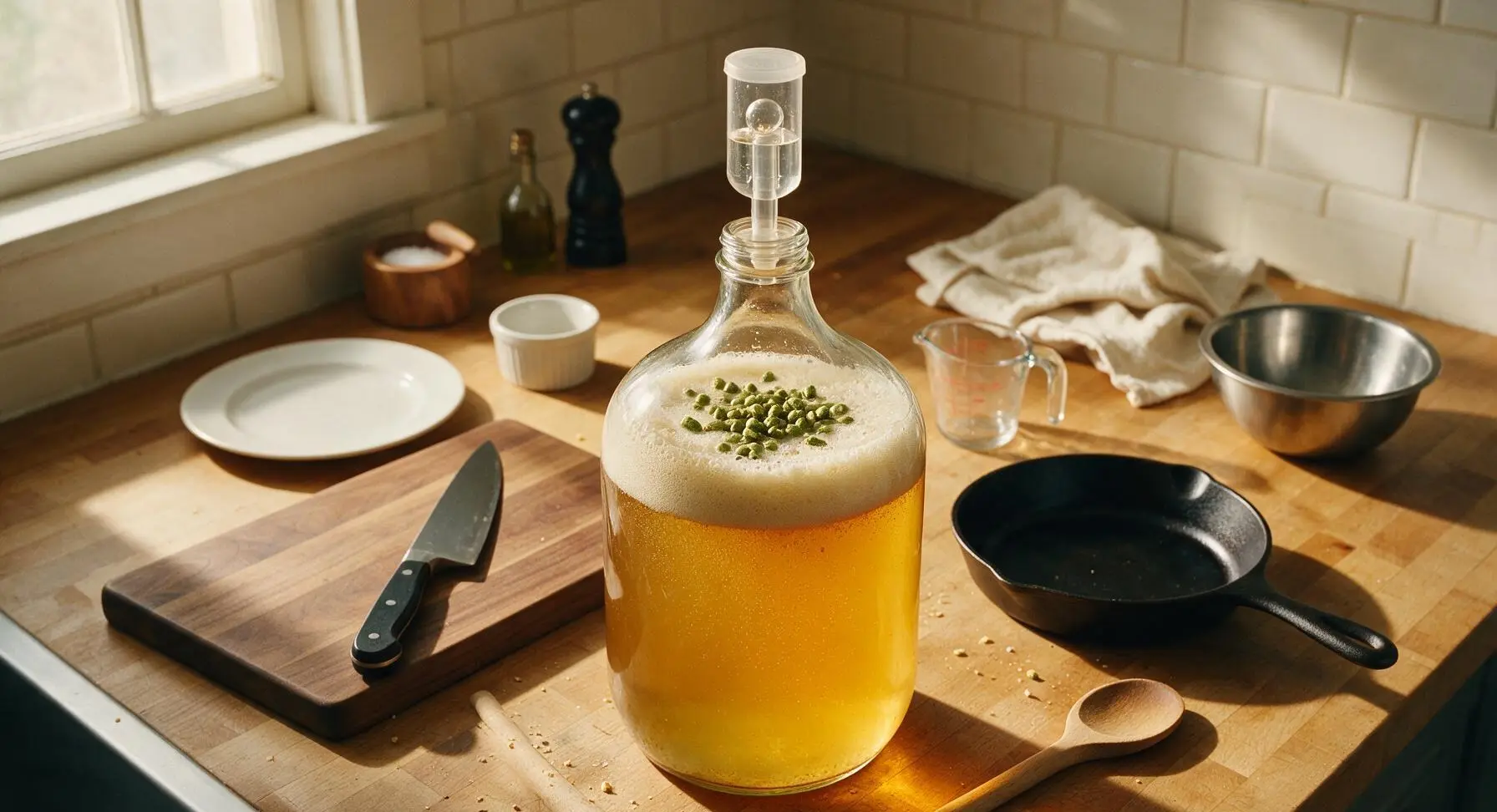
Move the sealed carboy to a dark, temperature-controlled space held at a steady 68°F for 7 days. Active fermentation will produce steady bubbles in the airlock for the first 3–5 days. Once bubbling slows to 1 bubble every 60 seconds, sanitize the carboy opening and add the remaining 2 oz Simcoe, 2 oz Citra, and 2 oz Mosaic pellets for dry hopping. Reseal the airlock and let the beer rest for 7 more days at 68°F; the beer will turn hazy and develop intense tropical aroma as hops infuse.
Step 7
step7:Ferment and Dry Hop
8

Bottle and Condition Beer

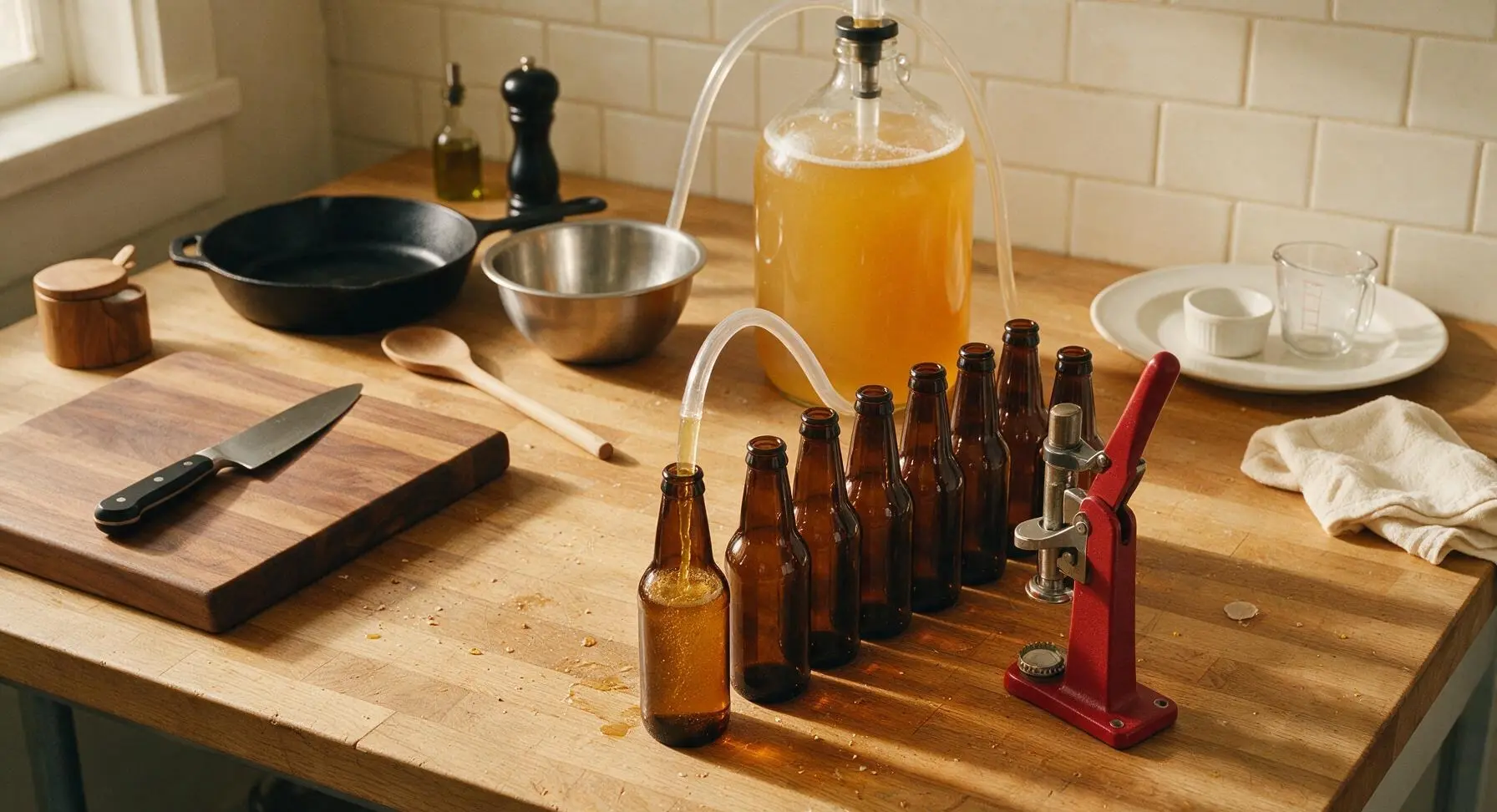
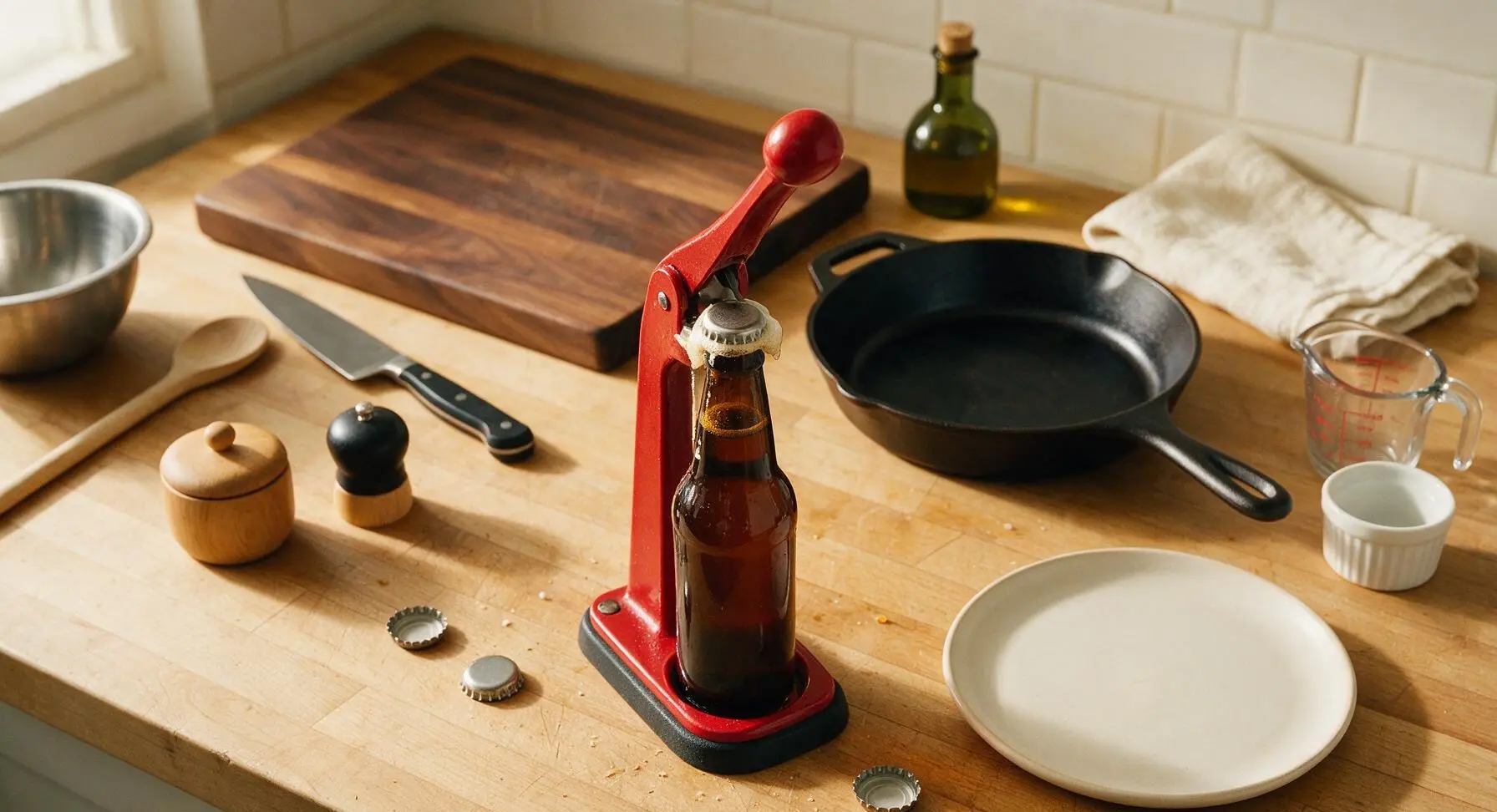
Boil 5 oz corn priming sugar with 1 cup of filtered water, cool to 68°F, and add to a sanitized bottling bucket. Use the auto-siphon to transfer finished beer from the carboy to the bucket, stirring gently to mix with priming sugar while avoiding splashing (which causes oxidation). Fill each sanitized 12oz amber bottle to 1 inch below the rim, then use the bench capper to seal each bottle with a crown cap. Store bottles in a dark 68°F space for 2 weeks to carbonate, then chill to 40°F before serving.
Step 8
step8:Bottle and Condition Beer
Step 8
step8:Bottle and Condition Beer

Tips

1.Prioritize strict sanitization for every surface that touches cooled wort: even tiny amounts of bacteria will produce sour, off-flavors that ruin the bright hop character, the most common failure point for new homebrewers.
2.Hold fermentation temperature rock-steady at 68°F: temperatures above 72°F will cause the yeast to produce harsh, solvent-like alcohol notes that overpower the delicate tropical hop aroma Heady Topper is known for.
3.Do not filter or pour off sediment when bottling: the signature hazy appearance and juicy, smooth mouthfeel comes from suspended yeast and hop particles; give each bottle a gentle, slow swirl before opening to evenly mix sediment without creating excess foam.


✨ You May Also Like

Drinks & Beverages
🍜 Mexico

A bright, balanced tequila-based cocktail with zesty fresh lime, smooth orange liqueur, and a signature salt rim, perfect for warm summer sipping.

⏱️ 5 minutesDrinks & Beverages ★ 4.9
Drinks & Beverages
🍜 United States

Thick, creamy, nostalgic classic vanilla milkshake with a rich, smooth texture, topped with whipped cream and a cherry for cool, sweet refreshment.

⏱️ 5 minutesDrinks & Beverages ★ 4.7
Drinks & Beverages
🍜 United States

A bright, golden strong ale with fruity banana-clove notes, subtle hop spice, and soft carbonation, brewed in classic Trappist Tripel tradition.

⏱️ 2 hours aDrinks & Beverages ★ 4.5
Drinks & Beverages
🍜 United States

A frothy, nostalgic American soda fountain treat pairing bubbly cold root beer with creamy vanilla ice cream, perfect for cooling down at warm weather gatherings.

⏱️ 20 minuteDrinks & Beverages ★ 4.8
Drinks & Beverages
🍜 United States

Tart, funky, effervescent American Wild Ale is a complex fruity craft beer brewed with wild yeast, delivering bright, zesty notes perfect for warm-weather sipping.

⏱️ 2 hours aDrinks & Beverages ★ 4.4
Drinks & Beverages
🍜 United States

Bright, bubbly copycat of the iconic American caramel cola, balanced with citrus and warm spice, perfect for sipping ice-cold on hot days.

⏱️ 15 minuteDrinks & Beverages ★ 4.8

Heady Topper Clone:Frequently Asked Questions

1.Why is this Heady Topper clone hazy instead of crystal clear like a traditional West Coast IPA? ▾
That signature cloudy look comes straight from your grain bill! The white wheat malt, flaked oats, and Carapils create gentle protein and polyphenol hazes that stay suspended when you skip aggressive filtering and over-long cold crashing. Don’t fine this beer heavily—that haze is authentic to Heady Topper, and it boosts that soft, juicy mouthfeel fans love.
2.What yeast strain should I use to get the most authentic Heady Topper flavor? ▾
Reach for a classic Vermont ale yeast, like Wyeast 1318 London Ale III or White Labs WLP095 Burlington Ale, for that signature stone-fruit, lightly tropical ester profile. Pitch a healthy yeast starter at 67°F, then hold fermentation steady between 68–70°F to avoid off-flavors and nail that classic, balanced house character.
3.How do I add the 14% AA Columbus hops without making the beer harshly bitter? ▾
Since Columbus is a high-alpha acid hop, save the bulk of your additions for late boil, whirlpool, and dry hop to avoid sharp, astringent bitterness. Add only a small 0.5 oz charge at 60 minutes for subtle base bitterness, then add most of your Columbus at flameout and during fermentation to lock in bright tropical aroma instead of harsh bite.
4.Can I substitute flaked oats if I don’t have them on hand for this recipe? ▾
If you don’t have flaked oats, you can swap them 1:1 for flaked wheat, though you’ll lose a tiny bit of that iconic silky, creamy mouthfeel. Never swap in a heavily kilned or roasted grain here—any darker, more roasted malt will throw off the pale, bright color and soft flavor that defines this clone.
5.What water profile works best for this New England double IPA? ▾
Aim for soft, moderately low-mineral water to keep hop flavor bright and not mineral-heavy. Target 50–70 ppm calcium, 50–70 ppm chloride, and 100–120 ppm sulfate for a balanced, juicy finish; too much sulfate will make the beer taste sharp and bitter instead of soft and fruit-forward, missing the Heady mark.
6.How do I get that signature soft, juicy mouthfeel instead of a thin, watery beer? ▾
That plush mouthfeel comes from three key choices: the flaked oats and white wheat in your grain bill add beta-glucans and proteins for body, avoid over-attenuation by holding fermentation temps steady, and skip long, aggressive cold crashes that drop too much of the suspended yeast and protein that create that lush texture.
7.How long should I dry hop this beer to get maximum tropical aroma without grassy off-flavors? ▾
Add your dry hop charges in two doses: one when fermentation hits 50% complete (day 2 or 3 of active ferment) for biotransformation, and a second 3 days before packaging, held at 65–68°F. Don’t leave dry hops in contact with beer for more than 5 days total, or you’ll pick up grassy, vegetal off-flavors that ruin that bright tropical punch.
8.What ABV should I target for an accurate Heady Topper clone? ▾
The original Heady Topper clocks in right around 8% ABV, so adjust your grain bill to hit that mark based on your brewhouse efficiency, not higher. It’s a deceptively smooth double IPA, so avoid overloading on 2-row pale malt to push ABV past 8.5%—that will throw off balance and make the beer taste boozy instead of easy-drinking.
9.Do I need to filter this beer before bottling or kegging? ▾
Skip fine filters entirely for this clone! Heady Topper is famously unfiltered, so running it through a 1-micron or tighter filter will strip out the hazy texture, hop aroma, and soft mouthfeel you worked hard to build. A gentle coarse strain to remove large hop debris when transferring is all you need before packaging.
10.Why did my first batch turn out overly bitter, nothing like the smooth original? ▾
Overly bitter results almost always come from adding too much high-alpha Columbus hops early in the boil, using water that’s too high in sulfate, or boiling hops for too long. Remember, NEIPAs get most of their hop character from late and dry additions, not long bittering boils—aim for 50–60 total IBUs to keep bitterness soft.
11.How should I store this beer after packaging to keep that fresh hop flavor? ▾
Store this clone cold, between 35–40°F, and drink it within 3–4 weeks of packaging for the best, brightest hop aroma. Hazy IPAs fade extremely fast—warm storage or aging longer than a month will make tropical notes drop out, leaving flat, cardboard-like off-flavors that don’t match the fresh, juicy Heady profile.
12.Can I use hop extract instead of Columbus pellets for this recipe? ▾
Stick to Columbus pellets instead of extract for this clone, if possible. Pellets hold onto the essential tropical hop oils better during late additions and dry hopping, and create a small amount of beneficial hop haze that matches the original. If you must use extract, only use it for the small early bittering addition, never for late or dry hop charges.
13.Do I need a special mash schedule for the wheat and flaked oats in this grain bill? ▾
Do a 15-minute beta-glucan rest at 113°F if you’re using the full portion of flaked oats, to avoid a stuck mash and lock in that silky mouthfeel. If you can’t do a step mash, a single 152°F mash for 60 minutes will still work—just make sure to loosen your grain bed well during sparging to prevent slow, stuck runoffs.

Comments (20)

2 days ago

Just bottled my first batch of this last weekend! Cracked a test bottle early (don’t judge) and it is SO close to actual Heady Topper I almost did a double take. That juicy, tropical haze is no joke, zero harsh bitterness just that smooth stone fruit and citrus punch. Brought a few to my neighborhood potluck last night and everyone was begging for the recipe. Total game changer for my homebrew lineup.

30 minutes ago

Wait, hold up—this is listed as hard difficulty, is this doable for someone who’s only done 3 extract batches so far? I’ve been dying to nail a Heady clone but I don’t wanna waste $80 on grain and hops if I’m gonna mess up the fermentation temp control, y’know?

5 minutes ago

Great question! As long as you can hold a steady 67-69°F for the first 7 days of fermentation and do a slow, careful dry hop addition to avoid oxygen pickup, you can absolutely pull this off as a newer brewer. I’d recommend skipping the biotransformation dry hop if you’re nervous on your first go to cut down on variables!

1 week ago

OMG I made this for my husband’s birthday tailgate a couple weeks ago and it was a bigger hit than the smoked ribs! I will say my first batch came out a little murkier than I expected even after cold crashing, but the flavor was spot on. Anyone else deal with that?

5 days ago

I had that same issue my first round! Turns out I was adding the first dry hop too early when fermentation was still super active, which stirred up way too much trub. Next batch I waited until krausen dropped completely and it cleared up perfectly while keeping that hazy glow, no weird sediment at the bottom of the cans.

3 days ago

So glad it was a hit at the tailgate! That extra murk is totally harmless and super common with NEIPAs, but the tip from GrainAndGrit22 is spot on—waiting for krausen to fall before first dry hop will cut down on that extra settled sediment without killing that juicy mouthfeel.

2 weeks ago

4 hours on brew day is exactly what I budget for double IPAs, so that didn’t phase me, but that 4 week fermentation and conditioning wait? Absolute torture. Worth every single second though. This is the first homebrew I’ve made that my brother (a total Heady snob who drives 2 hours up to Vermont to buy cases whenever he can) said was indistinguishable from the real thing. We killed a 6 pack watching the Bears game Sunday.

2 hours ago

Quick question—does anyone know if I can substitute Citra for a little Mosaic in the late additions? My local homebrew shop was sold out of the full amount of Citra called for and I don’t wanna wait a week for shipping.

30 minutes ago

I did that last batch! Swapped 1 oz of late Citra for Mosaic and it added this awesome blueberry note that played so well with the tropical flavors. Just don’t sub more than 25% of the total dry hop for Mosaic or it’ll get that earthy, piney vibe that pulls it away from that classic Heady profile.

3 days ago

Y’all, I messed up the bottle conditioning step on my first go. I added too much priming sugar and half my bottles gushed when I opened them! Flavor was still insane but I lost like 4 bottles to the beer geyser in my kitchen. Total rookie move.

2 days ago

Oh no, I did that with my first NEIPA too! Pro tip: make sure you measure your priming sugar by weight not volume, and let the bottles sit at 70°F for the first 3 days then move them to a cooler closet if your house runs warm. It cuts down on over-carbonation so much.

2 days ago

Sorry to hear about the gushers! That’s such a bummer after waiting 4 weeks. I recommend 4 oz of corn sugar for 5 gallons for this recipe to get that perfect soft carbonation, and always double check that fermentation is fully complete (two identical hydrometer readings 3 days apart) before bottling to avoid extra CO2 buildup.

1 week ago

Game. Changer. I’ve tried probably 8 different Heady clone recipes online over the last 5 years and this is the first one that actually nails that iconic juicy, slightly dank profile without being overly sweet or tasting like straight fruit juice. My homebrew club gave it first place in our annual IPA competition last month. SO good.

5 minutes ago

Is there any way to adapt this to be gluten reduced? My kid has celiac and has been dying to try a good NEIPA since he got into craft beer, but most commercial gluten removed IPAs taste like cardboard to me.

just now

You can absolutely adapt this! Swap 2 lbs of the 2-row for gluten-free 2-row brewers malt made from millet, and add a gluten-reducing enzyme at the start of fermentation to break down residual gluten. I’ve tested this version with a few gluten-sensitive friends and it holds up almost exactly to the original recipe, just make sure all your equipment is fully sanitized to avoid cross-contamination.

5 days ago

Made this for our annual summer cookout a few weeks back and people were going back for thirds before we even got the burgers off the grill! Only note is I wish I’d made a double batch, we ran out in 45 minutes. Who else doubles this recipe?

3 days ago

I double every NEIPA batch I make now, especially this one! Last time I did a 10 gallon batch I split it into two fermenters and added a little extra pineapple puree to one for a fun twist, it was chef’s kiss. The base recipe is so solid it handles small tweaks really well.

2 days ago

Me! I learned my lesson after my first single batch was gone in 2 nights when my roommates found it. Now I only make 10 gallon batches of this, it’s my go-to for every party, potluck, and random weeknight when I want a good beer after work.

2 days ago

Wait, how critical is the cold crash step here? My fermentation chamber died right when I was supposed to cold crash last batch, so I just bottled straight from the fermenter after 2 weeks. It turned out fine but I’m wondering if I missed something?

yesterday

I never cold crash my NEIPAs! I find it can knock out some of those delicate hop aromas if I do it too early. As long as you let it condition in the bottle for the full 2 weeks you won’t notice a huge difference, it just might have a tiny bit more sediment in the bottom of each bottle which is totally normal for the style.

3 days ago

I’m literally putting together my brew day supply list right now, can I use dry yeast instead of the liquid London Ale III called for? Dry yeast is way easier for me to find locally right now and I’m trying to brew this weekend.

2 days ago

You sure can! The dry equivalent of London Ale III works great here, just make sure you rehydrate it properly before pitching to get the best fermentation performance. I’d recommend pitching 2 packets for the 5 gallon batch to hit the right cell count for this high-gravity double IPA, it’ll help avoid off-flavors from under-pitching.

2 weeks ago

I brought a 6 pack of this to my office happy hour last week and my boss, who is a total craft beer snob that only drinks pricey imported Belgian beers, asked me which bottle shop I picked it up from. When I told him I brewed it myself he refused to believe me until I showed him my camera roll full of brew day photos. 10/10, will be making this on repeat from now on.

1 week ago

Ugh, I messed up the hop schedule on my first batch! I added all the late hops at 60 minutes instead of 15 and whirlpool, so it came out way more bitter than I wanted. It’s still drinkable but definitely not that juicy Heady vibe. Bummed but already planning my next batch.

5 days ago

I did that exact same thing my first time making an NEIPA! I used that bitter batch as a cooking beer for chili and beer brats all month, it worked great even if it wasn’t what I was going for. Don’t stress, your next batch will be perfect once you get the hop timings down.

5 days ago

Sorry that happened! Hop timings are extra critical for NEIPAs because those late additions are what give you that bright tropical aroma without the sharp bitterness. I’d recommend setting timers for every hop addition on your next brew day, it takes the guesswork out completely! I’ve done the same thing before, it happens to every brewer.

2 hours ago

How long do y’all usually let these condition in the bottle before cracking them? I know the recipe says 2 weeks of bottle conditioning but I’m so impatient, I wanna try one at 1 week to see how it’s coming along.

30 minutes ago

I tried one at a week last batch and it was super green, had that weird yeasty bite to it. It was way better at 2 weeks, and absolute chef’s kiss at 3 weeks when the hop flavors fully melded with the malt. The wait sucks but it’s so worth it, trust me.

30 minutes ago

Can I scale this down to a 1 gallon batch? I live in a tiny apartment and don’t have space for a full 5 gallon carboy right now, but I’ve been craving a good homemade NEIPA for months.

5 minutes ago

Absolutely! Just scale all ingredients evenly by 1/5 for a 1 gallon batch, and keep fermentation temps exactly the same. The only thing I’d adjust is cutting the bottle conditioning time by 3-4 days since smaller batches condition a little faster. I’ve made 1 gallon test batches of this recipe on my stovetop when my garage was too cold to brew out there, it turns out great!

1 week ago

SO good. I brought a cooler of this to the college football tailgate last weekend and people were trading me burgers, brats, even a spare ticket to the game for a bottle. This recipe is so much better than any of the overpriced NEIPAs they sell at the stadium, I’ll never buy store bought DIPA again.

2 weeks ago

My husband and I brewed this together for our anniversary last month and it was such a fun date night activity! We were a little intimidated by the hard difficulty rating, but we followed the step by step instructions exactly and it came out perfect. We saved the first bottle to open on our next anniversary.

1 week ago

That is such a cute idea! My partner and I do a monthly brew date too, we’re making this next weekend for our 3 year anniversary. I love that you saved a bottle for next year, I’m totally stealing that idea.

1 week ago

This makes my day to hear! Brew days are such a fun way to spend time together, I’m so glad it turned out well for you both. That saved bottle is going to taste even better next year when you get to crack it open and remember the fun you had making it.

5 days ago

Quick heads up for anyone brewing this with really soft tap water—make sure you add the recommended gypsum and calcium chloride additions! I forgot on my first batch and it tasted really flat, like the hop flavors didn’t pop at all. Once I adjusted my water chemistry on the second batch it was spot on.

3 days ago

Thanks for the heads up! I have super soft rain water where I live and I totally forgot to adjust my water for the last IPA I made, it came out exactly how you described. I’ll make sure to add those minerals when I brew this this weekend, that would’ve been such a bummer to mess up.

3 days ago

I added an extra half ounce of hop hash in the whirlpool on my last batch and it took this to the next level! That extra resinous, dank kick is exactly what I remember from the first time I had Heady Topper on a trip to Vermont back in 2012. If you’ve got some hash lying around I highly recommend tossing it in, total game changer.

yesterday

Wait, is it normal for the krausen to get really high on this? I woke up on day 2 of fermentation and my airlock was clogged, there was beer all over the side of my fermenter. I thought I ruined the whole batch but it seems to be going fine now, just lost like a pint of beer to the blowoff.

2 hours ago

Oh that is totally normal for high gravity NEIPAs! I never even use an airlock for the first 4 days of fermentation on these, I just hook up a blowoff tube that runs into a jar of sanitizer. Saves me from cleaning beer off my fermentation chamber walls every single time, I learned that lesson the hard way too.

30 minutes ago

Totally normal! This yeast is super active when it hits that high sugar wort, so krausen can swell up 2-3 inches above the wort line in the first 48 hours. The blowoff tube tip Bob shared is 100% the move for this recipe to avoid messes, I’m glad your batch still turned out okay even with the little bit of loss!



