1.Why is it called Indian Pudding if it’s a classic New England dish?
▾
The name comes from the colonists’ term for the finely ground cornmeal they learned to grow and process from local Wampanoag and Algonquian communities, which they called “Indian meal.” It’s an adaptation of British hasty pudding, with no connection to South Asian cuisine, and has been a New England staple since the 17th century.
2.Can I use coarse-ground cornmeal instead of fine-ground yellow cornmeal?
▾
Coarse cornmeal will give the pudding an unpleasantly gritty, grainy texture if used straight from the bag. If that’s all you have on hand, soak it in warm milk for 20 minutes before mixing to soften the grit, and add 15 minutes to your total bake time, though fine-ground meal is always preferred for that signature smooth, creamy set.
3.Can I substitute blackstrap molasses for dark unsulphured molasses?
▾
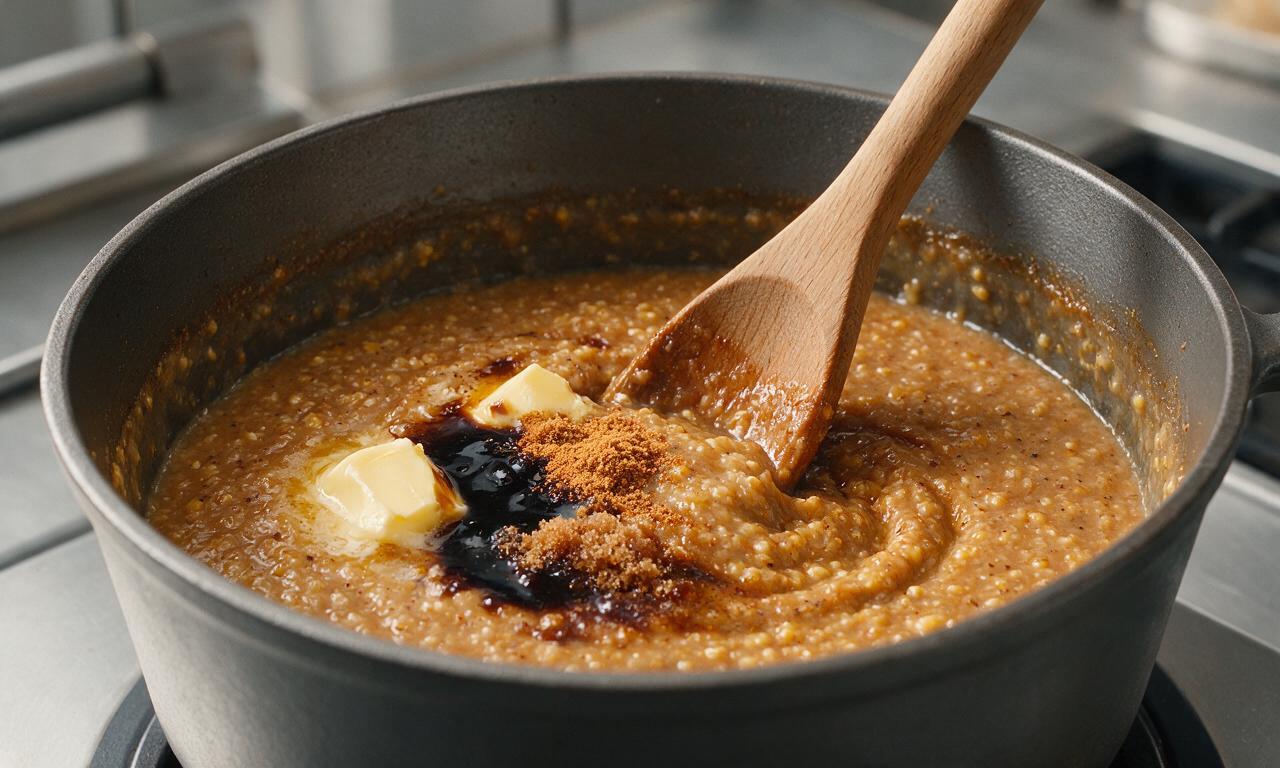
Blackstrap molasses is overly bitter, high in mineral content, and far too strong for this recipe, throwing off the warm, sweet caramel balance. If it’s your only option, cut it 50/50 with pure maple syrup or light corn syrup to mellow the harsh, bitter notes, and add an extra tablespoon of brown sugar for warmth.
4.Can I turn the oven up higher to cut down on bake time?
▾
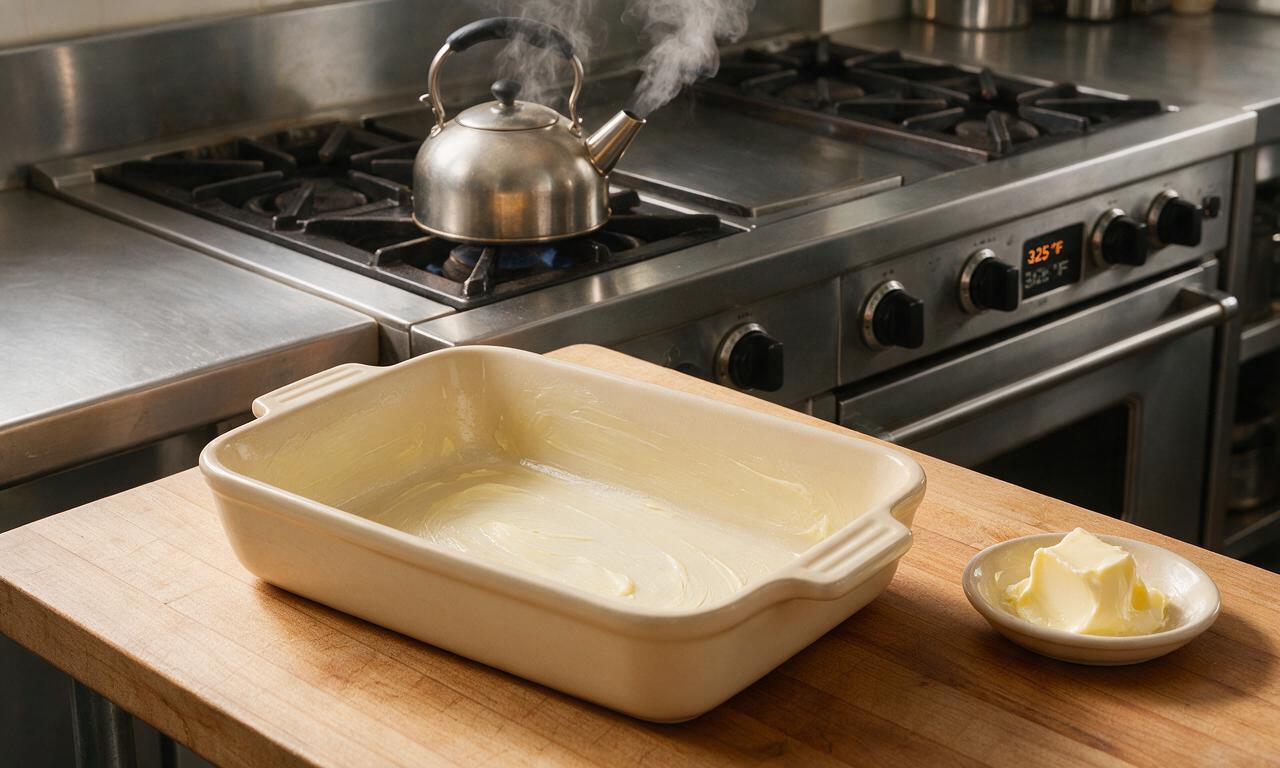
Rushing this pudding with high heat will ruin its signature texture: temperatures above 325°F will curdle the milk, create tough, rubbery edges, and leave the center raw and runny. The slow, low bake is what develops the deep molasses flavor and silky, wobbly custard texture that makes this dish so cozy, so don’t skip it.
5.Do I really need to use a water bath when baking this pudding?
▾
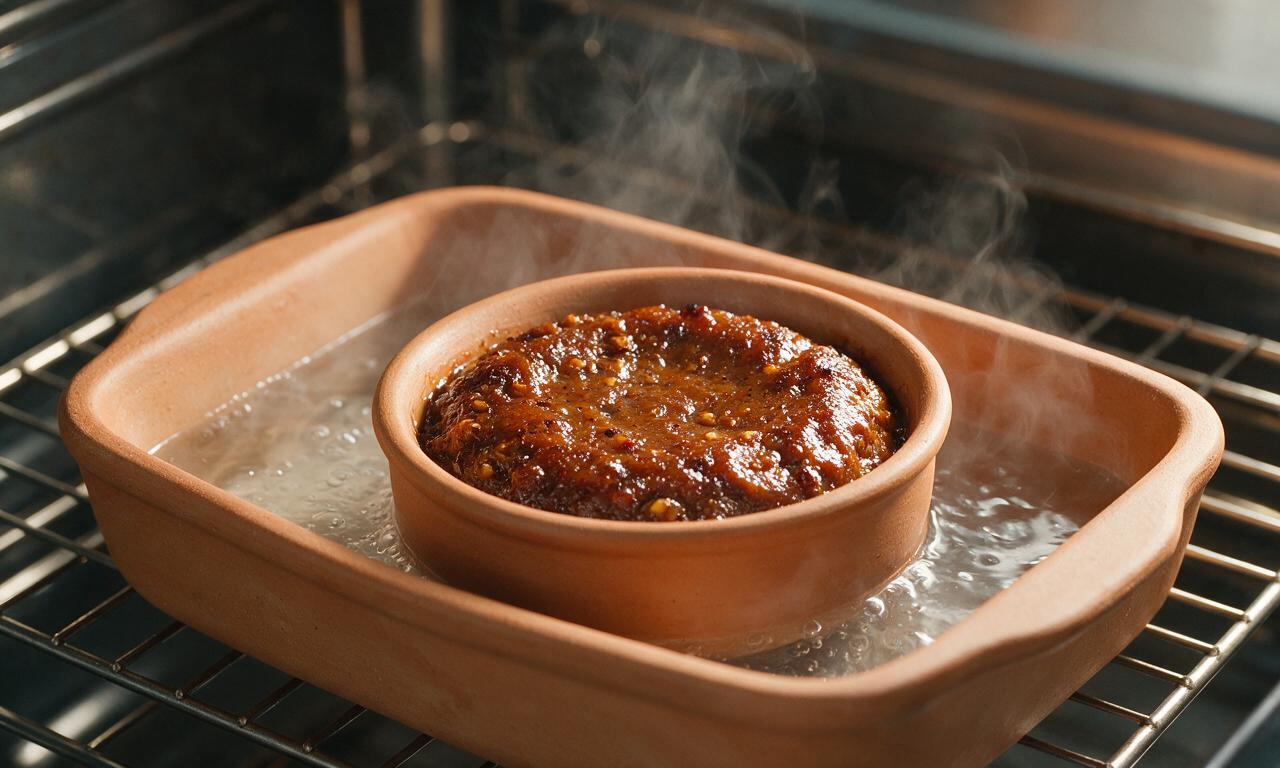
A water bath creates gentle, even, moist heat around the baking dish that prevents the custard from curdling, cracking, or developing a tough, leathery top layer. Simply set your pudding dish inside a larger roasting pan, then pour hot tap water halfway up the sides of the pudding dish before sliding it into the oven.
6.Can I make this pudding dairy-free for guests with dietary restrictions?
▾
Absolutely! Swap the whole milk for full-fat barista-style oat milk, which has the closest creamy, neutral flavor to dairy without a watery consistency, and use plant-based unsalted butter in place of dairy butter. Skip thin options like almond or skim coconut milk, as they will make the pudding watery and bland.
7.How do I tell when the pudding is fully done baking?
▾
Don’t wait for the center to be fully firm! The pudding is ready when the edges are set and slightly puffed, a knife inserted 1 inch from the edge comes out clean, and the middle 2 inches have a soft, Jell-O-like wobble. It will continue to set as it rests for 30 minutes after you pull it from the oven.
8.Is this pudding supposed to be served warm, or is it good cold?
▾
Traditional service is warm, 20 to 30 minutes after it comes out of the oven, when it’s soft, fragrant, and oozing with rich molasses flavor. Cold leftover pudding is denser and perfectly edible, but most folks reheat individual portions with a splash of warm milk to bring back that classic soft, cozy texture.
9.What are the most traditional toppings for baked Indian pudding?
▾
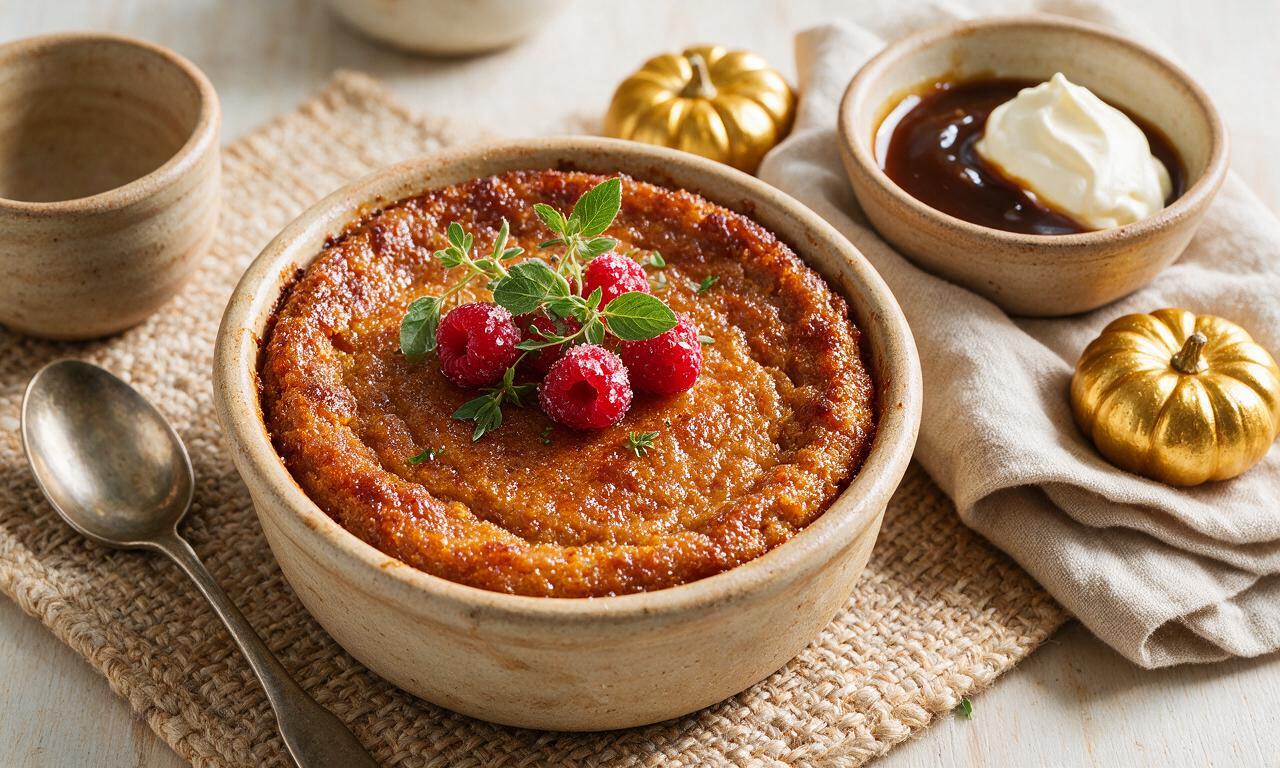
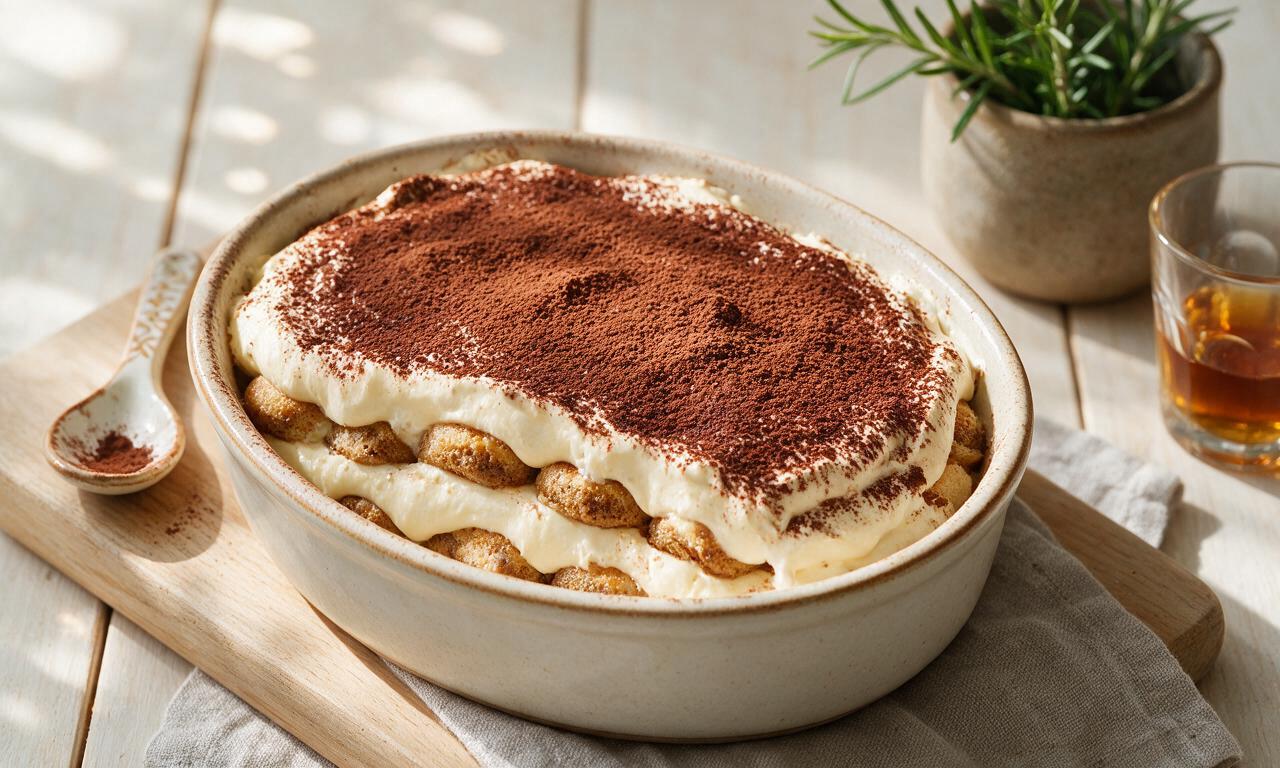
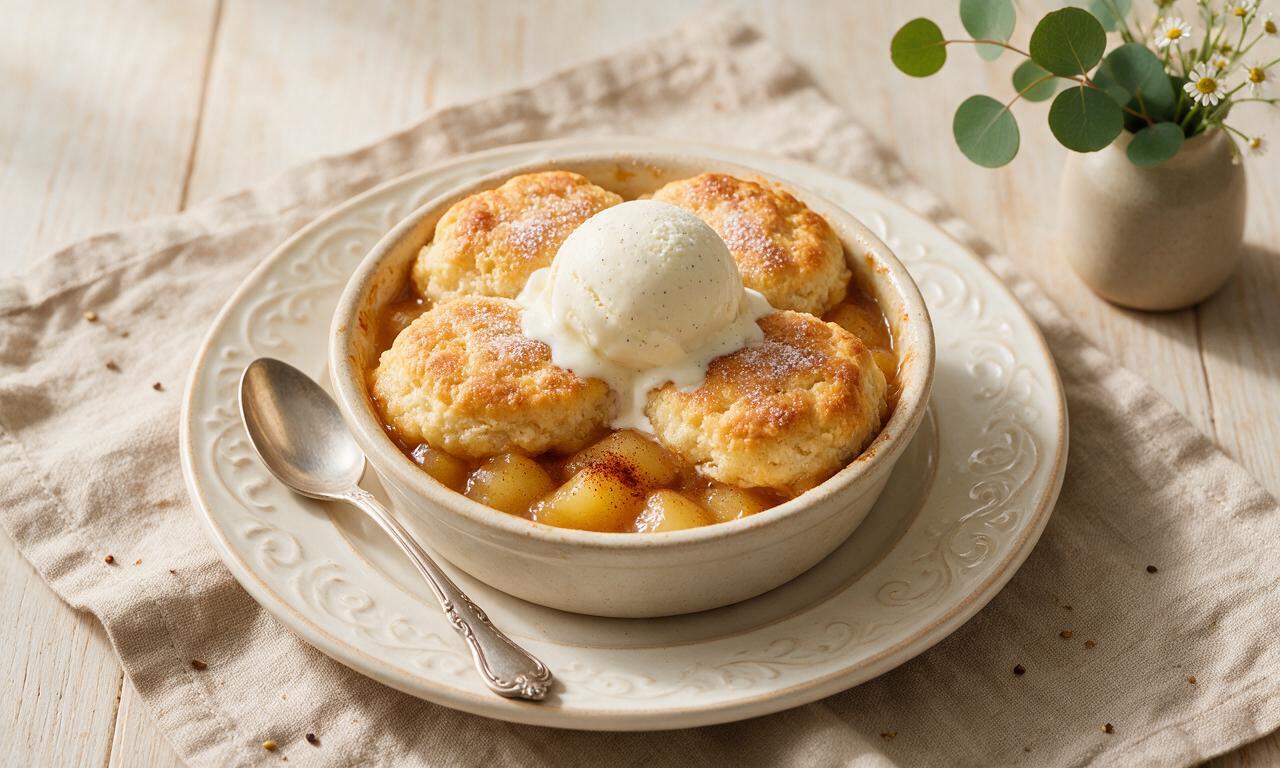
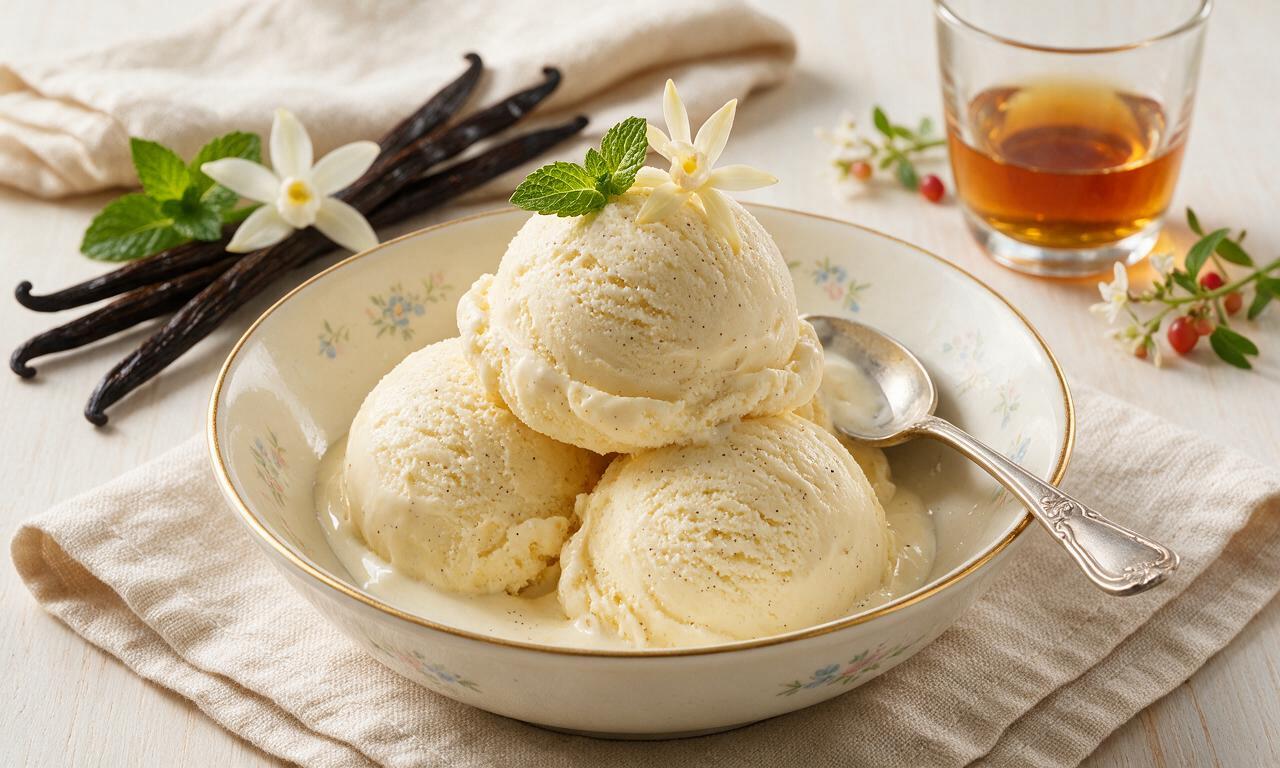
The all-time classic pairing is a scoop of cold vanilla bean ice cream, which melts into the warm pudding for a perfect hot-cold, sweet-creamy contrast. Other traditional, no-fuss toppings include a dollop of freshly whipped unsweetened heavy cream, a pour of light table cream, or a light dusting of ground cinnamon.
10.Can I add warm baking spices like cinnamon or ginger to the base?
▾
Absolutely! Those warm spices are standard in most traditional iterations, even if they’re not listed in the core ingredient set. Add 1 teaspoon ground cinnamon, ½ teaspoon ground ginger, ¼ teaspoon freshly grated nutmeg, and a tiny pinch of fine salt to amp up the molasses flavor without overpowering the cornmeal base.
11.Why did my last batch turn out grainy instead of smooth?
▾
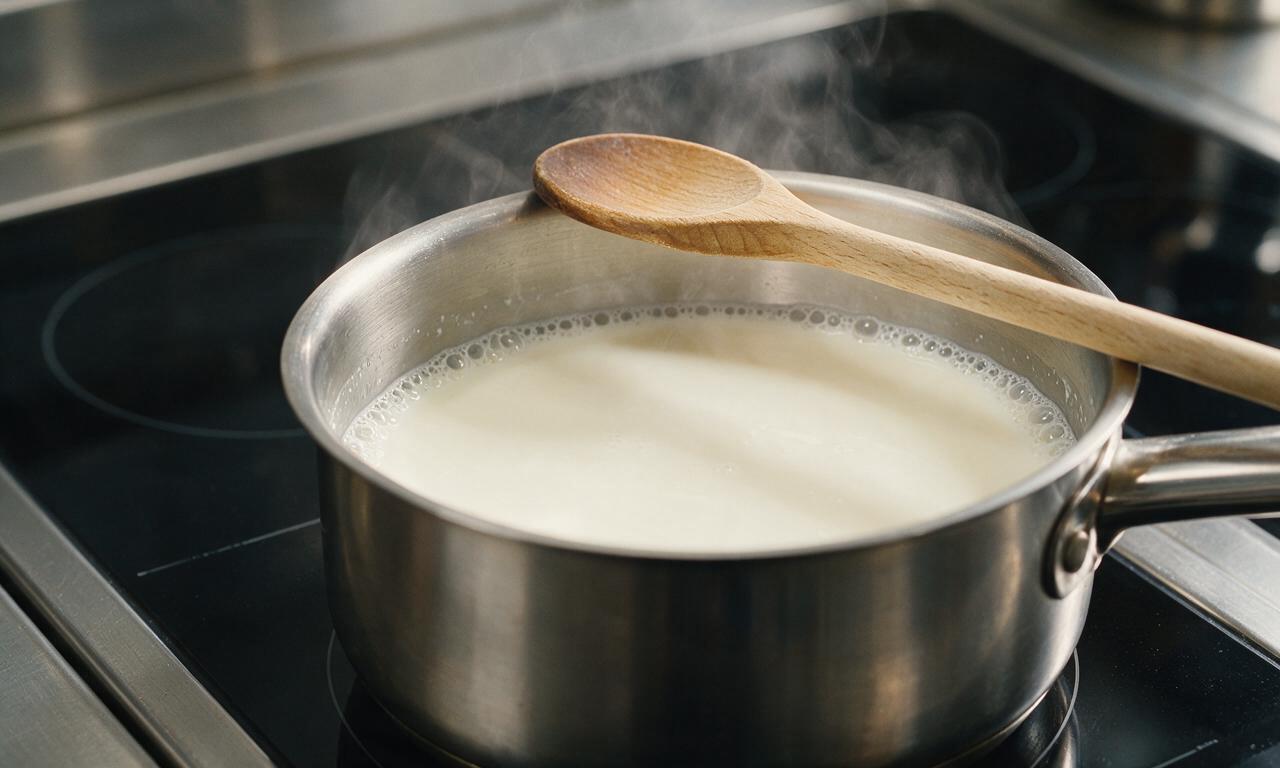
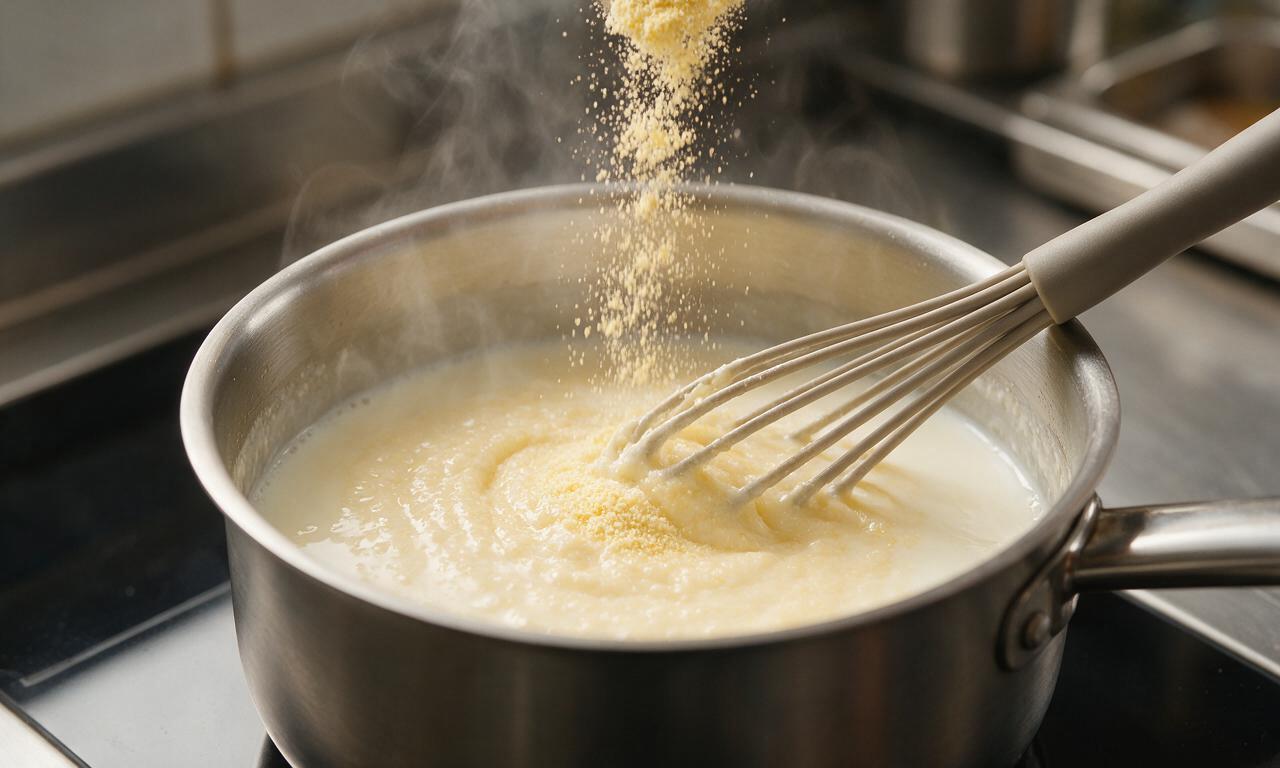
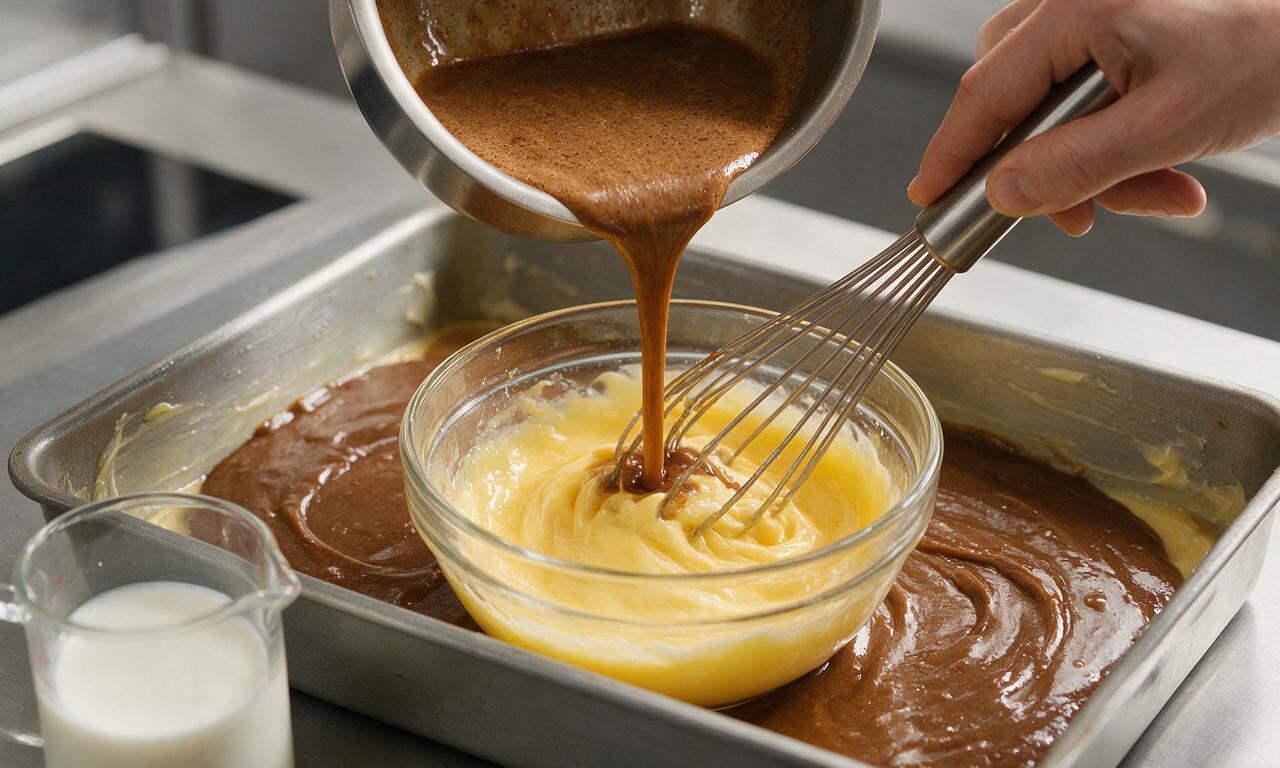
Grainy texture almost always stems from one of three common missteps: baking at too high a heat which curdles the milk, dumping cornmeal straight into hot milk without whisking to prevent lumps, or using coarse-ground cornmeal. Next time, use a water bath, whisk cornmeal into cool milk first, and stick to fine-ground meal.
12.How far in advance can I make this for Thanksgiving dinner?
▾
You can bake the pudding fully up to 2 days ahead of your meal, store it tightly covered in the refrigerator, then reheat it covered in a 300°F oven for 20 to 25 minutes until warmed through. It actually develops a deeper, more melded molasses flavor after a day of resting, so making ahead is a smart holiday hack.
13.Will light molasses work if I don’t have dark unsulphured molasses?
▾
Light molasses will work in a pinch, but it produces a much milder, less complex flavor that lacks that signature deep, caramelized molasses kick. To boost depth when using light molasses, add 2 extra tablespoons of packed light brown sugar and a tiny pinch of ground ginger to round out the flavor profile.
14.Some recipes add eggs to Indian pudding—why aren’t they in this traditional version?
▾
The earliest colonial iterations of this pudding didn’t use eggs, relying instead on slow-cooked, gelatinized cornmeal to create a soft, silky custard set rather than the firmer, denser texture egg-heavy later versions have. If you prefer a firmer, sliceable pudding, you can whisk in 2 beaten, tempered eggs once the cornmeal mix cools slightly before baking.
15.Can I cook this pudding in a slow cooker instead of the oven?
▾
Yes, that’s a fantastic low-fuss option for busy holiday cooking when oven space is tight. Grease your slow cooker insert, pour in the mixed pudding base, and cook on LOW for 4 to 5 hours, stirring once halfway through, until edges are set and the center has that signature soft wobble. No water bath is needed for this method.
16.Why did my pudding turn out too runny even after baking?
▾
Runny pudding usually comes from one of three issues: underbaking it, using too little cornmeal from loose, inconsistent measurement, or slicing into it immediately before it has time to set. Remember, it thickens significantly as it cools, and measure cornmeal by spooning it into a dry measuring cup and leveling it off for consistent results.
17.Is this the same as the hasty pudding colonial settlers ate?
▾
It’s a richer, evolved take on that early colonial staple! Early hasty pudding was simply cornmeal boiled in water or milk with no added sweetener, but colonists adapted it by adding affordable molasses, butter, and warm spices, then slow-baking it instead of boiling it to create the custardy, deeply flavored classic we know today.


OMG, I made this for our Sunday family dinner last night and every single person went back for seconds! I was a little worried because I’d never made Indian pudding before, but the difficulty level said easy and it was SO straightforward. The warm, molasses-y smell filled the whole house while it baked, my kids kept hovering by the oven asking when it would be done. 10/10, will be making this for our Thanksgiving potluck next month for sure!
Game changer. I’ve been looking for a traditional baked Indian pudding recipe that doesn’t cut corners with instant cornmeal, and this one hits exactly the mark. Cook time was spot on, came out perfectly creamy with that perfect slightly chewy top layer I remember from my grandma’s kitchen. Served it warm with a scoop of vanilla bean ice cream and I’m not exaggerating when I say I ate half the pan in two days. No notes, perfect recipe.
Really tasty! I made this for meal prep this week to have as a cozy after-dinner treat, and it’s been perfect. Only thing is I think my oven runs a little hot, because the edges got a bit crispier than I wanted at the 2 hour mark. Next time I’ll tent it with foil for the last 30 minutes like I do with my baked mac and cheese. Still SO good, even with the crispy edges!
Wait, I have a question! I want to make this for my book club meeting this weekend, can I prep it the night before and bake it the day of? I have a super busy Saturday and want to get as much prep done Friday as possible. Also, does it reheat well if I have leftovers?
My kids loved it! I was worried they’d turn their noses up because it’s not the usual chocolatey dessert I make, but they ate every bite. I added a little extra cinnamon on top before baking because we’re cinnamon obsessed in this house, and it was such a nice touch. Perfect easy dessert for busy weeknights when you don’t want to fuss with a million ingredients.
Just pulled this out of the oven and it smells incredible! I followed the recipe exactly except I used dark molasses instead of light because that’s what I had in my pantry, and the flavor is so deep and cozy. Can’t wait to dig in once it cools down a little — already know it’s gonna be a fall staple in my house.