1.Why is this dish called Indian Pudding if it’s a classic New England colonial recipe?
▾
The name dates back to 17th-century New England, where English colonists referred to the cornmeal shared and taught to them by local Wampanoag and other Indigenous nations as “Indian meal.” Colonists adapted their simple stovetop hasty pudding recipe using this cornmeal, adding molasses and warm spices for the slow-baked dessert we know today.
2.Why does the recipe specify unsulphured dark molasses instead of other molasses varieties?
▾
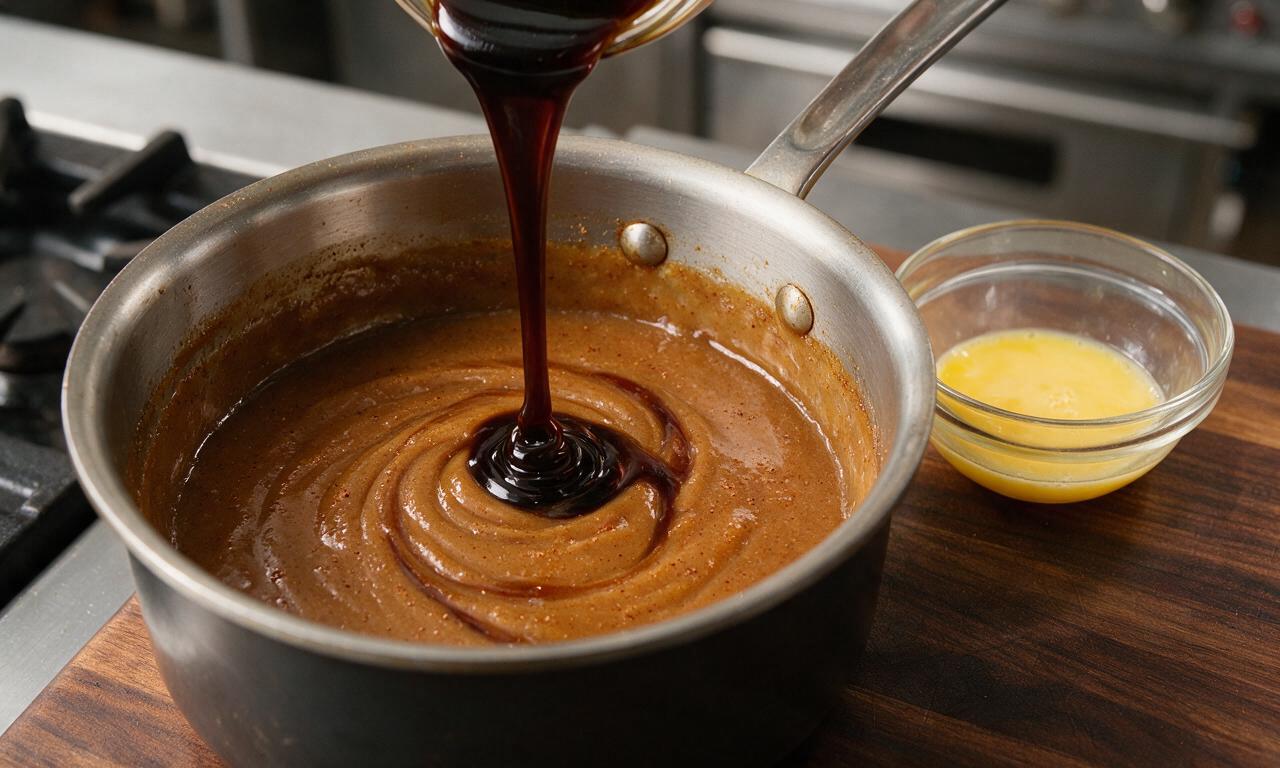
Sulphured molasses is treated with sulfur dioxide as a preservative, which leaves a harsh, chemical, bitter aftertaste that clashes with the pudding’s warm profile. Unsulphured dark molasses has a smooth, deep, earthy sweetness that defines the classic flavor; skip blackstrap molasses too, as it’s overly bitter and will throw off the sugar balance.
3.Can I use fine-ground cornmeal instead of the recommended coarse yellow cornmeal?
▾
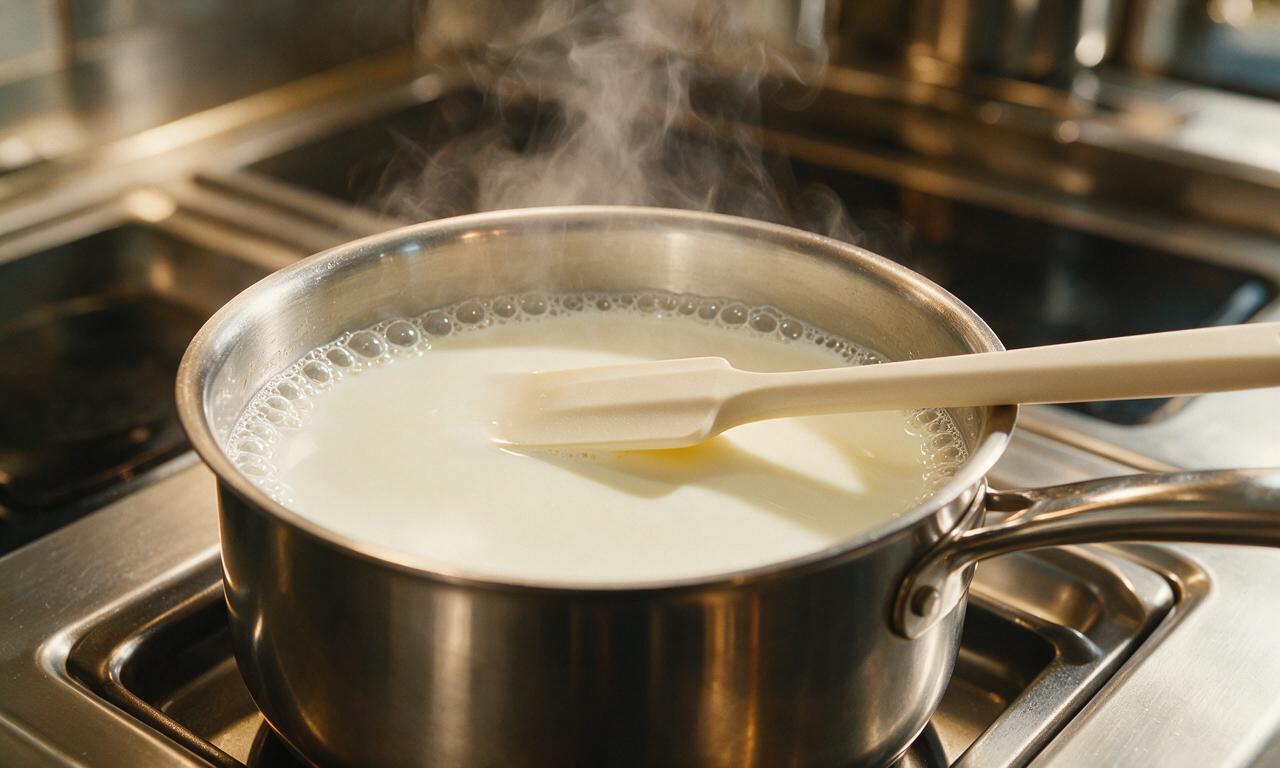
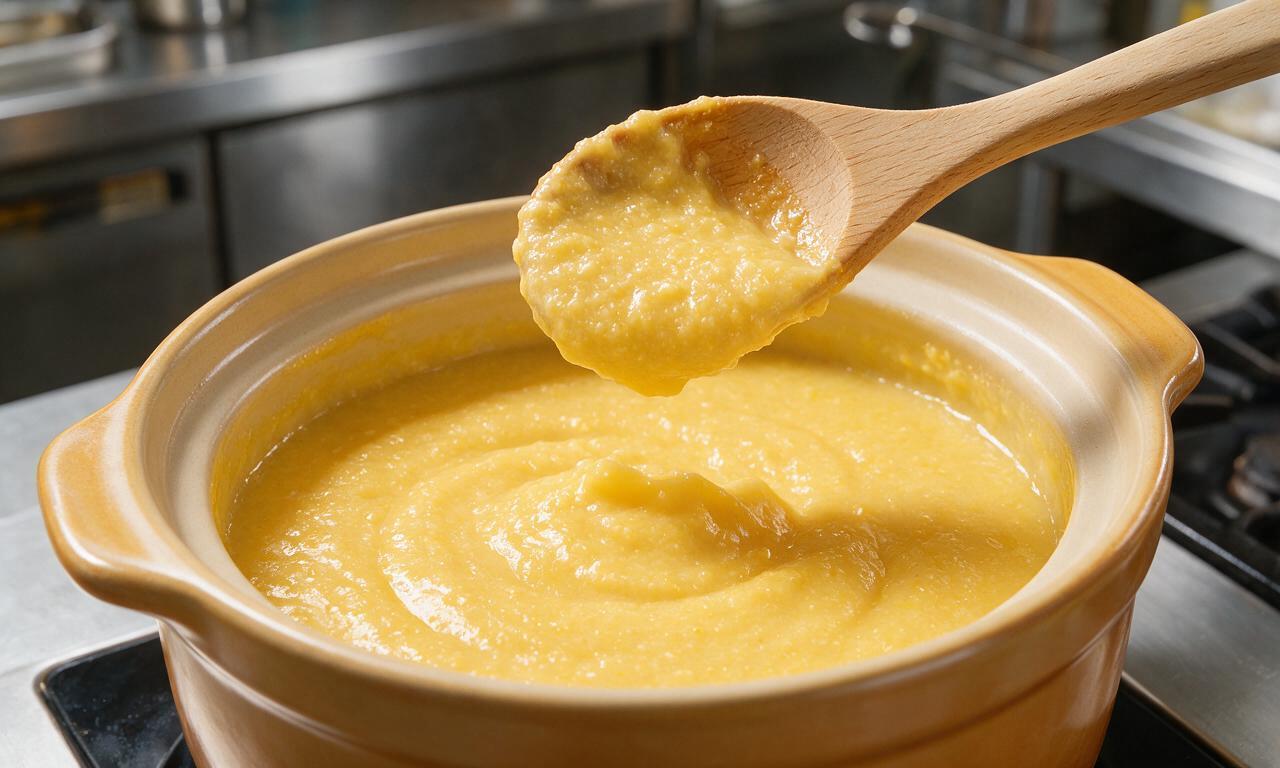
You can, but you’ll lose the signature rustic, softly gritty texture that makes old-fashioned Indian pudding feel so cozy. Fine cornmeal will produce a much smoother, almost custard-like final result. If you only have fine cornmeal on hand, cut the stovetop cooking time for the cornmeal by 2 to 3 minutes to avoid a gummy, over-thickened bake.
4.Do I have to serve Indian pudding with vanilla ice cream?
▾
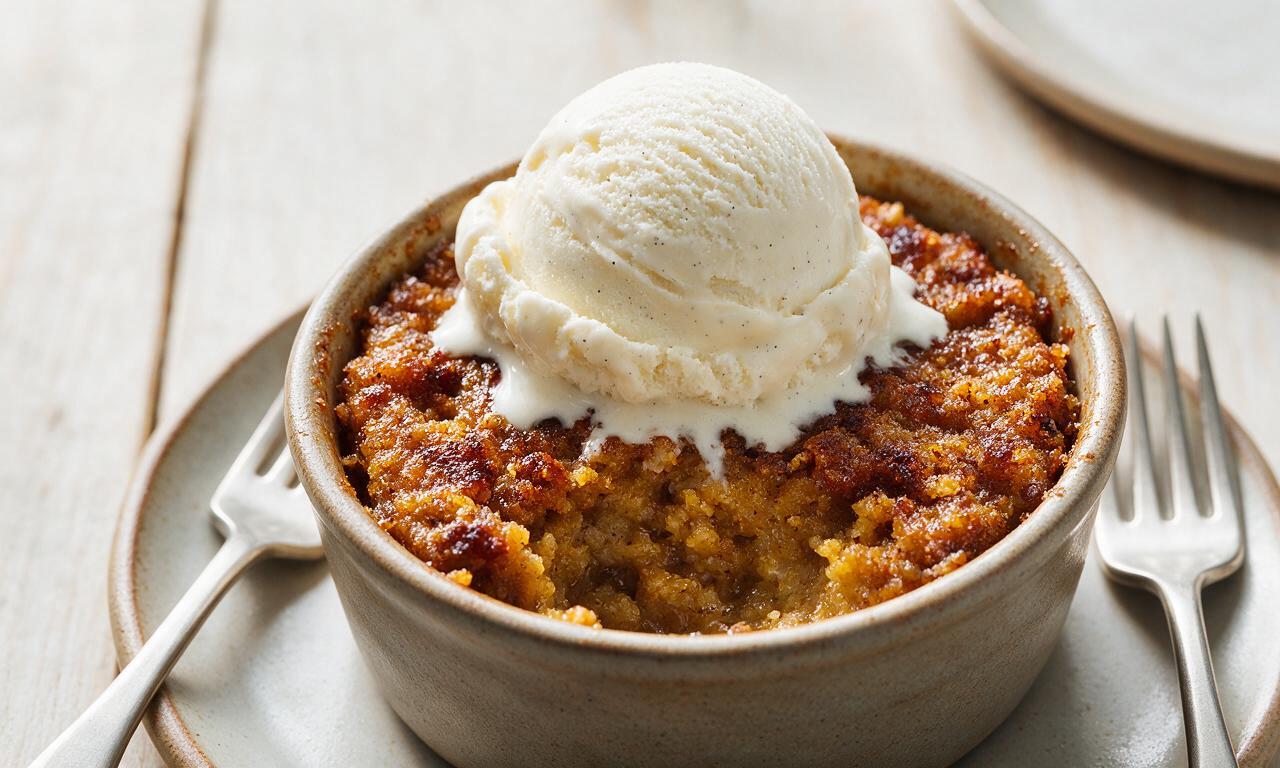
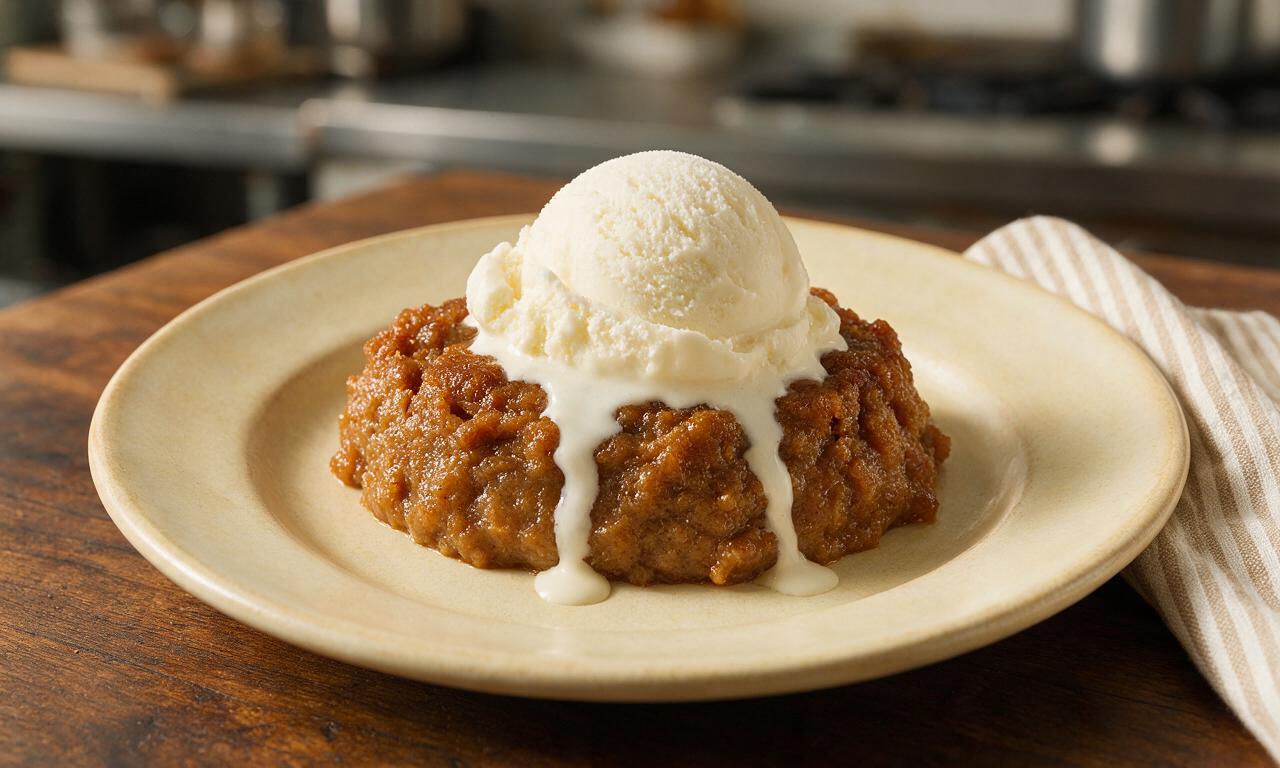
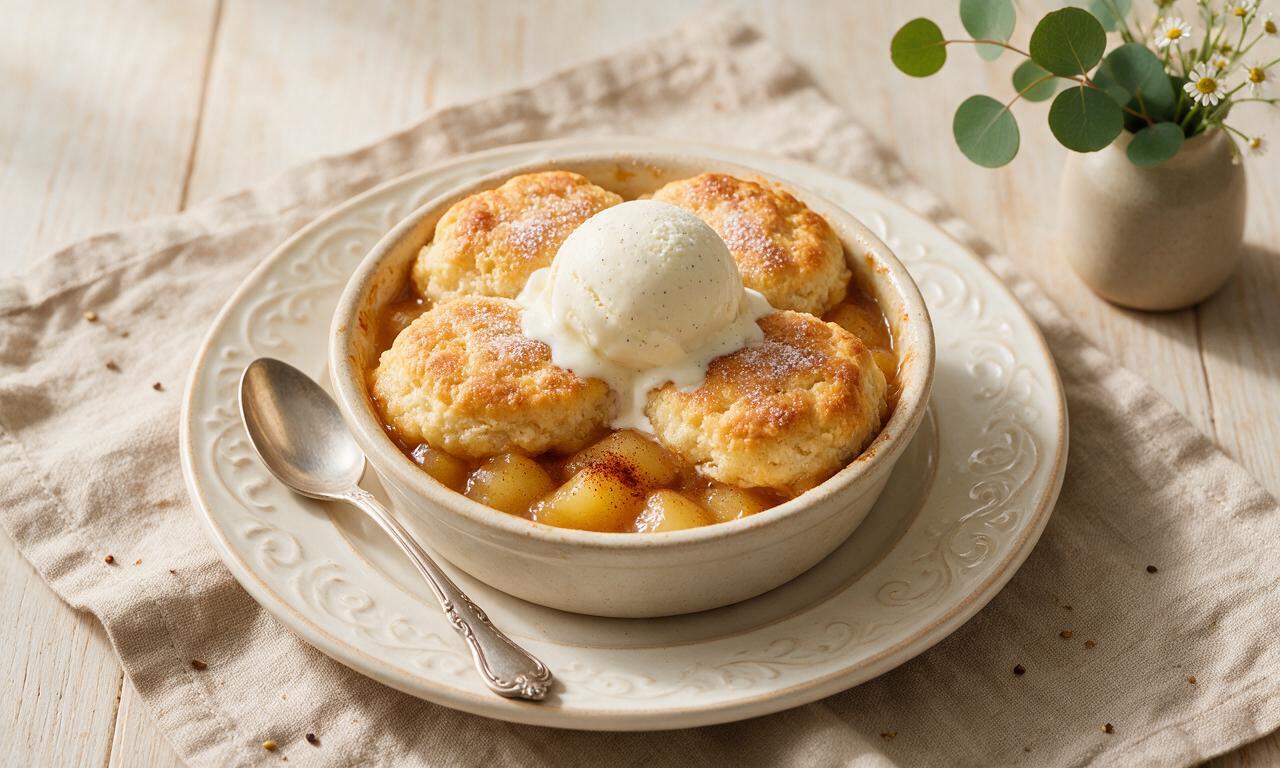
Melting vanilla ice cream is the iconic, traditional pairing, and the hot-cold, creamy contrast is pretty unbeatable, but it’s far from your only option. It’s also delicious with freshly sweetened whipped cream, a light drizzle of cold heavy cream, a dollop of crème fraîche, or even a sprinkle of cinnamon. Skip serving it ice-cold straight from the fridge, as it gets very dense.
5.Why does the recipe call for whole milk instead of low-fat or skim milk?
▾
Whole milk’s 3.25% fat content creates the luxe, velvety texture that keeps the pudding from turning dry or grainy after its long slow bake. Skim or low-fat milk will produce a firmer, less rich final pudding. If you only have low-fat milk available, add an extra 2 tablespoons of melted unsalted butter to make up for the missing fat for a closer result.
6.Can I make New England Indian Pudding ahead of time?
▾
Absolutely! In fact, many New England home cooks swear it tastes even better on the second day, once the molasses, sugar, and spice flavors have had time to meld and deepen. Let the baked pudding cool completely, cover it tightly, and refrigerate for up to 3 days. Reheat individual portions until warm before adding your chosen topping.
7.My pudding was really jiggly and soft right out of the oven—did I mess it up?
▾
Don’t panic! That’s totally normal. Unlike firm custards or flans, Indian pudding is supposed to be soft, wobbly, and almost pourable when you first pull it from the oven. It will thicken substantially as it rests for 15 to 20 minutes post-bake, which is a key part of the process. It’s only undercooked if it remains soupy after that rest time.
8.Can I swap the packed light brown sugar for dark brown sugar?
▾
You can, just know it will give the pudding a deeper, more assertive molasses flavor and slightly darker final color. If you prefer a softer, more balanced sweetness that lets the cornmeal shine, stick to the recipe’s packed light brown sugar. Avoid swapping in plain white granulated sugar alone, as it lacks the subtle caramel note that balances bold molasses.
9.Do I need to use a water bath to bake this pudding?
▾
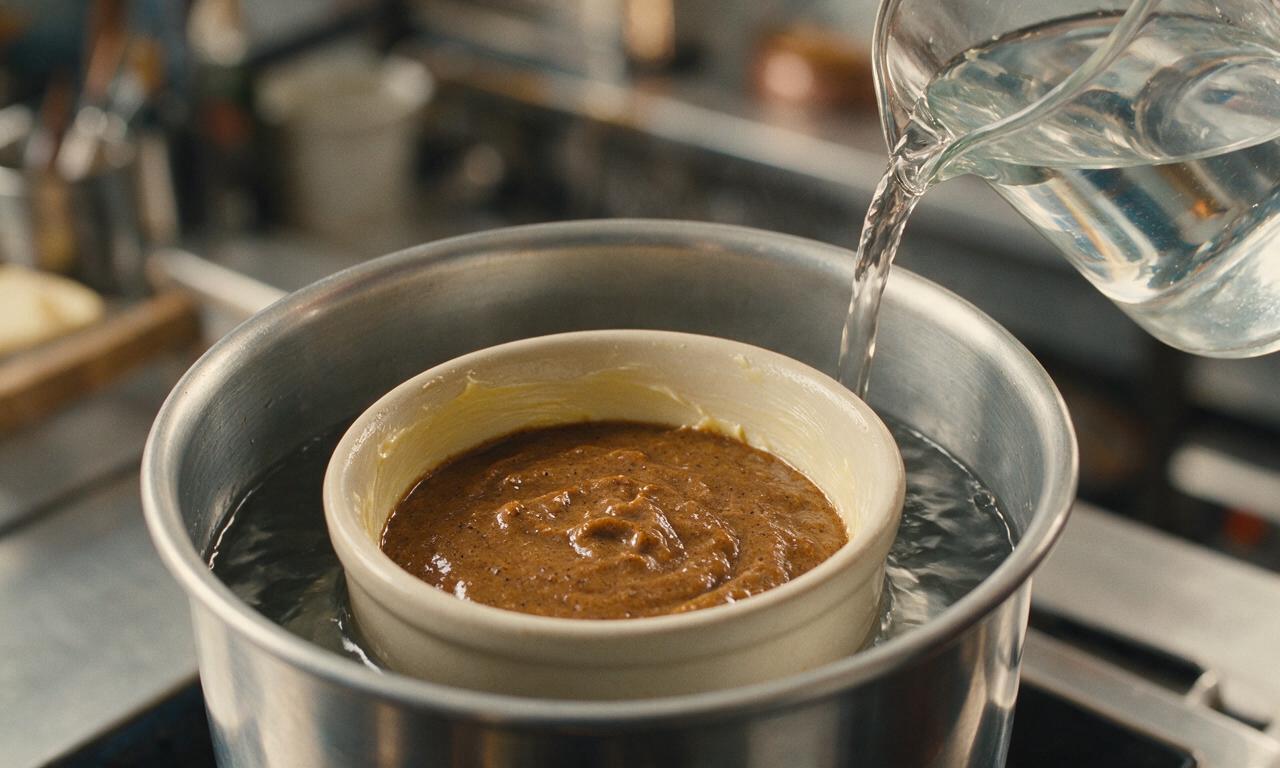
A water bath is highly recommended for the gentlest, most even bake, which prevents curdling and keeps the pudding edges from getting too crispy or burnt before the center sets. Set your baking dish inside a larger roasting pan, pour hot water halfway up the dish sides, and bake as directed. If you skip it, check for over-browning 10 minutes early.
10.What spices are traditional for authentic New England Indian Pudding?
▾
Classic recipes lean into warm, cozy baking spices that complement rather than overpower the molasses and cornmeal: most commonly ground cinnamon, a small pinch of ground ginger, a light grate of fresh nutmeg, and occasionally a tiny pinch of allspice. Go very light on strong spices like clove, as they can easily overwhelm the pudding’s mellow base.
11.Can I make a dairy-free version of Indian Pudding?
▾
Yes, you can easily adapt the recipe for dairy-free diets by swapping whole milk for full-fat oat milk, which has the closest creamy, neutral flavor and texture to dairy. Use plant-based unsalted butter sticks in place of dairy butter. Skip thin plant milks like unsweetened almond or skim soy, as they will produce a grainy, less rich final pudding.
12.What role does the unsalted butter play, and when should I add it?
▾
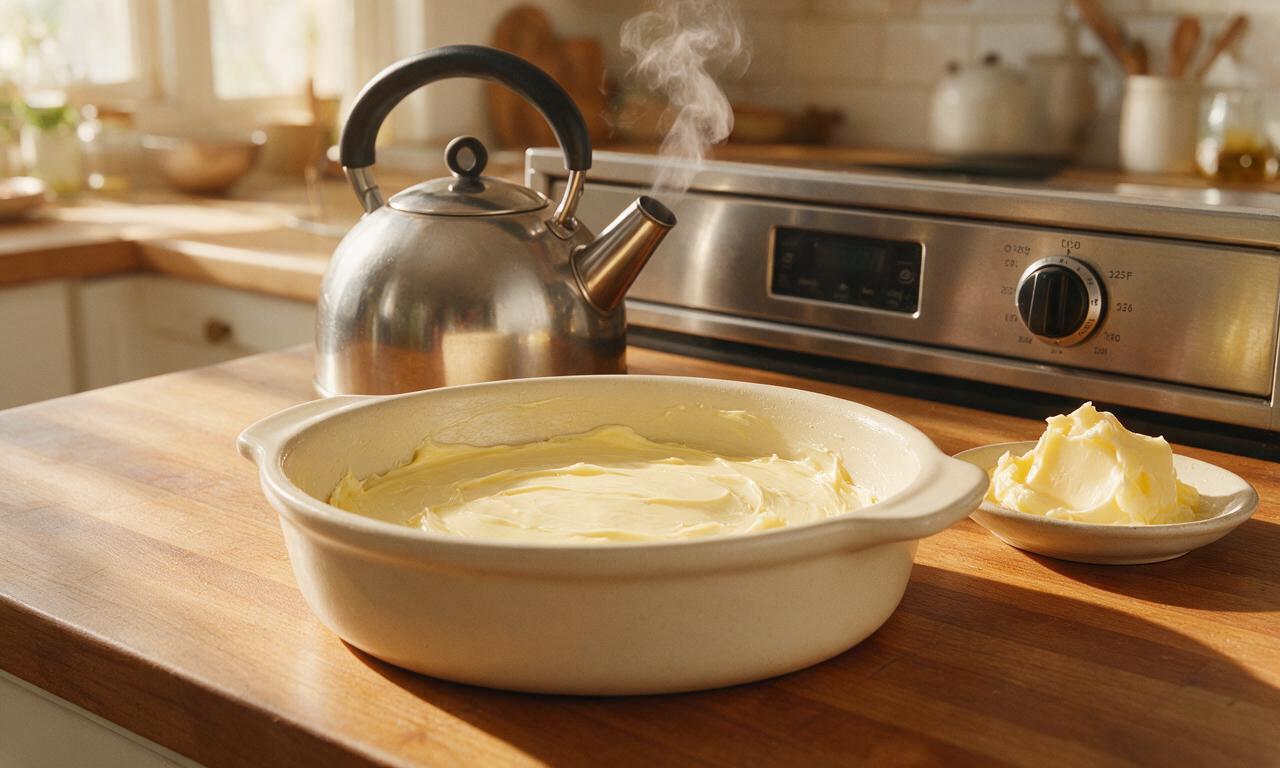
The unsalted butter adds rich, smooth depth, cuts the sharp, mineral edge of the molasses, and helps prevent cornmeal clumps as the mixture cooks. Melt it right into the hot cornmeal and milk base once you’ve cooked the cornmeal until thickened on the stovetop, stirring until fully incorporated before pouring the mixture into your baking dish.
13.Is it okay to add mix-ins like raisins or nuts to the pudding?
▾
Plumped golden raisins and chopped toasted walnuts are actually traditional, occasional add-ins in old New England recipes, so they’re totally welcome! Toss raisins in a tiny bit of cornmeal first to keep them from sinking to the bottom of the dish, and fold mix-ins in right before baking. Skip overly sweet add-ins like chocolate chips, which clash with the earthy molasses flavor.
14.How long will leftover Indian pudding stay good in the fridge?
▾
Properly stored in a tightly covered baking dish or airtight container, leftover pudding will stay fresh for 3 to 4 days in the refrigerator. It will thicken significantly as it chills, so stir in a tiny splash of milk when reheating individual portions if you want to bring back that softer, creamier, just-baked consistency.
15.Is Indian Pudding the same thing as colonial hasty pudding?
▾
They’re closely related, but not identical. Hasty pudding is the simple, quick British colonial dish of cornmeal cooked in water or milk until thick, served plain as a staple side. Indian pudding evolved from that base, adding molasses, brown sugar, warm spices, and a long slow bake to create the sweet, spiced dessert iconic to New England.
16.What type of baking dish works best for this recipe?
▾
A 2-quart deep ceramic or tempered glass baking dish is ideal, as it distributes heat slowly and evenly for consistent cooking. Avoid thin metal baking pans, which can cause the bottom and edges of the pudding to burn before the center is properly set. You can also use individual 8-ounce ramekins for single serves, cutting bake time by 15 to 20 minutes.
17.Can I use maple syrup instead of molasses for a lighter flavor?
▾
You can swap in maple syrup, but note that the final dish won’t have the classic deep, earthy Indian pudding flavor—you’ll get a lighter, cornmeal-maple baked pudding instead. If you do swap, use dark, robust grade maple syrup for the closest depth, and cut the brown sugar by 2 tablespoons to avoid an overly sweet result.
18.My pudding had a thick, tough dark skin on top after baking—what went wrong?
▾
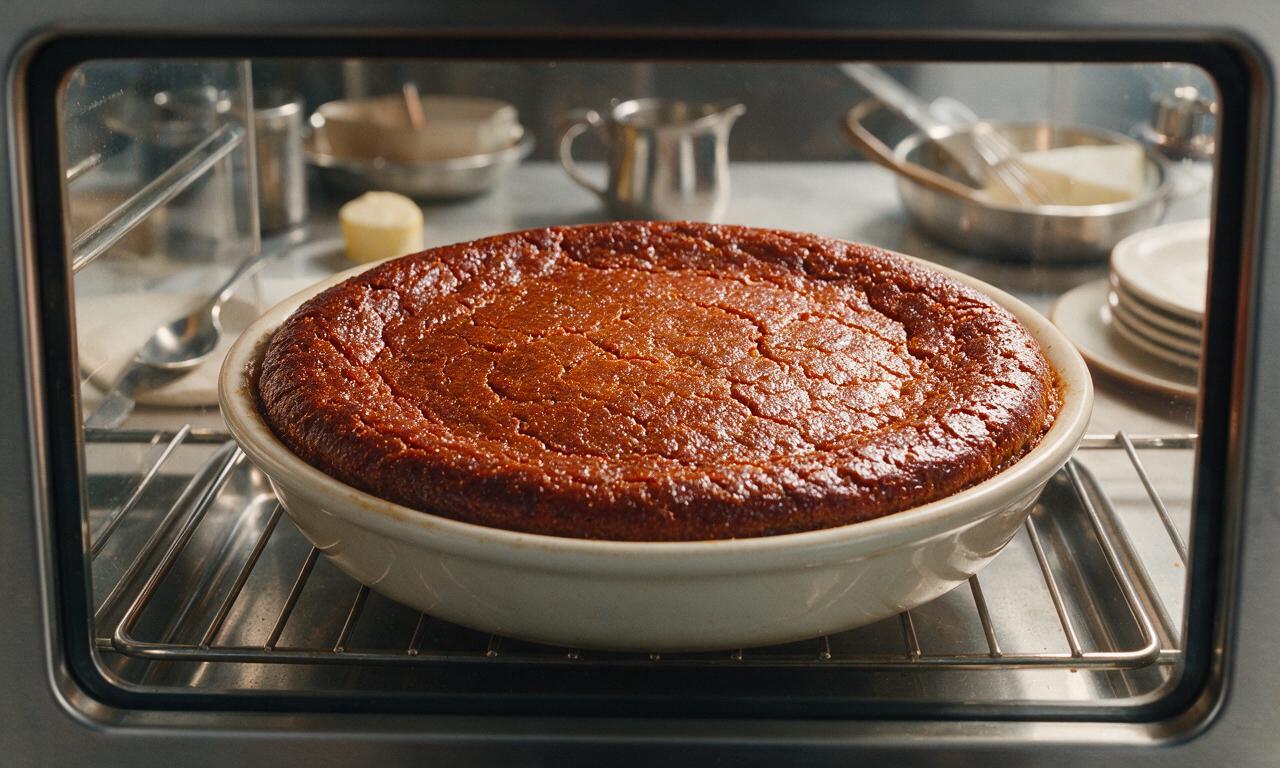
A slight chewy, caramelized top is normal and even beloved by many traditionalists, but a thick, tough skin usually means the pudding was baked uncovered at too high a temperature, or without a water bath. Next time, cover the dish with foil for the first 45 minutes of baking, use a water bath, and check your oven temp with an inexpensive oven thermometer for accuracy.
19.Is classic New England Indian Pudding gluten-free?
▾
As long as you use pure, uncontaminated coarse yellow cornmeal, this recipe is naturally gluten-free! There’s no wheat flour or gluten-containing thickener in the traditional version. Just double-check that your molasses and brown sugar don’t have hidden gluten additives—most major national brands are gluten-free, but it’s worth confirming for guests with celiac disease.
20.What’s the difference between Indian pudding and Southern corn pudding?
▾
They’re very different dishes! Corn pudding is usually a savory or lightly sweet side dish made with fresh or creamed corn, eggs, and sometimes flour, with a soft, custard-like texture to serve with dinner. Indian pudding is a rich, spiced dessert made with cornmeal, molasses, and sugar, slow-baked to a dense, cozy texture served with cream or ice cream.


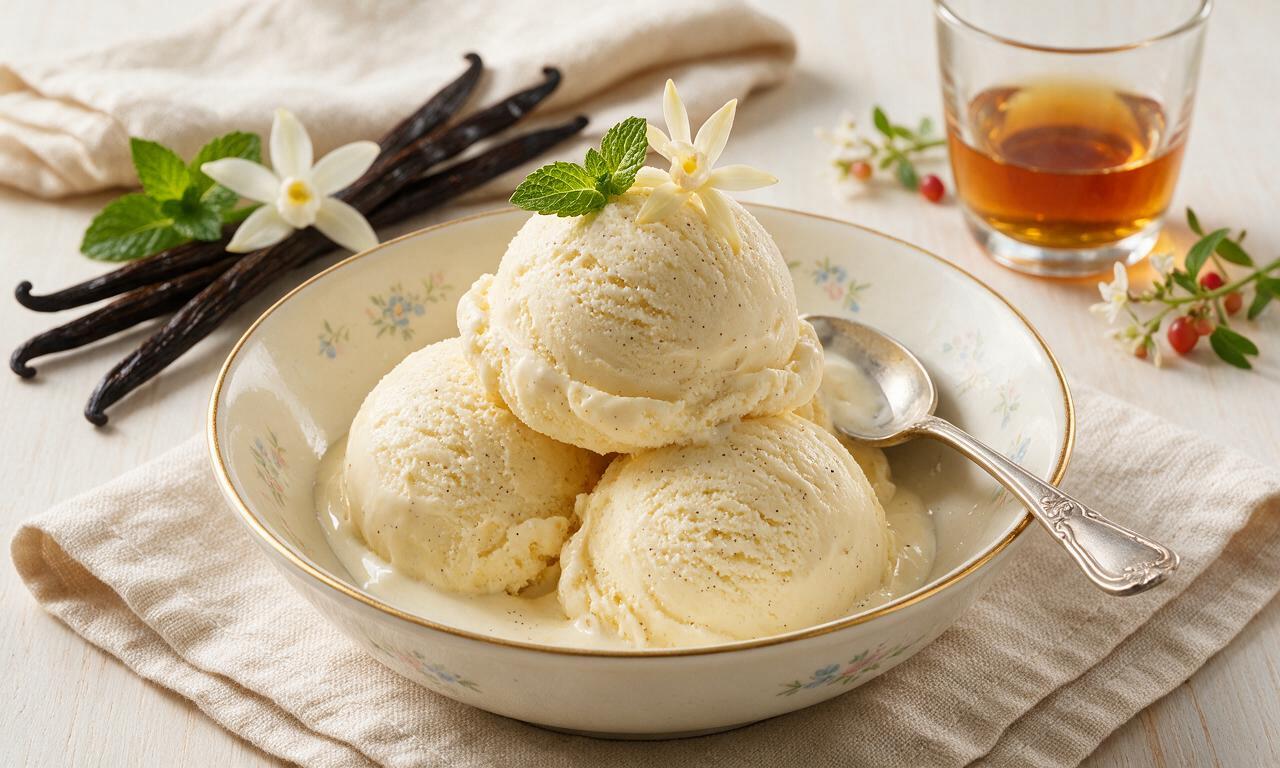
OMG, I’ve been looking for a legit New England Indian pudding recipe forever! My grandma used to make this every Thanksgiving and I could never get the texture right—this was so easy even for someone who burns toast half the time. Served it with a scoop of vanilla bean ice cream last night for our family dinner and everyone went back for seconds. 10/10
Took this to my office potluck last week and people were losing their minds! I was a little nervous because most folks down here haven’t had Indian pudding before, but that warm, spiced molasses flavor hit so different. Even the guy who only eats store-bought cookies asked for the recipe. Easy to follow, no fancy ingredients, total win.
Made this for my Sunday meal prep to have as a little treat after dinners all week, and it’s even better the second day! The flavors meld so much as it sits in the fridge, I just warm a slice up for 30 seconds in the microwave and it’s chef’s kiss. Super easy to throw together, even with the longer cook time it’s totally hands off.
My kids loved it! I was worried the molasses would be too strong for their picky palates, but the cinnamon and ginger mellow it out perfectly. They kept asking for “that cornmeal cake stuff” for breakfast the next day, lol. Only thing I did different was add a handful of raisins because my oldest loves them, worked great.
Wait, the cook time says 2.5 hours but I checked mine at 2 hours and it was already perfectly set? Maybe my oven runs hot? Still turned out SO good, that rich, warm molasses flavor is exactly what I crave on cold Colorado nights. Served it with a little heavy cream poured over top like my nana used to do.
This is such a game changer for fall gatherings! I’ve made it twice in the last two weeks, once for a bonfire and once for my book club, and both times I left with an empty dish. It’s so cozy, not too sweet, and it’s easy to make ahead so I don’t have to stress the day of an event. 10/10 will be making this all fall and winter long.
I grew up in Massachusetts and moved to Seattle 5 years ago, and I’ve been chasing the Indian pudding from my favorite little diner back home ever since. This recipe is spot on! It has that perfect dense, creamy texture, not too runny, not too cakey. I almost cried when I took the first bite, it tasted like home.
Obsessed with how cheap and easy this is to make! I already had all the ingredients in my pantry—cornmeal, molasses, spices, milk, eggs, no random fancy stuff I have to run to three stores for. Cooked it while I was folding laundry and catching up on my show, zero effort. Total win for my tight grocery budget this month.
Pretty solid recipe. I thought it was a little too sweet for my taste, so next time I’ll cut the molasses by a quarter cup, but otherwise the texture was great, the spice level was on point, and my wife loved it. Easy to follow instructions, no weird steps. Would make again with that small tweak.
I’ve been making Indian pudding for over 40 years, and this is the easiest version I’ve ever tried. I used to stand over the stove stirring the cornmeal for 20 minutes before baking, but the no-fuss method here works just as well. It came out perfectly creamy, no lumps at all. I’ll be using this recipe from now on for our annual family Thanksgiving dinner.
Made this for a cozy date night in with my partner last weekend, and they said it was the best dessert I’ve ever made! We paired it with spiced whipped cream and hot apple cider, and it felt like the perfect fall date. It was so easy I didn’t even have to stress about messing it up while I was making the main course.
Wait a second—this is naturally gluten free? I didn’t even notice until I was halfway through making it! I brought it to my friend’s gluten free Halloween party and everyone was raving, even the people who don’t eat gluten free. No weird texture, no weird aftertaste, just perfect classic Indian pudding. This is going in my permanent recipe rotation!
I’m literally 22 and have never baked anything in my life, and I pulled this off! The instructions were so straightforward, no confusing jargon, no weird techniques. It came out looking exactly like the photo, and my roommate said it tasted like something from a fancy restaurant. So stoked, I’m gonna try making more of your recipes now!
I added a half cup of chopped toasted pecans to the top before baking, and it was chef’s kiss. The crunch from the nuts paired so well with the soft, creamy pudding. This recipe is so easy to customize, I’m already thinking of trying it with a little bourbon in the mix next time for an adult version at my holiday party.
Made this for our church potluck last Sunday, and it was gone in 10 minutes! So many people came up to ask for the recipe, I just sent them the link to this page. It’s warm, comforting, and feels like a big hug in a dish. I love that it’s easy enough to make even on busy Sundays when we have church in the morning.
Wait, I hate molasses but my husband begged me to make this for his birthday because his mom used to make it. I was fully prepared to hate it, but… it’s actually really good? The spices and the cornmeal balance the molasses so it’s not overpowering at all. I even had a second serving. Wild. Easy recipe, even for someone who was going into it fully biased.
Wait, has anyone tried making this in a slow cooker? I don’t love having my oven on for 2.5 hours when it’s still 80 degrees here in Florida, would love to adapt it if it works! The recipe sounds amazing regardless, I just need a workaround for this weirdly warm fall we’re having.
Who says dessert can’t be dinner? I ate a huge bowl of this last night after a long day at work, and it was exactly what I needed. No judgment, it’s got cornmeal and milk and eggs, that’s basically a breakfast food anyway, right? So warm and comforting, 10/10 would eat for dinner again.
I was a little skeptical of an “easy” Indian pudding recipe—all the old ones I’ve used take so much stirring and babysitting, but this one was genuinely simple. Cook time was exactly right for my oven, the texture was perfect, not lumpy at all, and the spice balance was spot on. My only note is I wish the recipe mentioned you can serve it with hard sauce, that’s the classic New England topping I grew up with!