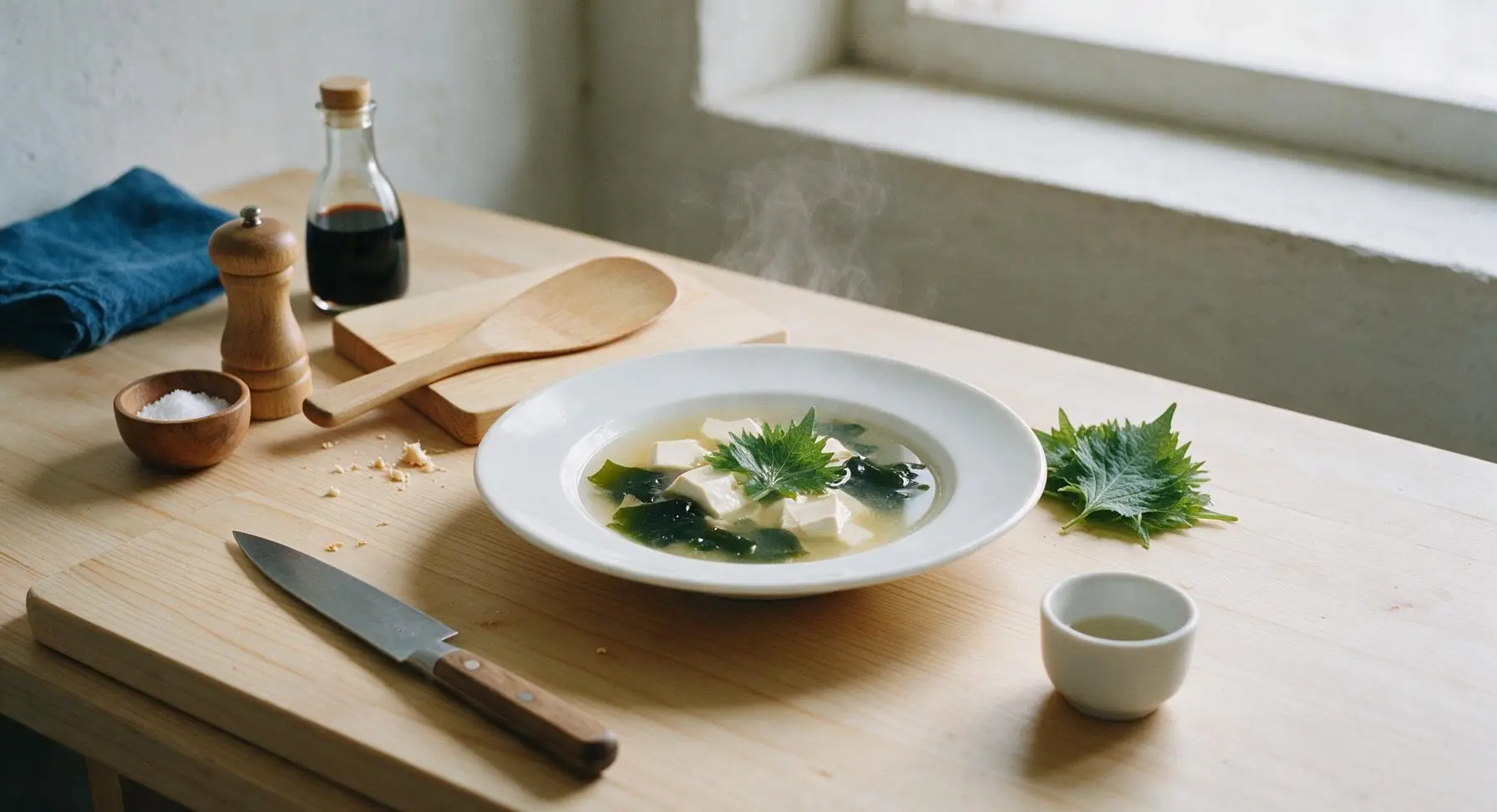
japanese clear soup

title 1
japanese clear soup
⏱️ cook time 12 minutes
🍽️ servings 4
⚡ Difficulty easy

intro

Delicate, crystal-clear umami broth with tender silken tofu, wakame, and elegant garnishes, this traditional Japanese osumashi is light, refreshing, and ready in under 25 minutes.

Ingredients
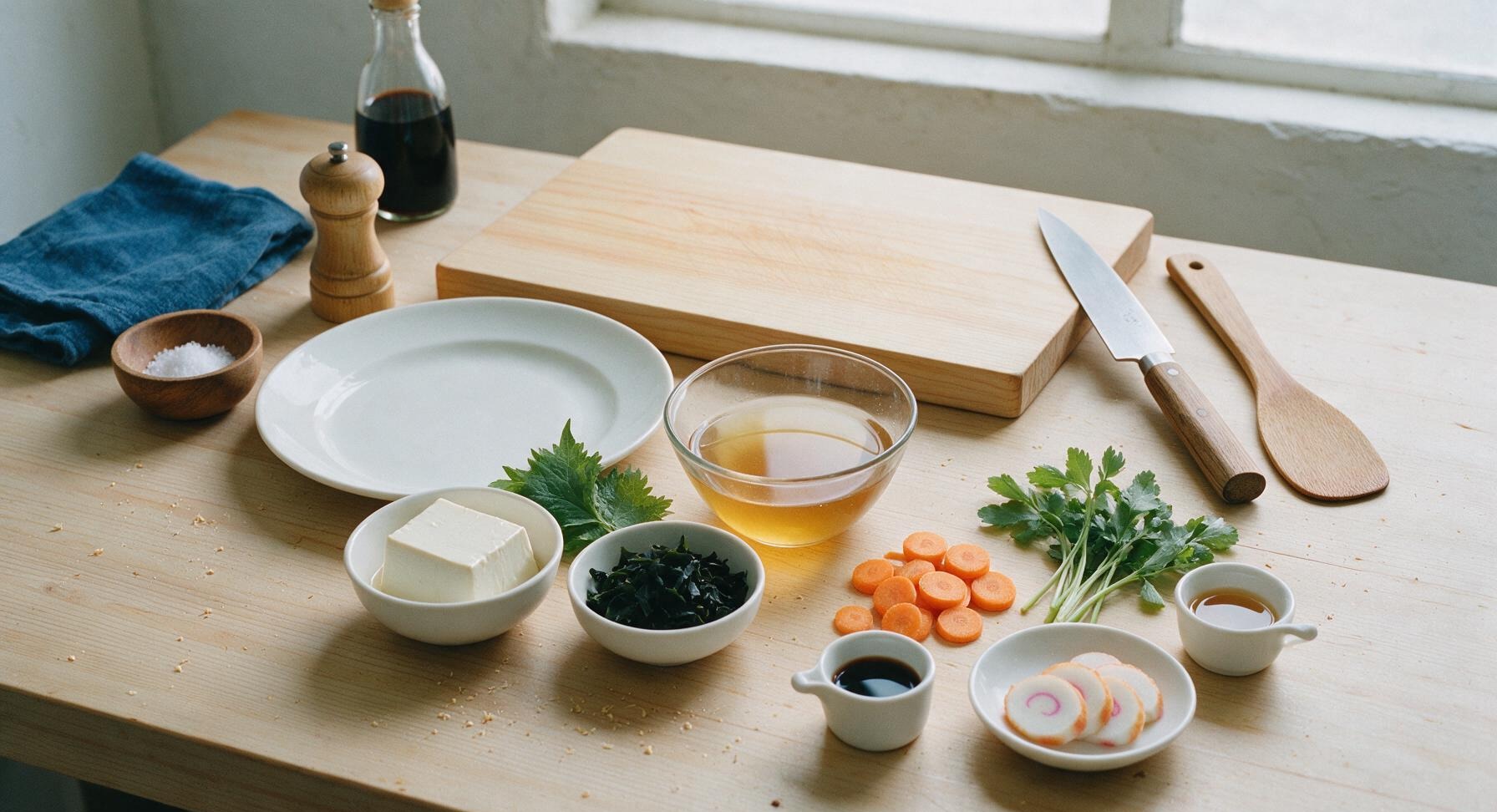
Ichiban dashi (kombu and bonito stock) 4 cups (960ml)
Silken tofu 150g (5oz)
Dried cut wakame 2 tbsp
Small carrot 1 (50g)
Mitsuba (Japanese wild parsley) 4 sprigs
Usukuchi light soy sauce 2 tsp
Mirin 1 tsp
Fine sea salt 1/4 tsp
Narutomaki fish cake 4 thin slices (30g)

Steps

1

Prep Soup Garnishes

Set the hinoki cutting board in its fixed center-left position. Place the scrubbed carrot on the board, and use the petty knife to peel it, then cut four 3mm thin rounds, trimming each into a simple cherry blossom shape if desired. Cut the silken tofu into uniform 2cm cubes, applying very light pressure to avoid crushing the soft texture. Measure 2 tbsp dried wakame into a small prep bowl, and set out 4 mitsuba sprigs and 4 narutomaki slices within easy reach of the stove.
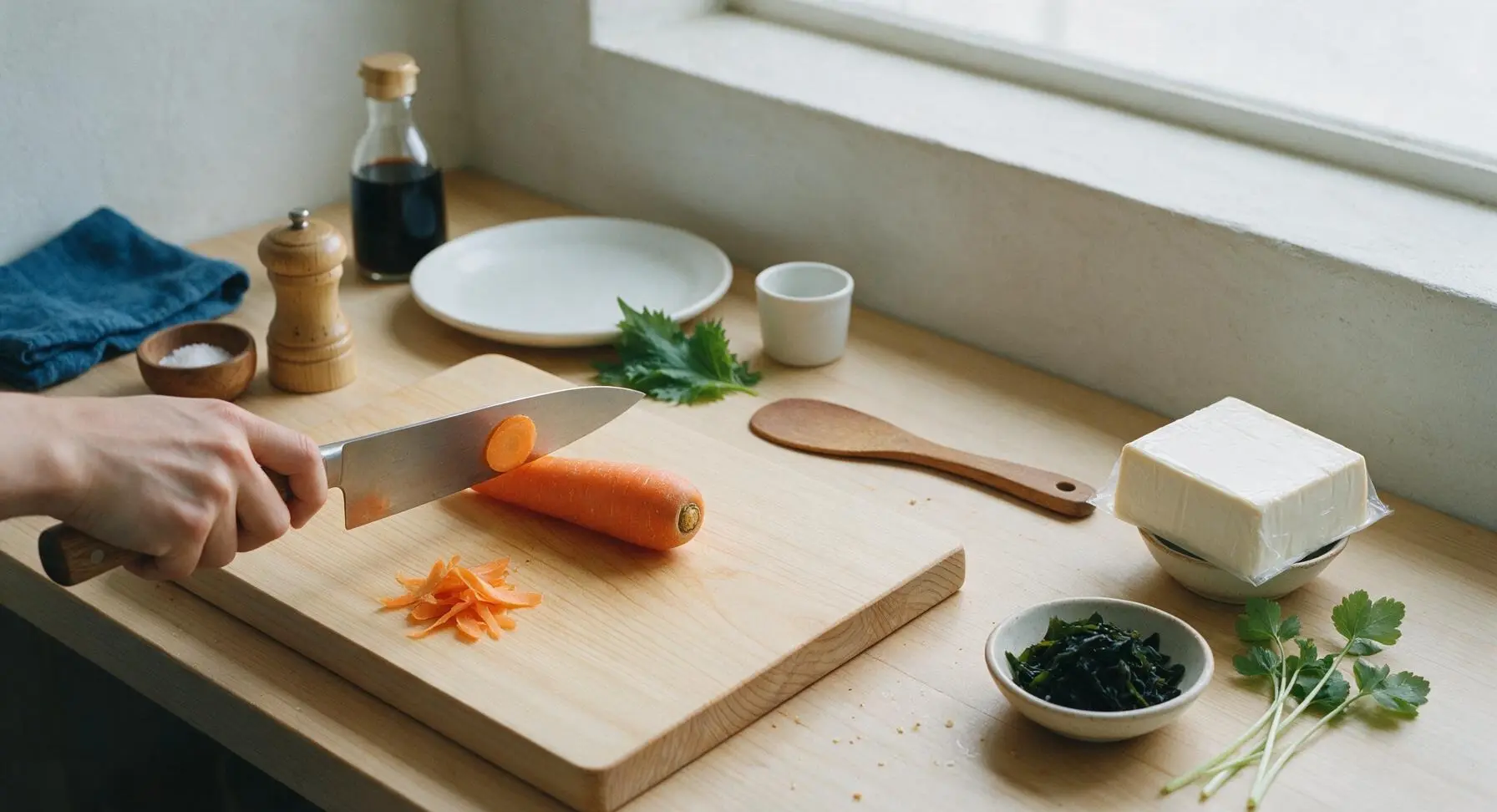
Step 1
step1:Prep Soup Garnishes
2

Heat Dashi Base

Pour the 4 cups of ichiban dashi into the 2-quart stainless steel soup pot on the back center induction burner. Turn heat to medium-low, and warm the dashi to a gentle bare simmer (82C / 180F), identified by tiny bubbles forming only around the pot edges. Do not bring the dashi to a rolling boil, as this will cloud the broth and create bitter off-flavors. This takes approximately 8 minutes.
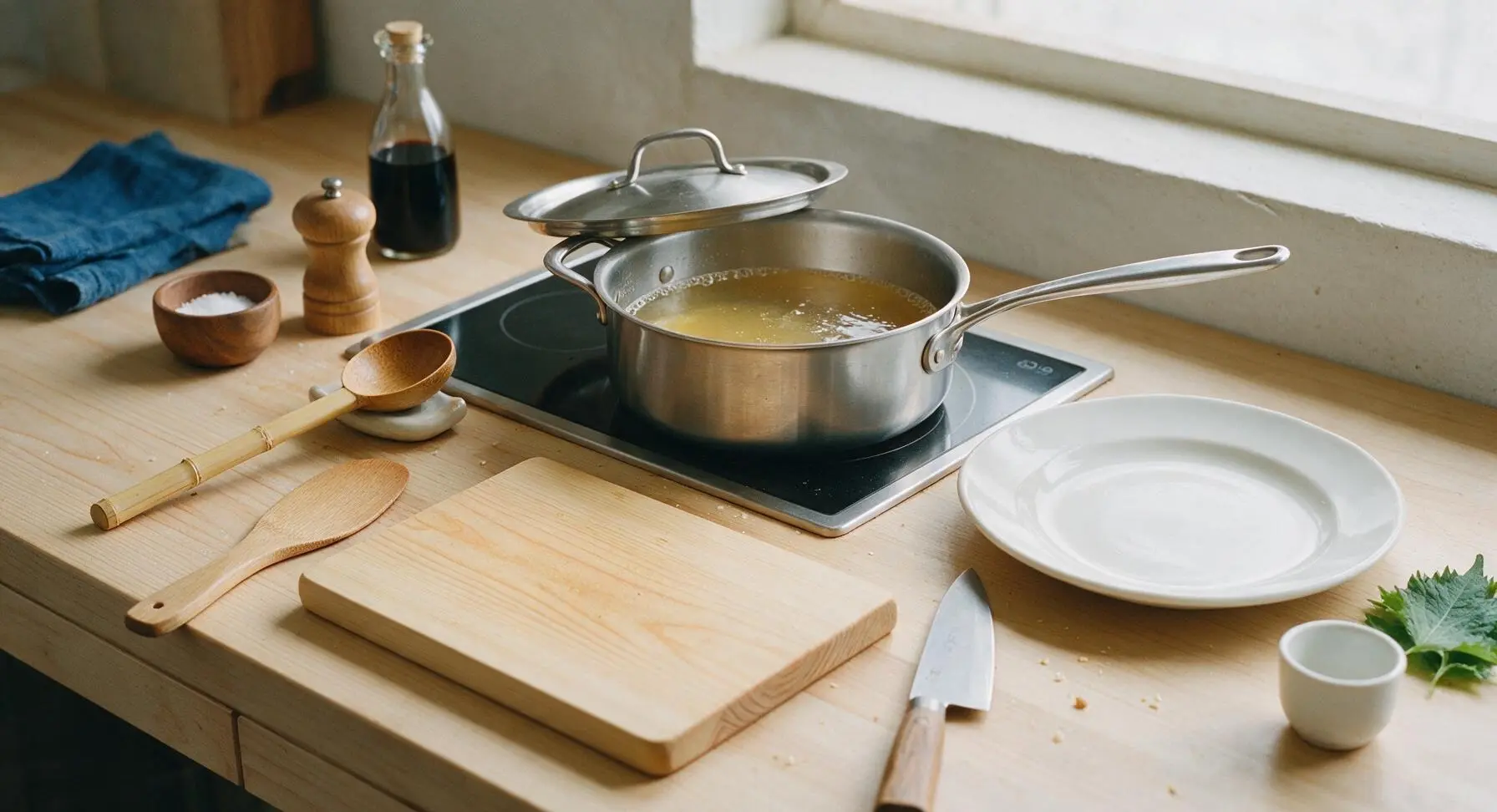
Step 2
step2:Heat Dashi Base
3

Season Clear Broth

Once the dashi reaches a gentle simmer, add 1 tsp mirin, 2 tsp usukuchi light soy sauce, and 1/4 tsp fine sea salt. Stir slowly and gently with the bamboo ladle to combine, taking care not to agitate the broth too vigorously. Taste and adjust salt only if needed; the broth should be delicately seasoned, not overpoweringly salty.
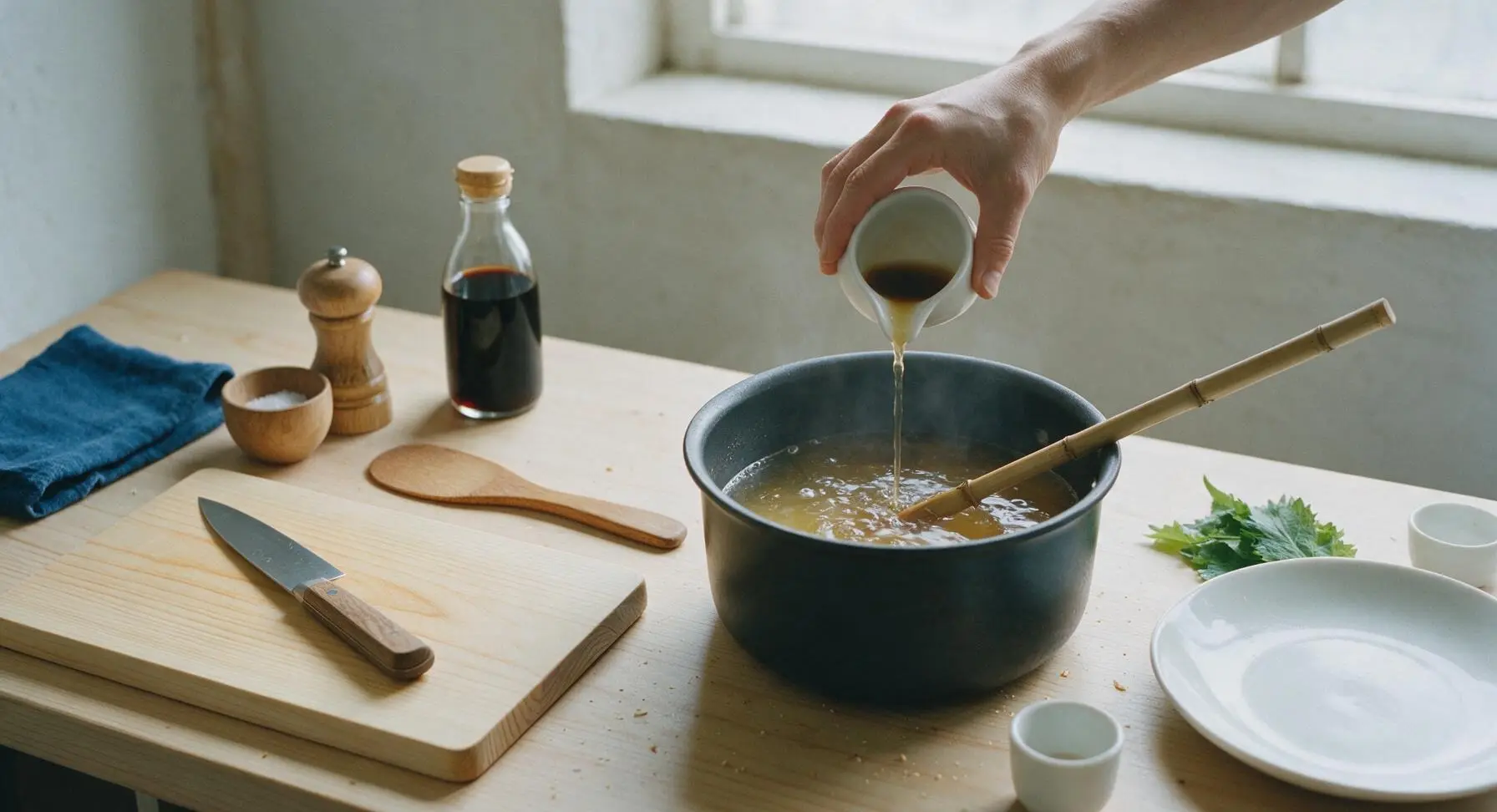
Step 3
step3:Season Clear Broth
4

Skim Broth Impurities

Reach for the fine-mesh stainless steel skimmer hanging above the pot, and use it to gently lift any thin pale foam or tiny floating particles that rise to the broth surface. Skim for 1-2 minutes, dipping the skimmer lightly and wiping particles on the indigo tenugui towel as needed, until the broth surface is completely smooth and free of debris. This step is critical to achieve a perfectly crystal-clear soup.
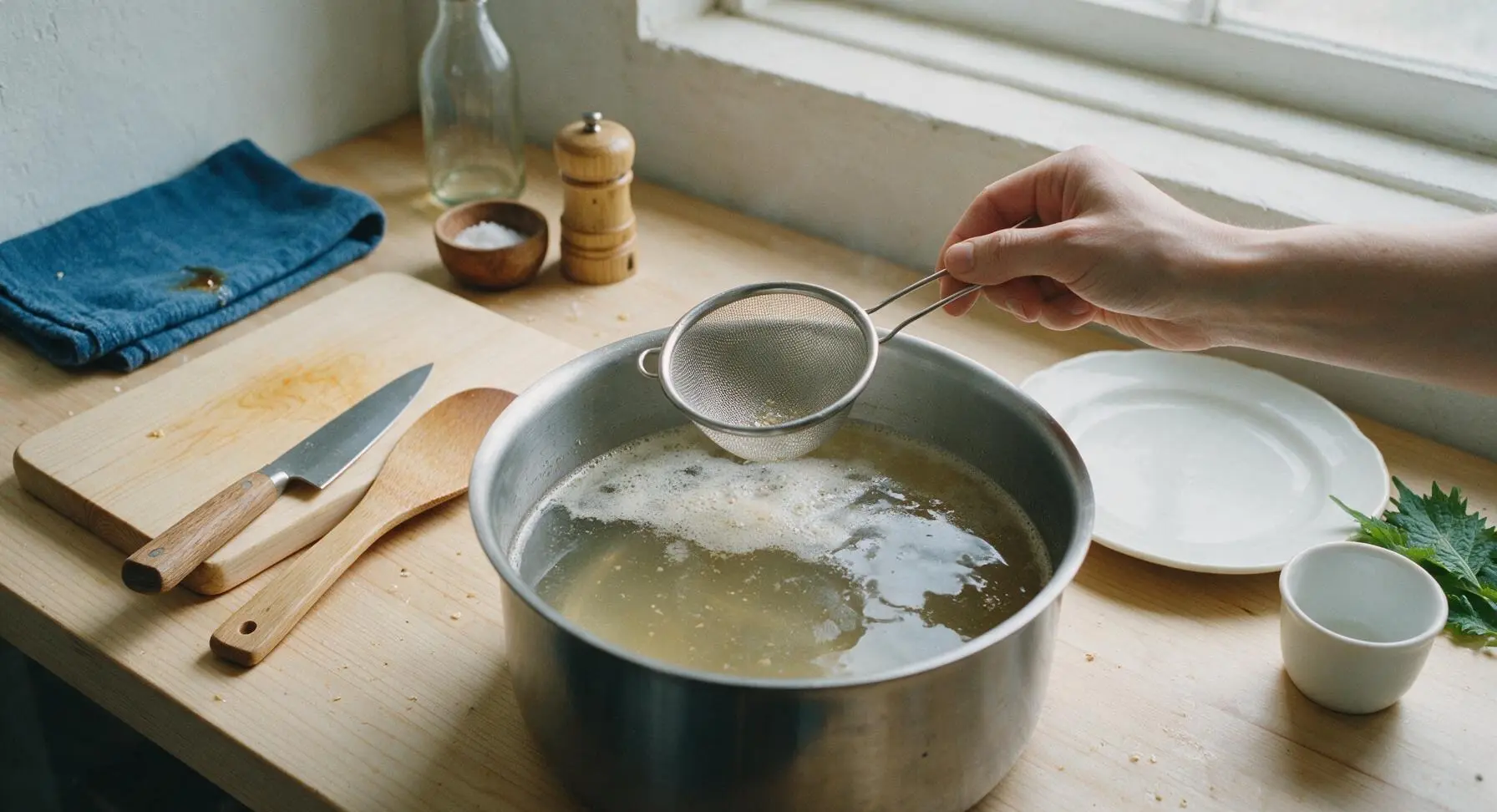
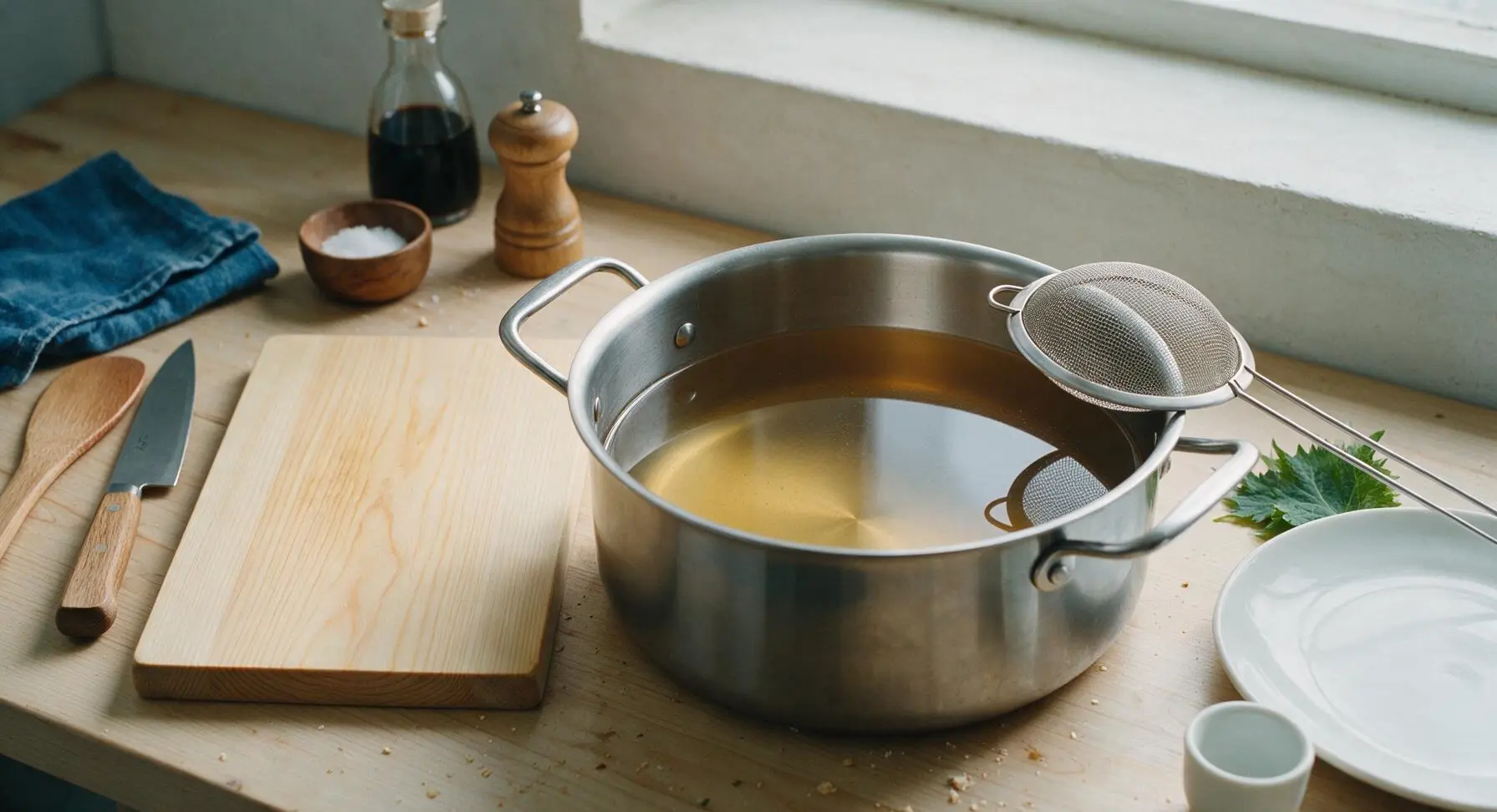
Step 4
step4:Skim Broth Impurities
Step 4
step4:Skim Broth Impurities
5

Blanch Tender Garnishes

Add the thin carrot slices to the simmering broth, and cook for exactly 1 minute until just tender with a slight crisp bite. Sprinkle the dried wakame gently into the pot, and let it rehydrate for 30 seconds — do not stir vigorously after adding wakame, as this can release mucilage that clouds the broth.
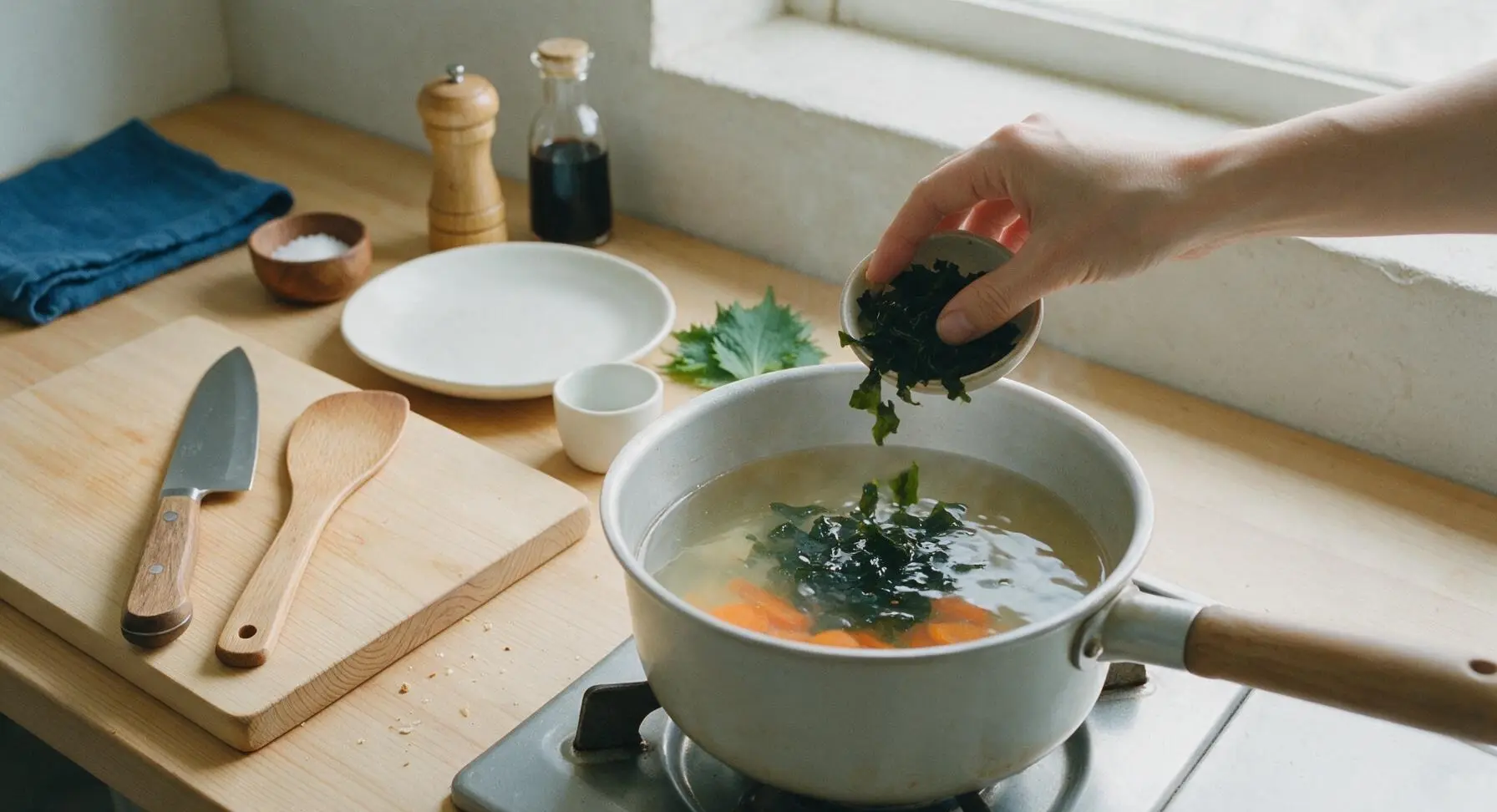
Step 5
step5:Blanch Tender Garnishes
6

Add Tofu and Fish Cake

Use the bamboo ladle to gently lower the silken tofu cubes and narutomaki slices into the simmering broth, lowering the ladle all the way to the broth surface before sliding the ingredients in to avoid breaking the soft tofu or splashing. Let the soup warm through for 1 final minute, keeping heat low enough that the broth never reaches a rolling boil. Turn off the heat once all ingredients are heated through.
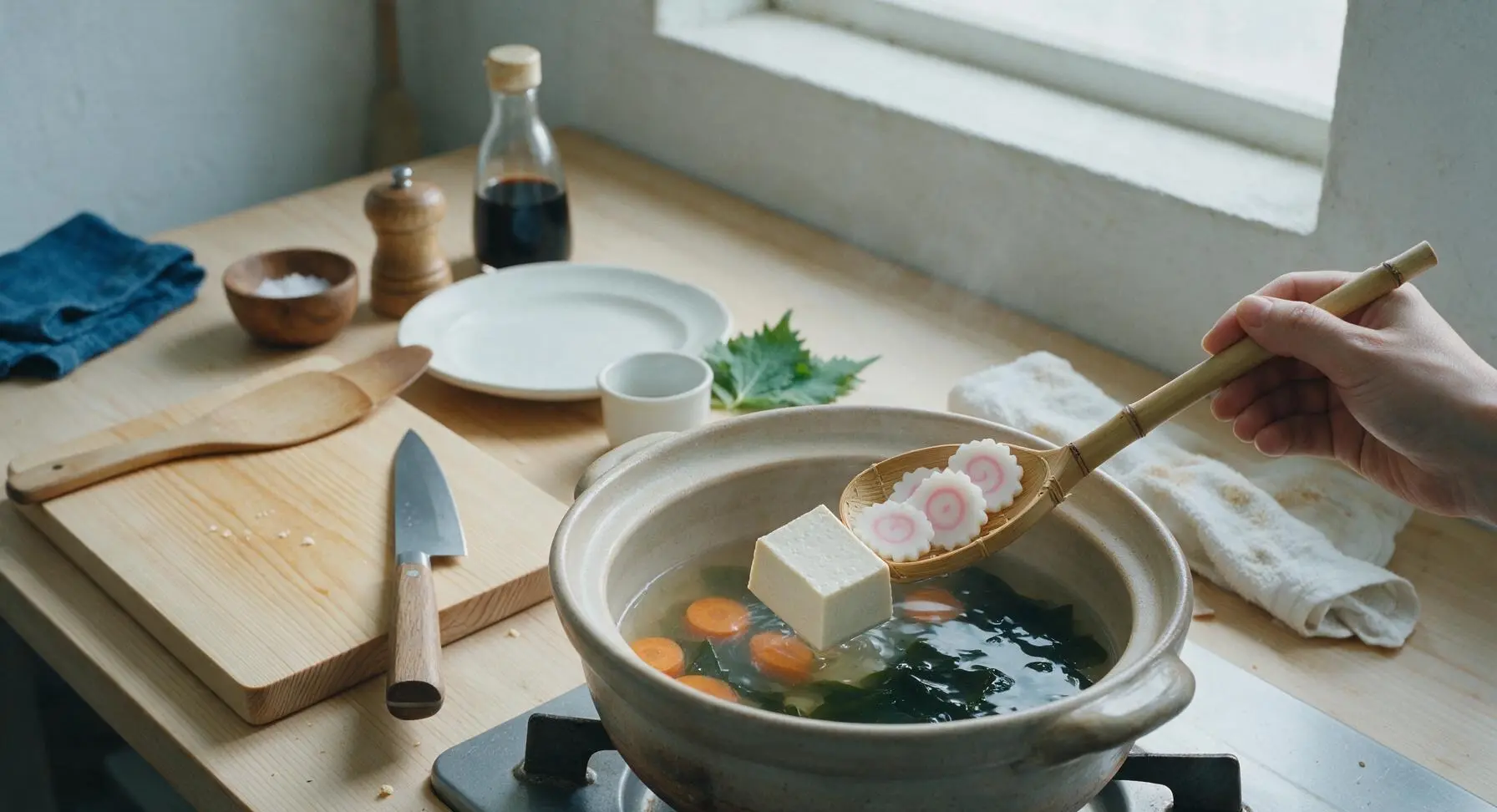
Step 6
step6:Add Tofu and Fish Cake
7

Plate and Garnish

Set out the 4 matte cream-white soup bowls on woven bamboo coasters. Use the bamboo ladle to carefully pour broth and an even portion of tofu, wakame, carrot, and narutomaki into each bowl, tilting the ladle slowly to avoid breaking tofu. Top each bowl with a single mitsuba sprig, tied in a simple loose knot for a traditional elegant presentation. Serve immediately while warm, placing lids loosely on top if desired.
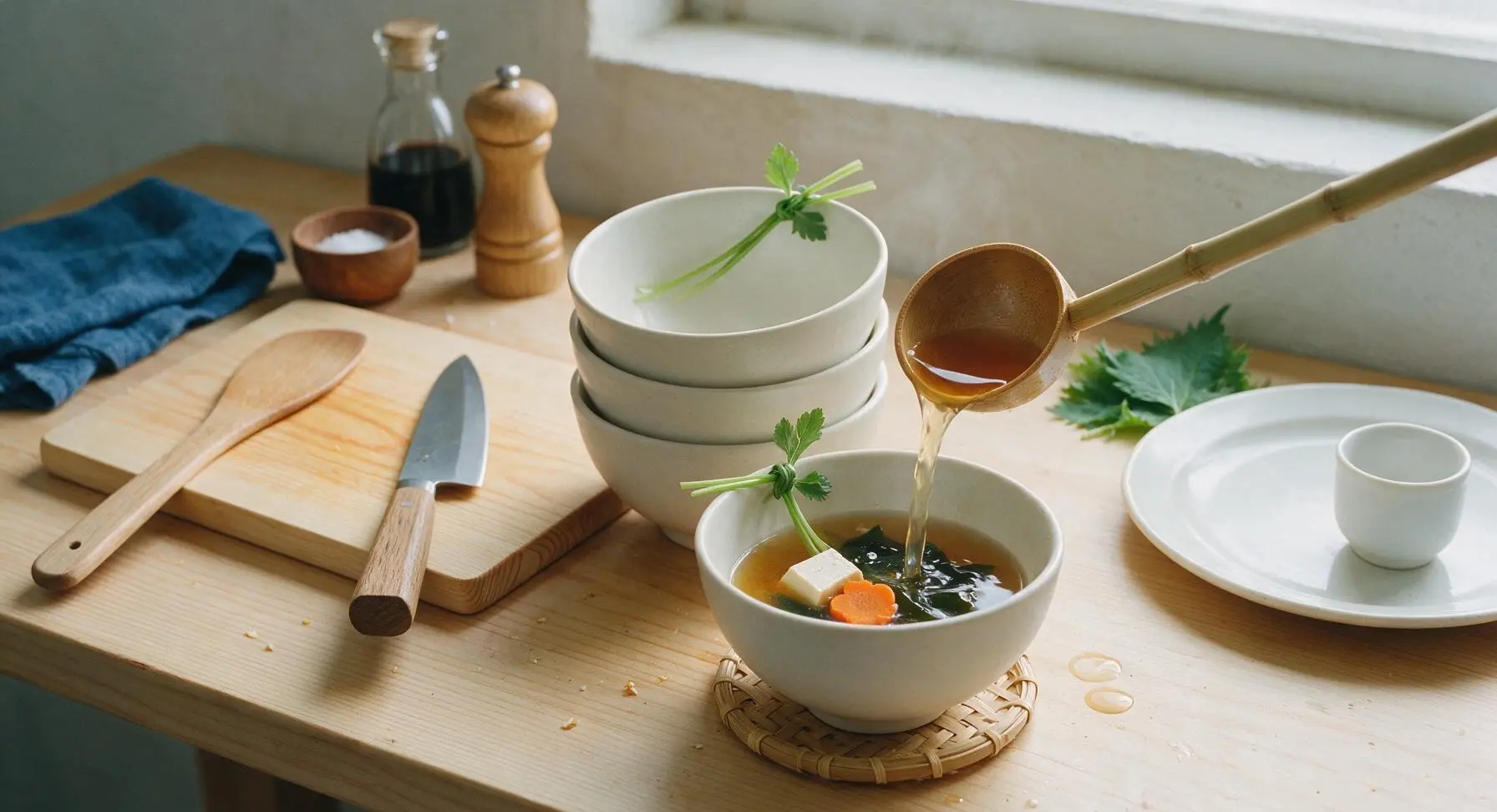
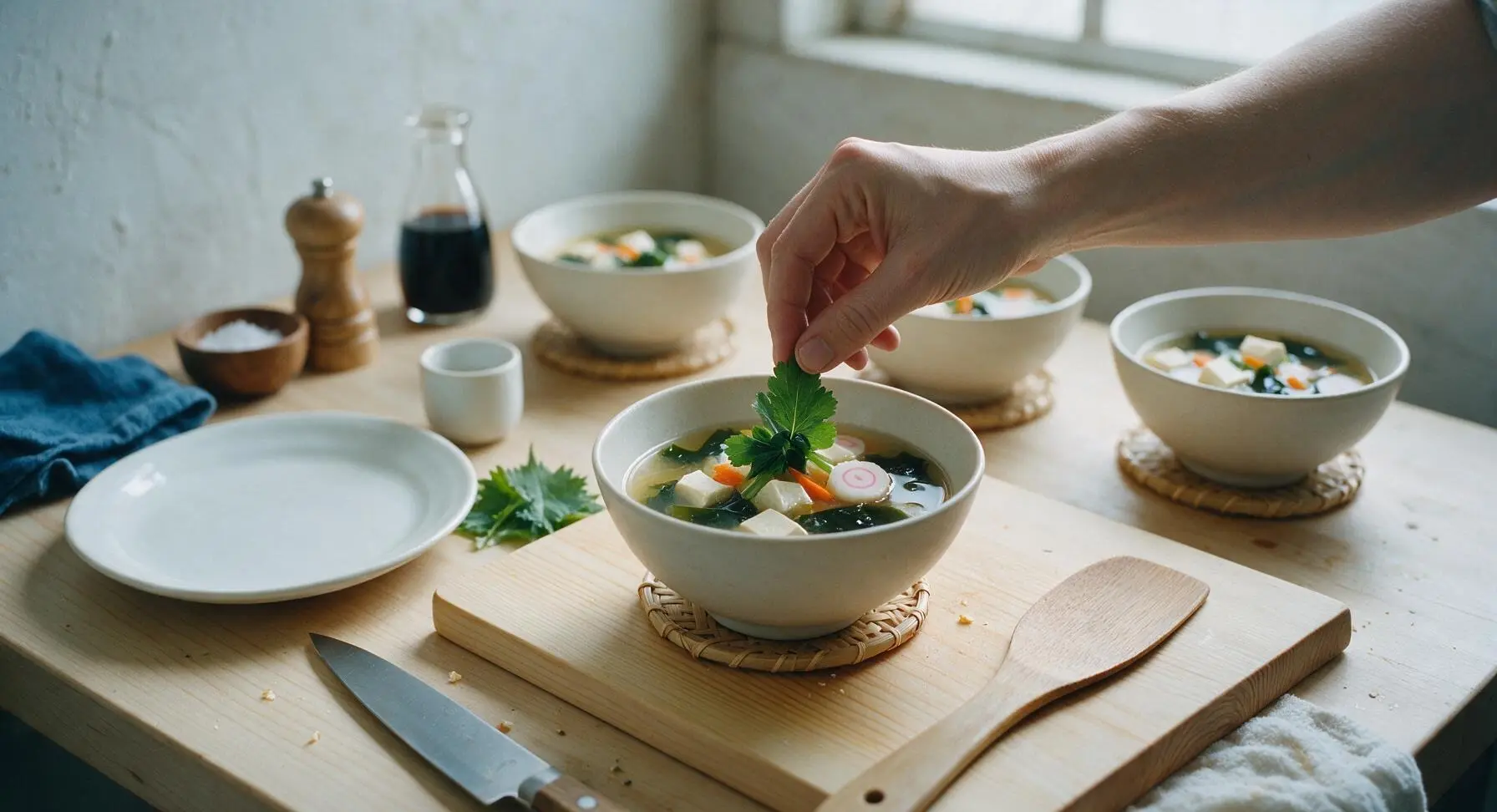
Step 7
step7:Plate and Garnish
Step 7
step7:Plate and Garnish

Tips

1.Never let the dashi boil rapidly: Boiling agitates fine bonito particles and emulsifies trace fats from the stock, turning the broth cloudy and creating a bitter, overly fishy aftertaste instead of the clean, sweet umami that defines good osumashi. Keep heat at the lowest setting needed to maintain a bare simmer.
2.Use usukuchi (light-colored) soy sauce instead of regular dark soy: Dark soy sauce will tint the broth a deep murky brown and overpower the delicate dashi flavor, while light soy adds necessary salt and umami without disrupting the soup’s crystal-clear, pale amber appearance.
3.Add silken tofu gently: Tofu dropped from a height will break apart into fine crumbs that cloud the broth; lower cubes to the broth surface with a ladle to keep them intact and the soup clear, and avoid stirring aggressively once tofu is added.

✨ You May Also Like

Soups & Stews
🍜 Japan

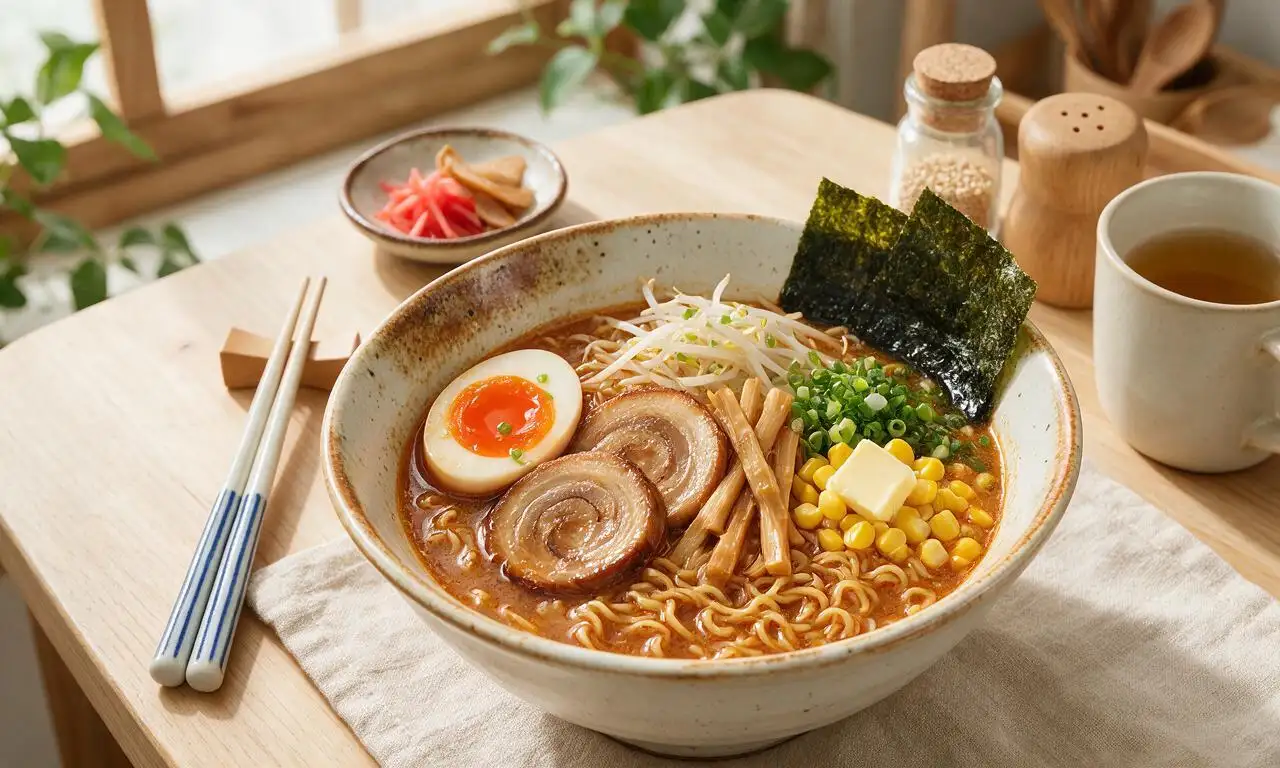
Rich, umami-dense Hokkaido-style miso ramen with chewy noodles, savory fermented broth, and classic toppings, a cozy, deeply satisfying warm meal.

⏱️ 45 minuteSoups & Stews ★ 4.5
Soups & Stews
🍜 United States

A hearty, peppery tripe and root vegetable stew with colonial Philadelphia roots, thick, warming, and packed with bold savory flavor for cold winter days.

⏱️ 2 hours 3Soups & Stews ★ 4.6
Soups & Stews
🍜 Mexico

Hearty, warming red pork posole loaded with tender hominy, slow-simmered in a rich smoky chile broth, served with zesty fresh garnishes for a deeply comforting, satisfying meal.

⏱️ 2 hours 3Soups & Stews ★ 4.7
Soups & Stews
🍜 United States

Warm, soothing classic chicken noodle soup loaded with tender chicken, soft egg noodles, and savory veggies, perfect for chasing chills and feeding the whole family.

⏱️ 40 minuteSoups & Stews ★ 4.9
Soups & Stews
🍜 France

Deeply savory caramelized onion broth topped with crusty bread and bubbly melted Gruyère, a timeless French bistro comfort food ideal for cold days.

⏱️ 1 hour 25Soups & Stews ★ 4.8
Soups & Stews
🍜 United States

Hearty, briny Maryland crab soup loaded with sweet blue crab, tender summer vegetables, and zesty Old Bay, a beloved Chesapeake Bay coastal comfort staple.

⏱️ 55 minuteSoups & Stews ★ 4.9

japanese clear soup:Frequently Asked Questions

1.What’s the difference between Japanese osumashi clear soup and miso soup? ▾
Great question! Unlike miso soup, which gets its cloudy, savory base from fermented soybean paste, osumashi is a crystal-clear, lightly seasoned broth built on premium ichiban dashi. It has a much more delicate, clean flavor profile with no fermented notes, designed to let the pure kombu and bonito umami, plus soft add-ins like tofu, take center stage.
2.Can I make this soup if I don’t have time to make homemade ichiban dashi? ▾
Absolutely! If you don’t have time to simmer kombu and bonito flakes from scratch, use a high-quality, low-sodium instant dashi powder (look for no-MSG options if you prefer). Mix it with hot water per package directions, and taste as you season to avoid over-salting, which will ruin the light, subtle profile osumashi is known for.
3.Why did my osumashi turn out cloudy instead of the crystal-clear broth I see at Japanese restaurants? ▾
Cloudy osumashi almost always comes from boiling the dashi too hard after adding bonito flakes, or stirring the broth too vigorously once add-ins are in. Keep your broth at a gentle, bare simmer once seasoned, strain finished dashi through a fine-mesh sieve to catch sediment, and add silken tofu gently to keep the broth perfectly clear.
4.Can I substitute silken tofu with firmer tofu varieties in this recipe? ▾
You can, but soft silken tofu is ideal for that traditional melt-in-your-mouth texture that pairs so well with the light broth. If you only have firm or extra-firm tofu, cut it into ½-inch cubes and blanch for 30 seconds first to rinse off excess surface starch, which will also prevent it from clouding the broth as it simmers.
5.How do I prepare dried cut wakame so it doesn’t turn mushy or slimy in the soup? ▾
Dried cut wakame rehydrates extremely quickly, so you never need to soak it ahead of time—pre-soaking is the most common cause of mushy, slimy wakame. Remember it expands to 10 times its dried size, so measure sparingly, and drop it into the gently simmering broth just 1 to 2 minutes before serving for perfect tender texture.
6.I can’t find mitsuba (Japanese wild parsley) locally—what’s a good substitute? ▾
Mitsuba has a bright, slightly celery-like, herbaceous flavor that makes a lovely finishing garnish, but it’s easy to swap if hard to find. The closest match is a mix of very thinly sliced celery leaves and a pinch of chopped flat-leaf parsley, or thin slices of green onion tops for a mild, fresh note that won’t overpower the delicate broth.
7.How should I cut the carrot for this soup so it cooks fast and looks elegant? ▾
For traditional osumashi, cut carrots into very thin slices—you can use a small flower-shaped vegetable cutter for that classic restaurant look, or simply slice into 1/8-inch thick half-moons. This thin cut ensures carrots cook fully in 3 to 4 minutes in the simmering broth, with no crunchy, out-of-place texture.
8.Can I make osumashi ahead of time for meal prep, or is it best served fresh? ▾
Osumashi is best served immediately for the clearest broth and ideal texture of tofu and wakame, but you can prep the plain ichiban dashi base 2 to 3 days ahead in an airtight container in the fridge. Wait to add tofu, wakame, carrot, and garnishes until right before you reheat and serve to avoid mushy add-ins and cloudy broth.
9.How do I season osumashi so it stays light instead of overly salty? ▾
For every 4 cups of ichiban dashi, start with just 1 teaspoon of low-sodium soy sauce and a tiny pinch of sea salt, then taste and adjust incrementally. Osumashi is meant to be subtly seasoned, not bold or salty—your goal is to highlight the natural umami of the dashi, not cover it up, so always err on the lighter side.

Comments (8)

2 days ago

OMG this osumashi was SO good! I threw it together last night for our family dinner when my kid mentioned he wanted something light after soccer practice, and everyone licked their bowls clean. It only took me 12 minutes exactly like the recipe said, total weeknight game changer. I added a few extra shiitake slices because we love mushrooms, perfect!

1 week ago

This is perfect for my low carb meal prep! I made a big batch on Sunday and it holds up so well in the fridge for quick lunches all week. I skipped the regular soy sauce and used coconut aminos to keep it low sodium too, still tasted incredible. So light but savory, I don’t get that heavy post-lunch slump when I eat this!

5 days ago

So glad this works for your meal prep routine! The coconut aminos swap is such a smart call for low sodium and low carb diets, thanks for sharing that tip with other readers!

3 days ago

Wait I’m a total beginner who can barely make microwave rice without burning it, and this actually turned out perfect?? I was so nervous making Japanese food for my roommate’s birthday dinner, but he said it tasted just like the clear soup we get at our local sushi spot. No fancy ingredients needed, love that!

2 days ago

Right?? I made this for my last book club potluck and everyone was asking for the recipe, nobody believed me when I said it only took 12 minutes to make!

yesterday

That makes us so happy to hear! This recipe is totally designed for beginner cooks, so it’s awesome you pulled it off for your roommate’s birthday — that’s such a nice gesture!

2 weeks ago

I’ve been making Japanese clear soup for years after my son brought home a Japanese exchange student in the 90s, and this recipe is hands down the closest to what she taught me. The dashi ratio is spot on, no weird overpowering flavors. I served it with a tiny sprig of mitsuba I grow on my windowsill, just like she used to. Delicious!

2 hours ago

Quick question — can I make this with vegetable dashi instead of bonito flakes? My sister is vegan and coming over for dinner this weekend, I’d love to serve this as a starter if it works!

30 minutes ago

I did that last month! Used kombu and shiitake dashi, it was just as tasty, just add a tiny pinch of salt to bump up the umami a little since there’s no bonito.

yesterday

Game. Changer. I’m always looking for 15 minute or less recipes for nights when we get home late from gymnastics practice with the kids, and this is going straight into the regular rotation. My 7 year old who hates literally every vegetable asked for a second bowl! I added a couple tiny tofu cubes for extra protein, perfect.

2 hours ago

Wait how did you press the tofu? I tried adding tofu to soup once and it got all mushy, would love to get that right for my kids too!

5 minutes ago

So stoked this is a hit with your kiddo! For anyone adding tofu, extra firm pressed for at least 15 minutes and cut into tiny 1/4 inch cubes works best so it holds its shape in the hot broth.

5 minutes ago

This was so good! I added a tiny dash of togarashi to my bowl for a little kick, and it paired so nicely with the mild, savory broth. Great base recipe that you can tweak however you want without messing it up. 10/10 will make again.

just now

Love that togarashi addition! It’s such a great way to add a little warmth and depth to the clear broth, we’ll have to try that next time we make it in the test kitchen!

30 minutes ago

Wait did anyone else’s soup come out a little cloudy? I followed the directions exactly, but I think I stirred it too hard after adding the soy sauce? It still tasted amazing, just not perfectly clear like the photos lol

5 minutes ago

Oh that happened to me the first time too! I realized I simmered it too hard instead of keeping it at a gentle low heat, that makes the dashi get cloudy if it boils too much!

just now

Great catch from HomeCookHero! A rolling boil will definitely make the broth cloudy — keep the heat low once you add the dashi, and avoid stirring too vigorously, and it’ll be crystal clear next time! So glad it still tasted great for you regardless.