
japanese miso soup

title 1
japanese miso soup
⏱️ cook time 10 minutes
🍽️ servings 4
⚡ Difficulty easy

intro

Warm, umami-rich classic Japanese home-style miso soup with silken tofu and wakame—nourishing, deeply comforting, and ready in 15 minutes for any weeknight meal.

Ingredients
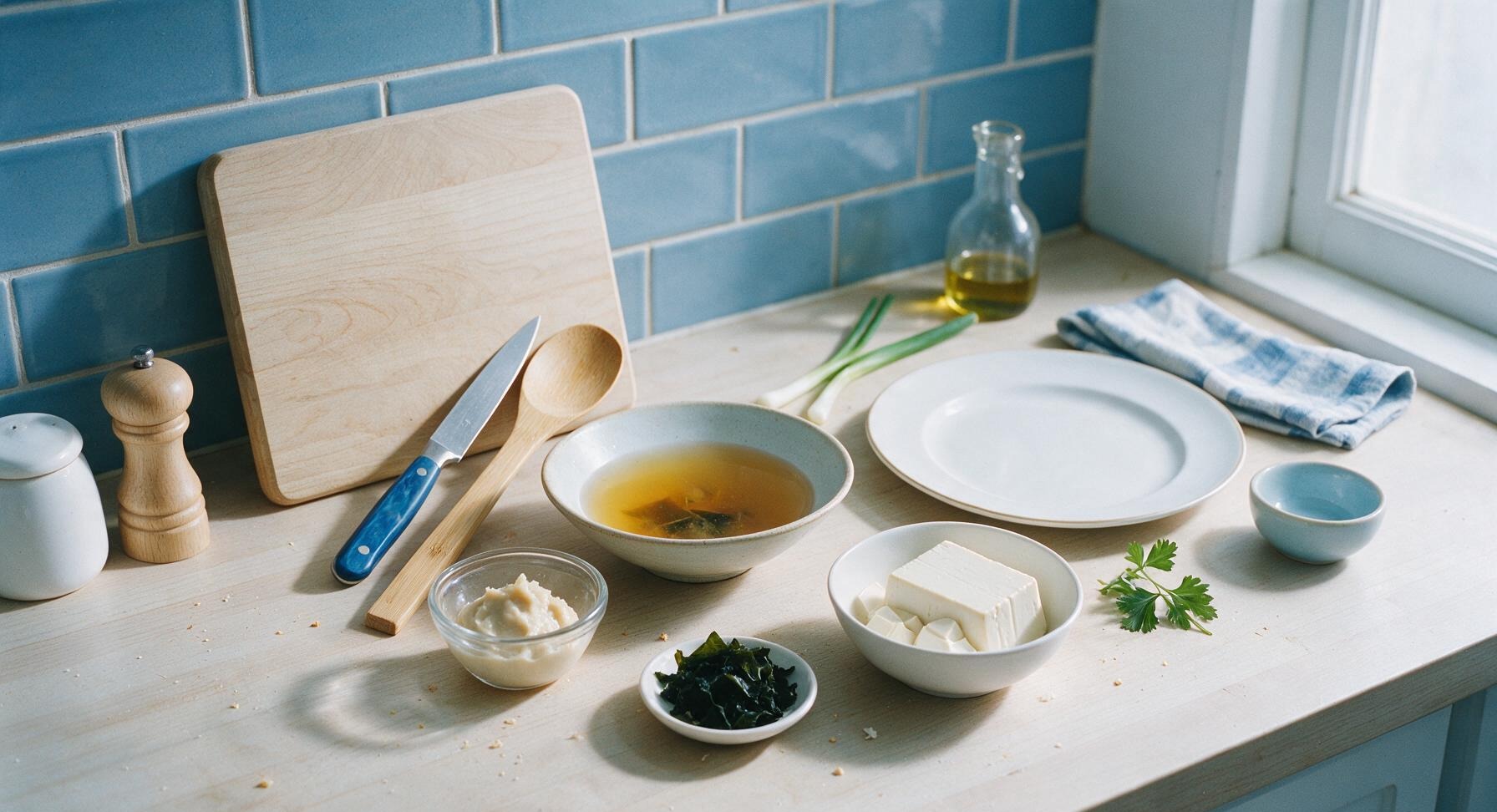
Shiro (white) miso paste 3 tbsp (45g)
Kombu-bonito dashi stock 4 cups (960ml)
Silken tofu 100g
Dried wakame seaweed 1 tbsp (3g)
Fresh scallions (green onions) 2 stalks

Steps

1

Prep soup add-ins

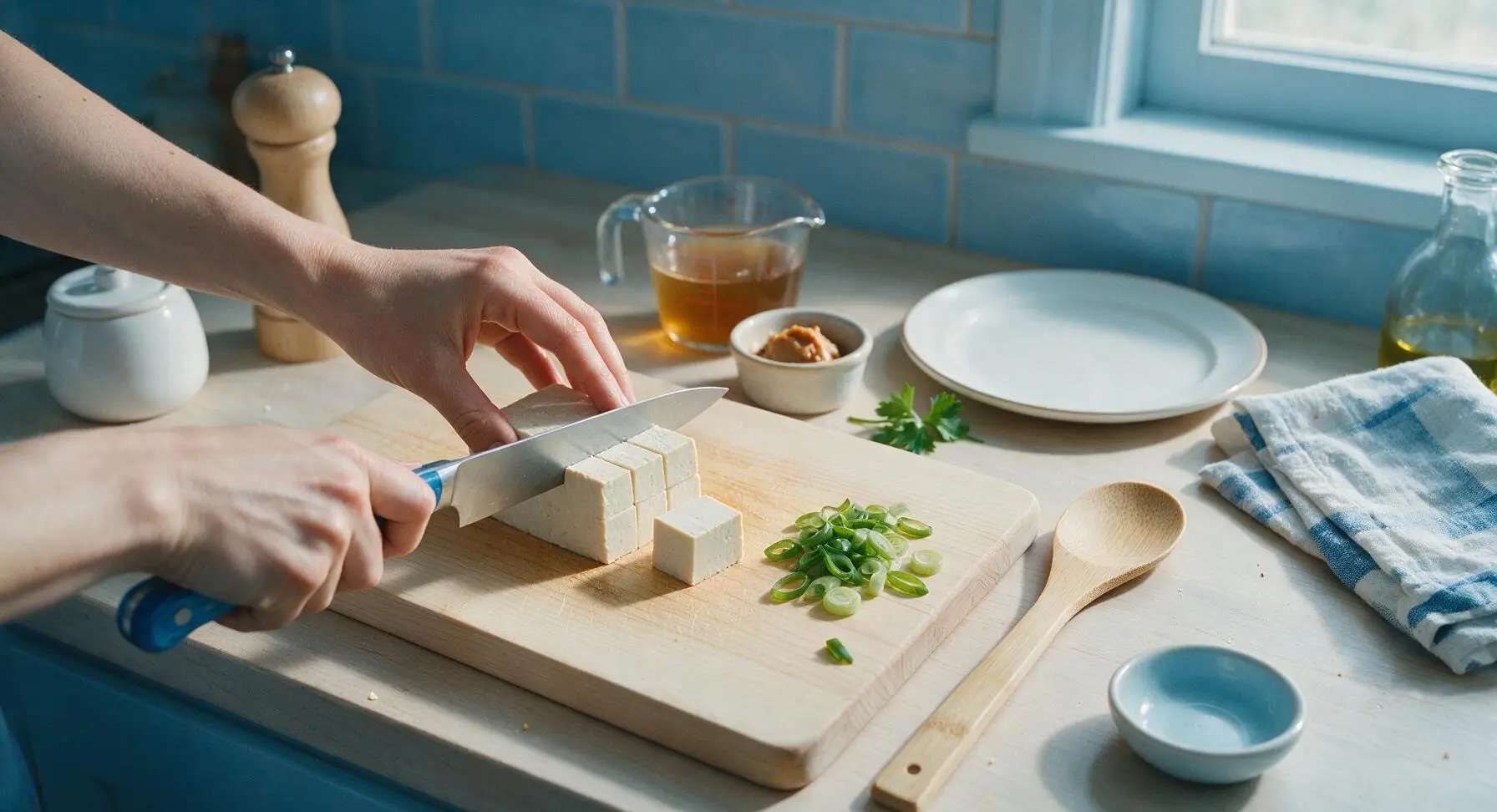
Place the pale hinoki cutting board center-left on the counter. Unwrap the silken tofu, pat very gently with a clean corner of the indigo tenugui to remove excess surface moisture, then use the petty knife to cut it into uniform 1cm cubes. Thinly slice the scallion greens into 3mm rings, measure 1 tbsp dried wakame into the small dark brown pinch bowl, and set all add-ins aside. Do not press or squeeze the silken tofu, as its delicate custard-like texture will break easily with rough handling.
Step 1
step1:Prep soup add-ins
2

Heat dashi to simmer

Place the 1.8L matte white enameled cast iron saucepan centered on the integrated induction cooktop. Pour the 4 cups of dashi stock into the pan, set heat to medium-low, and bring to a gentle bare simmer (approximately 85C/185F, never a rolling boil – boiling dashi for long periods makes it bitter and murky). Heat for roughly 4 minutes, until tiny, pinprick-sized bubbles just start to rise along the inner pan edges, with no rapid, breaking bubbles on the broth surface.

Step 2
step2:Heat dashi to simmer
3

Add wakame to dashi

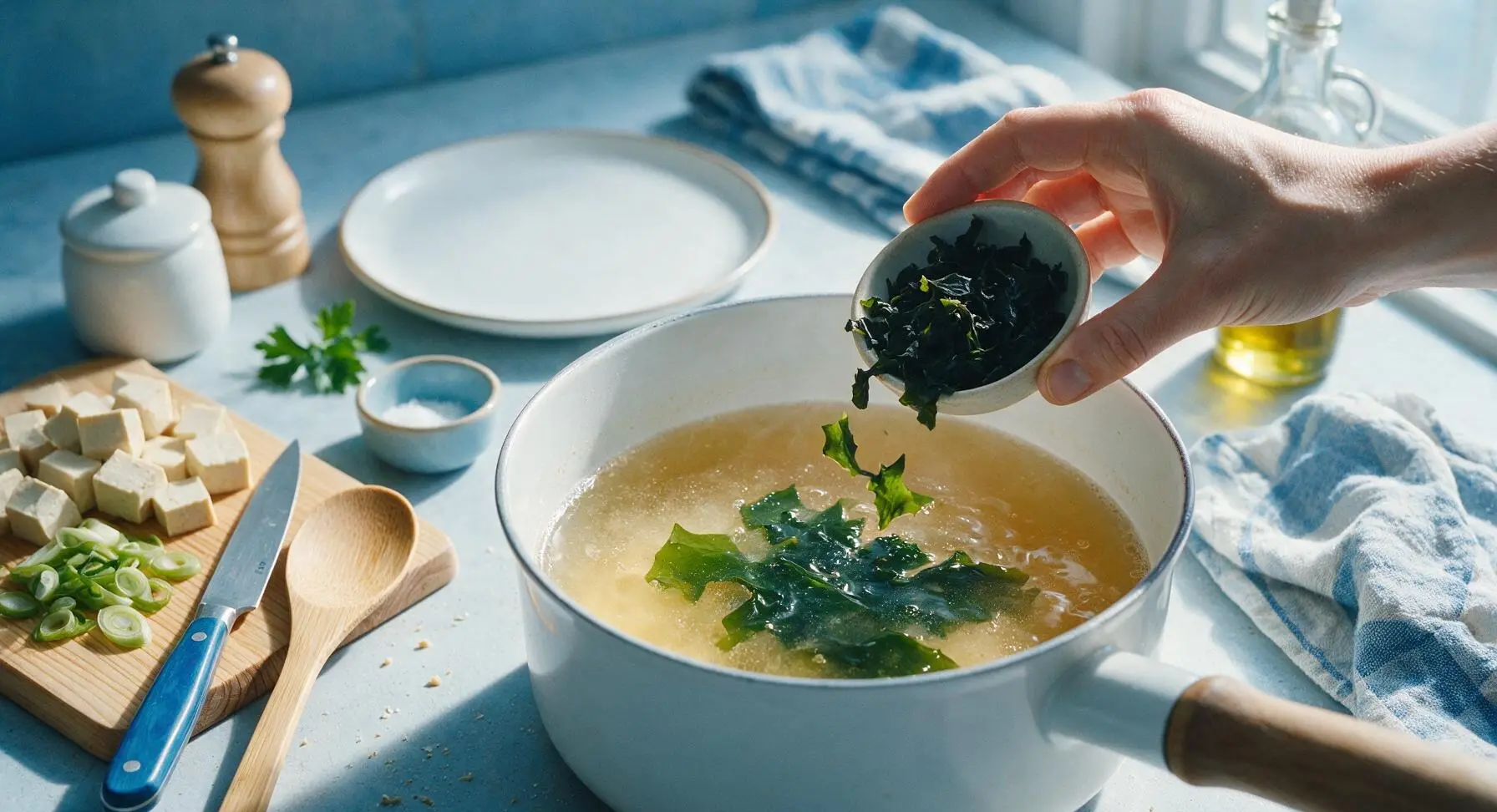
Drop the measured 1 tbsp dried wakame into the gently simmering dashi. Let it rehydrate for 30 seconds – the dark green, crinkled dried pieces will immediately unfurl and expand into tender, wavy seaweed fronds, floating just below the broth surface. Do not overcook the wakame, as it will become unpleasantly slimy if left to boil for more than 1 minute.
Step 3
step3:Add wakame to dashi
4

Temper miso paste

Use the bamboo ladle to scoop 1/4 cup of warm dashi from the pan into the miso ramekin, stirring gently to thin the thick miso paste. Place the fine-mesh stainless steel miso strainer over the edge of the saucepan, then scoop the thinned miso into the strainer. Use the back of the bamboo ladle to gently press and stir the miso through the strainer into the broth, until it fully dissolves with no grainy lumps remaining. Never boil miso paste directly, as high heat destroys its delicate umami flavor and beneficial live probiotics.


Step 4
step4:Temper miso paste
Step 4
step4:Temper miso paste
5

Add silken tofu cubes

Once the miso is fully dissolved, turn the induction heat to the lowest setting. Gently slide the cut 1cm silken tofu cubes off the cutting board into the broth, taking care not to drop them from a height (this will cause the soft custardy tofu to break apart into crumbs). Let the tofu warm through for 1 minute, until the cubes float slightly just below the broth surface and are heated all the way through – do not stir vigorously, as this will mash the delicate tofu.

Step 5
step5:Add silken tofu cubes
6

Garnish with scallions

Turn off the induction heat completely. Sprinkle the thinly sliced bright green scallion rings over the top of the soup, giving it one very slow, gentle stir with the bamboo ladle to distribute tofu, wakame, and scallions evenly through the broth. Let the soup rest for 30 seconds to let the bright scallion aroma infuse into the warm broth before serving.

Step 6
step6:Garnish with scallions
7

Ladle into serving bowls

Retrieve the stacked matte black miso soup bowls from the far right of the counter, remove their smooth dark cedar lids, and set the lids to the side. Ladle equal 1-cup portions of soup into each bowl, making sure every serving gets an even mix of silken tofu, wakame, and scallion garnish. Rest the cedar lids slightly ajar on top of each bowl to trap a small amount of steam, then serve immediately.

Step 7
step7:Ladle into serving bowls

Tips

1.Never boil miso paste: Exposure to temperatures above 90C/194F kills the beneficial live probiotics in fermented miso and creates a harsh, bitter aftertaste instead of the smooth, round umami the soup is known for. Always add miso after the dashi is removed from a hard simmer, dissolved gently into warm broth.
2.Select miso for your flavor preference: Mild shiro (white) miso is slightly sweet, lower-salt, and ideal for light, everyday miso soup; richer aka (red) miso is aged longer, saltier, and better for heartier cold-weather versions; awase (mixed) miso offers a balanced middle ground for most palates. Avoid very dark, strongly fermented miso for this delicate classic preparation.
3.Keep add-ins simple: Traditional home-style miso soup only uses 1-2 complementary add-ins besides tofu and wakame – popular options include thin-sliced shiitake mushrooms, blanched baby spinach, or small littleneck clams. Adding too many ingredients will overpower the delicate, balanced flavor of the miso and dashi base.

✨ You May Also Like

Soups & Stews
🍜 Japan

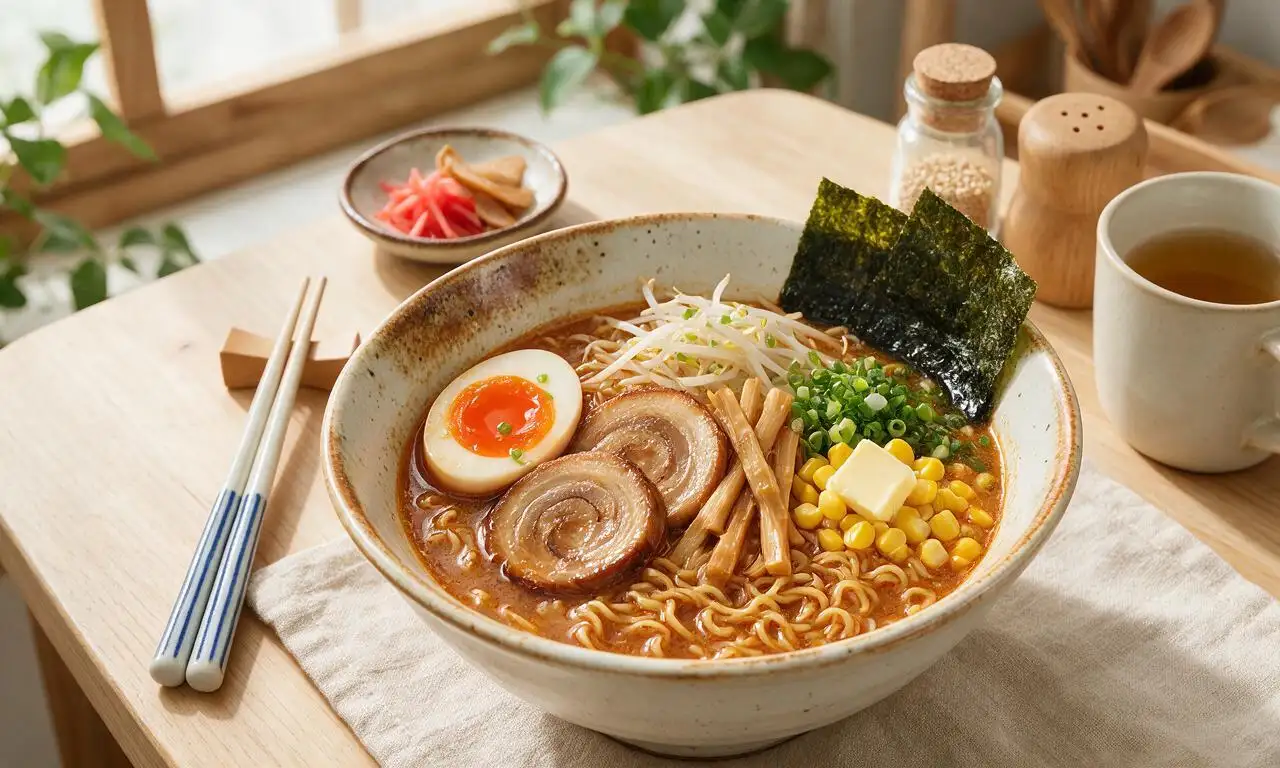
Rich, umami-dense Hokkaido-style miso ramen with chewy noodles, savory fermented broth, and classic toppings, a cozy, deeply satisfying warm meal.

⏱️ 45 minuteSoups & Stews ★ 4.5
Soups & Stews
🍜 United States

A hearty, peppery tripe and root vegetable stew with colonial Philadelphia roots, thick, warming, and packed with bold savory flavor for cold winter days.

⏱️ 2 hours 3Soups & Stews ★ 4.6
Soups & Stews
🍜 Mexico

Hearty, warming red pork posole loaded with tender hominy, slow-simmered in a rich smoky chile broth, served with zesty fresh garnishes for a deeply comforting, satisfying meal.

⏱️ 2 hours 3Soups & Stews ★ 4.7
Soups & Stews
🍜 United States

Warm, soothing classic chicken noodle soup loaded with tender chicken, soft egg noodles, and savory veggies, perfect for chasing chills and feeding the whole family.

⏱️ 40 minuteSoups & Stews ★ 4.9
Soups & Stews
🍜 France

Deeply savory caramelized onion broth topped with crusty bread and bubbly melted Gruyère, a timeless French bistro comfort food ideal for cold days.

⏱️ 1 hour 25Soups & Stews ★ 4.8
Soups & Stews
🍜 United States

Hearty, briny Maryland crab soup loaded with sweet blue crab, tender summer vegetables, and zesty Old Bay, a beloved Chesapeake Bay coastal comfort staple.

⏱️ 55 minuteSoups & Stews ★ 4.9

japanese miso soup:Frequently Asked Questions

1.Can I use water instead of kombu-bonito dashi to make this miso soup? ▾
While water works in a total pinch, it will leave your soup tasting flat and one-note, since kombu-bonito dashi builds that signature layered umami base of classic home-style miso soup. If you’re short on time, use high-quality instant dashi granules mixed per package directions as a reliable, fast shortcut that still delivers authentic flavor.
2.What’s the best type of miso to use for classic home-style miso soup? ▾
This recipe calls for shiro (white) miso, which is mild, slightly sweet, and fermented for a shorter time than darker miso varieties, making it perfect for a light, comforting everyday soup. Avoid very dark, salty red miso here unless you prefer a much bolder, brinier flavor, as it will overpower the delicate tofu and wakame.
3.Why do recipes say not to boil miso paste directly? ▾
Boiling miso kills the beneficial, live probiotic cultures that give it its nuanced, savory-sweet depth, and it can make the paste turn grainy or unpleasantly bitter. Always turn the heat to low once your dashi is simmering, then stir dissolved miso in right at the end of cooking, just before serving, to preserve its flavor and texture.
4.How much dried wakame do I need, and do I have to rehydrate it first? ▾
A little dried wakame goes a very long way—you only need about 1 to 2 teaspoons per serving, since it expands to 5 to 10 times its dry size when it hits hot liquid. You don’t need to pre-rehydrate it; just drop the dried pieces straight into the hot dashi, and it will soften perfectly in 1 to 2 minutes.
5.Can I use firm tofu instead of silken tofu in this recipe? ▾
You can, but it will change the classic, delicate texture of home-style miso soup. Silken tofu has a soft, custardy, melt-in-your-mouth consistency that pairs perfectly with light dashi and briny wakame. If you only have firm tofu, press it lightly first and cut it into extra-small cubes so it doesn’t feel heavy or out of place in the light broth.
6.How do I keep silken tofu from breaking apart when I add it to the soup? ▾
Silken tofu is extremely delicate, so handle it gently to avoid crumbing. First, drain the tofu block slowly over the sink instead of dumping it roughly out of the package, then cut it into ½-inch cubes with a sharp, thin knife. Slide the cubes into the hot (not boiling) dashi very carefully, and avoid stirring aggressively once they’re in the pot.
7.How long does this miso soup take to make, really? ▾
This classic home-style version comes together in exactly 12 to 15 minutes total, even for beginner cooks. If you’re using instant dashi, you’ll spend 2 minutes prepping ingredients, 5 minutes bringing dashi to a gentle simmer, 3 minutes softening wakame and warming tofu, and 2 minutes stirring in miso and finishing with scallions.
8.Can I make this miso soup vegan or vegetarian? ▾
Absolutely! The only non-vegan ingredient in the classic version is the bonito (fish) flakes in the kombu-bonito dashi. Swap that for kombu-only dashi or shiitake-kombu dashi for a rich, plant-based umami base, double-check that your miso paste doesn’t contain hidden fish-derived additives, and the rest of the ingredients are fully plant-based.
9.What’s the best way to dissolve miso paste so I don’t get lumps? ▾
Never drop a clump of miso straight into the pot, as it will leave chewy, salty lumps in your broth. Instead, scoop the miso into a small ladle held just above the simmering soup, ladle a little hot dashi into the miso, and stir it with a chopstick or small spoon until it’s completely smooth before mixing it into the whole pot.
10.Can I add extra vegetables or protein to this miso soup? ▾
Of course! This home-style recipe is a flexible base. Popular add-ins include thinly sliced shiitake mushrooms, small cubes of cooked daikon radish, blanched spinach, shelled edamame, or small pieces of cooked salmon. Just make sure any firmer add-ins are fully cooked before you stir in the miso at the end, so you don’t overheat the paste.
11.How should I store leftover miso soup? ▾
Let leftover soup cool completely to room temperature within 2 hours of cooking, then transfer it to an airtight container and refrigerate it for up to 3 days. Note that the tofu and wakame will continue to absorb broth as it sits, so you may need to add a splash of dashi or water when you reheat it gently on the stovetop without boiling.
12.Can I freeze leftover miso soup? ▾
Freezing miso soup is not recommended, as the silken tofu will turn crumbly and spongy when thawed, the wakame will become mushy, and the miso’s delicate umami flavor will break down significantly during the freeze-thaw process. It’s so fast to make fresh that you’re better off whipping up a small batch right when you want it.
13.When do I add the scallions for the best flavor and texture? ▾
Add thinly sliced scallions (use both the pale green and dark green parts for the best balance of flavor) right after you turn off the heat, just after you’ve stirred in the dissolved miso. This keeps their bright, fresh, slightly sharp bite intact; boiling scallions too long makes them slimy, dull, and stripped of their aromatic kick.
14.My miso soup tastes too salty—how do I fix that? ▾
Over-salting usually happens if you use too much miso, boil the miso (which concentrates its saltiness), or use overly salty dashi. Fix it by stirring in a little extra plain dashi or warm water to dilute the broth, then add a tiny pinch of sugar or splash of mirin to balance the salt, tasting as you go until the flavor feels mellow and well-rounded.
15.Is there a real difference between instant miso soup packets and this homemade version? ▾
Instant miso soup packets often contain added preservatives, excess sodium, and dehydrated ingredients that lack the fresh, soft texture of silken tofu and bright wakame you get in homemade home-style miso soup. This version takes only 15 minutes to make, lets you control sodium levels, and has far deeper, fresher umami flavor than any packet mix.
16.How much miso paste should I use per serving for the best flavor? ▾
For light shiro (white) miso, start with 1 tablespoon of miso per 1 cup of dashi, then adjust to taste. If you prefer a lighter, more subtle soup, use 2 teaspoons per cup; if you love a richer, more savory broth, you can go up to 1.5 tablespoons per cup, but taste as you add to avoid making the soup overly salty.
17.Can I use other types of seaweed if I don’t have dried wakame? ▾
Dried wakame has a soft, slightly slippery texture and mild briny flavor that’s classic for miso soup, but if you don’t have it, you can use finely chopped, rehydrated kombu as a substitute. Avoid using roasted nori (the seaweed used for sushi) here, as it gets chewy and bitter when simmered in broth for even a short time.
18.Is miso soup supposed to be served as a standalone dish, or with other foods? ▾
Classic home-style miso soup is almost never served as a standalone meal in Japanese home cooking. It’s a standard side served alongside steamed rice, grilled fish, pickles, and other small dishes as part of a traditional breakfast, lunch, or weeknight dinner, though it also makes a light, nourishing midday snack on its own.
19.Why is my wakame slimy or mushy in the finished soup? ▾
Mushy, overly slimy wakame usually happens if you add it too early and let it boil for too long, or if you use too much for the volume of broth. Remember that dried wakame only needs 1 to 2 minutes in hot (not rolling boil) dashi to soften perfectly, so add it right before you turn the heat down to stir in the miso for ideal texture.

Comments (12)

2 hours ago

OMG this is SO good! I’ve been buying those instant miso packets for years and never realized how quick and easy the homemade version is! 10 minutes flat? Game changer. I tossed in some cubed tofu and sliced green onions just like the recipe said, my picky 7 year old asked for seconds. Will be adding this to our weekly weeknight rotation for sure!

30 minutes ago

Right?! I used to think miso soup was only for takeout nights, I felt silly when I saw how fast it comes together. My kids go crazy for it too, I add little wakame bits and they slurp it up before the main course even hits the table!

5 minutes ago

So happy to hear this is a hit with your kiddo! So many people write off homemade miso as complicated, but it’s truly designed to be a quick, cozy weeknight staple. Pro tip: keep a tub of miso paste in your fridge and it lasts for months for quick batches!

yesterday

Took me 12 minutes total including pulling ingredients out of the pantry, not bad at all. I used white miso because that’s all my grocery store had, came out super smooth and savory. Perfect light side for our salmon dinner last night, no complaints from the roommate.

2 hours ago

White miso works perfectly here for that mild, classic home-style flavor! So glad it paired well with your salmon, that’s one of our favorite combinations too.

3 days ago

Made a big batch of this on Sunday for meal prep, portioned it out with some rice and grilled chicken for lunches all week. Holds up way better than I thought it would! I did add a handful of spinach to each serving for extra veggies, tasted exactly like the miso soup I get at my local sushi spot. Will make again.

5 days ago

Wait, hold up – I boiled the miso paste the first time I made this and it tasted weird and grainy? Did I mess something up? I followed the rest of the steps exactly but that part threw me off, want to get it right next time because the dashi base smelled amazing.

3 days ago

Oh yeah! You never want to boil miso, it kills the good probiotics and makes the texture off! You’re supposed to turn the heat off, then whisk the miso in a little bowl with some of the hot dashi first before stirring it into the pot. Learned that the hard way too!

2 days ago

@SushiNightSue is exactly right! Boiling miso alters its flavor and texture which is why we note to remove the pot from heat before stirring in the miso paste. Try that trick next time and it’ll turn out perfectly smooth, promise!

1 week ago

Brought this to our neighborhood potluck last weekend and everyone was asking for the recipe! I added a few shiitake mushrooms and some cubed silken tofu, it was so cozy on that cold rainy day. Even the people who said they ‘don’t like Japanese food’ went back for seconds. 10/10, super approachable recipe.

5 days ago

We love hearing that! Adding shiitake mushrooms is such a great upgrade, that earthy flavor pairs so beautifully with the salty miso. Thanks for sharing it with your neighbors!

2 days ago

Made this in my dorm room with a little electric hot pot, no fancy equipment needed! I didn’t have dashi so I used a little low sodium vegetable broth as a substitute, still slapped. Perfect for when I’m sick of dining hall food, way cheaper than ordering takeout miso soup every time I crave it.

yesterday

Fellow dorm chef here! I did the same broth substitute last week when I couldn’t find dashi at the campus market, added a little pinch of bonito flakes I had stashed and it was *chef’s kiss*. So much better than paying $6 for a tiny cup at the campus sushi stand.

2 weeks ago

My granddaughter is obsessed with all things Japanese right now so I made this for our Sunday family dinner. I was worried it would be too complex for my old cooking skills but it was so easy! She said it tasted ‘just like the restaurant’ and gave me a big hug. My only note is I wish I’d made a double batch, everyone wanted more!

1 week ago

Aww that’s so sweet! I made this for my teen’s anime watch party with her friends and they all lost their minds, I had zero leftovers. Definitely double the recipe next time, trust me!

5 days ago

This makes our day! There’s nothing better than a recipe that brings the whole family together, and we’re so glad your granddaughter loved it. Next time double up – it reheats beautifully for quick lunches the next day too!

30 minutes ago

Great base recipe! I used a low sodium miso paste because I’m watching my salt intake, and it turned out really nice. I might cut back a little on the soy sauce next time to make it even lower salt, but overall really delicious and perfect for cold winter nights.

5 minutes ago

Great call adjusting for your dietary needs! You can absolutely skip or reduce the soy sauce if your miso is already salty enough – everyone’s taste for salt is a little different, so feel free to tweak to your preference!

1 week ago

Love that this is so customizable! I added some edamame, sliced mushrooms, and a little bit of cubed sweet potato to make it a little more filling for a light lunch, and it was chef’s kiss. I was worried the sweet potato would be weird but the salty miso paired with it so well.

5 days ago

Oh the sweet potato addition sounds insane! I usually add tofu and bok choy but I’m definitely throwing some roasted sweet potato cubes in my next batch, that sounds like the perfect cozy combo.

3 days ago

We love seeing all the custom veggie additions! Sweet potato is such a fun twist, the sweet and salty combo is unbeatable. Thanks for sharing your version!

just now

This was literally the first thing I’ve ever cooked from scratch that didn’t come out burnt or terrible! The instructions were so clear and easy to follow, I felt like a real chef making it. My roommate even came into the kitchen asking what smelled so good. Can’t wait to make it again!

just now

This is the best news ever! We love that this was your first successful from-scratch cook – that’s exactly why we love sharing easy, approachable recipes. Can’t wait to hear what you make next!

2 days ago

Made this last night when it was 20 degrees out and I was craving something warm and cozy, and it hit the spot perfectly. It’s light but so flavorful, I didn’t feel weighed down after eating it like I do with heavier soups. I added a little bit of wakame like my mom used to when I was a kid, and it tasted exactly like childhood. SO good.

1 week ago

Full transparency, I thought homemade miso soup would be way more work so I put off trying this recipe for weeks. Finally made it tonight and I’m kicking myself for waiting so long! 10 minutes, minimal cleanup, tastes better than any takeout miso I’ve had in my area. My only regret is not making a double batch to have for lunch tomorrow.