1.What cut of beef do I need for authentic Kansas City burnt ends?
▾
You absolutely need the beef brisket point, trimmed to leave a 1cm (roughly 3/8 inch) fat cap, for authentic results. The point has dense, even marbling that melts during low-and-slow cooking, creating that signature juicy interior and crispy, caramelized edge you can’t get from the leaner brisket flat, which will dry out over long cook times.
2.Why do you trim the brisket fat cap to exactly 1cm instead of leaving it thicker or removing it entirely?
▾
Trimming to a 1cm fat cap hits the perfect sweet spot for burnt ends. If you leave fat thicker than that, you’ll end up with chewy, unrendered rubbery patches that never crisp up. If you trim all fat off, you lose the self-basting rendered fat that keeps meat juicy and creates that sticky, caramelized crust we all crave.
3.Can I make burnt ends without a dedicated smoker?
▾
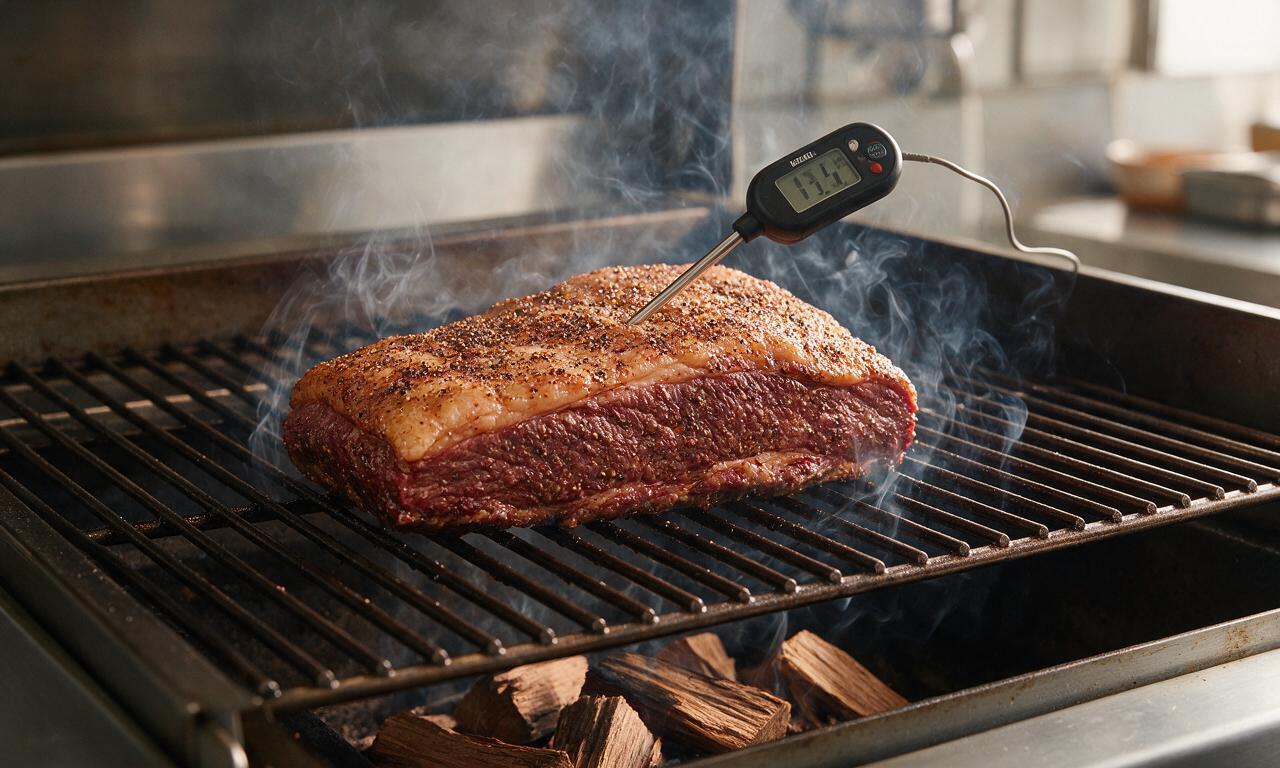
You can make a solid version without a dedicated smoker by using a charcoal grill set up for indirect heat, with soaked hickory or oak wood chips added to coals for smoke. Hold a steady 225°F the same way you would in a smoker, and follow all other recipe steps as written. A standard oven alone won’t deliver that signature deep smoky flavor, though.
4.What role does packed light brown sugar play in the burnt ends rub?
▾
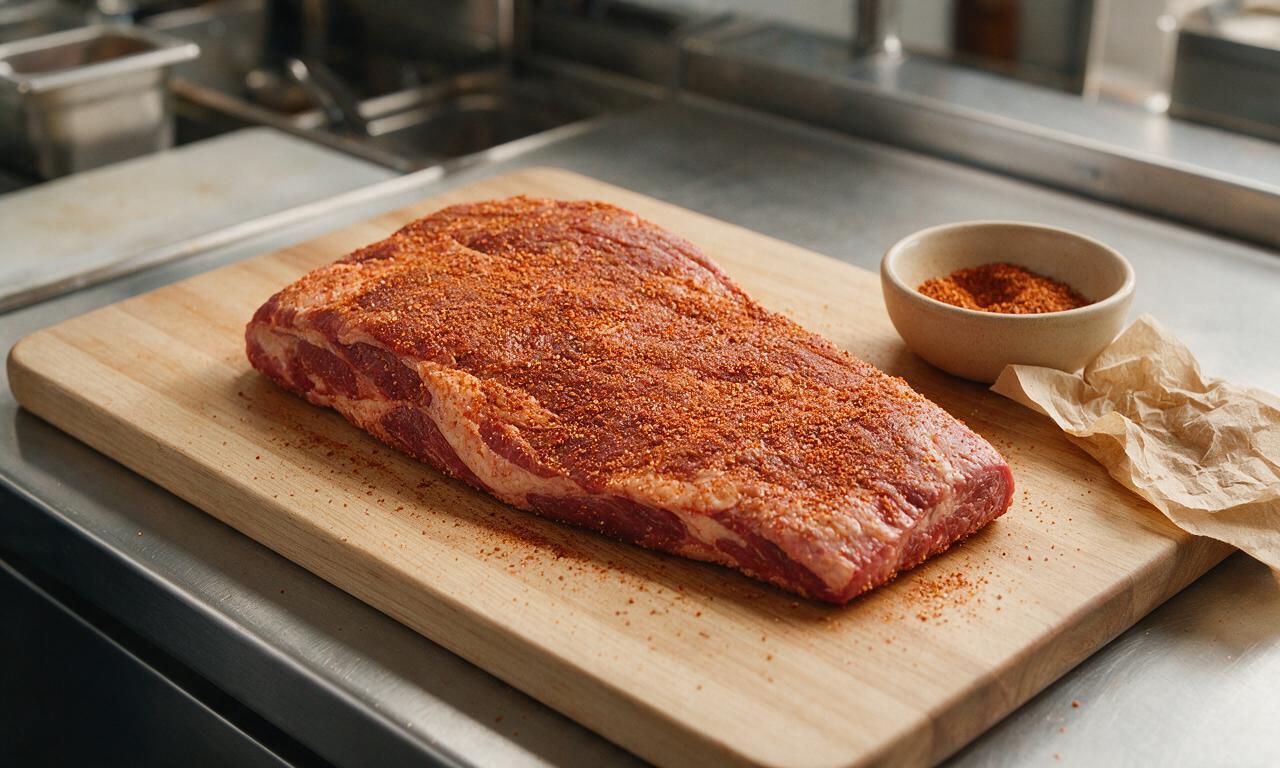
Packed light brown sugar does double duty in this classic rub. First, its soft molasses sweetness balances the savoriness of kosher salt, coarsely ground black pepper, and smoked paprika to match that iconic Kansas City tangy-sweet profile. Second, it melts during the long smoke to help form that sticky, glossy, caramelized crust on every bite.
5.What’s the ideal rub ratio for a standard trimmed brisket point?
▾
For a typical 3–4 pound trimmed brisket point, mix ¼ cup packed light brown sugar, 2 tablespoons kosher salt, 2 tablespoons coarsely ground black pepper, and 1 tablespoon smoked paprika for a balanced, KC-style rub. Coat every surface of the brisket evenly before smoking, pressing gently so the rub adheres well to the meat and fat cap.
6.How long do I smoke the whole brisket point before cubing it for burnt ends?
▾
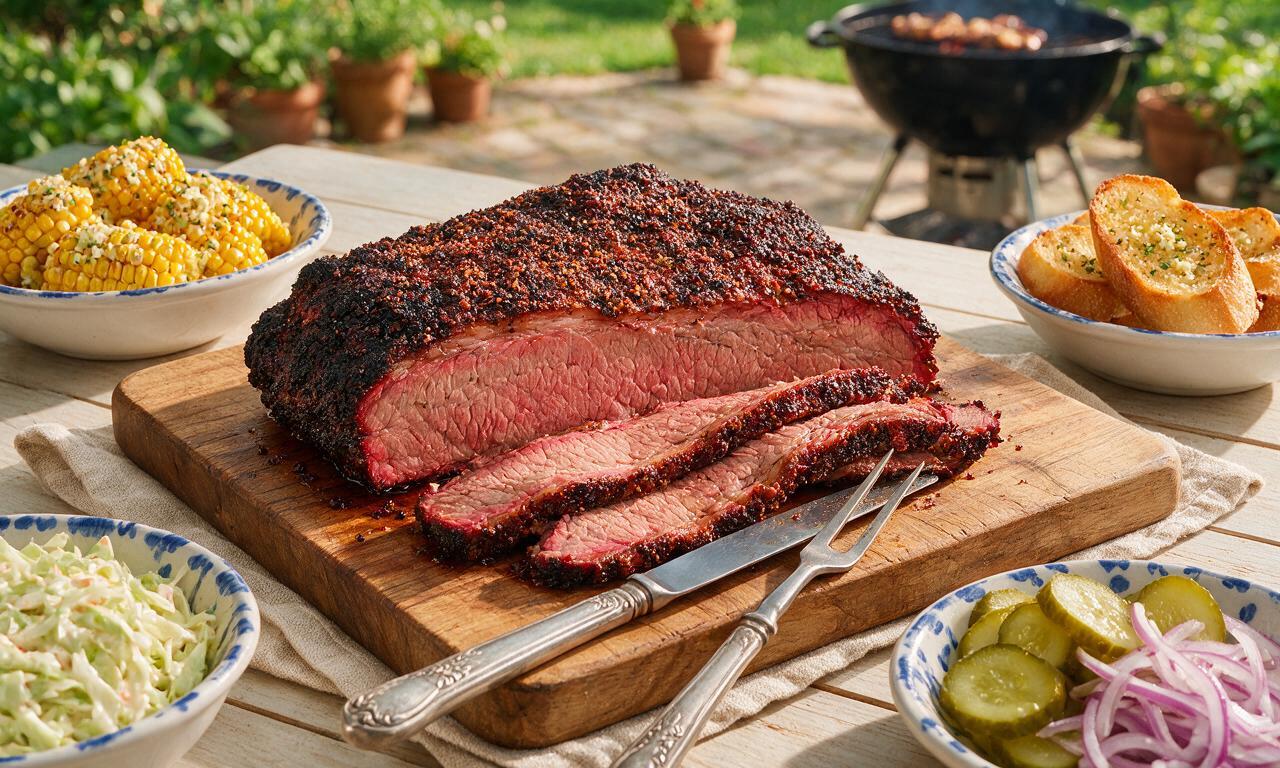
Smoke the whole seasoned brisket point at a steady 225°F for 5 to 6 hours, until it reaches an internal temperature of 190°F and has a deep, dark mahogany bark on the outside. At that point, the meat is tender enough to cut cleanly, but firm enough that it won’t fall apart when you toss it in sauce for the final stage.
7.What size should I cut the brisket cubes for perfect burnt ends?
▾
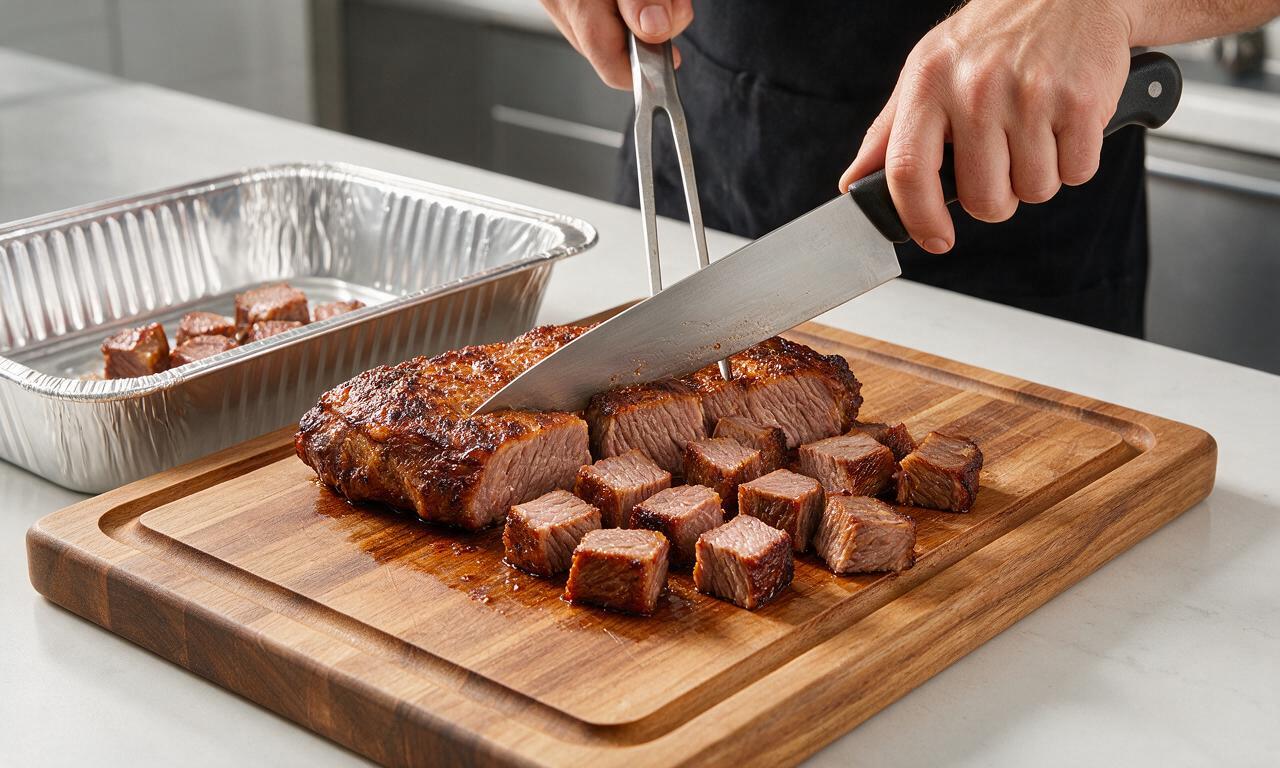
Aim for uniform 1 to 1.5 inch cubes once the smoked brisket point comes off the initial smoke. Cutting them this size ensures every piece gets a crispy, sauced edge on all sides while staying juicy in the center. Too small, and they’ll dry out; too large, and you won’t get that ideal edge-to-tender-interior ratio per bite.
8.Do I have to sauce burnt ends, or can I serve them dry-style?
▾
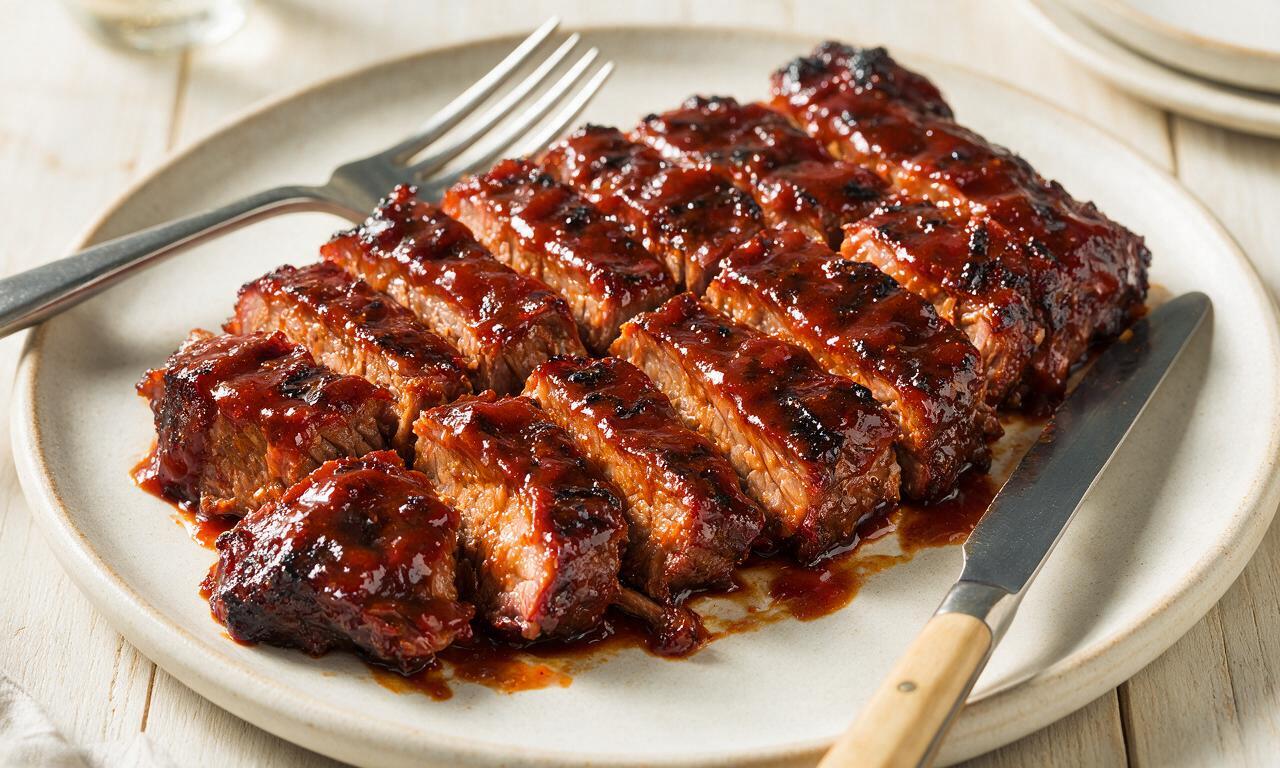
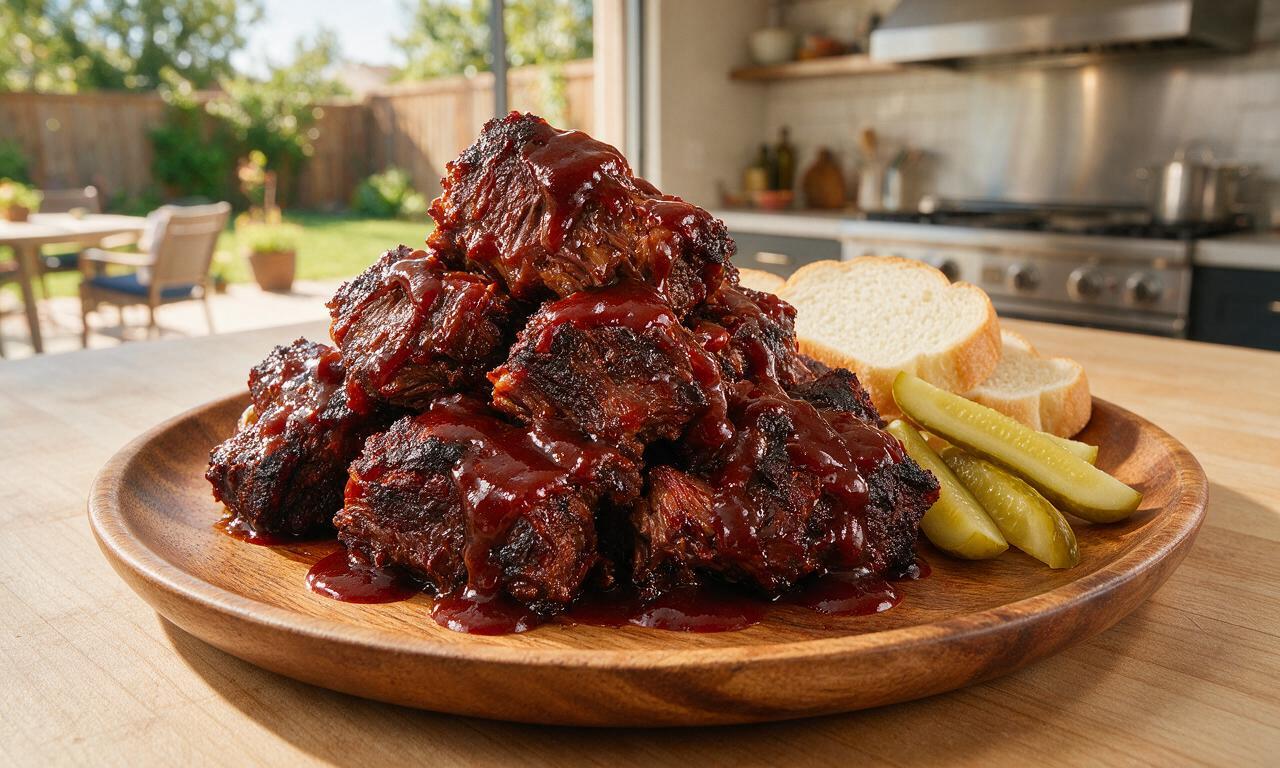
Classic Kansas City burnt ends are tossed in tangy-sweet BBQ sauce for the final cook stage to get that glossy, caramelized coating the dish is known for, but dry-style works too. For dry burnt ends, toss the hot cubed brisket in a light extra dusting of rub instead of sauce, and return to heat for 15 minutes to crisp the edges further.
9.What type of BBQ sauce pairs best with these burnt ends?
▾
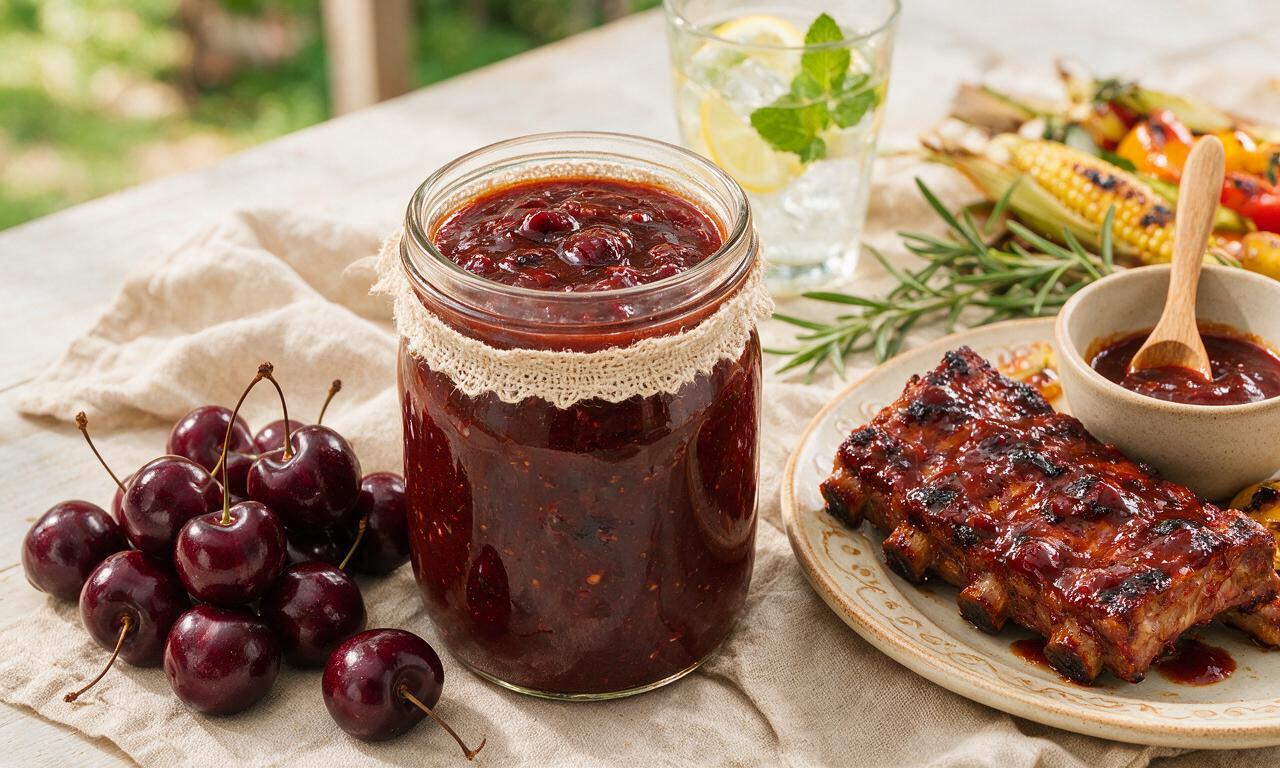
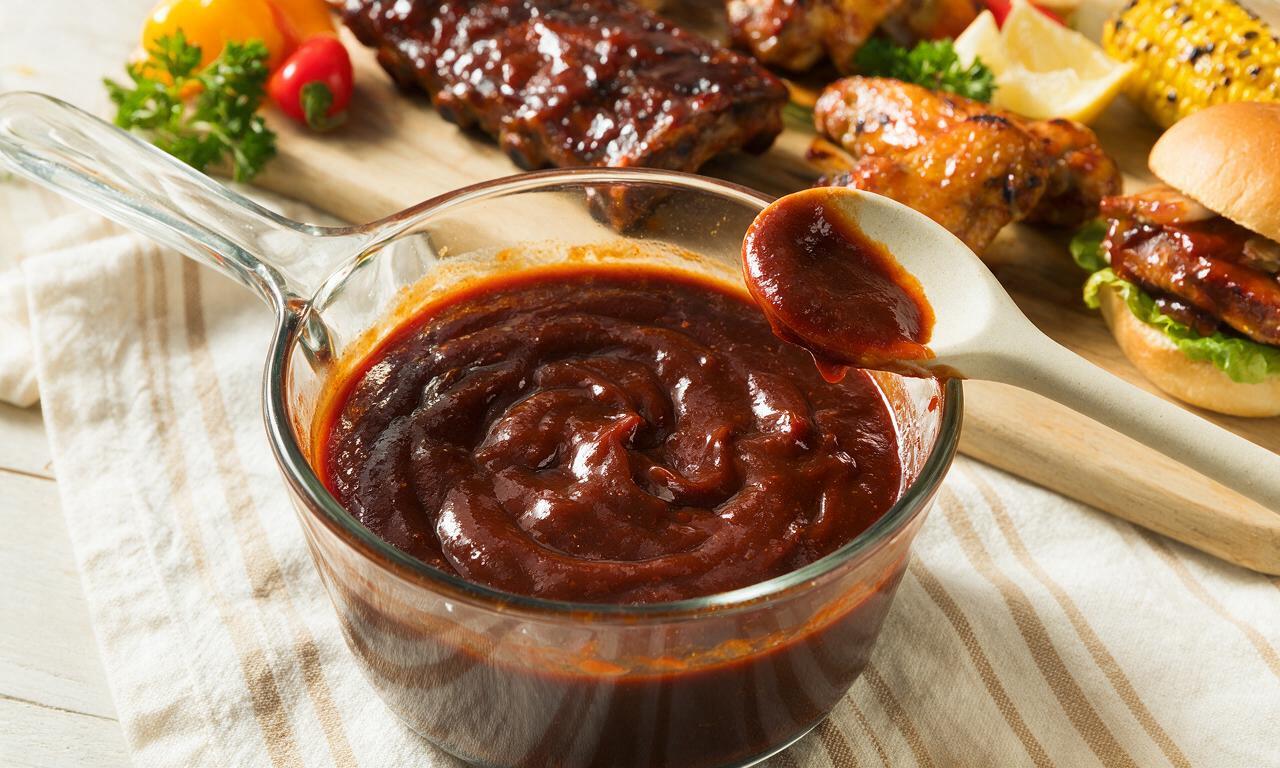
Stick to a traditional Kansas City-style BBQ sauce for the most authentic result—look for a tomato-based blend that balances sweet, tangy, and slightly smoky notes, without overwhelming heat that masks the beef flavor. You can thin thick storebought sauce with a splash of apple cider vinegar if it’s too heavy to coat every cube evenly.
10.How long do the sauced brisket cubes need to cook to finish as burnt ends?
▾
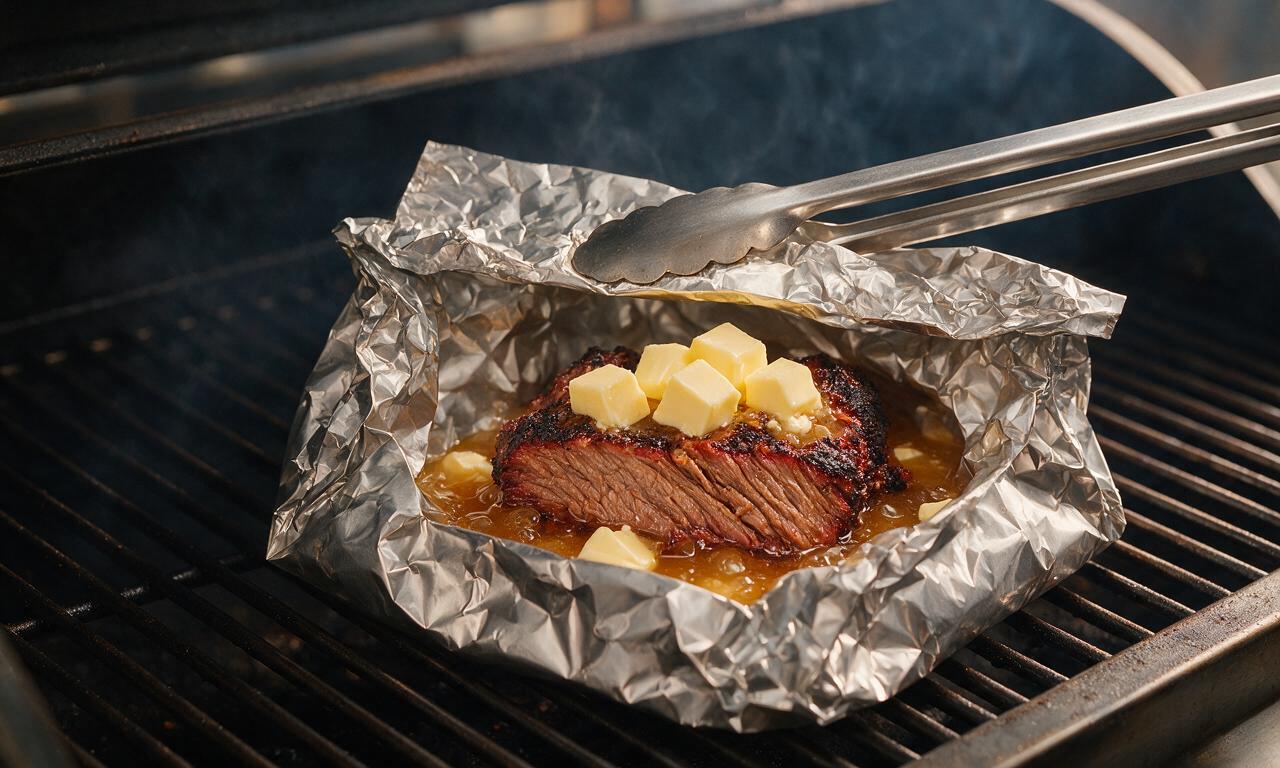
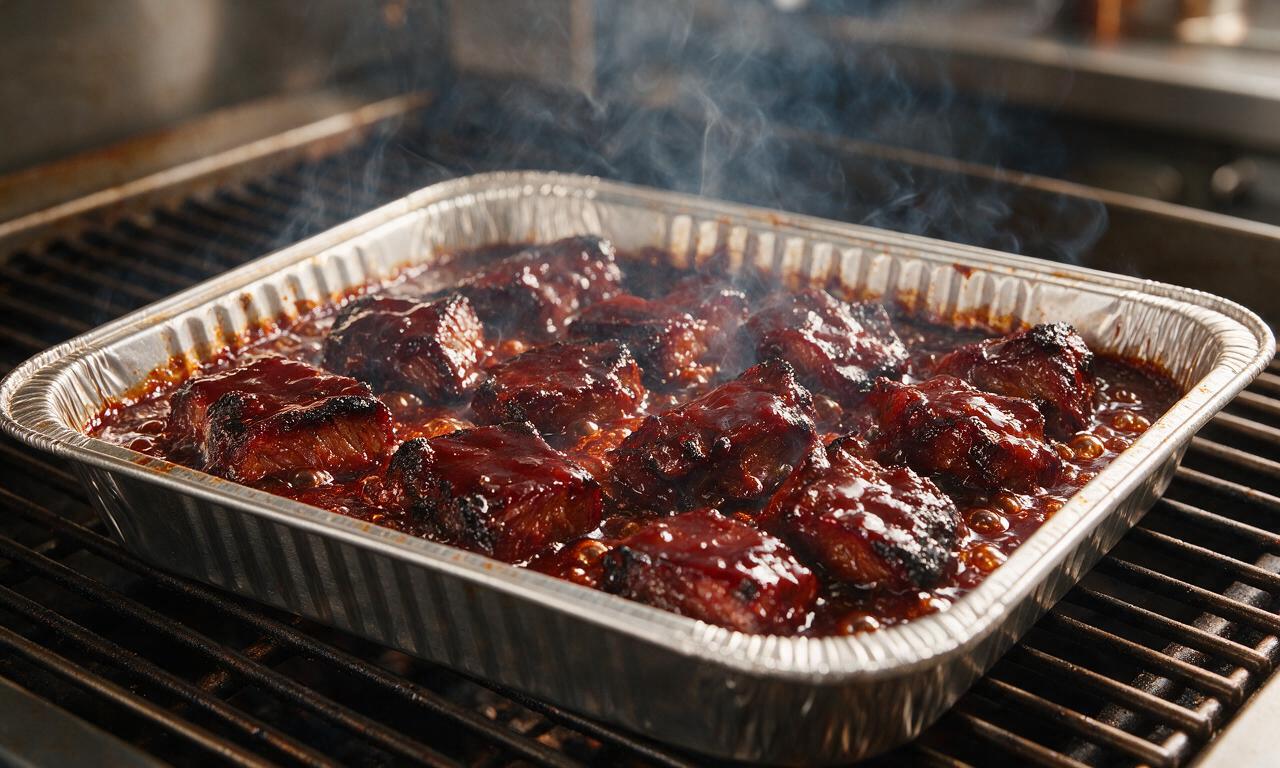
Once cubed and tossed in sauce, spread the burnt ends in a single layer in an aluminum foil pan, and return them to 225°F heat for 60 to 90 minutes. Stir them every 20 minutes to re-coat in sauce as it caramelizes, and pull them once edges are crispy, sauce is sticky, and meat pulls apart easily with a fork.
11.What internal temperature tells me my burnt ends are fully done?
▾
Your burnt ends are ready to pull when cube internal temps hit 200–205°F, and a meat probe slides into the meat with no resistance, like sticking a knife into soft butter. Don’t rush this stage: tough connective tissue in the brisket needs to hit that temp range to fully break down into that melt-in-your-mouth tender texture.
12.Can I make burnt ends ahead of time for a backyard BBQ party?
▾
Absolutely! You can smoke the whole brisket point a day ahead, wrap it tightly, and refrigerate it until you’re ready to cube, sauce, and finish the burnt ends about 2 hours before guests arrive. Finished burnt ends also hold really well in a slow cooker on the warm setting for 2–3 hours, as long as you stir them occasionally.
13.Why did my last batch of burnt ends turn out tough and dry?
▾
Tough, dry burnt ends almost always come from one of three common missteps: you used the lean brisket flat instead of the marbled point, you cooked the meat at too high a temperature which squeezed out natural moisture, or you pulled it too early before connective tissue had time to break down. Stick to steady 225°F heat and the brisket point for best results.
14.What type of wood is best for smoking authentic Kansas City burnt ends?
▾
Traditional Kansas City BBQ uses mild, dense hardwoods that don’t overpower the beef: hickory is the classic pick, with a rich, slightly bacon-y smoky note that pairs perfectly with sweet BBQ sauce. Oak is a great milder alternative, but skip heavy mesquite, which turns bitter during the long, low cook time.
15.Do I need to wrap the brisket point during the initial smoke?
▾
You don’t need to wrap the brisket point during the initial smoke for burnt ends, because tight wrapping will soften the dark, crispy bark you want to form before cubing. If you notice the outside getting too dark before the meat hits 190°F internal, you can tent it loosely with foil for the last hour, but avoid airtight wrapping that steams the bark.
16.What sides pair best with Kansas City burnt ends?
▾
Stick to classic BBQ sides that complement the rich, smoky-sweet profile of burnt ends: creamy coleslaw to cut through richness, sweet or savory baked beans, tangy dill pickle spears, buttered cornbread, and creamy potato salad or crispy fries work perfectly. Serve extra warm BBQ sauce on the side for dipping, if you’d like.
17.How should I store leftover burnt ends, and how long do they keep?
▾
Store fully cooled leftover burnt ends in an airtight container in the refrigerator for up to 4 days, or freeze them for up to 3 months. Reheat them gently in a 300°F oven, covered with foil, for 15–20 minutes until warmed through, adding a tiny splash of extra BBQ sauce if they feel a little dry after storage.

OMG these burnt ends were an absolute game changer for my first college tailgate! I was so nervous to smoke something for 6+ hours but the instructions were super straightforward, even for a medium difficulty recipe. My fraternity brothers demolished the whole tray in like 15 minutes, people kept asking where I got the recipe. 10/10 will make again for the next home game.
SO good! I made these for our weekly Sunday family dinner and even my super picky 7 year old asked for seconds. I paired it with the coleslaw recipe linked on the site and some baked beans, total classic Kansas City vibe. The bark was perfectly crispy, the fat rendered all the way down, no chewy bits at all. Worth every minute of cook time, don’t rush it!
Really solid burnt end recipe! My only note is that I ended up needing about 45 extra minutes of cook time because my smoker runs a little cool, so just keep an instant read thermometer handy instead of relying strictly on the timer. The flavor was incredible though, I brought a batch to my neighborhood potluck and got so many compliments. Will adjust the temp for my smoker next time and it’ll be 5 stars for sure.
I’ve been making burnt ends for over 10 years and I have to say, this recipe nails the classic KC balance of sweet and smoky. I used my go-to hickory wood, followed the sauce ratio exactly, and they came out sticky, caramelized, perfect. I usually do meal prep on Sundays and these reheat insanely well in the air fryer for quick lunches all week.
I brought these burnt ends to my church potluck last weekend and I swear every single person came up to ask me for the recipe! I was worried 6.5 hours would be too long of a cook for a weekend where I had a million things to do, but most of the time is hands off so I was able to get all my other prep done while they smoked. The caramelized sauce crust is *chef’s kiss*.
First time nailing burnt ends! I’ve tried two other recipes before that came out either too tough or too saucy, but this one hit every note. The tip to cube the point after the first smoke and toss in sauce before the final cook was exactly what I was missing before. My wife said these are better than the ones we got at that famous KC BBQ joint we went to on our anniversary!
Game changer! I’ve been experimenting with different burnt end recipes for years to find that perfect KC style, and this is the one. I cooked these on my offset smoker with post oak, held the temp steady at 225, and the result was pure magic. I made a double batch because my teen son and his friends were hanging out, and they ate almost all of it before I could even get a side dish on the table.
My kids loved it! I was looking for a fun weekend cook to do with my 10 and 12 year old, and they had the best time helping me rub the brisket, spritz it every hour, and toss the cubes in sauce. It was such a fun family activity, and the payoff was the most delicious burnt ends we’ve ever had. We had my parents over for dinner and even my dad, who is a total BBQ snob, said these were restaurant quality.
Just pulled these off the smoker and had to pop on to leave a review immediately! The bark is perfect, the meat is melt in your mouth tender, I can’t wait for my husband to try them when he gets home from work. I used a sweeter BBQ sauce instead of the tangy one recommended and it still worked perfectly, super flexible recipe.